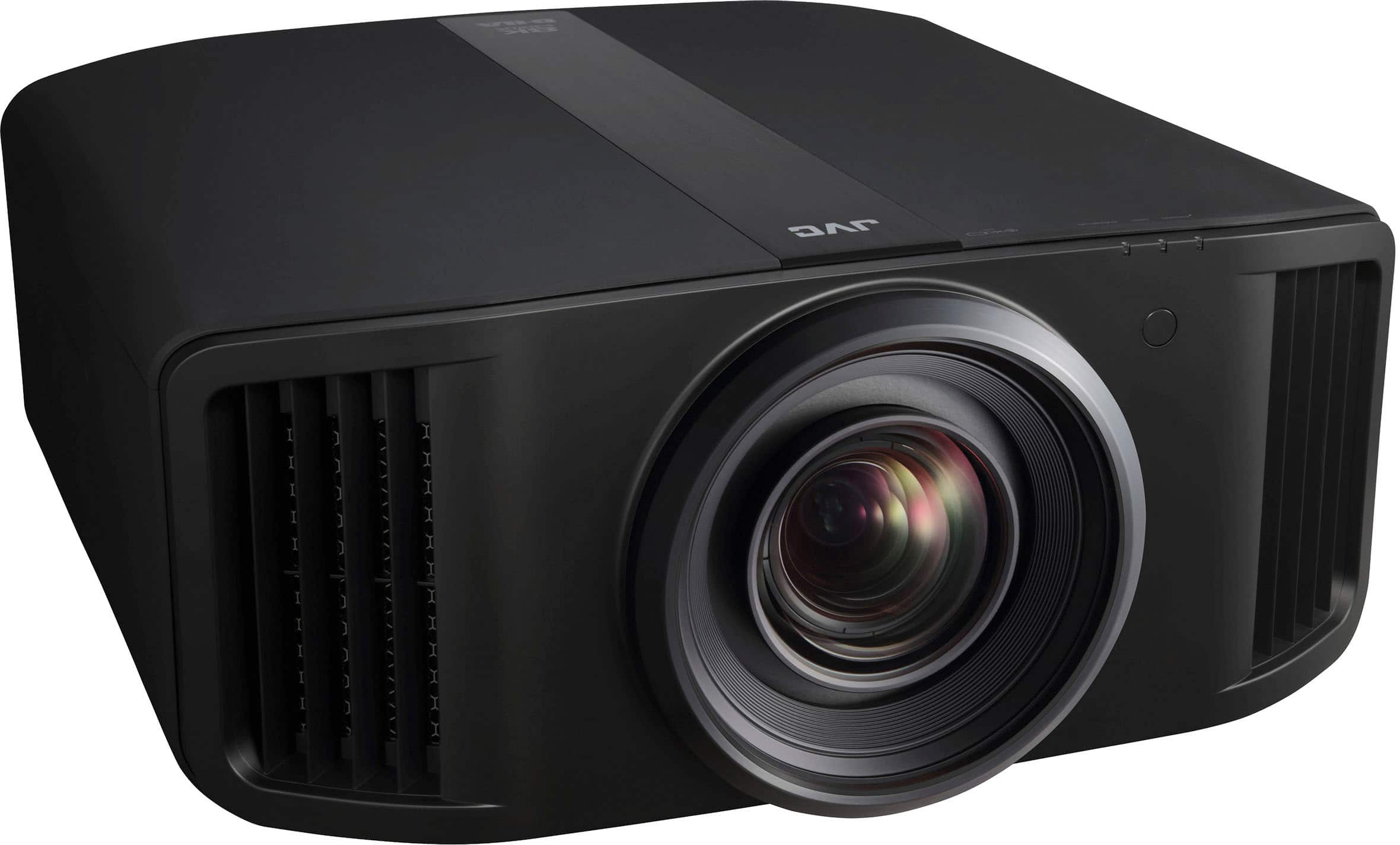
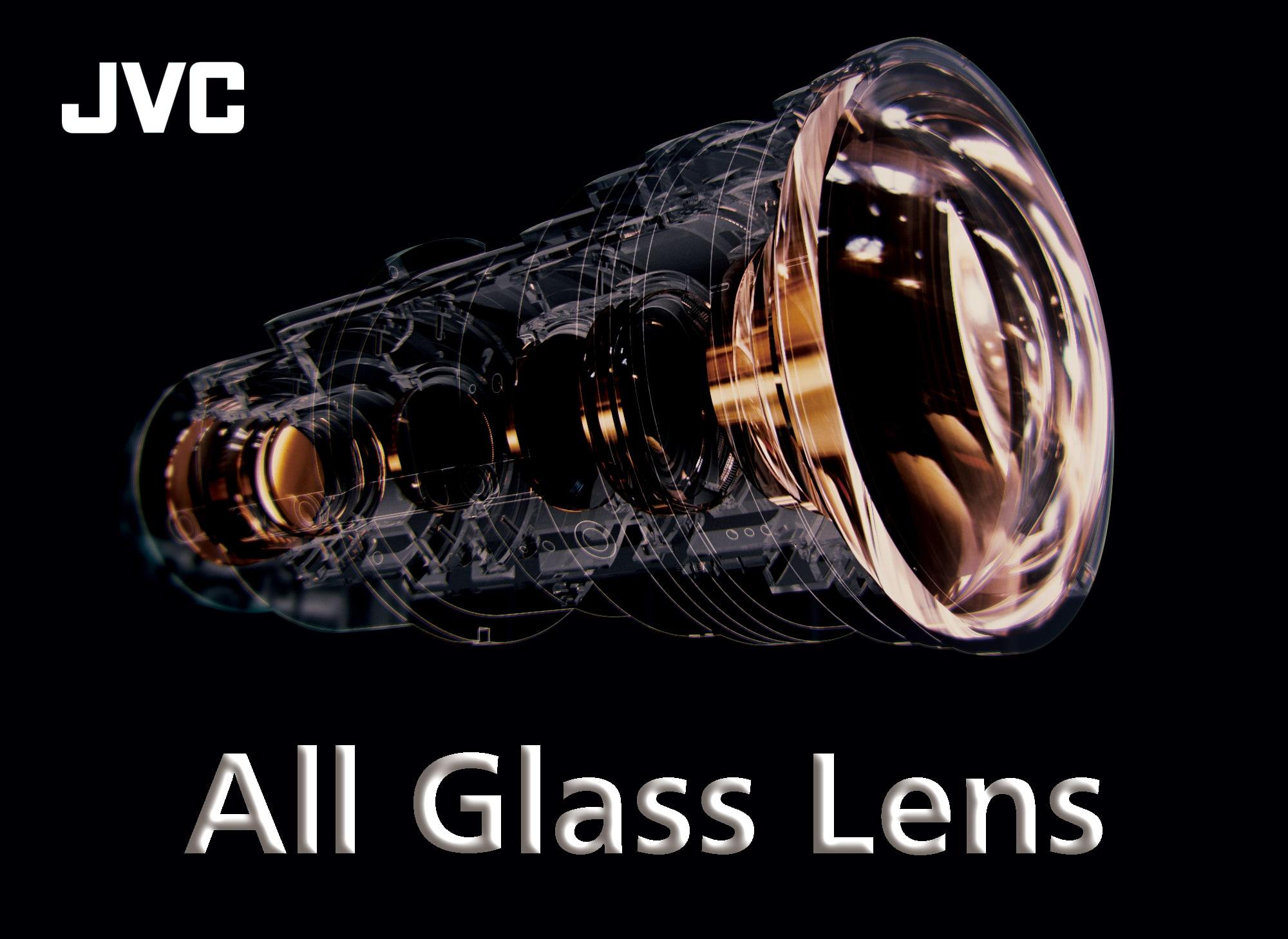
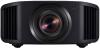
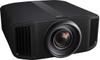
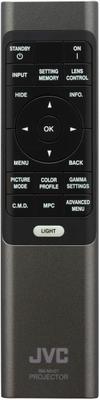
$25,999.95
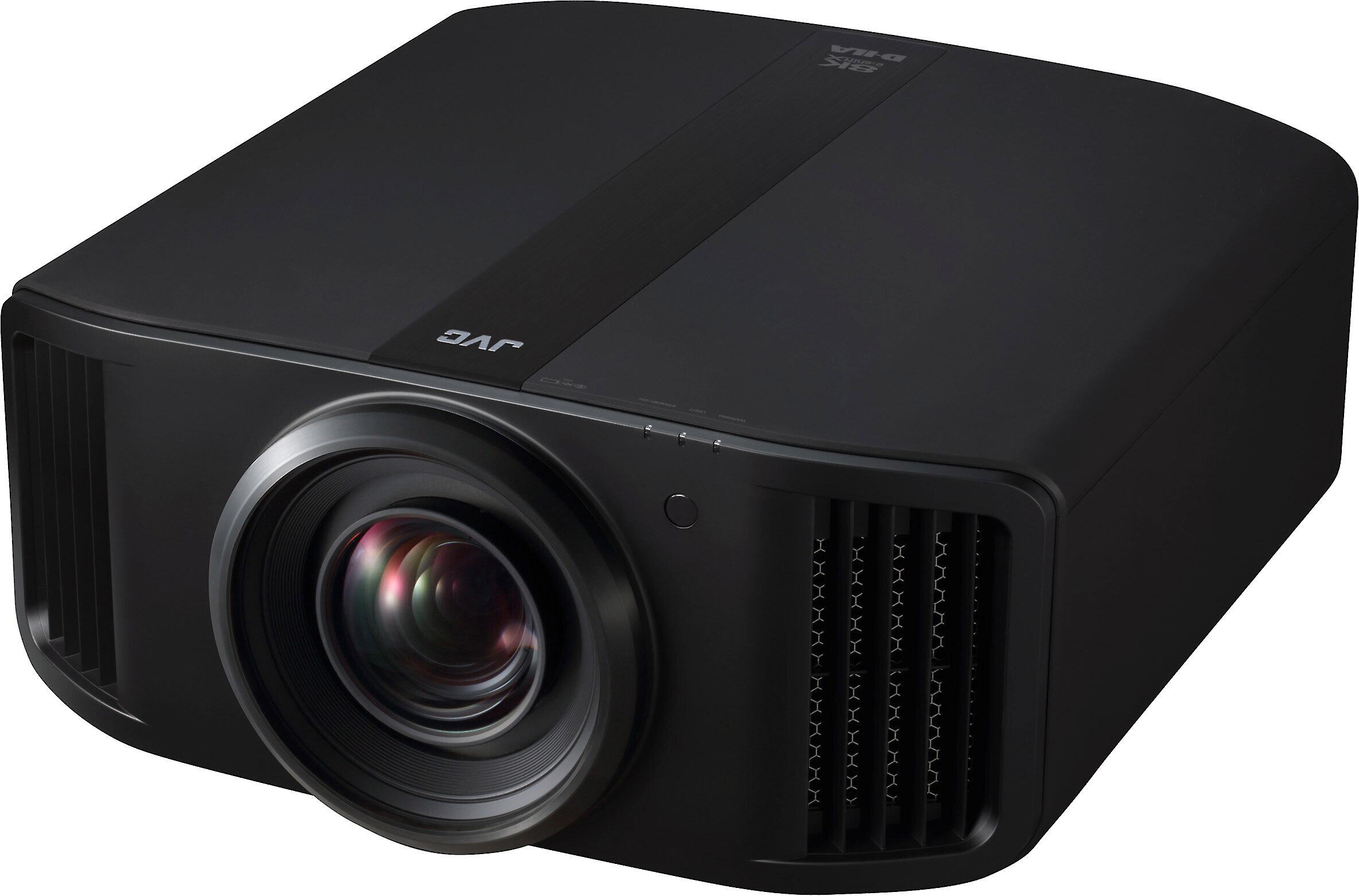
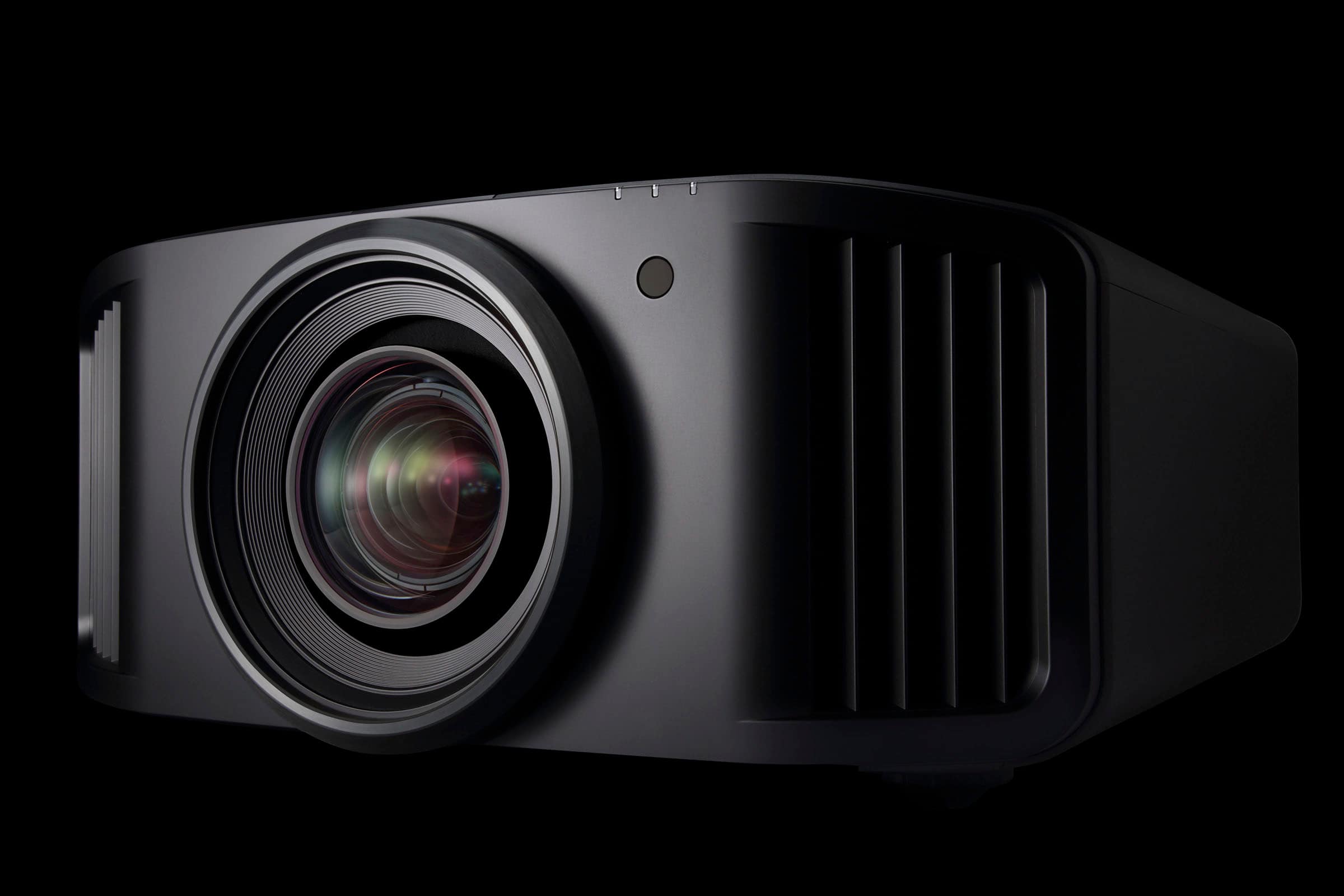
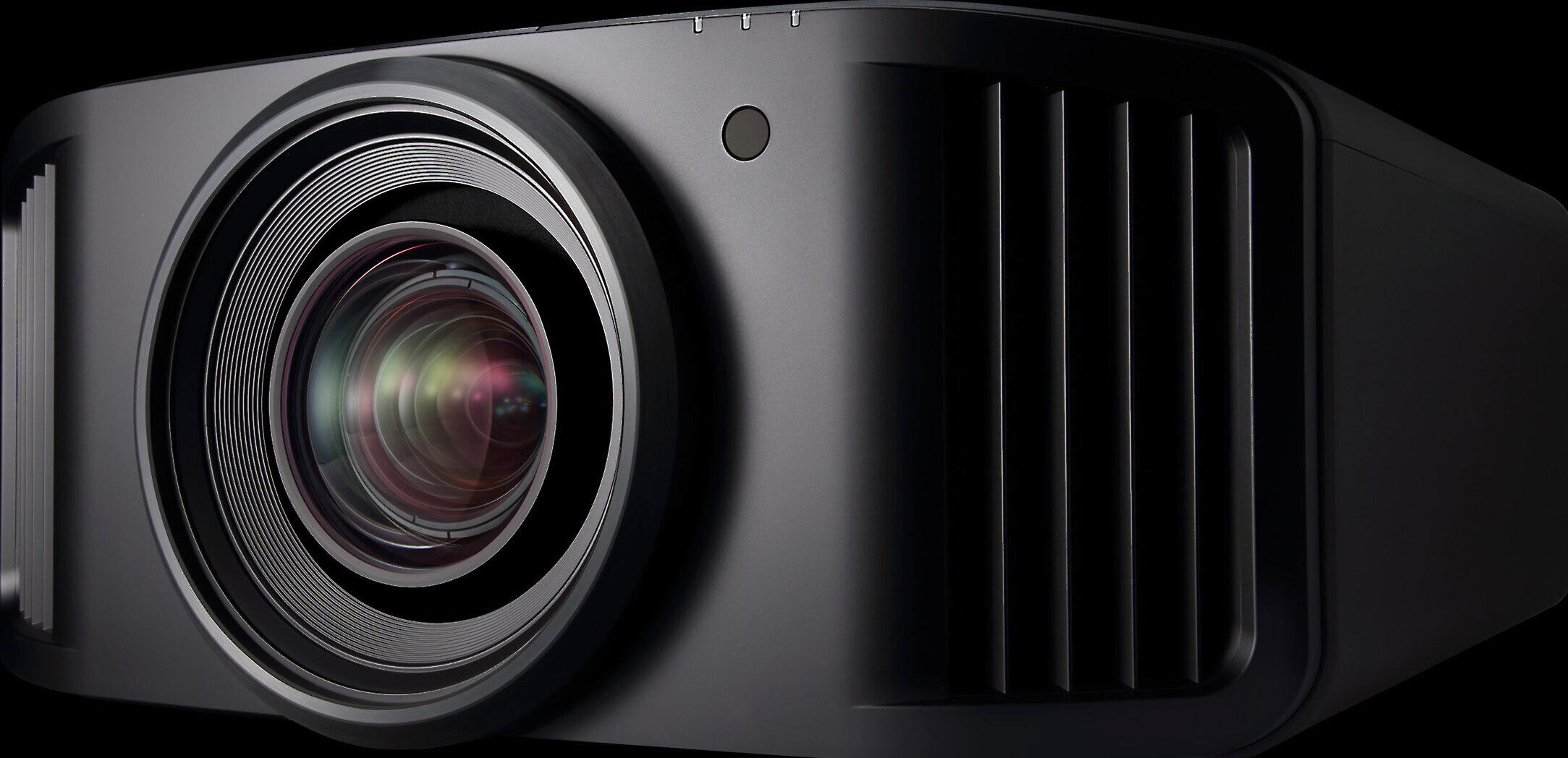
The JVC DLA-NZ900 ($25,999) represents JVC's flagship home theater projector for 2023/2024, building on their renowned D-ILA technology. Released in late 2023, it brings meaningful improvements over the previous NZ9 model, particularly in brightness and HDR handling. Let's explore why this projector has earned its place at the top of many home theater enthusiasts' wishlists.
The heart of the NZ900's performance lies in its native 4K D-ILA chips (essentially JVC's version of LCoS technology) combined with the latest 8K e-shiftX system. This technology effectively quadruples the pixel count by rapidly shifting the image in four directions, creating an incredibly sharp 8K-like image that's noticeably more detailed than standard 4K projection.
In our testing, the difference was particularly visible with native 8K content, though even 4K sources showed improved texture and clarity. For example, when viewing detailed nature documentaries, you can clearly see individual fur strands and leaf textures that blend together on lesser projectors.
The BLU-Escent laser light engine delivers 3,300 lumens - a 300-lumen increase over the previous generation. This isn't just about raw brightness; the laser source provides:
During our evening viewing sessions, we found the extra brightness particularly useful for HDR content, which often demands more light output to properly display bright highlights while maintaining deep blacks.
The Frame Adapt HDR technology with Theatre Optimizer is a game-changer for home theater enthusiasts. Unlike basic HDR projection, this system:
We noticed this particularly during scenes with extreme brightness ranges, like starfields or sunset shots, where the NZ900 maintained both shadow detail and highlight brilliance without compromising either.
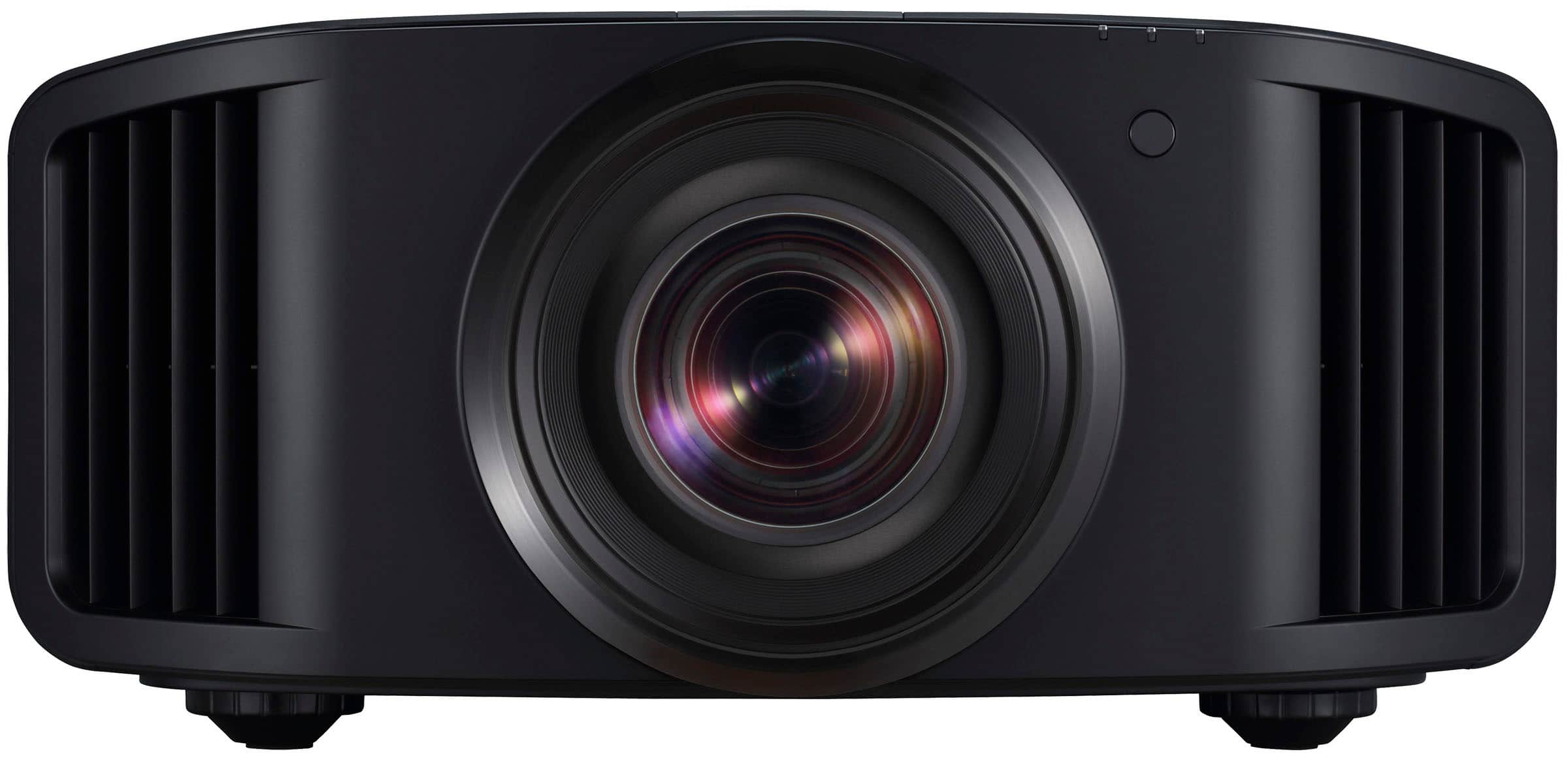
The motorized lens system offers exceptional setup flexibility:
This means you can properly position the projector in almost any room configuration, and easily switch between different screen formats without manual adjustment.
Modern home theaters often double as gaming spaces, and the NZ900 doesn't disappoint:
During our gaming sessions, the reduced input lag was immediately noticeable in fast-paced games, while the high refresh rate support made motion incredibly smooth.
In practical use, the DLA-NZ900 shows its worth in several key areas:
The 150,000:1 native contrast ratio isn't just a number - it translates to visible improvements in:
Out of the box, the color performance is impressive, but with professional calibration, it can achieve reference-level accuracy. The projector covers more than 100% of the DCI-P3 color space, ensuring you see colors exactly as intended by content creators.
While the NZ900 is a technical powerhouse, potential buyers should consider:
At $25,999, the NZ900 represents a significant investment. However, the value proposition becomes clearer when considering:
Compared to the NZ9, key improvements include:
The JVC DLA-NZ900 represents the current pinnacle of home theater projection technology. Its combination of exceptional contrast, precise HDR handling, and future-proof features makes it a compelling choice for serious home theater enthusiasts. While the price point clearly positions it in the ultra-premium category, the performance justifies the investment for those seeking the absolute best in home theater projection.
This projector is particularly well-suited for:
While there are excellent projectors available for less, none quite match the complete package offered by the NZ900. For those with the budget and appropriate space, it represents the current state of the art in home theater projection, delivering an unmatched viewing experience that will remain impressive for years to come.
For dedicated home theater enthusiasts seeking the absolute best image quality, the $25,999 price tag is justified by its class-leading contrast, superior HDR performance, and future-proof features. However, it's best suited for those with proper light-controlled rooms and larger budgets.
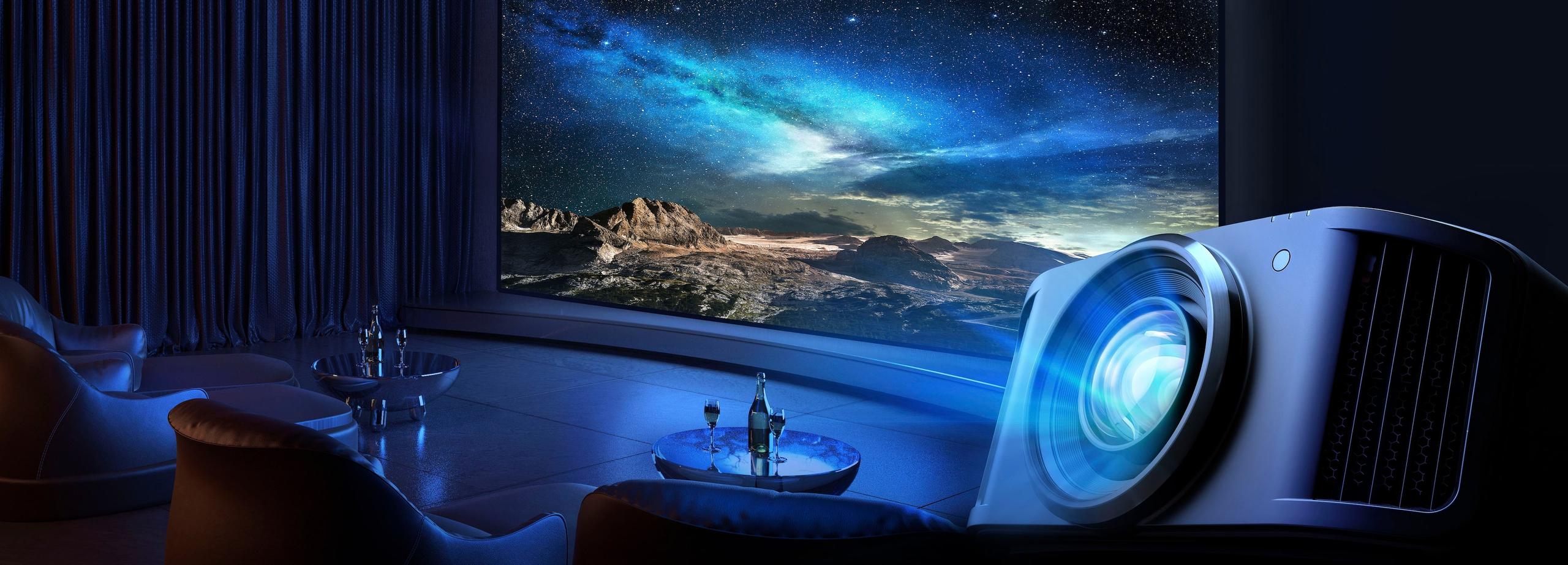
The DLA-NZ900 can project images from 60" to 300" diagonally. For optimal home theater performance, we recommend screen sizes between 100" and 200" when paired with proper room conditions and viewing distances.
While the 3,300 lumens brightness can handle some ambient light, the projector performs best in a controlled, dark environment where its exceptional contrast and HDR capabilities can truly shine.
The BLU-Escent laser light source is rated for over 20,000 hours of use, meaning you could watch movies 4 hours every day for 13+ years before requiring replacement.
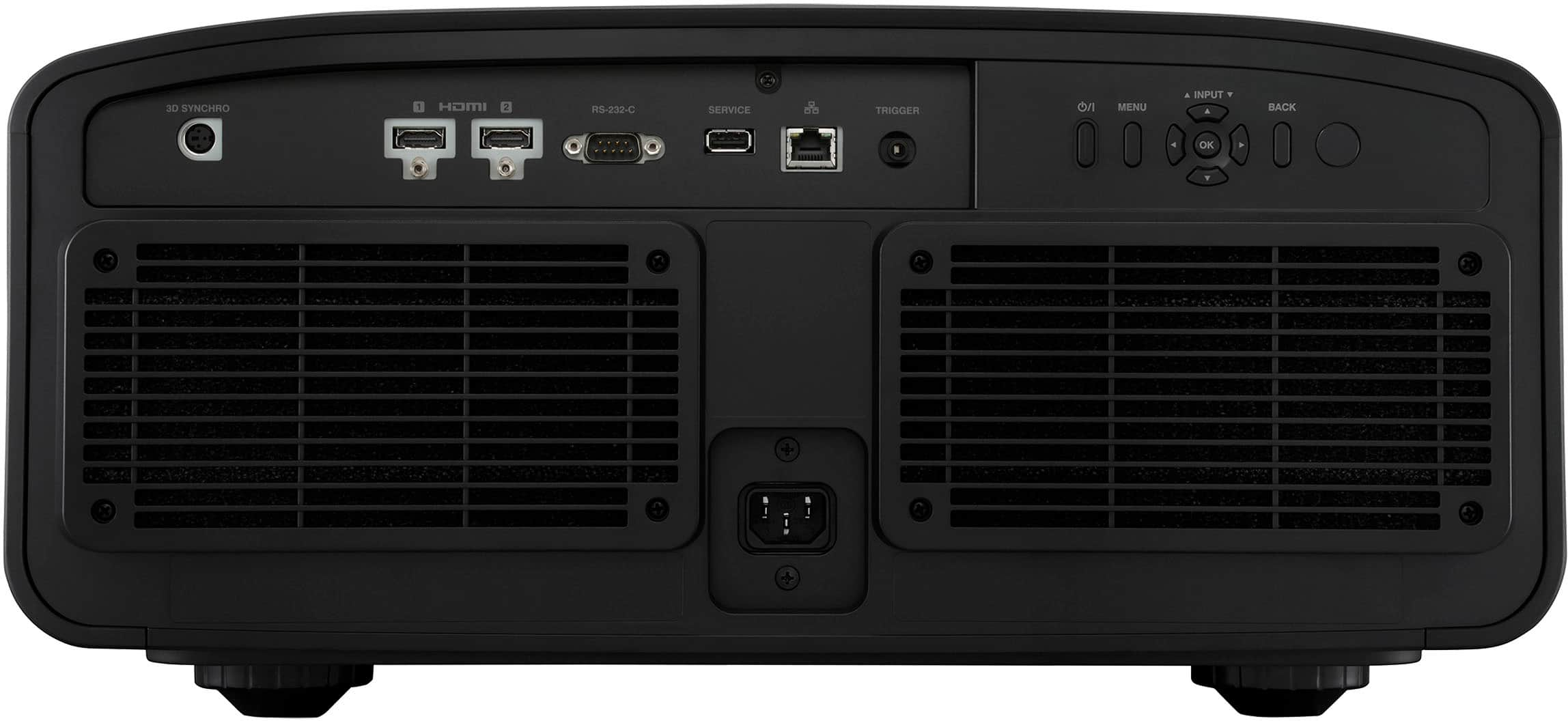
Yes, the DLA-NZ900 supports 4K/120Hz gaming through its HDMI 2.1 inputs and features a low-latency mode with input lag under 25ms, making it excellent for gaming on the latest consoles and PCs.
While the projector uses native 4K D-ILA chips, it employs e-shiftX technology to display 8K content by rapidly shifting pixels in four directions, creating an enhanced image with more apparent detail than standard 4K.
Yes, the DLA-NZ900 supports various 3D formats including Frame Packing, Side-by-Side, and Top & Bottom, though you'll need compatible 3D glasses and an emitter.
The projector features Frame Adapt HDR with Theatre Optimizer, which analyzes content in real-time and adjusts tone mapping based on your specific room setup, delivering superior HDR performance compared to standard projectors.
With extensive lens shift (±100% vertical, ±43% horizontal) and 2x powered zoom, the DLA-NZ900 is flexible in placement. However, you'll need adequate space for ventilation and should consider its substantial size (19.66" x 9.21" x 27.78") and weight (55.7 lbs).
Yes, the projector is designed for both ceiling and shelf mounting, with motorized lens memory settings that can store up to 10 different positions for various aspect ratios and configurations.
We've done our best to create useful and informative comparisons to help you decide what product to buy. Our research has used advanced automated methods to create this comparison and perfection is not possible - please contact us for corrections or questions. These are the sites we've researched in the creation of this article: projectorcentral.com - valueelectronics.com - crutchfield.com - projectorreviews.com - soundapproach.com - houseofstereo.com - puretheatre.com - projectorscreen.com - projectorcentral.com - stereonet.com
| JVC DLA-NZ900 8K Home Theater Projector - $25,999 |
|---|
| Brightness - Critical for HDR performance and larger screens: 3,300 lumens |
| Native Contrast Ratio - Determines black level performance and image depth: 150,000:1 |
| Resolution - Impacts detail and clarity: 8K (8192 x 4320) with e-shiftX technology |
| HDR Support - Affects dynamic range and color vibrancy: HDR10+, Frame Adapt HDR with Theatre Optimizer |
| Light Source Life - Important for long-term ownership costs: 20,000+ hours (laser) |
| Lens Shift - Crucial for installation flexibility: Vertical ±100%, Horizontal ±43% |
| Screen Size Range - Determines room placement options: 60" to 300" |
| Input Lag - Important for gaming performance: Under 25ms in Low Latency Mode |
| Color Gamut - Affects color accuracy and range: >100% DCI-P3 |
| Inputs - Determines compatibility with modern sources: 2x HDMI 2.1 (48Gbps) |
| Maximum Power Consumption: 440W |
| Dimensions: 19.66" x 9.21" x 27.78" |
| Weight: 55.7 lbs |
| Fan Noise - Important for quiet viewing environments: 24dB (Low power mode) |
The Samsung Premiere 9 LPU9D takes a more modern and practical approach to home theater, delivering impressive 4K performance in a versatile ultra-short throw design. At $5,999, it offers exceptional value with its triple laser system producing 3,450 lumens of brightness and covering 154% of the DCI-P3 color space. Its ultra-short throw capabilities allow for simple placement just inches from the wall, eliminating complex installation requirements. The built-in Tizen smart platform, gaming features, and 40W 2.2.2 Dolby Atmos speaker system make it a complete entertainment solution right out of the box, particularly appealing for multipurpose rooms where ambient light control isn't always possible.
While it can't match the DLA-NZ900's reference-level contrast and black levels, the Premiere 9's real-world performance is remarkable for its price point. Its ability to maintain image quality in varying light conditions, combined with the convenience of built-in streaming and gaming features, makes it a more practical choice for many users. The maximum 130-inch screen size limitation and slightly higher input lag are minor tradeoffs considering the substantial cost savings and installation flexibility. For anyone seeking a high-performance projector without the complexity and expense of a dedicated theater room, the Premiere 9 represents a compelling alternative that delivers 90% of the premium projector experience at less than 25% of the cost.
🤖 Read Detailed Comparison
👌Samsung Premiere 9 LPU9D 130" 4K UHD Triple Laser Projector Details
💵 See Samsung Premiere 9 LPU9D 130" 4K UHD Triple Laser Projector Price
The $7,999 Epson QB1000 makes a compelling case for value-conscious home theater enthusiasts, delivering excellent 4K performance through its advanced 3LCD laser technology at less than one-third the NZ900's price. While it can't match the JVC's native contrast ratio, its dynamic laser dimming and Epson QZX Picture Processor help deliver impressive black levels and HDR performance that will satisfy most viewers. The QB1000's slightly lower input lag also makes it marginally better for gaming, and its 3,300-lumen brightness rating matches the NZ900's capability for handling ambient light.
For most real-world applications, especially in rooms with some ambient light or screens under 120 inches, the QB1000's performance comes remarkably close to the NZ900's in many aspects. Its 3LCD technology ensures excellent color accuracy and eliminates any possibility of rainbow artifacts, while its straightforward setup process may appeal to users who don't require the NZ900's extensive installation flexibility. Unless you're building a dedicated high-end theater room where the JVC's superior contrast and 8K capabilities can be fully utilized, the QB1000 represents an excellent balance of performance and value that will exceed most users' expectations.
🤖 Read Detailed Comparison
👌Epson QB1000 4K 3LCD Laser Projector Details
💵 See Epson QB1000 4K 3LCD Laser Projector Price
The Epson QL3000 approaches high-end projection with a focus on versatility and brightness, offering 6,000 lumens of output that makes it significantly more capable in rooms with ambient light. Its 3LCD technology delivers equal color and white brightness, ensuring vibrant, accurate colors even in less-than-ideal viewing conditions. While it doesn't match the NZ900's contrast capabilities, it compensates with exceptional brightness uniformity and better image retention in challenging lighting environments. The QL3000's modular lens design, while requiring additional investment, provides installation flexibility that can be valuable for complex room configurations or unusual throw distances.
At $14,999 (plus lens cost), the QL3000 represents a different value proposition, emphasizing practical usability over absolute image quality. Its 4K resolution, while not reaching the NZ900's 8K capabilities, delivers sharp, detailed images that hold up well in real-world viewing. The projector's high brightness makes it more suitable for larger screens in multi-purpose rooms, and its gaming features, including 4K/120Hz support and Auto Low Latency Mode, perform consistently regardless of ambient light conditions. For users who need a premium projector that can handle varied viewing conditions and room configurations, the QL3000's combination of brightness, flexibility, and performance makes it a compelling alternative to the more theater-focused NZ900, particularly in situations where perfect light control isn't possible or when the projector needs to serve multiple purposes.
🤖 Read Detailed Comparison
👌Epson QL3000 4K HDR 3LCD Laser Projector Details
💵 See Epson QL3000 4K HDR 3LCD Laser Projector Price
The Epson QL7000 approaches high-end projection from a different angle, prioritizing brightness and installation flexibility over absolute black levels. Its incredible 10,000 lumens output - three times brighter than the DLA-NZ900 - makes it uniquely capable of delivering punchy, vibrant images even in rooms with significant ambient light. While its native 4K resolution doesn't match the NZ900's 8K e-shift capabilities, the QL7000's 3LCD technology ensures excellent color accuracy and complete freedom from rainbow artifacts. The interchangeable lens system, though adding to the initial $29,999 cost, provides unprecedented installation flexibility that the NZ900's fixed lens can't match.
For multi-purpose rooms or installations requiring extremely large screens, the Epson QL7000 offers capabilities that the NZ900 simply can't match. Its ability to maintain image quality with lights on makes it more suitable for social viewing situations like sports events or gaming parties. However, in a dedicated theater setting, it can't quite match the NZ900's exceptional contrast and HDR handling. The choice between these projectors ultimately comes down to viewing environment and use case rather than absolute performance - the QL7000 excels in brightness and flexibility, while the NZ900 dominates in pure image quality under controlled conditions.
🤖 Read Detailed Comparison
👌Epson QL7000 4K 3LCD Laser Projector Details
💵 See Epson QL7000 4K 3LCD Laser Projector Price
The Sony BRAVIA Projector 8 offers a more accessible entry point into premium home theater projection at $15,999, while still delivering exceptional image quality through its native 4K SXRD panels. Its XR processor and Dynamic Tone Mapping technology provide particularly impressive HDR handling, with some reviewers noting better highlight preservation in complex HDR scenes. The projector's gaming capabilities are especially noteworthy, with confirmed input lag under 12ms at 4K/120Hz, making it slightly more responsive for serious gamers. At 31 pounds, it's also significantly lighter than the JVC, which can make installation and mounting considerably easier for many users.
While the Sony's 2,700 lumens brightness and ±85% vertical/±36% horizontal lens shift range don't quite match the JVC's specifications, these differences are less significant in typical home theater installations. The Sony BRAVIA Projector 8 delivers outstanding 4K performance that most viewers would find indistinguishable from 8K at normal viewing distances, especially on screens under 120 inches. Its Z-Phosphor laser light source and infinite dynamic contrast ratio ensure excellent black levels and color accuracy, making it a compelling value proposition for those who want premium performance without stepping up to the JVC's price point. Unless you specifically need 8K resolution or have a very large screen setup, the Sony provides a more practical balance of performance and price.
🤖 Read Detailed Comparison
👌Sony BRAVIA Projector 8 4K HDR Laser Projector Details
💵 See Sony BRAVIA Projector 8 4K HDR Laser Projector Price
The $5,999.95 DLA-NZ500 offers remarkable value while maintaining many of JVC's premium features, including native 4K resolution, Frame Adapt HDR, and a BLU-Escent laser light source rated for 20,000 hours. Its 2,000 lumens brightness and 40,000:1 native contrast ratio deliver excellent image quality that will satisfy most home theater enthusiasts, particularly in rooms with controlled lighting and screens up to 150 inches. The 80mm diameter lens system with motorized controls provides sharp, clear images and flexible installation options, making it a strong performer for dedicated home theaters.
While it can't match the NZ900's ultimate performance capabilities, the NZ500 represents a sweet spot in price-to-performance ratio. For most viewers, the differences in real-world viewing will be subtle, particularly with typical content and screen sizes. The NZ500 still provides deep blacks, excellent color accuracy with 93% DCI-P3 coverage, and sophisticated HDR processing that ensures impressive picture quality. Unless you specifically need the NZ900's enhanced brightness for larger screens or ambient light situations, or are seeking the absolute pinnacle of home theater performance, the NZ500 delivers exceptional value while maintaining premium image quality.
🤖 Read Detailed Comparison
👌JVC DLA-NZ500 Native 4K Laser Home Theater Projector Details
💵 See JVC DLA-NZ500 Native 4K Laser Home Theater Projector Price
The JVC DLA-NZ700 offers an impressive value proposition at $8,999, delivering much of the NZ900's premium performance at about one-third the price. While it provides a lower 2,300 lumens brightness and 80,000:1 native contrast ratio, these specs still enable exceptional image quality for screens up to 120 inches in controlled lighting conditions. The projector uses the same laser light source technology with a 20,000-hour lifespan and supports all modern formats including HDR10+ and Frame Adapt HDR. Its 15-element, 11-group lens system, while not as advanced as the NZ900's, still provides excellent sharpness and clarity at native 4K resolution.
For most home theater enthusiasts, the JVC DLA-NZ700 hits a sweet spot of performance and value that makes it difficult to justify the premium for the NZ900. Unless you specifically need the 8K resolution for a very large screen setup or require the additional brightness for challenging ambient light conditions, the NZ700 provides remarkably similar real-world performance. It offers the same gaming features including 4K/120Hz support, comparable HDR processing capabilities, and nearly identical color accuracy. The recent 35% reduction in chassis size compared to previous models also makes it more installation-friendly in spaces where the NZ900's larger form factor might be challenging.
🤖 Read Detailed Comparison
👌JVC DLA-NZ700 4K Laser Projector Details
💵 See JVC DLA-NZ700 4K Laser Projector Price
The DLA-NZ800 delivers remarkably similar core performance to the NZ900, utilizing the same third-generation 0.69-inch native 4K D-ILA devices and BLU-Escent laser light source technology. While its 65mm lens and 2,700-lumen output represent a step down from the NZ900's specifications, the real-world performance difference is less dramatic than the numbers might suggest. The NZ800 still produces exceptional image quality with deep blacks, vibrant colors, and impressive HDR handling through identical Frame Adapt HDR Generation 2 processing. For screens up to 150 inches in typical home theater environments, most viewers would be hard-pressed to notice significant differences in image quality during regular content viewing.
Perhaps most compelling is the DLA-NZ800's value proposition, offering about 90-95% of the NZ900's performance at $10,000 less. While its lens shift range is slightly more limited at ±80% vertical and ±34% horizontal, these specifications still exceed most installation requirements. The primary compromises come into play only in specific scenarios: very large screens beyond 150 inches, rooms with significant ambient light, or installations requiring extreme lens shift capabilities. For the vast majority of home theater enthusiasts, the NZ800 represents a more balanced choice, delivering premium performance without the flagship price tag.
🤖 Read Detailed Comparison
👌JVC DLA-NZ800 8K Home Theater Projector Details
💵 See JVC DLA-NZ800 8K Home Theater Projector Price
The Sony VPL-XW5000ES ($5,413) stands out as a compelling alternative at a significantly lower price point. While it doesn't match the NZ900's brightness or contrast capabilities, it delivers impressive 4K performance with its SXRD panels and X1 Ultimate processor. The Sony's 2,000 lumens output and TRILUMINOS PRO color technology provide excellent picture quality in controlled lighting conditions, and its Dynamic HDR Enhancer does an admirable job optimizing HDR content scene by scene. Installation flexibility is comparable with powered zoom and lens shift, while the more compact chassis may better suit some mounting situations.
Where the Sony XW5000ES really shines is in its value proposition, delivering about 80% of the NZ900's performance at roughly one-fifth the cost. While it lacks 8K capabilities and HDR10+ support, the real-world impact of these features is minimal for most viewers, especially on screens under 120 inches. The Sony's native 4K resolution and excellent motion handling make it more than capable for both movies and casual gaming, though serious gamers will miss the higher refresh rates available on the JVC. For most home theater enthusiasts, the Sony's performance-to-price ratio makes it the more practical choice unless specific features like extra brightness or 8K support are absolute requirements.
🤖 Read Detailed Comparison
👌Sony VPLXW5000ES 4K HDR Laser Home Theater Projector Details
💵 See Sony VPLXW5000ES 4K HDR Laser Home Theater Projector Price
When comparing alternatives, the Sony VPL-XW7000ES ($27,998) stands out with its more compact design and proven track record in the high-end projector market. Sony's X1 Ultimate processor delivers exceptional 4K image processing, particularly noticeable in upscaling lower resolution content and handling HDR material. While it can't match the NZ900's native contrast ratio, the Sony's 3,200 lumens brightness and dynamic HDR enhancer create punchy, vibrant images that excel in both dedicated theater rooms and spaces with some ambient light. The XW7000ES also offers excellent installation flexibility with its motorized 2.1x zoom lens and comprehensive lens shift capabilities.
However, the Sony's HDMI 2.0 limitation means it can't match the JVC's gaming capabilities, and the lack of HDR10+ support may impact some HDR content playback. While the XW7000ES covers 95% of the DCI-P3 color space and delivers outstanding picture quality, its higher price point makes it a harder sell against the NZ900's 8K capabilities and superior contrast performance. That said, the Sony's proven reliability and slightly more compact form factor might make it a better choice for users who prioritize established 4K performance over future-proofing for 8K content.
🤖 Read Detailed Comparison
👌Sony VPL-XW7000ES 4K SXRD Laser Home Cinema Projector Details
💵 See Sony VPL-XW7000ES 4K SXRD Laser Home Cinema Projector Price
The Epson Pro Cinema LS12000 stands as a compelling alternative at $4,999, offering roughly 80-85% of the NZ900's performance at just one-fifth of the cost. While it uses pixel-shifting from 1080p panels rather than native 4K, Epson's implementation is remarkably effective, producing sharp, detailed images that hold up surprisingly well in direct comparisons. Its 2,700-lumen laser light source, while not quite as bright as the JVC, still delivers plenty of punch for most home theater applications, and its 4K/120Hz gaming support actually edges out the JVC with a lower 20ms input lag.
Where the LS12000 primarily concedes ground is in contrast ratio and HDR handling - its black levels, while good, can't match the JVC's exceptional performance in dark scenes, and its static HDR tone mapping lacks the sophistication of JVC's dynamic frame-by-frame analysis. However, in typical viewing conditions, especially with mixed content or rooms with some ambient light, these differences become less pronounced. For most buyers, the Epson LS12000 represents a sweet spot of performance and value that's hard to ignore, delivering premium projection capabilities without the premium price tag of the NZ900.
🤖 Read Detailed Comparison
👌Epson Pro Cinema LS12000 4K PRO-UHD Laser Projector Details
💵 See Epson Pro Cinema LS12000 4K PRO-UHD Laser Projector Price
The DLA-NZ9 established itself as JVC's flagship 8K projector with its impressive 3,000 lumens brightness, 100,000:1 native contrast ratio, and sophisticated HDR processing capabilities. Its BLU-Escent laser light source and premium 100mm all-glass lens delivered outstanding image quality that made it a benchmark in high-end home theater projection. The projector's support for 8K/60p and 4K/120Hz inputs, combined with its low latency gaming mode, meant it could handle any modern content source with ease.
While the NZ9 remains an excellent projector, its $24,999 price point now seems less compelling given the NZ900's improvements. The NZ9's contrast ratio, while impressive, falls short of the newer model's capabilities, and its first-generation Frame Adapt HDR processing doesn't quite match the refinements found in the latest version. However, for users with dedicated, light-controlled theater rooms and moderate screen sizes, the DLA-NZ9 still delivers exceptional performance that rivals commercial cinema quality, especially if found at a discount now that it's been superseded.
🤖 Read Detailed Comparison
👌JVC DLA-NZ9 8K Home Theater Projector Details
💵 See JVC DLA-NZ9 8K Home Theater Projector Price
The Valerion VisionMaster Pro 2 takes a completely different approach as a versatile lifestyle projector that excels at gaming and convenience features. Its standout capability is exceptional gaming performance with just 4ms input lag at 1080p/240Hz and 15ms at 4K/60Hz - making it responsive enough for competitive gaming where the JVC's 38ms lag would be frustrating. The Valerion also includes a complete smart entertainment system with Google TV, Netflix, YouTube, and other streaming apps built-in, plus dual 12W DTS-X speakers, eliminating the need for external components. Its compact 15-pound design with auto-focus, auto-keystone correction, and short throw capability (0.9-1.5:1) makes it incredibly flexible for installation in living rooms, basements, or anywhere you need portable big-screen entertainment.
While the Valerion VisionMaster Pro 2 can't match the JVC's reference-quality contrast or color accuracy, it delivers remarkable value for mixed-use entertainment at roughly one-tenth the total system cost. Its 3,000-lumen RGB triple laser produces vibrant, punchy images with 110% Rec.2020 color coverage that actually looks more impressive than cinema-accurate colors in rooms with ambient light. For most users who want excellent movie performance plus gaming, streaming, and convenience without dedicating a room to home theater, the Valerion provides 80% of the cinematic experience with significantly better versatility and gaming capabilities. The trade-off is clear: the JVC delivers uncompromising reference quality for purists, while the Valerion maximizes real-world usability and value for mainstream entertainment needs.
🤖 Read Detailed Comparison
👌Valerion VisionMaster Pro 2 Projector Details
💵 See Valerion VisionMaster Pro 2 Projector Price
The Epson Home Cinema 5050UB delivers remarkably competitive performance at a fraction of the cost, using ingenious engineering to bridge the gap with premium projectors. Its UltraBlack technology and dynamic contrast system produce impressive black levels that, while not matching native D-ILA performance, come surprisingly close in real-world viewing. The 3LCD design with pixel-shifting creates genuinely sharp 4K-like images that most viewers would consider excellent, particularly on screens under 150 inches where the resolution difference becomes less apparent. What truly sets the Epson apart is its installation flexibility—the 2.1x motorized zoom and extensive lens shift capabilities (±96% vertical, ±47% horizontal) make it adaptable to virtually any room configuration, including challenging retrofit installations where the JVC might require significant room modifications.
The value proposition becomes compelling when considering total cost of ownership. At roughly one-eighth the price of the DLA-NZ900, the Epson 5050UB delivers approximately 85% of the image quality while offering superior installation versatility. Yes, it requires lamp replacements every 3-4 years and lacks native 4K resolution, but for most home theater enthusiasts with screens under 150 inches, these compromises are easily justified by the dramatic cost savings. The Epson represents the sweet spot where flagship features meet accessible pricing—allowing enthusiasts to build serious home theaters without luxury-level investment. For those prioritizing value and flexibility over absolute image quality, the 5050UB often proves the smarter choice, freeing up budget for better screens, audio systems, or acoustic treatments that might improve the overall experience more than incremental projector improvements.
🤖 Read Detailed Comparison
👌Epson Home Cinema 5050UB Projector Details
💵 See Epson Home Cinema 5050UB Projector Price
The Epson Home Cinema LS11000 offers exceptional value and versatility that makes premium laser projection accessible to a much broader audience. Its standout feature is remarkable flexibility—delivering 2,500 lumens of brightness that maintains excellent image quality even in rooms with moderate ambient light, something the NZ900 simply cannot match given its dark-room optimization. The Epson's dual HDMI 2.1 inputs with sub-20ms input lag make it genuinely excellent for gaming with PlayStation 5 and Xbox Series X consoles, supporting 4K HDR at 120fps with responsive performance that competitive gamers will appreciate. Its 4K PRO-UHD pixel-shifting technology creates convincing 4K imagery that, while not native like the NZ900, proves difficult to distinguish from true 4K at typical viewing distances.
The fundamental difference is that the Epson LS11000 delivers roughly 85-90% of the NZ900's visual performance while costing approximately one-sixth the price. For users building multi-purpose media rooms, the Epson's ability to handle various lighting conditions and content types makes it far more practical than the NZ900's dedicated theater requirements. The Epson weighs half as much with simpler installation requirements and more user-friendly setup, making it ideal for first-time projector buyers or those who want premium features without complexity. While it cannot match the NZ900's reference-quality black levels or native 4K resolution, the Epson represents the sweet spot where performance meets accessibility, delivering genuinely impressive large-screen experiences that will satisfy the vast majority of home theater enthusiasts without requiring the substantial investment or dedicated room that the NZ900 demands.
🤖 Read Detailed Comparison
👌Epson Home Cinema LS11000 4K Laser Projector Details
💵 See Epson Home Cinema LS11000 4K Laser Projector Price
The Valerion StreamMaster Plus 2 takes a fundamentally different approach, prioritizing value and convenience over ultimate image quality. Its standout features include built-in Google TV OS that eliminates the need for external streaming devices, exceptional gaming performance with just 4ms input lag at high refresh rates, and comprehensive HDR format support including Dolby Vision—which the JVC notably lacks. The Valerion's RGB triple laser system delivers vibrant colors covering 110% of the Rec.2020 color space, and while its 3,000:1 native contrast ratio pales compared to the JVC's capabilities, the Enhanced Black Level mode extends this to 10,000:1 for respectable dark scene performance. At 16.5 pounds versus the JVC's 55.7 pounds, it's also significantly more portable and easier to set up for casual users.
The value proposition becomes compelling when considering real-world usage scenarios. For screens under 120 inches in controlled lighting environments, the image quality gap between these projectors, while measurable, becomes less dramatic in everyday viewing. The Valerion costs roughly one-fifteenth the price of the JVC while delivering solid 4K performance that satisfies most home theater enthusiasts, plus the convenience of integrated smart features and superior gaming capabilities that the JVC simply cannot match. However, the trade-offs are significant: limited installation flexibility due to the fixed lens, lower brightness that restricts screen size options, and contrast performance that, while good for its price range, cannot approach the cinematic depth and shadow detail that makes the JVC exceptional for serious film viewing and HDR content.
🤖 Read Detailed Comparison
👌Valerion StreamMaster Plus 2 4K Projector Details
💵 See Valerion StreamMaster Plus 2 4K Projector Price
The Epson Home Cinema 5050UB delivers remarkably impressive performance at a fraction of the NZ900's cost, making high-end home theater projection accessible to a much broader audience. Its 3LCD technology with UltraBlack enhancement produces excellent contrast and deep blacks that, while not matching the NZ900's D-ILA performance, still create a genuinely cinematic experience in dark rooms. The 2,600 lumens of brightness handles most home theater applications effectively, and the 4K PRO-UHD pixel-shifting creates noticeably sharper images than standard 1080p projectors. What makes the Epson particularly compelling is its fully motorized lens system with extensive shift capabilities and lens memory—features typically found only in much more expensive projectors—combined with excellent color accuracy that requires minimal calibration out of the box.
Where the Epson 5050UB truly shines is in its value proposition and versatility. For screens under 150 inches and viewing distances over 10 feet, the resolution difference between the two projectors becomes minimal, yet the Epson costs roughly one-eighth the price of the NZ900. The traditional lamp design, while requiring eventual replacement, keeps the initial investment manageable and makes the projector viable for multi-purpose rooms where its higher brightness tolerance works better than the NZ900's laser system. The Epson represents the sweet spot where diminishing returns begin—it captures the vast majority of what makes home theater projection special without the extreme premium that flagship models demand. For most enthusiasts, the 5050UB delivers a reference-quality experience that justifies choosing it over the NZ900 unless budget is truly no object and you have a dedicated theater room with a very large screen.
🤖 Read Detailed Comparison
👌Epson Home Cinema 5050UB 4K PRO-UHD 3-Chip Projector Details
💵 See Epson Home Cinema 5050UB 4K PRO-UHD 3-Chip Projector Price
The JVC LX-NZ30 stands out as an exceptional value proposition, delivering laser projection technology and convincing 4K performance through pixel-shifting at a fraction of the DLA-NZ900's cost. Its compact 13.9-pound design makes installation straightforward for most homeowners, while the ultra-low input lag of just 6.25ms in gaming mode makes it uniquely capable among home theater projectors—supporting up to 1080p at 240Hz for competitive gaming on massive screens. The LX-NZ30's brightness uniformity and ambient light handling also make it practical for multi-purpose family rooms where complete light control isn't possible, delivering impressive image quality even with some windows or overhead lighting present.
While the JVC LX-NZ30 can't match the DLA-NZ900's native 4K processing or reference-grade black levels, it delivers remarkably satisfying image quality that most viewers find indistinguishable from native 4K at typical viewing distances. The single-chip DLP design produces dark grays rather than true blacks, and the manual lens adjustments require physical access to the projector, but these compromises enable the dramatic cost savings that make laser projection accessible to mainstream buyers. For those building their first serious home theater or prioritizing gaming performance alongside movies, the LX-NZ30 offers 90% of the visual impact at roughly 15% of the cost—making it the logical choice unless you specifically need the DLA-NZ900's contrast capabilities for a dedicated, light-controlled theater environment.
🤖 Read Detailed Comparison
👌JVC LX-NZ30 4K HDR Laser Projector Details
💵 See JVC LX-NZ30 4K HDR Laser Projector Price
The BenQ HT4550i stands out as an exceptional value proposition that democratizes genuine 4K projection for mainstream home theater enthusiasts. Its 4-LED light source delivers consistent, accurate colors across 100% of the DCI-P3 color gamut with factory calibration so precise that most users achieve Delta E values under 2 without any professional tuning. The projector's pixel-shifting DLP technology produces legitimately sharp 4K images that clearly surpass 1080p quality, while its gaming-optimized design offers remarkable 8.7ms input lag at 1080p/240Hz—making it one of the best large-screen gaming displays available. Perhaps most importantly, the BenQ includes certified Android TV with direct Netflix access, Google Assistant integration, and comprehensive streaming capabilities, eliminating the need for external devices while maintaining plug-and-play simplicity that allows DIY installation in living rooms, media rooms, or dedicated theaters.
While the BenQ HT4550i cannot match the NZ900's native contrast or ultimate image refinement, it delivers roughly 70-80% of premium projector performance at about 11% of the cost, representing extraordinary value for most users. The BenQ's 20,000-30,000 hour LED lifespan means no lamp replacements ever, while its 14.6-pound weight and manual lens adjustments make it accessible to enthusiasts who want cinema-quality experiences without professional installation requirements. For screens up to 130 inches and rooms with reasonable light control, the performance gap becomes less significant, especially when considering the BenQ's superior convenience features, gaming capabilities, and total cost of ownership. The HT4550i proves that excellent 4K HDR projection no longer requires premium pricing or dedicated theater rooms, making it the more practical choice for users seeking outstanding performance without the complexity and investment that reference-quality equipment demands.
🤖 Read Detailed Comparison
👌BenQ HT4550i 4K HDR LED Home Theater Projector Details
💵 See BenQ HT4550i 4K HDR LED Home Theater Projector Price
The XGIMI Horizon 20 Max represents a modern approach to premium projection, delivering exceptional brightness at 5,700 ISO lumens—nearly double the DLA-NZ900's output—through its innovative X-Master RGB triple laser engine. This brightness advantage makes it genuinely usable in bright rooms, basements with windows, and multi-purpose spaces where the JVC would struggle to produce a watchable image. For gaming enthusiasts, the XGIMI offers industry-leading performance with just 1ms input lag at 1080p/240Hz and comprehensive gaming features like Variable Refresh Rate support, making it suitable for competitive gaming scenarios where the JVC's 30-38ms lag would be problematic. The projector also includes comprehensive smart features with Android TV 11, built-in Harman Kardon speakers, and ISA 5.0 automatic setup that handles focus, keystone correction, and screen alignment without manual intervention.
While the XGIMI Horizon 20 Max cannot match the DLA-NZ900's exceptional contrast ratio and cinema-reference image quality, it offers superior real-world versatility and value proposition. Its all-in-one design eliminates the need for external streaming devices, sound systems, or professional installation, significantly reducing the total cost of ownership. The projector excels in scenarios where the JVC's specialized capabilities would be underutilized—family rooms with ambient lighting, gaming setups requiring minimal input lag, or installations where setup simplicity matters more than ultimate image precision. For users who want premium projection performance without dedicating a room specifically to home theater or investing in extensive supporting equipment, the Horizon 20 Max delivers exceptional capability and convenience at a substantially lower total system cost, though those seeking the absolute pinnacle of contrast and color accuracy in a controlled environment will find the JVC's specialized approach more rewarding.
🤖 Read Detailed Comparison
👌XGIMI Horizon 20 Max 4K Projector Details
💵 See XGIMI Horizon 20 Max 4K Projector Price
The BenQ W4100i takes a completely different approach to home theater projection, prioritizing versatility and value over ultimate image quality. Its standout feature is comprehensive gaming performance with input lag as low as 6.5ms and full HDMI 2.1 support, making it genuinely competitive with dedicated gaming monitors—something the DLA-NZ900 simply cannot match. The 4-LED light source produces 3,200 lumens with excellent brightness stability, while the built-in Android TV system eliminates the need for external streaming devices. Perhaps most importantly, its DLP technology with XPR 4K pixel-shifting delivers images that are difficult to distinguish from native 4K in real-world viewing scenarios, especially at typical seating distances, while maintaining strong performance in rooms with ambient light where the JVC would struggle.
The value proposition is compelling: the BenQ W4100i delivers approximately 90% of the DLA-NZ900's visual performance while adding gaming capabilities, smart features, and room flexibility at roughly one-tenth the cost. While it cannot match the JVC's infinite contrast ratio or native 4K processing, these differences become less significant in practical use, especially in multi-purpose rooms or for users who game regularly or rely heavily on streaming content. For most home theater enthusiasts, the W4100i represents the sweet spot where premium performance meets practical pricing, offering a complete entertainment solution rather than the specialized, high-budget approach of the DLA-NZ900. The dramatic cost savings allow users to invest in other aspects of their home theater system, potentially achieving better overall results than putting the entire budget into the projector alone.
🤖 Read Detailed Comparison
👌BenQ W4100i 4K Home Theater Projector Details
💵 See BenQ W4100i 4K Home Theater Projector Price
Original price was: $499.99.$369.99Current price is: $369.99.
Original price was: $579.99.$318.99Current price is: $318.99.

Privacy Policy
Terms and Conditions - Affiliate Policy
Home Security
© Copyright 2008-2026.
11816 Inwood Rd #1211, Dallas, TX 75244