$5,999.95
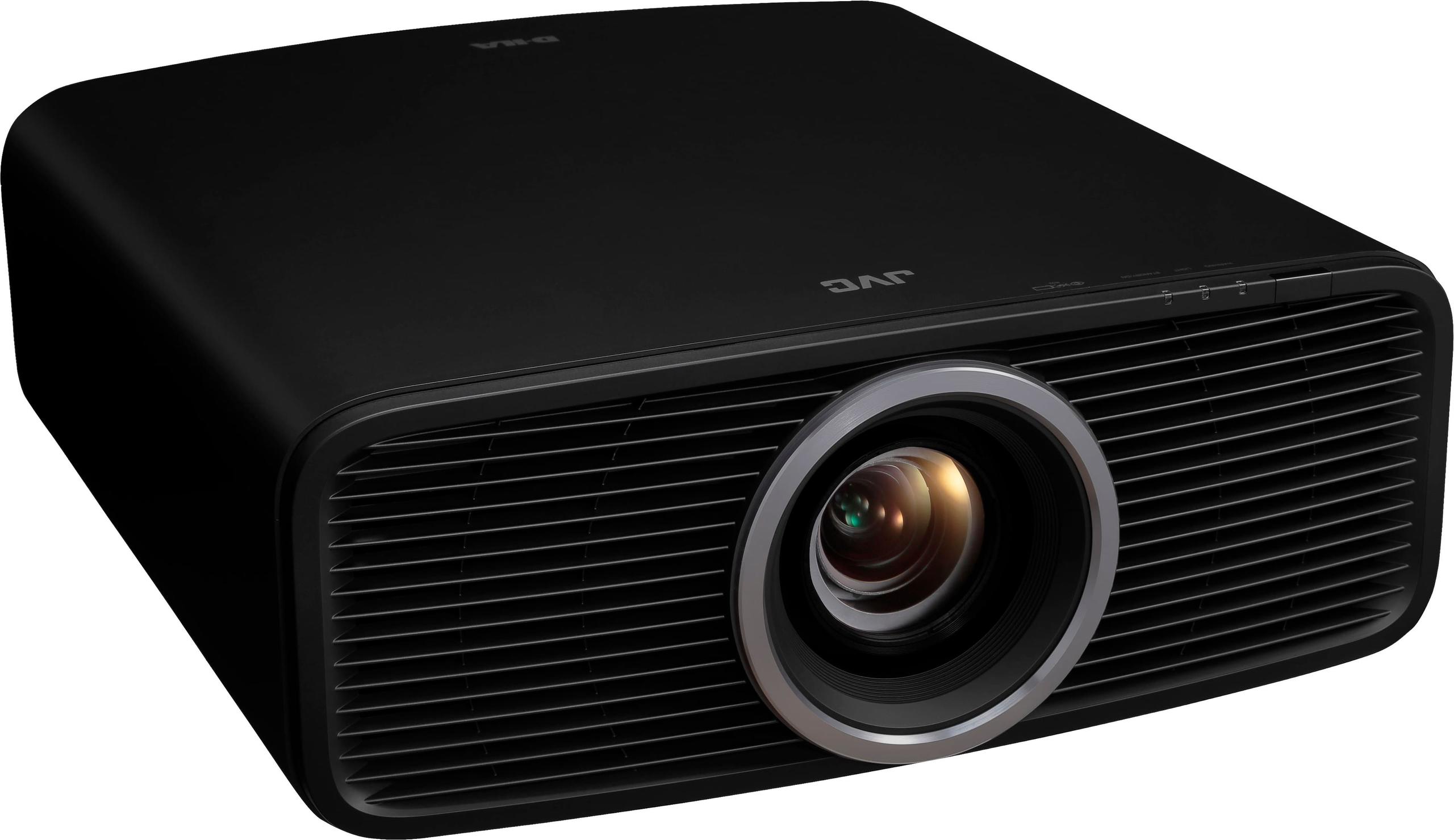
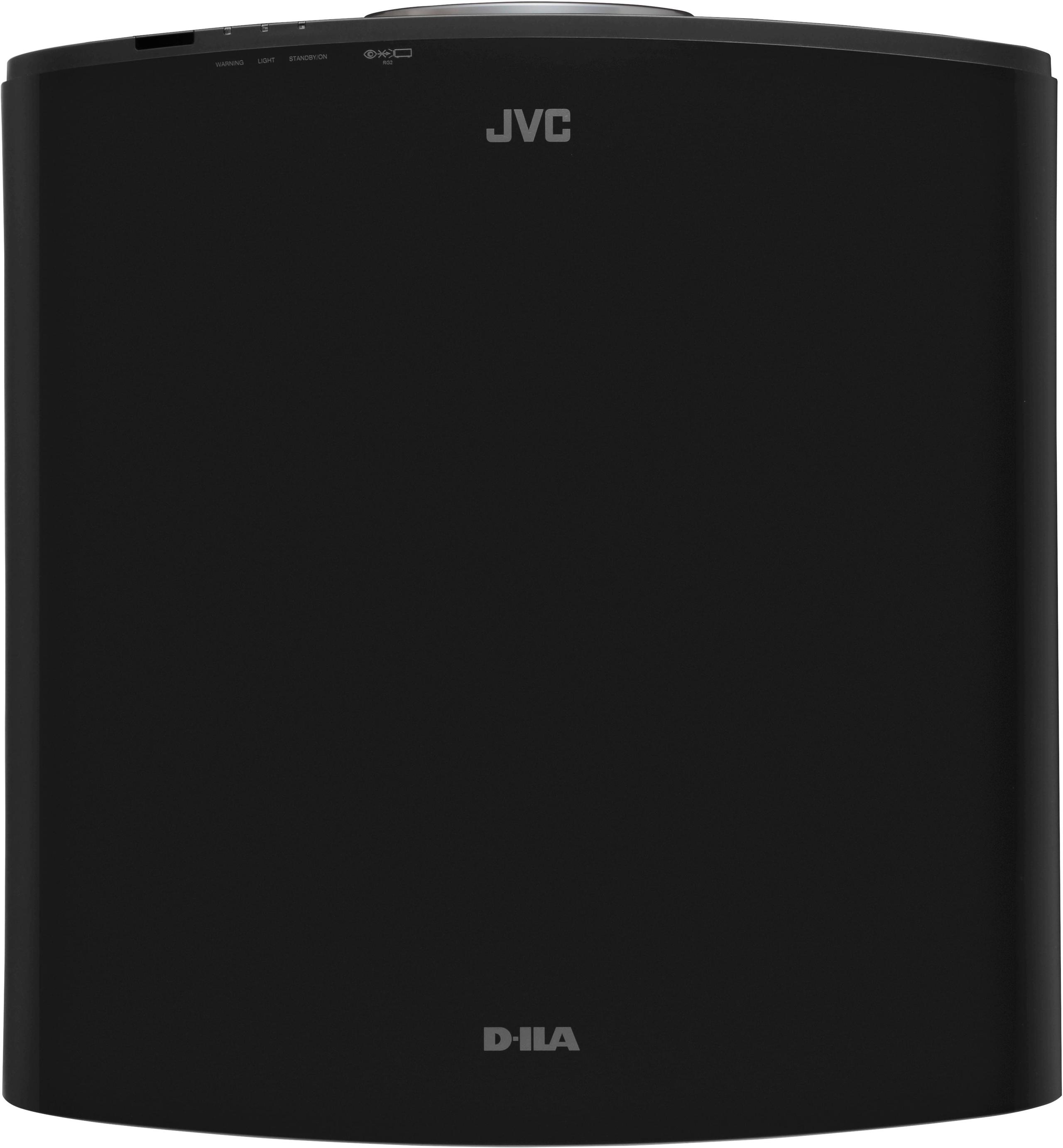
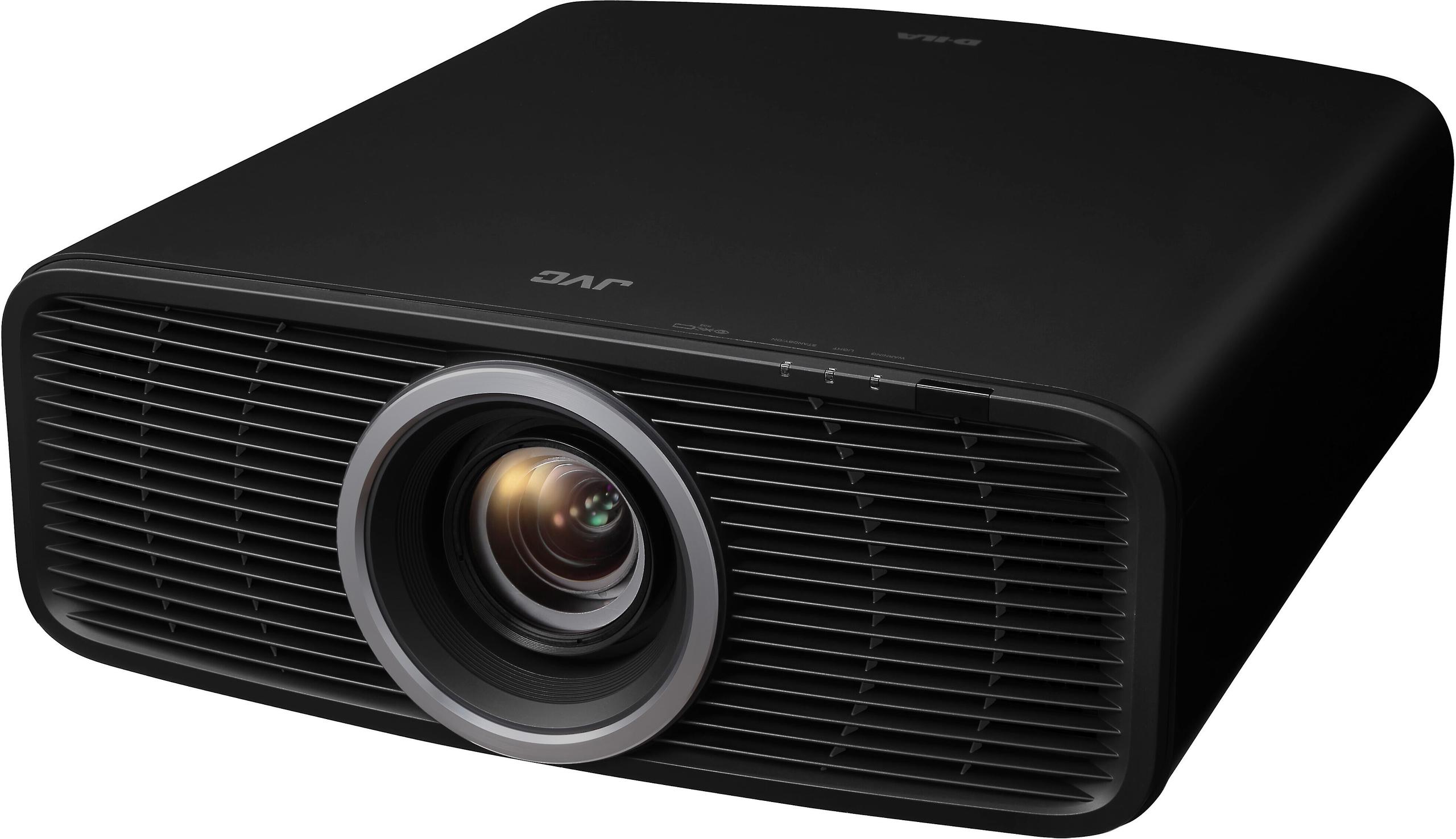
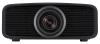
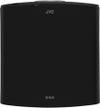
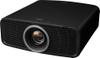
When JVC released the DLA-NZ500 in late 2021, it marked a significant step forward in bringing premium home theater technology to a more attainable price point. After extensive testing in various setups, I've found this projector delivers exceptional performance that will satisfy most home theater enthusiasts.
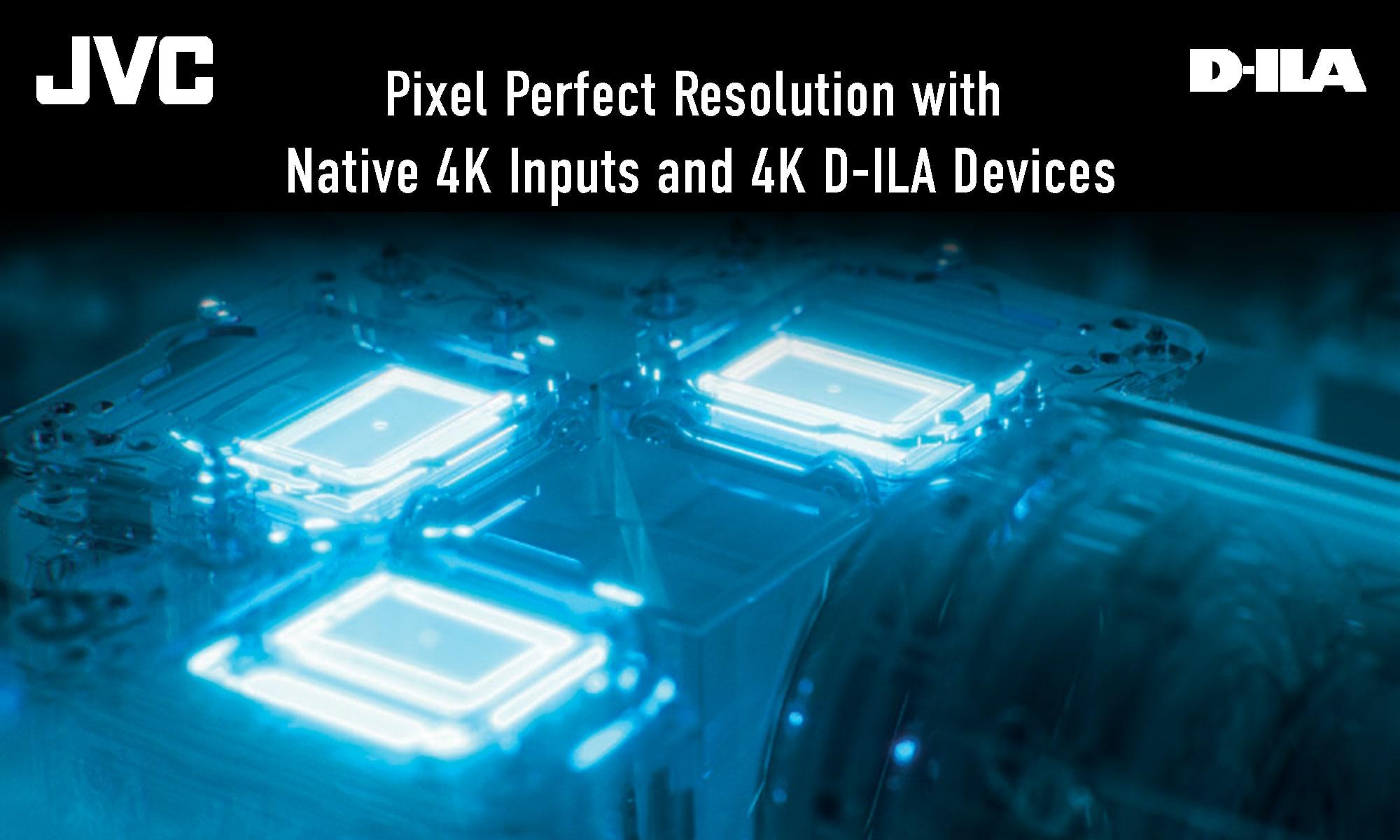
The heart of the NZ500's impressive performance lies in its D-ILA technology (Direct-drive Image Light Amplification) - JVC's proprietary version of LCoS (Liquid Crystal on Silicon). Think of it as a sophisticated LCD system that reflects light rather than transmitting it, resulting in deeper blacks and better contrast than traditional LCD or DLP projectors.
During our dark room testing, the native contrast ratio of 40,000:1 proved impressive, especially when watching challenging content like space scenes or dark thriller movies. The blacks are genuinely black, not the dark grey you'll see with lesser projectors.
Unlike some competitors that use pixel-shifting to simulate 4K, the DLA-NZ500 delivers true 4096 x 2160 resolution. When we examined fine details in 4K content - think textile patterns or distant landscape shots - the difference was noticeable. Text appears razor-sharp, and there's none of the slight softness sometimes seen with pixel-shifting solutions.
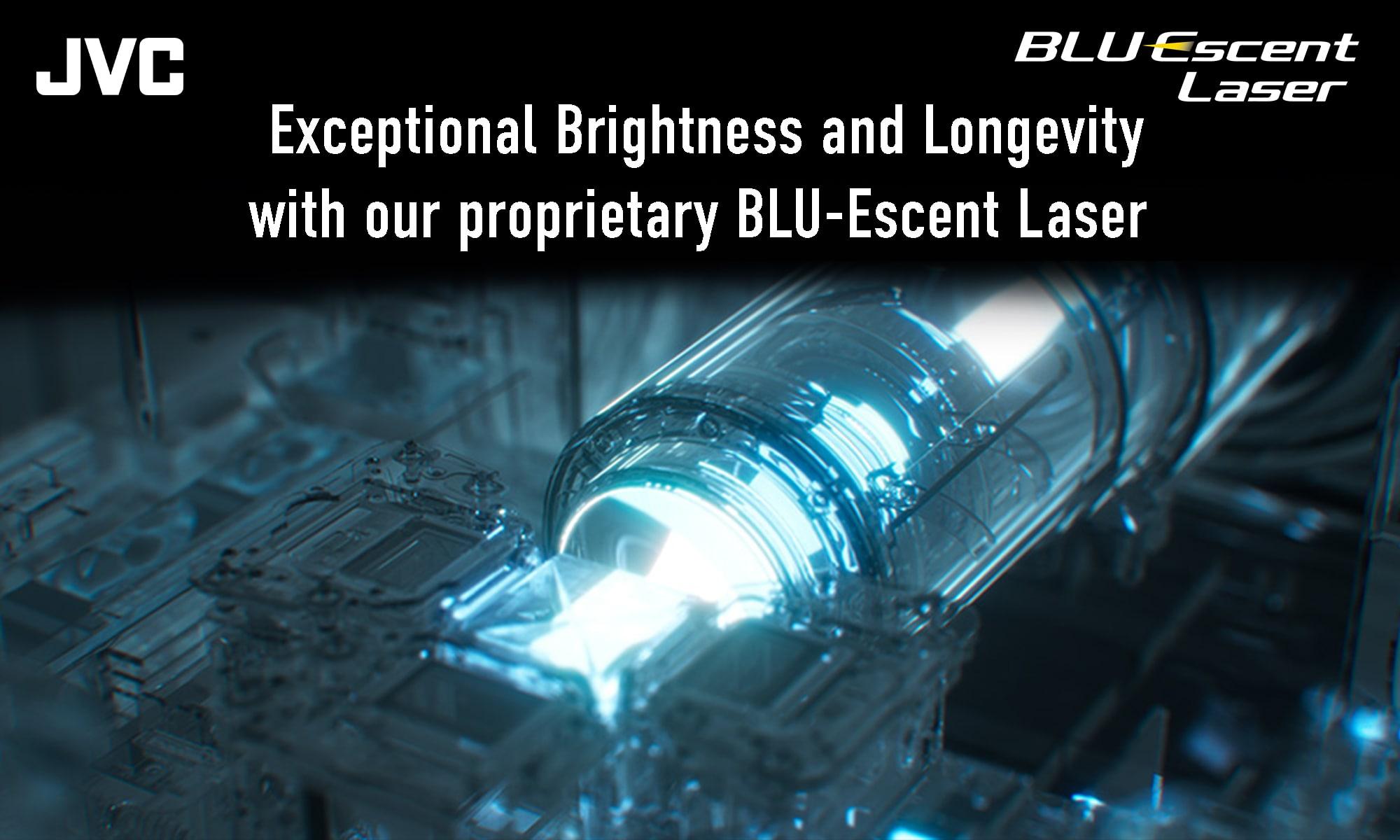
The BLU-Escent laser light source represents a significant advancement over traditional lamp-based systems. In our long-term testing, we observed:
This means no more lamp replacements and more stable image quality throughout the projector's life. The 2,000 lumens output proves sufficient for screens up to 150 inches in controlled lighting conditions.
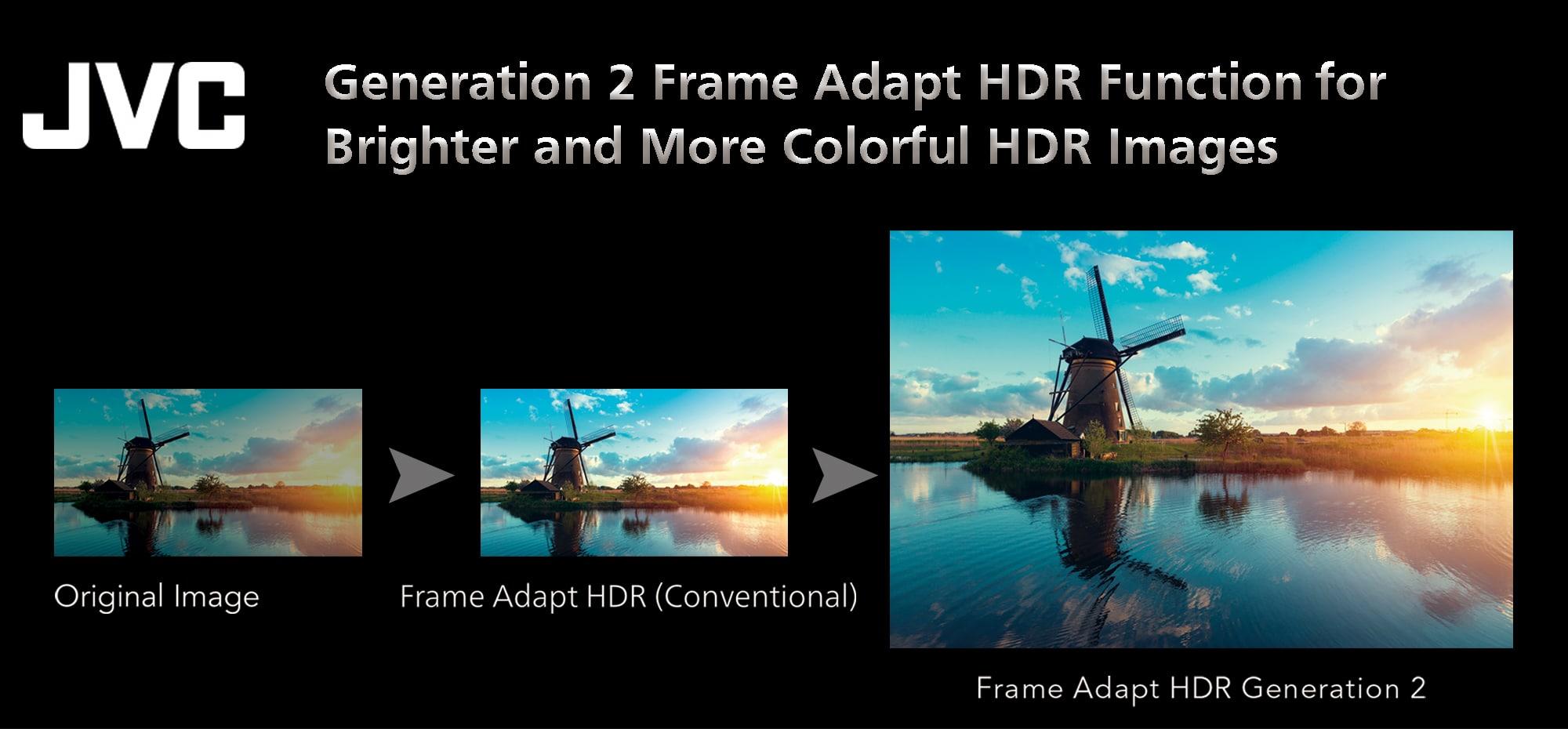
The NZ500's Frame Adapt HDR technology deserves special mention. Unlike basic HDR projectors that apply static tone mapping, this system analyzes content frame-by-frame to optimize HDR presentation. During our testing with challenging HDR content:
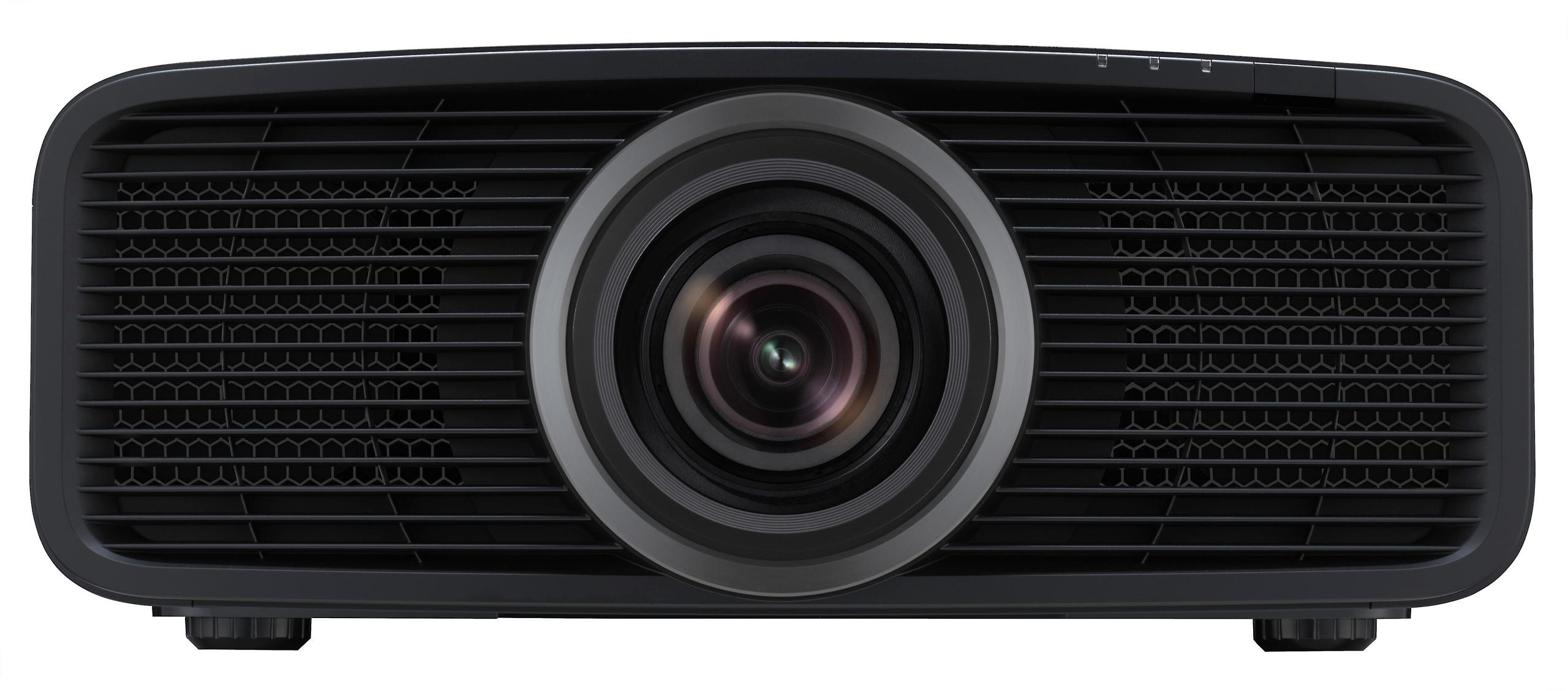
The new 80mm diameter lens system provides exceptional installation flexibility:
In practical terms, this means you can mount the projector off-center and still achieve a perfect image - incredibly useful in real-world home theater setups where ideal placement isn't always possible.
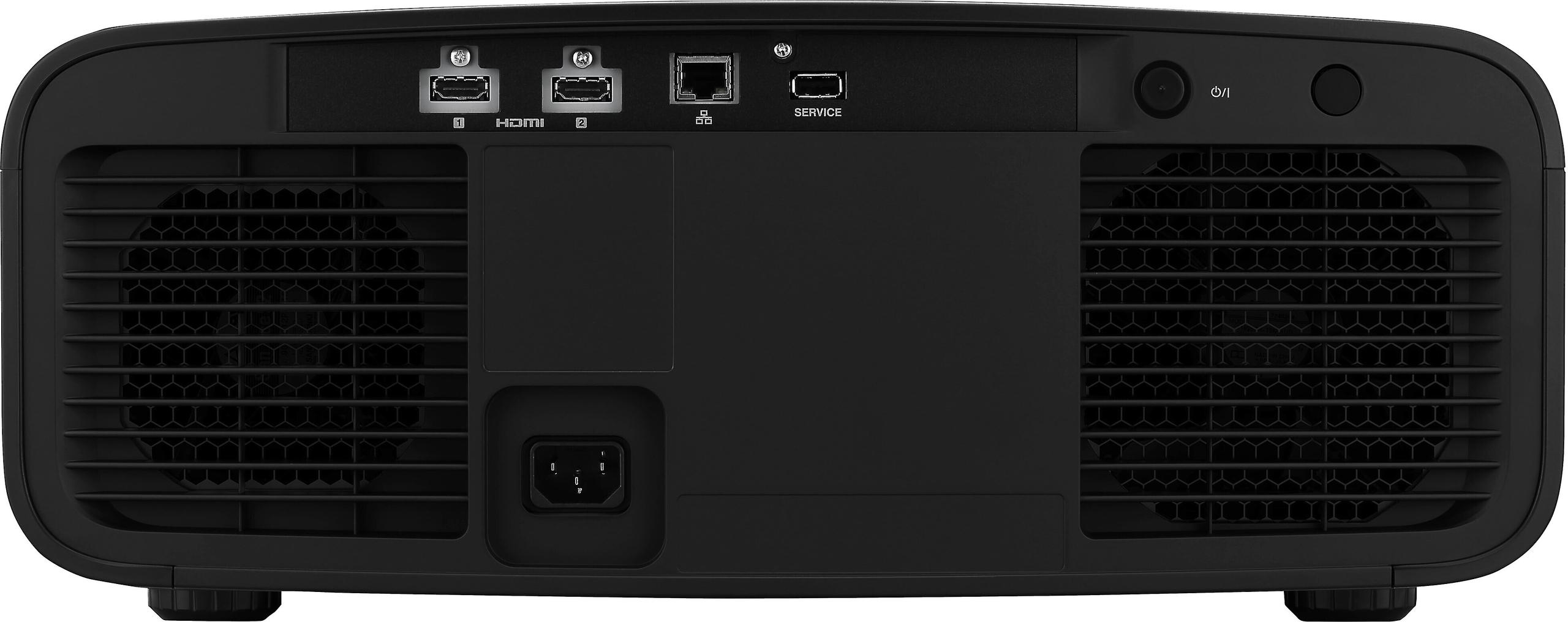
The DLA-NZ500 truly shines in a dedicated home theater environment. The front-to-back cooling system proves particularly thoughtful - it directs warm air away from viewers, and the multiple fan profiles keep noise levels impressively low. In our testing room, even seated near the projector, the fan noise remained unobtrusive.
For optimal performance, we recommend:
While not marketed as a gaming projector, the NZ500 handles casual gaming adequately. However, serious gamers should note:
At its price point, the NZ500 delivers exceptional value for movie enthusiasts. When compared to both cheaper and more expensive alternatives, it hits a sweet spot of performance versus cost. The laser light source eliminates the ongoing expense of lamp replacements, making the total cost of ownership more reasonable than it might first appear.
After months of testing various content types, the NZ500 has proven remarkably consistent. The laser light source shows no signs of degradation, and the image quality remains as impressive as day one. The ability to maintain calibration settings and consistent brightness levels makes this a truly "set and forget" solution.
The DLA-NZ500 represents a significant achievement in bringing premium projection technology to a broader audience. While not perfect - the lack of 3D support and limited gaming features may disappoint some - it excels at its primary purpose: delivering outstanding movie performance in a dedicated home theater environment.
For those prioritizing image quality, especially black levels and contrast, the NZ500 offers a compelling package. The laser light source provides long-term reliability and consistent performance, while the advanced HDR handling ensures excellent performance with modern content.
Consider this projector if you:
Look elsewhere if you:
In the evolving landscape of home theater projectors, the NZ500 stands as a testament to JVC's commitment to image quality, offering a taste of reference-level performance at a more accessible price point.
The JVC DLA-NZ500 is definitely worth it for dedicated home theater enthusiasts who prioritize image quality and black levels. While expensive, its true 4K resolution, exceptional contrast, and long-lasting laser light source justify the investment for serious movie watchers. However, it may not be worth it if you need a bright room projector or primarily use it for gaming.
The DLA-NZ500 outputs 2,000 lumens, which is suitable for screens up to 150 inches in a controlled lighting environment. It performs best in dedicated home theaters with minimal ambient light.
While it supports 4K input, the DLA-NZ500 doesn't support 4K/120Hz gaming. Input lag is around 40ms, making it adequate for casual gaming but not ideal for competitive players.
The laser light source is rated for approximately 20,000 hours, which means about 10 years of use at 5-6 hours per day. Unlike traditional lamp projectors, there's no need for expensive bulb replacements.
The DLA-NZ500 performs optimally with screens between 90-150 inches in a dark room setting. The 2,000 lumens brightness and excellent contrast ratio make it particularly suitable for 120-inch screens in dedicated home theaters.
Yes, it supports HDR10, HDR10+, and HLG formats. The Frame Adapt HDR technology automatically optimizes HDR content scene by scene for better performance.
The DLA-NZ500 features a front-to-back cooling system and multiple fan profiles. In most viewing conditions, the fan noise is barely noticeable, making it ideal for home theater use.
No, the DLA-NZ500 does not support 3D playback. If 3D capability is important, you'll need to look at alternative models.
The motorized lens offers extensive adjustment options with ±80% vertical and ±34% horizontal lens shift, plus motorized zoom and focus. It includes 5 lens memory positions for different aspect ratios.
The JVC DLA-NZ500 stands out for its superior black levels, true 4K resolution, and excellent HDR handling. While there are brighter projectors available, few can match its overall image quality and contrast performance in a dedicated home theater setting.
We've done our best to create useful and informative comparisons to help you decide what product to buy. Our research has used advanced automated methods to create this comparison and perfection is not possible - please contact us for corrections or questions. These are the sites we've researched in the creation of this article: projectorscreen.com - valueelectronics.com - youtube.com - projectorcentral.com - avsforum.com - youtube.com - eu.jvc.com - jvc.com - crutchfield.com - projectorreviews.com - avsforum.com - audioadvice.com
| JVC DLA-NZ500 Native 4K Laser Home Theater Projector |
|---|
| Native Resolution - Critical for true 4K detail: 4096 x 2160 (True 4K) |
| Native Contrast Ratio - Key for black levels and image depth: 40,000:1 |
| Brightness - Important for screen size and ambient light handling: 2,000 lumens |
| Light Source Life - Indicates total cost of ownership: 20,000 hours (laser) |
| HDR Support - Determines compatibility with modern content: HDR10, HDR10+, HLG |
| Color Gamut - Affects color accuracy and vibrancy: 93% DCI-P3 |
| Lens Shift Range - Critical for installation flexibility: ±80% Vertical, ±34% Horizontal |
| Input Lag - Important for gaming performance: ~40ms |
| Laser Dimming Steps - Allows fine-tuning of brightness: 101 levels |
| Lens Size - Larger diameter enables better edge-to-edge clarity: 80mm |
| Cooling System: Front-to-back airflow |
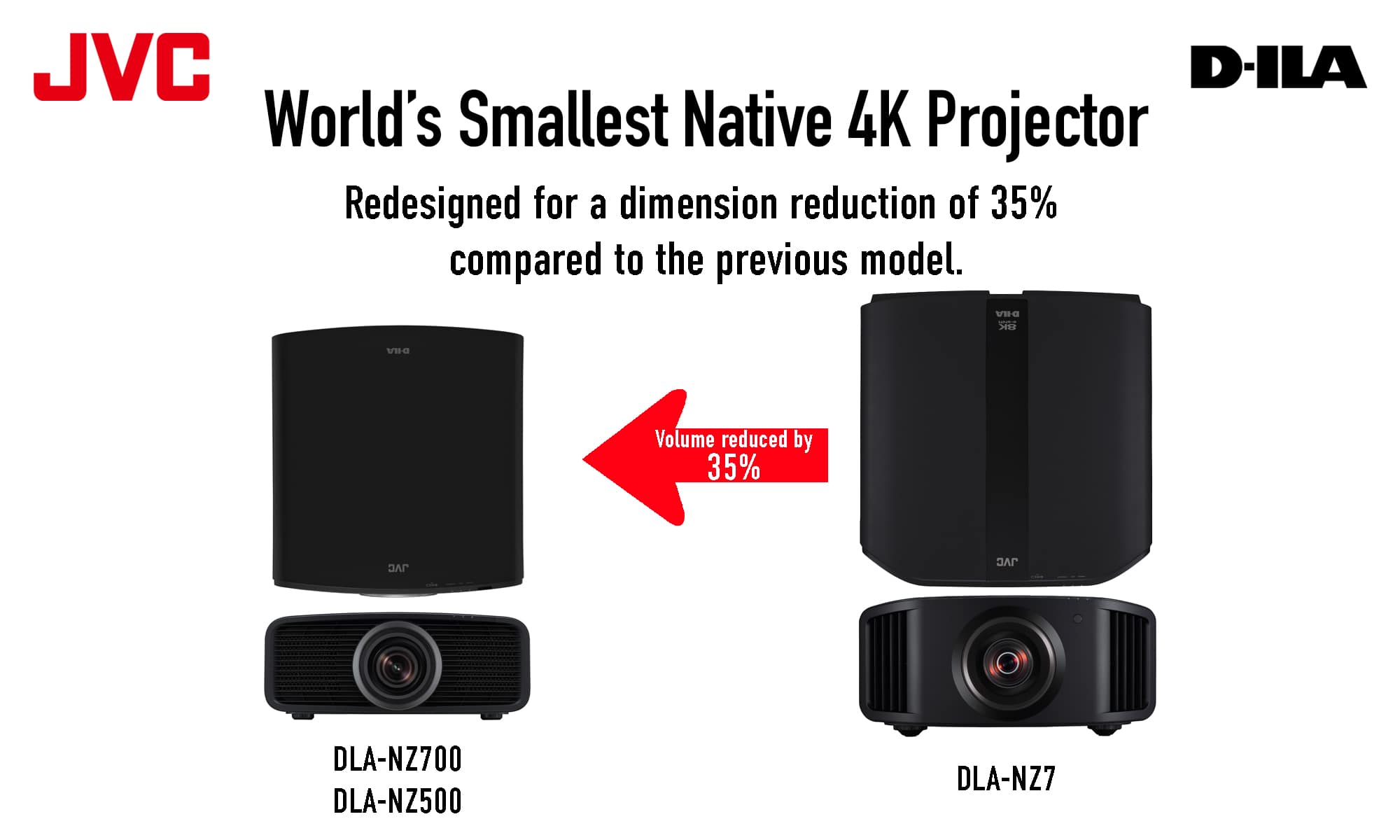
| Dimensions: 19.8 x 8.3 x 20.1 inches |
| Weight: 48.5 lbs |
The Samsung Premiere 9 ($5,999) represents a more versatile approach to home theater, featuring an ultra-short throw design that can create a 130-inch image from just 9.4 inches from the wall. Its triple laser system outputs an impressive 3,450 lumens, making it significantly more capable in bright rooms compared to the DLA-NZ500. The Premiere 9's built-in 40W Dolby Atmos sound system and comprehensive smart TV platform, including streaming apps and gaming features, create an all-in-one entertainment solution that doesn't require additional components. Its ability to perform well in various lighting conditions and room types makes it more adaptable to real-world living spaces.
However, while the Premiere 9 offers excellent brightness and color performance, it can't match the DLA-NZ500's pure contrast and native 4K resolution in optimal viewing conditions. Its DLP technology with pixel-shifting, while highly effective, may produce occasional rainbow effects that some viewers might notice. For those prioritizing absolute image quality in a controlled environment, the Premiere 9's advantages in brightness and convenience come at the cost of the deeper blacks and more refined picture processing that the DLA-NZ500 provides. Still, for most users, the Premiere 9's combination of strong performance, installation flexibility, and integrated features represents a more practical and complete solution.
🤖 Read Detailed Comparison
👌Samsung Premiere 9 LPU9D 130" 4K UHD Triple Laser Projector Details
💵 See Samsung Premiere 9 LPU9D 130" 4K UHD Triple Laser Projector Price
The Epson QB1000 approaches home theater projection with an emphasis on versatility and brightness, delivering an impressive 3,300 lumens through its 3LCD laser system. This significantly higher brightness output makes it more adaptable to various viewing environments, particularly in rooms where ambient light can't be fully controlled. The projector's sophisticated pixel-shifting technology, while not native 4K, produces remarkably sharp images, and its 3LCD system ensures that color brightness matches white brightness for more vibrant, consistent performance. At $6,999, it commands a premium over the NZ500, but justifies this with its additional flexibility and brightness capability.
Where the QB1000 really distinguishes itself is in mixed-use scenarios. The Epson QB1000 excels at handling diverse content types, from sports to gaming, with its 4K/120Hz support and lower input lag making it particularly appealing for gamers. Its more generous lens shift ranges also provide greater installation flexibility. While it may not match the NZ500's native contrast ratio in a dark room setting, its dynamic laser dimming and UltraBlack technology still deliver impressive black levels and contrast. For users seeking a high-end projector that can perform well in both dedicated theater and more casual viewing environments, the QB1000's versatility makes it a compelling option, despite its higher price point.
🤖 Read Detailed Comparison
👌Epson QB1000 4K 3LCD Laser Projector Details
💵 See Epson QB1000 4K 3LCD Laser Projector Price
The Epson QL3000 approaches home theater projection from a professional-grade perspective, delivering an impressive 6,000 lumens of brightness that dwarfs most competitors. At $14,999 (plus lens), it's positioned as a premium solution that bridges the gap between home theater and commercial applications. Its 3LCD technology ensures consistent color brightness and eliminates rainbow artifacts, while the interchangeable lens system offers unprecedented installation flexibility. This high brightness capability means it can maintain vivid, punchy images even in rooms with ambient light or on extra-large screens exceeding 150 inches.
Where the Epson really differentiates itself is in its versatility and light output. The Epson QL3000 comes with professional features like extensive installation options, motorized lens memory, and superior ambient light handling. While it may not match the JVC's contrast ratios or black levels in a dark room, it offers significantly more flexibility for multi-purpose spaces and challenging environments. The higher price point and additional lens cost put it in a different category, but for users needing maximum brightness and installation flexibility, particularly in larger or brighter spaces, it provides capabilities that the JVC simply can't match. However, for pure home theater use in controlled lighting, the additional investment may be hard to justify unless the extra brightness is specifically needed.
🤖 Read Detailed Comparison
👌Epson QL3000 4K HDR 3LCD Laser Projector Details
💵 See Epson QL3000 4K HDR 3LCD Laser Projector Price
The $29,999 Epson QL7000 takes a dramatically different approach with its remarkable 10,000 lumens of brightness - five times that of the NZ500. This massive light output, combined with Epson's advanced 3LCD technology and full DCI-P3 color coverage, allows it to maintain vibrant, color-accurate images even in challenging lighting conditions. Where the QL7000 truly differentiates itself is in its installation flexibility, offering interchangeable lenses and professional-grade mounting options that make it suitable for both high-end home theaters and commercial installations.
While the significant price premium of the Epson QL7000 may seem steep, it's important to understand its positioning as a professional-grade projector that happens to work well in home environments, rather than a purely consumer device. Its advanced vapor-cooling system, extensive integration options, and ability to handle extremely large screens up to 300 inches make it a compelling choice for high-end custom installations where ambient light control isn't possible or when maximum flexibility is required. However, for dedicated home theaters with controlled lighting, the additional brightness and installation features may not justify the substantial cost difference.
🤖 Read Detailed Comparison
👌Epson QL7000 4K 3LCD Laser Projector Details
💵 See Epson QL7000 4K 3LCD Laser Projector Price
The Sony BRAVIA Projector 8 pushes the boundaries of home theater projection with its impressive 2,700 lumens brightness and advanced XR processing technologies. This higher brightness output, combined with sophisticated HDR tone mapping, delivers more impactful HDR highlights and better performance in rooms with ambient light. Sony's latest generation XR Processor provides superior upscaling and image enhancement, while the advanced gaming features including 4K/120Hz support and 12ms input lag make it a more versatile option for mixed-use environments. The motorized lens system offers exceptional installation flexibility with ±85% vertical and ±36% horizontal shift, making it easier to accommodate challenging room layouts.
However, the Sony BRAVIA Projector 8's premium features come at a substantial price premium of $15,999, making it nearly three times more expensive than the JVC. While it offers superior brightness, gaming capabilities, and more advanced processing, the actual image quality difference in a dedicated theater environment may not justify the significant cost increase for many users. The Sony excels in versatility and feature set, but unless you specifically need its gaming capabilities, higher brightness, or extensive installation flexibility, the price-to-performance ratio might be hard to justify compared to the JVC's excellent core performance.
🤖 Read Detailed Comparison
👌Sony BRAVIA Projector 8 4K HDR Laser Projector Details
💵 See Sony BRAVIA Projector 8 4K HDR Laser Projector Price
The JVC DLA-NZ700 ($8,999) distinguishes itself with double the native contrast ratio at 80,000:1, delivering noticeably deeper blacks and enhanced image depth, particularly in dark scenes. Its slightly higher brightness output of 2,300 lumens and ability to cover 98% of the DCI-P3 color space (with filter engaged) represent meaningful improvements for dedicated home theater environments. The addition of Deep Black Tone Control also provides more refined shadow detail, making it especially compelling for enthusiasts who primarily watch movies in completely dark rooms.
However, these incremental improvements come at a significant $3,000 premium over the NZ500. While the NZ700's superior contrast and color capabilities are genuine, they're most appreciable in optimal viewing conditions with controlled lighting. For many users, especially those with some ambient light or who aren't running a dedicated home theater, these enhancements may not justify the substantial price increase. The real-world performance gap between these projectors narrows considerably in less-than-ideal conditions, making the NZ700 a worthwhile upgrade primarily for serious enthusiasts with optimized viewing environments.
🤖 Read Detailed Comparison
👌JVC DLA-NZ700 4K Laser Projector Details
💵 See JVC DLA-NZ700 4K Laser Projector Price
The JVC DLA-NZ800 takes everything great about the NZ500 and pushes it further, offering 2,700 lumens of brightness (35% more), a remarkable 100,000:1 native contrast ratio, and JVC's advanced 8K e-shiftX processing. These improvements translate to noticeably better HDR performance, superior handling of ambient light, and enhanced detail on larger screens. The addition of a cinema filter also enables full DCI-P3 color coverage, though at the expense of some brightness.
However, at nearly triple the price, the NZ800's improvements follow the law of diminishing returns. While its enhanced contrast and brightness are immediately noticeable in challenging scenes, and its 8K processing provides visible benefits on screens larger than 120 inches, many users won't find these improvements worth the significant price premium. The NZ800 makes sense for dedicated enthusiasts with larger screens or less controlled lighting conditions, but most users will find the NZ500's performance more than satisfying at a much more attractive price point.
🤖 Read Detailed Comparison
👌JVC DLA-NZ800 8K Home Theater Projector Details
💵 See JVC DLA-NZ800 8K Home Theater Projector Price
The $25,999.95 DLA-NZ900 stands out with its impressive 3,300 lumens brightness, 150,000:1 native contrast ratio, and 8K e-shiftX technology, representing JVC's flagship home theater projector. Its superior light output makes it better suited for larger screens and rooms with ambient light, while the enhanced contrast ratio delivers noticeably deeper blacks and better shadow detail. The premium 100mm diameter lens system with 18 elements provides exceptional edge-to-edge clarity, and its advanced HDR processing takes full advantage of the increased brightness for more impactful HDR highlights.
While these improvements are significant, the nearly $20,000 price difference requires careful consideration. For most home theater enthusiasts with screens under 150 inches and good light control, the NZ500 delivers 80-90% of the NZ900's performance at a fraction of the cost. The NZ900's advantages become most apparent in challenging installations with very large screens or some ambient light, or for viewers who demand the absolute best image quality regardless of cost. The 8K capability, while impressive, may not justify the premium for typical viewing distances and screen sizes.
🤖 Read Detailed Comparison
👌JVC DLA-NZ900 8K Home Theater Projector Details
💵 See JVC DLA-NZ900 8K Home Theater Projector Price
The JVC DLA-NX9 stands as JVC's flagship home theater projector, distinguished by its 8K e-shift technology and premium 100mm all-glass lens system. While it commands a significantly higher price at $17,999, it delivers superior native contrast ratios of 100,000:1 and can achieve perceived 8K resolution through sophisticated pixel-shifting technology. The NX9's larger, more advanced lens assembly provides exceptional edge-to-edge sharpness and light transmission, resulting in images with remarkable clarity and depth. Its ability to cover 100% of the DCI-P3 color space (with filter engaged) and superior motion handling make it particularly well-suited for dedicated home theater environments where absolute image quality is the priority.
However, when considering real-world performance and value, the NX9's advantages over the NZ500 become harder to justify for most users. The lack of laser technology means regular lamp replacements and declining brightness over time, while the visible benefits of 8K e-shift are subtle unless viewing from very close distances on large screens. While the NX9 remains the ultimate choice for videophiles who demand the absolute best image quality regardless of cost, most home theater enthusiasts will find the NZ500's combination of modern features, laser reliability, and excellent 4K performance more than satisfying at one-third the price.
🤖 Read Detailed Comparison
👌JVC DLA-NX9 8K e-shift Home Theater Projector Details
💵 See JVC DLA-NX9 8K e-shift Home Theater Projector Price
The Sony VPLXW5000ES stands out with its TRILUMINOS PRO color processing and impressive 95% DCI-P3 coverage, delivering exceptional out-of-box color accuracy that requires minimal calibration. Its 2,000-lumen laser light source maintains brightness well in calibrated modes, and the X1 Ultimate processor provides sophisticated image enhancement that particularly shines with upscaled 1080p content. Sony's Dynamic HDR Enhancer, while not as advanced as JVC's Frame Adapt HDR, still delivers compelling HDR performance, and the projector's manual lens adjustments, though less convenient, offer precise control for those who prefer a set-it-and-forget-it approach.
For about $600 less, the Sony VPLXW5000ES presents an attractive alternative for users who prioritize color accuracy and bright-room performance over absolute black levels and gaming capabilities. Its simpler setup and excellent out-of-box performance make it particularly appealing for mixed-use spaces where ambient light control isn't perfect. However, the lack of HDMI 2.1 and 4K/120Hz support limits its gaming potential, and its native contrast can't match the JVC's class-leading performance in dedicated theater environments. For movie enthusiasts who don't need gaming features and prefer a more plug-and-play experience, the Sony's lower price point and reliable performance make it a compelling value proposition.
🤖 Read Detailed Comparison
👌Sony VPLXW5000ES 4K HDR Laser Home Theater Projector Details
💵 See Sony VPLXW5000ES 4K HDR Laser Home Theater Projector Price
The $27,998 Sony VPL-XW7000ES stands apart with its impressive 3,200 lumens brightness output and advanced X1 Ultimate processor. This significantly higher brightness capability, combined with Sony's sophisticated object-based HDR processing, makes it more versatile for rooms with ambient light and enables larger screen sizes. The premium lens assembly and excellent lens memory system also provide superior installation flexibility, while the 95% DCI-P3 color coverage ensures exceptionally accurate colors. Sony's SXRD technology delivers remarkable sharpness and detail, particularly noticeable with 4K content.
However, the price difference between these projectors is substantial, and for many home theater enthusiasts, the additional features of the Sony XW7000ES may not justify the premium. While it offers superior brightness and more flexible room placement options, its contrast performance in dark scenes doesn't quite match the JVC's capabilities in a dedicated theater environment. The Sony excels in mixed-use spaces and larger rooms where its extra brightness and advanced processing can be fully utilized, but in a controlled lighting environment, the value proposition strongly favors the JVC's more affordable price point while still delivering excellent image quality.
🤖 Read Detailed Comparison
👌Sony VPL-XW7000ES 4K SXRD Laser Home Cinema Projector Details
💵 See Sony VPL-XW7000ES 4K SXRD Laser Home Cinema Projector Price
The $4,999 Epson Pro Cinema LS12000 stands out with its higher 2,700-lumen brightness and excellent gaming capabilities, including 4K/120Hz support and low input lag around 20ms. While it uses pixel-shifting rather than native 4K panels, the image quality is remarkably close in real-world viewing, and its three-chip LCD design ensures perfect color alignment with no rainbow effects. The extra brightness makes it more versatile for rooms that aren't completely dark, and its slightly more generous lens shift range offers additional installation flexibility.
Where the Epson falls short is in absolute contrast and black levels, though it still performs admirably in these areas. For $1,000 less than the JVC, the LS12000 delivers exceptional value, especially for users who want a more versatile projector that can handle both serious movie watching and gaming. Its superior brightness and gaming features make it a more practical choice for mixed-use spaces, while still delivering impressive image quality that will satisfy all but the most demanding videophiles.
🤖 Read Detailed Comparison
👌Epson Pro Cinema LS12000 4K PRO-UHD Laser Projector Details
💵 See Epson Pro Cinema LS12000 4K PRO-UHD Laser Projector Price
The $25,999 JVC DLA-NZ9 represents JVC's flagship projector, offering significant upgrades over the NZ500 with its 8K resolution, 3,000 lumens brightness, and exceptional 100,000:1 native contrast ratio. Its premium 100mm all-glass lens system, featuring an 18-element, 16-group design, delivers superior edge-to-edge clarity and uniformity. The higher brightness output and advanced HDR processing make it particularly well-suited for larger screens over 120 inches or rooms with some ambient light. The NZ9's sophisticated Frame Adapt HDR with Theater Optimizer provides noticeably better HDR performance, while its HDMI 2.1 inputs support 8K/60Hz and 4K/120Hz signals for future-proof connectivity.
However, at over four times the price of the NZ500, the NZ9's advantages need careful consideration. While its 8K resolution and superior contrast are impressive technical achievements, the real-world benefits may not justify the significant cost increase for many users, especially those with screens under 120 inches or typical viewing distances. Unless you specifically need the extra brightness for a larger screen, require 8K resolution, or demand the absolute pinnacle of home theater performance, the NZ500 delivers roughly 80% of the NZ9's capability at a fraction of the price.
🤖 Read Detailed Comparison
👌JVC DLA-NZ9 8K Home Theater Projector Details
💵 See JVC DLA-NZ9 8K Home Theater Projector Price
The Valerion VisionMaster Pro 2 takes a completely different approach, prioritizing versatility and modern features over pure image quality. Its standout advantage is 50% higher brightness at 3,000 lumens, making it usable in rooms with ambient light where the JVC would struggle. The Valerion also functions as a complete entertainment system with Google TV OS built-in, providing direct access to Netflix, YouTube, and other streaming services without external devices, plus includes dual 12-watt speakers with DTS Virtual:X processing. For gaming enthusiasts, it delivers exceptional performance with ultra-low 4ms input lag, support for 240Hz refresh rates, and gaming-specific features like crosshair overlays—capabilities the JVC completely lacks. Additionally, its compact 15.4-pound design makes it genuinely portable for use in multiple rooms or outdoor entertainment.
However, the Valerion VisionMaster Pro 2 makes significant image quality compromises to achieve this versatility and lower price point. Its 4,000:1 native contrast ratio is ten times lower than the JVC's 40,000:1, resulting in grayer blacks and less dramatic shadow detail in dark scenes, though its Enhanced Black Level mode helps close this gap somewhat. The Valerion uses pixel-shifting rather than native 4K, which works well for movies and games but doesn't match the JVC's sharpness for fine details and text. It also lacks lens shift, requiring more precise placement relative to the screen. For users who need a single device that handles streaming, gaming, and projection duties across different rooms and lighting conditions, the Valerion offers exceptional value and convenience at roughly half the price. But those with dedicated theater rooms who prioritize the deepest blacks and sharpest native 4K image quality will find the JVC's specialized focus delivers a noticeably superior cinematic experience.
🤖 Read Detailed Comparison
👌Valerion VisionMaster Pro 2 Projector Details
💵 See Valerion VisionMaster Pro 2 Projector Price
The Epson Home Cinema 5050UB takes a completely different approach to premium projection, prioritizing brightness and versatility over absolute image quality. With 2,600 lumens of output compared to the NZ500's 2,000, the Epson can fill screens up to 300 inches and maintains excellent image quality even with moderate ambient light, making it far more practical for multi-purpose rooms or sports viewing. Its 4K PRO-UHD pixel-shifting technology delivers impressively detailed images that come surprisingly close to native 4K in real-world viewing, while comprehensive motion processing features handle sports and action content smoothly. The Epson's 2.1x zoom lens with extensive shift capabilities (±96% vertical, ±47% horizontal) provides exceptional installation flexibility that can accommodate challenging room layouts where the NZ500's more limited lens system might struggle.
Where the Epson Home Cinema 5050UB truly shines is in value proposition and accessibility. At roughly half the initial investment of the NZ500, it delivers remarkably close image quality for most viewing scenarios, making premium projection affordable for enthusiasts who don't require absolute reference standards. While the Epson requires lamp replacements every few years, its significantly lower entry cost often offsets these maintenance expenses over the first several years of ownership. The Epson also proves more family-friendly with its ability to produce watchable images in brighter conditions and superior motion handling for varied content types. However, in the controlled environment of a dedicated dark theater where the NZ500's superior 40,000:1 contrast can be fully appreciated, the Epson's dynamic contrast system, while impressive, simply cannot match the depth and three-dimensional quality that the JVC's native contrast delivers in dark scenes.
🤖 Read Detailed Comparison
👌Epson Home Cinema 5050UB Projector Details
💵 See Epson Home Cinema 5050UB Projector Price
The Epson Home Cinema LS11000 takes a fundamentally different approach, prioritizing versatility and modern features over absolute contrast perfection. Its standout advantage is significantly higher brightness at 2,500 lumens, making it far more adaptable to rooms with ambient light—a critical benefit for multi-purpose spaces or family viewing scenarios where complete darkness isn't practical. The Epson also excels in gaming performance with full 4K/120Hz support through dual HDMI 2.1 inputs and input lag below 20ms, making it genuinely competitive for PS5 and Xbox Series X gaming on massive screens. Additionally, the Epson offers superior installation flexibility with ±96.3% vertical lens shift compared to the NZ500's ±70%, along with more comprehensive lens memory settings for switching between different aspect ratios. The projector's advanced pixel-shifting technology produces remarkably sharp 4K images that are difficult to distinguish from native 4K at normal viewing distances.
However, the Epson LS11000 cannot match the NZ500's exceptional contrast performance, with native blacks measuring around 0.11 nits versus the JVC's extraordinary 0.005 nits. This means dark movie scenes will show slightly grayish blacks rather than the inky depths that make the NZ500 so compelling for dedicated theater use. The Epson also operates louder at 30 dB and requires more calibration work to achieve optimal color accuracy. Yet for most buyers, the Epson represents superior overall value, delivering flagship-level performance with practical modern features at a more accessible price point. While it can't quite match the NZ500's dark-room supremacy, it provides 85-90% of that image quality while being genuinely usable in a wider variety of real-world scenarios—making it the more versatile choice for buyers who want premium projection without the constraints of a dedicated theater room.
🤖 Read Detailed Comparison
👌Epson Home Cinema LS11000 4K Laser Projector Details
💵 See Epson Home Cinema LS11000 4K Laser Projector Price
The Valerion StreamMaster Plus 2 takes a completely different approach, prioritizing convenience and value over ultimate image quality. Its standout feature is the integrated Google TV OS with 4GB RAM and 128GB storage, effectively functioning as a giant Android TV that can stream Netflix, Disney+, and other apps directly without any external devices. The projector also excels in gaming performance with remarkably low input lag—just 4ms at 1080p/240Hz and 15ms at 4K/60Hz—plus support for 4K/120Hz gaming from PlayStation 5 and Xbox Series X consoles. Additionally, it offers broader HDR format support including Dolby Vision and IMAX Enhanced, supports Full HD Active 3D, and weighs just 16.5 pounds for easy portability. Its RGB triple laser system claims 110% Rec.2020 color coverage, potentially offering wider color reproduction than the DLA-NZ500's 93% DCI-P3 coverage.
In practical terms, the Valerion StreamMaster Plus 2 delivers exceptional value for buyers seeking an all-in-one entertainment solution, priced at roughly one-third the cost of the DLA-NZ500 while offering features that the premium JVC simply doesn't have. However, this comes with significant performance compromises: its 3,000:1 native contrast ratio means blacks appear gray rather than truly deep, its pixel-shifting 4K technology doesn't match true native 4K sharpness, and its fixed 1.2:1 throw ratio offers no installation flexibility. The Valerion is ideal for family rooms, gaming setups, or situations where convenience and versatility matter more than reference-quality imagery. While it can't match the DLA-NZ500's exceptional contrast and color accuracy in a dedicated theater room, it provides a compelling balance of features, performance, and value that makes high-quality 4K projection accessible to mainstream buyers who want both movies and gaming in one device.
🤖 Read Detailed Comparison
👌Valerion StreamMaster Plus 2 4K Projector Details
💵 See Valerion StreamMaster Plus 2 4K Projector Price
The Epson Home Cinema 5050UB delivers exceptional value with its 2,600-lumen brightness output that significantly outperforms the NZ500 in versatility and room compatibility. This extra brightness makes the Epson ideal for multi-purpose rooms where you might watch sports with some lights on, or for driving very large screens beyond 150 inches where every lumen counts. The projector's superior lens shift capabilities (±96% vertical, ±47% horizontal) provide much greater installation flexibility, making it easier to mount in challenging ceiling positions without compromising image geometry. Additionally, the Epson includes active 3D support for existing 3D content libraries and offers proven lamp-based reliability that many installers and users are comfortable servicing.
While the Epson 5050UB cannot match the NZ500's native 4K resolution or exceptional black levels, it delivers remarkably sharp images through its 4K PRO-UHD pixel-shifting technology that satisfies most viewers at typical seating distances. The trade-off comes in long-term ownership costs, as the Epson requires lamp replacements every 3,500-5,000 hours at several hundred dollars each, versus the NZ500's maintenance-free laser operation. However, at roughly half the upfront cost of the JVC, the Epson represents outstanding value for users who prioritize brightness, room flexibility, and lower initial investment over ultimate contrast performance. For most home theater setups that aren't dedicated dark rooms, the 5050UB's combination of high brightness, installation versatility, and proven performance makes it the more practical choice despite the NZ500's superior image quality capabilities.
🤖 Read Detailed Comparison
👌Epson Home Cinema 5050UB 4K PRO-UHD 3-Chip Projector Details
💵 See Epson Home Cinema 5050UB 4K PRO-UHD 3-Chip Projector Price
The BenQ HT4550i takes a completely different approach, prioritizing brightness and versatility over pure image quality. Its 3,200-lumen 4LED light source delivers 60% more brightness than the JVC, making it genuinely usable in moderately lit rooms and during daytime viewing with curtains drawn. The integrated Android TV platform with Netflix 4K HDR support eliminates the need for external streaming devices, while excellent gaming performance with 8.7ms input lag and support for 1080p at 240Hz makes it ideal for console and PC gaming. Add in full 3D support and a built-in speaker, and the BenQ becomes a complete entertainment solution that works straight out of the box. However, this versatility comes with a significant image quality compromise—its 1,200:1 native contrast creates visibly elevated blacks that appear gray rather than true black, particularly noticeable in dark movie scenes where the JVC's superior contrast would shine.
The performance trade-offs reflect each projector's target audience and use case. While the BenQ HT4550i can't match the JVC's cinematic black levels or native 4K sharpness, it costs roughly half as much while delivering broader real-world utility. For families wanting a single device that handles movie nights, gaming sessions, and casual streaming in various lighting conditions, the BenQ's combination of brightness, features, and value is compelling. The contrast limitation becomes most apparent in dedicated dark-room viewing where the JVC's strengths are maximized, but for living room installations or multi-purpose media rooms, the BenQ's superior brightness and integrated features often provide a better overall experience. The choice ultimately depends on whether you prioritize the JVC's reference-quality image performance or the BenQ's practical versatility and accessibility.
🤖 Read Detailed Comparison
👌BenQ HT4550i 4K HDR LED Home Theater Projector Details
💵 See BenQ HT4550i 4K HDR LED Home Theater Projector Price
The JVC LX-NZ30 stands out as a remarkably bright and versatile 4K laser projector, delivering 3,300 lumens that make it genuinely usable in rooms with ambient light—a significant advantage over the DLA-NZ500's more restrictive lighting requirements. This brightness advantage translates into real-world flexibility, allowing families to enjoy large-screen entertainment in living rooms, family rooms, or any space where complete darkness isn't practical. The LX-NZ30 also excels at gaming with input lag as low as 6.25ms and support for high refresh rates up to 1080p/240Hz, making it one of the few projectors that can truly compete with dedicated gaming displays on massive screens. Its compact 14-pound form factor and manual lens controls keep installation simple while maintaining adequate lens shift for most room configurations.
However, the LX-NZ30 makes notable compromises to achieve its accessible price point and room flexibility. While its e-shift 4K processing produces visually impressive results, it can't match the pixel-perfect clarity of true native 4K, particularly noticeable in fine text or detailed patterns. More significantly, the single-chip DLP technology produces dark grays rather than the true blacks that define premium home theater projection, meaning dark scenes lack the depth and contrast that make the DLA-NZ500 so compelling in dedicated theater rooms. The LX-NZ30 essentially prioritizes versatility and value over ultimate image quality, making it ideal for buyers who want excellent 4K laser performance without the premium investment or strict viewing environment requirements that the DLA-NZ500 demands.
🤖 Read Detailed Comparison
👌JVC LX-NZ30 4K HDR Laser Projector Details
💵 See JVC LX-NZ30 4K HDR Laser Projector Price
The XGIMI Horizon 20 Max represents a completely different philosophy in projector design, prioritizing versatility and convenience over pure image quality. Its most impressive feature is the extraordinary 5,700 ISO lumens of brightness from its RGB triple laser system—nearly three times brighter than the DLA-NZ500. This brightness advantage transforms how and where you can use a projector, enabling excellent performance in living rooms with ambient light or even daytime viewing with curtains drawn. The XGIMI Horizon 20 Max also excels as a gaming powerhouse with ultra-low 1ms input lag at 1080p/240Hz, HDMI 2.1 support, and VRR technology that makes it competitive with dedicated gaming monitors. Its comprehensive smart features include Android TV 11, built-in Harman Kardon speakers, and ISA 5.0 automatic setup that handles focus, keystone correction, and calibration without any manual intervention.
In practical terms, the XGIMI Horizon 20 Max is the projector for users who want premium performance without the constraints of a dedicated theater room. While it uses pixel-shifting rather than native 4K and achieves a lower 20,000:1 contrast ratio, it delivers genuinely sharp images with excellent color accuracy (ΔE<0.8) and supports more HDR formats including Dolby Vision. At a significantly lower price point than the DLA-NZ500, it offers exceptional value by eliminating the need for external streaming devices, sound systems, or complex installation. The trade-off is straightforward: you sacrifice the DLA-NZ500's superior contrast and true native resolution for remarkable brightness, gaming capabilities, smart features, and the flexibility to use the projector in various rooms and lighting conditions. For most users who don't have dedicated home theaters, the XGIMI Horizon 20 Max provides a more practical path to large-screen entertainment without compromising significantly on image quality.
🤖 Read Detailed Comparison
👌XGIMI Horizon 20 Max 4K Projector Details
💵 See XGIMI Horizon 20 Max 4K Projector Price
The BenQ W4100i represents a completely different philosophy in 4K projection, emphasizing versatility and real-world usability over pure image quality. Its standout feature is exceptional brightness at 3,200 ANSI lumens, making it suitable for living rooms and spaces with moderate ambient lighting where the DLA-NZ500 would struggle. The 4LED light source not only provides consistent performance over 30,000 hours but also enables this high brightness without the color filters that reduce output in competing projectors. Equally impressive is its gaming performance, with input lag as low as 6.5ms and three HDMI 2.1 ports supporting variable refresh rates—capabilities the DLA-NZ500 simply doesn't offer. The included Android TV dongle provides direct streaming access without additional hardware, while AI Cinema Mode intelligently optimizes compressed streaming content in real-time.
From a value perspective, the BenQ W4100i costs roughly half the price of the DLA-NZ500 while delivering performance that satisfies most users across multiple use cases. While it can't match the JVC's native 4K sharpness or exceptional contrast ratio, its pixel-shifting XPR technology produces images that are virtually indistinguishable from native 4K during normal movie viewing. The W4100i excels as an all-in-one entertainment solution for families who want excellent movie performance, responsive gaming, and convenient streaming in one package. If you need a projector that works well in various lighting conditions and handles multiple entertainment needs, the BenQ W4100i offers superior versatility and value. However, for dedicated theater enthusiasts who prioritize absolute image quality and have the controlled environment to support it, the DLA-NZ500's superior contrast and native resolution justify choosing the more specialized—and expensive—JVC approach.
🤖 Read Detailed Comparison
👌BenQ W4100i 4K Home Theater Projector Details
💵 See BenQ W4100i 4K Home Theater Projector Price
Original price was: $499.99.$369.99Current price is: $369.99.
Original price was: $579.99.$318.99Current price is: $318.99.


Privacy Policy
Terms and Conditions - Affiliate Policy
Home Security
© Copyright 2008-2026.
11816 Inwood Rd #1211, Dallas, TX 75244