

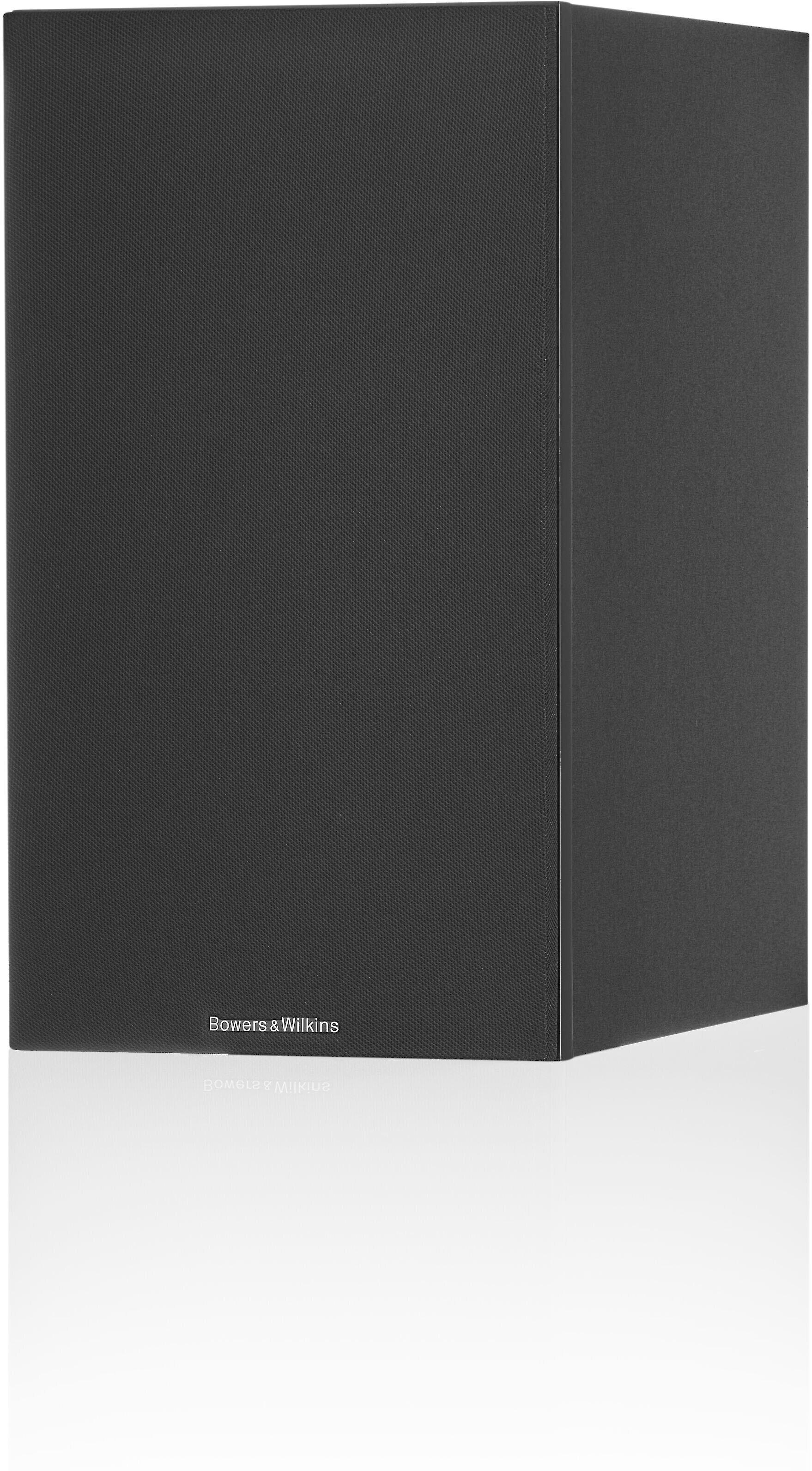
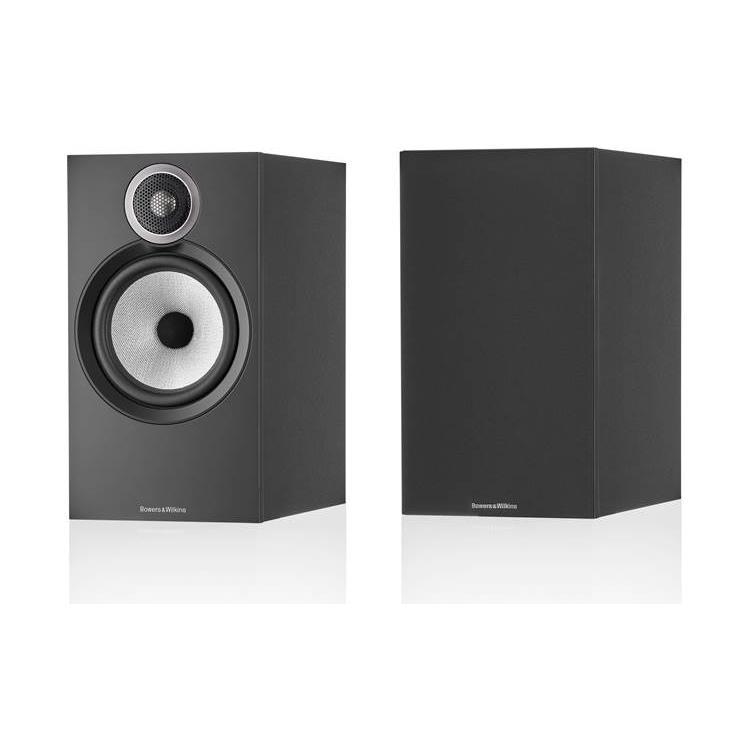
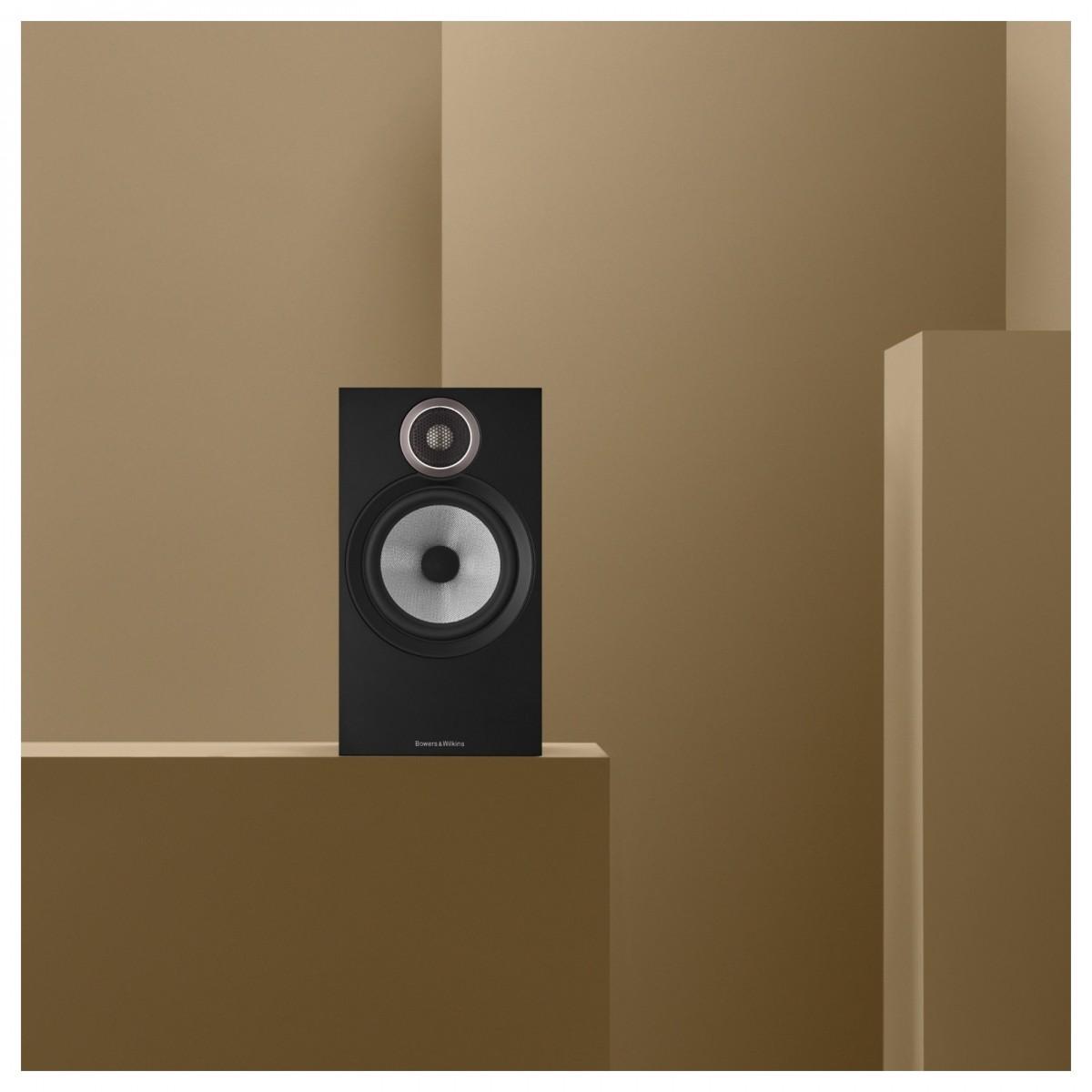
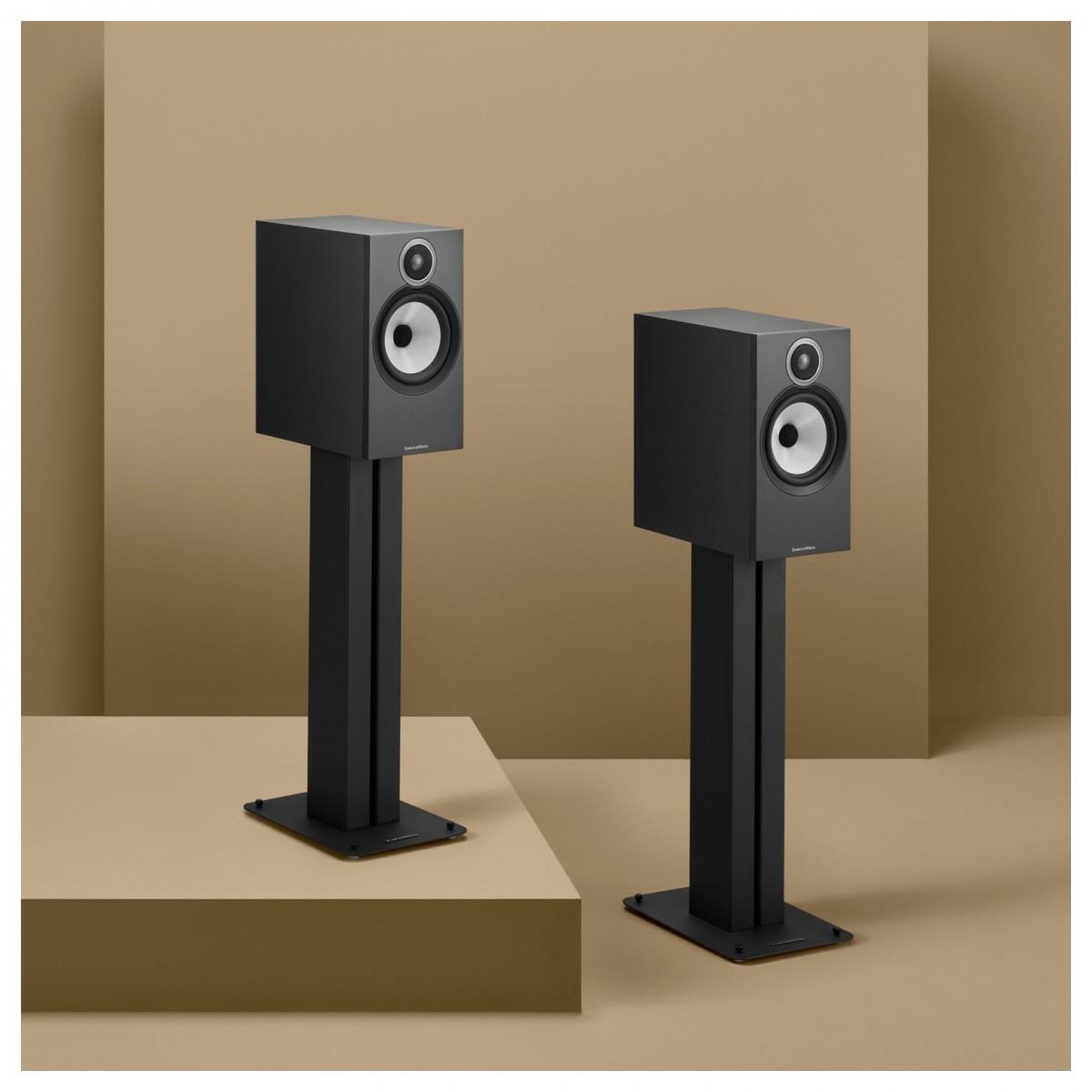
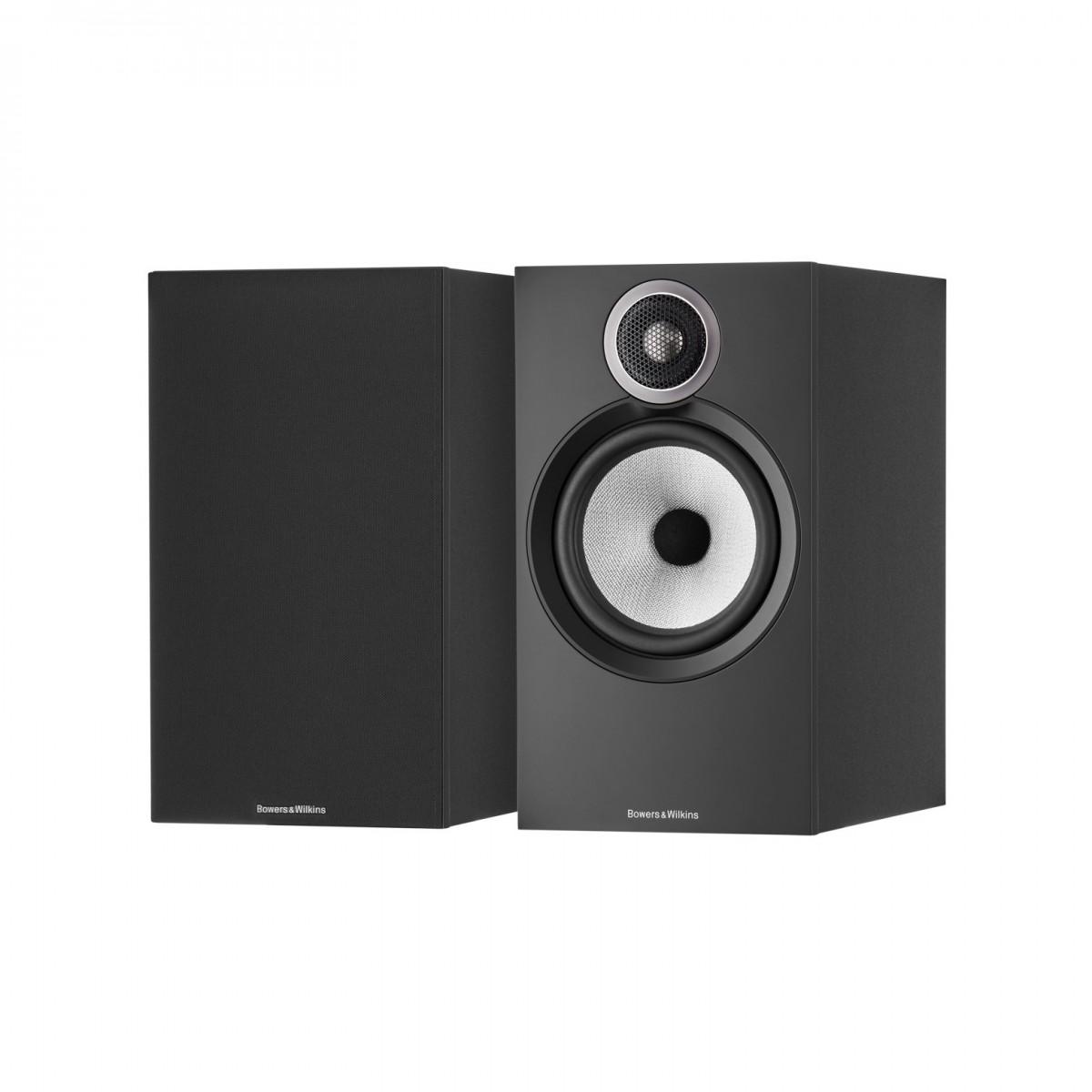
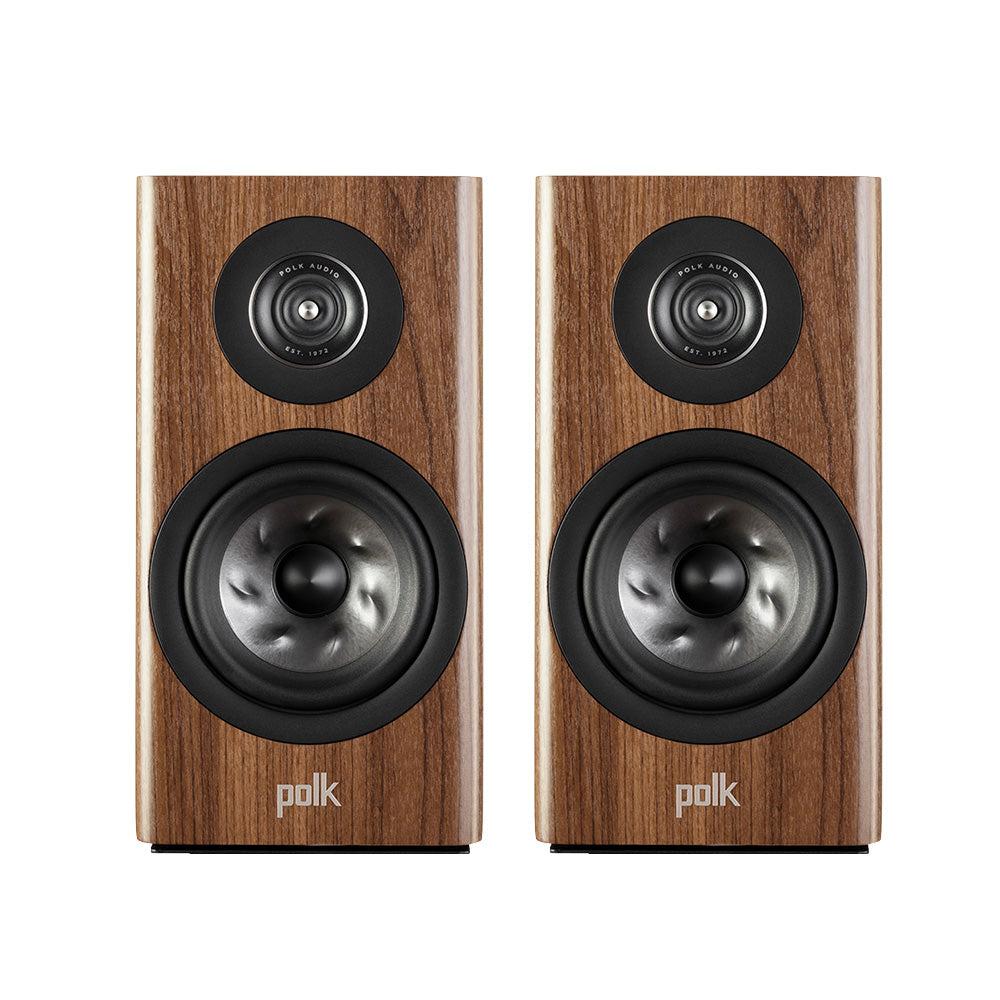
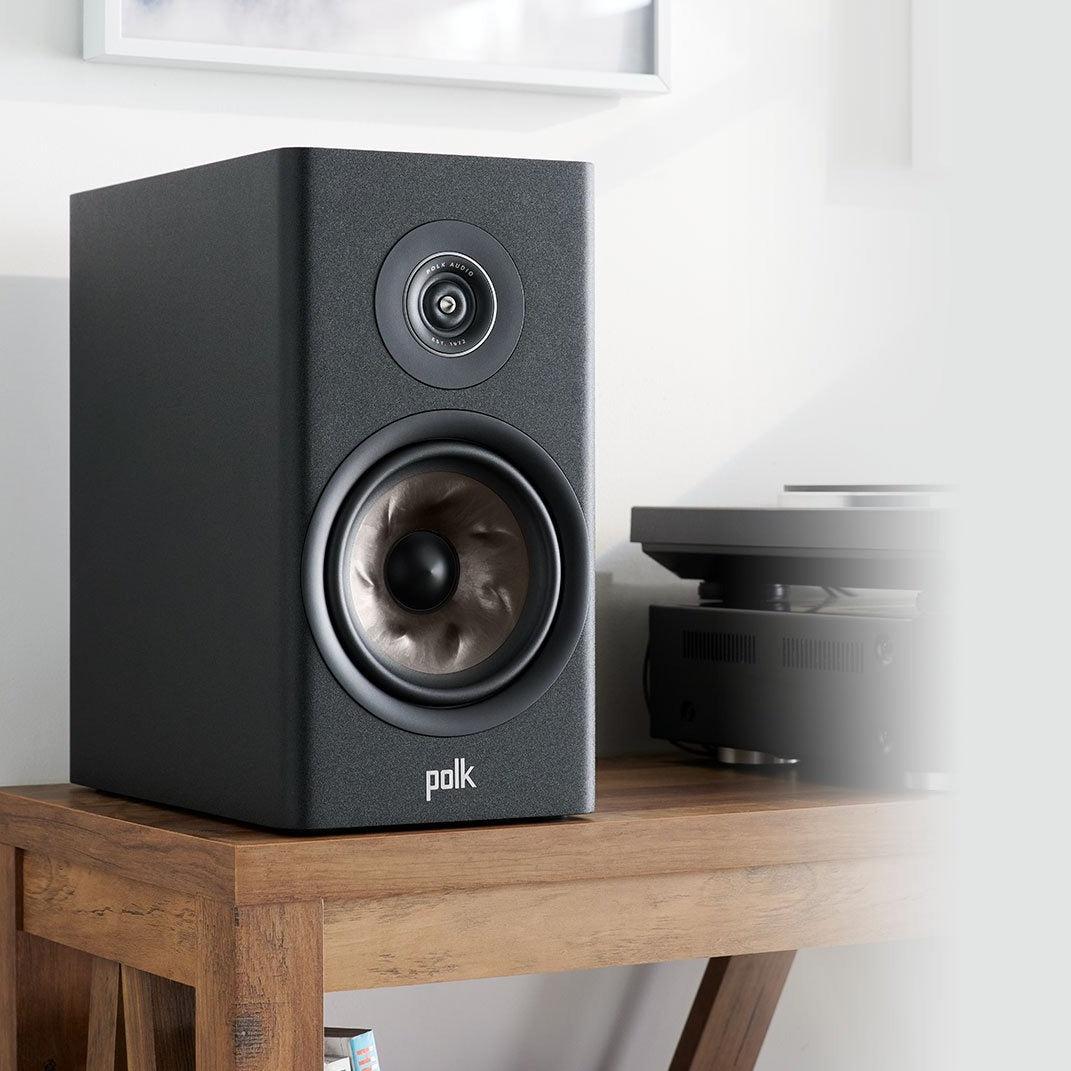
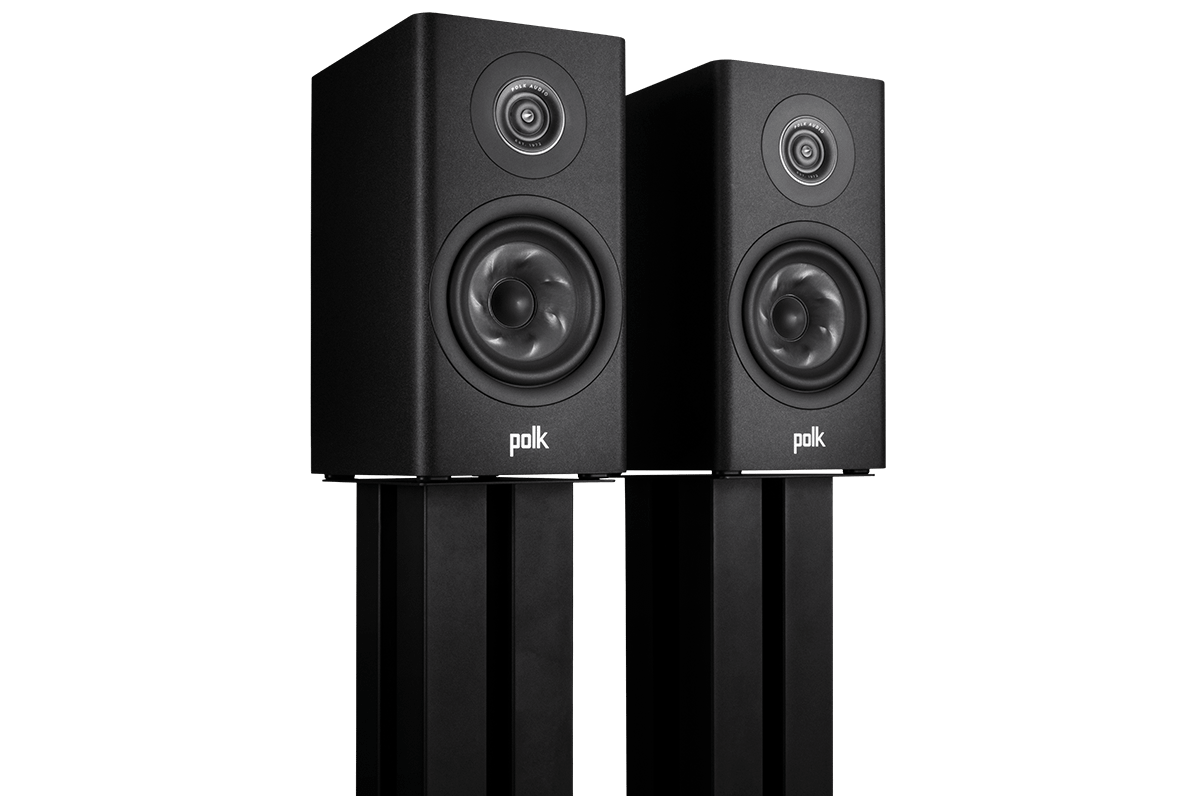
When it comes to high-quality home audio, bookshelf speakers remain a cornerstone of great sound reproduction. Today, we're comparing two compelling options: the Bowers & Wilkins 606 S3 ($1,100) and the Polk Reserve R100 ($649). Both represent their manufacturers' latest technologies, but they take different approaches to delivering premium sound.
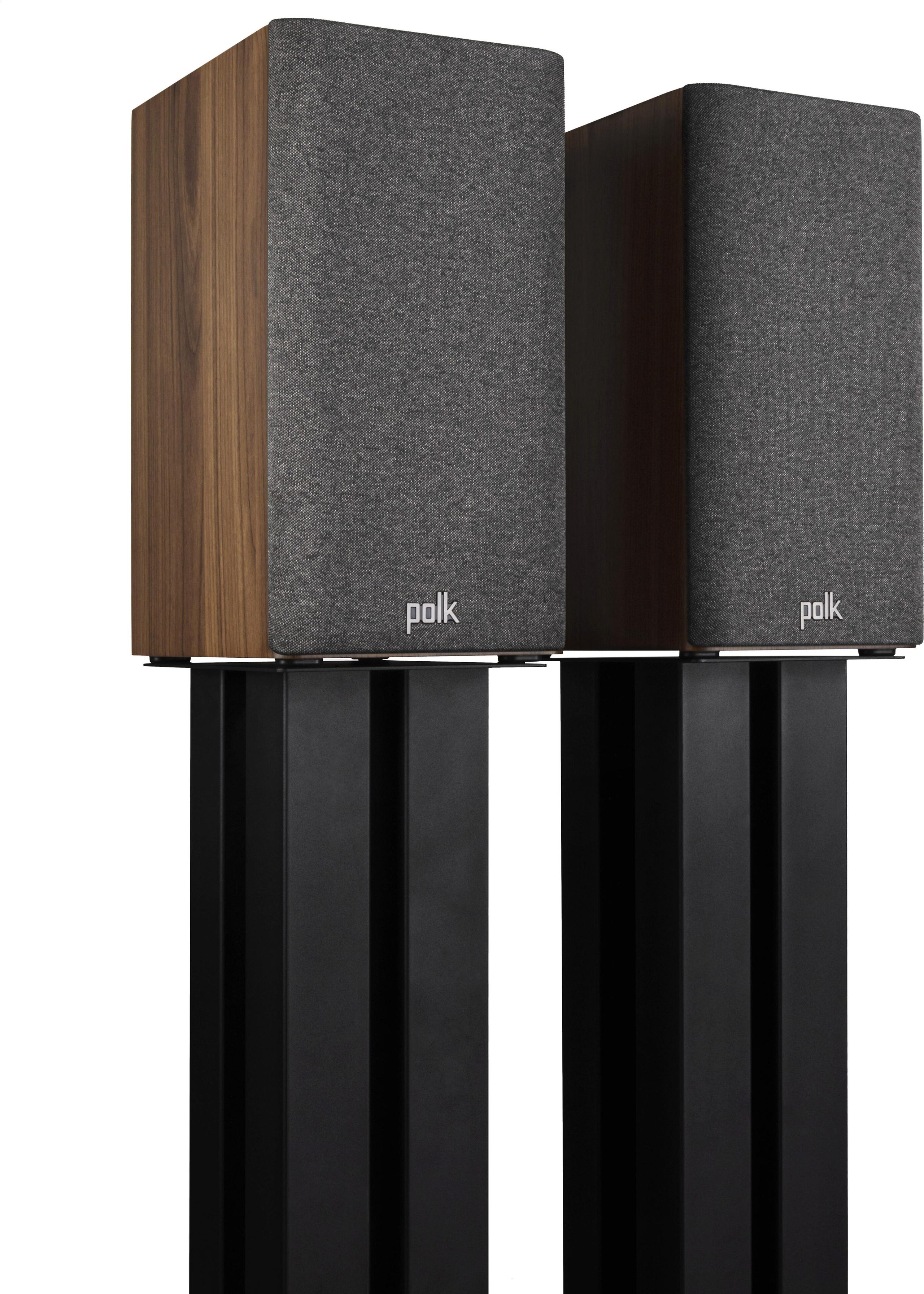
Bookshelf speakers, despite their name, are actually designed to perform best on dedicated stands, positioned away from walls. They serve as the sweet spot between compact form and serious sound quality, making them ideal for both dedicated listening rooms and multi-purpose living spaces.
These days, bookshelf speakers pack incredible technology into relatively small cabinets. Modern materials and design techniques have largely eliminated the old compromises in bass response and overall performance that once plagued smaller speakers.
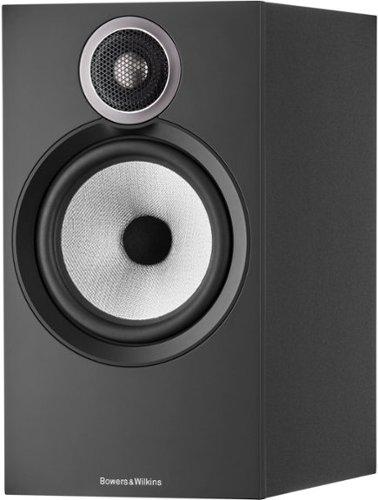
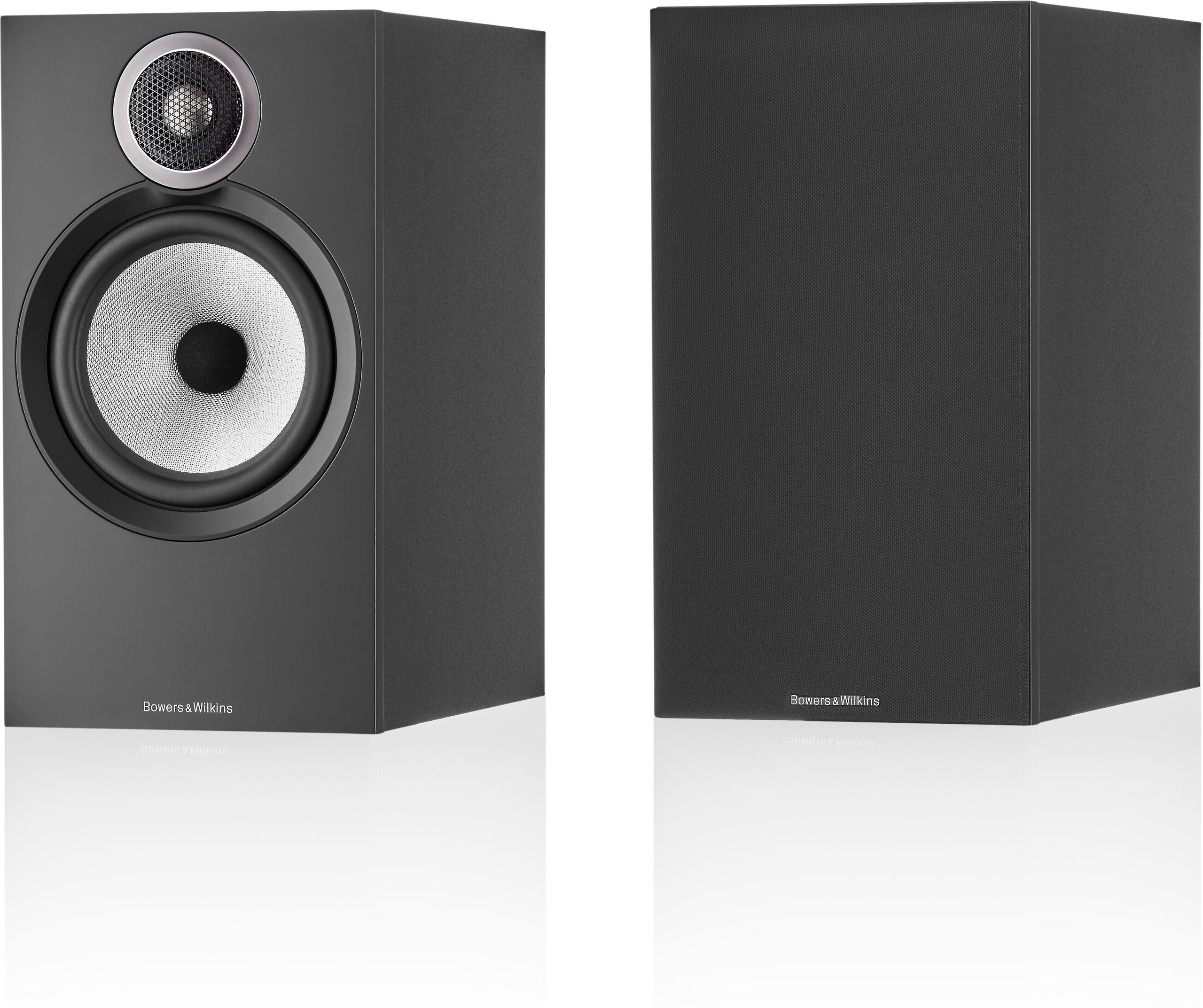
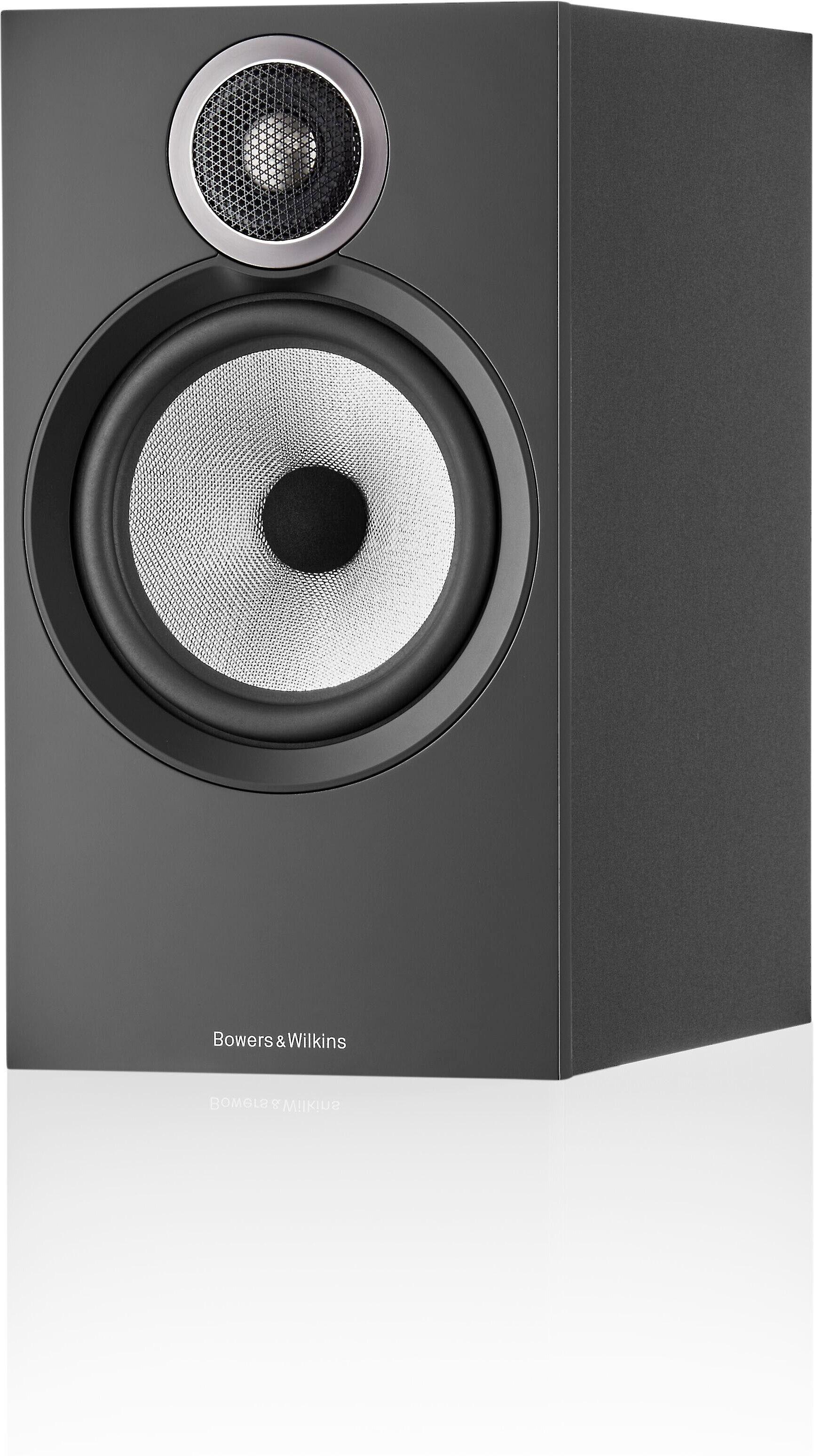
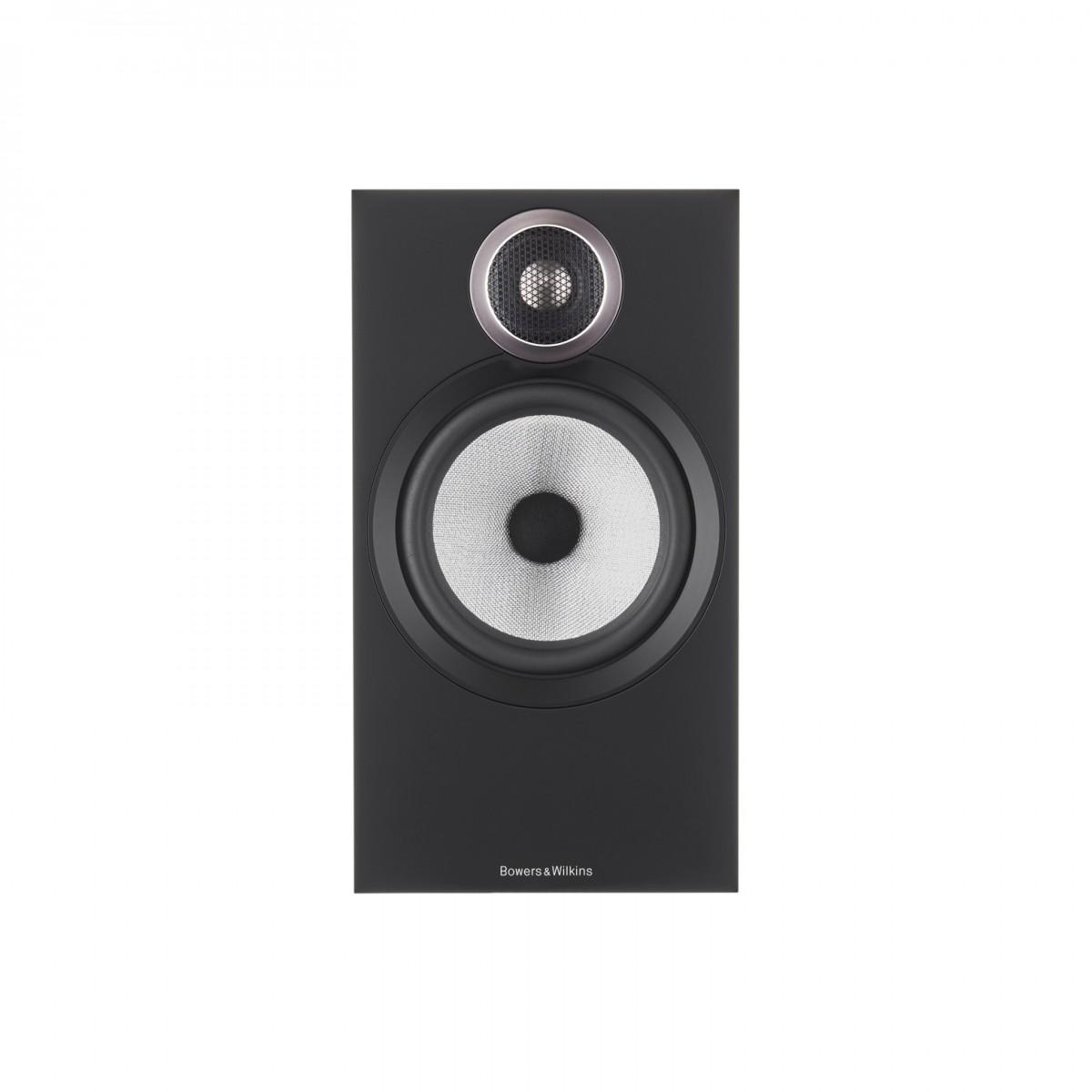
The 606 S3 showcases B&W's latest Titanium Dome tweeter technology, which delivers extraordinarily detailed high frequencies. This tweeter, completely isolated from the cabinet through a gel-like mounting system, produces crystal-clear treble without harshness. The Continuum cone midrange driver (a technology that B&W spent eight years developing) provides remarkably natural vocals and instruments.
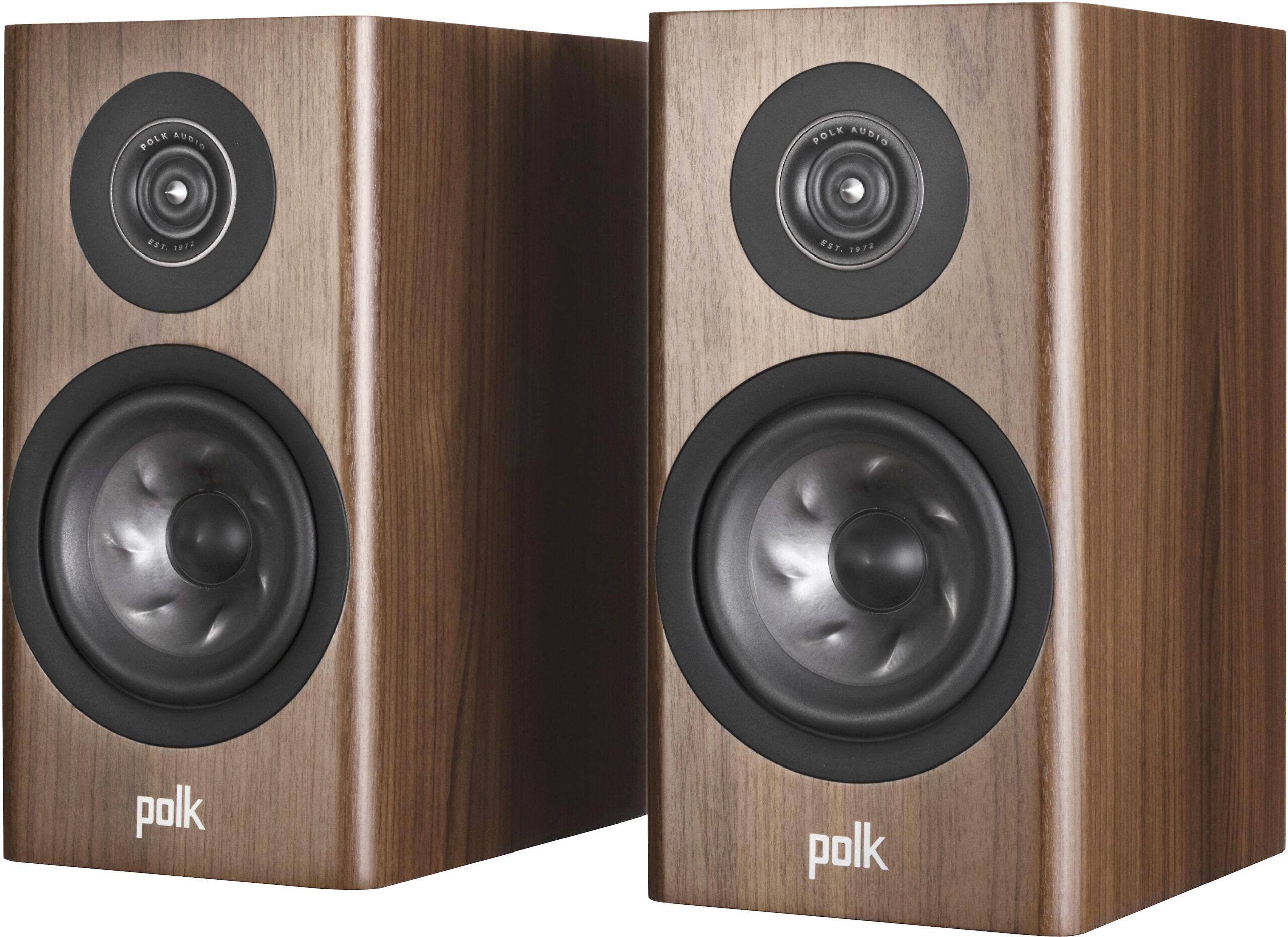
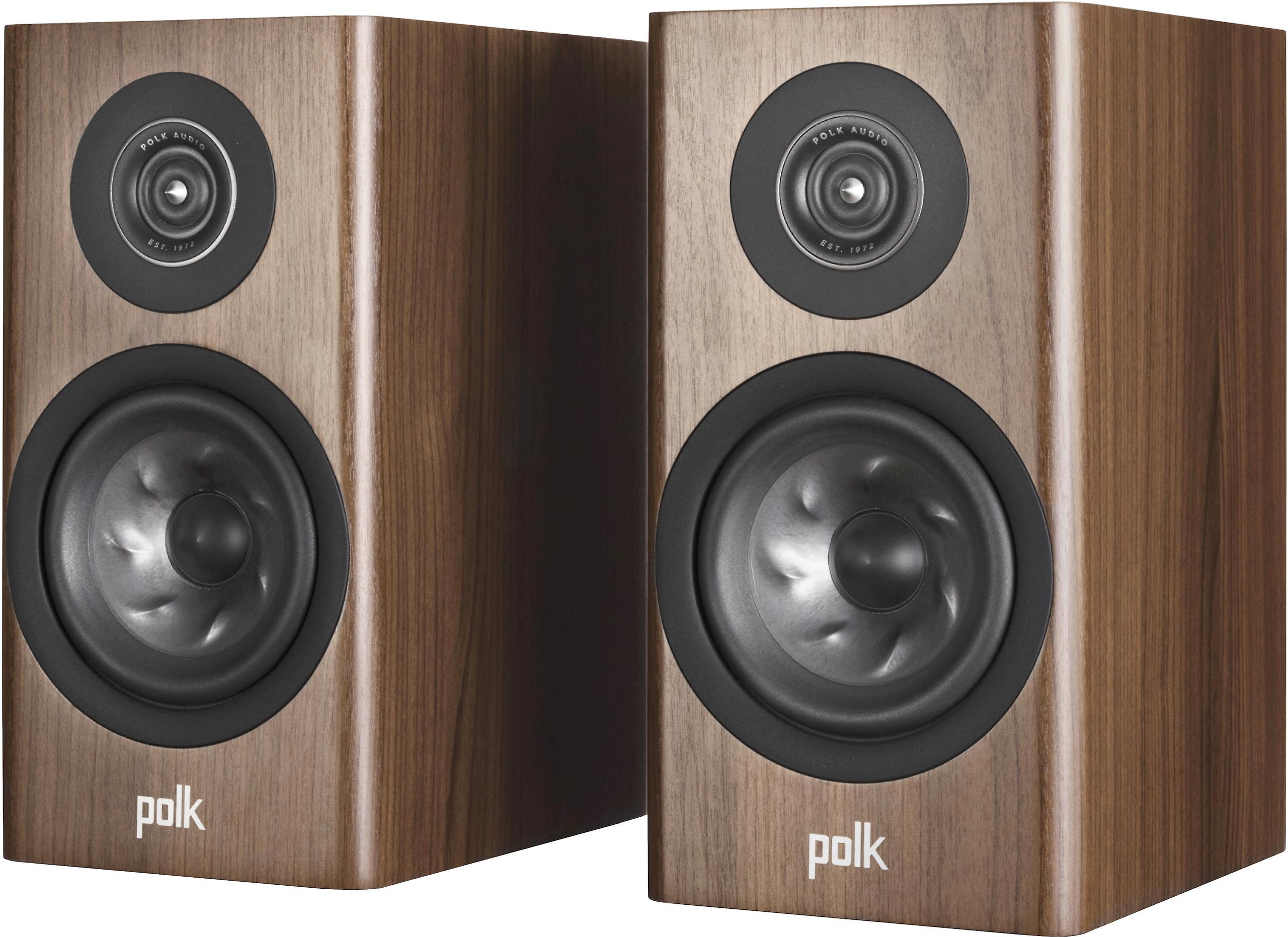
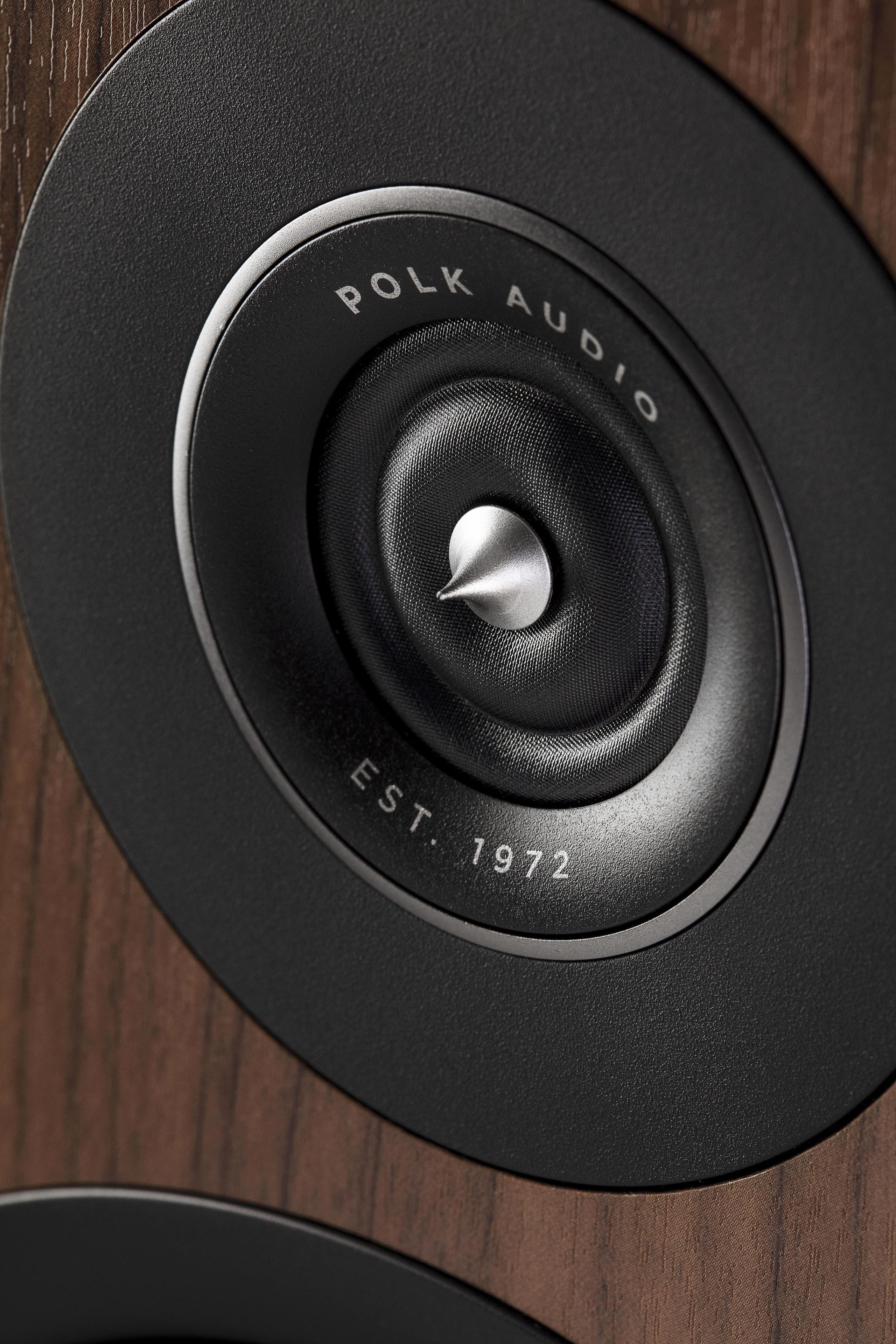
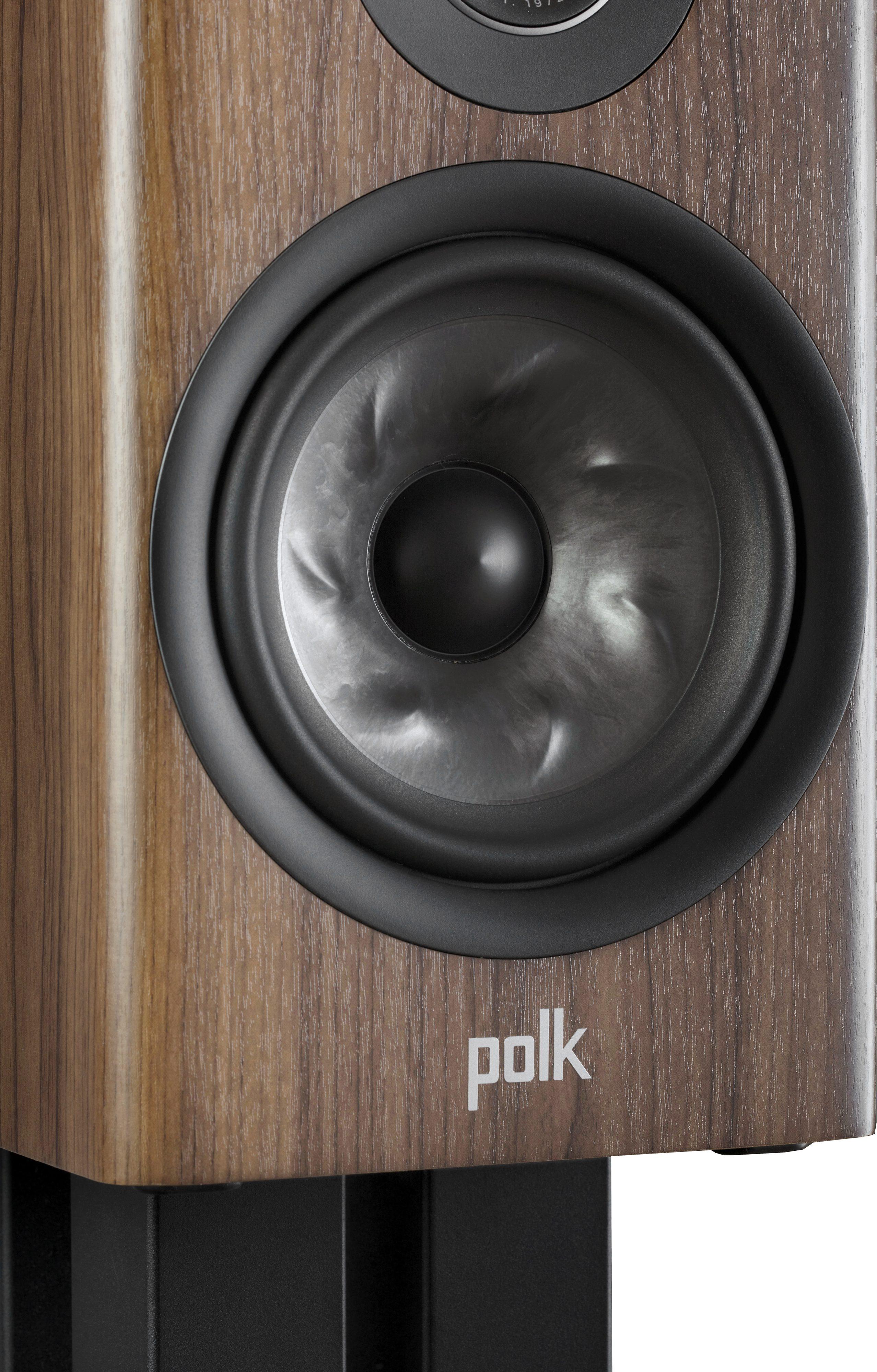
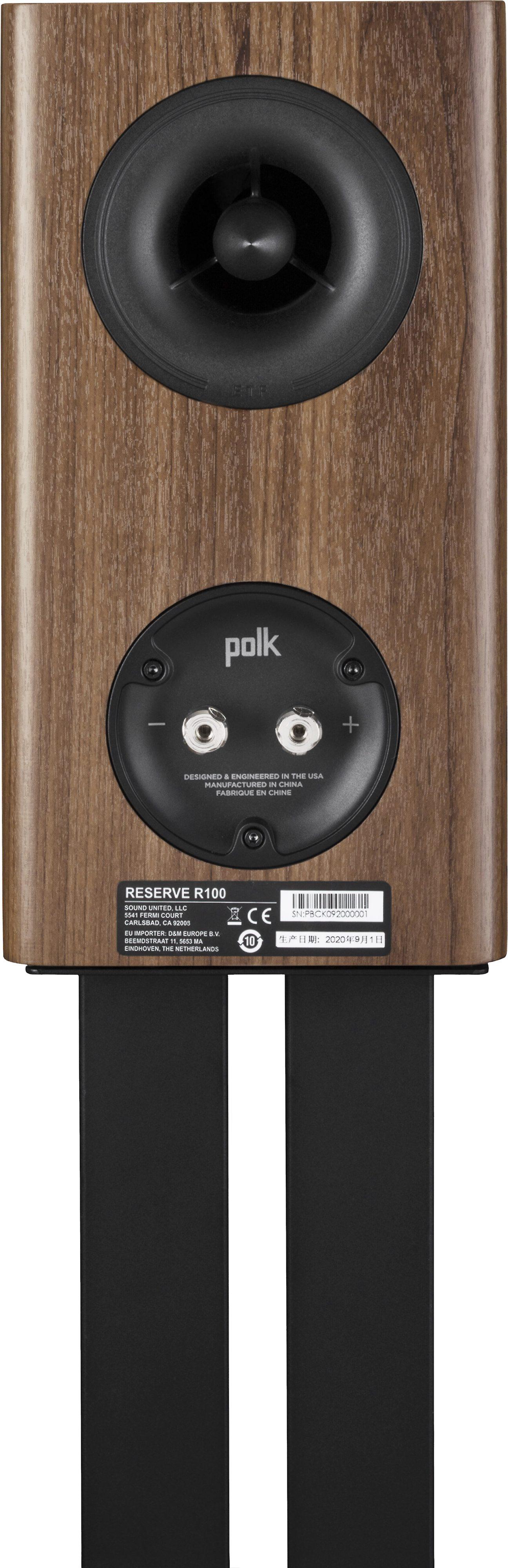
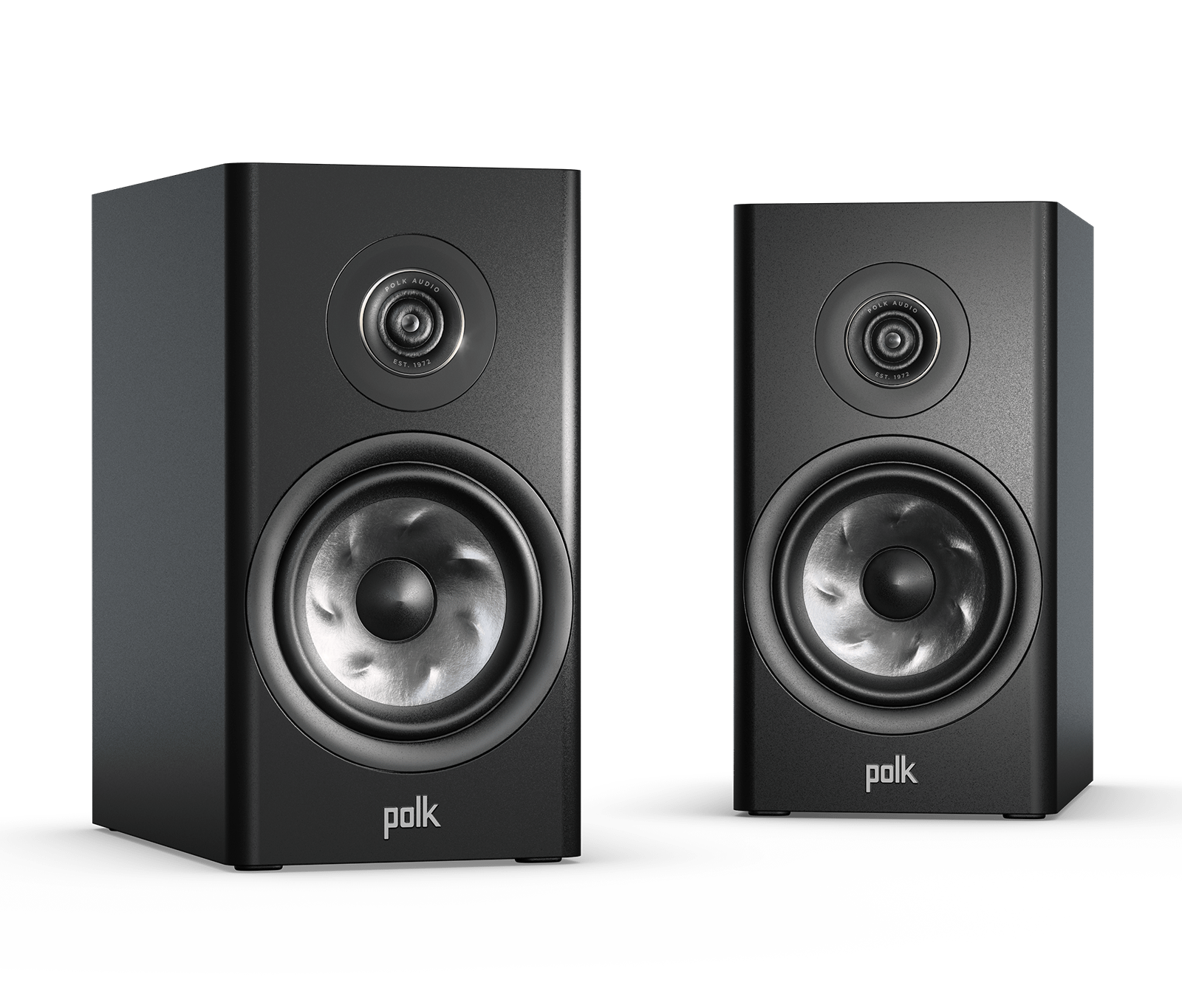
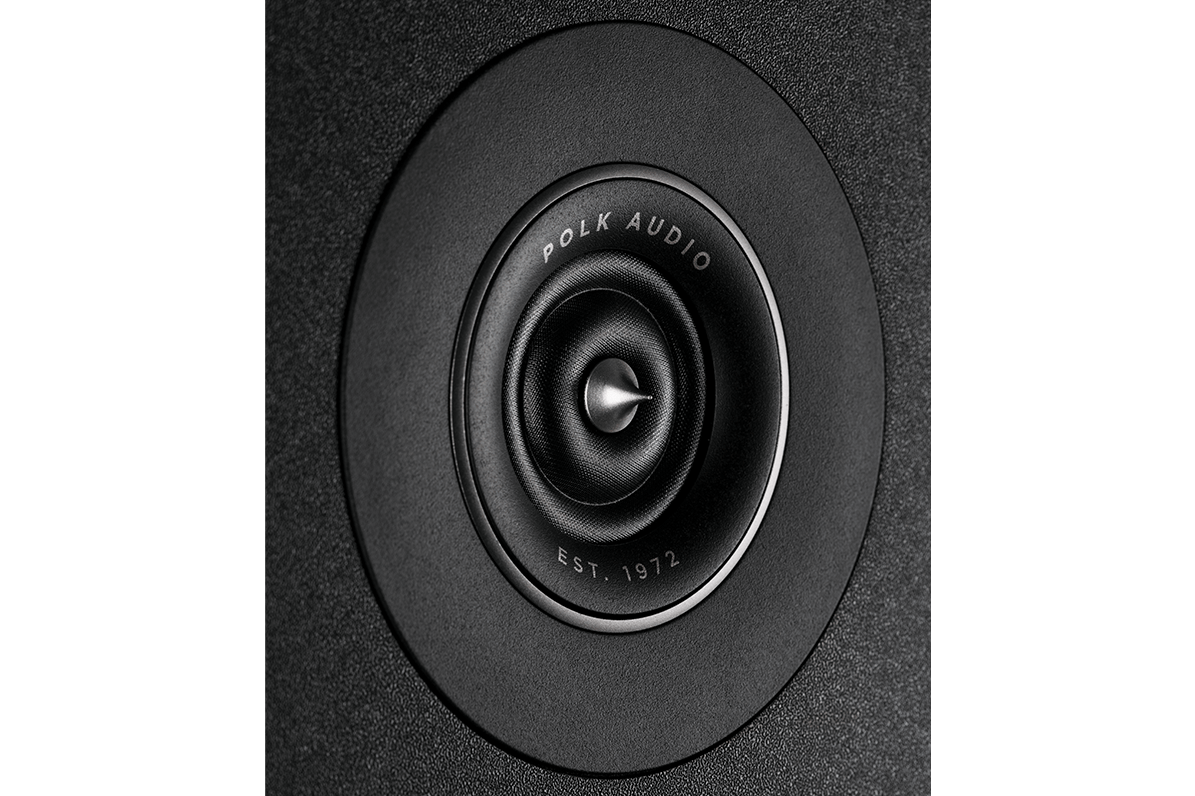
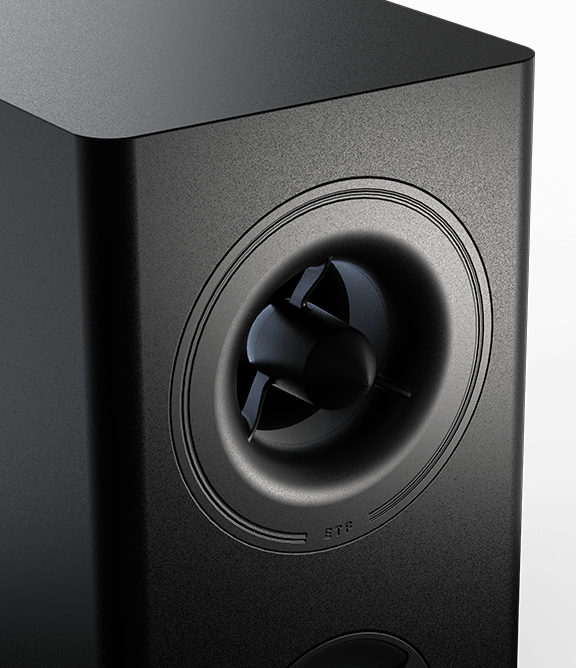
In contrast, the R100 uses Polk's Pinnacle Ring Radiator tweeter and Turbine Cone technology. The ring radiator design creates a wider "sweet spot" - the area where you hear optimal sound - making it more forgiving of different listening positions. The Turbine Cone uses molded geometry to increase stiffness without adding weight, resulting in clean, articulate bass beyond what you might expect from a speaker this size.
Having listened to both extensively, I find the B&W offers more microscopic detail and "air" around instruments, while the Polk presents a warmer, more forgiving sound that many listeners might prefer for longer sessions.
The B&W's 88dB sensitivity rating means it needs less power to play at the same volume compared to the Polk's 86dB rating. However, both speakers benefit from quality amplification. The B&W particularly shines with high-end electronics, while the Polk performs admirably even with mid-range receivers.
In real-world terms, you'll want at least 50 watts per channel of clean power for either speaker, though both can handle significantly more. The B&W's slightly higher sensitivity means it might play about 2dB louder with the same power input - a small but noticeable difference.
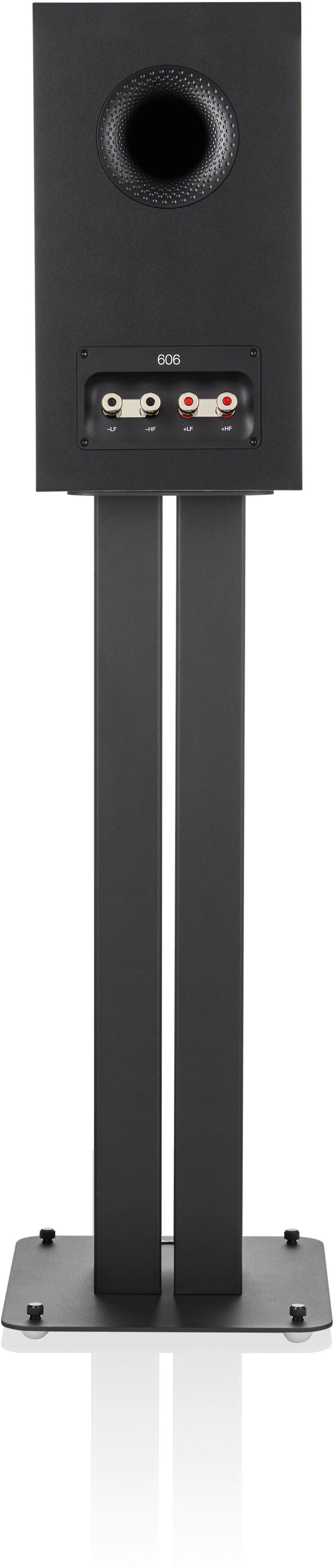
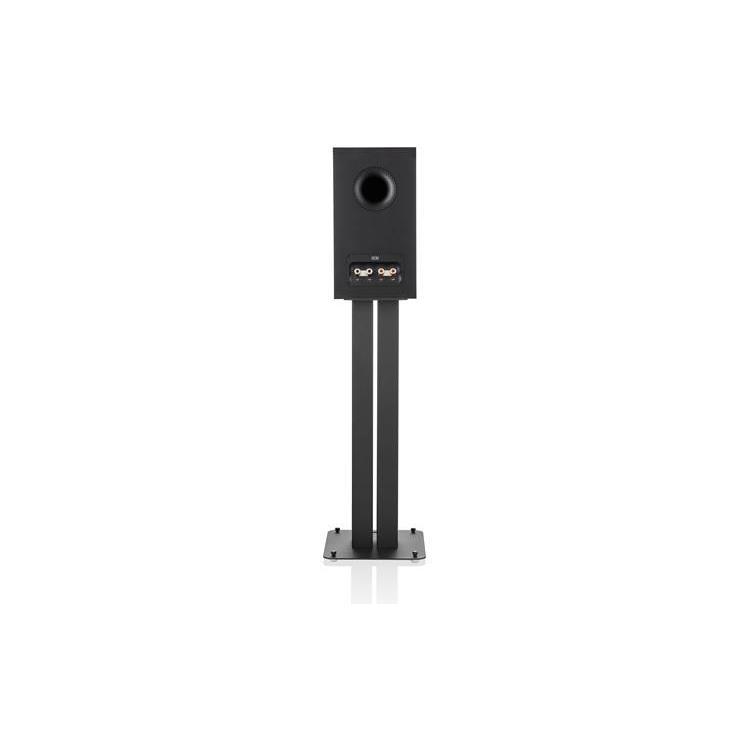
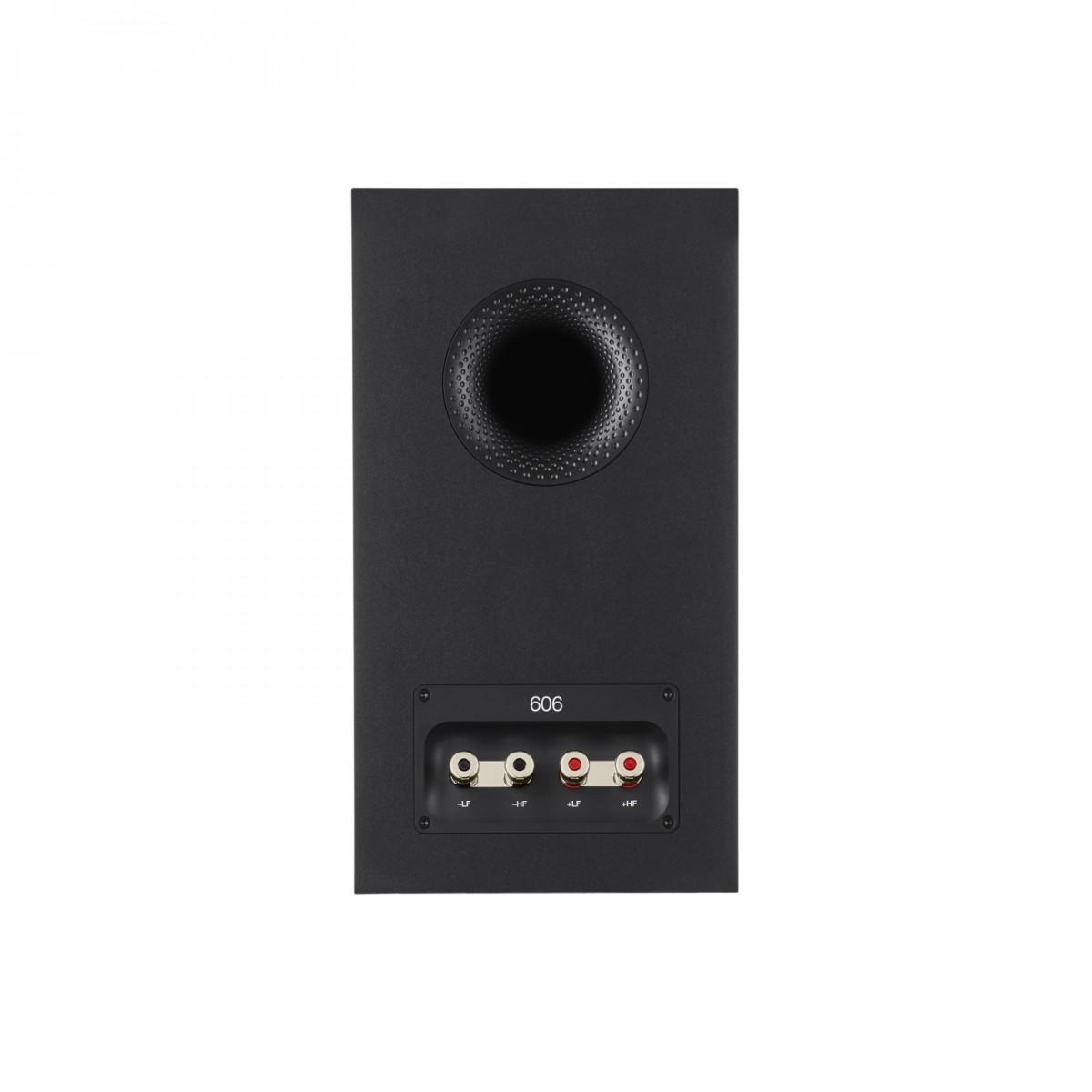
Here's where these speakers show significant differences in design philosophy. The 606 S3 uses a rear-firing port (a tube that helps extend bass response) that requires careful placement away from walls. While this design can provide deeper bass, it needs space to "breathe."
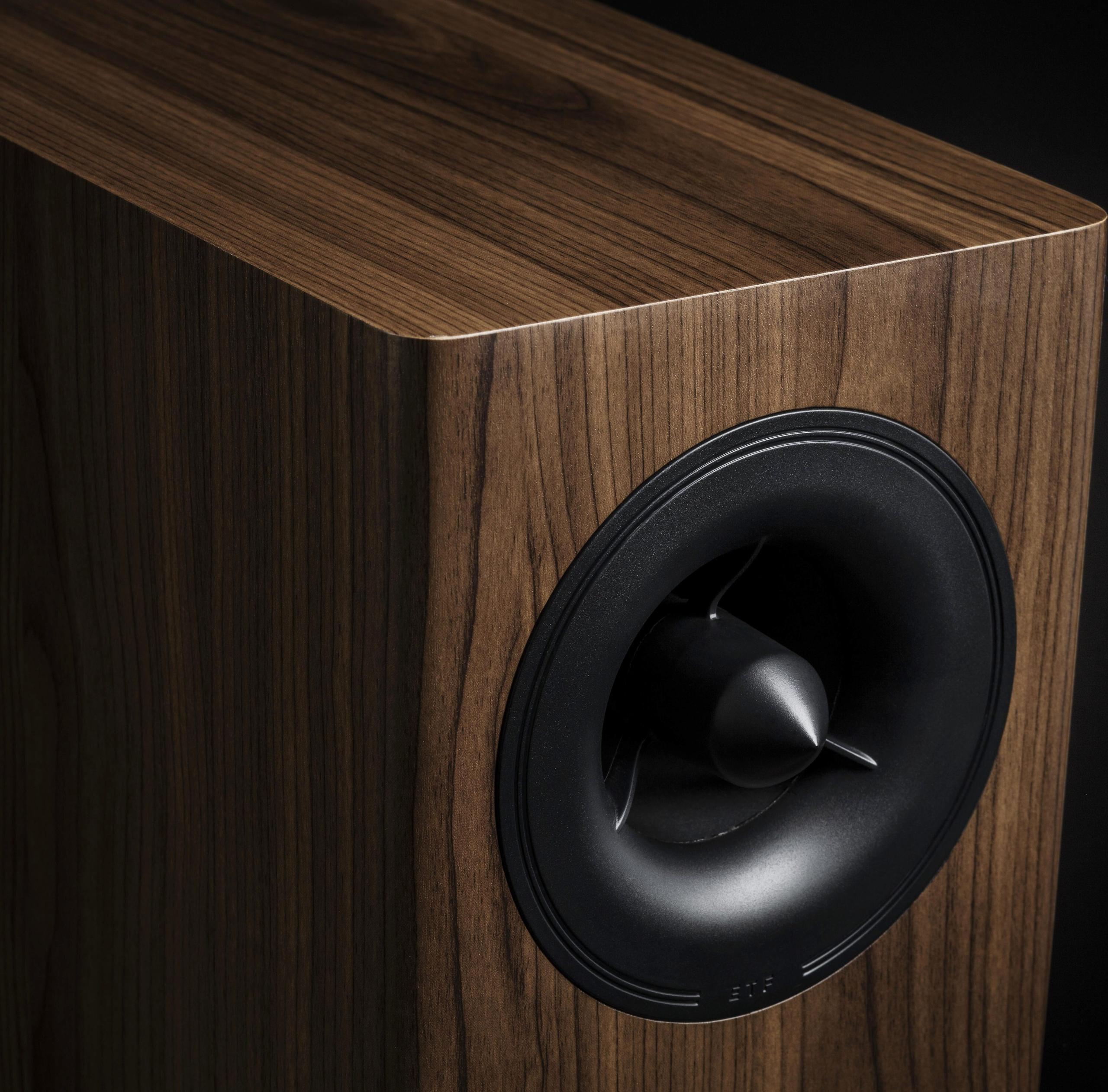
Polk's proprietary X-Port technology in the R100 makes it notably more flexible regarding placement. This innovative port design reduces turbulence and allows for cleaner bass even when the speakers are positioned closer to walls - a significant advantage in real-world situations.
At nearly double the price, the B&W needs to deliver significantly better performance to justify its premium. In many ways, it does - offering exceptional detail retrieval, precise imaging (the ability to locate instruments in space), and that ineffable sense of "being there" that audiophiles crave.
However, the Polk represents tremendous value, delivering about 85% of the B&W's performance at 60% of the price. For many listeners, especially those without high-end associated equipment, the Polk might actually be the better choice.
Both speakers excel with music, but their characters differ:
606 S3 reveals every detail in high-resolution recordings, making it ideal for critical listening and discovering new elements in familiar music. However, it can be unforgiving with poor recordings.R100 offers a more relaxed presentation that works well across a broader range of recording qualities and musical genres.In home theater applications, both speakers perform admirably but with different strengths:
Both speakers represent significant technological advances over their predecessors:
The 606 S3 introduces B&W's new Titanium Dome tweeter, improving upon the previous aluminum design for better detail and smoother response. The upgraded speaker terminals, derived from B&W's more expensive 700 series, provide better connection options and potentially cleaner signal transfer.
The R100 benefits from trickle-down technology from Polk's flagship Legend series, particularly in its Pinnacle tweeter design and Turbine Cone implementation. The X-Port technology represents a genuine innovation in managing port noise and bass response.
Both speakers represent excellent choices in their respective price brackets. The 606 S3 edges ahead in absolute performance, while the R100 offers exceptional value and real-world practicality. Your choice should ultimately depend on your specific needs, room constraints, and associated equipment.
| Bowers & Wilkins 606 S3 ($1,100) | Polk Reserve R100 ($649) |
|---|---|
| Size - Impacts placement flexibility and bass response | |
| 7.5"W x 13.7"H x 13"D, 15.5 lbs | 6.6"W x 12.8"H x 10.2"D, 12.2 lbs |
| Frequency Response - Determines bass depth and treble extension | |
| 52-28,000 Hz (±3 dB), deeper bass capability | 58-39,000 Hz, slightly less bass extension |
| Sensitivity - Affects how much amplifier power is needed | |
| 88 dB, more efficient | 86 dB, requires slightly more power |
| Power Handling - Determines amplifier compatibility | |
| 30-120 watts, ideal with premium amps | 30-150 watts, more flexible with amplifier matching |
| Driver Configuration - Impacts sound quality and character | |
| 1" Titanium Dome tweeter, 6.5" Continuum cone mid/bass | 1" Pinnacle Ring Radiator tweeter, 5.25" Turbine Cone |
| Port Design - Affects placement flexibility and bass performance | |
| Rear-firing Flowport, requires space from walls | X-Port technology, more placement flexible |
| Cabinet Features - Influences sound quality and durability | |
| Premium build, magnetic grille, bi-wire capable | Standard build, magnetic grille, single-wire |
| Warranty - Indicates manufacturer confidence | |
| 5 years | 5 years |
| Key Technologies - Distinguishing technical features | |
| Decoupled tweeter, Continuum cone, upgraded terminals | Ring Radiator tweeter, Turbine cone, X-Port |
| Best Use Case - Optimal application scenarios | |
| Critical listening, premium systems, dedicated rooms | Versatile use, multi-purpose rooms, value-focused systems |
The B&W 606 S3 ($1,100) offers superior detail and imaging, while the Polk R100 ($649) provides excellent value with a more forgiving sound. The B&W is better for critical listening, while the Polk is more versatile for everyday use.
We've done our best to create useful and informative comparisons to help you decide what product to buy. Our research uses advanced automated methods to create this comparison and perfection is not possible - please contact us for corrections or questions. These are the sites we've researched in the creation of this article: futureaudiophile.com - headphones.com - therobinsonbrand.com - higherhz.com - audioadvisor.com - crutchfield.com - bowerswilkins.com - crutchfield.com - vinylrevival.com.au - audioadvisor.com - worldwidestereo.com - polkaudio.com - crutchfield.com - audioadvisor.com - forum.polkaudio.com - forums.whathifi.com - listenup.com - audioadvisor.com - polkaudio.com - youtube.com - audioadvisor.com

Privacy Policy
Terms and Conditions - Affiliate Policy
Home Security
© Copyright 2008-2026.
11816 Inwood Rd #1211, Dallas, TX 75244