

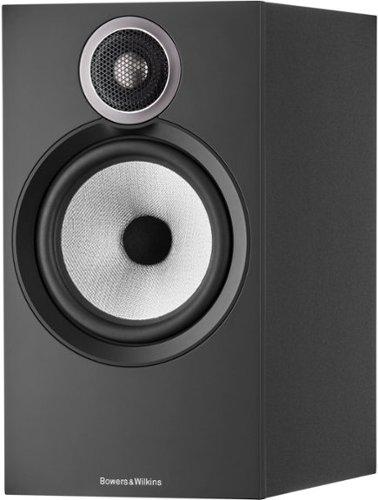
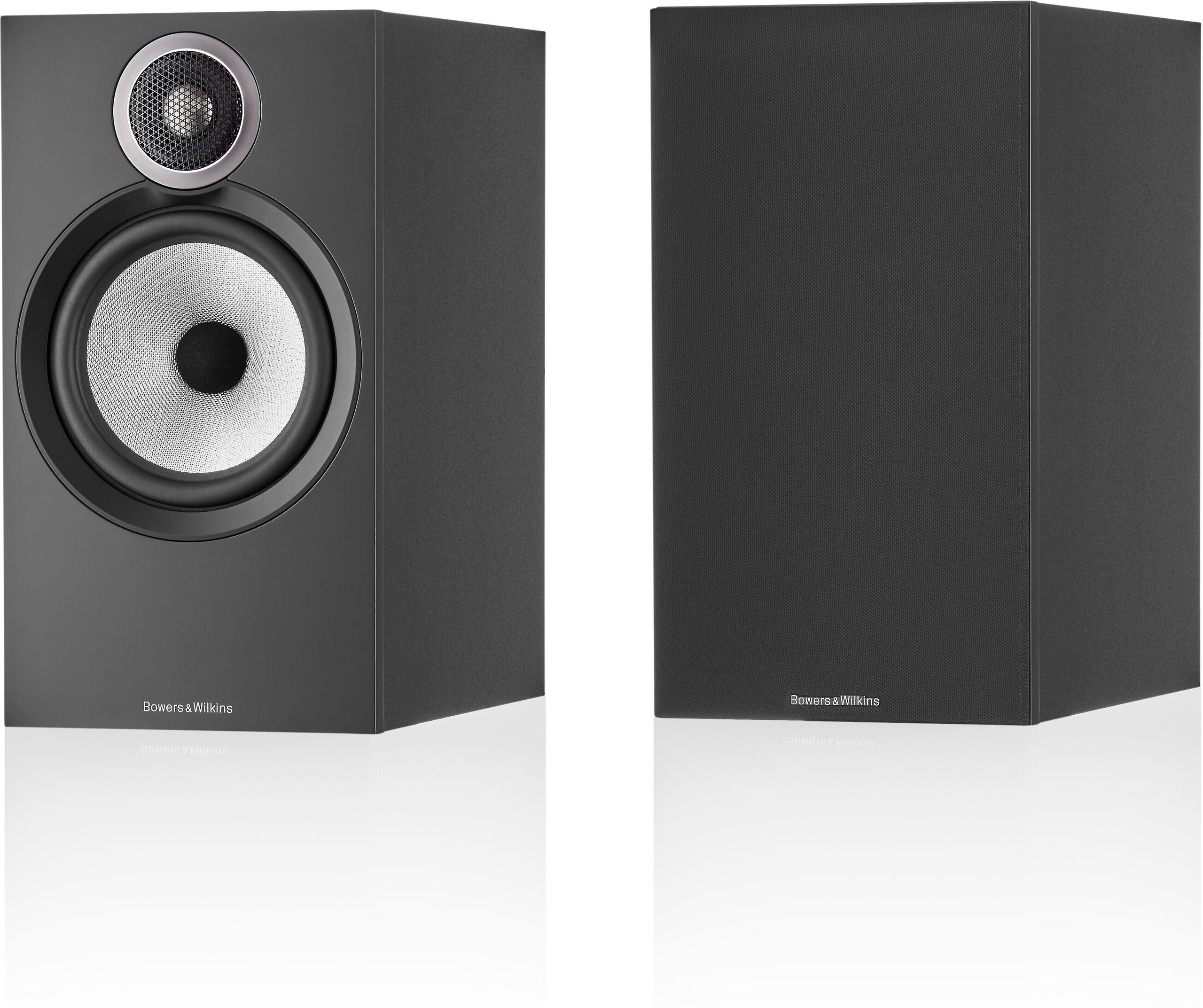
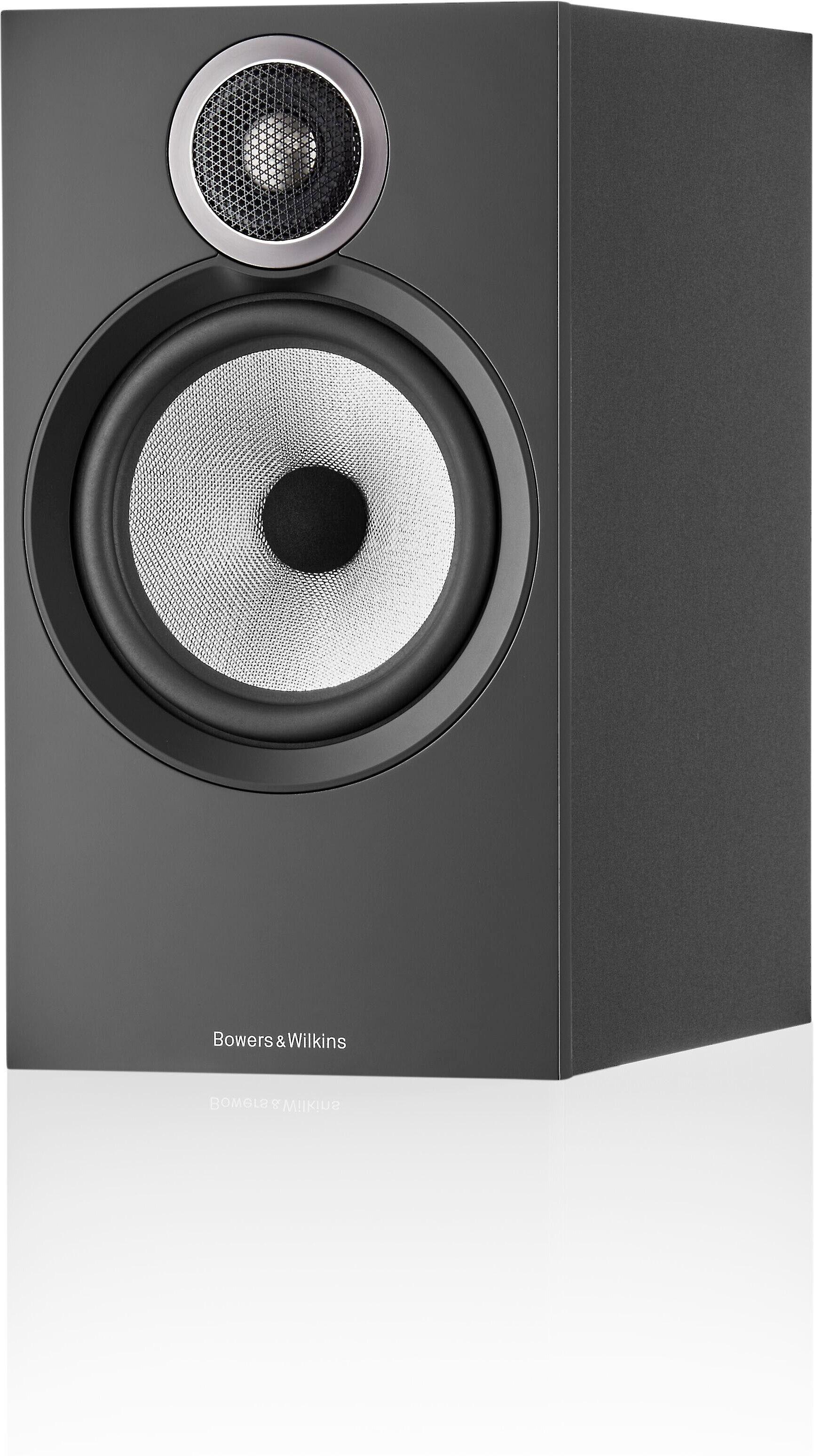
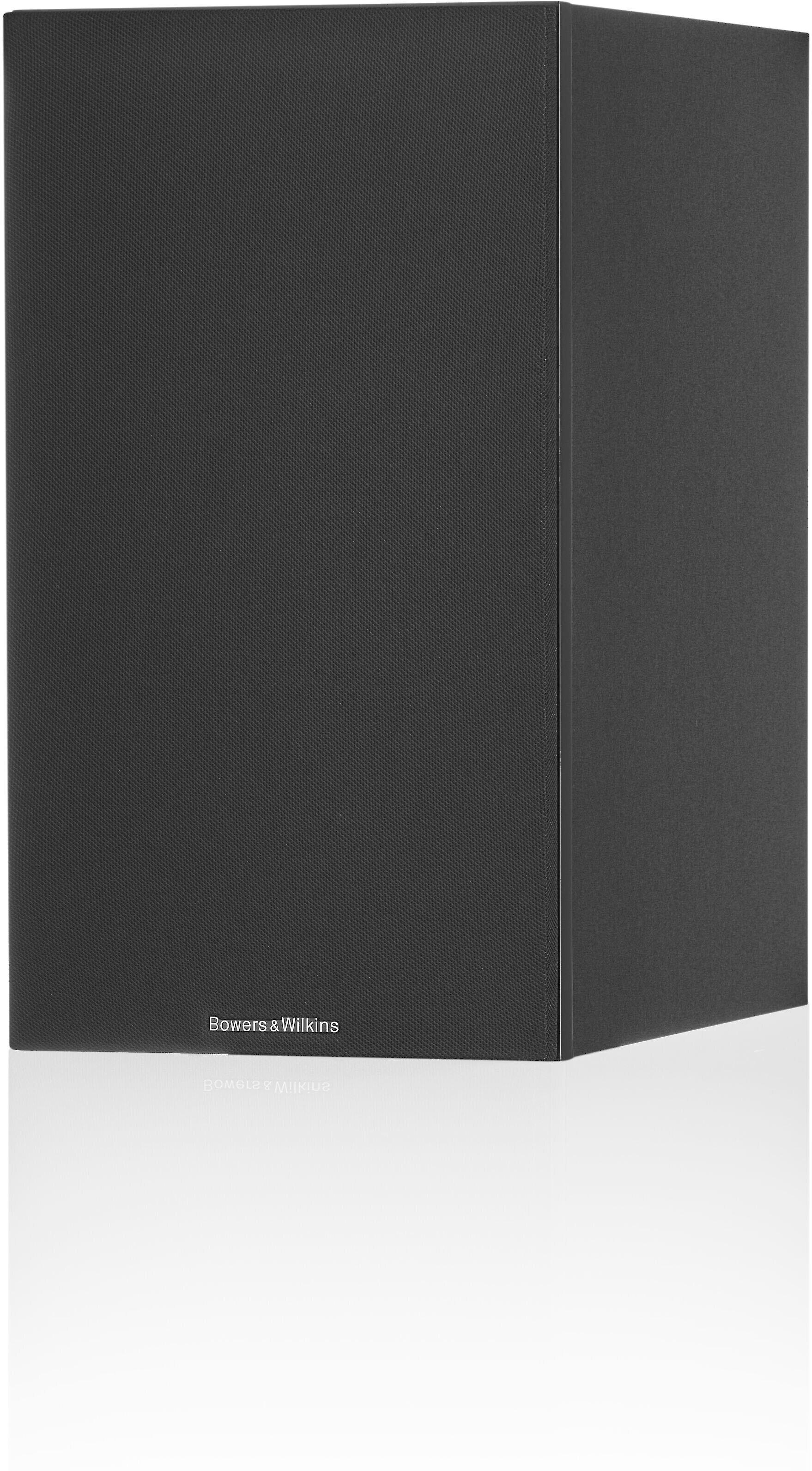
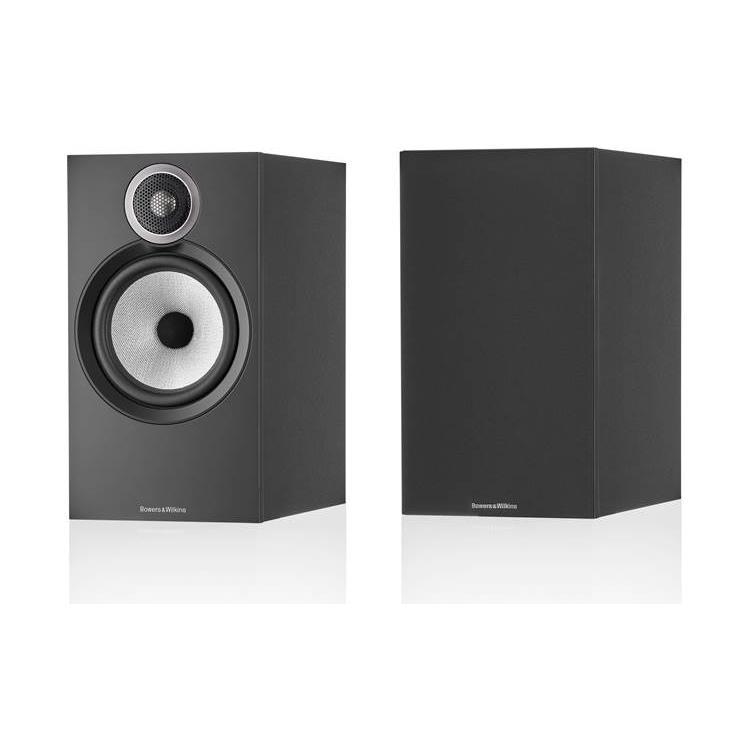
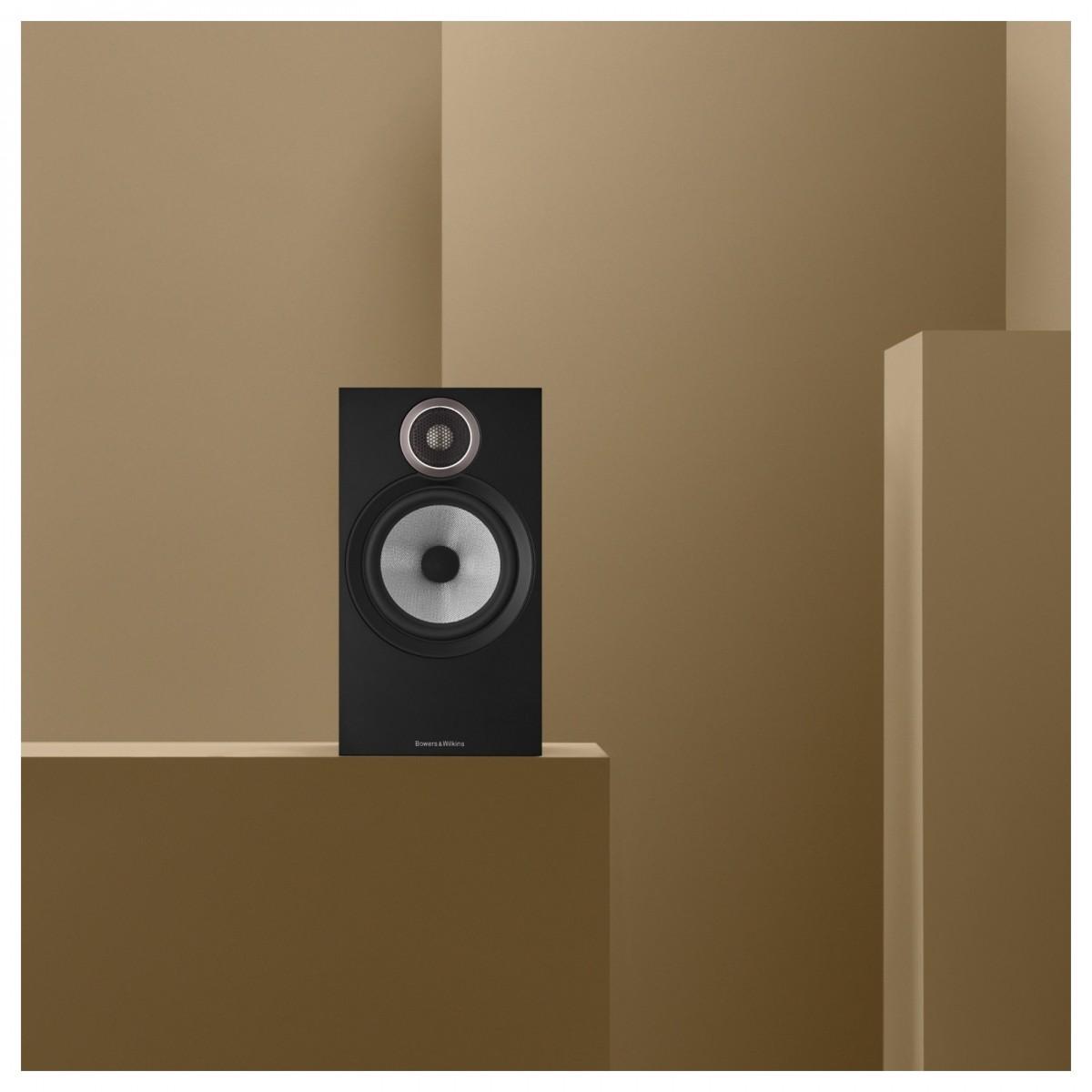
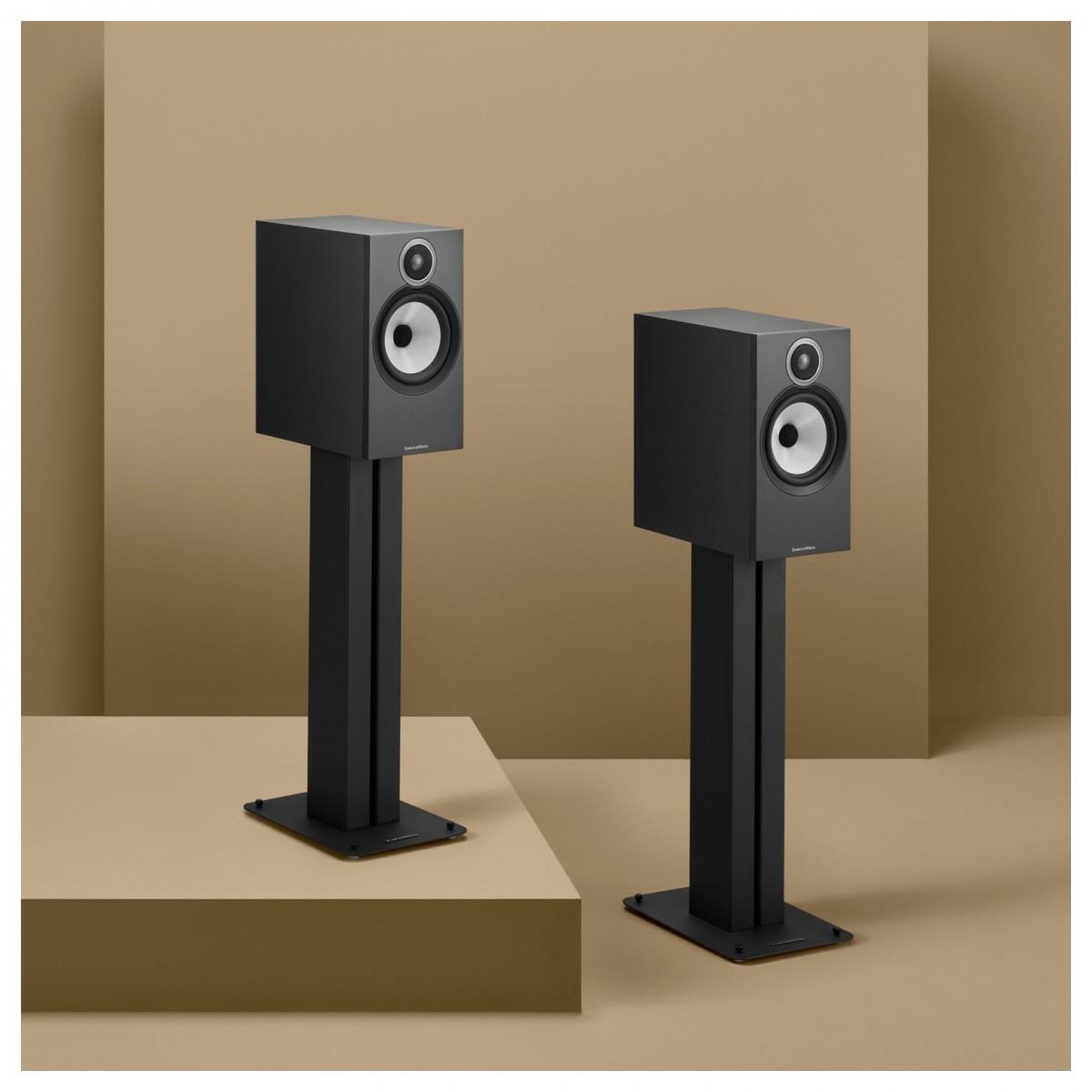
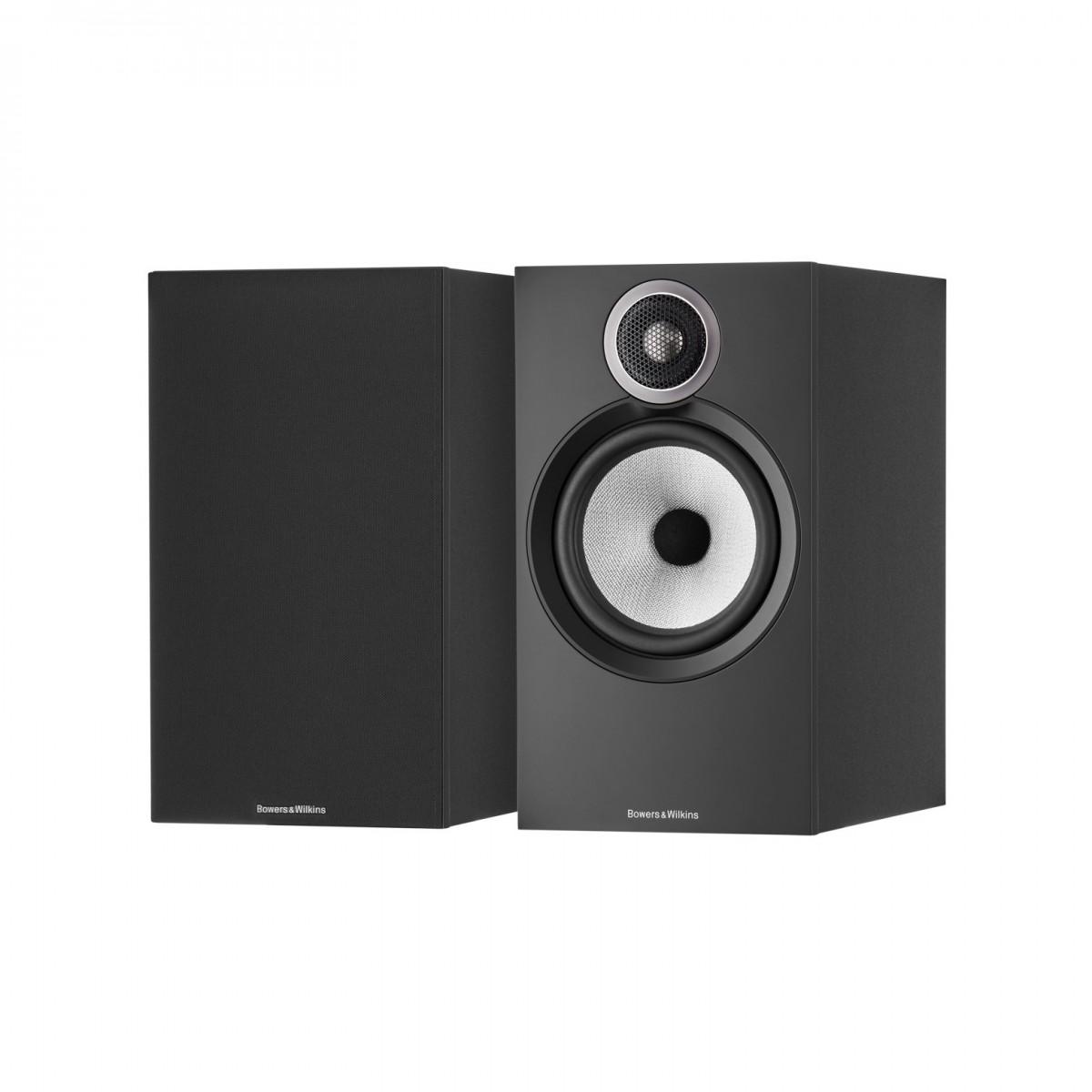
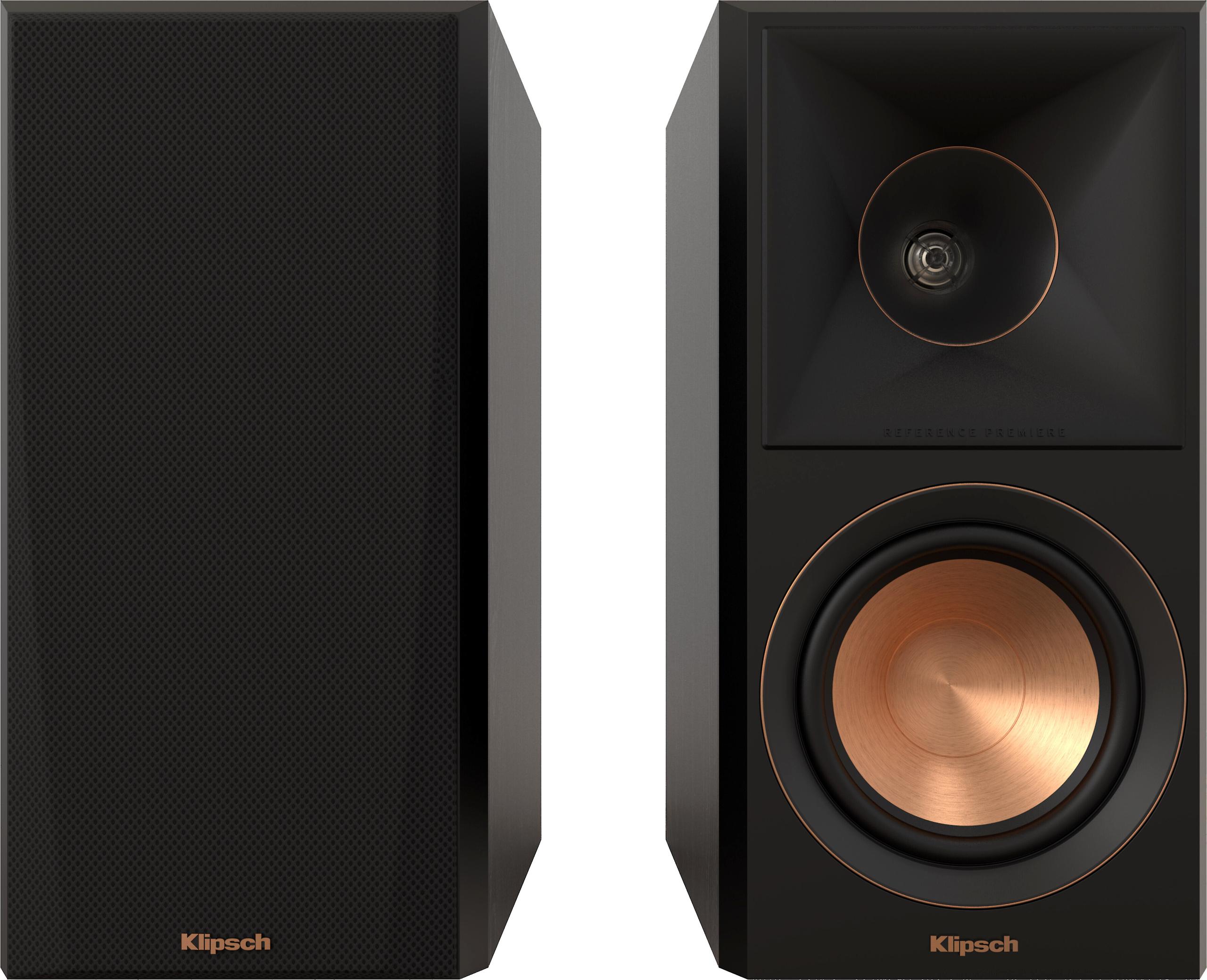
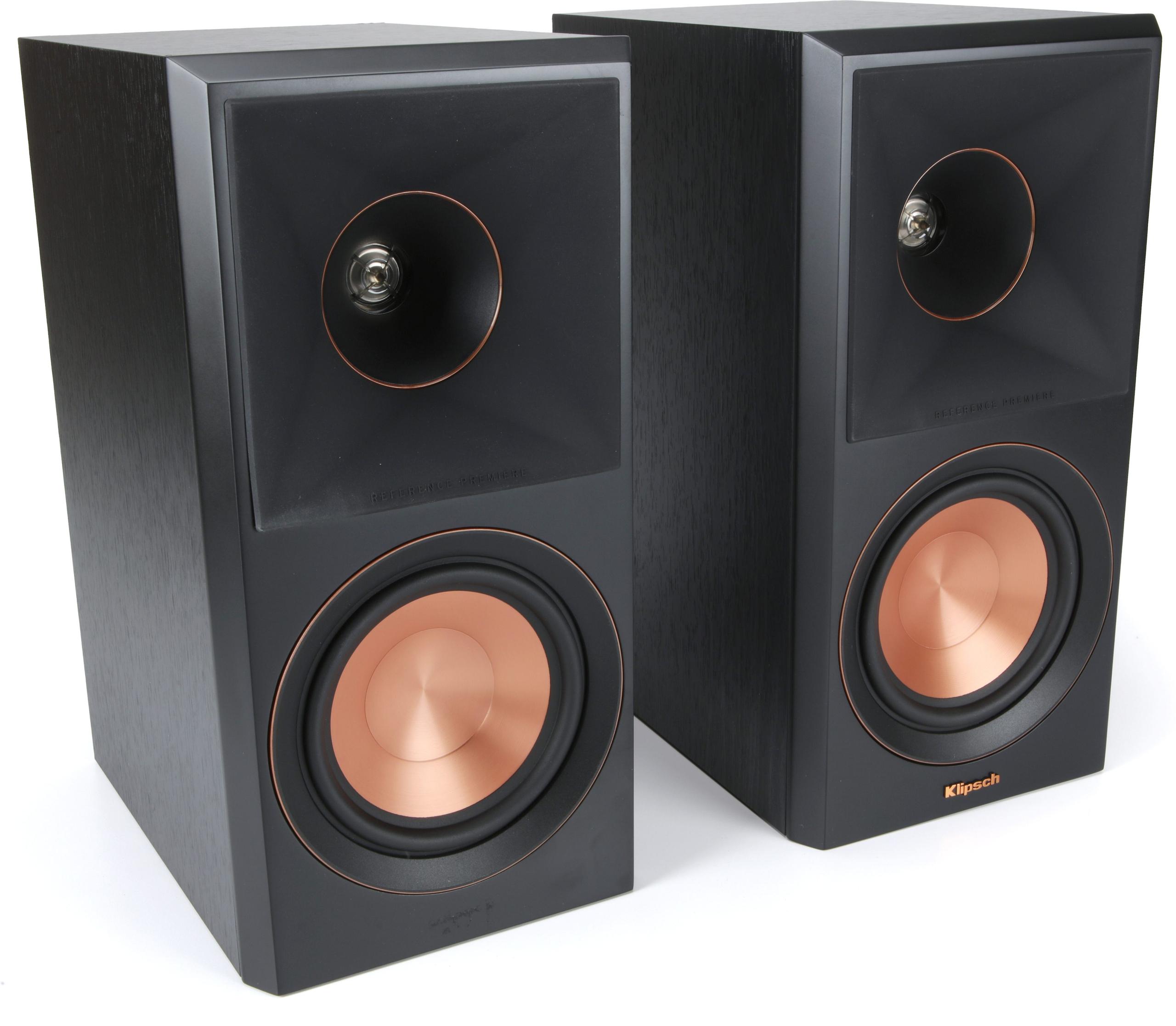
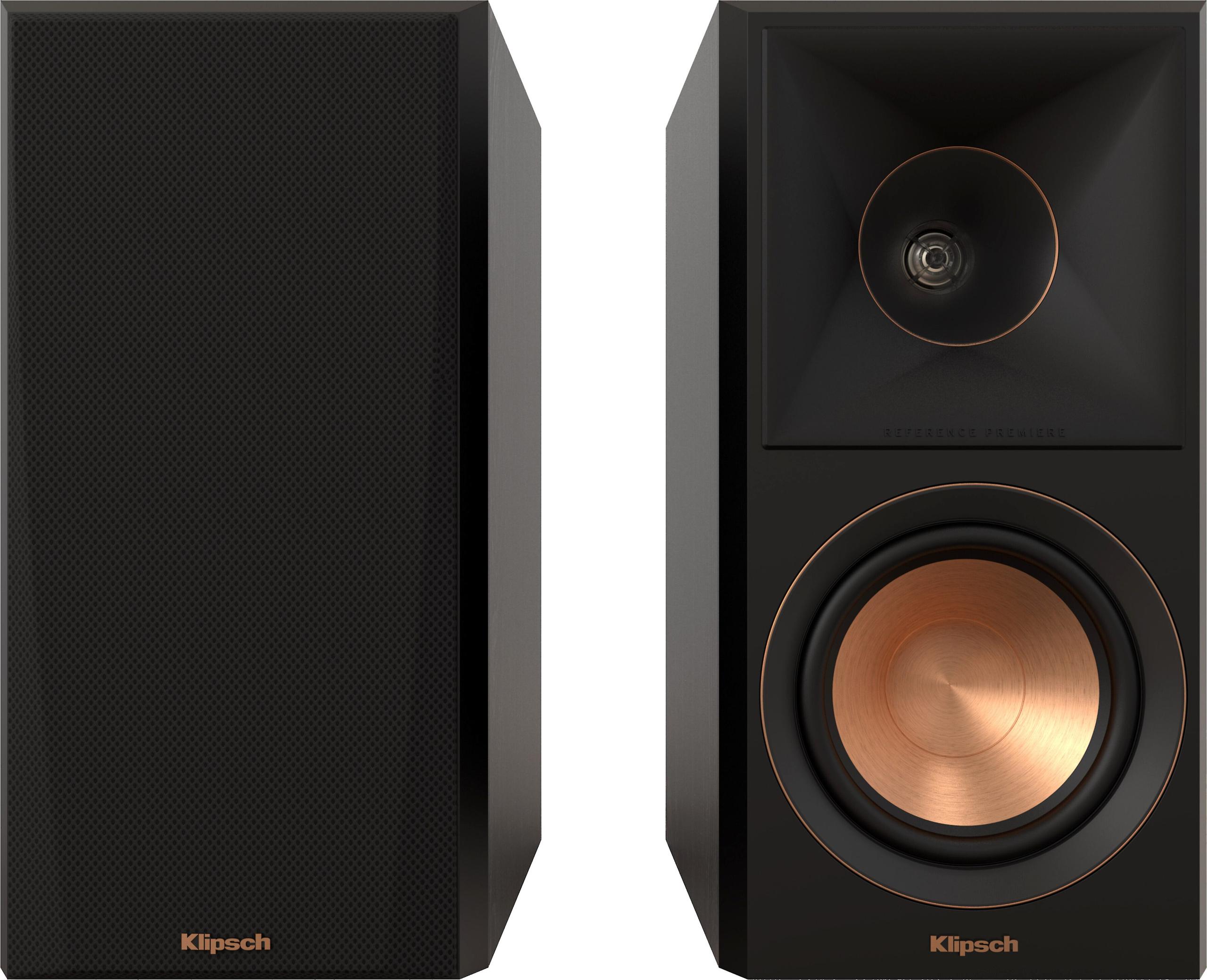
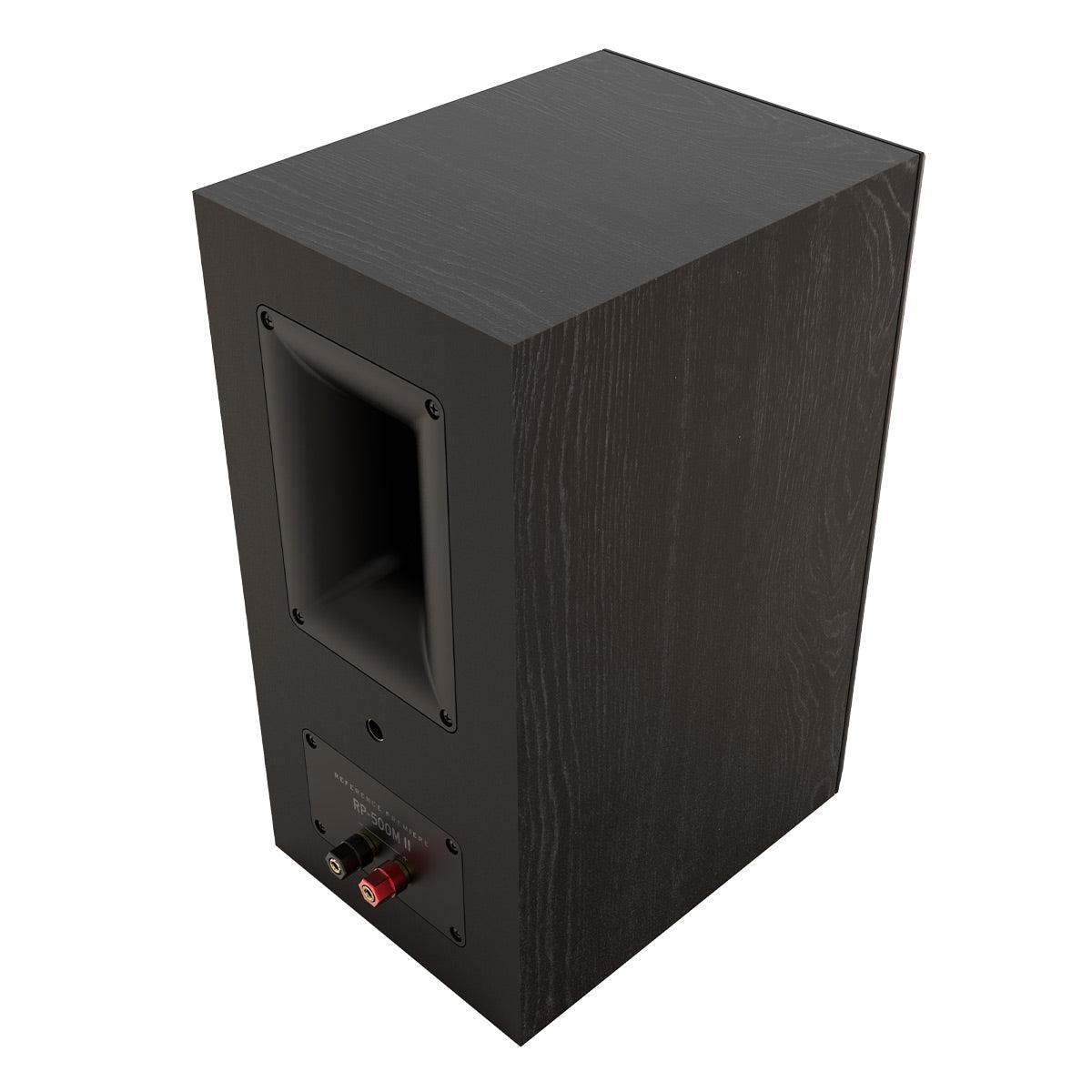
When diving into the world of premium bookshelf speakers, two standout options are the new Bowers & Wilkins 606 S3 ($550) and the Klipsch Reference Premiere RP-500M II ($234). Both represent different approaches to achieving high-fidelity sound, but their price points and technical philosophies create an interesting comparison.
Bookshelf speakers remain the sweet spot for many music lovers and home theater enthusiasts, offering a compelling mix of performance and practicality. These compact performers can deliver impressive sound while fitting into real-world spaces. The key is understanding how different design approaches affect the listening experience.
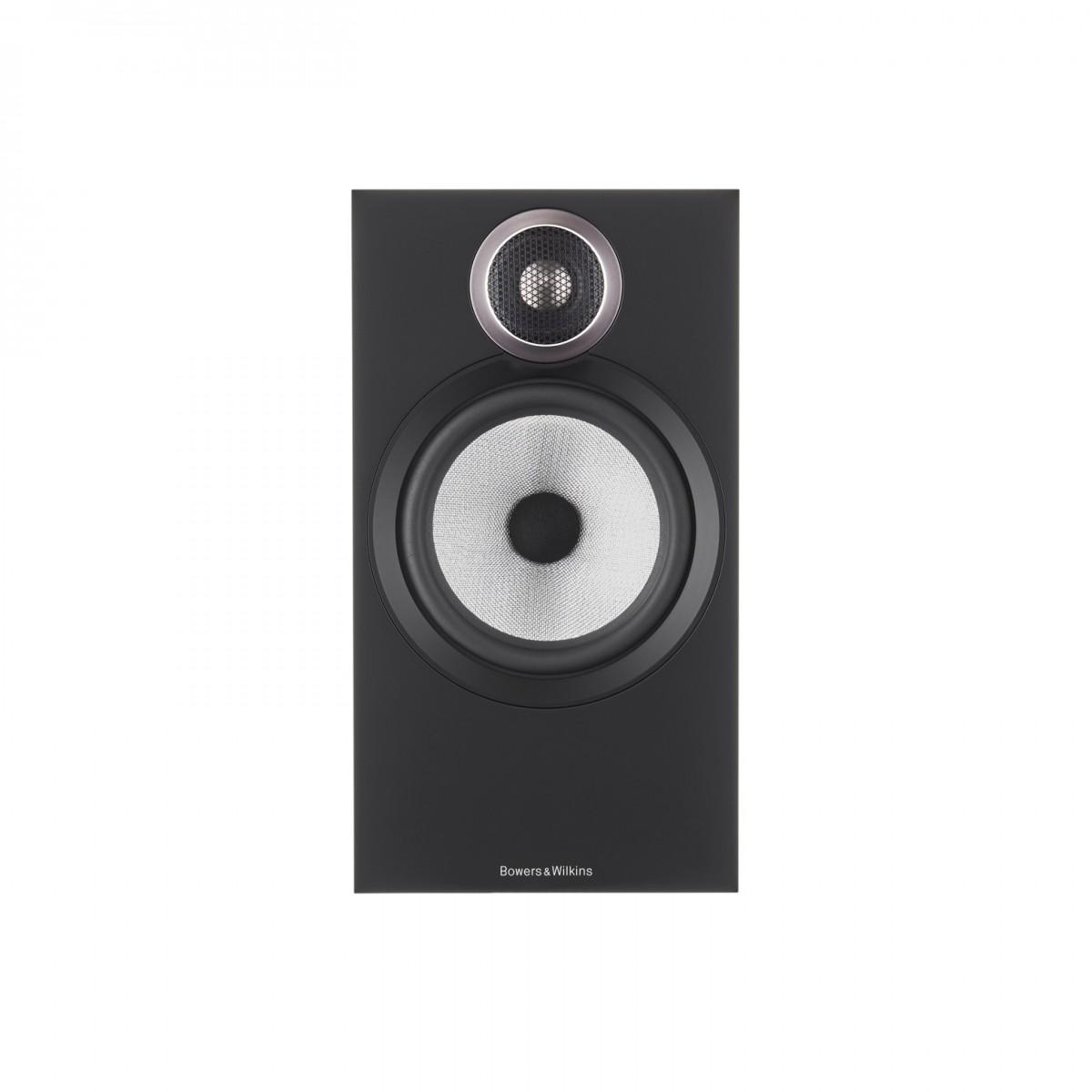
The 606 S3, released in late 2023, represents B&W's latest refinement of their acclaimed 600 series. The headline feature is their new Titanium Dome tweeter, which uses an incredibly light and rigid titanium membrane to reproduce high frequencies with exceptional detail. This technology, previously reserved for their more expensive lines, helps explain the premium pricing.
The speaker's Continuum cone (B&W's proprietary woofer material) handles the mid and low frequencies. Unlike traditional materials like Kevlar or paper, Continuum provides more controlled movement, reducing unwanted resonances that can color the sound. Think of it like the difference between a drum head that rings cleanly versus one that produces unwanted overtones.
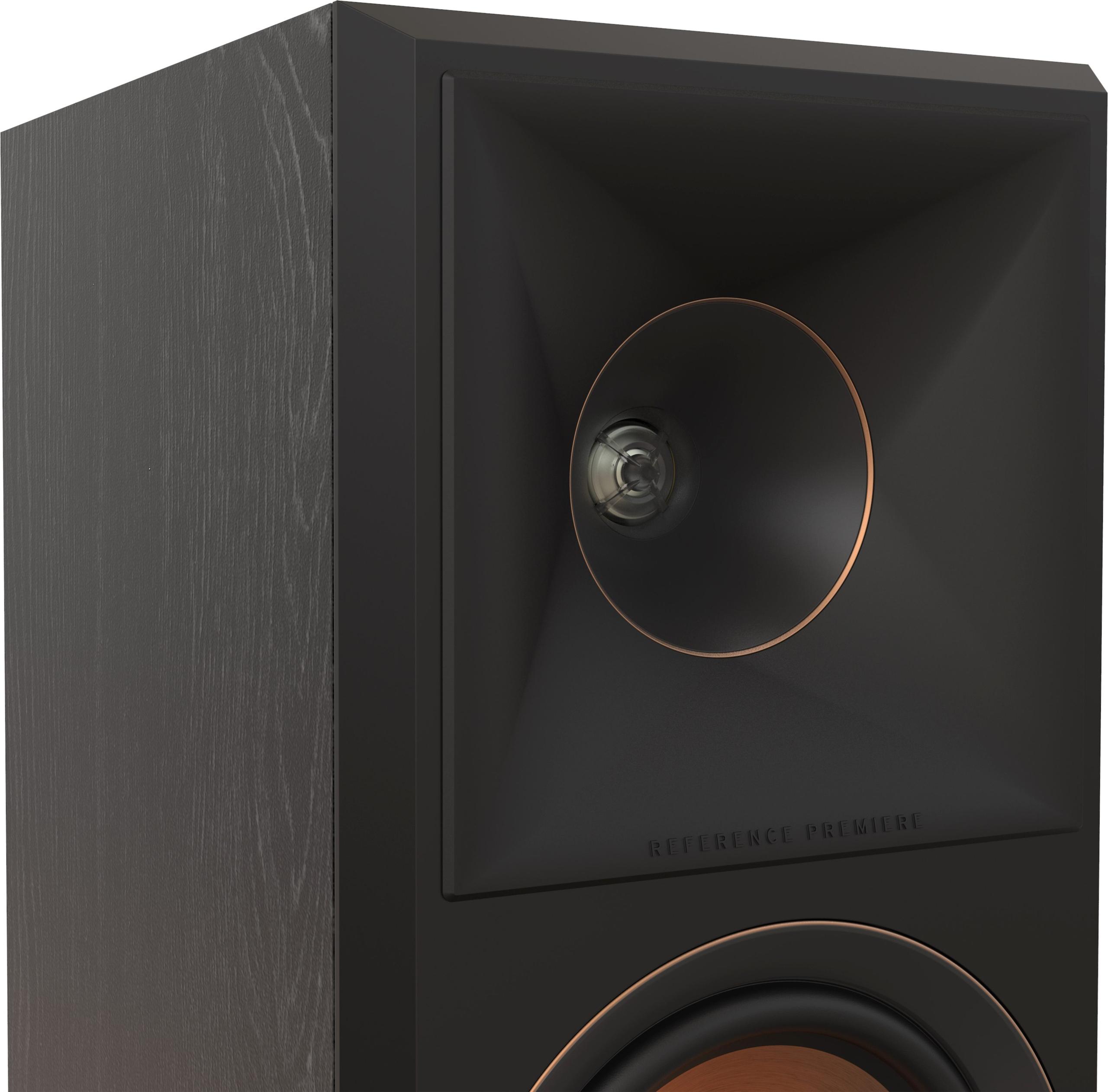
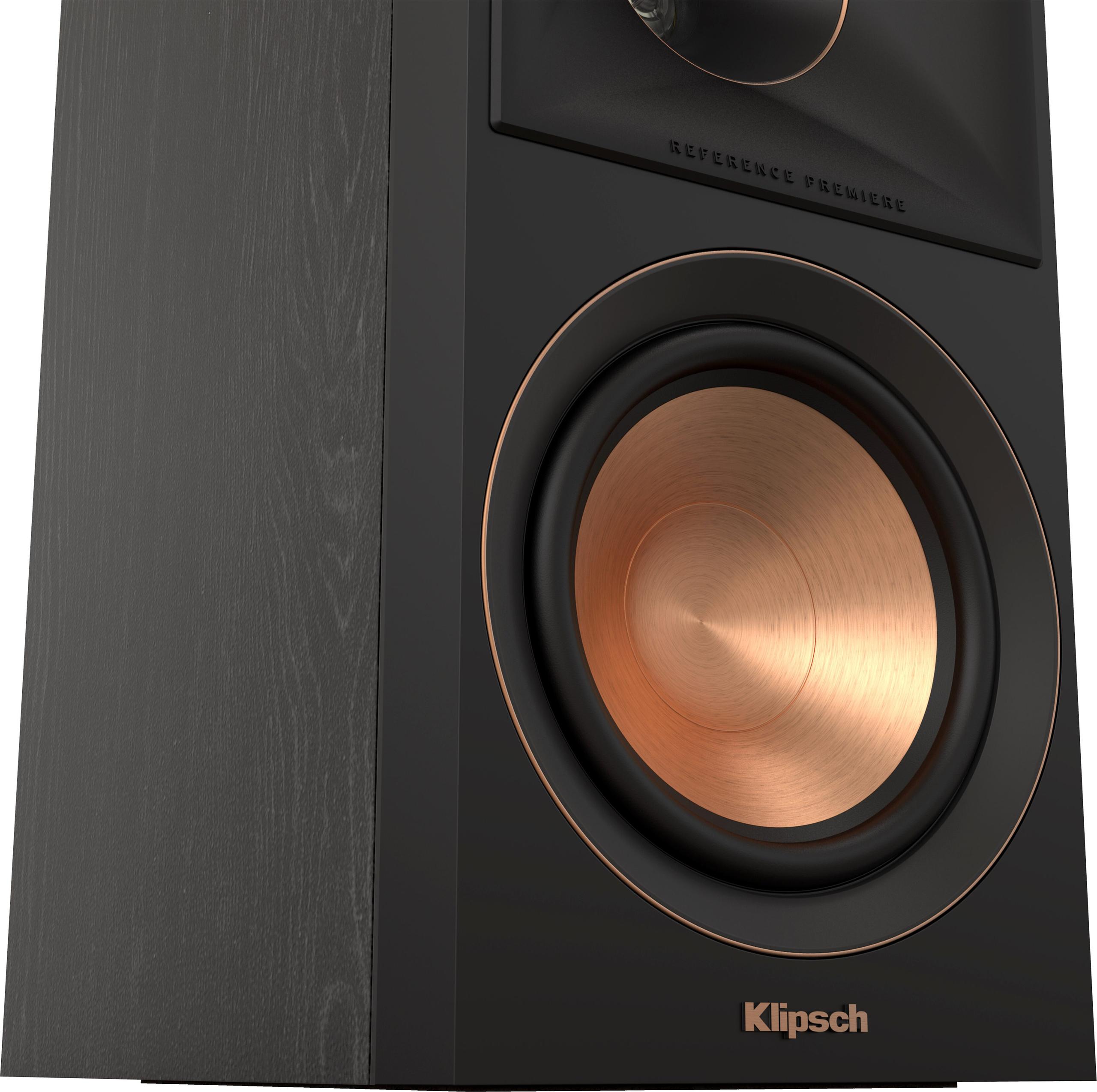
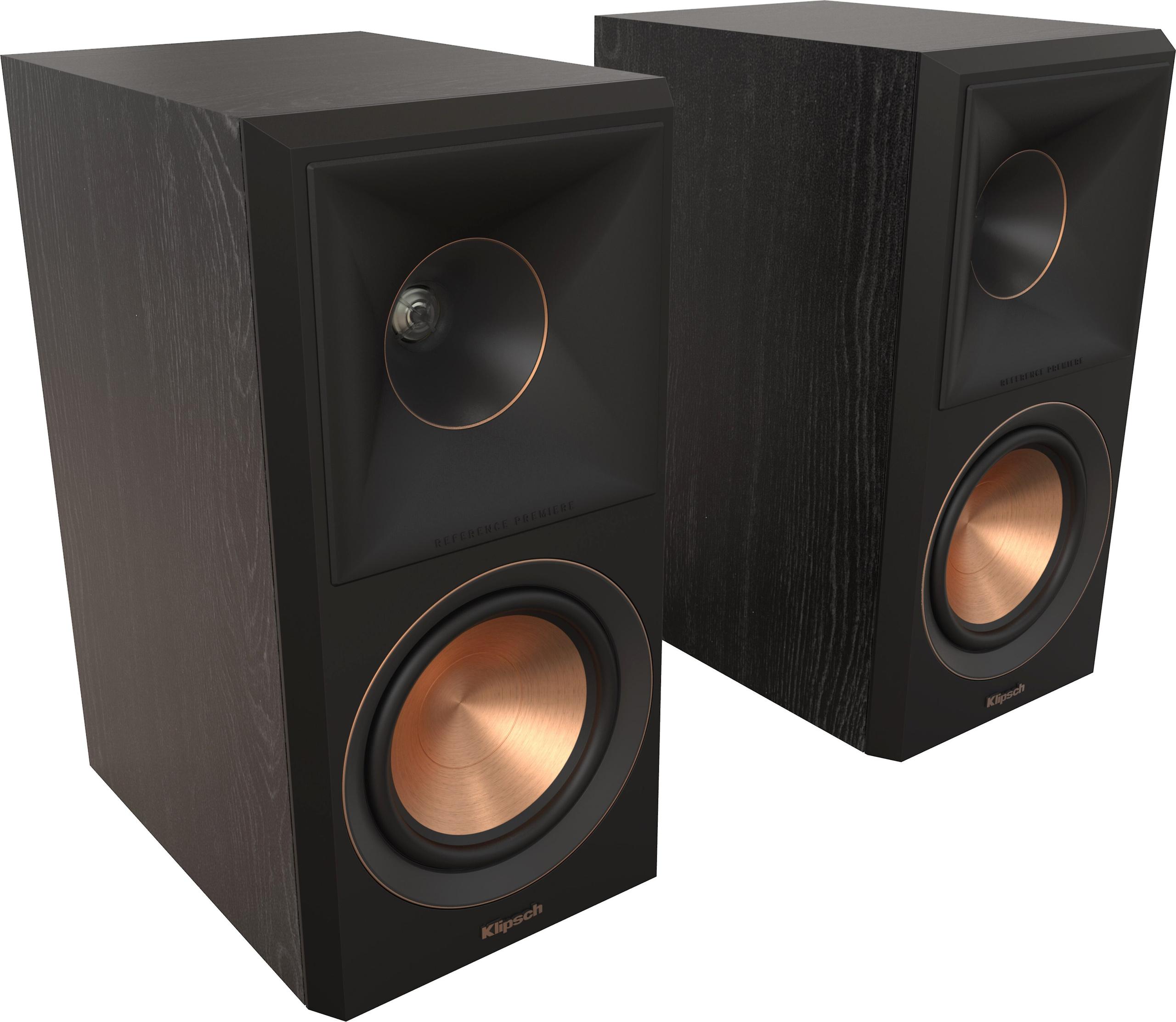
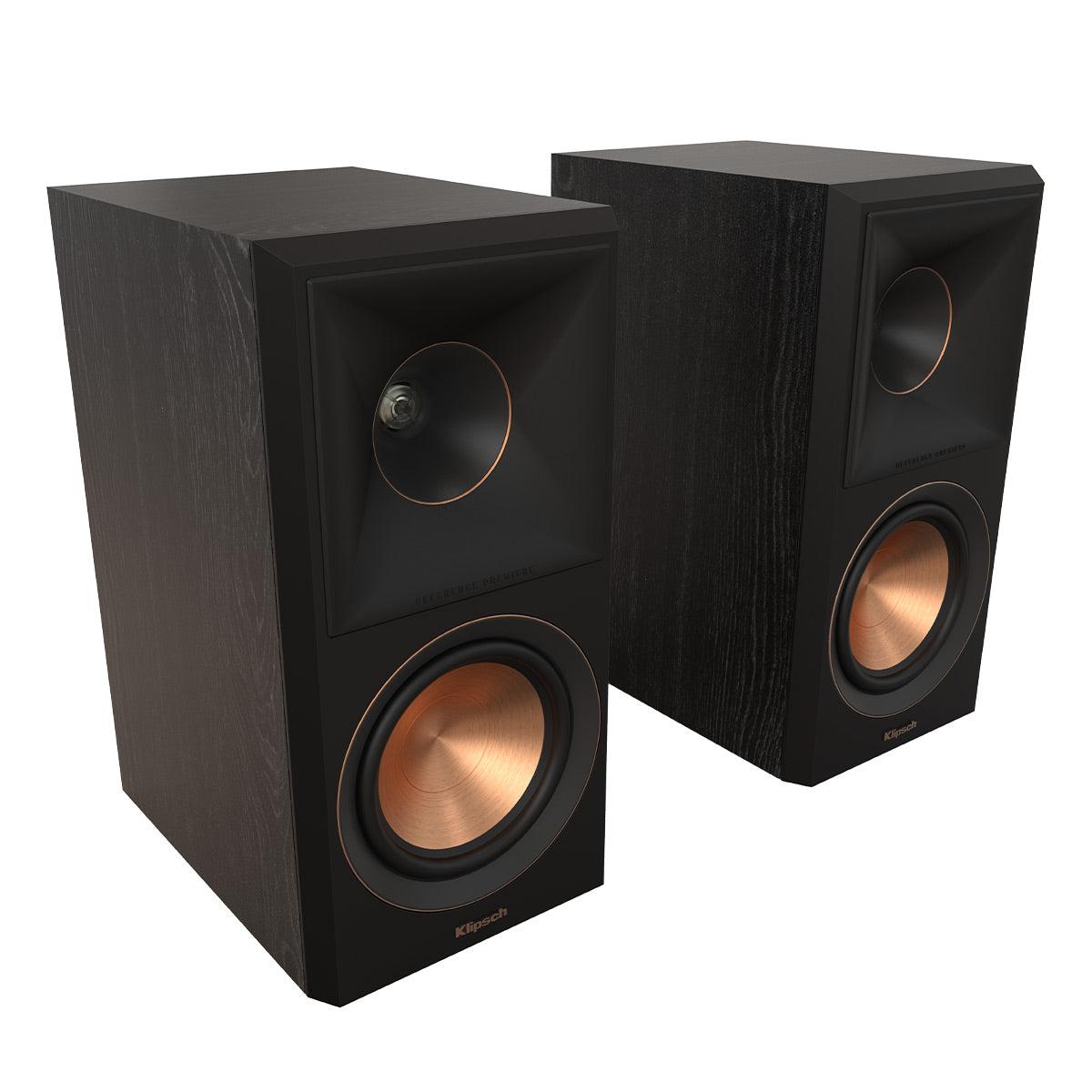
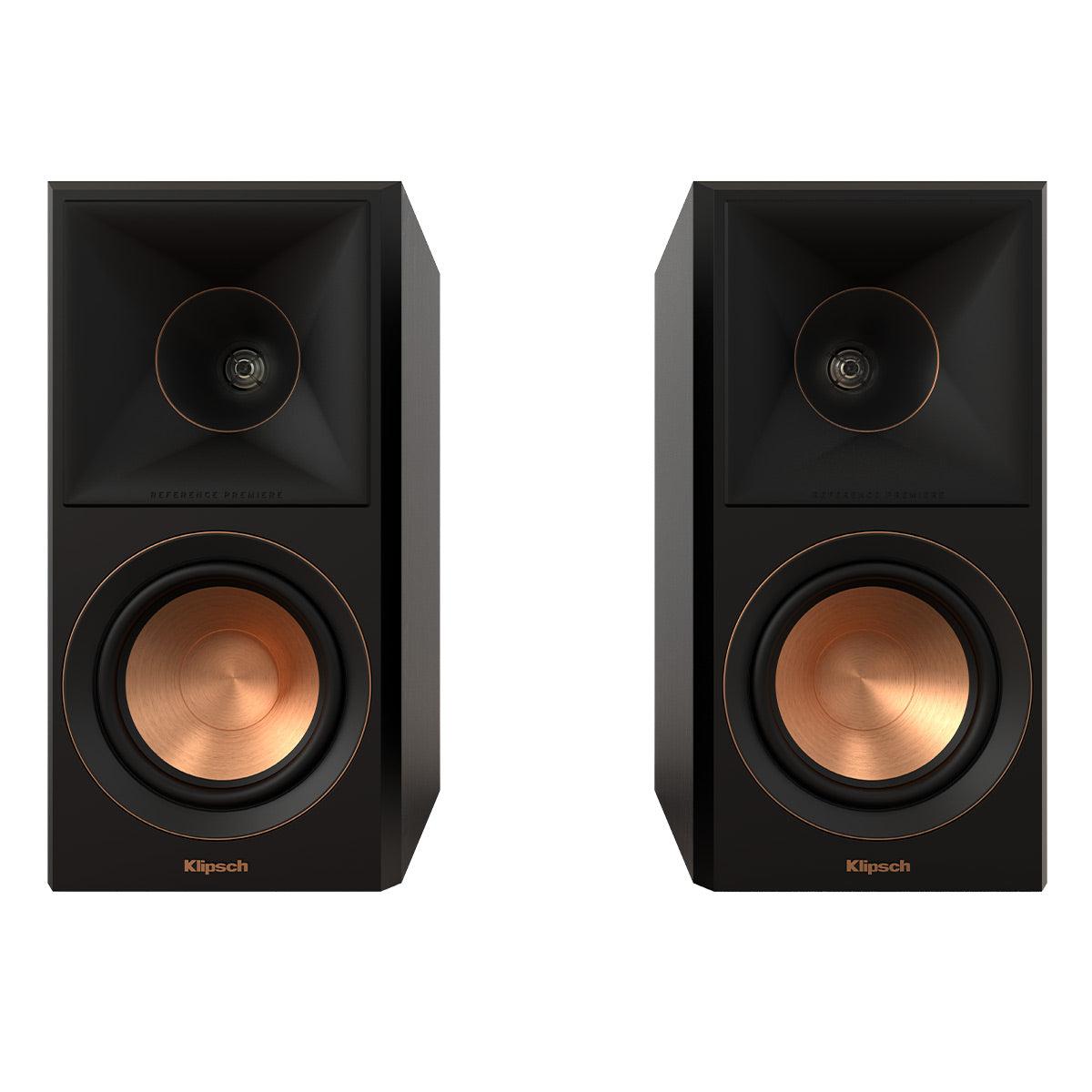
The RP-500M II, introduced in 2022, builds on Klipsch's 75+ years of horn speaker design. Their Tractrix horn (the distinctive trumpet-shaped housing around the tweeter) acts like an acoustic lens, controlling the spread of high frequencies and increasing efficiency. This means more of the amplifier's power gets converted to sound rather than heat.
Their cerametallic woofer combines ceramic and aluminum materials to create a light but rigid cone that responds quickly to audio signals. The latest version includes larger voice coils and improved magnetic systems, reducing distortion during dynamic passages.
The B&W 606 S3 excels at revealing subtle details in recordings. You'll hear fingers sliding on guitar strings, the breath of vocalists, and the natural decay of instruments. This microscopic detail can make well-recorded acoustic music sound remarkably lifelike.
The Klipsch takes a different approach, emphasizing dynamics and impact. While still detailed, it prioritizes the emotional impact of music - think of the punch of a kick drum or the brass section in an orchestra. This makes it particularly engaging for rock, pop, and movie soundtracks.
Here's where the design philosophies really show their character. The B&W creates a wide, deep soundstage with precise placement of instruments and voices. It's like having a detailed map of where every sound is coming from.
The Klipsch presents a more forward, immediate soundstage. Rather than placing you in row 15 of the concert hall, it brings the performance closer - more like sitting in the first few rows. Neither approach is inherently better; it's about personal preference.
Despite similar specifications (both reaching down to about 50Hz), these speakers handle bass differently. The B&W offers tighter, more controlled low frequencies that prioritize accuracy over impact. The Klipsch delivers more prominent bass with greater punch, though slightly less precision.
This is crucial: the B&W 606 S3 needs more power to shine. Its 88dB sensitivity rating means it requires a robust amplifier (ideally 50+ watts per channel) to deliver its best performance. The Klipsch RP-500M II, with its 92dB sensitivity, is more forgiving and can perform well with modest amplification.
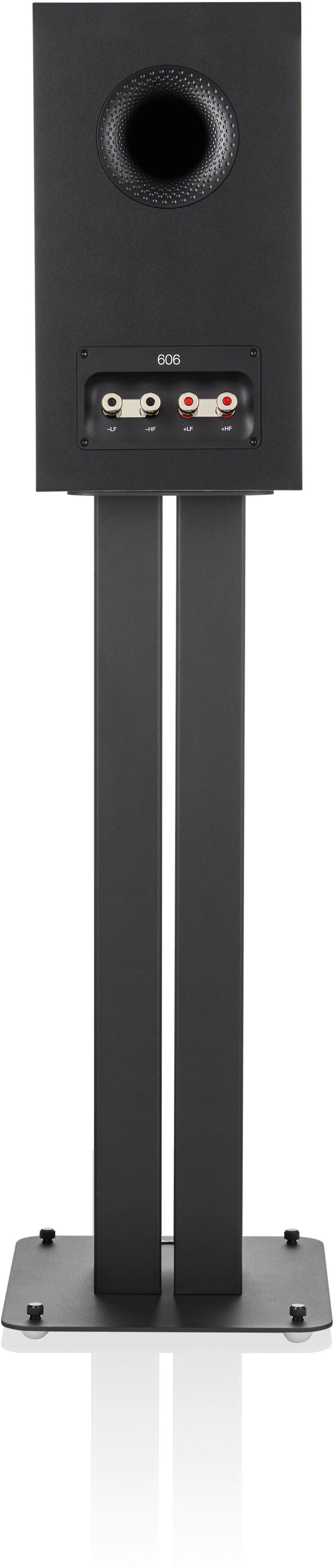
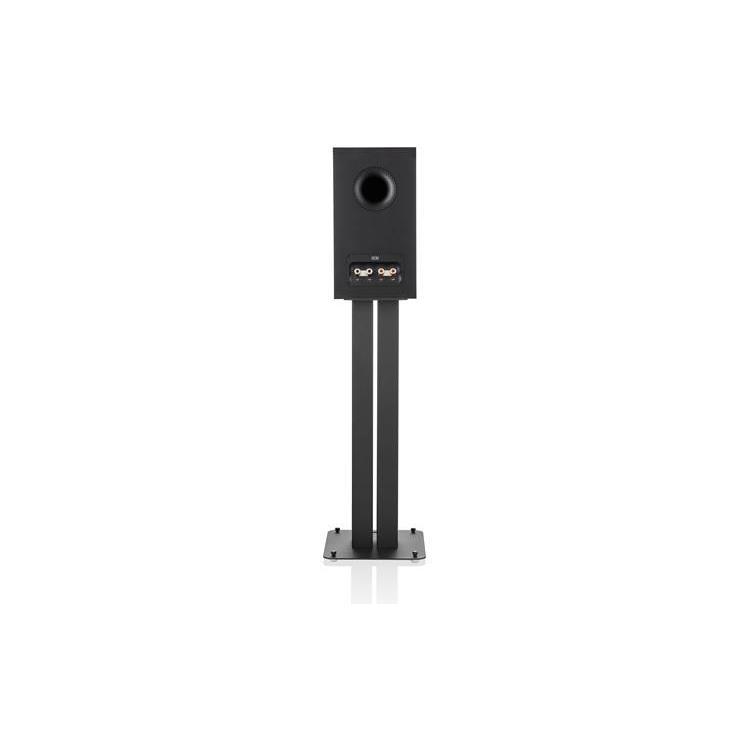
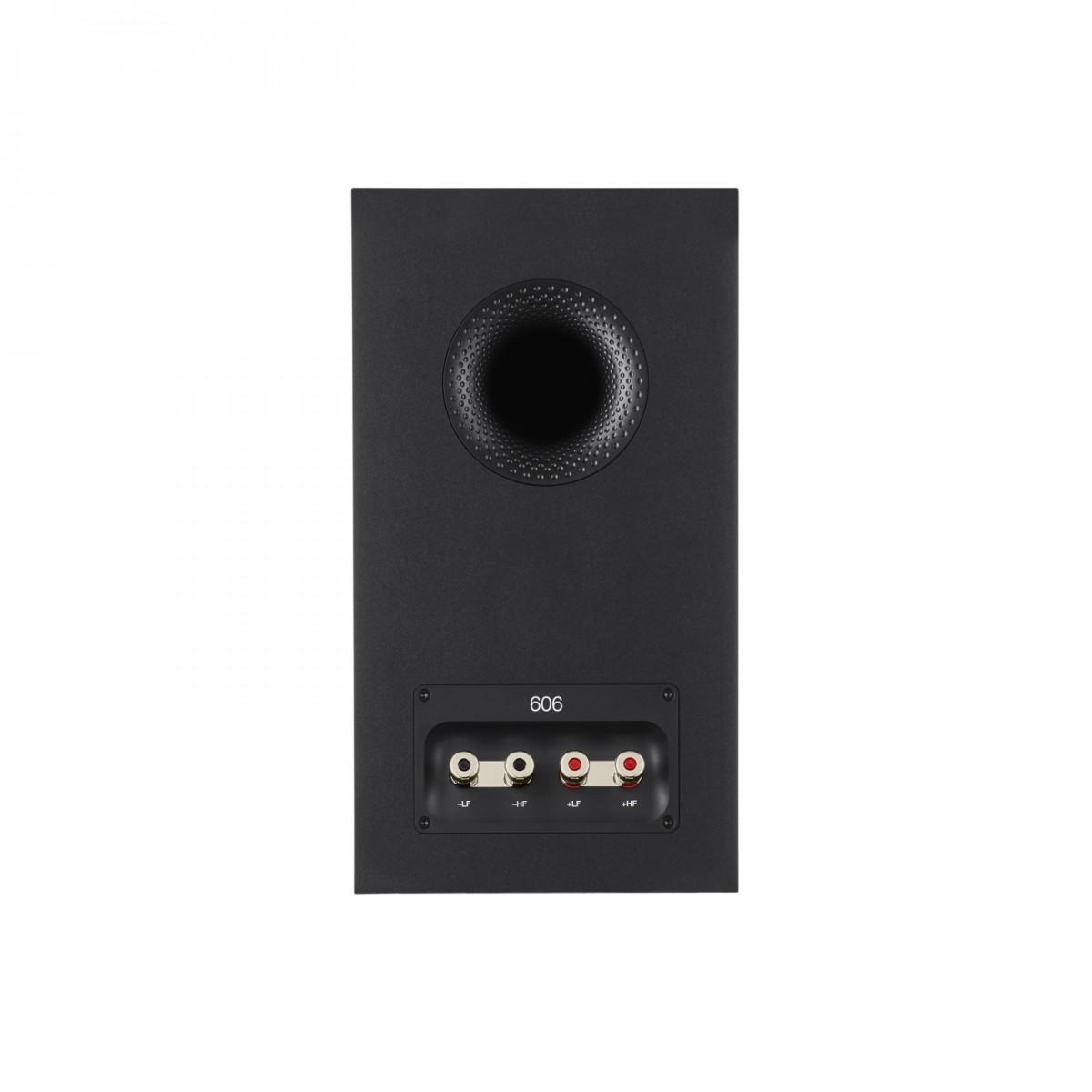
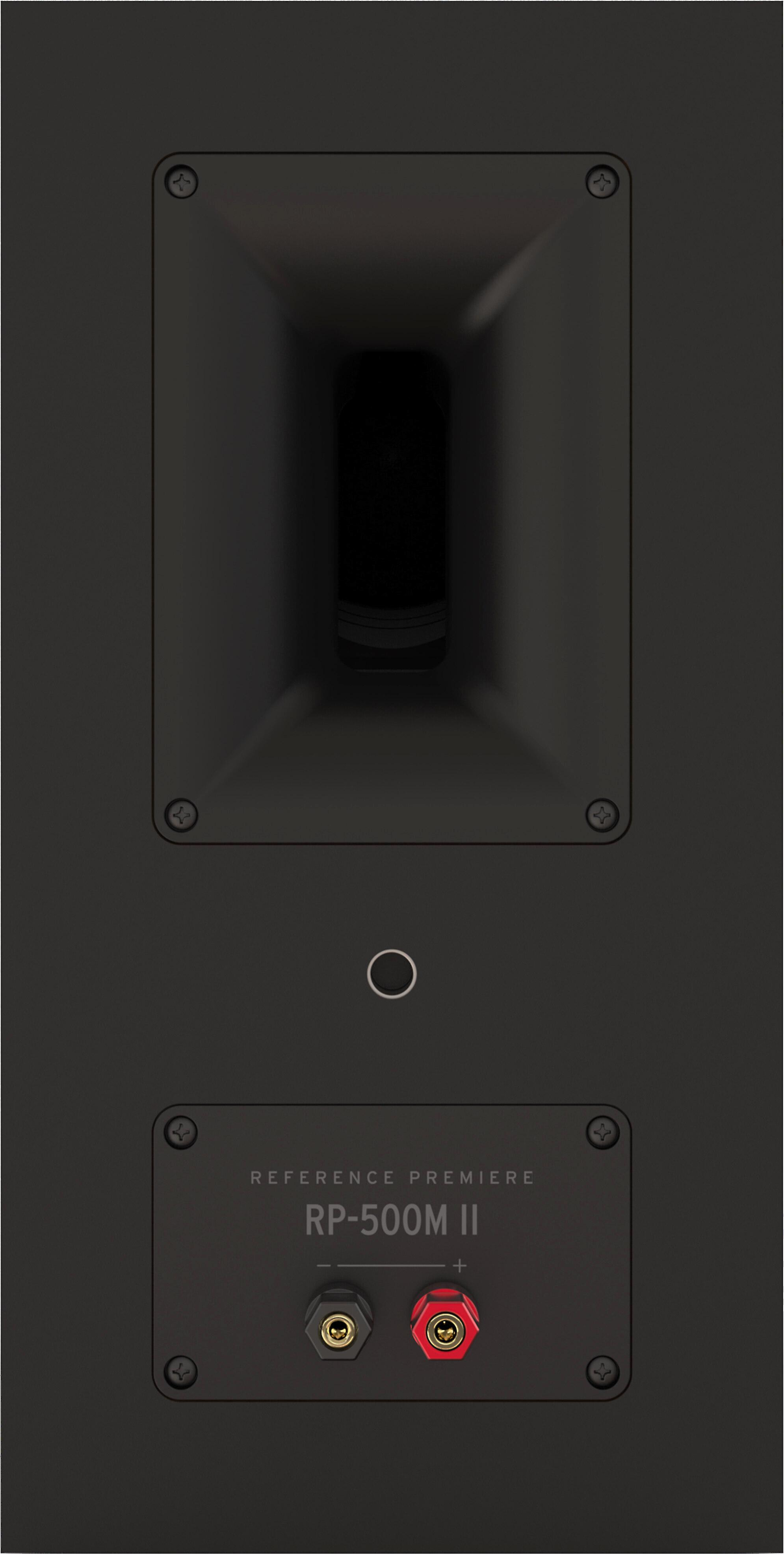
The B&W's rear-firing port needs some space behind it (at least 6-8 inches) to properly develop bass. It performs best in near-field listening setups or smaller rooms where its precise imaging can be fully appreciated.
The Klipsch is more flexible in placement and room size. Its horn design helps control sound dispersion, making it less sensitive to room acoustics. It can also play louder with less power, making it suitable for larger spaces.
Both speakers can excel in home theater systems, but with different strengths:
For home theater use, consider that the Klipsch's higher sensitivity makes it easier to reach reference listening levels, particularly in larger rooms.
The price difference between these speakers can't be ignored. At $550, the B&W needs to deliver meaningful advantages over the $234 Klipsch. For many listeners, it does - through superior detail retrieval, more refined high frequencies, and precise imaging. However, the Klipsch offers exceptional value, delivering 90% of the performance in many areas at less than half the price.
Choose the B&W 606 S3 if:
Choose the Klipsch RP-500M II if:
The final decision often comes down to listening preferences and system matching. The B&W excels at revealing every nuance in the recording, while the Klipsch prioritizes dynamic impact and emotional engagement. Both are excellent speakers that represent different approaches to high-fidelity sound reproduction.
Remember: speakers are highly personal choices. If possible, listen to both in your space with your music. The best speaker is the one that makes you want to keep listening to your favorite music.
| Bowers & Wilkins 606 S3 ($550) | Klipsch Reference Premiere RP-500M II ($234) |
|---|---|
| Sensitivity - Determines how much amplifier power is needed | |
| 88dB - Needs more powerful amp | 92dB - Easier to drive with modest amps |
| Frequency Response - Shows bass extension and overall range | |
| 52Hz-28kHz (±3dB) - Slightly tighter bass | 50Hz-25kHz (±3dB) - Marginally deeper bass |
| Tweeter Design - Affects high frequency detail and dispersion | |
| 1" Titanium Dome with decoupled mount - More refined detail | 1" Titanium LTS with Tractrix Horn - More dynamic, efficient |
| Woofer Technology - Impacts midrange clarity and bass quality | |
| 6.5" Continuum cone - Smoother, more accurate | 5.25" Cerametallic cone - Punchier, more immediate |
| Power Handling - Shows maximum safe volume capability | |
| 30-120W recommended - More demanding | 75W continuous/300W peak - More efficient |
| Cabinet Design - Affects bass performance and placement flexibility | |
| Rear-ported Flowport - Needs space from walls | Rear Tractrix port - More placement flexible |
| Impedance - Impacts amplifier compatibility | |
| 8 ohms nominal - Standard compatibility | 8 ohms compatible - Standard compatibility |
| Size (HxWxD) - Important for space planning | |
| 13.7" x 7.5" x 13.0" - Larger cabinet | 13.6" x 6.8" x 10.7" - More compact |
| Weight - Consider for mounting/placement | |
| 15.5 lbs each - Substantial build | 13.1 lbs each - Slightly lighter |
| Warranty - Indicates manufacturer confidence | |
| 5 years - Excellent coverage | 5 years - Excellent coverage |
The Klipsch RP-500M II ($234) offers better value for most users. While the B&W 606 S3 ($550) provides superior detail and refinement, the Klipsch delivers excellent performance at less than half the price.
The B&W 606 S3 needs more power, requiring 30-120 watts and good amplification due to its 88dB sensitivity. The Klipsch RP-500M II is more efficient at 92dB sensitivity, working well with modest amplifiers.
Both excel at music but in different ways. The B&W 606 S3 offers more detail and accuracy, making it ideal for classical and jazz. The Klipsch RP-500M II provides more dynamic impact, better suiting rock and pop.
Yes, both work well in home theater systems. The Klipsch offers more dynamic impact and higher sensitivity, making it better for larger rooms. The B&W provides more detail and precise imaging for intimate listening spaces.
Both reach similar low frequencies (around 50Hz), but handle bass differently. The Klipsch provides punchier, more prominent bass, while the B&W offers tighter, more controlled low frequencies.
For full-range music and movie listening, a subwoofer is recommended with both speakers. However, both can perform well without one for casual listening or in smaller rooms.
The Klipsch RP-500M II is more flexible with placement due to its horn design and efficient output. The B&W 606 S3 needs more careful placement and room treatment for optimal performance.
Both speakers are 8-ohm compatible and will work with most receivers. However, the B&W 606 S3 needs higher quality amplification to perform its best, while the Klipsch RP-500M II is less demanding.
Both speakers feature excellent build quality. The B&W has a slight edge in premium materials and finish, which partially explains its higher price point.
Yes, both can play loud, but the Klipsch RP-500M II can achieve higher volumes more easily due to its higher sensitivity and horn design. The B&W requires more power to reach similar volumes.
The B&W 606 S3 offers more precise imaging and a wider soundstage. The Klipsch presents a more forward, immediate sound with slightly less precise positioning.
The Klipsch RP-500M II offers exceptional value at its price point. The B&W 606 S3's higher price is justified by its superior detail and refinement, but the value proposition depends on your priorities and budget.
We've done our best to create useful and informative comparisons to help you decide what product to buy. Our research uses advanced automated methods to create this comparison and perfection is not possible - please contact us for corrections or questions. These are the sites we've researched in the creation of this article: futureaudiophile.com - headphones.com - therobinsonbrand.com - higherhz.com - audioadvisor.com - crutchfield.com - bowerswilkins.com - crutchfield.com - vinylrevival.com.au - audioadvisor.com - worldwidestereo.com - erinsaudiocorner.com - safeandsoundhq.com - audioadvice.com - youtube.com - crutchfield.com - klipsch.com - youtube.com - d2um2qdswy1tb0.cloudfront.net - abt.com - crutchfield.com - klipsch.com - audioadvisor.com

Privacy Policy
Terms and Conditions - Affiliate Policy
Home Security
© Copyright 2008-2026.
11816 Inwood Rd #1211, Dallas, TX 75244