

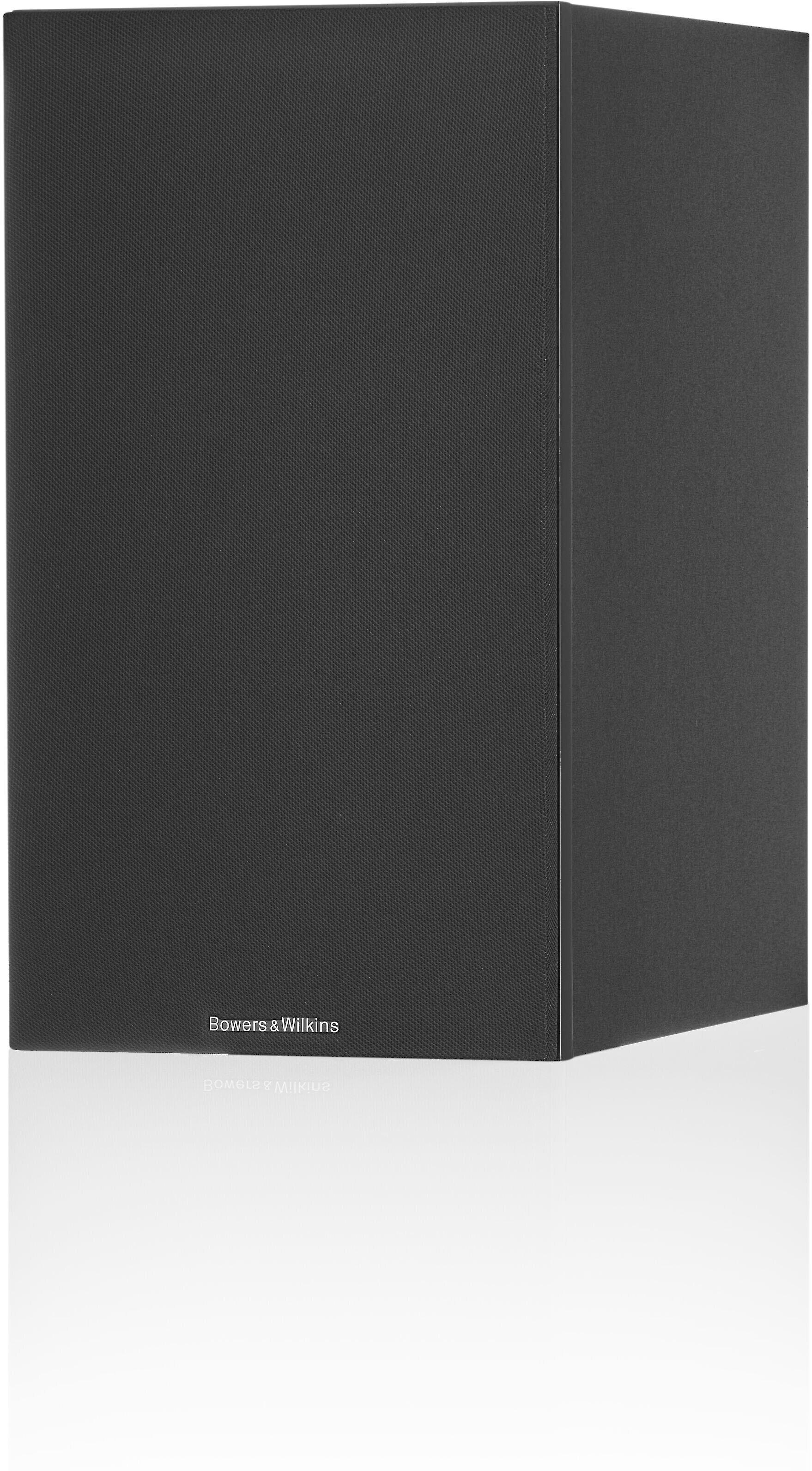
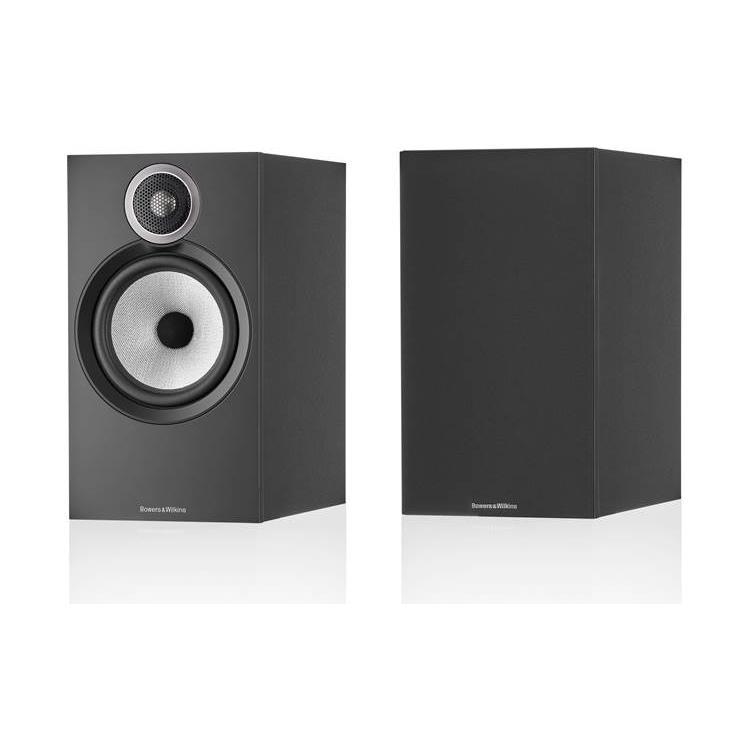
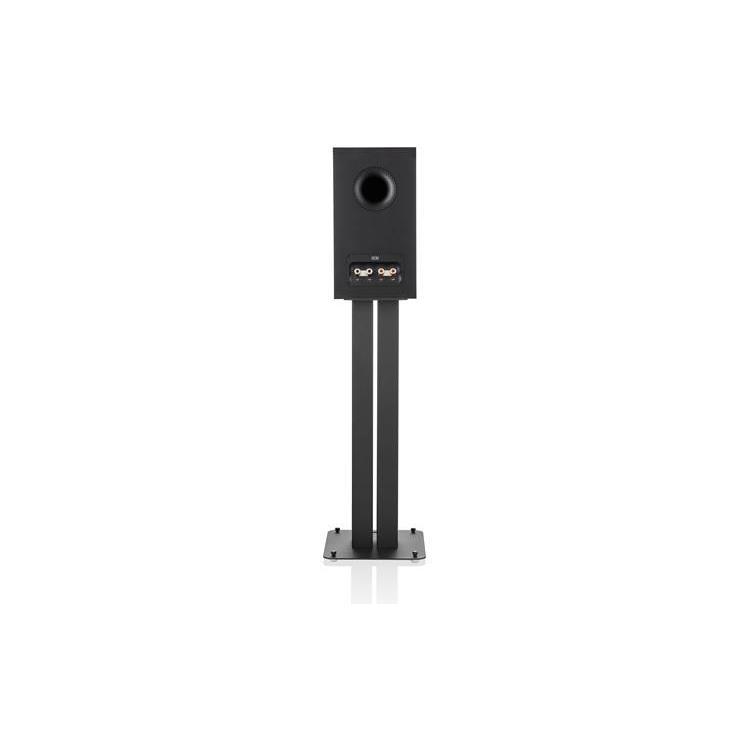
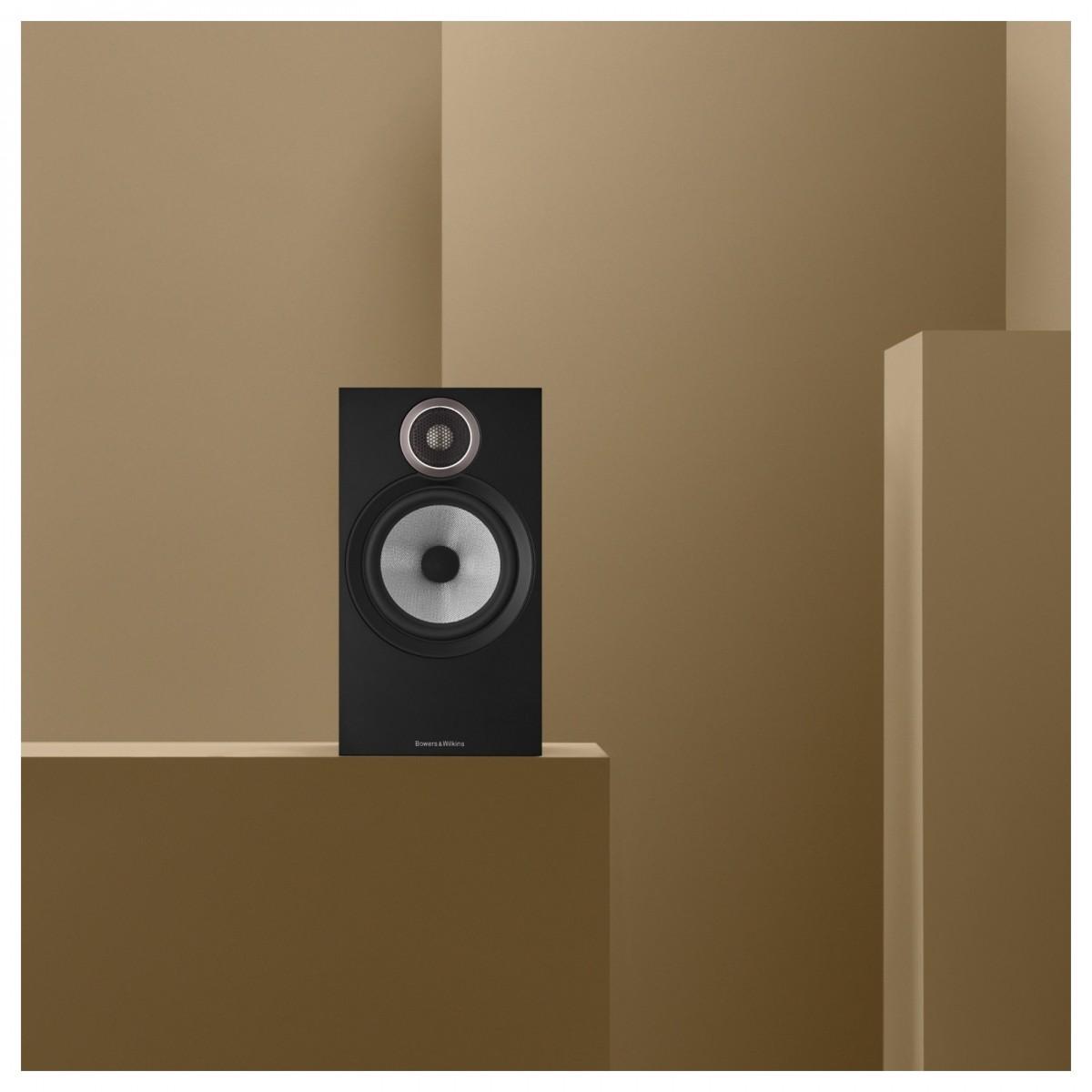
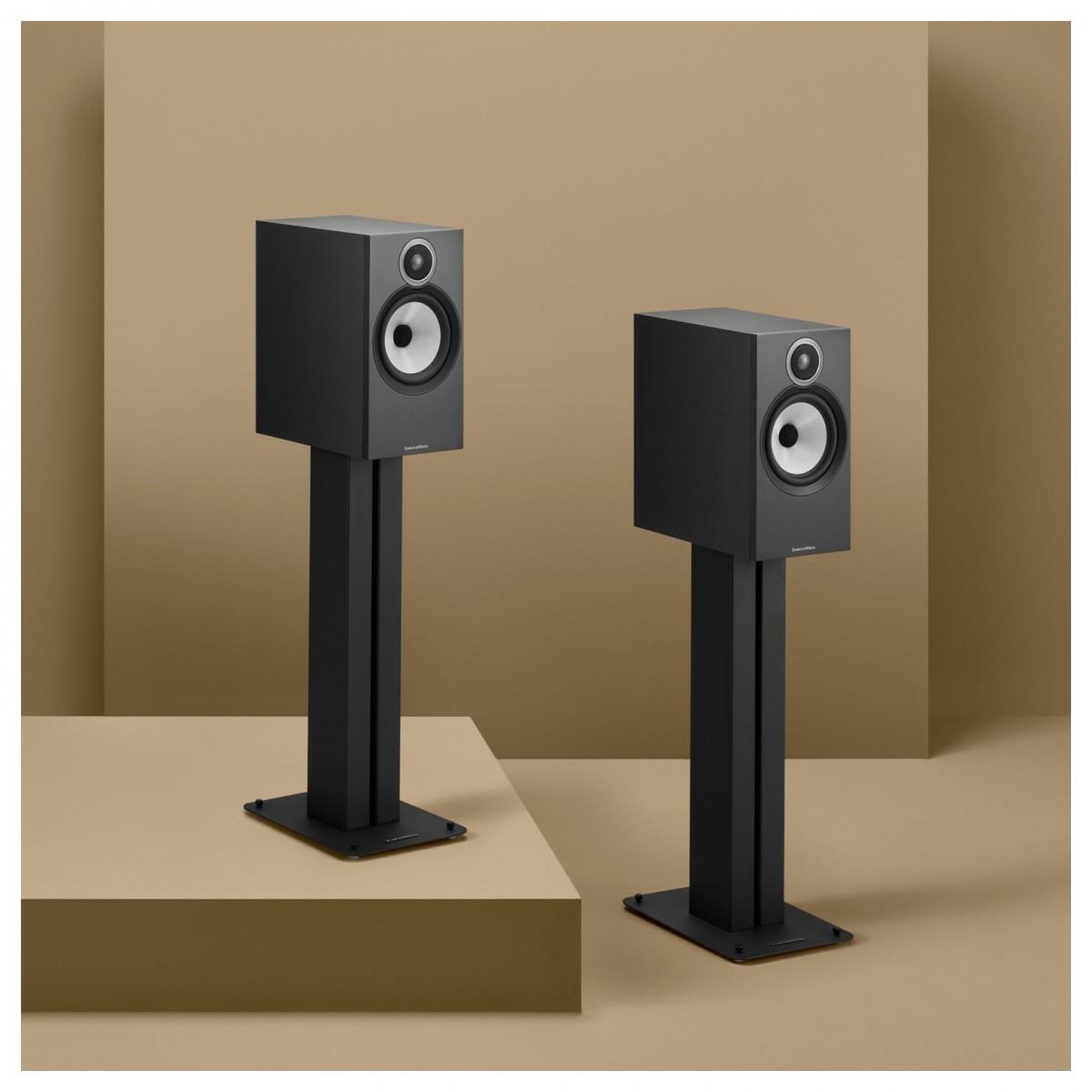
Bookshelf speakers remain the sweet spot for many audio enthusiasts, offering an ideal balance between performance and practicality. These compact yet capable speakers deliver impressive sound while fitting into real-world spaces. Both the Bowers & Wilkins 606 S3 ($1,100) and KEF Q350 ($500) represent different approaches to this challenge, with each bringing unique innovations to the table.
The KEF Q350, released in 2017, has become something of a modern classic, maintaining its position as a benchmark in its price range. The B&W 606 S3, launched in late 2023, represents the latest evolution of B&W's venerable 600 series, bringing several significant technological improvements including their new Titanium dome tweeter.
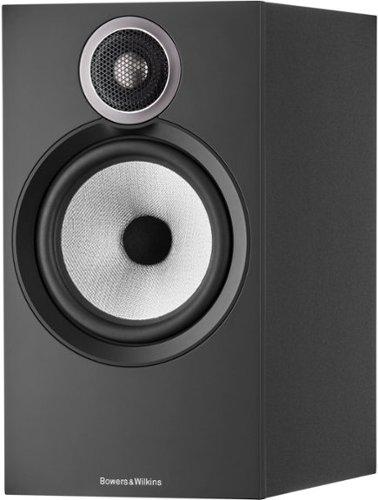
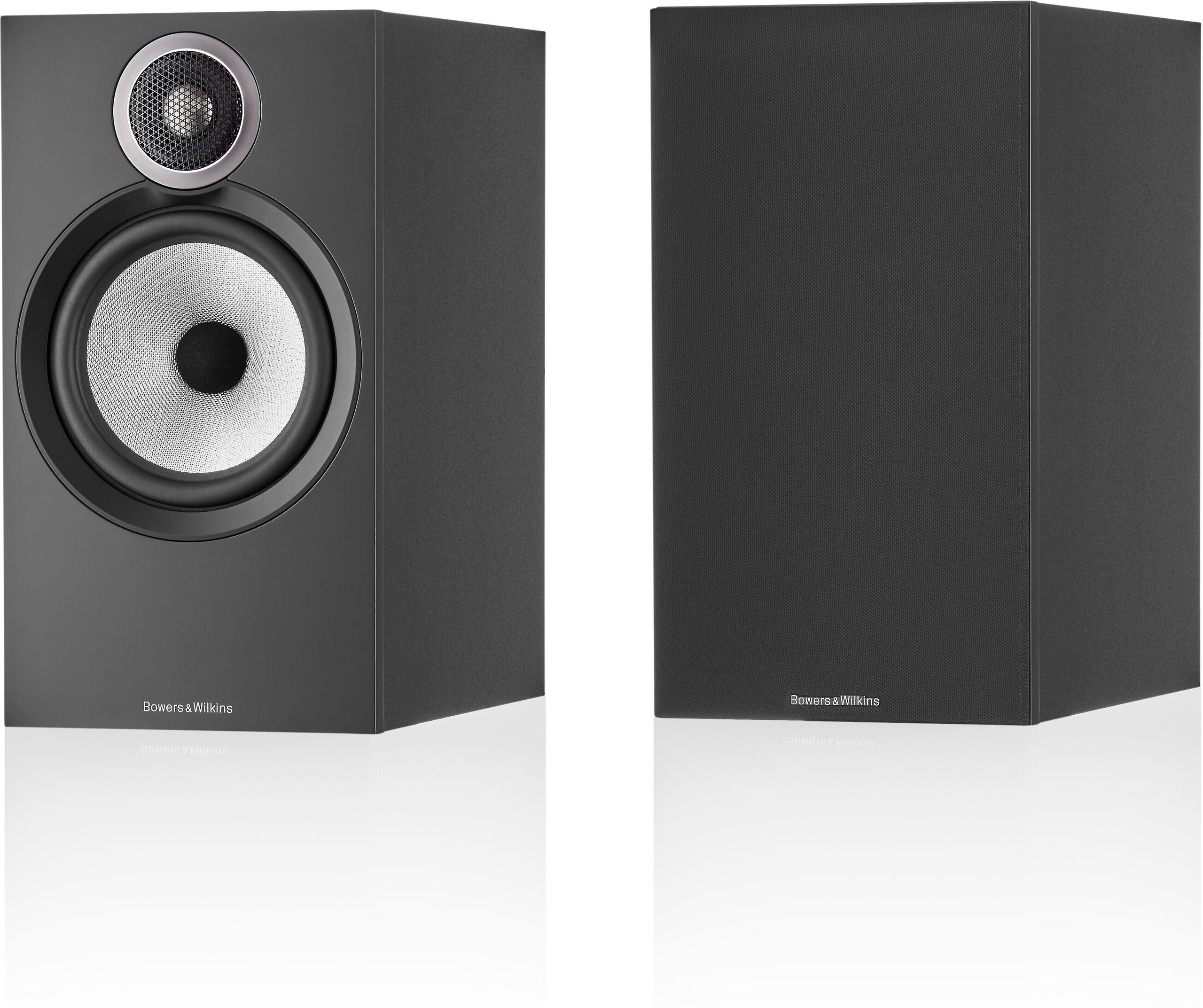
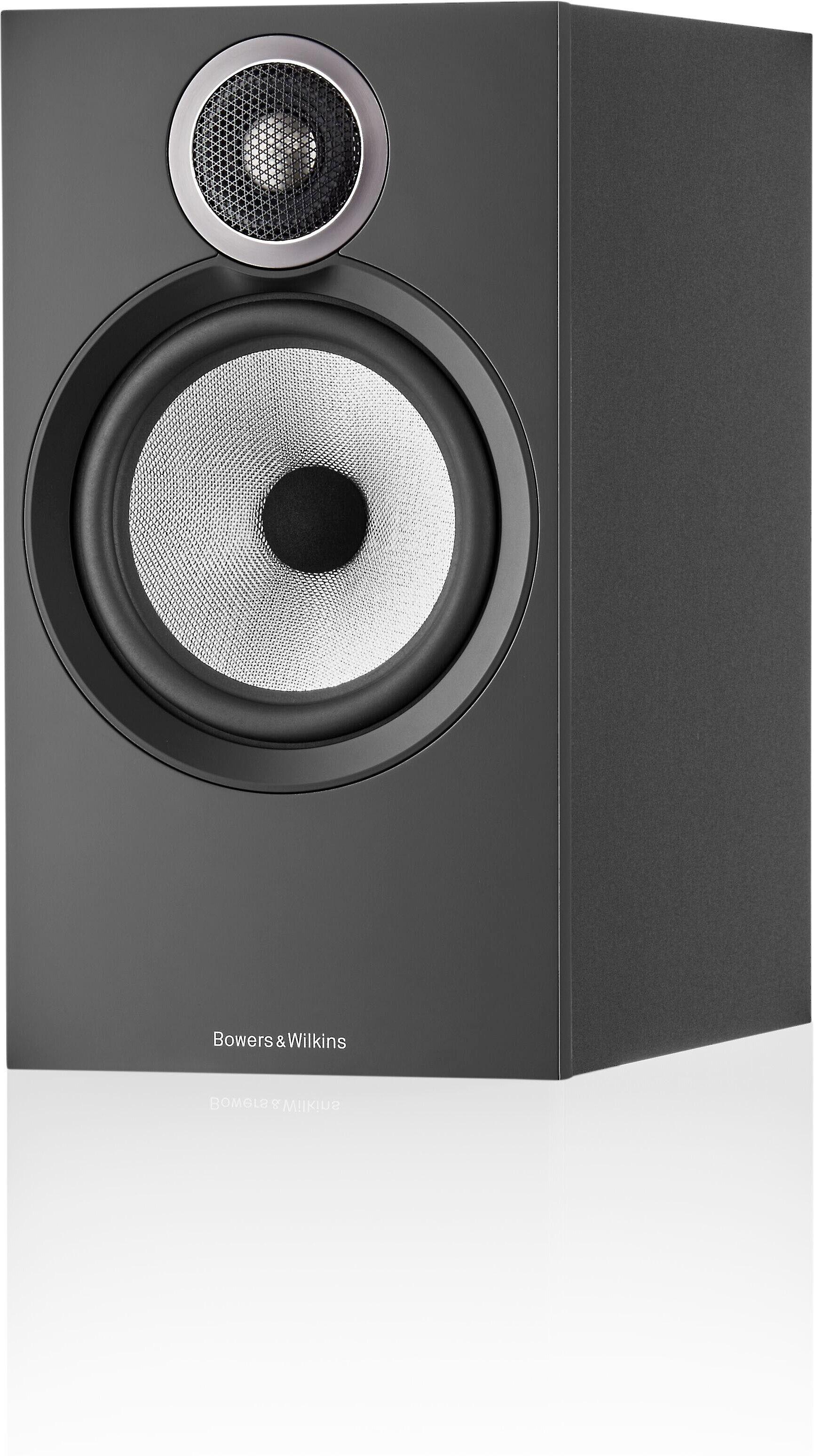
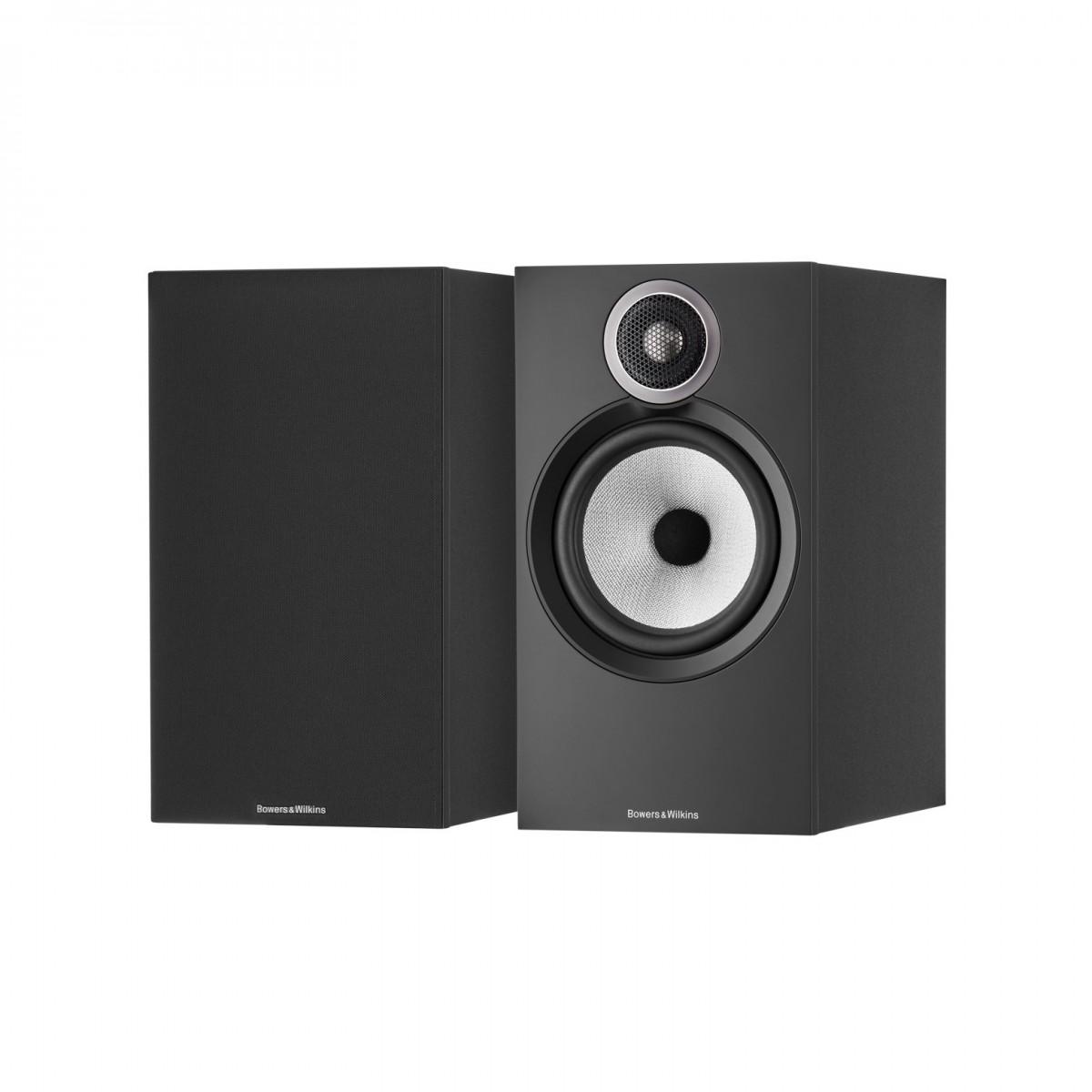
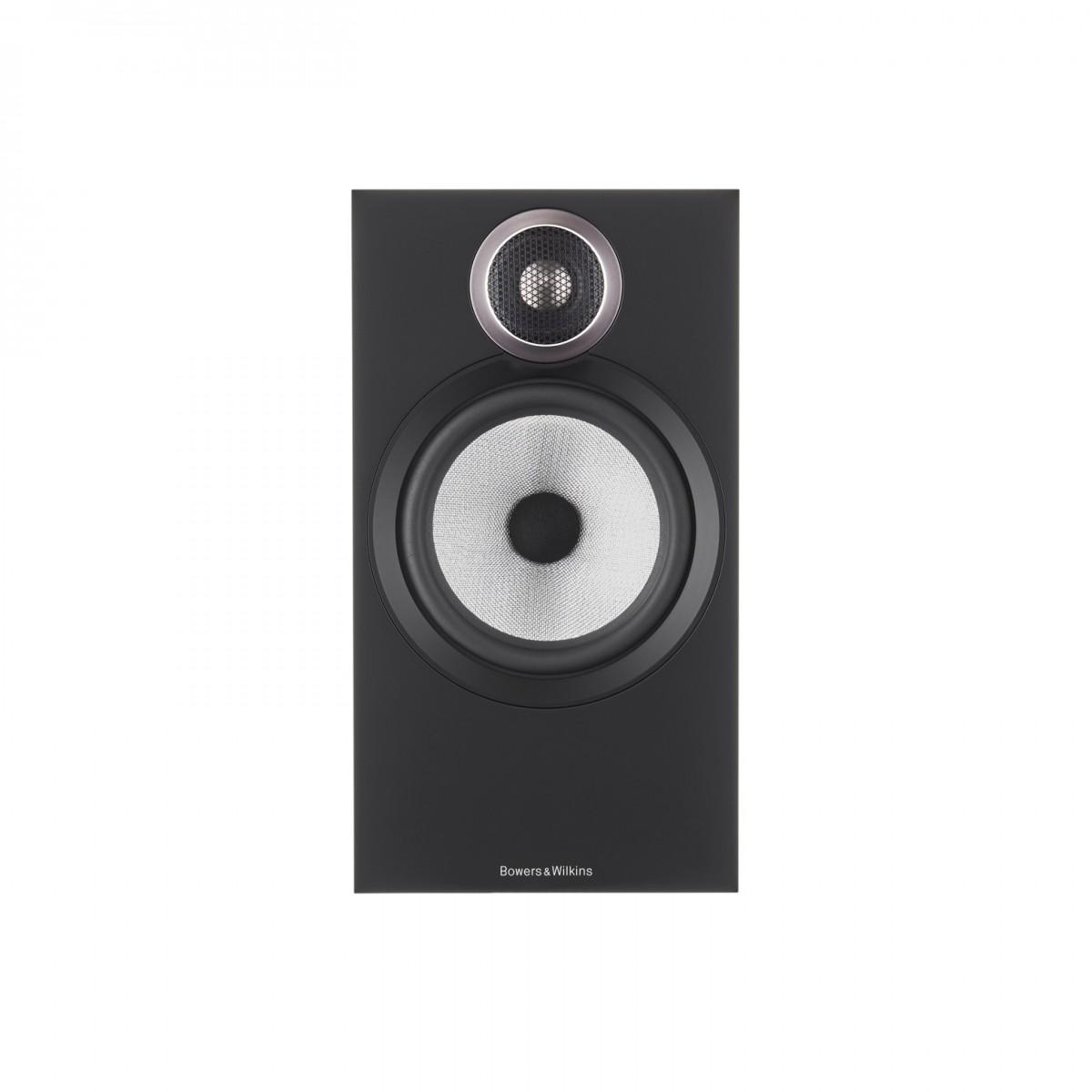
The 606 S3 delivers an impressively detailed and analytical sound. Its new Titanium dome tweeter (which replaced the previous aluminum design) provides exceptional clarity in high frequencies - think cymbal crashes and violin harmonics that float in space with remarkable precision. The speaker's Continuum cone, which handles the mid and low frequencies, produces vocals and instruments with striking clarity.
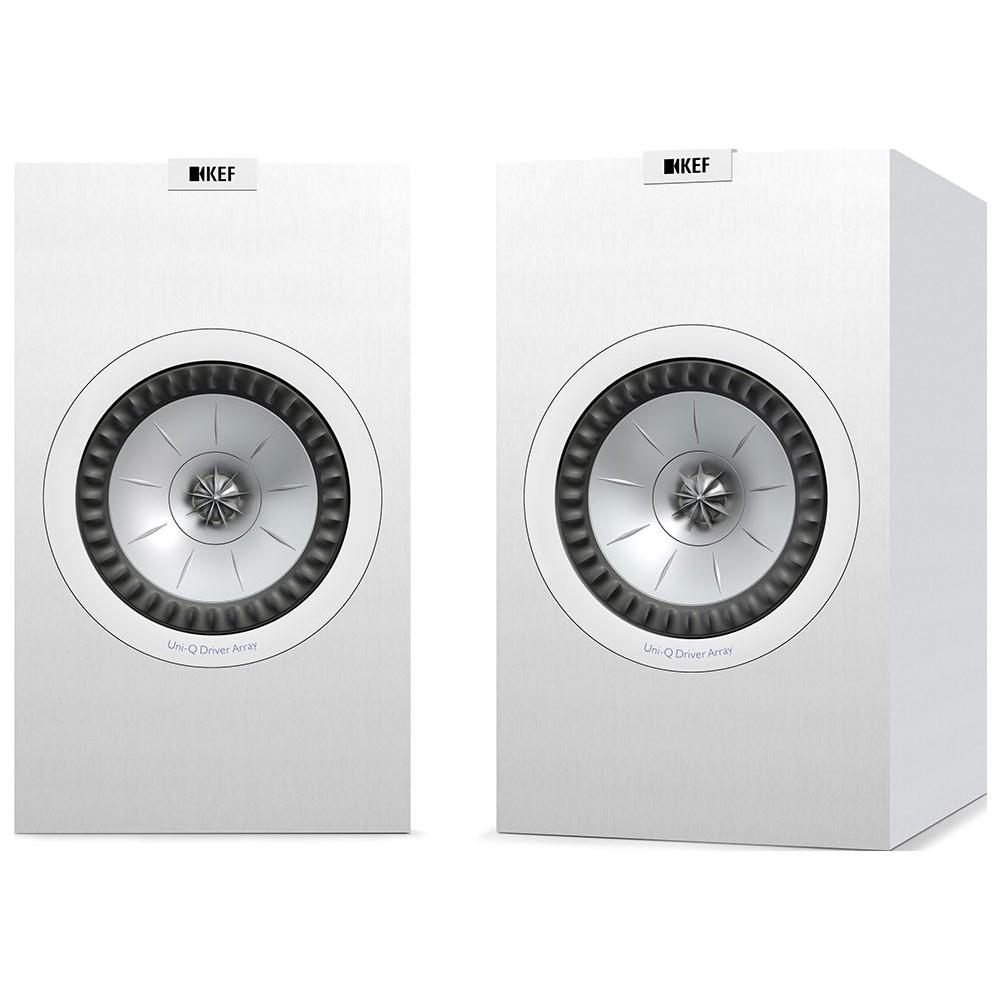
In contrast, the Q350 takes a different approach with its Uni-Q driver array - a design where the tweeter sits in the center of the midrange cone. This creates what audio engineers call a "point source," meaning all frequencies appear to come from the same spot, much like in real life. The result is a more natural, cohesive sound that many listeners find easier to enjoy for long periods.
B&W's latest 606 S3 introduces several meaningful improvements. The Titanium dome tweeter isn't just a material change - it's coupled with a new surround design that helps control resonances (unwanted vibrations that can color the sound). The Continuum cone, while not new to this model, represents a significant advance over the Kevlar cones B&W used for decades.
KEF's Uni-Q driver, while older, remains a technical tour de force. It's not just about putting the tweeter in the middle - the entire assembly is carefully engineered to control how sound waves interact, resulting in more consistent sound throughout your room. The latest version includes refinements to reduce distortion and improve clarity.
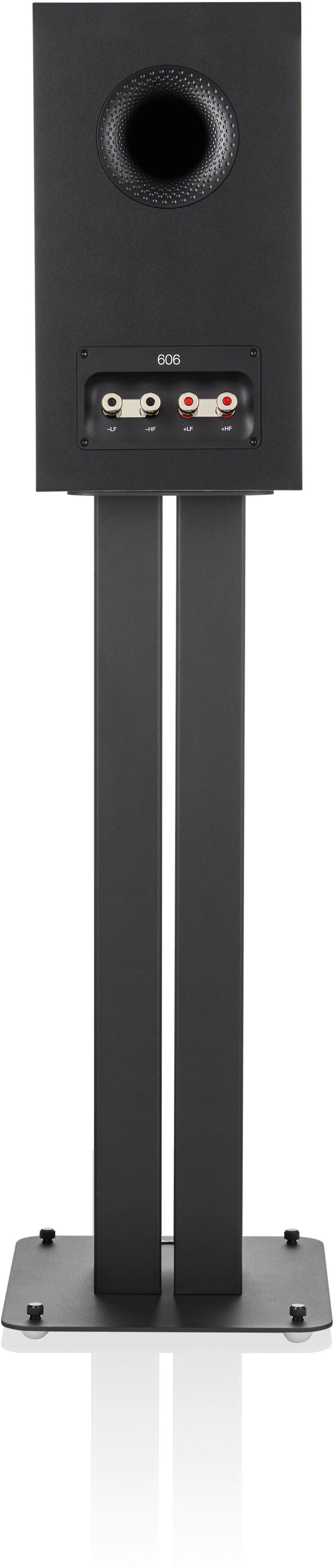
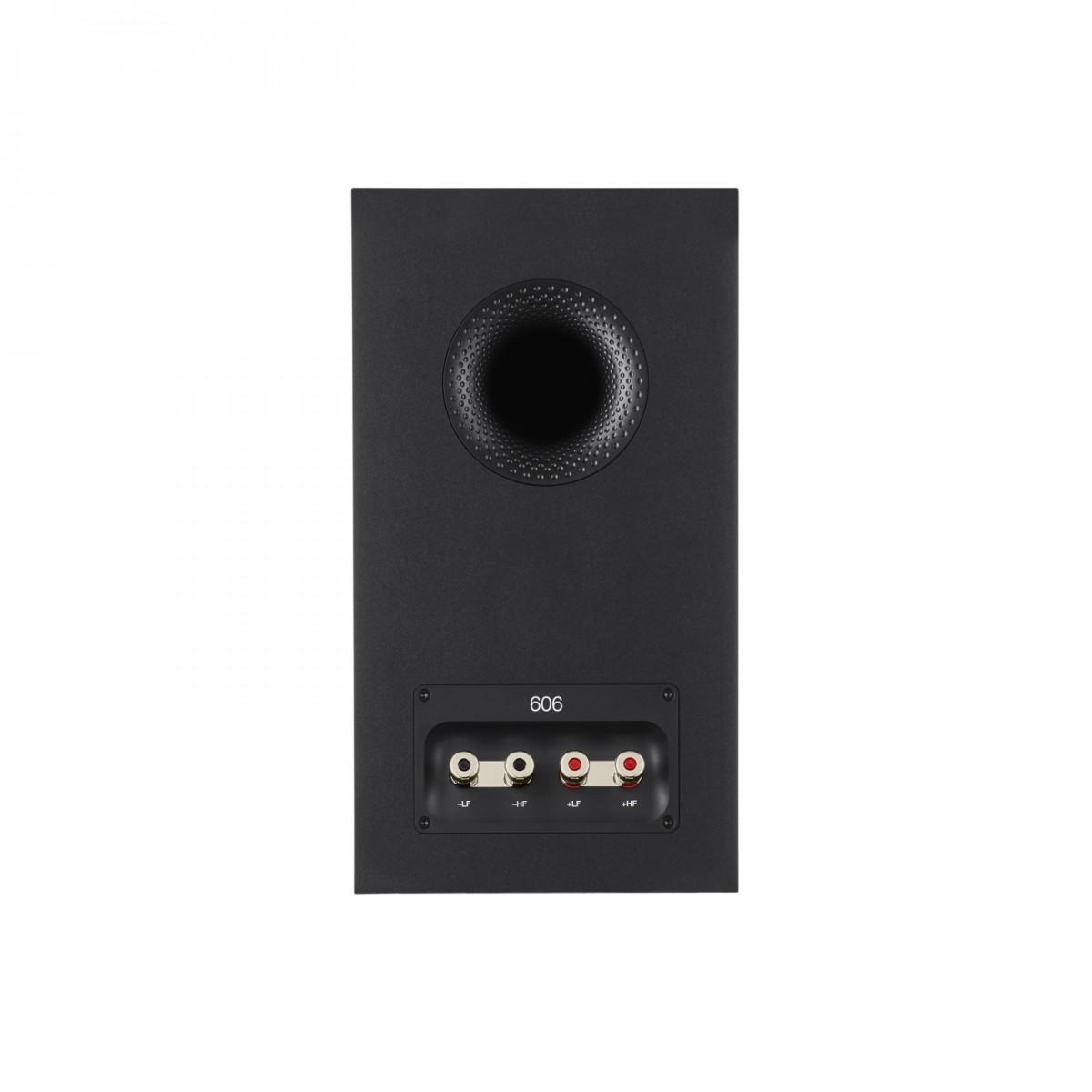
Despite their compact size, both speakers deliver impressive low-frequency performance, but with different characteristics. The 606 S3 reaches down to 52Hz, producing tight, well-controlled bass that particularly excels with acoustic music and well-recorded rock. Its rear-firing port helps extend the bass but requires careful placement away from walls.
The Q350 extends slightly lower to 42Hz, offering more weight in the lowest octaves. Its Computational Fluid Dynamics (CFD) port design helps reduce the "chuffing" sound that can occur with traditional ports, especially at higher volumes. This makes it particularly capable with electronic music and movie soundtracks.
At $1,100, the 606 S3 represents a significant investment, but its performance justifies the price for critical listeners. The improvements in the tweeter and overall refinement make it a worthy upgrade even from the previous model.
The Q350's $500 price point makes it an exceptional value, delivering performance that competes with speakers costing significantly more. While it may not match the absolute detail retrieval of the 606 S3, the difference is less than the price gap might suggest.
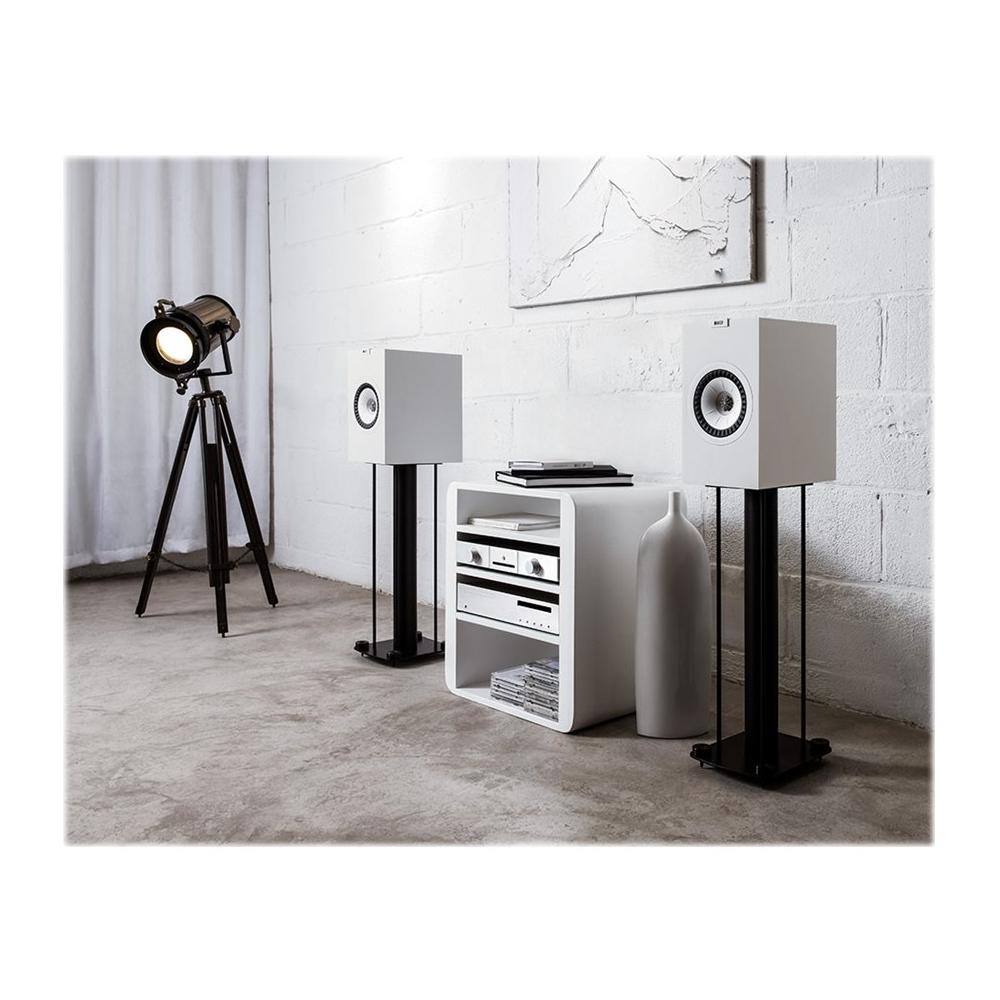
The 606 S3's rear-firing port means it needs space behind it to breathe - ideally at least 6-12 inches from walls. It also benefits from careful toe-in (angling toward the listening position) to achieve the best imaging.
The Q350's Uni-Q driver makes it more forgiving of placement, with consistent sound even off-axis. This can be a significant advantage in real-world rooms where ideal speaker placement isn't always possible.
Both speakers are relatively easy to drive but will reward better amplification. The 606 S3 (88dB sensitivity) and Q350 (87dB sensitivity) work well with amplifiers in the 30-100 watt range. However, the B&W tends to show more improvement with higher-end electronics.
The 606 S3 excels when used for focused listening sessions. Its revealing nature makes it ideal for those who want to hear every detail in their music. It's particularly impressive with well-recorded acoustic music, jazz, and classical, where its ability to render fine detail and spatial information shines.
The Q350 proves more adaptable across different genres and recording qualities. Its more forgiving nature makes it excellent for casual listening while still providing enough detail to satisfy during critical sessions. It's also particularly good for home theater use, where its consistent off-axis response helps create a more immersive experience.
While both speakers excel in stereo, they have different strengths in home theater applications. The Q350's wider dispersion characteristics make it excellent for creating a seamless soundstage across multiple seats. The 606 S3's precision and detail retrieval make it outstanding for dialog and complex soundtrack reproduction.
Choose the B&W 606 S3 if:
Choose the KEF Q350 if:
Both speakers represent excellent choices in their respective price ranges. The 606 S3 pushes the boundaries of what's possible in a bookshelf speaker, offering exceptional detail and precision for critical listeners. The Q350 provides remarkable value, delivering a more forgiving yet still highly capable performance that works well in a wider range of situations.
The choice ultimately comes down to your listening preferences, room constraints, and budget. Either way, both speakers demonstrate how far bookshelf speaker technology has come, offering performance that would have been unthinkable at these price points just a few years ago.
| Bowers & Wilkins 606 S3 | KEF Q350 |
|---|---|
| Price - Key factor in value proposition | |
| $1,100/pair | $500/pair |
| Release Date - Indicates technology generation | |
| Late 2023 | 2017 |
| Frequency Response - Determines bass depth and overall range | |
| 52Hz-28kHz (±3dB) | 42Hz-28kHz (±3dB) |
| Sensitivity - Impacts how much power needed from amplifier | |
| 88dB | 87dB |
| Power Handling - Range of compatible amplifier powers | |
| 30-120W | 15-120W |
| Driver Configuration - Affects sound quality and dispersion | |
| 6.5" Continuum cone bass/mid + 1" Titanium dome tweeter | 6.5" Uni-Q driver with centered 1" aluminum dome tweeter |
| Key Technology - Primary sound quality differentiator | |
| New Titanium dome tweeter, Continuum cone material | Uni-Q driver array, CFD port design |
| Port Design - Impacts bass performance and placement flexibility | |
| Rear-firing Flowport (requires space behind speakers) | Front-firing CFD port (more flexible placement) |
| Dimensions (H x W x D) - Consider room space requirements | |
| 13.7" x 7.5" x 13" | 14.25" x 8.26" x 12.04" |
| Weight - Important for stand/shelf considerations | |
| 15.5 lbs each | 16.8 lbs each |
| Impedance - Affects amplifier compatibility | |
| 8 ohms nominal | 8 ohms nominal (3.7 ohms minimum) |
| Finish Options - Aesthetic considerations | |
| Black, White, Oak | Satin Black, Satin White |
| Warranty - Long-term value protection | |
| 5 years | 5 years |
The B&W 606 S3 offers more detail and precision, while the KEF Q350 provides better value and more forgiving sound. The 606 S3 is technically superior but costs twice as much at $1,100 versus $500 for the Q350.
The primary difference is their driver design. The KEF Q350 uses a Uni-Q driver with centered tweeter, while the B&W 606 S3 uses separate Titanium dome tweeter and Continuum cone drivers.
The KEF Q350 extends lower to 42Hz compared to 52Hz for the B&W 606 S3. This gives the KEF slightly better bass extension, though both perform well for their size.
Both work well in home theater systems. The KEF Q350 offers better off-axis response for multiple seating positions, while the B&W 606 S3 provides more detail for dialog clarity.
The KEF Q350 is more flexible due to its front-firing port and Uni-Q driver. The B&W 606 S3 requires more careful placement due to its rear-firing port design.
Both speakers work with moderately powered amplifiers. The B&W 606 S3 needs 30-120W while the KEF Q350 accepts 15-120W. The B&W tends to benefit more from higher-end amplification.
The B&W 606 S3 excels with high-quality recordings like vinyl due to its detail retrieval. The KEF Q350 is more forgiving of varying record conditions.
Yes, both work well with streaming. The KEF Q350 is more forgiving of compressed audio, while the B&W 606 S3 reveals more detail in high-resolution streams.
The KEF Q350 is generally better for small rooms due to its front-firing port and more flexible placement options compared to the B&W 606 S3.
Neither absolutely requires a subwoofer for music. The KEF Q350 reaches lower bass (42Hz) than the B&W 606 S3 (52Hz), though both benefit from a subwoofer for home theater use.
Both the B&W 606 S3 and KEF Q350 are well-built and come with 5-year warranties. Build quality is excellent on both models.
For critical listeners seeking maximum detail, the B&W 606 S3 justifies its premium. For most users, the KEF Q350 offers better value with excellent performance at half the price.
We've done our best to create useful and informative comparisons to help you decide what product to buy. Our research uses advanced automated methods to create this comparison and perfection is not possible - please contact us for corrections or questions. These are the sites we've researched in the creation of this article: futureaudiophile.com - headphones.com - therobinsonbrand.com - higherhz.com - audioadvisor.com - crutchfield.com - bowerswilkins.com - crutchfield.com - vinylrevival.com.au - audioadvisor.com - worldwidestereo.com - whatsthebest.co.uk - us.kef.com - youtube.com - perfectacoustic.co.uk - youtube.com - ooberpad.com - ca.kef.com - crutchfield.com - uk.kef.com - snapav.com

Privacy Policy
Terms and Conditions - Affiliate Policy
Home Security
© Copyright 2008-2026.
11816 Inwood Rd #1211, Dallas, TX 75244