

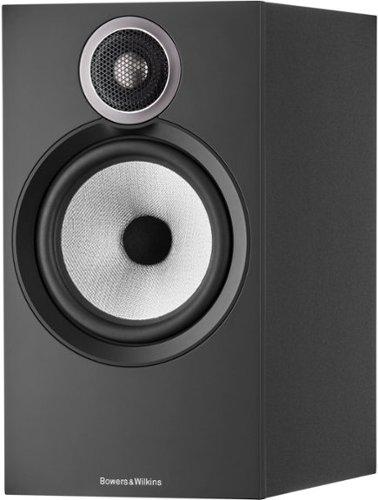
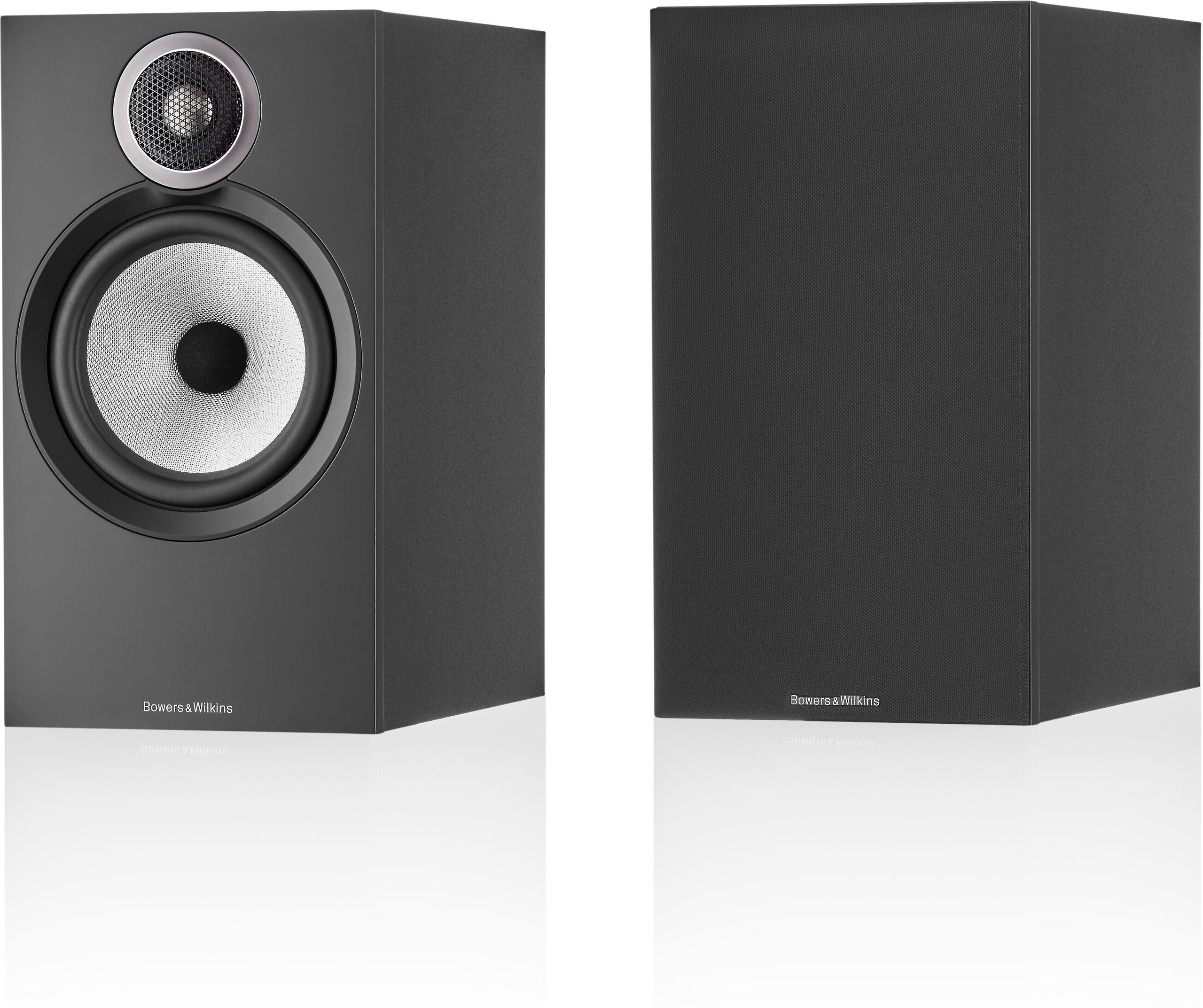
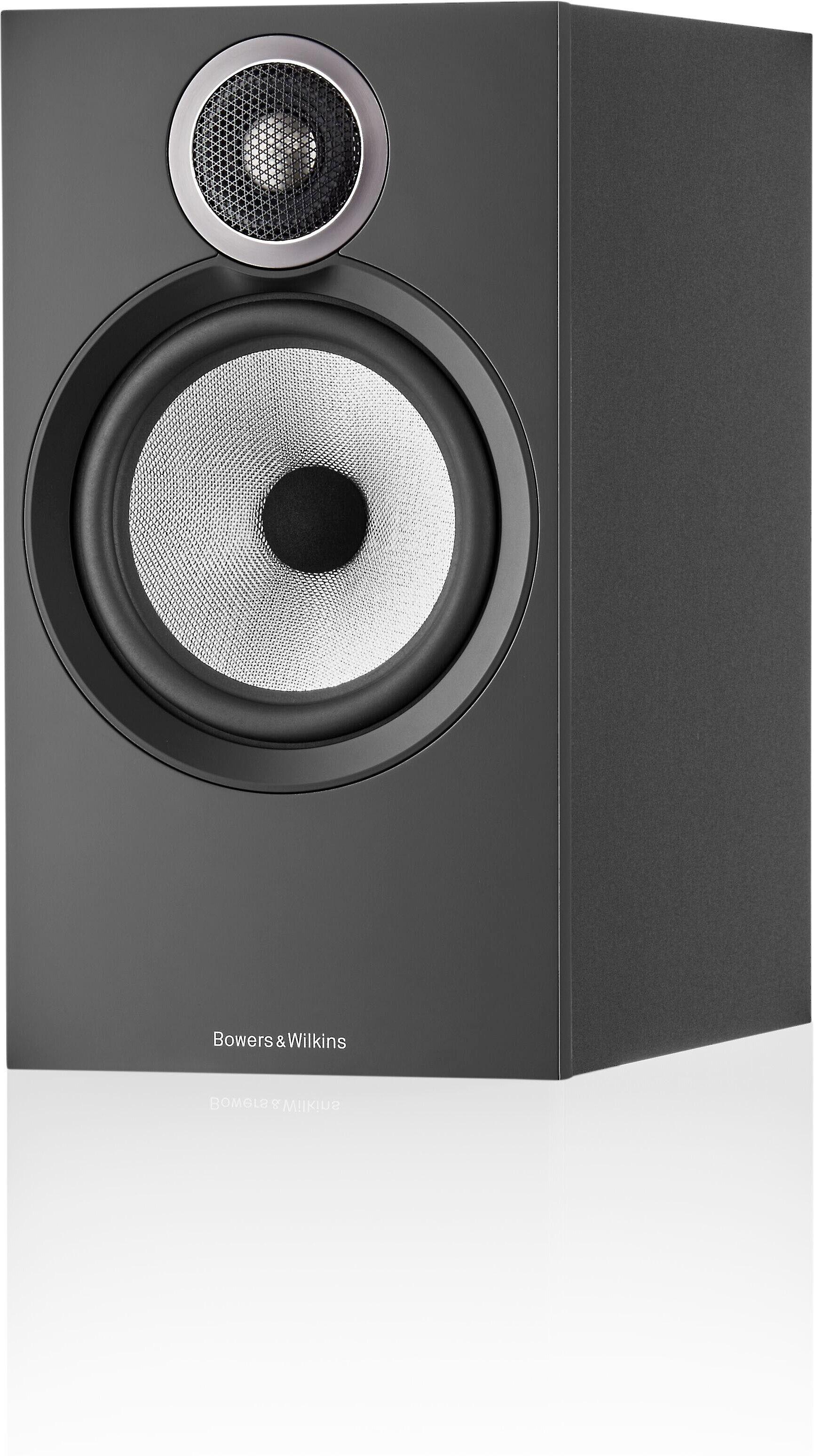
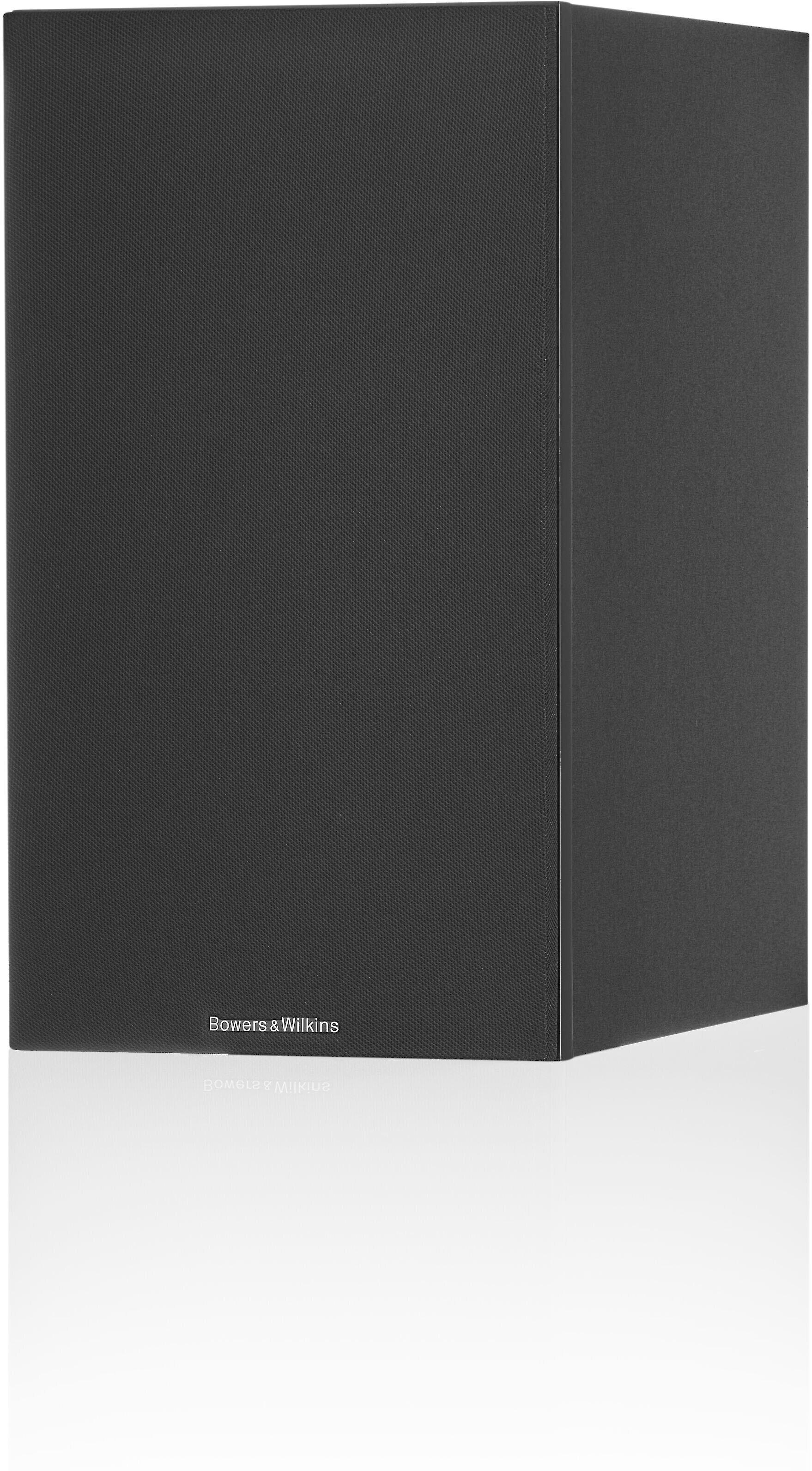
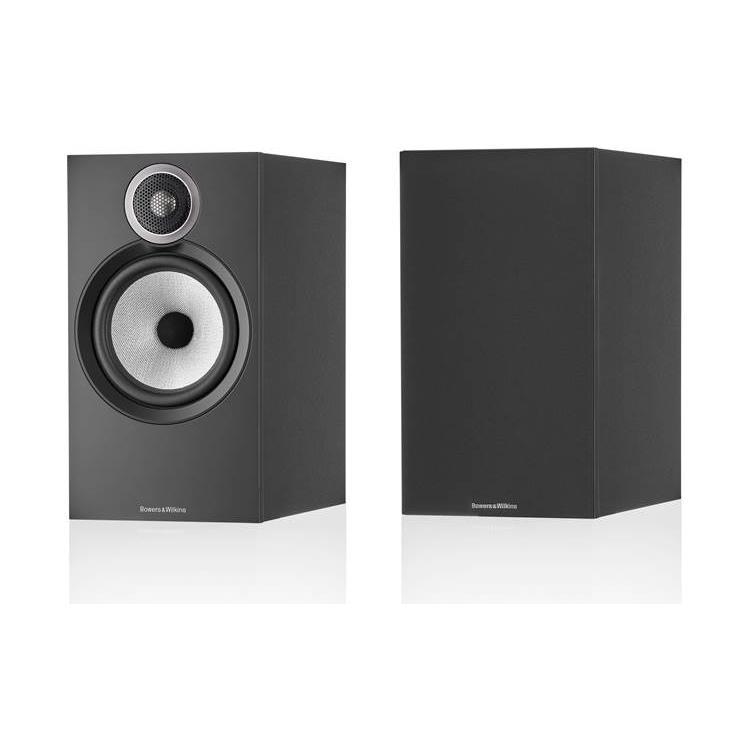
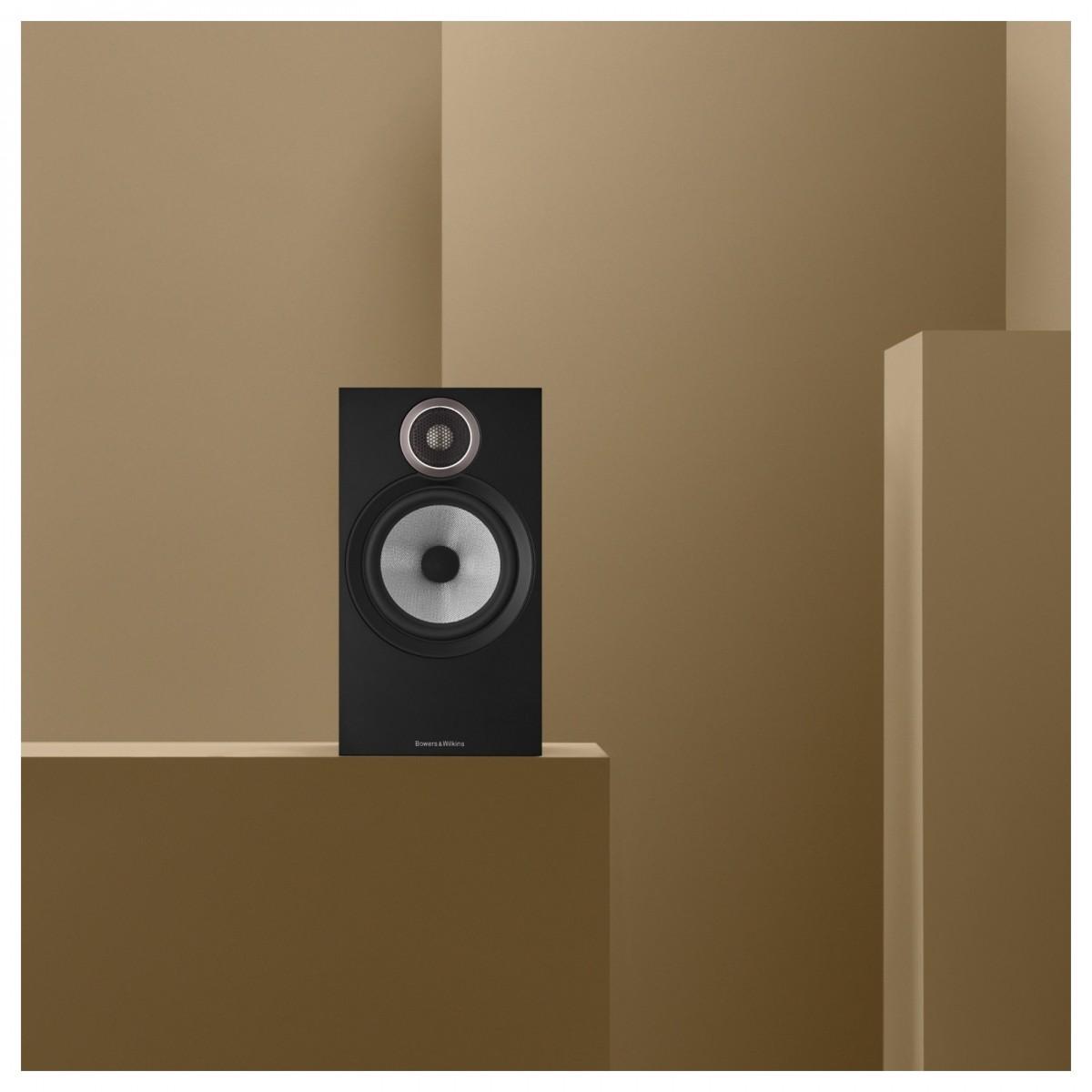
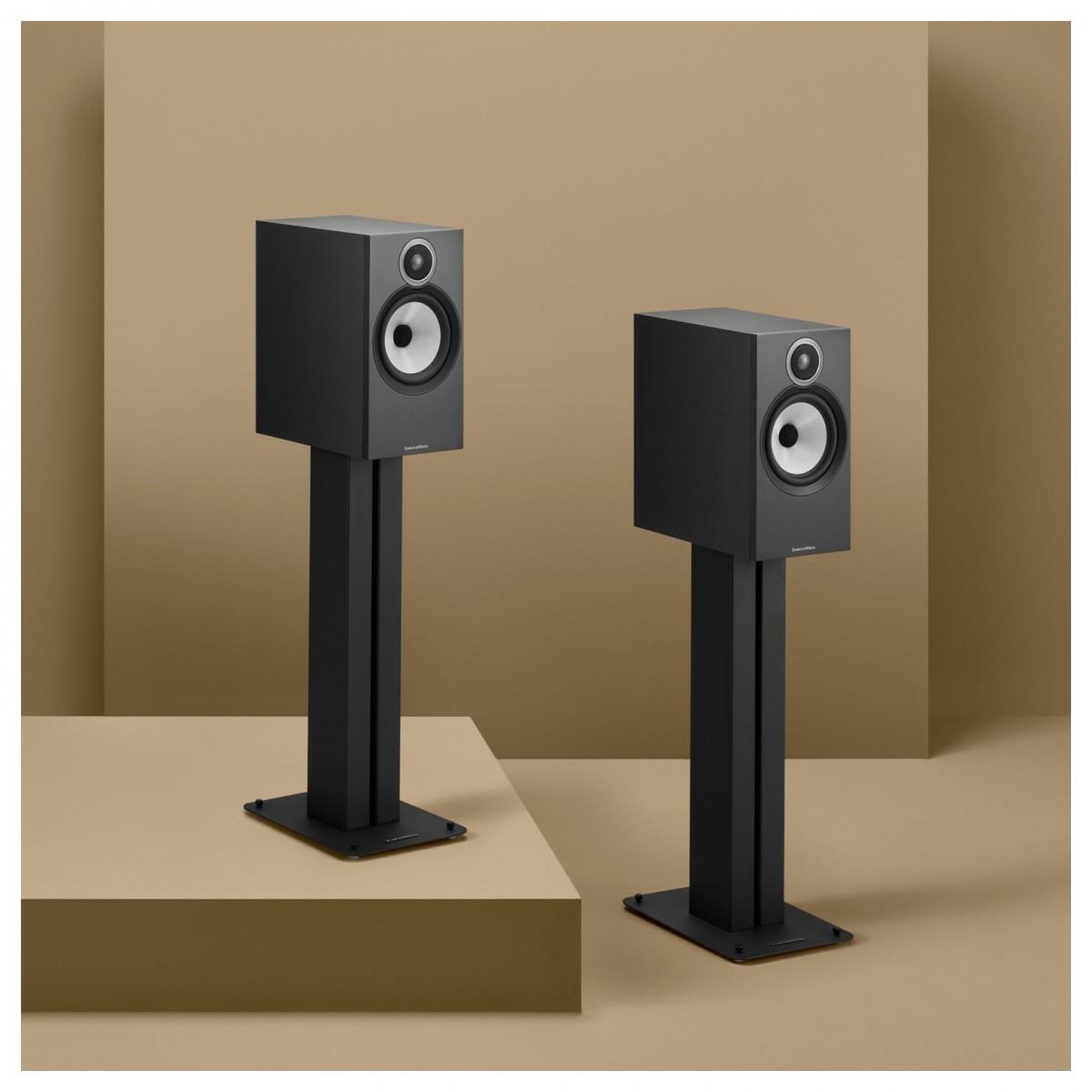
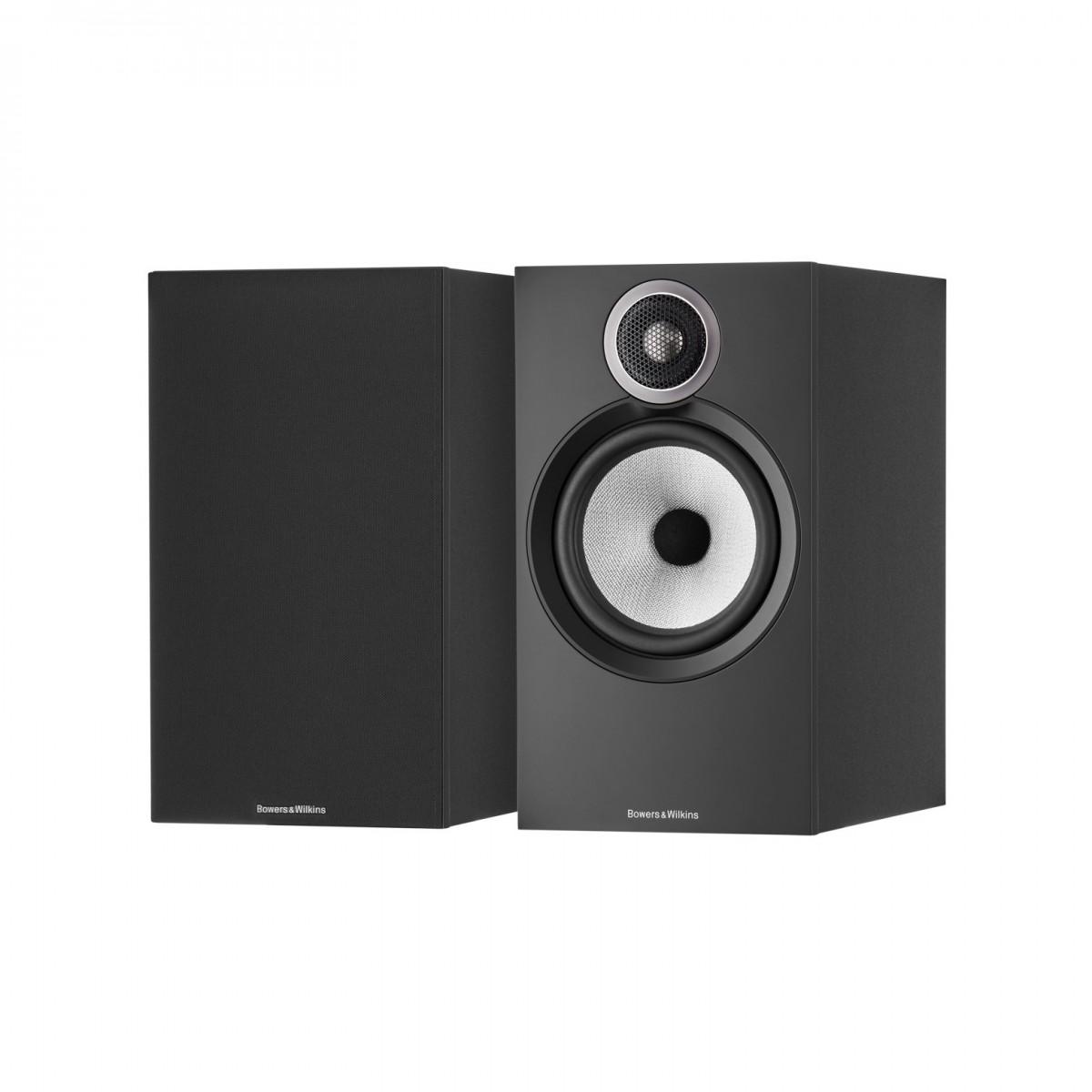
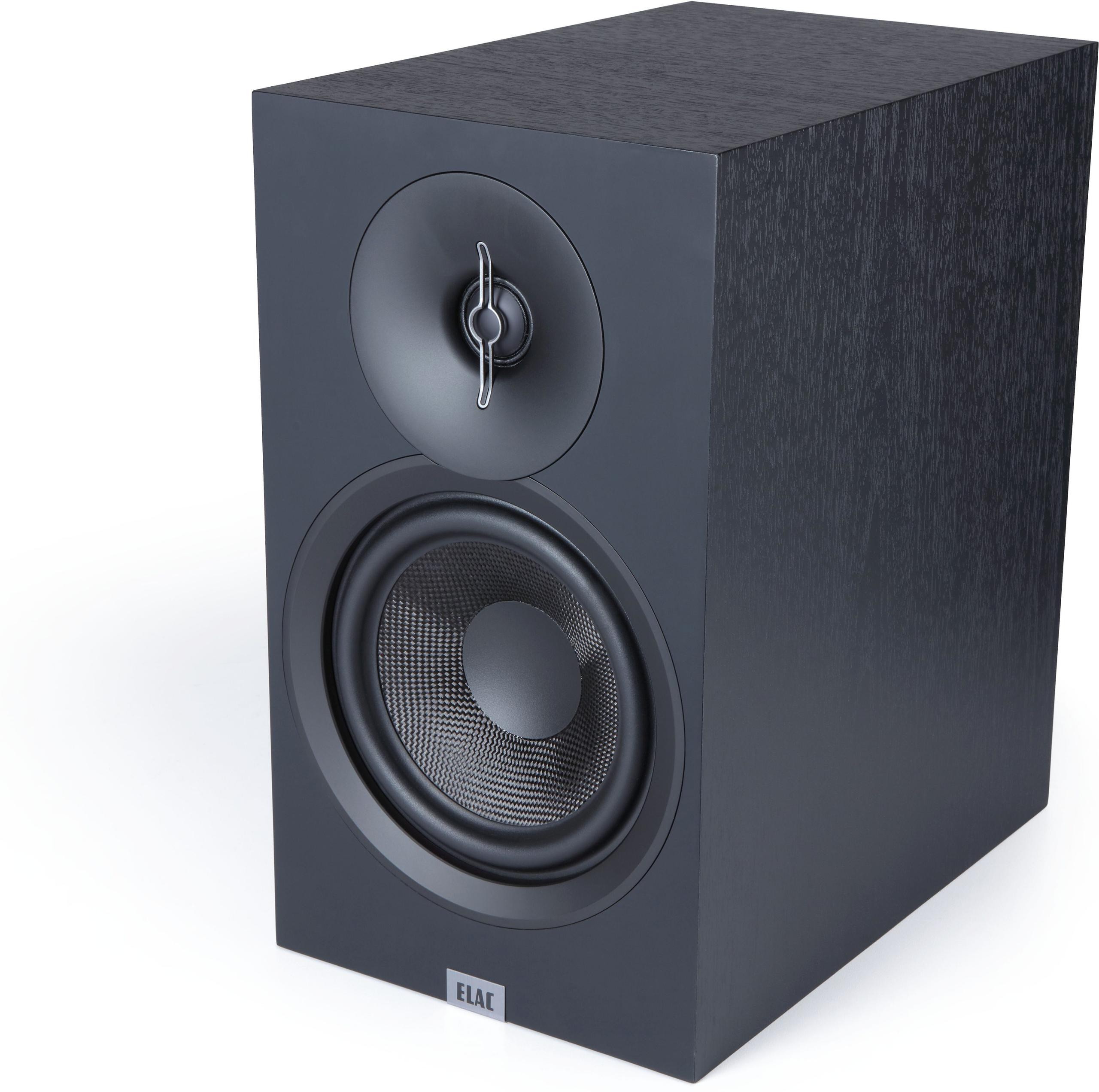
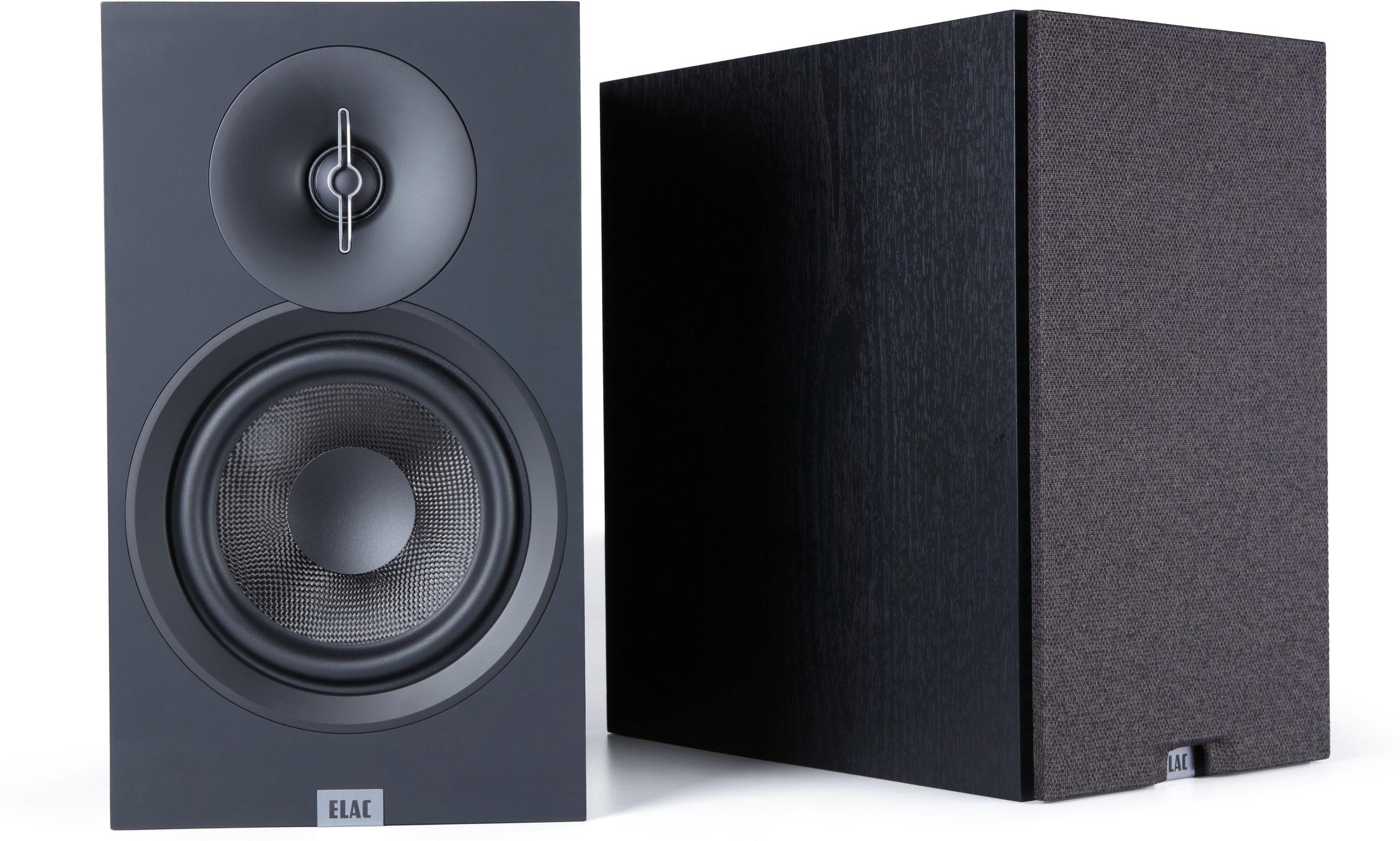
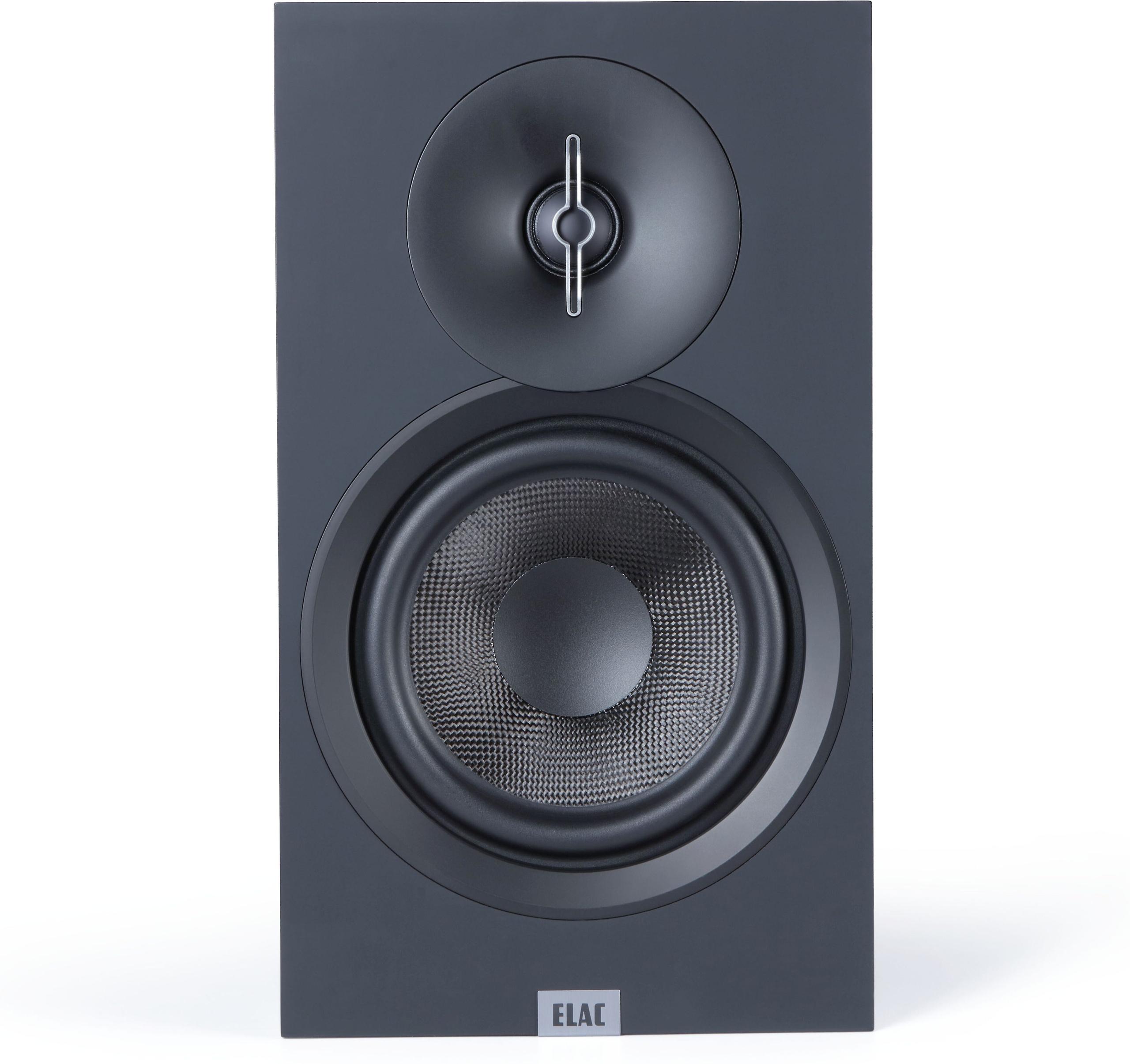
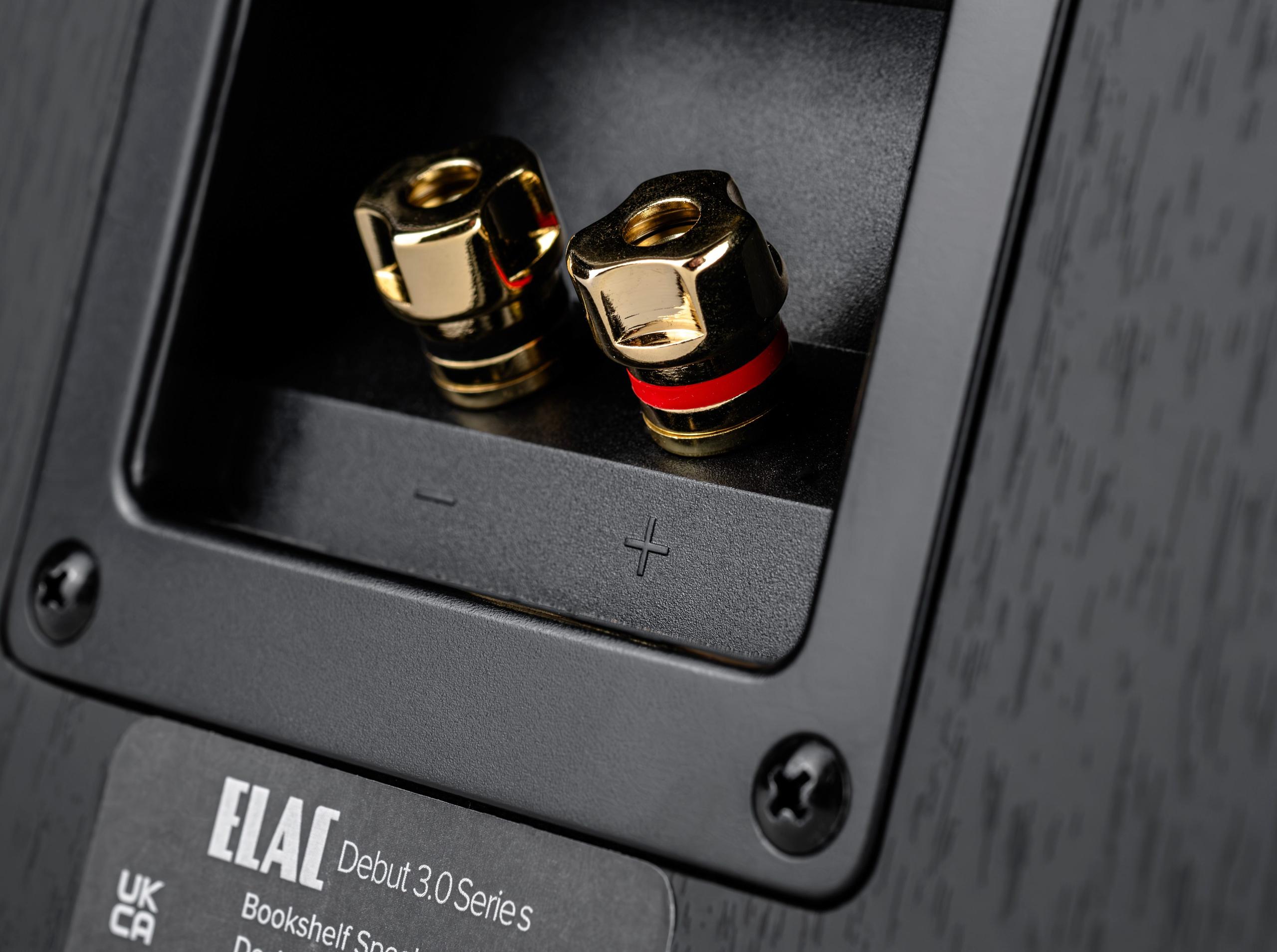
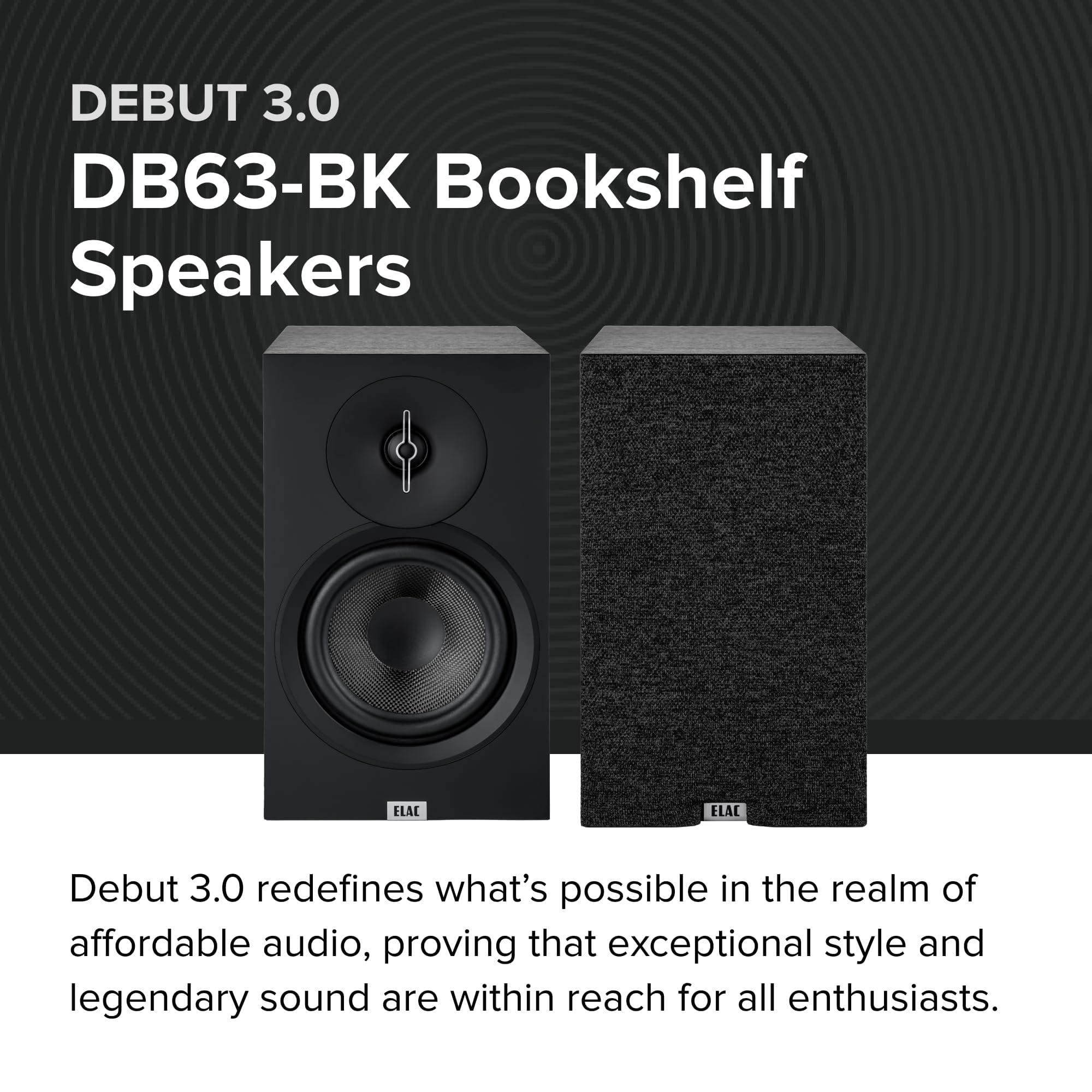

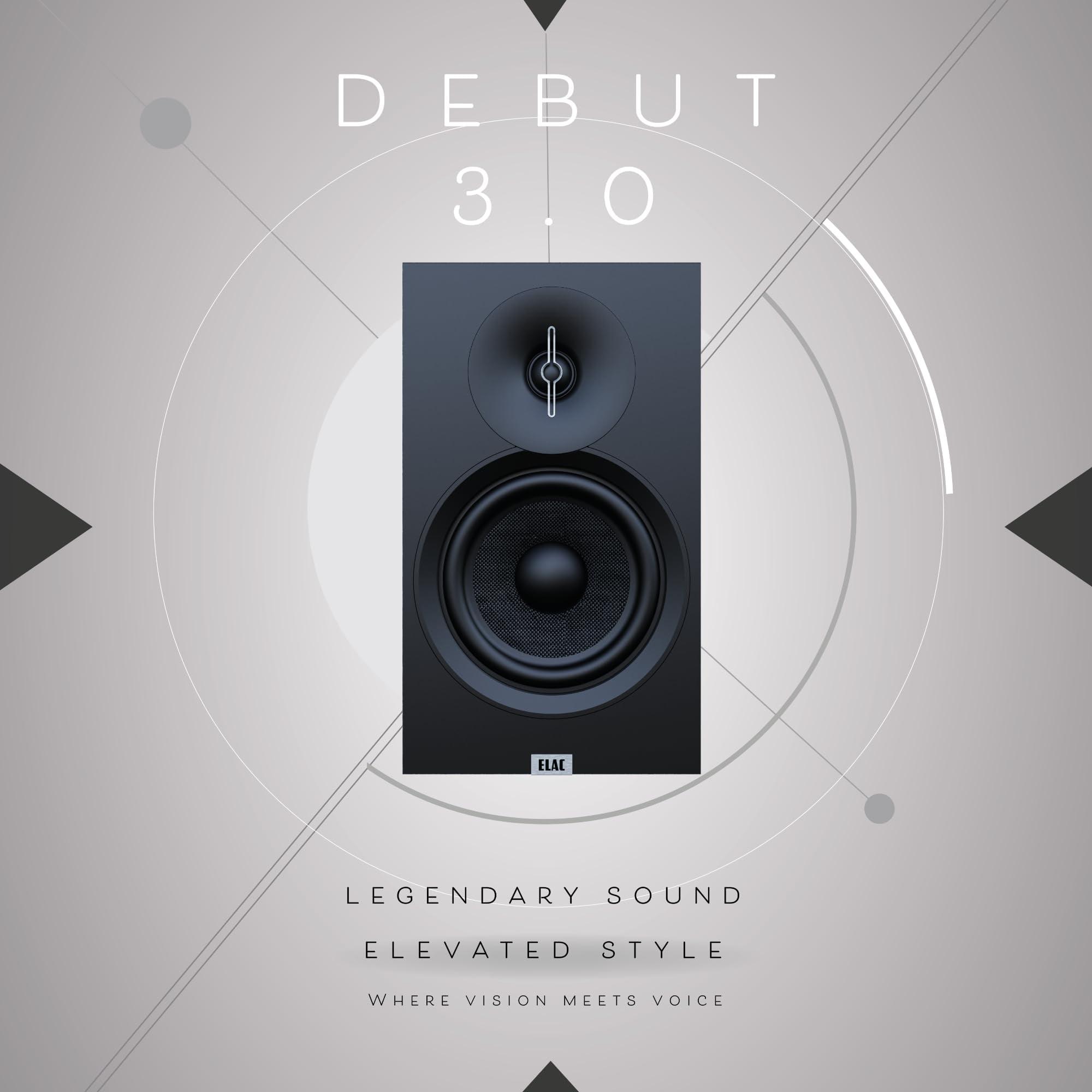
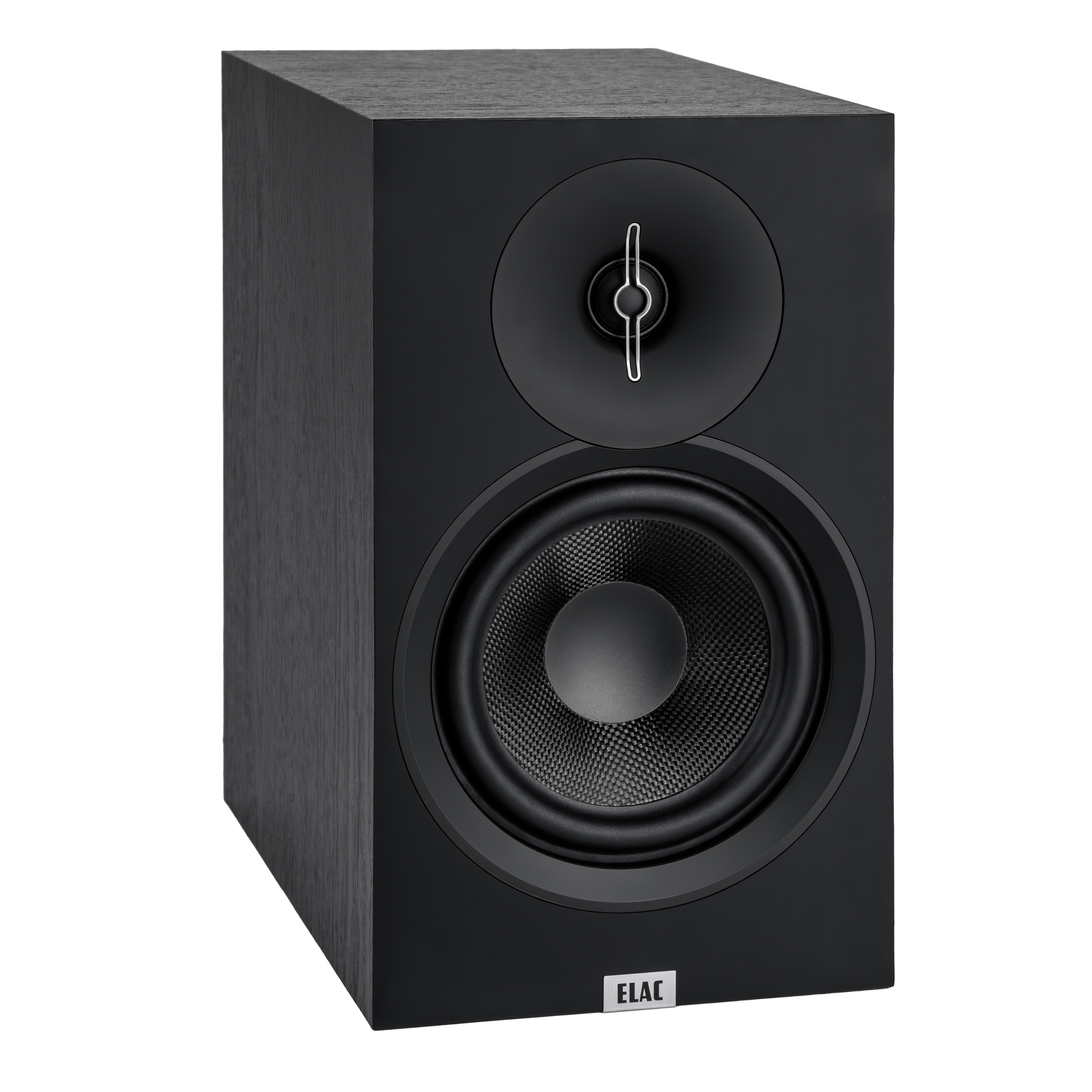
In the world of high-end audio, choosing between two excellent bookshelf speakers can be challenging. Today, we're comparing the recently released Bowers & Wilkins 606 S3 ($550) and the upcoming ELAC Debut 3.0 DB63 ($450), two speakers that represent different approaches to achieving exceptional sound quality.
Bookshelf speakers remain the sweet spot for many audio enthusiasts, offering an ideal balance between size, performance, and value. These compact but capable performers can serve as the foundation of both stereo and home theater systems, making them incredibly versatile.
Modern bookshelf speakers have evolved significantly, incorporating advanced materials and design techniques that were previously only found in flagship models. Both of our contenders exemplify this trend, though they take different paths to sonic excellence.
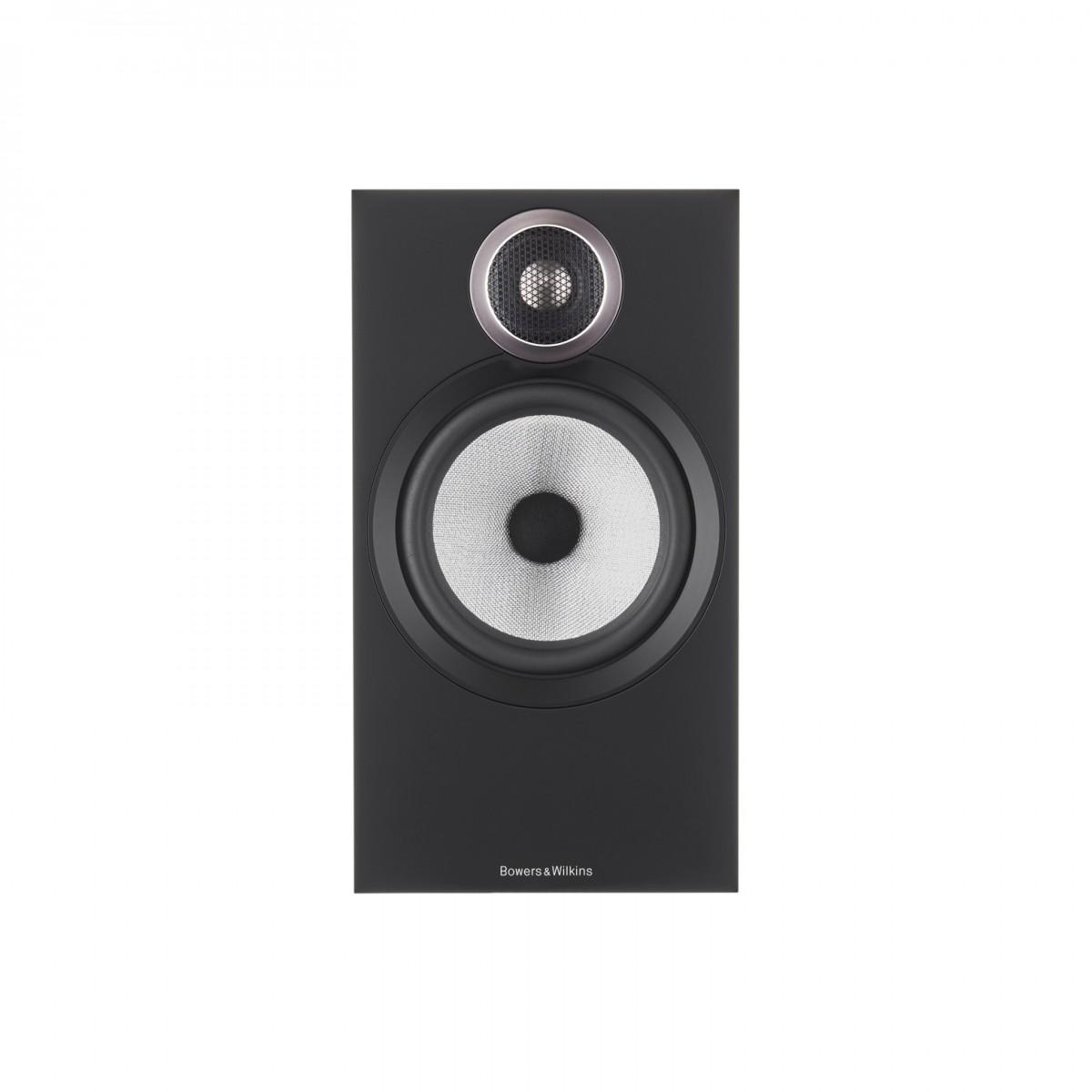
The B&W 606 S3 showcases the company's latest innovations, including their new Titanium Dome tweeter. This isn't just marketing speak - the titanium construction provides exceptional stiffness while maintaining low mass, allowing the tweeter to reproduce high frequencies with remarkable precision and minimal distortion. The speaker's Continuum cone, which handles midrange and bass frequencies, represents years of materials research and has replaced B&W's longtime use of Kevlar.
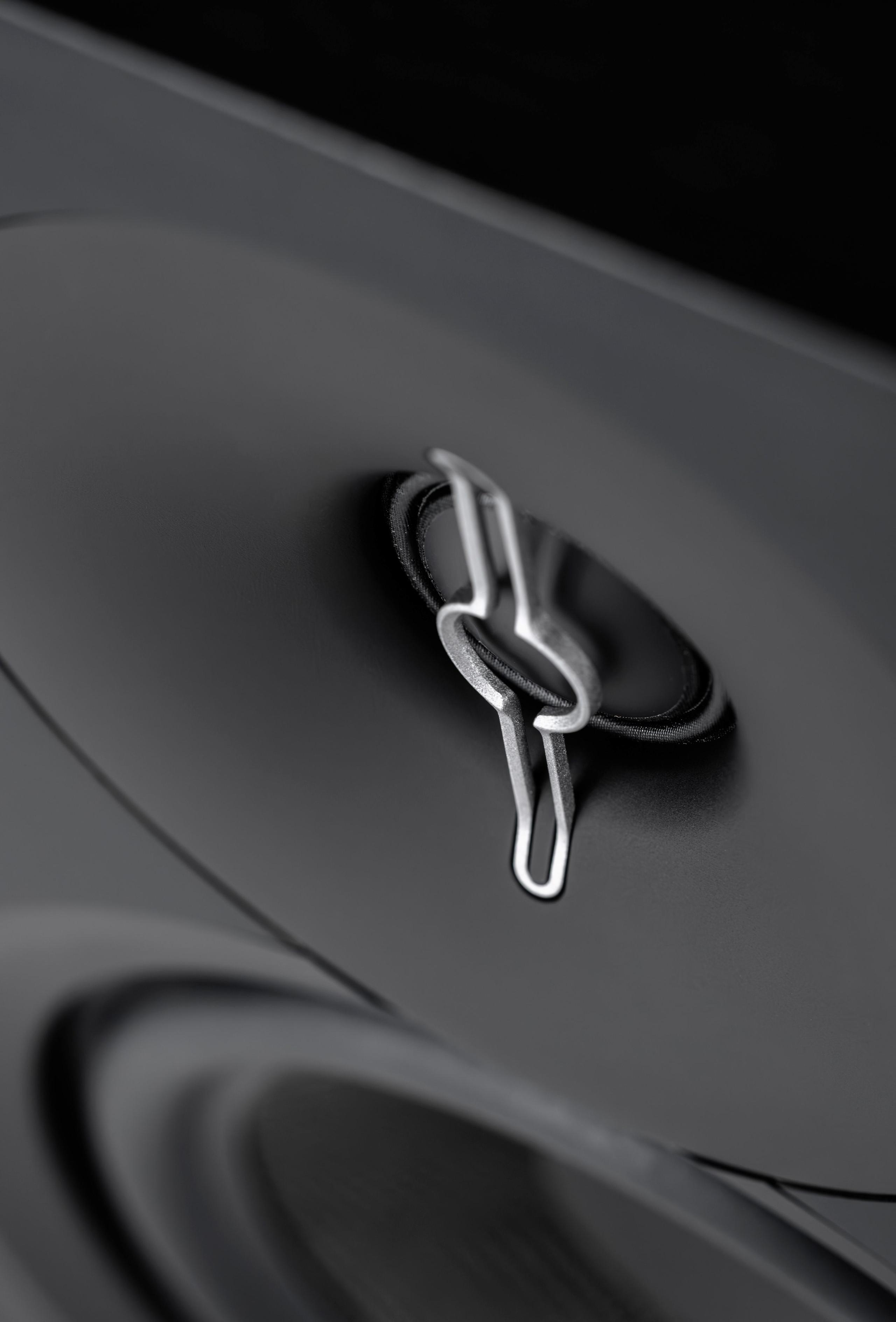
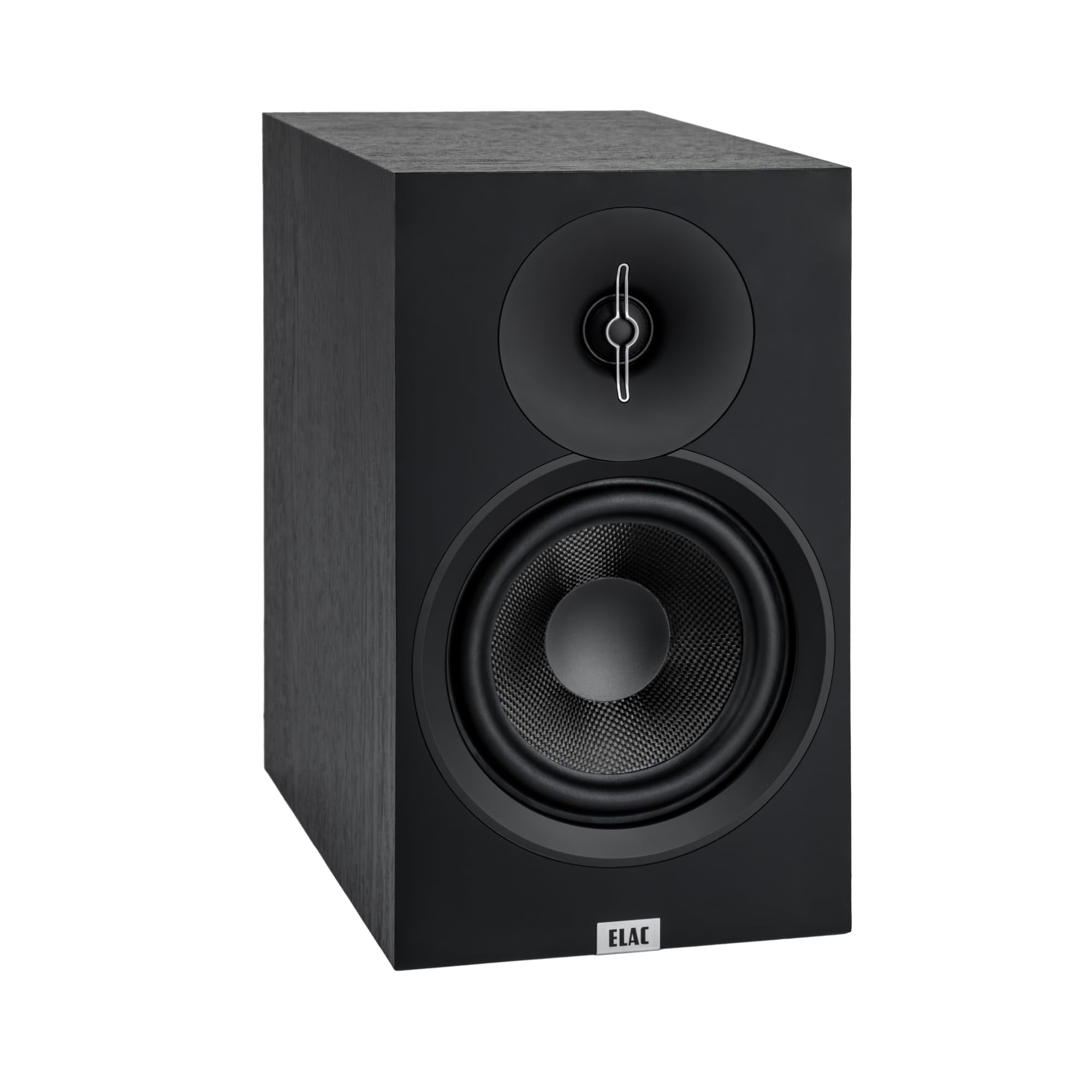
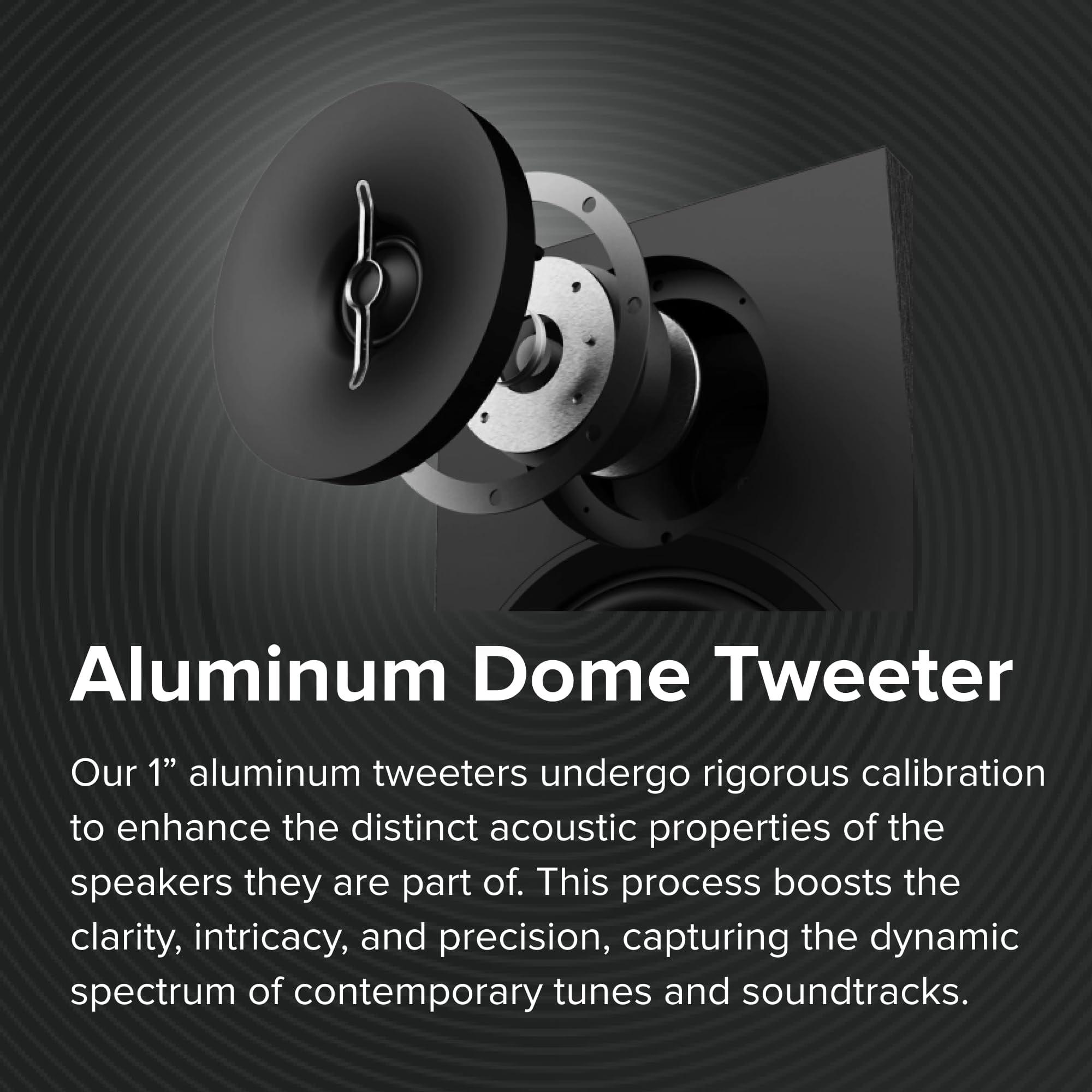
In contrast, the ELAC DB63 employs an aluminum dome tweeter paired with an aramid fiber woofer. While these materials might seem less exotic, ELAC's implementation is thoroughly modern. The aluminum dome provides excellent detail and dispersion, while the aramid fiber woofer delivers controlled, accurate bass response.
In practical terms, these different approaches yield distinct sonic characteristics. The B&W speakers present music with stunning clarity and precision, revealing subtle details in recordings that many speakers miss. Their presentation is more analytical, making them excellent for critical listening sessions where you want to hear every nuance.
The ELAC speakers offer a slightly warmer, more forgiving sound signature. This doesn't mean they're less capable - rather, they're more accommodating of varying recording qualities and musical styles. They excel at making music sound natural and engaging, even during extended listening sessions.
Bass performance is often a concern with bookshelf speakers, but both models handle low frequencies impressively. The B&W's 52Hz lower limit might seem modest compared to the ELAC's 42Hz, but numbers don't tell the whole story. The B&W's bass is exceptionally tight and controlled, with excellent definition that helps music sound more precise and accurate.
The ELAC's deeper bass extension comes with a slightly different character - it's still well-controlled but has more weight and body. This can be particularly beneficial in home theater applications, where the additional low-end presence adds impact to movie soundtracks.
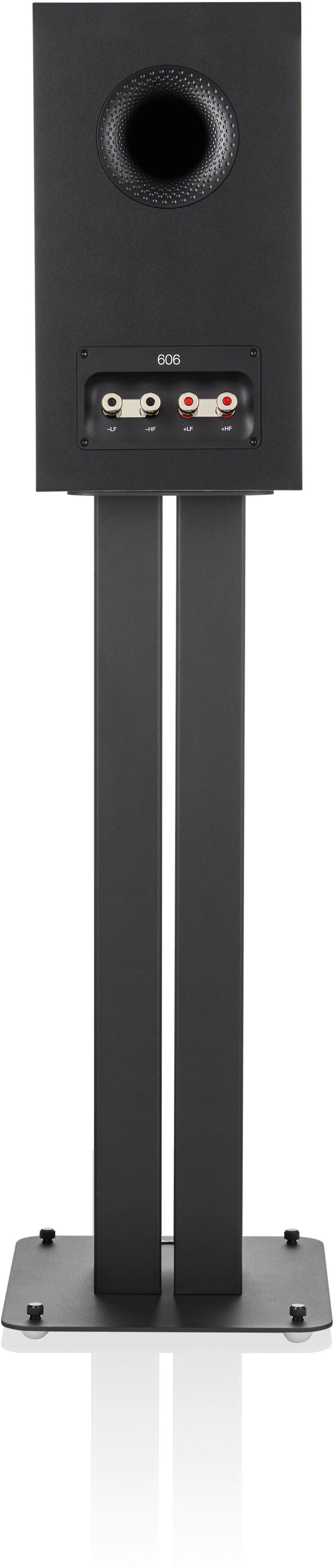
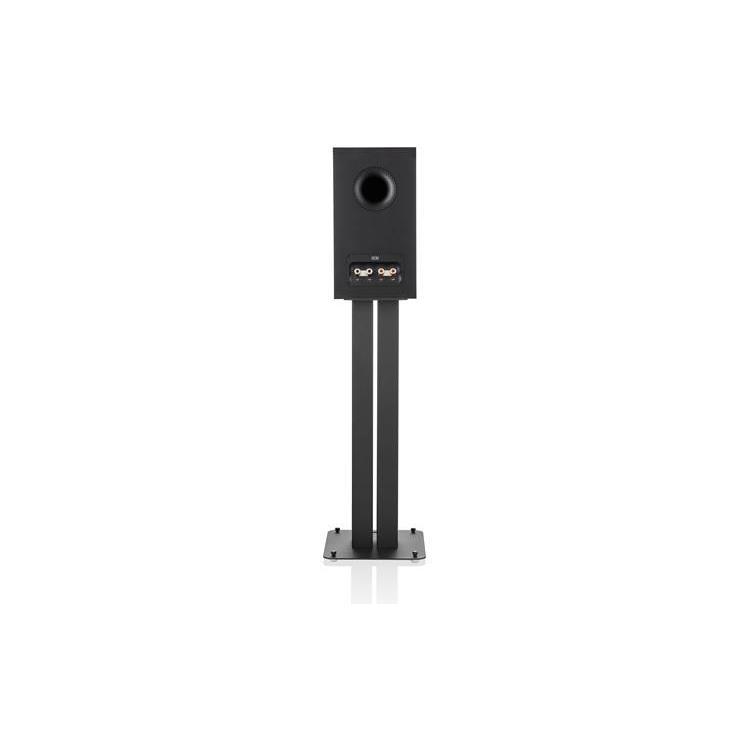
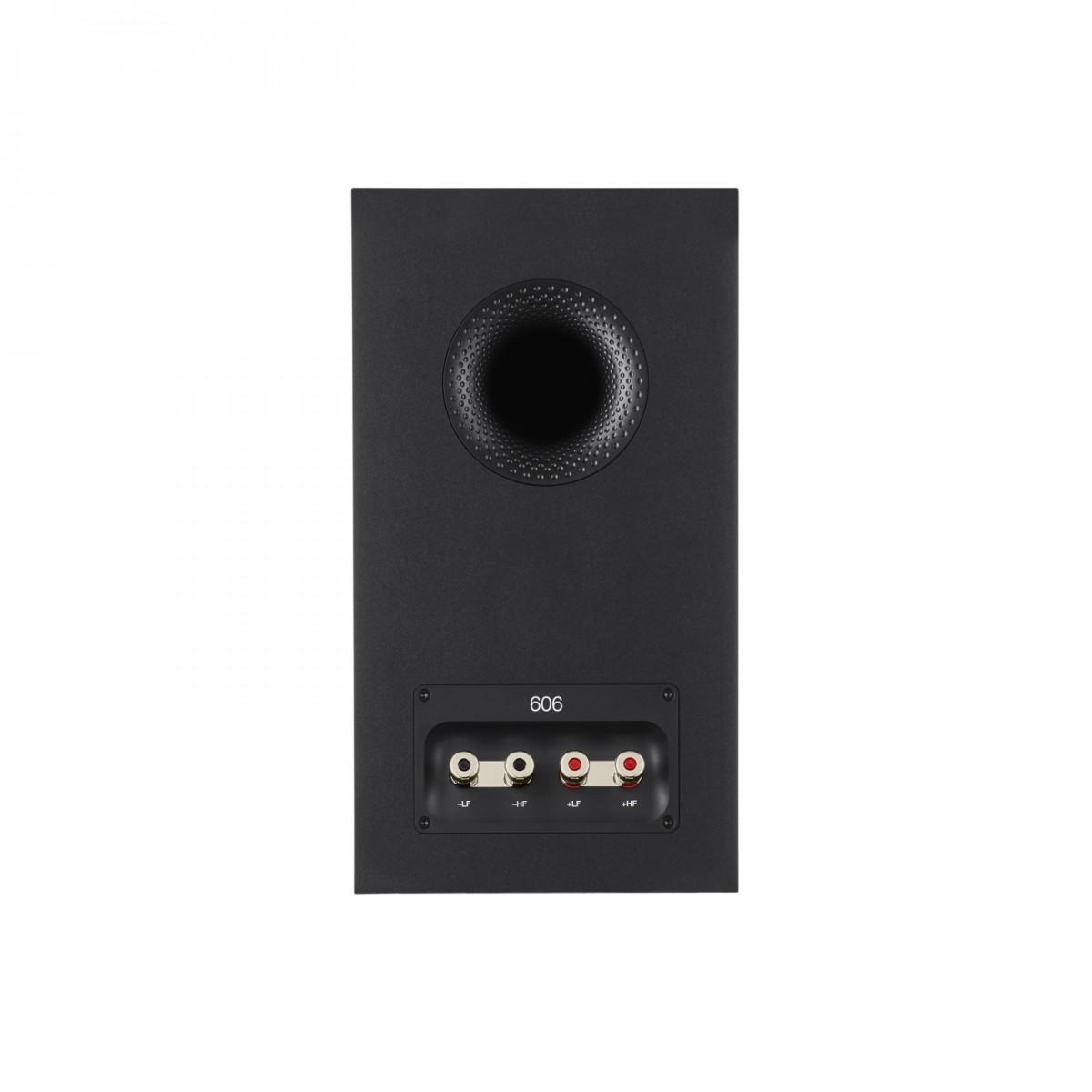
Room interaction is a crucial factor often overlooked in speaker comparisons. The B&W 606 S3 benefits from careful placement and room treatment, rewarding those who can optimize their listening space. Their rear-firing port requires some distance from walls for optimal performance.
The ELAC DB63 proves more forgiving of room placement, thanks to its carefully tuned port design and more neutral dispersion pattern. This flexibility makes them easier to integrate into real-world living spaces where optimal placement isn't always possible.
Here's where the practical differences become significant. The B&W speakers, with their 8-ohm impedance and 88dB sensitivity, benefit from high-quality amplification. They'll perform best with amplifiers in the 30-120 watt range, and they reward investment in better electronics.
The ELAC speakers are more accommodating, with a 6-ohm impedance and similar sensitivity. They work well with a broader range of amplifiers, including more modest receivers and integrated amps. This flexibility makes them an excellent choice for buyers who want great sound without requiring extensive system upgrades.
When considering value, we need to look beyond the price difference. The B&W 606 S3 commands a premium, but it includes several tangible benefits:
The ELAC DB63 offers compelling value through:
Both speakers excel in home theater applications, but with different strengths. The B&W's precise imaging and detail retrieval make them excellent for dialog and complex soundtracks. Their ability to reveal subtle acoustic cues enhances the immersive experience of well-mixed films.
The ELAC's deeper bass extension and more forgiving nature make them particularly suited to mixed-use systems. They handle both music and movies with equal aplomb, and their easier amplifier matching simplifies integration with AV receivers.
The choice between these speakers ultimately depends on your priorities and circumstances:
Choose the B&W 606 S3 if you:
Choose the ELAC Debut 3.0 DB63 if you:
Both speakers represent excellent values in their respective price categories, and neither would disappoint a discerning listener. The B&W offers a more revealing, reference-grade experience for those who can maximize its potential, while the ELAC provides exceptional real-world performance with greater flexibility.
Remember that personal listening is the best way to make a final decision, as individual preferences for sound signature and practical considerations often outweigh technical specifications.
| Bowers & Wilkins 606 S3 ($550) | ELAC Debut 3.0 DB63 ($450) |
|---|---|
| Frequency Response - Determines bass depth and treble extension | |
| 52Hz-28kHz (±3 dB) - Tighter, more controlled bass | 42Hz-38kHz (-6 dB) - Deeper bass extension |
| Driver Configuration - Affects sound quality and dispersion | |
| 1" Titanium Dome tweeter, 6.5" Continuum cone - Premium materials | 1" Aluminum Dome tweeter, 6.5" Aramid fiber - Proven technology |
| Power Handling - Determines amplifier compatibility | |
| 30-120W, more demanding on amplification | 20-140W, more flexible with various amps |
| Sensitivity - Impacts volume from given power input | |
| 88 dB - Standard efficiency | 87 dB - Standard efficiency |
| Impedance - Affects amplifier matching | |
| 8 ohms - Requires quality amplification | 6 ohms - Easier to drive |
| Cabinet Design - Influences bass performance and resonance | |
| Bass-reflex with rear Flowport, premium finish | Bass-reflex with dual flared ports, vinyl finish |
| Weight Per Speaker - Build quality indicator | |
| 15.5 lbs - Solid construction | 17.3 lbs - Robust build |
| Special Features - Unique technological advantages | |
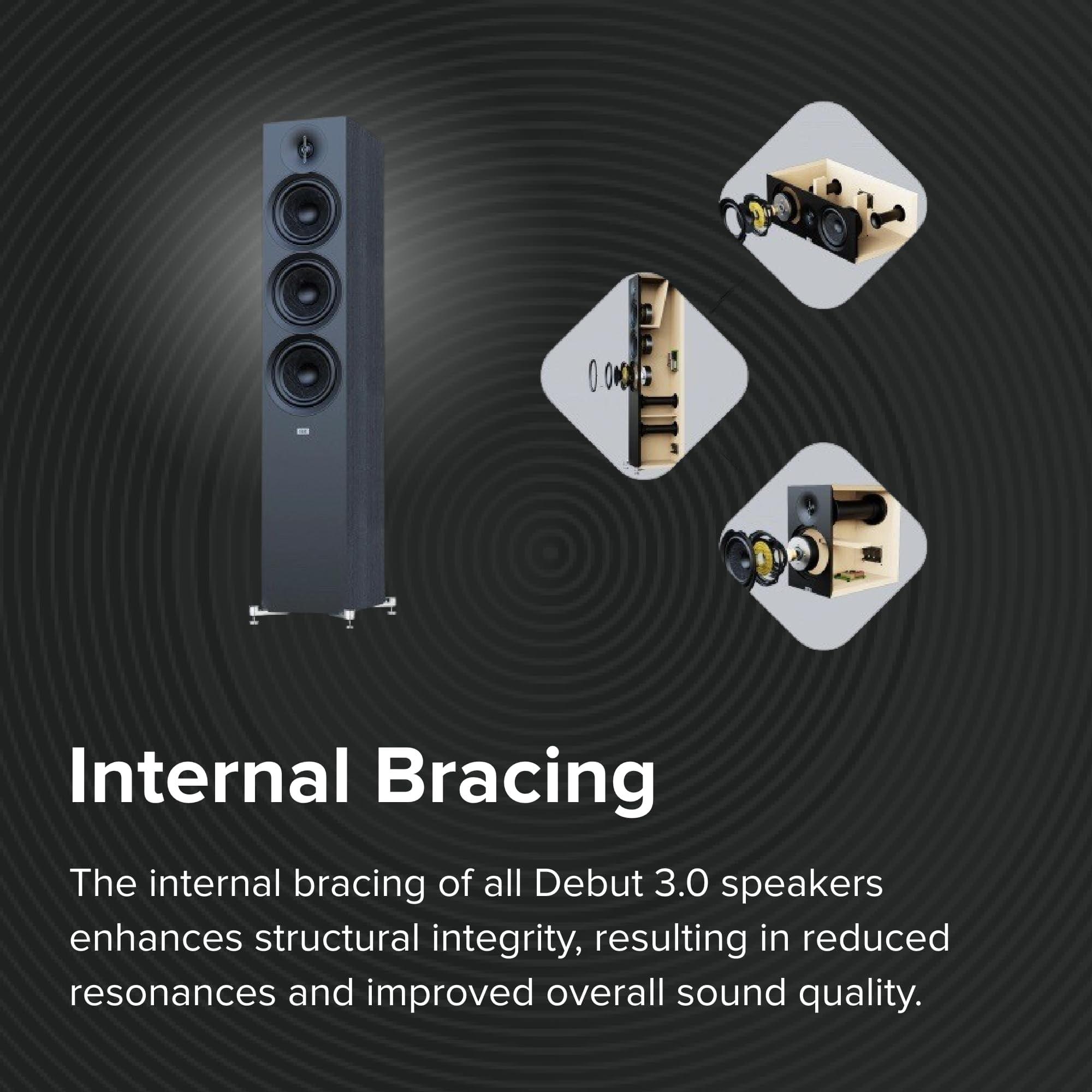
| Decoupled tweeter, upgraded terminals, magnetic grille | Internal bracing, wide dispersion design |
| Warranty Coverage - Long-term value protection | |
| 5 years - Excellent coverage | Standard warranty (length not specified) |
The ELAC Debut 3.0 DB63 ($450) offers better value for most users, while the B&W 606 S3 ($550) provides superior detail and refinement for critical listeners willing to pay more.
The B&W delivers more analytical, detailed sound with premium materials, while the ELAC offers a warmer, more forgiving sound signature with deeper bass extension.
The B&W 606 S3 benefits from higher-end amplification (30-120W), while the ELAC DB63 is more flexible and works well with mid-range amplifiers (20-140W).
Both work excellently for home theater, but the ELAC DB63's deeper bass and easier amplifier matching make it slightly better for most home theater setups.
Yes, both speakers are suitable for small to medium rooms. The ELAC offers more flexible placement options, while the B&W performs best with optimized positioning.
While both speakers provide good bass, the ELAC DB63 reaches lower (42Hz vs 52Hz). For music, neither requires a subwoofer, but for home theater, a subwoofer would benefit both.
Both are well-built, with the B&W 606 S3 offering a 5-year warranty and premium materials, while the ELAC DB63 features robust construction and proven technology.
Neither speaker is designed for wall-mounting. Both are rear-ported and perform best on stands or shelves with space behind them.
Both perform excellently with streaming, but the ELAC's warmer sound signature may be more forgiving with compressed audio sources.
The B&W maintains better detail at low volumes, while the ELAC provides fuller sound at moderate volumes.
The B&W 606 S3 typically holds value better due to brand prestige and premium positioning compared to the ELAC DB63.
The ELAC DB63 pairs better with budget receivers due to its easier-to-drive design, while the B&W 606 S3 requires more careful amplifier matching.
We've done our best to create useful and informative comparisons to help you decide what product to buy. Our research uses advanced automated methods to create this comparison and perfection is not possible - please contact us for corrections or questions. These are the sites we've researched in the creation of this article: futureaudiophile.com - headphones.com - therobinsonbrand.com - higherhz.com - audioadvisor.com - crutchfield.com - bowerswilkins.com - crutchfield.com - vinylrevival.com.au - audioadvisor.com - worldwidestereo.com - youtube.com - elac.com - crutchfield.com - youtube.com - hifiplus.com - audioadvice.com - elac.com - musicdirect.com - creativeaudio.net - elac.com

Privacy Policy
Terms and Conditions - Affiliate Policy
Home Security
© Copyright 2008-2026.
11816 Inwood Rd #1211, Dallas, TX 75244