

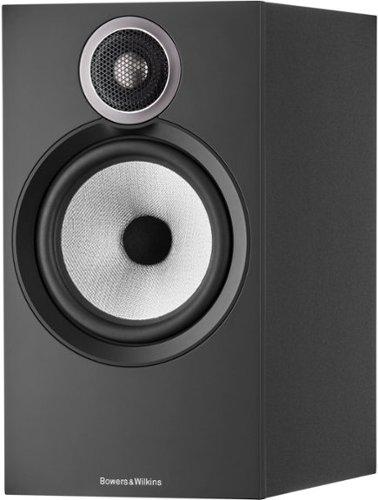
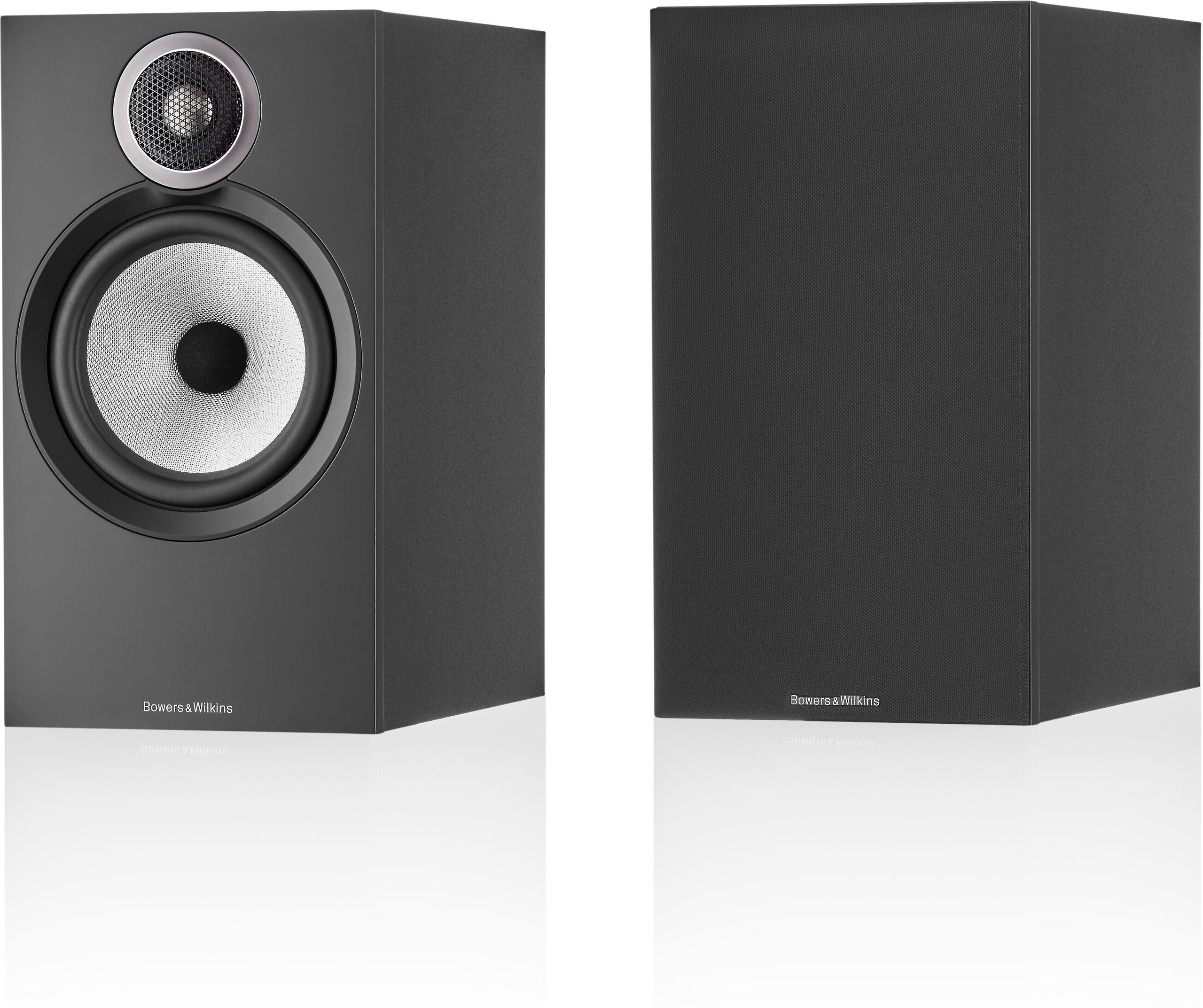
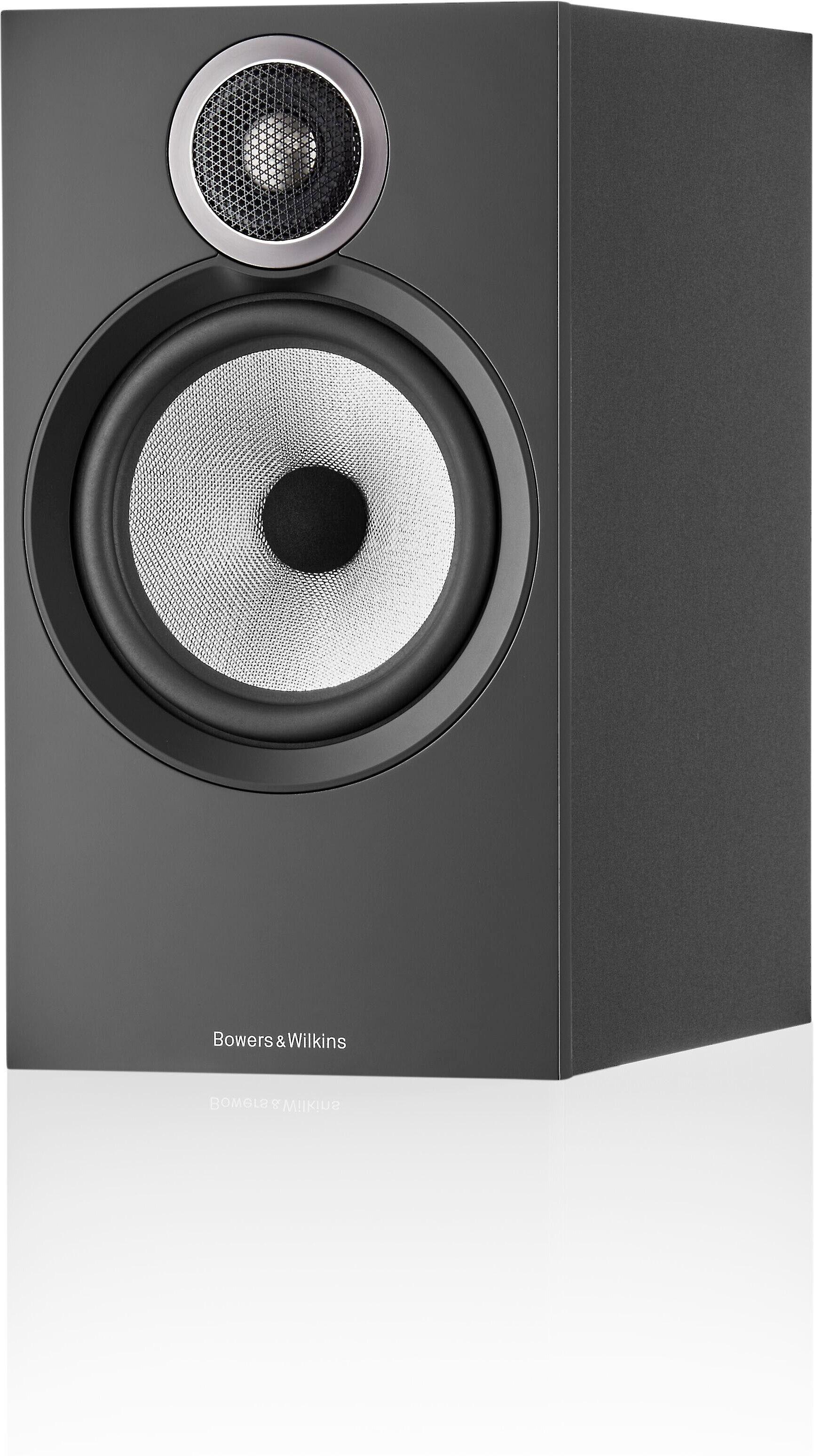
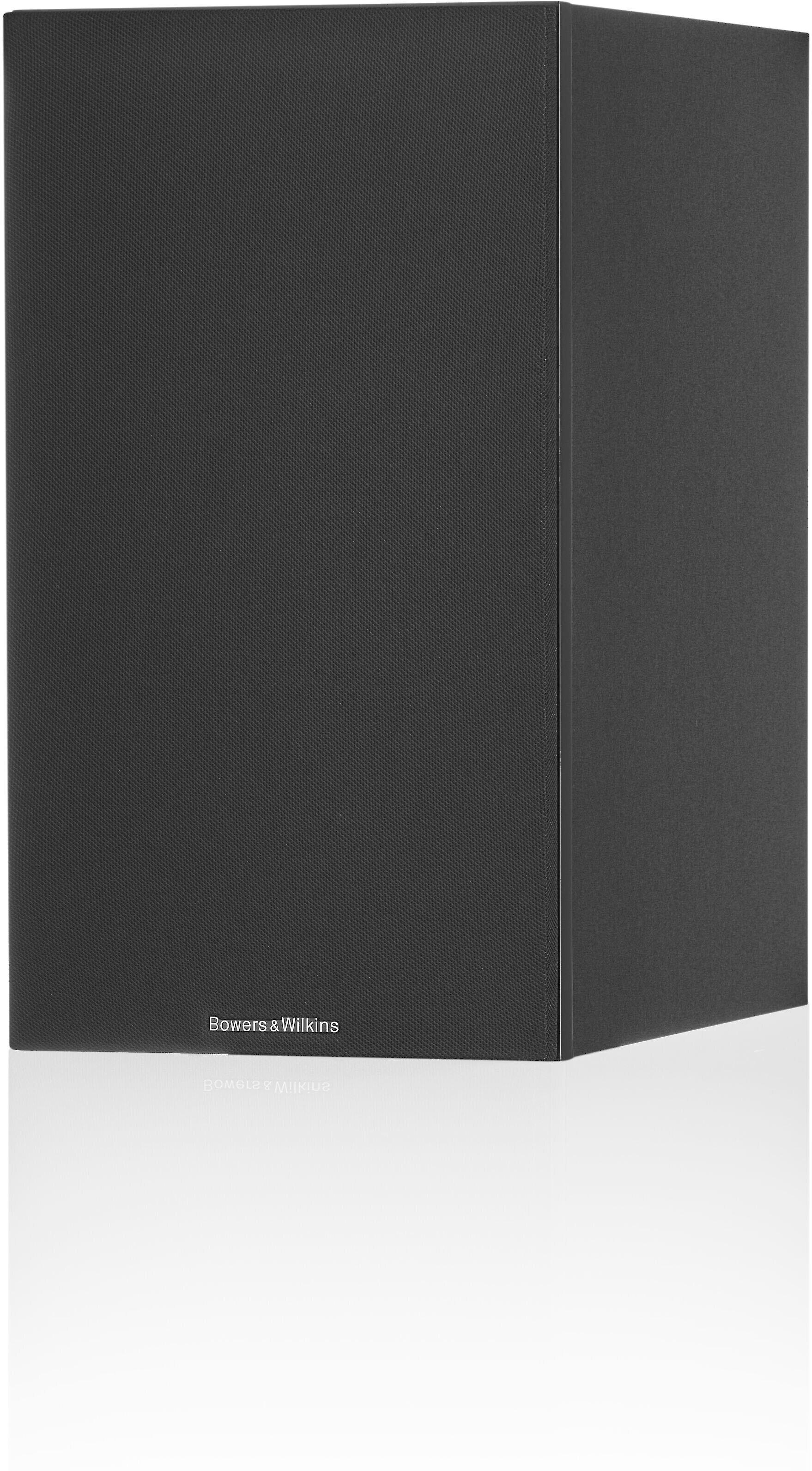
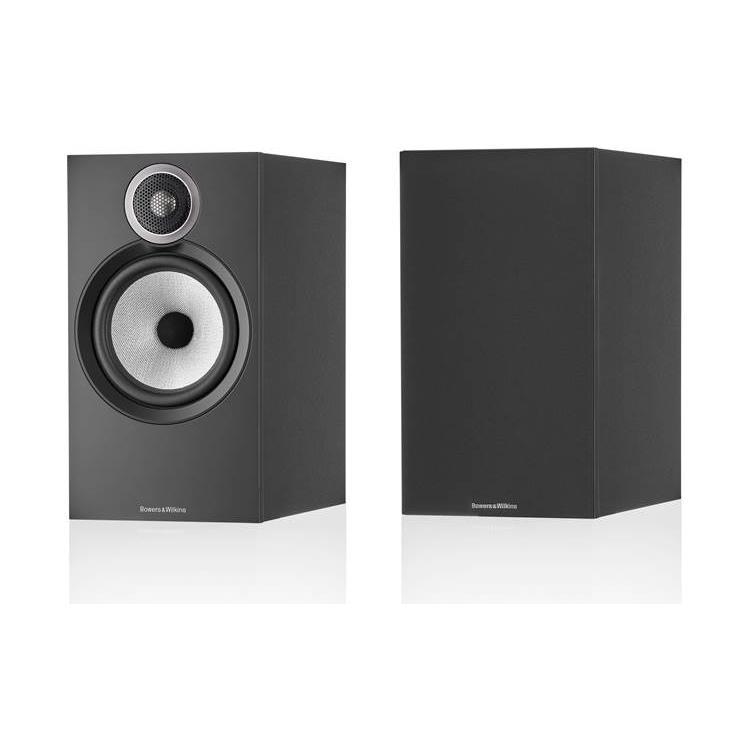
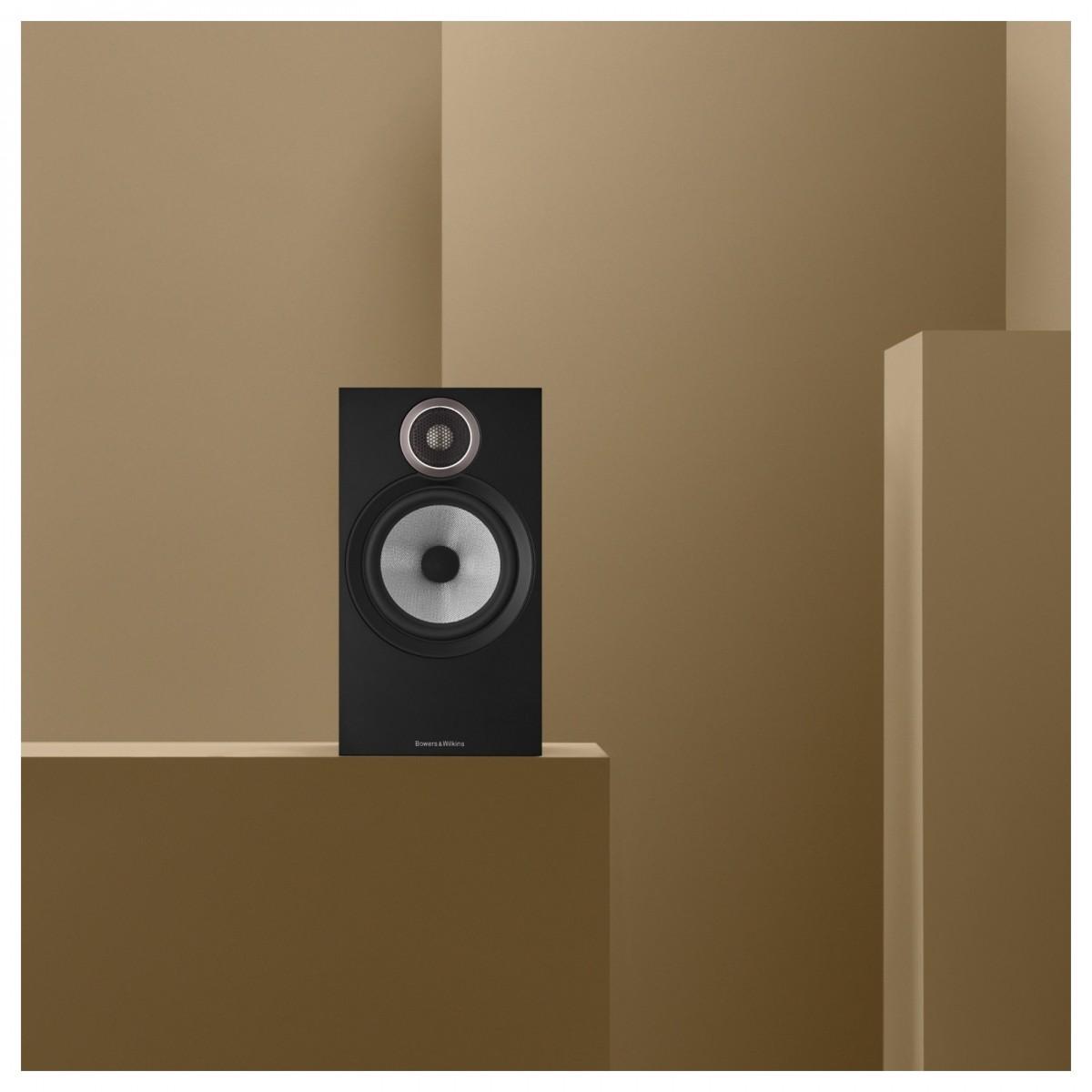
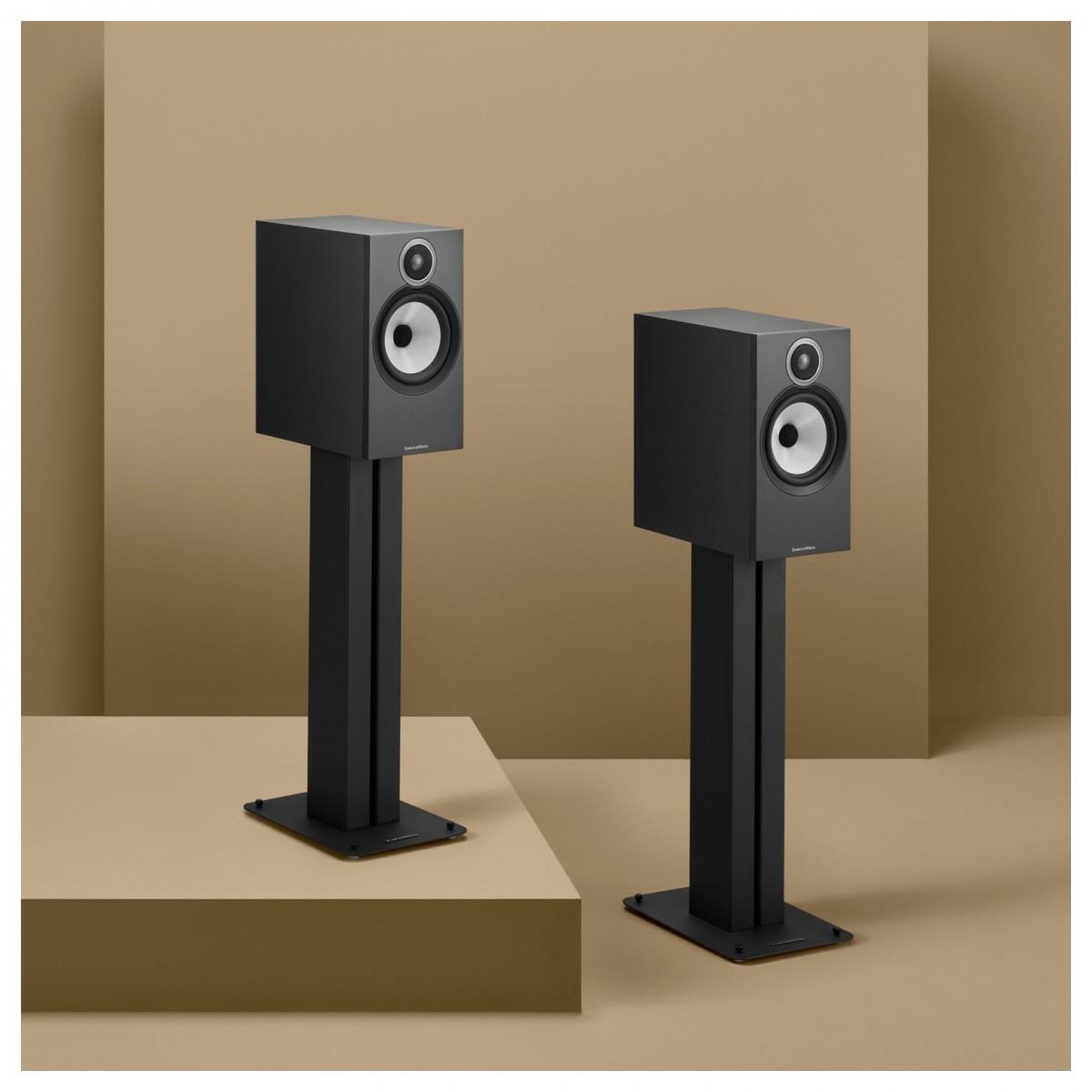
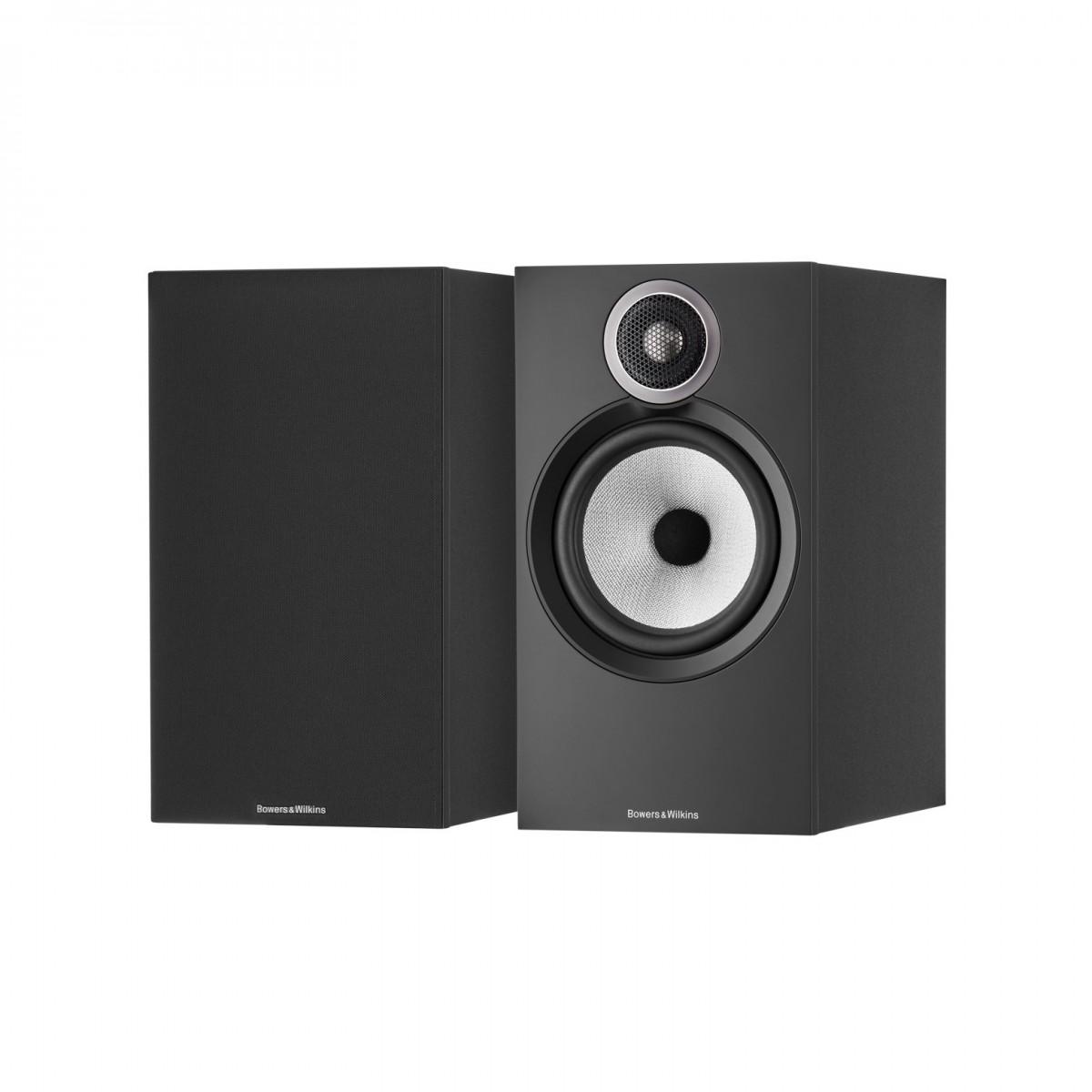
When diving into the world of high-end bookshelf speakers, two standouts frequently come up in discussion: the $550 Bowers & Wilkins 606 S3 and the $900 KEF LS50 Meta. Let's explore how these speakers compare and help you decide which might be right for your listening room.
Bookshelf speakers represent a sweet spot in home audio - they're compact enough to fit in most rooms while delivering sound quality that can rival larger towers. These particular models exemplify the current state of the art in their respective price brackets.
The technology packed into modern bookshelf speakers has evolved significantly. Both manufacturers have invested heavily in research and development, resulting in innovations that would have been unimaginable just a few years ago.
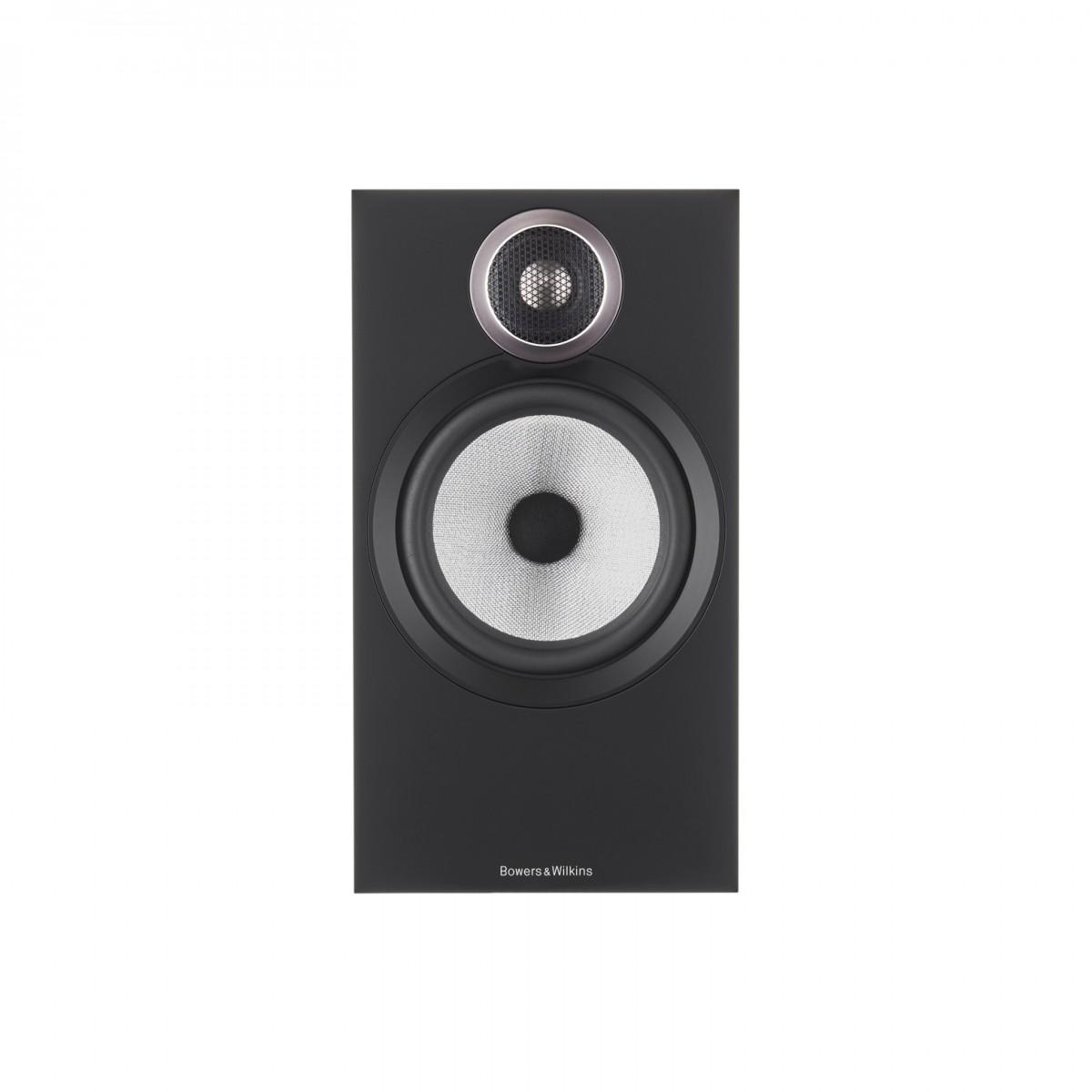
The B&W 606 S3 builds on the success of the previous S2 model with several key improvements. The new Titanium Dome tweeter represents a significant upgrade, offering cleaner high frequencies and better detail. The renowned Continuum cone, which replaced Kevlar in recent years, continues to impress with its natural midrange reproduction.
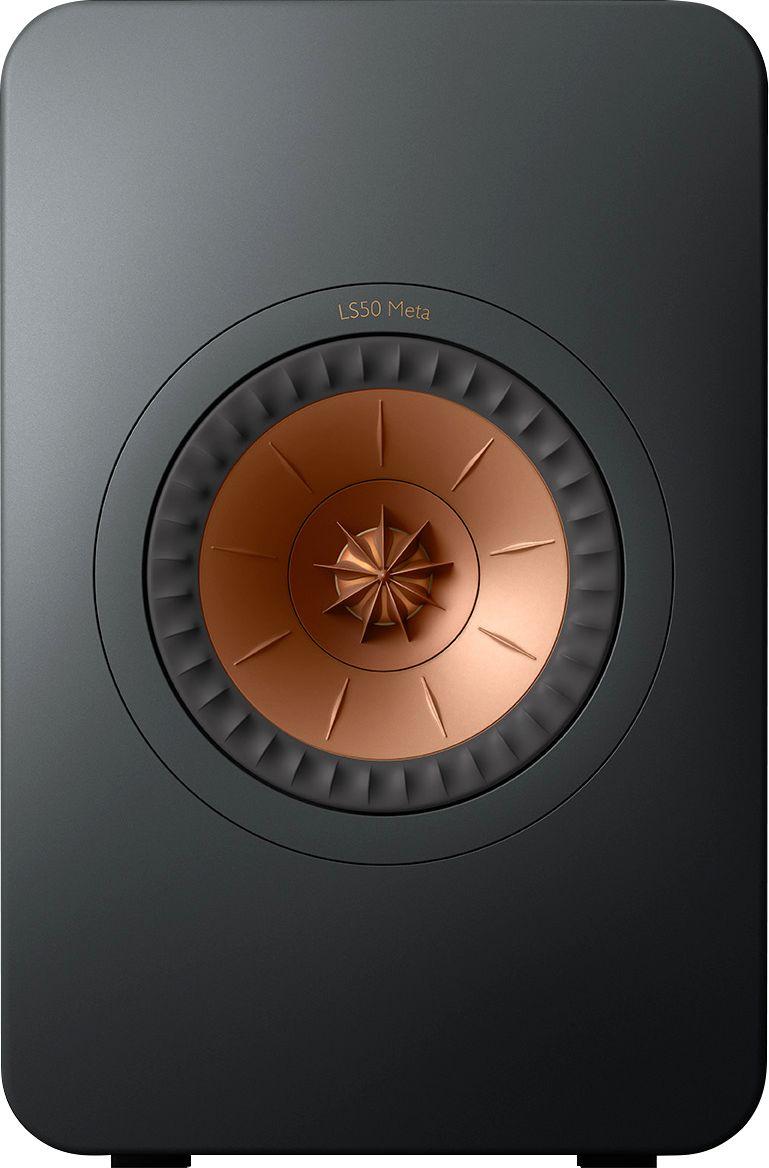
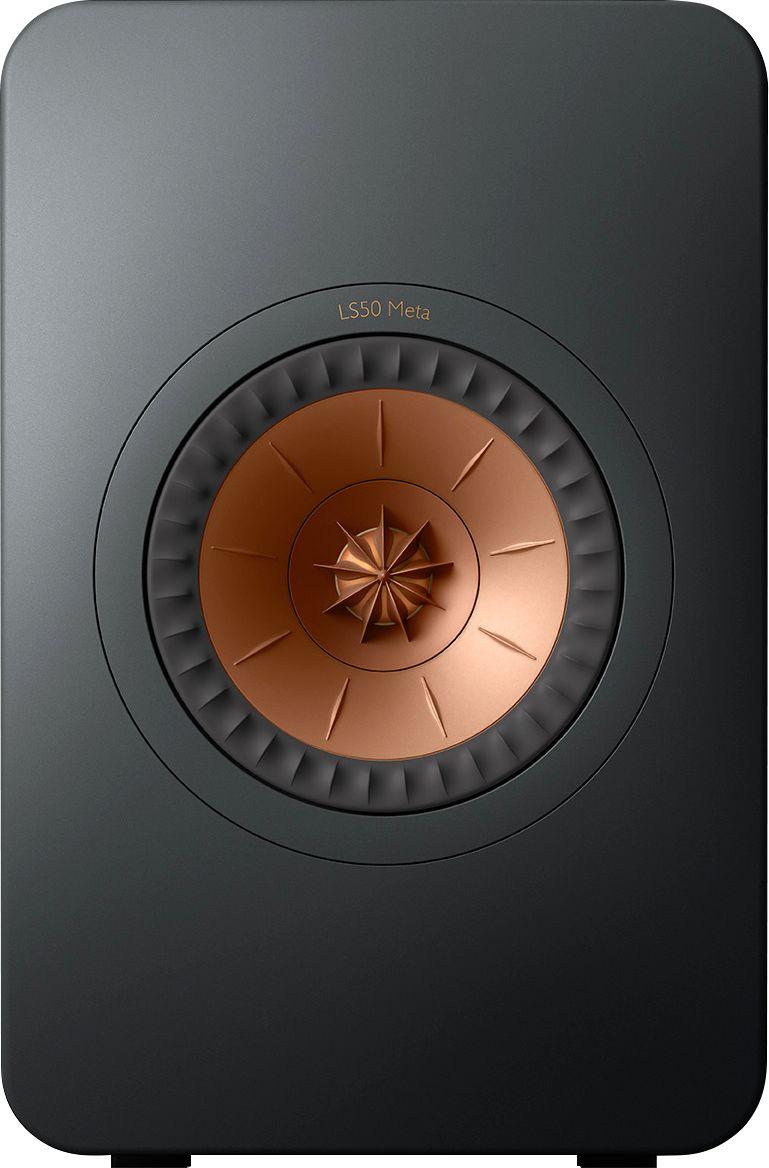
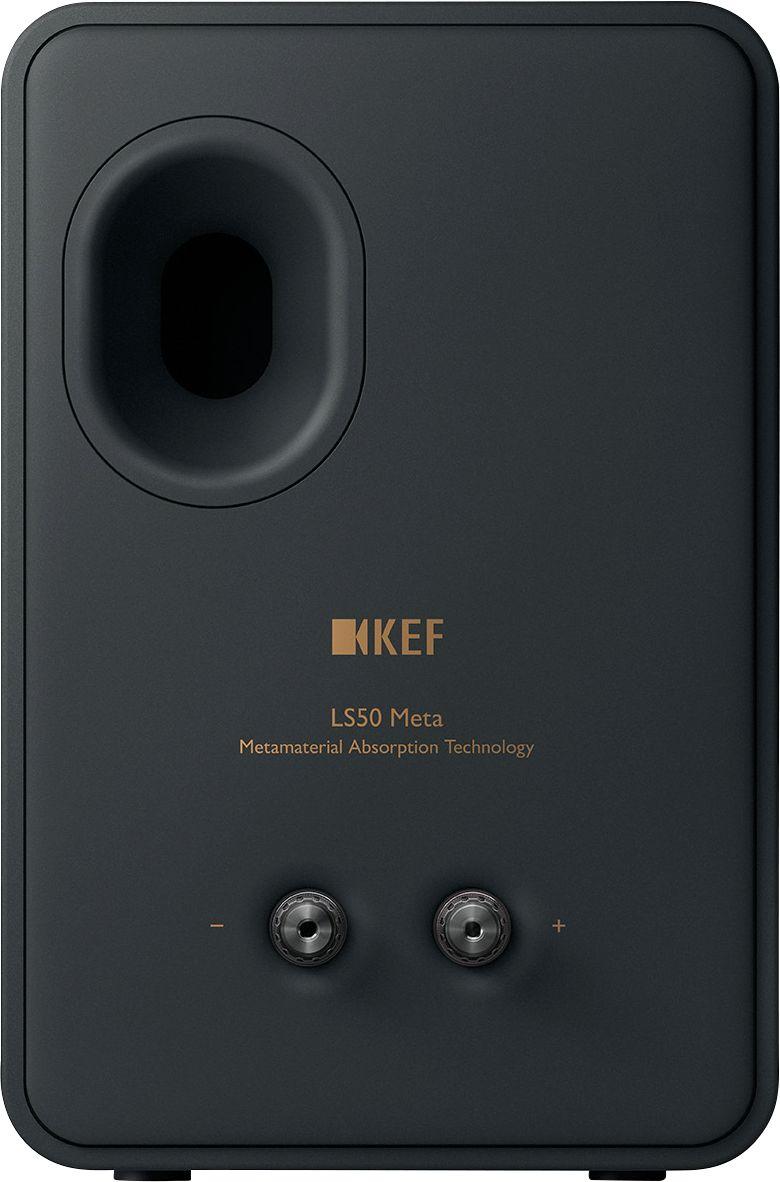
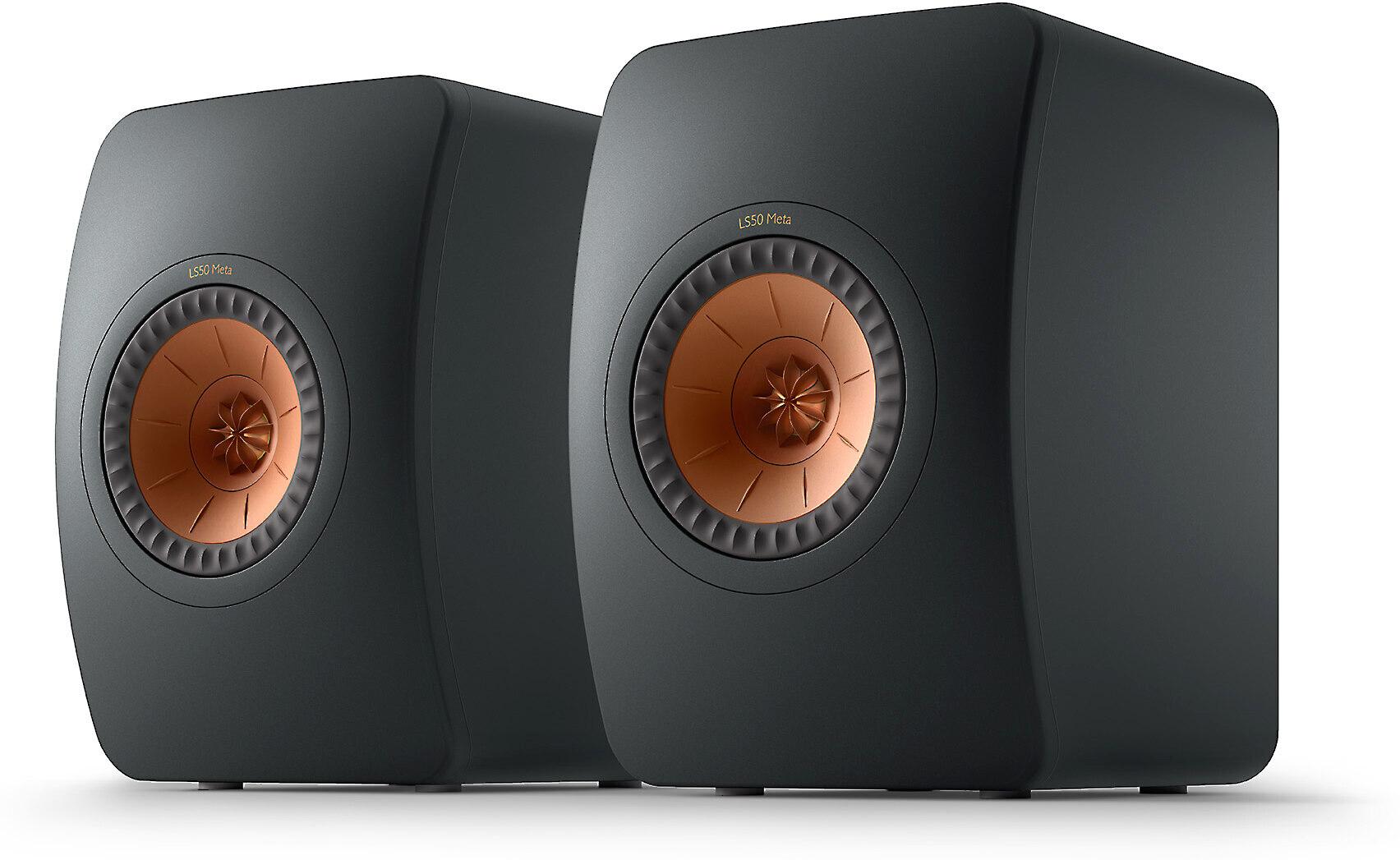
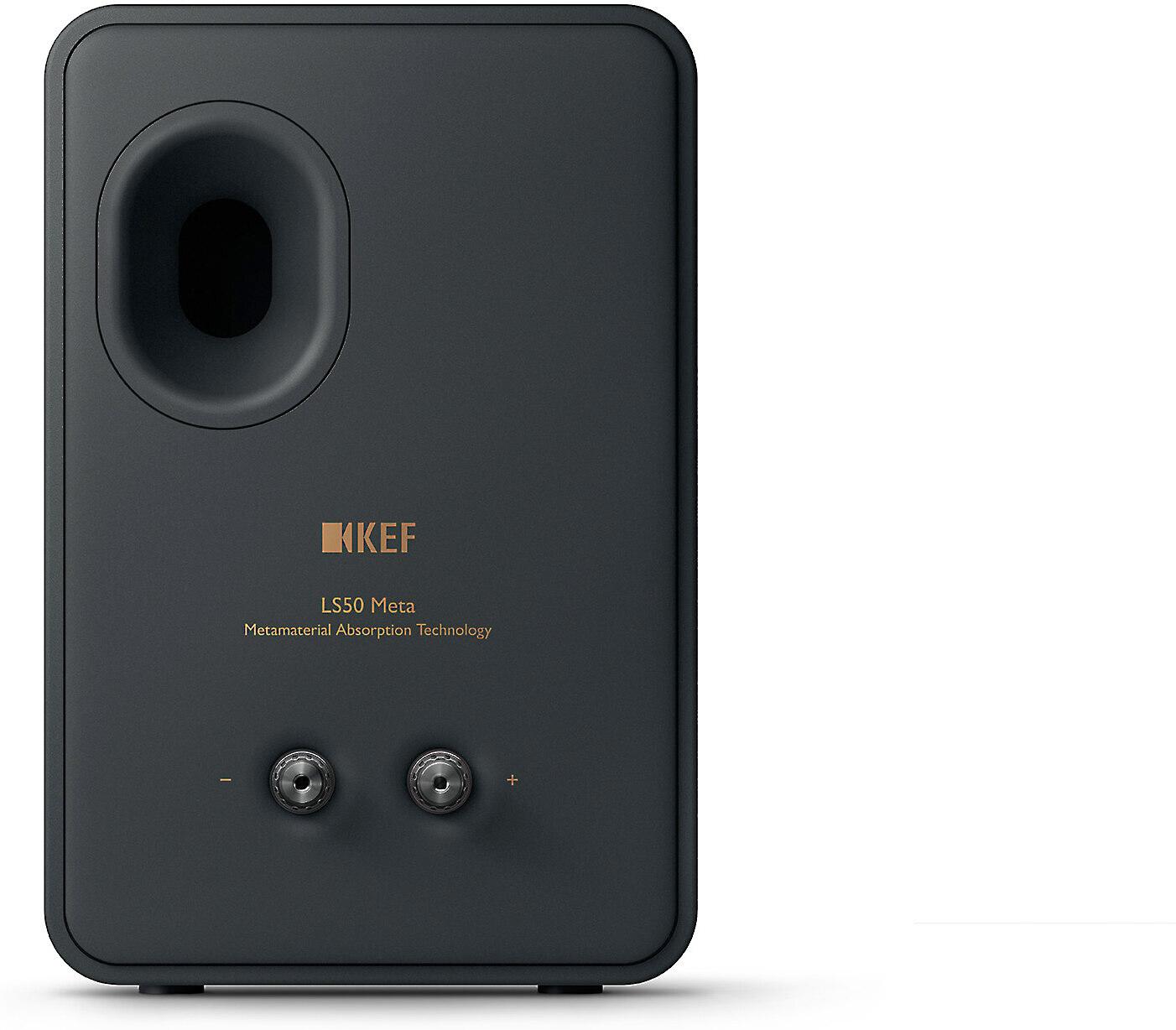
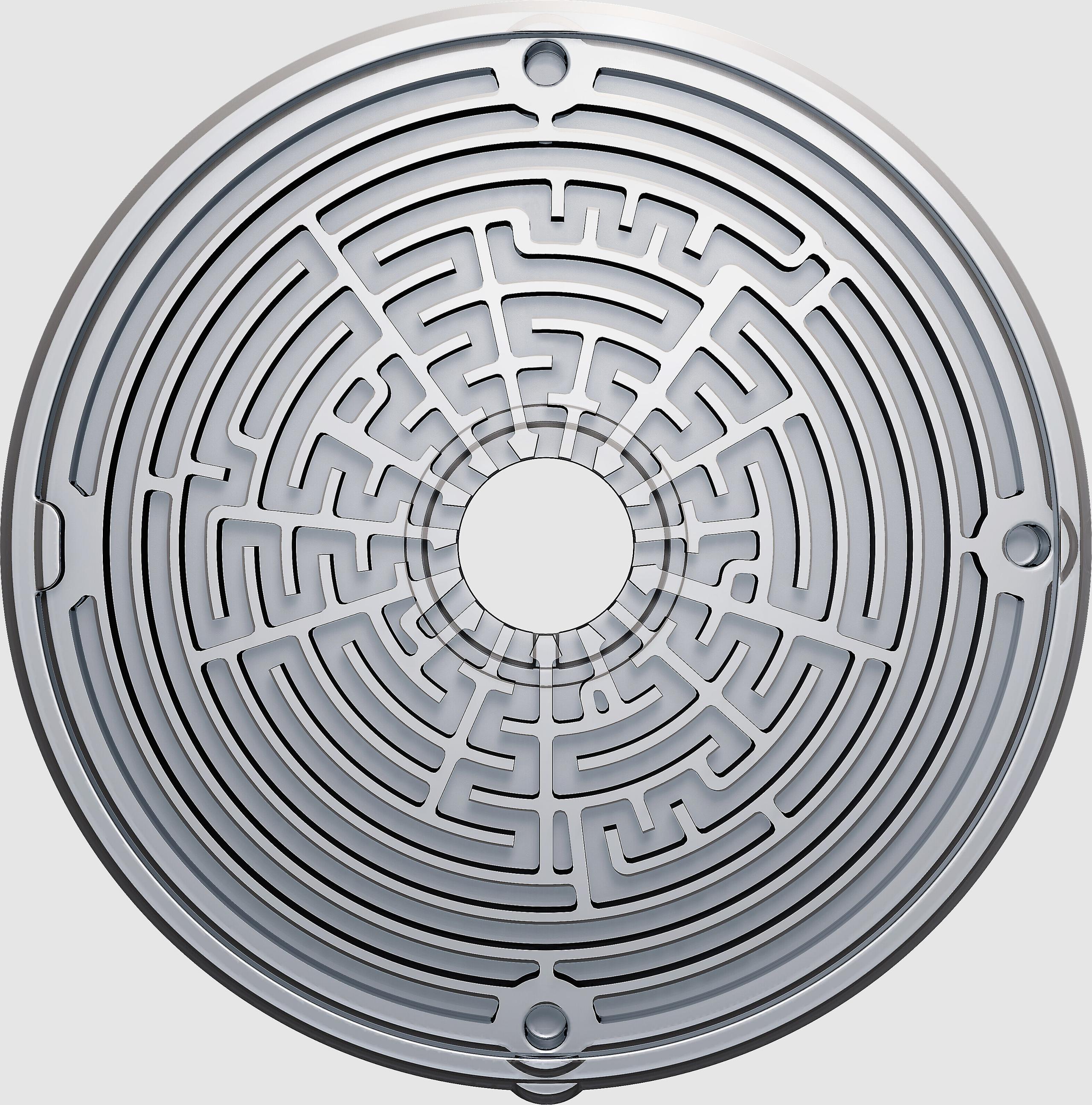
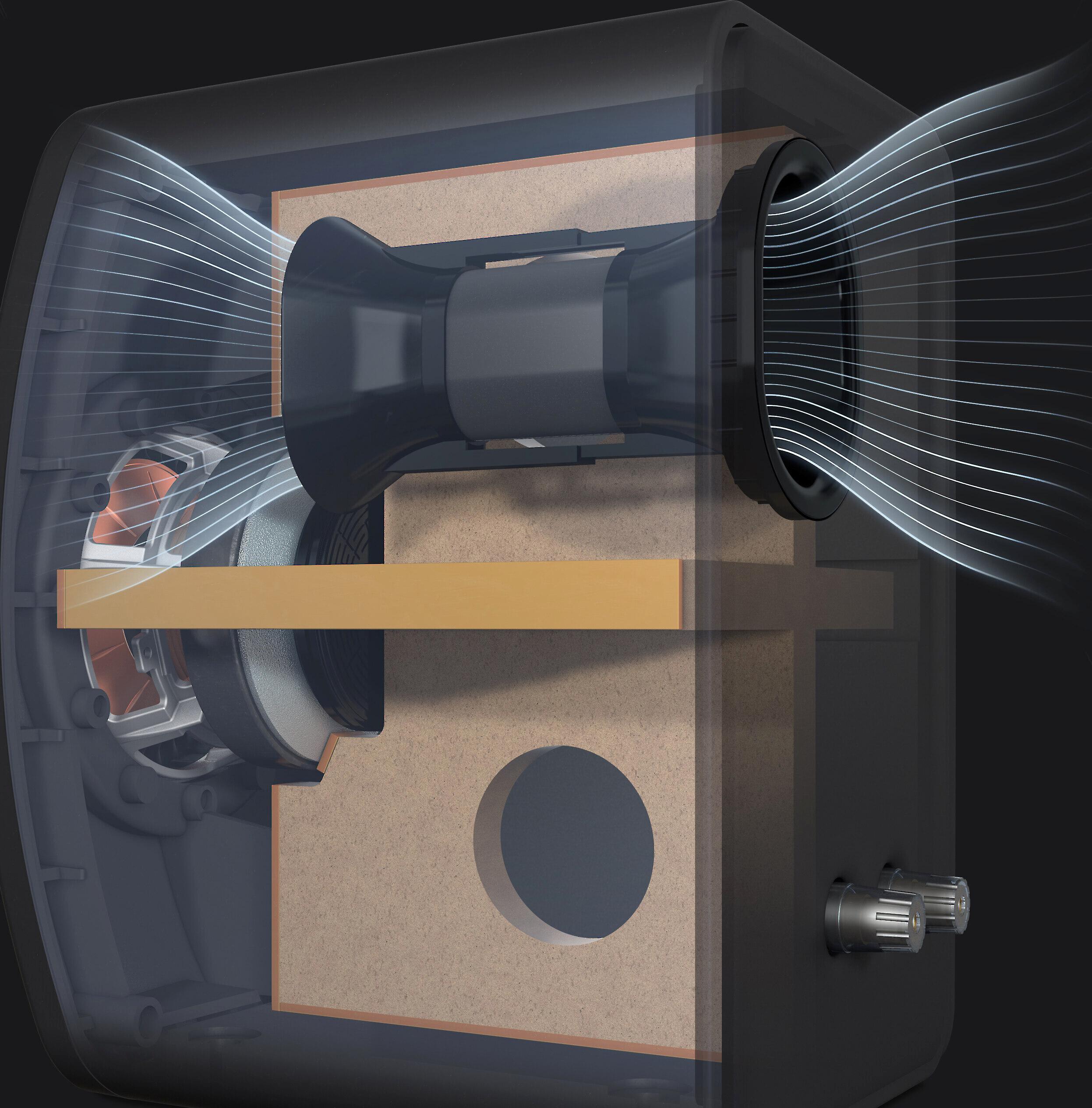
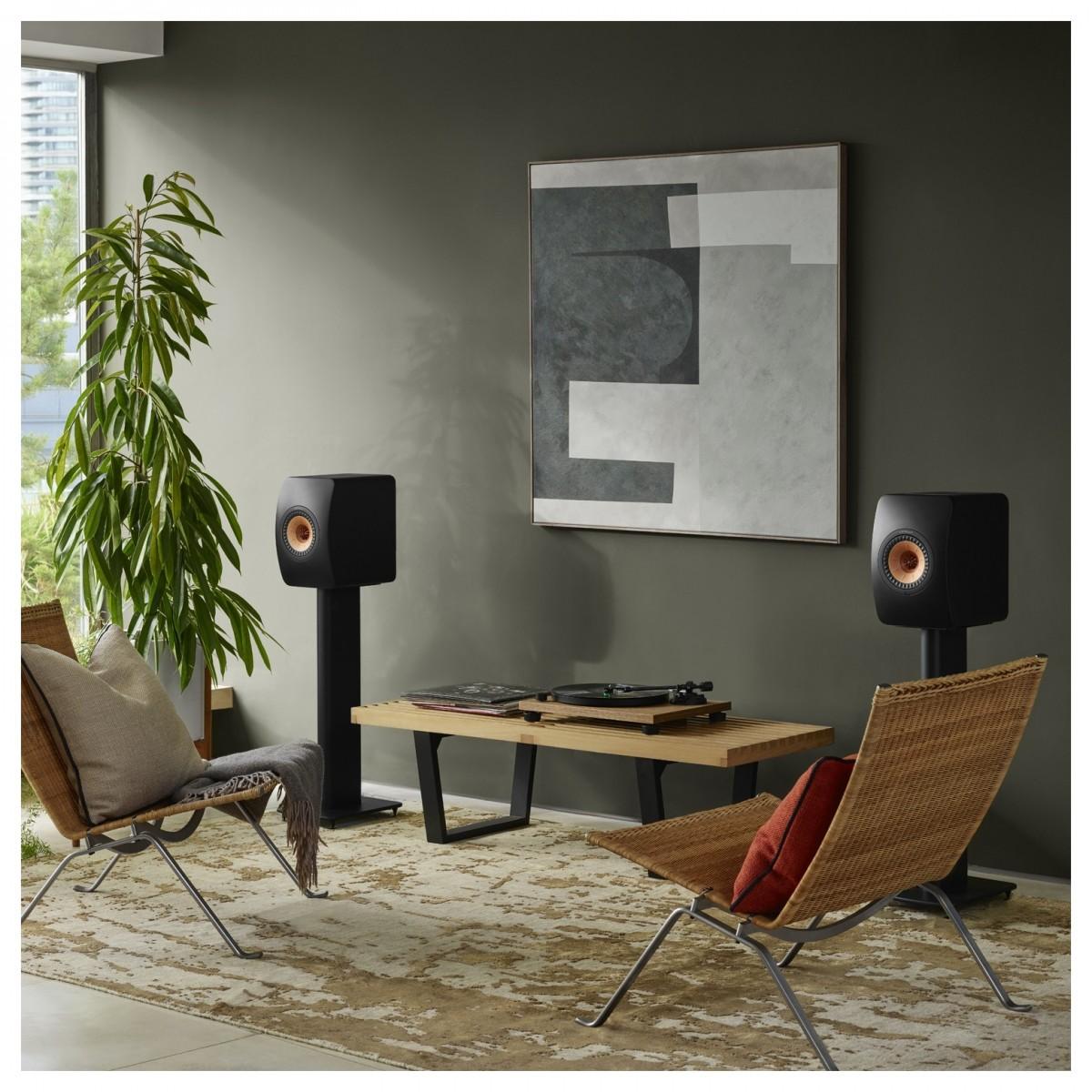
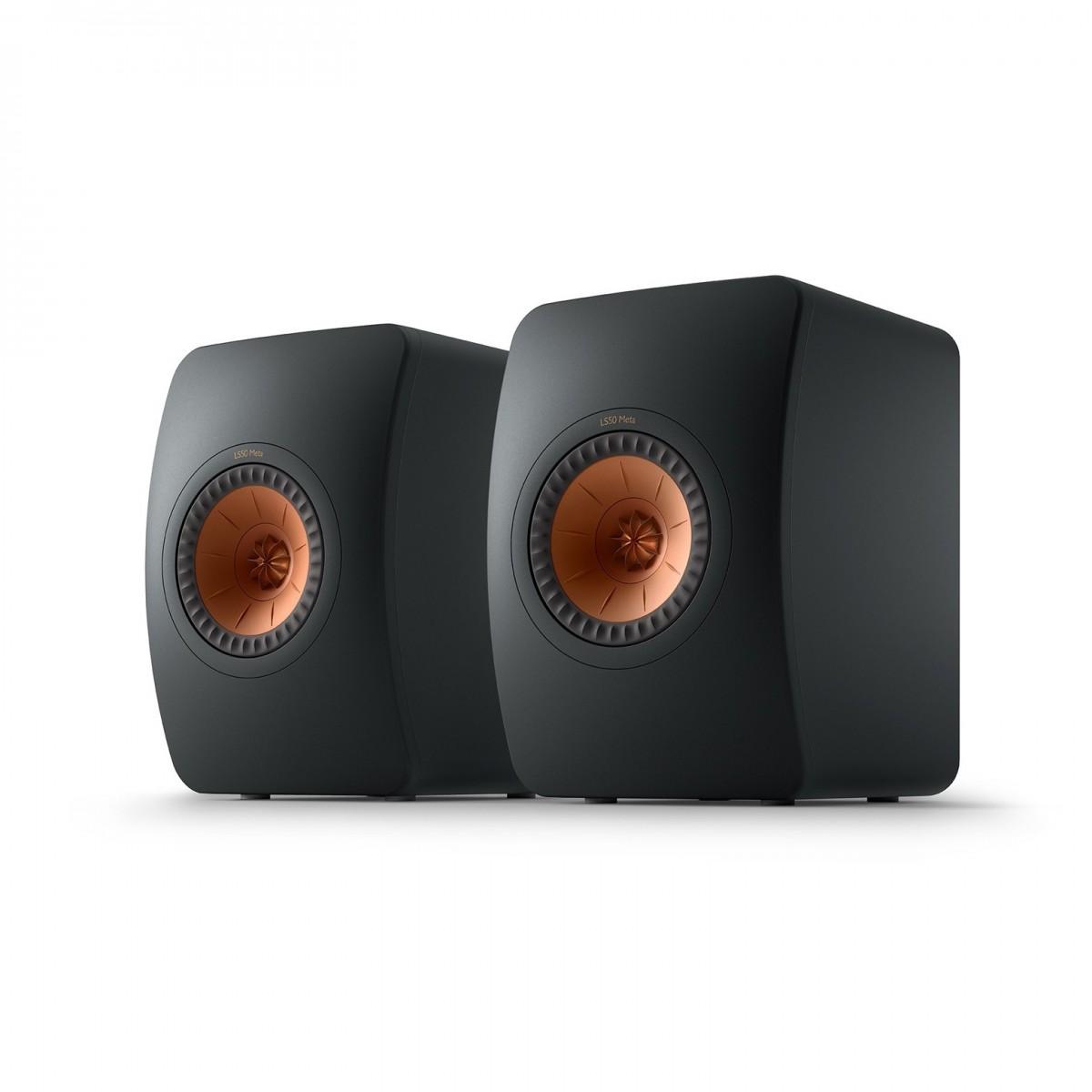
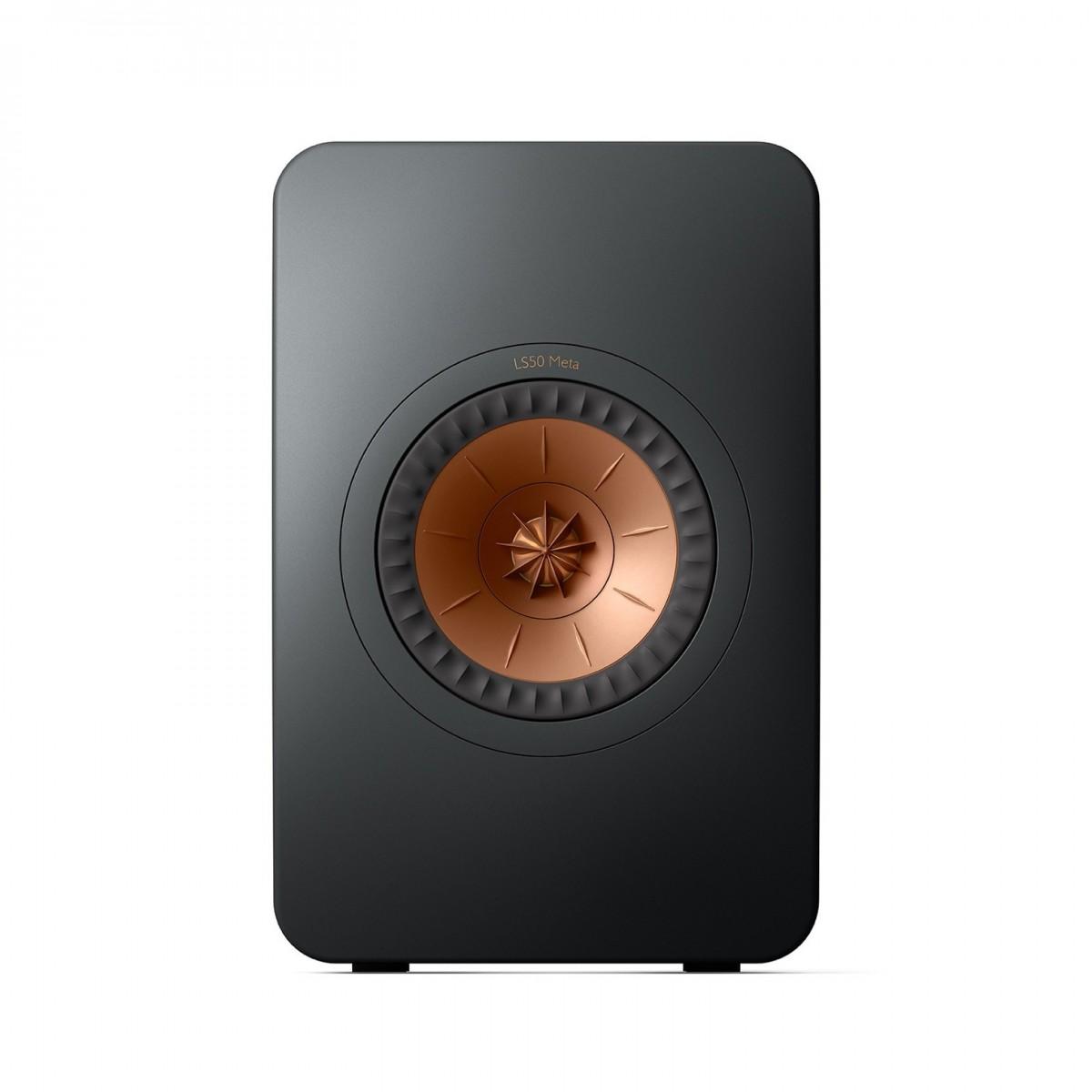
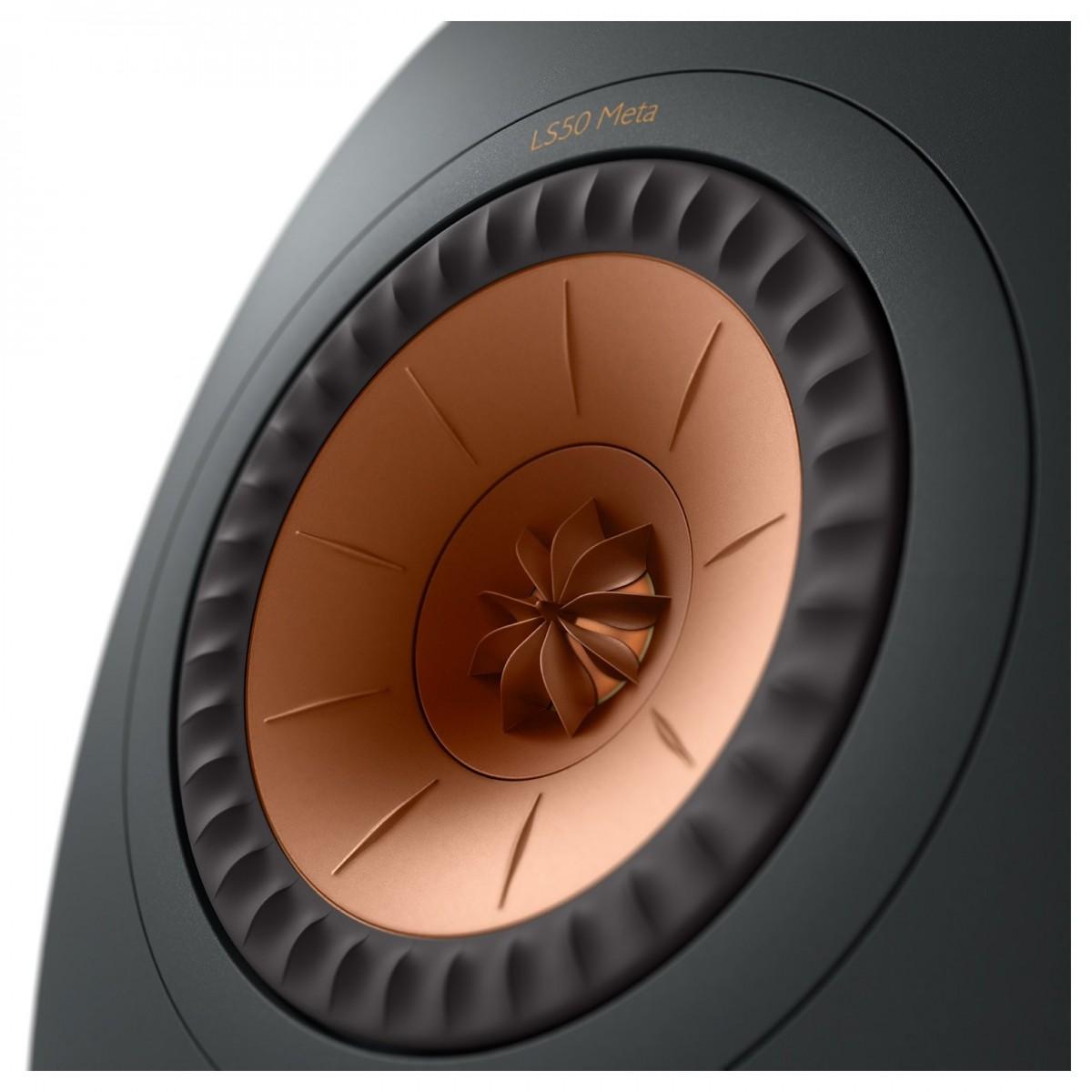
Meanwhile, the KEF LS50 Meta introduced ground-breaking Metamaterial Absorption Technology (MAT) - essentially an acoustic maze that absorbs 99% of unwanted sound behind the driver. This technological leap forward reduces distortion in ways previously thought impossible.
The 606 S3 offers a slightly warmer, more forgiving sound that works well across many genres. It's particularly engaging with rock and electronic music, where its more prominent bass adds excitement. The sound is detailed without being analytical - think of it as high-fidelity with a touch of fun.
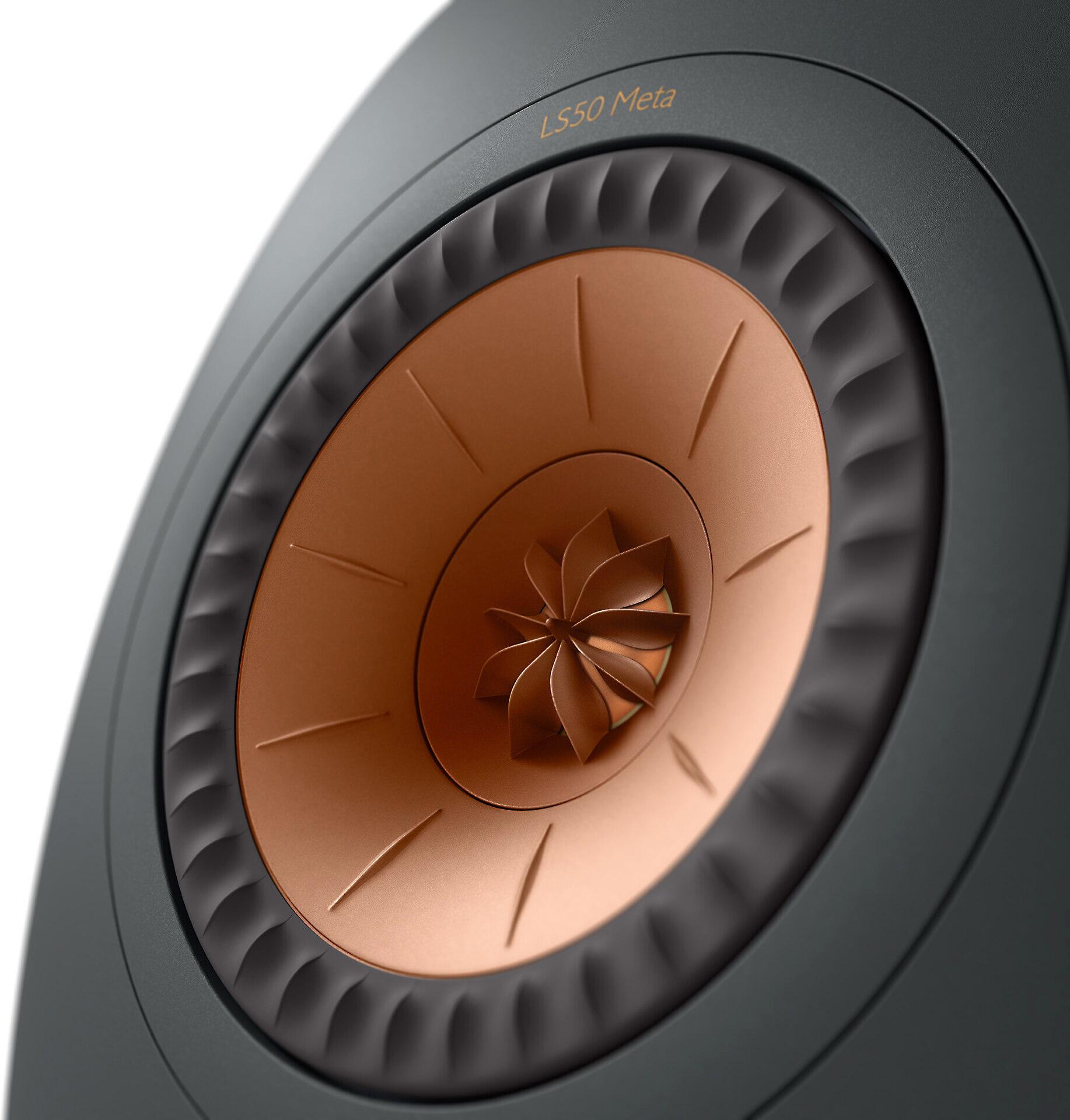
The LS50 Meta takes a more precision-focused approach. Its Uni-Q driver (where the tweeter sits in the center of the midrange cone) creates an incredibly precise soundstage. This design makes instruments and vocals sound more accurately placed in space, though some might find it less forgiving with poor recordings.
In terms of pure detail retrieval, the LS50 Meta has a slight edge. Its MAT technology and Uni-Q driver work together to present micro-details in a way that's remarkable for speakers at this price point. You'll hear subtle room reverberations and finger movements on guitar strings with stunning clarity.
The 606 S3 is no slouch in the detail department, but it presents information in a more relaxed way. Think of it as the difference between looking at a high-resolution photo through clear glass versus one with a very slight soft focus filter.
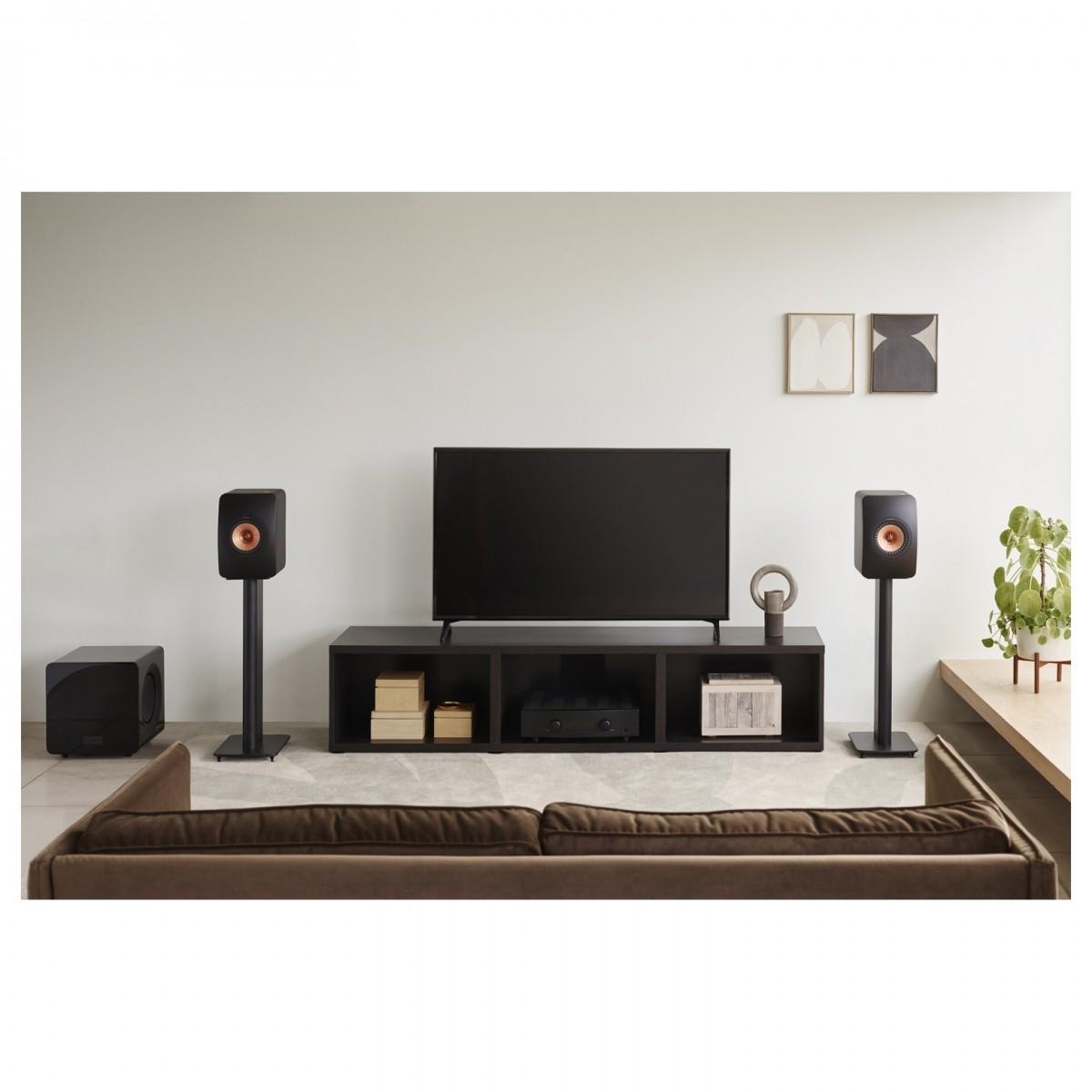
Here's where things get interesting. The 606 S3 reaches lower (52Hz vs 79Hz) and provides more bass impact. This makes it more satisfying for bass-heavy music and movies without a subwoofer. The LS50 Meta's bass is tighter and more controlled, but some users might want to add a subwoofer for home theater use.
This is crucial: the B&W 606 S3 is more efficient at 88dB sensitivity compared to the LS50 Meta's 85dB. This 3dB difference means the B&Ws need only half the amplifier power to achieve the same volume level. If you're using a modest integrated amplifier or receiver, the B&Ws will be more forgiving.
The KEF LS50 Meta really shines with higher-quality amplification. While they'll work with modest power, you'll get the best out of them with amplifiers in the 80-100 watt range that can deliver clean power.
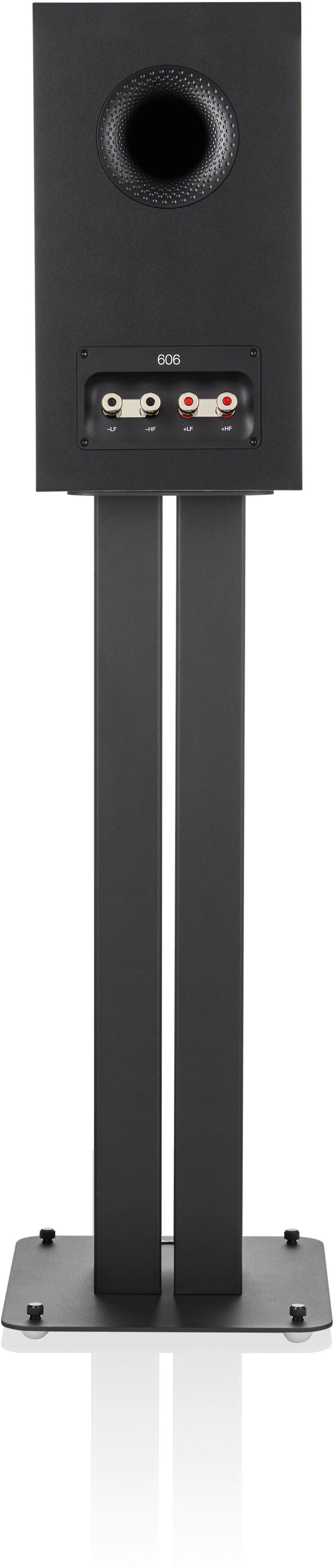
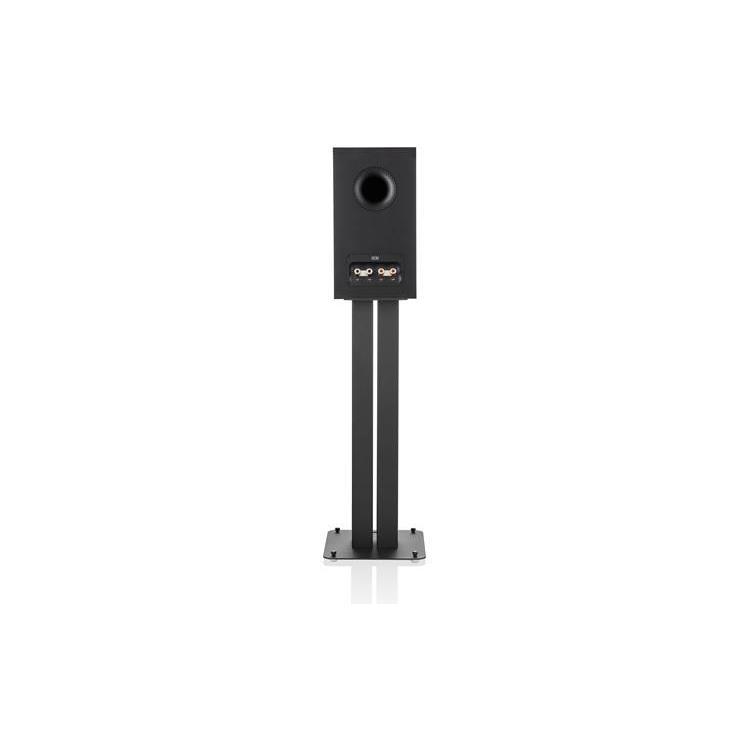
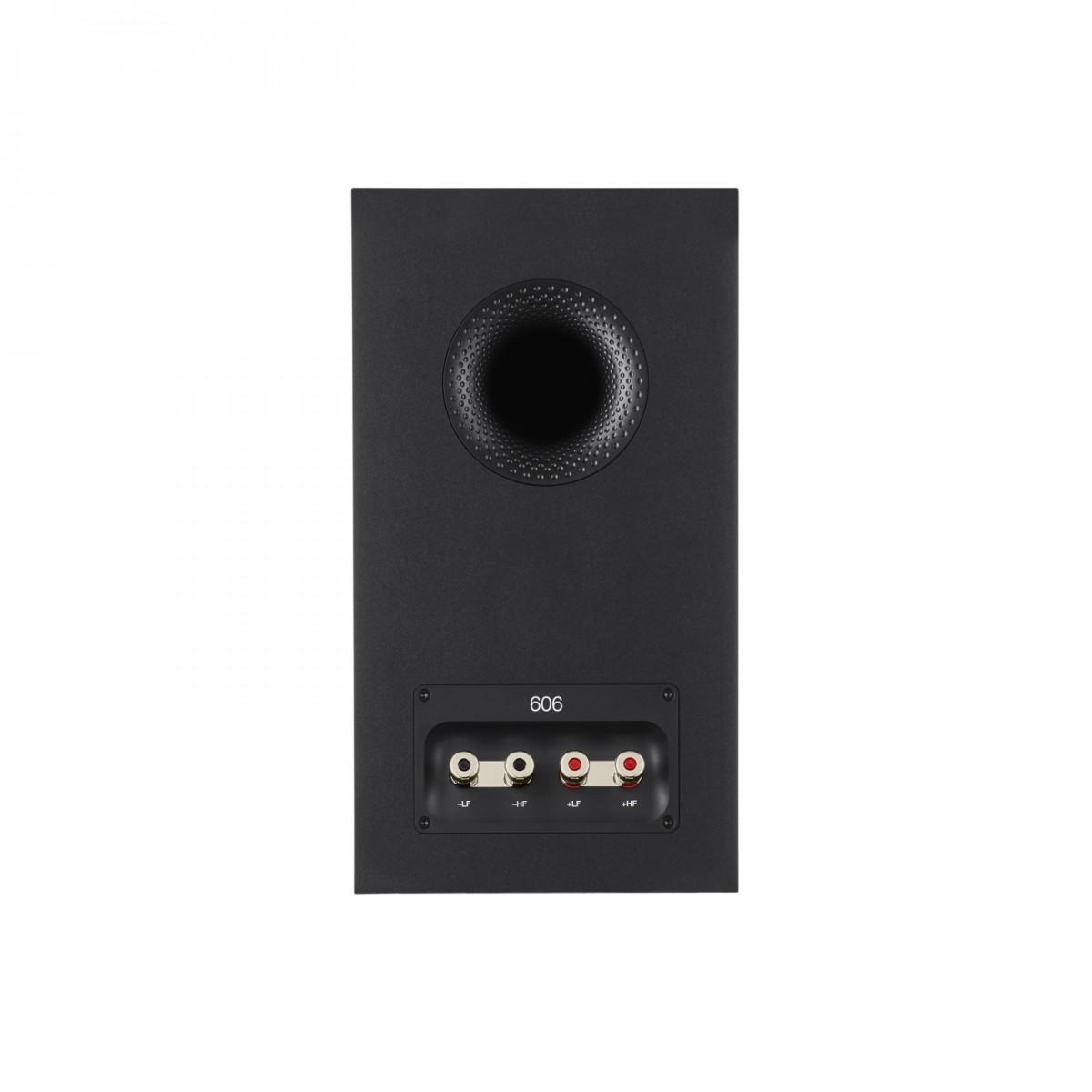
The KEF's Uni-Q driver provides more flexibility with placement. You'll still want to position them properly, but they're more forgiving of less-than-ideal setups. The B&Ws prefer more traditional placement, with careful attention to distance from walls due to their rear-firing ports.
While both speakers excel with music, they handle home theater duties differently. The 606 S3's greater bass extension makes it more satisfying for movie watching without a subwoofer. However, the LS50 Meta's precise imaging creates an incredibly detailed soundstage that can make movie dialogue more intelligible and effects placement more accurate.
For serious home theater use, I'd recommend pairing either speaker with a subwoofer. This allows them to focus on what they do best - delivering clear mids and highs - while letting the subwoofer handle the heavy lifting for explosions and other low-frequency effects.
The price difference between these speakers is significant. At $550, the 606 S3 represents exceptional value, delivering performance that punches above its weight class. The LS50 Meta at $900 is more expensive but justifies its price through cutting-edge technology and superior imaging.
Choose the B&W 606 S3 if:
Choose the KEF LS50 Meta if:
Both speakers represent excellent choices in their respective price brackets. The B&W 606 S3 offers tremendous value and a more forgiving, musical presentation that works well across various systems and rooms. The KEF LS50 Meta pushes the boundaries of what's possible in a bookshelf speaker, delivering reference-level imaging and detail for those willing to invest in both the speakers and associated equipment.
Remember that speaker choice is ultimately personal - if possible, try to audition both in your local hi-fi shop. Pay attention to how each presents your favorite music and which presentation style resonates more with your listening preferences.
| Bowers & Wilkins 606 S3 | KEF LS50 Meta |
|---|---|
| Price - Base investment required | |
| $550/pair | $900/pair |
| Sensitivity - Determines how much amplifier power is needed | |
| 88dB (works well with modest amps) | 85dB (needs more powerful amplification) |
| Frequency Response - Indicates bass depth and overall range | |
| 52Hz - 28kHz (±3 dB) (deeper bass) | 79Hz - 28kHz (±3 dB) (tighter but less extended bass) |
| Driver Configuration - Affects sound staging and imaging | |
| Traditional two-way with 6.5" Continuum cone + 1" titanium tweeter | Uni-Q coaxial array with 5.25" driver + 1" tweeter |
| Recommended Amp Power - Important for system matching | |
| 30-120W (more flexible range) | 40-100W (more demanding of amp quality) |
| Special Technologies - Key differentiating features | |
| Continuum cone, Titanium Dome tweeter, Flow Port | Metamaterial Absorption Technology (MAT), 12th gen Uni-Q |
| Cabinet Size - Room placement considerations | |
| 7.5"W x 13.7"H x 13"D (larger cabinet) | 7.9"W x 11.8"H x 11"D (more compact) |
| Weight - Installation and shelf consideration | |
| 15.5 lbs each | 17.2 lbs each |
| Impedance - Amplifier compatibility | |
| 8 ohms (easier to drive) | 8 ohms nominal (more demanding overall) |
| Warranty - Long-term value protection | |
| 5 years | 5 years |
The $550 B&W 606 S3 offers better value for most users, costing significantly less while delivering excellent performance. The $900 KEF LS50 Meta justifies its higher price through superior technology and precision, but the price difference is substantial.
The B&W 606 S3 reaches deeper bass (52Hz vs 79Hz) and offers more impact, making it better for bass-heavy music and movies. The LS50 Meta provides tighter, more controlled bass but doesn't extend as low.
The B&W 606 S3 is more efficient (88dB sensitivity) and works well with modest amplifiers. The KEF LS50 Meta (85dB sensitivity) requires more power and benefits significantly from higher-quality amplification.
Both work well, but the B&W 606 S3's deeper bass makes it more satisfying without a subwoofer. The KEF LS50 Meta offers better dialogue clarity and more precise effects placement.
Both speakers work well in small spaces, but the KEF LS50 Meta's more compact size and Uni-Q driver make it particularly suitable for small room placement.
The KEF LS50 Meta's Uni-Q driver design makes it more forgiving with room placement. The B&W 606 S3 requires more careful positioning due to its rear-firing port.
The KEF LS50 Meta excels with classical music due to its precise imaging and detail retrieval. The B&W 606 S3 performs well but doesn't match the KEF's precision in this genre.
While both can perform without one, adding a subwoofer is recommended for home theater use. For music, the B&W 606 S3's deeper bass makes it more satisfying without a subwoofer.
Both the B&W 606 S3 and KEF LS50 Meta are well-built and come with 5-year warranties, indicating similar long-term durability.
Yes, both speakers offer bi-wiring capabilities through their dual sets of binding posts, though this feature's benefit is debated among audiophiles.
The B&W 606 S3's warmer sound signature and stronger bass make it particularly enjoyable for rock music. The KEF LS50 Meta offers more precision but might sound analytical with some rock recordings.
Both speakers perform excellently with high-quality streaming sources. The KEF LS50 Meta's higher resolution might reveal streaming quality differences more noticeably than the B&W 606 S3.
We've done our best to create useful and informative comparisons to help you decide what product to buy. Our research uses advanced automated methods to create this comparison and perfection is not possible - please contact us for corrections or questions. These are the sites we've researched in the creation of this article: futureaudiophile.com - headphones.com - therobinsonbrand.com - higherhz.com - audioadvisor.com - crutchfield.com - bowerswilkins.com - crutchfield.com - vinylrevival.com.au - audioadvisor.com - worldwidestereo.com - erinsaudiocorner.com - musicdirect.com - headphones.com - forum.audiogon.com - whathifi.com - youtube.com - crutchfield.com - us.kef.com - assets.kef.com

Privacy Policy
Terms and Conditions - Affiliate Policy
Home Security
© Copyright 2008-2026.
11816 Inwood Rd #1211, Dallas, TX 75244