

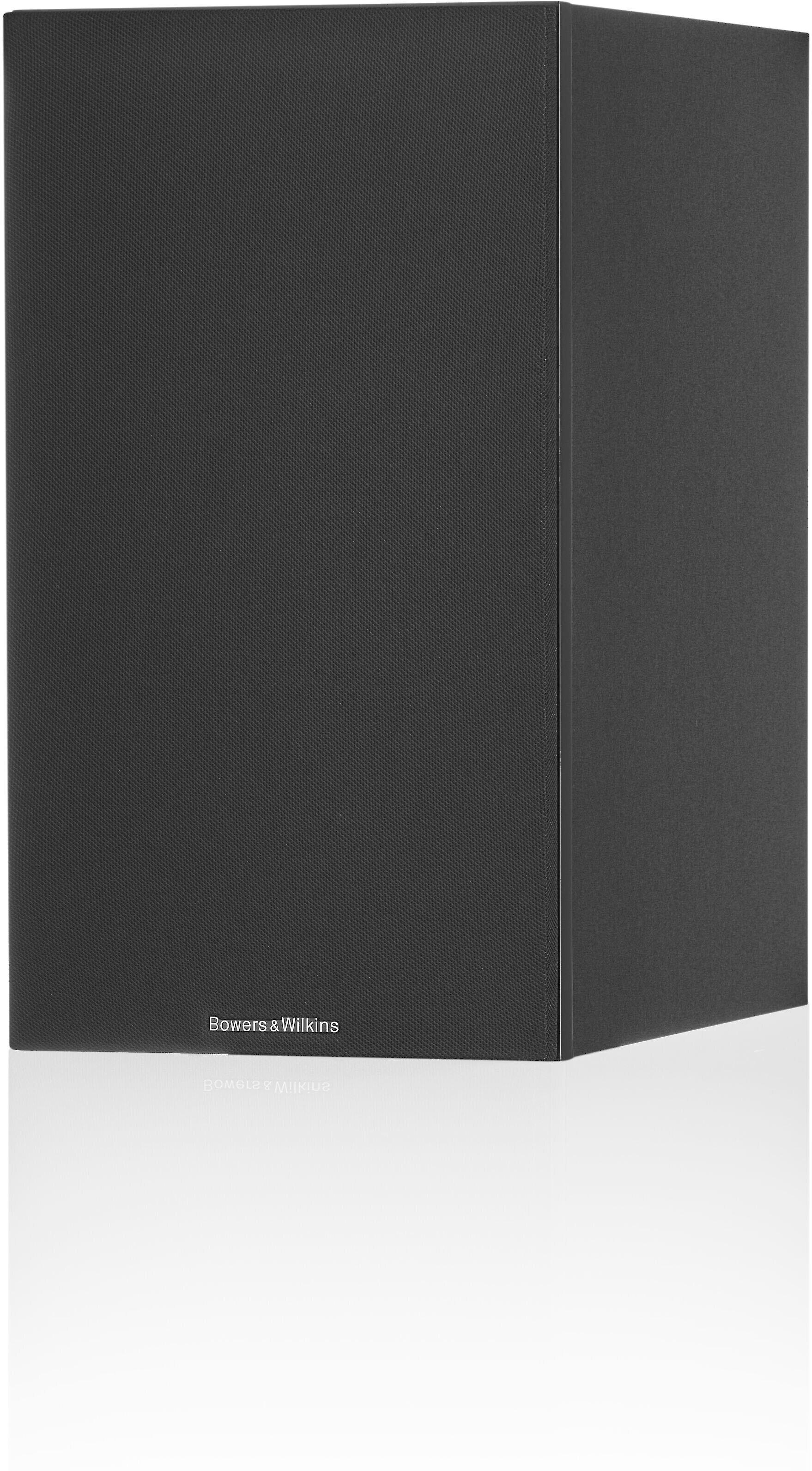
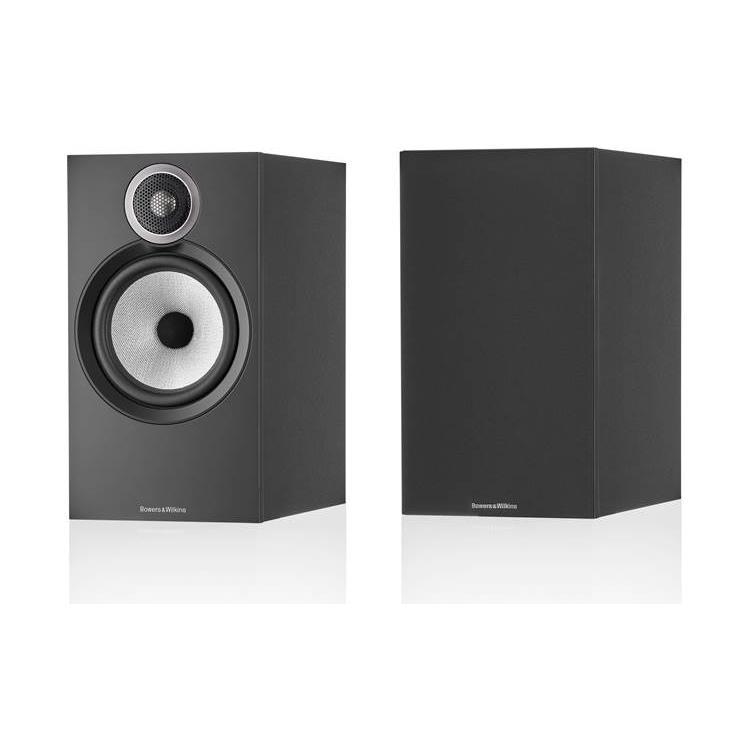
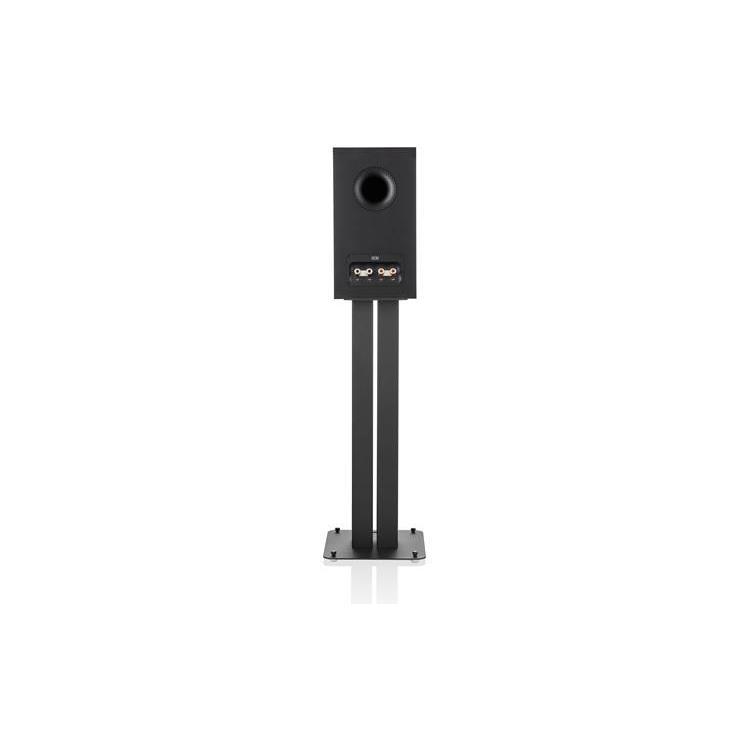
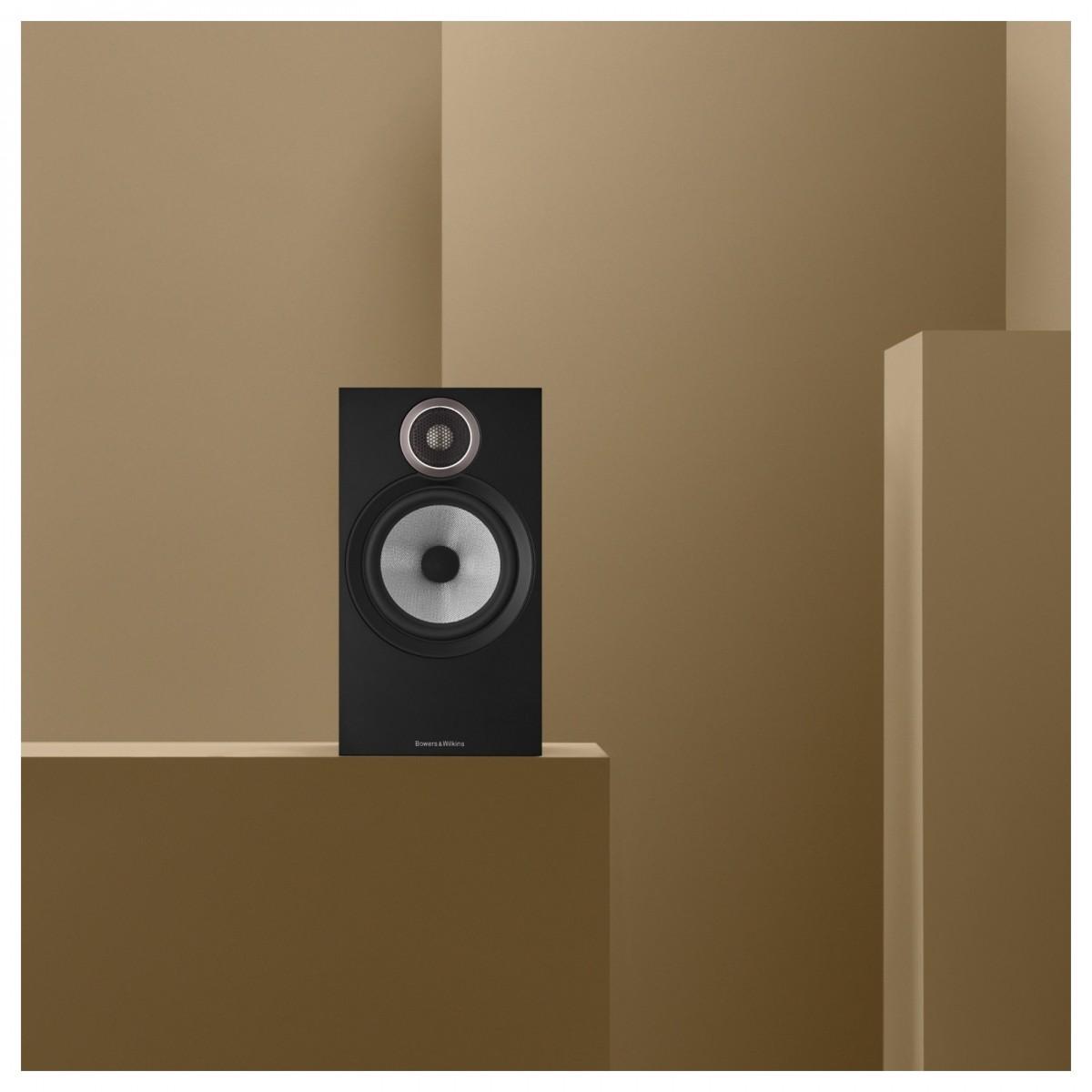
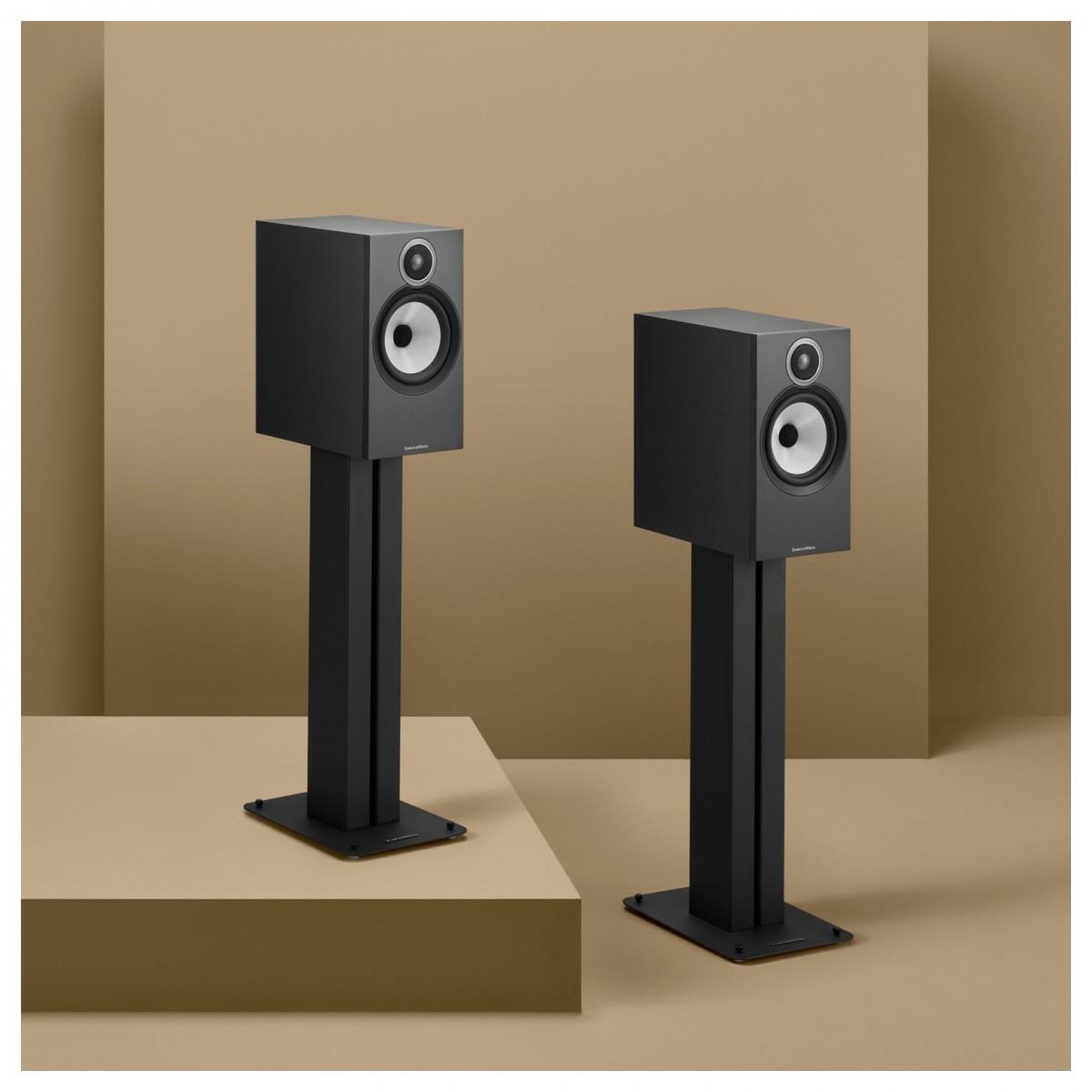
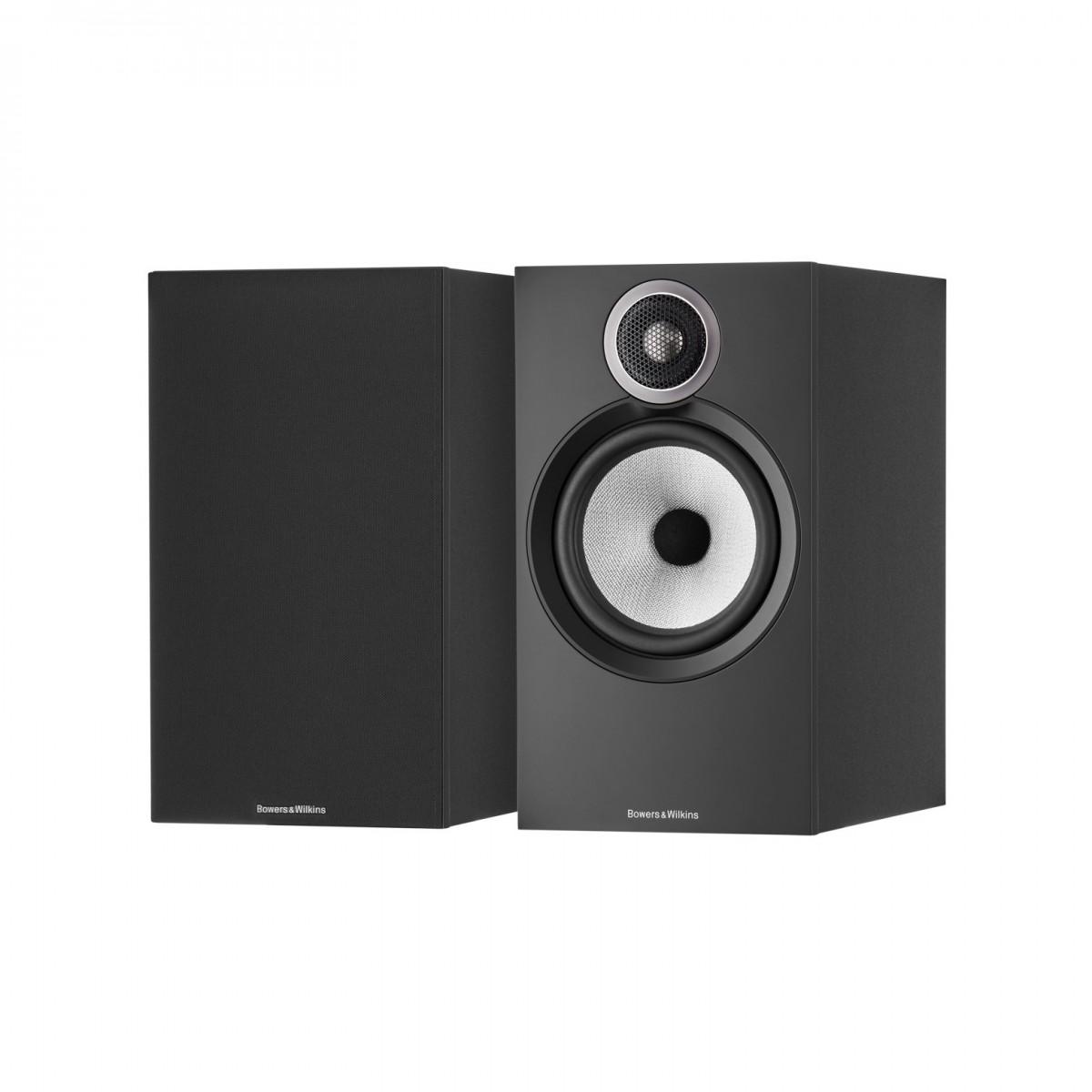
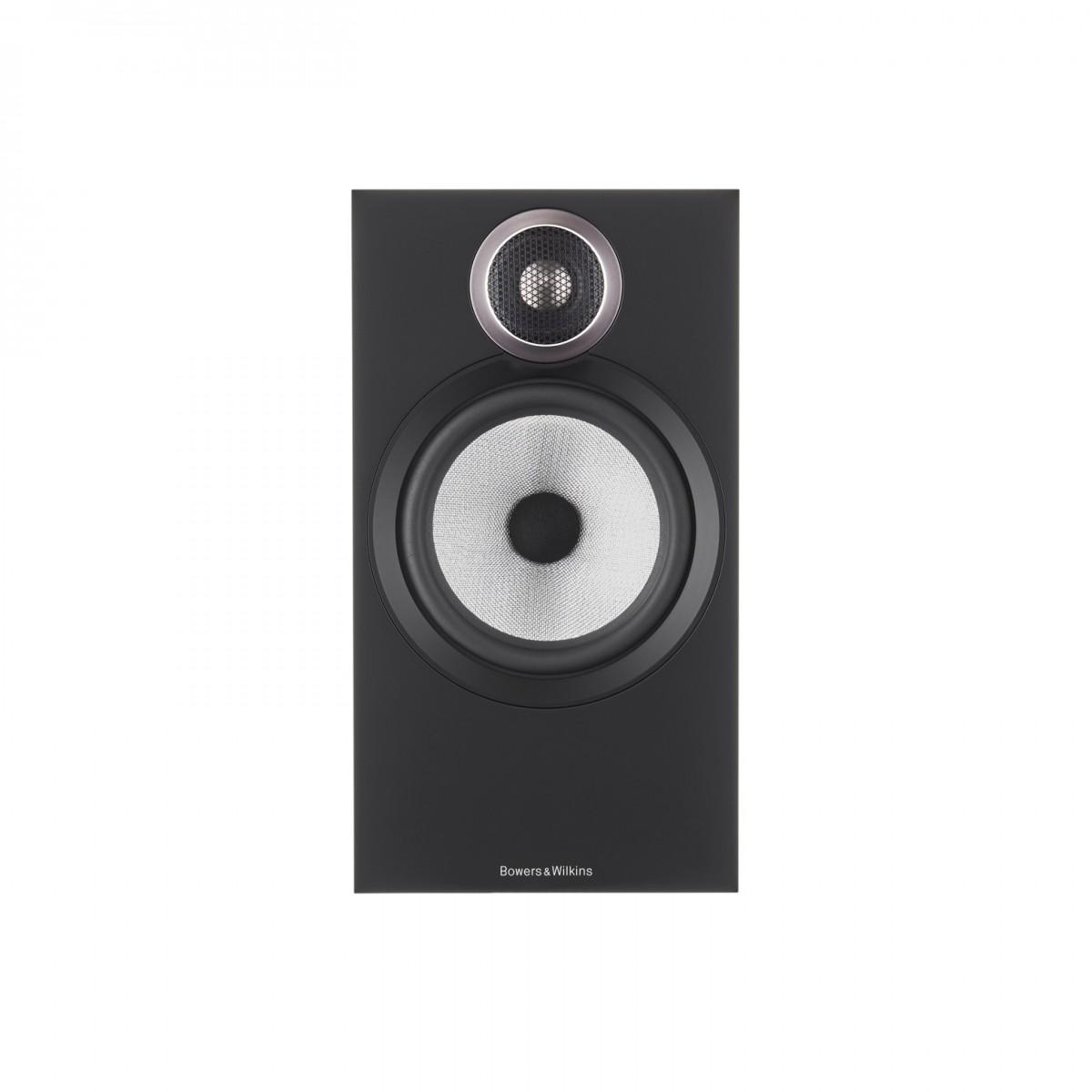
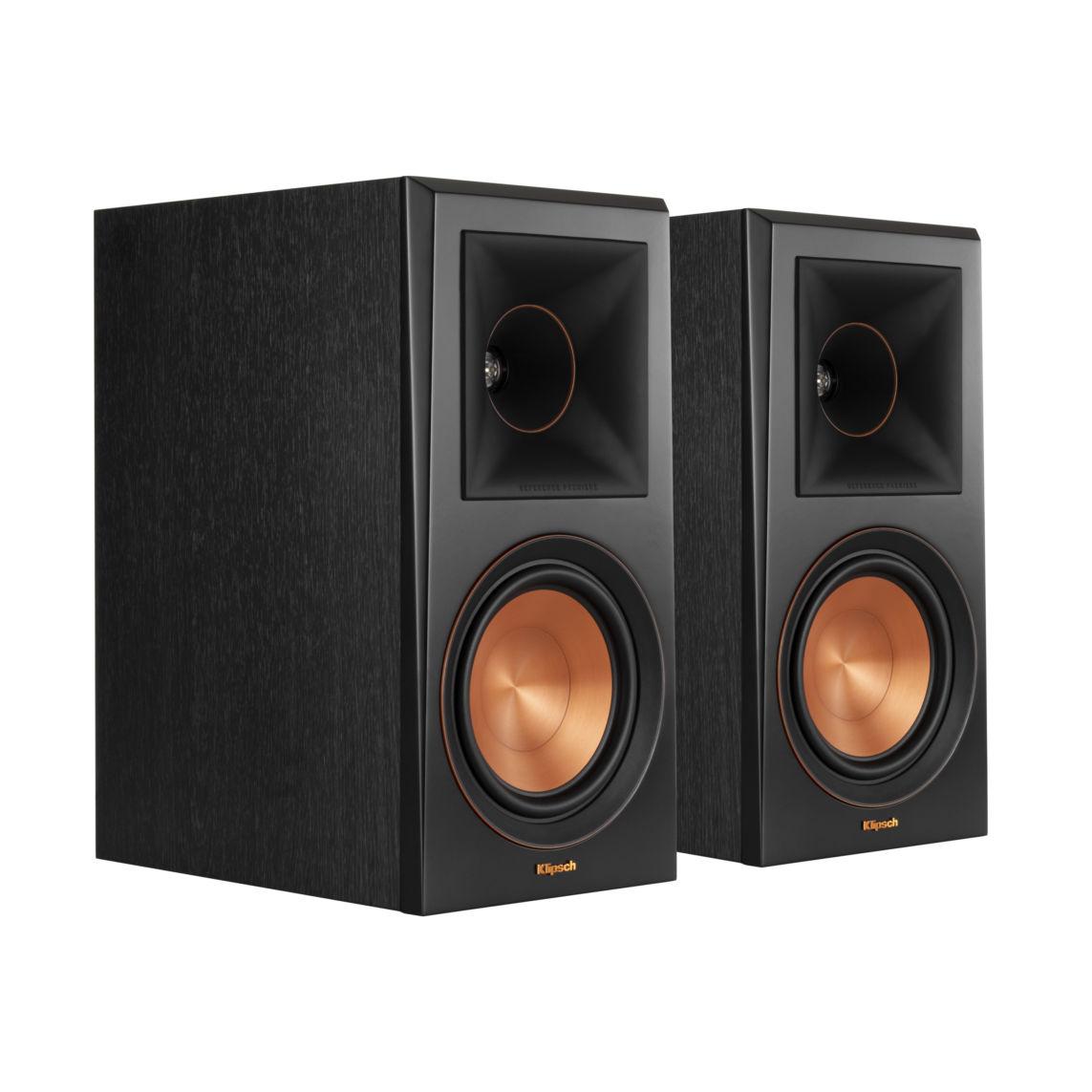
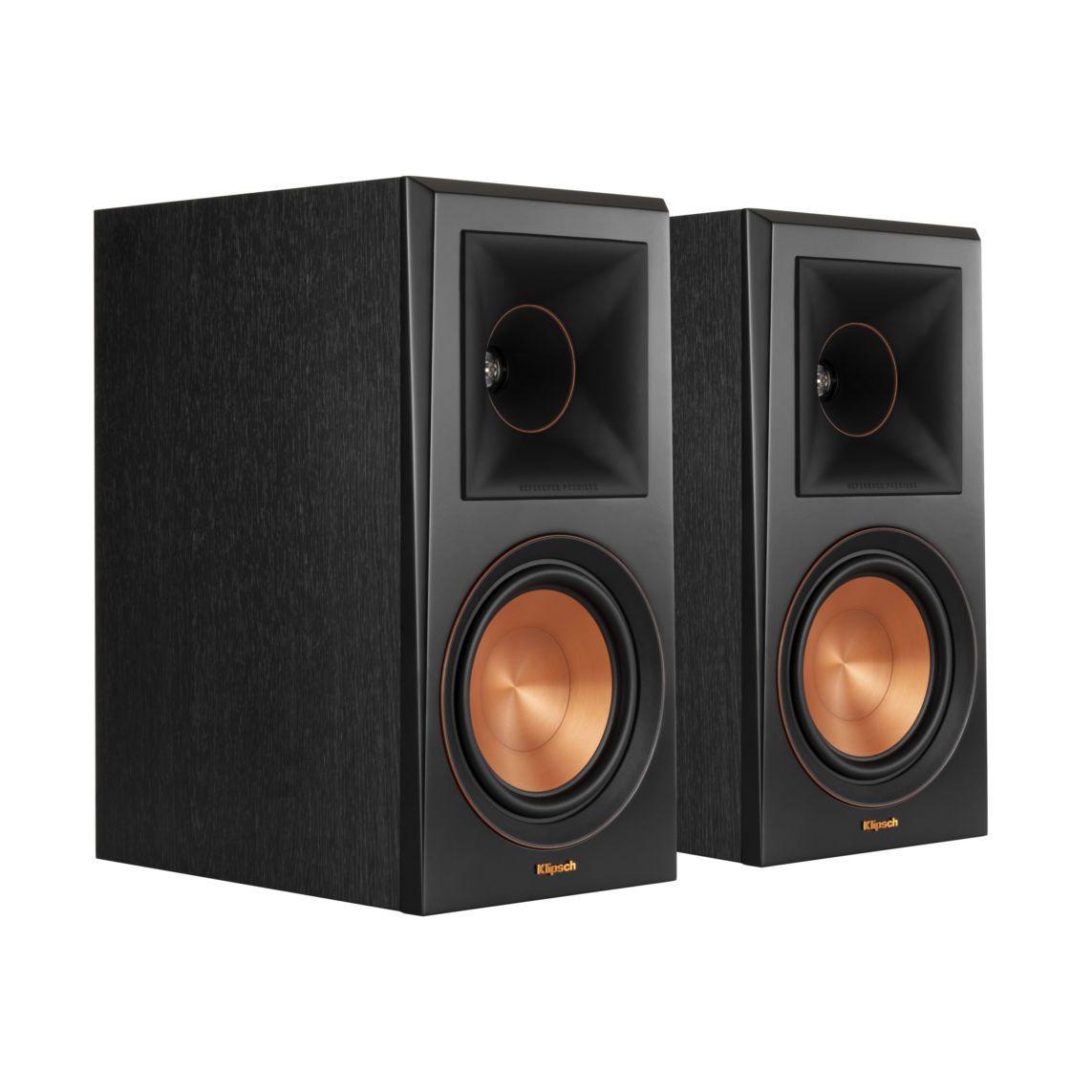

When it comes to high-end bookshelf speakers, the Bowers & Wilkins 606 S3 ($550) and Klipsch Reference Premiere RP-600M ($332) represent two different philosophies in sound reproduction. Let's dive deep into what makes these speakers unique and help you decide which might be right for your setup.
Bookshelf speakers have come a long way from being simple compact alternatives to floor-standing models. Today's premium bookshelf speakers pack sophisticated technology and careful engineering into relatively small cabinets, delivering sound quality that can rival larger speakers in many situations.
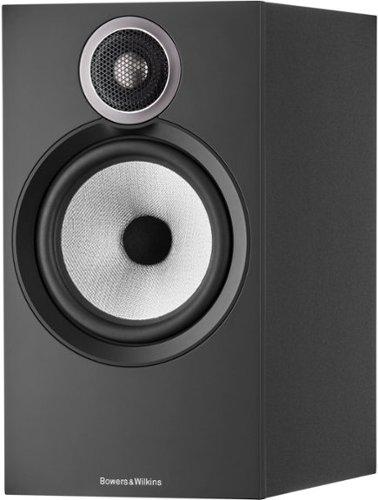
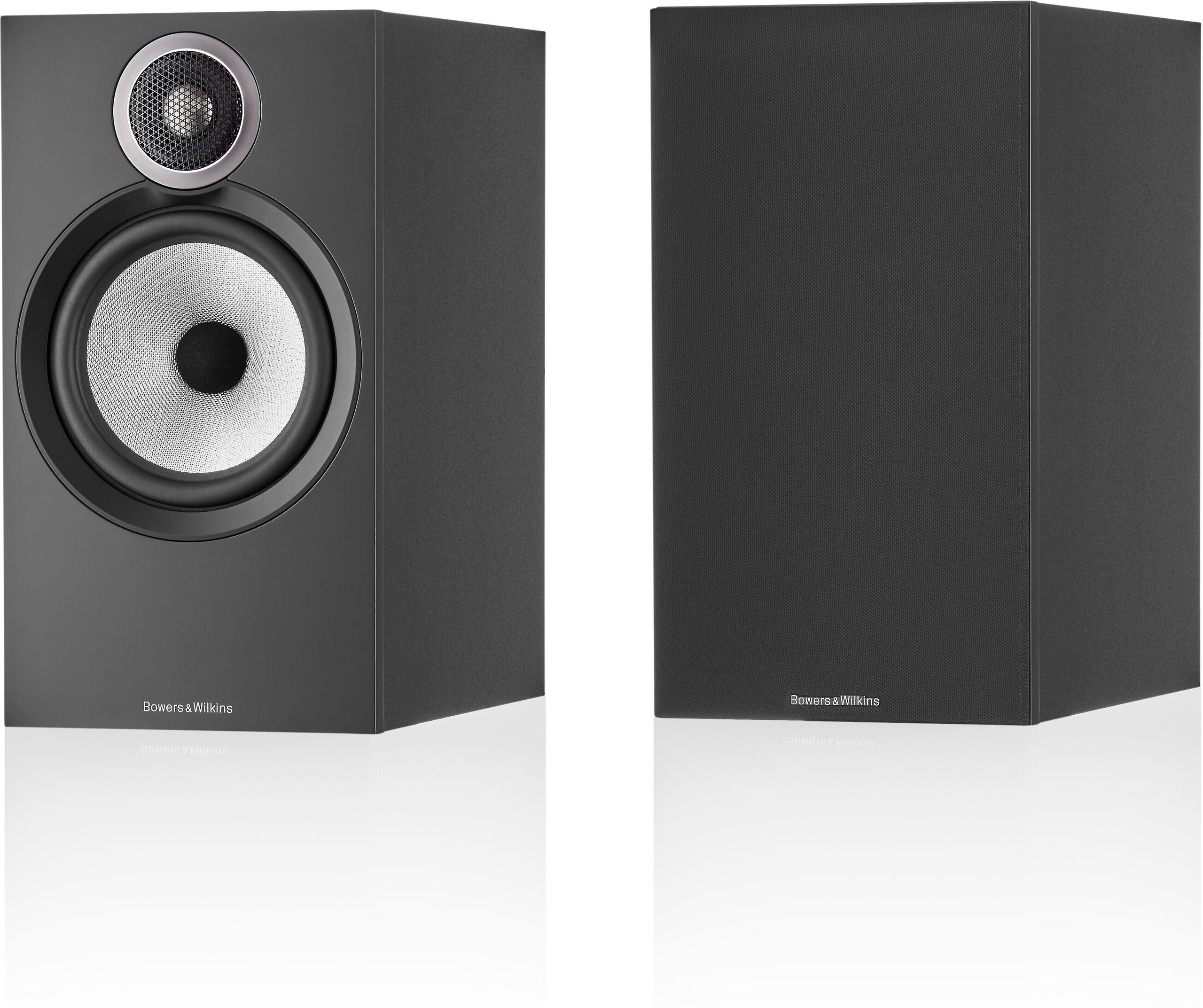
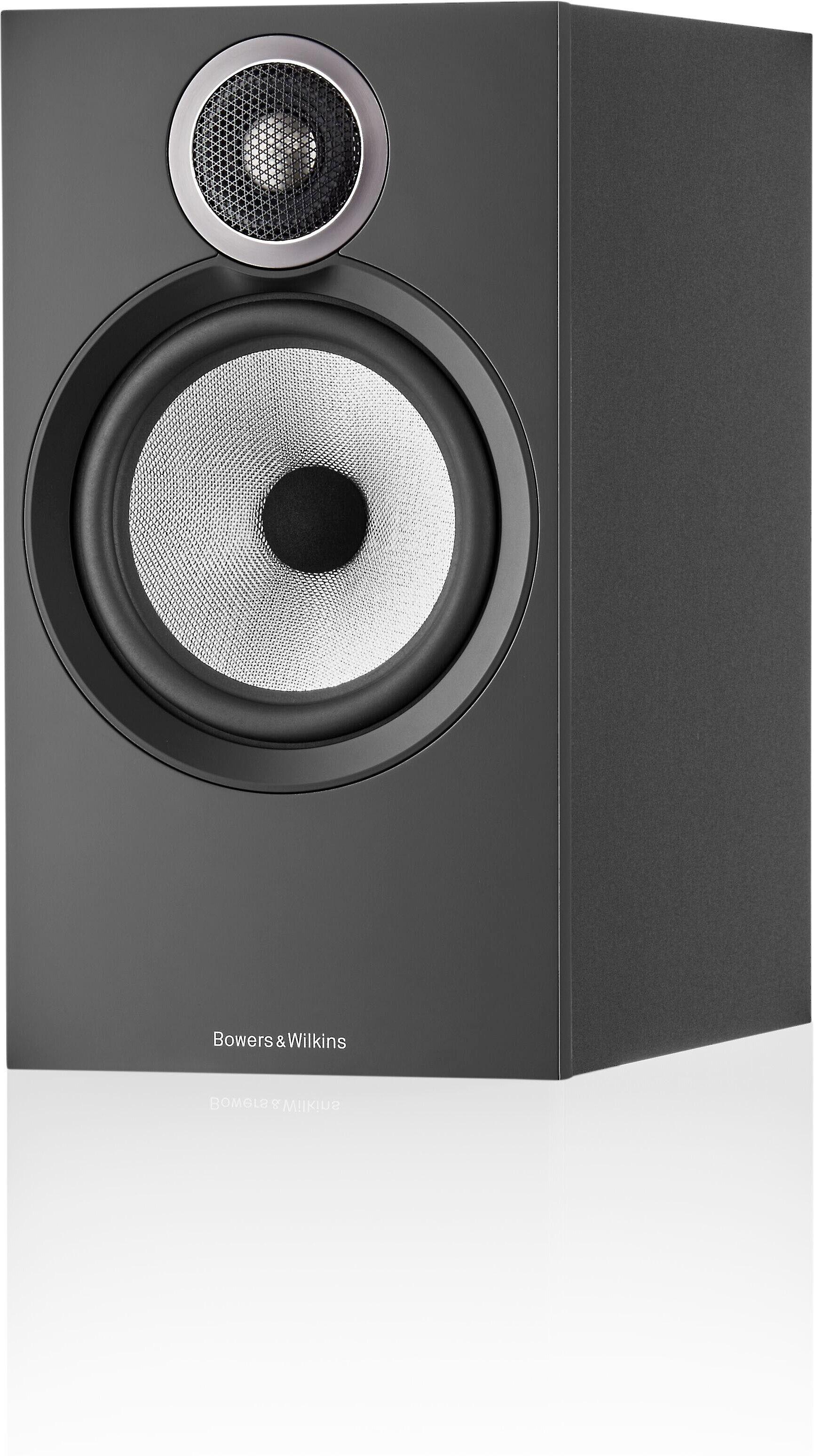
The B&W 606 S3, released in 2023, represents the latest iteration of B&W's acclaimed 600 series. The most significant change is its new titanium dome tweeter, replacing the previous aluminum design. This change aims to provide smoother treble while maintaining detail. Meanwhile, the Klipsch RP-600M, introduced in 2018 with an updated II version in 2021, continues Klipsch's tradition of high-efficiency speakers using horn-loaded tweeters.
The 606 S3 delivers a notably neutral presentation with exceptional clarity. The new titanium tweeter produces crisp, detailed highs without the occasional harshness that some found in previous models. The midrange, handled by B&W's Continuum cone (a woven composite material), presents voices and instruments with remarkable authenticity.
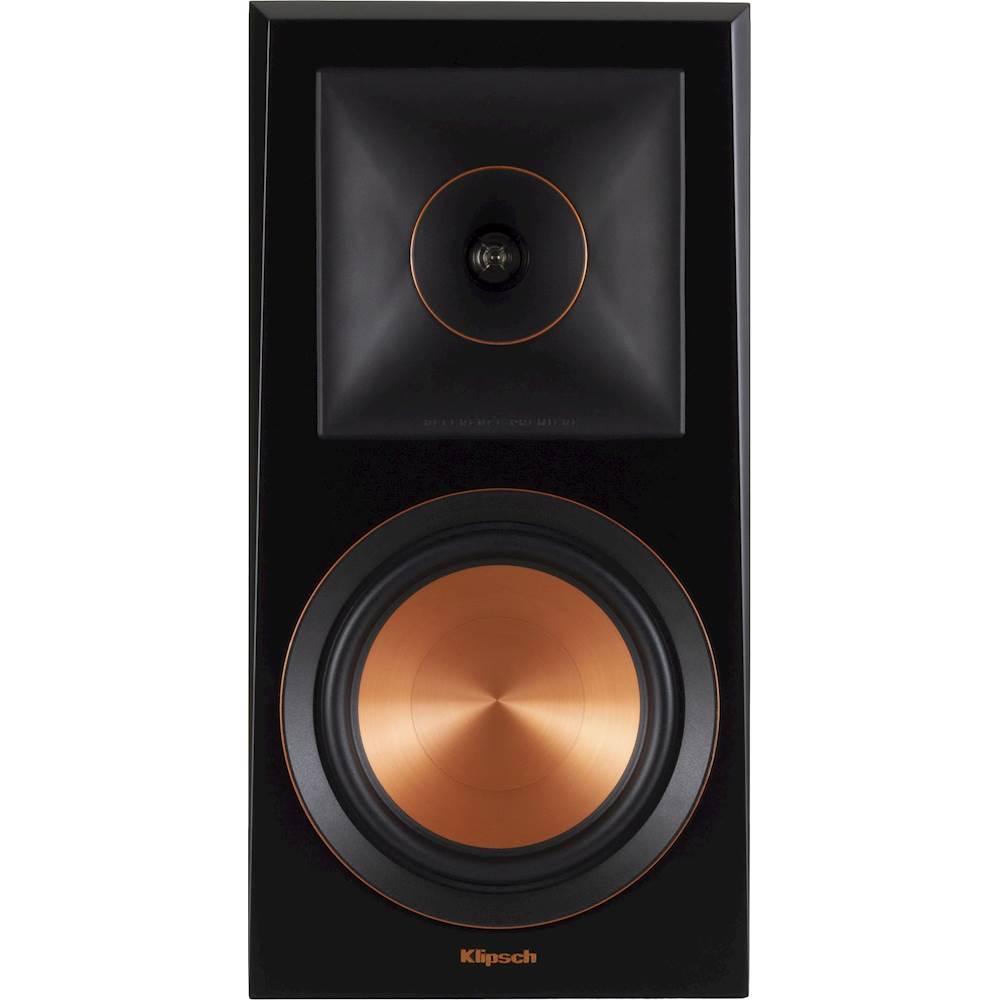
In contrast, the RP-600M offers a more dynamic, forward sound signature. Klipsch's signature horn-loaded tweeter creates an immediate, engaging presence that many find exciting, especially for rock and pop music. The cerametallic woofer provides punchy bass that can be quite impressive for the speaker's size.
Here's where the B&W 606 S3 really shines. The combination of the titanium dome tweeter and Continuum cone delivers microscopic details in music that many speakers miss. You'll hear subtle breaths from vocalists, the slight scrape of fingers on guitar strings, and the natural decay of cymbal strikes.
The Klipsch RP-600M takes a different approach. While still detailed, it emphasizes dynamic contrast and immediacy over absolute resolution. This makes it particularly engaging for live recordings and high-energy music, where the speaker's ability to convey excitement and scale becomes more important than capturing every last detail.
One of the biggest differences between these speakers lies in their efficiency. The RP-600M boasts a sensitivity of 96dB, meaning it needs very little power to play loud. This makes it an excellent choice for lower-powered amplifiers or receivers.
The 606 S3, with its 88dB sensitivity, requires more power to achieve the same volume levels. While this might seem like a disadvantage, it often translates to better control and precision when paired with high-quality amplification. The recommended power range of 30-120 watts provides plenty of flexibility in amplifier matching.
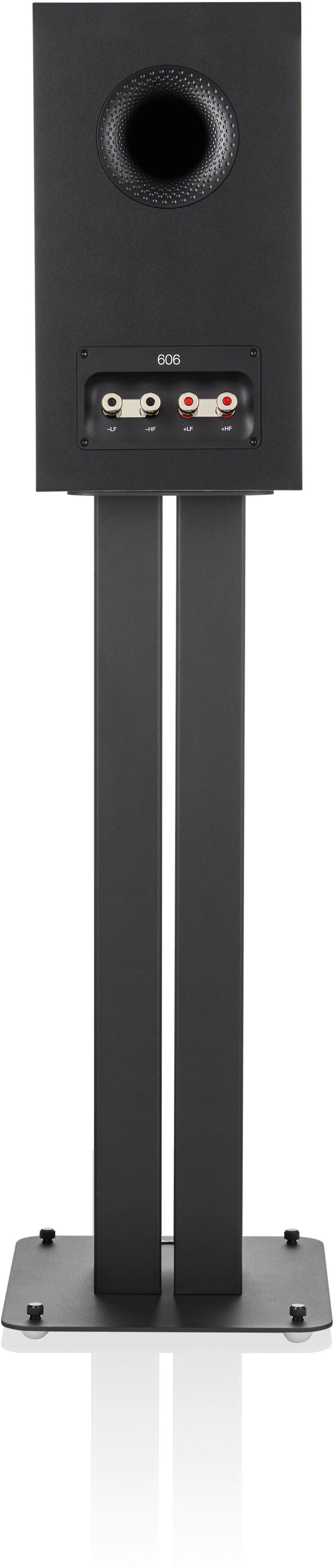
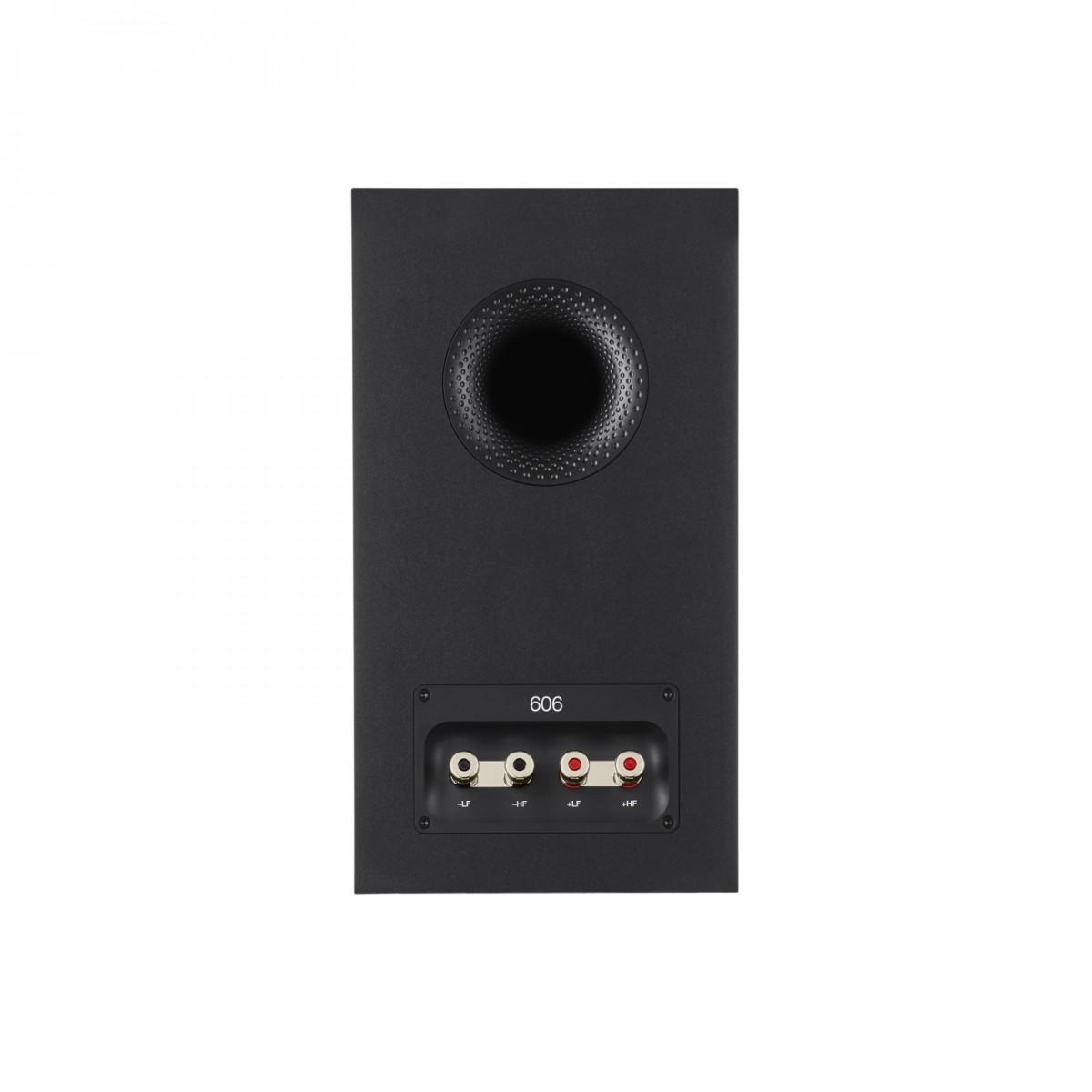
Both speakers use rear-firing ports for bass reinforcement, but they handle room placement differently. The B&W 606 S3 tends to be more forgiving of placement, thanks to its more neutral dispersion pattern. You'll still want to keep them at least 6 inches from walls, but they're less sensitive to exact positioning.
The Klipsch RP-600M's horn-loaded tweeter creates a more directional sound, requiring more careful placement to achieve optimal imaging. However, this can be an advantage in rooms with challenging acoustics, as the controlled dispersion can help minimize unwanted reflections.
In a home theater context, both speakers excel but in different ways. The 606 S3's neutral character makes it excellent for accurate reproduction of movie soundtracks, with dialogue particularly clear and natural. They integrate seamlessly with other speakers in a surround setup, maintaining consistent tonality across the soundstage.
The RP-600M's high efficiency and dynamic capability make it particularly good for home theaters where impact and scale are priorities. Action movies benefit from the speaker's ability to handle sudden dynamic swings without compression, and the horn-loaded tweeter helps ensure dialogue clarity even at lower volumes.
At $332, the Klipsch RP-600M represents exceptional value, especially considering its build quality and performance capabilities. It's particularly attractive for those with modest amplification who want maximum impact from their system.
The B&W 606 S3, while more expensive at $550, justifies its price through superior refinement and detail retrieval. The latest technological improvements, particularly the new titanium tweeter and enhanced crossover, deliver a level of sophistication that many find worth the premium.
Choose the B&W 606 S3 if:
Choose the Klipsch RP-600M if:
The final choice often comes down to personal listening preferences and existing equipment. Both speakers represent excellent examples of their respective design philosophies, and both can provide years of musical enjoyment when properly matched with complementary equipment and room setup.
| Bowers & Wilkins 606 S3 ($550) | Klipsch Reference Premiere RP-600M ($332) |
|---|---|
| Sensitivity - Determines how much amplifier power you need | |
| 88dB - Needs more powerful amp | 96dB - Easy to drive with modest amplification |
| Frequency Response - Shows bass depth and treble extension | |
| 52-28,000 Hz (±3 dB) - Extremely extended highs | 45-25,000 Hz (±3 dB) - Slightly deeper bass |
| Power Handling - Indicates maximum safe volume levels | |
| 30-120W recommended - Flexible range | 100W continuous/400W peak - Higher power handling |
| Woofer Design - Affects midrange clarity and bass quality | |
| 6.5" Continuum cone - More neutral, detailed | 6.5" Cerametallic - More dynamic, punchy |
| Tweeter Design - Impacts treble quality and dispersion | |
| 1" Titanium dome with decoupled mounting - More refined | 1" Titanium LTS with Tractrix Horn - More dynamic, directional |
| Cabinet Design - Influences bass response and room placement | |
| Rear-ported, traditional design - More placement flexible | Rear Tractrix port - More efficient but placement sensitive |
| Impedance - Affects amplifier compatibility | |
| 8 ohms - Easy load for most amps | 8 ohms - Similarly easy to drive |
| Dimensions (HxWxD) | |
| 13.7" x 7.5" x 13" - Compact | 15.7" x 8" x 11.9" - Slightly larger |
| Weight - Indicates cabinet construction | |
| 15.5 lbs each - Solid build | 16 lbs each - Similarly substantial |
| Warranty Period - Shows manufacturer confidence | |
| 5 years - Excellent coverage | 5 years - Matching coverage |
| Special Features - Additional capabilities | |
| Bi-wire capable, magnetic grille, upgraded terminals | Bi-wire capable, magnetic grille, premium finishes |
The B&W 606 S3 offers more neutral, detailed sound ideal for acoustic, jazz, and classical music. The Klipsch RP-600M provides more dynamic, exciting performance better suited for rock, pop, and electronic music.
The Klipsch RP-600M is significantly easier to power with its 96dB sensitivity, making it ideal for basic receivers. The B&W 606 S3 needs more power at 88dB sensitivity.
Both work well, but the Klipsch RP-600M excels at dynamic movie effects and dialogue clarity. The B&W 606 S3 offers more precise soundtrack reproduction and better integration with surround systems.
Yes, both speakers work well in small spaces. The B&W 606 S3 is more forgiving of room placement, while the Klipsch RP-600M needs more careful positioning due to its horn design.
The Klipsch RP-600M delivers punchier, more prominent bass, while the B&W 606 S3 offers tighter, more controlled low frequencies. Both extend to around 45Hz.
The B&W 606 S3 at $550 offers superior refinement and detail, while the Klipsch RP-600M at $332 provides excellent value with more dynamic sound.
Both speakers offer similar build quality and 5-year warranties. The B&W 606 S3 and Klipsch RP-600M are both known for long-term reliability.
The Klipsch RP-600M works well with modest amplification. The B&W 606 S3 benefits from higher quality amplification to reach its full potential.
The B&W 606 S3 offers more natural, detailed vocal reproduction. The Klipsch RP-600M provides clear, forward vocals that project well.
Neither speaker is designed for wall-mounting. Both the B&W 606 S3 and Klipsch RP-600M perform best on stands or shelves away from walls.
Both brands hold value well, but the B&W 606 S3 typically maintains slightly better resale value due to its premium brand positioning compared to the Klipsch RP-600M.
For music, both can perform well without a subwoofer. For home theater, adding a subwoofer to either the B&W 606 S3 or Klipsch RP-600M would provide better bass impact.
We've done our best to create useful and informative comparisons to help you decide what product to buy. Our research uses advanced automated methods to create this comparison and perfection is not possible - please contact us for corrections or questions. These are the sites we've researched in the creation of this article: futureaudiophile.com - headphones.com - therobinsonbrand.com - higherhz.com - audioadvisor.com - crutchfield.com - bowerswilkins.com - crutchfield.com - vinylrevival.com.au - audioadvisor.com - worldwidestereo.com - f072605def1c9a5ef179-a0bc3fbf1884fc0965506ae2b946e1cd.ssl.cf2.rackcdn.com - erinsaudiocorner.com - stereophile.com - klipsch.com - adorama.com - assets.klipsch.com - bhphotovideo.com

Privacy Policy
Terms and Conditions - Affiliate Policy
Home Security
© Copyright 2008-2026.
11816 Inwood Rd #1211, Dallas, TX 75244