

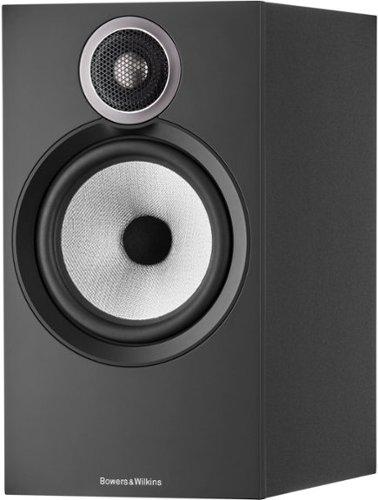
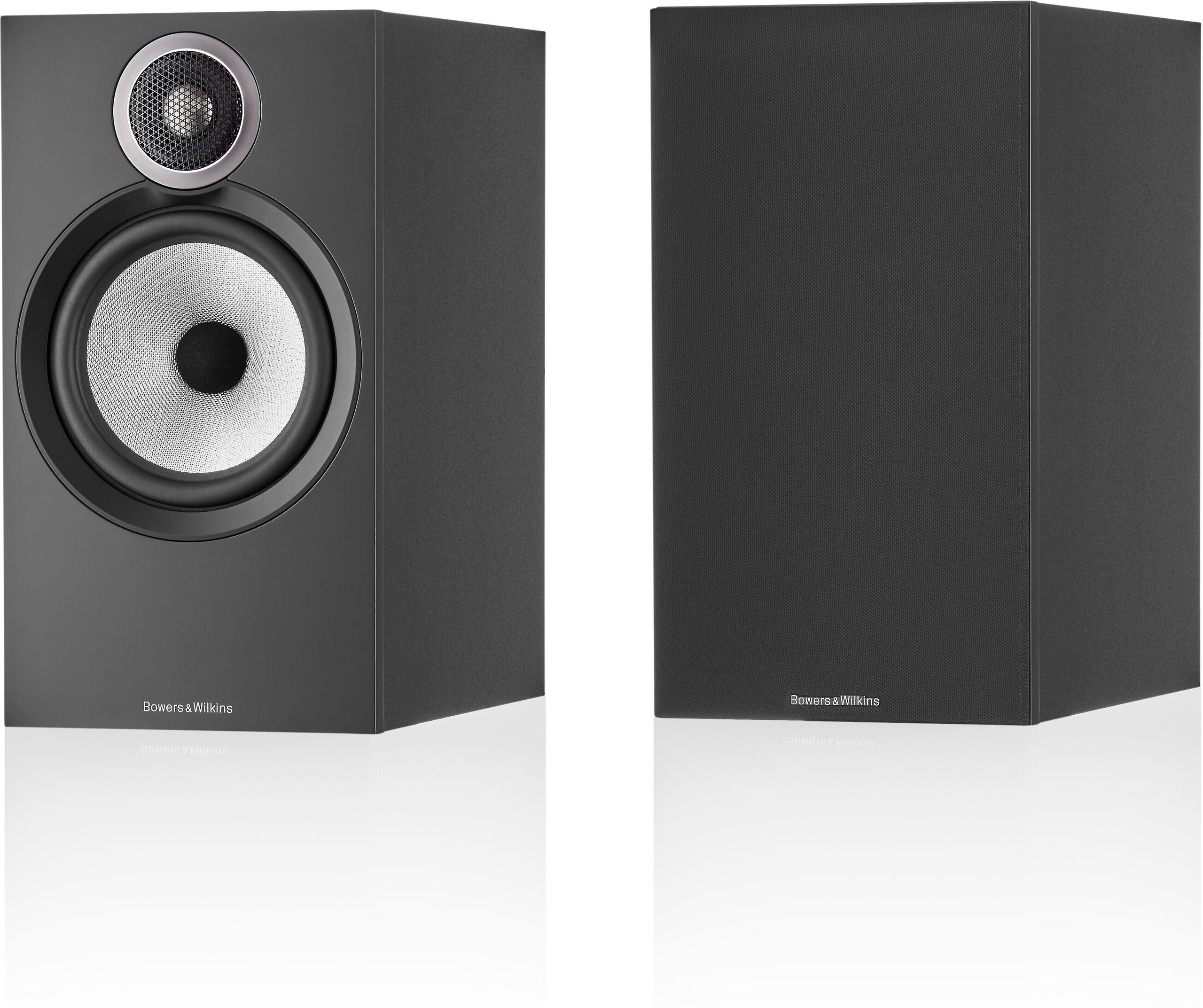
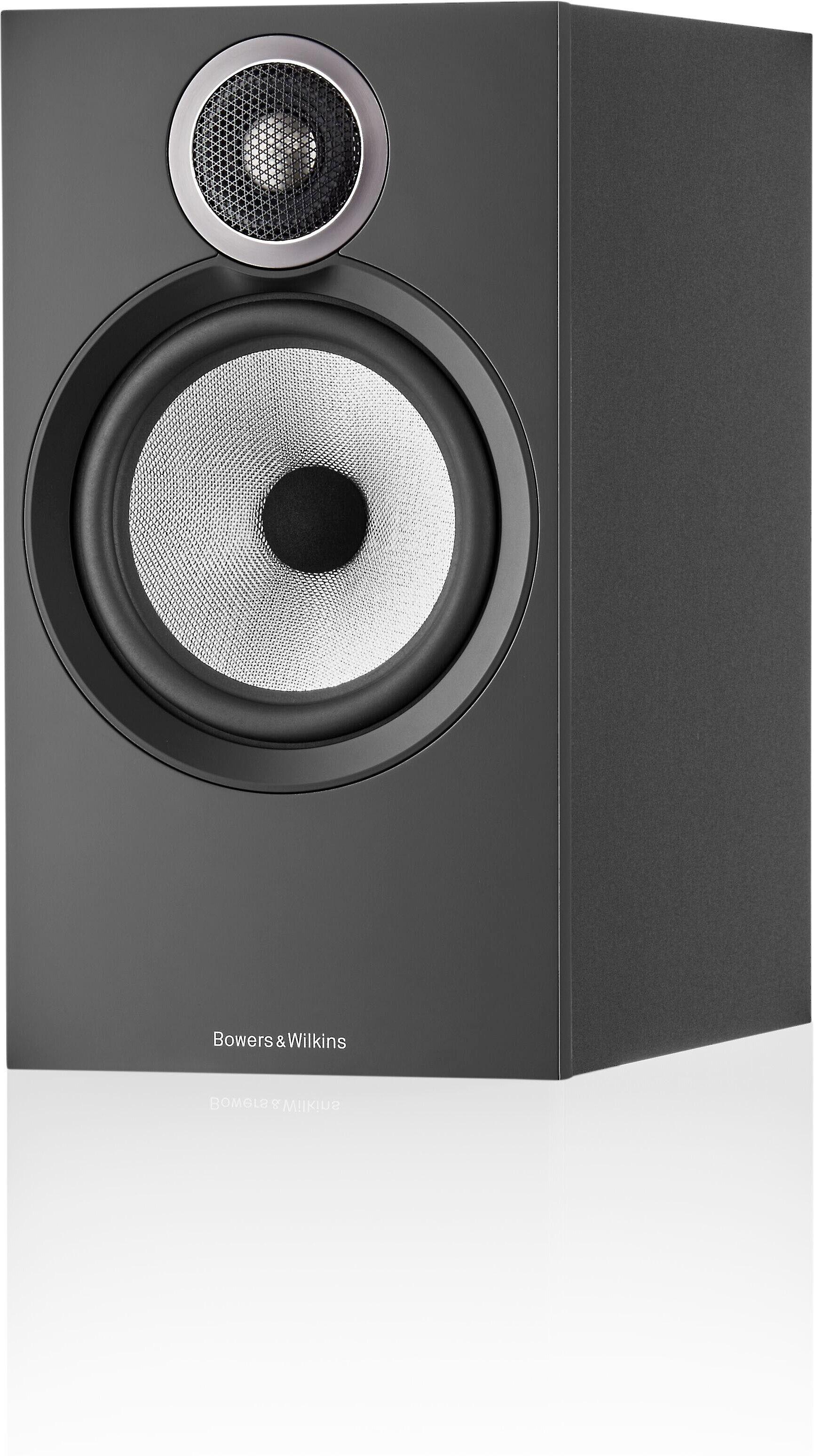
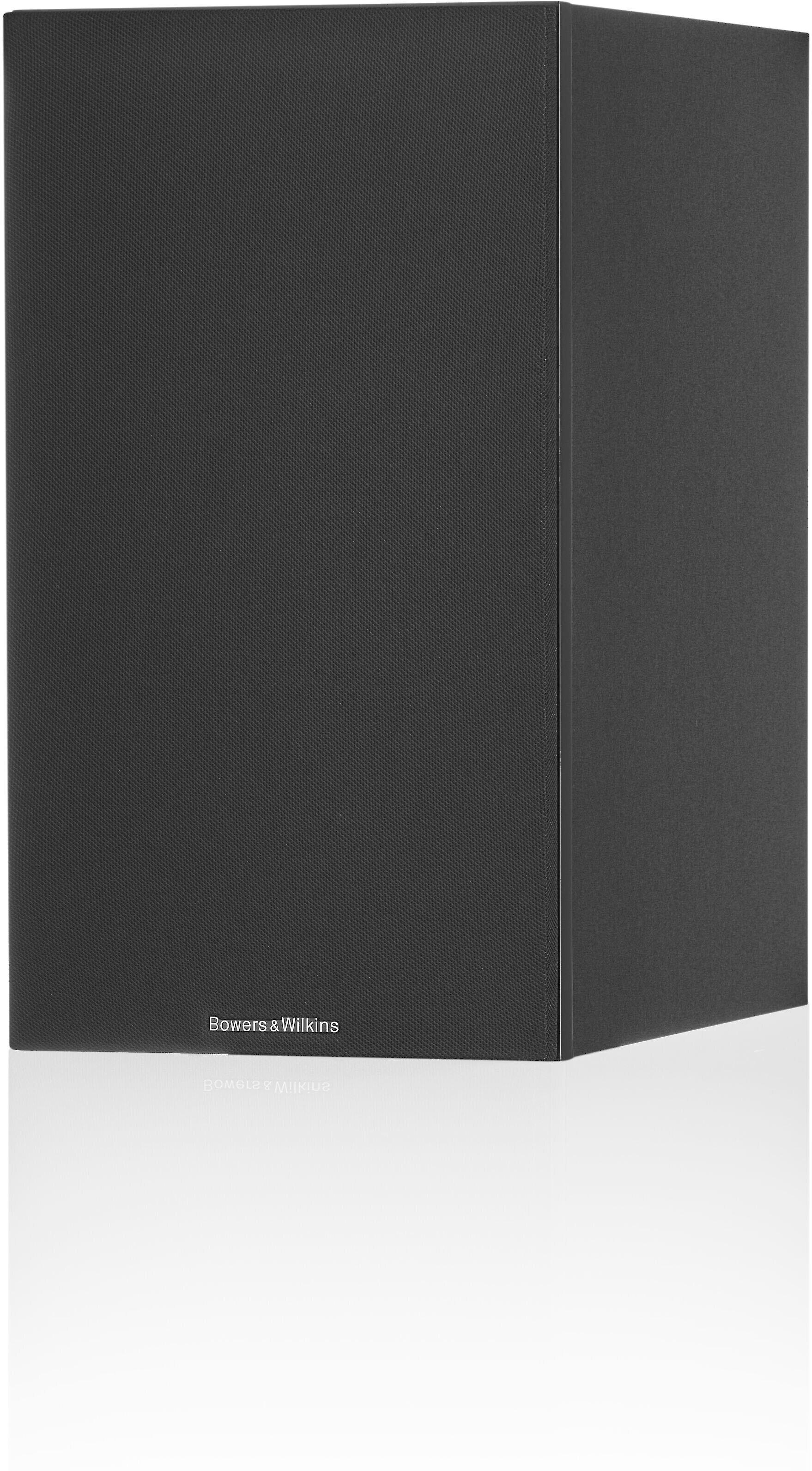
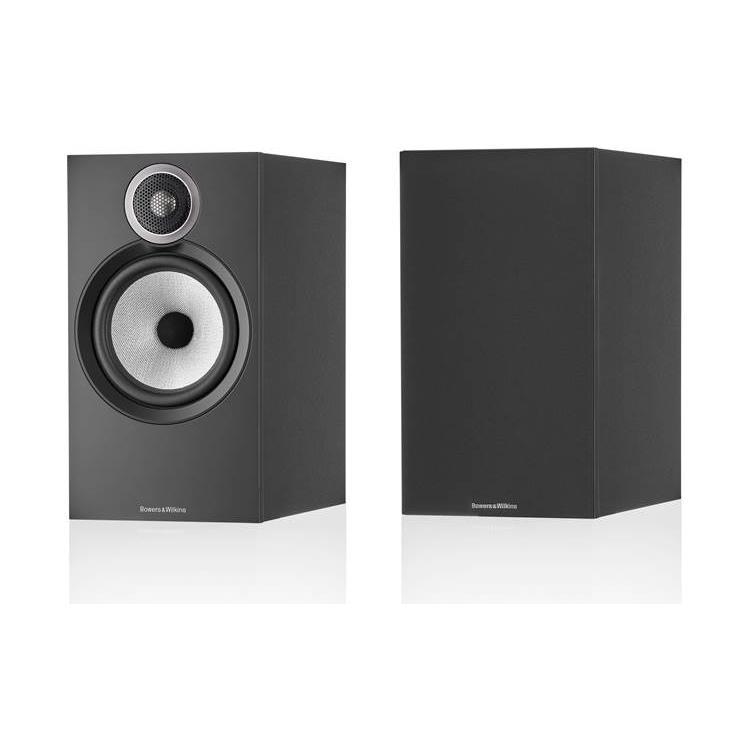
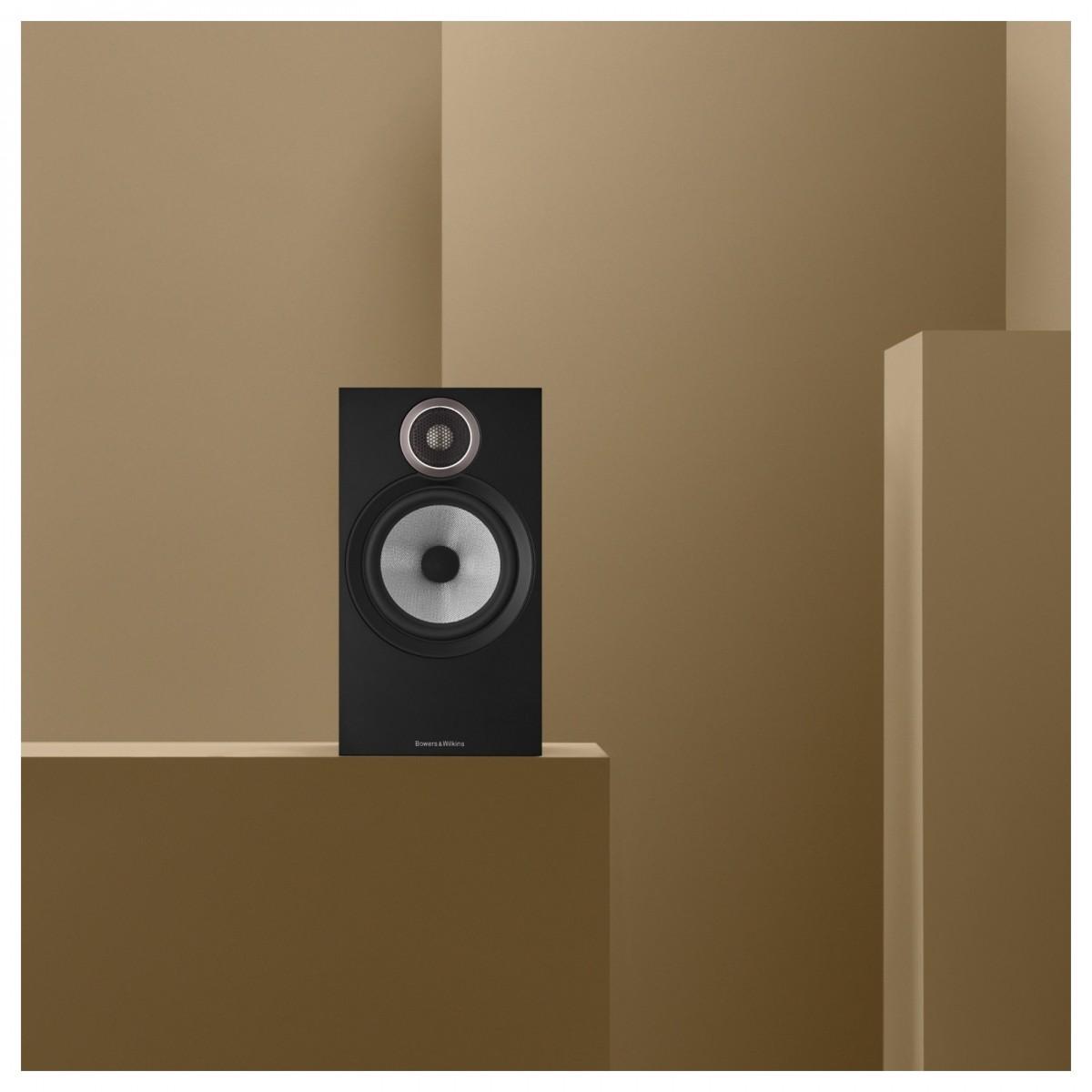
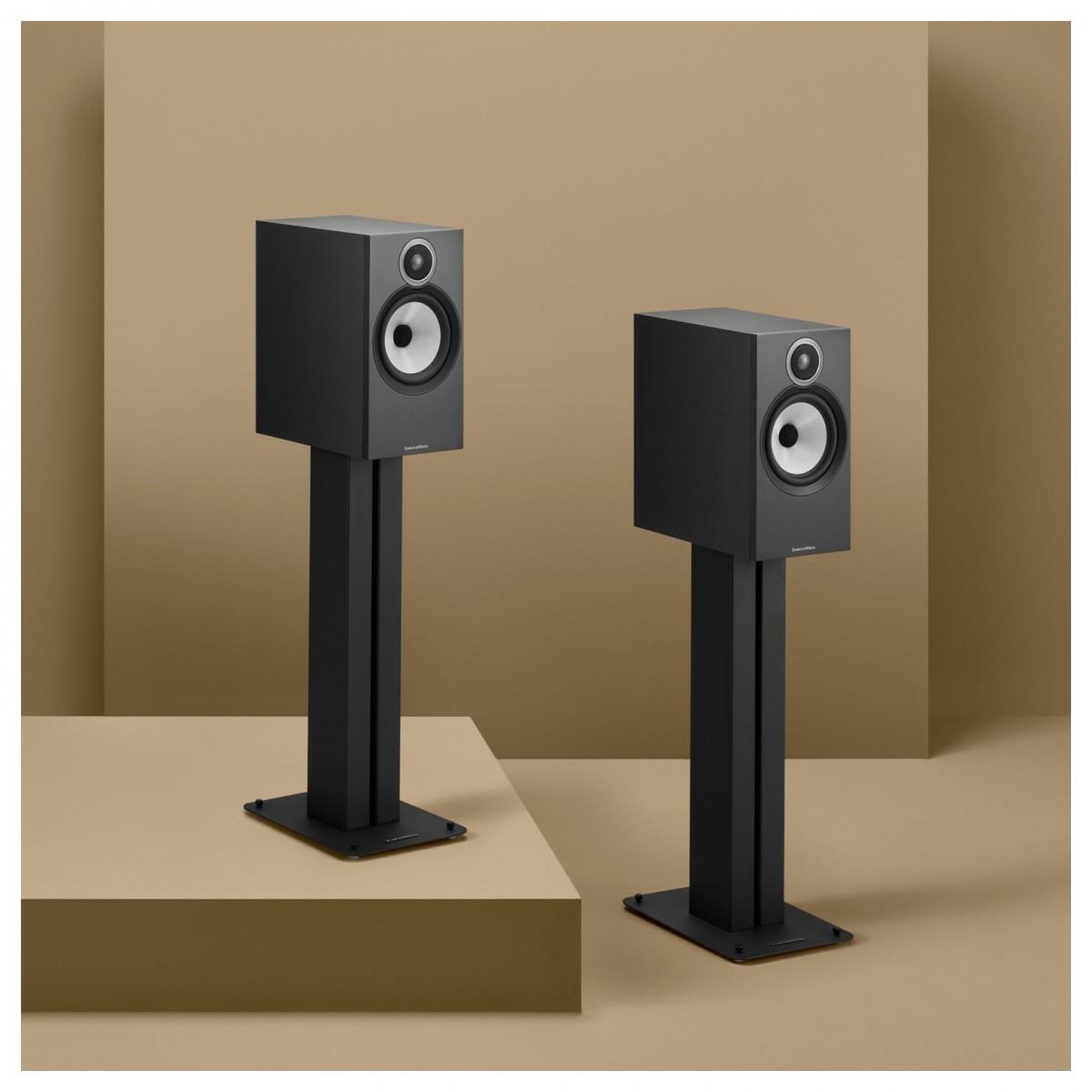
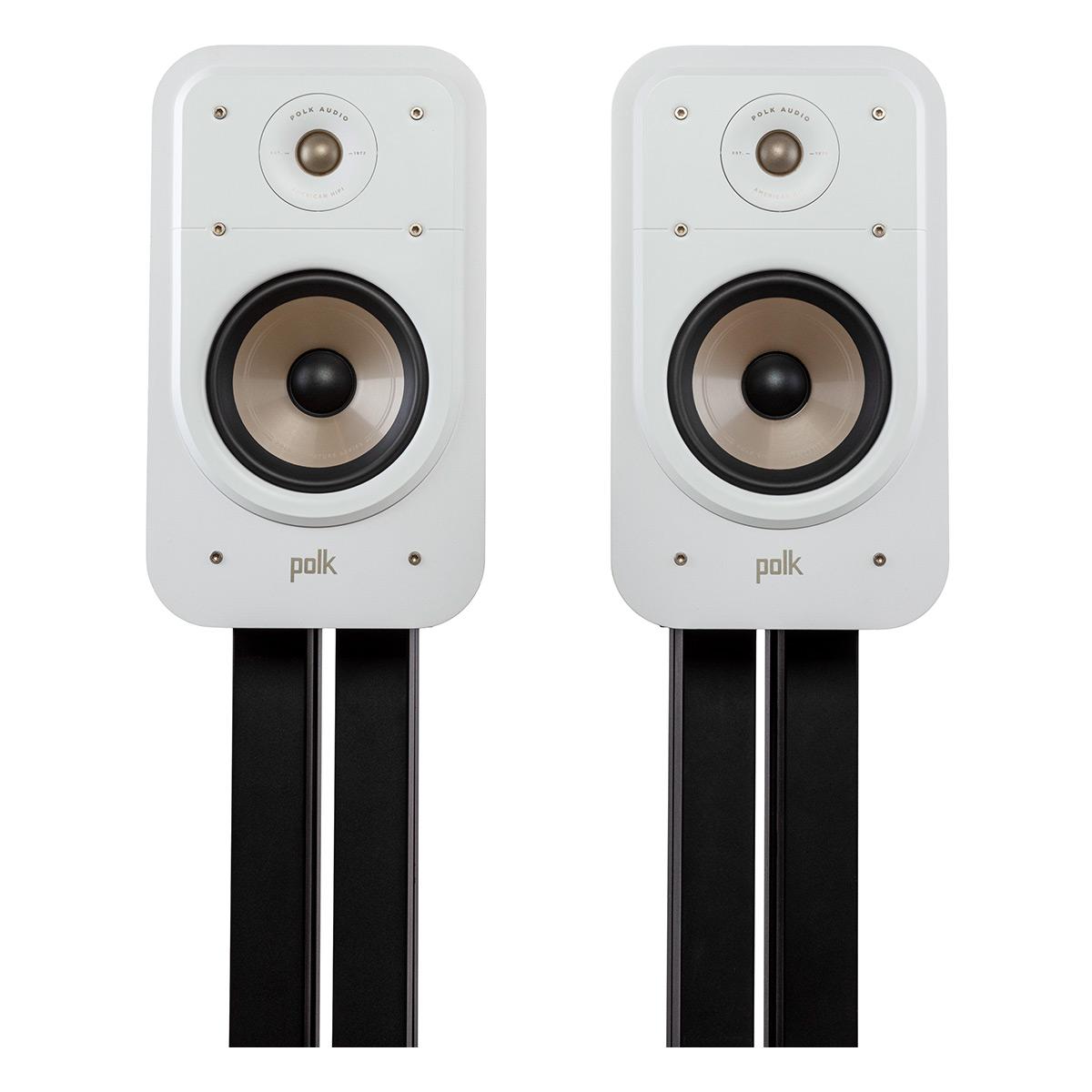
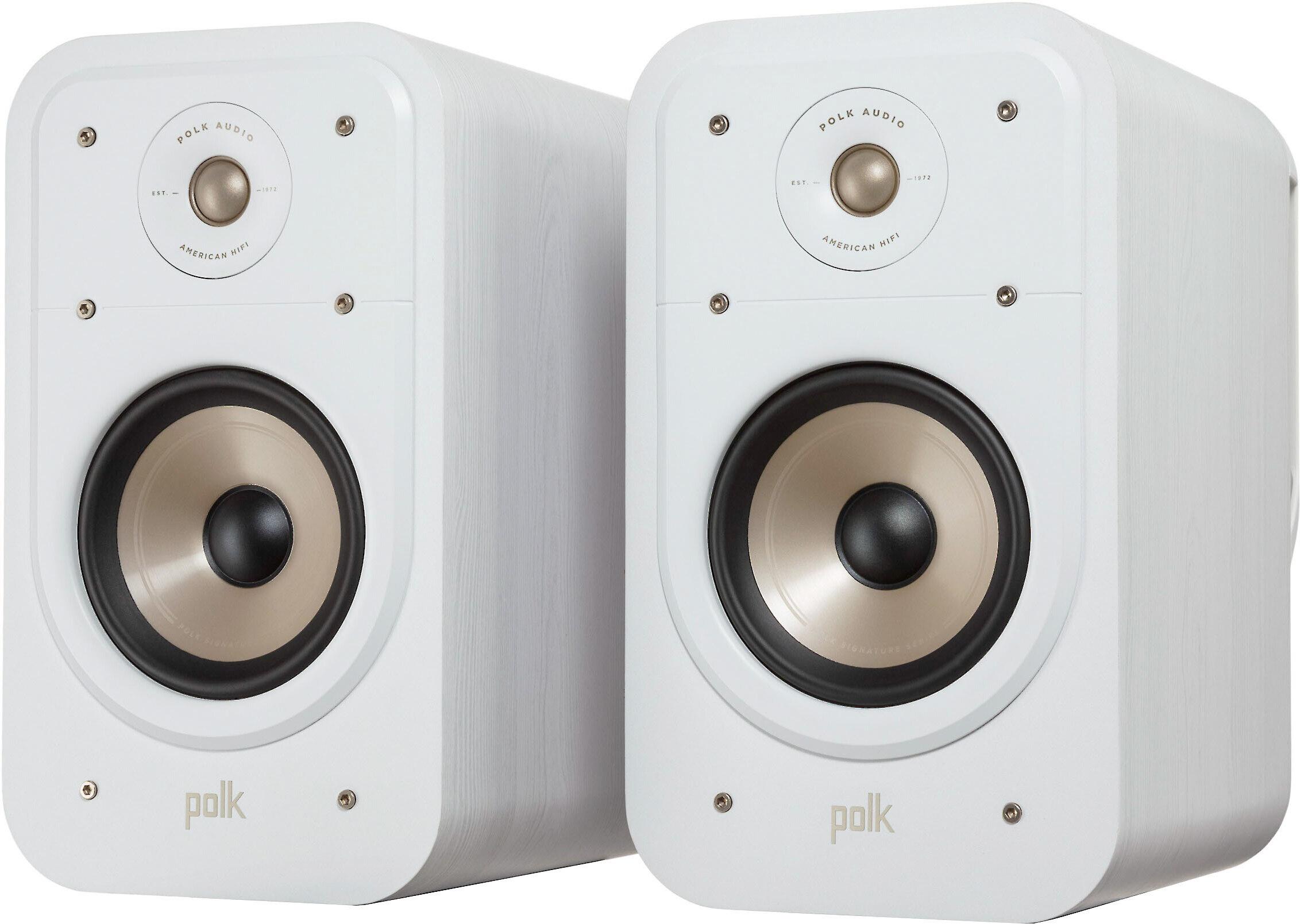
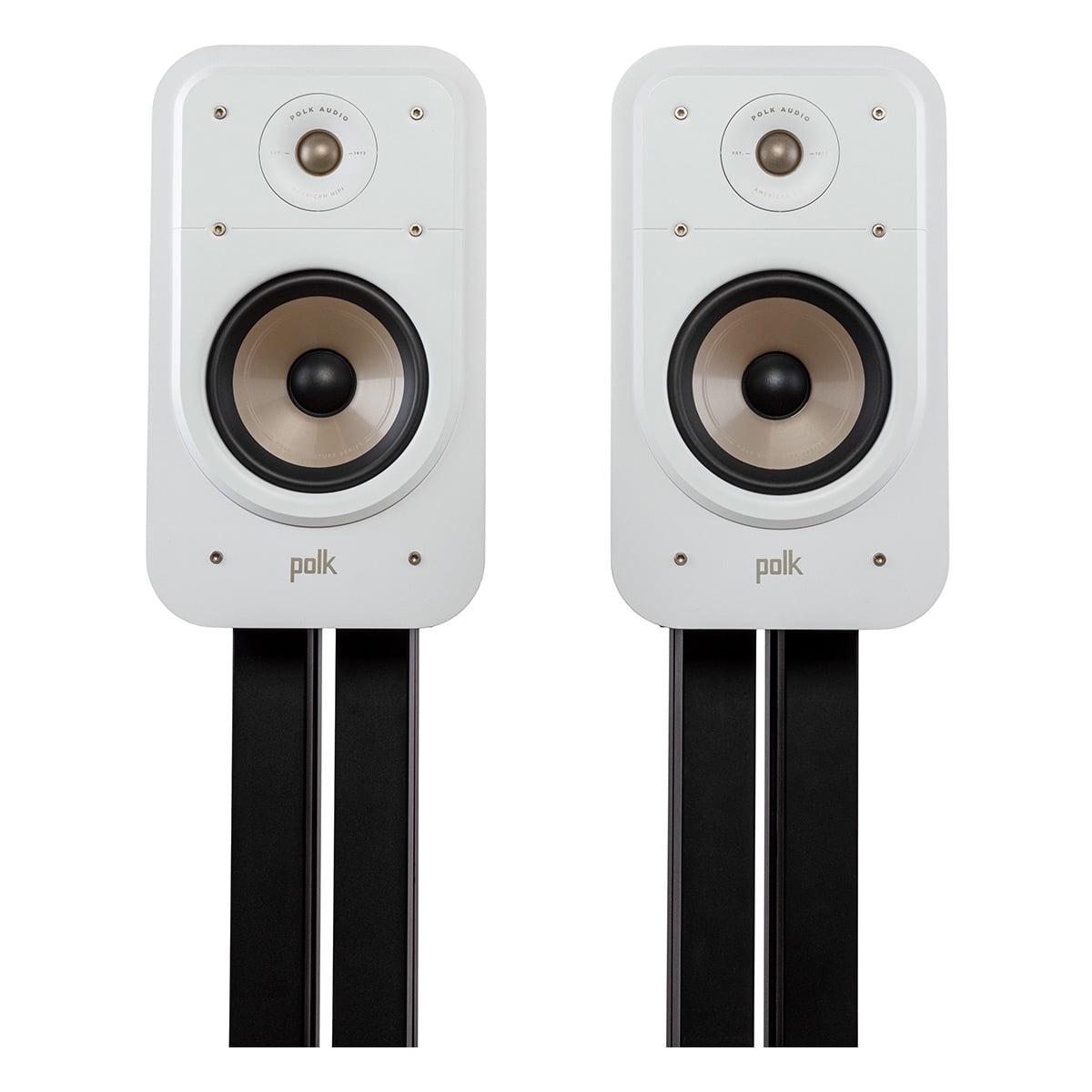
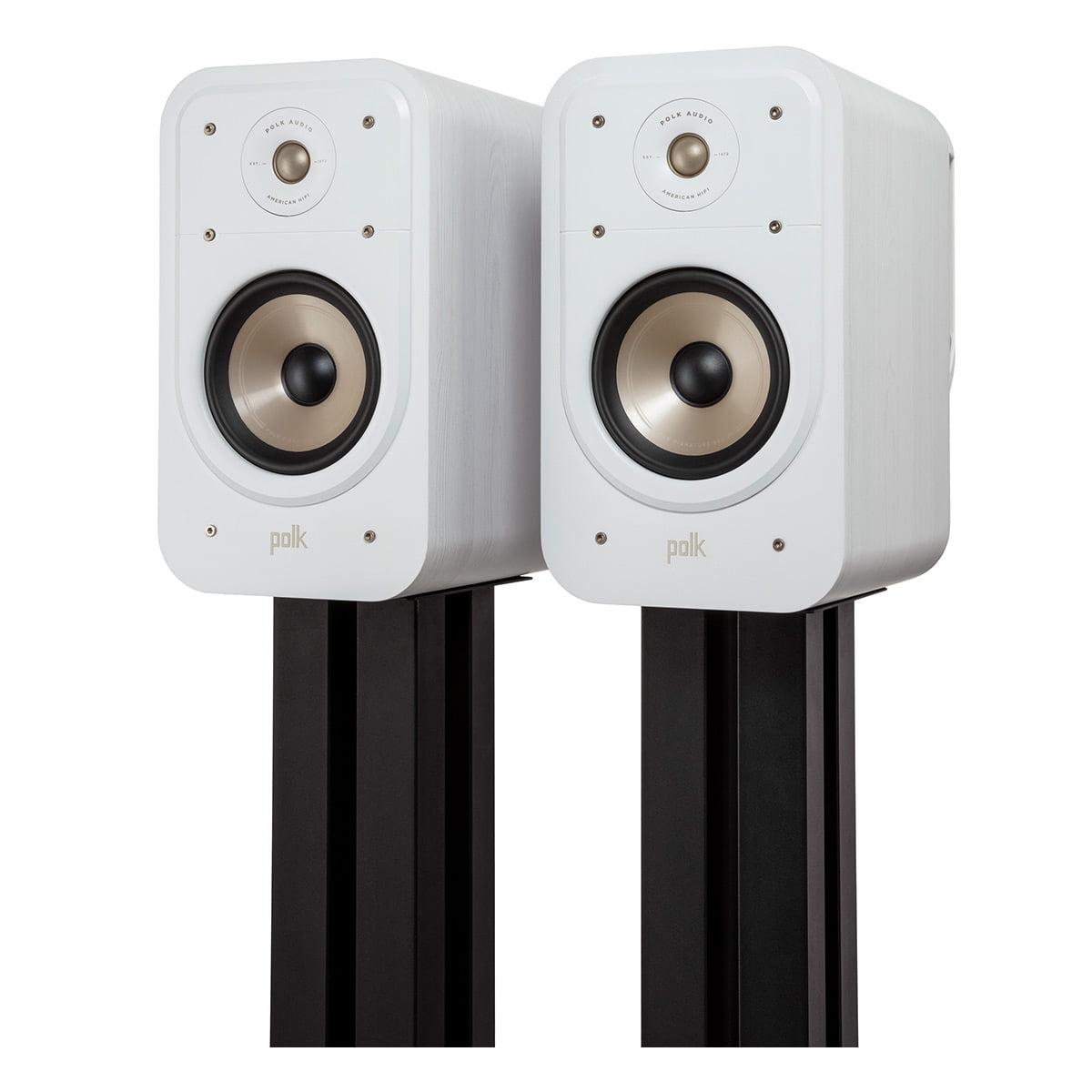
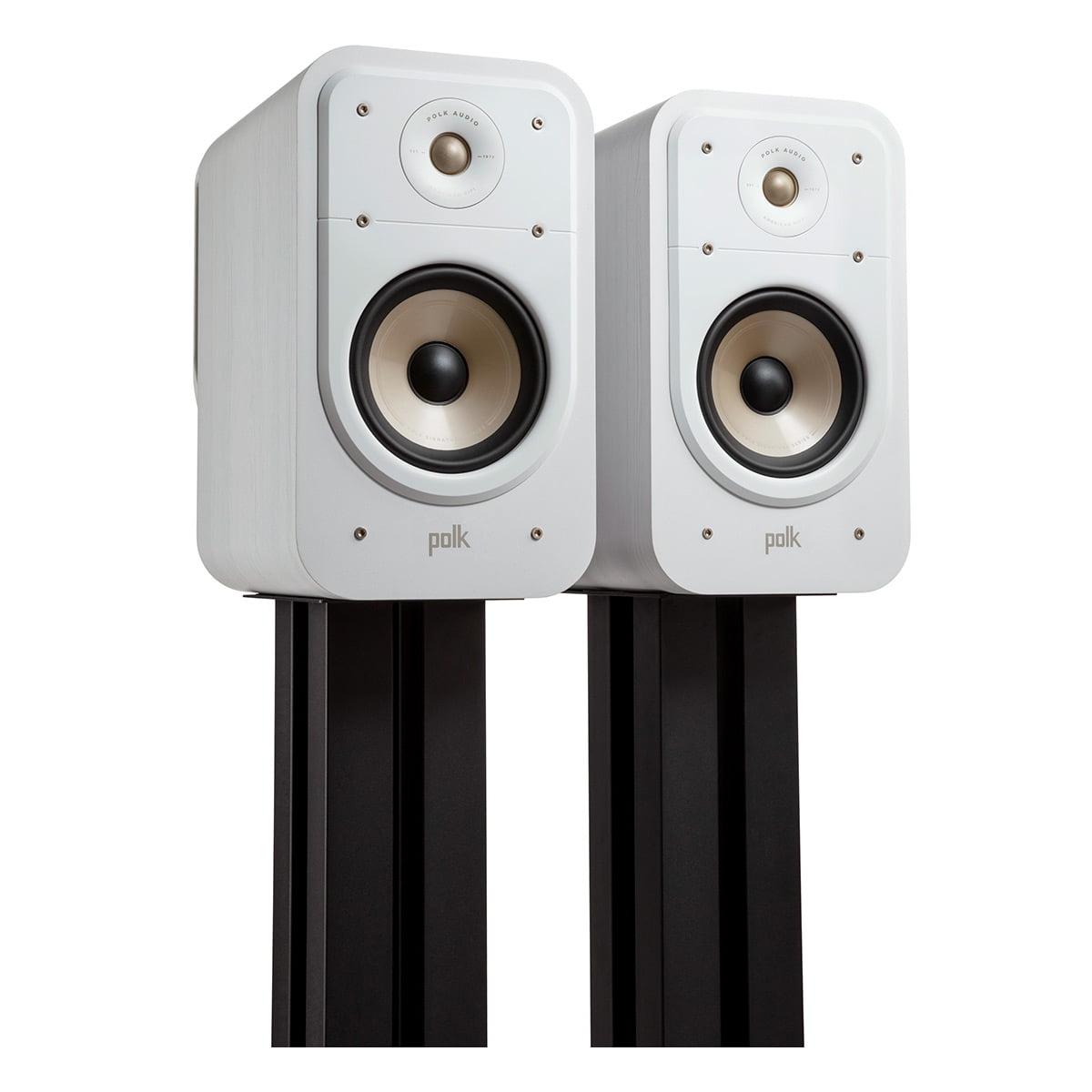
When it comes to bookshelf speakers, the choice between premium and value options often comes down to understanding what really matters for your specific needs. Today we're comparing two popular but differently positioned options: the $550 Bowers & Wilkins 606 S3 and the $279 Polk Audio Signature Elite ES20.
Bookshelf speakers remain one of the most versatile and popular choices for both music and home theater. Despite their name, they're often placed on dedicated stands to achieve optimal sound. These compact performers can deliver impressive audio quality when properly positioned and powered.
The main considerations when choosing bookshelf speakers include:
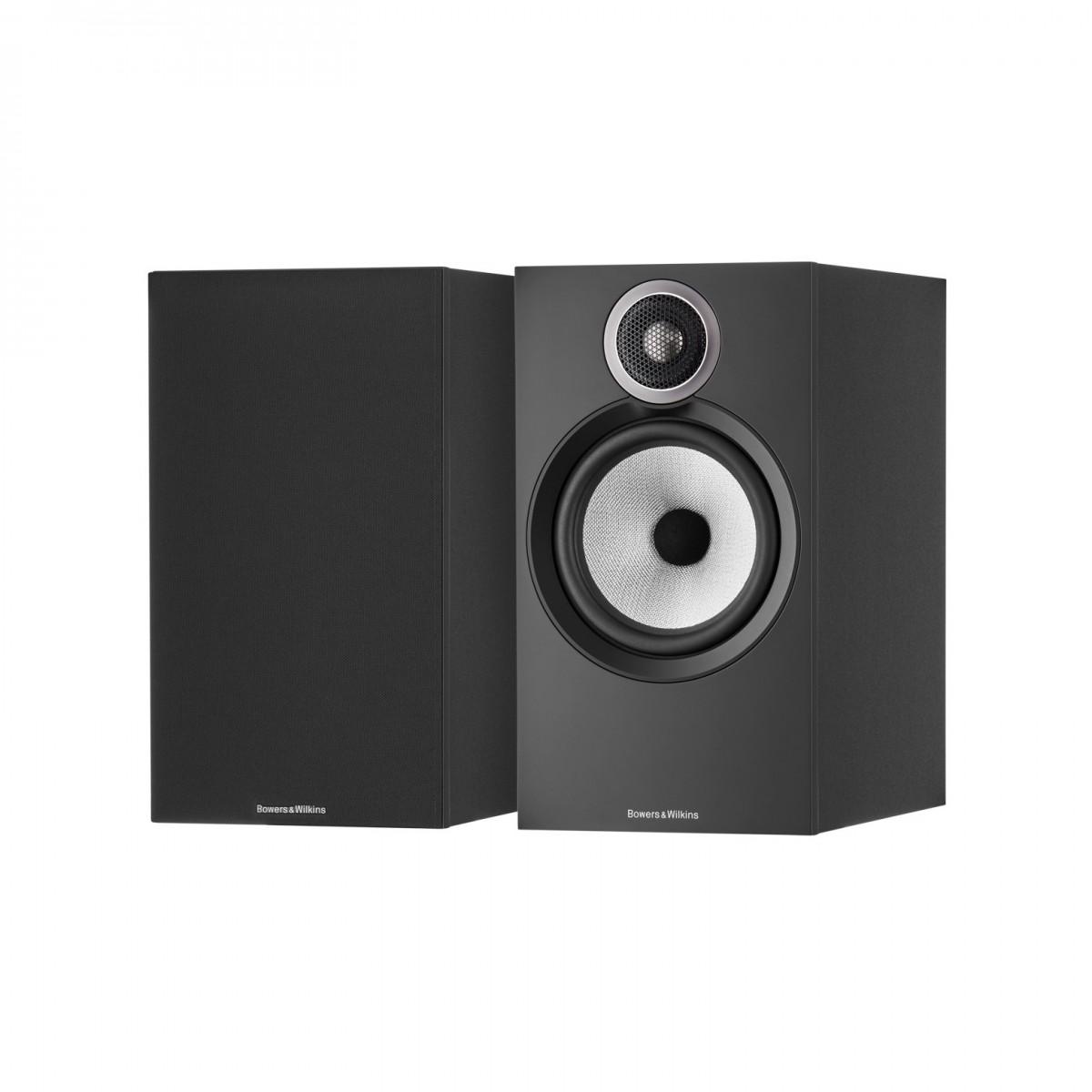
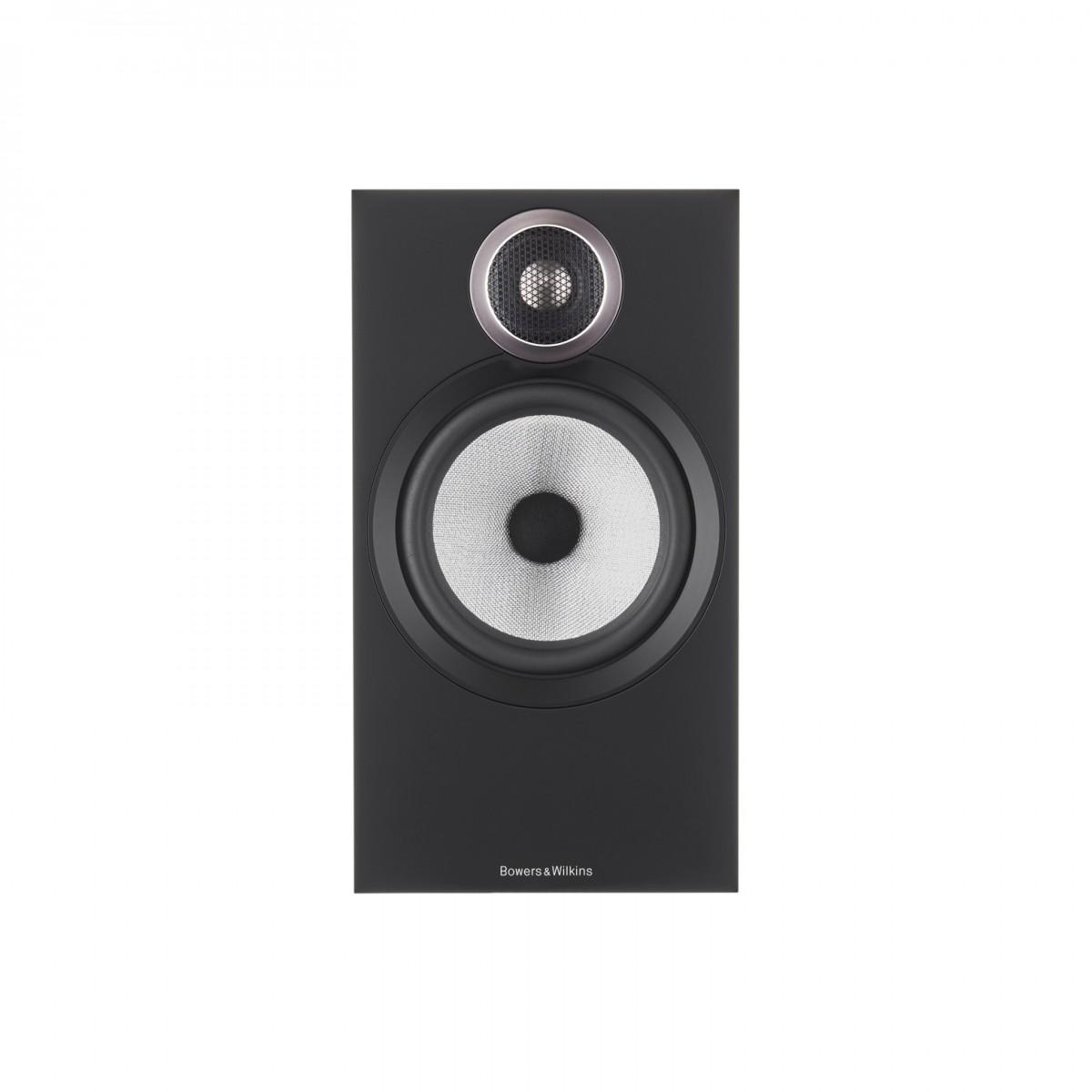
The B&W 606 S3 represents the latest evolution of B&W's acclaimed 600 series, featuring their premium Continuum cone technology that was previously only found in their more expensive lines. This material, which replaced their long-used Kevlar, provides exceptionally clear midrange reproduction - think vocals and acoustic instruments - with minimal distortion. The new Titanium dome tweeter represents a significant upgrade, delivering crisp high frequencies without becoming harsh.
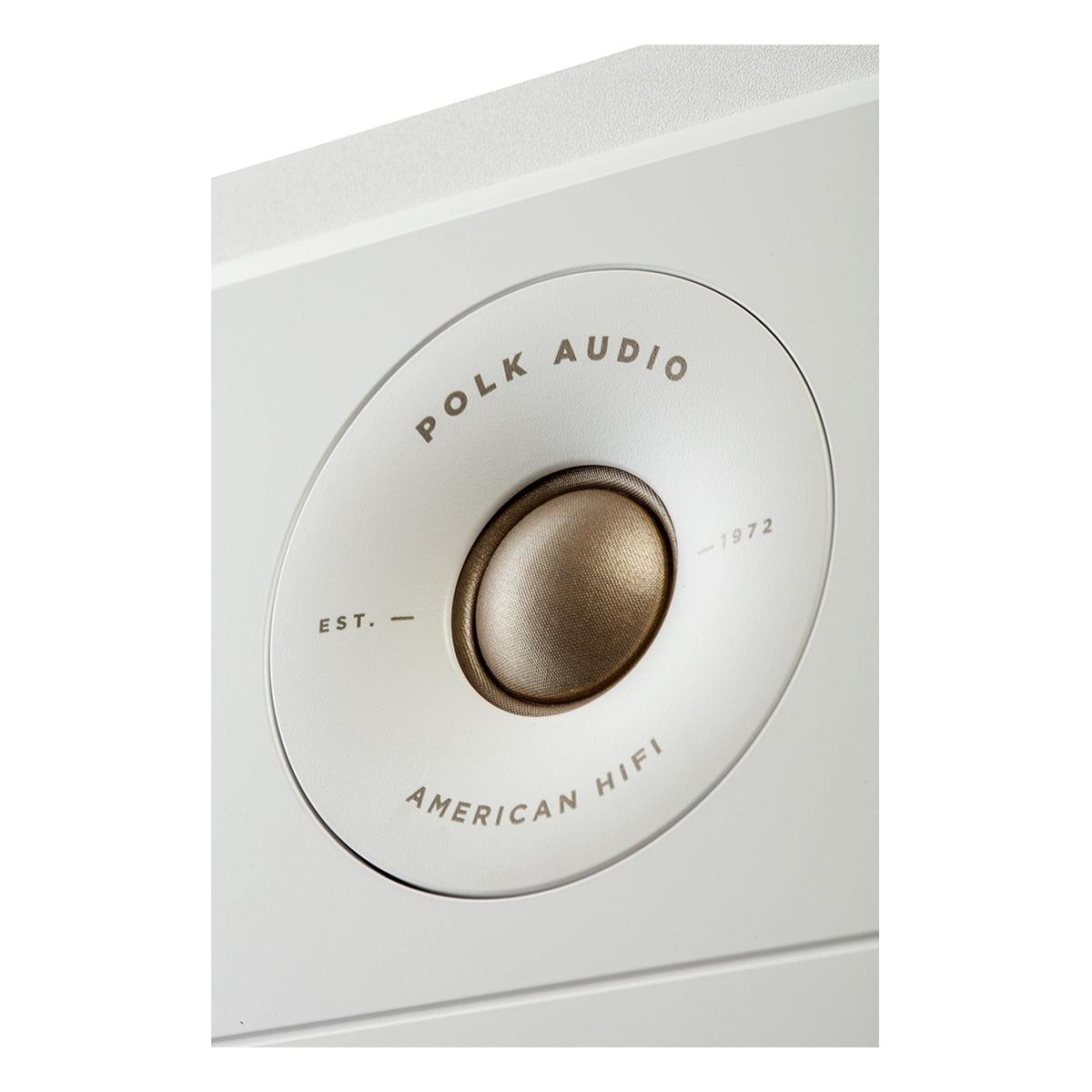
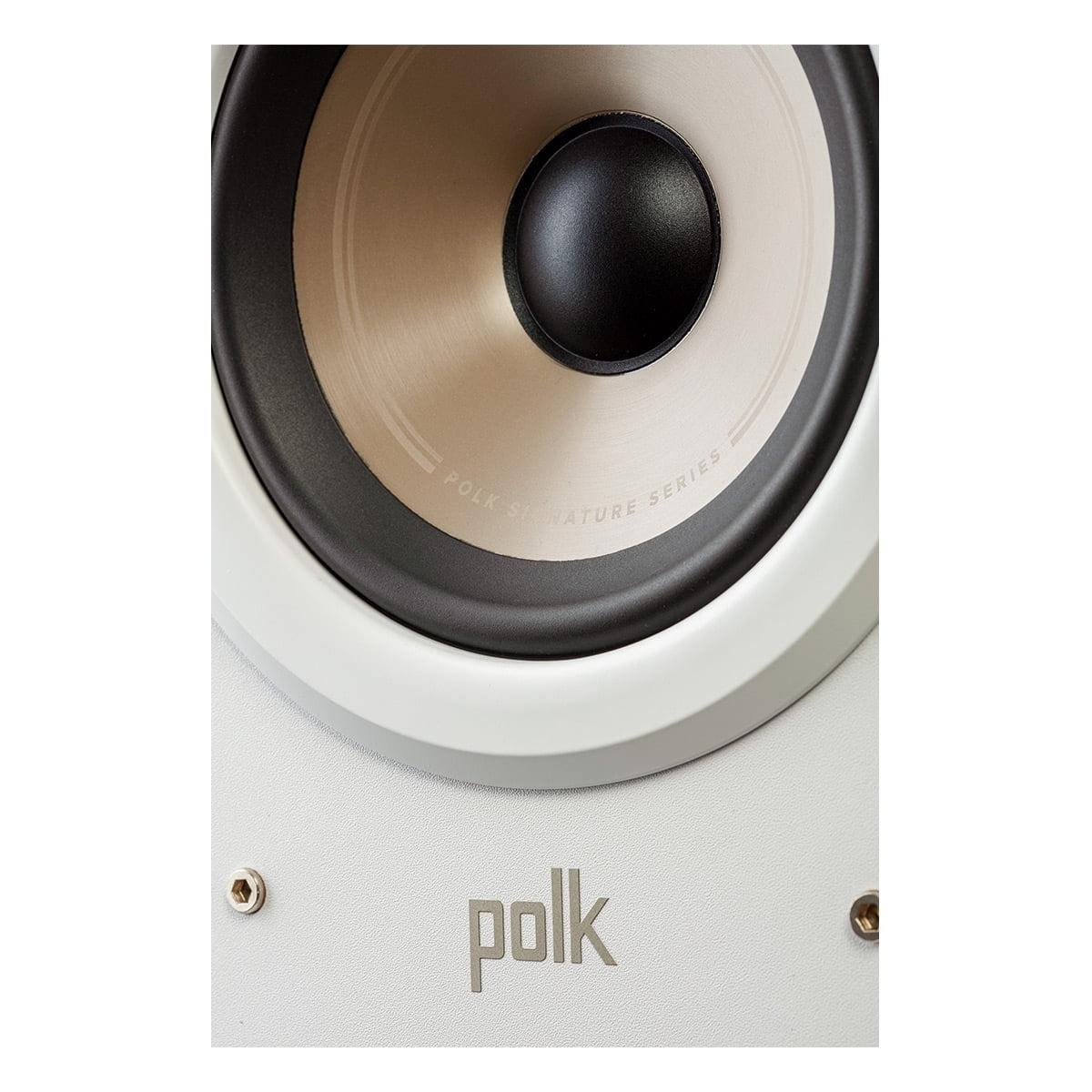
In contrast, the Polk ES20 takes a more traditional approach with its Dynamic Balance driver technology. While perhaps not as exotic as B&W's solutions, Polk's implementation delivers impressive performance for the price point. The Terylene dome tweeter handles high frequencies competently, though with slightly less refinement than the B&W's titanium unit.
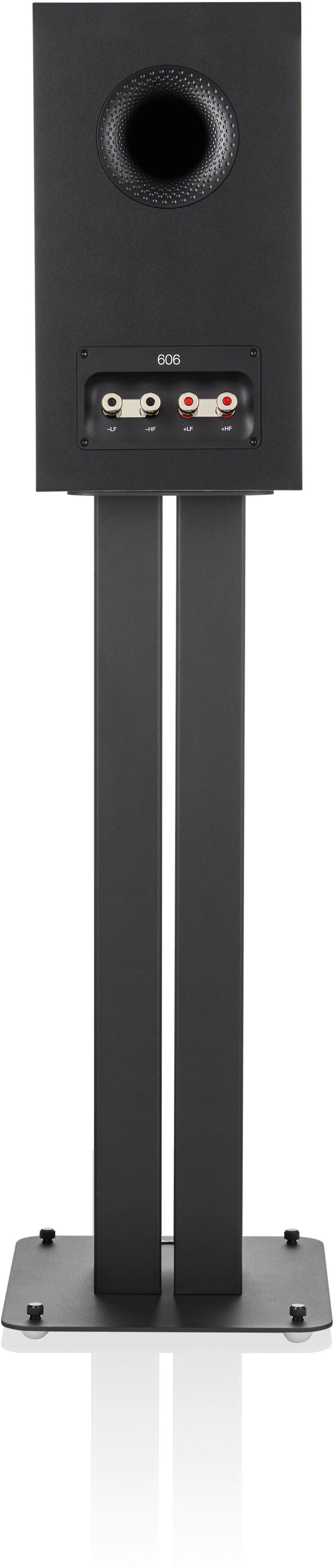
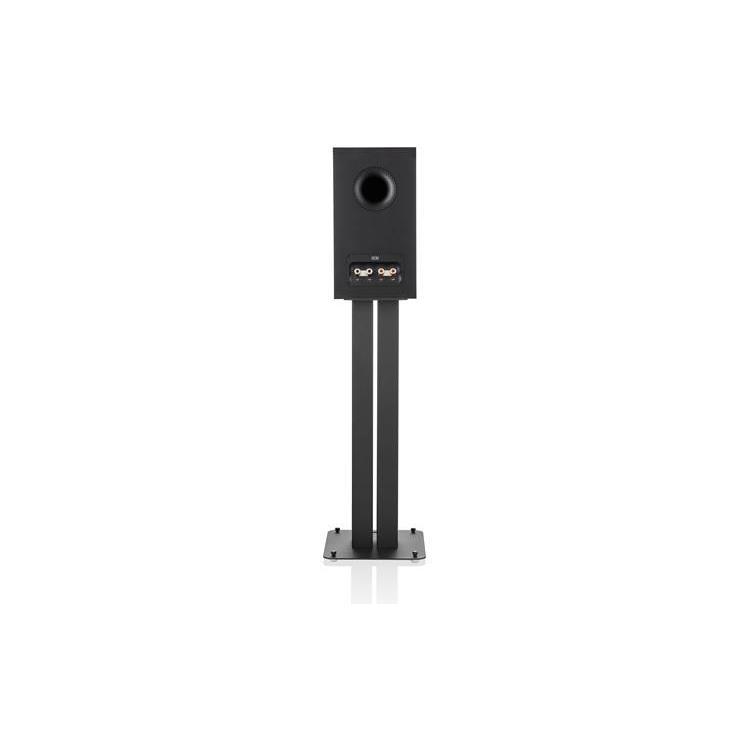
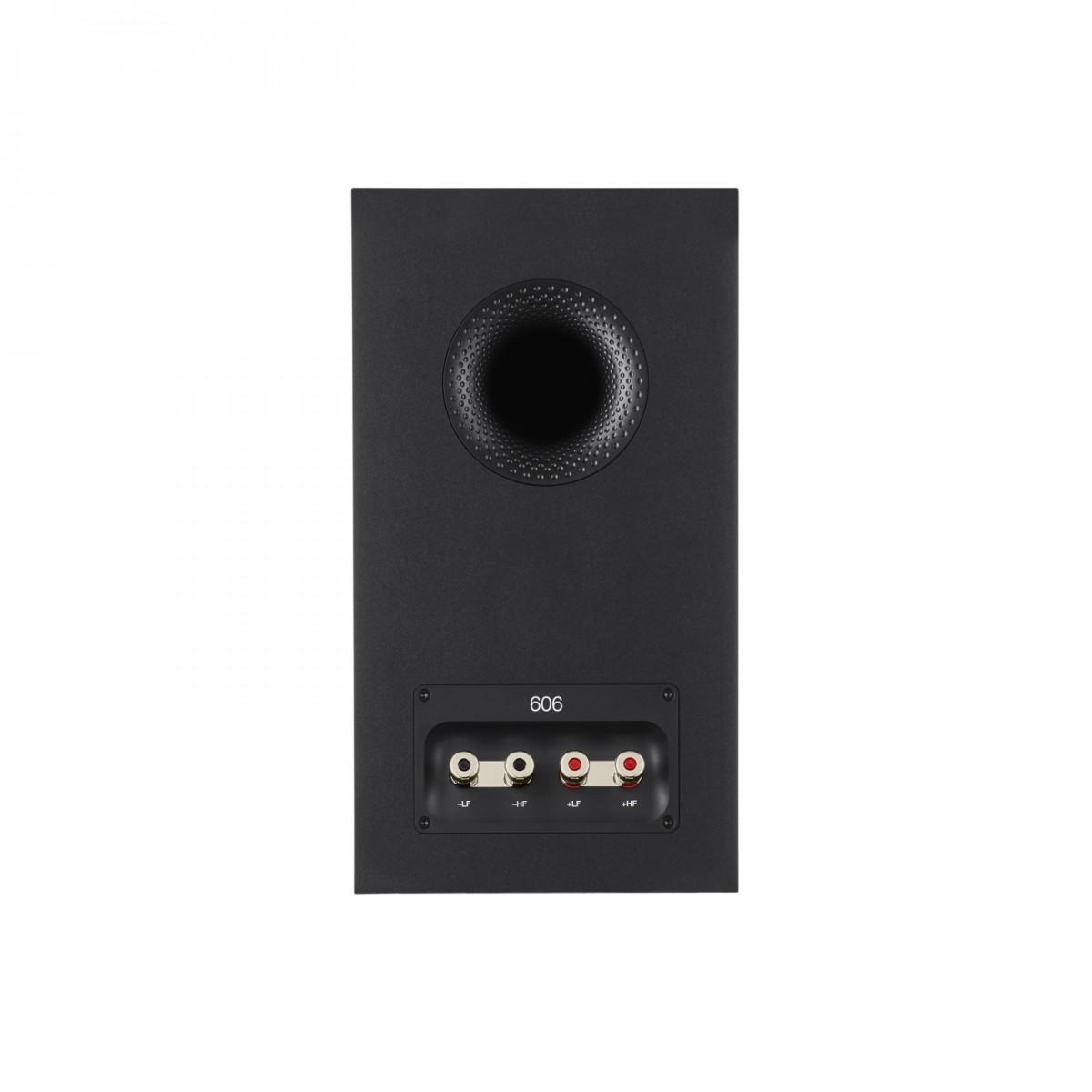
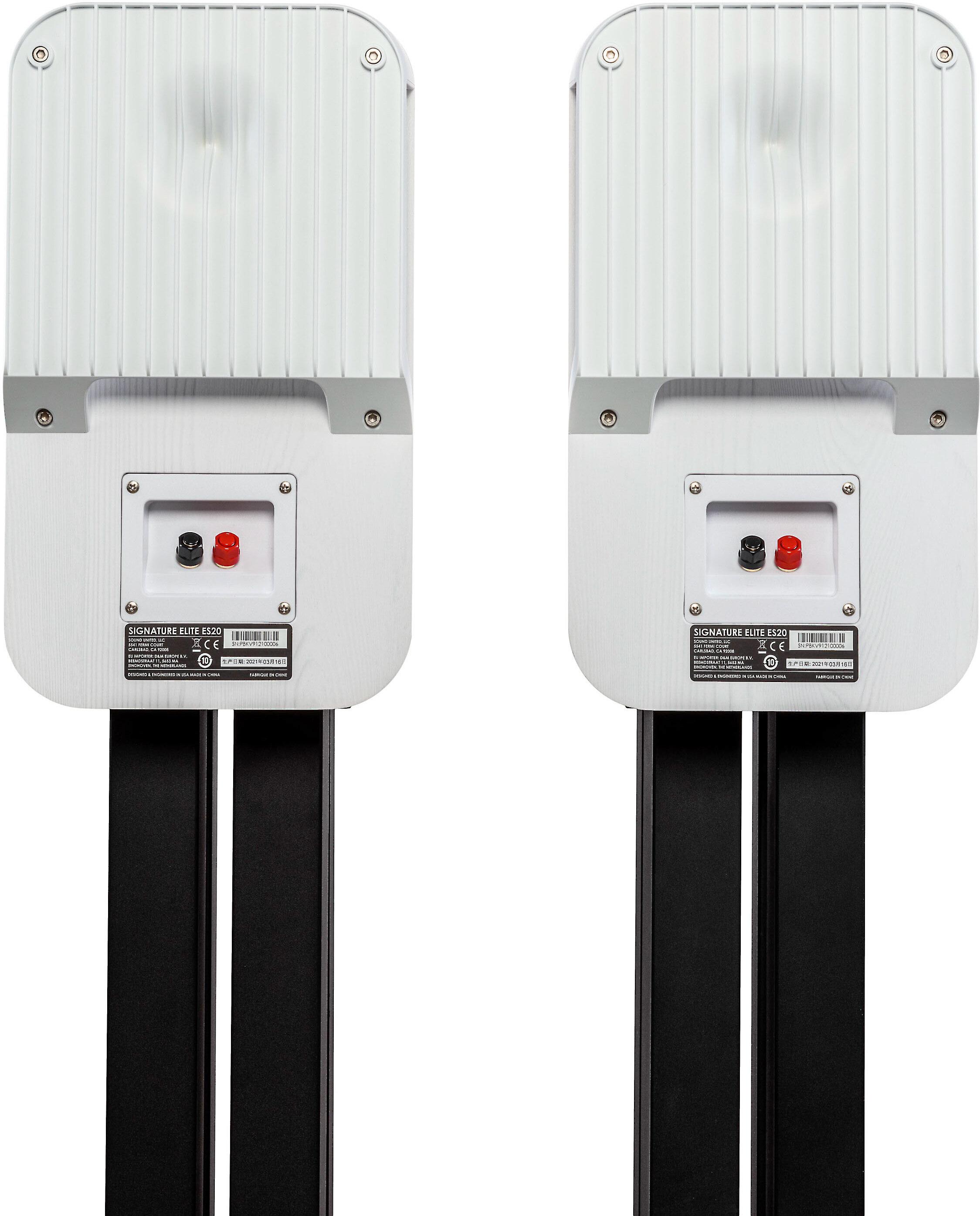
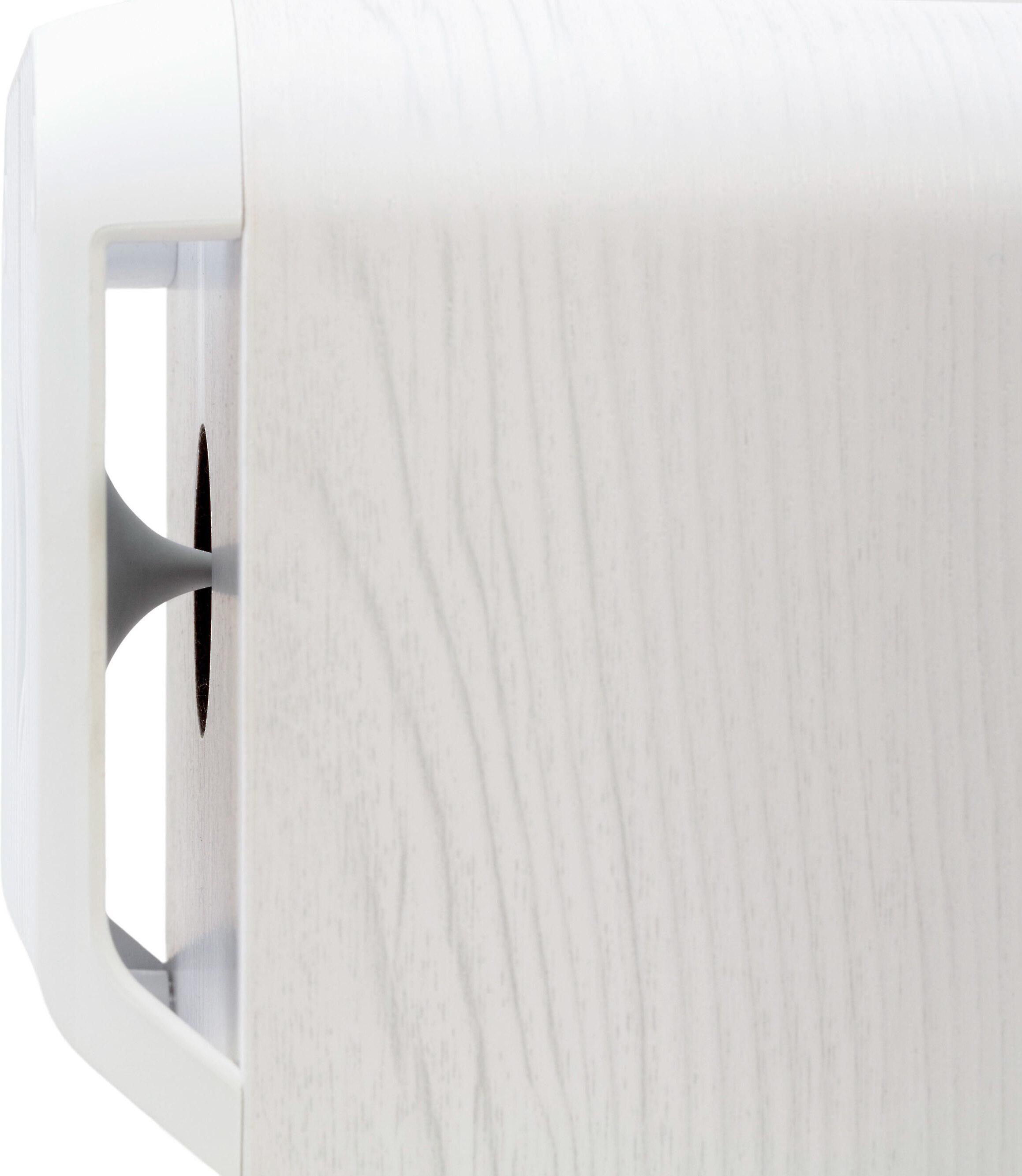
Both speakers utilize 6.5-inch woofers, but their approaches to bass reproduction differ notably. The B&W employs a rear-firing port design that can deliver tight, controlled bass but requires more careful placement away from walls. The Polk uses their proprietary PowerPort technology, which helps reduce port noise and can actually provide slightly deeper bass extension despite the lower price point.
Power handling is robust on both models:
Let's break down some key specs and what they mean for real-world use:
Sensitivity
This 2dB difference means the B&W will play slightly louder with the same power input, though the difference is minimal in practice.
Frequency Response
While both speakers boast impressive frequency ranges, the Polk actually extends lower in bass, which might surprise some given the price difference. However, the B&W typically offers better control and detail in its bass reproduction.
The 606 S3 excels with acoustic music, jazz, and classical recordings where its superior imaging and detail retrieval become most apparent. The speaker creates a precise soundstage where you can clearly place each instrument in space. Its midrange clarity is particularly impressive with vocals and acoustic instruments.
The Polk ES20 offers a slightly warmer presentation that some listeners might actually prefer, especially with modern pop and rock music. While it may not match the B&W's ultimate resolution, it provides an engaging listening experience that's notably good for its price point.
Both speakers work well in home theater applications, though they shine in different ways:
The B&W 606 S3 offers:
The Polk ES20 provides:
Choose the B&W 606 S3 if:
Choose the Polk ES20 if:
Both speakers represent excellent choices within their respective price points. The B&W 606 S3 offers superior refinement and detail, particularly in the midrange and treble, while the Polk ES20 provides remarkable value and surprisingly capable performance across the board.
For pure two-channel music listening where every detail matters, the B&W makes a compelling case for its higher price tag. However, the Polk ES20 might actually be the more practical choice for many users, especially those building a home theater system or wanting very good performance without breaking the bank.
Remember that proper positioning and amplification will be crucial to getting the best performance from either speaker. Take time to set them up correctly, and they'll reward you with years of enjoyable listening.
| Bowers & Wilkins 606 S3 ($550) | Polk Audio Signature Elite ES20 ($279) |
|---|---|
| Price & Value Proposition - Total investment consideration | |
| Premium pricing, excellent build quality, higher resale value | Outstanding value, great performance-to-price ratio |
| Driver Configuration - Affects sound quality and clarity | |
| 1" Titanium Dome tweeter, 6.5" Continuum cone woofer | 1" Terylene dome tweeter, 6.5" mica-reinforced polypropylene woofer |
| Frequency Response - Determines bass depth and treble extension | |
| 52Hz-28kHz (±3dB), tighter bass control | 41Hz-40kHz, deeper bass extension |
| Sensitivity - Impacts volume with given amplifier power | |
| 88dB, slightly more efficient | 86dB, requires marginally more power |
| Power Handling - Determines amplifier compatibility | |
| 30-120 watts, ideal for quality amplifiers | 20-125 watts, more flexible with budget receivers |
| Impedance - Affects amplifier matching | |
| 8 ohms nominal, easy to drive | Compatible with 4 and 8 ohm outputs |
| Cabinet Design - Influences sound quality and placement | |
| Rear-ported, requires space from walls | PowerPort technology, more flexible placement |
| Best Use Cases - Optimal listening scenarios | |
| Excels with acoustic, jazz, classical; critical listening | Versatile performer, great for rock/pop and home theater |
| Build Quality & Aesthetics - Long-term ownership considerations | |
| Premium materials, high-end finish, magnetic grilles | Good build quality, clean design, magnetic grilles |
| Recent Technology - Latest features and improvements | |
| New Titanium dome tweeter, upgraded terminals (2023) | Updated driver materials, PowerPort design improvements |
The Polk ES20 ($279) offers better value for most users, while the B&W 606 S3 ($550) provides superior sound quality at a premium price. The Polk delivers impressive performance for its price point, making it the better value choice unless absolute sound quality is your priority.
The main differences are in driver technology and sound signature. The B&W uses a Titanium dome tweeter and Continuum cone woofer for more detailed sound, while the Polk uses a Terylene tweeter and polypropylene woofer for a warmer presentation. The B&W offers better clarity and imaging, while the Polk provides deeper bass extension.
The B&W 606 S3 excels at music, particularly with acoustic, classical, and jazz, offering superior detail and imaging. The Polk ES20 performs well across all genres but especially with rock and pop music, offering a more forgiving sound signature.
Both work well in home theater setups. The Polk ES20 offers better value for multi-channel systems and stronger bass without a subwoofer. The B&W 606 S3 provides better detail and dialogue clarity but at a higher price point.
The B&W 606 S3 benefits more from high-quality amplification (30-120 watts), while the Polk ES20 (20-125 watts) works well with a wider range of amplifiers, including budget receivers.
Both work well in small rooms, but the Polk ES20 offers more flexible placement options due to its PowerPort design. The B&W requires more careful placement away from walls due to its rear port.
Both are well-built, but the B&W 606 S3 features premium materials and finish quality that justify its higher price point. Both should last many years with proper care.
Yes, both can play at high volumes. The B&W has slightly higher sensitivity (88dB vs 86dB), but both can fill medium to large rooms when properly powered.
The Polk ES20 has deeper bass extension, making it more suitable without a subwoofer. However, for full-range home theater, a subwoofer would benefit both speakers.
Both perform well with streaming services. The B&W 606 S3 reveals more detail in high-quality streams, while the Polk ES20 is more forgiving with lower-quality sources.
Yes, both offer good value at their price points. The Polk ES20 provides exceptional performance for $279, while the B&W 606 S3 justifies its $550 price tag with superior sound quality and build.
We've done our best to create useful and informative comparisons to help you decide what product to buy. Our research uses advanced automated methods to create this comparison and perfection is not possible - please contact us for corrections or questions. These are the sites we've researched in the creation of this article: futureaudiophile.com - headphones.com - therobinsonbrand.com - higherhz.com - audioadvisor.com - crutchfield.com - bowerswilkins.com - crutchfield.com - vinylrevival.com.au - audioadvisor.com - worldwidestereo.com - audiosciencereview.com - polkaudio.com - pcrichard.com - crutchfield.com - forum.audiogon.com - ooberpad.com - safeandsoundhq.com - pcrichard.com - polkaudio.com - polkaudio.com - sweetwater.com

Privacy Policy
Terms and Conditions - Affiliate Policy
Home Security
© Copyright 2008-2026.
11816 Inwood Rd #1211, Dallas, TX 75244