

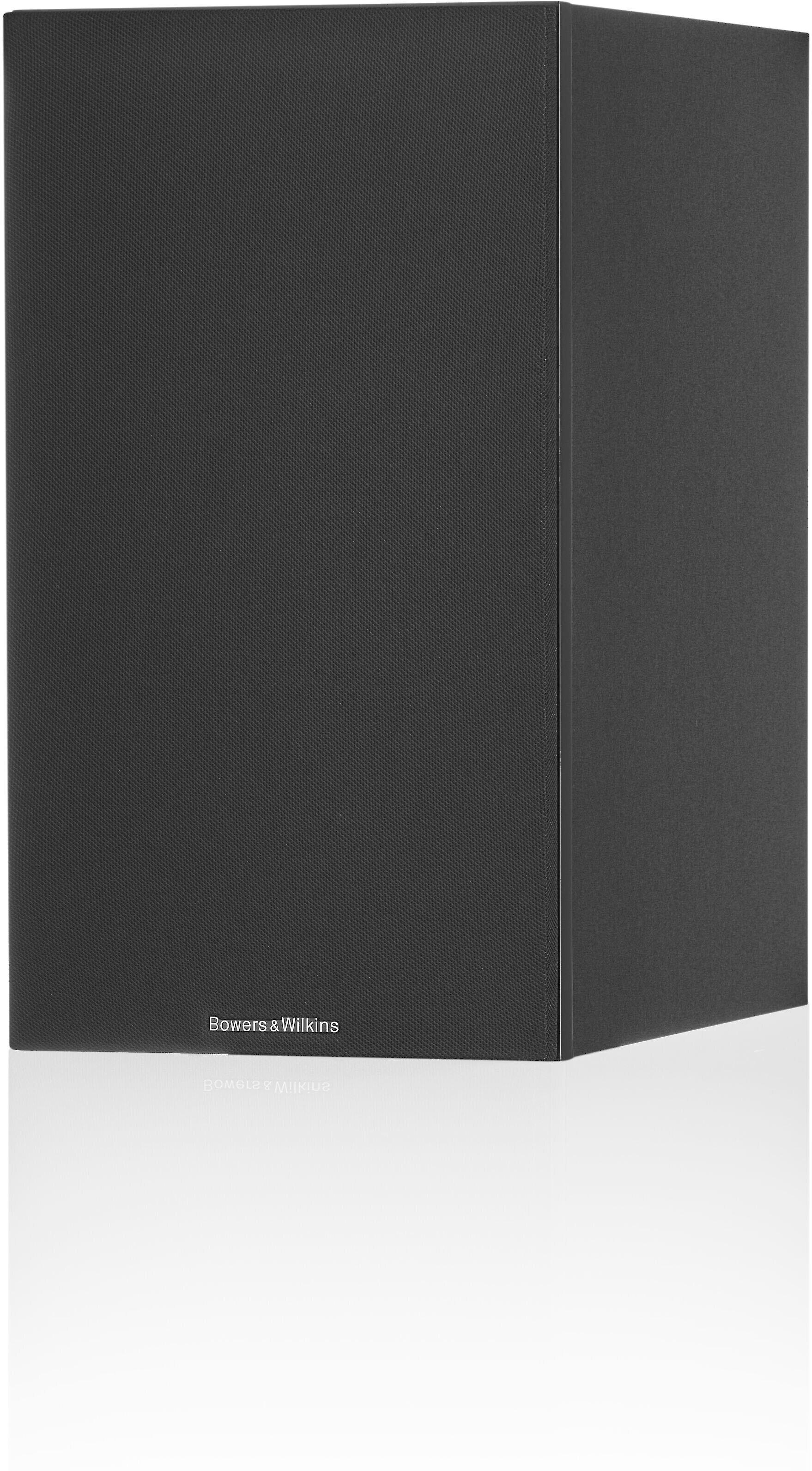
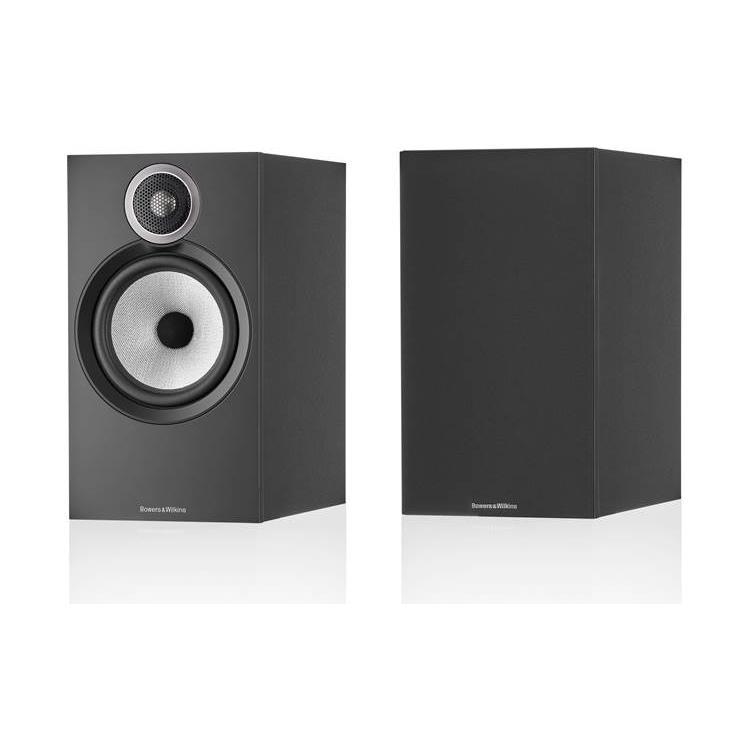
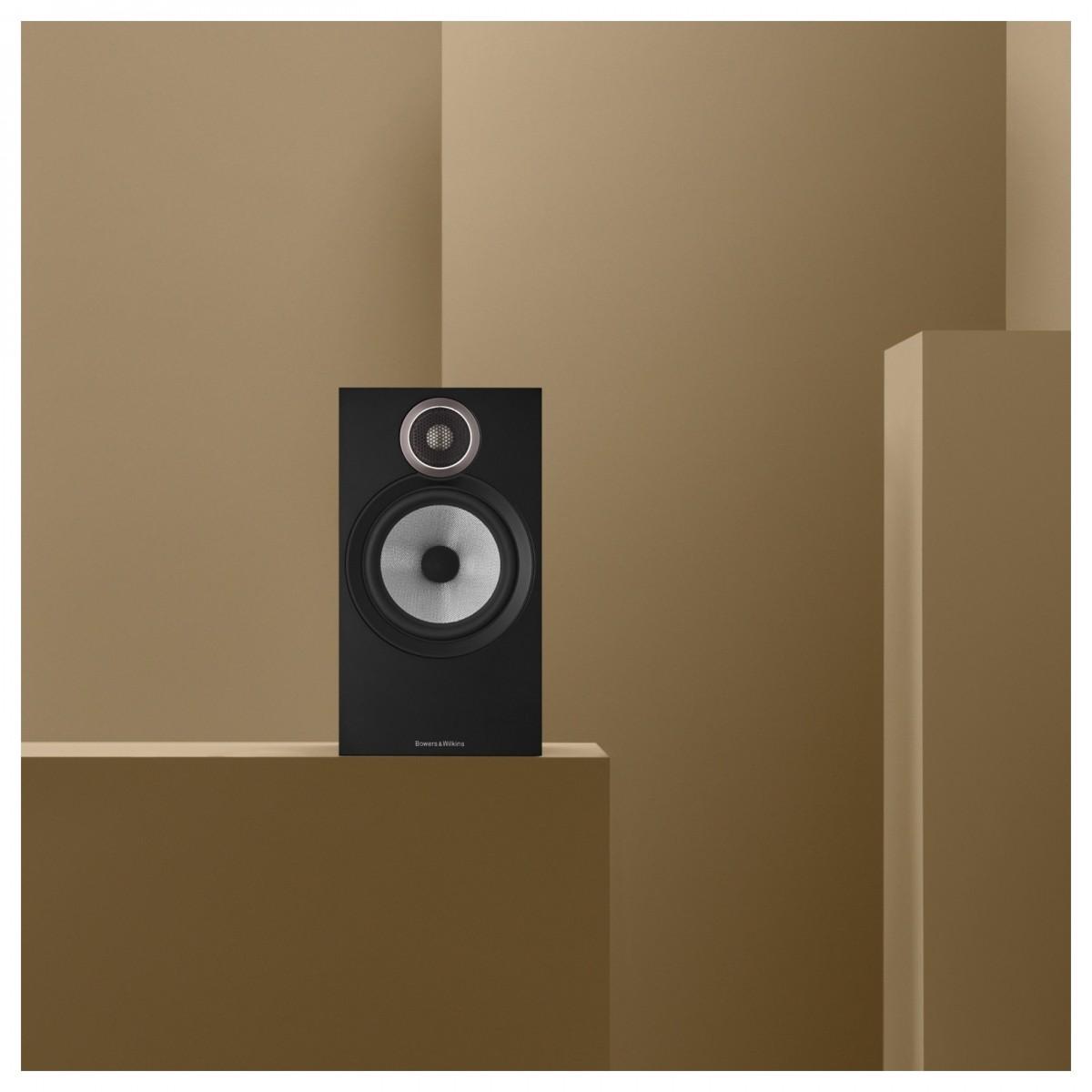
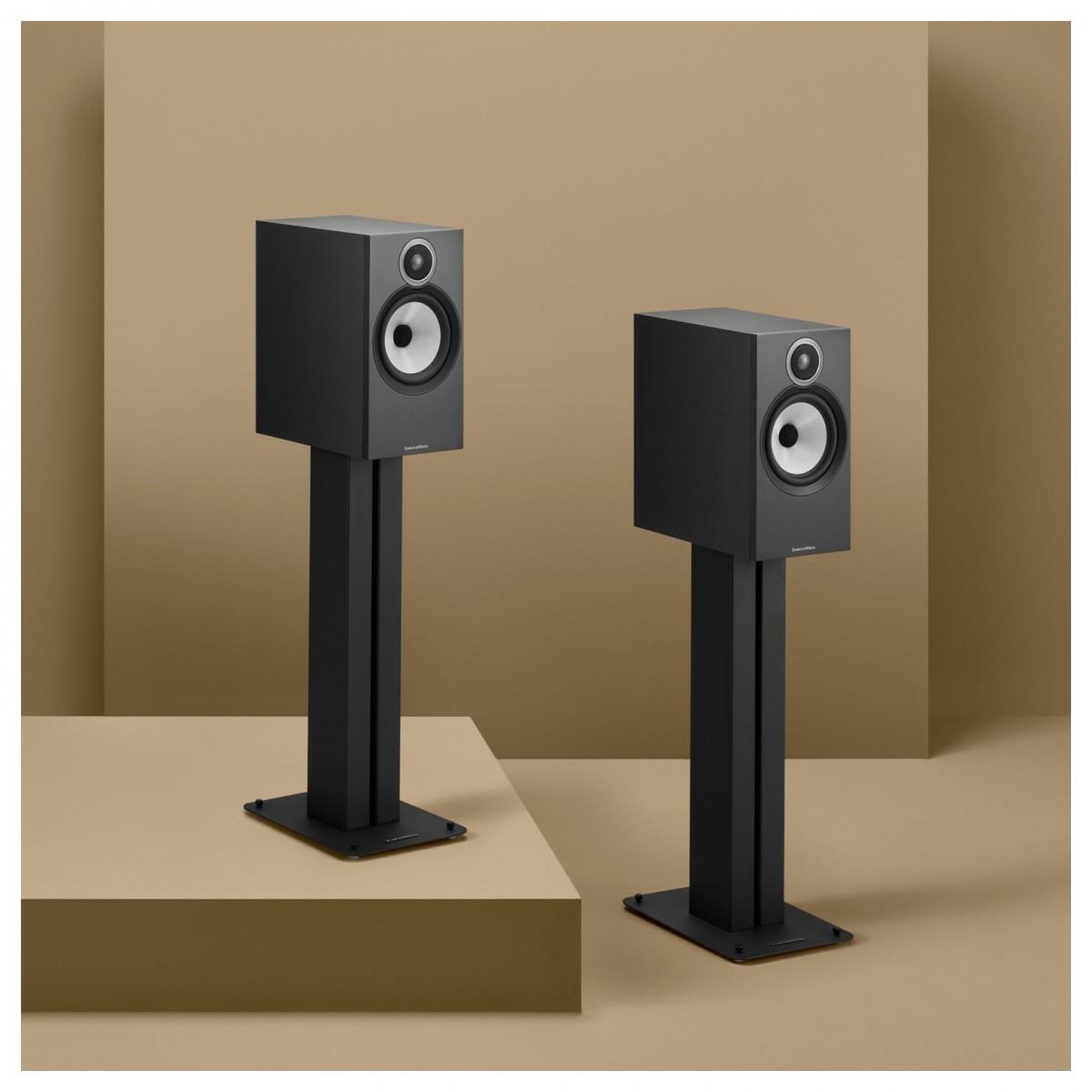
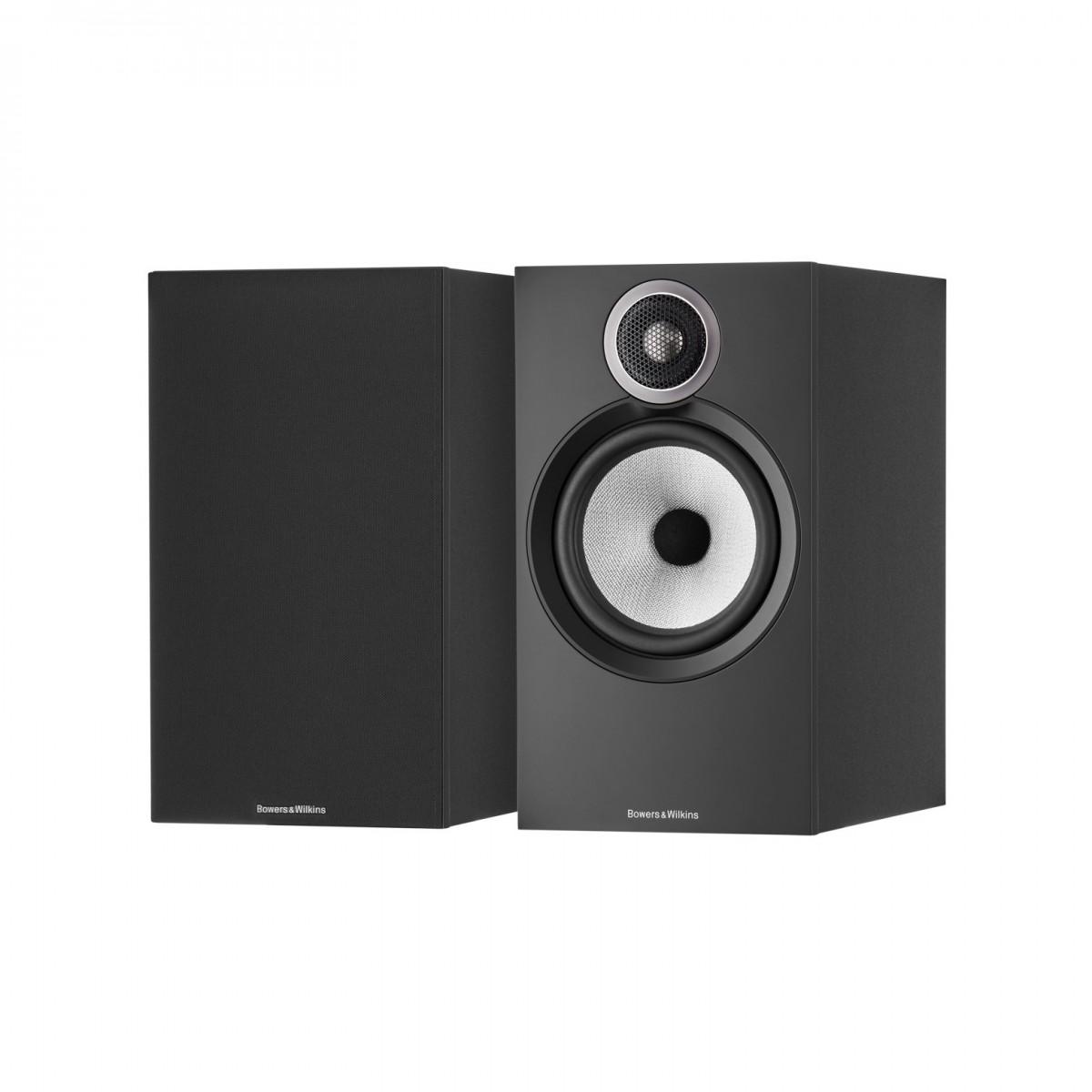
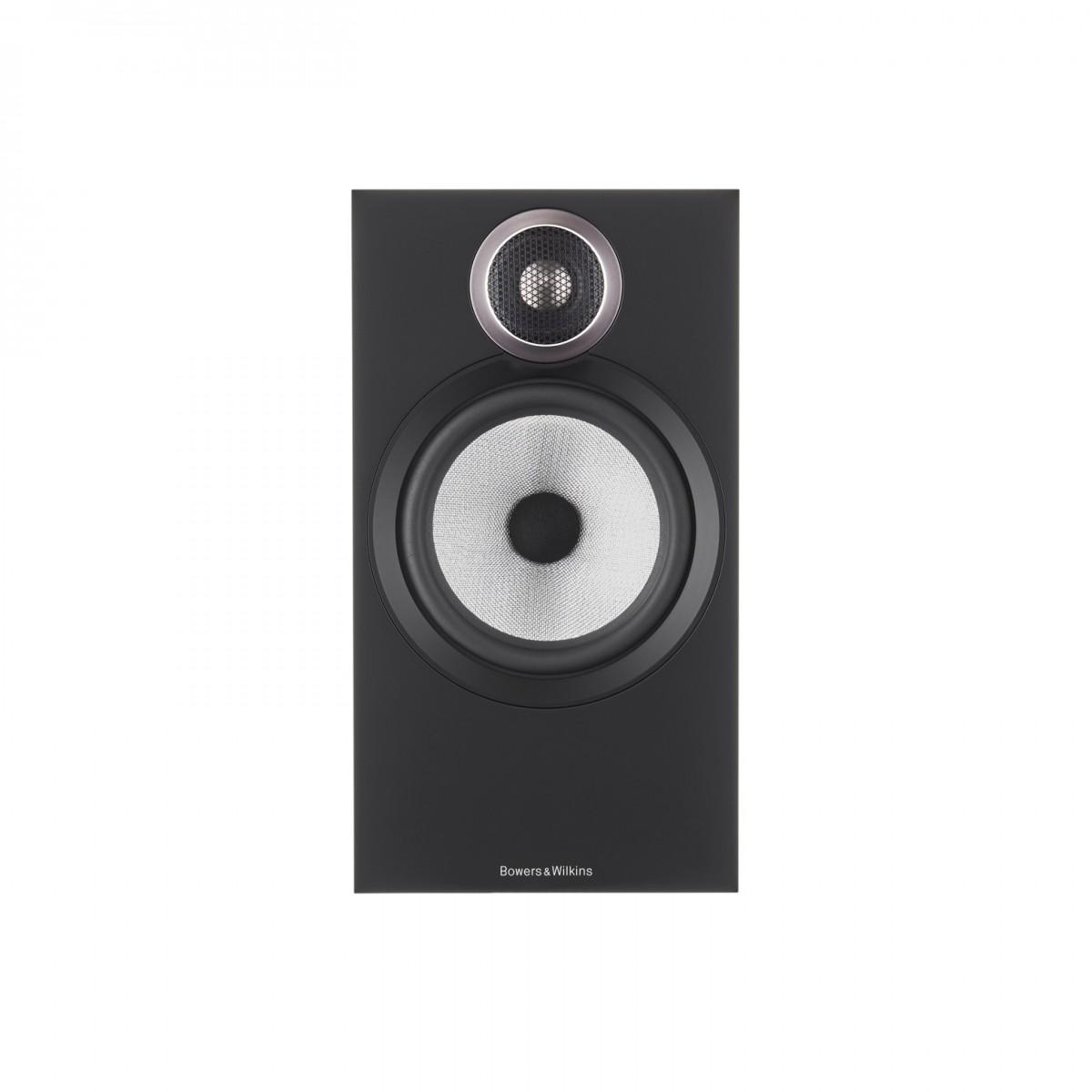
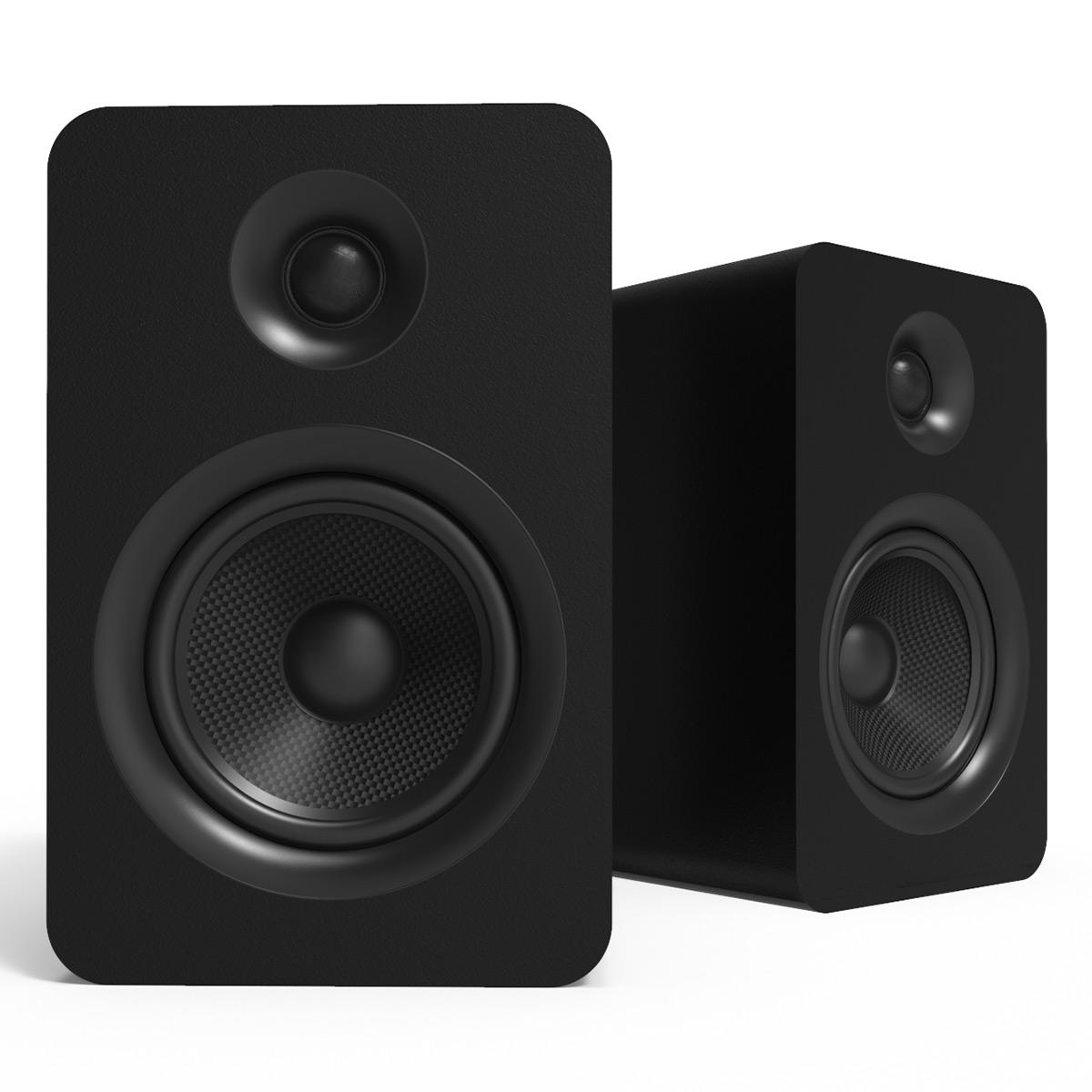
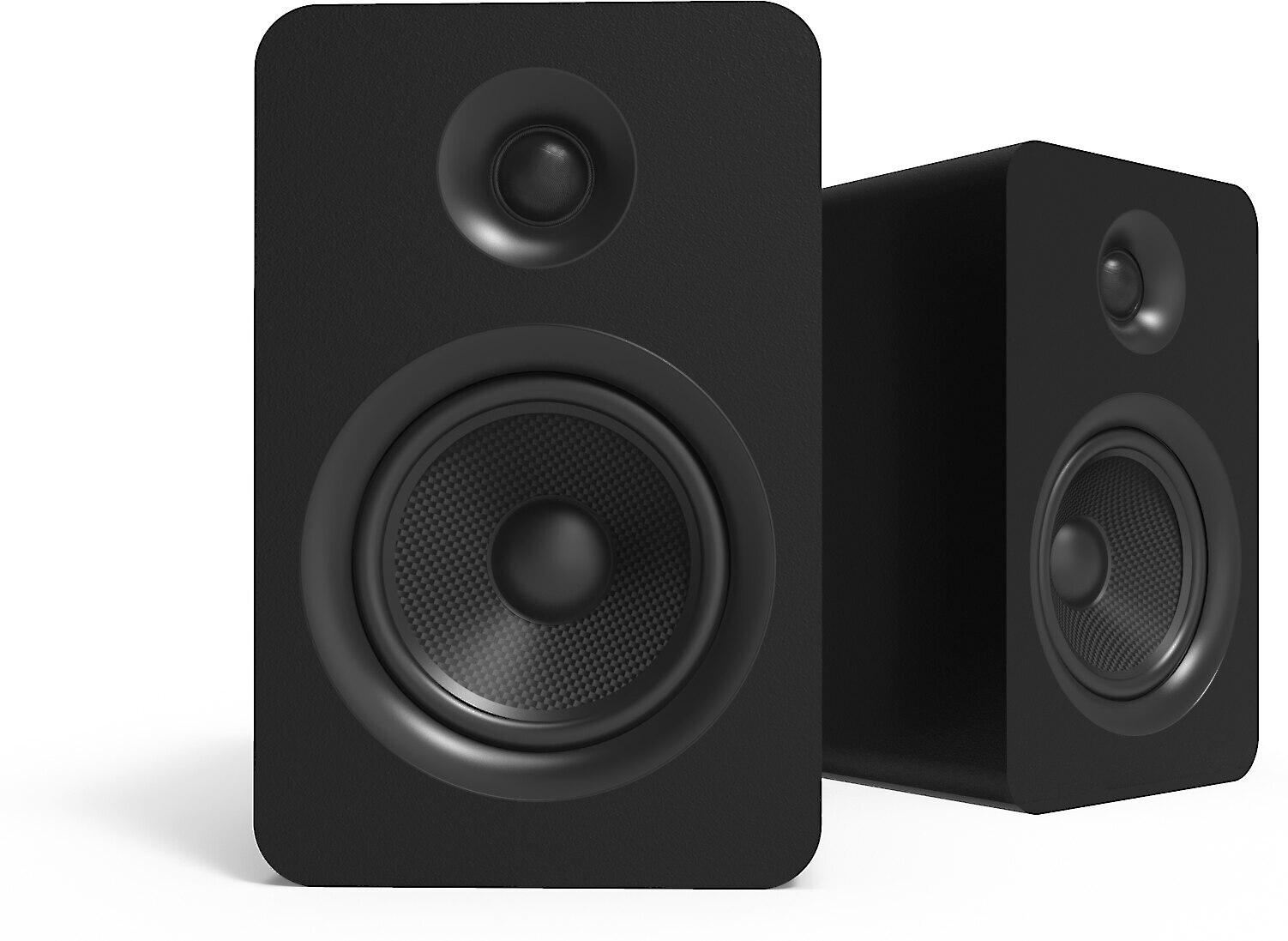
Bookshelf speakers form the backbone of many home audio systems, offering a sweet spot between size and performance. When comparing the premium Bowers & Wilkins 606 S3 at $1,100 with the budget-friendly Kanto YU Passive 5.25 at $180, we're looking at two very different approaches to delivering quality sound.
Bookshelf speakers need to balance several key factors: accurate sound reproduction, suitable power handling, and room-filling capability. While both models aim to achieve these goals, they take different paths to get there.
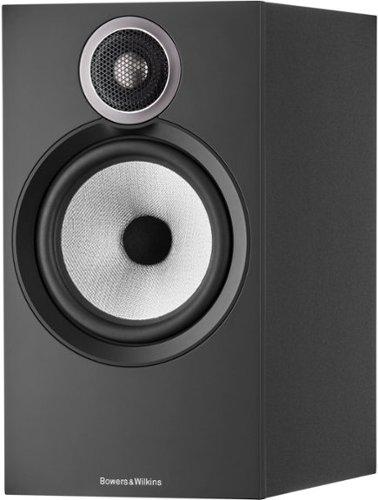
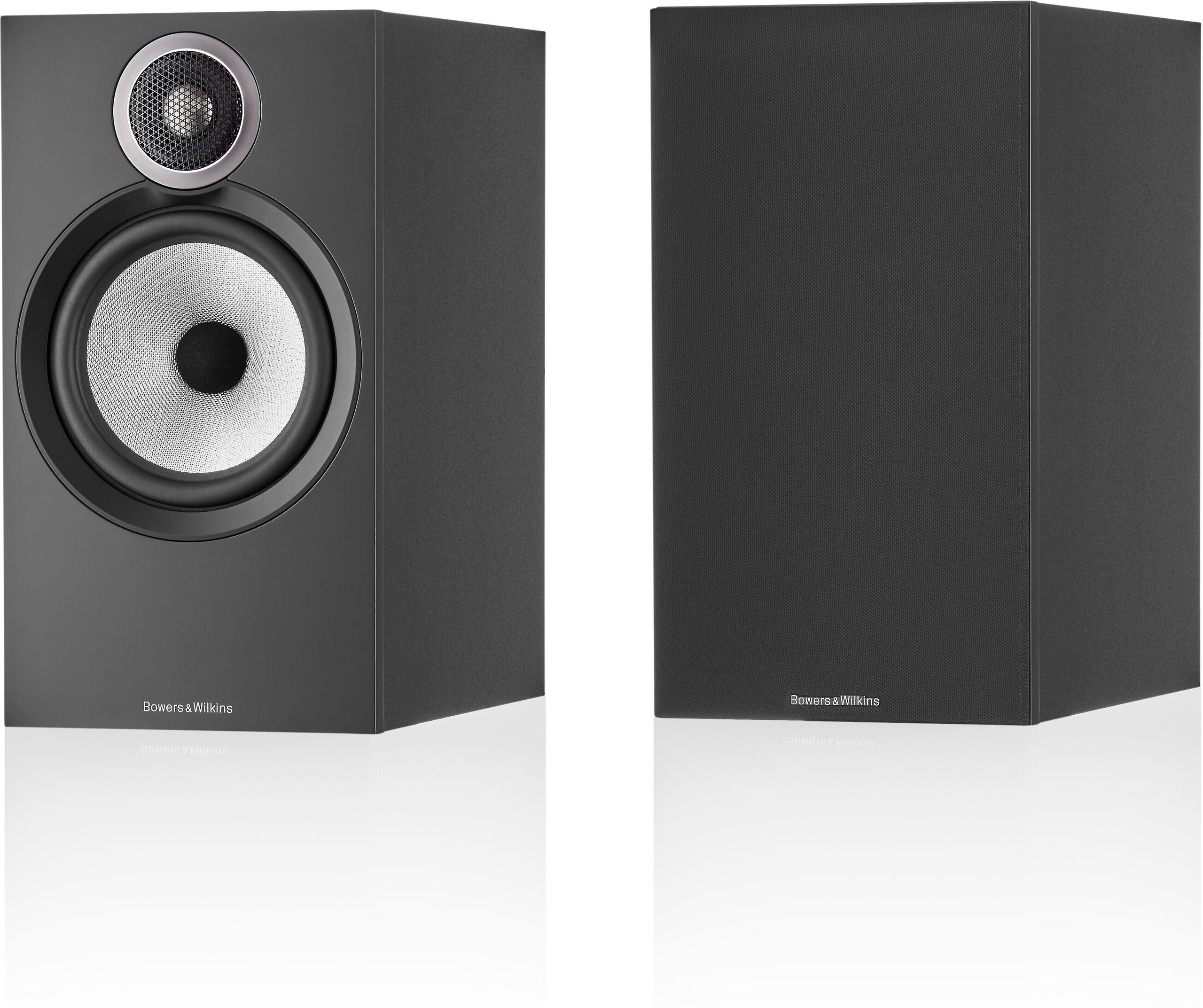
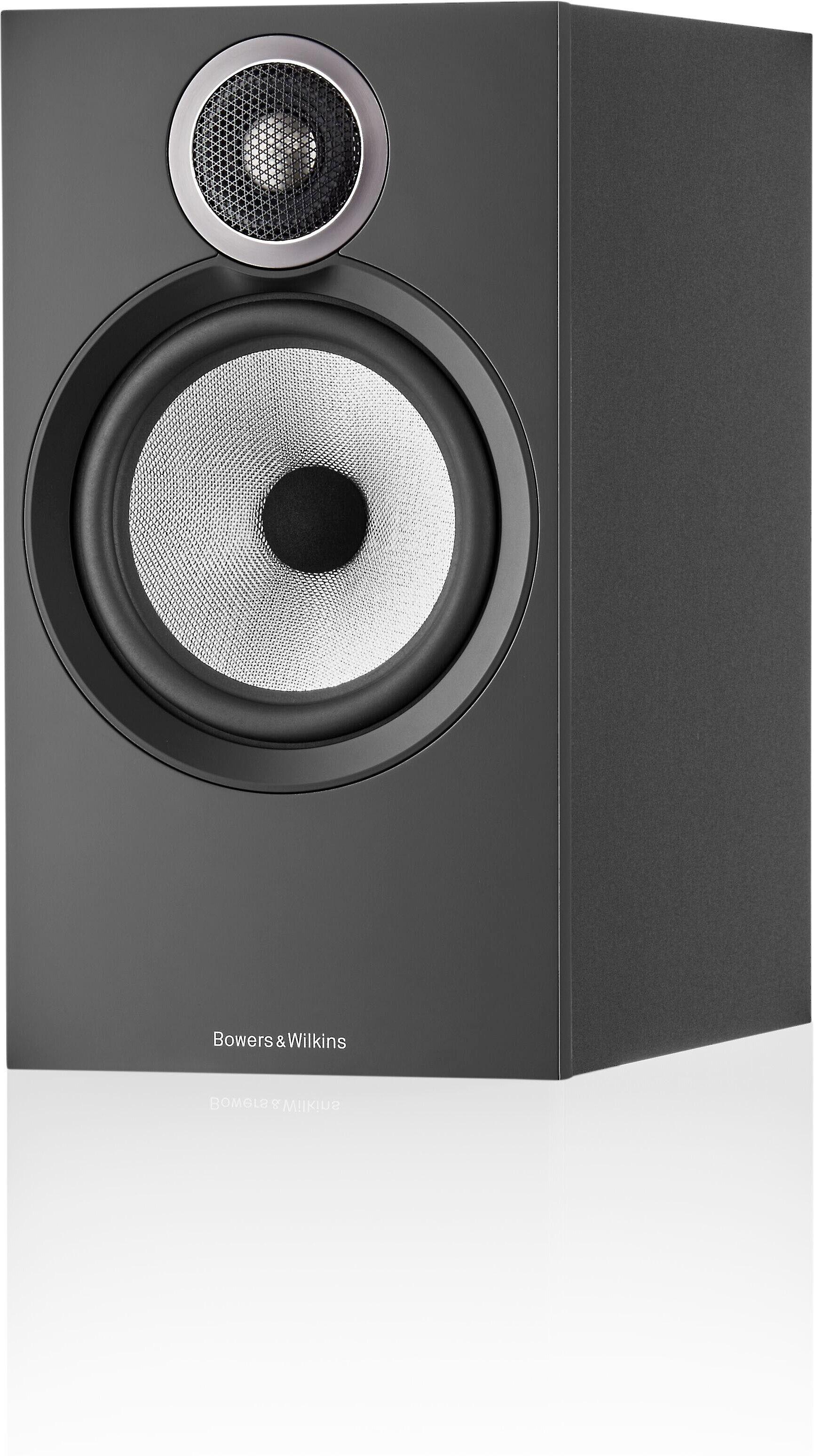
The B&W 606 S3, released in early 2024, showcases several significant technological advances. Its Titanium Dome tweeter represents a major upgrade from previous models, delivering exceptionally clear high frequencies without harshness. The Continuum cone technology in the mid/bass driver - a woven composite material that B&W developed to replace traditional Kevlar - provides more natural and detailed midrange reproduction.
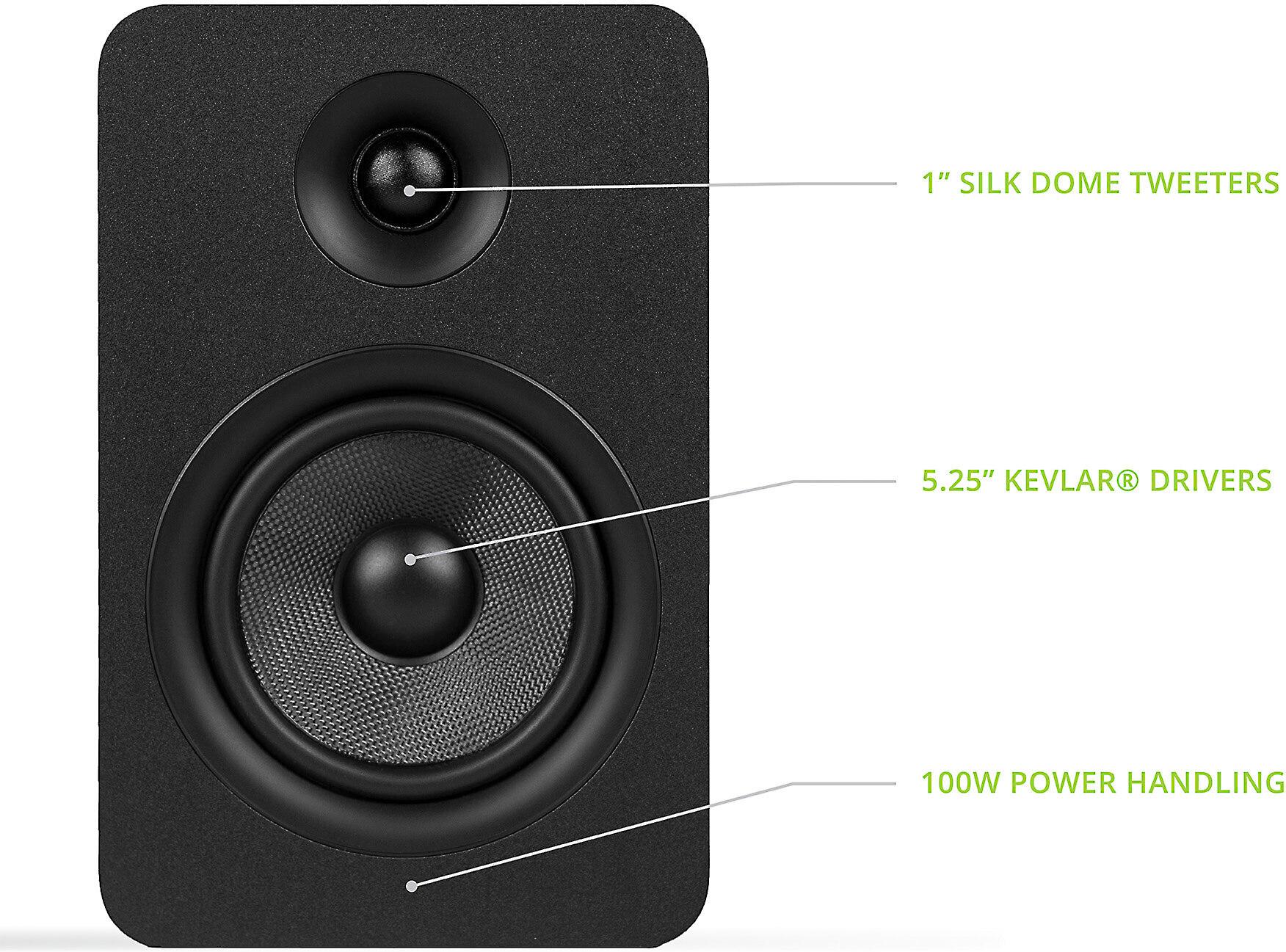
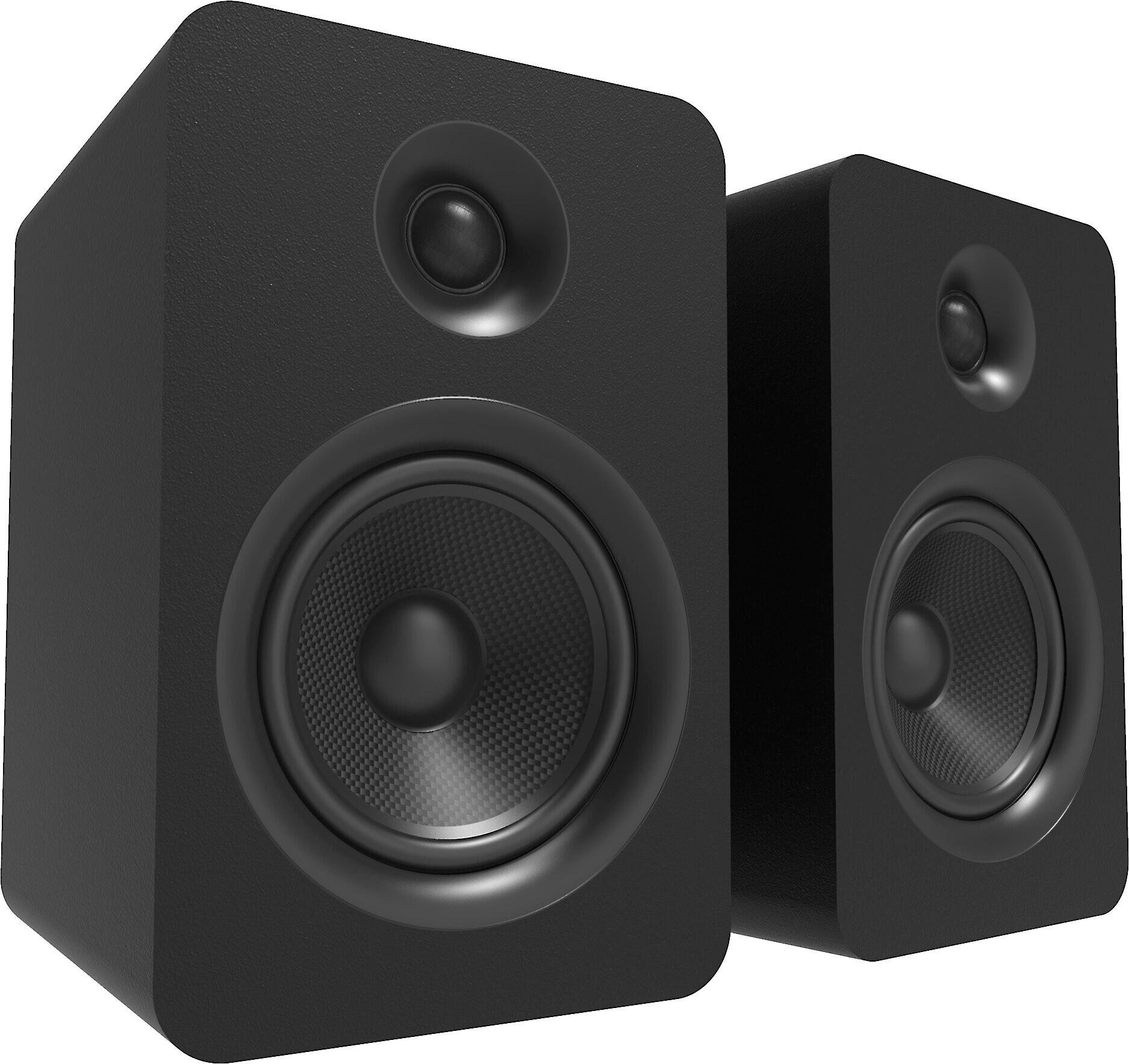
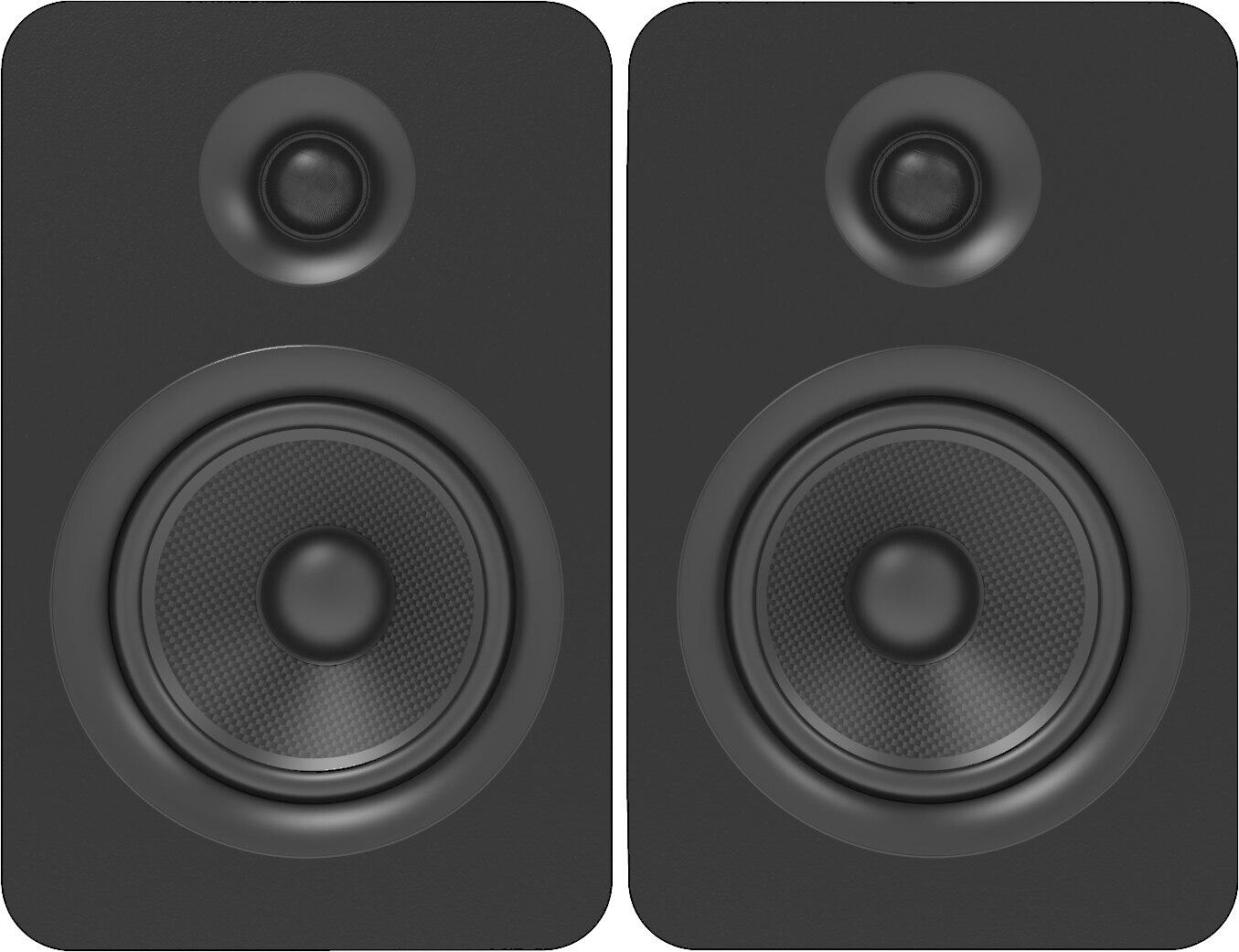
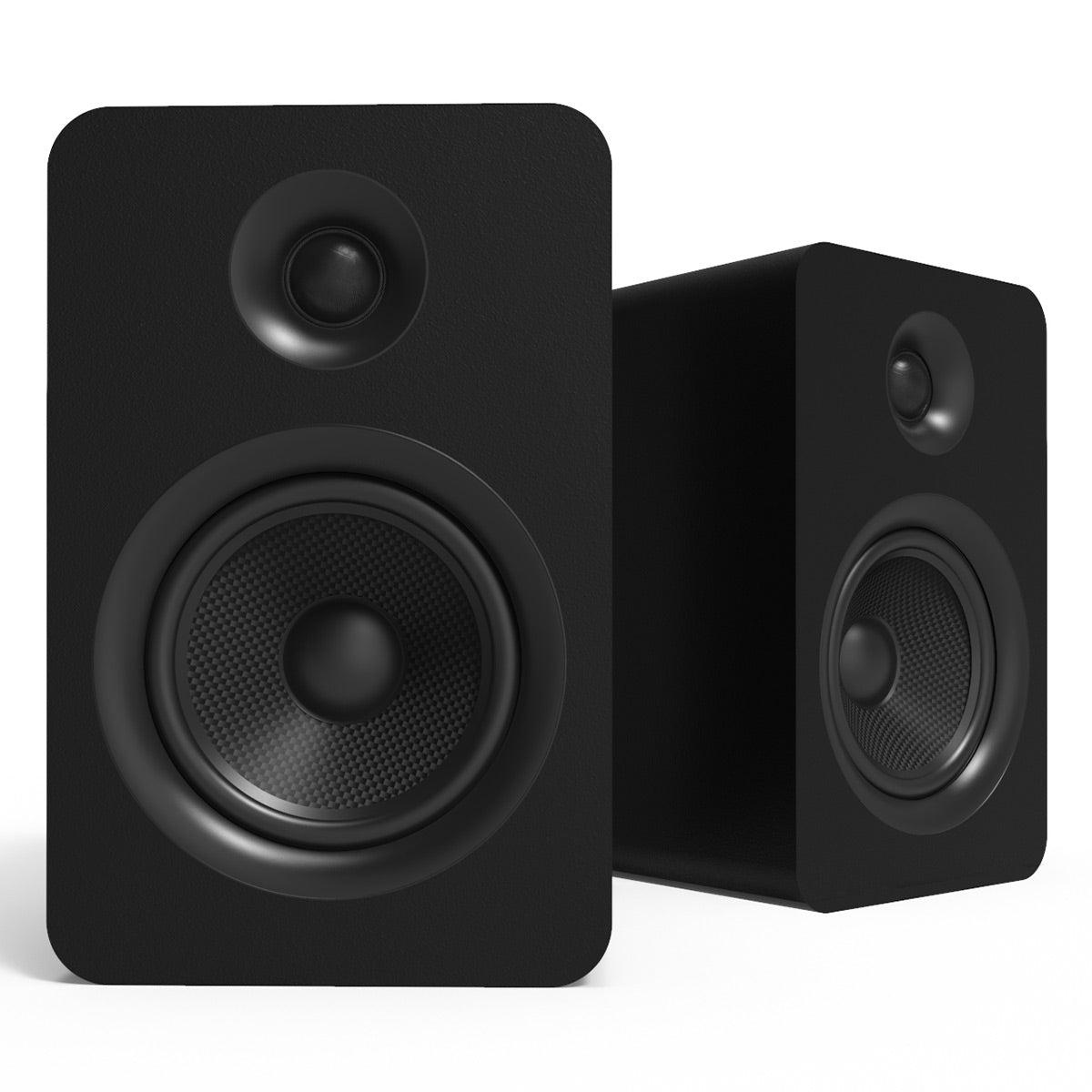
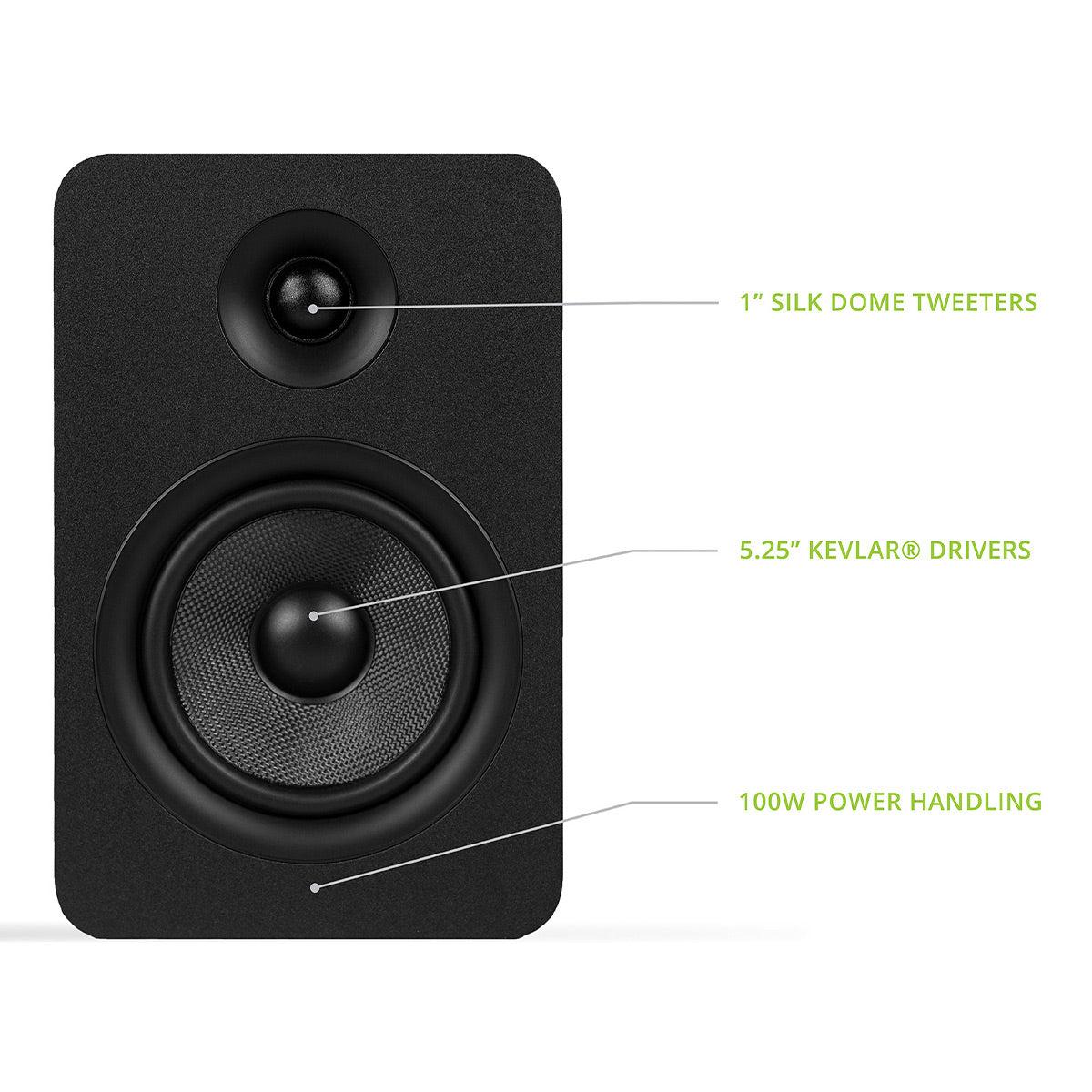
In contrast, the Kanto YU Passive takes a more conventional approach with its 1" silk dome tweeter and 5.25" Kevlar woofer. While these are proven technologies, they don't offer the same level of refinement as the B&W's advanced materials. However, they still deliver impressive performance for their price point.
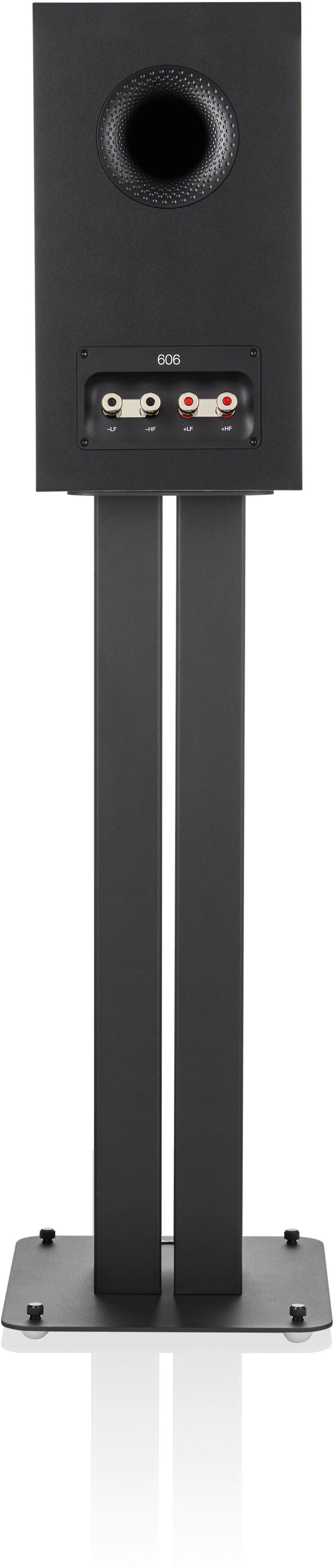
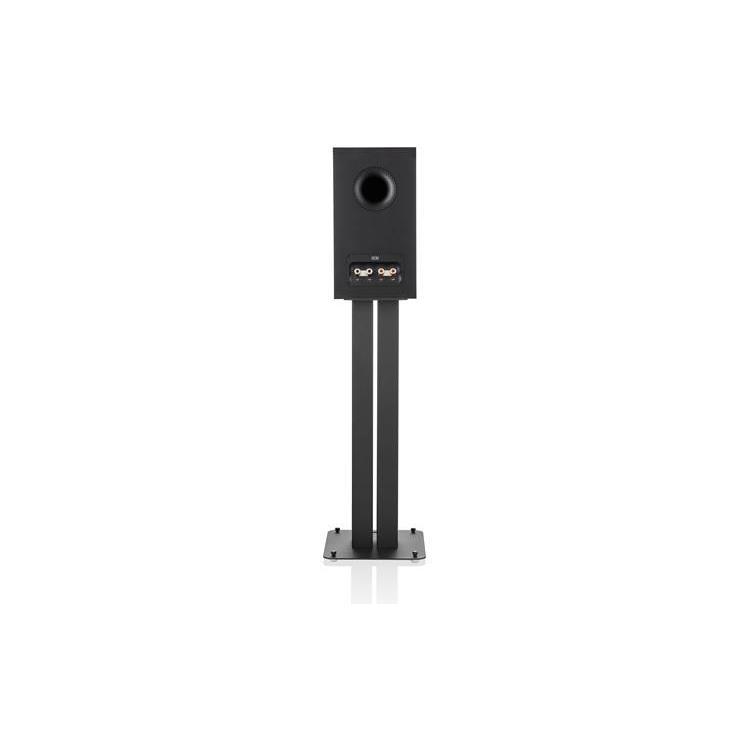
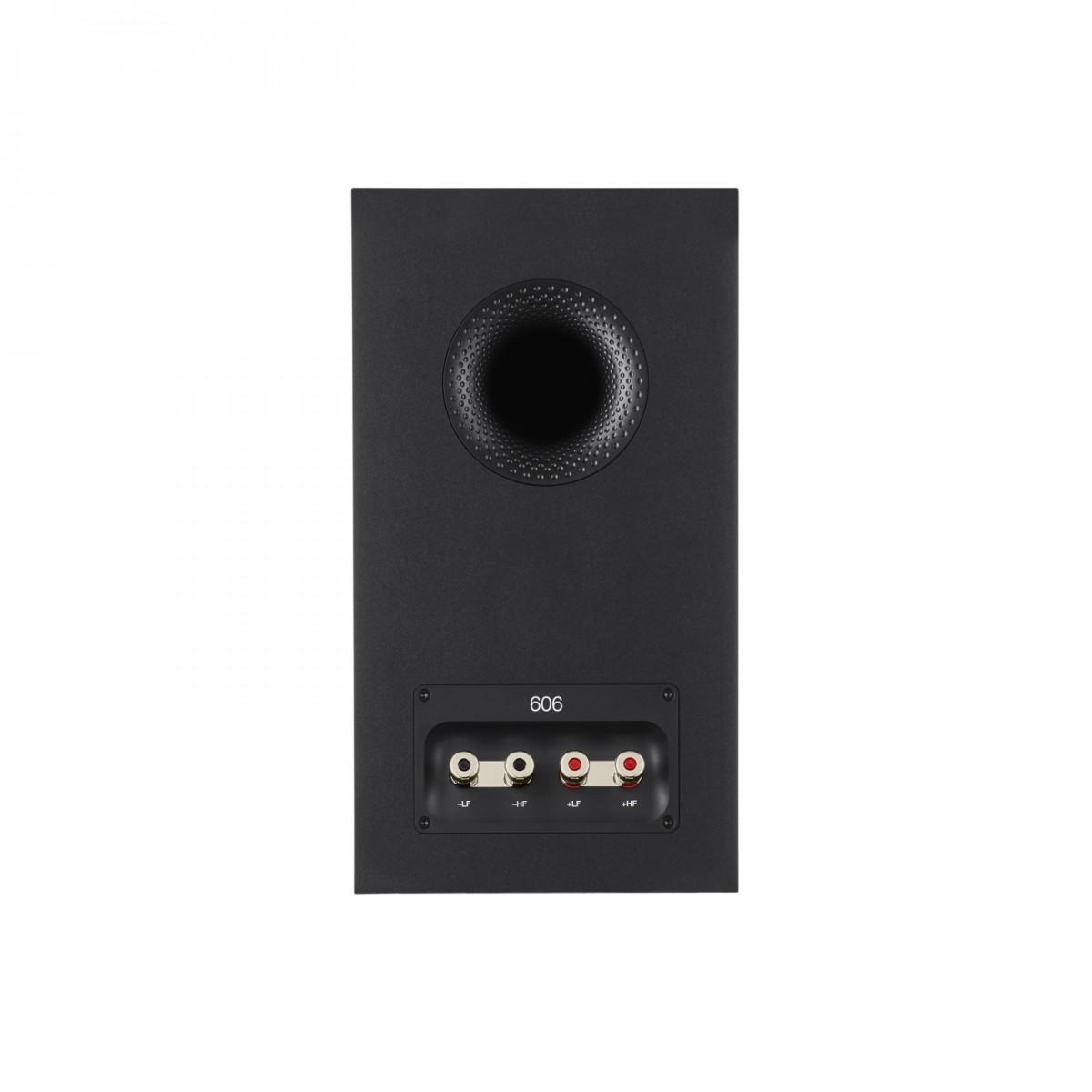
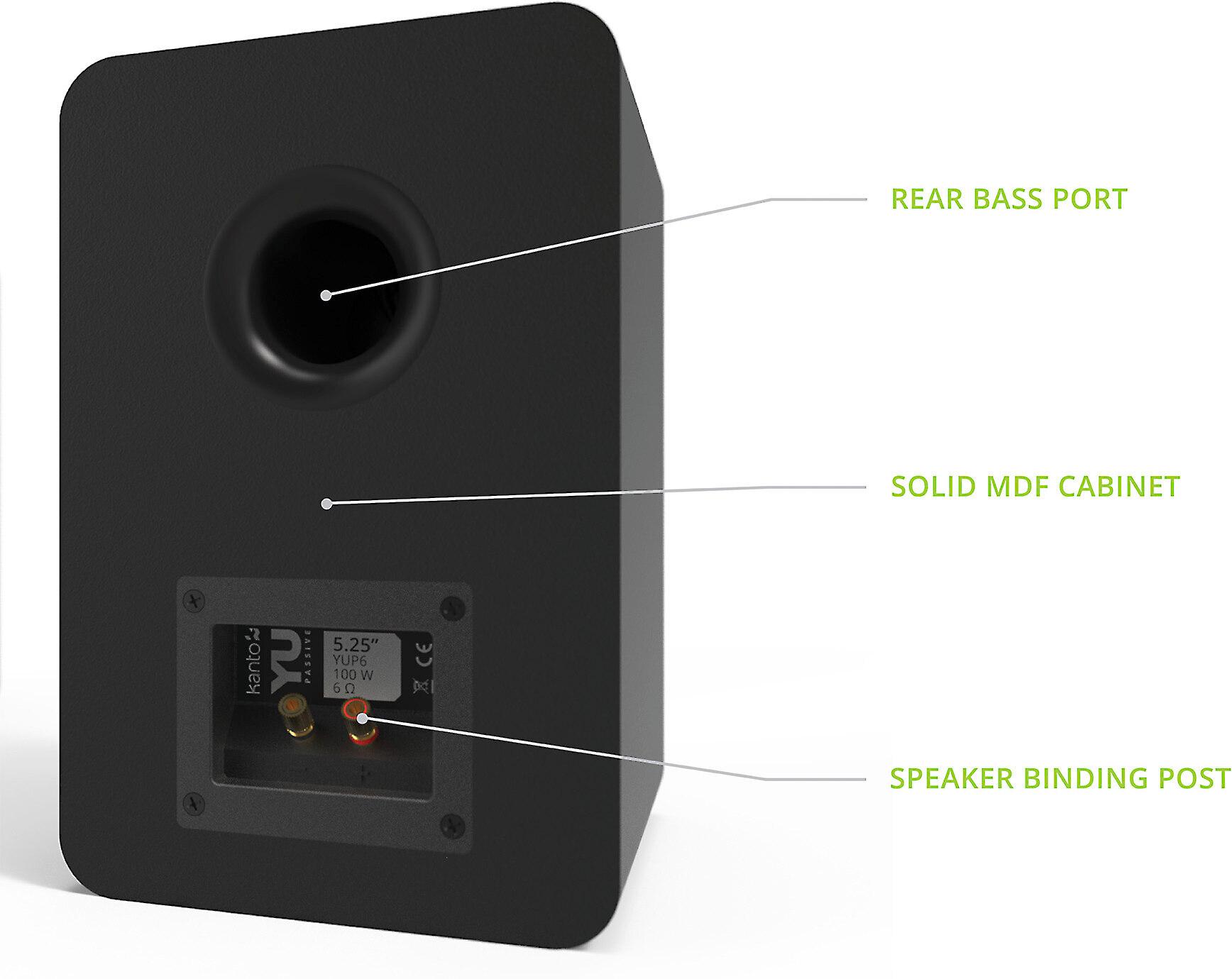
The 606 S3's larger 6.5" driver and sophisticated port design allow it to reach deeper bass notes with more authority. The rear-firing Flowport helps reduce port noise (that unwanted chuffing sound you might hear during heavy bass passages) and provides smoother low-frequency response. However, this design means you'll need to pay more attention to speaker placement - too close to walls can make the bass overwhelming, too far can make it thin.
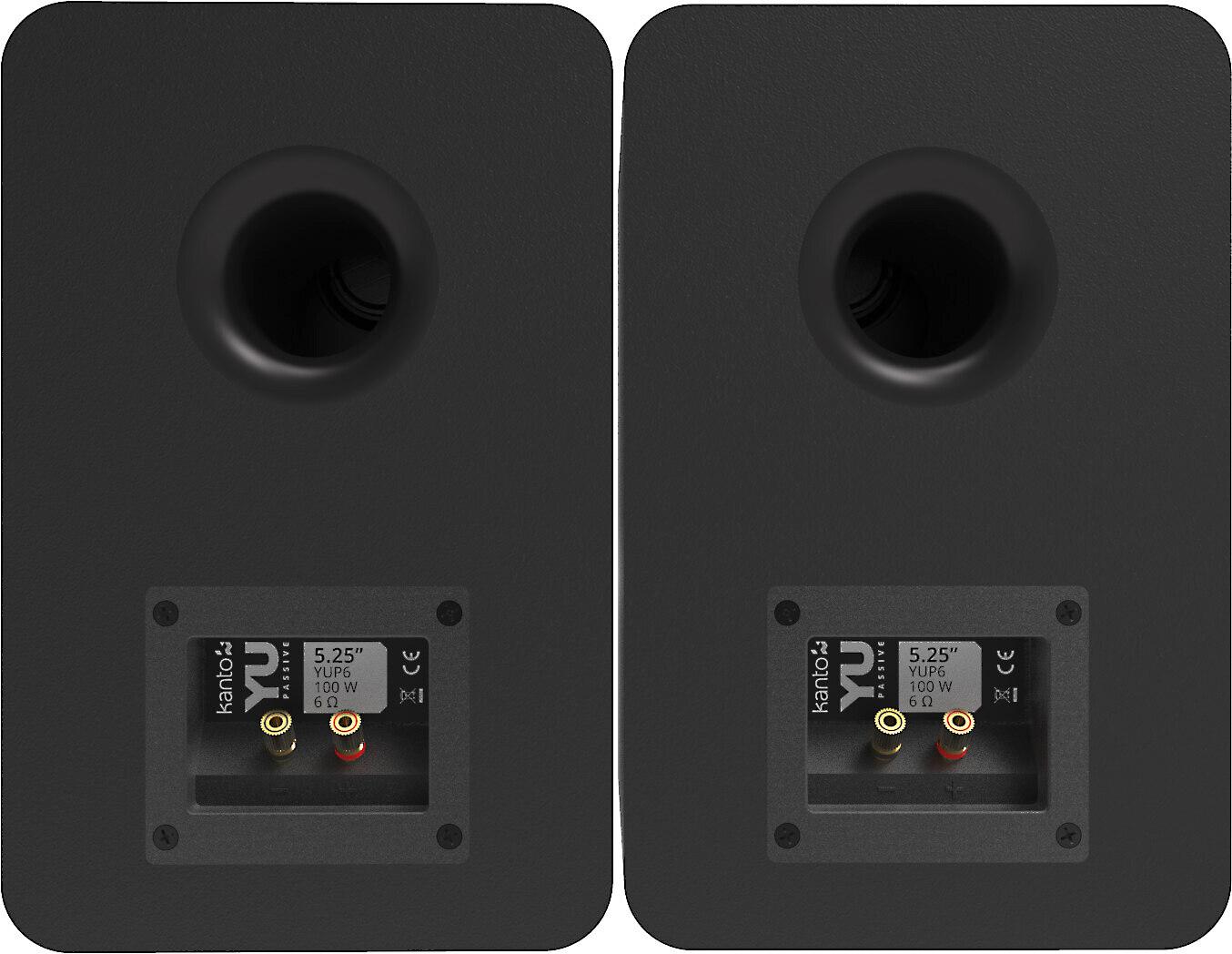
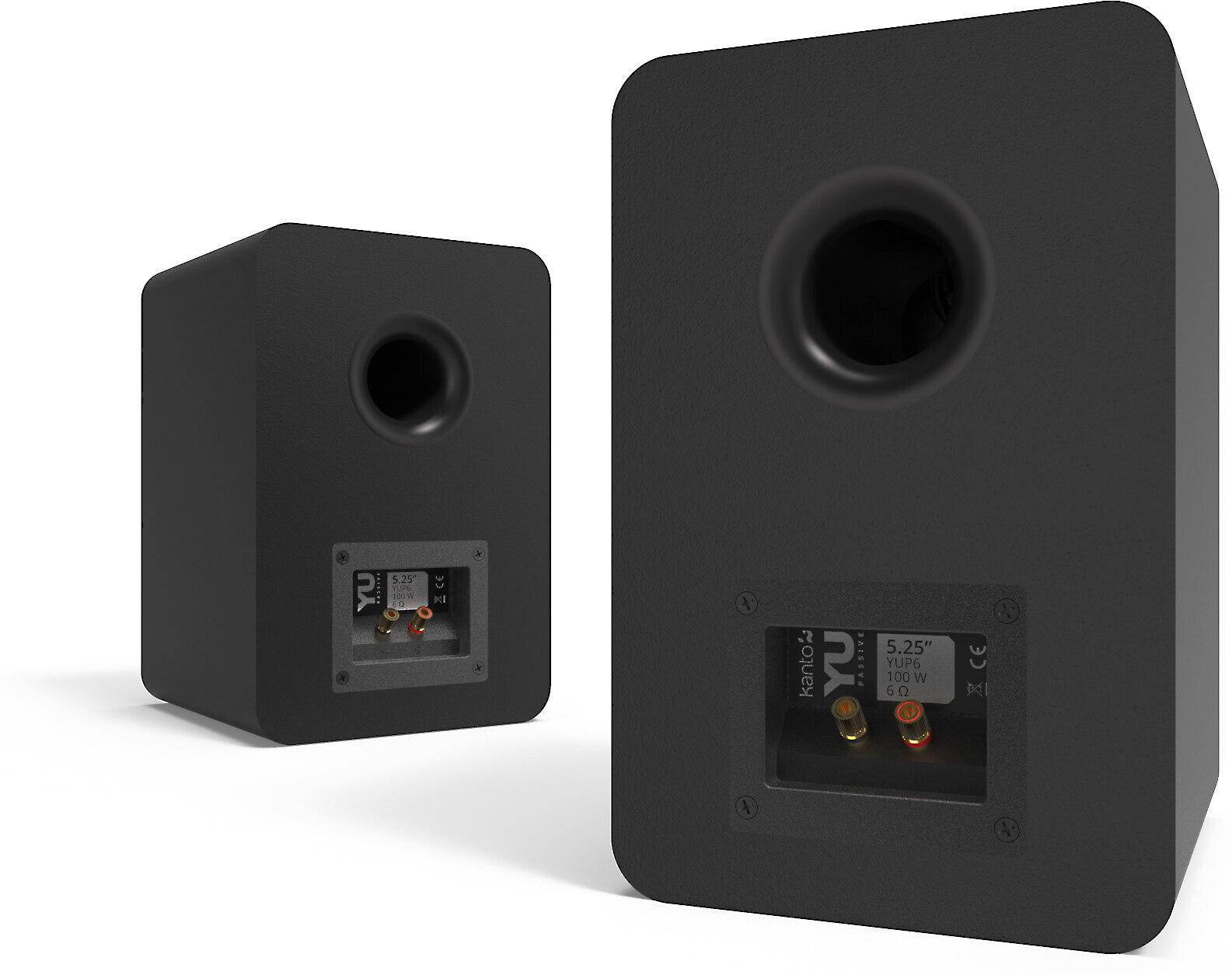
The Kanto's 5.25" driver can't quite match the B&W's bass extension, but it's more forgiving when it comes to placement. Its rear port is simpler but effective, and the slightly smaller driver actually makes it easier to position in smaller rooms.
The price difference between these speakers is substantial - you could buy six pairs of Kantos for the price of one pair of B&Ws. But what does that extra money buy you?
With the 606 S3, you're getting:
The Kanto YU Passive offers:
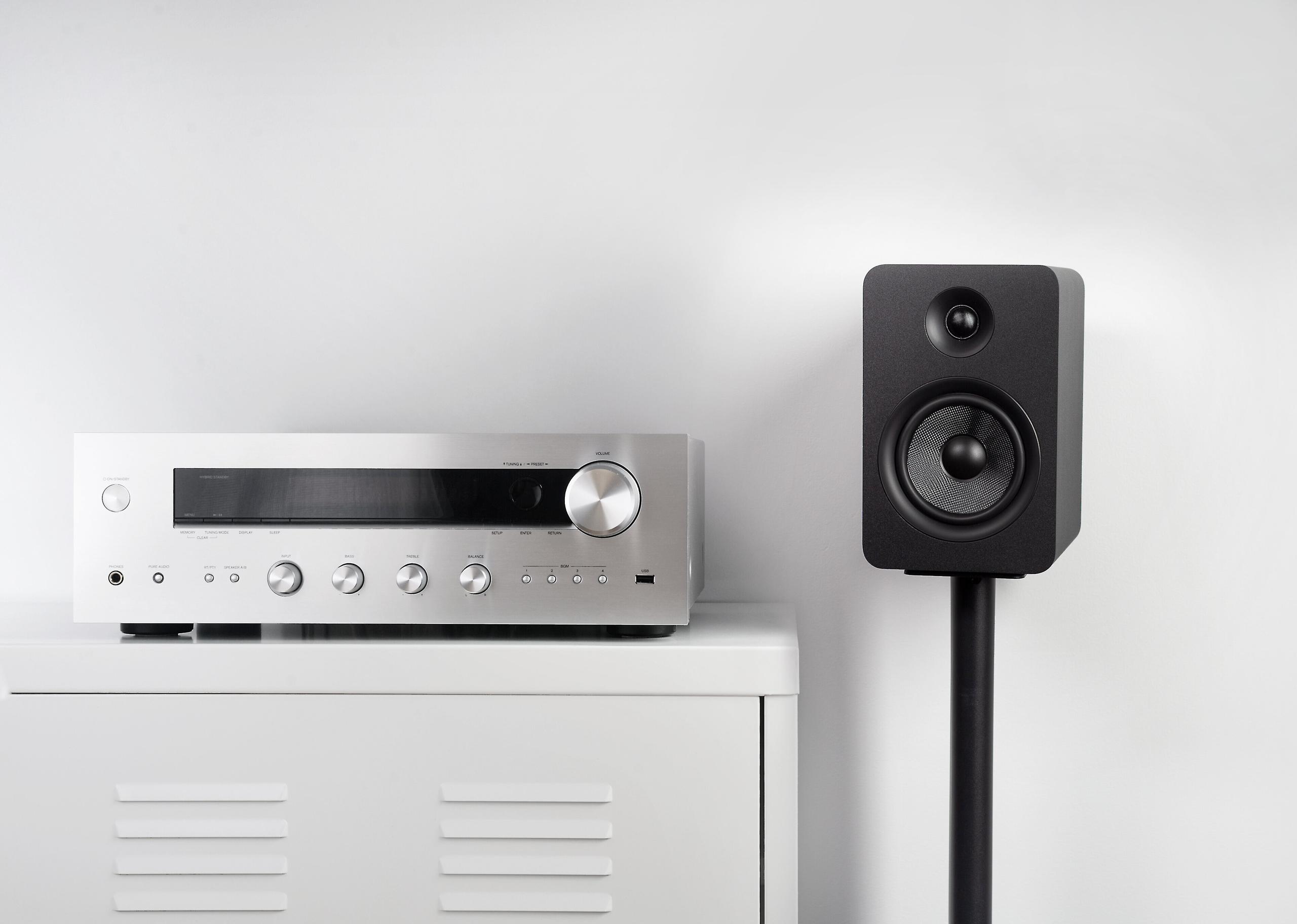
In a home theater context, both speakers can serve well as front left/right channels. The B&W 606 S3's superior detail retrieval and dynamic range make it particularly suited for movie soundtracks, where subtle atmospheric effects and sudden dynamic swings are common. Its wider frequency response also helps it blend more seamlessly with a subwoofer.
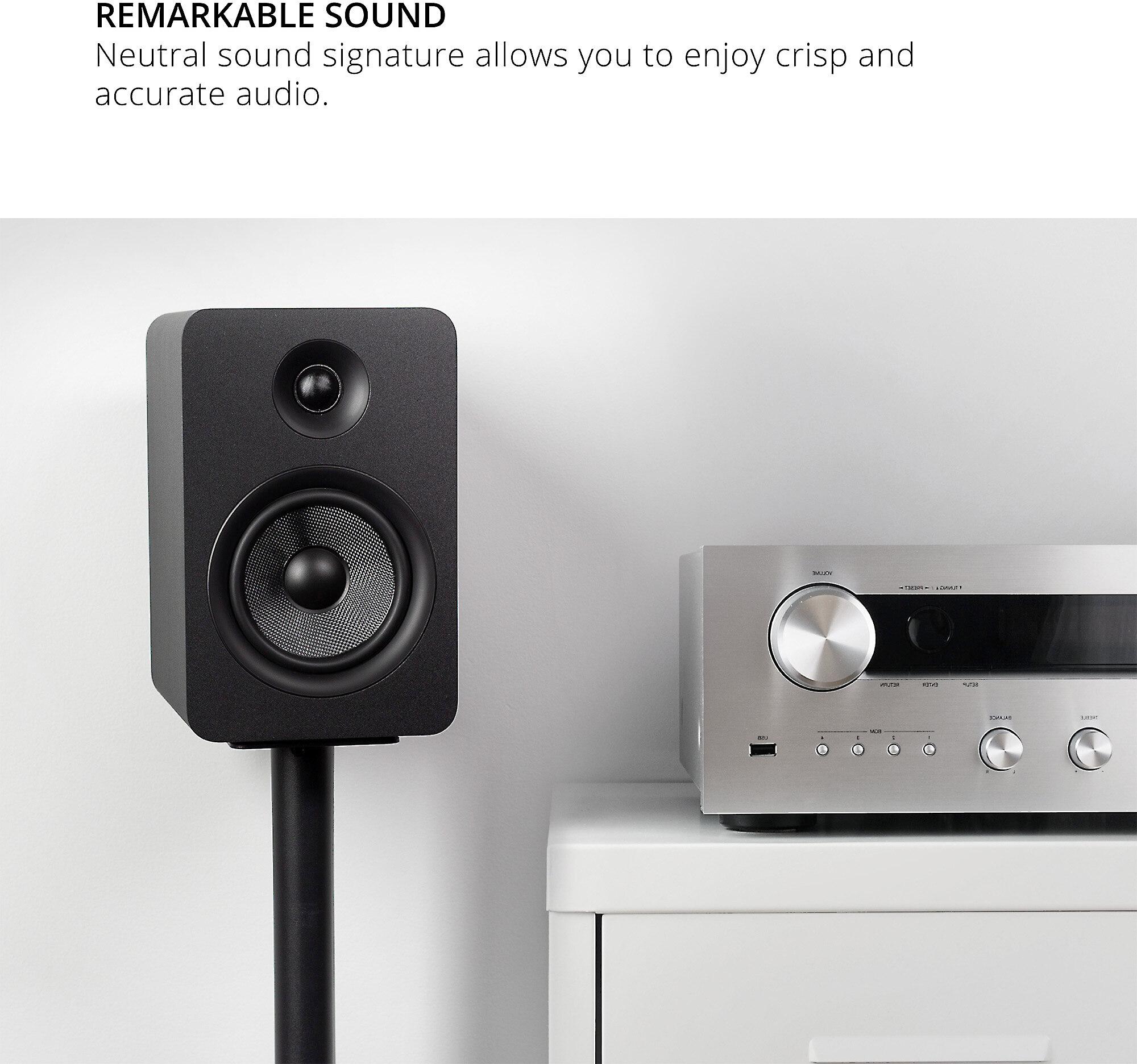
The Kanto YU Passive speakers can certainly handle home theater duties, especially in smaller rooms or when budget is a primary concern. They might not reveal every last detail in a complex soundtrack, but they'll deliver an engaging experience that belies their modest price.
You're likely:
You might be:
The decision between these speakers largely comes down to your priorities and budget. Choose the B&W 606 S3 if you:
Go for the Kanto YU Passive if you:
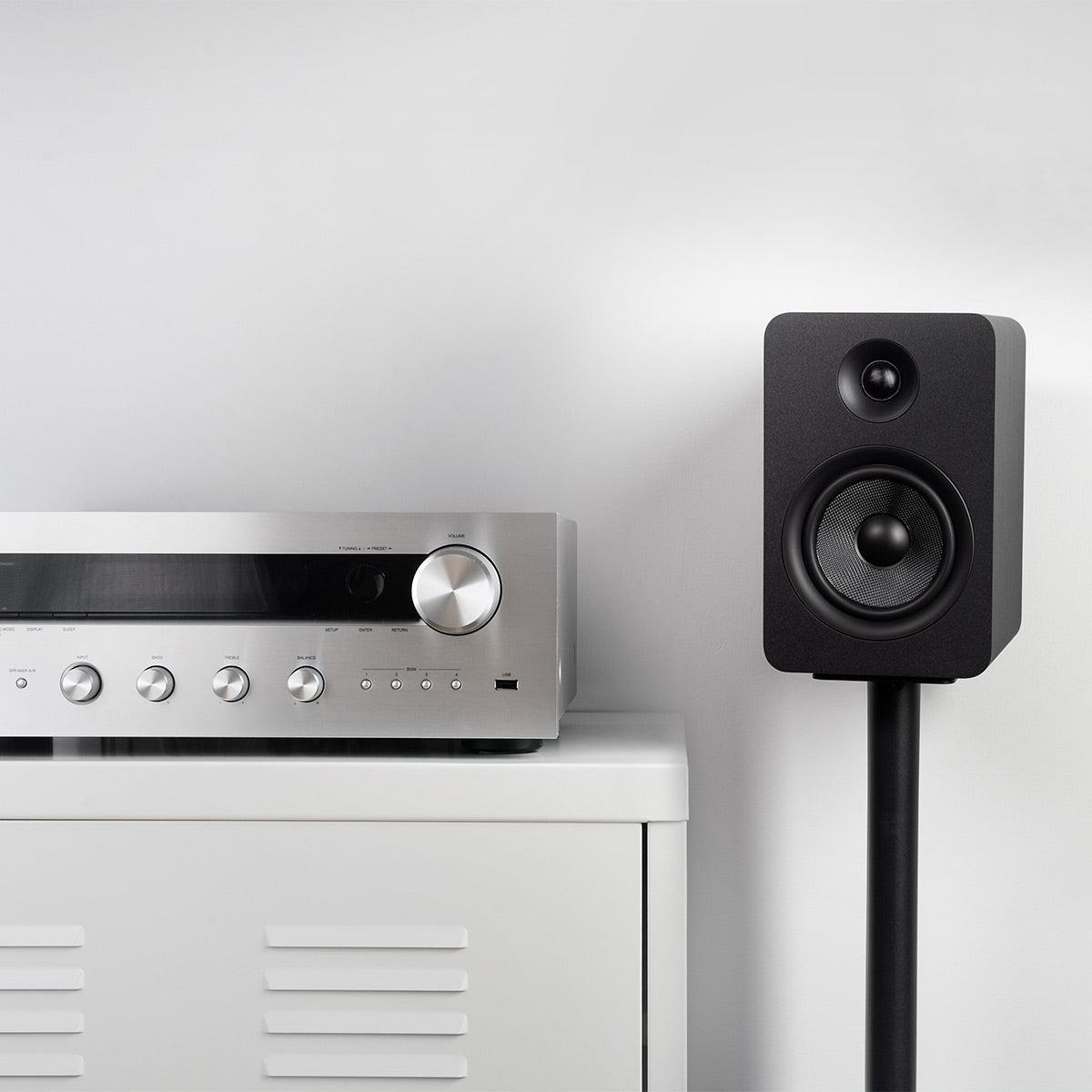
Remember that both speakers require separate amplification - neither includes built-in amplifiers. The B&Ws will be more demanding of your amplifier choice, while the Kantos will work well with a wider range of equipment.
In the end, both speakers represent good value in their respective price categories. The B&W 606 S3 showcases what's possible when cost is less of a constraint, while the Kanto YU Passive demonstrates how much performance you can achieve on a budget. Your choice should align with your listening preferences, room characteristics, and overall audio system goals.
| Bowers & Wilkins 606 S3 | Kanto YU Passive 5.25 |
|---|---|
| Price - Key factor in value proposition | |
| $1,100/pair (premium pricing) | $180/pair (budget-friendly) |
| Woofer Size - Impacts bass response and overall sound | |
| 6.5" Continuum cone (advanced material, better detail) | 5.25" Kevlar cone (good performance for price) |
| Tweeter - Affects high frequency clarity and detail | |
| 1" Titanium Dome (decoupled design, superior detail) | 1" Silk dome (good performance, less refined) |
| Frequency Response - Range of sound reproduction | |
| 52Hz - 28kHz (±3 dB) (wider range, deeper bass) | 50Hz - 20kHz (standard range) |
| Sensitivity - Efficiency with amplifier power | |
| 88dB (requires more power) | 89dB (slightly more efficient) |
| Power Handling - Amplifier compatibility | |
| 30-120W (needs quality amplification) | Up to 100W (more flexible with amps) |
| Impedance - Affects amplifier compatibility | |
| 8 ohms (standard, stable load) | 6 ohms (slightly more demanding) |
| Cabinet Design - Impacts sound quality | |
| Bass-reflex with advanced Flowport (superior port noise control) | Basic bass-reflex design (good performance) |
| Weight - Build quality indicator | |
| 15.5 lbs each (substantial build) | 8.7 lbs each (lighter construction) |
| Warranty - Long-term value | |
| 5 years (premium coverage) | 2 years (standard coverage) |
| Special Features - Additional value | |
| Bi-wire capable, magnetic grilles, upgraded terminals | Basic binding posts, threaded mount hole |
The Bowers & Wilkins 606 S3 offers superior sound quality and more advanced technology, but at $1,100 costs significantly more than the $180 Kanto YU Passive. For pure audio performance, the B&W is better, but the Kanto offers excellent value for its price point.
The biggest difference is technology level and price. The B&W 606 S3 uses advanced materials like the Titanium Dome tweeter and Continuum cone, while the Kanto YU Passive uses more conventional materials. This results in better detail and clarity from the B&W, but at a much higher price.
Both work well in home theater setups. The B&W 606 S3 offers better dynamic range and detail for movie soundtracks, while the Kanto YU Passive provides good performance at a more accessible price point. Both can integrate well with subwoofers for full home theater systems.
Yes, both the B&W 606 S3 and Kanto YU Passive are passive speakers requiring an external amplifier. The B&W needs 30-120 watts per channel and higher quality amplification, while the Kanto is more flexible with amplifier choices.
The Kanto YU Passive might be more suitable for small rooms due to its smaller 5.25" driver and more forgiving placement requirements. The B&W 606 S3 needs more space to perform optimally due to its rear port design and larger 6.5" driver.
The B&W 606 S3 provides deeper, more refined bass with its larger 6.5" driver and advanced Flowport design. The Kanto YU Passive offers good bass for its size but can't match the B&W's low-end performance.
For critical music listening, the B&W 606 S3 is superior, offering better detail, wider frequency response, and more accurate sound reproduction. However, the Kanto YU Passive provides enjoyable music playback at a fraction of the cost.
Neither speaker includes an amplifier or cables. Both the B&W 606 S3 and Kanto YU Passive require separate purchase of an amplifier, speaker wire, and potentially speaker stands.
The B&W 606 S3 features higher-grade components and comes with a 5-year warranty, suggesting better longevity. The Kanto YU Passive has a 2-year warranty and good build quality for its price point.
The Kanto YU Passive includes a threaded mount hole for wall mounting. The B&W 606 S3 doesn't have built-in mounting options and is primarily designed for shelf or stand placement.
The Kanto YU Passive is more beginner-friendly due to its lower price, easier amplifier matching, and more forgiving placement requirements. The B&W 606 S3 is better suited for experienced audio enthusiasts.
Both offer good value in their respective categories. The B&W 606 S3 justifies its premium price with superior performance and technology, while the Kanto YU Passive delivers impressive performance for its budget price point.
We've done our best to create useful and informative comparisons to help you decide what product to buy. Our research uses advanced automated methods to create this comparison and perfection is not possible - please contact us for corrections or questions. These are the sites we've researched in the creation of this article: futureaudiophile.com - headphones.com - therobinsonbrand.com - higherhz.com - audioadvisor.com - crutchfield.com - bowerswilkins.com - crutchfield.com - vinylrevival.com.au - audioadvisor.com - worldwidestereo.com - crutchfield.com - apos.audio - audioadvice.com - crutchfield.com - youtube.com - target.com - summithifi.com - avsforum.com

Privacy Policy
Terms and Conditions - Affiliate Policy
Home Security
© Copyright 2008-2026.
11816 Inwood Rd #1211, Dallas, TX 75244