

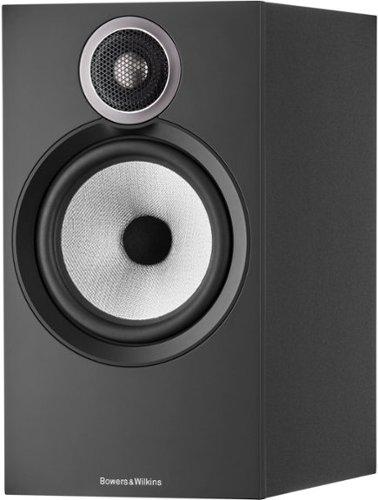
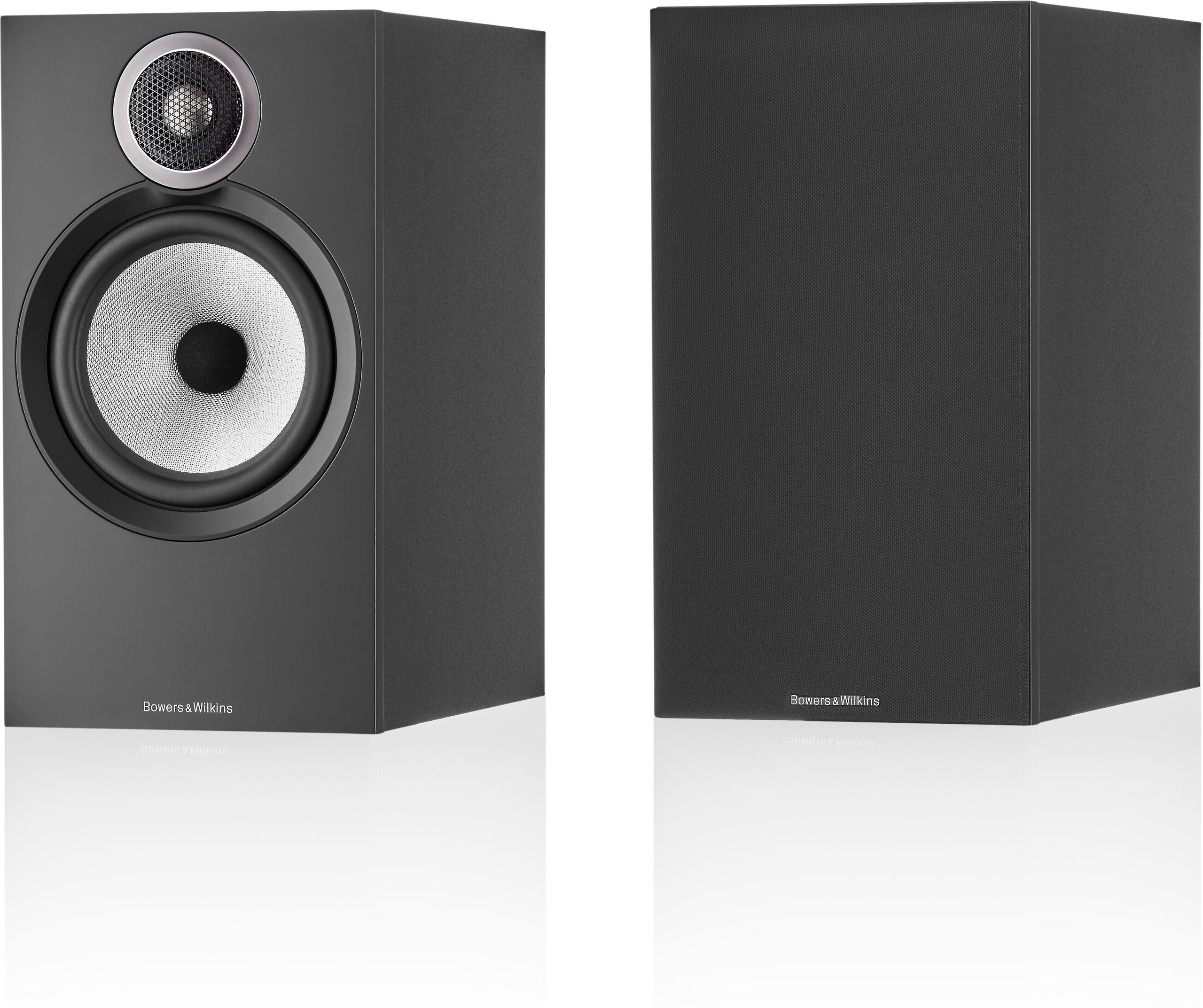
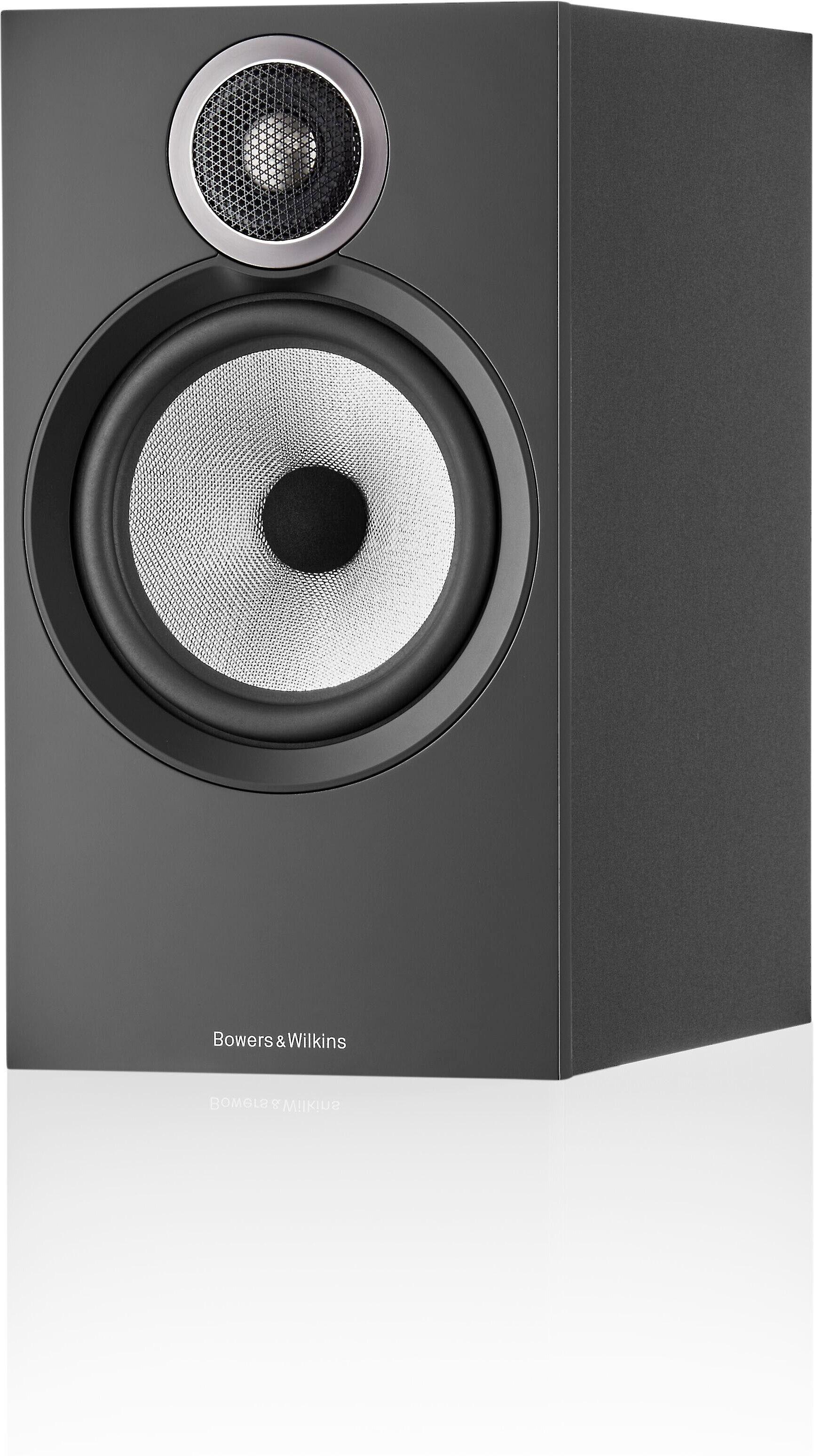
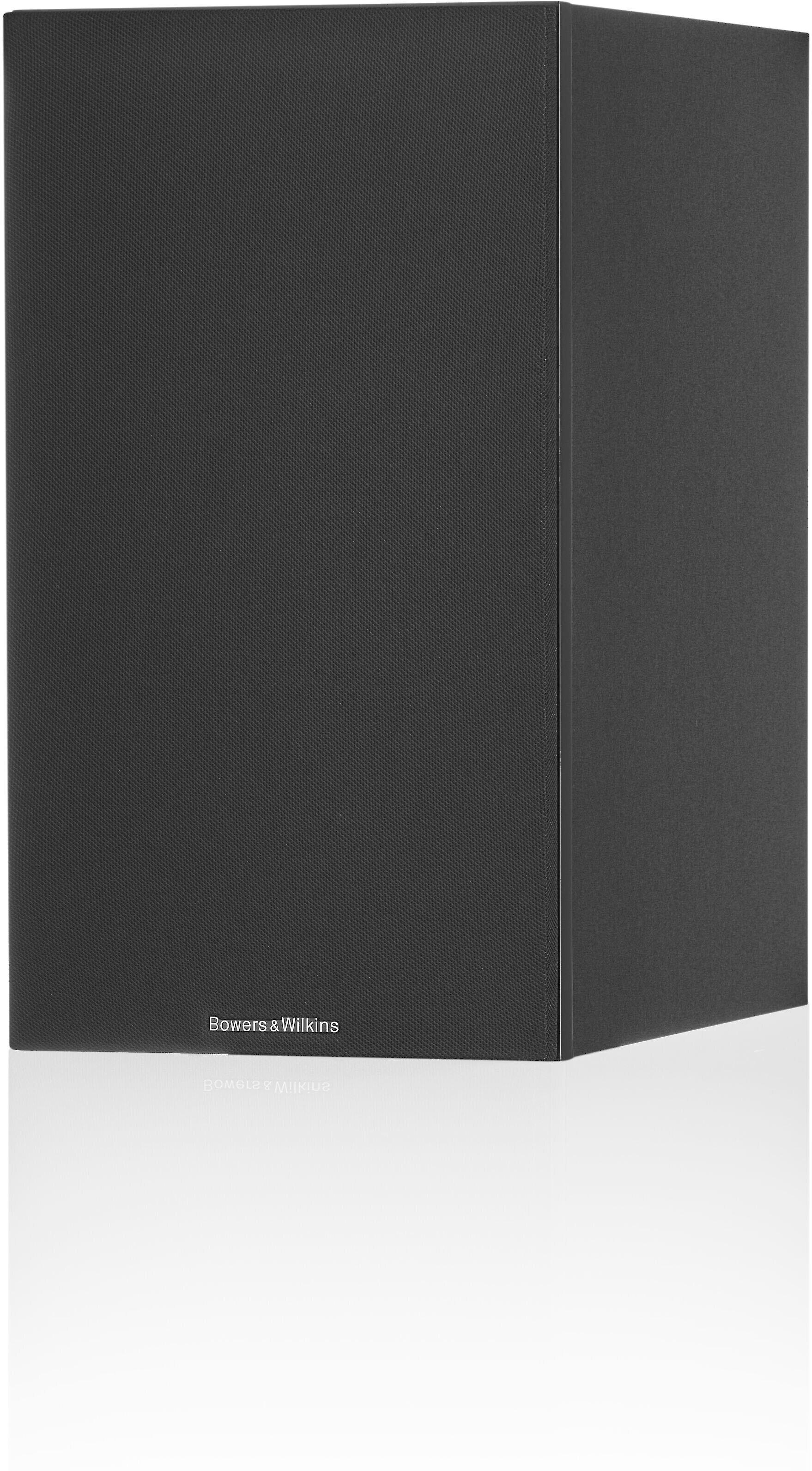
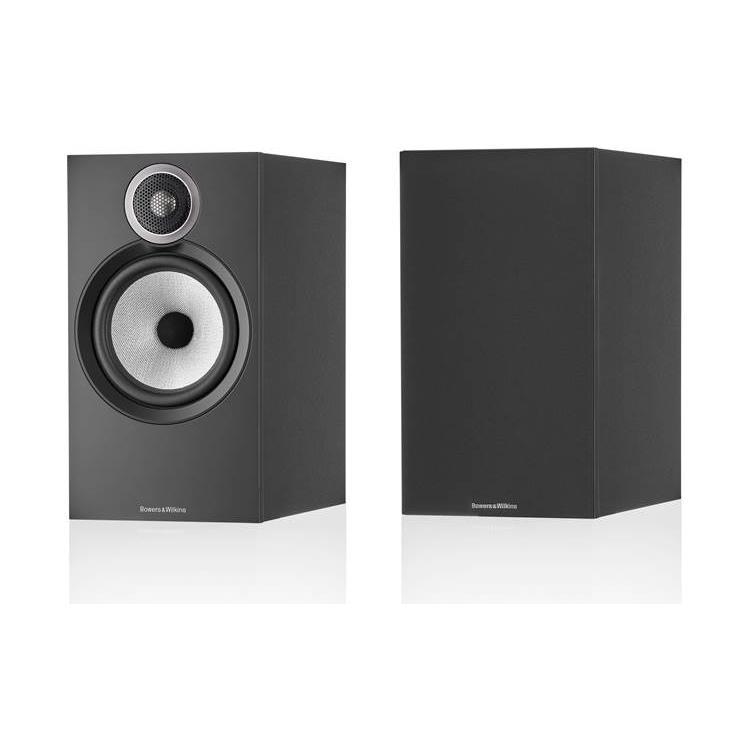
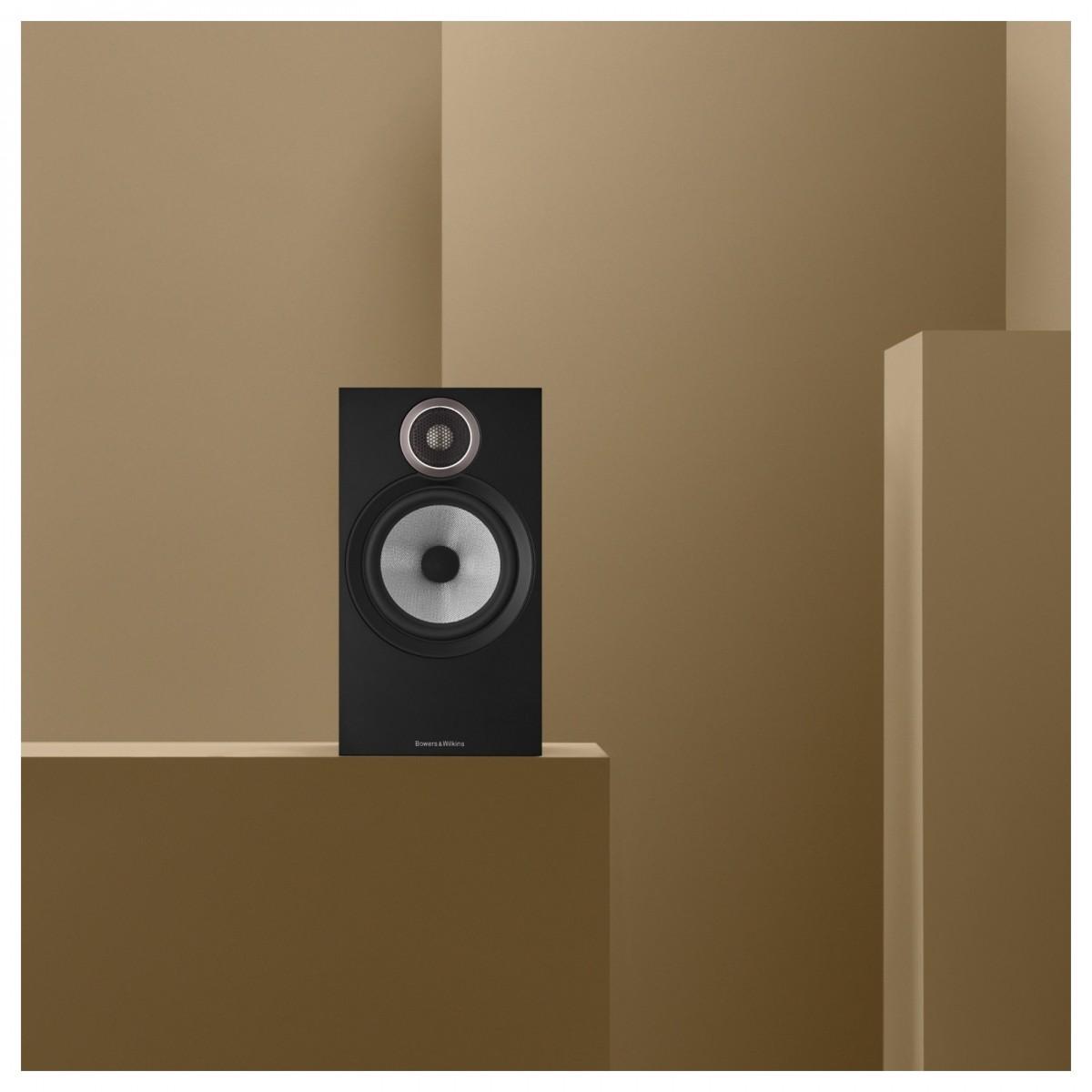
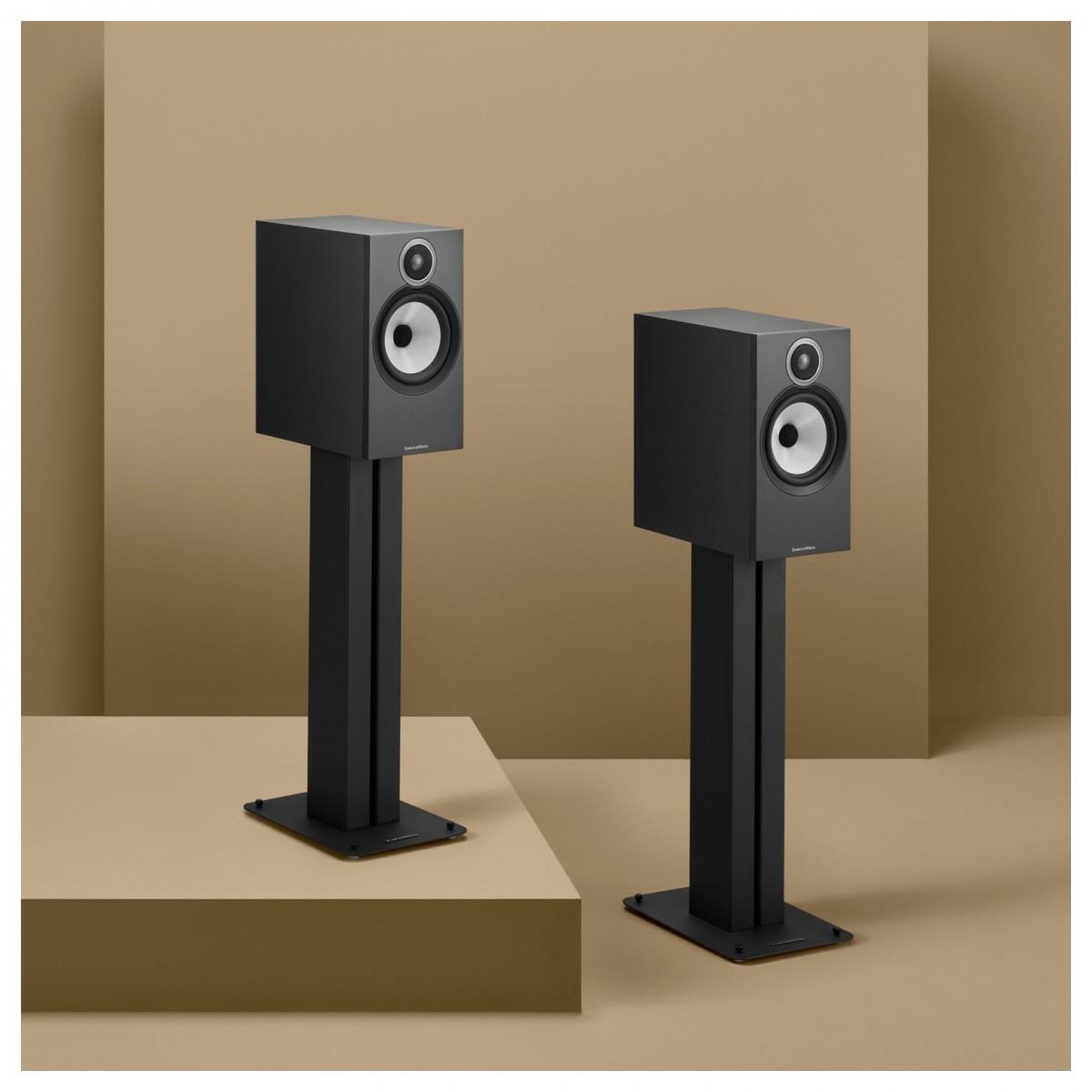
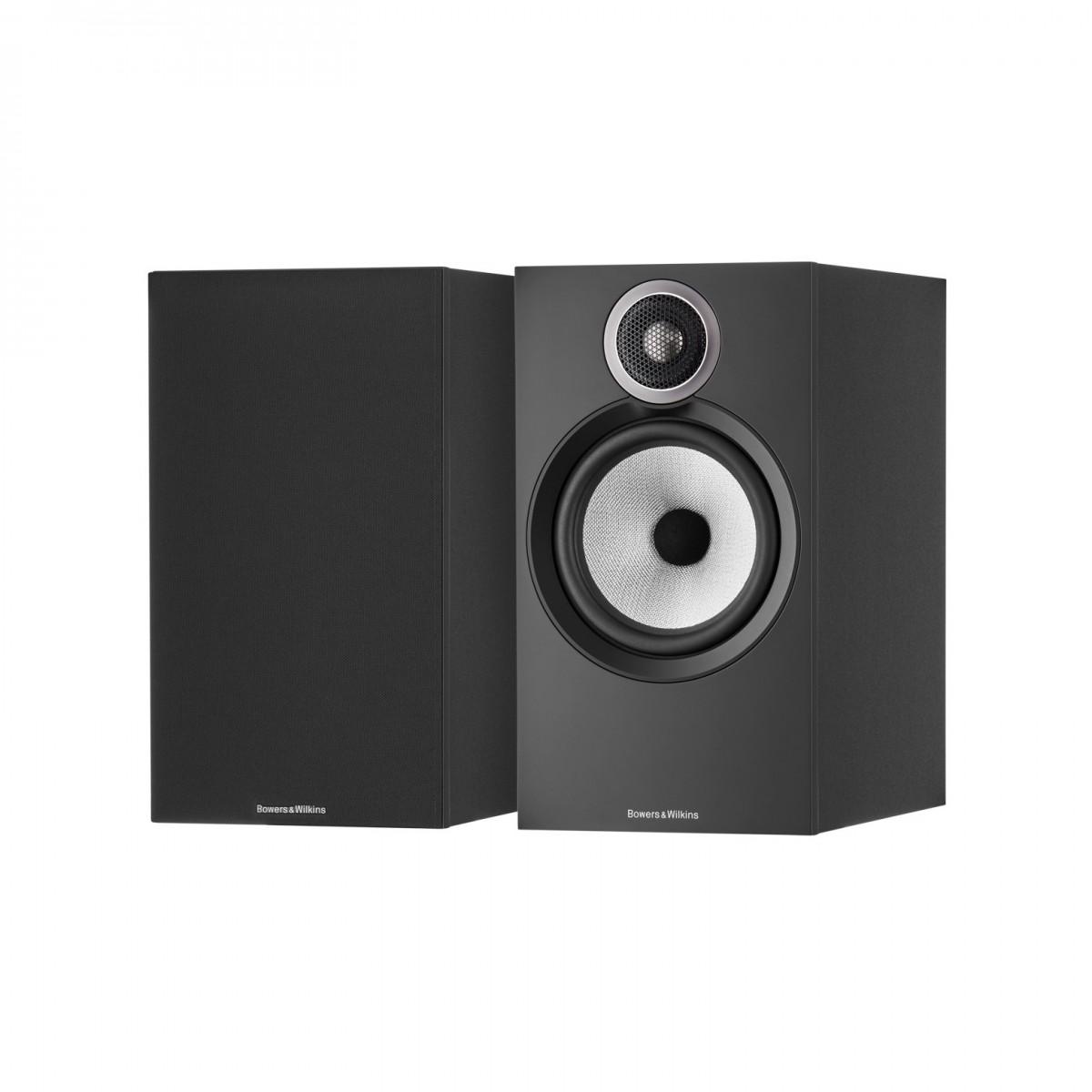
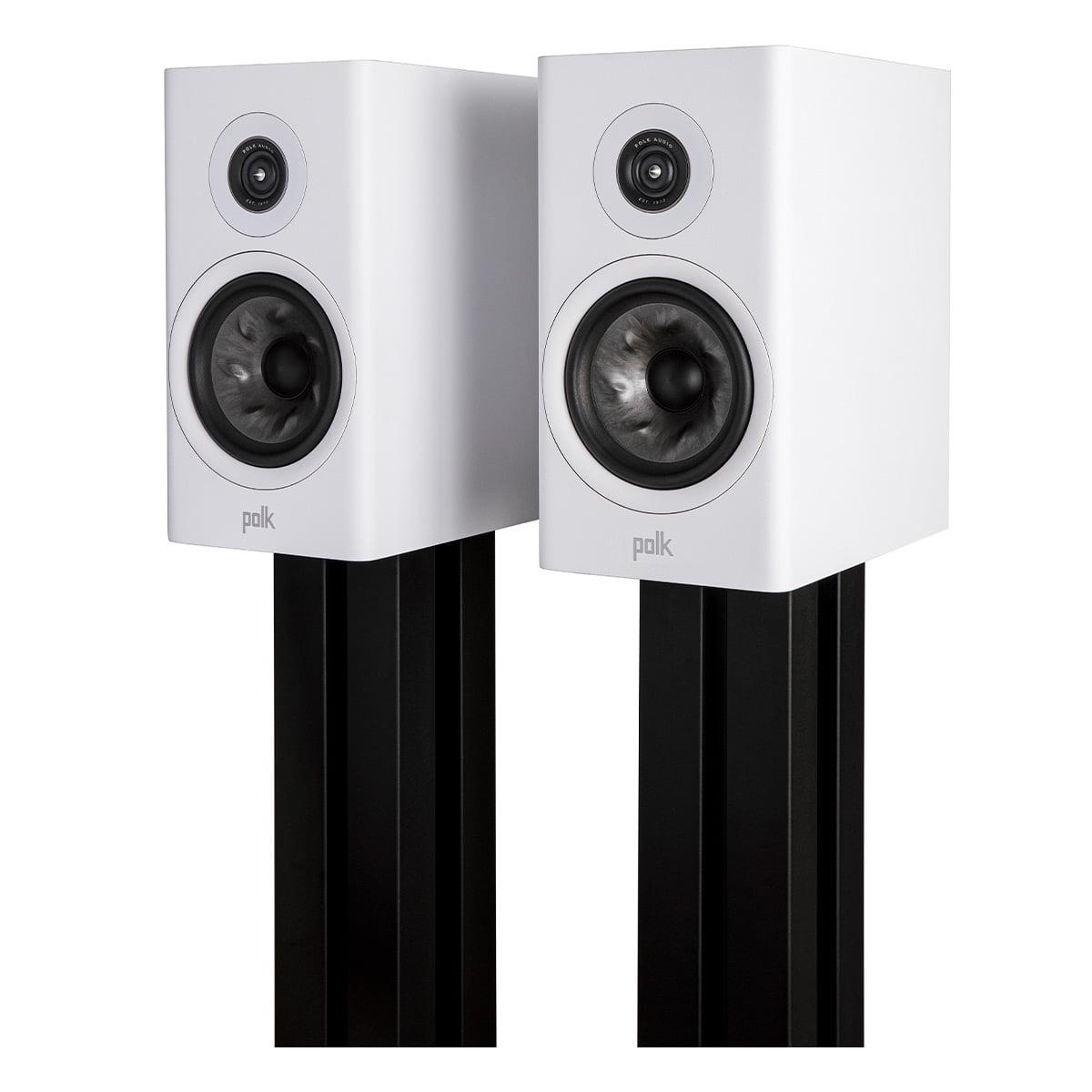
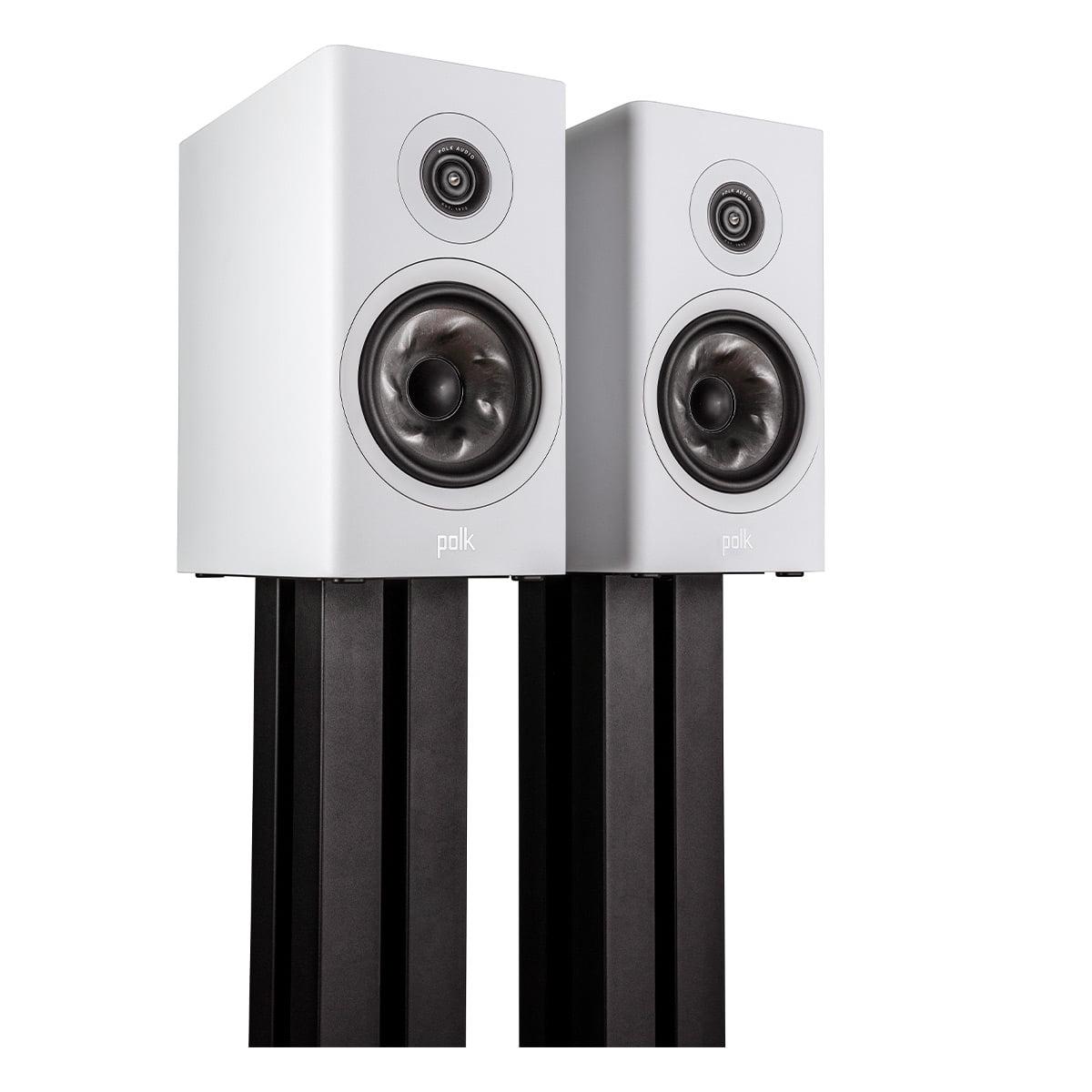
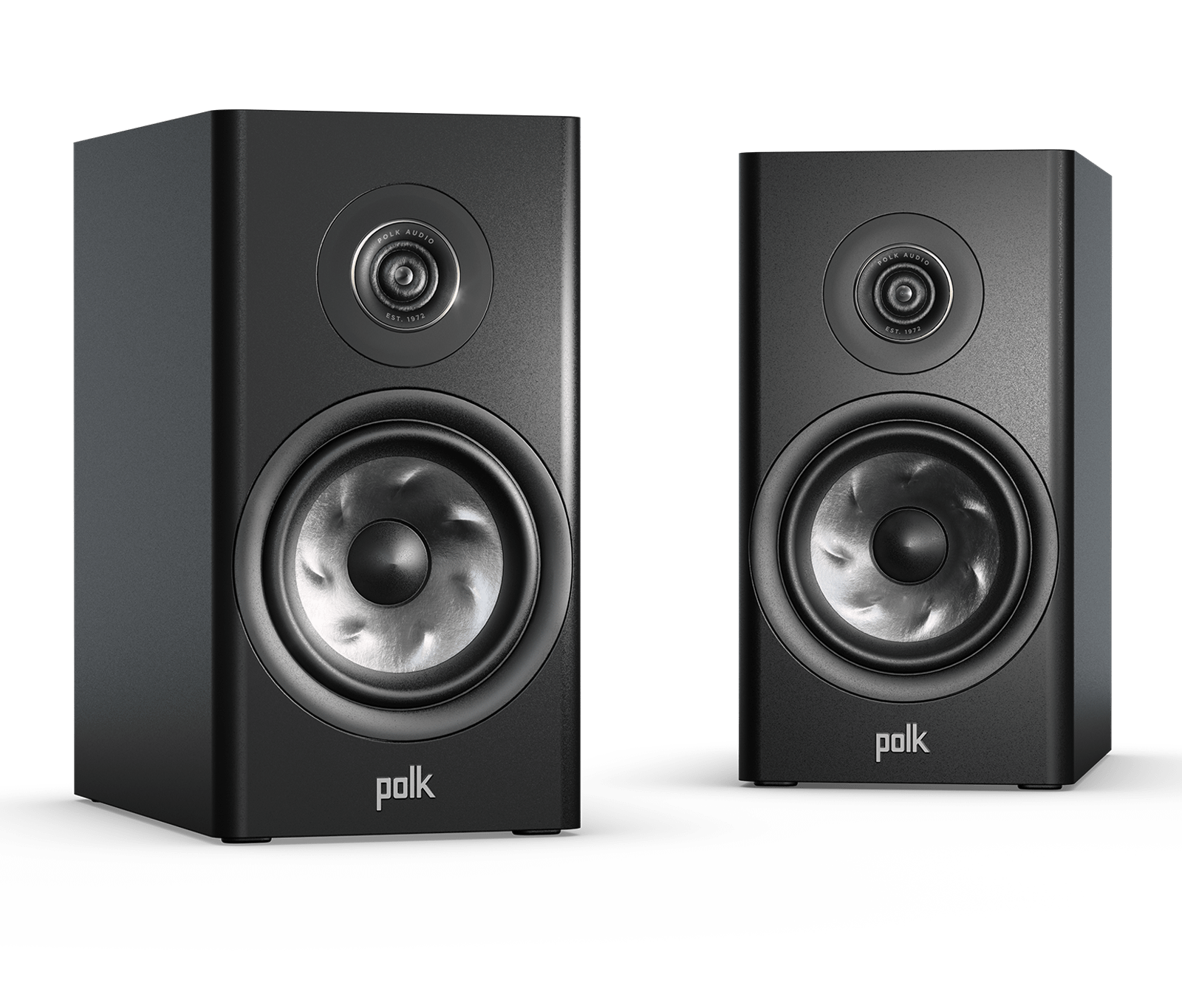
When you're ready to step up from entry-level speakers but aren't quite ready for ultra-premium models, the $599 Bowers & Wilkins 606 S3 and $599 Polk Reserve R200 represent an exciting sweet spot in the bookshelf speaker market. Both launched within the past two years, bringing significant technological improvements to this crucial price point.
Bookshelf speakers at this level are where you start seeing truly high-end technologies trickling down from flagship models. You're getting sophisticated driver materials, carefully engineered cabinets, and thoughtful design choices that meaningfully impact sound quality. The key is finding the right balance of features and performance that matches your specific needs.
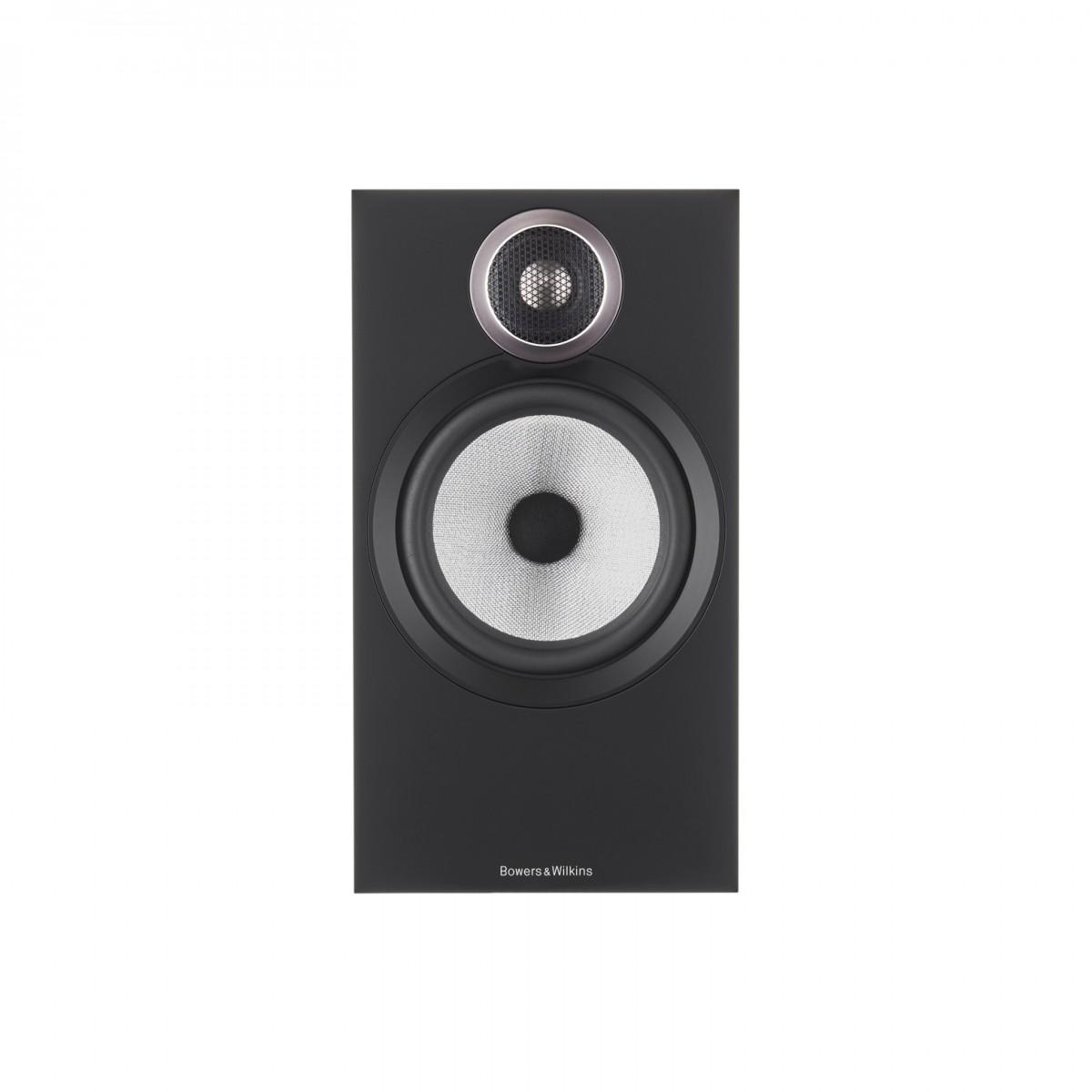
The B&W 606 S3 introduces a new Titanium Dome tweeter that represents a significant upgrade from previous models. This tweeter, combined with B&W's Continuum cone material (which replaced their long-standing Kevlar drivers), delivers exceptional micro-detail - you'll hear subtle breaths in vocal performances and the slight scrape of fingers on guitar strings. It's an analytical approach that hardcore music enthusiasts often prefer.
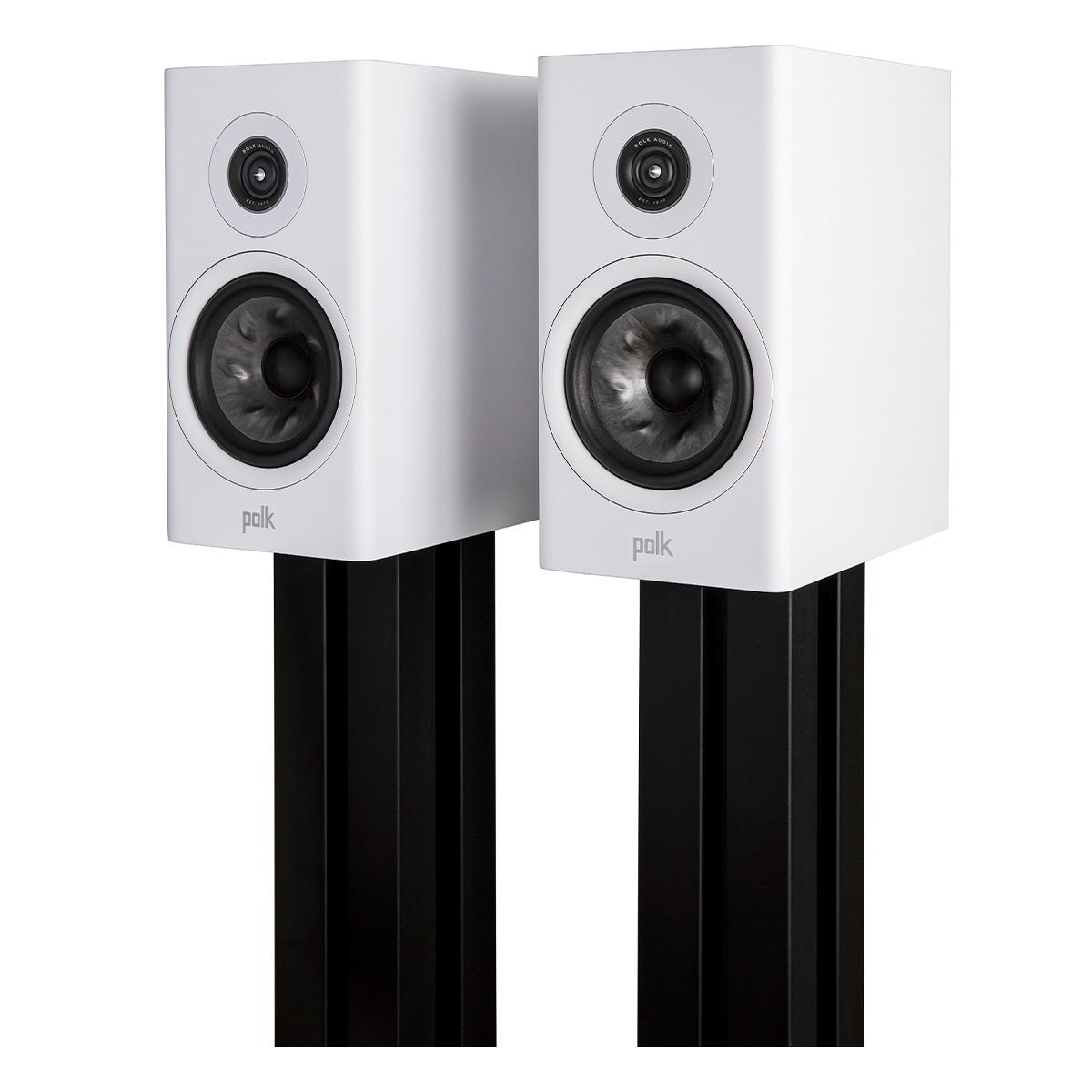
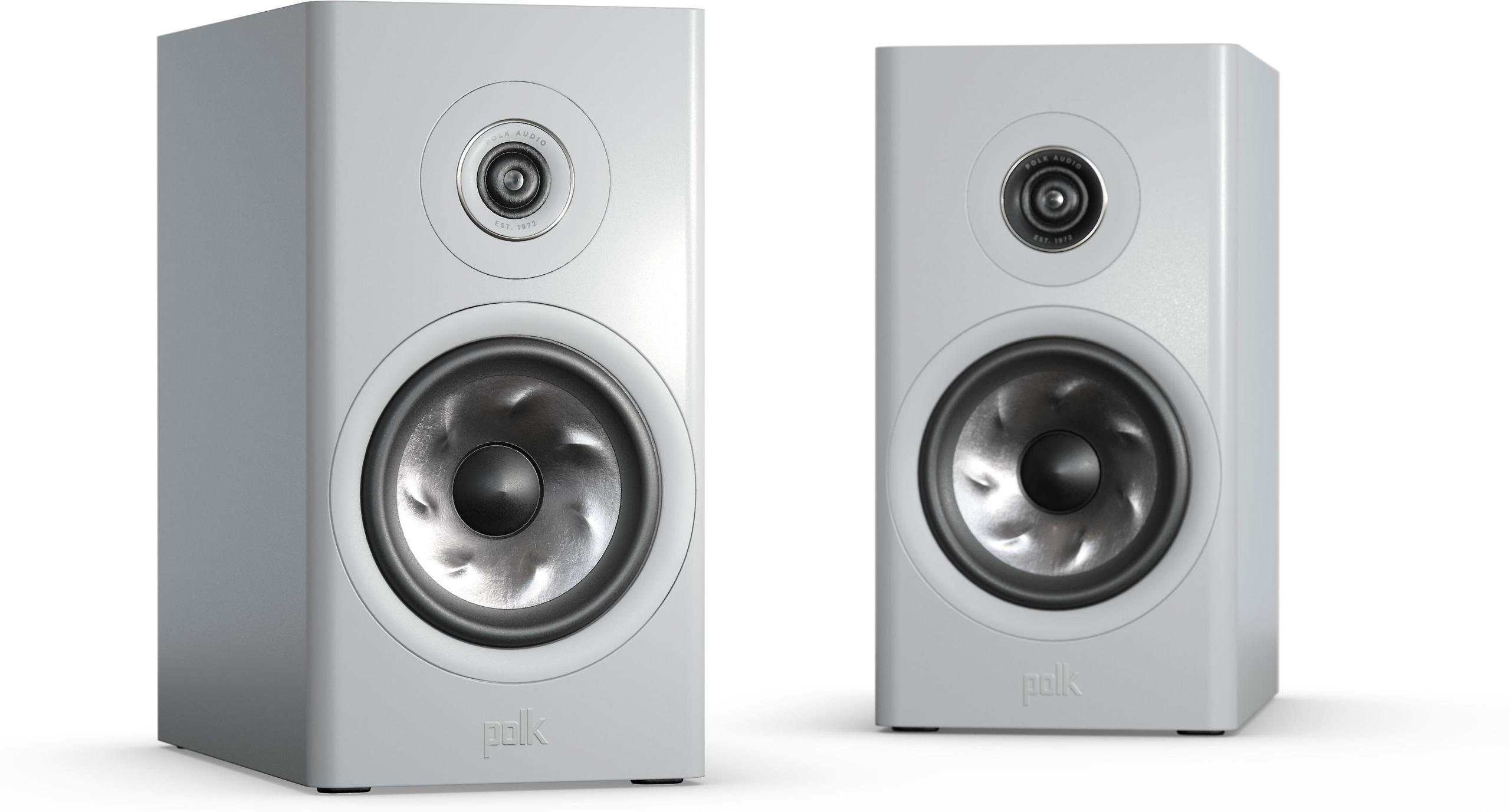
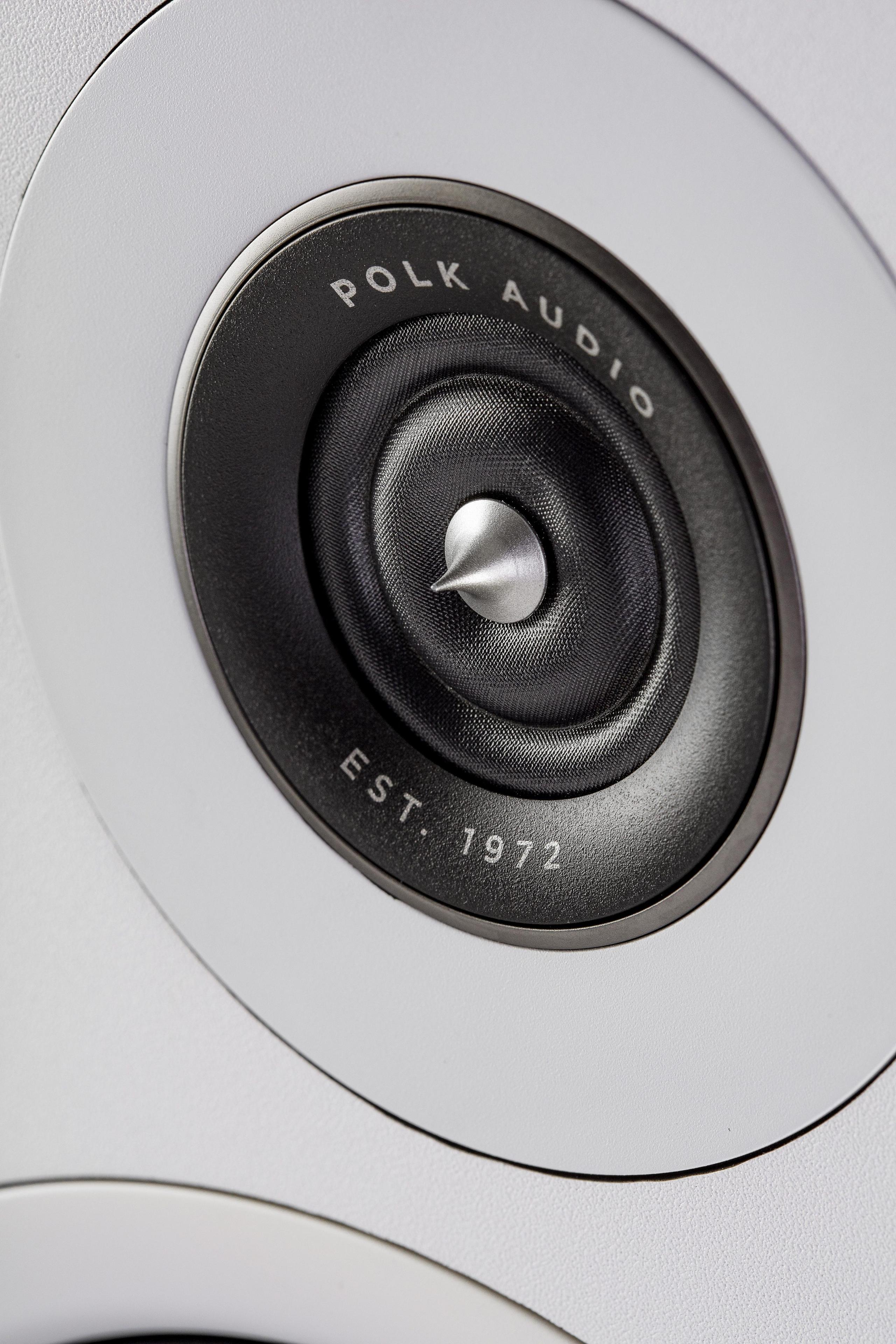
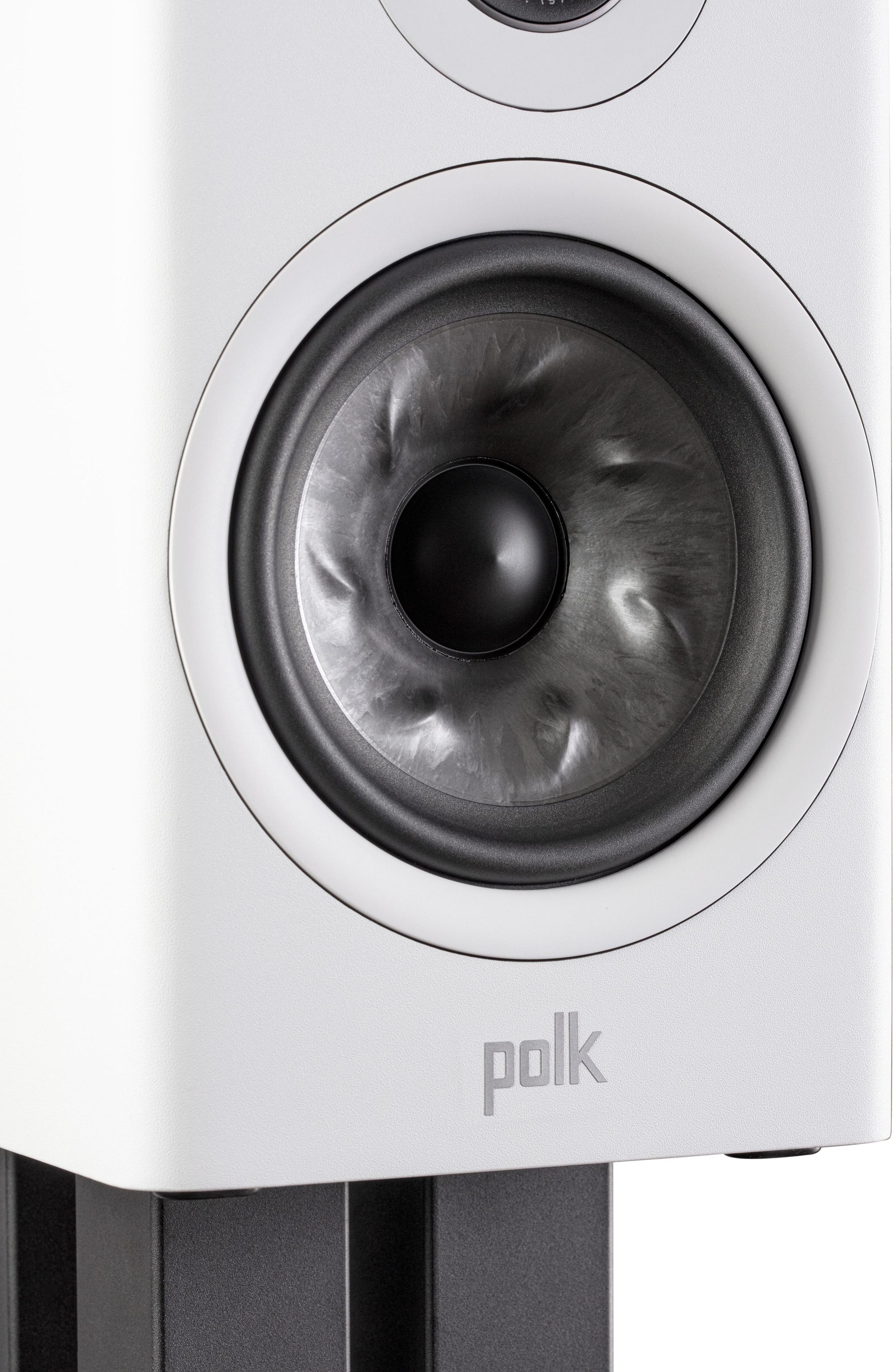
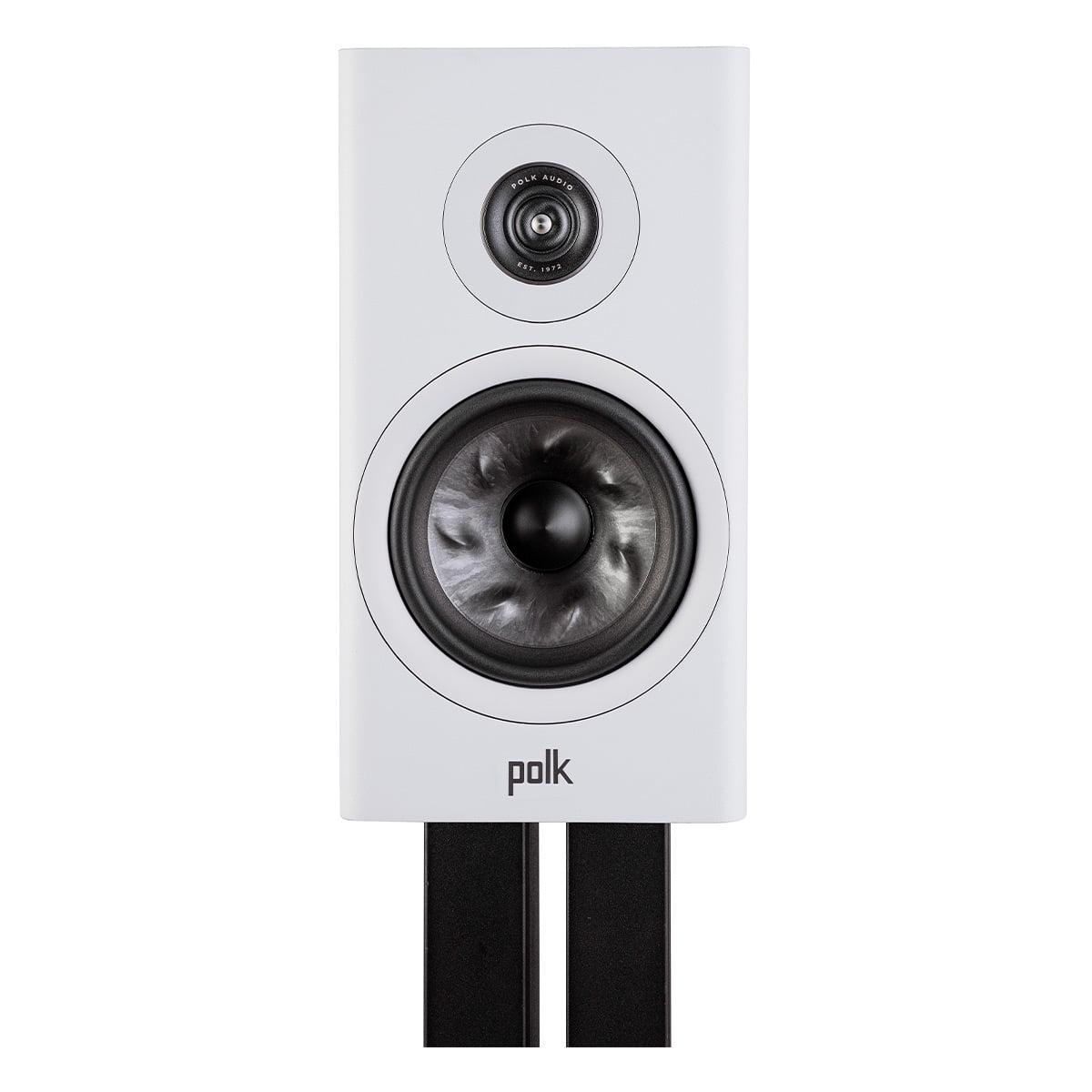
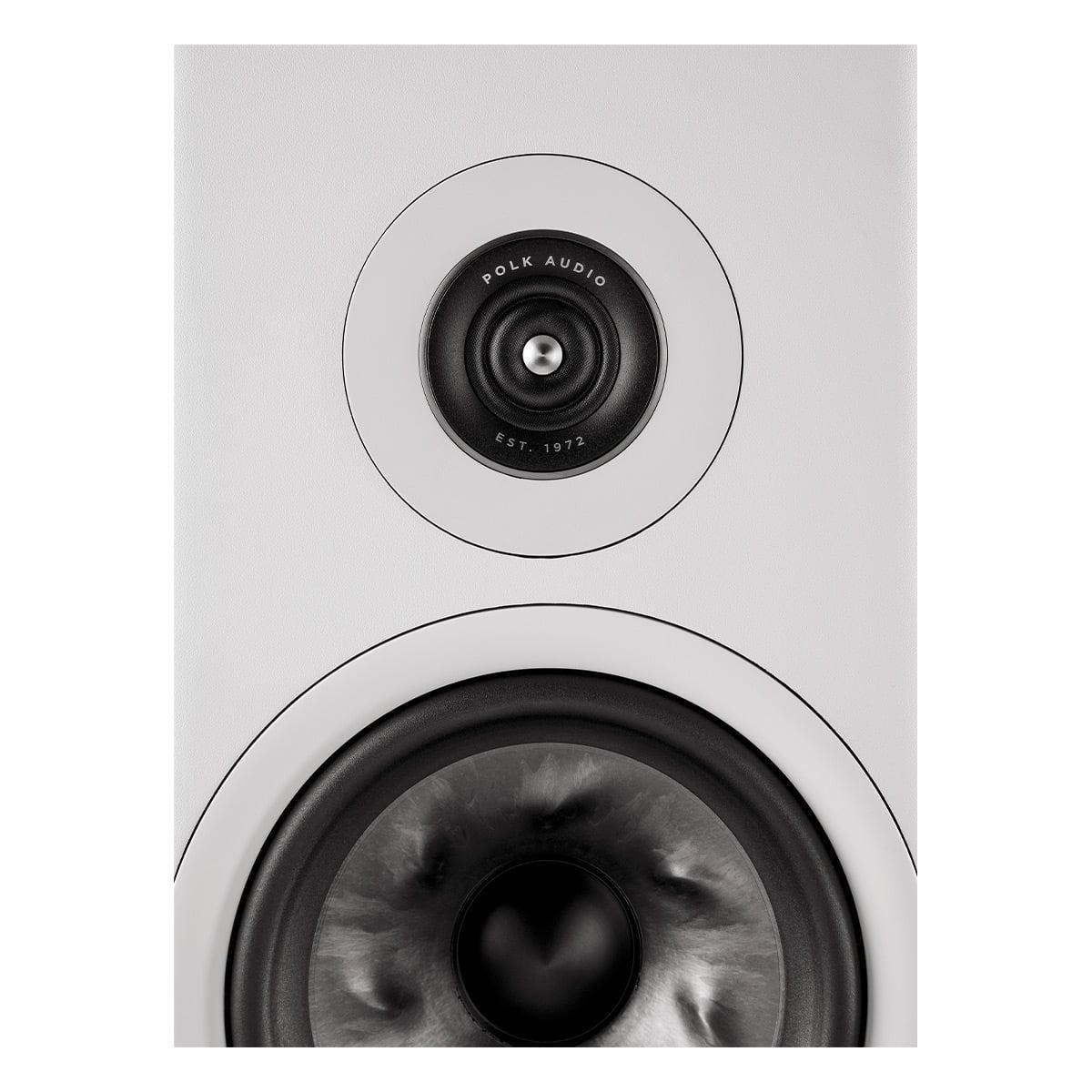
The Polk R200 takes a different path with its Pinnacle Ring Radiator tweeter, which disperses high frequencies in a way that creates a larger "sweet spot" (the optimal listening position). While it might not extract quite as much microscopic detail as the B&W, it presents music in a more relaxed, natural way that many listeners find easier to enjoy for long sessions.
Here's where things get interesting. The Polk R200 reaches down to 39Hz, which is impressive for a bookshelf speaker. This means you'll get more of the deep bass notes in electronic music and movie soundtracks without needing a subwoofer. The B&W, rated to 52Hz, focuses more on precision than depth - bass notes are incredibly tight and well-defined, but you might miss some of the lowest frequencies.
The midrange is where most of our music lives - vocals, guitars, pianos, and most instruments primarily operate in this region. B&W's Continuum cone technology really shines here, providing exceptional clarity and separation between instruments. The Polk's Turbine cone (the same used in their premium Legend series) offers a slightly warmer presentation that some listeners find more natural, especially with rock and pop music.
This is a crucial difference between these speakers. The B&W 606 S3 is relatively power-hungry and really shows its best performance with high-quality amplification. I've found it pairs particularly well with amplifiers in the 80-100 watt range that have good current delivery. The Polk R200 is more forgiving, performing well with more modest amplifiers while still scaling up nicely with better equipment.
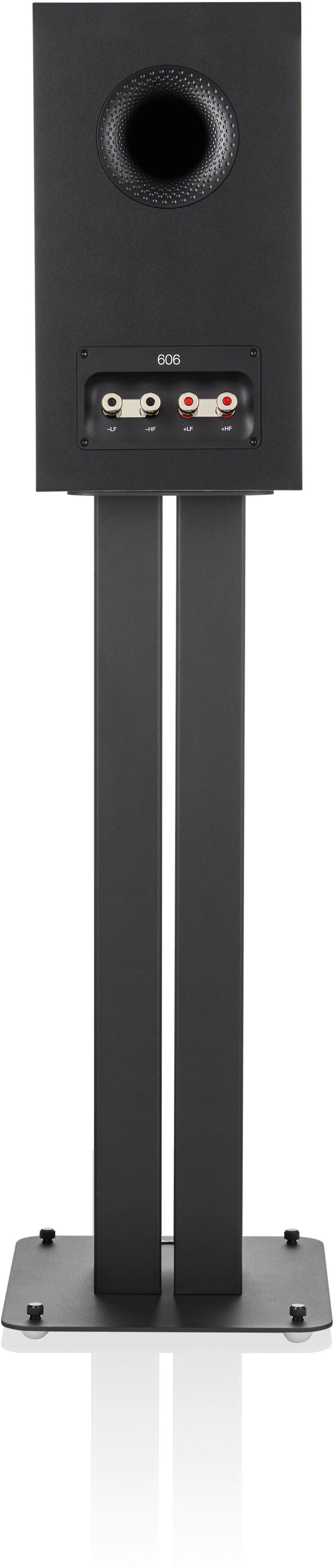
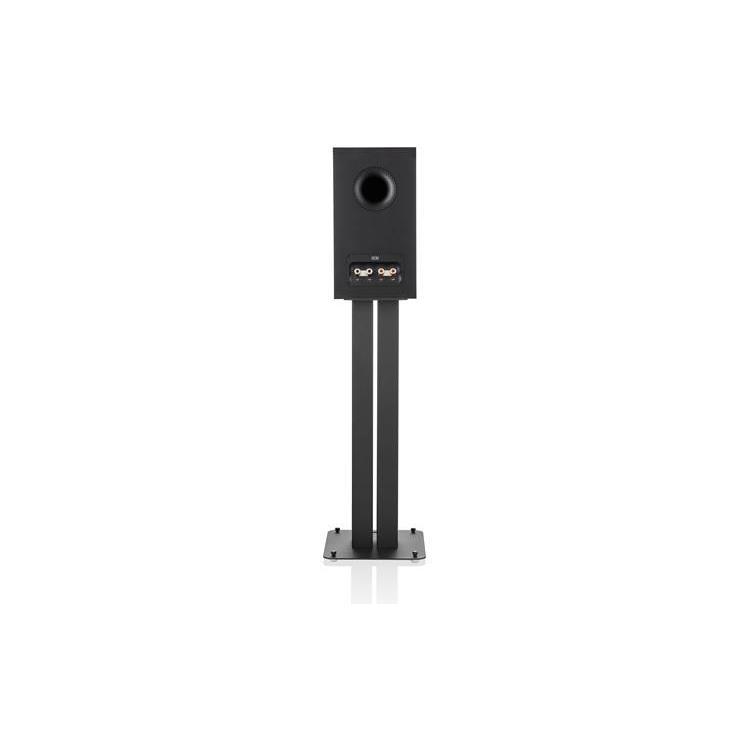
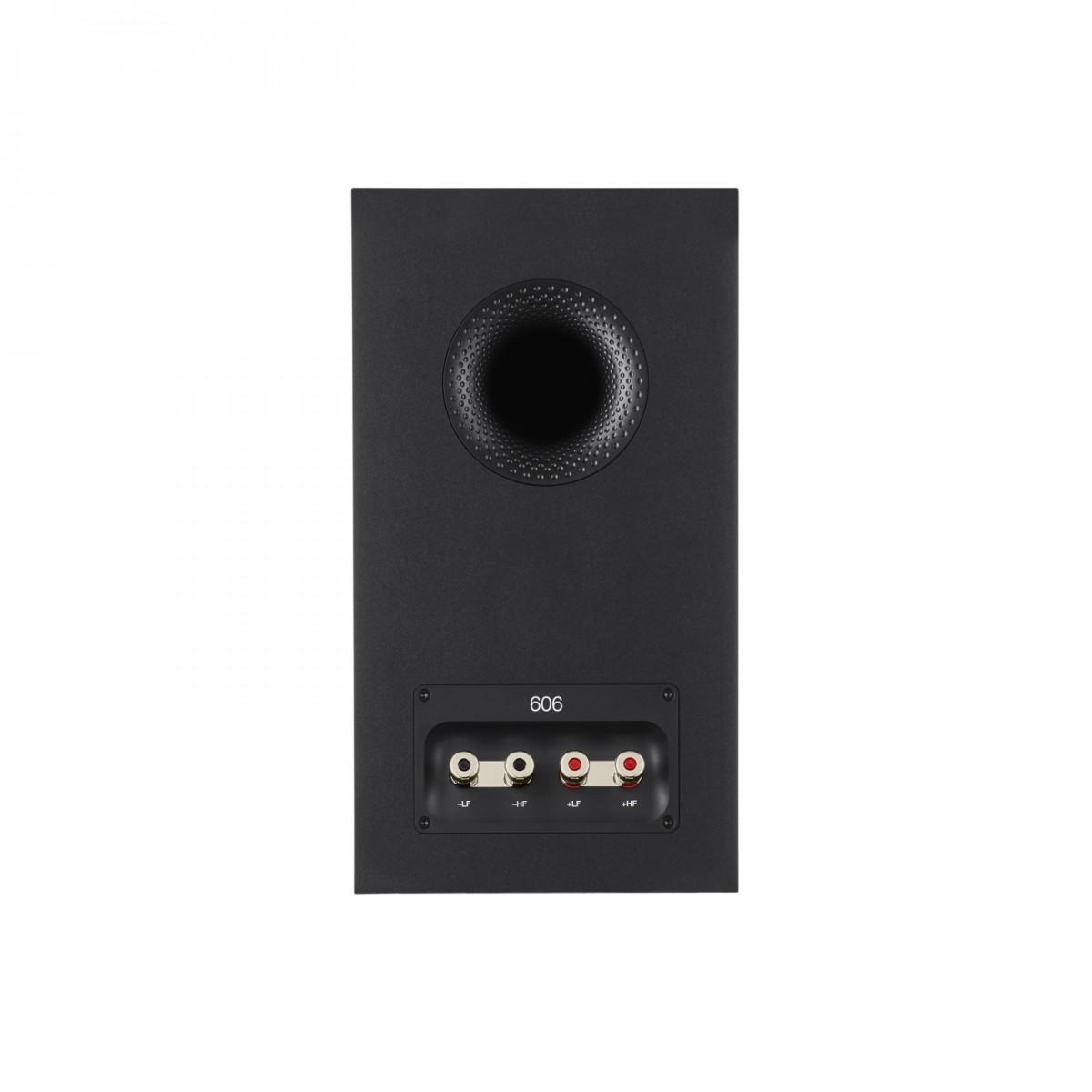
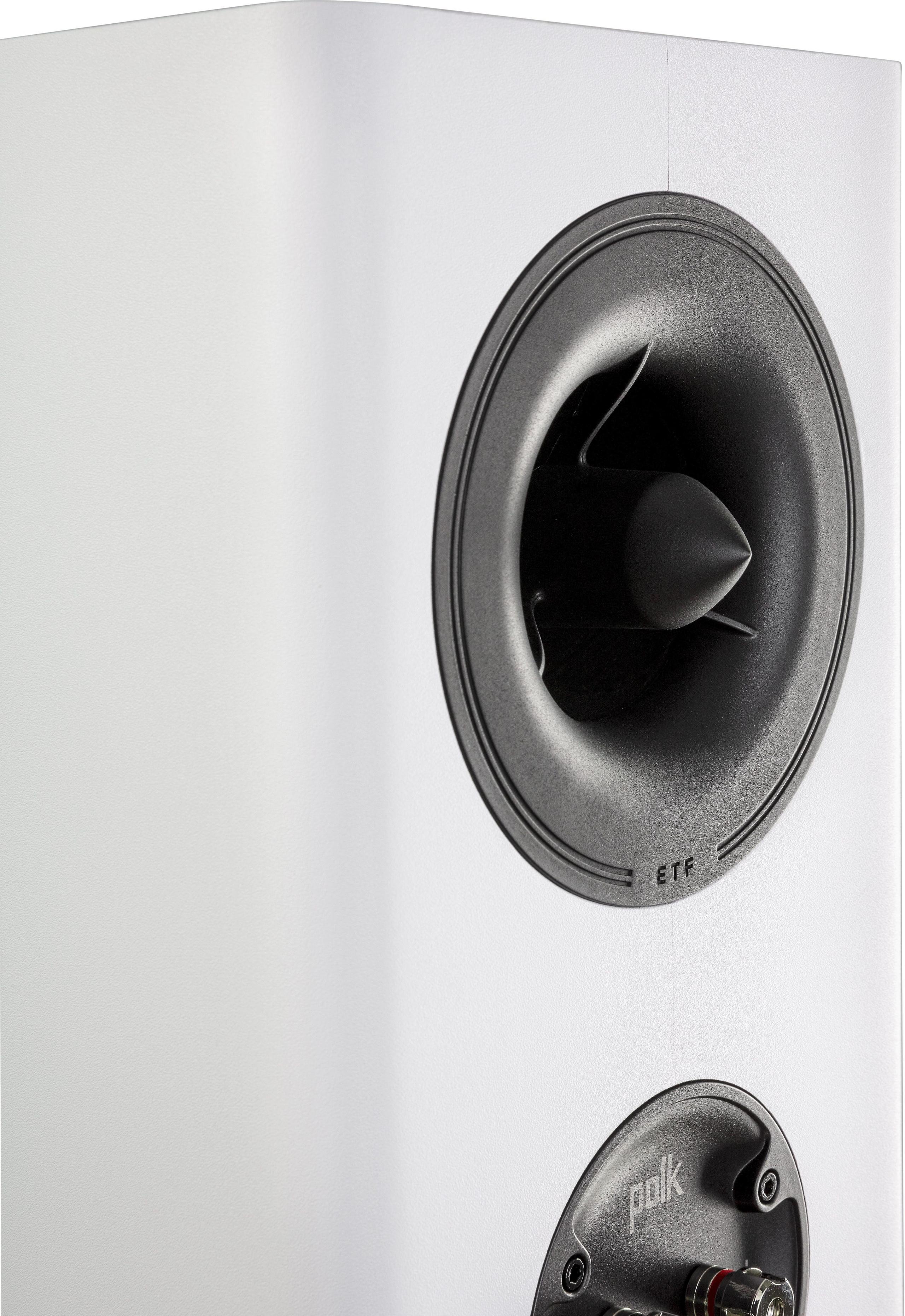
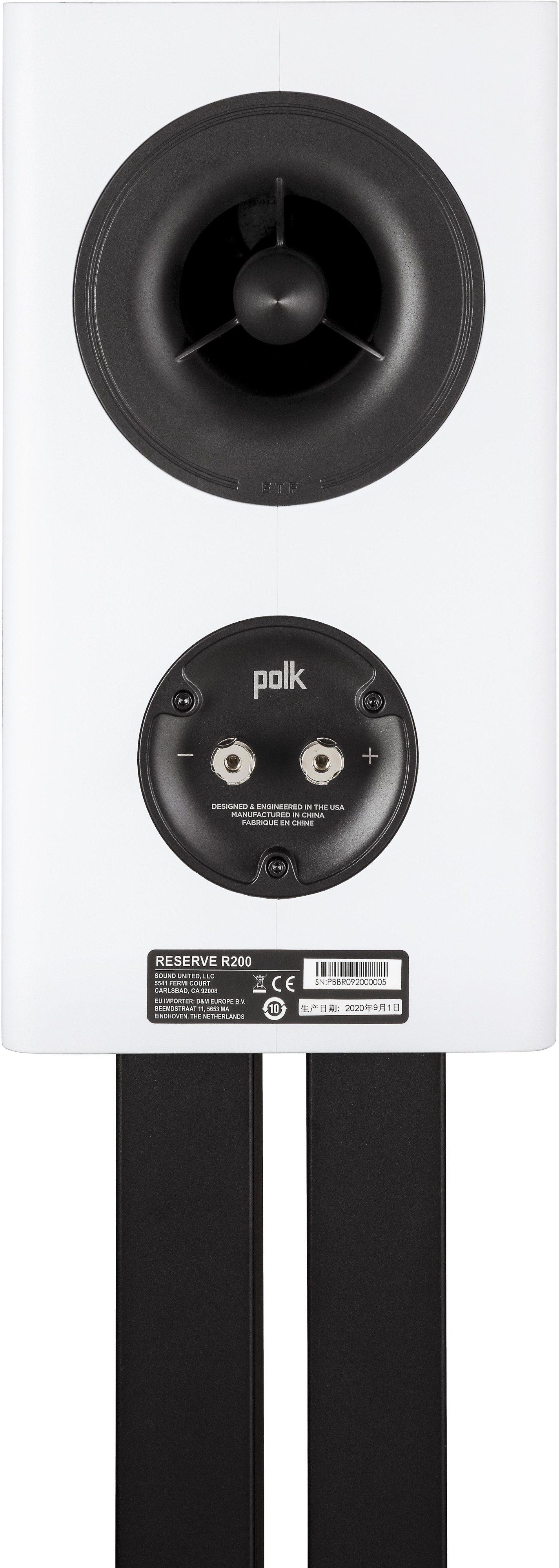
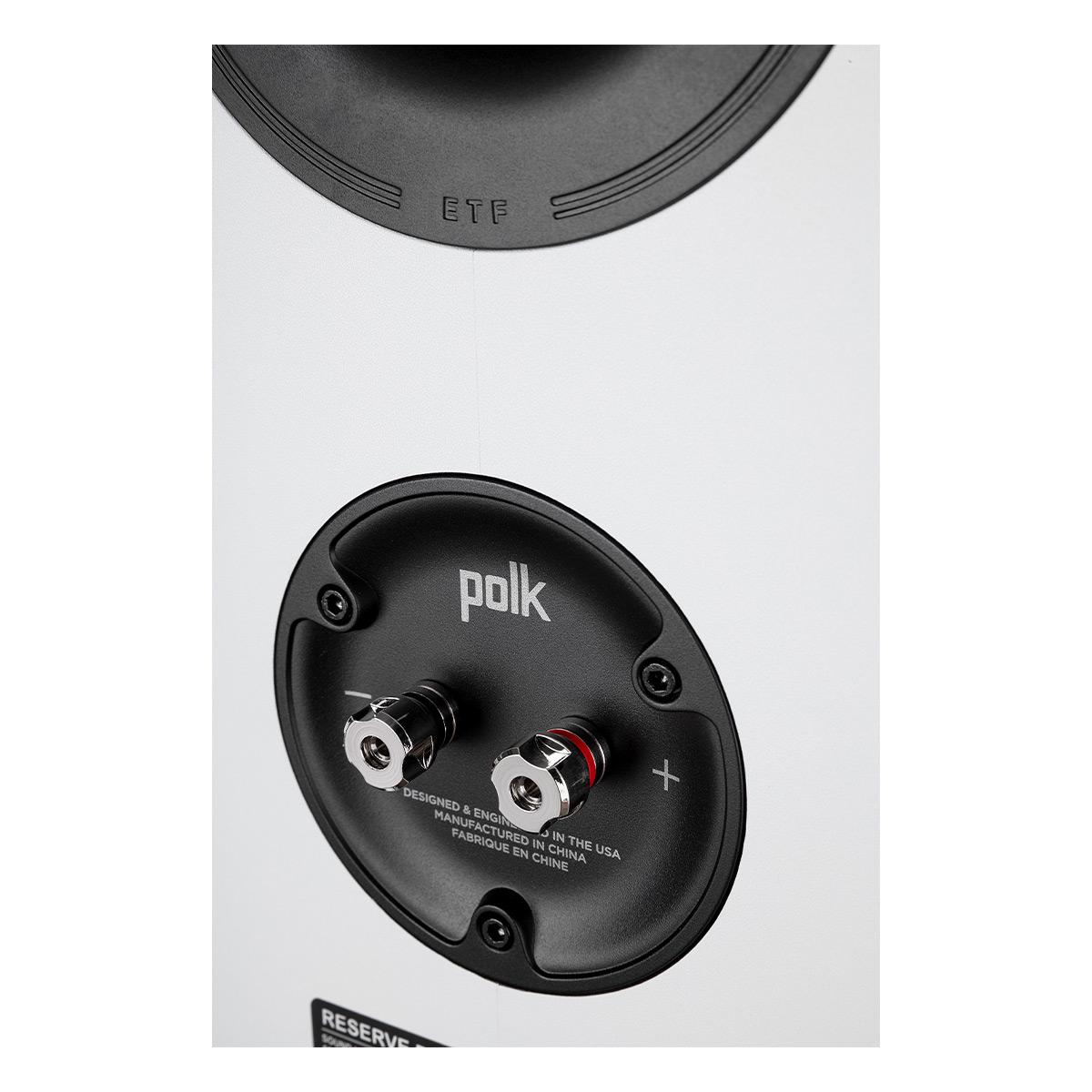
The B&W's rear-firing port (which helps produce bass) means it needs some space from walls to sound its best - ideally at least 8-12 inches. The Polk's X-Port technology and Power Port 2.0 design make it more flexible about placement, though both speakers will sound best with some room to breathe.
While both speakers excel with music, they have different strengths in home theater use. The Polk R200's wider dispersion pattern and deeper bass make it particularly well-suited for home theater applications, especially in rooms where not everyone can sit in the ideal position. The B&W 606 S3's precise imaging and detail retrieval make it excellent for dialog and complex soundtrack reproduction, though you'll likely want to add a subwoofer for full-range movie playback.
Both speakers are priced identically at $599, but they offer different types of value. The B&W brand typically holds its value well on the used market, and their speakers are known for longevity. The Polk offers more included technology and possibly better immediate performance for the price, especially if you're not planning to invest in high-end amplification.
The B&W 606 S3 represents a significant update over the S2 model, with the new Titanium Dome tweeter being the headline feature. The upgraded speaker terminals, derived from their 700 series, also improve connection quality and enable bi-wiring options.
The Polk R200, while a newer design from the ground up, brings technology from their flagship Legend series down to a more accessible price point. Their Pinnacle Ring Radiator tweeter and Turbine cone technology represent significant advances over previous Polk speakers at this price point.
Choose the B&W 606 S3 if:
Choose the Polk Reserve R200 if:
Both speakers represent excellent choices in their price range, but they serve different audiences. The B&W 606 S3 is for the detail-oriented listener who wants to hear everything in their music and has the supporting equipment to make it shine. The Polk R200 is more versatile and forgiving, making it an excellent choice for mixed-use systems and rooms where perfect setup isn't possible.
Remember, the best speaker is the one that makes your music sound the way you want it to sound. Both of these options offer exceptional performance - it's just a matter of matching their strengths to your specific needs and preferences.
| Bowers & Wilkins 606 S3 | Polk Audio Reserve R200 |
|---|---|
| Price - Investment required | |
| $599/pair | $599/pair |
| Frequency Response - Determines bass depth and overall range | |
| 52Hz - 28kHz (±3 dB), tighter bass control | 39Hz - 50kHz (-3dB), deeper bass extension |
| Sensitivity - How efficiently they convert power to sound | |
| 88dB, requires more power for volume | 86dB, slightly less efficient |
| Power Handling - Amplifier compatibility | |
| 30-120W, needs quality amplification | 30-200W, more flexible with amplifier matching |
| Impedance - Affects amplifier compatibility | |
| 8 ohms nominal, easier load | 3.8 ohms minimum, more demanding |
| Driver Configuration - Core sound production | |
| 1" Titanium Dome tweeter, 6.5" Continuum cone mid/bass | 1" Pinnacle Ring Radiator tweeter, 6.5" Turbine Cone woofer |
| Cabinet Design - Affects bass performance and placement flexibility | |
| Rear-firing Flowport, needs space from walls | X-Port and Power Port 2.0, more placement flexible |
| Dimensions - Space requirements | |
| 7.5"W x 13.7"H x 13"D | 7.6"W x 14.1"H x 14"D |
| Weight - Build quality indicator | |
| 15.5 lbs each | 16.8 lbs each |
| Special Features - Additional capabilities | |
| Bi-wire capable, magnetic grille, decoupled tweeter | Hi-Res certified, enhanced dispersion pattern, turbine cone technology |
| Best Use Case - Optimal application | |
| Critical listening, acoustic/classical music, dedicated systems | Versatile use, home theater integration, wider listening area |
Both the $599 B&W 606 S3 and $599 Polk R200 excel in different areas. The B&W offers more detail and precision, while the Polk provides deeper bass and more placement flexibility. Neither is definitively "better" - it depends on your specific needs.
There is no price difference - both the B&W 606 S3 and Polk R200 are priced at $599 per pair.
The Polk R200 reaches deeper bass (39Hz) compared to the B&W 606 S3 (52Hz). However, the B&W offers tighter, more controlled bass. For maximum bass impact, the Polk has an advantage.
The B&W 606 S3 is more demanding and performs best with high-quality amplification. The Polk R200 is more flexible and works well with both modest and high-end amplifiers.
The Polk R200 is generally better suited for home theater due to its deeper bass, wider dispersion pattern, and more flexible placement options. The B&W 606 S3 excels with dialogue but typically needs a subwoofer for full home theater impact.
The B&W 606 S3 needs at least 8-12 inches from walls due to its rear-firing port. The Polk R200 is more flexible with placement but still benefits from some space to breathe.
The B&W 606 S3 is particularly well-suited for classical music due to its exceptional detail retrieval and precise imaging. The Polk R200 performs well but doesn't quite match the B&W's clarity with classical recordings.
For music, neither absolutely requires a subwoofer. The Polk R200 has deeper bass extension, making it more satisfying without a sub. For home theater, both would benefit from a subwoofer, though the B&W 606 S3 would benefit more.
Both are well-built, but the B&W 606 S3 typically holds its value better and has a strong reputation for longevity. The Polk R200 is also solidly built but has less historical data as it's a newer model.
Both can play quite loud, but the Polk R200 has a slight advantage with its higher power handling (up to 200W vs 120W for the B&W 606 S3). Both maintain clarity at high volumes when properly powered.
Both work well in small rooms, but the Polk R200 is more forgiving with placement and room acoustics. The B&W 606 S3 might be more challenging to position optimally in a small space.
Yes, both the B&W 606 S3 and Polk R200 come with removable grilles. The B&W features a magnetic attachment system that's particularly elegant and easy to use.
We've done our best to create useful and informative comparisons to help you decide what product to buy. Our research uses advanced automated methods to create this comparison and perfection is not possible - please contact us for corrections or questions. These are the sites we've researched in the creation of this article: futureaudiophile.com - headphones.com - therobinsonbrand.com - higherhz.com - audioadvisor.com - crutchfield.com - bowerswilkins.com - crutchfield.com - vinylrevival.com.au - audioadvisor.com - worldwidestereo.com - erinsaudiocorner.com - polkaudio.com - audioadvisor.com - avsforum.com - thenextweb.com - polkaudio.com - pcrichard.com - crutchfield.com - youtube.com - polkaudio.com - polkaudio.com - polkaudio.com - abt.com

Privacy Policy
Terms and Conditions - Affiliate Policy
Home Security
© Copyright 2008-2026.
11816 Inwood Rd #1211, Dallas, TX 75244