

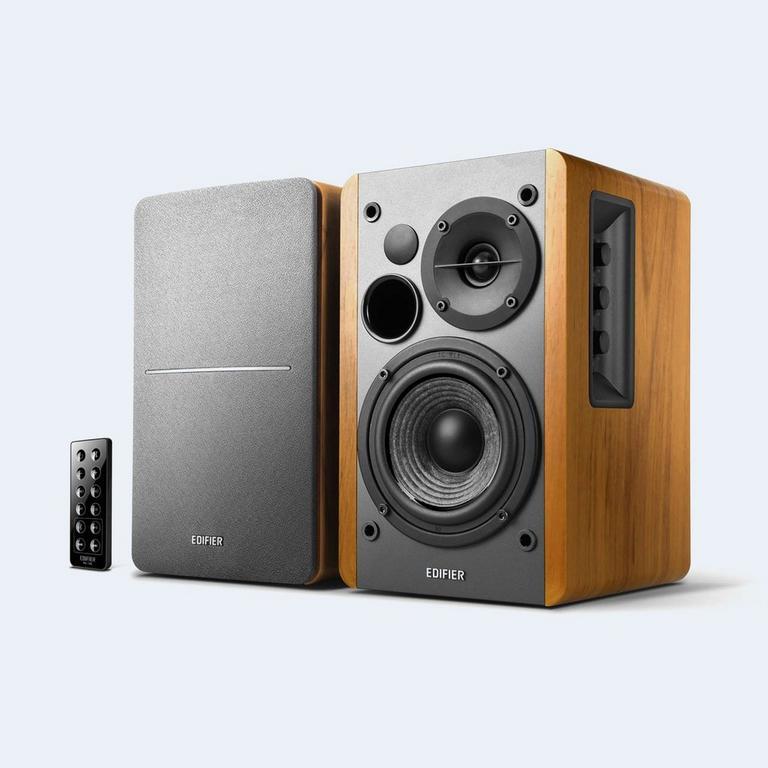
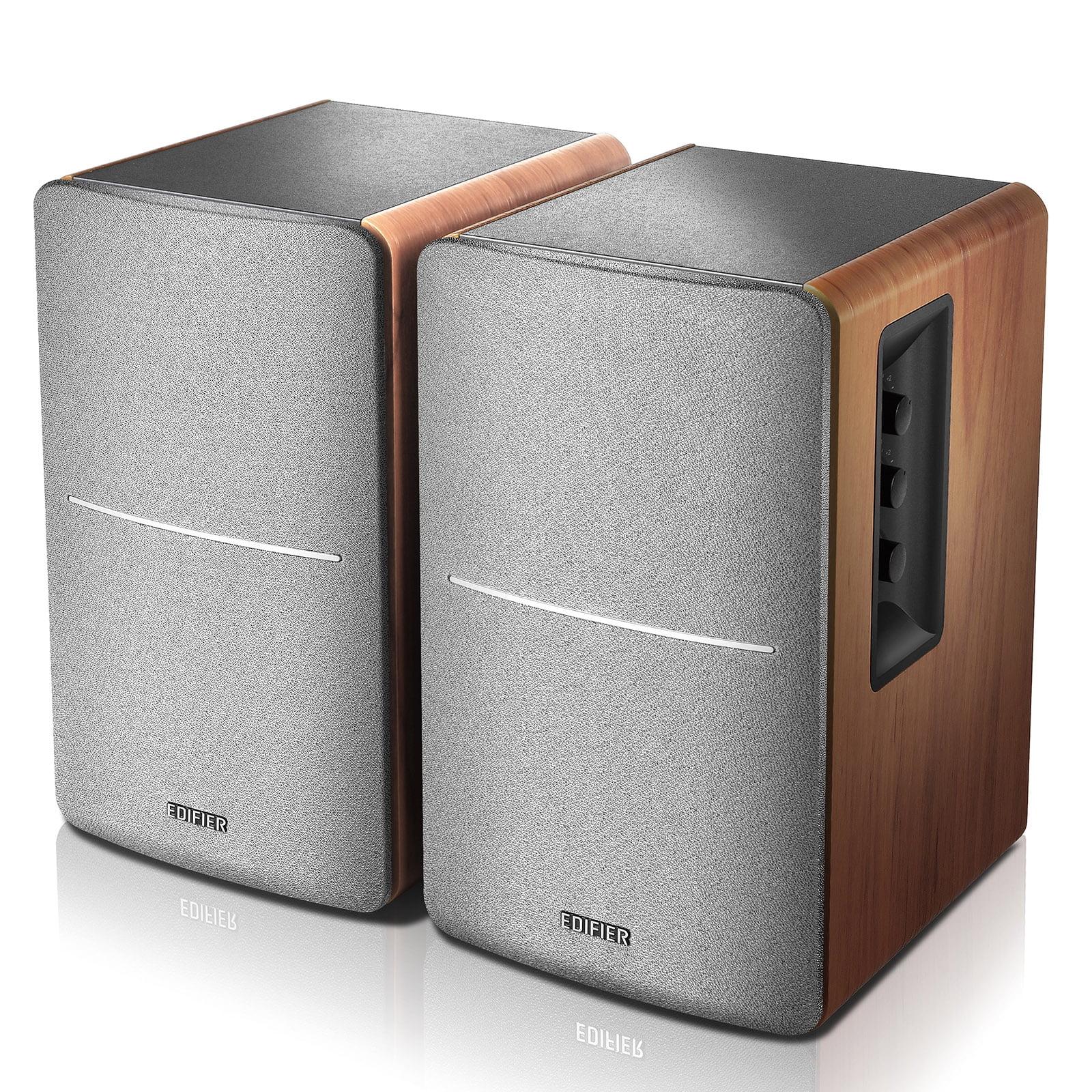
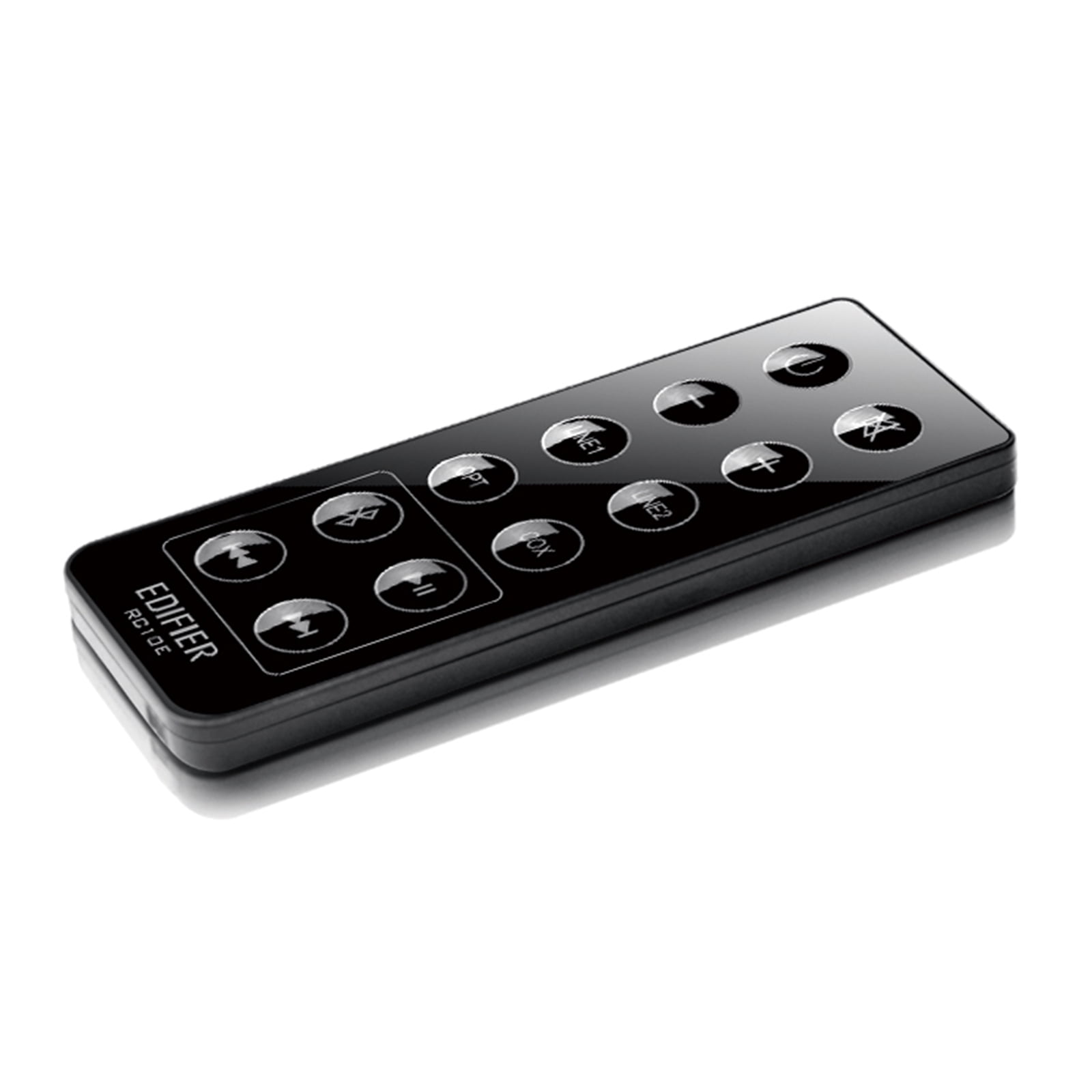
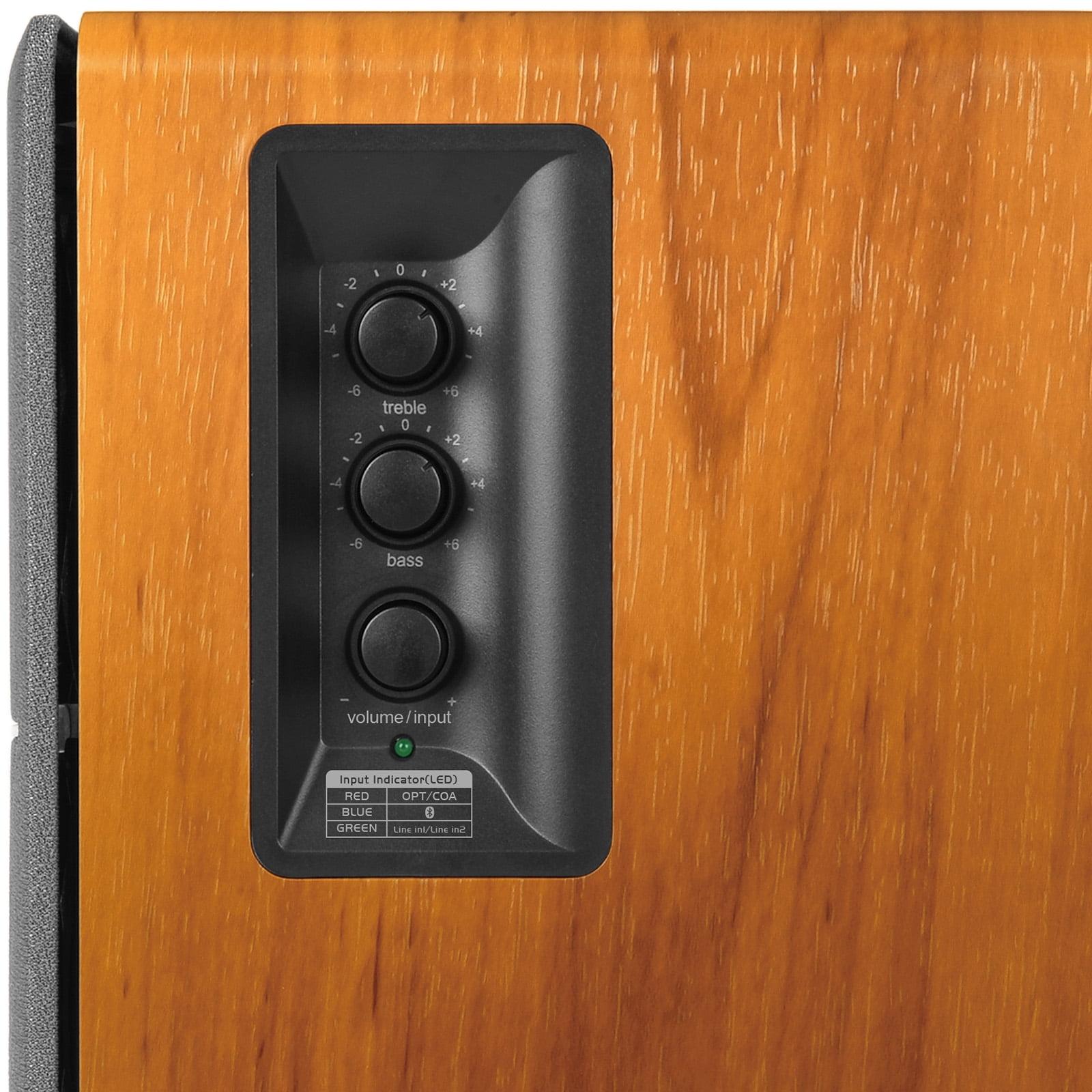
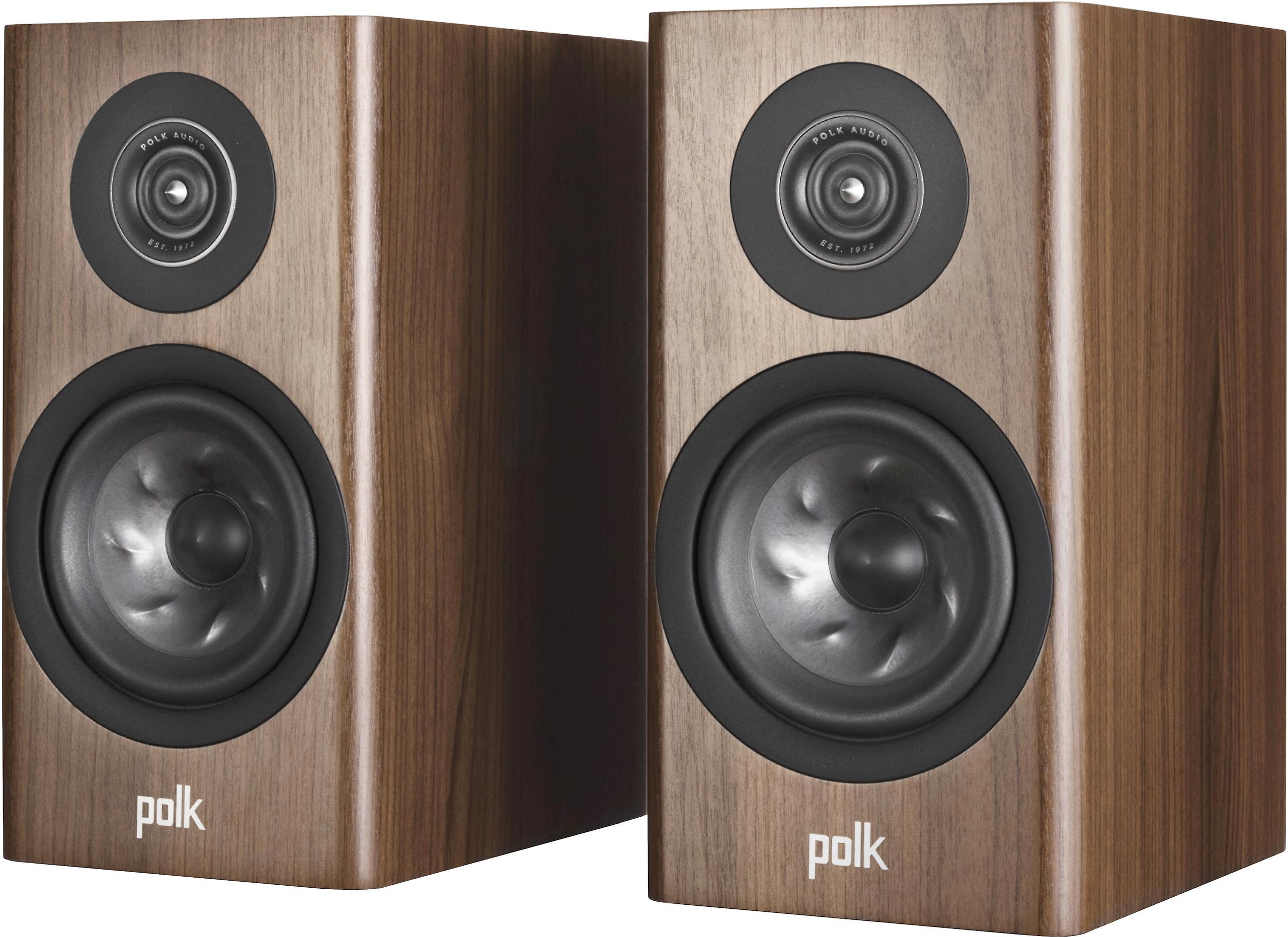
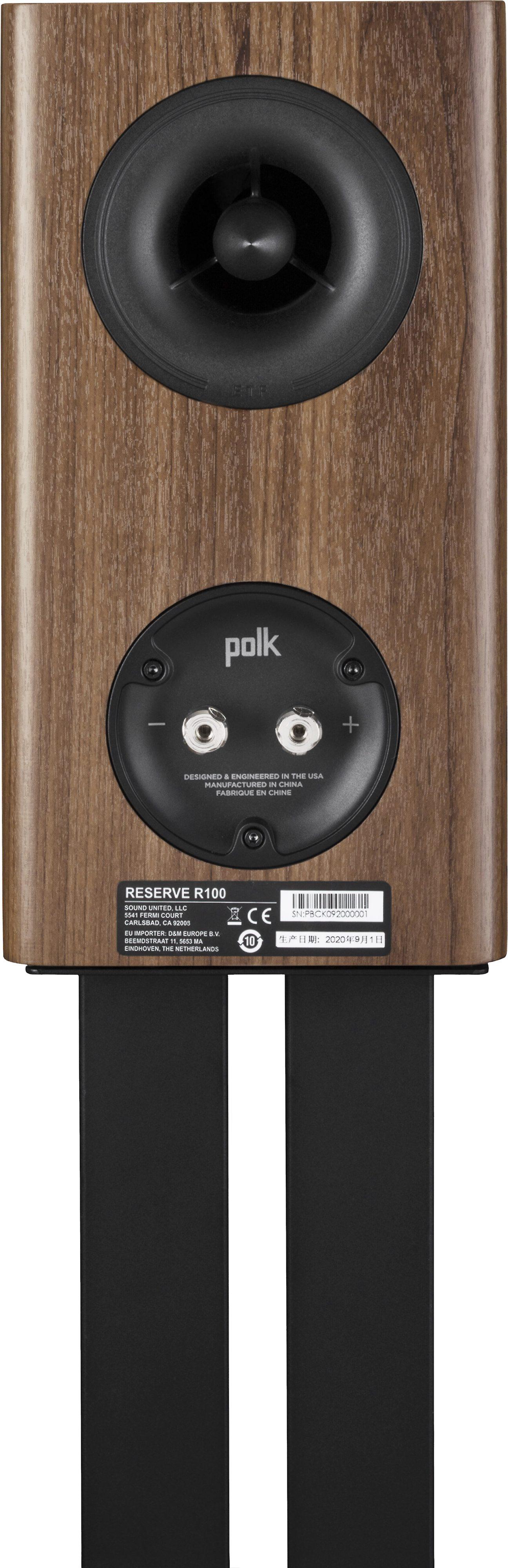
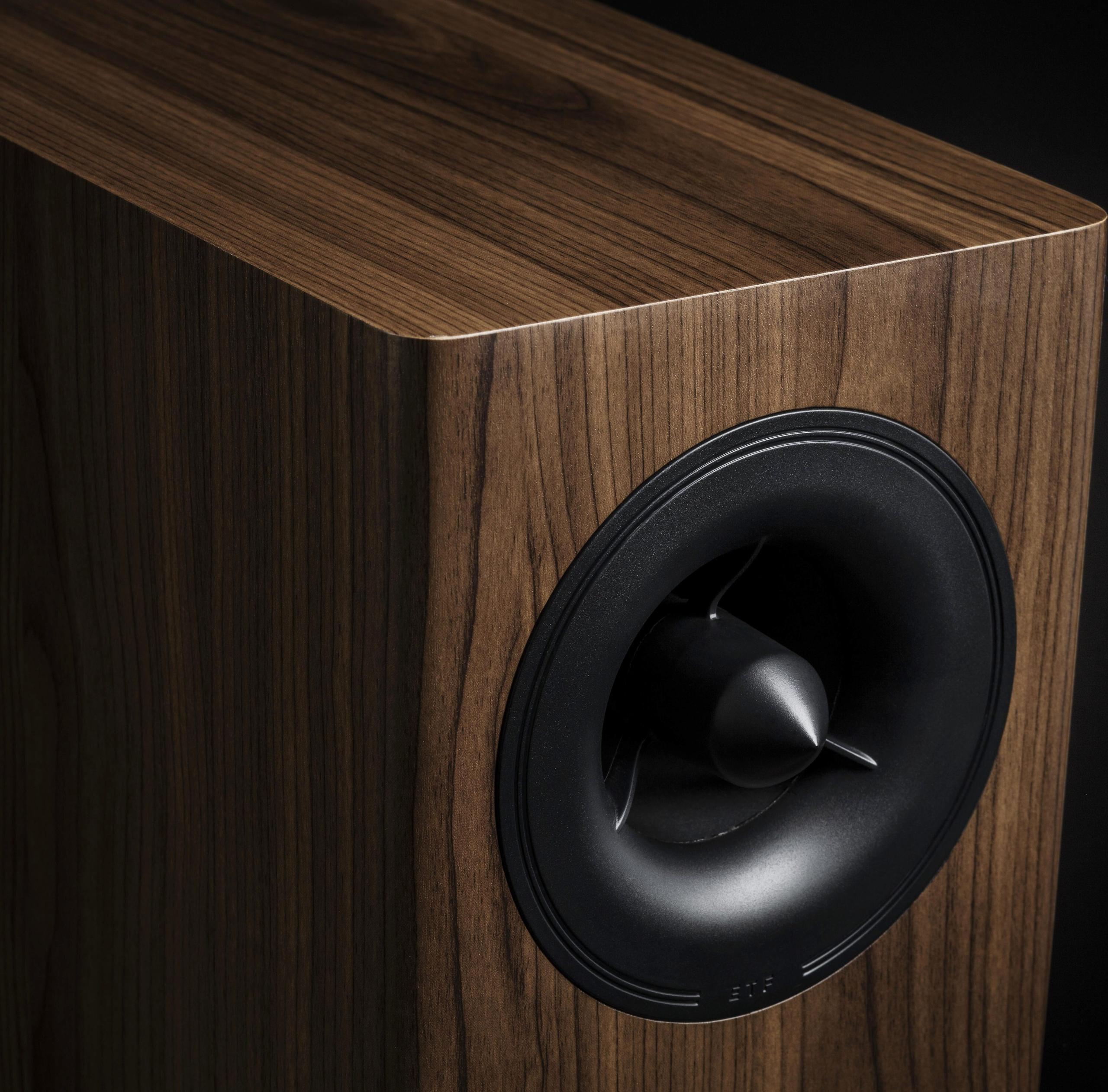
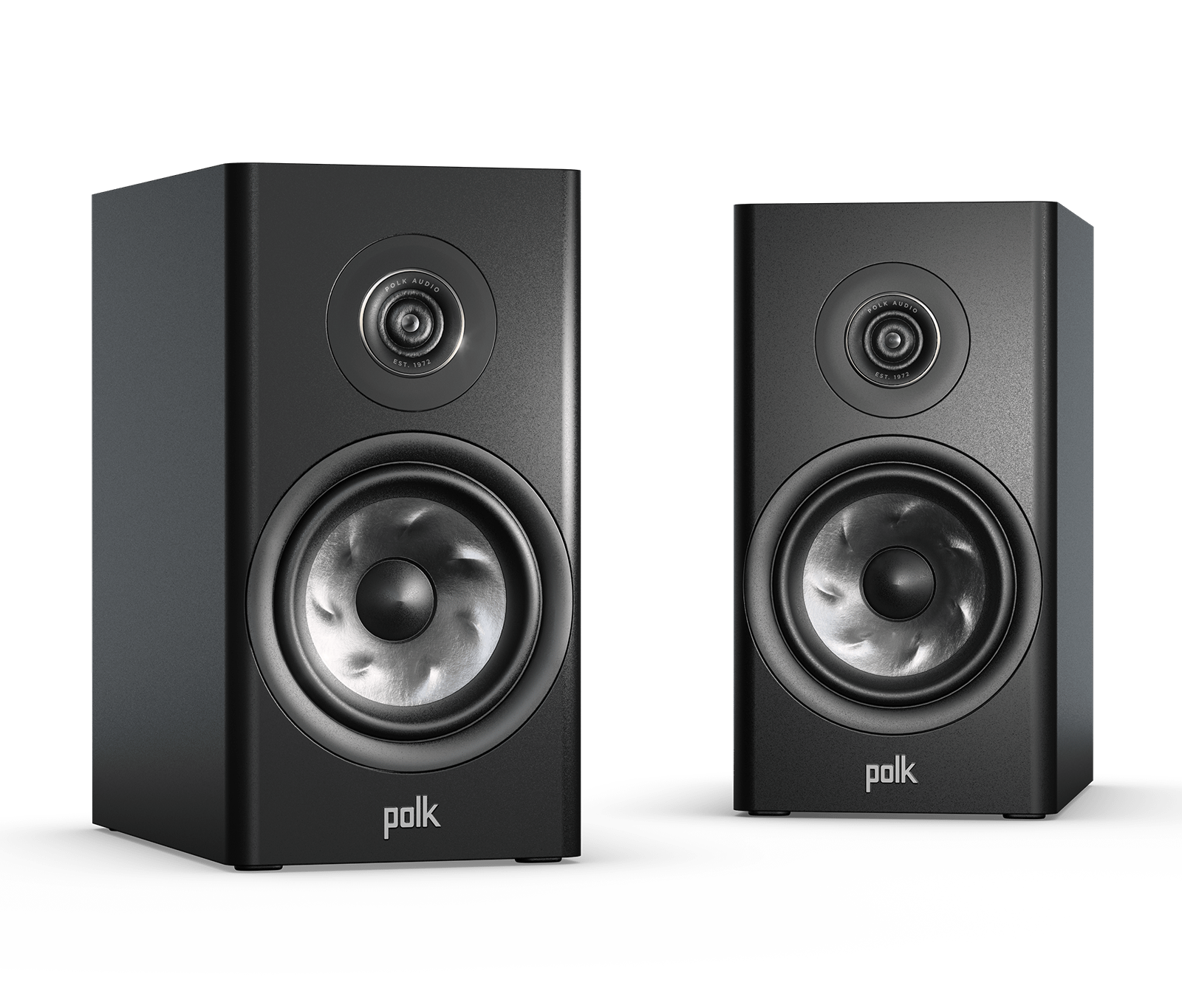
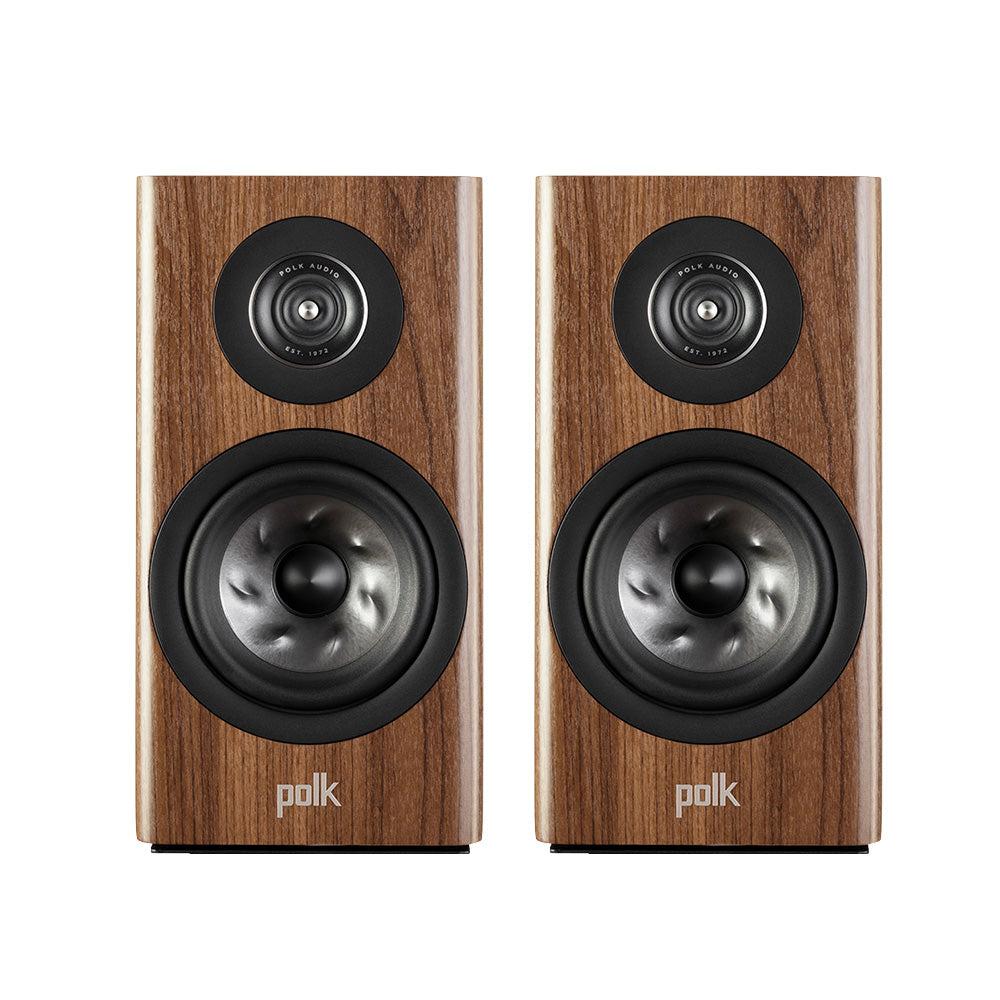
As someone who's tested dozens of speaker systems, I find the comparison between the Edifier R1280DB ($149.99) and Polk Reserve R100 ($493.24) particularly interesting. These speakers represent two different approaches to home audio, and understanding their differences can help you make a better choice for your needs.
Bookshelf speakers remain one of the most versatile ways to get great sound in your home. They've evolved significantly over the past decade, with two main categories emerging: active speakers (with built-in amplifiers) and passive speakers (requiring external amplification). This distinction is crucial for understanding our comparison today.
What makes a good bookshelf speaker? It needs to reproduce music accurately, fit well in your space, and deliver value for your investment. The challenge is balancing these factors within your budget.
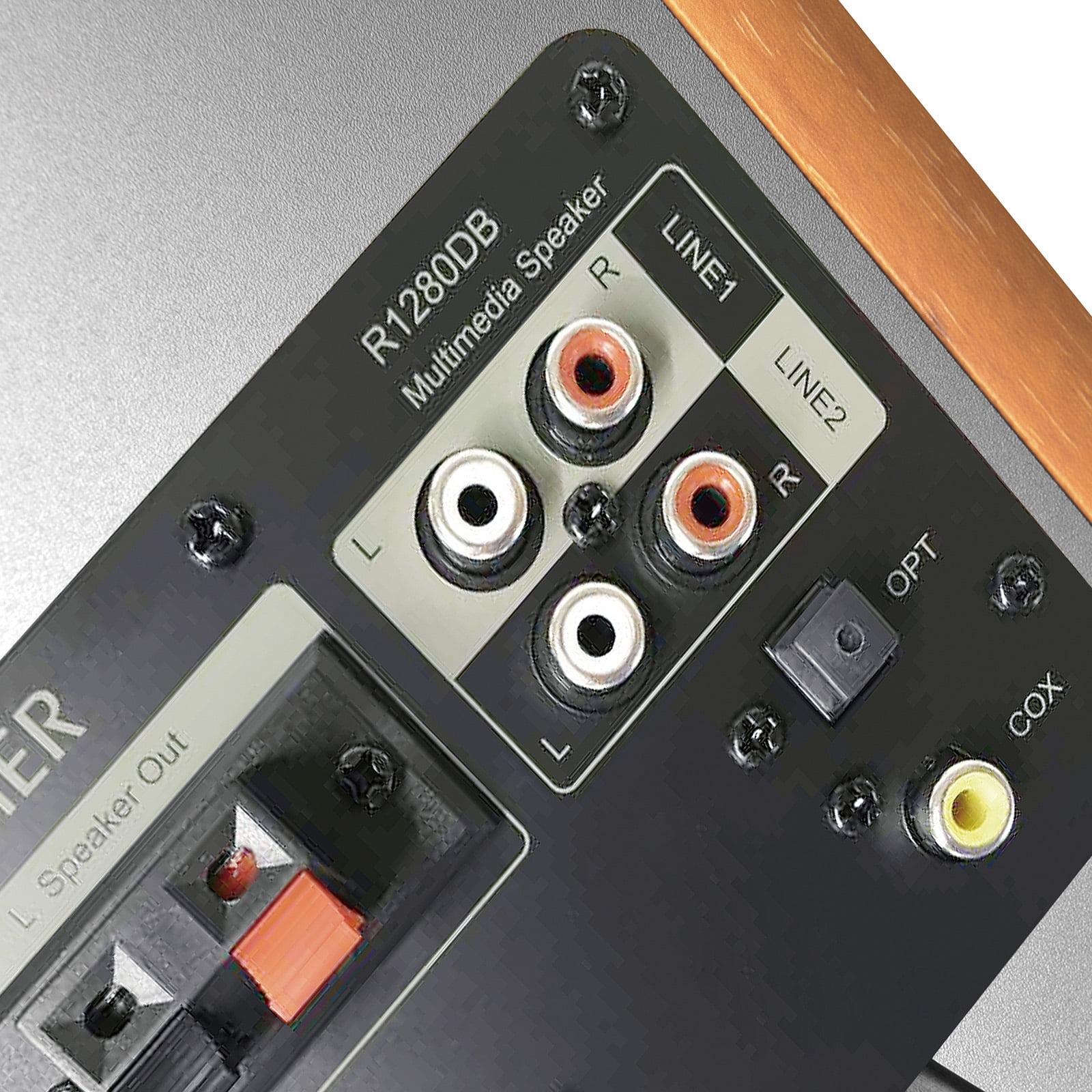
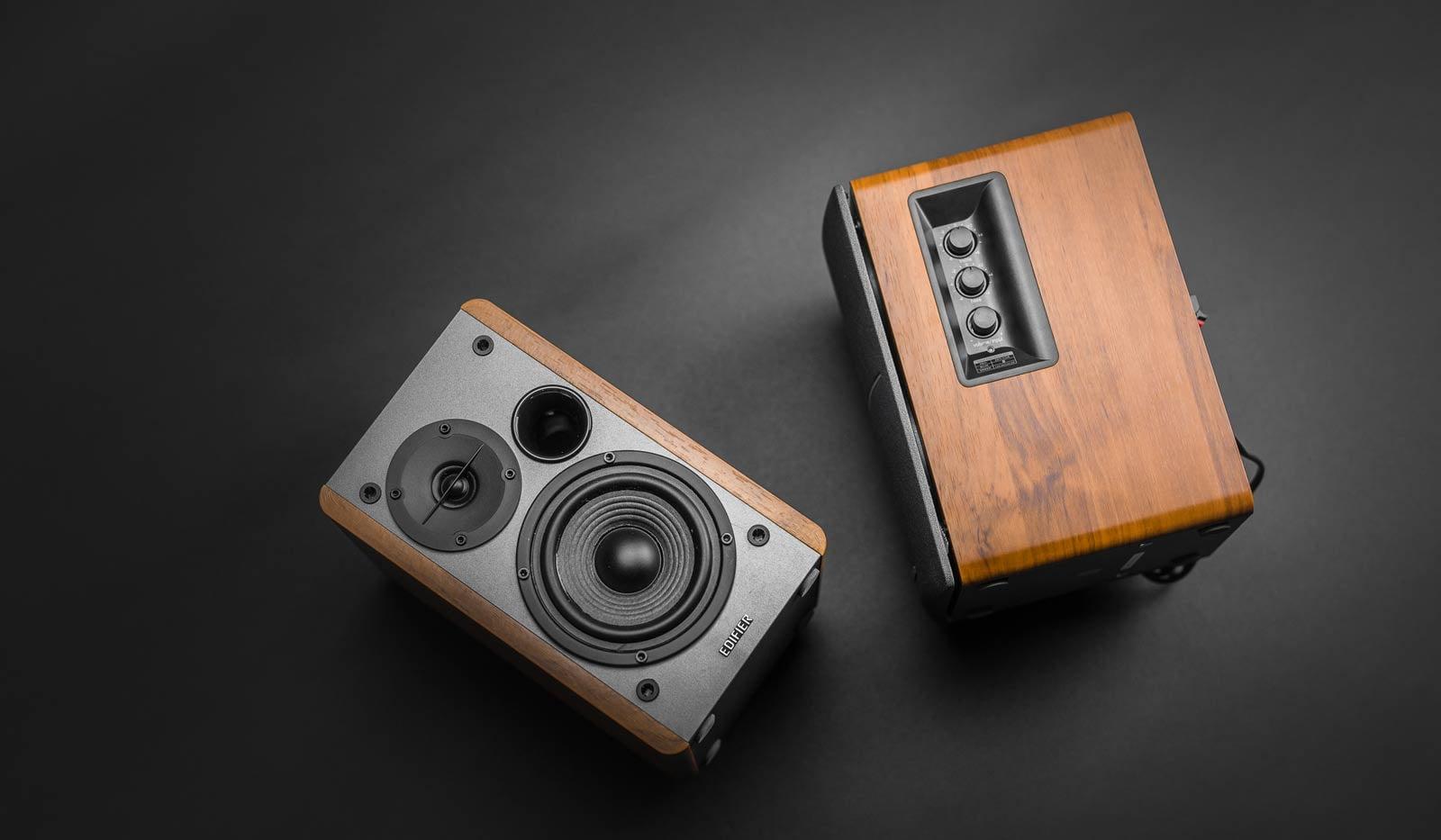
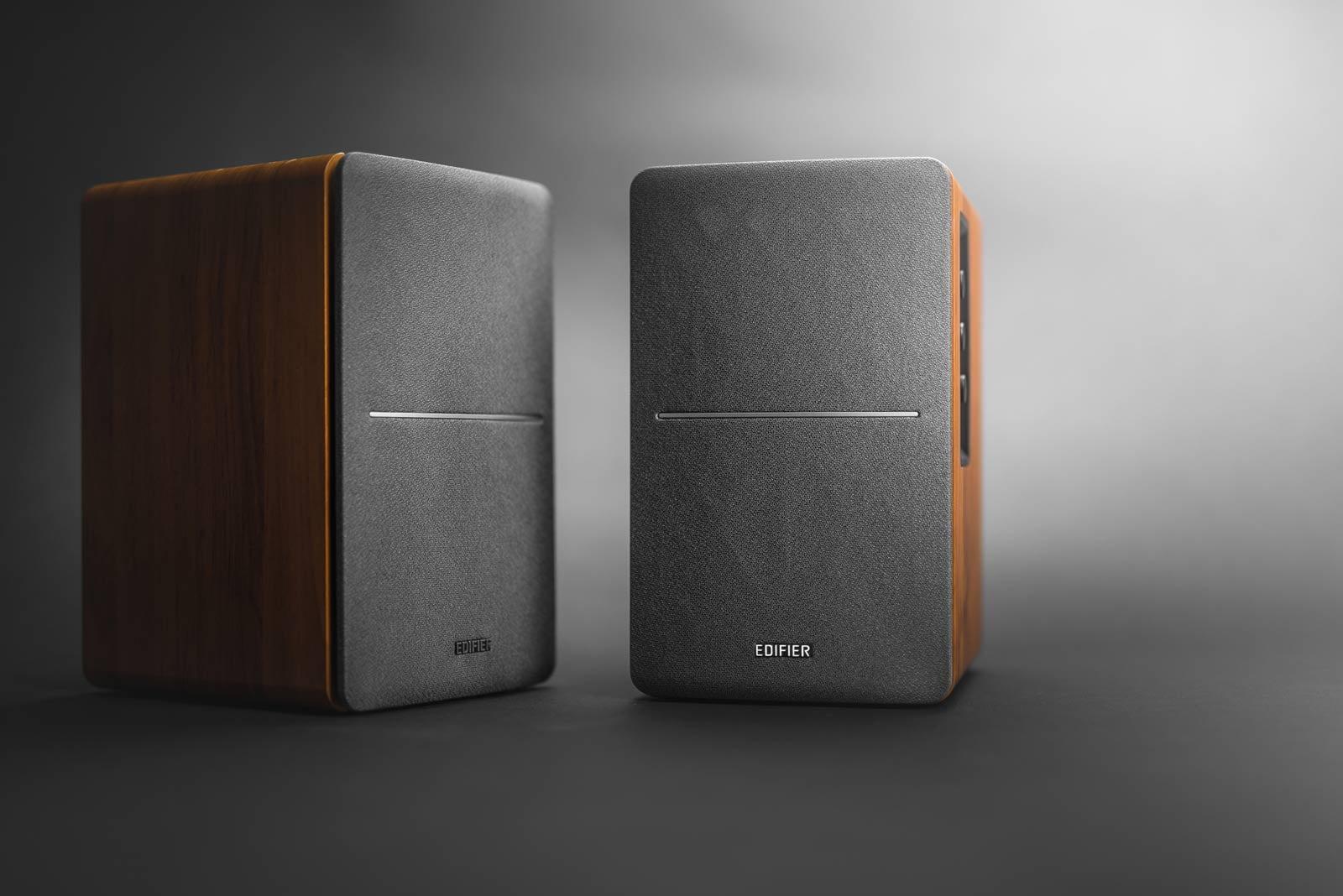
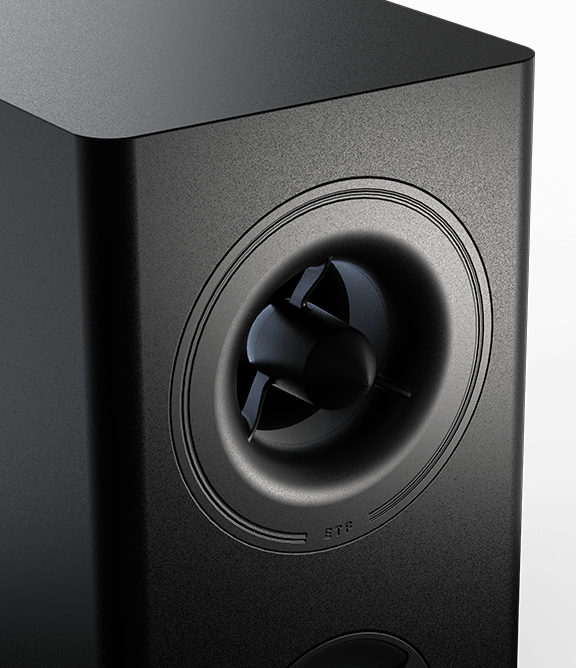
The Edifier R1280DB represents the modern, integrated approach. Released in 2019, it builds on Edifier's popular R1280T by adding Bluetooth 5.0 and digital inputs. The active design means everything you need is built right in – no extra amplifier required.
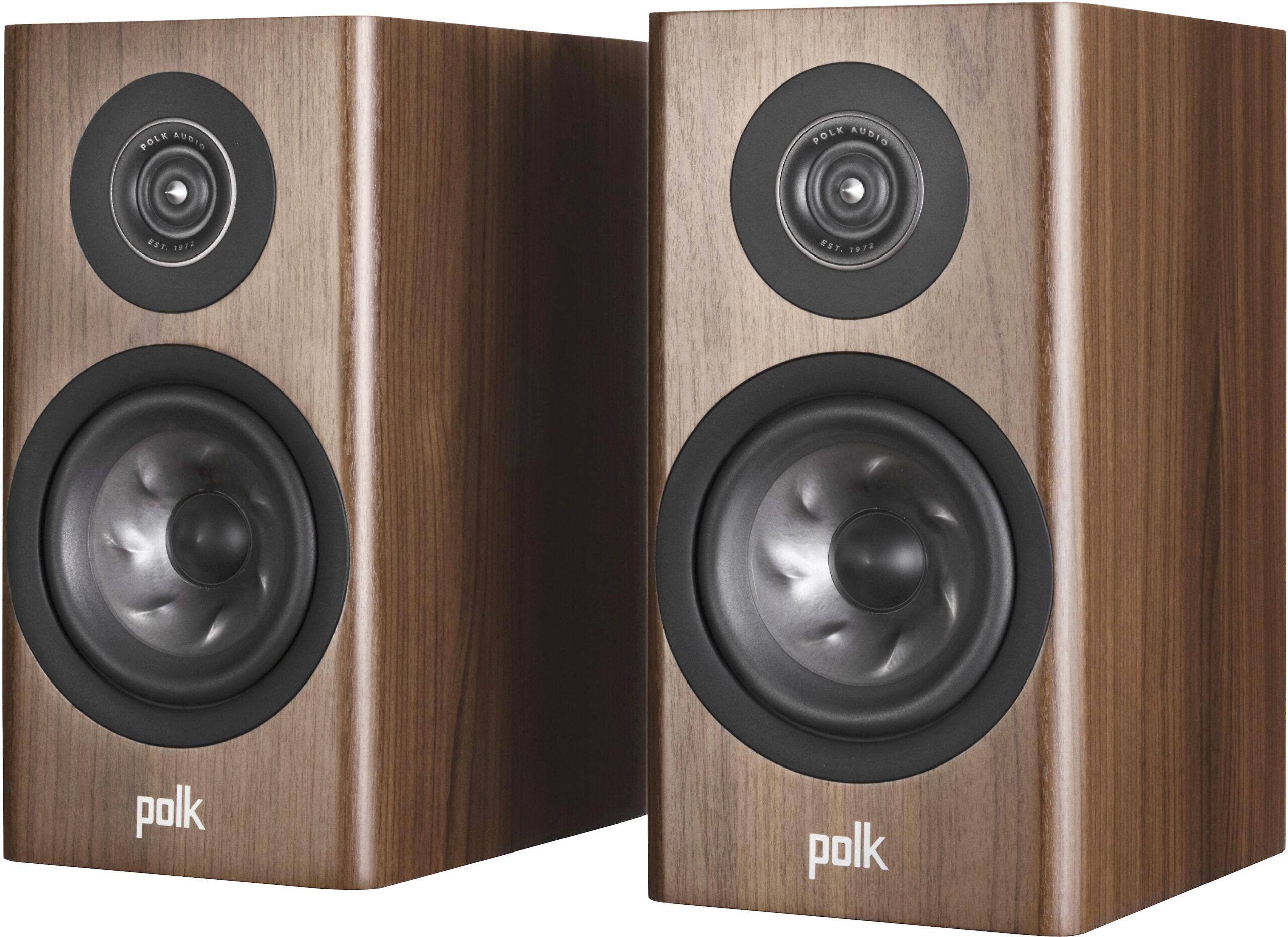
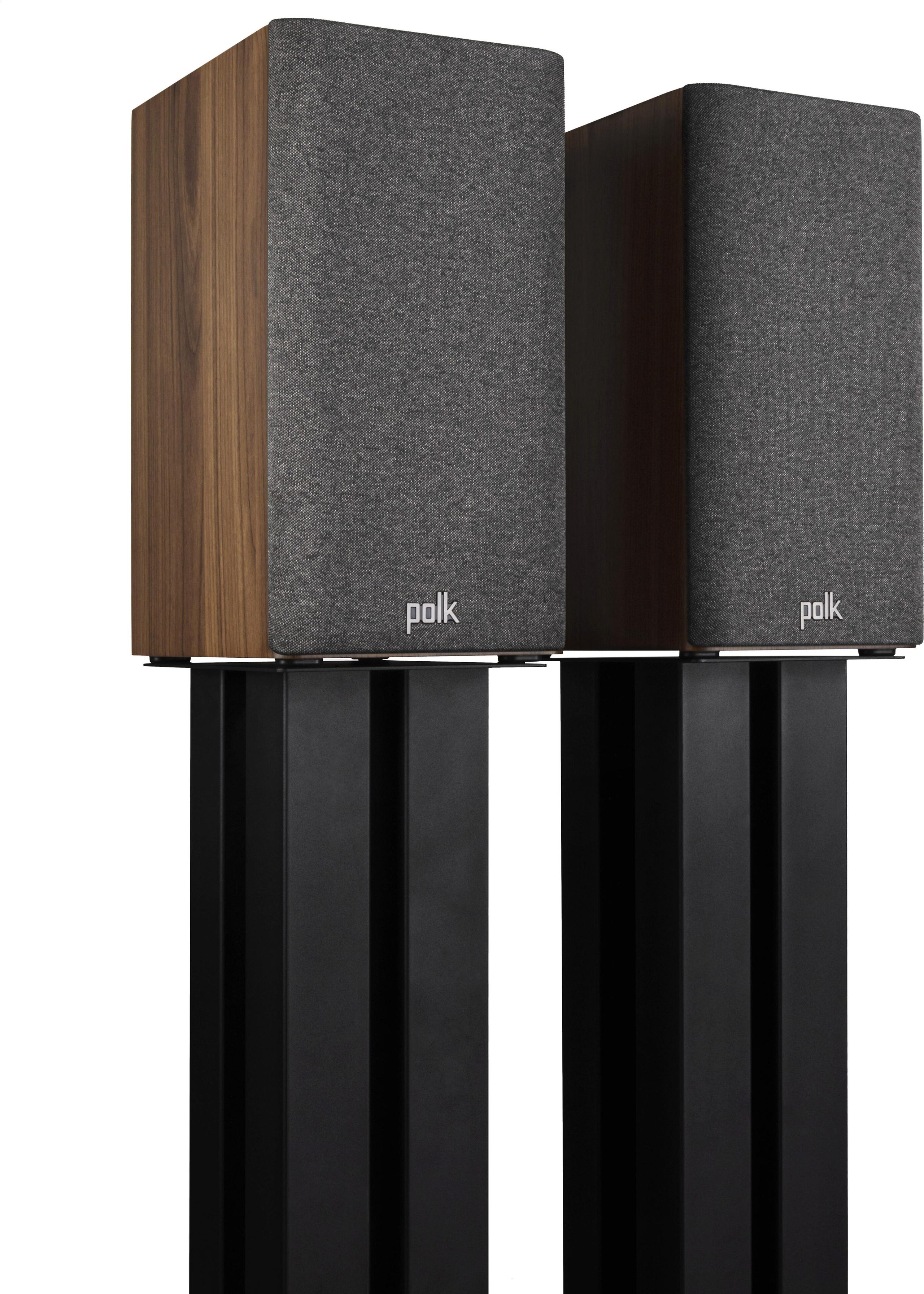
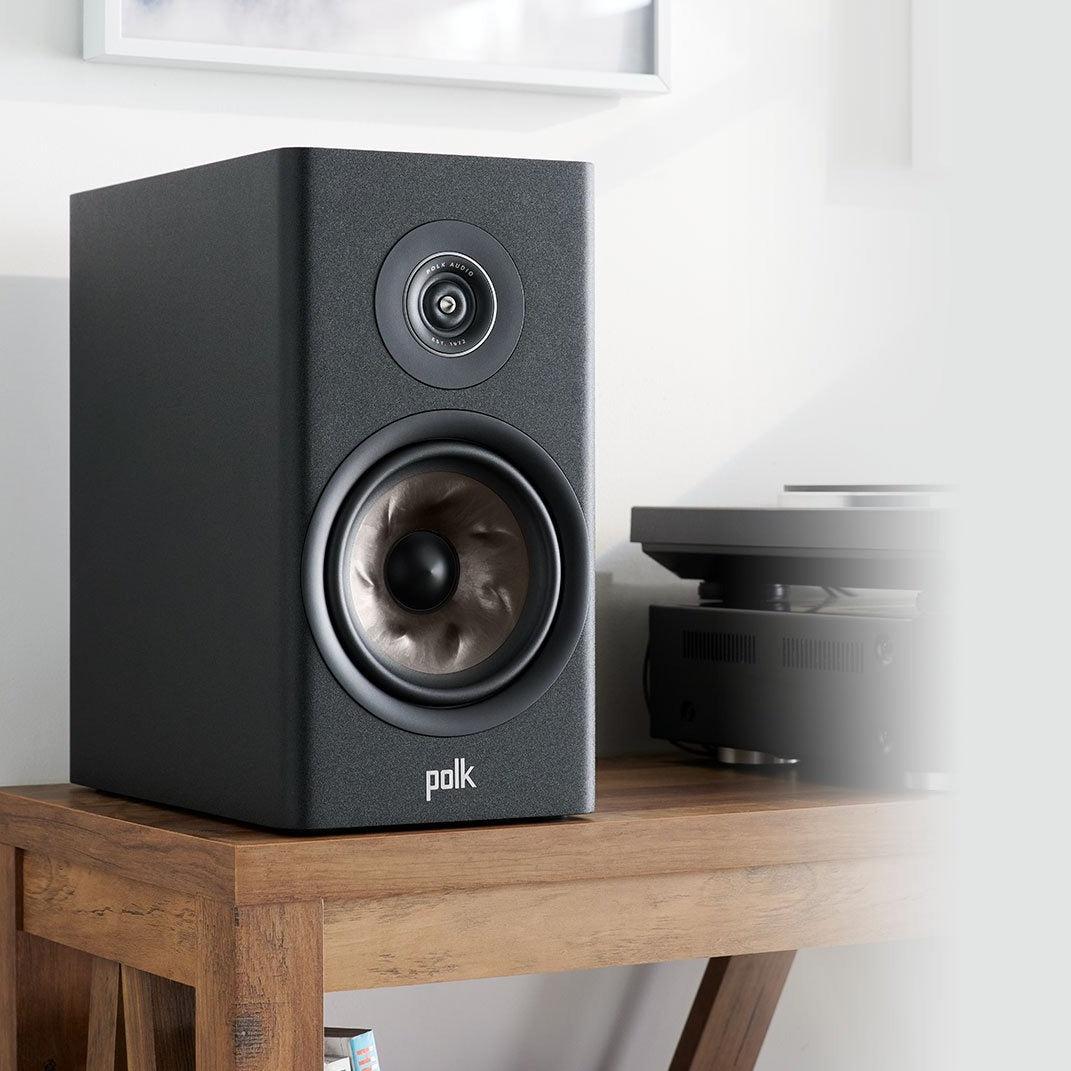
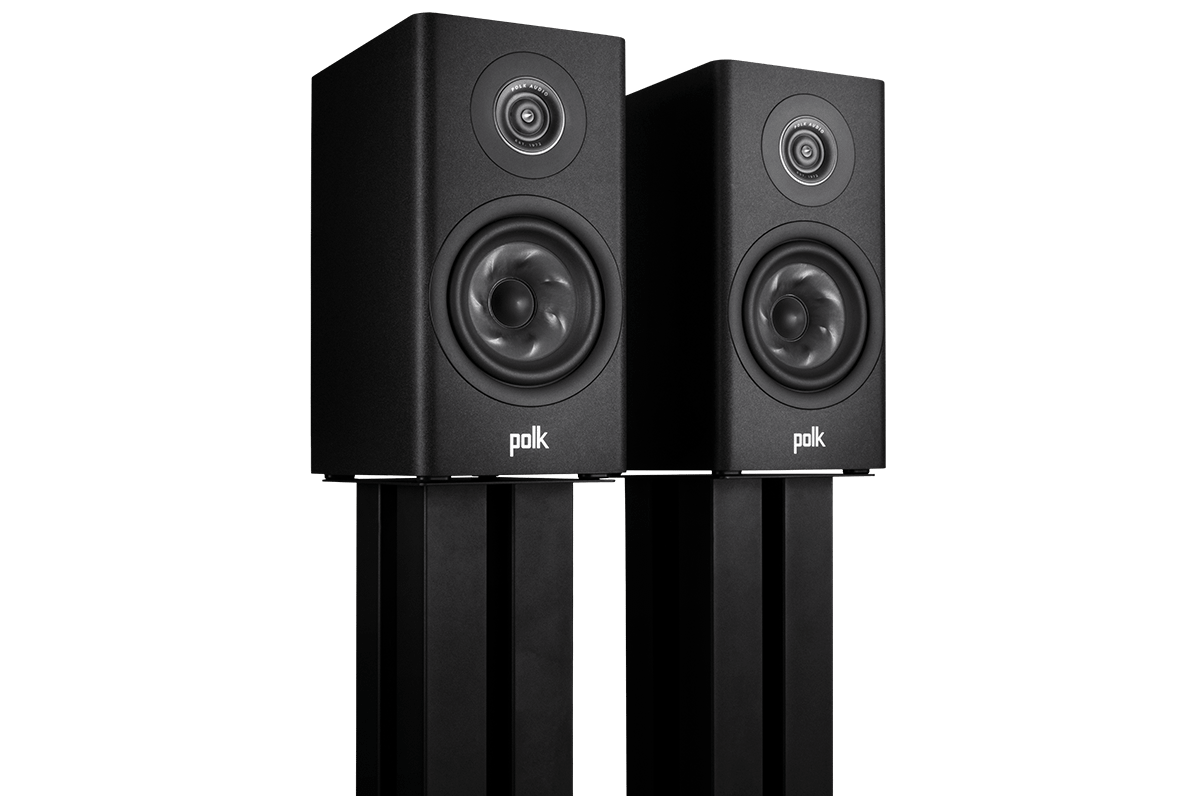
The Polk Reserve R100, launched in late 2022, takes the traditional audiophile approach. It's a passive speaker that requires an external amplifier but offers potentially higher performance ceilings. The newer release date shows in its more advanced driver technology and refined sound.
Both speakers use different technologies to achieve their goals:
Edifier R1280DB:
Polk R100:
I've used both speakers in different settings, and their performance characteristics are quite distinct.
The Edifier R1280DB delivers impressive performance for its price. The sound is balanced and pleasant, with enough detail to enjoy most music genres. Bass response is good for the size, though it won't shake the room. The built-in DSP helps prevent distortion at higher volumes, though you might notice some compression.
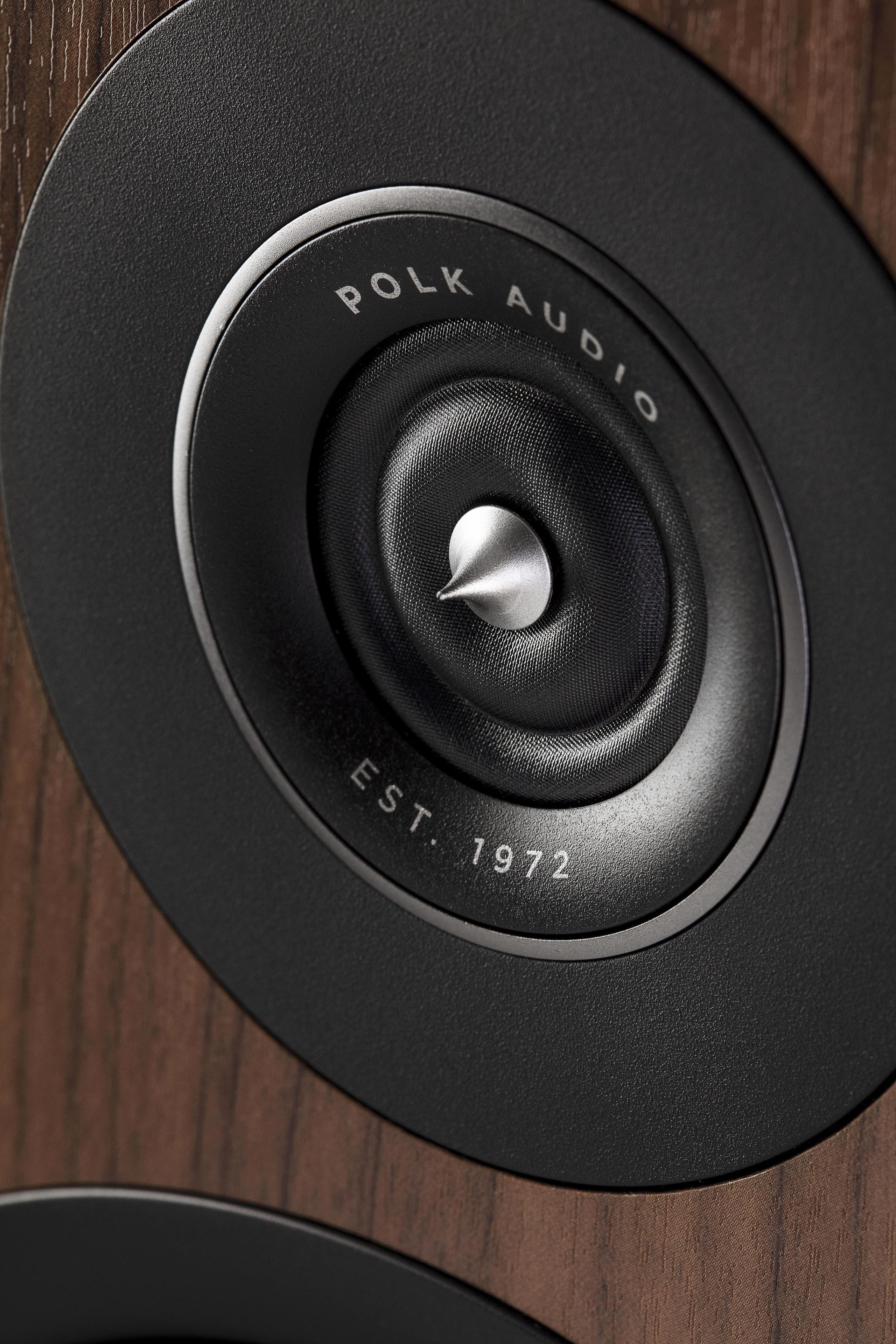
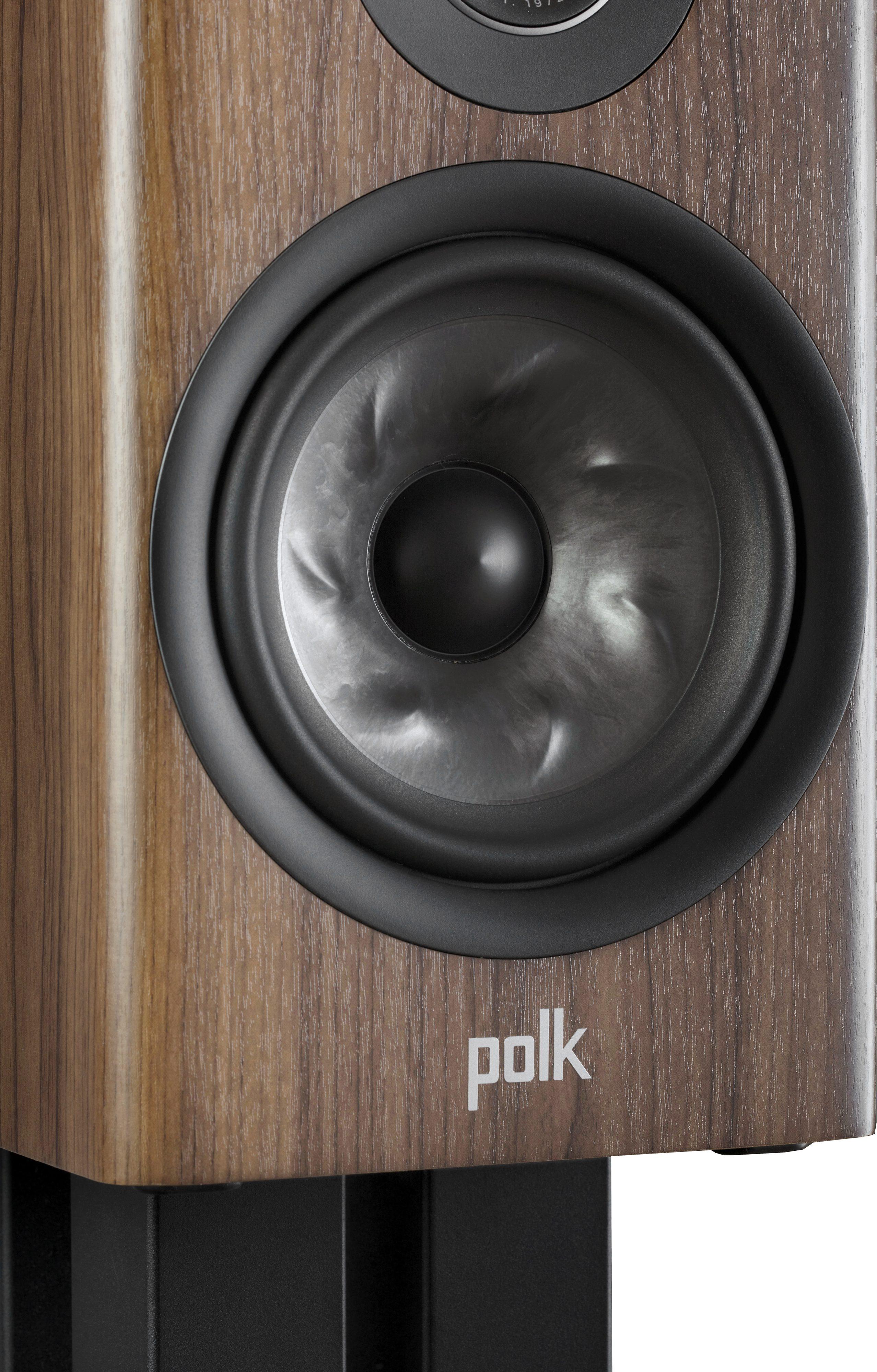
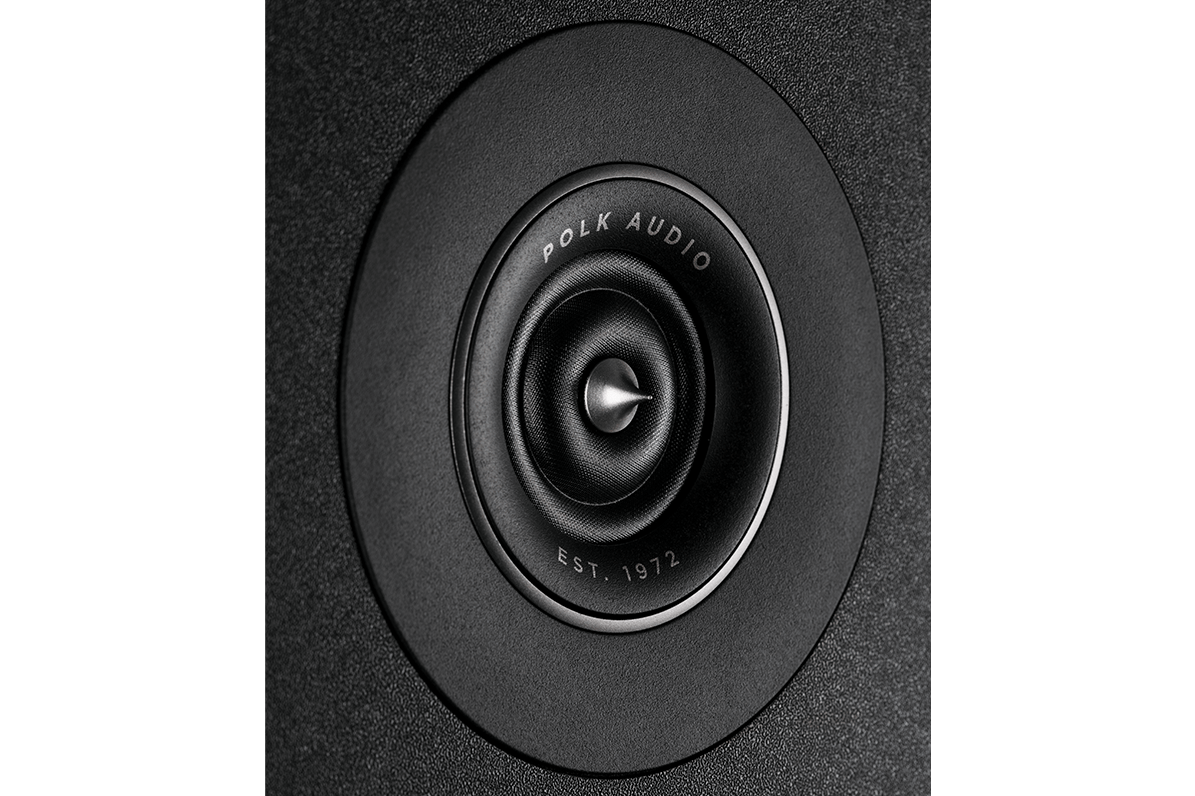
The Polk R100 shows its premium heritage here. When properly amplified, it delivers clearer highs, more detailed midrange, and better stereo imaging (the ability to place instruments in space). The larger woofer and advanced tweeter design create a more refined sound, especially noticeable with complex classical music or well-recorded acoustic material.
Both speakers can work in a home theater setup, but they serve different needs:
Edifier R1280DB:
Polk R100:
The total cost of ownership differs significantly:
Edifier System:
Polk System:
Consider these key factors when choosing:
After spending considerable time with both speakers, I find they each excel in their intended use cases. The Edifier R1280DB is remarkably capable for its price point and offers tremendous value for casual listeners or those new to quality audio. The convenience of built-in amplification and multiple inputs makes it a practical choice for many situations.
The Polk R100 represents a higher level of performance that's worth its premium price - if you're willing to invest in proper amplification. The sound quality improvement is noticeable, especially in critical listening sessions.
For most people starting out, I recommend the Edifier. It's an excellent entry point into better audio without overwhelming complexity or cost. However, if you're serious about audio quality and willing to invest in a proper system, the Polk speakers will reward you with superior sound that continues to impress as your system grows.
Remember: The best speakers are the ones that fit your needs, space, and budget while bringing you joy when listening to your favorite music or movies.
| Edifier R1280DB ($149.99) | Polk Reserve R100 ($493.24) |
|---|---|
| Design Type - Determines if you need additional equipment | |
| Active (built-in amplifier, ready to use) | Passive (requires external amplifier purchase) |
| Power Output - Impacts volume capability and room size suitability | |
| 42W total (21W per speaker) | Depends on amplifier (30-150W recommended) |
| Driver Size - Affects bass response and overall sound quality | |
| 4" woofer, 13mm tweeter (good for desktop/near-field) | 5.25" woofer, 1" tweeter (better for room-filling sound) |
| Connectivity - Determines how many devices you can connect | |
| Bluetooth 5.0, Optical, Coaxial, Dual RCA (very versatile) | Speaker wire only (requires source components) |
| Frequency Response - Shows range of sound reproduction | |
| 55Hz-20kHz (good for most music) | 58Hz-39kHz (superior high-frequency extension) |
| Additional Equipment Required - Important for total cost consideration | |
| None - complete solution | Amplifier ($200-500+) required |
| Construction Quality - Impacts sound clarity and longevity | |
| Good build, vinyl wrap (appropriate for price) | Premium materials, advanced driver design (audiophile grade) |
| Warranty - Indicates manufacturer confidence | |
| 2 years | 5 years |
| Best Use Case - Helps match to your needs | |
| Desktop, small rooms, plug-and-play setup | Dedicated listening rooms, part of larger audio system |

Privacy Policy
Terms and Conditions - Affiliate Policy
Home Security
© Copyright 2008-2026.
11816 Inwood Rd #1211, Dallas, TX 75244