

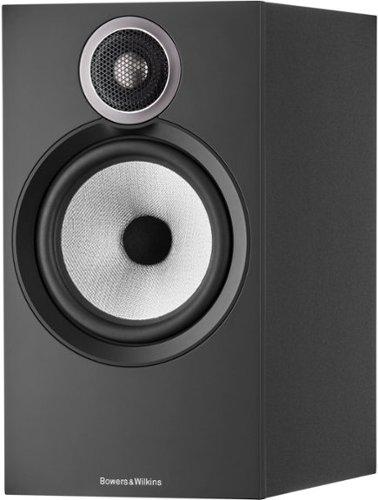
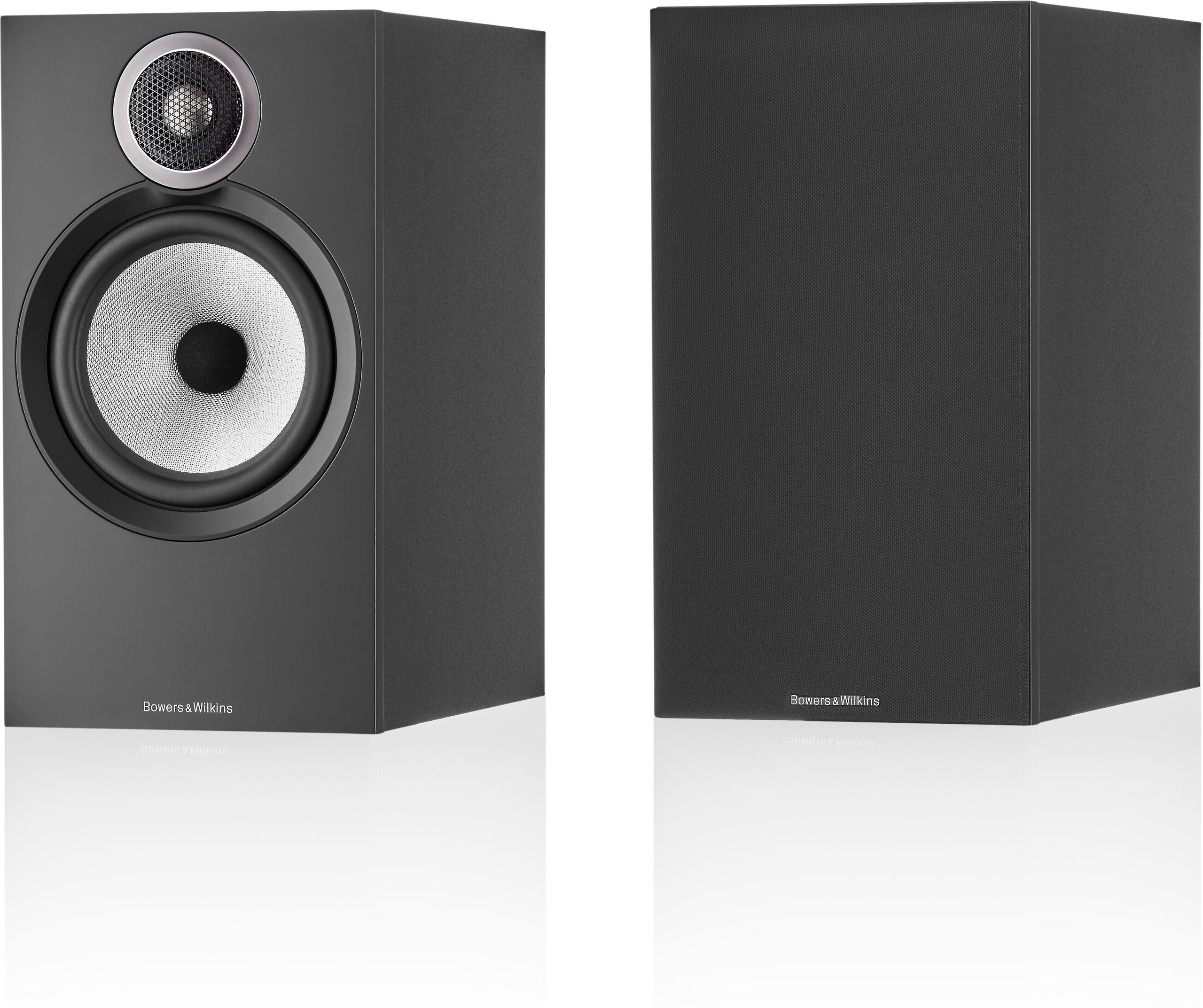
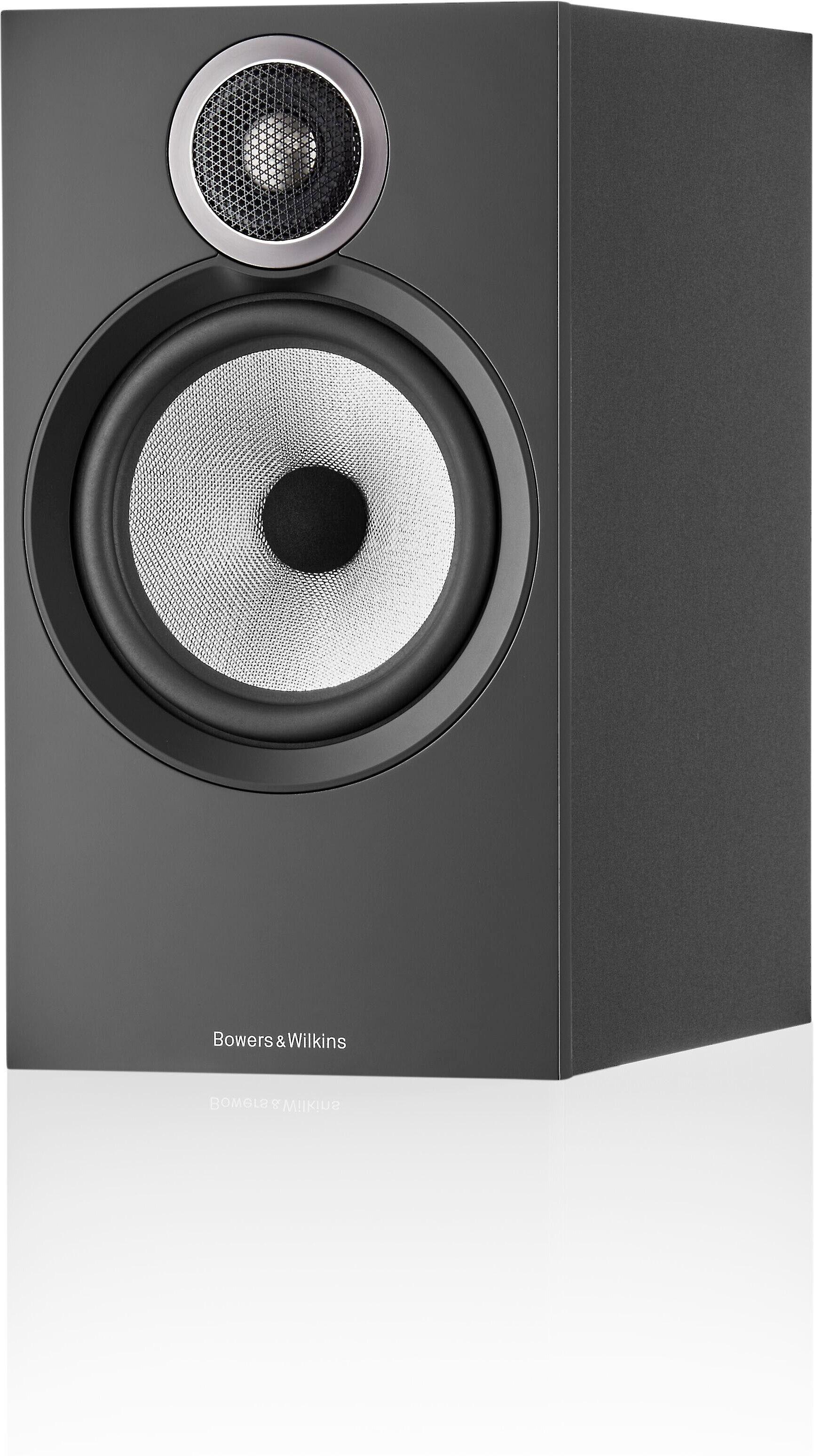
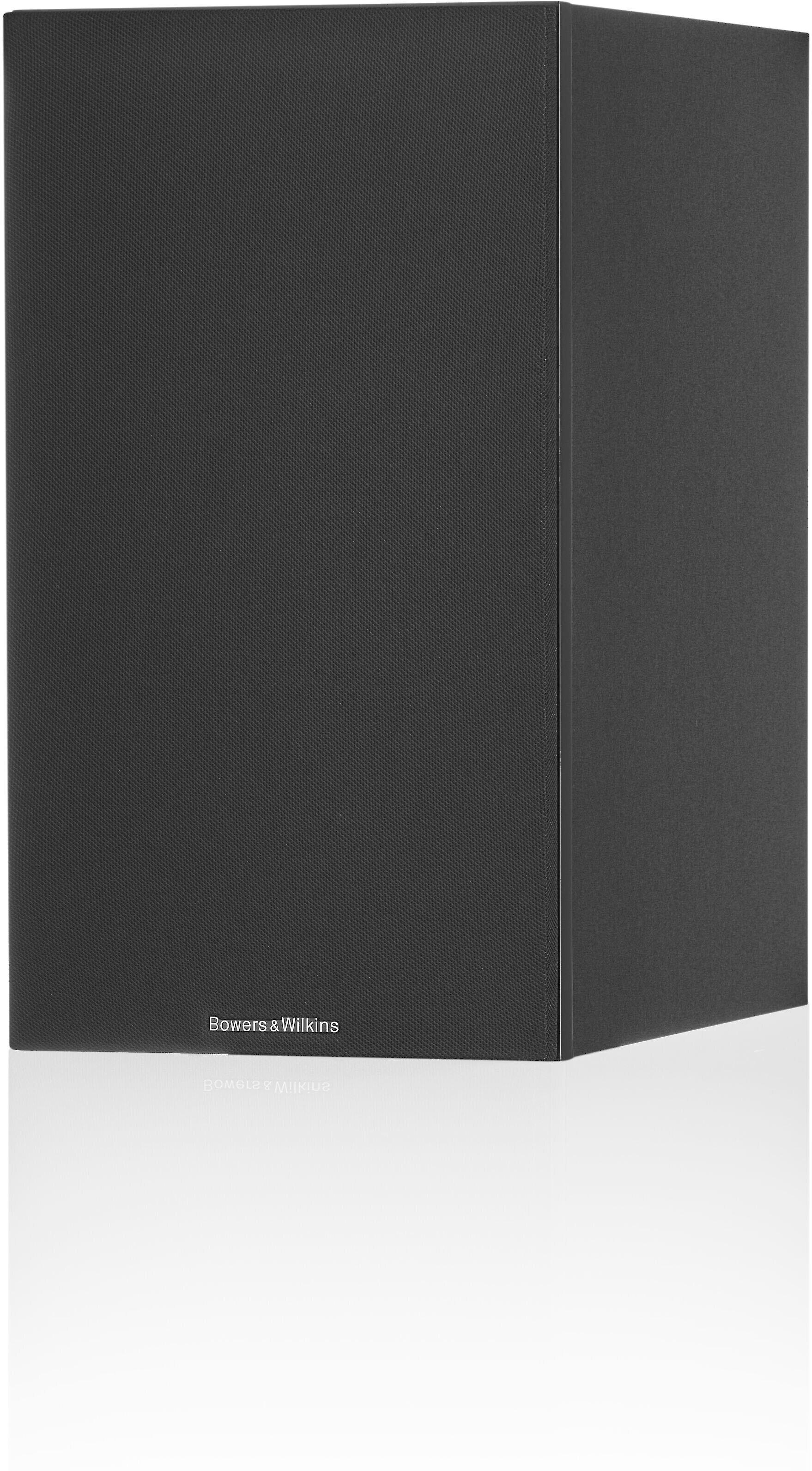
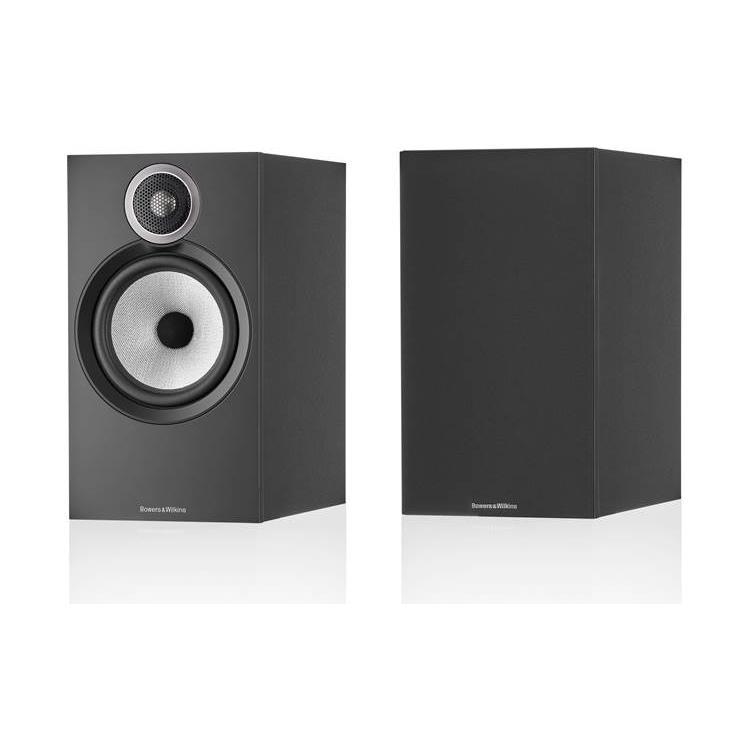
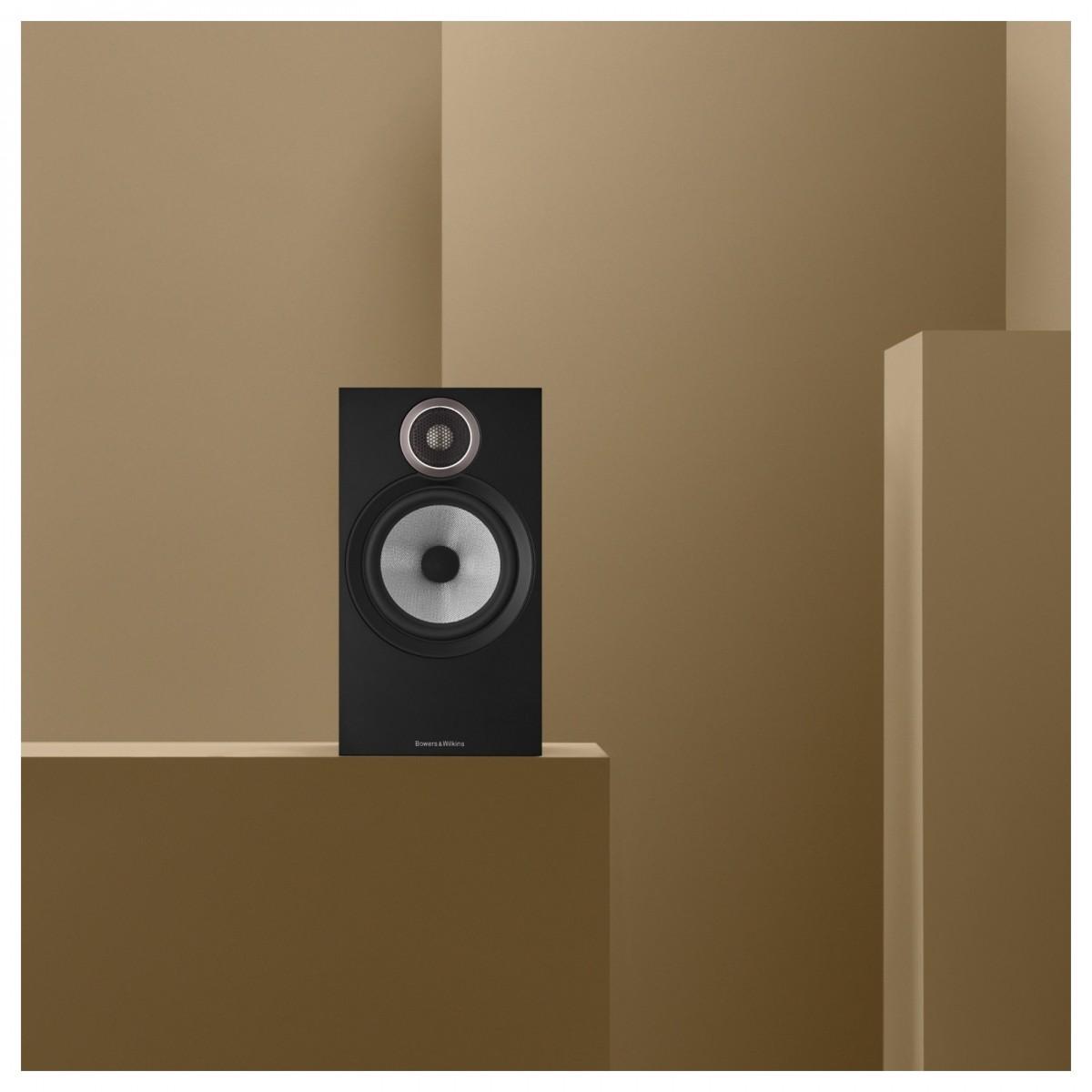
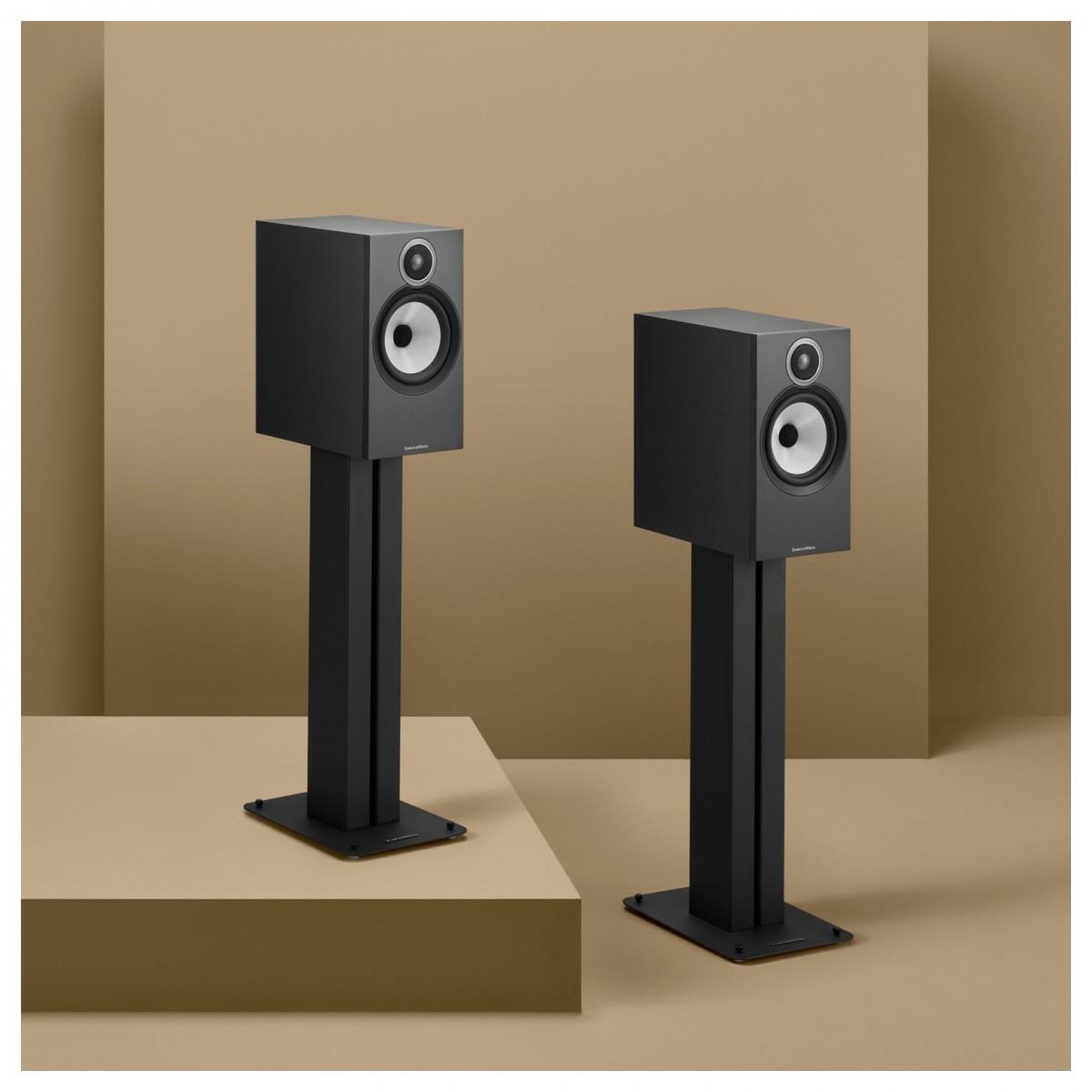
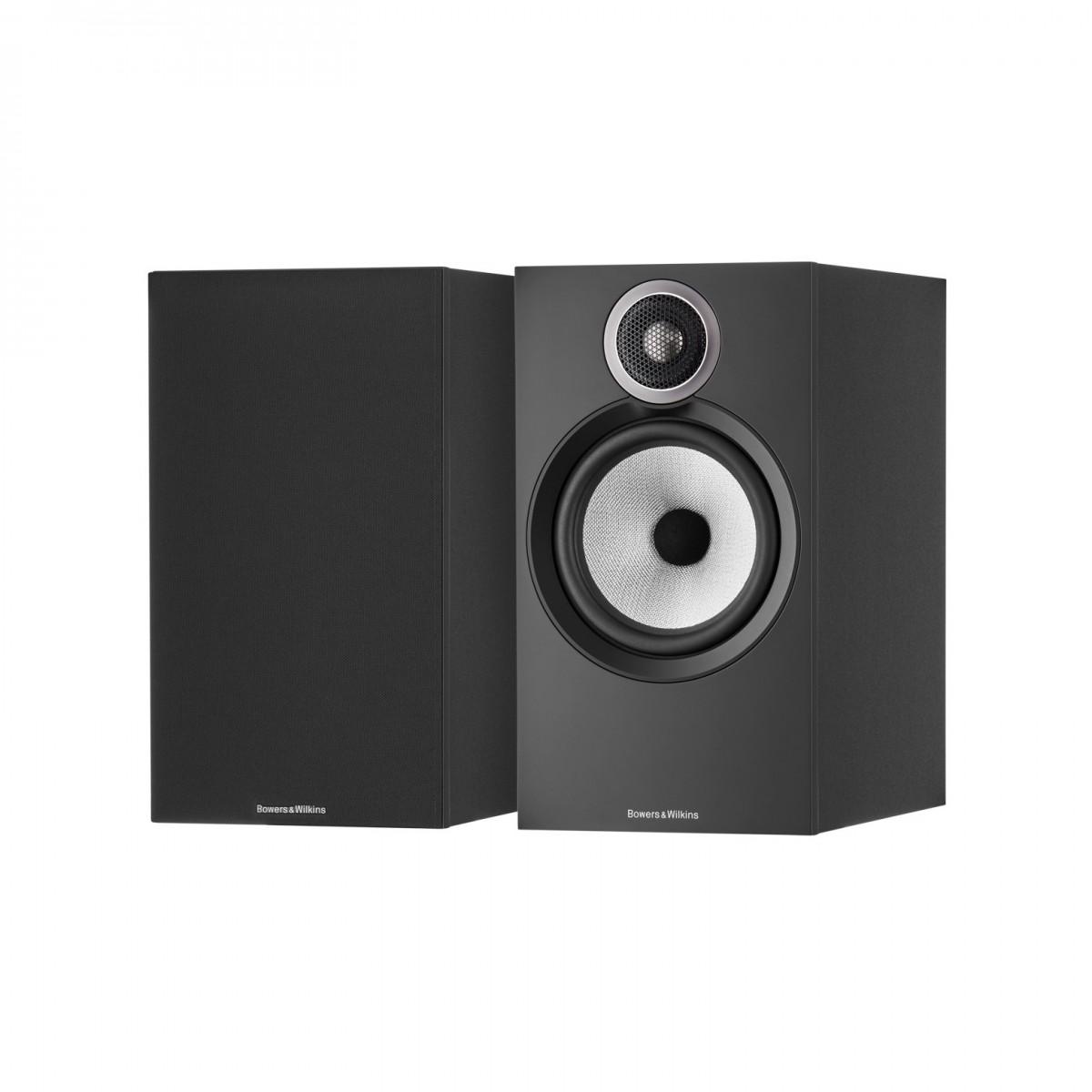
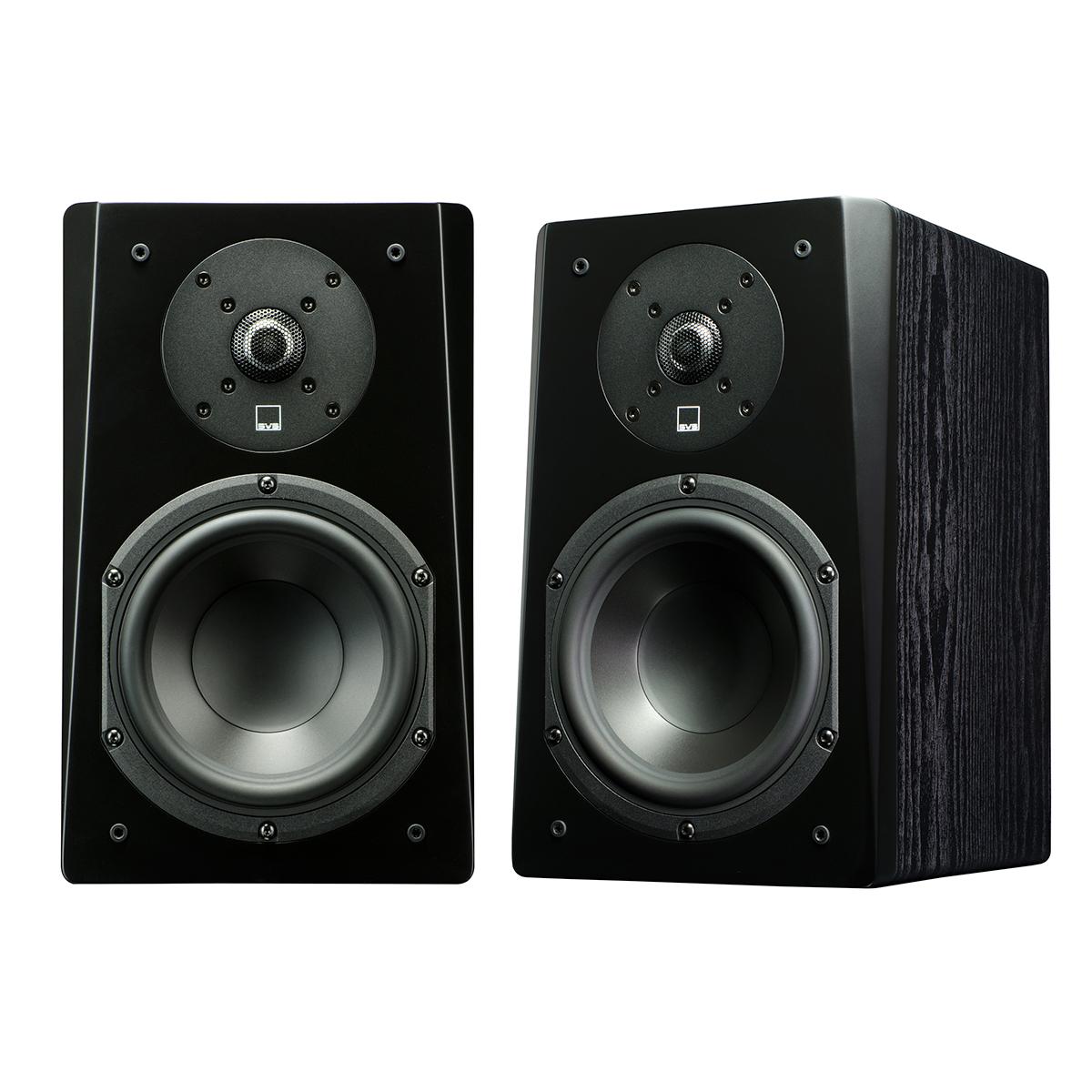
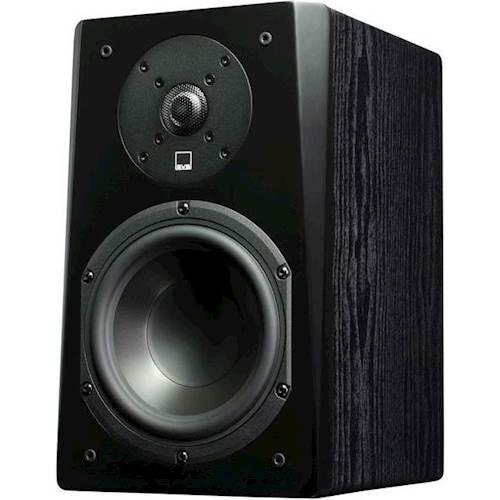
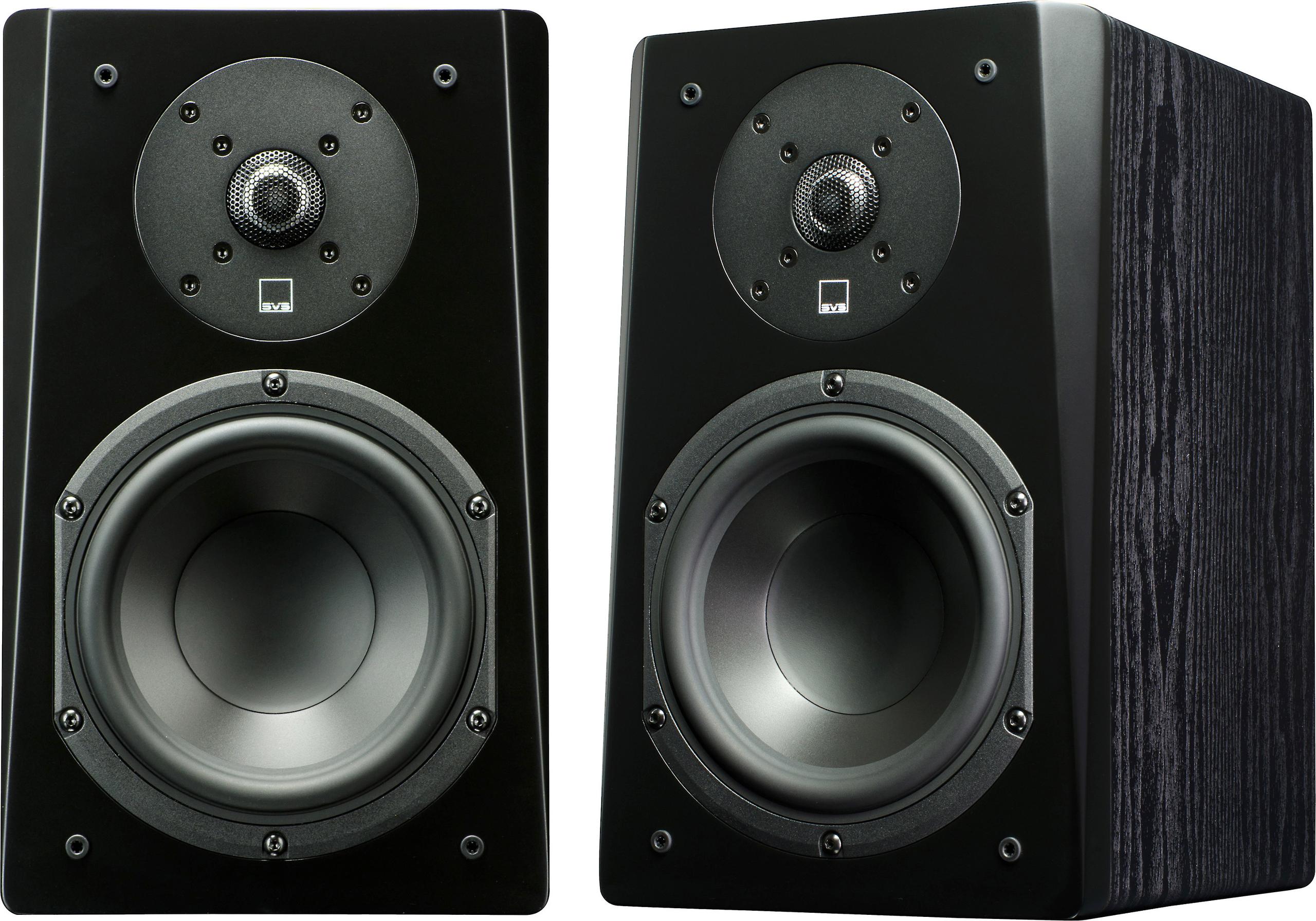
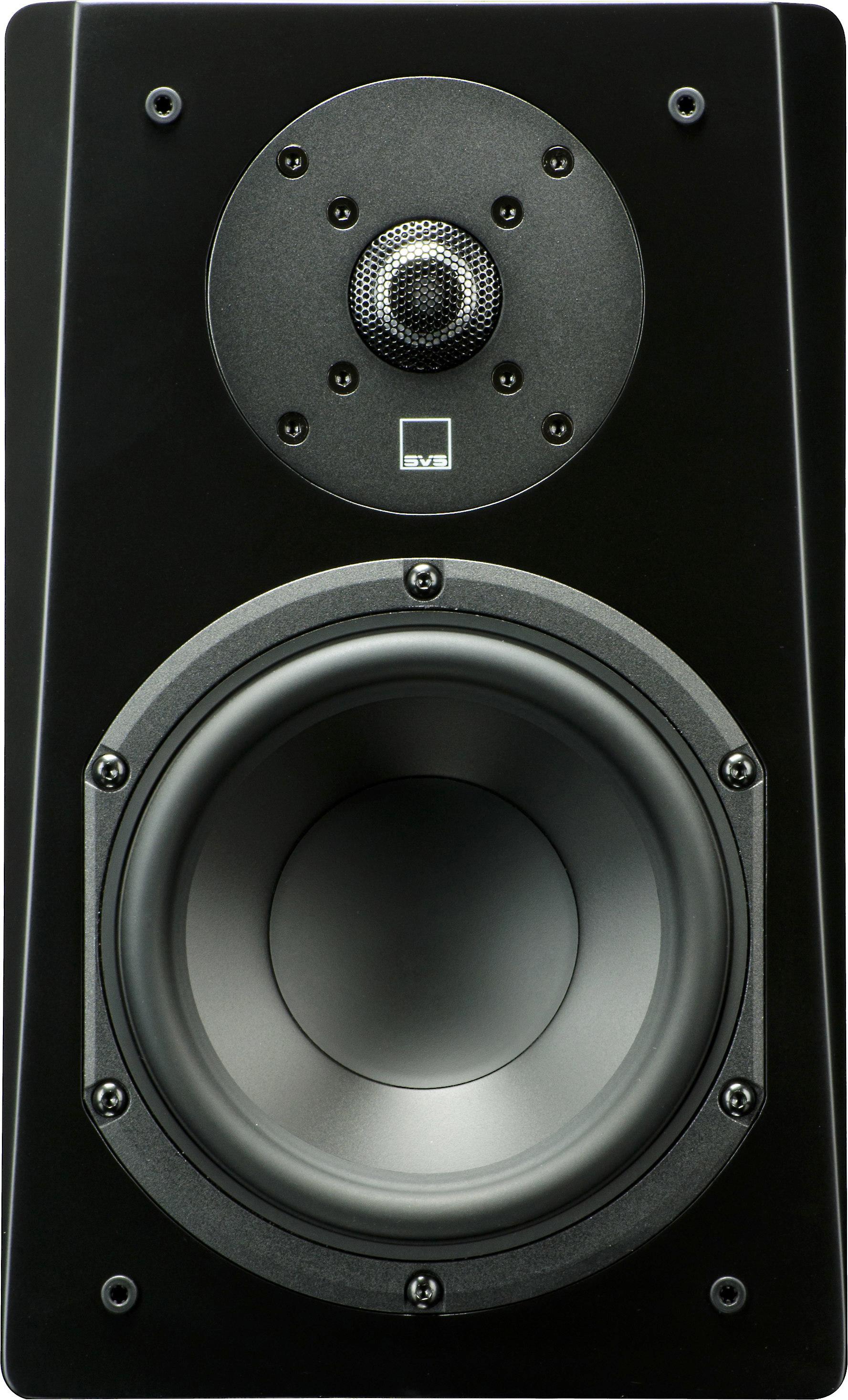
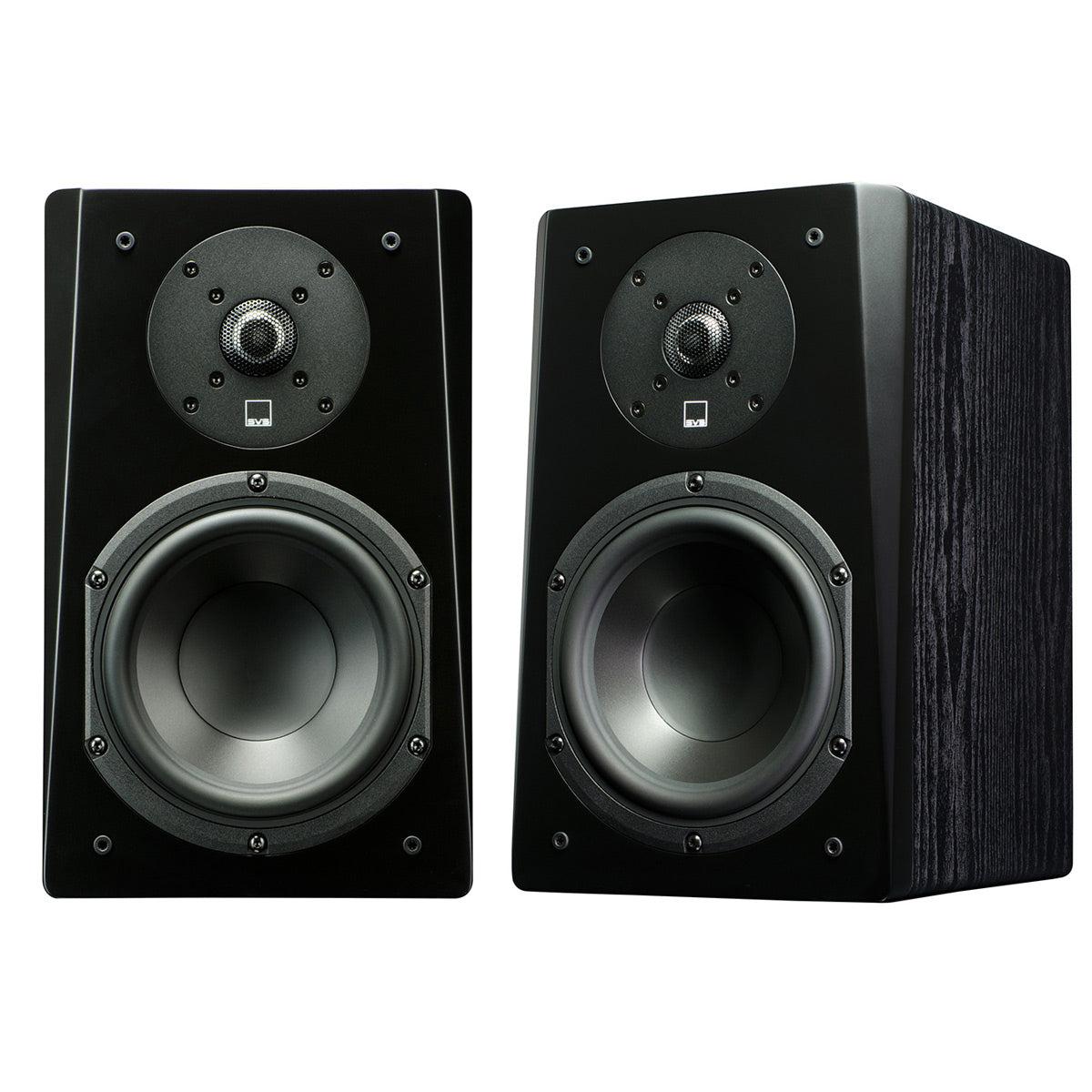
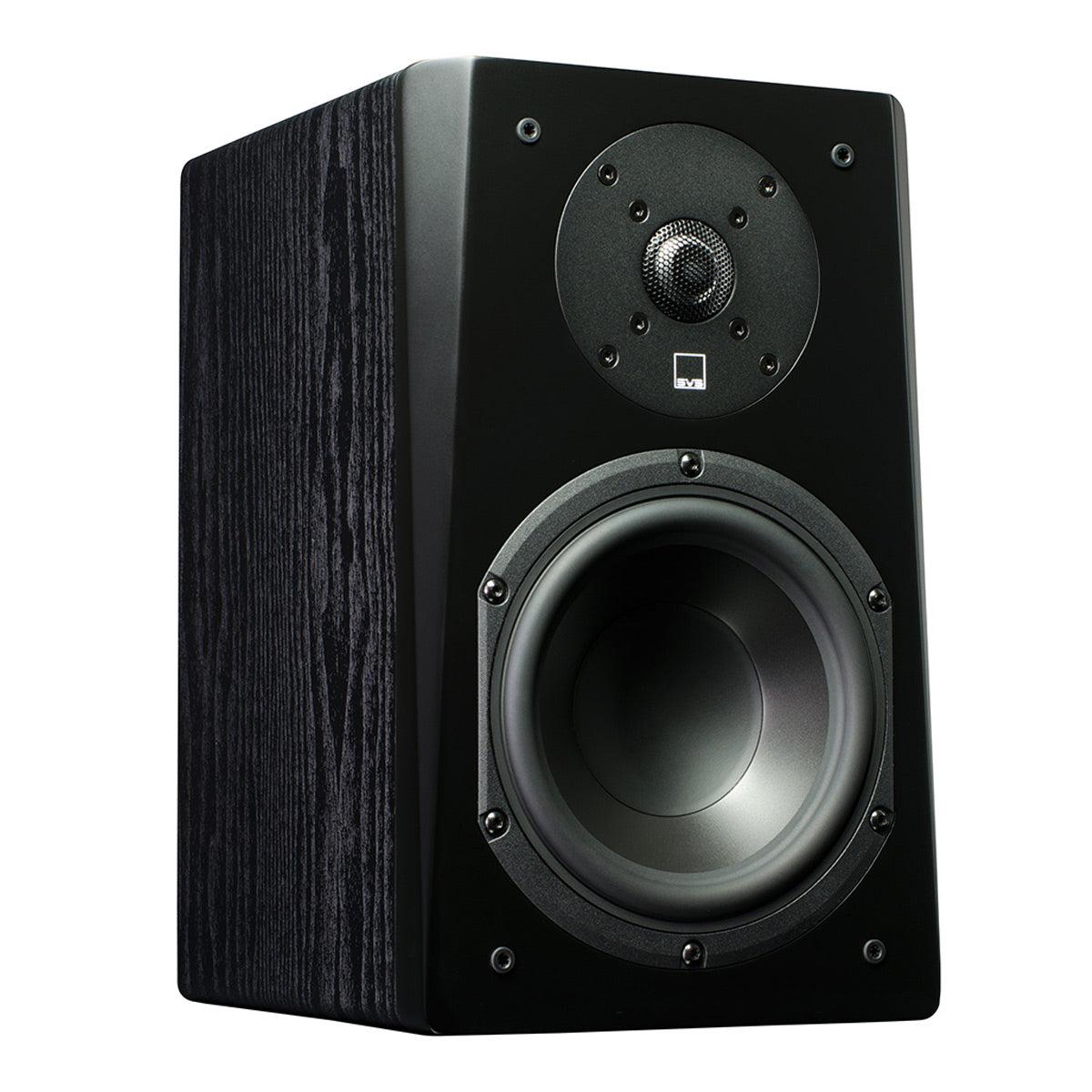
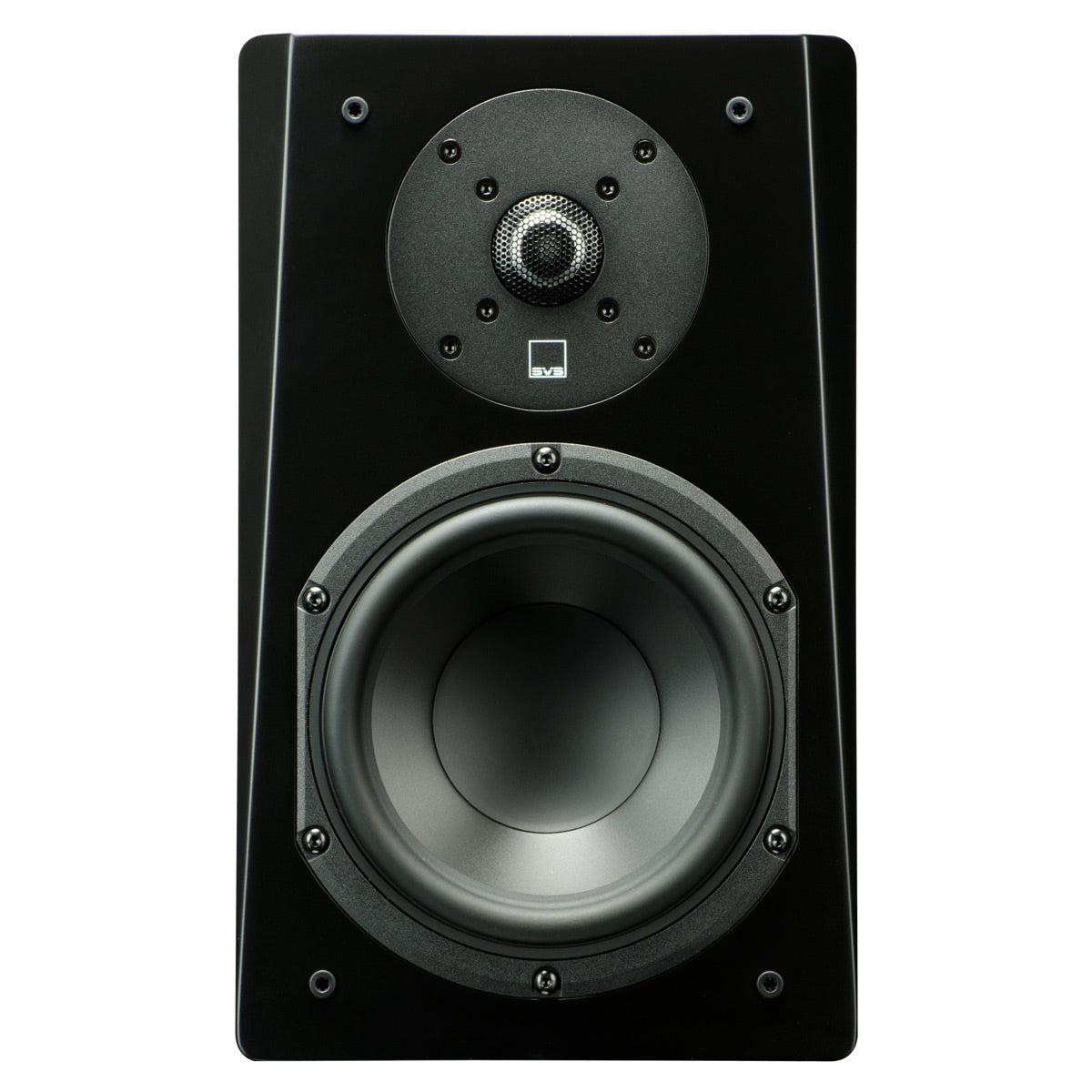
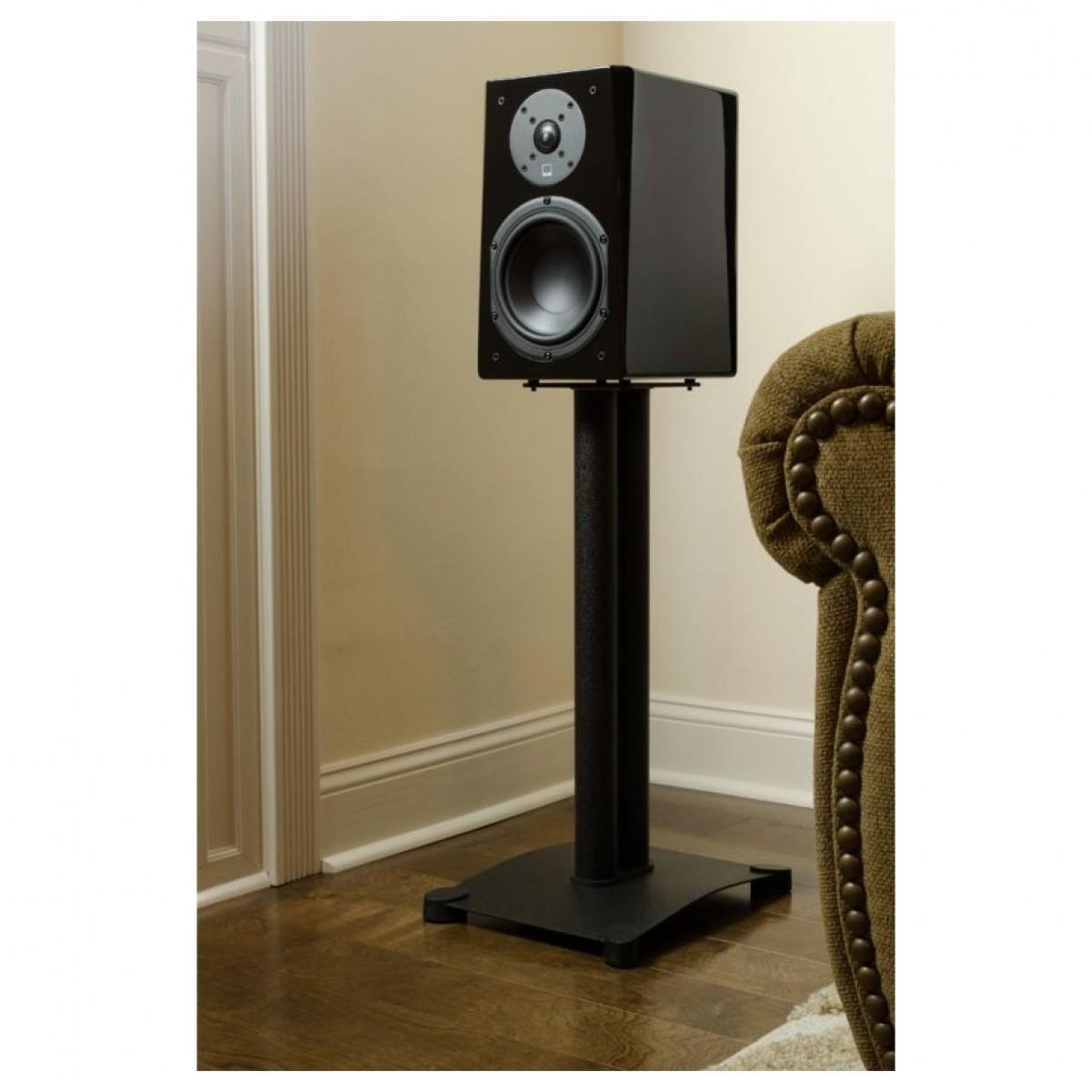
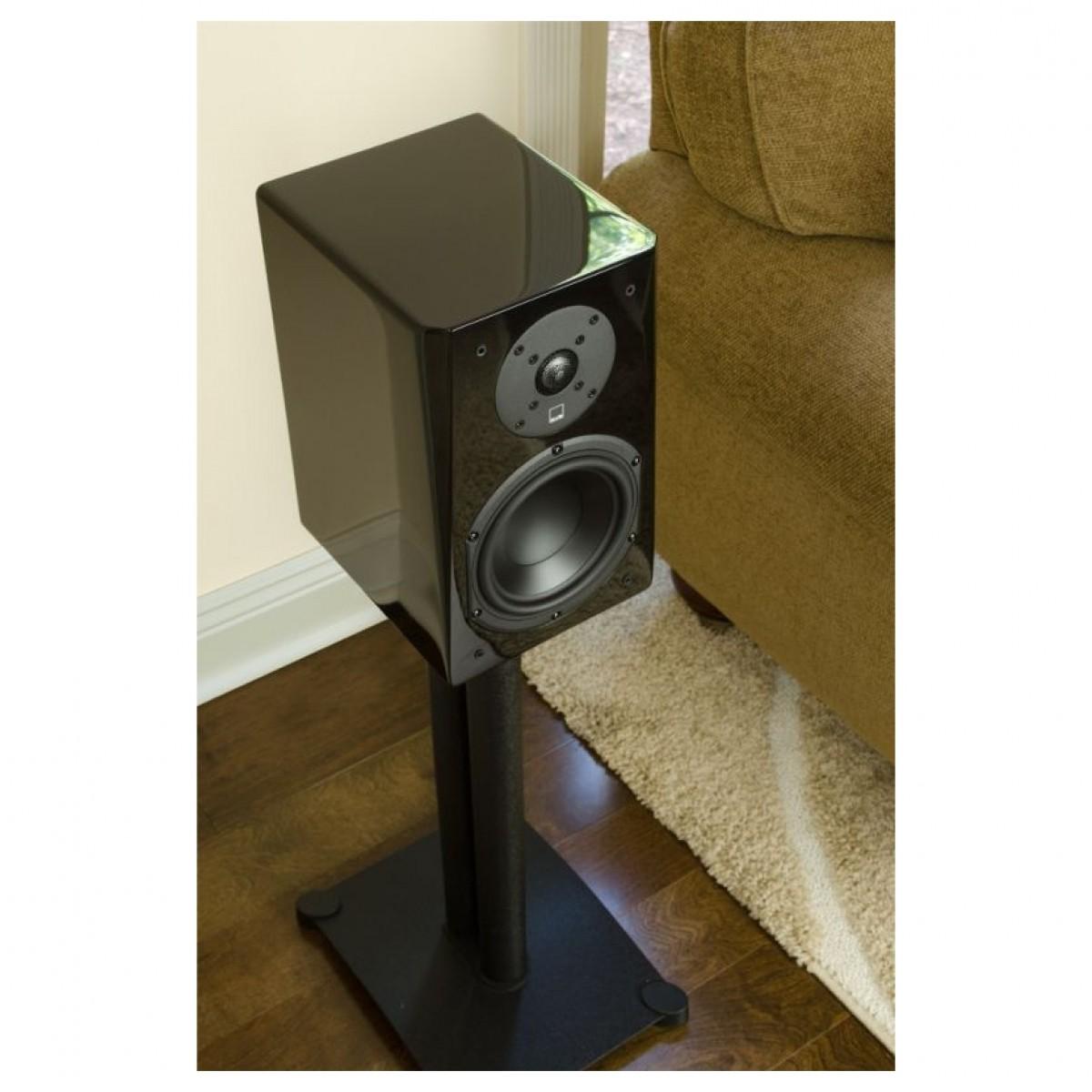
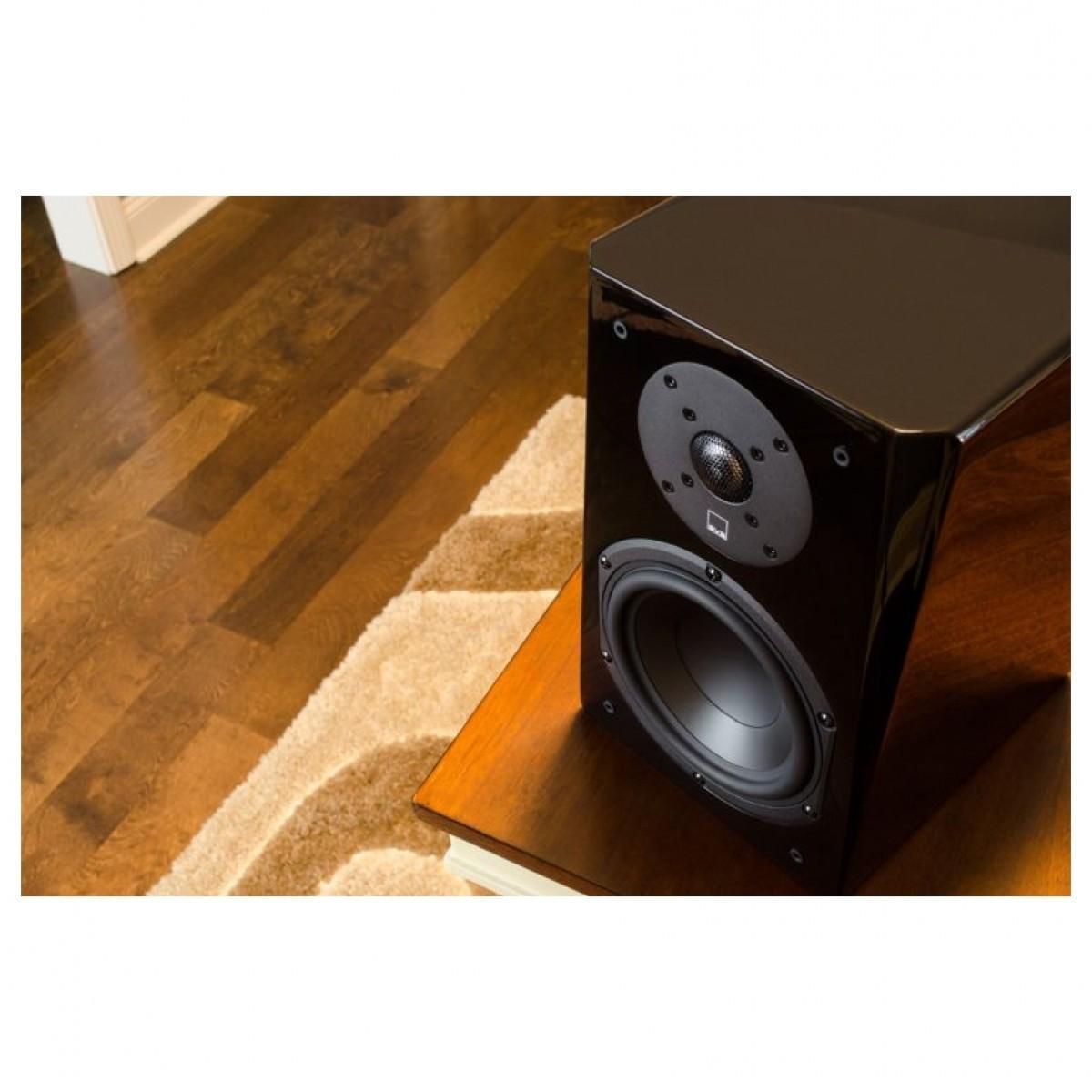
When it comes to bookshelf speakers, two standout options come from very different places in the market. The new $1,100 Bowers & Wilkins 606 S3 represents the latest in premium audio engineering, while the $300 SVS Prime Bookshelf Speakers showcase what's possible at a more accessible price point. Let's explore how these speakers compare and which might be right for your needs.
Today's bookshelf speakers pack remarkable technology into compact cabinets that can serve as your main music system or anchor a home theater setup. While their name suggests placement on a shelf, most perform best on dedicated stands, positioned away from walls to allow proper sound development.
The B&W 606 S3 launched in 2023 as part of B&W's completely refreshed 600 series, bringing several technologies from their premium lines down to a more attainable price point. The SVS Prime has been around longer but remains competitive through careful engineering and value-focused design choices.
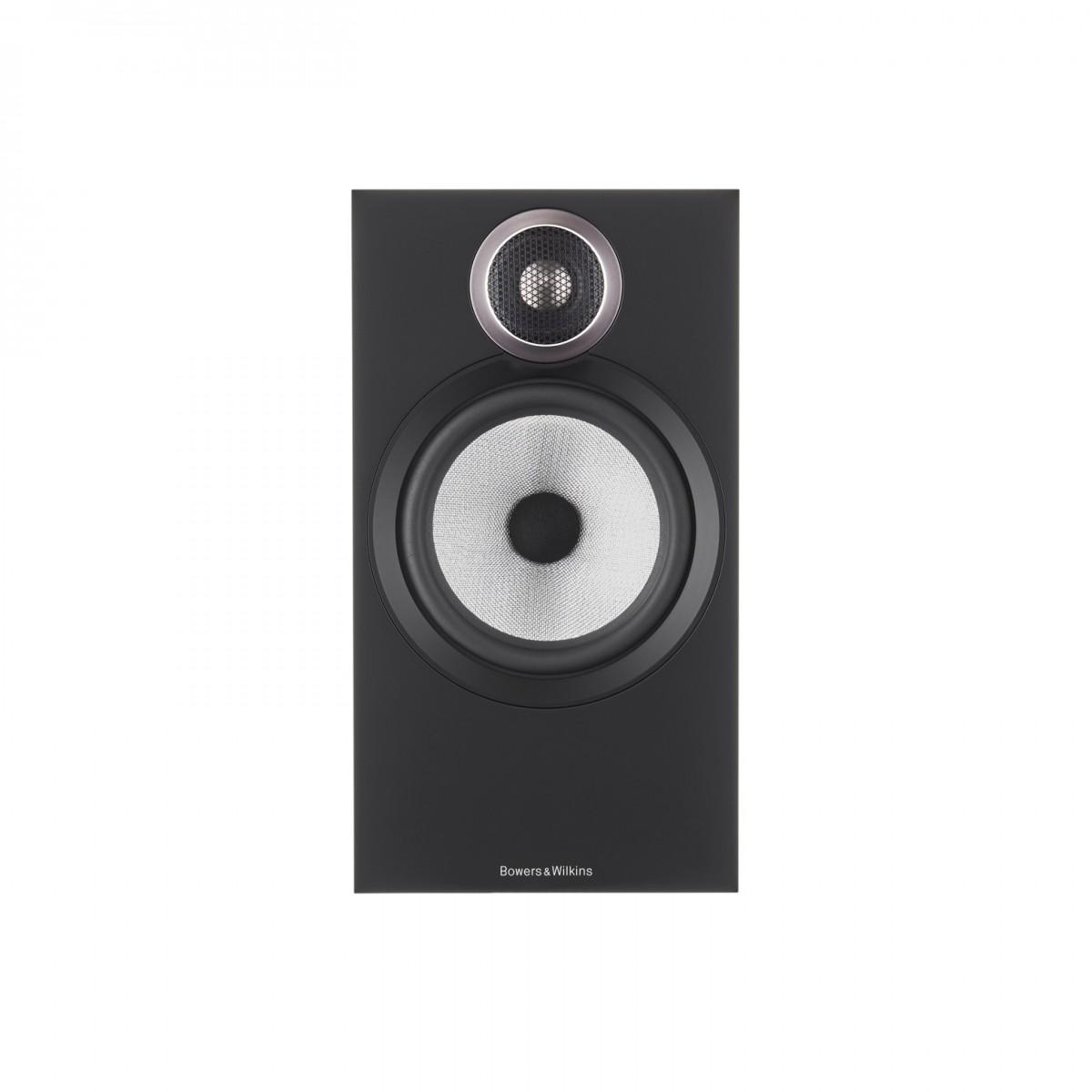
The 606 S3's new Titanium dome tweeter represents a significant upgrade, delivering exceptional detail without becoming harsh. This tweeter uses an ultra-thin titanium dome that responds quickly to audio signals while maintaining control - think of it like a precise musical instrument versus a simple noisemaker. The result is hearing subtle details in music that many speakers miss, like the subtle decay of cymbal hits or the breath between vocal phrases.
The SVS Prime uses a well-designed aluminum dome tweeter that, while not as sophisticated as B&W's implementation, still provides clean and extended high frequencies. In direct comparison, you'll notice the B&W reveals more micro-detail and air around instruments, but the SVS presents a more relaxed, forgiving sound that many listeners might prefer for long sessions.
Here's where B&W's Continuum cone technology really shines. This woven composite material, developed to replace their longtime use of Kevlar, moves more uniformly than traditional driver materials. Think of it like a perfectly even trampoline versus one with varying tension - the more uniform movement means cleaner, more accurate sound reproduction.
The SVS uses a conventional but well-engineered polypropylene cone that delivers clean, balanced midrange performance. While it can't match the B&W's resolution of subtle details, it presents voices and instruments naturally and without obvious coloration.
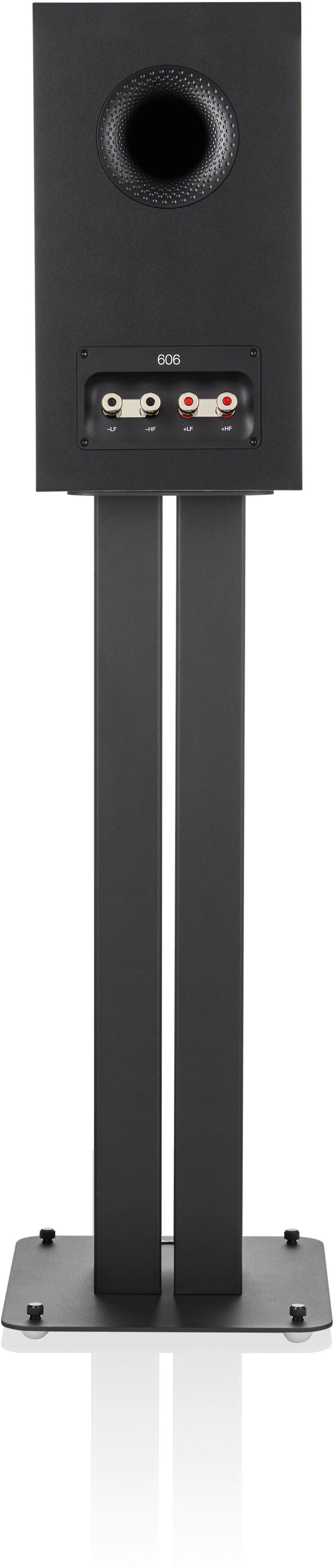
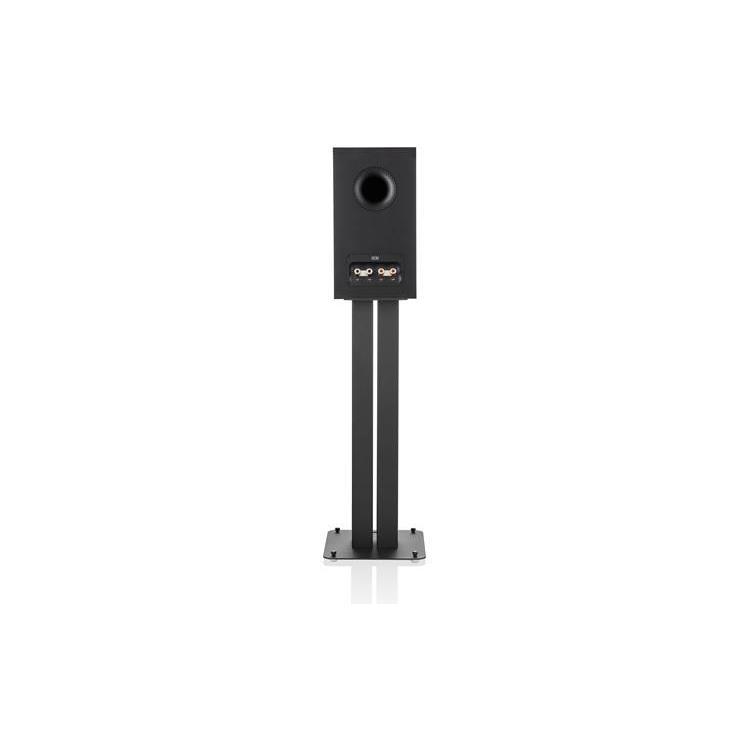
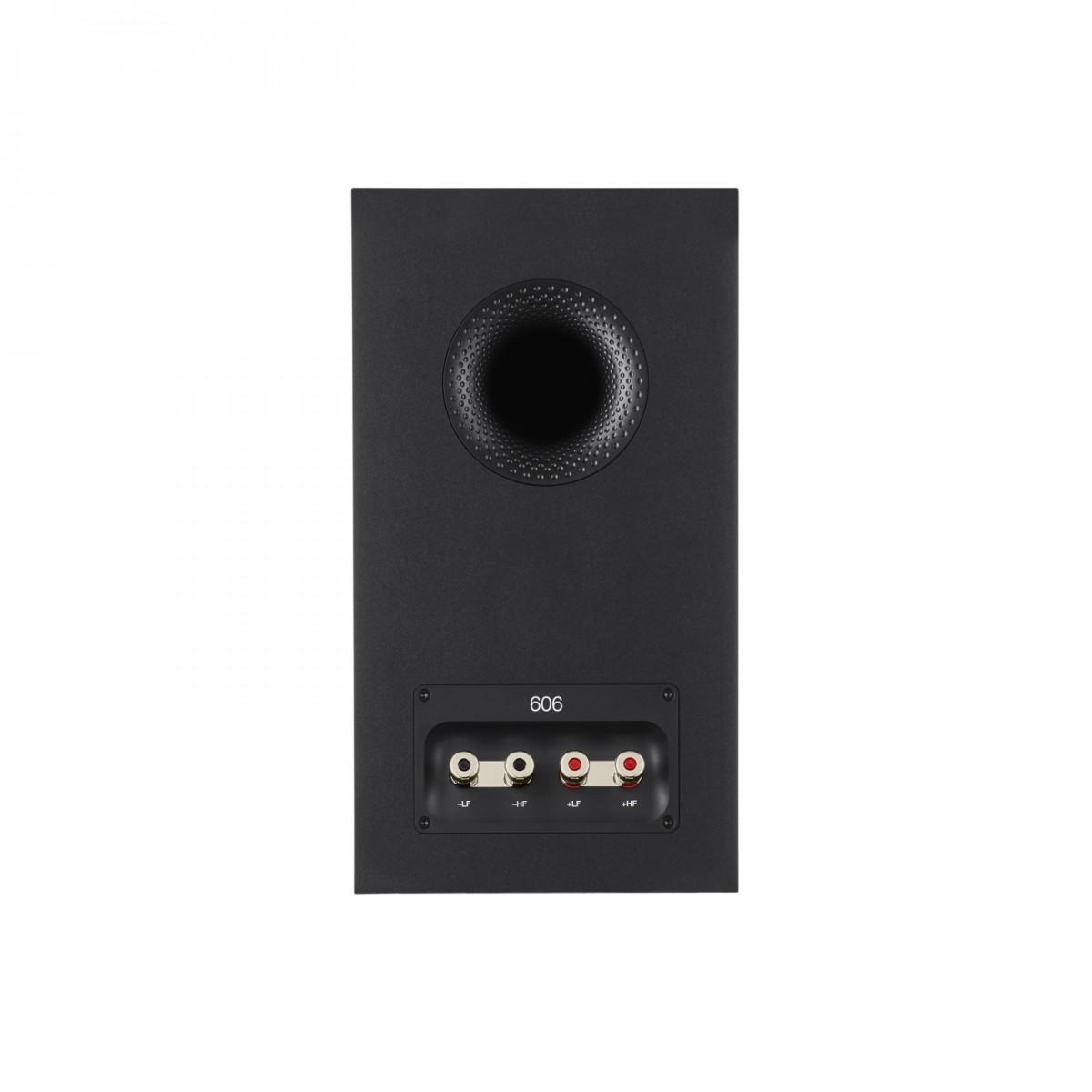
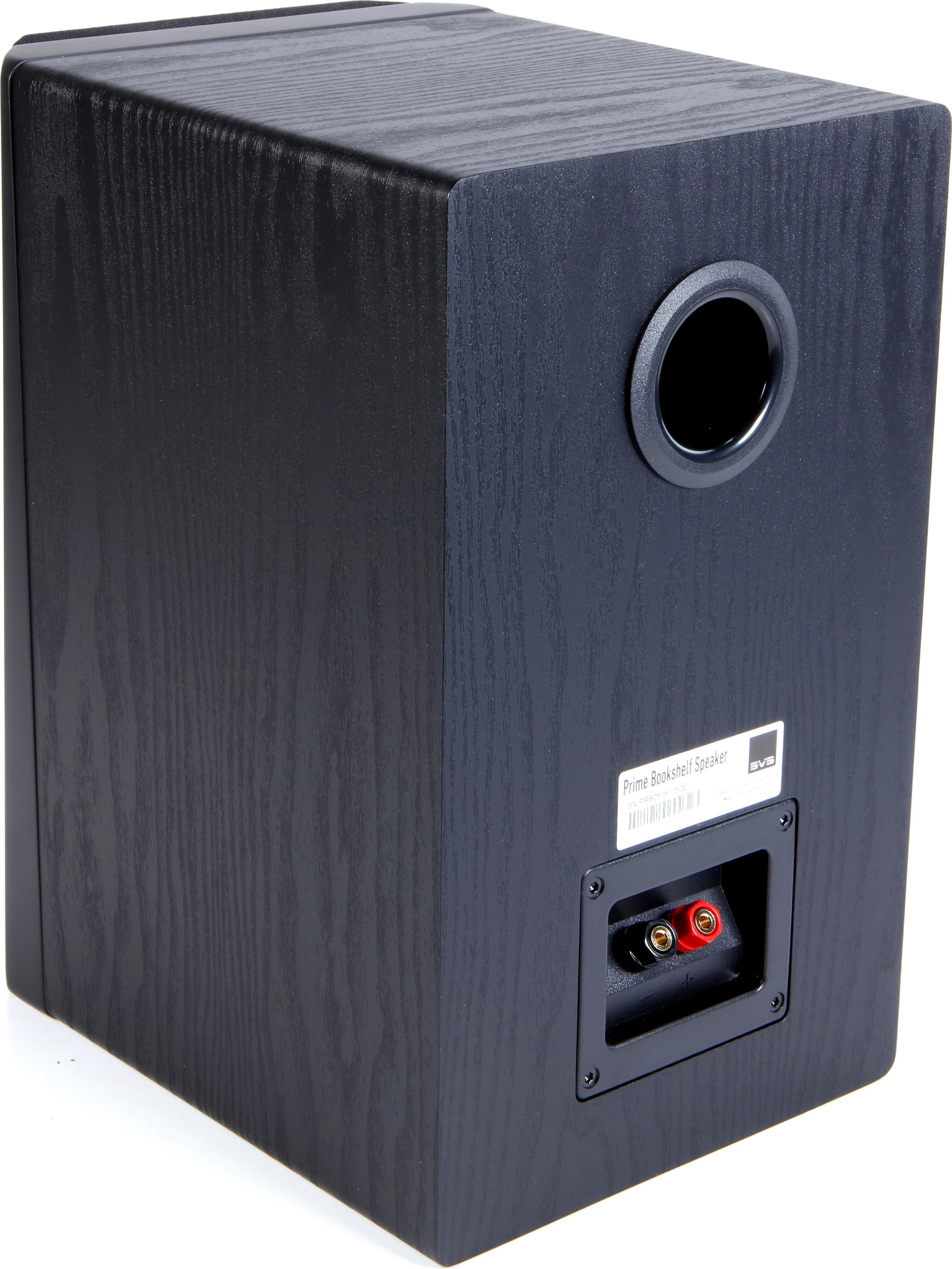
Despite similar specs (B&W reaching to 52Hz, SVS to 48Hz), these speakers handle bass differently. The B&W's rear-firing port design can deliver deeper bass impact when properly positioned, but requires careful placement away from walls. The SVS's front-optimized design trades some ultimate bass extension for more consistent performance in real-world rooms.
Both speakers feature rigid, well-braced cabinets to minimize unwanted resonance, but take different approaches. The B&W uses their FlowPort technology - a dimpled port surface similar to a golf ball that helps reduce air turbulence and port noise. The SVS employs extensive internal bracing and a chamfered front baffle to reduce edge diffraction (sound waves bouncing off sharp cabinet edges).
The crossover network (which splits audio between tweeter and woofer) shows each company's philosophy. B&W uses premium components and allows bi-wiring, potentially improving performance with high-end amplification. SVS's SoundMatch crossover prioritizes phase coherence and even off-axis response, making the speaker more forgiving of listening position.
In extended listening tests, the B&W 606 S3 demonstrates its premium pedigree. It excels with well-recorded acoustic music, revealing layers of detail in familiar recordings. However, this revealing nature means it also exposes flaws in poor recordings or streaming compression.
The SVS Prime presents a more forgiving character while maintaining excellent overall accuracy. While it won't expose every detail in a recording, it delivers a consistently enjoyable listening experience across a wider range of material and quality levels.
Both speakers excel in home theater applications, but with different strengths. The B&W's precise imaging and detail retrieval make movie dialogue crystal clear and help place sound effects accurately in space. The SVS's more forgiving nature and easier placement make it particularly well-suited for multi-channel systems where you're buying several pairs.
The price difference between these speakers cannot be ignored - you could buy three pairs of SVS Primes for the cost of one pair of B&W 606 S3s. The B&W offers superior technology and ultimate performance, but the SVS delivers remarkable value, providing much of the performance at a fraction of the cost.
Both speakers represent excellent choices in their respective price categories. The B&W 606 S3 showcases what's possible when cost is less of a concern, while the SVS Prime demonstrates remarkable engineering within real-world budget constraints.
For most users, the SVS Prime represents the more practical choice, delivering excellent performance at a price that allows investment in other system components. However, if you're building a serious music system and have the budget, the B&W 606 S3's superior resolution and detail might justify its premium price.
The choice ultimately depends on your specific needs, budget, and listening preferences. Either way, both speakers demonstrate how far bookshelf speaker technology has come, delivering remarkable performance from relatively compact packages.
| Bowers & Wilkins 606 S3 ($1,100) | SVS Prime Bookshelf ($300) |
|---|---|
| Price Point - Key factor in overall value assessment | |
| Premium segment ($1,100/pair) | Mid-range value segment ($300/pair) |
| Frequency Response - Determines bass depth and treble extension | |
| 52Hz-28kHz (±3 dB) | 48Hz-25kHz (±3 dB) |
| Sensitivity - Impacts how much amplifier power is needed | |
| 88 dB | 87 dB |
| Power Handling - Shows amplifier compatibility range | |
| 30-120 watts recommended | 20-150 watts recommended |
| Tweeter Technology - Affects high-frequency detail and clarity | |
| 1" Titanium Dome (decoupled design) | 1" Aluminum Dome |
| Mid/Bass Driver - Influences midrange clarity and bass control | |
| 6.5" Continuum cone (proprietary material) | 6.5" Polypropylene cone |
| Cabinet Design - Impacts bass performance and placement flexibility | |
| Rear-firing Flowport (needs space from walls) | Front-optimized design (more placement flexible) |
| Dimensions - Consider space requirements | |
| 13.7" H x 7.5" W x 13" D | 13.2" H x 8" W x 9.4" D |
| Weight - Important for stand selection | |
| 15.5 lbs each | 15.5 lbs each |
| Special Features - Additional capabilities | |
| Bi-wire capable, magnetic grille, premium terminals | FEA-optimized cabinet, SoundMatch crossover |
| Best Use Case - Primary application strengths | |
| Critical listening, high-end music systems | Versatile use, home theater, value-focused systems |
| Room Compatibility - Installation considerations | |
| Needs careful placement, benefits from acoustic treatment | More forgiving of room conditions and placement |
| Sound Character - Overall listening experience | |
| Highly detailed, revealing, reference-quality | Balanced, warm, forgiving presentation |
The $1,100 B&W 606 S3 offers superior musical detail and clarity, particularly for critical listening. However, the $300 SVS Prime provides excellent musical performance at a significantly lower price point. For pure music listening, the B&W has an edge in sound quality, but the SVS offers better value.
The B&W 606 S3 costs $1,100 per pair, while the SVS Prime is priced at $300 per pair. This significant price difference of $800 makes the SVS Prime a more budget-friendly option while still delivering excellent sound quality.
Both speakers work well in home theater setups. The SVS Prime offers better value for multi-channel systems since you'll need multiple pairs. The B&W 606 S3 provides more detail but at a higher cost that may be prohibitive when building a complete surround system.
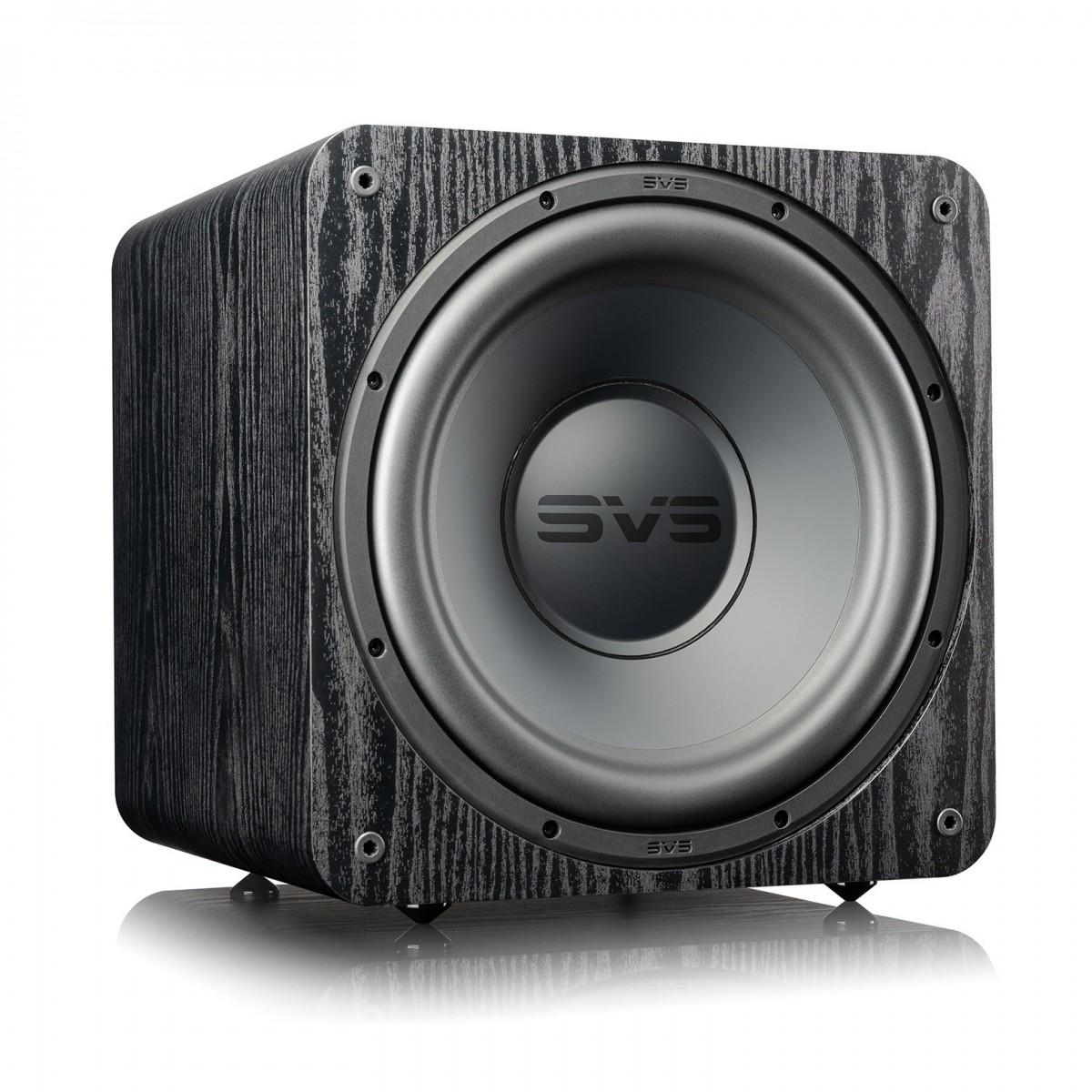
For full-range music or home theater, both speakers benefit from a subwoofer. The B&W reaches down to 52Hz and the SVS to 48Hz, meaning both miss the lowest bass frequencies. A subwoofer is recommended for either speaker to achieve full-range sound.
The SVS Prime is more forgiving with placement due to its front-optimized design. The B&W 606 S3 requires more careful positioning due to its rear-firing port, needing space behind the speakers for optimal performance.
Both speakers work well in small to medium-sized rooms (up to about 400 square feet). The SVS Prime is more forgiving in smaller spaces, while the B&W 606 S3 benefits from more room to breathe, particularly behind the speakers.
The B&W 606 S3 recommends 30-120 watts per channel, while the SVS Prime handles 20-150 watts. Both speakers work well with most modern receivers and amplifiers, though the B&W benefits more from higher-quality amplification.
Both speakers are well-built and durable. The B&W features premium materials and finish, while the SVS emphasizes functional durability. Both come with warranties and should last many years with proper care.
Neither speaker is designed for wall-mounting. Both perform best on proper speaker stands placed away from walls, particularly the B&W 606 S3 with its rear-firing port design.
The SVS Prime is generally better for casual listening with its more forgiving sound signature. The B&W 606 S3 is more detailed but can be less forgiving with poor recordings or streaming quality.
Both speakers excel with vinyl. The B&W 606 S3's detail retrieval particularly complements high-quality vinyl playback, while the SVS Prime's warmer character pairs well with vintage recordings.
The B&W 606 S3 typically holds better resale value due to brand reputation and premium positioning. However, the SVS Prime represents better initial value, making the total cost of ownership consideration more complex.
We've done our best to create useful and informative comparisons to help you decide what product to buy. Our research uses advanced automated methods to create this comparison and perfection is not possible - please contact us for corrections or questions. These are the sites we've researched in the creation of this article: futureaudiophile.com - headphones.com - therobinsonbrand.com - higherhz.com - audioadvisor.com - crutchfield.com - bowerswilkins.com - crutchfield.com - vinylrevival.com.au - audioadvisor.com - worldwidestereo.com - pursuitperfectsystem.com - dreamediaav.com - svsound.com - avsforum.com - svsound.com - hdgear.highdefdigest.com - worldradiohistory.com - svsound.com - crutchfield.com

Privacy Policy
Terms and Conditions - Affiliate Policy
Home Security
© Copyright 2008-2026.
11816 Inwood Rd #1211, Dallas, TX 75244