


When building a serious audio system, bookshelf speakers often provide the best balance of performance and practicality. Whether you're creating a dedicated listening room or enhancing your home theater, choosing between premium and budget options requires understanding the real-world benefits of each approach.
Bookshelf speakers, despite their name, rarely belong on actual bookshelves. These compact but capable speakers are designed to deliver high-quality sound from a relatively small enclosure that can be placed on stands or furniture at ear level. Their size makes them ideal for small to medium rooms, while their engineering often rivals larger towers in sound quality, if not ultimate bass extension.
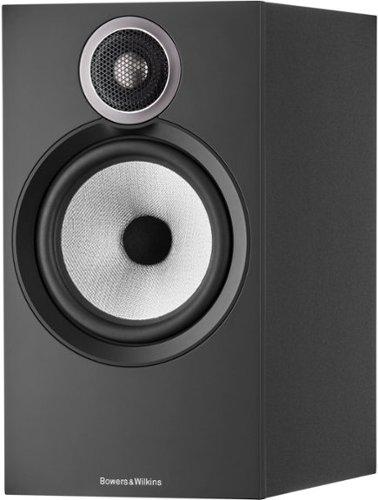
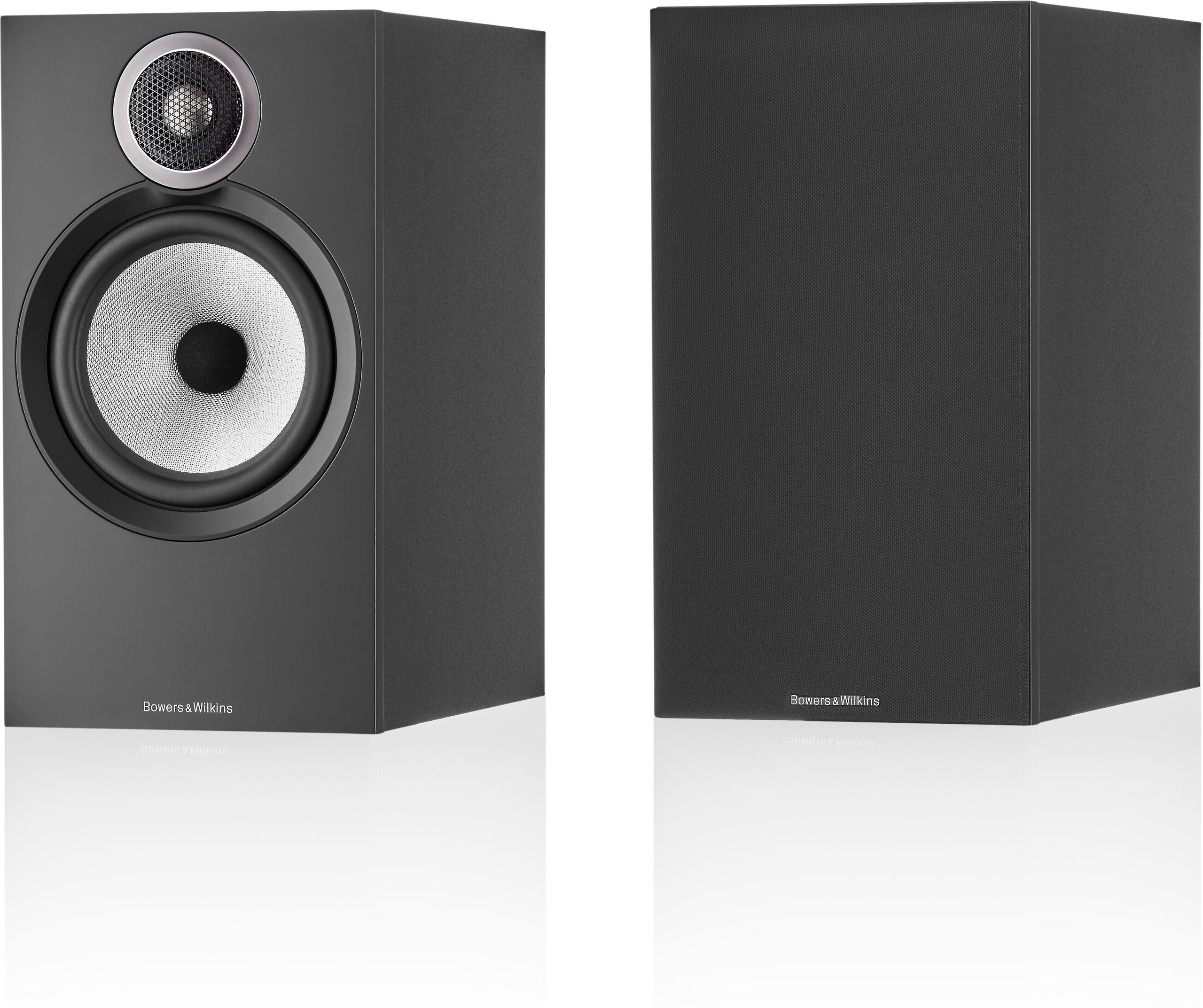
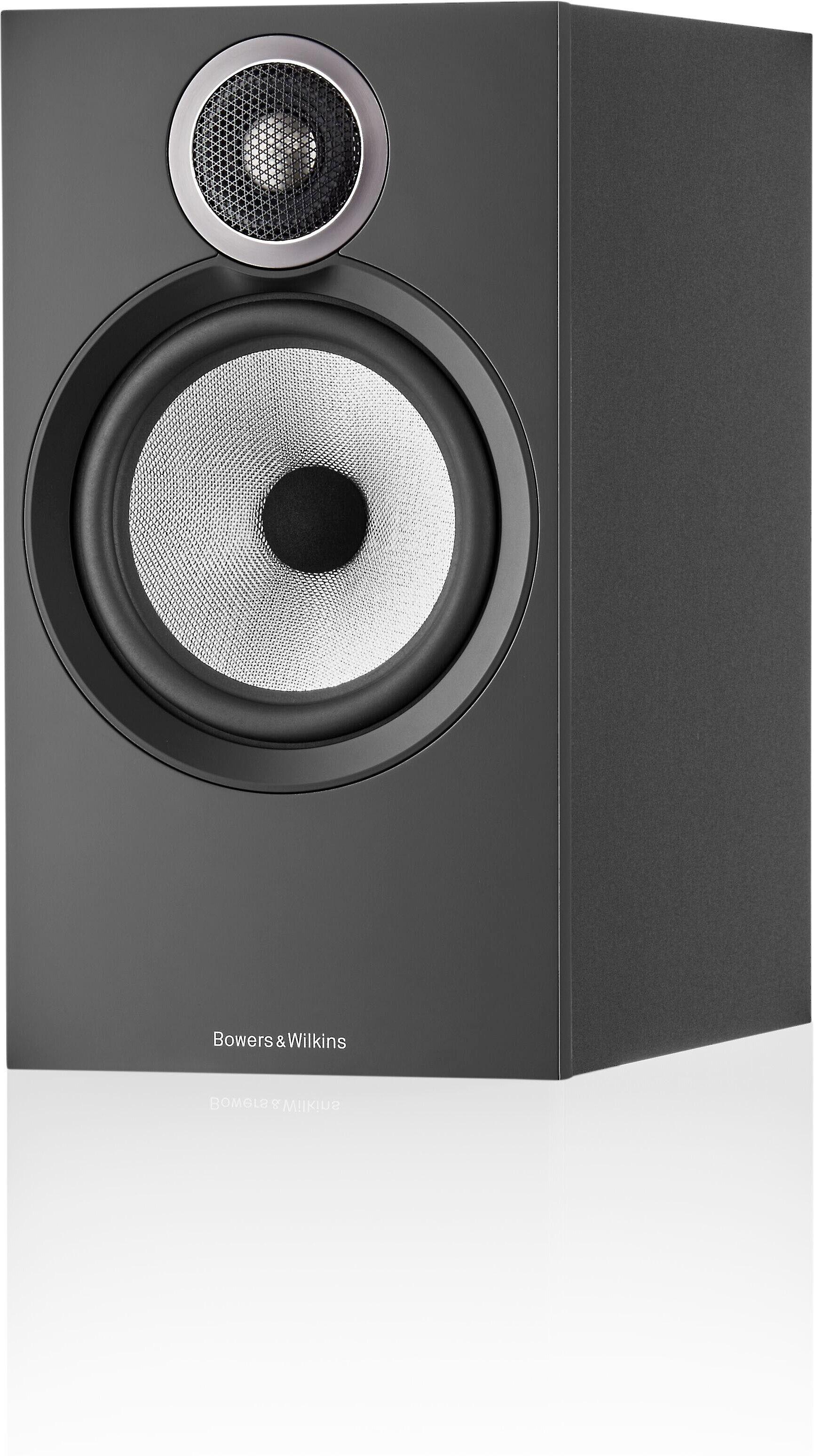
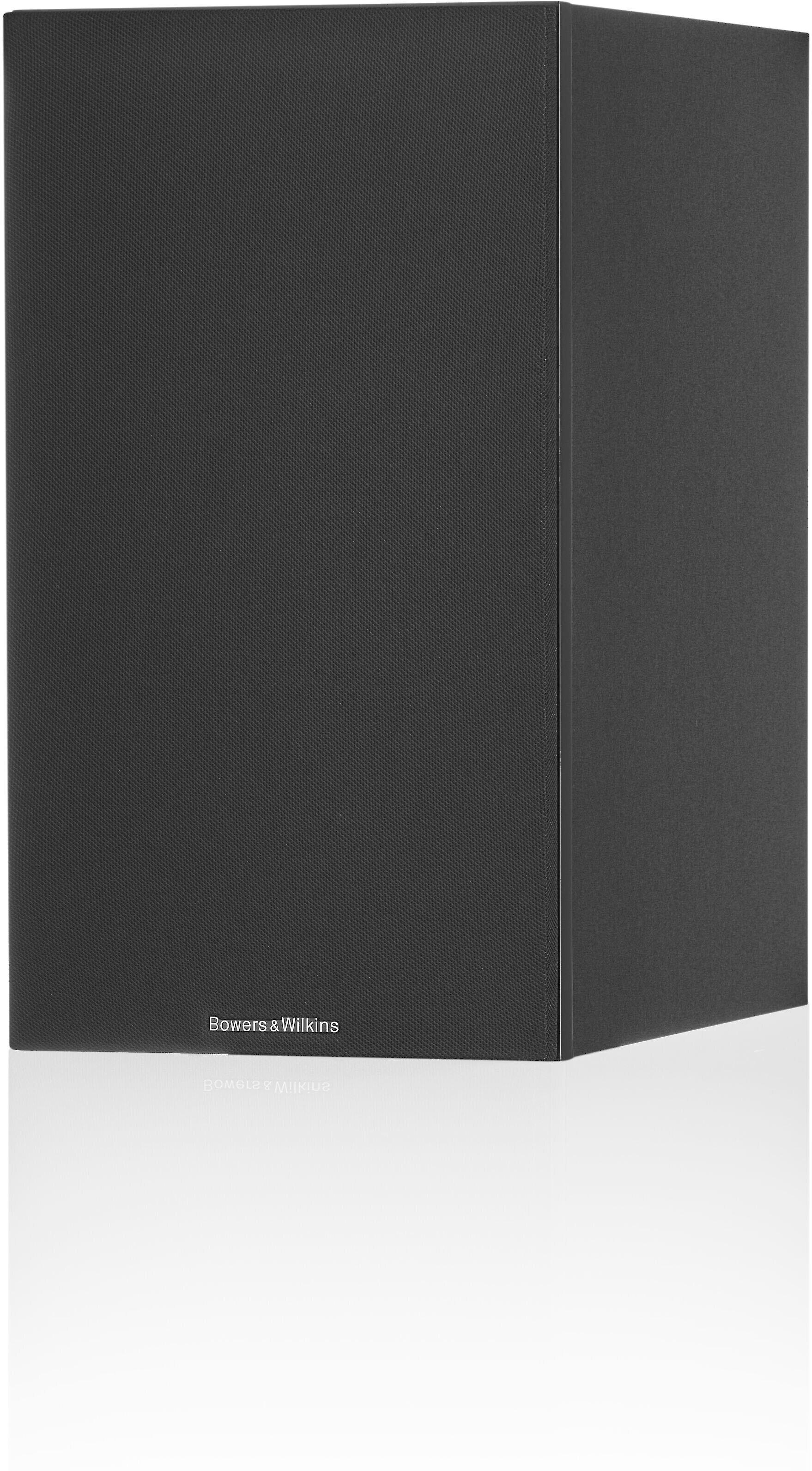
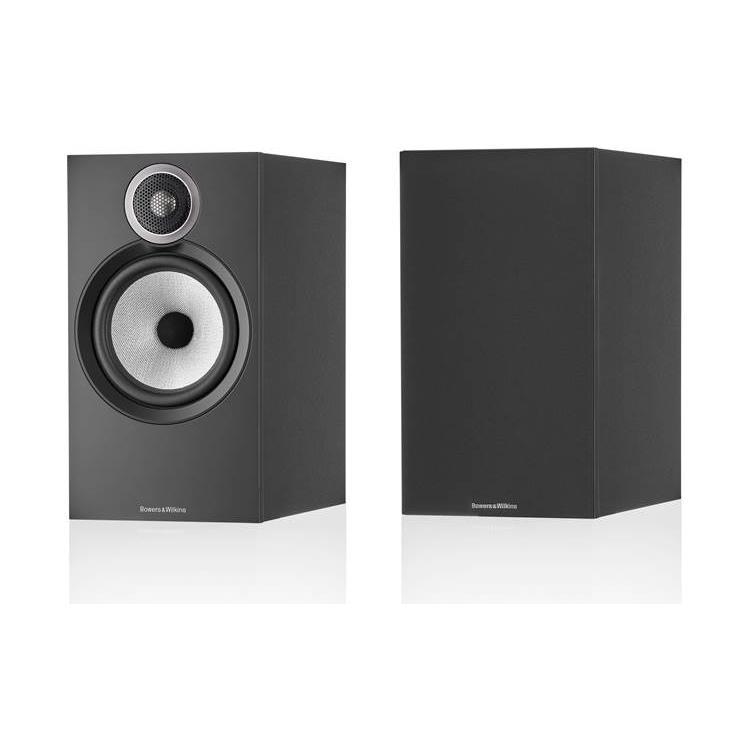
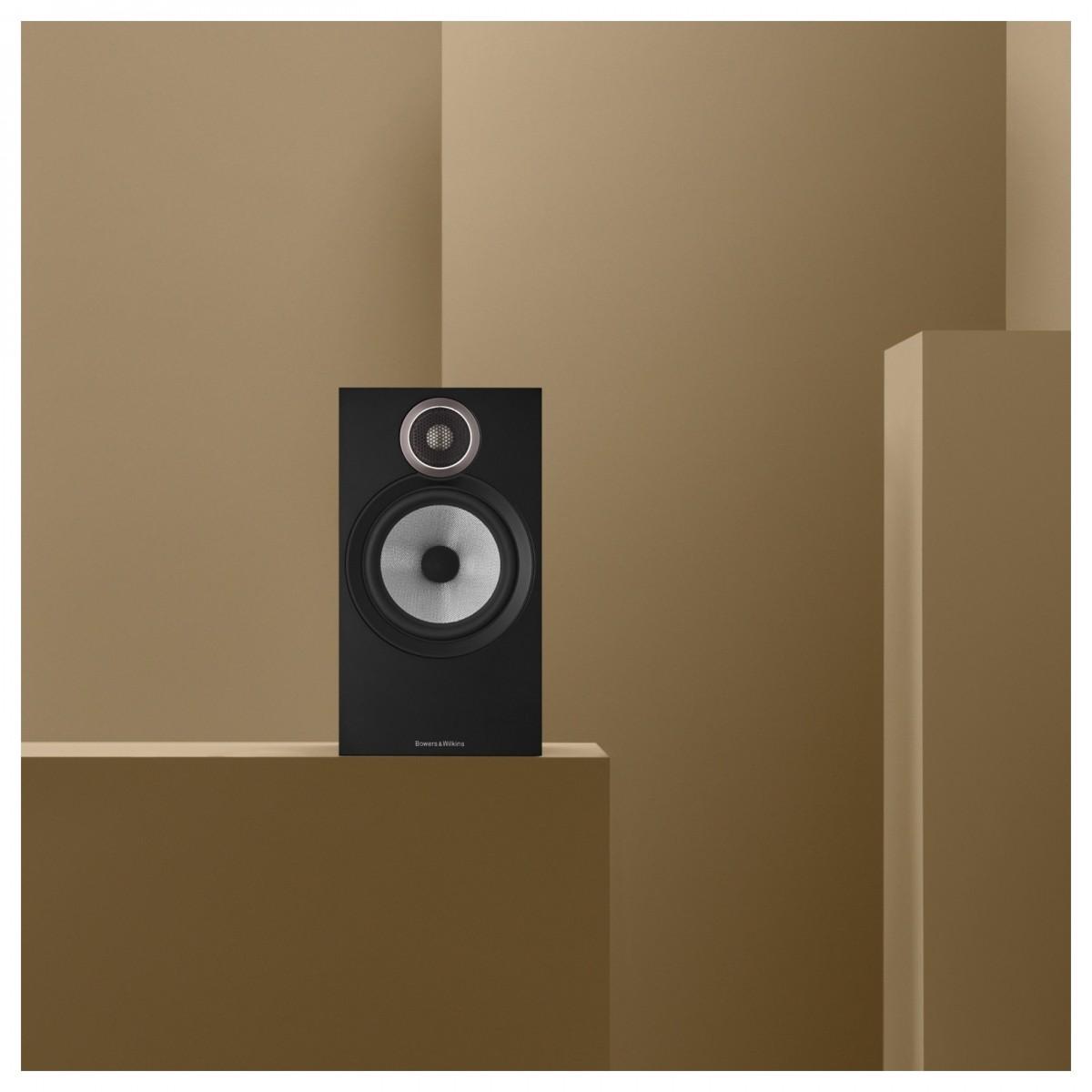
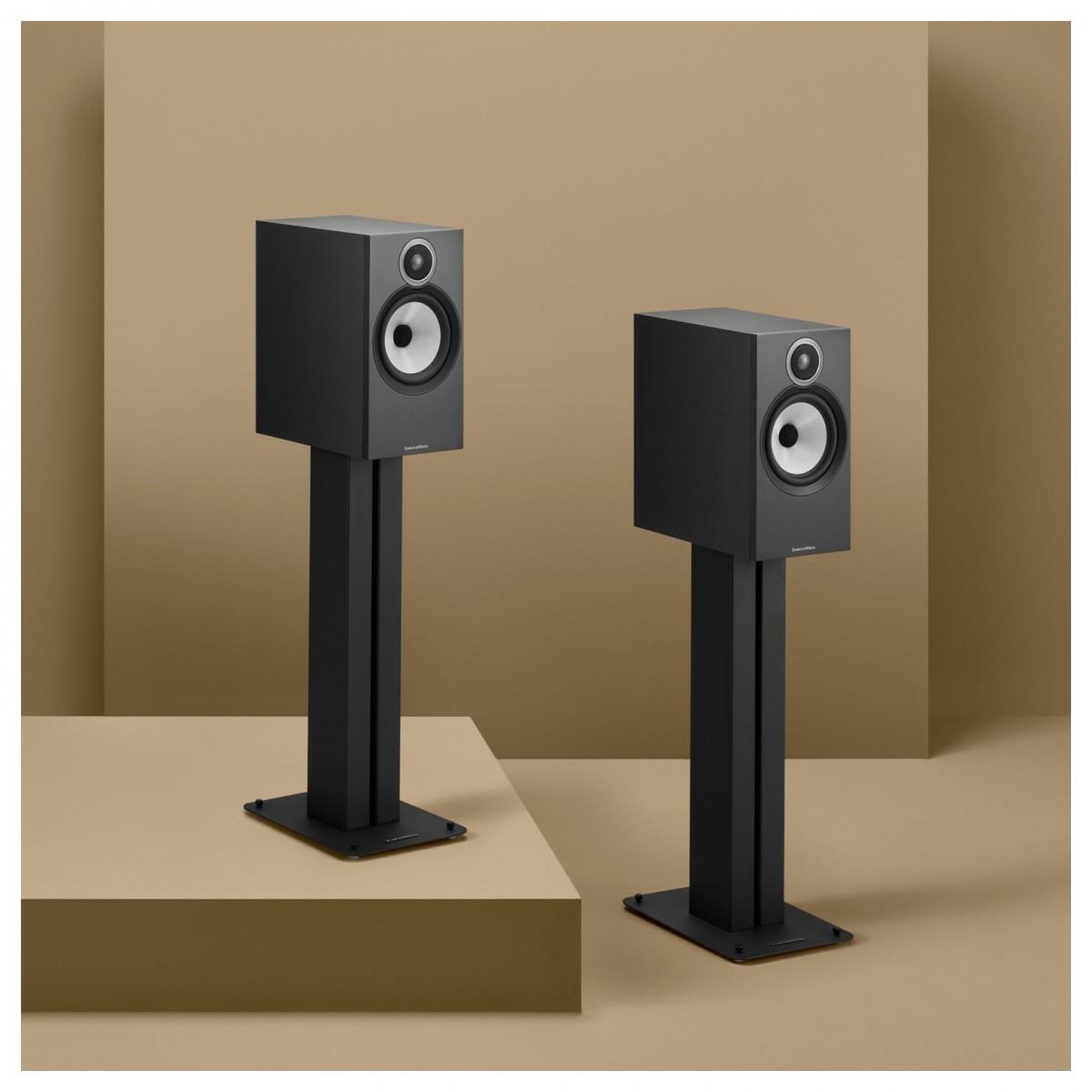
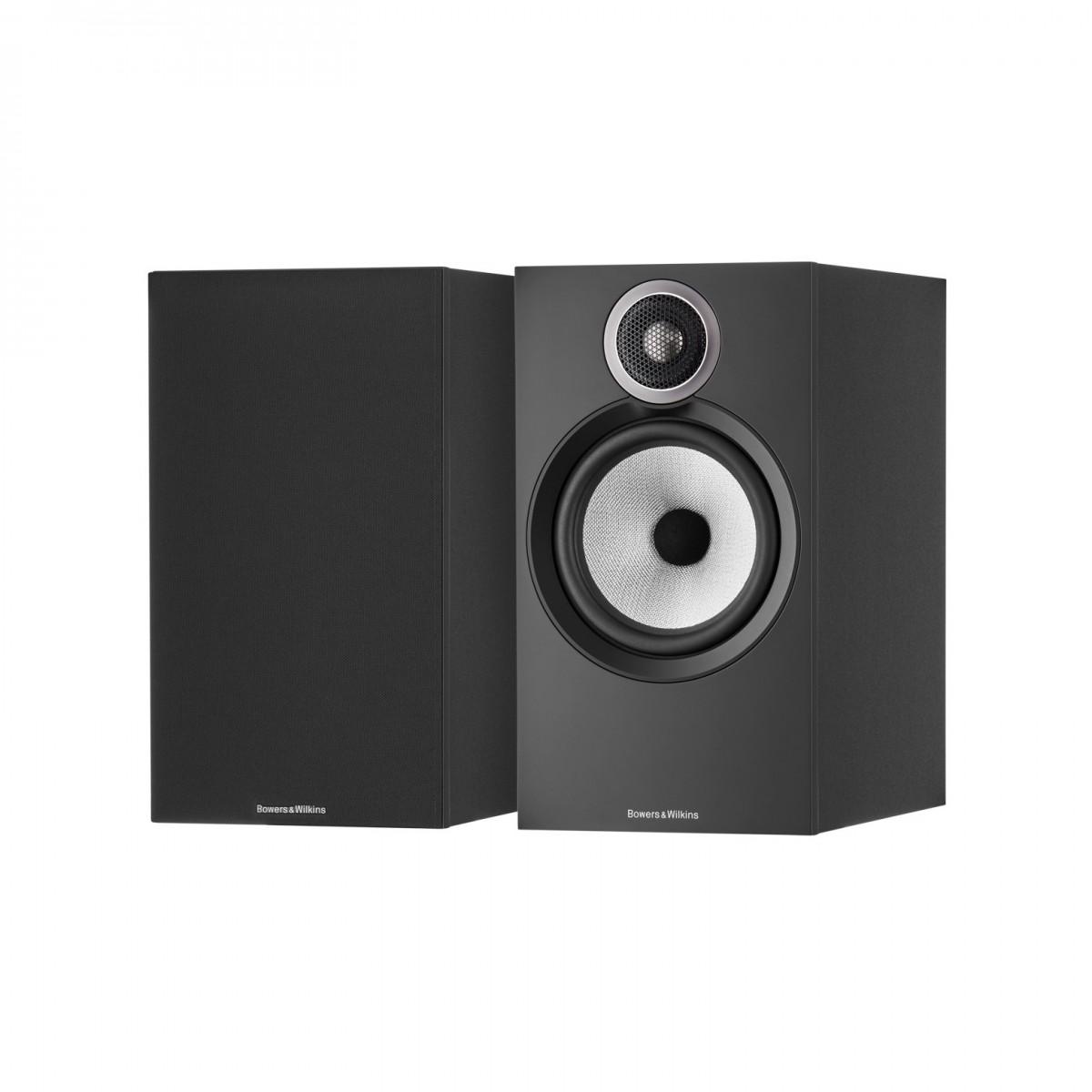
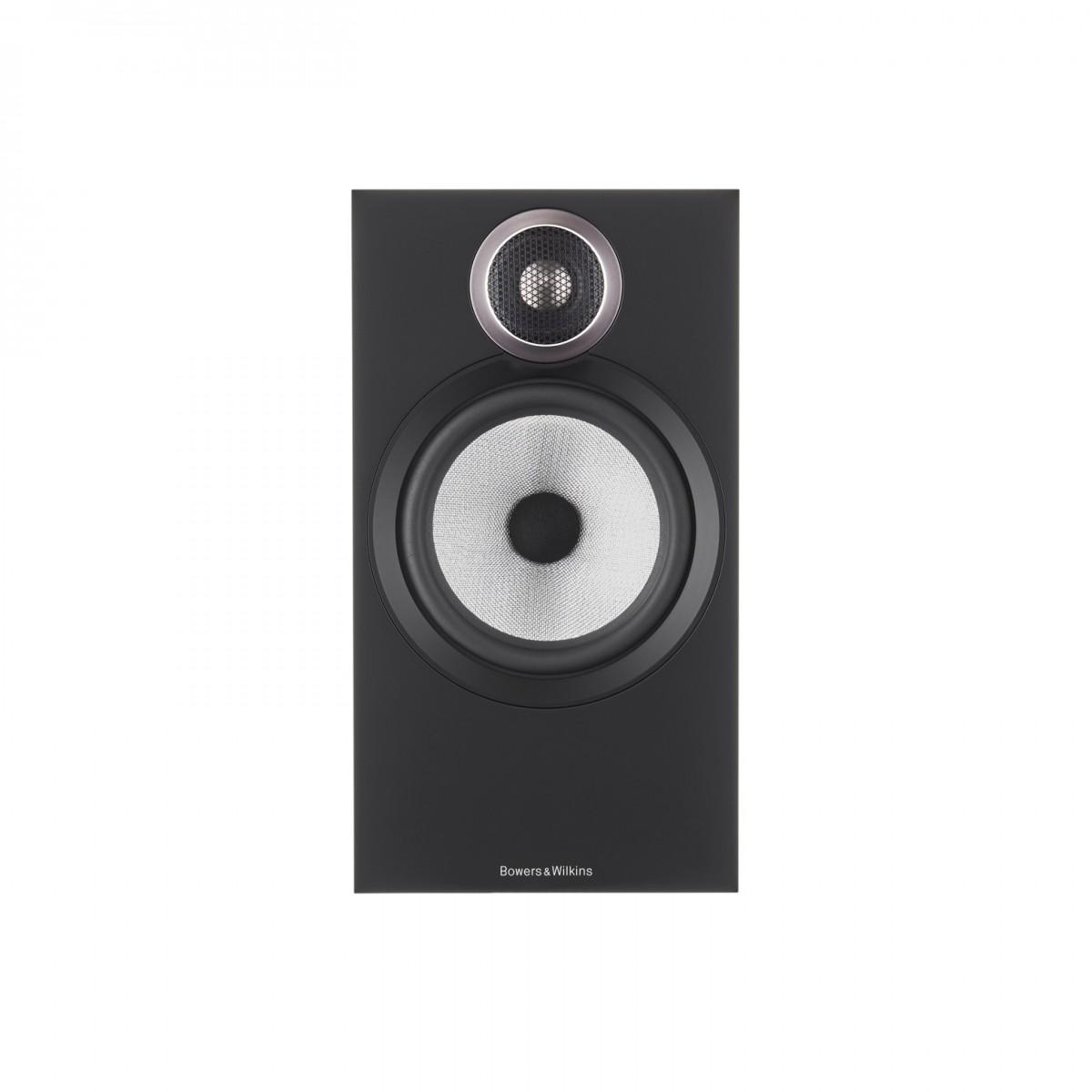
The B&W 606 S3 represents B&W's latest refinement of their acclaimed 600 series, featuring their advanced Continuum cone technology - a woven composite material that replaced their long-standing Kevlar drivers. This material provides exceptionally natural midrange reproduction, particularly noticeable on vocals and acoustic instruments. The new Titanium dome tweeter delivers crystalline highs without harshness, a significant improvement over previous models.
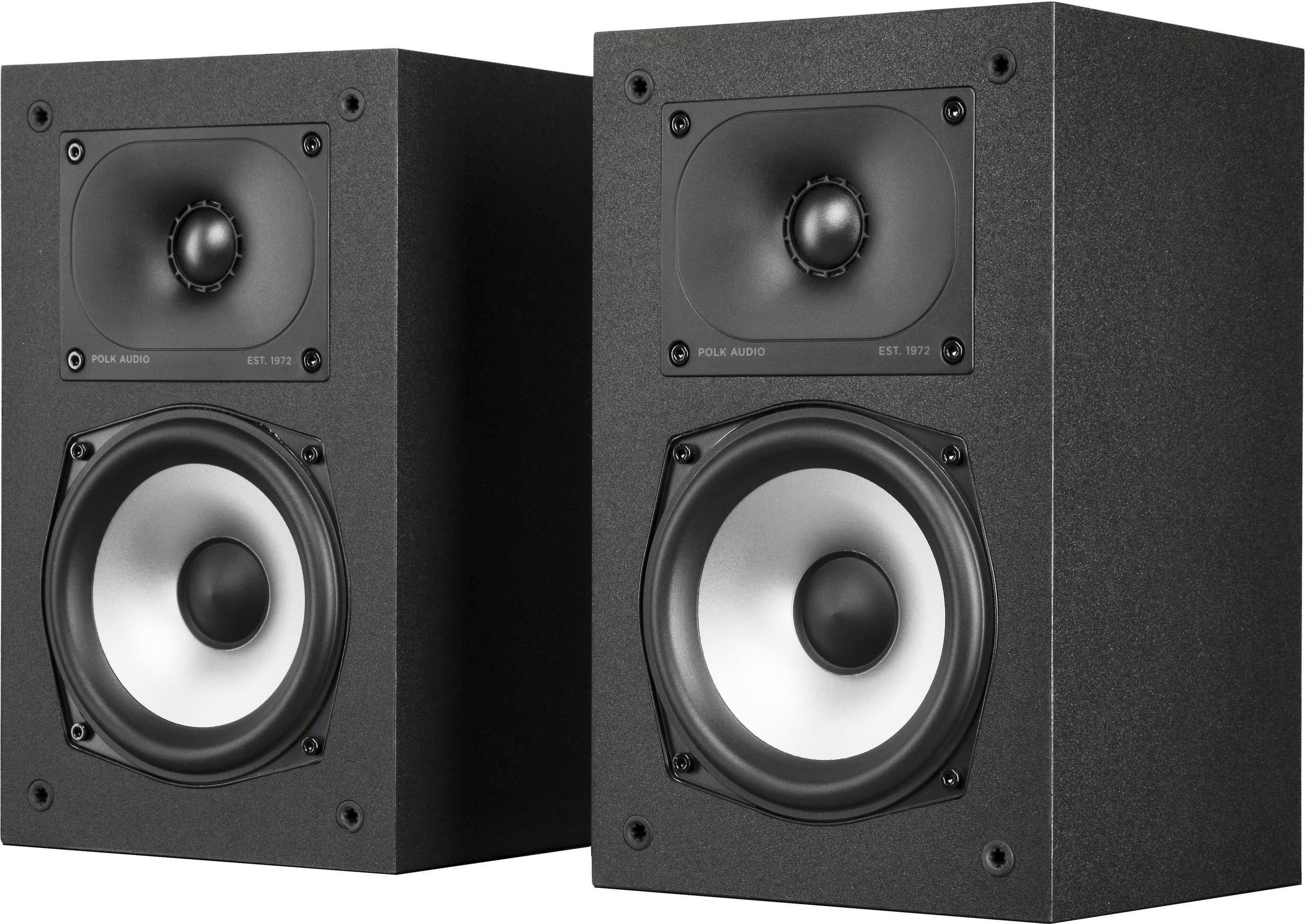
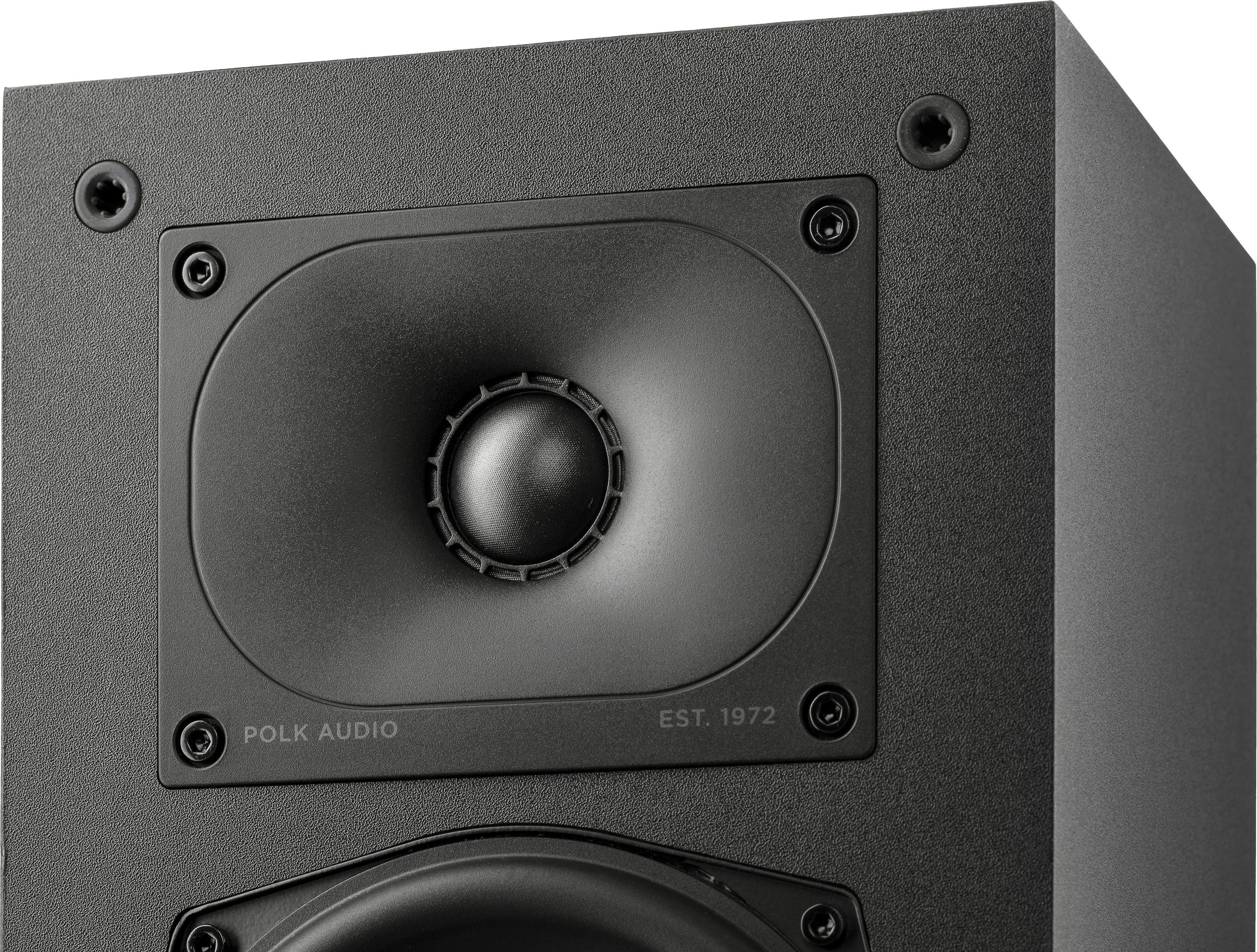
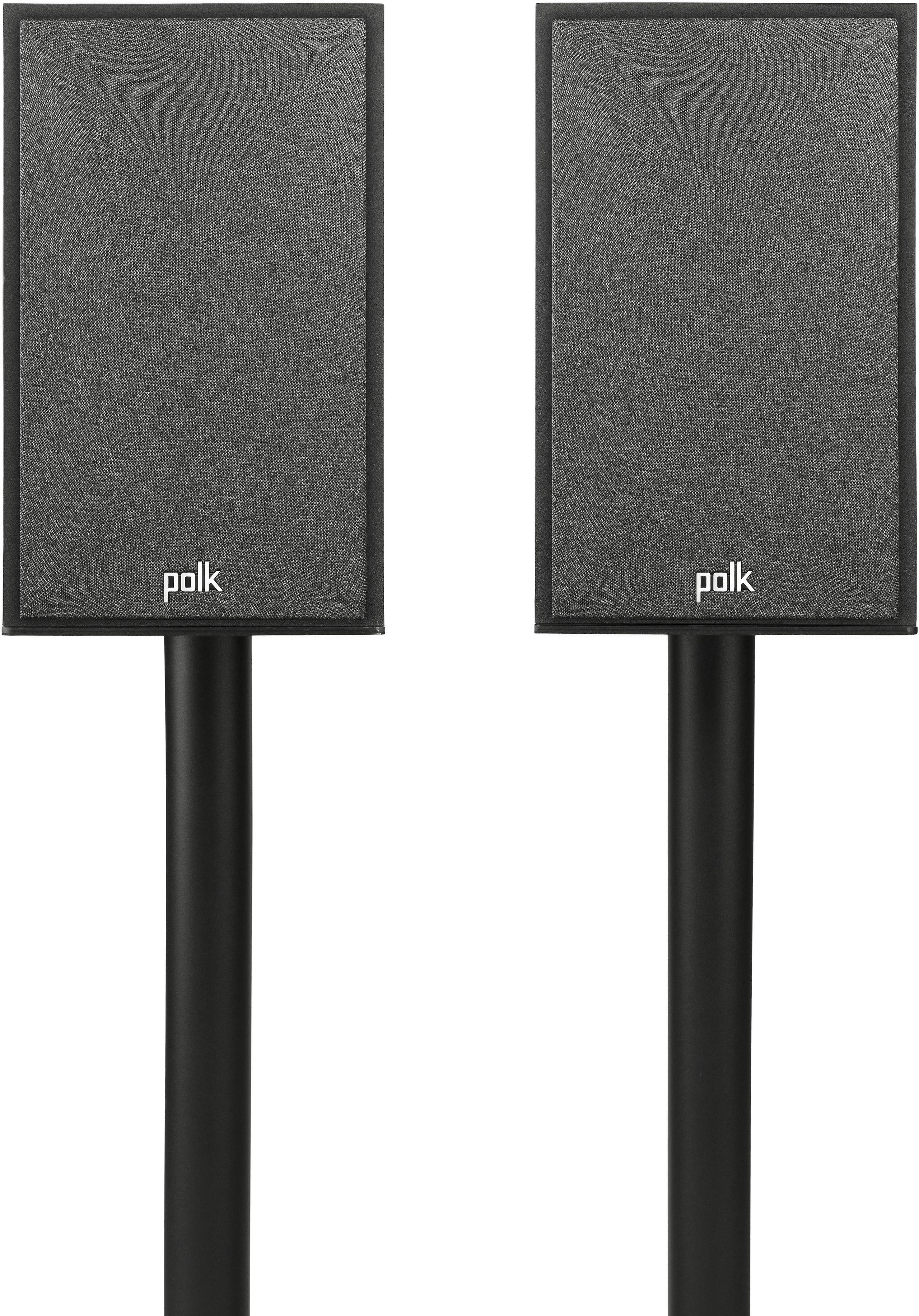
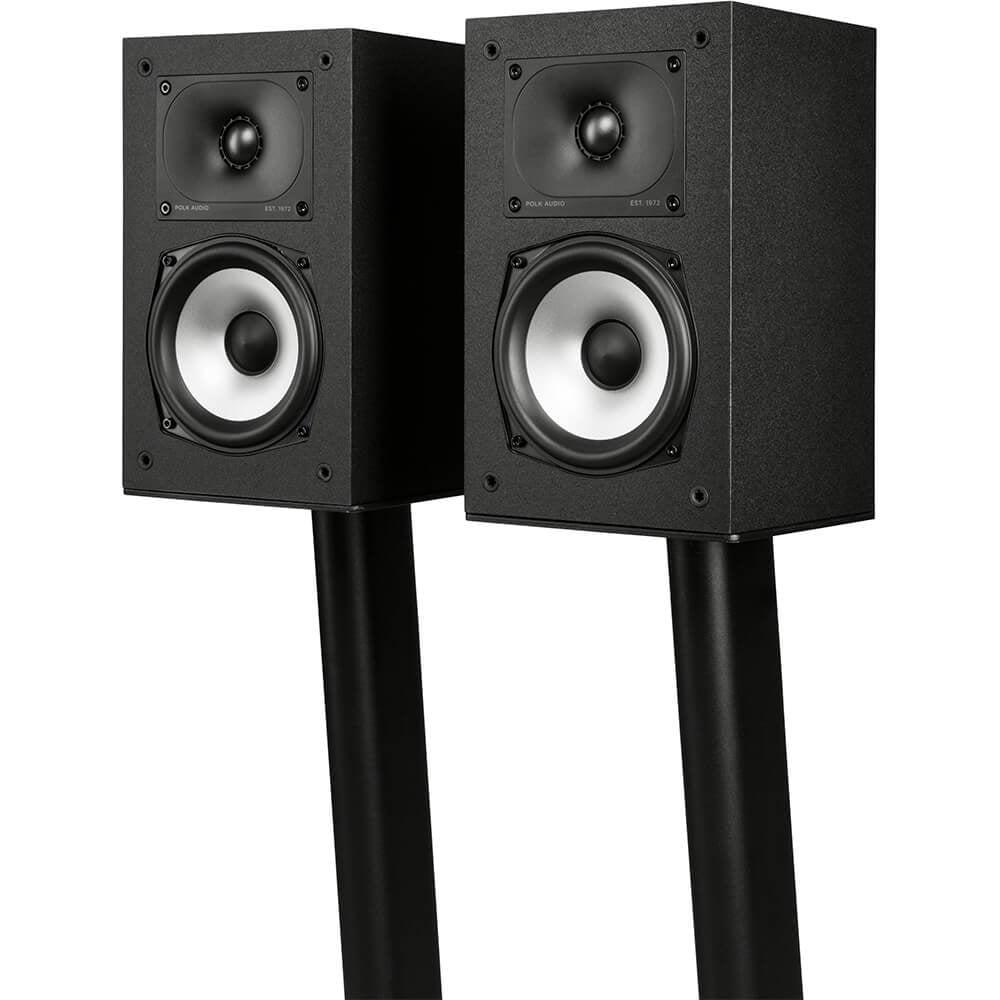
In contrast, the Polk XT15 uses more traditional materials - a paper cone woofer and Terylene dome tweeter. While these materials might seem basic, Polk's implementation creates an engaging, dynamic sound that punches above its price point. The high-frequency extension to 40kHz is impressive on paper, though most listeners won't perceive content above 20kHz.
B&W's attention to cabinet design and driver technology creates a remarkably precise soundstage. Individual instruments and voices appear to float in specific locations between and beyond the speakers. The 606 S3's decoupled tweeter design (where the tweeter is physically separated from the cabinet to reduce vibration) contributes to this exceptional imaging precision.
The Polk XT15 presents a good soundstage with clear left-to-right separation, though it doesn't quite match the holographic imaging of the B&W. However, for most casual listening and movie watching, the difference isn't dramatic.
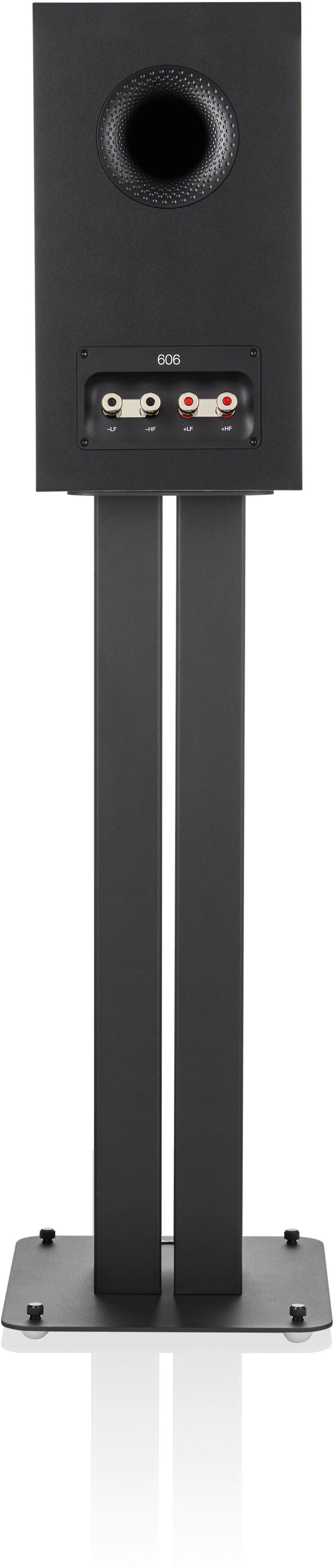
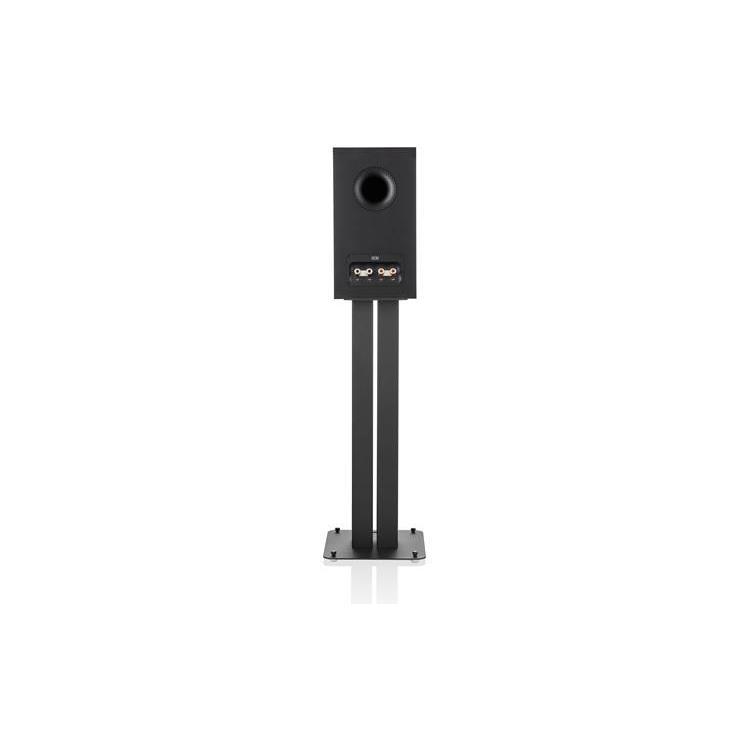
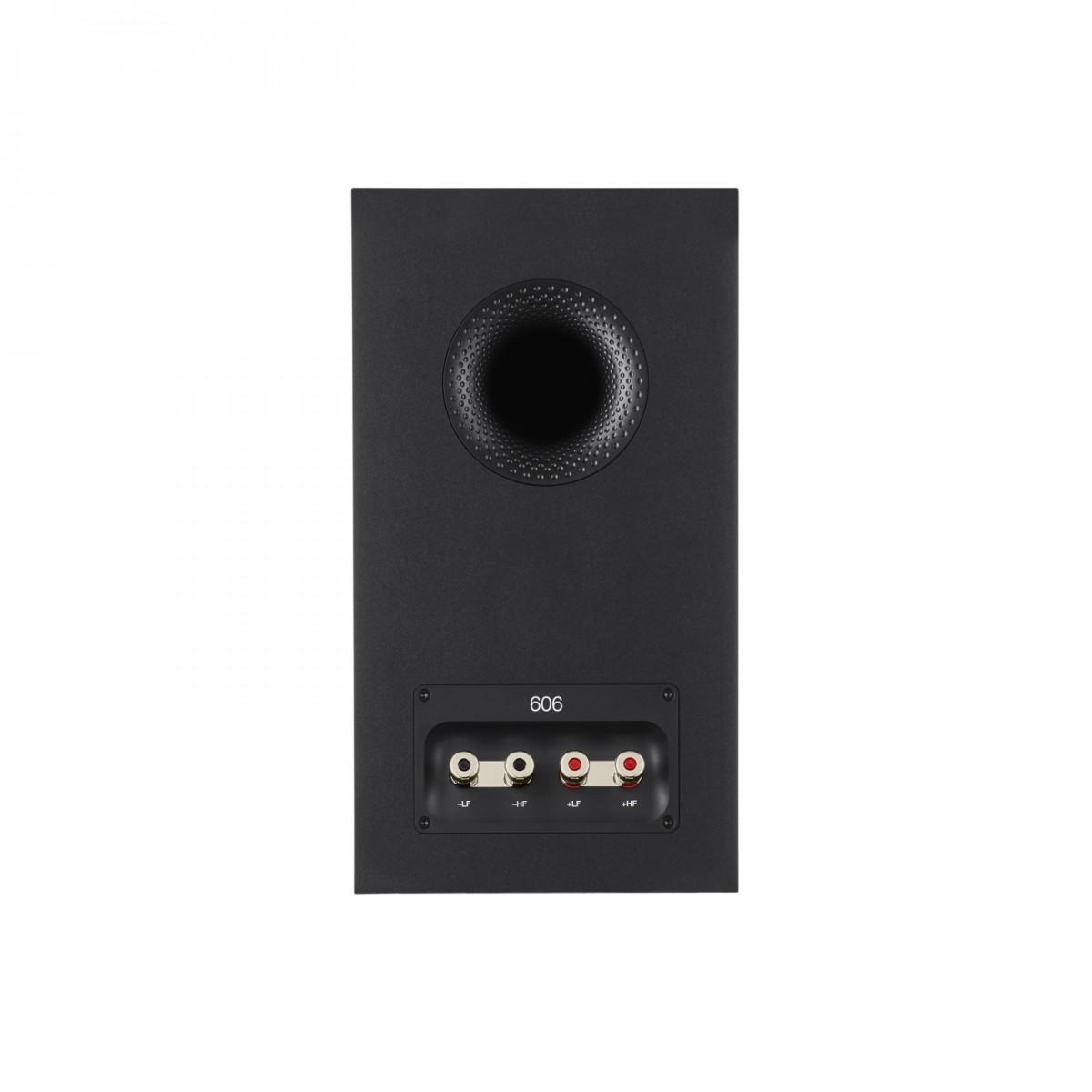
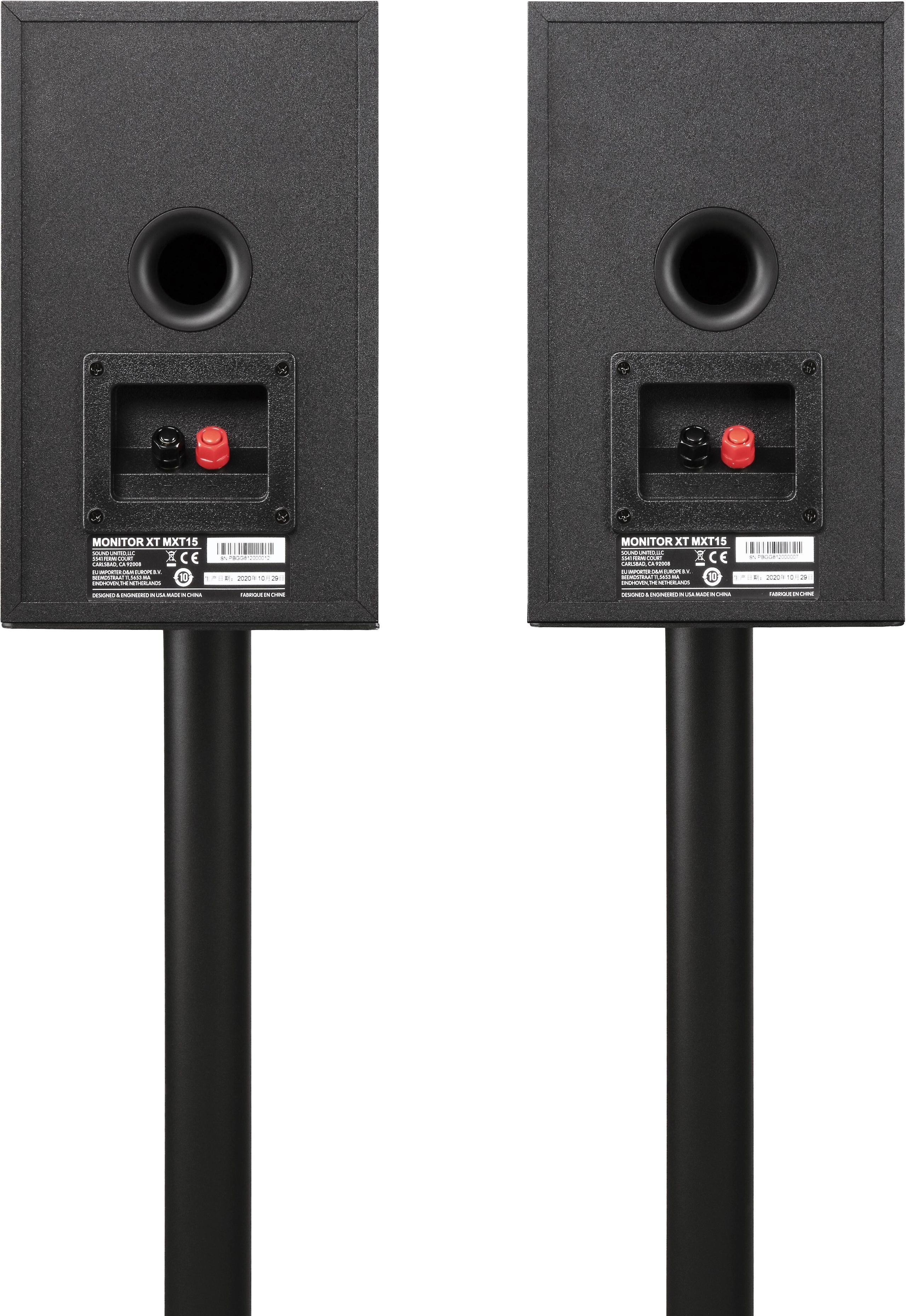
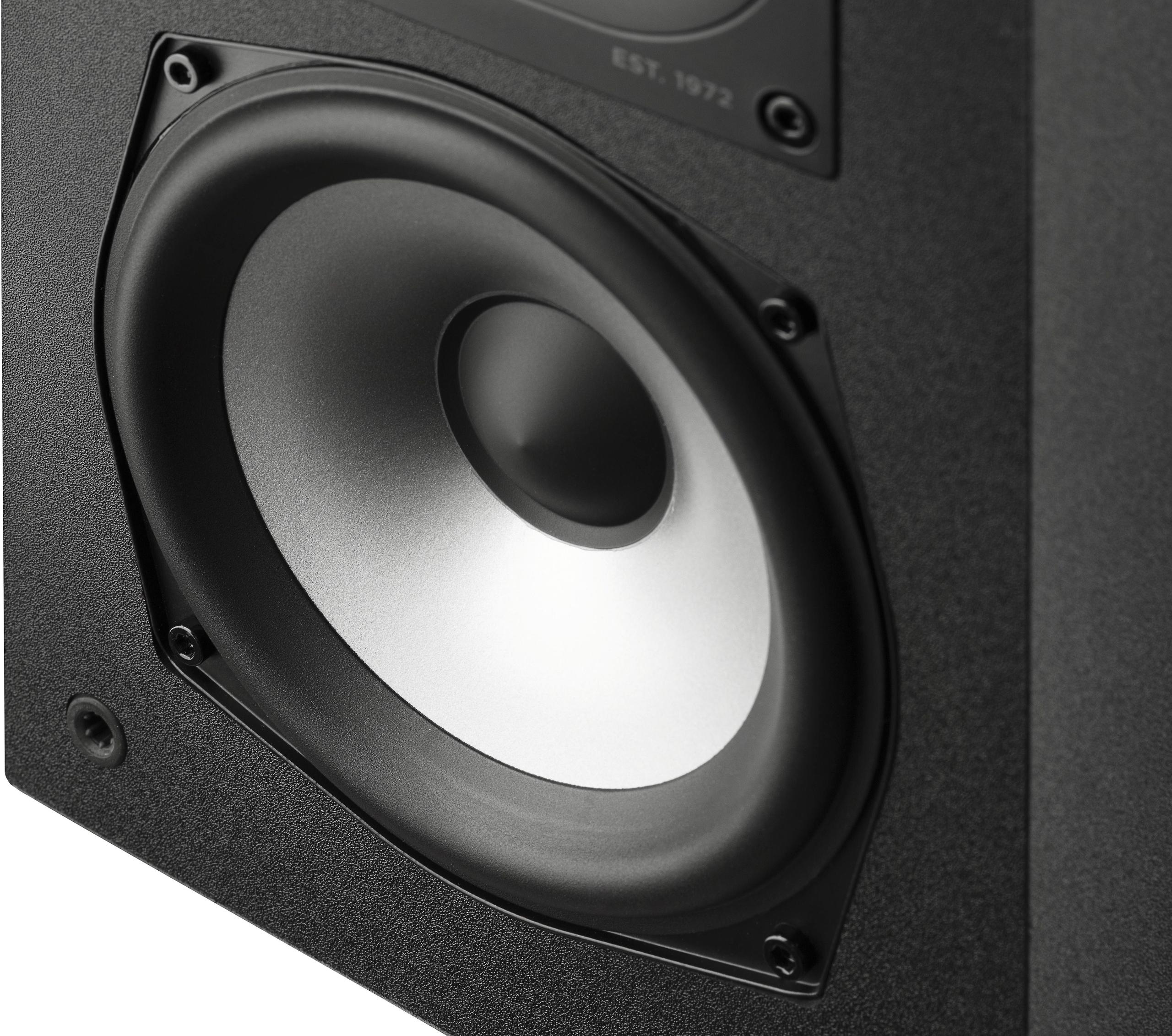
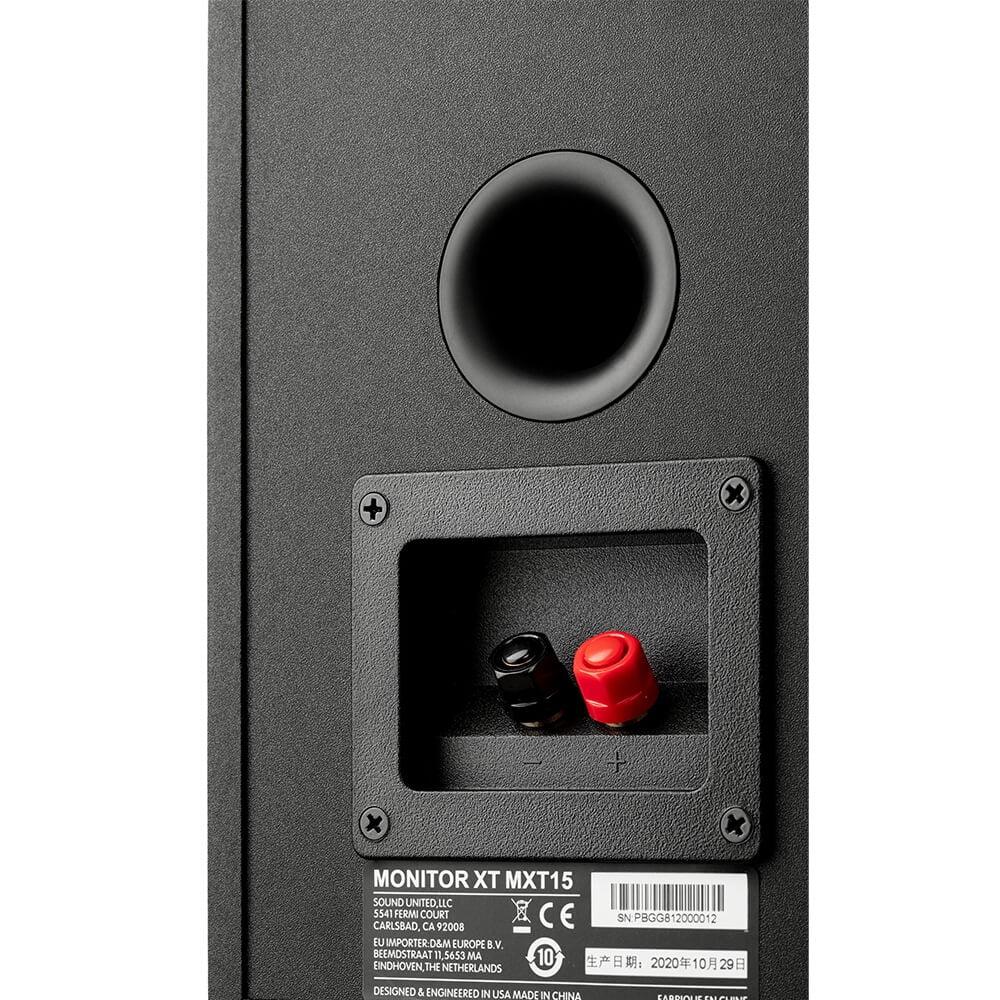
Both speakers use rear-firing ports to enhance bass response, but their implementations differ significantly. The B&W's Flowport technology uses dimples (like a golf ball) to reduce port noise and turbulence, allowing for cleaner low-frequency extension. The 606 S3's larger 6.5" driver provides noticeably more bass authority than the Polk's 5.25" unit.
The Polk XT15 compensates somewhat with careful port tuning that maximizes bass impact for its size. While it can't match the B&W's low-end control and extension, it produces satisfying bass for near-field listening and smaller rooms.
The B&W 606 S3 showcases several proprietary technologies:
The Polk XT15 features:
B&W's cabinet features extensive internal bracing and high-quality MDF construction. The magnetic grilles and premium finish reflect the price point. The Polk offers solid construction for the price, though with simpler internal bracing and more basic materials.
The B&W 606 S3 represents a significant investment at $1,100, but its performance and build quality suggest longevity. These speakers could serve as system anchors for a decade or more, maintaining their value relatively well.
At $199, the Polk XT15 offers remarkable performance per dollar. While they might not be "forever speakers," they provide an excellent entry point into high-fidelity audio without breaking the bank.
The B&W 606 S3 excels with high-quality source material, revealing subtle details in well-recorded music. They benefit from quality amplification (recommended 30-120 watts) and careful placement. Their revealing nature means they'll showcase both the strengths and weaknesses of your system components.
The Polk XT15 offers engaging musical performance with less emphasis on absolute detail retrieval. They're more forgiving of recording quality and system matching, making them suitable for a wider range of setups.
Both speakers can serve in home theater systems, but their strengths differ:
The B&W 606 S3 provides cinema-quality dialogue clarity and precise effects placement. They're ideal for premium home theaters where music performance is equally important.
The Polk XT15's higher sensitivity makes them easier to drive with AV receivers, and their forward presentation helps with movie dialogue. They're particularly good for mixed-use systems where budget constraints require balancing music and movie performance.
Choose the B&W 606 S3 if:
Choose the Polk XT15 if:
Remember that both speakers require proper placement and setup to perform their best. While the price difference is substantial, both models represent good value in their respective categories. The B&W offers state-of-the-art performance for those who can appreciate and afford it, while the Polk delivers remarkably satisfying sound that belies its modest price.
| Bowers & Wilkins 606 S3 ($1,100) | Polk Audio Monitor XT15 ($199) |
|---|---|
| Driver Configuration - Determines sound quality and output capability | |
| 1" Titanium dome tweeter, 6.5" Continuum cone mid/bass | 1" Terylene dome tweeter, 5.25" bi-laminate paper cone |
| Frequency Response - Indicates bass depth and treble extension | |
| 52Hz - 28kHz (±3 dB) | 48Hz - 40kHz (range not specified at ±3 dB) |
| Sensitivity - How easily speakers convert power to volume | |
| 88dB | 86dB |
| Power Handling - Amplifier power range for optimal performance | |
| 30-120 watts | 30-150 watts |
| Impedance - Affects amplifier compatibility | |
| 8 ohms | 8 ohms |
| Cabinet Technology - Impacts sound clarity and bass performance | |
| Advanced braced MDF, Flowport bass reflex design | Basic MDF construction, rear-firing port |
| Dimensions (H x W x D) - Consider room placement | |
| 13.7" x 7.5" x 13" | 10.6" x 6.6" x 7.2" |
| Weight - Indicates build density and materials | |
| 15.5 lbs each | 9 lbs each |
| Special Features - Unique technologies that enhance performance | |
| Decoupled tweeter, Continuum cone, dual binding posts for bi-wiring | Hi-Res certified, compatible with Dolby Atmos/DTS:X |
| Warranty - Long-term value protection | |
| 5 years | 5 years |
| Best Use Case - Primary application scenarios | |
| Critical music listening, high-end audio systems | Multi-purpose use, home theater, budget systems |
The B&W 606 S3 ($1,100) offers superior music reproduction with more detail, better imaging, and more refined bass. However, the Polk XT15 ($199) provides good musical performance at a fraction of the cost, making it an excellent value choice for casual listening.
The biggest difference is in sound quality and price. The B&W 606 S3 uses advanced materials and technology for audiophile-grade sound, while the Polk XT15 offers solid performance at an entry-level price point.
Yes, both work well in home theater systems. The Polk XT15 is particularly good for home theater due to its price-to-performance ratio, while the B&W 606 S3 offers premium performance for high-end home theaters.
The B&W 606 S3 benefits from higher quality amplification (30-120W), while the Polk XT15 works well with most standard receivers and amplifiers (30-150W).
The B&W 606 S3 produces deeper, more controlled bass thanks to its larger 6.5" driver and advanced Flowport technology. The Polk XT15's 5.25" driver provides good bass for its size but can't match the B&W's low-end performance.
Both speakers work well in small to medium rooms. The Polk XT15 is slightly more compact, while the B&W 606 S3 requires more careful placement but can deliver better overall sound.
Yes, both speakers perform best on stands to achieve proper listening height and minimize surface vibrations. This keeps them at ear level and improves sound quality.
Both speakers are well-built, but the B&W 606 S3 features premium materials and construction. Both come with 5-year warranties, suggesting confidence in long-term reliability.
Yes, both speakers can be integrated with a subwoofer. The B&W 606 S3 has better bass extension on its own, but both benefit from subwoofer integration for home theater use.
Both work well with streaming, but the B&W 606 S3 will reveal more detail in high-quality streams. The Polk XT15 is more forgiving of lower-quality streaming sources.
The B&W 606 S3 excels with vinyl, revealing fine detail in analog recordings. The Polk XT15 performs well but won't extract as much detail from vinyl recordings.
The Polk XT15 offers exceptional value at $199, providing good performance for the price. The B&W 606 S3 delivers superior sound quality but at a premium price point of $1,100, making it a better value for serious audiophiles.
We've done our best to create useful and informative comparisons to help you decide what product to buy. Our research uses advanced automated methods to create this comparison and perfection is not possible - please contact us for corrections or questions. These are the sites we've researched in the creation of this article: futureaudiophile.com - headphones.com - therobinsonbrand.com - higherhz.com - audioadvisor.com - crutchfield.com - bowerswilkins.com - crutchfield.com - vinylrevival.com.au - audioadvisor.com - worldwidestereo.com - bestbuy.com - bestbuy.com - audiosciencereview.com - crutchfield.com - audiolab.com - bombayaudio.com - parts-express.com - erinsaudiocorner.com - bhphotovideo.com - au.polkaudio.com - bestbuy.com - polkaudio.com

Privacy Policy
Terms and Conditions - Affiliate Policy
Home Security
© Copyright 2008-2026.
11816 Inwood Rd #1211, Dallas, TX 75244