

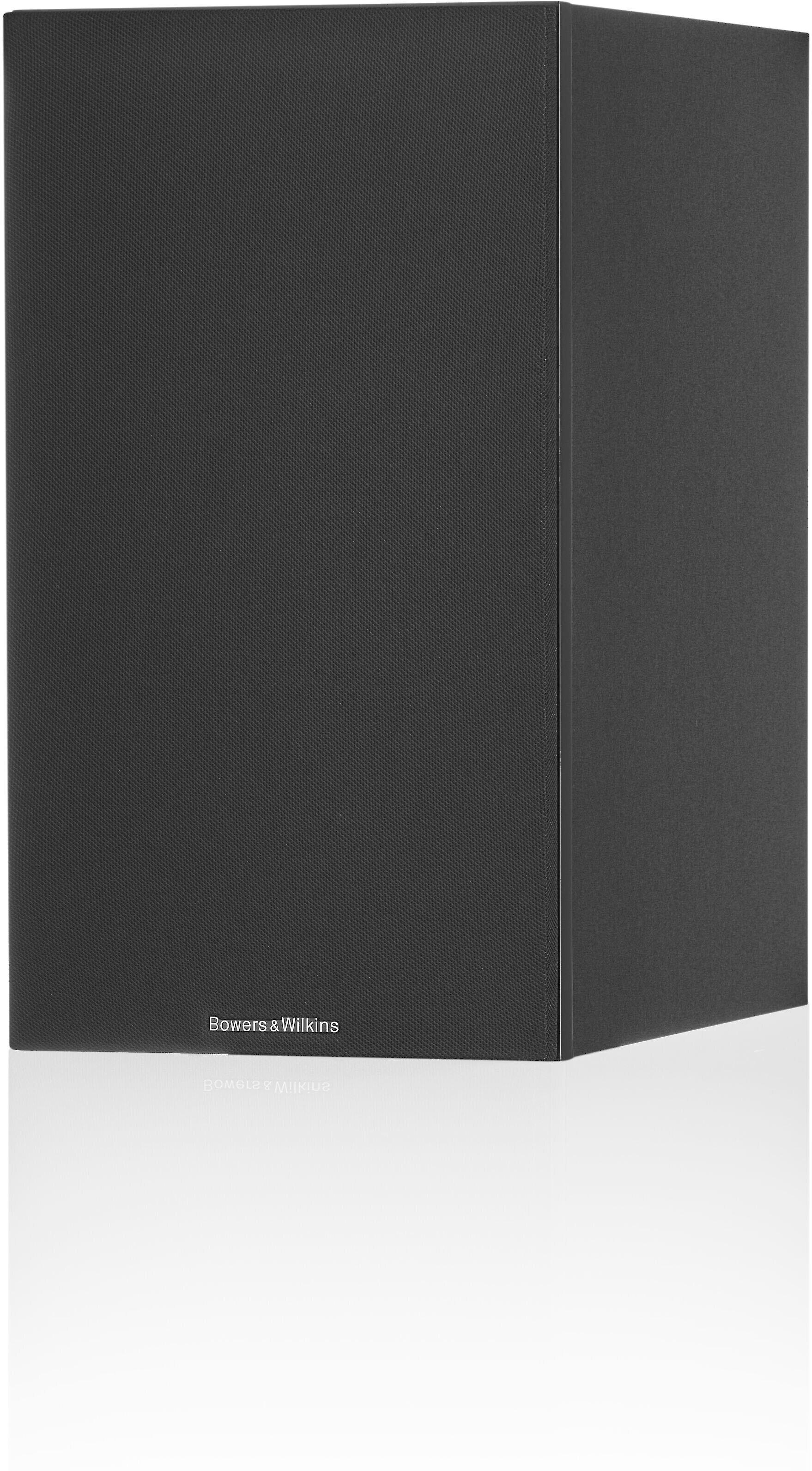
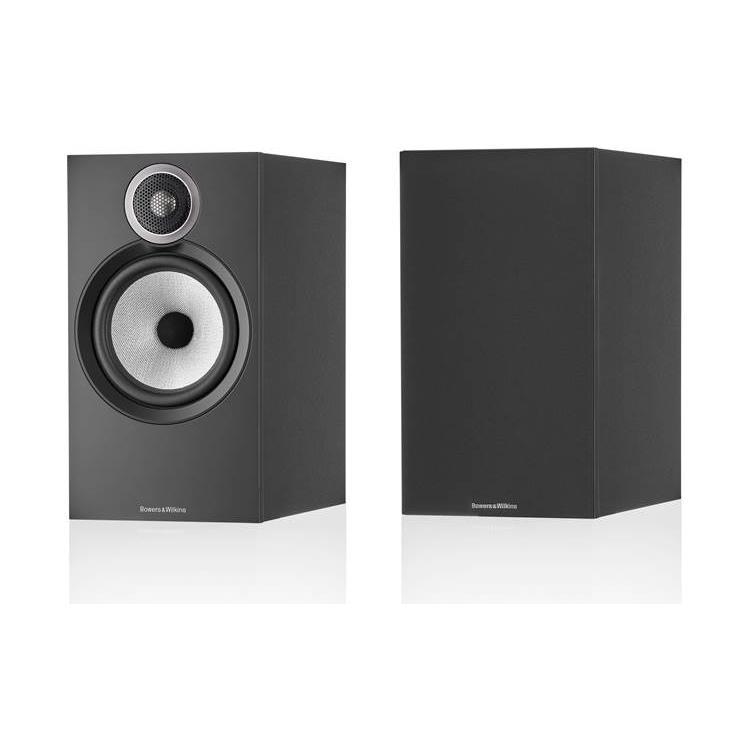
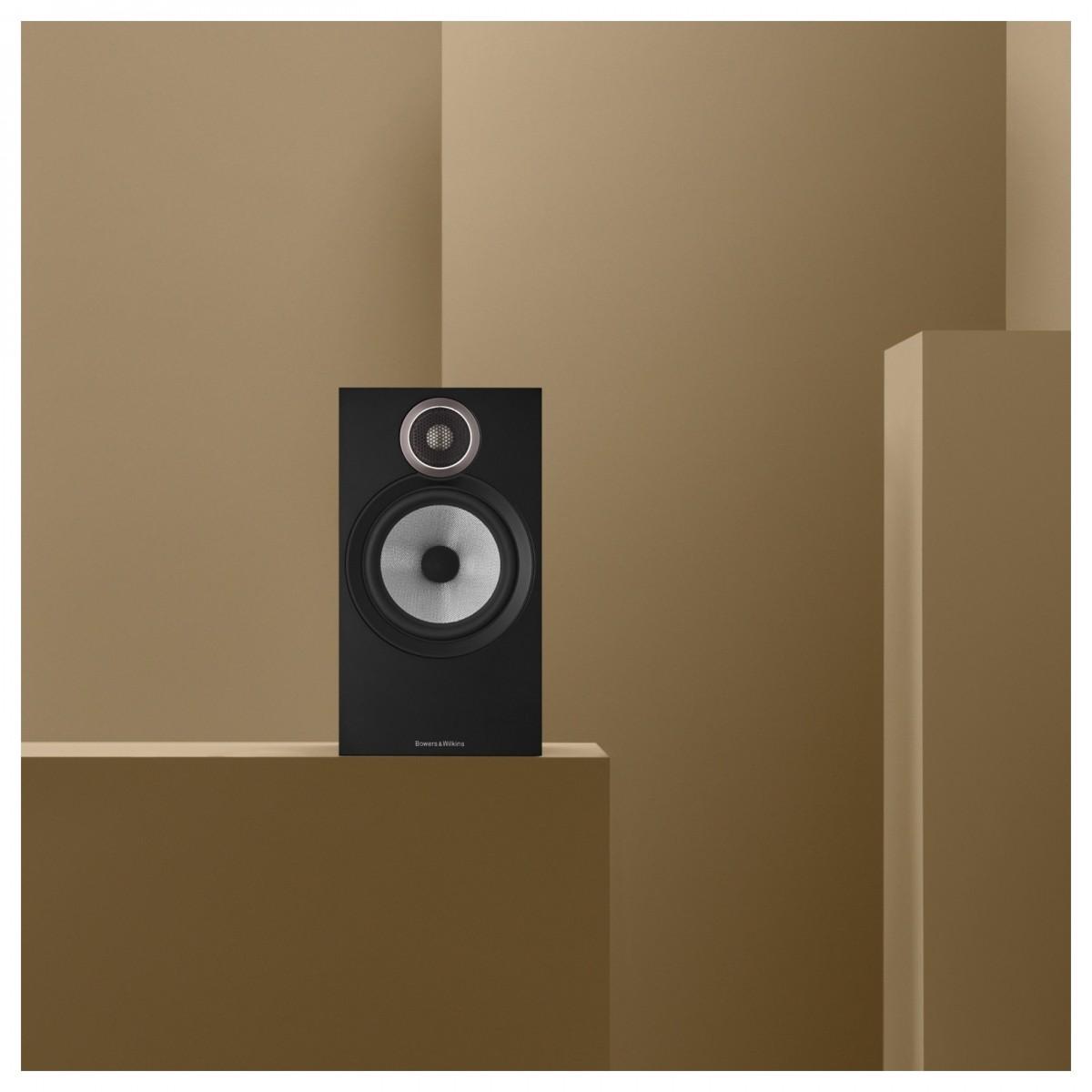
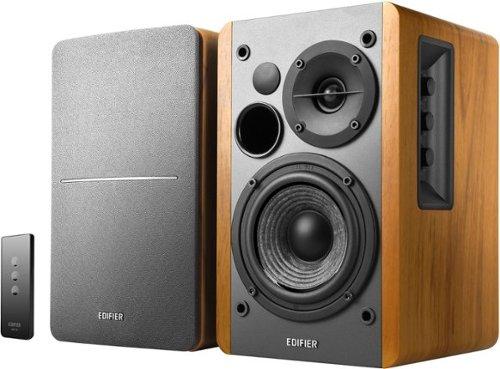
The Bowers & Wilkins 606 S3 ($550) and Edifier R1280T ($84) represent two very different approaches to bookshelf speakers, with a price gap that might make you wonder what exactly you get for the extra investment. Let's break down everything you need to know to make the right choice for your situation.
Bookshelf speakers remain one of the most versatile and popular ways to enjoy high-quality audio. Whether you're building a serious music system, adding surrounds to your home theater, or just want better sound at your desk, they offer an excellent balance of size and performance.
The key difference between these two speakers is their fundamental design approach. The B&W 606 S3 is a passive speaker requiring separate amplification, while the Edifier R1280T is an active speaker with built-in amplification. This distinction affects everything from setup to ultimate performance potential.
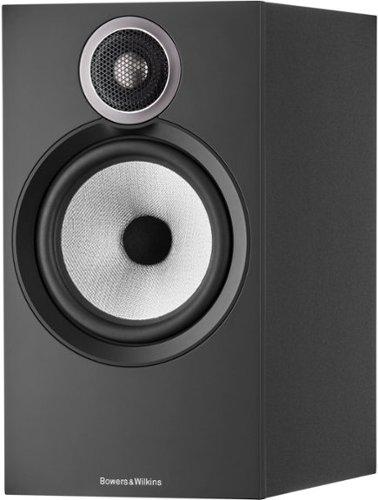
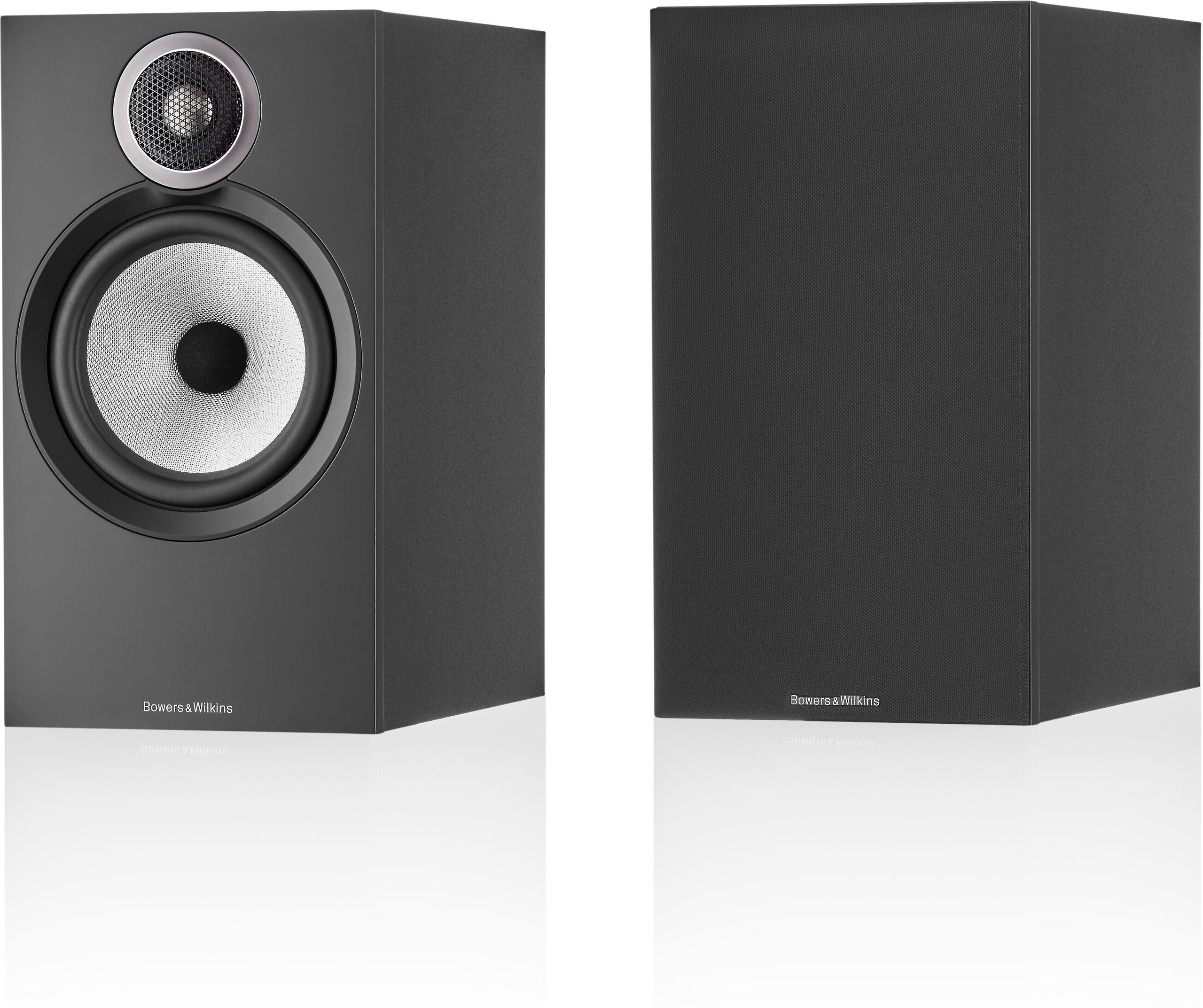
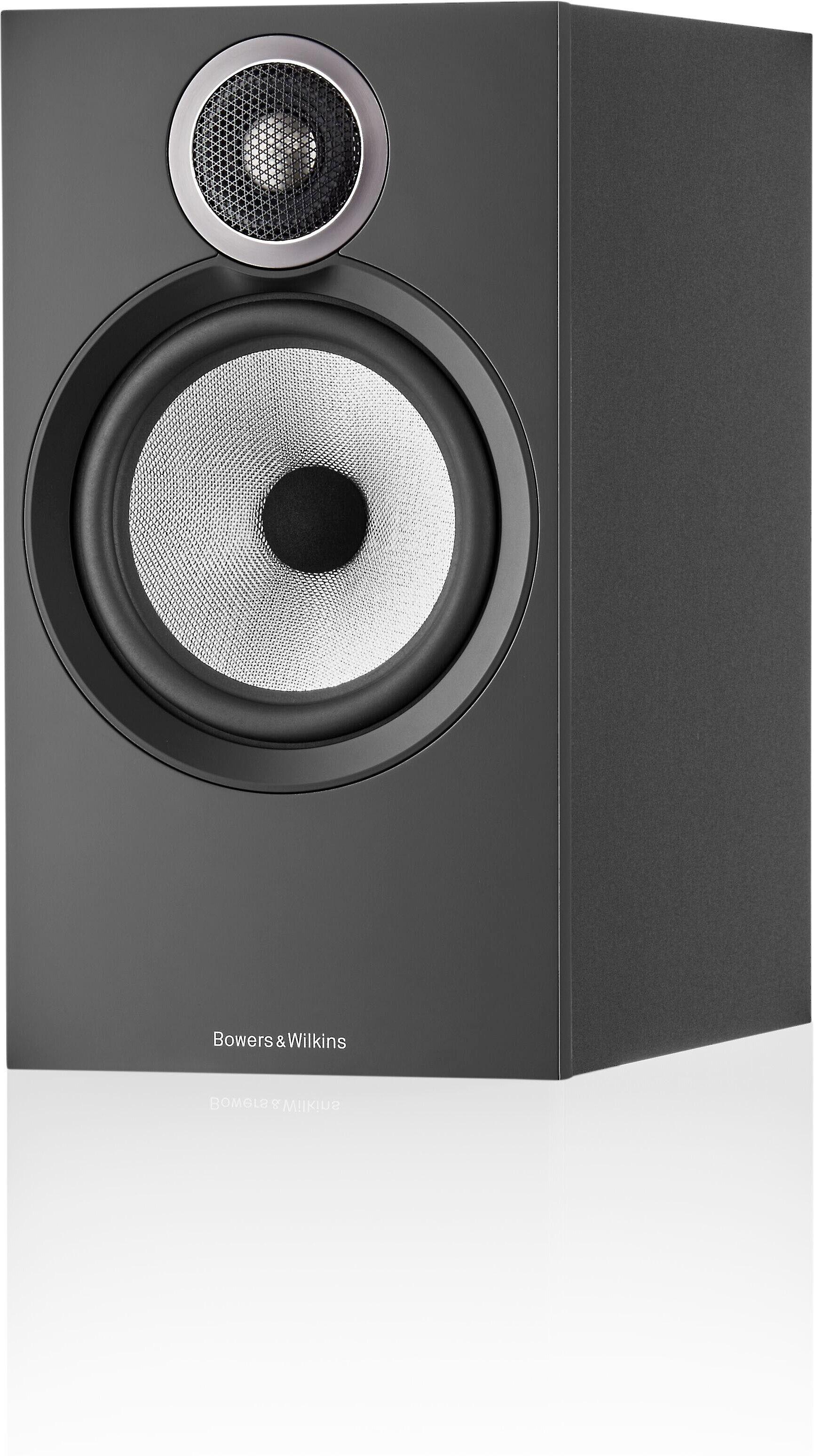
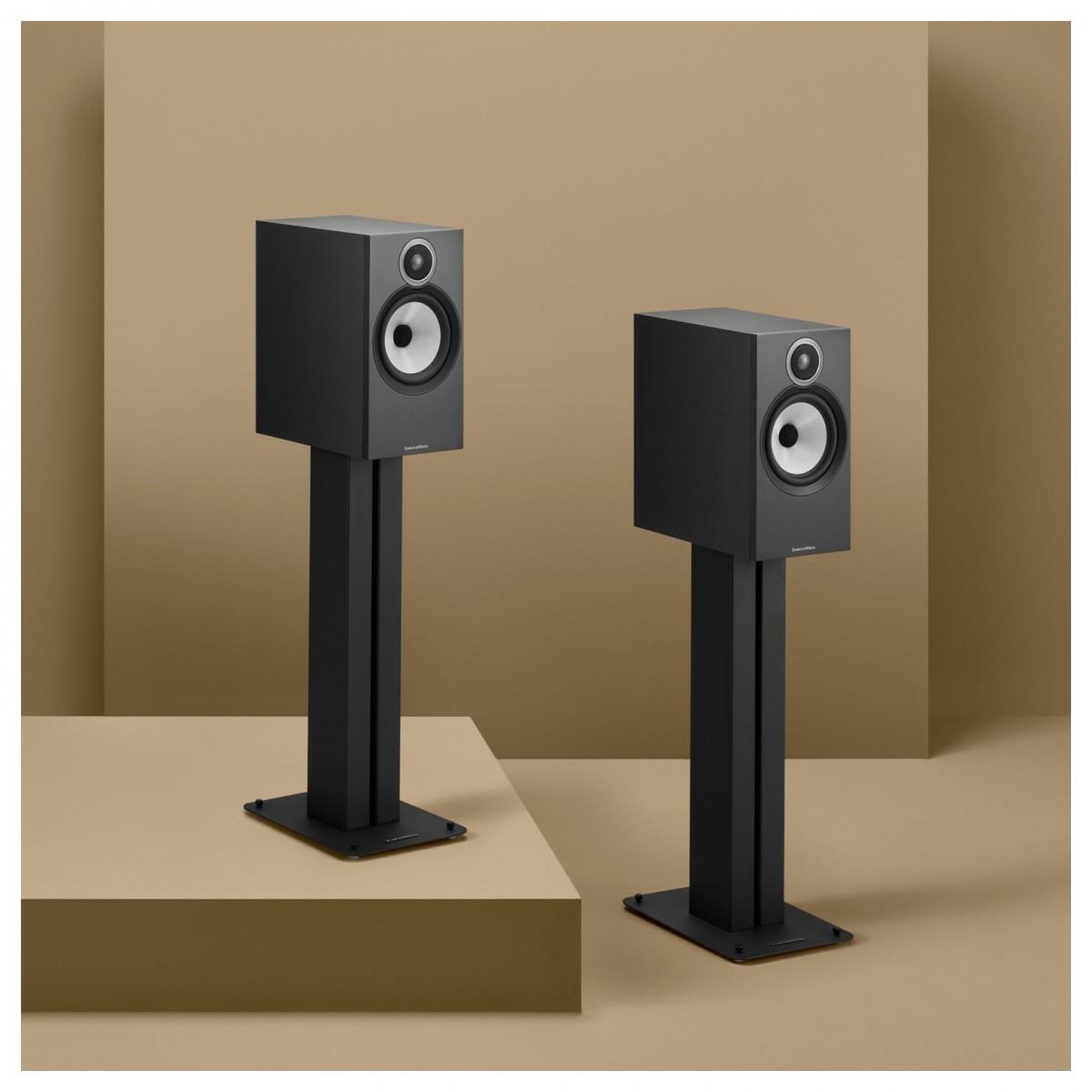
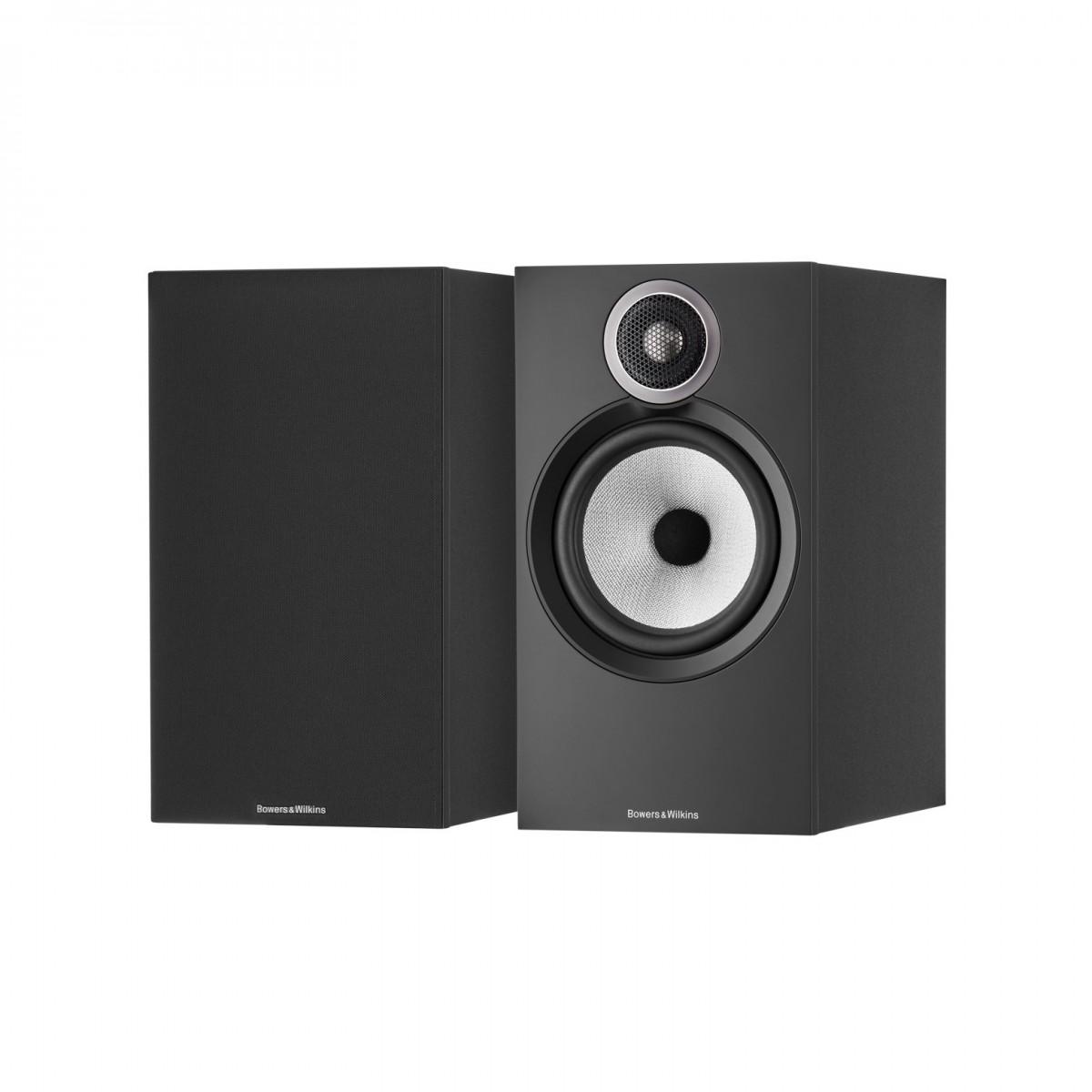
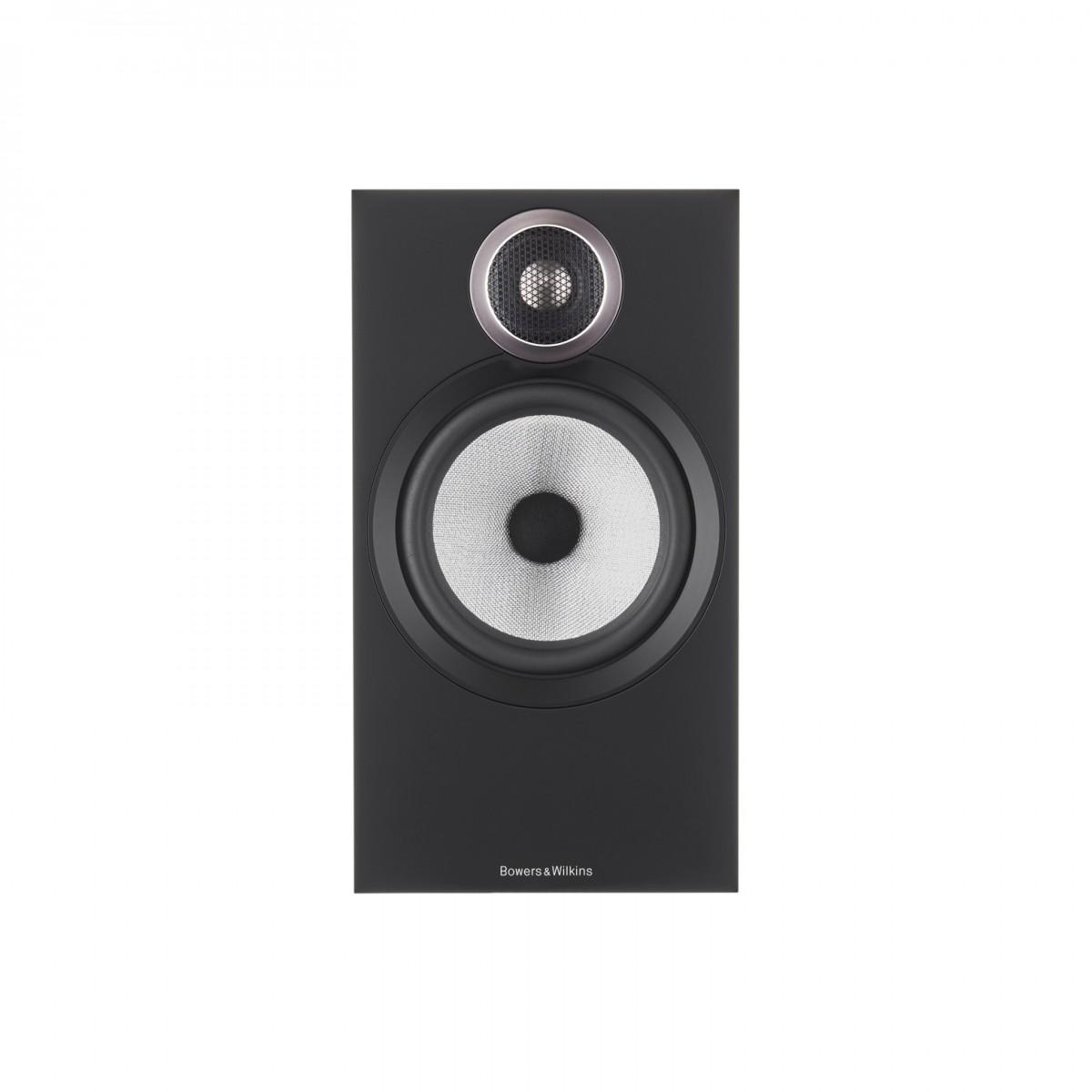
Released in late 2023, the 606 S3 represents B&W's latest refinement of their venerable 600 series. The new Titanium dome tweeter (which handles high frequencies) is a significant upgrade from the aluminum dome in the previous S2 model. In practice, this delivers noticeably clearer treble and better spatial imaging - meaning you can more precisely locate where instruments and vocals are positioned in the soundstage.
The Continuum cone (handling mid and low frequencies) is borrowed from B&W's more expensive speakers. Unlike traditional speaker materials like paper or kevlar, this woven composite material moves more uniformly, reducing distortion and colorization of the sound. The result is remarkably clear and natural reproduction of voices and instruments.
When properly powered (more on that later), these speakers reveal layers of detail in music you might never have noticed before. The soundstage - the three-dimensional space where the music appears to exist - is expansive and precise. Bass response is impressive for their size, extending down to 52Hz while staying tight and controlled.
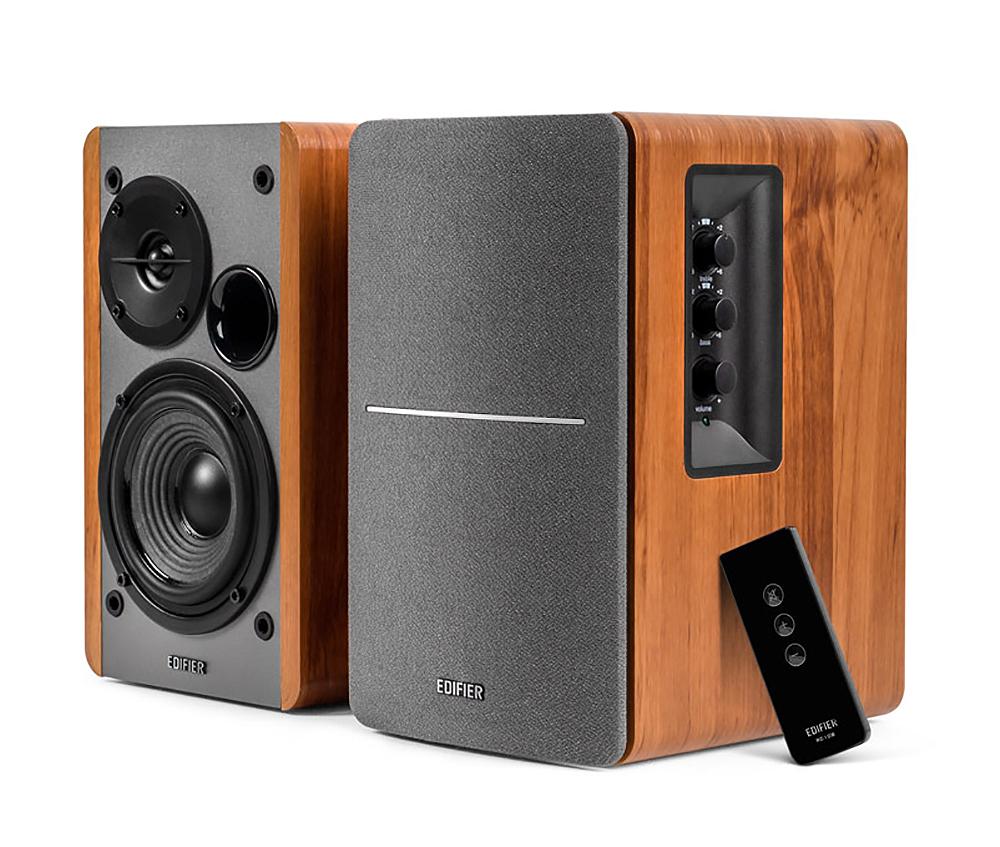
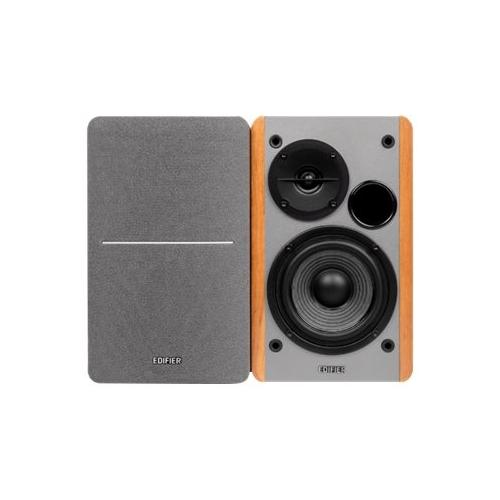
The R1280T, while several years older, remains a popular choice for good reason. Its 4-inch bass driver and silk dome tweeter deliver balanced sound that's enjoyable for everyday listening. The built-in 21-watt-per-channel amplification is perfectly matched to the speakers' capabilities.
Bass response is surprisingly good for the price, though it doesn't reach as deep or maintain the same control as the B&Ws. The midrange is slightly forward, making vocals clear and prominent, while the treble is adequately detailed without being harsh. The overall presentation is more forgiving of poor recordings compared to the revealing nature of the 606 S3.
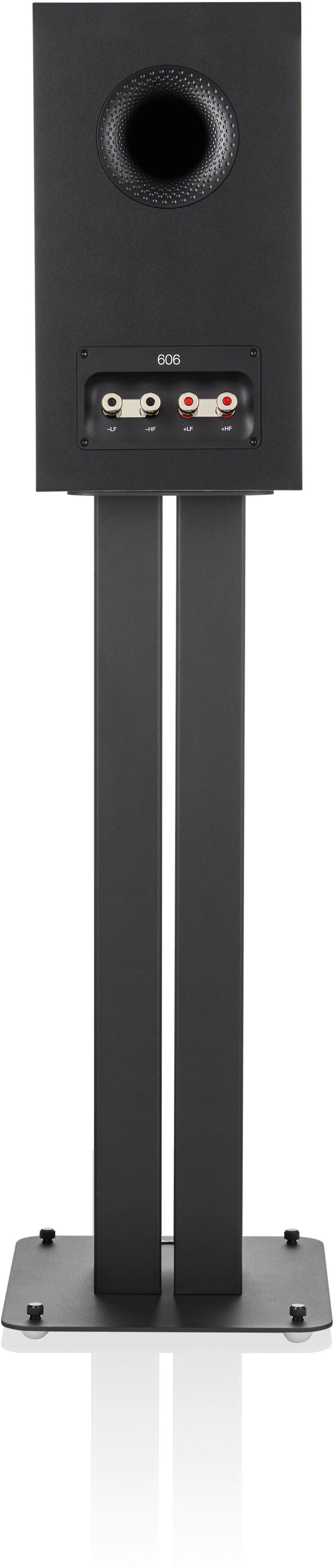
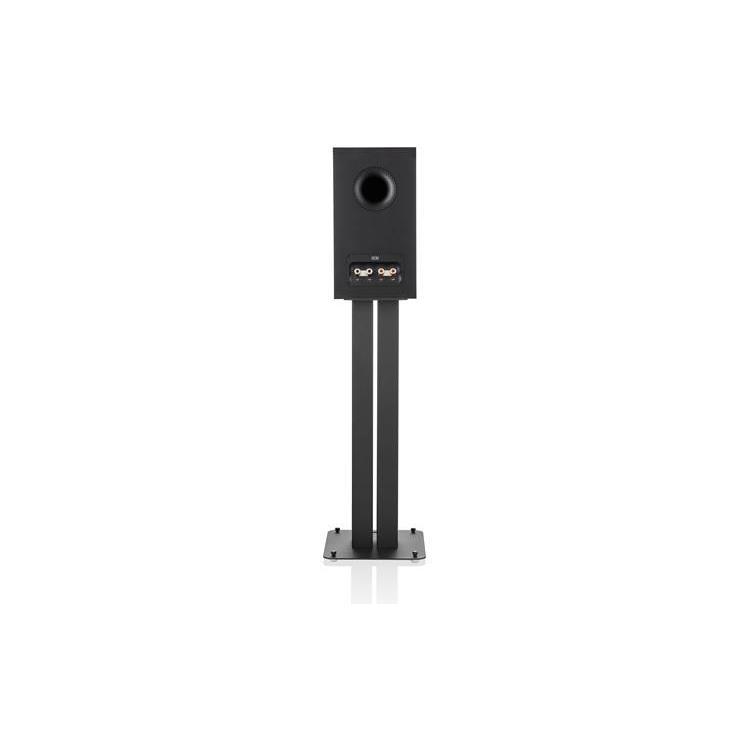
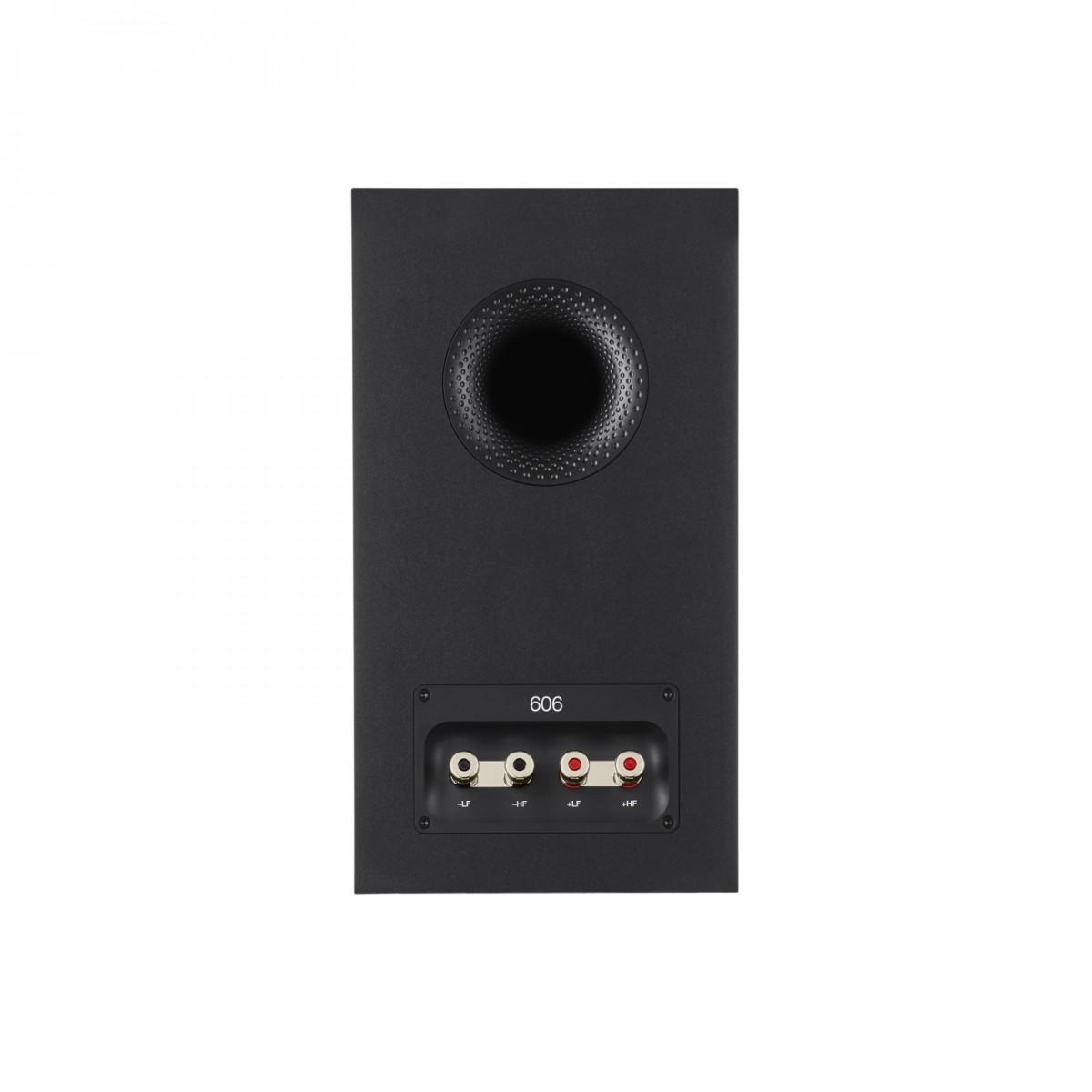
The 606 S3 requires an external amplifier rated between 30-120 watts per channel. This adds cost but also flexibility - you can choose an amp that matches your preferences and upgrade it later. The speakers feature high-quality binding posts that accept banana plugs, spade connectors, or bare wire, and support bi-wiring (running separate cables for high and low frequencies).
Placement is more critical with these speakers. They perform best on proper stands, positioned away from walls to allow their rear-firing ports to work effectively. When set up properly, they disappear sonically, creating a convincing three-dimensional soundstage.
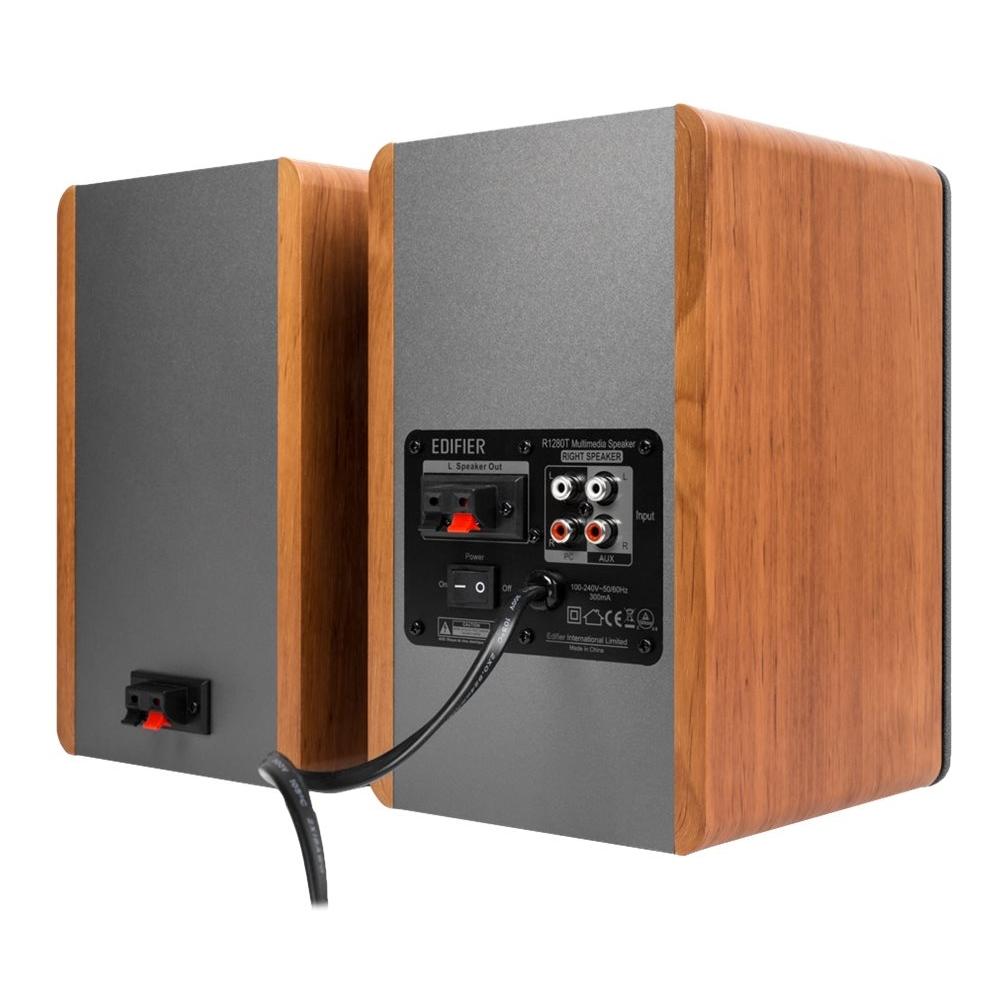
The R1280T is essentially plug-and-play. Connect your source via RCA or 3.5mm inputs, plug into power, and you're ready to go. The built-in volume and tone controls (including remote control) add convenience, though audiophiles might prefer the purity of a fixed-volume passive design.
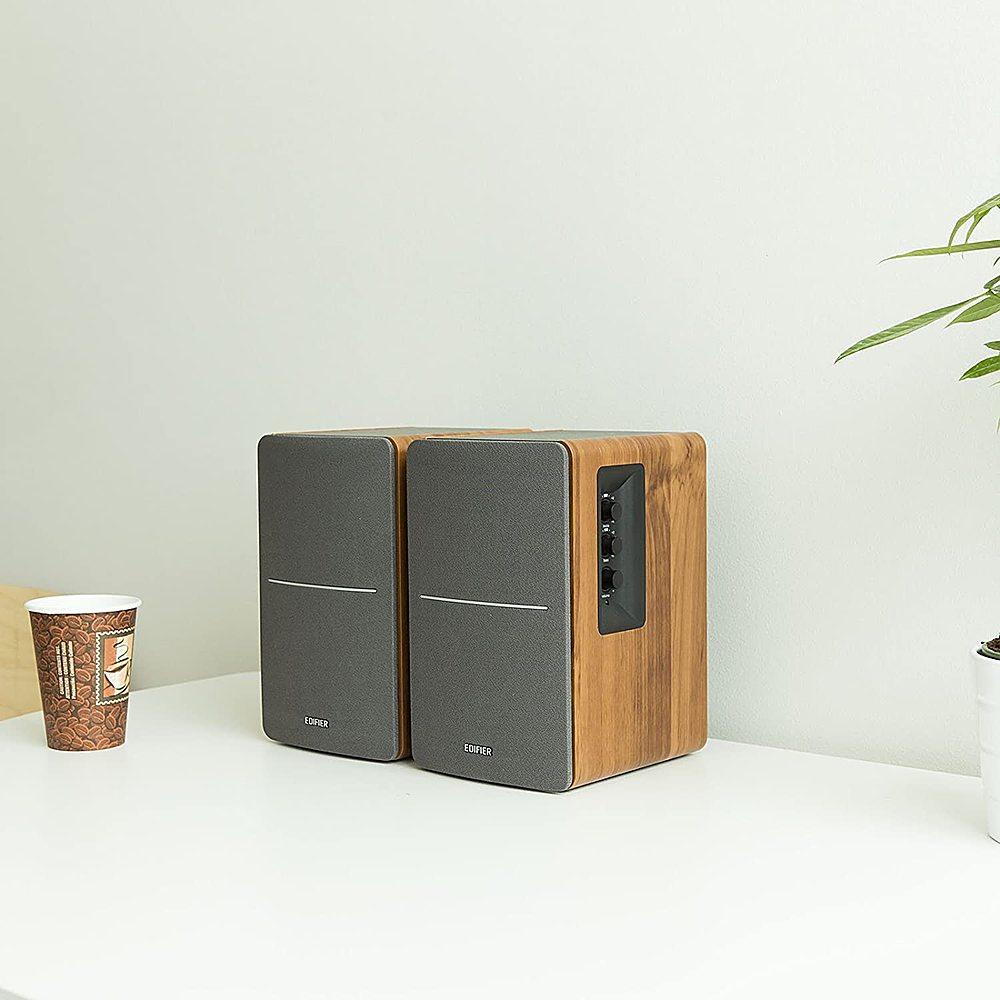
These speakers are more forgiving of placement, making them ideal for desk use or small spaces. The front-ported design means they can be placed closer to walls without compromising bass response.
For home theater use, the 606 S3 really shines. Their detail retrieval and dynamic capability make movie soundtracks come alive, and they can play surprisingly loud without strain. They're particularly excellent as front left/right speakers or as premium surrounds in a larger system.
The Edifiers, while not typically used in home theater, could serve as TV speakers in a small room or dorm. Their limited volume capability and dynamic range make them less suitable for serious home theater use.
The value equation isn't as simple as comparing price tags. The B&W 606 S3 requires an amplifier, adding $300-500 minimum to the total cost. However, they offer:
The Edifier R1280T offers:
Consider your priorities:
Both speakers excel at their respective price points, but they serve different users. The B&W 606 S3 represents a serious investment in sound quality and future upgradeability, while the Edifier R1280T offers remarkable value and convenience for more casual listening.
If you're passionate about music or home theater and can afford the investment, the B&W 606 S3 delivers reference-quality sound that will reward you for years to come. If you need good sound on a budget or value simplicity above absolute performance, the Edifier R1280T remains one of the best values in audio.
| Bowers & Wilkins 606 S3 | Edifier R1280T |
|---|---|
| Price - Base investment before amplification | |
| $550 | $84 |
| Amplification - Determines total system cost and flexibility | |
| Passive (requires 30-120W external amp) | Active (built-in 21W x 2 amplification) |
| Frequency Response - Range of sound reproduction | |
| 52Hz - 28kHz (±3 dB), deeper bass extension | 75Hz - 18kHz (estimated), adequate for most music |
| Driver Technology - Impact on sound clarity and detail | |
| Titanium dome tweeter, Continuum cone woofer (premium materials) | Silk dome tweeter, standard cone woofer (good quality for price) |
| Sensitivity - Efficiency converting power to sound | |
| 88dB (moderate power needs) | N/A (integrated amplification) |
| Inputs - Connection flexibility | |
| Binding posts with bi-wire capability | Dual RCA inputs with included 3.5mm adapter |
| Size (HxWxD) - Space requirements | |
| 13.7" x 7.5" x 13" | 9.5" x 6.9" x 5.8" |
| Weight - Build quality indicator | |
| 15.5 lbs each | 5.5 lbs each |
| Controls - User adjustment options | |
| None (controlled via amplifier) | Volume, bass, and treble controls with remote |
| Warranty - Long-term reliability coverage | |
| 5 years | 2 years |
| Best Use Cases - Primary applications | |
| Critical listening, home theater, audiophile systems | Desktop audio, small rooms, casual listening |
The Bowers & Wilkins 606 S3 offers superior sound quality, detail, and build quality, but at $550 costs significantly more than the Edifier R1280T at $84. The B&W speakers are better for critical listening and home theater, while the Edifiers are excellent for desktop use and casual listening.
The B&W 606 S3 requires an external amplifier (30-120 watts), while the Edifier R1280T has built-in amplification. Factor in an additional $300-500 for a quality amplifier with the B&Ws.
The B&W 606 S3 is significantly better for home theater, offering superior dynamic range, detail, and volume capability. The Edifier R1280T is not ideal for home theater due to limited power and dynamic range.
The Edifier R1280T is better suited for desktop use, with built-in amplification, compact size, and convenient controls. The B&W 606 S3 is typically too large and requires additional equipment for desktop setup.
The B&W 606 S3 offers audiophile-grade sound with superior detail, clarity, and soundstage. The Edifier R1280T provides good sound quality for its price but can't match the B&W's performance level.
For pure value, the Edifier R1280T offers excellent performance per dollar. The B&W 606 S3 provides superior sound but requires additional amplification cost.
The Edifier R1280T can connect directly to most TVs using included cables. The B&W 606 S3 requires an amplifier or receiver between the TV and speakers.
The B&W 606 S3 typically lasts longer, with premium build quality and a 5-year warranty. The Edifier R1280T has a 2-year warranty and may need replacement sooner due to integrated electronics.
The B&W 606 S3 needs careful placement with proper stands and space behind for the rear port. The Edifier R1280T is more forgiving and works well in most positions.
The Edifier R1280T is ideal for small rooms due to its compact size and built-in amplification. The B&W 606 S3 requires more space for optimal performance.
The B&W 606 S3 offers more upgrade potential through amplifier improvements and system building. The Edifier R1280T is a complete solution with no upgrade path.
The Edifier R1280T offers simple plug-and-play setup. The B&W 606 S3 requires more setup consideration including amplifier selection and proper placement.
We've done our best to create useful and informative comparisons to help you decide what product to buy. Our research uses advanced automated methods to create this comparison and perfection is not possible - please contact us for corrections or questions. These are the sites we've researched in the creation of this article: futureaudiophile.com - headphones.com - therobinsonbrand.com - higherhz.com - audioadvisor.com - crutchfield.com - bowerswilkins.com - crutchfield.com - vinylrevival.com.au - audioadvisor.com - worldwidestereo.com - audiosciencereview.com - audiostance.com - youtube.com - everydaylistening.net - youtube.com - kbaudio.co.uk - youtube.com - edifier-online.com - edifier.reactwebdesign.com - edifier.online - edifier.com

Privacy Policy
Terms and Conditions - Affiliate Policy
Home Security
© Copyright 2008-2026.
11816 Inwood Rd #1211, Dallas, TX 75244