

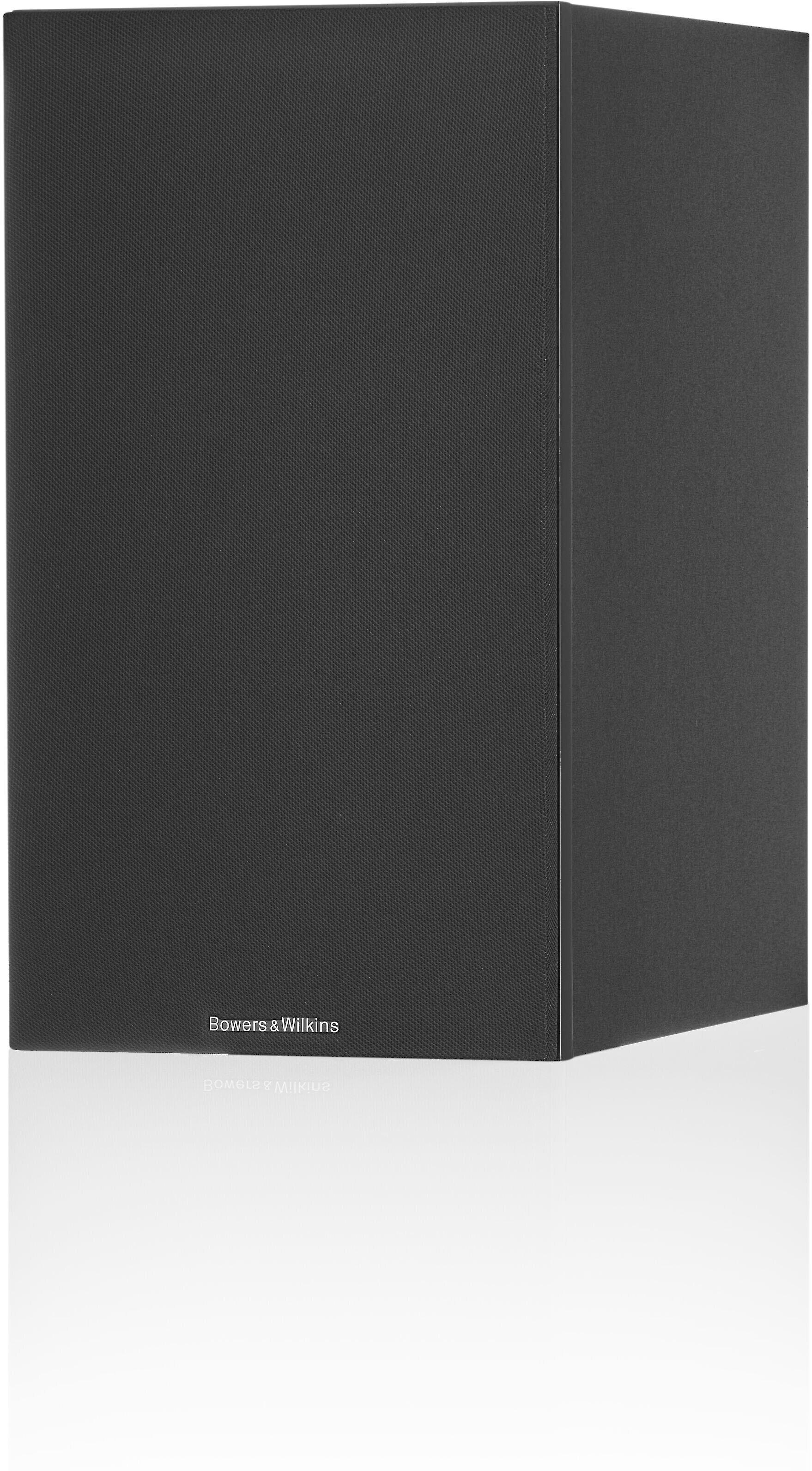
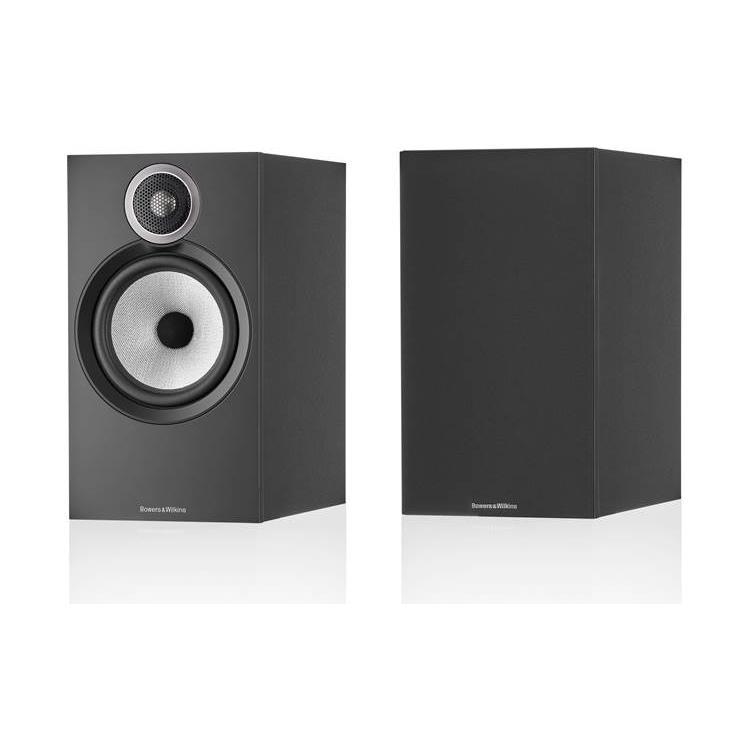
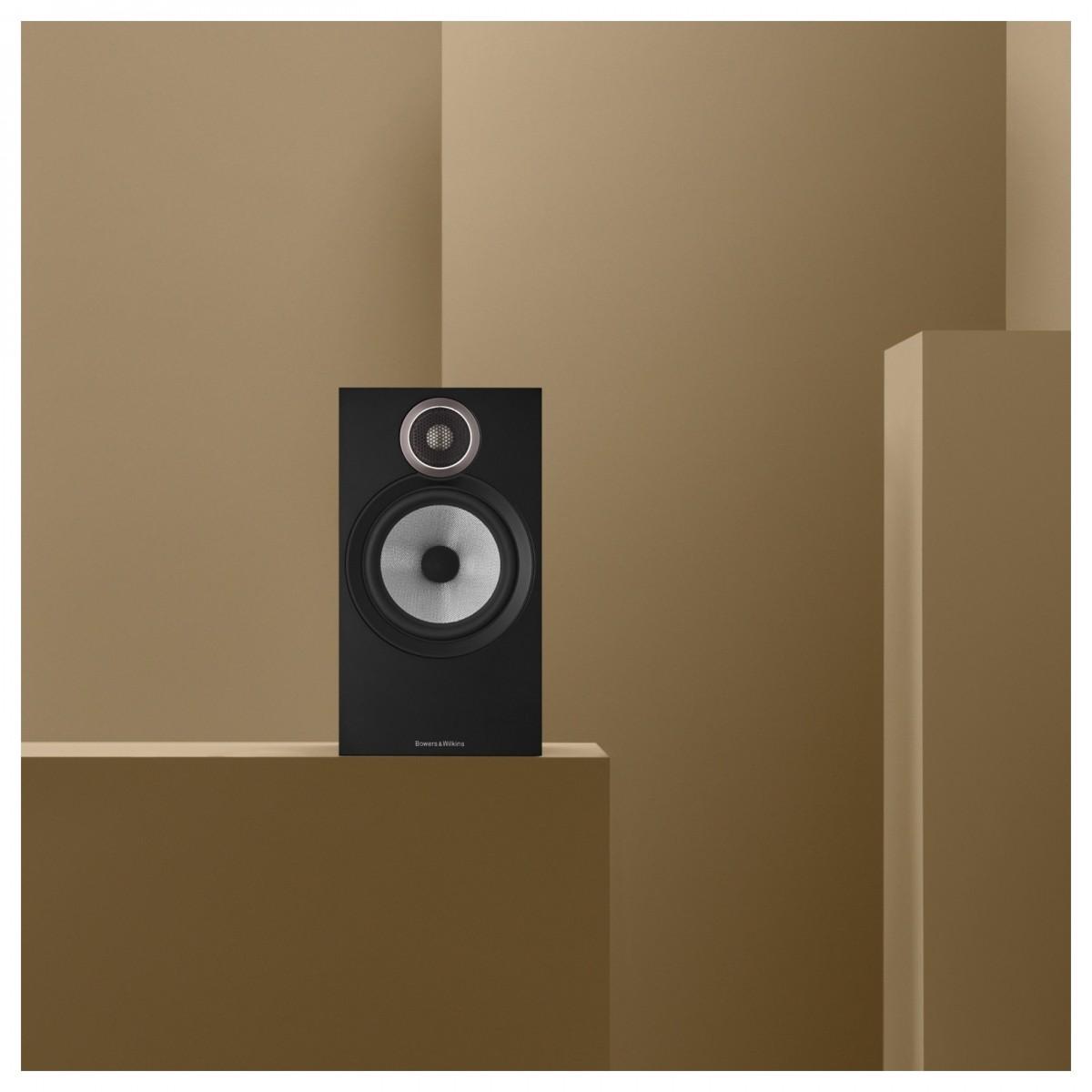
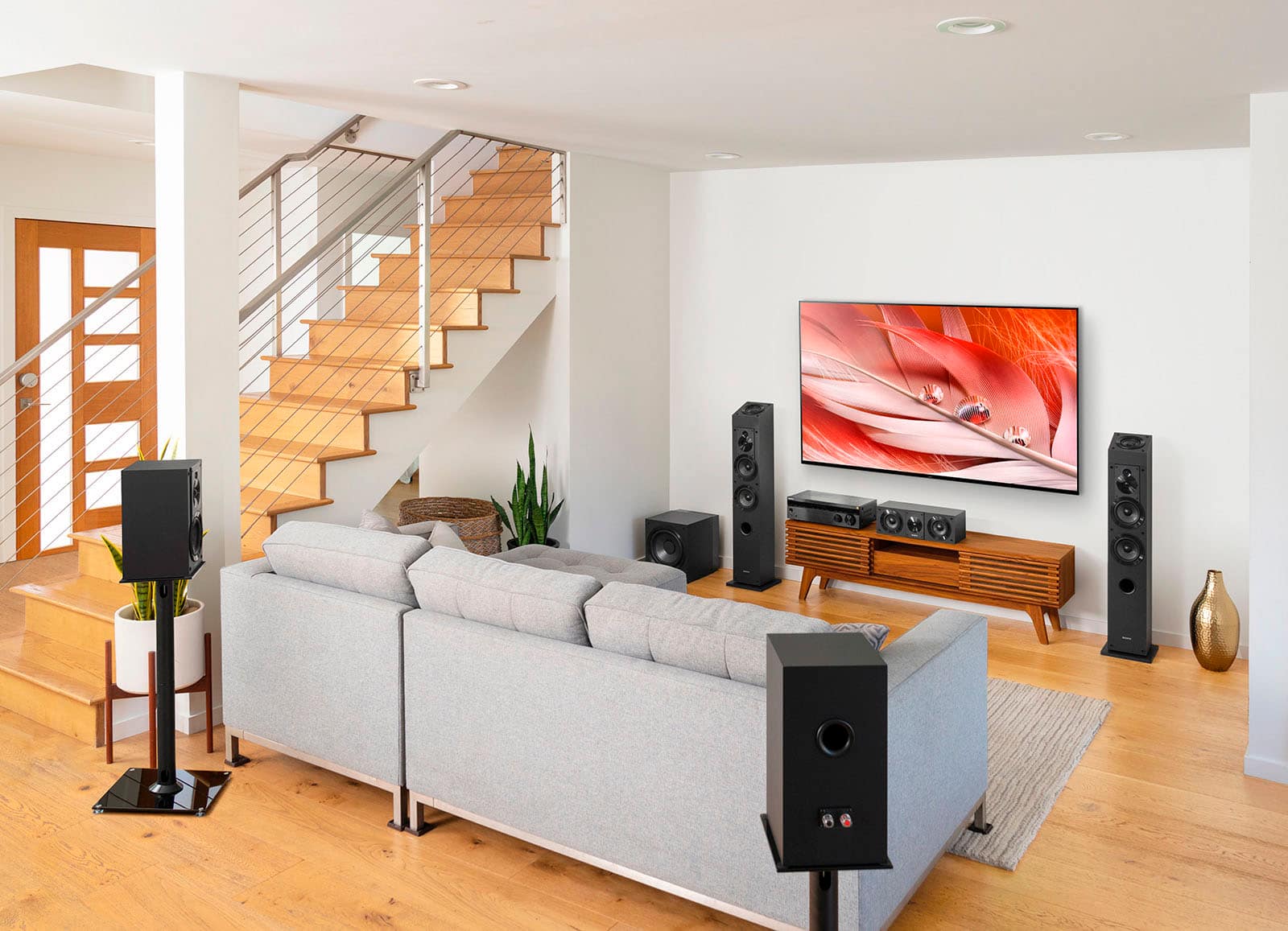
When diving into the world of home audio, bookshelf speakers often represent the sweet spot between performance and practicality. Today we're comparing two very different options: the premium Bowers & Wilkins 606 S3 ($1,100) and the budget-friendly Sony Core Series CS5 ($150). While both aim to fill your room with quality sound, they take notably different approaches to achieving this goal.
Bookshelf speakers, despite their name, are designed to sit on dedicated stands or shelves at ear level. They represent a compelling middle ground between massive floor-standing towers and diminutive desktop speakers. Modern bookshelf speakers have evolved significantly, incorporating advanced materials and design techniques that were once reserved for only the most expensive systems.
The most critical factors in bookshelf speaker performance include:
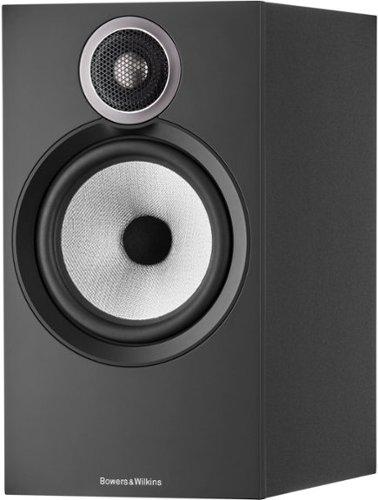
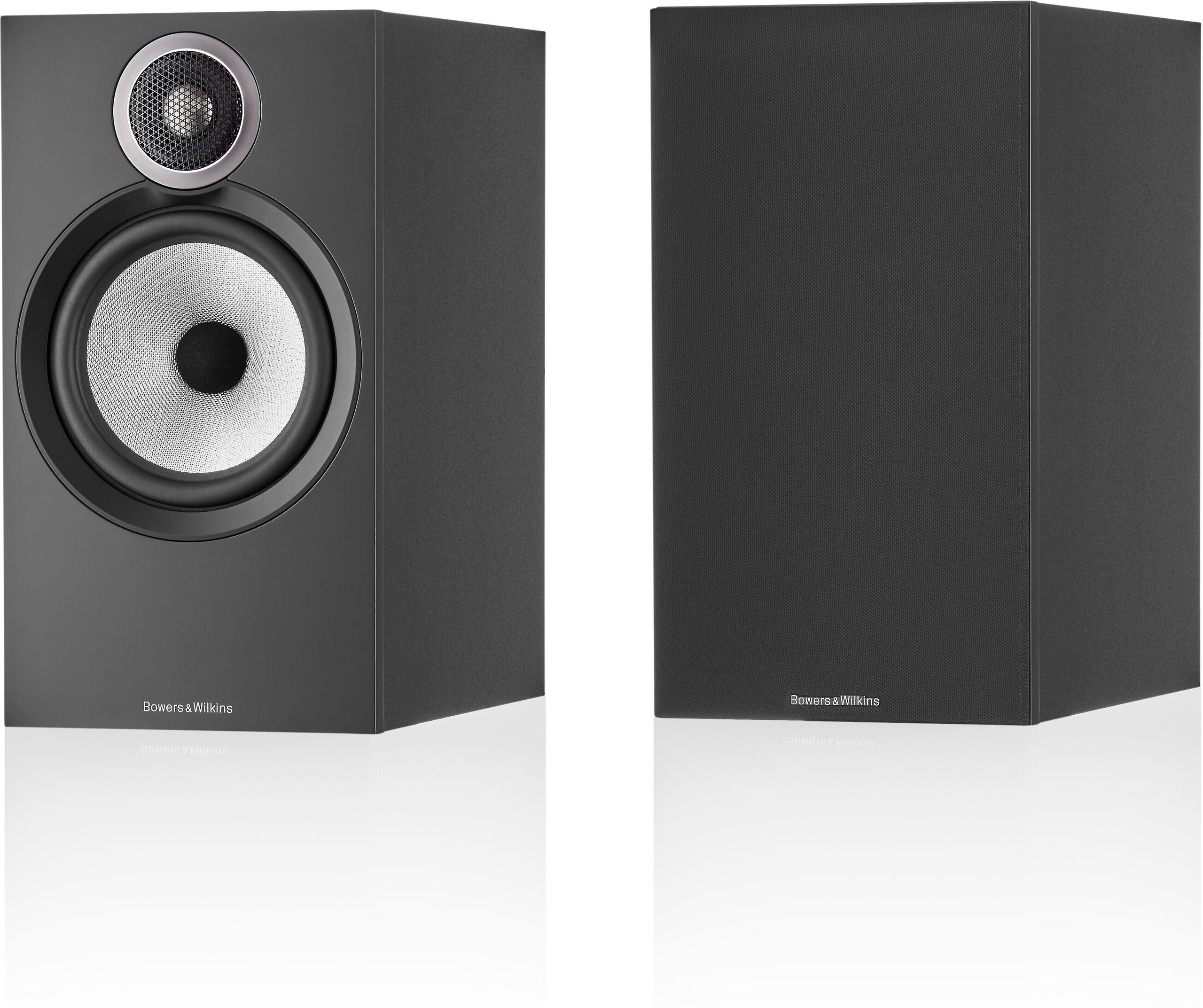
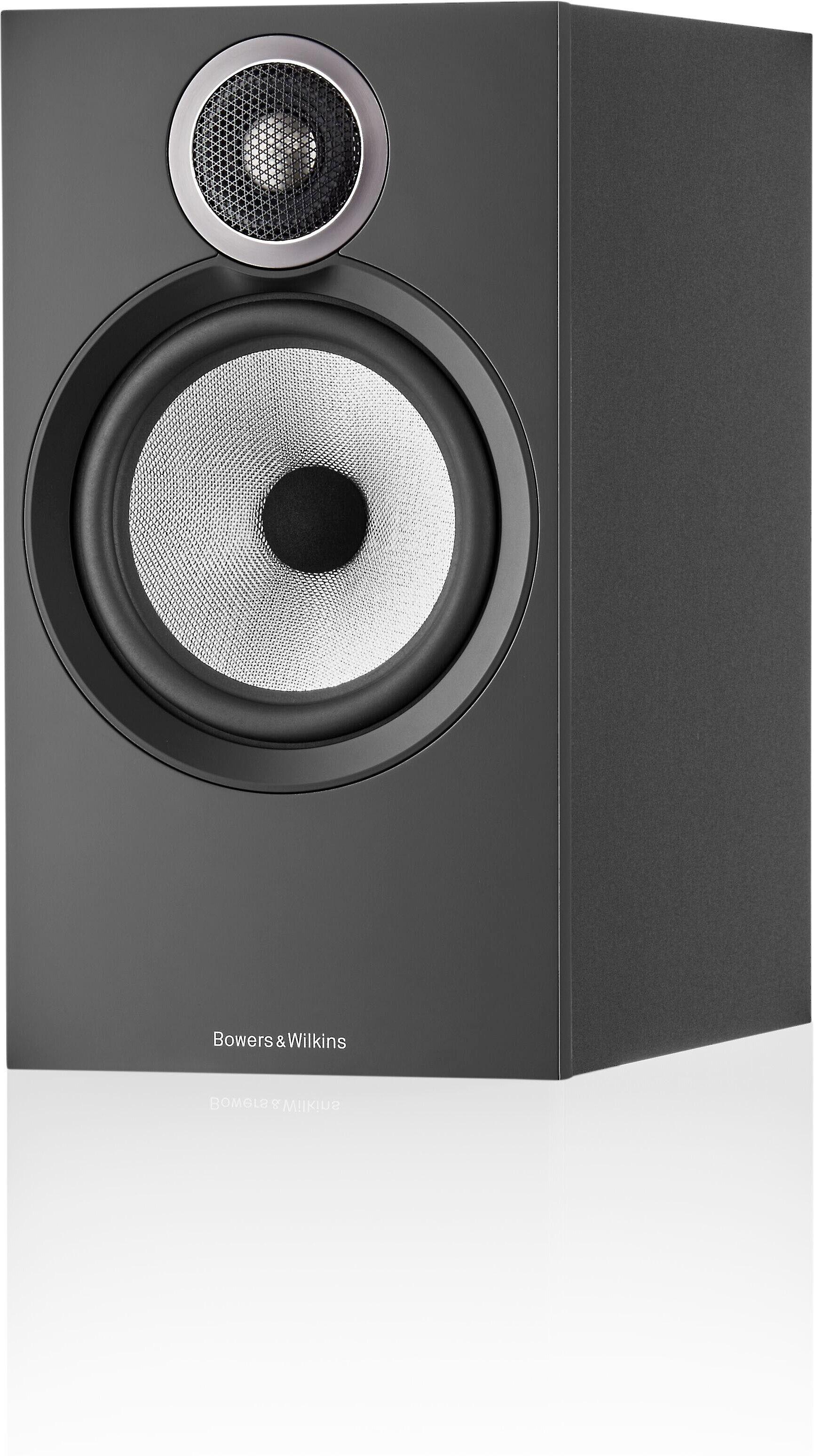
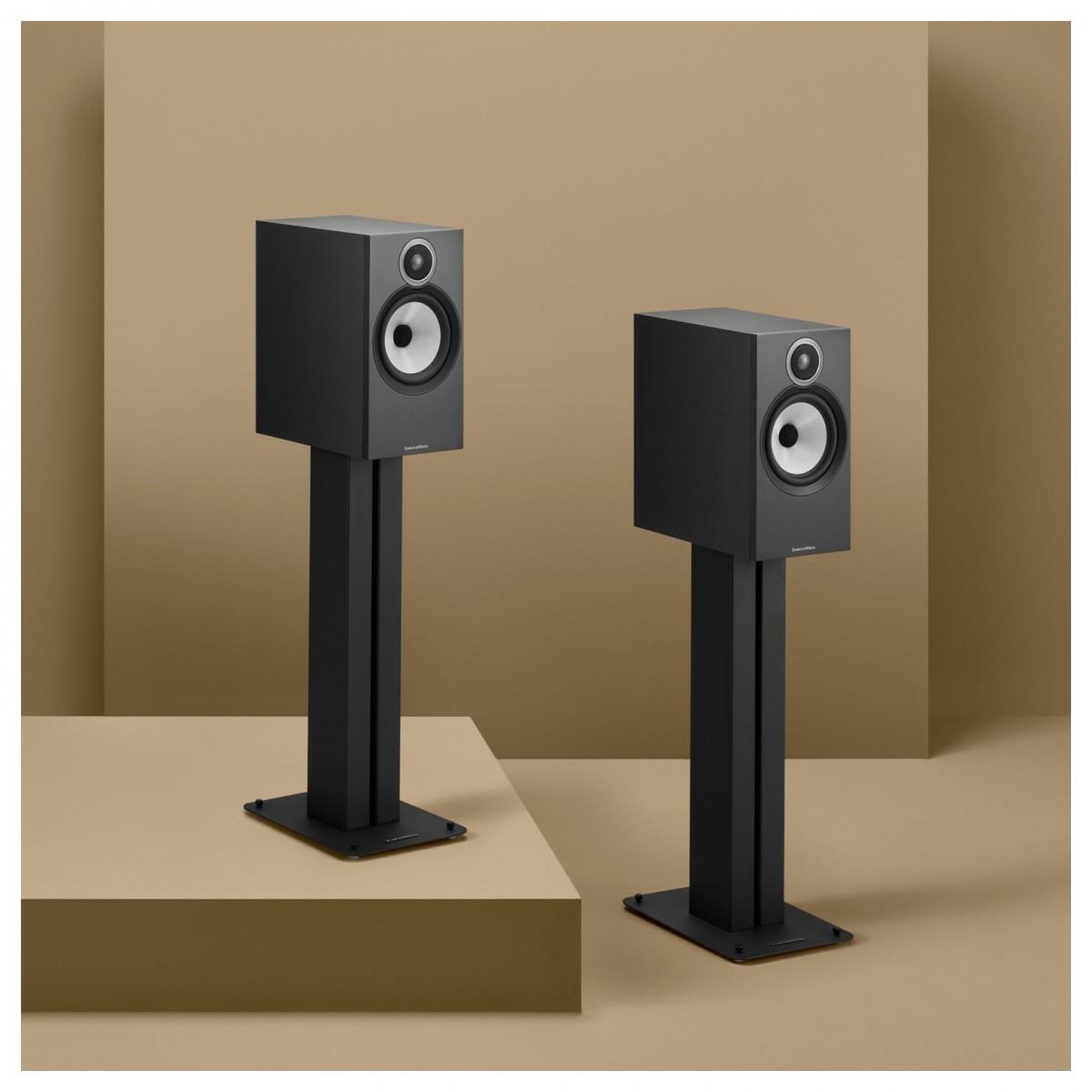
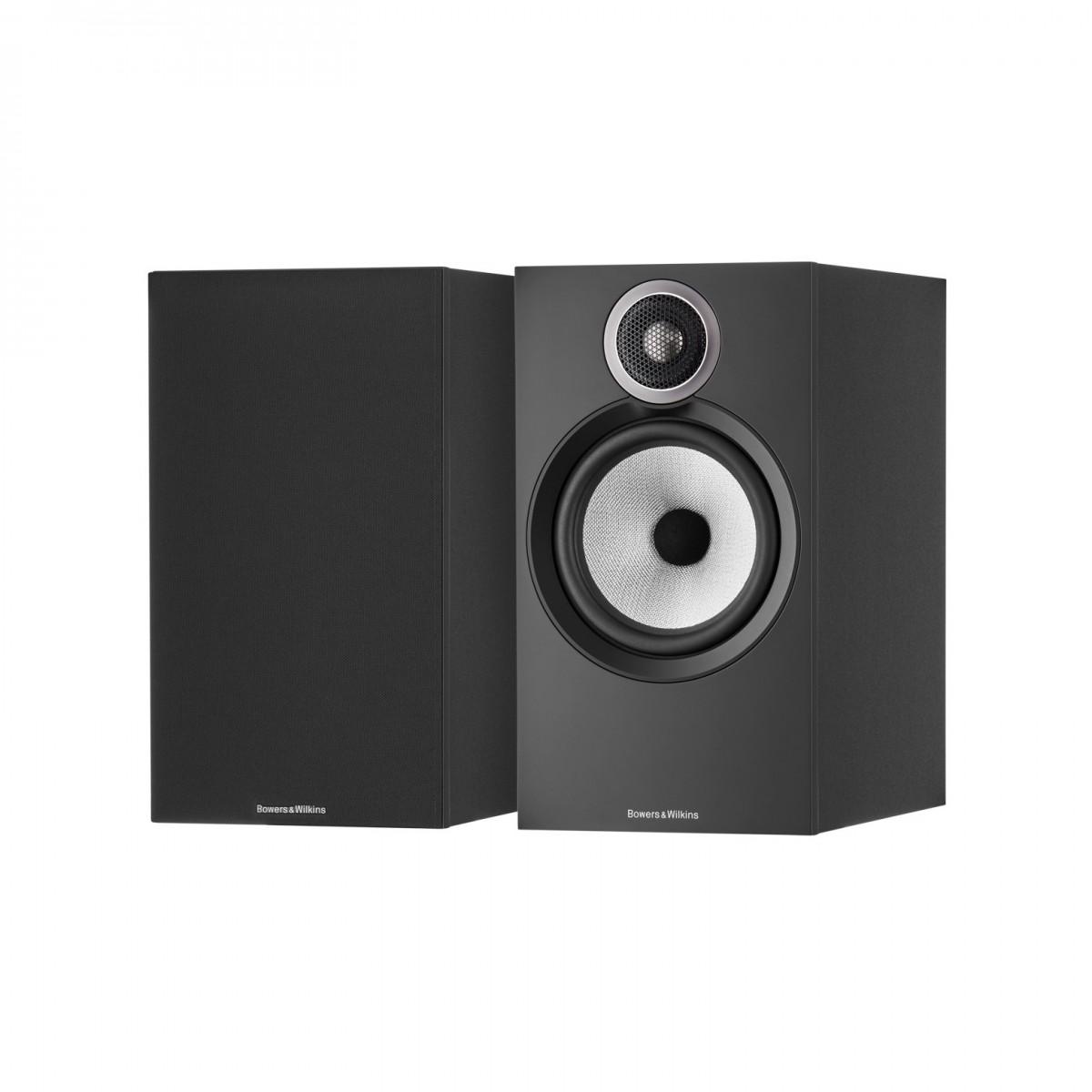
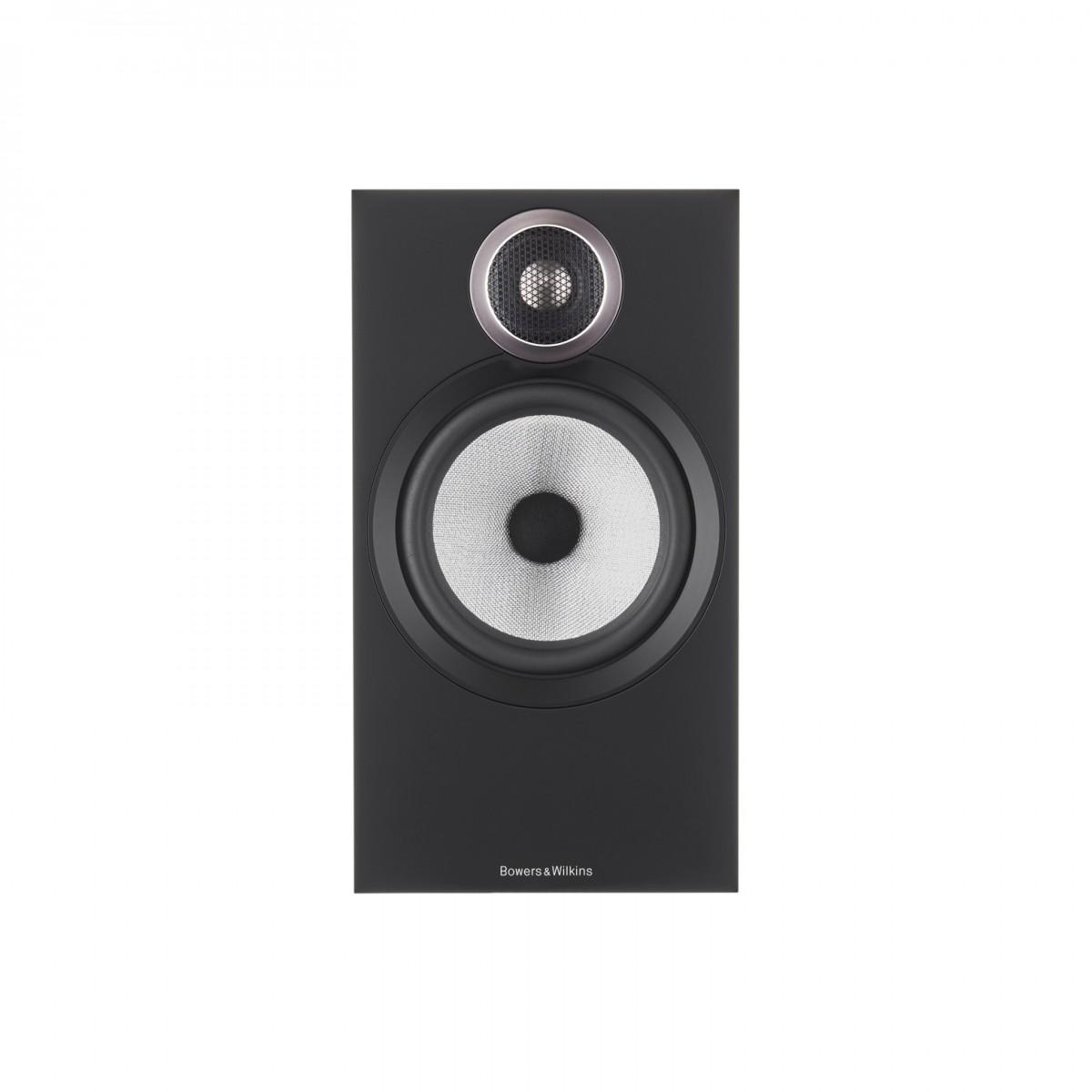
The B&W 606 S3, released in late 2023, showcases several notable improvements over its predecessor. The new Titanium Dome tweeter represents a significant upgrade, delivering exceptionally clean and detailed high frequencies. The Continuum cone midrange driver, a technology that trickled down from B&W's flagship speakers, provides remarkably natural vocals and instruments. When properly positioned and powered, these speakers create an impressively wide and deep soundstage – that's the speaker's ability to create a three-dimensional space where instruments and vocals appear to come from specific locations.
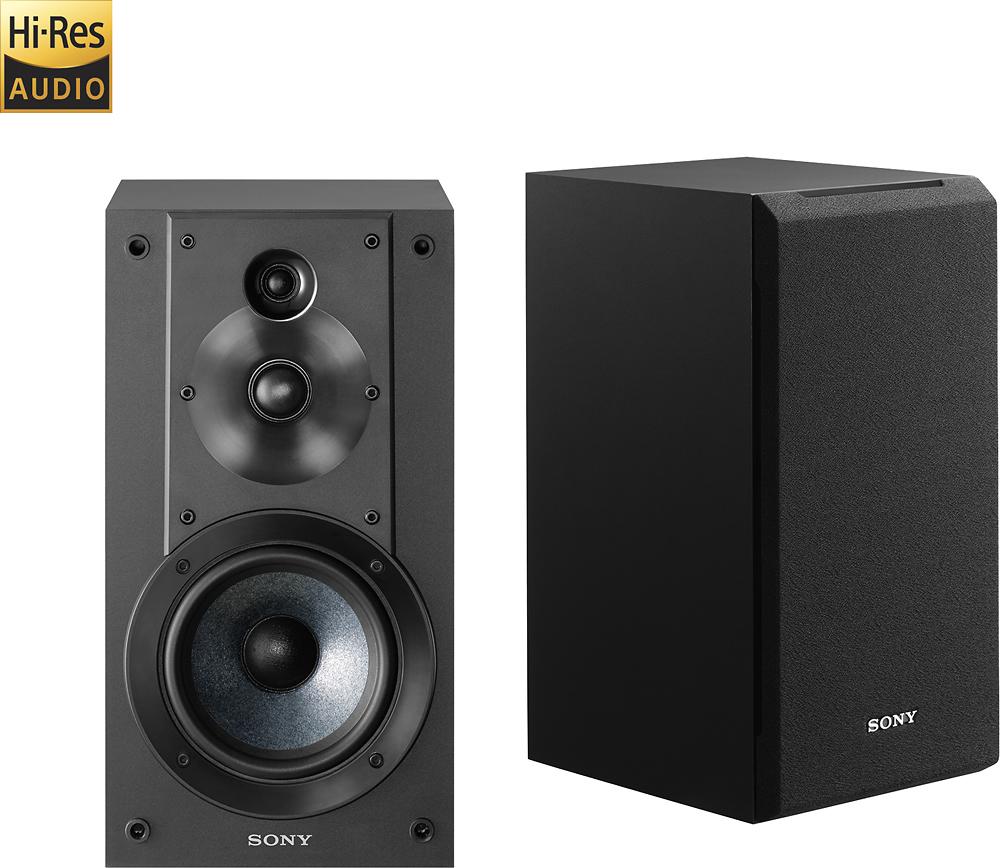
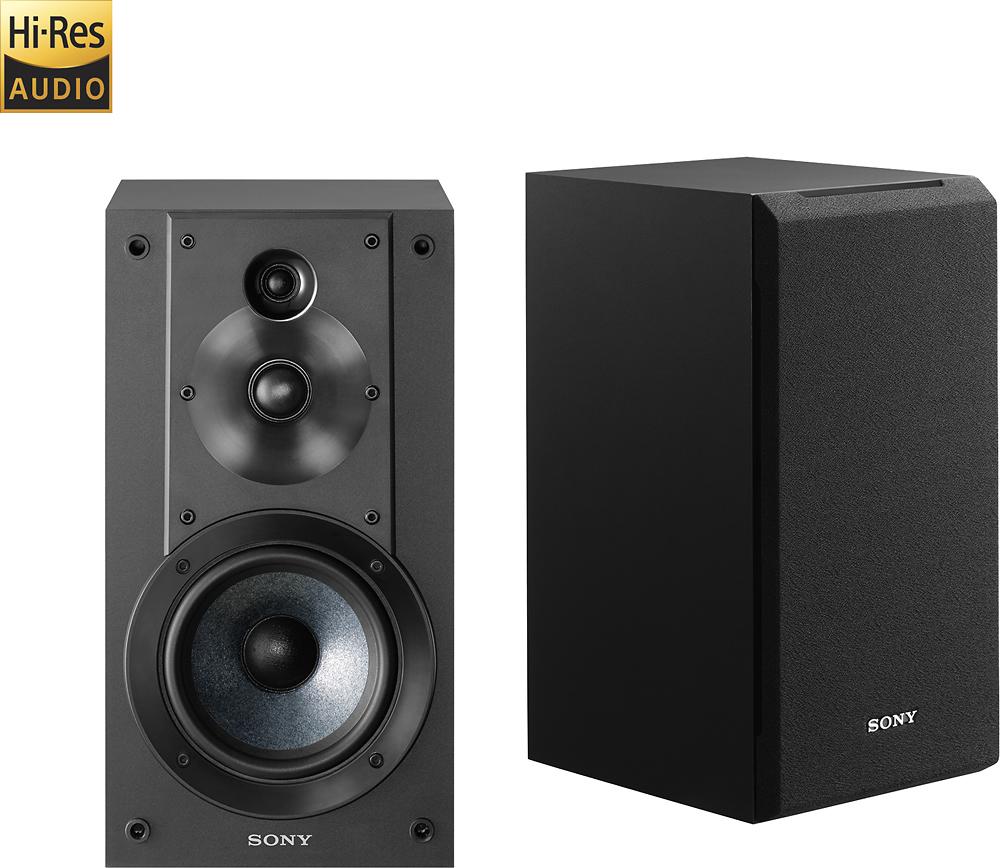
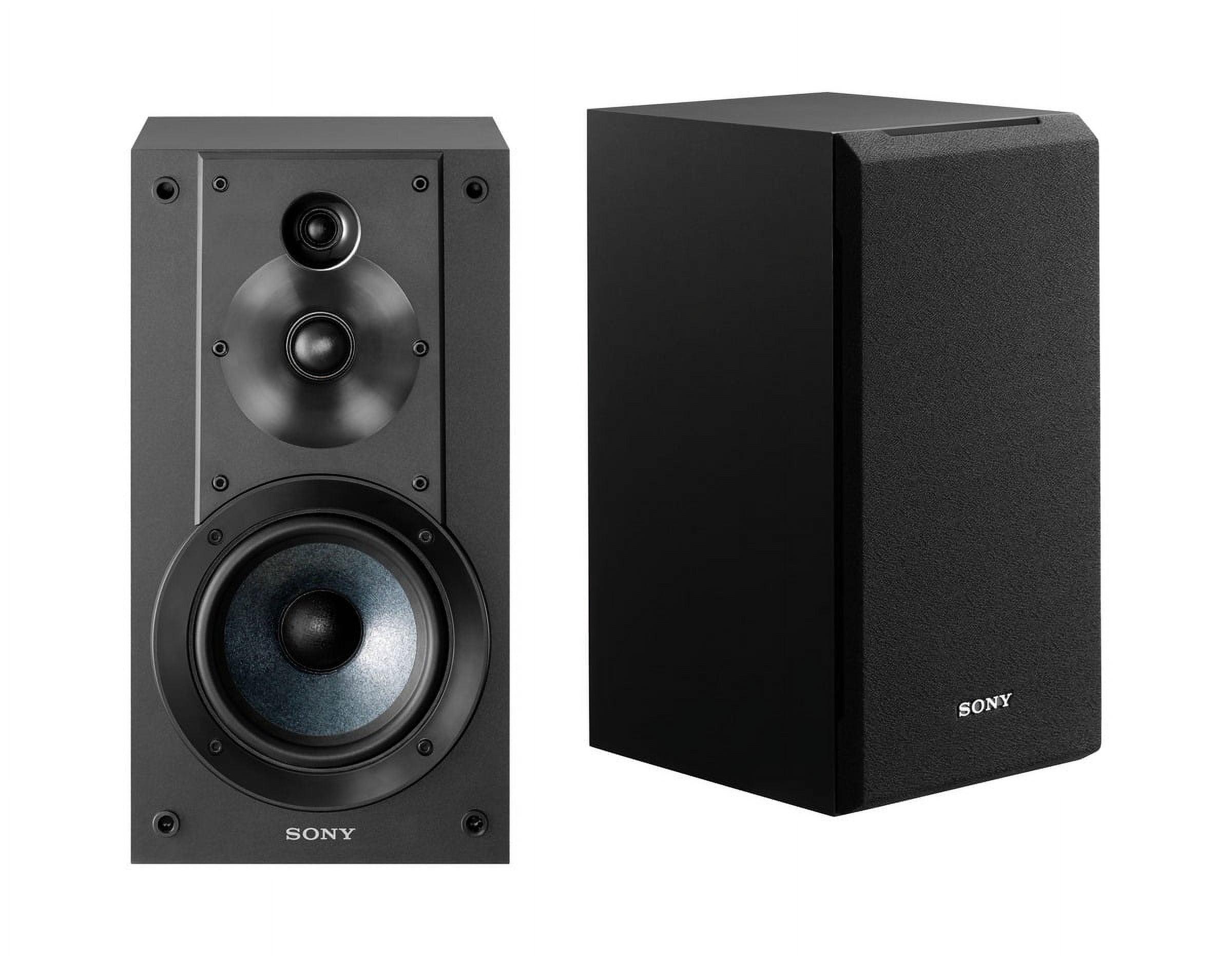
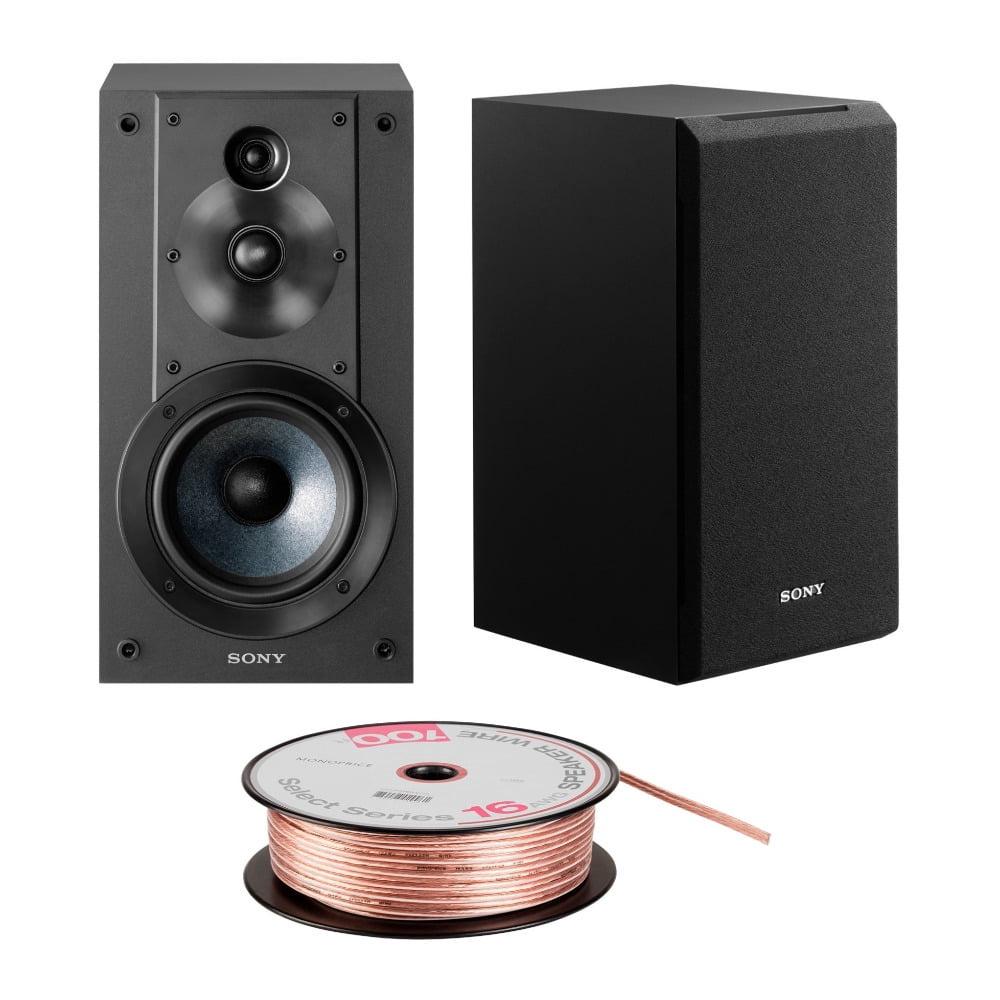
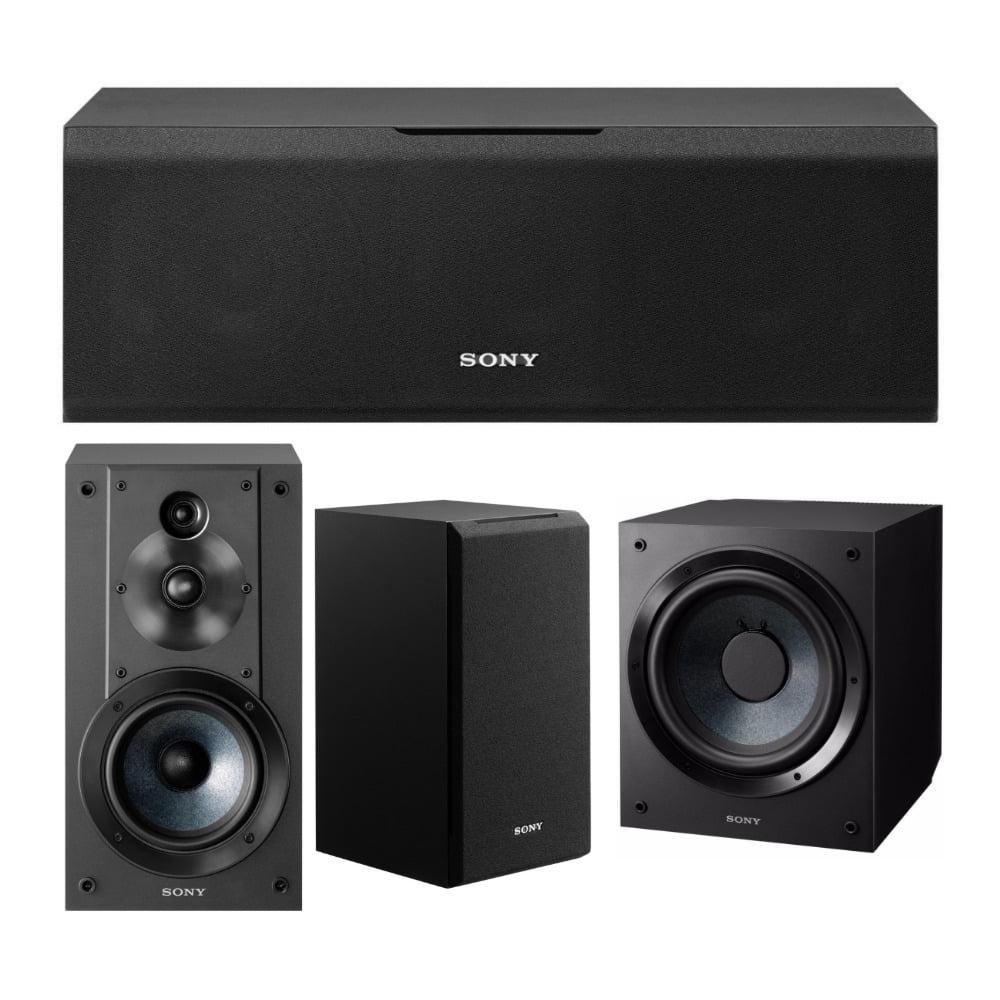
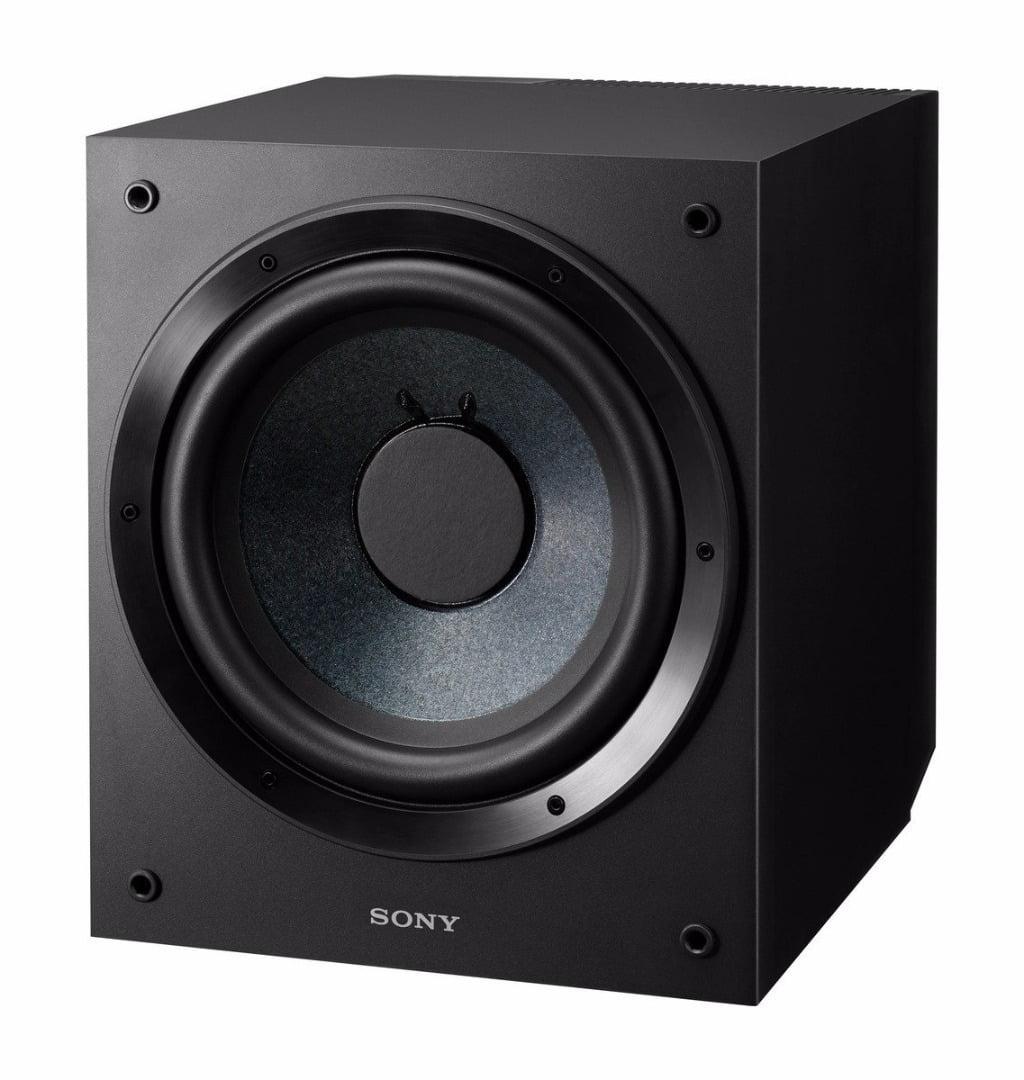
In contrast, the Sony CS5 takes a different approach with its three-way design. While most speakers in this price range use two drivers (a tweeter and a woofer), Sony includes a dedicated midrange driver. This design can potentially offer better handling of vocal frequencies, though the overall resolution and detail retrieval don't match the B&W's capabilities. The Sony excels at lower listening volumes, making it particularly suitable for apartment dwellers or late-night listening.
The B&W's Continuum cone represents a major advancement over traditional materials like Kevlar. It moves more uniformly across its surface, reducing unwanted resonances that can color the sound. The decoupled tweeter design, where the high-frequency driver is physically isolated from the cabinet using a gel-like material, helps prevent cabinet vibrations from affecting the delicate high frequencies.
Sony's approach focuses on proven technologies implemented well at a budget price point. The three-way design helps reduce each driver's workload, potentially leading to lower distortion. However, the materials and engineering precision can't match the B&W's premium components.
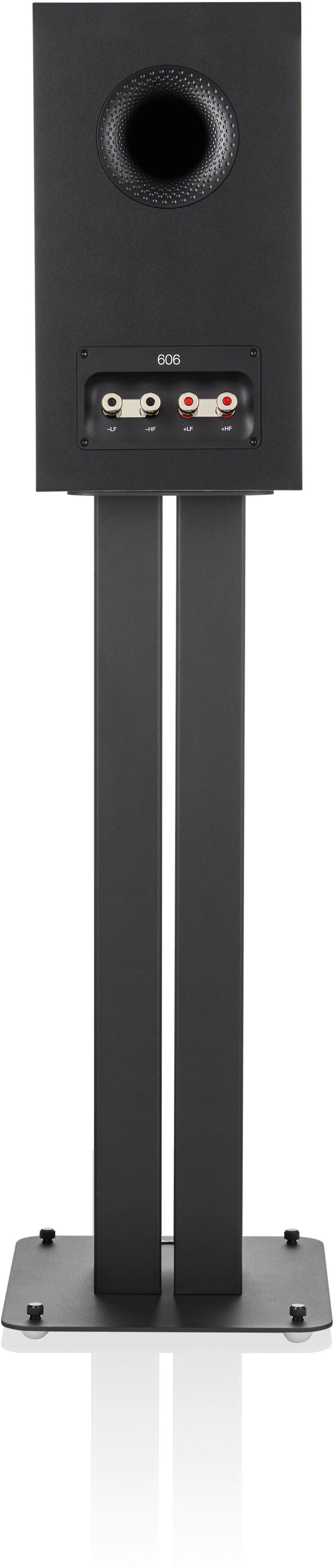
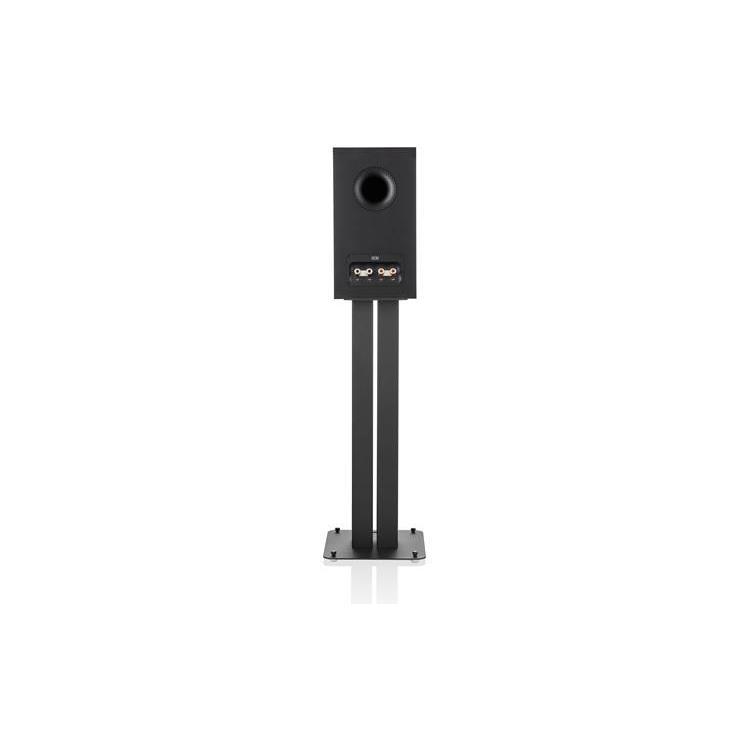
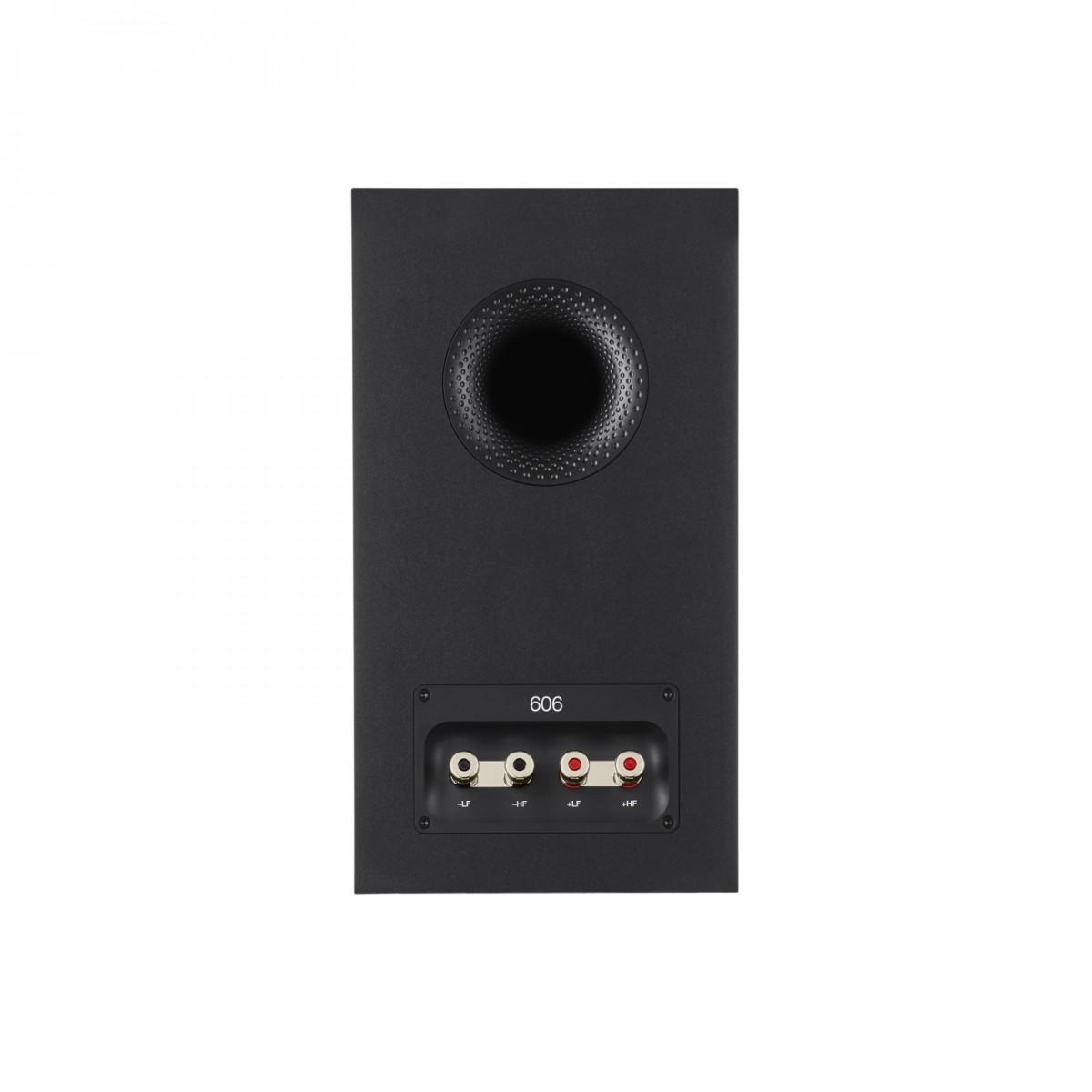
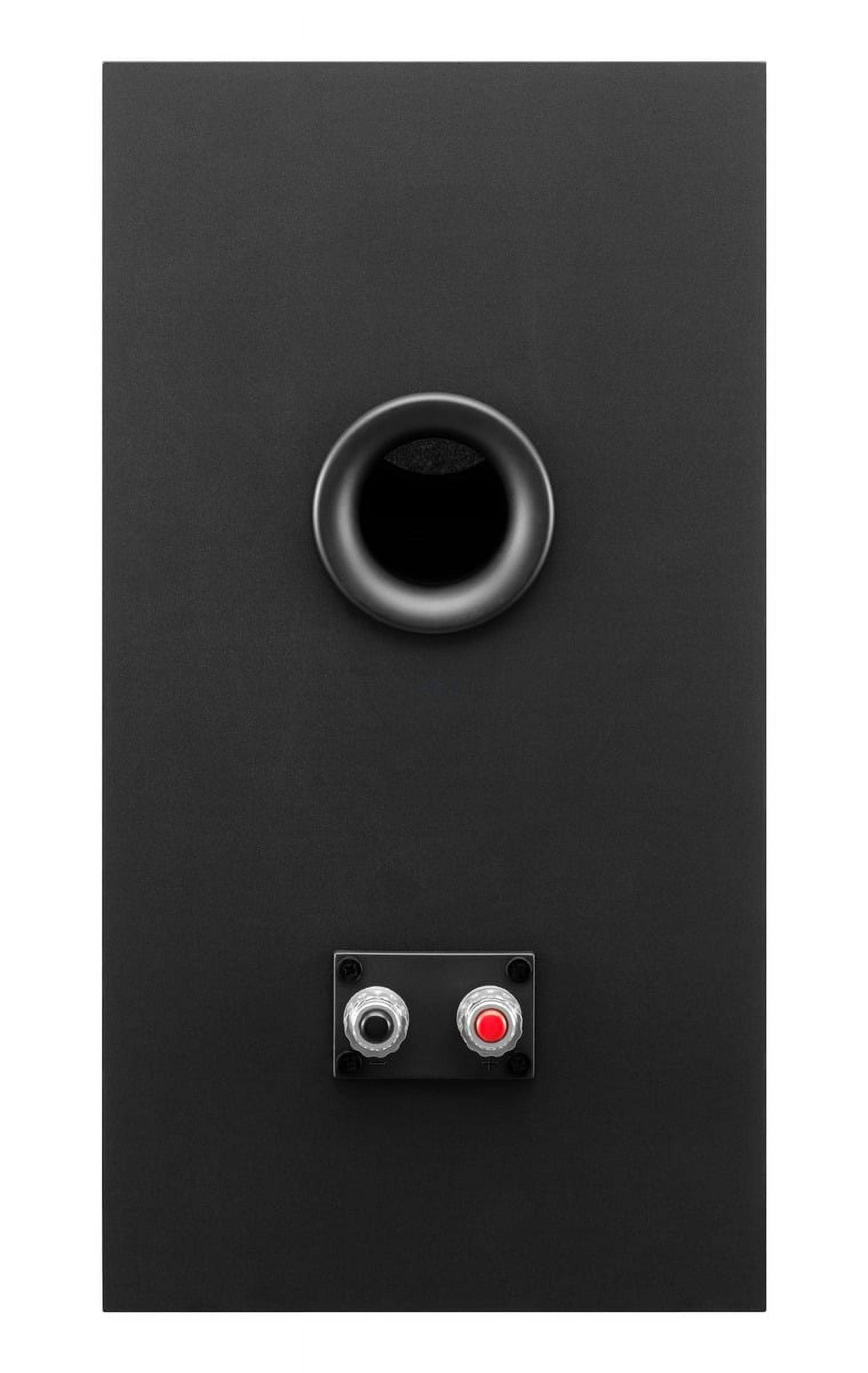
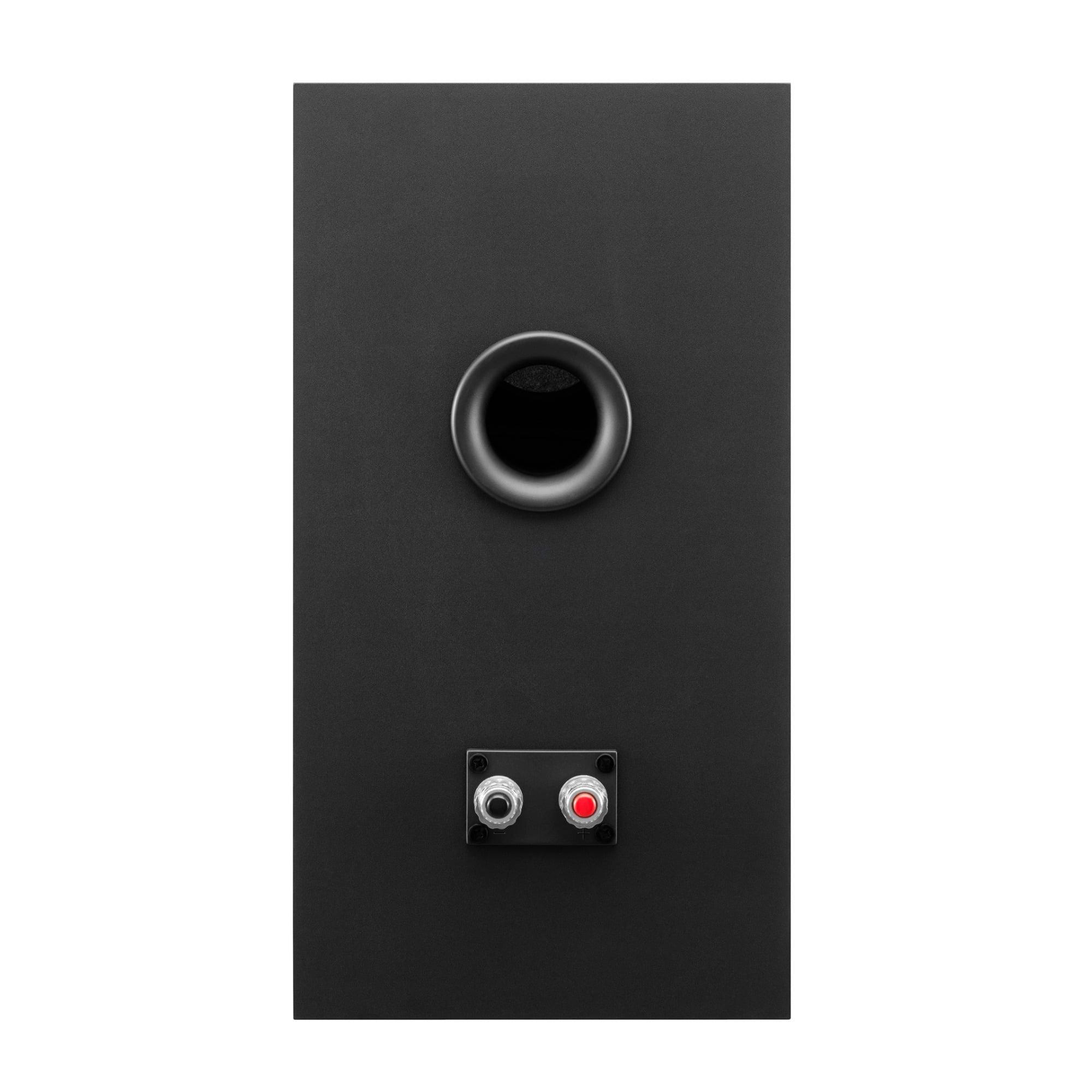
The 606 S3's cabinet features sophisticated bracing and high-quality materials that minimize unwanted resonances. The magnetic grille attachment system provides a clean look whether the grilles are on or off. The upgraded binding posts accept banana plugs, spade connectors, or bare wire, and support bi-wiring (running separate cables for high and low frequencies).
The Sony speakers, while well-built for their price point, use more basic materials and construction methods. The vinyl wrap finish and conventional grille attachment system are functional but lack the refinement of the B&W's implementation.
In extended listening sessions, the 606 S3 demonstrates its superiority in several areas:
However, these capabilities come with some caveats. The 606 S3's revealing nature means it will readily expose flaws in recordings or upstream equipment. They benefit significantly from high-quality amplification and source components.
The Sony CS5 presents a more forgiving character:
Both speakers can serve well in a home theater context, though their strengths differ. The B&W 606 S3's superior detail retrieval and dynamic capabilities make them excellent for movie dialogue and complex soundtracks. Their higher power handling also allows for more impactful movie effects.
The Sony CS5's three-way design can provide good dialogue clarity, and their efficient design means they'll work well with most AV receivers. While they won't deliver the same impact or resolution as the B&Ws, they represent excellent value in a budget home theater system.
The price difference between these speakers is substantial, and it's important to understand what that additional investment buys:
B&W 606 S3 ($1,100):
Sony CS5 ($150):
Consider these key factors when making your choice:
Both speakers excel within their respective price points, but they serve different users and purposes. The B&W 606 S3 represents a serious investment in audio quality, delivering performance that will satisfy demanding listeners and reward system upgrades. The Sony CS5 offers remarkable value, providing enjoyable sound quality that belies its modest price.
For those starting their audio journey or working with a limited budget, the Sony CS5 represents an excellent choice that leaves room for future upgrades. For those seeking long-term satisfaction and willing to invest in matching equipment, the B&W 606 S3 delivers a level of performance that justifies its premium price tag.
| Bowers & Wilkins 606 S3 ($1,100) | Sony Core Series CS5 ($150) |
|---|---|
| Driver Configuration - Determines how sound is reproduced | |
| 2-way: 1" titanium dome tweeter, 6.5" Continuum cone mid/bass | 3-way: 1" tweeter, dedicated midrange, 5" woofer |
| Frequency Response - Range of sounds the speaker can reproduce | |
| 52Hz-28kHz (±3dB) - Extended high-frequency range | 53Hz-50kHz - Similar bass, theoretical higher treble |
| Sensitivity - How efficiently speaker converts power to sound | |
| 88dB - Requires moderate power | 87dB - Similar efficiency |
| Power Handling - Maximum recommended amplifier power | |
| 30-120W - Handles powerful amplifiers well | 100W maximum - More limited power handling |
| Impedance - Electrical resistance, affects amplifier compatibility | |
| 8 ohms - Easy for amplifiers to drive | 6 ohms - Slightly more demanding |
| Build Quality - Affects sound quality and longevity | |
| Premium materials, advanced bracing, magnetic grilles | Basic but solid construction, standard grille attachments |
| Special Features - Unique technologies that affect performance | |
| Decoupled tweeter, Continuum cone, bi-wire capability | 3-way design, basic but proven technologies |
| Size (H x W x D) - Consider room placement | |
| 13.7" x 7.5" x 13" - Larger cabinet volume | 13.2" x 7" x 8.6" - More compact design |
| Weight - Indicates build density and materials | |
| 15.5 lbs each - Substantial build | 9.4 lbs each - Lighter construction |
| Warranty - Manufacturer confidence in product | |
| 5 years - Premium coverage | 1 year - Standard coverage |
The B&W 606 S3 ($1,100) offers superior sound quality, build quality, and performance, but costs significantly more. The Sony CS5 ($150) provides excellent value for budget-conscious buyers. The "better" choice depends primarily on your budget and audio quality expectations.
The B&W 606 S3 costs $1,100 per pair, while the Sony CS5 costs $150 per pair - a difference of $950. This significant price gap reflects different target markets and build quality levels.
Both work well in home theater systems. The B&W 606 S3 offers better detail and dynamics for movies, while the Sony CS5 provides good performance at a budget price point. Both can be effectively used as front left/right speakers in a surround setup.
The B&W 606 S3 offers deeper, more controlled bass extending to 52Hz, while the Sony CS5 reaches 53Hz. The B&W's larger driver and cabinet provide more impactful and refined bass performance.
The B&W 606 S3 benefits from higher-quality amplification (recommended 30-120W per channel). The Sony CS5 works well with modest receivers and amplifiers, making it more flexible for budget systems.
Both speakers perform well for music, but at different levels. The B&W 606 S3 offers audiophile-grade detail and accuracy, while the Sony CS5 provides enjoyable, balanced sound at a fraction of the cost.
Both speakers work well in small rooms. The Sony CS5 might be more practical due to its smaller size and good performance at lower volumes. The B&W 606 S3 offers better overall sound but requires more space for optimal performance.
While both can be placed on shelves, dedicated speaker stands will provide the best performance. This is especially important for the B&W 606 S3 to realize its full potential.
The B&W 606 S3 features superior build quality and materials, backed by a 5-year warranty. The Sony CS5 is well-built for its price point but uses more basic materials and comes with a 1-year warranty.
Neither speaker is designed specifically for wall-mounting. Both perform best when properly positioned on stands or shelves away from walls for optimal sound quality.
Both speakers work equally well with streaming sources. The B&W 606 S3 will reveal more detail in high-quality streams, while the Sony CS5 is more forgiving of lower-quality streaming services.
The Sony CS5 is ideal for beginners due to its affordable price and forgiving nature. The B&W 606 S3 is better suited to experienced listeners who can appreciate and support its higher performance capabilities with appropriate equipment.
We've done our best to create useful and informative comparisons to help you decide what product to buy. Our research uses advanced automated methods to create this comparison and perfection is not possible - please contact us for corrections or questions. These are the sites we've researched in the creation of this article: futureaudiophile.com - headphones.com - therobinsonbrand.com - higherhz.com - audioadvisor.com - crutchfield.com - bowerswilkins.com - crutchfield.com - vinylrevival.com.au - audioadvisor.com - worldwidestereo.com - higherhz.com - merlinstv.com - youtube.com - erinsaudiocorner.com - bestbuy.com - sony-asia.com - bestbuy.com - sony.com - audiosciencereview.com - sony-asia.com - sony-asia.com - walmart.com

Privacy Policy
Terms and Conditions - Affiliate Policy
Home Security
© Copyright 2008-2026.
11816 Inwood Rd #1211, Dallas, TX 75244