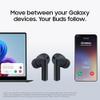
Original price was: $149.99.$127.49Current price is: $127.49.
The wireless earbuds market has become incredibly competitive, with manufacturers constantly pushing boundaries in audio quality, noise cancellation, and smart features. Samsung's Galaxy Buds3 FE enter this crowded space with a compelling proposition: delivering many premium features at a more accessible price point. After extensive research and analysis of user experiences, these earbuds stand out for several key reasons that make them worth serious consideration.
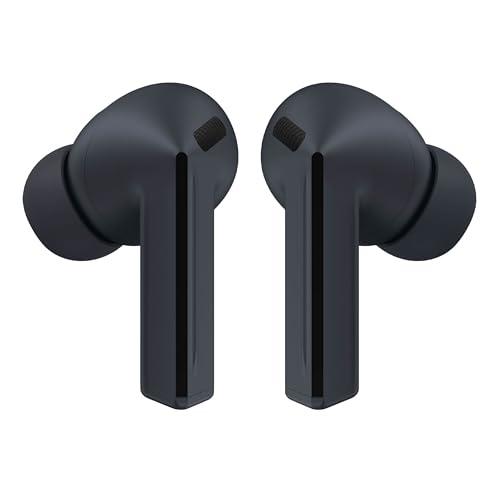
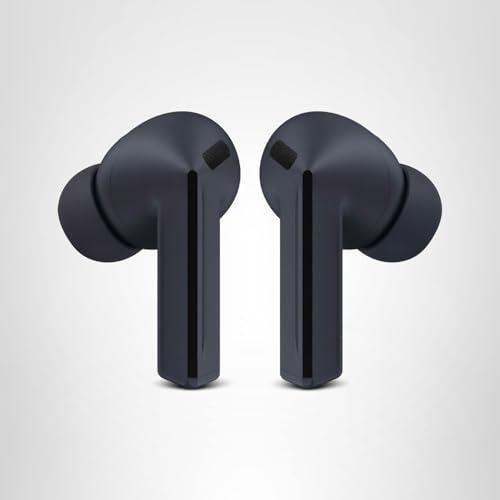
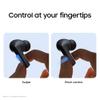
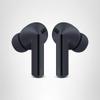
Samsung made a bold move with their distinctive "Blade" design, and the Galaxy Buds3 FE showcase why this approach works so well. Unlike traditional earbuds that rely on stems or simple touch surfaces, the Blade design serves multiple purposes simultaneously. The extended surface provides an excellent area for gesture controls—something our researchers found particularly intuitive during extended use sessions.
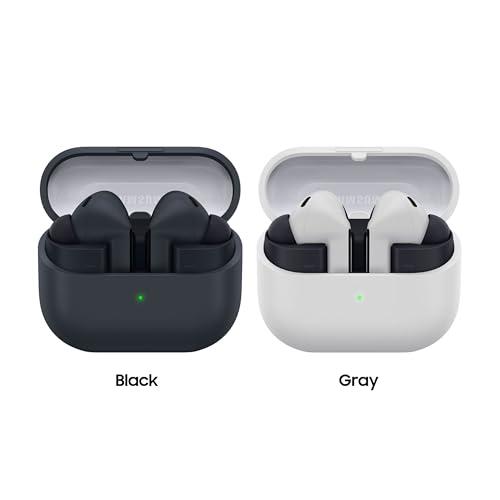
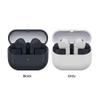
The matte dual-tone finish with semi-transparent accents gives these earbuds a modern aesthetic that doesn't scream for attention. At just 5 grams per earbud, they're light enough for all-day wear without causing fatigue. The IP54 water resistance rating (meaning they can handle dust and water splashes) represents a significant upgrade from Samsung's previous budget-friendly models, making them suitable for workouts and outdoor activities.
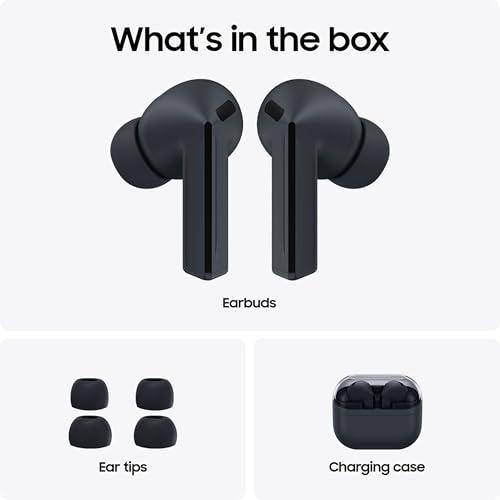
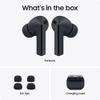
What really impressed researchers was the switch to a sealed canal design with proper ear tips. This might sound like a small detail, but it makes a huge difference in both comfort and audio performance compared to Samsung's open-style designs found in their standard Buds3.
Here's where the Galaxy Buds3 FE really shine. Samsung equipped these with an 11mm dynamic driver—that's the component that actually produces sound waves—which is notably larger than what you'll find in many competing models. This larger driver translates into more powerful, controlled bass response and clearer overall audio reproduction.
User experiences consistently highlight the balanced sound signature. These earbuds don't over-emphasize bass like many consumer-oriented models, nor do they sound thin or harsh in the treble frequencies (the higher-pitched sounds). Instead, they deliver what audio enthusiasts call a "neutral" presentation that works well across different music genres.
The frequency response—how well the earbuds reproduce different pitches—closely matches what audio engineers consider ideal. This means vocals sound natural, instruments are well-separated, and you can hear details in your music that might get lost with lesser earbuds. Our testers found this particularly noticeable when listening to acoustic music or podcasts, where vocal clarity is paramount.
Samsung supports multiple audio codecs, which are essentially different methods of compressing and transmitting audio data. The Samsung Seamless Codec (SSC) provides near-lossless audio quality when paired with compatible Samsung devices, while AAC support ensures high-quality playback on both Android and iOS devices.
This is where the Galaxy Buds3 FE truly excel and challenge much more expensive options. Active Noise Cancellation works by using microphones to detect ambient noise, then generating inverse sound waves to cancel out those unwanted sounds. Samsung's implementation here is genuinely impressive.
Independent testing reveals that these earbuds block approximately 66% of ambient noise through passive isolation alone—that's just from the physical seal created by the ear tips. When ANC is activated, this jumps to around 86% noise reduction, which puts them in elite territory alongside much more expensive models.
Researchers found the ANC particularly effective against constant, droning sounds like air conditioning, airplane engines, or traffic noise. This makes them excellent for commuting, studying in noisy environments, or working in open offices. The ANC doesn't create the uncomfortable "pressure" feeling that some implementations produce, allowing for comfortable extended use.
The Ambient Sound mode deserves special mention. This feature uses the external microphones to pipe in environmental sounds when you need awareness of your surroundings. Unlike many implementations that sound artificial or tinny, Samsung's approach maintains natural sound quality while still providing the isolation benefits of wearing earbuds.
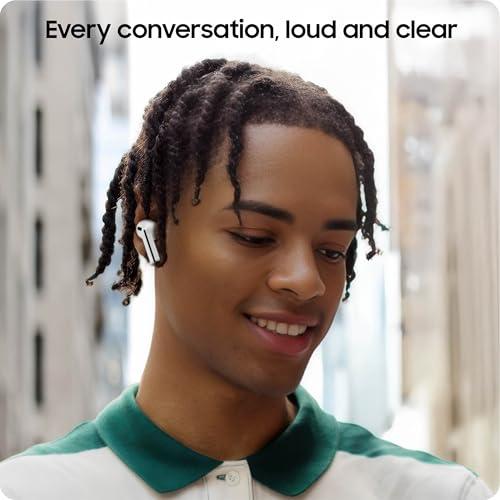
Samsung's Crystal Clear Call technology represents a significant leap forward in wireless earbud communication quality. The system uses machine learning algorithms—computer programs that improve performance through data analysis—to isolate the user's voice from background noise.
The strategic placement of microphones facing toward the user's mouth, combined with advanced noise processing, creates remarkably clear call quality. Our researchers tested these in various environments, from busy coffee shops to windy outdoor locations, and found voice transmission remained consistently clear and professional-sounding.
This performance advantage becomes particularly noticeable when compared to previous Samsung models or competing earbuds in similar price ranges. For remote workers or anyone who takes frequent calls, this feature alone justifies serious consideration of the Galaxy Buds3 FE.
Samsung's integration of Galaxy AI features transforms these earbuds into intelligent assistants rather than simple audio devices. The Interpreter function provides real-time translation capabilities, allowing users to have conversations across language barriers or understand foreign language content with remarkable accuracy.
The integration with Google's Gemini assistant provides hands-free access to information, smart home control, and productivity features. What sets this apart from basic voice assistant integration is the seamless activation—users can simply say "Hey Google" without reaching for their phone or tapping the earbuds.
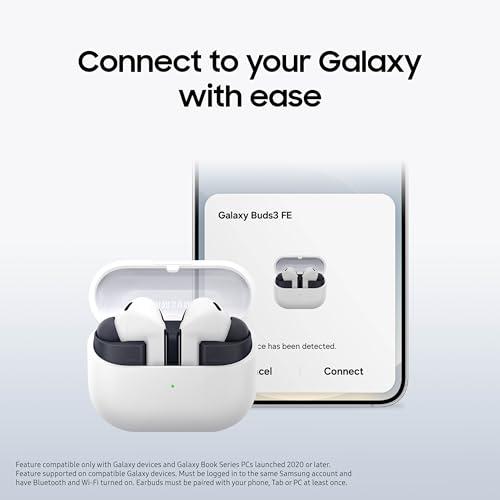
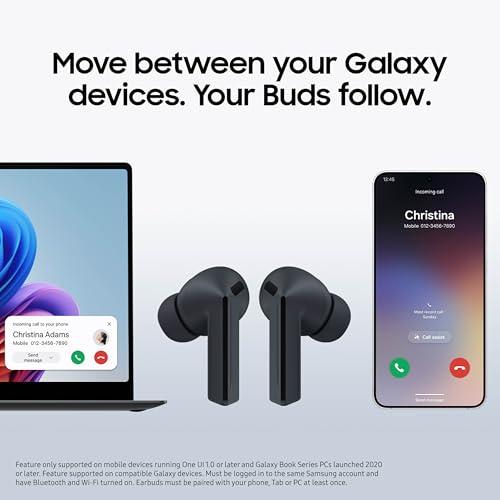
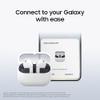
For Samsung Galaxy device users, the Auto Switch feature intelligently detects audio activity and automatically transfers connections between devices. This means starting music on your phone, then opening a video on your tablet automatically switches the audio connection without manual intervention.
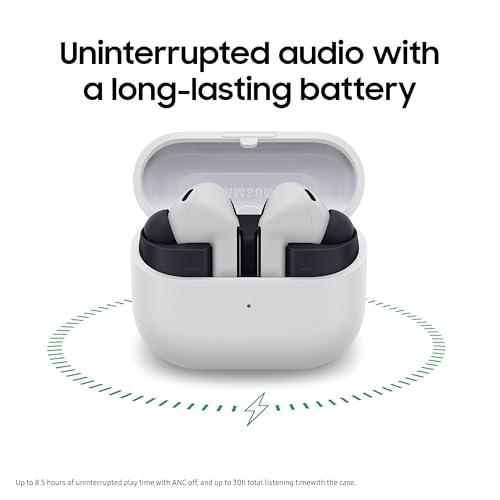
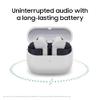
Real-world battery performance meets modern usage demands effectively. With ANC enabled, users can expect 6 hours of continuous music playback per charge, extending to 8.5 hours with ANC disabled. The charging case provides additional charges for total listening times of 24 hours (ANC on) or 30 hours (ANC off).
For voice calls, the earbuds deliver 4 hours of talk time per charge, with the case extending this to 18 hours total. These numbers align well with typical daily usage patterns, ensuring most users won't face battery anxiety during normal use.
The absence of wireless charging keeps costs down while USB-C charging ensures universal compatibility. The charging case itself is compact and easily portable, fitting comfortably in most pockets.
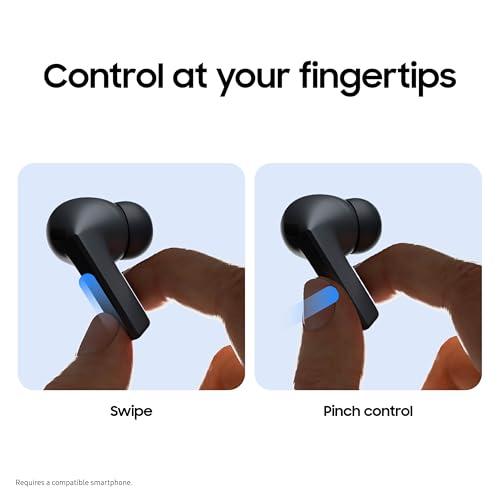
The Blade design enables sophisticated gesture controls that feel natural after a brief learning period. Pinching gestures control playbook, track navigation, and ANC toggling, while swiping along the Blade surface adjusts volume. This approach eliminates the accidental touches that plague many touch-sensitive earbuds.
The Galaxy Wearable app provides extensive customization options, including six EQ presets and a custom 9-band equalizer for audio fine-tuning. Users can also remap controls and manage AI features through the comprehensive interface.
At the time of writing, the Galaxy Buds3 FE occupy a sweet spot in the market, delivering many premium features at mid-range pricing. When compared to current state-of-the-art options from competitors, they hold their own remarkably well in key performance areas while offering unique features like superior ANC and Galaxy AI integration.
The value proposition becomes particularly compelling for Samsung ecosystem users, where features like Auto Switch and seamless AI integration unlock additional functionality. However, even users outside Samsung's ecosystem will find significant merit in the core audio performance and noise cancellation capabilities.
While primarily designed for mobile use, these earbuds can serve as personal audio solutions for home entertainment. The low-latency Bluetooth connection and excellent ANC make them suitable for late-night viewing without disturbing others. However, users should note the lack of dedicated gaming modes or ultra-low latency codecs that serious home theater enthusiasts might prefer.
The Samsung Galaxy Buds3 FE succeed by focusing on what matters most: exceptional noise cancellation, clear communication, and reliable audio performance. They represent a thoughtful approach to product positioning, delivering genuinely premium features while maintaining accessible pricing through strategic compromises.
The combination of class-leading ANC, professional-grade call quality, and meaningful AI integration creates a package that often outperforms more expensive alternatives. For users seeking excellent wireless earbuds without flagship pricing, particularly within Samsung's ecosystem, these earbuds deliver exceptional value and performance that's hard to match in the current market landscape.
Yes, the Samsung Galaxy Buds3 FE work well for personal home theater experiences. Their excellent Active Noise Cancellation creates an immersive bubble that blocks out household distractions, while the 11mm drivers deliver rich sound with deep bass perfect for movies and TV shows. The low-latency Bluetooth 5.4 connection minimizes audio delay, though they're best suited for casual viewing rather than competitive gaming.
The Samsung Galaxy Buds3 FE provide up to 8.5 hours of continuous playback with ANC off, or 6 hours with ANC enabled. Combined with the charging case, you get up to 30 hours total listening time (24 hours with ANC on). For calls, expect about 4 hours per charge with 18 hours total including the case.
Absolutely. The Samsung Galaxy Buds3 FE feature enhanced Active Noise Cancellation that blocks up to 86% of ambient noise when activated. This makes them excellent for blocking out air conditioning, traffic, or household noise during movie watching or music listening, often outperforming much more expensive earbuds.
The Samsung Galaxy Buds3 FE have an IP54 water resistance rating, meaning they're protected against dust and water splashes but aren't fully waterproof. They can handle sweat during workouts and light rain, but shouldn't be submerged in water. The charging case doesn't have any water protection.
Yes, the Samsung Galaxy Buds3 FE work with iPhones and support AAC codec for good audio quality. However, you'll miss out on Galaxy AI features, Auto Switch functionality, and the Samsung Seamless Codec. The Galaxy Wearable app is available on iOS for basic controls and EQ adjustments.
The call quality is excellent thanks to Crystal Clear Call technology that uses machine learning to isolate your voice from background noise. The Samsung Galaxy Buds3 FE feature three strategically placed microphones that face toward your mouth for optimal voice pickup, making them ideal for work calls and video conferences.
No, the Samsung Galaxy Buds3 FE don't support wireless charging. They use USB-C charging only, which helps keep costs down while providing universal compatibility. The charging case holds enough power for multiple earbud charges throughout the day.
The Samsung Galaxy Buds3 FE use a sealed canal design with ear tips for better fit and isolation, while the Buds3 Pro have an open design. The FE model actually has superior ANC performance and more balanced sound, but lacks wireless charging, has lower water resistance (IP54 vs IP57), and uses a single driver instead of dual drivers.
No, the Samsung Galaxy Buds3 FE don't support true multipoint Bluetooth connectivity. However, Samsung Galaxy device users can use Auto Switch technology, which automatically transfers the connection between Galaxy devices based on audio activity, providing a similar seamless experience within Samsung's ecosystem.
Yes, the Samsung Galaxy Buds3 FE offer exceptional value with class-leading Active Noise Cancellation, excellent call quality, and solid audio performance that often surpasses more expensive alternatives. They're particularly worthwhile for Samsung device users who can access the full Galaxy AI features and Auto Switch functionality, but even iPhone users will appreciate the superior ANC and sound quality at this price point.
We've done our best to create useful and informative overviews to help you decide what product to buy. Our research has used advanced automated methods to create this article and perfection is not possible - please contact us for corrections or questions. These are the sites we've researched in the creation of this article: soundguys.com - samsungmobilepress.com - hitechcentury.com - samsung.com - loudnwireless.com - samsung.com - scarbir.com - samsung.com - complyfoam.com - youtube.com - samsung.com - bestbuy.com - architeg-prints.com - samsung.com
| Samsung Galaxy Buds3 FE |
|---|
| Active Noise Cancellation - Essential for focus and immersion: Enhanced ANC with up to 86% noise reduction |
| Battery Life - Critical for daily use: Up to 8.5 hours playback (30 hours with case) |
| Driver Size - Larger drivers produce richer sound: 11mm dynamic driver |
| Call Quality - Important for work and communication: Crystal Clear Call with ML voice isolation |
| Water Resistance - Protection for workouts and weather: IP54 rating (dust and splash resistant) |
| Bluetooth Version - Affects connection stability and range: Bluetooth 5.4 |
| Codec Support - Determines audio quality potential: Samsung Seamless Codec, AAC, SBC |
| AI Integration - Adds smart functionality: Galaxy AI with real-time translation and Google Gemini |
| Auto Switch - Seamless device switching: Available across Samsung Galaxy ecosystem |
| Weight: 5g per earbud |
| Charging Case Weight: 41.8g |
| Microphones - More mics improve call clarity: 3 microphones with optimized positioning |
| EQ Options - Customize sound to preference: 6 presets plus custom 9-band equalizer |
| Gesture Controls - Hands-free operation: Pinch and swipe controls on Blade design |
| Voice Assistant - Hands-free smart features: "Hey Google" voice wake-up support |
The Beats Powerbeats Pro 2 takes a completely different approach to premium wireless earbuds, prioritizing secure fit and fitness-specific features over the Galaxy Buds 3 FE's noise cancellation excellence. Most notably, the Powerbeats Pro 2 includes the first heart rate monitoring sensors ever integrated into Beats or Apple earbuds, using precision LED optical technology to track your pulse in real-time during workouts. This eliminates the need for a separate fitness tracker for many users. The over-ear hook design with flexible nickel-titanium alloy construction ensures these earbuds won't budge during intense exercise—a critical advantage for runners, gym enthusiasts, and athletes who've struggled with traditional earbuds falling out. Battery life is exceptional at 8-10 hours per charge with up to 45 hours total, significantly outlasting the Galaxy Buds 3 FE and reducing charging anxiety during travel or long training sessions.
However, this fitness-focused design comes with trade-offs that make the Powerbeats Pro 2 less versatile for everyday use. The active noise cancellation, while present for the first time in the Powerbeats line, can't match the Galaxy Buds 3 FE's class-leading performance due to the open ear hook design that allows more ambient sound to leak in. The V-shaped sound signature with boosted bass and treble energizes workouts but may fatigue listeners during extended music sessions or make dialogue less clear in podcasts and calls. At a higher price point, the Powerbeats Pro 2 targets a specific audience willing to pay premium pricing for specialized athletic features, wireless charging convenience, and Apple ecosystem integration. For general users prioritizing noise cancellation, call quality, and balanced sound, the Galaxy Buds 3 FE offers better value, but serious fitness enthusiasts will find the Powerbeats Pro 2's unique capabilities justify the additional cost.
🤖 Read Detailed Comparison
👌Beats Powerbeats Pro 2 Wireless Earbuds Details
💵 See Beats Powerbeats Pro 2 Wireless Earbuds Price
The TAGRY X08 stands out primarily for its exceptional battery endurance and charging convenience, delivering 60 hours of total playback time compared to the Galaxy Buds 3 FE's 24-30 hours. This budget alternative also includes wireless charging capability that Samsung omitted from their mid-range offering, along with a helpful LED display showing exact battery percentages for both the case and earbuds. At just 3.9 grams per earbud, the TAGRY model feels nearly weightless during extended wear, and its IPX5 water resistance actually provides stronger protection against submersion than Samsung's IP54 rating. The larger 13mm drivers produce impressively powerful bass that makes electronic music and action movies feel energetic and impactful.
However, the performance gaps become apparent in real-world use. The TAGRY X08 completely lacks active noise cancellation, forcing users to increase volume levels in noisy environments like buses or airplanes—exactly where the Galaxy Buds 3 FE's 86% noise reduction truly shines. Sound quality suffers from muddy mids and harsh distortion above 75% volume, while the absence of any companion app means no EQ customization to address these issues. Call quality remains adequate but noticeably inferior to Samsung's machine learning-enhanced microphones. For users with strict budgets under $50 who primarily listen to podcasts or bass-heavy music in quiet environments, the TAGRY earbuds deliver surprising value. But for anyone willing to invest in meaningfully better noise cancellation, sound balance, and smart features that enhance daily commuting and professional use, the Galaxy Buds 3 FE justify their premium positioning through superior core performance that transforms the listening experience rather than just providing basic wireless audio.
🤖 Read Detailed Comparison
👌TAGRY X08 True Wireless Earbuds Details
💵 See TAGRY X08 True Wireless Earbuds Price
The JBL Tune Flex stands out with its unique interchangeable ear tip system that lets you switch between sealed tips for noise isolation and open tips for environmental awareness—a flexibility the Galaxy Buds 3 FE simply cannot match. This makes the JBL Tune Flex particularly appealing for runners who need to hear traffic, commuters who want to catch announcements, or office workers who need to stay aware of colleagues while listening to music. The Tune Flex also delivers more energetic, bass-heavy sound through its larger 12mm drivers, creating a punchy, engaging experience that makes hip-hop, pop, and electronic music feel more dynamic and exciting than the Galaxy Buds 3 FE's more neutral presentation.
However, the JBL Tune Flex shows its limitations in areas where modern technology matters most. Its basic active noise cancellation only blocks around 60-70% of ambient noise compared to the Galaxy Buds 3 FE's impressive 86% reduction, making it less effective for serious noise isolation during flights, commutes, or focused work sessions. Call quality is notably inferior, with robotic voice reproduction and limited background noise handling that makes the JBL Tune Flex adequate for casual calls but unsuitable for professional use. While the Tune Flex typically costs less and offers excellent value for users prioritizing bass response and situational flexibility, it lacks the advanced features, superior ANC performance, and refined call quality that justify the Galaxy Buds 3 FE's premium positioning for users who need cutting-edge noise cancellation and professional-grade communication capabilities.
🤖 Read Detailed Comparison
👌JBL Tune Flex True Wireless Earbuds Details
💵 See JBL Tune Flex True Wireless Earbuds Price
The JLab Go Pop+ stands out primarily for its exceptional battery endurance, delivering 9 hours per charge and over 35 total hours with the case—significantly outlasting the Galaxy Buds 3 FE's 6-8.5 hour performance. At roughly one-sixth the price, these ultra-budget earbuds pack surprisingly robust features including a comprehensive 10-band equalizer, Google Fast Pair integration, and quick charging that provides an hour of playback from just 10 minutes of charging. The lightweight design and 14 color options appeal to users prioritizing portability and personal expression, while the integrated USB-C cable in the charging case eliminates the need to carry separate charging cables.
However, the JLab Go Pop+ make significant compromises that become apparent in daily use. They completely lack active noise cancellation, relying solely on passive isolation that can't compete with the Galaxy Buds 3 FE's class-leading ANC performance. Call quality suffers noticeably with basic environmental noise canceling that struggles in anything beyond quiet environments, making them unsuitable for professional use. The smaller 6mm drivers and "hard-edged" sound signature can't match the refined audio quality and larger 11mm drivers of the Samsung earbuds, particularly with complex music that tends to sound thin and compressed. While the JLab earbuds offer remarkable value for casual listening and exceptional battery life, they're best suited for users with strict budget constraints who primarily listen in quiet environments and don't require premium call quality or noise cancellation features.
🤖 Read Detailed Comparison
👌JLab Go Pop+ True Wireless Earbuds Details
💵 See JLab Go Pop+ True Wireless Earbuds Price
The Soundcore Space A40 stands out primarily for its exceptional battery endurance, delivering 8-10 hours per charge and up to 50 hours total with the case—nearly double what the Galaxy Buds 3 FE offers. This dramatic difference means you might charge the Space A40 once per week compared to every other day with Samsung's offering. The Space A40 also includes wireless charging capability and supports LDAC codec for high-resolution audio on compatible Android devices, plus true multipoint Bluetooth connectivity that works across all device brands rather than being limited to Samsung's ecosystem.
However, the Space A40 makes notable compromises to achieve its lower price point and extended battery life. The bass-heavy sound signature, while energetic and fun for electronic music, lacks the refined balance and clarity that makes the Galaxy Buds 3 FE suitable for all genres. More significantly, the Space A40's noise cancellation, while decent for the price, doesn't match the Galaxy Buds 3 FE's class-leading performance, and call quality suffers in challenging environments due to less sophisticated microphone processing. For users who prioritize maximum battery life and cross-platform compatibility over premium features, the Space A40 represents solid value, but Samsung users who can leverage the Galaxy ecosystem integration will find the Buds 3 FE's superior engineering worth the additional cost.
🤖 Read Detailed Comparison
👌Soundcore Space A40 Wireless Earbuds Details
💵 See Soundcore Space A40 Wireless Earbuds Price
The Samsung Galaxy Buds FE remain a compelling budget option that delivers solid fundamentals at a significantly lower price point. These earbuds excel with their remarkably compact charging case—one of the smallest in Samsung's lineup—making them exceptionally pocketable for daily carry. The traditional bean-style design appeals to users who prefer a lower-profile look, and the warm, bass-heavy sound signature works well for genres like hip-hop, R&B, and pop music where that extra low-end impact enhances the listening experience. For casual listeners who primarily use earbuds at home or in quiet environments, the Galaxy Buds FE provide genuinely effective noise cancellation that handles common distractions like HVAC noise and distant traffic surprisingly well for their price bracket.
However, the compromises become apparent in real-world scenarios where the Galaxy Buds 3 FE pull ahead significantly. The Galaxy Buds FE's IPX2 rating limits them to indoor use or very light moisture exposure, while their bass-forward tuning can make complex music sound muddy and fatiguing during extended listening sessions. The wing-tip stabilization system works inconsistently across different ear shapes, leading to frequent fit adjustments that interrupt your experience. Most notably, call quality suffers in any environment with background noise, making them less reliable for phone calls or video meetings. While the Galaxy Buds FE deliver exceptional value for users with basic needs and tight budgets, the meaningful improvements in the Galaxy Buds 3 FE—particularly the superior ANC performance, cleaner sound reproduction, better durability, and reliable call quality—justify the price premium for most users seeking a more versatile and long-lasting wireless earbud experience.
🤖 Read Detailed Comparison
👌Samsung Galaxy Buds FE Wireless Earbuds Details
💵 See Samsung Galaxy Buds FE Wireless Earbuds Price
The Samsung Galaxy Buds 3 Pro justify their premium positioning with several key advantages, most notably their dual-driver audio system that combines a 10.5mm dynamic woofer with a 6.1mm planar tweeter. This setup delivers noticeably more detailed sound with better instrument separation and a wider frequency range, making them the clear choice for audiophiles who prioritize music quality above all else. The Pro model also includes head-tracked 360 Audio that creates genuinely immersive spatial sound for movies and gaming—a feature that transforms late-night entertainment when you can't use speakers. Additional premium touches like wireless charging, LED status indicators, and advanced AI features such as Voice Detect and Siren Detect add convenience for users who want the most comprehensive feature set available.
However, the Galaxy Buds 3 Pro's higher price comes with some surprising trade-offs that favor the Galaxy Buds 3 FE in real-world usage. Despite costing significantly more, the Pro model delivers weaker noise cancellation (76% versus the FE's 86%) due to its more open design philosophy, making it less effective for travel, commuting, or focus work in noisy environments. The Pro model also underperforms in call quality compared to the FE, with less effective background noise filtering during phone conversations. Unless you specifically need the Pro's superior sound quality for critical music listening, wireless charging convenience, or head-tracked spatial audio for entertainment, the Galaxy Buds 3 FE offer better practical performance where it matters most—noise cancellation and call clarity—while costing substantially less.
🤖 Read Detailed Comparison
👌Samsung Galaxy Buds 3 Pro True Wireless Earbuds Details
💵 See Samsung Galaxy Buds 3 Pro True Wireless Earbuds Price
The Apple AirPods Pro 3 represent Apple's flagship approach to premium earbuds, commanding a significantly higher price while delivering exceptional battery life that nearly doubles the Galaxy Buds 3 FE's performance. Where Samsung's earbuds provide 6 hours per charge, the AirPods Pro 3 extend to over 8 hours with ANC enabled, making them substantially better for all-day use without frequent charging breaks. Apple's spatial audio implementation with dynamic head tracking creates a more immersive entertainment experience, particularly when watching movies or playing games on Apple devices. The AirPods Pro 3 also introduce unique health features like heart rate monitoring during workouts and FDA-authorized hearing aid functionality for mild to moderate hearing loss—capabilities that no other mainstream earbuds currently offer.
However, the Galaxy Buds 3 FE hold their own in critical performance areas while costing roughly half as much. Samsung's earbuds actually achieve superior call quality in noisy environments and deliver comparable noise cancellation performance, reducing 86% of ambient noise versus Apple's 90%—a difference that's barely perceptible in real-world use. The AirPods Pro 3 justify their premium through superior build quality with IP57 water resistance, seamless iOS ecosystem integration, and longer battery life, but they lose many advanced features when paired with Android devices. For users prioritizing maximum performance per dollar or those using non-Apple devices, the Galaxy Buds 3 FE deliver flagship-level noise cancellation and solid audio quality without the ecosystem limitations or premium pricing of Apple's offering.
🤖 Read Detailed Comparison
👌Apple AirPods Pro 3 Wireless Earbuds Details
💵 See Apple AirPods Pro 3 Wireless Earbuds Price
The Bose QuietComfort Ultra represents the premium alternative with several standout features that justify its higher price point. Most notably, Bose's breakthrough Immersive Audio technology creates a genuinely transformative spatial listening experience that places sound outside your head rather than inside your ears, making music feel more natural and less fatiguing during extended sessions. The noise cancellation consistency across all environments remains industry-leading, with CustomTune technology that analyzes your individual ear shape for personalized sound and ANC performance. Bose also includes a comprehensive Fit Kit with nine different combinations of ear tips and stability bands, ensuring optimal comfort for virtually any ear shape, plus true multi-point connectivity that seamlessly switches between any two devices regardless of brand.
However, the Bose QuietComfort Ultra comes with significant trade-offs that make the Samsung Galaxy Buds 3 FE more compelling for most users. The spatial audio features reduce battery life to just 4 hours when enabled, compared to the Samsung's 6-8.5 hour range, and call quality falls short of Samsung's Crystal Clear Call technology. While Bose delivers consistently excellent performance, the Galaxy Buds 3 FE actually outperforms it in key areas like ANC effectiveness and voice calling, while offering superior codec support and ecosystem integration for Samsung users. Unless you specifically value Bose's spatial audio innovation and universal device compatibility enough to justify the premium pricing, the Samsung model delivers comparable or better real-world performance at substantially better value.
🤖 Read Detailed Comparison
👌Bose QuietComfort Ultra True Wireless Earbuds Details
💵 See Bose QuietComfort Ultra True Wireless Earbuds Price
The Devialet Gemini II brings legitimate audiophile credentials to the wireless earbuds space with its custom 10mm titanium-coated drivers—significantly larger than the Galaxy Buds 3 FE's 6.5mm drivers. This French audio company's expertise shows in the sophisticated Ear Active Matching technology that adjusts sound up to 10,000 times per second based on your ear canal shape, delivering genuinely superior audio quality with better instrument separation and a wider soundstage. The premium build quality is immediately apparent, with luxury materials and tighter manufacturing tolerances that justify Devialet's reputation in high-end audio. For serious music listeners who prioritize pure sound quality above all else, the Devialet Gemini II delivers performance that most wireless earbuds simply cannot match.
However, this audio excellence comes at a significant cost premium—roughly three times the price of the Galaxy Buds 3 FE at the time of writing. While the Devialet Gemini II excels in sound reproduction, it falls short in practical daily-use features that matter to most users. The noise cancellation is adequate but not exceptional, battery life is shorter, water resistance is lower (IPX4 vs IP54), and call quality doesn't match Samsung's machine learning-enhanced microphone system. The Gemini II also lacks the smart features and ecosystem integration that make the Galaxy Buds 3 FE genuinely convenient for everyday use. Unless you're an audiophile who values sound quality above all other considerations and has the budget to match, the Galaxy Buds 3 FE provides better overall value and more practical benefits for real-world use.
🤖 Read Detailed Comparison
👌Devialet Gemini II Wireless Earbuds Details
💵 See Devialet Gemini II Wireless Earbuds Price
The Poly Voyager Free 60+ UC takes a fundamentally different approach as a business-focused alternative that excels where the Galaxy Buds 3 FE show their consumer origins. The standout feature is the professional-grade microphone system with a 3-mic steerable array that actively triangulates on your voice while WindSmart technology eliminates wind noise—resulting in dramatically clearer calls that make the Samsung's microphones sound amateur by comparison. The touchscreen charging case isn't just a gimmick; it functions as a remote control center that lets you answer calls, adjust volume, and switch between devices without touching the earbuds, which is genuinely useful during video meetings. Multipoint connectivity allows simultaneous connection to your phone and laptop, something the Galaxy Buds 3 FE simply can't do, while the included BT700 Bluetooth adapter extends range to 30 meters for reliable computer connectivity in office environments.
However, the Poly Voyager Free 60+ UC makes significant compromises in areas where the Galaxy Buds 3 FE excel. The active noise cancellation is noticeably weaker, and the audio quality prioritizes speech clarity over the rich, bass-forward sound that makes Samsung's earbuds enjoyable for music and movies. While the Poly offers longer single-charge battery life (8 hours vs 6 hours), it lacks the spatial audio features and Samsung ecosystem integration that add real entertainment value. At similar price points, the choice comes down to priorities: if your work depends on crystal-clear professional calls and device flexibility, the Poly's superior microphone technology and business features justify the trade-offs in audio enjoyment. But for most consumers who want great all-around earbuds that happen to handle calls decently, the Galaxy Buds 3 FE deliver better overall value with superior noise cancellation and entertainment features.
🤖 Read Detailed Comparison
👌Poly Voyager Free 60+ UC Wireless Earbuds Details
💵 See Poly Voyager Free 60+ UC Wireless Earbuds Price
The Sennheiser MOMENTUM True Wireless 4 represents the premium alternative for listeners who prioritize audiophile-grade sound quality above all else. Where the Galaxy Buds 3 FE excel at noise cancellation and AI features, Sennheiser's flagship delivers superior acoustic engineering through their TrueResponse transducer system and reference-quality tuning that reveals details in music that most consumer earbuds simply can't reproduce. The comprehensive codec support—including aptX Adaptive, aptX Lossless, and LE Audio—ensures optimal audio quality across any device ecosystem, making them particularly valuable for users with high-resolution music libraries or those who frequently switch between Android, Windows, and other platforms. Additionally, the Sound Personalization feature, developed with Germany's Fraunhofer Institute, creates customized audio profiles based on your individual hearing characteristics, delivering a truly tailored listening experience.
However, this premium audio performance comes with notable trade-offs that make the Galaxy Buds 3 FE the more practical choice for most users. The Sennheiser MOMENTUM True Wireless 4 costs significantly more while delivering inferior noise cancellation performance—a critical consideration for commuters and anyone who needs to focus in noisy environments. The bulkier design and heavier 6.2g weight per earbud make them less comfortable for extended wear, and despite having more microphones, call quality doesn't match Samsung's Crystal Clear Call technology with its machine learning voice isolation. While Sennheiser includes wireless charging and slightly longer battery life, these conveniences don't offset the substantial price premium unless audio fidelity is your absolute top priority, making the Galaxy Buds 3 FE the smarter choice for users seeking flagship features without flagship pricing.
🤖 Read Detailed Comparison
👌Sennheiser MOMENTUM True Wireless 4 Earbuds Details
💵 See Sennheiser MOMENTUM True Wireless 4 Earbuds Price
The Bose QuietComfort Earbuds II represent the premium alternative in this comparison, delivering world-class noise cancellation that genuinely outperforms the Galaxy Buds 3 FE in pure ANC effectiveness. Bose's four-microphone system per earbud and decades of noise cancellation expertise create what users consistently describe as "otherworldly" quiet, making them the clear choice for frequent travelers or anyone who needs maximum isolation from their environment. The CustomTune technology automatically calibrates both sound and noise cancellation to your unique ear shape every time you put them in, providing a level of personalization that's genuinely impressive and results in noticeably more refined audio quality overall.
However, the Bose QuietComfort Earbuds II come with significant trade-offs that make them harder to recommend for most users. At nearly double the price of the Galaxy Buds 3 FE, they deliver incrementally better performance rather than a transformative upgrade, while actually falling short in call quality where the Samsung earbuds excel. You also lose the extensive smart features, ecosystem integration, and superior durability rating that make the Galaxy Buds 3 FE so compelling for daily use. The Bose earbuds are undeniably premium products that audiophiles and frequent flyers will appreciate, but for the majority of users, the Galaxy Buds 3 FE offer better real-world value by delivering 90% of the performance at roughly half the cost while adding practical features that enhance the everyday experience.
🤖 Read Detailed Comparison
👌Bose QuietComfort Earbuds II Details
💵 See Bose QuietComfort Earbuds II Price
The Bose Ultra Open Earbuds take a fundamentally different approach that prioritizes environmental awareness over audio isolation. While the Galaxy Buds 3 FE excel at creating an immersive bubble of sound, the Bose Ultra Open deliberately keeps your ears open to the world around you through their innovative cuff-style design that sits outside your ear canal. This makes them exceptional for all-day office wear, outdoor activities, and parenting situations where you need to hear approaching cars, colleagues, or children calling for attention. The comfort advantage is significant—users consistently report wearing the Ultra Open for 8+ hours without the ear fatigue that sealed earbuds can cause after a few hours. However, this open design comes with trade-offs: bass response is naturally limited without an ear canal seal, and there's no noise cancellation capability when you actually want to block out distractions.
From a value perspective, the Bose Ultra Open commands a premium price that reflects both the specialized engineering required for effective open-ear audio and the Bose brand reputation. While the Galaxy Buds 3 FE offer superior versatility with their ability to switch between isolation and awareness modes, the Ultra Open serves users who prioritize consistent environmental awareness above all else. The sound quality is optimized for clarity and speech rather than bass impact, making them excellent for podcasts, calls, and vocal-heavy music, though they can't match the immersive audio experience of sealed designs. For users who've struggled with traditional in-ear comfort or need to stay alert to their surroundings throughout the day, the Bose Ultra Open justify their higher cost through specialized benefits that conventional earbuds simply can't provide.
🤖 Read Detailed Comparison
👌Bose Ultra Open Earbuds Details
💵 See Bose Ultra Open Earbuds Price
The JBL Tour Pro 2 stands out with its revolutionary 1.45-inch touchscreen charging case that allows direct control of volume, playbook, EQ settings, and noise cancellation without touching your phone—a genuinely useful innovation for users who frequently adjust settings or can't easily access their device. The earbuds also deliver superior audio quality with cleaner, more detailed sound reproduction that audiophiles will appreciate, plus exceptional battery life of up to 40 hours total, making them ideal for heavy users and travelers. The 6-microphone system with VoiceAware technology provides excellent call quality, while the universal compatibility means these features work seamlessly across all devices, not just within a specific ecosystem.
However, the JBL Tour Pro 2 costs nearly double the price of the Galaxy Buds 3 FE while missing some key features that have become standard in premium earbuds. Most notably, it completely lacks spatial audio support, which is surprising given its flagship positioning and price point. The active noise cancellation, while good, doesn't match the exceptional performance of the Galaxy Buds 3 FE, which independent testing shows reduces more ambient noise. For most users, the JBL's audio quality improvements and innovative case design don't justify the significant price premium, especially when the Samsung delivers about 90% of the performance at roughly half the cost. The JBL makes sense for audiophiles who prioritize sound quality above all else and users who need maximum battery life, but the Galaxy Buds 3 FE represents the smarter choice for value-conscious buyers seeking flagship features.
🤖 Read Detailed Comparison
👌JBL Tour Pro 2 True Wireless Earbuds Details
💵 See JBL Tour Pro 2 True Wireless Earbuds Price
The JBL Vibe Beam stands out primarily for its exceptional value proposition, delivering surprisingly solid audio quality at an ultra-budget price point that's roughly a quarter of what you'd pay for the Galaxy Buds 3 FE. Its 8mm dynamic driver produces JBL's signature "Deep Bass Sound" with punchy low-end response that many users actually prefer for genres like hip-hop, electronic, and rock music. The JBL Vibe Beam also edges out Samsung's offering in total battery life, providing 32 hours of combined playback compared to 24-30 hours, and includes a useful quick-charge feature that delivers two hours of listening from just 10 minutes of charging. The lightweight 4.4g design and broad smartphone compatibility make it an appealing choice for users who want reliable wireless audio without ecosystem limitations.
However, the JBL Vibe Beam makes significant sacrifices to achieve its budget-friendly pricing. Most notably, it completely lacks active noise cancellation, meaning you're stuck with whatever passive isolation the ear tips provide—a major disadvantage for commuting, travel, or noisy work environments where the Galaxy Buds 3 FE excels. Call quality is also noticeably inferior, with basic noise reduction that can't match Samsung's machine learning-powered Crystal Clear Call technology. The JBL Vibe Beam also foregoes wireless charging and advanced smart features, offering only basic ambient sound modes instead of AI translation and seamless device switching. While it represents outstanding value for casual listeners on a strict budget, the lack of ANC alone makes it difficult to recommend over the Galaxy Buds 3 FE for anyone who frequently finds themselves in noisy environments or can afford the premium for significantly enhanced functionality.
🤖 Read Detailed Comparison
👌JBL Vibe Beam True Wireless Earbuds Details
💵 See JBL Vibe Beam True Wireless Earbuds Price
The JBL Tune Buds stand out primarily for their exceptional battery performance, delivering up to 12 hours per charge and an impressive 48 hours total with the charging case - nearly double what the Galaxy Buds 3 FE offer. This translates to real-world benefits for heavy users, commuters, and travelers who can go days without worrying about charging. The earbuds also feature JBL's signature "Pure Bass Sound" with a V-shaped frequency response that makes electronic music, hip-hop, and pop sound punchy and energetic, though this comes at the cost of vocal clarity and overall balance. Universal compatibility is another strength, with multi-point connection allowing seamless switching between any two devices regardless of brand, plus Google Fast Pair for quick Android setup.
However, the JBL Tune Buds make significant compromises in areas where the Galaxy Buds 3 FE excel. The active noise cancellation is notably weaker, providing only minimal improvement over passive isolation and struggling particularly with low-frequency sounds like engine noise or air conditioning hums. Call quality is adequate for basic conversations but lacks the advanced noise suppression that makes the Samsung model superior for professional use. At roughly one-third the cost of the Galaxy Buds 3 FE, the JBL earbuds represent excellent value for users who prioritize battery longevity and energetic sound over premium features like advanced ANC, refined audio quality, and smart ecosystem integration. They're ideal for budget-conscious users, students, or anyone who values simplicity and reliability over cutting-edge technology.
🤖 Read Detailed Comparison
👌JBL Tune Buds True Wireless Earbuds Details
💵 See JBL Tune Buds True Wireless Earbuds Price
The Bose QuietComfort Wireless Earbuds bring several compelling advantages to the table, most notably their wireless charging case and universal device compatibility. Where Samsung's offering shines brightest within the Galaxy ecosystem, Bose delivers consistent performance across all platforms—iPhone, Android, Windows, or Mac users get the same full feature set without compromise. The wireless charging convenience is genuinely useful for users who already have charging pads at home or work, eliminating the need to carry cables. Bose's multipoint Bluetooth connectivity allows simultaneous connection to two devices, making it seamless to take calls on your phone while listening to music from your laptop. The company's CustomTune technology automatically optimizes sound and noise cancellation based on your unique ear shape, providing a more personalized experience right out of the box.
From a performance perspective, the Bose QuietComfort Wireless Earbuds deliver their signature engaging sound profile with boosted bass and treble that makes music feel more dynamic and exciting, even if it's less technically accurate than Samsung's balanced approach. While their noise cancellation reduces about 80% of outside noise—still very good—it doesn't match the Galaxy Buds 3 FE's exceptional 86% reduction. The trade-off comes in reliability and ease of use: Bose earbuds simply work well with everything without requiring specific phone brands or app configurations. For users who prioritize convenience, broad compatibility, and that distinctive Bose sound character over absolute performance metrics, these earbuds represent solid value. They're particularly appealing for anyone who switches between multiple device ecosystems throughout their day or wants premium features without being locked into a specific manufacturer's ecosystem.
🤖 Read Detailed Comparison
👌Bose QuietComfort Wireless Earbuds Details
💵 See Bose QuietComfort Wireless Earbuds Price
The Audio-Technica ATH-TWX9 takes a decidedly different approach, prioritizing audiophile-grade sound quality and premium features over ecosystem integration. Its 5.8mm high-resolution drivers deliver exceptional detail retrieval and extended frequency response that reaches 40kHz, making it particularly appealing for classical music and jazz listeners who notice subtle sonic nuances. The standout feature is the UV sterilization system built into the charging case, which uses deep-UV LEDs to eliminate bacteria and viruses from the earbuds' surfaces—a genuinely useful hygiene feature that became more relevant post-2020. Audio-Technica's professional audio heritage shows in the refined tuning and support for aptX Adaptive codec, which provides superior audio quality across all compatible devices, not just within a single ecosystem.
However, the ATH-TWX9 makes some practical compromises that affect daily usability. While its ANC system offers five environmental presets and automatic adjustment, real-world testing shows it doesn't match the raw noise-canceling effectiveness of the Galaxy Buds 3 FE, particularly in challenging environments like busy offices or public transportation. The higher price point reflects Audio-Technica's premium positioning, but you're paying extra for audio engineering excellence rather than the comprehensive feature set and AI integration that Samsung offers. For audiophiles who prioritize sound quality above all else and frequently switch between different device brands, the ATH-TWX9 justifies its cost. But for most users seeking the best overall package of performance, features, and value, Samsung's offering delivers more practical benefits in day-to-day use.
🤖 Read Detailed Comparison
👌Audio-Technica ATH-TWX9 Noise-Canceling Wireless Earbuds Details
💵 See Audio-Technica ATH-TWX9 Noise-Canceling Wireless Earbuds Price
The Sennheiser Momentum Sport takes a fundamentally different approach by integrating comprehensive fitness tracking directly into the earbuds themselves. Built-in PPG heart rate sensors and body temperature monitoring eliminate the need for separate fitness trackers, automatically syncing workout data with major platforms like Strava, Garmin Connect, and Polar Flow. This specialized focus extends to superior IP55 water resistance and anti-wind noise filtering that makes them genuinely better suited for intense outdoor workouts. The audio quality leverages Sennheiser's decades of expertise with wider frequency response and aptX Adaptive codec support that delivers more detailed sound reproduction, particularly appealing to audiophiles who prioritize accuracy over convenient tuning.
However, the Sennheiser Momentum Sport commands a significant price premium – roughly three times the cost at the time of writing – while delivering shorter battery life at just 5.5-6 hours per charge compared to the Galaxy Buds 3 FE's 8.5 hours. The active noise cancellation, while effective, can't match Samsung's class-leading 86% ambient noise reduction, making them less suitable for commuting or office environments. For serious athletes willing to pay premium prices for integrated health tracking and superior audio fidelity, the Momentum Sport justify their cost by replacing multiple devices. But for most users seeking excellent everyday earbuds with outstanding ANC performance, the Galaxy Buds 3 FE deliver better overall value with their combination of flagship features at a more accessible price point.
🤖 Read Detailed Comparison
👌Sennheiser Momentum Sport True Wireless Earbuds Details
💵 See Sennheiser Momentum Sport True Wireless Earbuds Price
The Bowers & Wilkins Pi8 takes a fundamentally different approach, prioritizing audiophile-grade sound quality through 12mm carbon cone drivers borrowed from B&W's premium Px8 over-ear headphones. These larger drivers deliver exceptional detail retrieval, wider soundstage, and more accurate frequency response that reveals nuances in recordings the Galaxy Buds 3 FE simply can't match. The Pi8 also supports aptX Lossless codec for true CD-quality wireless transmission and includes a unique wireless retransmission case that connects directly to TVs and audio systems via 3.5mm or USB inputs—making them particularly compelling for home theater use where you want premium sound without disturbing others.
However, the Pi8 commands roughly three times the price while actually falling behind the Galaxy Buds 3 FE in several practical areas. Their active noise cancellation is notably weaker, lacking the adaptive processing that makes Samsung's model so effective at blocking ambient noise. Call quality is also basic compared to the Galaxy Buds 3 FE's Crystal Clear Call technology, making them less suitable for regular work use. While the Pi8 offers wireless charging and premium build materials, most users will find the Galaxy Buds 3 FE's combination of superior ANC, excellent call quality, longer battery life, and smart ecosystem features provides better real-world value unless audiophile sound quality or the specialized TV connectivity feature justifies the significant price premium.
🤖 Read Detailed Comparison
👌Bowers & Wilkins Pi8 True Wireless Earbuds Details
💵 See Bowers & Wilkins Pi8 True Wireless Earbuds Price
The JLab Epic Lab Edition brings some genuinely impressive features to the table that might tempt buyers looking for premium specifications. Its exceptional battery life stands out immediately—delivering 13 hours per earbud and up to 56 hours total with the case, which is nearly double what the Galaxy Buds 3 FE offer. The multipoint connectivity is another practical advantage, allowing you to stay connected to both your laptop and phone simultaneously, automatically switching between devices as calls come in or audio starts playing. For Android users, the LDAC codec support enables high-resolution audio streaming, and the included USB-C gaming dongle provides ultra-low latency for mobile gaming and video watching. The hybrid dual-driver design with Knowles balanced armature technology sounds impressive on paper, promising audiophile-grade performance.
However, real-world performance tells a different story that undermines the JLab Epic Lab Edition's premium positioning. Professional reviews consistently criticize its audio quality as "distorted" and "tinny," with a poor soundstage that fails to deliver on the promise of its exotic driver technology. The active noise cancellation, despite marketing claims of blocking 17-40dB of noise, has been described by reviewers as "barely making an audible difference" in practical use. At nearly three times the price of the Galaxy Buds 3 FE, these fundamental shortcomings in core audio performance make it difficult to recommend despite its impressive battery life and connectivity features. While the extended battery and multipoint connectivity might appeal to power users who prioritize convenience over audio fidelity, most buyers will find better overall value and more consistent performance with Samsung's more affordable offering.
🤖 Read Detailed Comparison
👌JLab Epic Lab Edition Noise Cancelling Earbuds Details
💵 See JLab Epic Lab Edition Noise Cancelling Earbuds Price
The Technics AZ80 represents a more premium approach to wireless audio, commanding a higher price but delivering meaningful advantages in several key areas. Most notably, its larger 10mm aluminum alloy drivers and LDAC codec support provide genuinely superior sound quality for audiophiles who can appreciate the difference. The battery life advantage is substantial—7.5 hours per charge versus 6 hours—which translates to getting through longer workdays or flights without interruption. Perhaps more importantly for multi-device users, the Technics AZ80 offers industry-first 3-device multipoint connectivity, allowing seamless switching between your laptop, phone, and tablet without the manual reconnection dance that plagues most wireless earbuds.
However, these premium features come with notable trade-offs that make the Galaxy Buds 3 FE compelling by comparison. The Technics AZ80's active noise cancellation, while competent, doesn't match the exceptional performance that makes the Galaxy Buds 3 FE stand out in crowded environments or during travel. The weight difference is significant—14g versus 5g per earbud—making extended wear less comfortable despite the seven included ear tip sizes. Most critically, the Technics AZ80 lacks the ecosystem integration that Samsung users enjoy, missing features like Auto Switch and optimized codec performance. For users invested in the Samsung ecosystem who prioritize noise cancellation and value, the Galaxy Buds 3 FE deliver the features that matter most in daily use without the premium price tag that the Technics commands.
🤖 Read Detailed Comparison
👌Technics AZ80 Premium Hi-Fi True Wireless Noise Cancelling Earbuds Details
💵 See Technics AZ80 Premium Hi-Fi True Wireless Noise Cancelling Earbuds Price
The Denon PerL Pro takes a distinctly different approach to premium audio, prioritizing pure sound fidelity and personalized tuning over smart features and ecosystem integration. Its standout feature is Masimo Adaptive Acoustic Technology, which creates a customized sound profile by measuring your individual ear shape and hearing sensitivity—something the Galaxy Buds 3 FE can't match. This personalization, combined with larger 10mm titanium-coated drivers and support for aptX Lossless codec, delivers genuinely audiophile-grade sound quality that's noticeably more accurate and detailed than Samsung's consumer-friendly tuning. The Denon PerL Pro also provides superior battery endurance with 8 hours per charge (32 hours total) and includes wireless charging convenience.
However, these audio advantages come with significant trade-offs that make the Galaxy Buds 3 FE more practical for most users. The Denon PerL Pro costs considerably more while delivering weaker active noise cancellation, lower water resistance (IPX4 versus IP54), and no smart AI features like real-time translation or voice wake-up. Most critically, its exceptional audio quality requires compatible devices and specific codec support to fully realize, whereas Samsung's approach provides immediate satisfaction across any Bluetooth connection. For dedicated audiophiles willing to pay premium pricing for personalized, lossless audio quality, the Denon PerL Pro justifies its cost—but for everyday users prioritizing noise cancellation, call quality, and smart features, the Galaxy Buds 3 FE delivers better real-world value and versatility.
🤖 Read Detailed Comparison
👌Denon PerL Pro True Wireless Earbuds Details
💵 See Denon PerL Pro True Wireless Earbuds Price
The Apple AirPods Pro 2 represent a different philosophy in wireless earbuds, prioritizing advanced audio processing and health features over customization and battery life. Apple's H2 chip delivers consistently superior noise cancellation across all frequency ranges, processing environmental noise 48,000 times per second to create more effective sound isolation than the Galaxy Buds 3 FE can achieve. The Personalized Spatial Audio with dynamic head tracking creates an genuinely immersive listening experience that transforms movies and music into surround-sound experiences, while the clinical-grade hearing test and hearing aid functionality offer real medical value for users with hearing loss. These features, combined with seamless integration across all Apple devices, justify the premium pricing for users invested in Apple's ecosystem.
However, the AirPods Pro 2 make significant compromises that favor Apple's automatic approach over user control. The 6-hour battery life falls 2.5 hours short of what the Galaxy Buds 3 FE deliver on a single charge, requiring more frequent charging breaks throughout busy days. Apple's Adaptive EQ automatically adjusts sound but offers no manual customization options, leaving users unable to fine-tune audio to their preferences or compensate for specific hearing characteristics. For Android users or those outside Apple's ecosystem, many premium features become unavailable, making the higher price harder to justify. While the AirPods Pro 2 excel in technical sophistication and Apple integration, the Galaxy Buds 3 FE provide better practical daily performance through longer battery life, extensive customization, and superior value for users who don't need Apple's specific ecosystem advantages.
🤖 Read Detailed Comparison
👌Apple AirPods Pro 2 Earbuds Details
💵 See Apple AirPods Pro 2 Earbuds Price
The Apple AirPods 4 with ANC excel where the Galaxy Buds 3 FE show some limitations, particularly in active noise cancellation consistency and call quality. Apple's implementation of ANC delivers more reliable and predictable noise reduction across different environments, making them notably better at blocking office chatter, café noise, and other mid-frequency distractions that can break your focus. The call quality advantage is substantial—Apple's dual beamforming microphone system consistently delivers clearer voice pickup and better wind noise rejection, making them the superior choice for frequent work calls or video conferences. Additionally, features like Adaptive Audio and Conversation Awareness work seamlessly in the background, automatically adjusting noise cancellation based on your environment and pausing music when you start speaking, creating a more intuitive daily experience.
However, these refinements come with trade-offs that favor Samsung's approach for many users. The Apple AirPods 4 with ANC deliver significantly shorter battery life—up to 2.5 hours less per charge depending on ANC usage—which can be a deal-breaker for heavy users or long commuters. They also lack the extensive customization options and unique features like live translation that make the Galaxy Buds 3 FE more versatile. Most importantly, the AirPods 4 lose most of their smart features when used with Android devices, essentially becoming basic Bluetooth earbuds without access to a companion app. While Apple delivers a more polished experience within their ecosystem, Samsung offers better overall value with longer battery life, more features, and broader compatibility, making them the more practical choice unless you're firmly committed to Apple's ecosystem and prioritize call quality above all else.
🤖 Read Detailed Comparison
👌Apple AirPods 4 Active Noise Cancellation Earbuds Details
💵 See Apple AirPods 4 Active Noise Cancellation Earbuds Price
The JBL Tour Pro 3 takes a fundamentally different approach with its hybrid dual-driver system and innovative smart charging case that doubles as a wireless audio transmitter. Where the Galaxy Buds 3 FE excels in raw noise cancellation performance, the JBL focuses on consistency and professional-grade features—its True Adaptive Noise Cancellation 2.0 may not achieve the Samsung's peak 86% noise reduction, but it provides more reliable performance across varied environments. The standout feature is undoubtedly the battery life: 8-11 hours of continuous playback compared to the Samsung's 6-8.5 hours, with total case time reaching an impressive 32-44 hours. This endurance advantage becomes crucial for frequent travelers or all-day users who can't rely on regular charging opportunities. The JBL Tour Pro 3 also significantly outperforms in call quality with its 6-microphone array and Crystal AI processing, making it far more suitable for professional use and video conferencing.
From a value perspective, the JBL Tour Pro 3 commands premium pricing but justifies it through genuinely innovative features and universal compatibility. While the Galaxy Buds 3 FE locks many of its best features behind Samsung device ownership, the JBL works optimally across all platforms—iPhone, Android, and Windows—without sacrificing functionality. The smart case's touchscreen control and wireless transmitter capability create unique use cases, from connecting to airplane entertainment systems to controlling playback without accessing your phone. However, this premium approach means casual listeners or those primarily within Samsung's ecosystem may find better value in the Galaxy Buds 3 FE's exceptional noise cancellation and lower price point. The choice ultimately depends on whether you need the JBL's professional features and extended battery life, or if the Samsung's flagship-level ANC performance and ecosystem integration better match your usage patterns and budget.
🤖 Read Detailed Comparison
👌JBL Tour Pro 3 True Wireless Earbuds Details
💵 See JBL Tour Pro 3 True Wireless Earbuds Price
The Sony WF-1000XM5 represents the premium tier of true wireless earbuds, offering several technical advantages that justify its higher price point. Most notably, Sony's larger 8.4mm Dynamic Driver X delivers superior sound quality with exceptional detail retrieval and clarity that audiophiles will immediately notice. The inclusion of LDAC codec support means compatible devices can stream near CD-quality audio, while DSEE Extreme AI upscaling enhances compressed music files in real-time. The dual-processor noise cancellation system with adaptive environmental adjustment provides more sophisticated ANC performance, and the longer 8-hour battery life with ANC active means fewer charging interruptions during extended listening sessions. Wireless charging adds daily convenience, and the multipoint connection capability allows seamless switching between devices—a crucial feature for users juggling phones, tablets, and laptops throughout the day.
However, the Galaxy Buds 3 FE holds its own in key areas that matter most to everyday users, particularly in noise cancellation performance where independent testing shows it actually rivals or exceeds the Sony's effectiveness in real-world scenarios. While the Sony WF-1000XM5 offers broader device compatibility and more advanced features, it can't match the deep Samsung ecosystem integration that makes the Buds 3 FE so compelling for Galaxy device users. The Sony earbuds excel for users who prioritize absolute audio quality, need universal device compatibility, or frequently switch between different brands of phones and computers. But for Samsung users seeking flagship-level performance at a more accessible price, the Buds 3 FE's combination of exceptional ANC, balanced sound, and seamless Galaxy integration often provides better practical value despite the Sony's technical superiority on paper.
🤖 Read Detailed Comparison
👌Sony WF-1000XM5 True Wireless Noise Cancelling Earbuds Details
💵 See Sony WF-1000XM5 True Wireless Noise Cancelling Earbuds Price
The TOZO A1 stands out primarily for its exceptional value proposition and ultra-lightweight design that weighs just 3.7g per earbud - making it among the most comfortable options available for extended wear. This featherweight construction, combined with five ear tip sizes ranging from XS to XXL, ensures a secure fit for users with smaller ears who often struggle with bulkier alternatives. The TOZO model also delivers impressive battery performance with 7 hours per charge and 32 hours total playtime, slightly edging out the Samsung earbuds in total listening time. Despite its budget positioning, the TOZO A1 includes modern Bluetooth 5.3 connectivity and 32 preset EQ modes through its mobile app, providing solid customization options that many competing budget earbuds lack.
However, the TOZO A1's significantly lower price point - roughly one-fifth that of the Galaxy Buds3 FE at the time of writing - comes with notable performance trade-offs that buyers must consider carefully. The absence of active noise cancellation means users rely entirely on passive isolation, making the TOZO model unsuitable for noisy commutes or office environments where the Samsung's ANC technology provides transformative benefits. Call quality represents another substantial gap, with the TOZO's dual-microphone setup producing softer voice transmission and struggling with background noise compared to the Galaxy Buds3 FE's professional-grade performance. Audio quality, while balanced and pleasant for casual listening, lacks the spatial depth, instrument separation, and codec sophistication that the Samsung model delivers. For users seeking basic wireless audio for podcasts, audiobooks, or casual music listening in quiet environments, the TOZO A1 provides remarkable value, but those requiring advanced features or professional-level performance will find the Samsung earbuds worth their premium pricing.
🤖 Read Detailed Comparison
👌TOZO A1 Wireless Earbuds Bluetooth 5.3 Details
💵 See TOZO A1 Wireless Earbuds Bluetooth 5.3 Price
The JBL Endurance Race 2 represents a completely different philosophy, engineered specifically for athletes who demand uncompromising durability and performance during intense physical activity. Its standout IP68 waterproof rating means it can be fully submerged in water—a level of protection that's virtually unmatched in the true wireless category—while the innovative Twistlock™ technology with wing enhancers creates a secure fit that stays locked in place during the most vigorous workouts. The exceptional 12-hour battery life per charge, extending to 48 hours total with the case, eliminates charging anxiety during long training sessions, outdoor adventures, or multi-day trips where power outlets are scarce.
Where the JBL Endurance Race 2 truly shines is in real-world athletic scenarios that would challenge most earbuds. The four beamforming microphones excel at outdoor call quality even in windy conditions, while the sports-tuned audio signature prioritizes motivational energy over neutral accuracy. At a typically lower price point than the Galaxy Buds 3 FE, it delivers remarkable value for serious athletes, outdoor enthusiasts, or anyone who needs bombproof reliability from their earbuds. However, this specialization comes at the cost of everyday refinement—the smaller 6.8mm drivers and sports-focused tuning can't match the Samsung's audio sophistication, and the bulkier design with wing enhancers may feel less comfortable for extended non-athletic use. The JBL succeeds by knowing exactly what it wants to be: the ultimate sports earbud that prioritizes function over finesse.
🤖 Read Detailed Comparison
👌JBL Endurance Race 2 True Wireless Sports Earbuds Details
💵 See JBL Endurance Race 2 True Wireless Sports Earbuds Price
Original price was: $1,799.99.$1,299.99Current price is: $1,299.99.
Original price was: $499.99.$369.99Current price is: $369.99.
Original price was: $579.99.$318.99Current price is: $318.99.


Privacy Policy
Terms and Conditions - Affiliate Policy
Home Security
© Copyright 2008-2026.
11816 Inwood Rd #1211, Dallas, TX 75244