

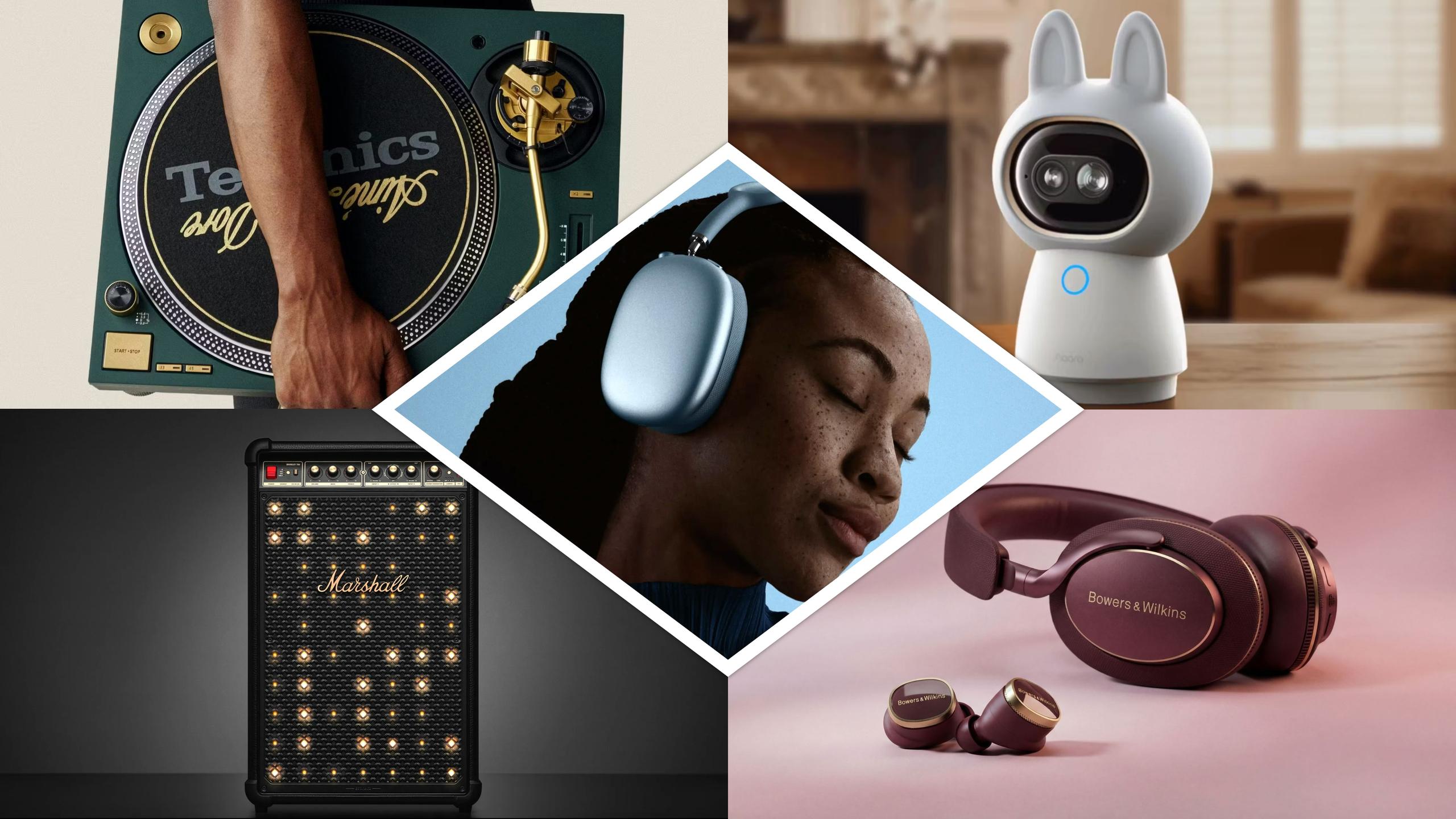
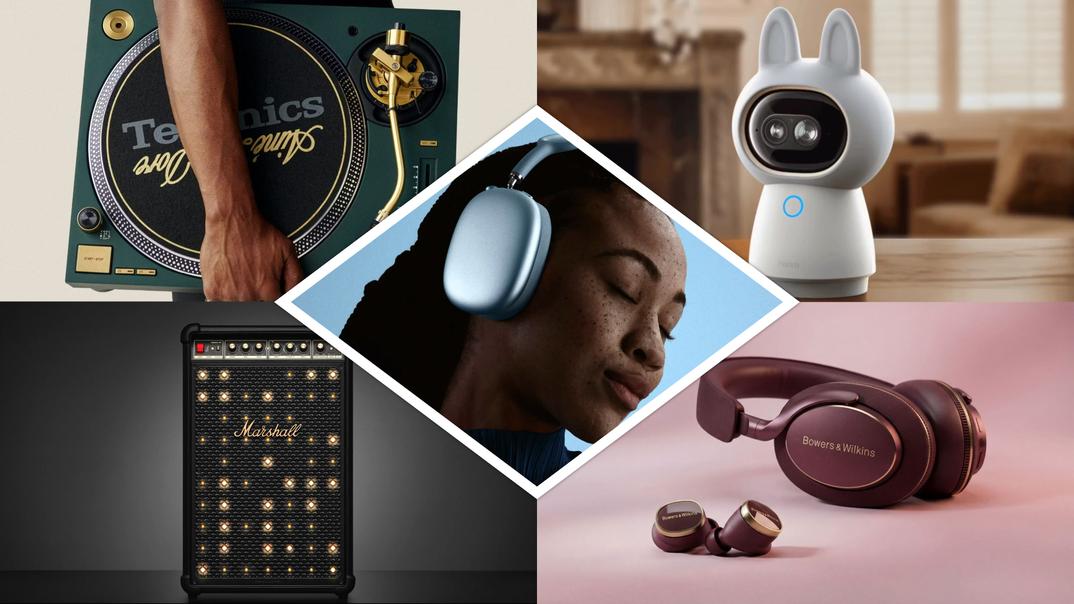
Last week delivered the kind of product mix that makes covering consumer tech especially fun. There were headline-grabbing oddballs, like a pair of headphones with an actual vacuum tube glowing inside the earcup, but also more practical launches that say a lot about where the market is heading.
Bluetooth turntables keep coming, open-ear earbuds are getting more ambitious, and even smart home cameras are starting to inch toward the Matter future we have been hearing about for years. On top of that, a few legacy brands spent the week reminding everyone that cosmetic refreshes, smarter packaging, and system-friendly features still matter just as much as raw specs.
What stood out to me most is how scattered, in a good way, this batch of launches felt. Not every company is chasing the same trend right now. Some are leaning harder into hi-fi nostalgia, others into wireless convenience, others into premium design, and a few are trying to split the difference. That makes this roundup less about one dominant theme and more about a simple question: what new gear is actually worth keeping on your radar? Here is what caught our attention from last week’s launches.
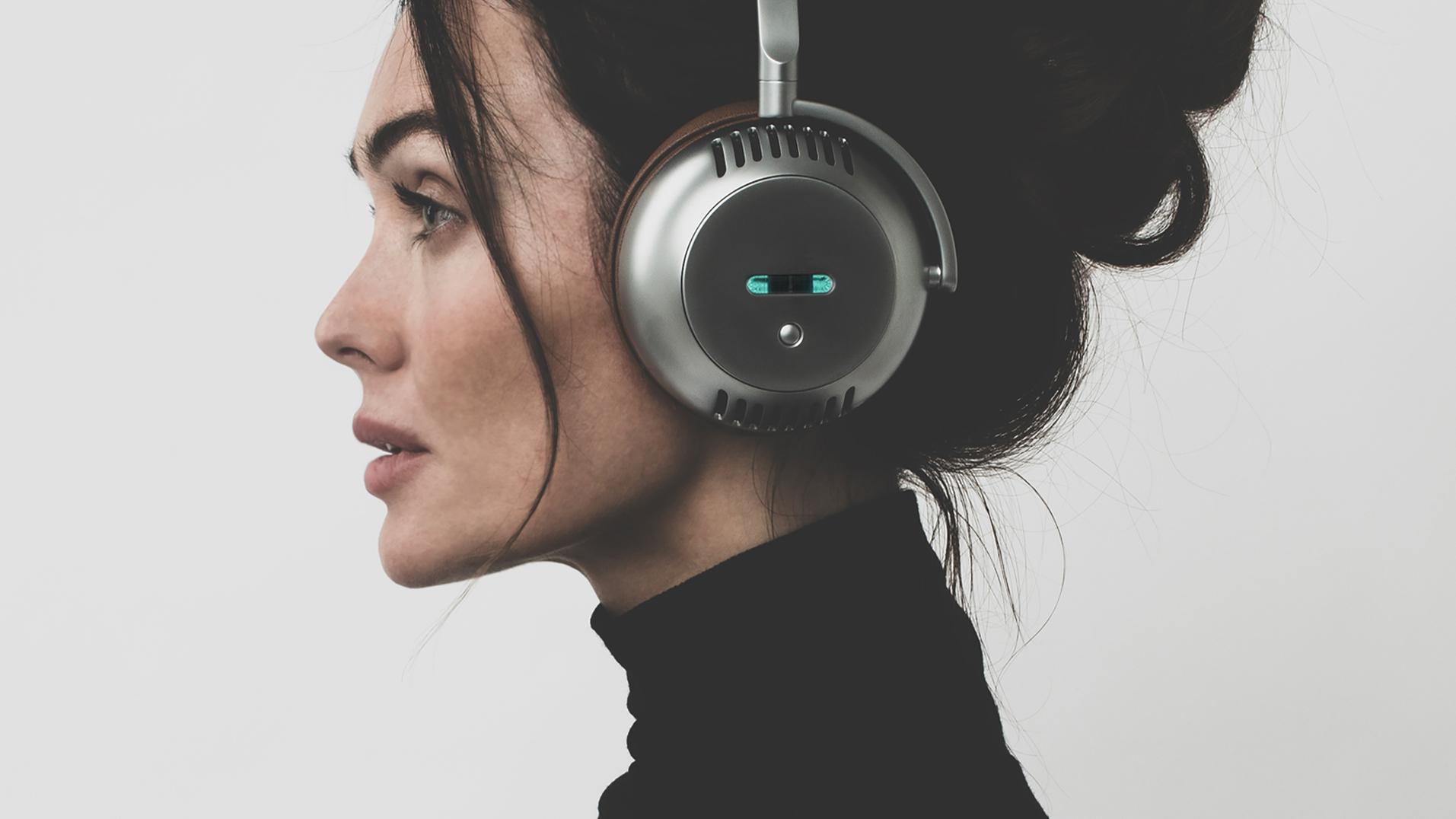
The Écoute TH1 is easily the “wait, what?” product of the week. These $899 over-ear headphones use a real Nutube 6P1 dual-triode valve in the preamp stage, alongside a DAC and dual-mono Class A/B amplification, which is not the usual recipe for wireless headphones. They also support Bluetooth 5.3 with LDAC and AAC, include ANC and transparency mode, and offer both USB-C digital audio and 3.5mm analog input.
What makes them interesting to me is not just the glowing tube window, but the bigger idea behind them: Écoute is trying to make headphones behave more like a miniature stereo system than a typical all-in-one Bluetooth model. Read more.
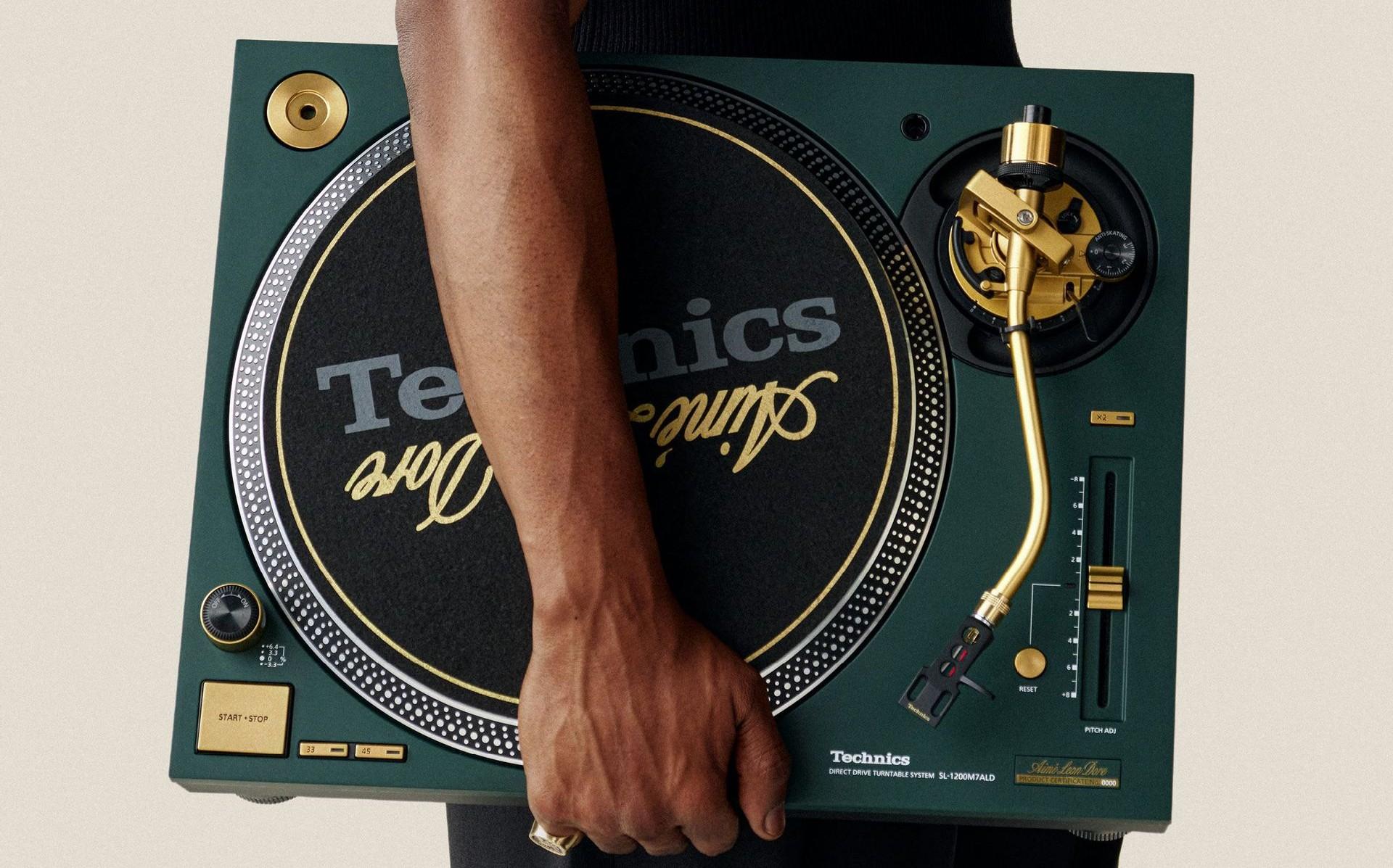
Technics went in a very different direction, teaming up with Aimé Leon Dore for the limited-edition SL-1200M7ALD. Underneath, it is still based on the SL-1200MK7 platform, but the whole point here is the Mulberry Green finish, gold accents, and co-branded styling.
At $2,100 and sold exclusively through Aimé Leon Dore, this is less about reinventing the turntable and more about turning a familiar icon into a collectible object. I think it says something about where vinyl is right now: it is no longer just an enthusiast format, it is also a culture and design play. Read more.
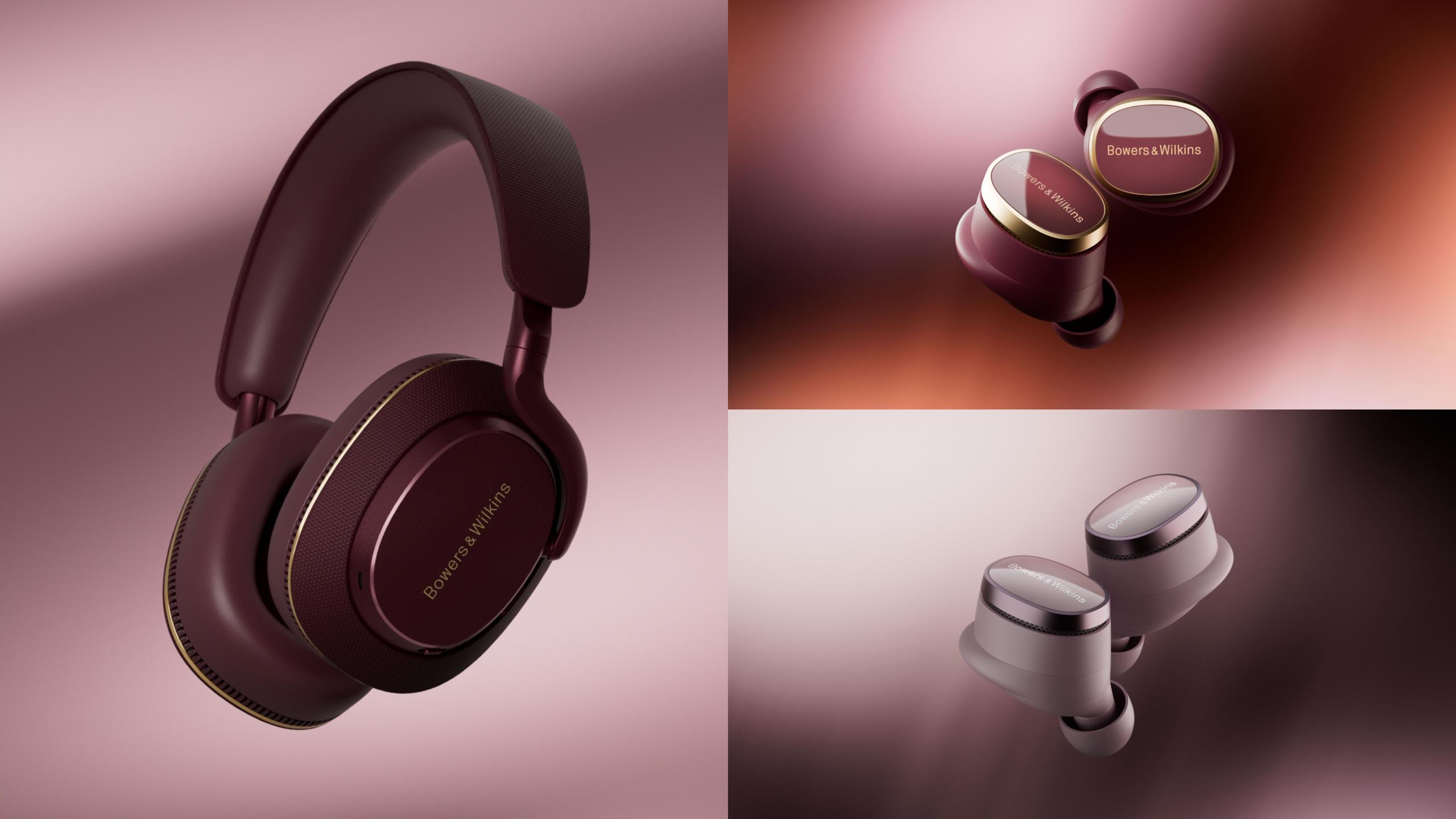
Not every launch needs new hardware to matter. Bowers & Wilkins refreshed its Px7 S3 headphones and Pi8 earbuds with new finishes rather than new internals, adding Vintage Maroon to the Px7 S3 and Dark Burgundy plus Pale Mauve to the Pi8.
Pricing stays the same at $479 for the Px7 S3 and $499 for the Pi8, and the specs are unchanged, including 40mm biocellulose drivers, aptX Adaptive and aptX Lossless support, and up to 30 hours of battery life on the Px7 S3.
I actually think this kind of update makes sense for premium wireless audio. When the hardware is already established, sometimes a fresh look is enough to keep a product feeling current. Read more.
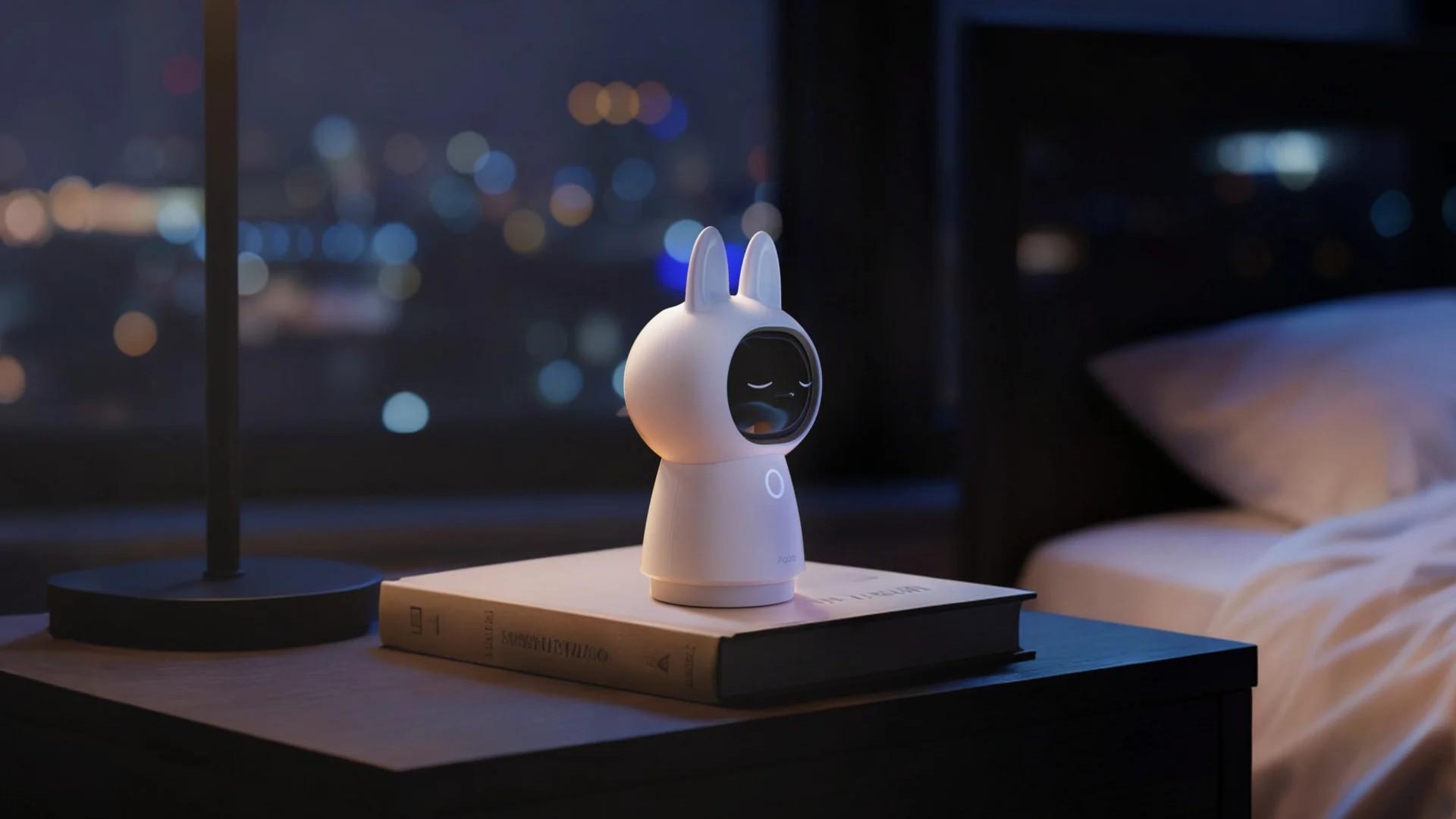
The Aqara Camera Hub G350 may end up being one of the more important launches of the week, even if it is not the flashiest. It is among the first cameras built around Matter 1.5, the update that finally adds camera support to the Matter standard.
The catch is that the future is arriving unevenly: SmartThings currently supports Matter cameras, while other ecosystems are still catching up. Aqara is also doing more than just selling a camera here, because the G350 doubles as a Matter controller, Thread border router, and Zigbee hub that can bridge non-Matter Aqara devices into Matter ecosystems. That makes it a camera, but also a potential smart home control center. Read more.
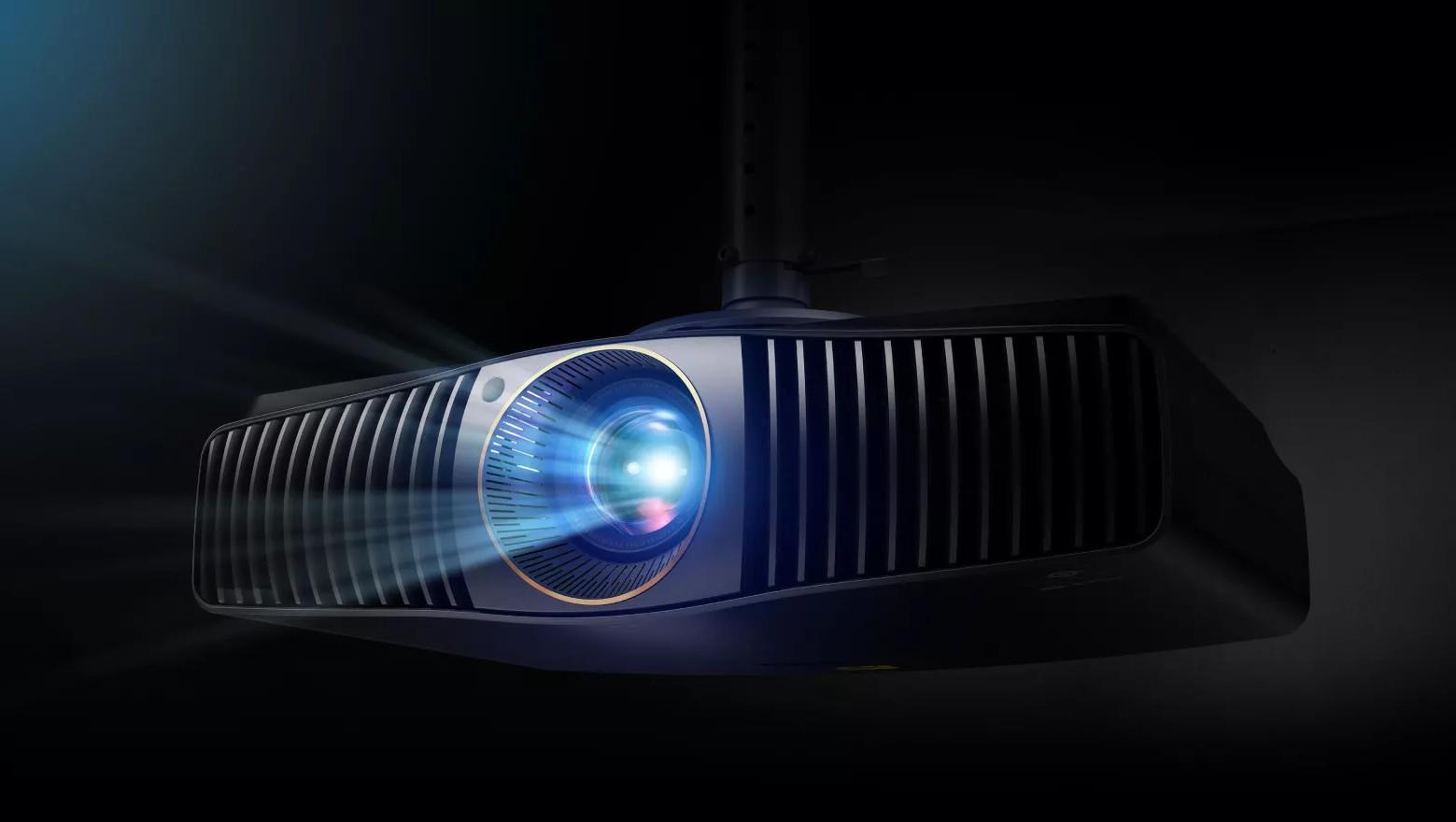
BenQ’s W5850 struck me as one of the most practical launches of the bunch. It is a $7,000-class 4K laser projector designed for buyers who want a serious home theater image without needing a huge room. The key spec is the 1.0–1.6 throw ratio, which lets it throw a 180-inch image from about 13 feet away.
BenQ pairs that with a 2,600-lumen laser/phosphor light source, four-way motorized lens shift, HDR10+, HDR10, HLG, Filmmaker Mode, and HDMI 2.1 with eARC. For a lot of projector shoppers, placement flexibility is the first hurdle, so I would argue this launch matters as much for room compatibility as it does for picture performance. Read more.
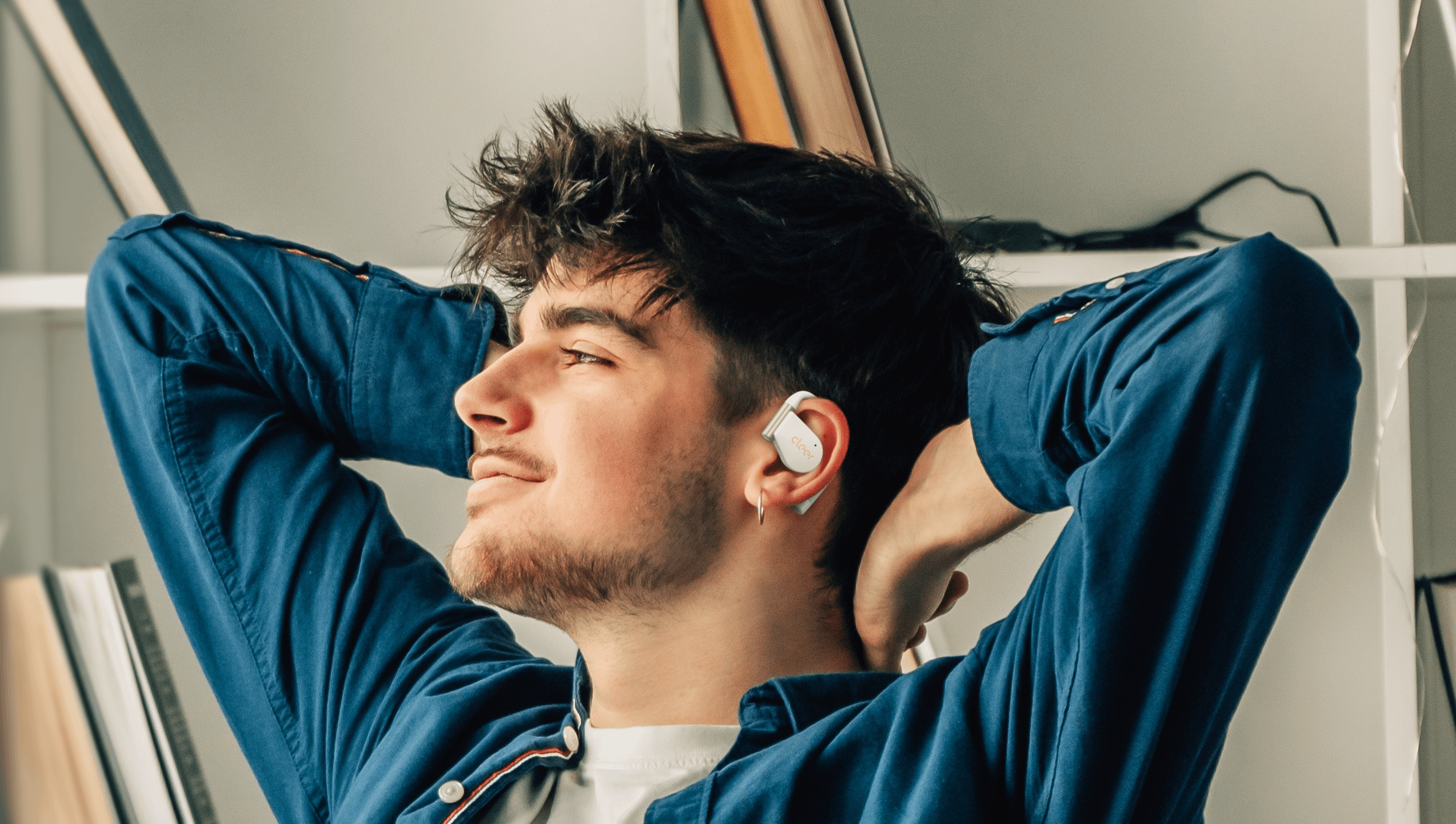
Open-ear earbuds are still trying to prove they can be more than a compromise, and Cleer clearly got that memo with the ARC 5. These $249.99 earbuds combine an open-ear design with features that normally show up in more traditional premium models, including THX Headphone Certification, THX Spatial Audio with head tracking, Dolby Atmos optimization, Snapdragon Sound with aptX Lossless, Bluetooth 5.4 with multipoint, IPX7 waterproofing, and up to 60 hours of total battery life.
Cleer is also adding a touchscreen charging case, which feels like one of those features that could either be genuinely useful or completely overcomplicated depending on execution. Either way, it makes the ARC 5 one of the more ambitious open-ear launches I have seen lately. Read more.
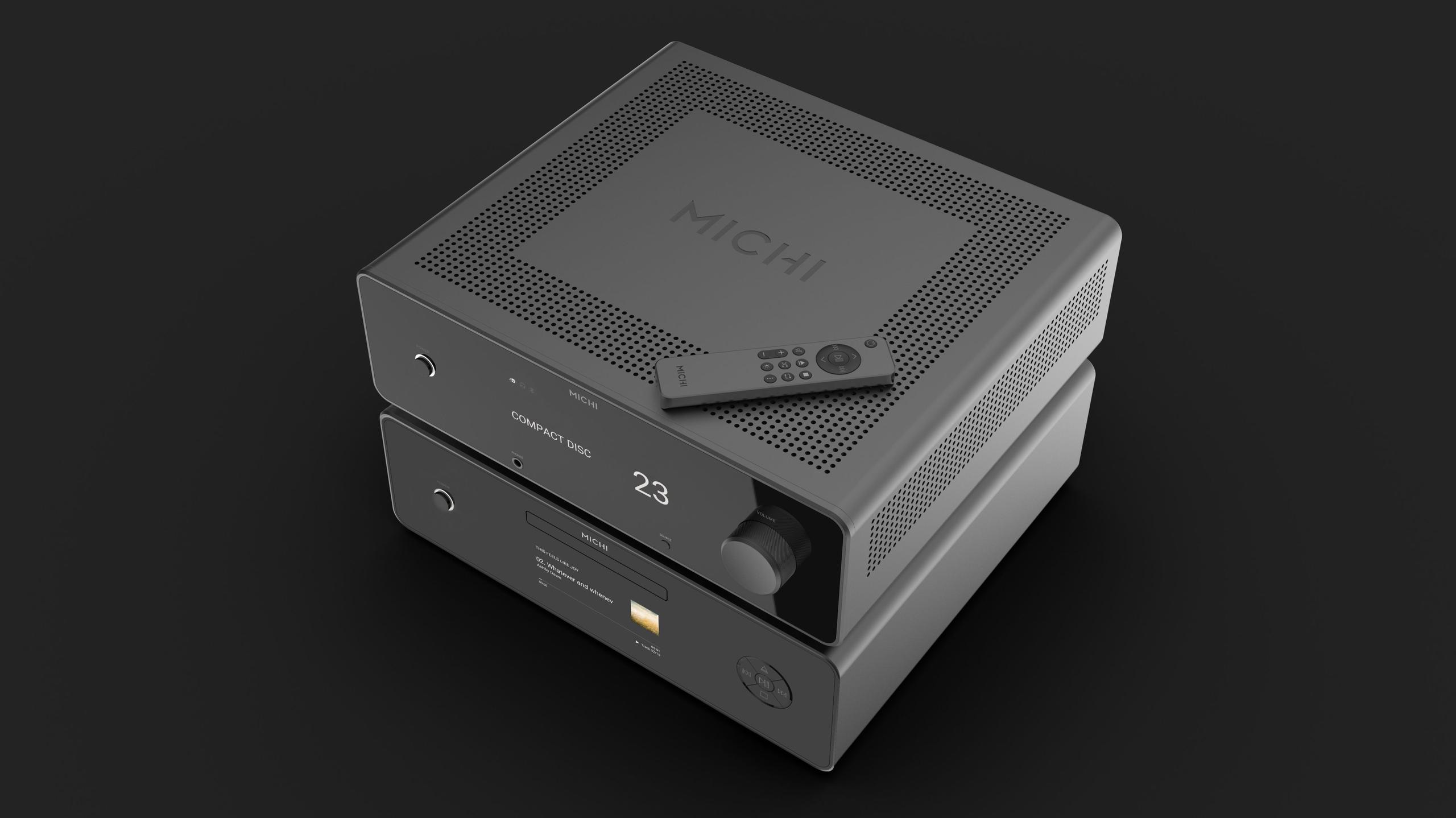
Rotel’s new Michi Prestige components are being pitched as a more accessible way into the Michi world, though “accessible” is obviously relative here. The X430 integrated amplifier is $4,999 and the Q430 CD player is $3,999, which still places them firmly in premium territory.
The X430 is a Class A/B integrated amp rated at 210 watts per channel into 8 ohms and 340 watts into 4 ohms, while both components carry the familiar Michi look: black finish, glass front panel, TFT display, and milled aluminum chassis.
What I find interesting here is not that Rotel suddenly went budget, because it did not, but that even high-end audio brands are looking for more clearly defined entry points into their upscale ecosystems. Read more.
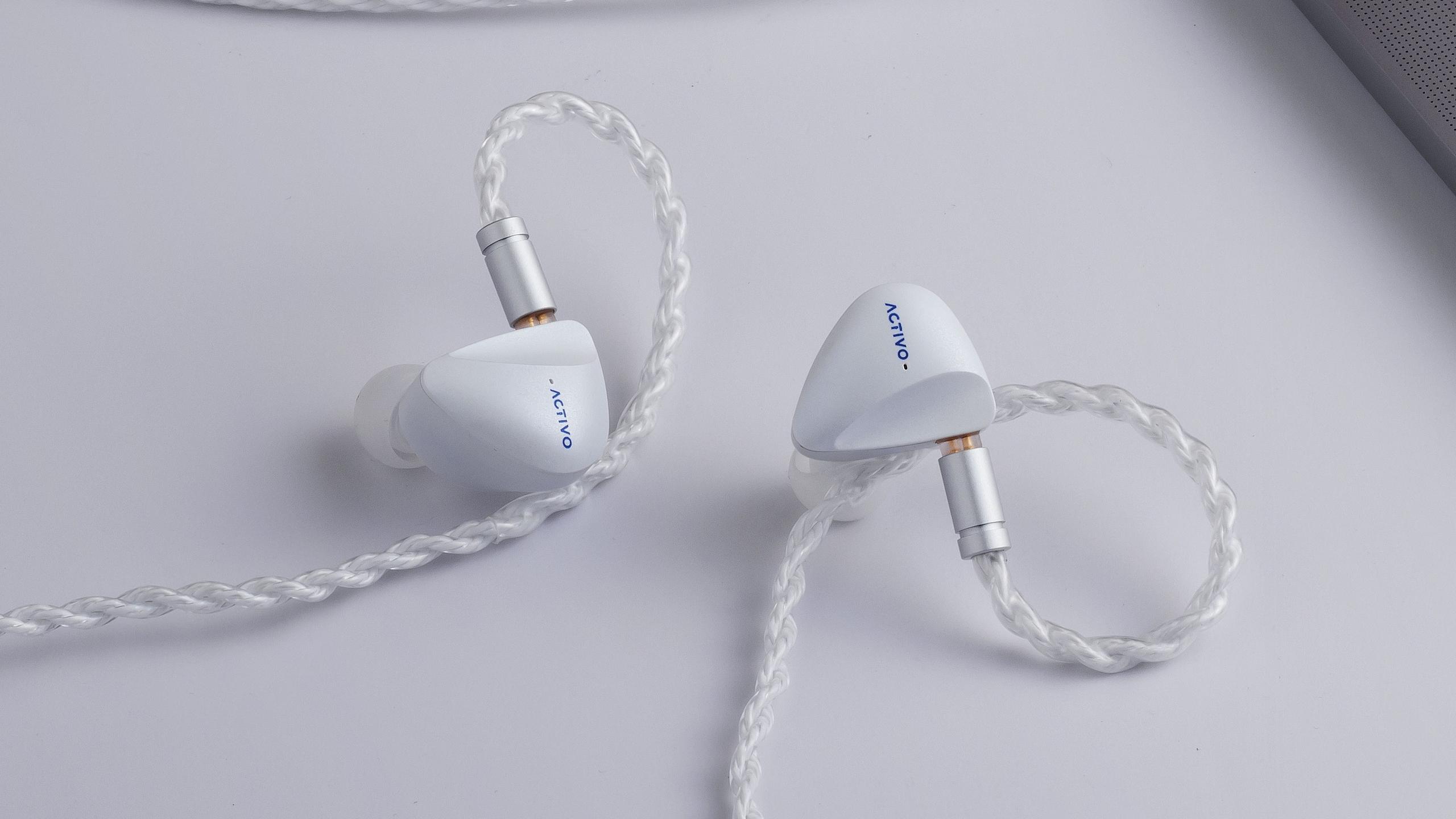
At the opposite end of the pricing spectrum, the Activo Scoop looks like one of the more intriguing value plays of the week. This wired IEM, from Astell & Kern’s more affordable Activo sub-brand, is expected to land at around $90 in the U.S. and uses a five-driver configuration per ear: three dynamic drivers and two balanced armatures.
That is the kind of spec sheet you usually expect to see attached to a higher price. What makes the Scoop worth watching is that it taps into two trends at once: renewed interest in wired listening and a growing appetite for budget gear that still feels enthusiast-oriented rather than disposable. Read more.
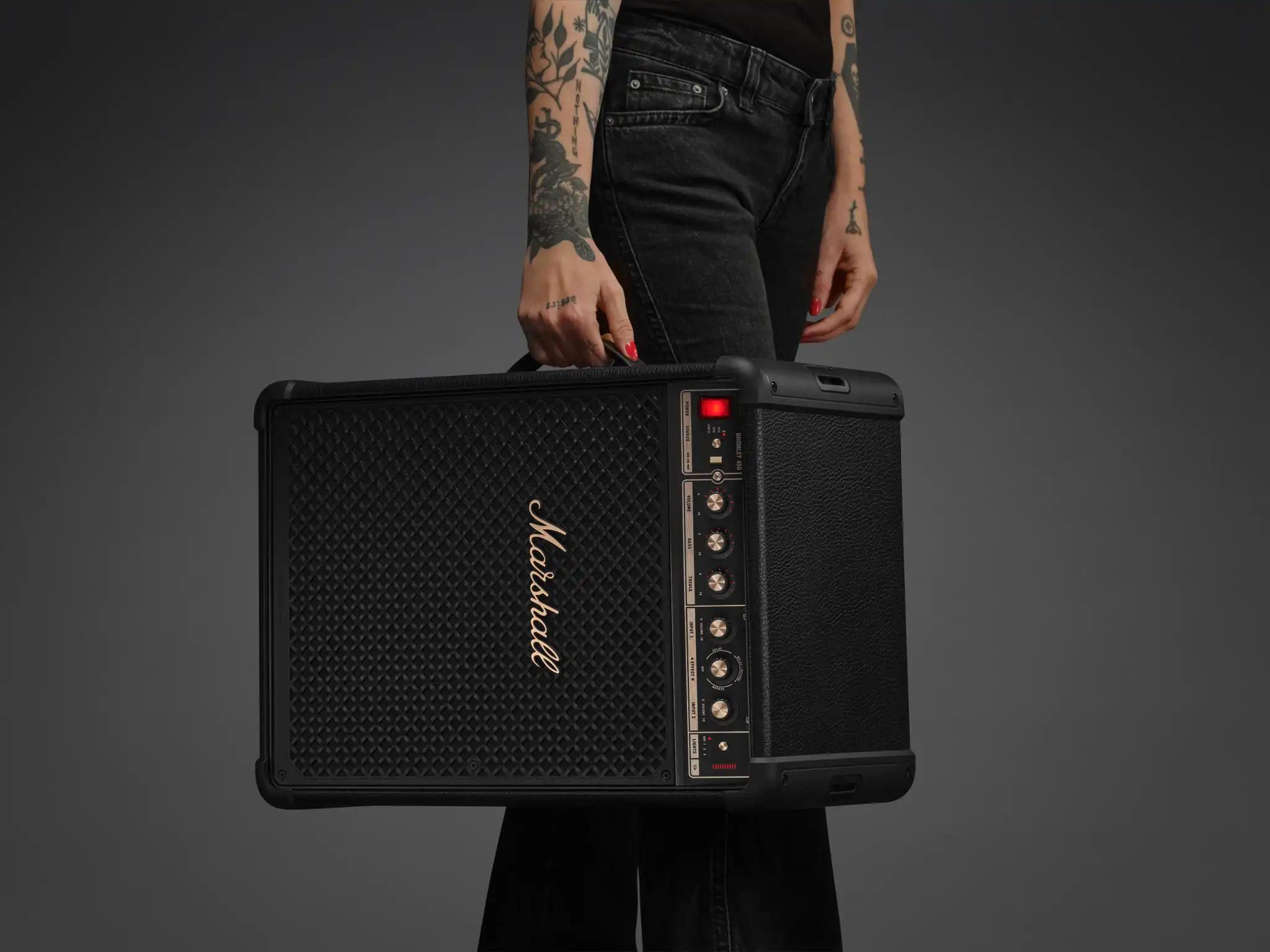
Marshall’s Bromley 450 looks like the kind of speaker built for people who hear the word “portable” and interpret it very generously. It is smaller than the Bromley 750, but still weighs 12.2 kg and measures 36 x 26.1 x 49.2 cm, so this is more “carry it to the backyard” than “throw it in a backpack.”
The pitch is big output, stage-light effects, and battery life of more than 40 hours, all wrapped in Marshall’s familiar amp-inspired styling. At $799.99, it also sits well above casual Bluetooth-speaker territory. To me, this feels like Marshall doubling down on the idea that party speakers can be lifestyle products, not just oversized wireless speakers with handles. Read more.
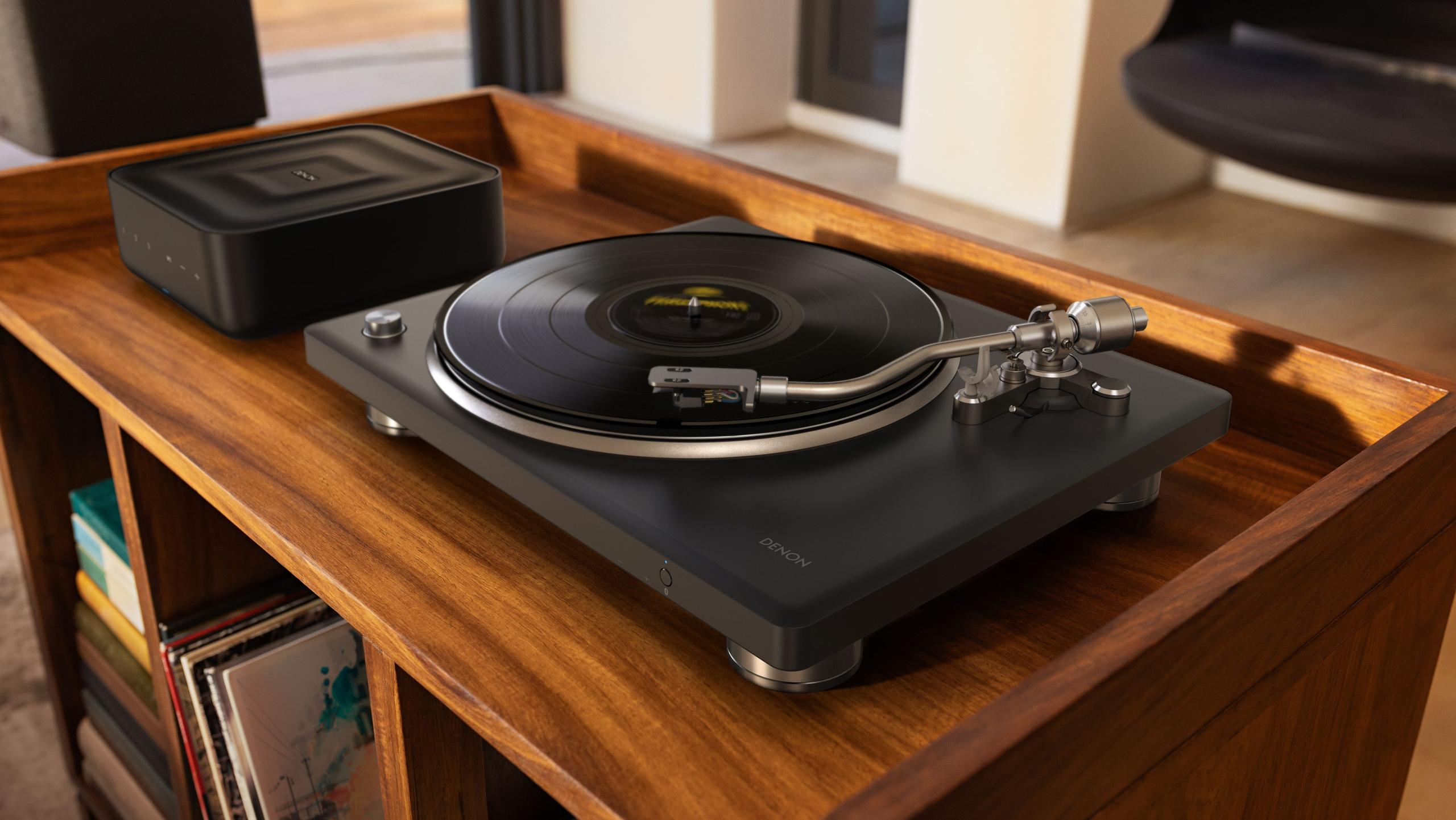
Denon’s DP-500BT continues a trend I do not see slowing down anytime soon: the Bluetooth turntable. This $899 semi-automatic belt-drive model mixes classic vinyl hardware with wireless flexibility, letting users play through a traditional hi-fi setup or stream to Bluetooth speakers, headphones, and soundbars. It uses an aluminum die-cast platter, a static-balanced S-shaped tonearm, and comes with a pre-installed moving magnet cartridge.
I like that Denon is not pretending modern convenience and vinyl ritual have to cancel each other out. For a lot of buyers, especially newer vinyl listeners, convenience is probably what keeps the format in regular use rather than turning it into a shelf ornament. Read more.
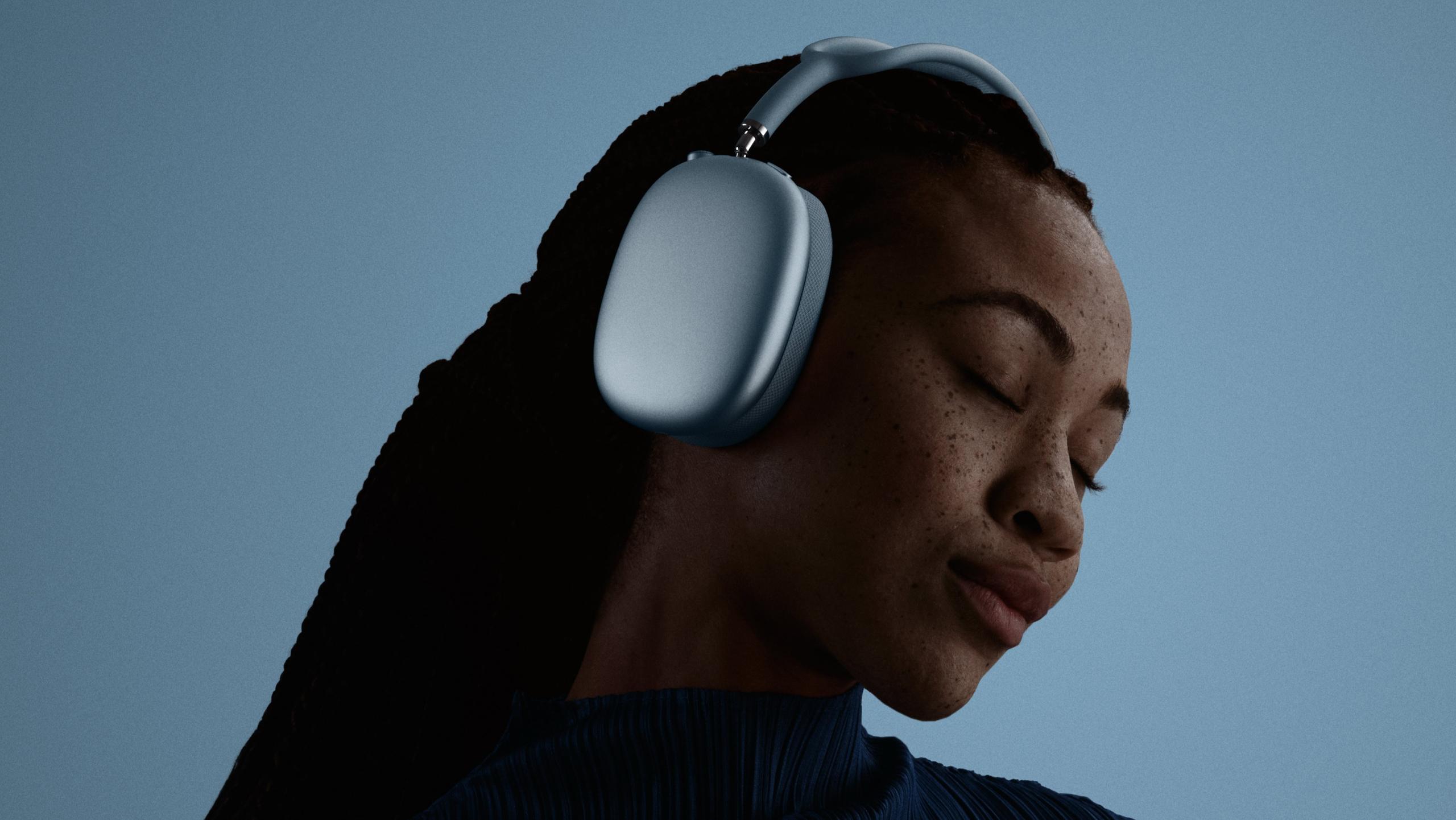
Apple’s AirPods Max 2 are not a dramatic redesign, but they are still one of the week’s biggest launches simply because of how many people will pay attention. The new model keeps the same design and the same $549 price, but swaps in Apple’s H2 chip, adds stronger ANC, and expands the feature set.
Apple says noise cancellation is up to 1.5 times more effective than before, and the new chip also enables improvements in computational audio and a wider range of newer AirPods-style software features.
My read on this one is pretty simple: Apple did not try to reinvent AirPods Max, it just brought the platform closer to the rest of the current AirPods lineup. That may frustrate people hoping for a lighter, cheaper, or more radically reworked version, but it still makes the Max relevant again. Read more.




Privacy Policy
Terms and Conditions - Affiliate Policy
Home Security
© Copyright 2008-2026.
11816 Inwood Rd #1211, Dallas, TX 75244