


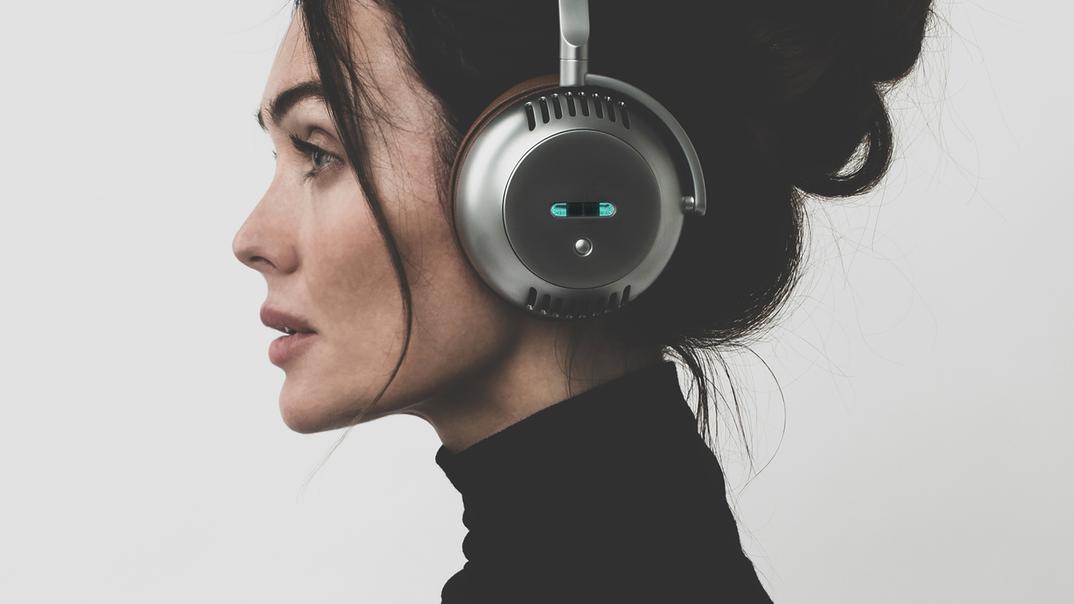
Wireless headphones usually follow a familiar formula: Bluetooth chip, built-in amp, active noise canceling, and a tuning profile meant to appeal to as many people as possible. The new Écoute Audio TH1 takes a very different route. Instead of leaning on the all-in-one chip design used by most premium wireless models, these headphones borrow more from traditional hi-fi separates.
That is the big idea behind the TH1. Écoute Audio has built these over-ear headphones around a signal chain that includes a DAC, a valve-based preamp, and dual-mono Class A/B amplification. In simpler terms, the company is trying to shrink parts of a home audio system into a wearable pair of headphones.
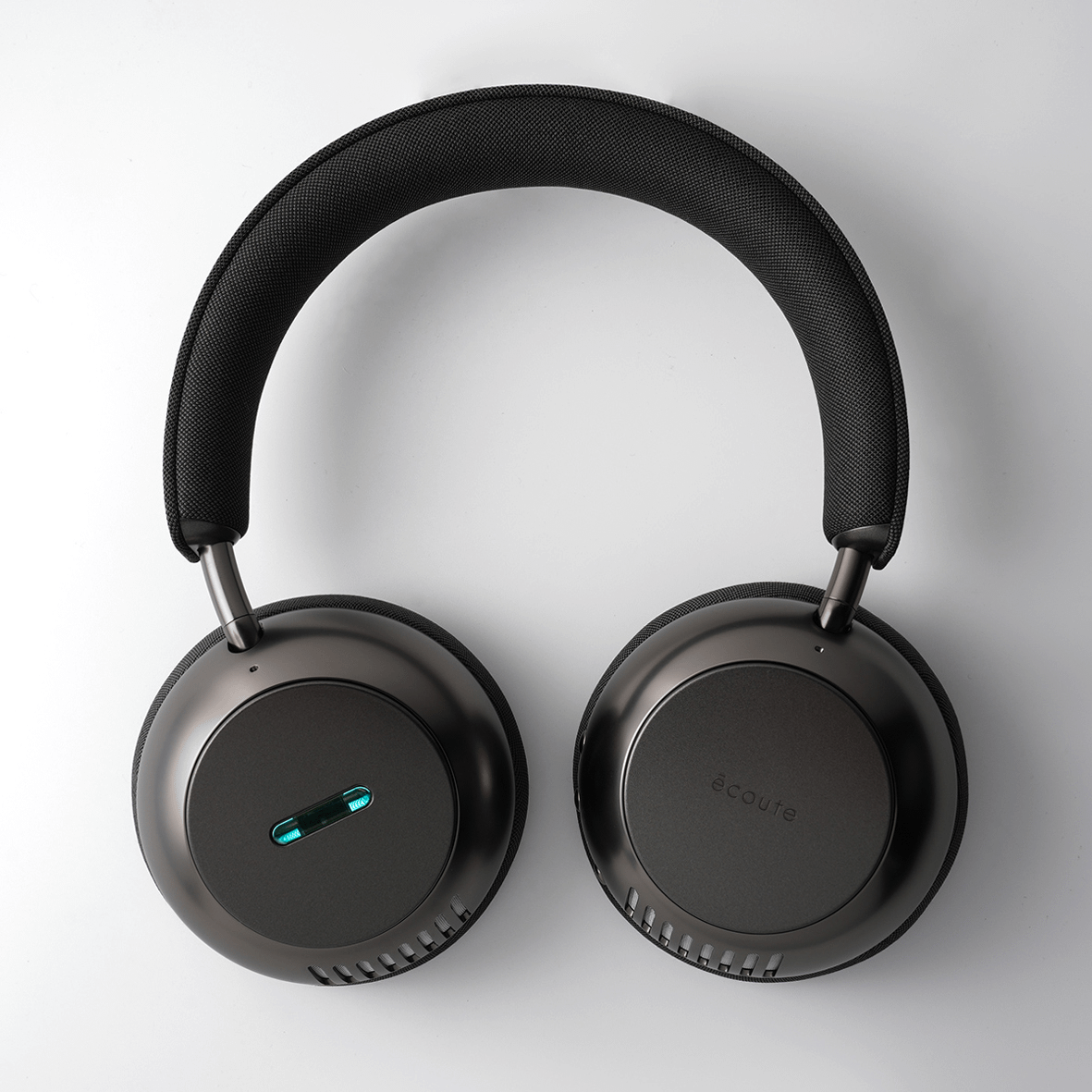
The headline feature is the inclusion of a real Nutube 6P1 dual-triode valve, developed by Korg and Noritake Itron in Japan. That small tube handles preamplification duties before the signal is passed along to a pair of discrete analog amplifiers, one for each channel. It is visible through a small window in the left ear cup, where it gives off a soft turquoise glow when powered on.
That setup matters because most wireless headphones do not work this way. Instead, they rely on system-on-a-chip platforms that combine Bluetooth reception, signal processing, amplification, and other features into one integrated package. That approach is efficient and practical, but it can also mean many models share a similar underlying architecture.
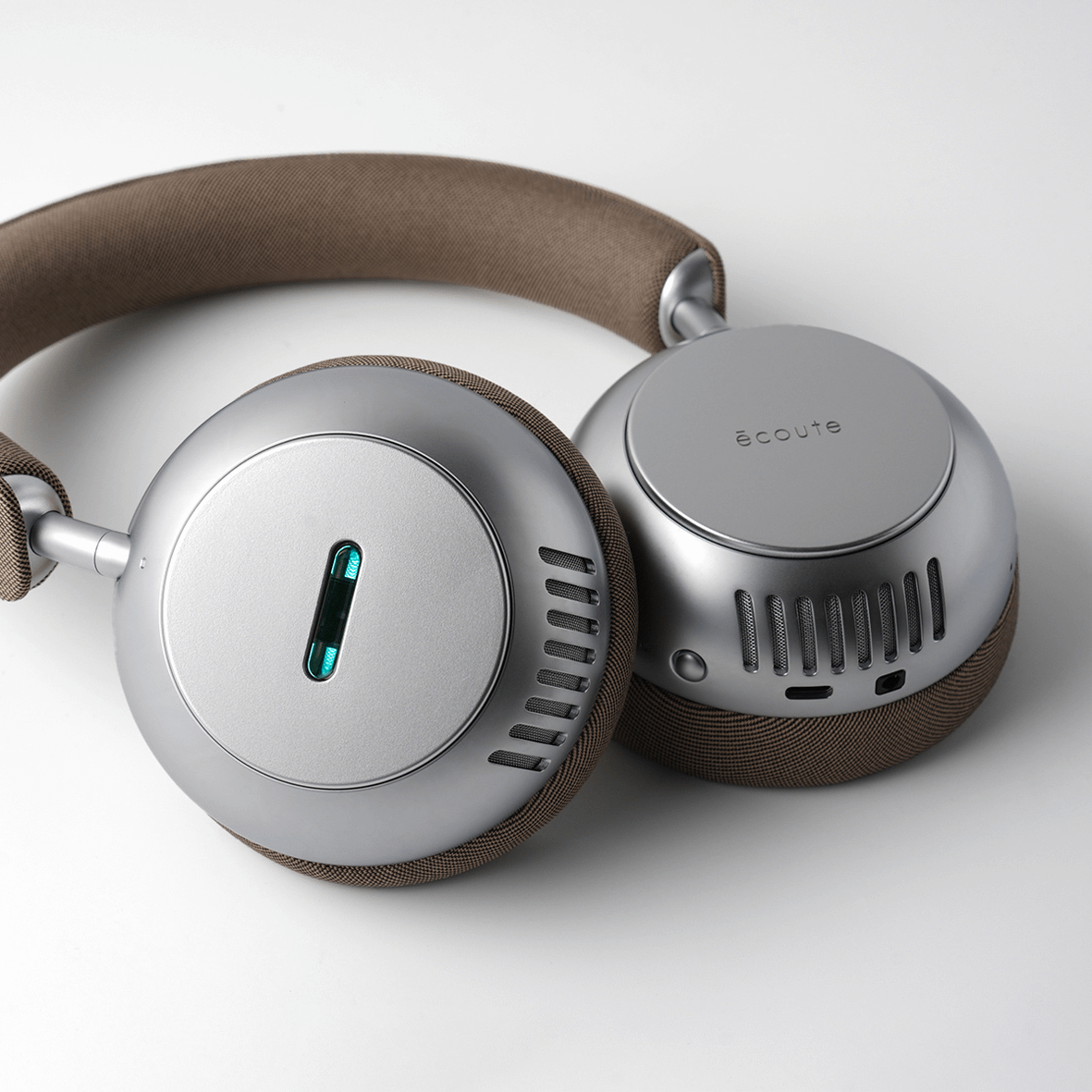
Écoute’s pitch is that the TH1 is less like a typical Bluetooth headphone and more like a miniature stereo system built into a closed-back portable design.
Here is the short version of what sets the Écoute TH1 apart:
The company says this architecture helps preserve channel separation and reduce crosstalk, which can affect stereo imaging. That is the reason for the “dual-mono” language. By keeping the left and right channels more isolated from each other, the TH1 is designed to present music with clearer placement and a stronger sense of space.
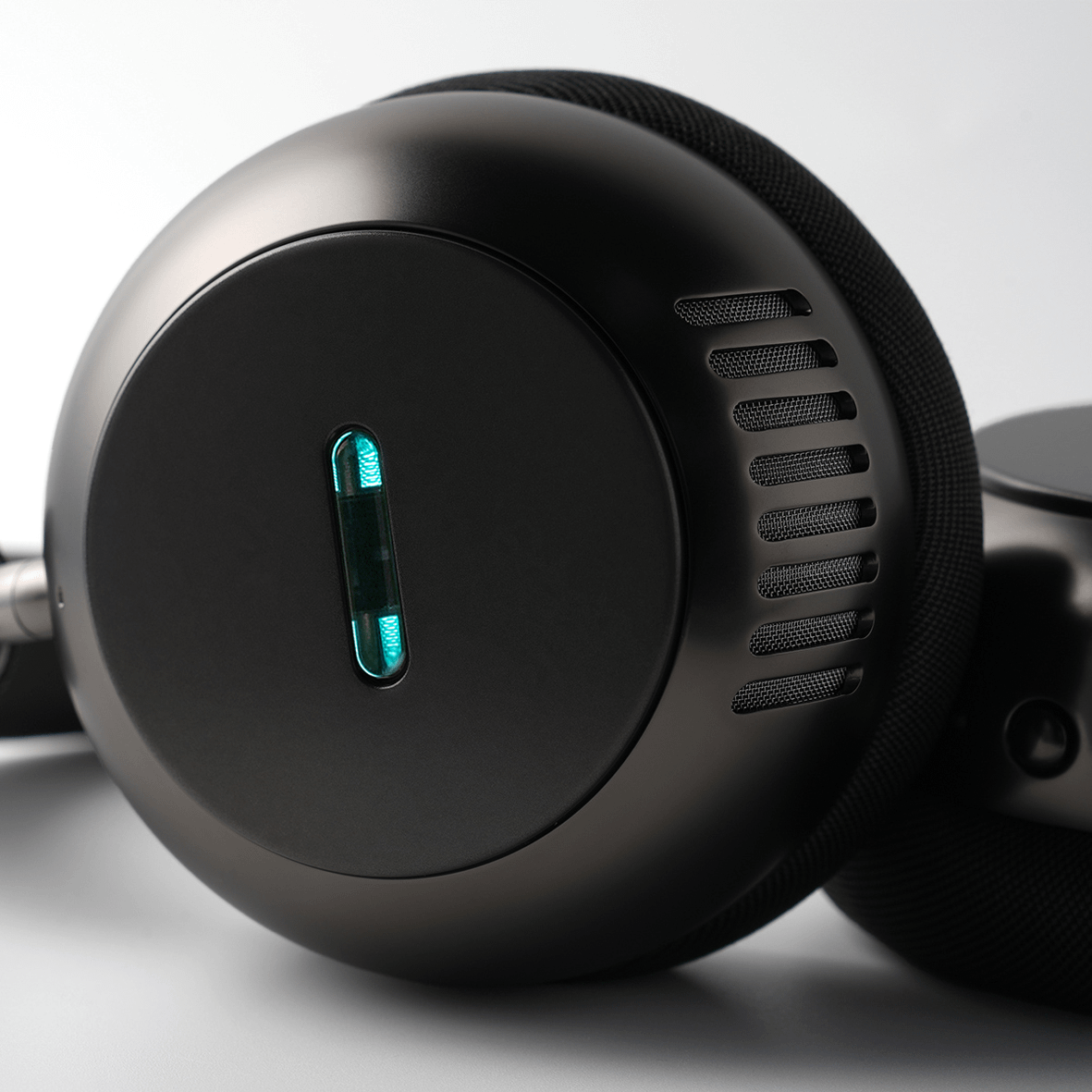
The valve stage is another unusual part of the story. Vacuum tubes amplify audio differently than solid-state devices, and they are often associated with a warmer, smoother presentation. In the TH1, the tube is not there just for looks. It is built into the actual preamp stage, which means it plays a role in how the signal is shaped before reaching the headphone amplifiers.
Of course, tube-based gear usually comes with practical tradeoffs. Traditional vacuum tubes can be large, fragile, power-hungry, and hot. The Nutube 6P1 was developed to sidestep some of those issues by offering tube behavior in a much smaller, cooler-running, low-power format that can work in portable devices.
Even with all of that hi-fi-style engineering inside, the TH1 still covers the basics expected from a modern premium headphone. It supports Bluetooth 5.3 and includes LDAC and AAC codec support for wireless listening. For wired use, there are two options: USB-C for digital audio and a 3.5mm input for analog sources.
The wired modes are especially interesting because the 3.5mm connection can work in two different ways:
USB-C playback supports hi-res audio up to 32-bit/384kHz, which gives the TH1 a broader use case than most travel-focused ANC headphones. That means it can function as a wireless model on the go, a USB DAC headphone at a desk, or a more traditional wired option in a home setup.

The TH1 also includes active noise cancellation and a transparency mode, so Écoute is not ignoring mainstream features. There is also a companion app for iOS and Android called the Écoute Tuning App. Rather than simply applying a standard EQ on the source device, the app adjusts the internal DSP at the headphone level.
According to the company, that allows the TH1 to handle filtering, timing, and correction inside its own processing chain before conversion to analog. Users get preset options as well as more detailed tuning controls, including multiple parametric EQ bands.
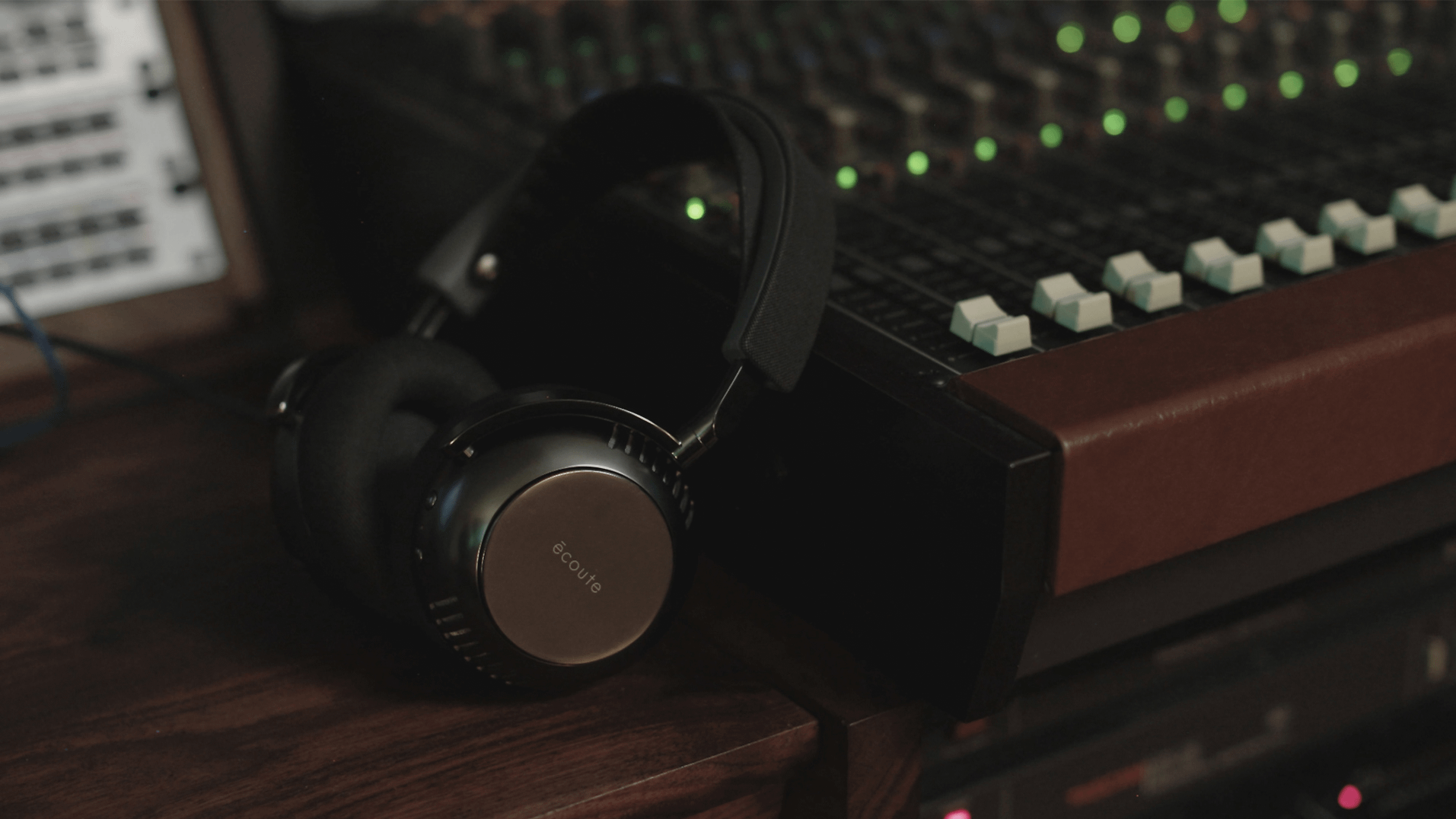
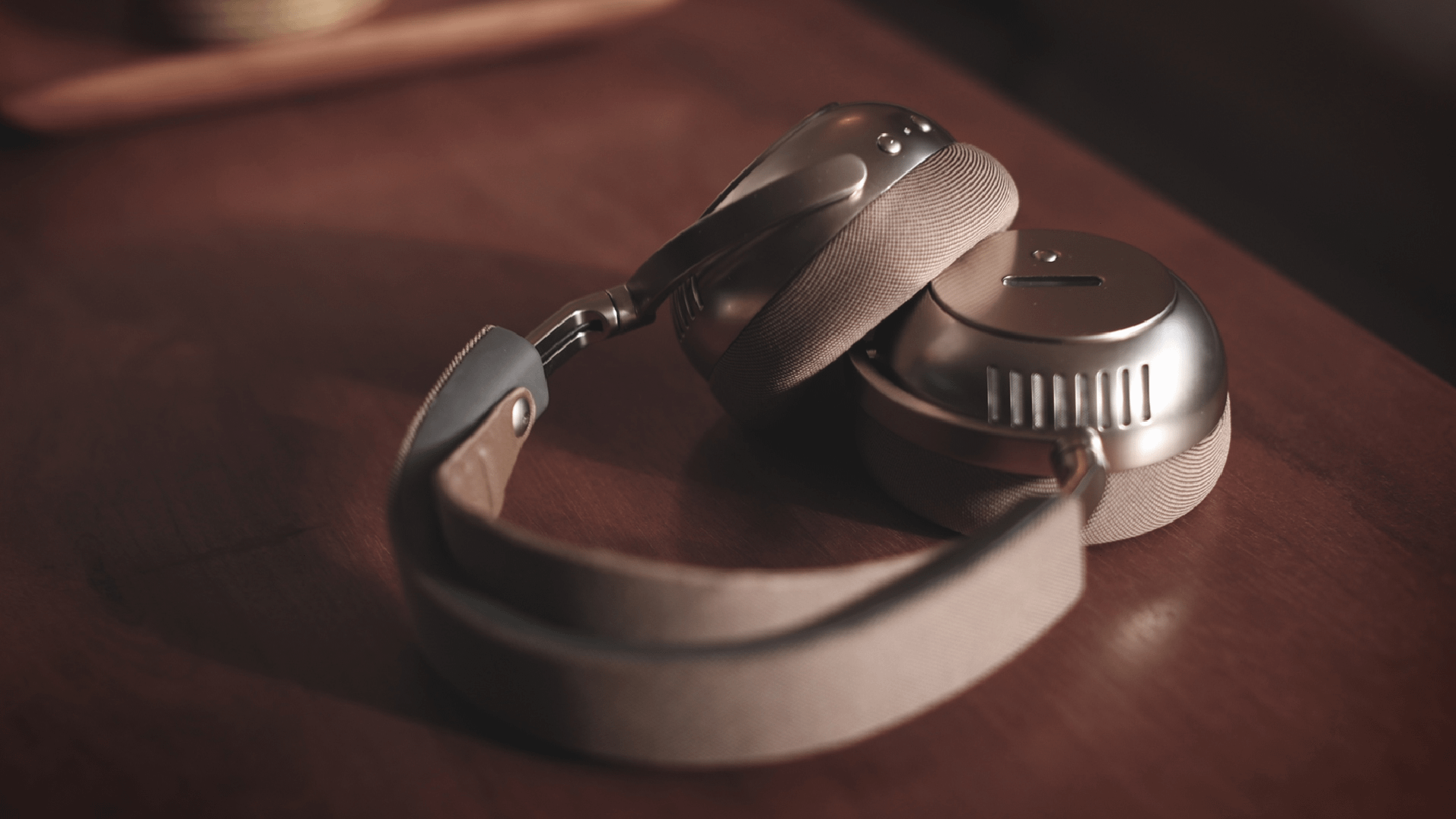
The TH1 is housed in an aluminum body and uses replaceable memory foam ear pads. It comes in Gunmetal or Satin Aluminium finishes. Battery life is rated at more than 20 hours, which is decent but not especially long by current wireless headphone standards.
Weight may be a bigger talking point for some buyers. At 424 grams, the TH1 is on the heavier side for an over-ear wireless model. That extra heft is not surprising given the tube stage and discrete internal hardware, but it is still something potential buyers will want to keep in mind.
Technical Specifications:

The Écoute Audio TH1 is available now for $899 / £900. That puts it firmly in premium-headphone territory, but it also lands in a category where most rivals are built around more conventional wireless designs.
Whether listeners see the TH1 as a serious alternative or an interesting experiment will likely depend on how much they value its unusual approach. Either way, it is one of the more unconventional headphone launches to arrive in a market that can often feel very samey.
Related Reading:




Privacy Policy
Terms and Conditions - Affiliate Policy
Home Security
© Copyright 2008-2026.
11816 Inwood Rd #1211, Dallas, TX 75244