

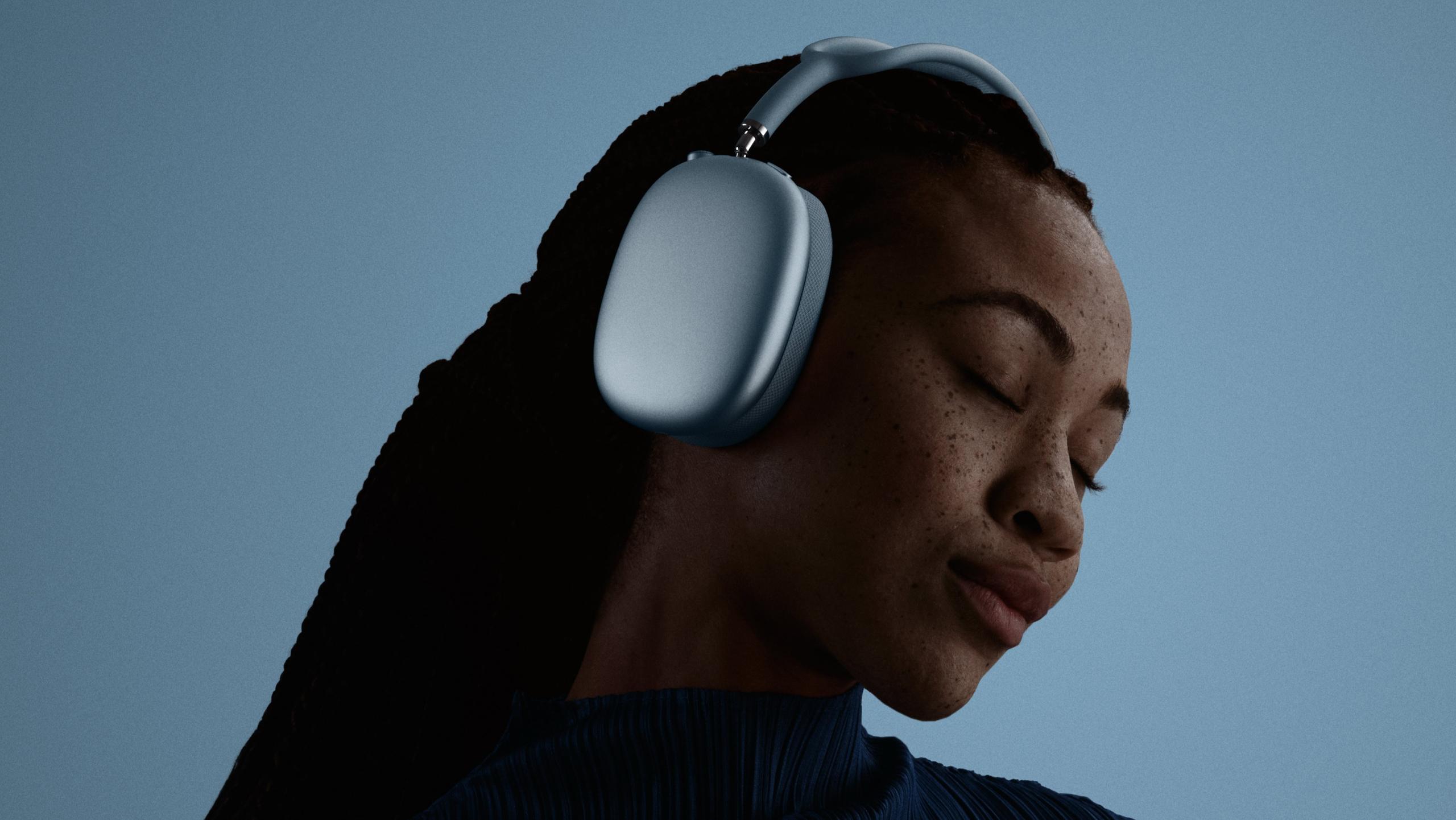
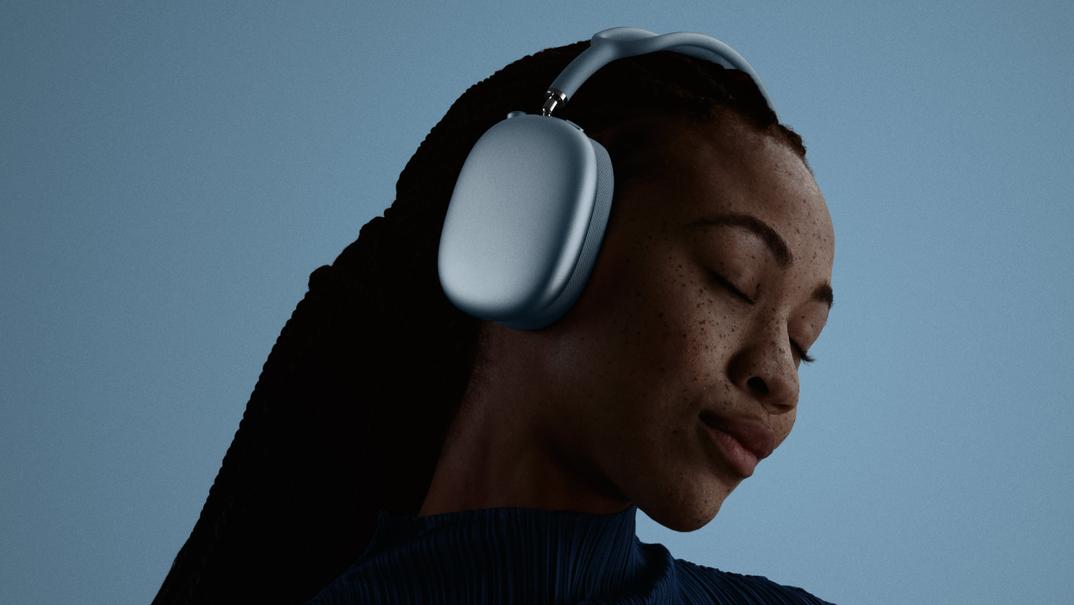
Apple has officially introduced the AirPods Max 2, its first real update to the over-ear AirPods Max since the original model arrived in late 2020. The new version keeps the same basic design and the same $549 price, but adds Apple’s H2 chip, stronger active noise cancellation, a wider set of smart features, and a few upgrades aimed at creators as well as everyday listeners.
At a glance, this is not a redesign. Apple didn’t rethink the shape, trim the weight in any meaningful way, or lower the price. Instead, it took the original formula and updated the internal tech to bring the AirPods Max closer to the newer AirPods family.
The headline change is the move from Apple’s older H1 chip to the newer H2 chip. That matters because the H2 is what enables many of the newer software and audio features already seen in recent AirPods models.
According to Apple, AirPods Max 2 deliver active noise cancellation that is up to 1.5 times more effective than the previous generation. In practical terms, that means these headphones are supposed to do a better job of cutting down steady background noise like airplane engines, train rumble, and office chatter.
Apple is also promising improvements to sound processing, including a new high dynamic range amplifier and better computational audio. The company says that should lead to cleaner sound, better instrument placement in Spatial Audio content, tighter bass, and more natural mids and highs.
Here are the biggest additions:
That is a longer feature list than the original AirPods Max ever had, and it makes the new model feel more in line with Apple’s broader ecosystem strategy.
“With the incredible performance of H2, AirPods Max are upgraded with up to 1.5x more effective ANC for the ultimate all-day listening experience,” said Eric Treski, Apple’s director of Audio Product Marketing. “The sound quality is remarkably clean, rich, and acoustically detailed — and when combined with capabilities like Personalized Spatial Audio, AirPods Max 2 deliver a profoundly immersive experience.”
One important detail here is that Apple continues to support lossless audio only over a wired USB-C connection. AirPods Max 2 can handle 24-bit, 48 kHz lossless playback when connected with the included cable, but not over Bluetooth.
That’s not especially surprising. Bluetooth audio still involves compression, and Apple is still using AAC wirelessly. So while Apple is talking up audio quality improvements, buyers should understand the limits here. If you want the best possible quality these headphones can deliver, you still need to plug them in.
That wired mode also comes with another benefit: ultra-low latency audio, which is useful for music production, video editing, and gaming. Apple is positioning AirPods Max 2 as more creator-friendly than before, and this is a big part of that pitch.
A lot of the upgrades are convenience-focused rather than purely audio-focused. Features like Personalized Volume, Siri head gestures, Live Translation, and Adaptive Audio are designed to make the headphones feel more responsive to daily use.
That may sound appealing if you’re already deep into the Apple ecosystem, but it also means some of the value here depends on how much you use Apple devices and services. AirPods Max 2 are clearly built to work best with iPhone, iPad, and Mac.
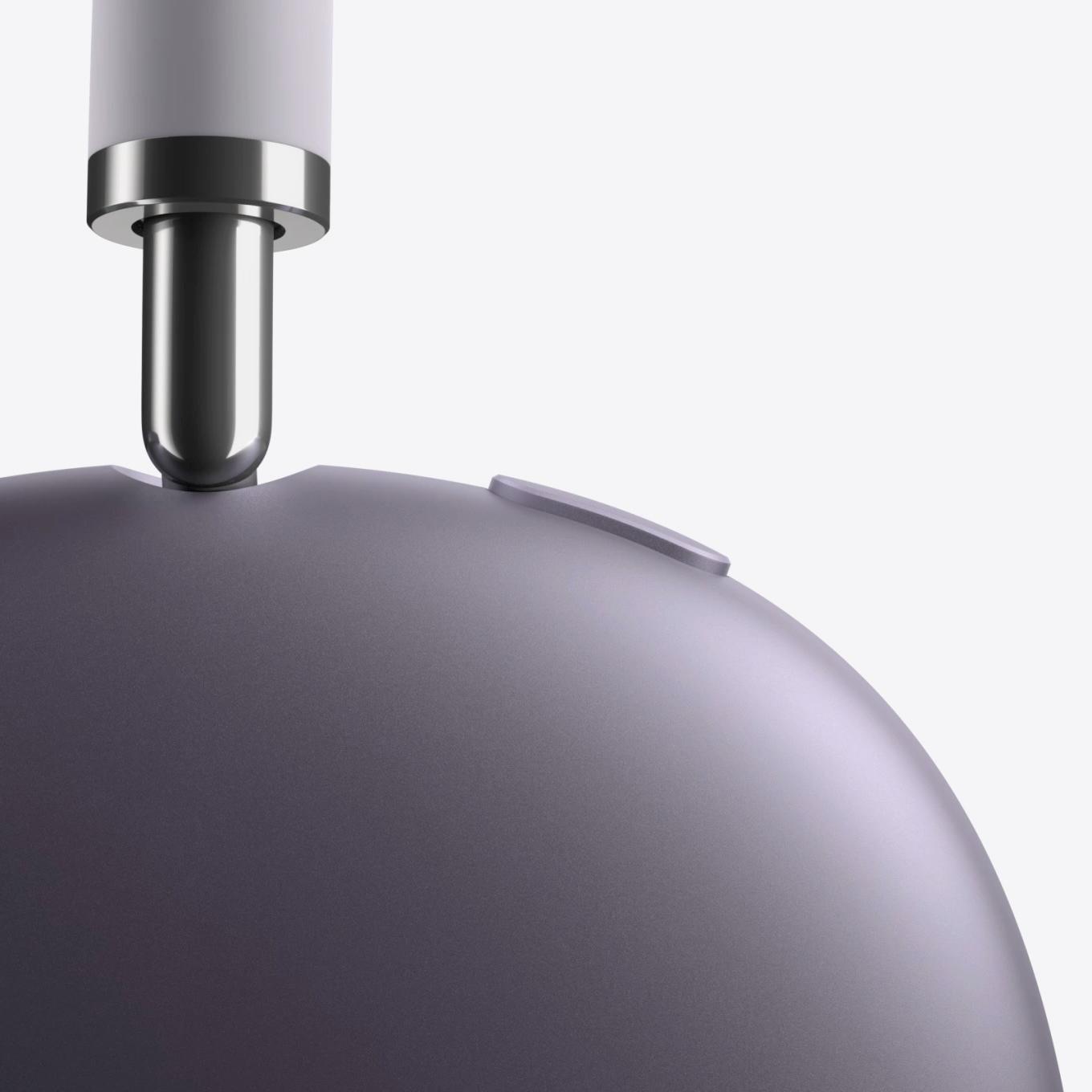
At the same time, several complaints about the first AirPods Max do not appear to have been addressed.
What stayed the same:
That last part will matter to anyone who hoped Apple would use this update to fix the original model’s more divisive hardware choices. Based on the information released so far, this looks more like an internal refresh than a clean-sheet second generation.
Apple’s AirPods Max 2 are entering a very competitive category. Two of the biggest rivals in premium noise-canceling headphones are the Sony WH-1000XM6 and the Bose QuietComfort Ultra (2nd Gen). Both have built strong reputations among travelers and everyday listeners.
Price is the first obvious difference. Apple’s new headphones start at $549, while the Sony WH-1000XM6 typically sells for $459.99, and the Bose QuietComfort Ultra (2nd Gen) comes in at $449. That makes the Apple option the most expensive of the three.
Weight is another factor that often matters more than people expect. The AirPods Max 2 still weigh around 386 grams, while Sony’s WH-1000XM6 weigh about 254 grams and Bose’s QuietComfort Ultra (2nd Gen) come in around 250–260 grams, making both noticeably lighter for long listening sessions.
Battery life also favors the Sony and Bose models. The WH-1000XM6 can reach roughly 30 hours of playback with noise cancelling enabled, and the Bose QuietComfort Ultra (2nd Gen) offers around 30 hours as well, depending on listening modes. By comparison, AirPods Max 2 are rated for up to 20 hours of listening time.
Where Apple tries to stand out is integration with its ecosystem and creator-focused features. AirPods Max 2 support 24-bit / 48 kHz lossless audio over USB-C, along with features like Adaptive Audio, Conversation Awareness, and Live Translation when paired with Apple devices.
Sony and Bose take a slightly different approach. Sony focuses heavily on customization and advanced noise-cancelling hardware, including a dedicated processor and multiple microphones to adapt to environmental noise in real time. Bose, meanwhile, leans into comfort and strong adaptive ANC, along with support for codecs like aptX Adaptive and USB-C audio playback.
In other words, the three headphones target slightly different priorities:
For many buyers, the decision will come down to platform loyalty and comfort preferences as much as raw audio features.
| Headphones | Price | Weight | Battery Life | Notable Features |
|---|---|---|---|---|
| AirPods Max 2 | $549 | 386 g | Up to 20 hours | H2 chip, Adaptive Audio, Spatial Audio, wired lossless |
| Sony WH-1000XM6 | $459.99 | 254 g | ~30 hours | Advanced ANC processor, 12 microphones, strong app customization |
| Bose QuietComfort Ultra (2nd Gen) | $449 | ~250–260 g | ~30 hours | Lightweight design, adaptive ANC, aptX Adaptive support |
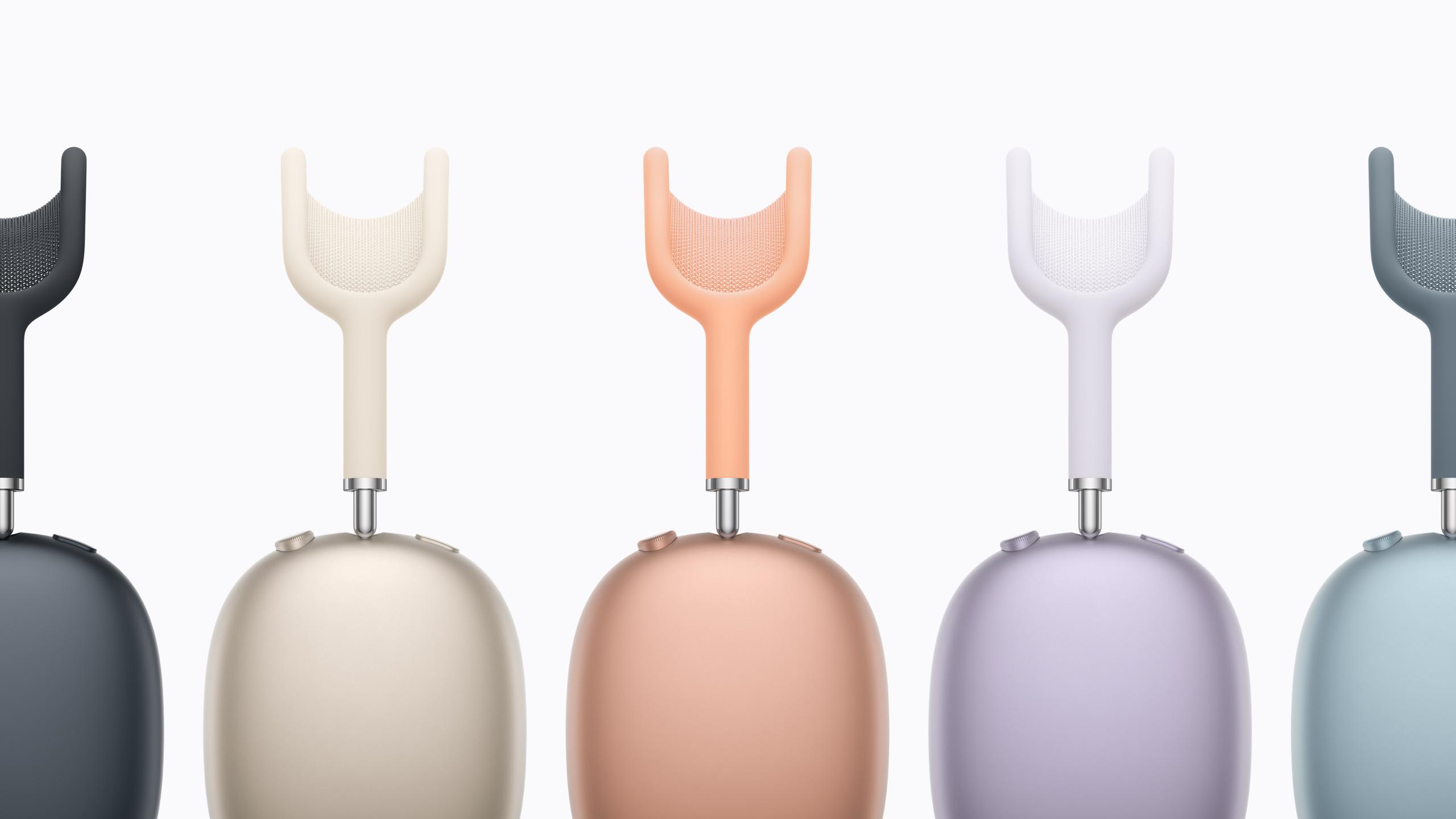
AirPods Max 2 will be available to order starting March 25, with retail availability expected in early April. Apple says the headphones will come in Midnight, Starlight, Blue, Purple, and Orange.
So who are these really for? Based on what Apple has announced, AirPods Max 2 make the most sense for three groups: current AirPods users who want Apple’s premium over-ear option, travelers who care a lot about noise cancellation, and creators who may actually use the wired lossless and recording features.
For everyone else, the picture is a little more mixed. The upgraded feature set is real, but so is the unchanged price, unchanged weight, and familiar overall design. AirPods Max 2 look less like a dramatic reinvention and more like Apple finally bringing its flagship headphones up to date.
Related Reading:




Privacy Policy
Terms and Conditions - Affiliate Policy
Home Security
© Copyright 2008-2026.
11816 Inwood Rd #1211, Dallas, TX 75244