


Classic muscle, modern features — a proper hi-fi amp that earns its price
Onkyo has had a rough stretch over the past several years. The brand that once sat comfortably alongside Marantz and Denon as a go-to name in serious home audio fell into a period of financial trouble and ownership changes that left a lot of longtime fans wondering whether the company still had anything meaningful to say. The A-50 is a clear answer to that question — and it's a good one. At around $1,500, this is a focused, confident product that doesn't feel like a company hedging its bets. It feels like a company that remembered what it was good at.
Spend a few weeks with the A-50 and it stops feeling like a purchase and starts feeling like an investment. That shift happens gradually — through late-night listening sessions, through the moment a familiar album suddenly sounds more alive than you remembered, through the quiet realization that you haven't thought about upgrading anything in your chain for a while. That's usually a good sign.
Design & Build
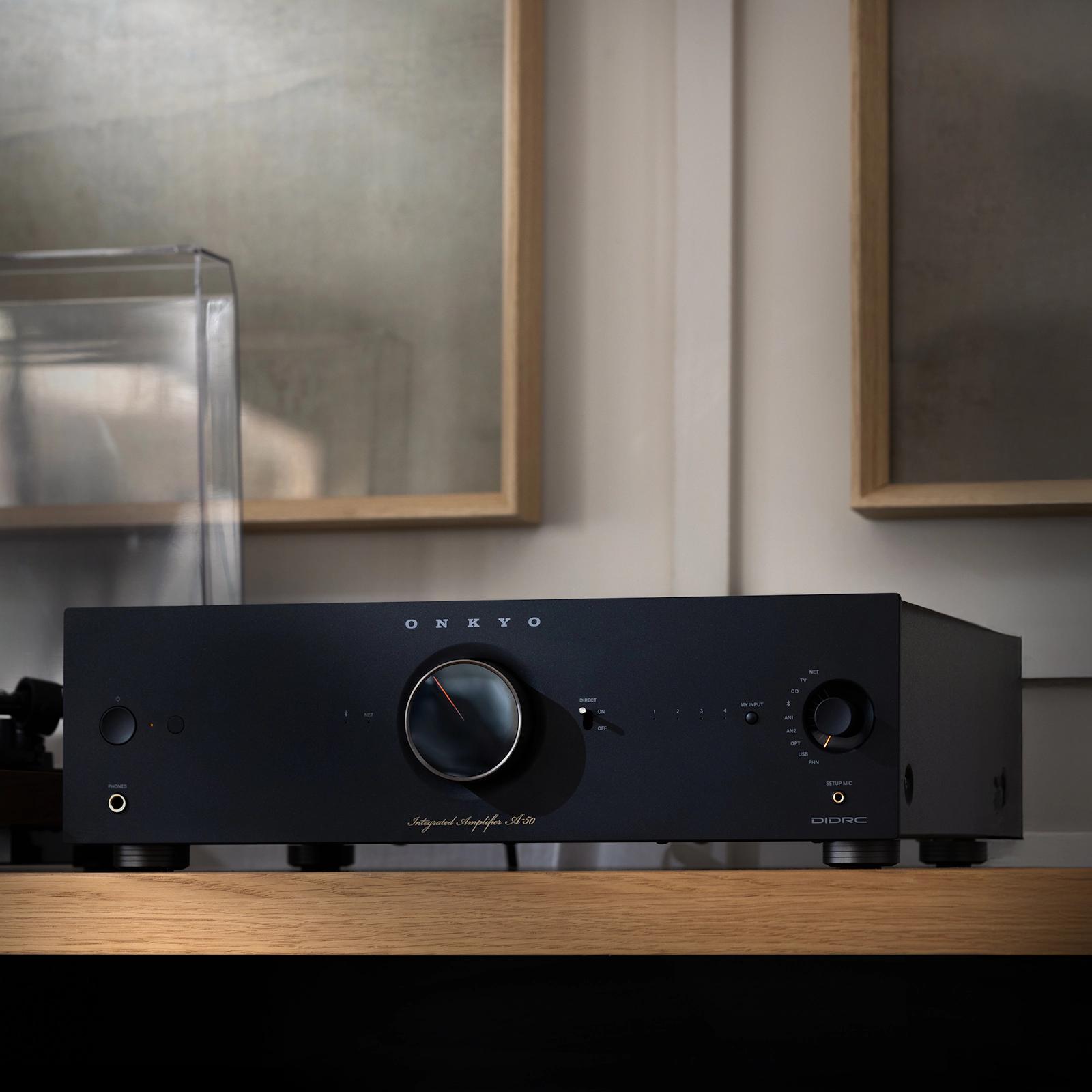
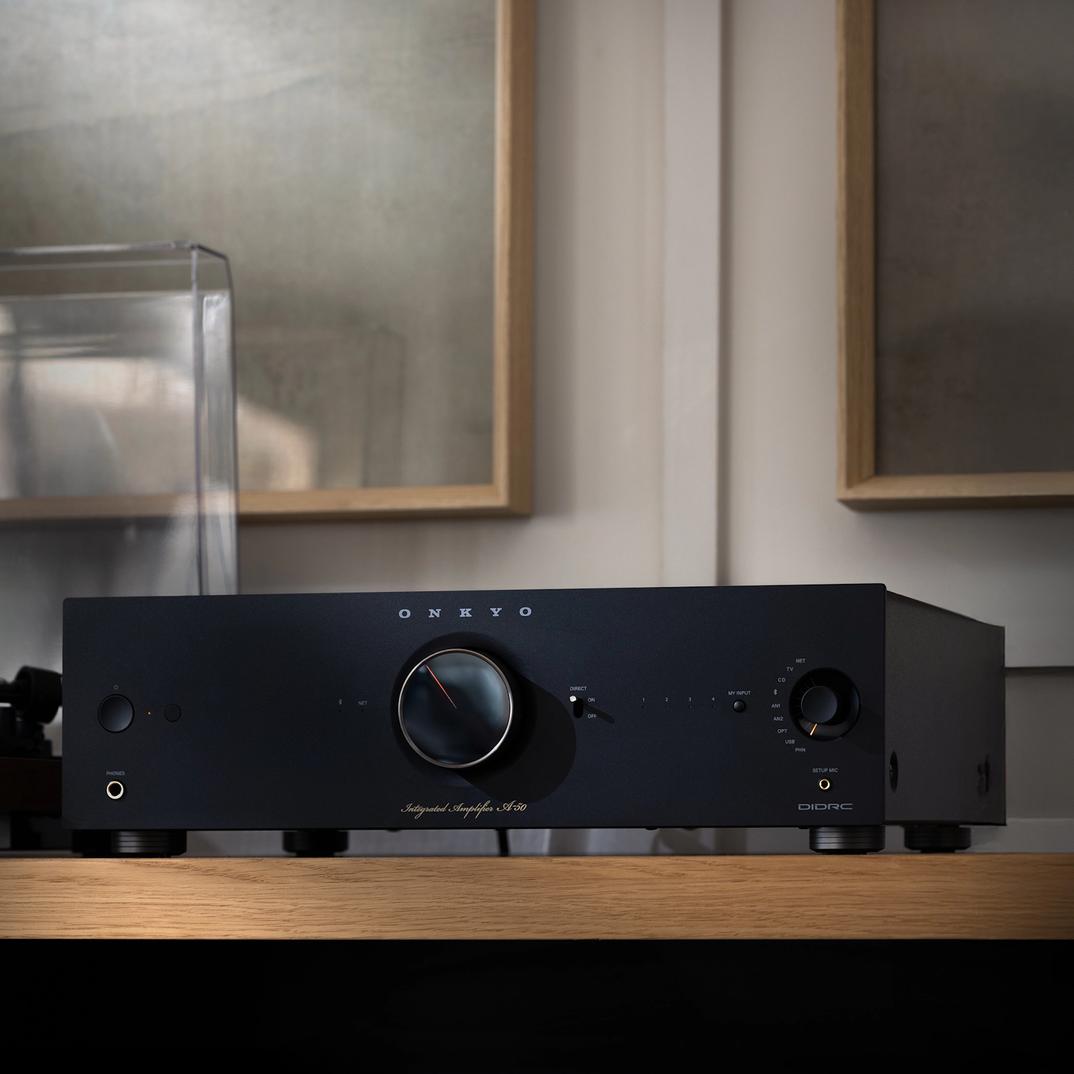
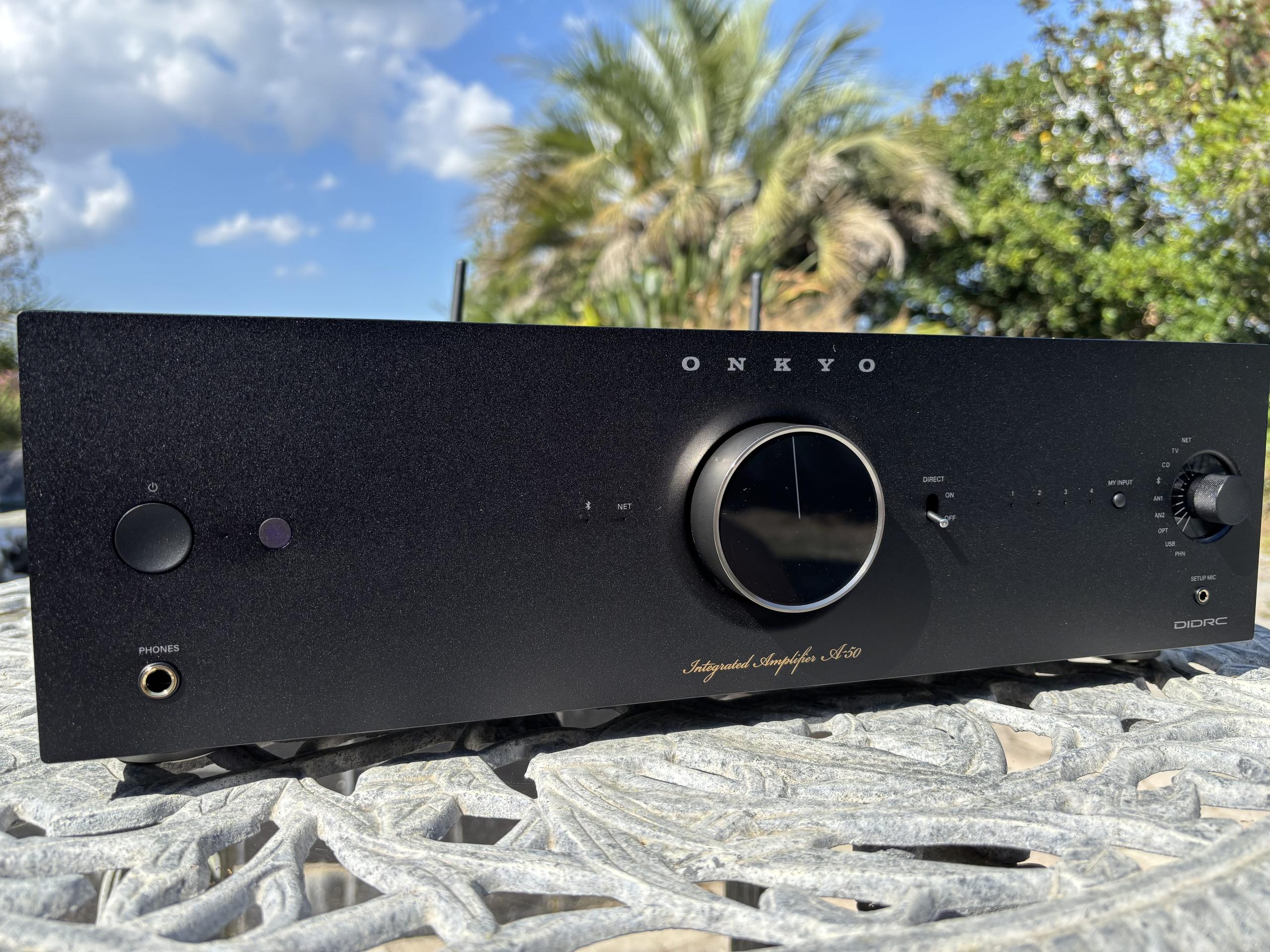
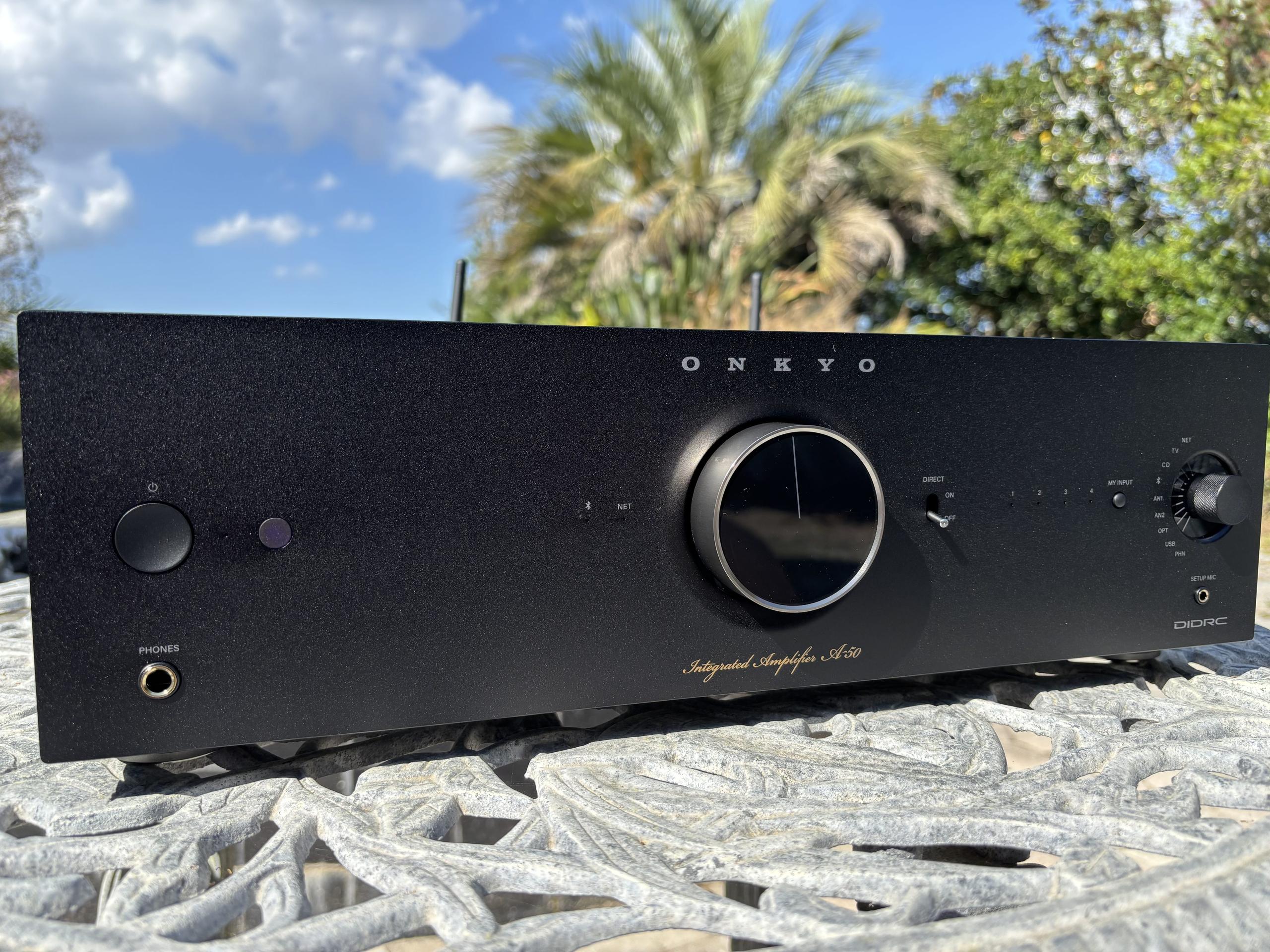
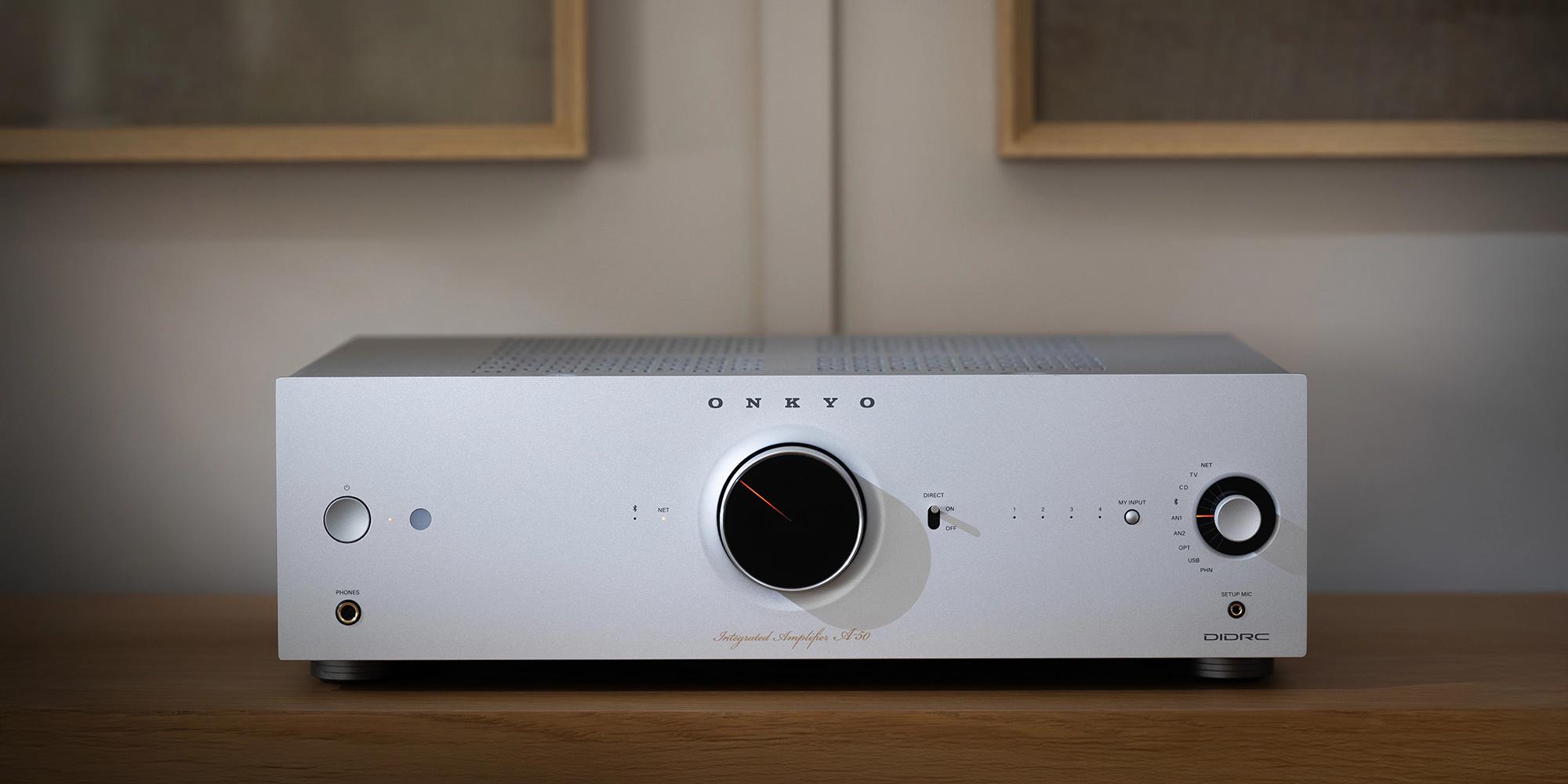
First impressions are strong. The A-50 has that classic integrated amp look that a certain type of audio enthusiast will immediately respond to: clean faceplate, large machined knobs, a chassis with some real weight behind it. It looks like something designed to sit in a proper hi-fi rack for the next twenty years rather than get cycled out in two. There's no flashy display, no busy layout crammed with buttons — just a well-proportioned piece of gear that knows what it is and doesn't try to be anything else.

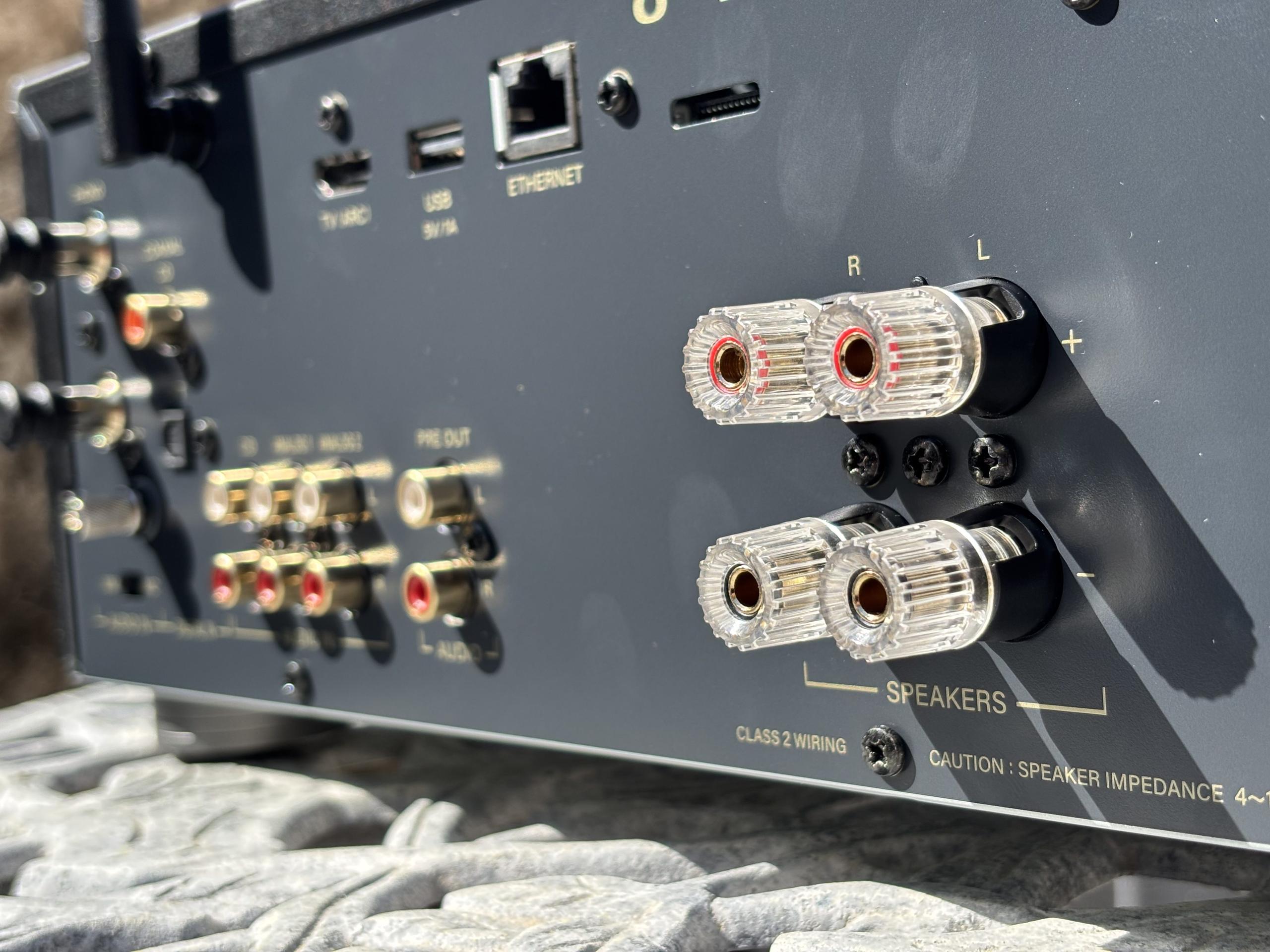
The build quality of the chassis itself is genuinely solid. Pick it up and you feel it. Set it down on a shelf and there's a satisfying thunk rather than the hollow rattle you sometimes get from lighter equipment. The rear panel is well laid out, with inputs and outputs sensibly grouped and clearly labelled — something that sounds trivial until you've wrestled with the back of a poorly designed amp in a dark equipment cabinet.
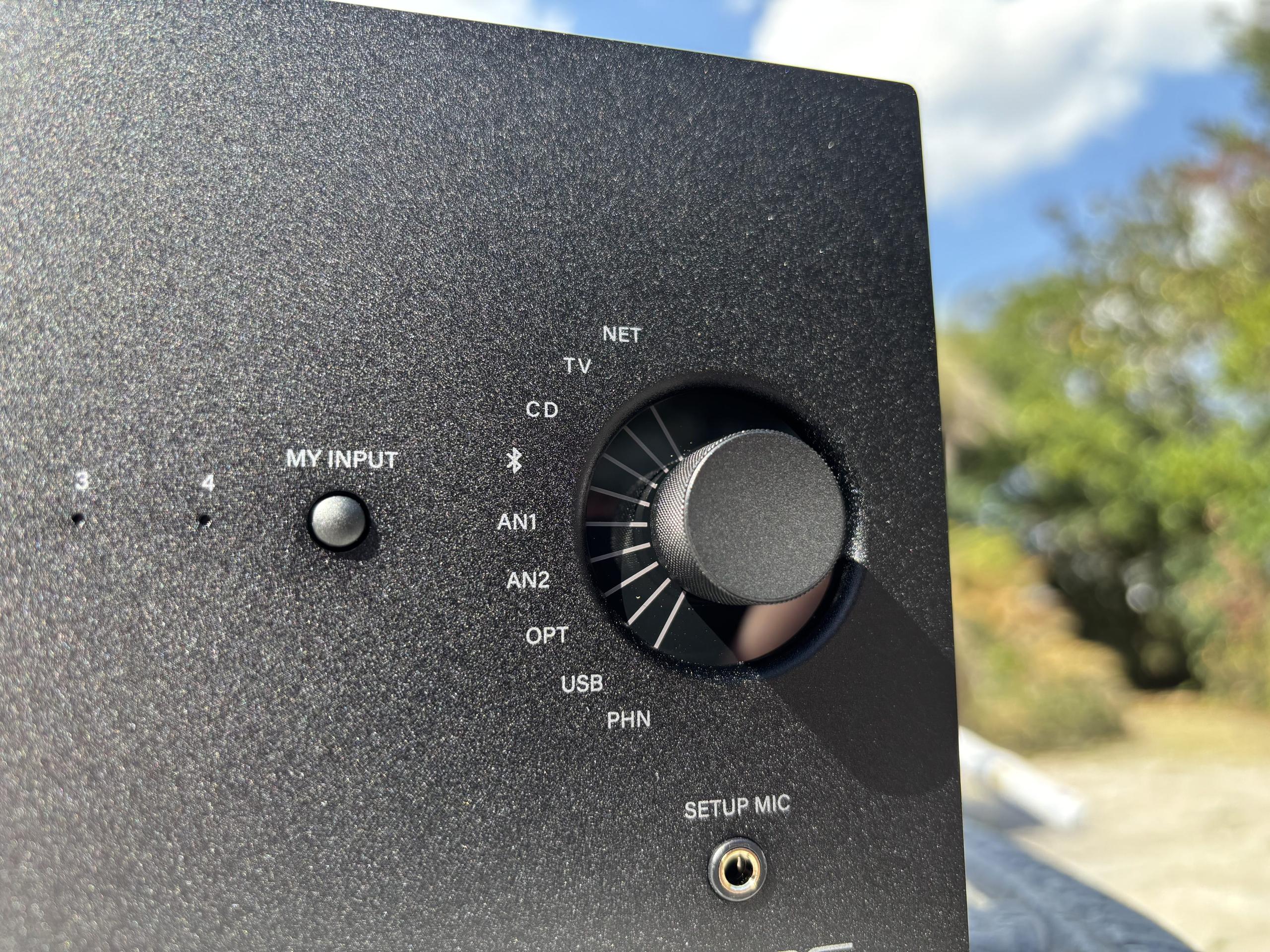
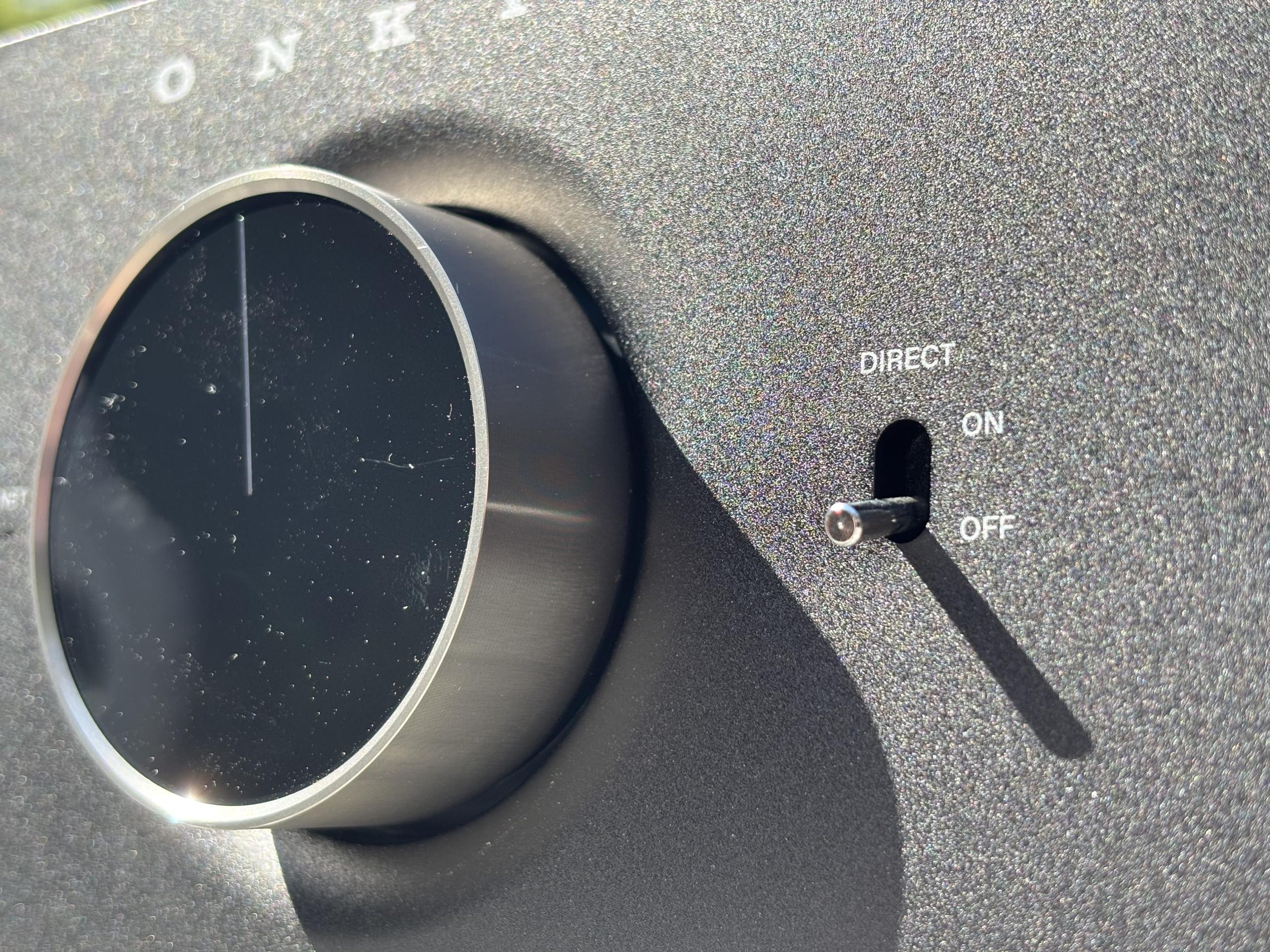
One gripe, though: the front knobs don't quite live up to the rest of the build. They look fine — they fit the aesthetic — but there's a slight looseness to them when you grab the volume control, a small amount of wobble that you don't really want to feel at this price point. It's not a dealbreaker and it won't affect anything sonically, but it's the kind of detail that nags at you when everything else about the physical build suggests a higher standard. Tighter tolerances on the control feel would've better matched the quality of the rest of the amplifier. It's a small thing, but it's the kind of small thing that sticks with you.
Power & Drive
Rated at 110 watts per channel into 8 ohms — with more headroom available into lower impedance loads — the A-50 looks respectable on paper. In practice, it feels even more capable than the spec sheet suggests, which is exactly how it should be.
Speakers respond with real authority. There's a sense of grip and control from the first note, a feeling that the amplifier has a firm handle on whatever you throw at it rather than being dragged along by the music. Dynamics come through cleanly — the kind of clean that lets a quiet passage feel genuinely quiet and a loud passage feel genuinely loud, rather than everything sitting at a compressed middle ground. Bass stays tight and controlled rather than loose and bloated, which matters especially on music with a lot of low-end energy. The midrange has real presence and body without pushing forward into the mix in a way that becomes fatiguing over long sessions.
Whatever you're driving — bookshelves, floorstanders, something with a tricky impedance curve — the A-50 handles it without drama. There's no sense of strain at high volume, no hardening of the treble under pressure, no moment where the amp lets you know it's struggling. The headroom is real, and it shows in how relaxed the presentation stays even when you push it.
This kind of effortless power is one of those qualities that's hard to fully appreciate until you've listened to an amp that lacks it. Once you've heard the difference between an amplifier that's working hard and one that isn't, it's difficult to go back.
Dirac Live Room Correction
The inclusion of Dirac Live room correction is one of the A-50's most surprising features — and, for a lot of buyers, it might end up being one of the most practically useful ones. Dirac is usually reserved for AV receivers and home theatre processors. Finding it in a stereo integrated at this price is genuinely unusual.
What Dirac does, at its core, is measure the acoustic behaviour of your listening room using a microphone and a series of test tones, and then apply corrections to the frequency response to compensate for the problems it finds. This matters more than it might sound. Every room adds its own signature to the sound — bass modes caused by parallel walls, comb filtering from early reflections, peaks and dips created by the specific dimensions of the space. In a dedicated listening room with careful acoustic treatment, you might not need much correction. In the kind of real living spaces most of us actually use — rooms with furniture, hard floors, windows, open doorways — the problems can be significant, and no amount of speaker positioning fully solves them.
Dirac doesn't fix everything, and it's not a substitute for good speaker placement or decent room treatment where that's possible. But for listeners who don't want to spend weeks experimenting with positioning, or who are working with a room that simply doesn't allow for the ideal setup, it provides a meaningful improvement in tonal balance and coherence. The low end in particular tends to clean up noticeably after a Dirac calibration in a room with bass issues. Voices become more focused. The overall presentation sits more naturally in the space rather than fighting the room.
The calibration process itself requires a bit of patience — you'll need a compatible microphone and some time to work through the measurement routine — but it's well documented and the results are worth the effort.
Connectivity
This is where the A-50 makes its case as a genuinely modern amplifier rather than just a competent throwback. The connectivity list is comprehensive enough that this amp can realistically serve as the single hub for an entire music system — no separate DAC, no separate streaming device, no additional switching needed.
On the network side: Wi-Fi and Ethernet streaming, Bluetooth, Apple AirPlay 2, Chromecast built-in, and Roon readiness. AirPlay 2 and Chromecast cover the vast majority of streaming services without any additional hardware, and Roon readiness is a genuine bonus for anyone already in that ecosystem or considering moving to it. Bluetooth is there for convenience and works reliably, though most serious listening will happen over the network connection.
Physical inputs are equally well covered: multiple analog RCA inputs, optical and coaxial digital inputs, USB playback from a drive, a built-in phono stage for turntables, a headphone output, and pre-outs for adding a subwoofer or upgrading to a separate power amp down the line. HDMI ARC handles TV integration, which means the A-50 can pull double duty as the audio hub for a living room system without any awkward workarounds.
Put it all together and this amp can handle vinyl, streaming, TV audio, digital sources, and headphone listening — all from one box, all managed through a single volume control. For a lot of people, that genuinely eliminates the need for anything else in the signal chain.
One caveat worth mentioning: the initial setup takes time. Between configuring the network connection, running the Dirac calibration, and getting the streaming services set up the way you want, it's not a plug-in-and-play experience in the way a simple analog amp is. Plan for an afternoon, not twenty minutes. It's worth it, but it's worth knowing going in.
Sound Quality
The A-50 has a clean, balanced character that prioritises honesty over flattery. It doesn't add warmth, it doesn't soften edges, it doesn't try to make everything sound euphonic and smooth. What it does is get out of the way and let the recording speak for itself — which is exactly the right approach at this price point, and exactly what distinguishes a serious amplifier from one that's papering over limitations with a pleasant tonal signature.
Dynamics are one of its genuine strengths. The amp responds quickly to transients — the attack of a drum hit, the leading edge of a piano note, the sudden shift from a quiet verse to a loud chorus — in a way that gives music a sense of energy and momentum. This is related to the power and headroom discussed earlier, but it's also about the quality of the amplification itself. There's a liveliness to the presentation that keeps you engaged rather than letting attention drift.
The low frequencies deserve specific mention. Bass is controlled and articulate, with good texture and definition rather than just weight. The difference between a bass guitar and a kick drum remains clear. Low-end detail doesn't get smeared into a general sense of rumble. This quality becomes even more apparent with the Dirac correction engaged in a room with bass issues — the combination of a well-controlled amplifier and proper room correction is considerably better than either alone.
The midrange is natural and open. Vocals sit comfortably in the mix without sounding pushed forward or recessed. Acoustic instruments have the right kind of body — enough presence to feel real, without any added thickness that starts to sound like a colouration. Treble is extended and clear without any obvious hardness or grain, though it's worth noting that the A-50 rewards good-quality source material. If your recordings are bright or compressed, this amp will show you that clearly rather than hiding it.
Soundstage is good rather than exceptional — wide and reasonably deep with well-recorded material, presenting a believable stereo image that places instruments with decent specificity. It doesn't do anything particularly exotic in this area, but it's honest and consistent, and that's more valuable in the long run than a soundstage that impresses on audiophile recordings and disappoints on everything else.
Verdict
The Onkyo A-50 is a well-rounded, genuinely capable integrated amplifier that succeeds at something harder than it looks: combining real hi-fi performance with the kind of modern convenience that makes everyday use effortless. It has the power and drive of traditional stereo gear, the sonic honesty to make that power mean something, and enough connectivity to anchor a complete music system without compromise.
The front knob feel is a persistent minor irritation, and the setup process asks more of you upfront than a simple analog amp would. Neither of these is a meaningful problem in the long run — but both are worth knowing about before you buy.
For anyone looking for a single box that handles streaming, vinyl, TV audio, and serious two-channel listening without asking you to make significant sacrifices in any direction, the A-50 is one of the most complete answers currently available at this price. It's the kind of amplifier that stops you thinking about the next upgrade and starts you thinking about the music instead. At $1,500, that's about the best thing you can say about it.
For advertising please contact the editor at [email protected]


Privacy Policy
Terms and Conditions - Affiliate Policy
Home Security
© Copyright 2008-2026.
11816 Inwood Rd #1211, Dallas, TX 75244