

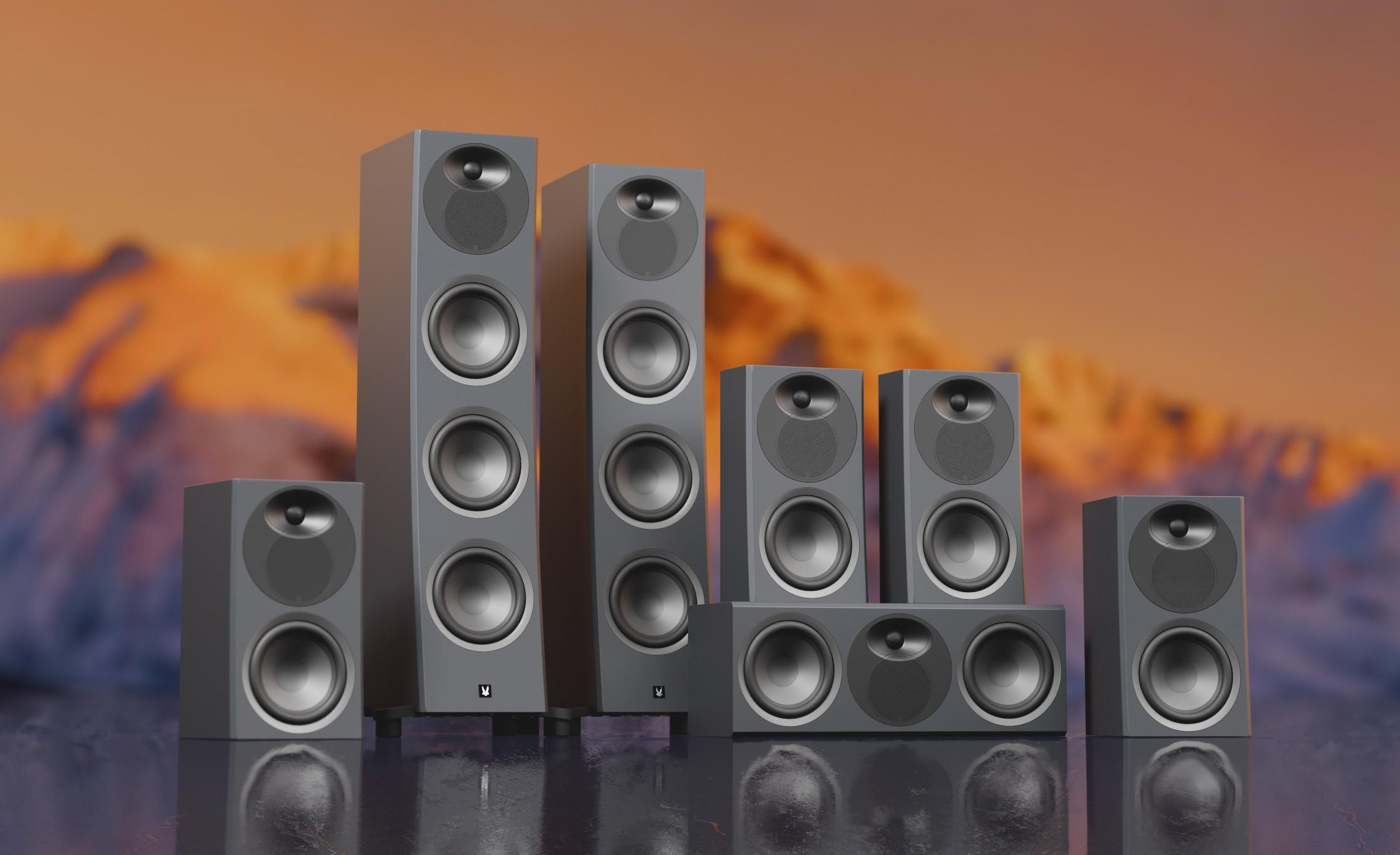
If you’ve been following the Norwegian speaker brand Arendal Sound, you probably know the company for its flagship 1528 series, big designs, big engineering, and big expectations around room setup. The new 1610 Series takes a different angle. Instead of trying to shrink the flagship experience into a budget product, Arendal is trying to make something more practical: speakers that carry over the core ideas from the top-tier line but are easier to fit into real-world rooms and real-world budgets.
The result is a four-model lineup built around the same engineering mindset as the 1528 range, but with scaled-down size, pricing, and placement demands. If you’re someone who wants strong performance without building a dedicated theater or rearranging an entire living room, this new series is clearly designed with you in mind.

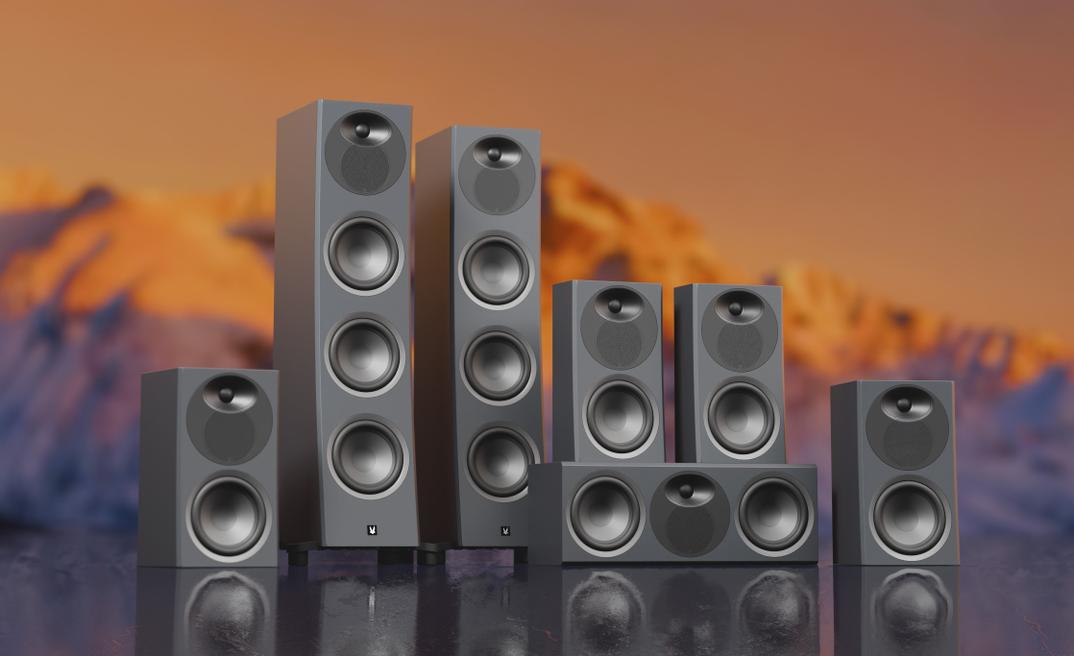
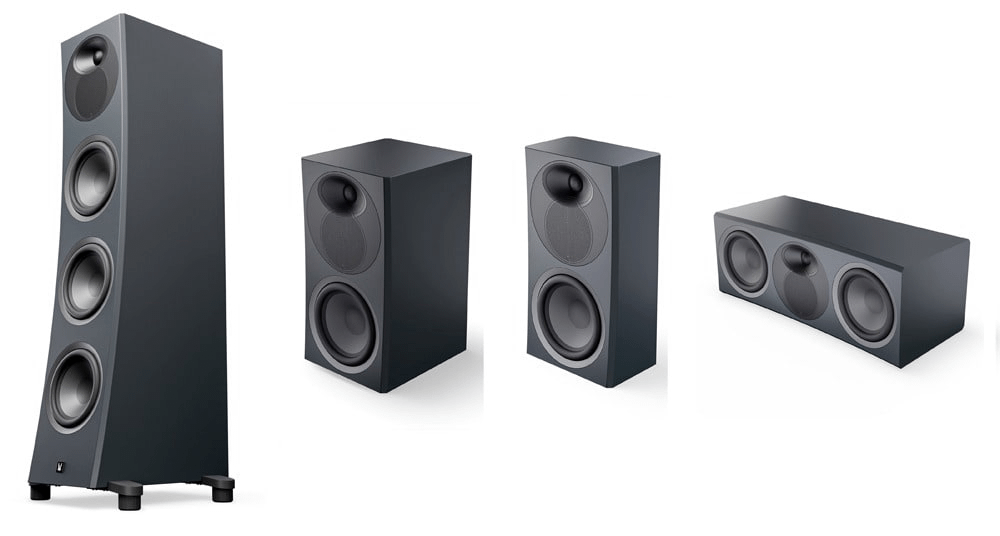
The 1610 Series consists of four three-way speakers:
Everything in the lineup uses a similar driver arrangement, with the main differences coming from cabinet size and the number of woofers. The goal isn’t just to offer scaled versions of the same concept, but to let you build a full system, whether that’s a stereo pair or a home theater, while keeping a consistent sound signature across the board.
The Towers are the heavy hitters of the group, designed to cover full-range listening on their own. The Bookshelf 8 shrinks the concept into a stand-mount speaker that’s easier to place in smaller or medium-sized rooms. The Slim 8 is specifically made for on-wall or close-to-wall installations, something that’s become a necessity in modern living spaces. And the Center 8 locks it all together for home theater use.

Arendal didn’t start from scratch here. Much of the 1610 Series is adapted directly from the flagship 1528 models, including:
In other words, the 1610 lineup carries over the design philosophy of the 1528 series, controlled dispersion, consistency across seating positions, and stable performance even when placement isn’t ideal, but in more manageable packages.
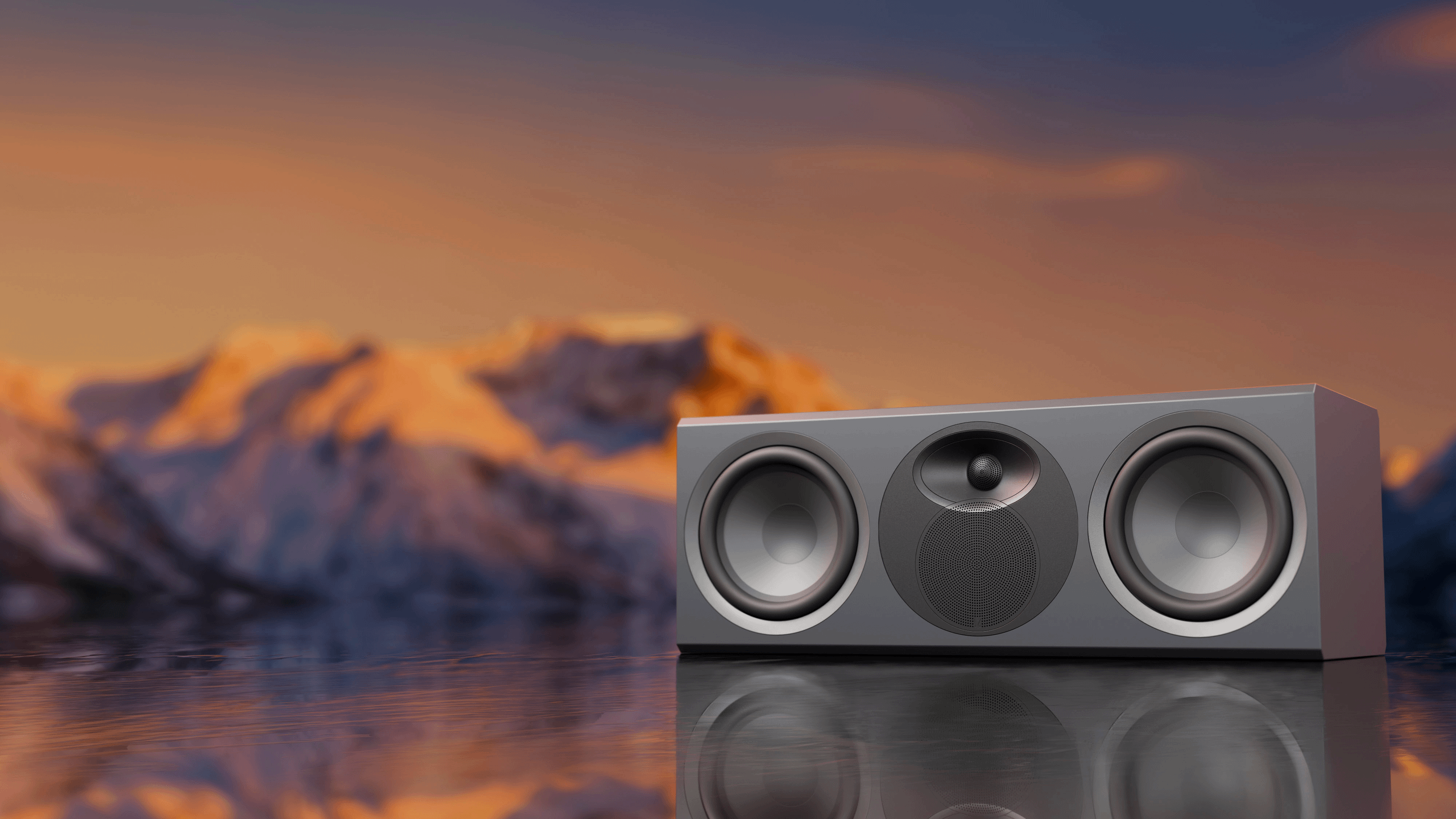
All four speakers share the same tweeter and midrange section, which is part of Arendal’s goal of keeping voicing consistent across the lineup.
At the top is a 28 mm aluminum-magnesium tweeter. The tweeter sits inside a specially shaped waveguide that helps manage dispersion and integrate more smoothly with the midrange driver. This is meant to maintain clarity while keeping high-frequency energy directed toward the listening position rather than diffusing unpredictably around the room.
Below it is a 5-inch carbon-fiber midrange driver (or 12.7 cm in metric terms). This driver handles the frequency range where most musical detail and vocal content lives. Its lightweight, rigid cone is designed to remain controlled at higher volumes while staying clean and natural-sounding through the crossover region.
Low-frequency duties fall to 8-inch aluminum woofers, though the number varies:
Arendal’s goal here is output and control without relying on oversized cabinets. The woofers use a ribbed surround structure, which is designed to maintain stability during big excursions and reduce mechanical noise.
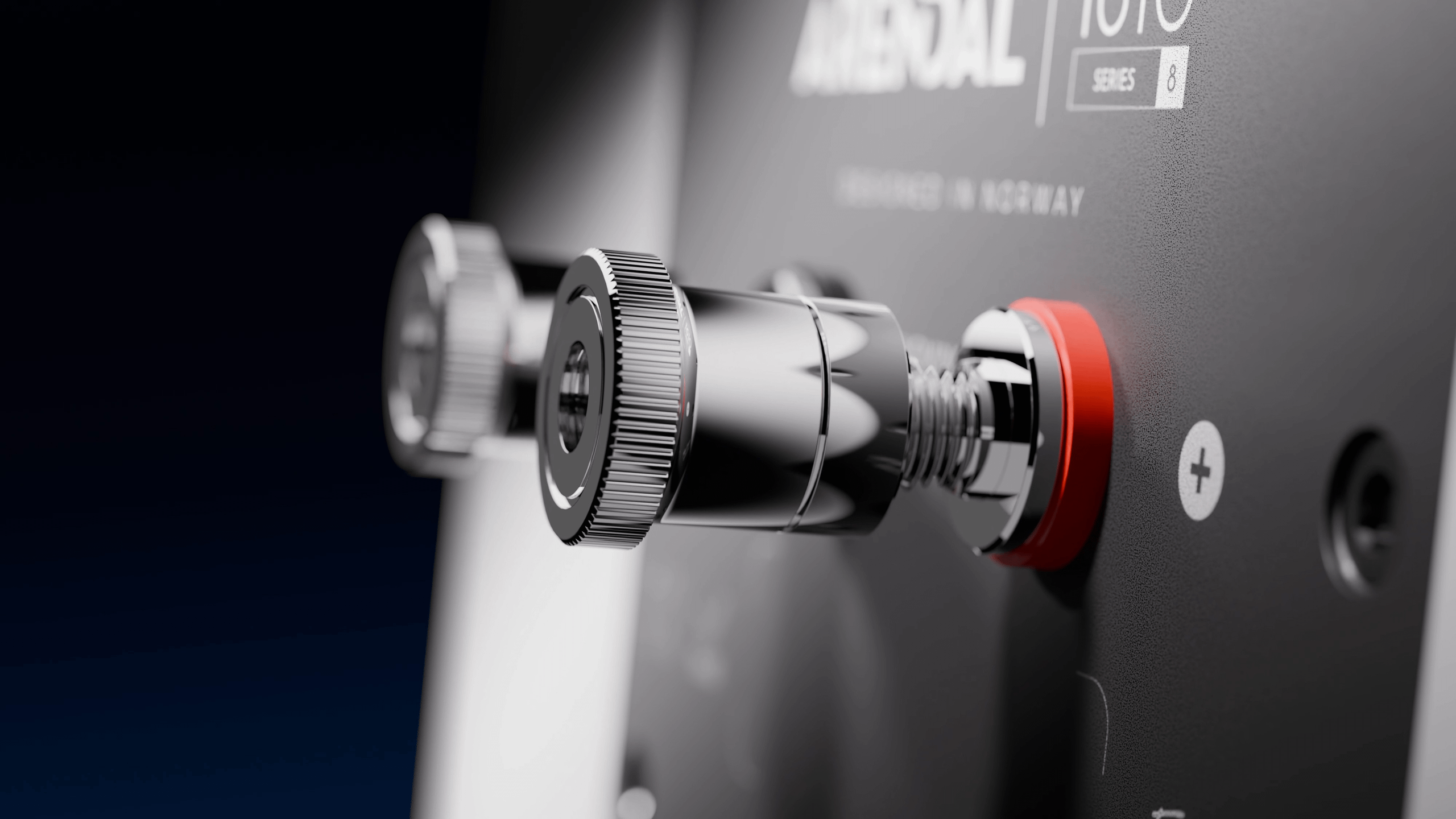
The cabinets use high-density HDF rather than typical MDF, and the front baffle is unusually thick at 46 mm (1.8 inches). Internally, Arendal uses extensive bracing and damping to reduce resonance. Bass-reflex ports are tuned to manage airflow smoothly, reducing turbulence or “chuffing.”
“Since we launched 1528, many of our customers have asked us for the same confidence, build quality, and sound philosophy in a more approachable system,” says Jan Ove Lassesen, the founder of Arendal Sound, in the company’s press release. “With 1610, we’re deliberately moving the reference point, Lassesen continues. “This is high-end sound built for customers who expect real value for their money – not inflated pricing justified by marketing narratives or tradition.”
Even though this series is positioned below the 1528 range, it isn’t designed as a lightweight alternative. Arendal appears to be chasing stability and predictability across different room types, rather than sheer size or brute-force output.
Most people don’t have symmetrical rooms, ideal placement options, or the freedom to pull speakers three feet into the room like a showroom demo. Arendal’s approach with the 1610 Series seems to acknowledge this.
Controlled directivity from the waveguides, time-aligned drivers, and a tightly integrated tweeter-midrange module are all meant to create a more consistent listening experience, even when the environment isn’t acoustically ideal. Whether you place them near a wall, in a mixed-use living room, or in a dedicated cinema, the goal is predictable behavior.
All four models are available in two finishes:
They’re available for order now, with delivery beginning in early March depending on region.
Related Reading:




Privacy Policy
Terms and Conditions - Affiliate Policy
Home Security
© Copyright 2008-2026.
11816 Inwood Rd #1211, Dallas, TX 75244