


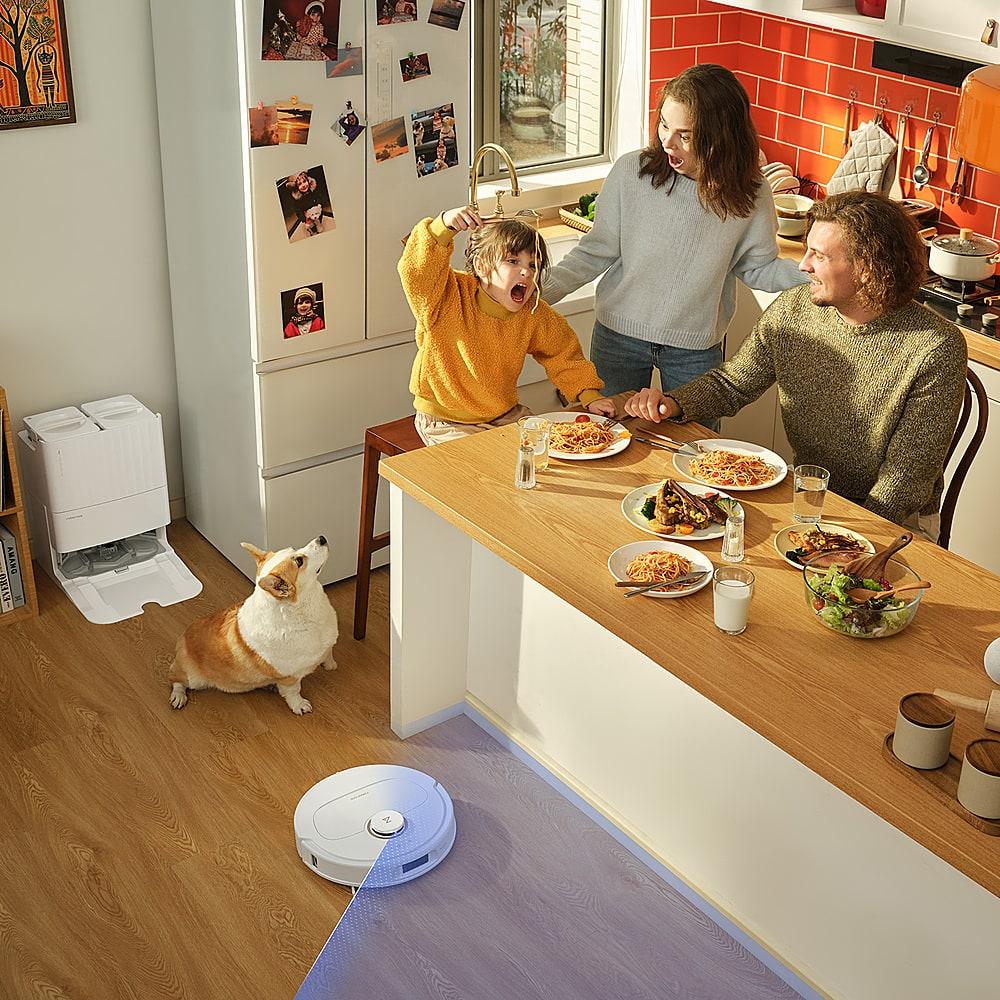
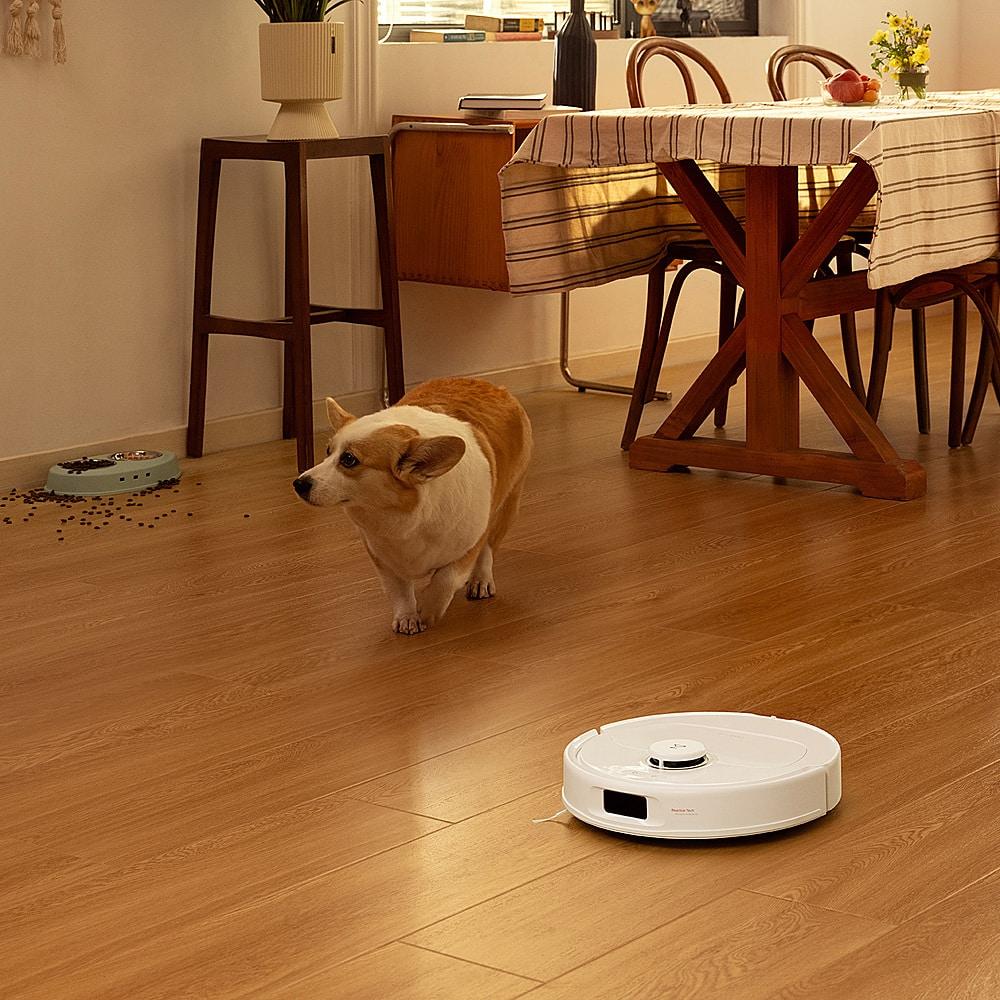
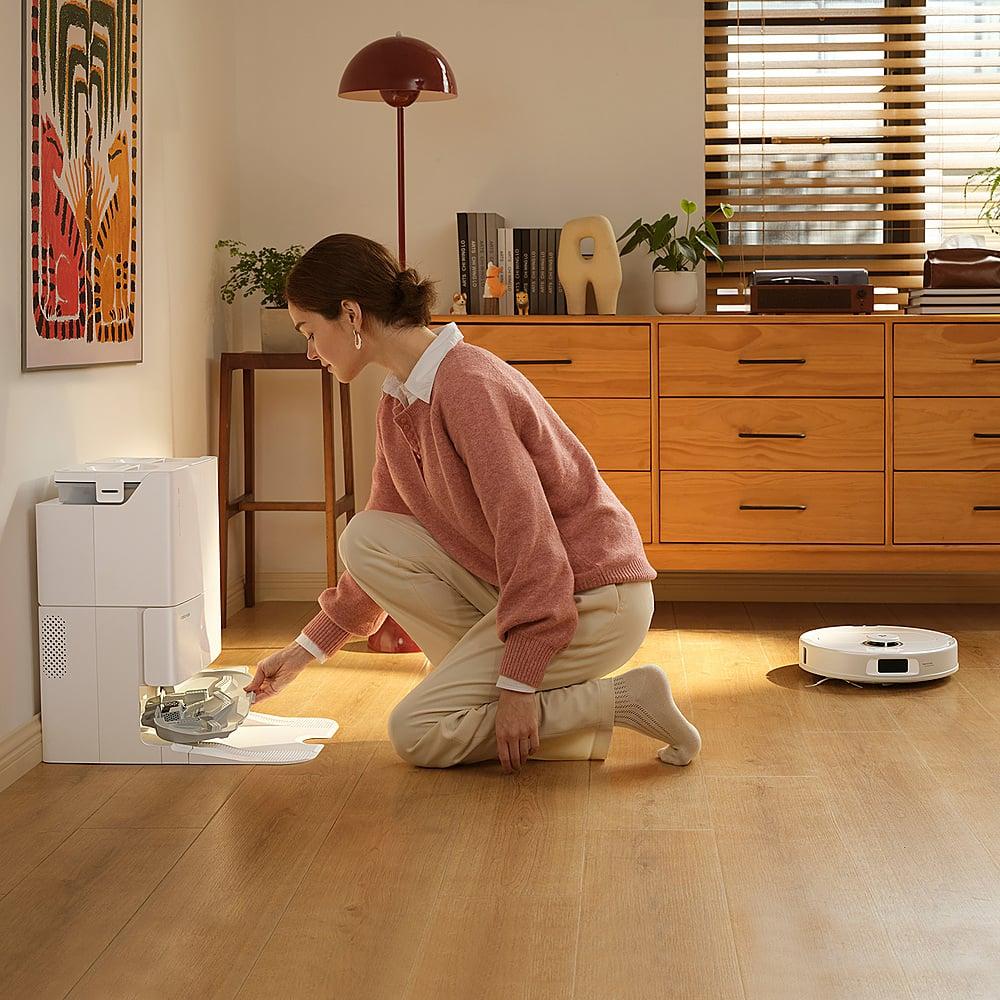
Robot vacuums have transformed from novelty gadgets into essential home appliances, and choosing the right one can feel overwhelming. Roborock has positioned two compelling options at opposite ends of their lineup: the flagship Saros 10 launched in 2025, and the mid-tier Qrevo Pro from 2024. At the time of writing, these models are separated by over $1,000 in price—a gap that raises important questions about which features truly matter for your home.
The robot vacuum market has evolved dramatically since the first Roomba stumbled around floors in 2002. Today's models use laser navigation systems (called LiDAR), AI-powered obstacle avoidance, and sophisticated docking stations that handle everything from emptying dust bins to washing mop pads with hot water. The key is understanding which of these advances actually improve your daily life versus those that simply sound impressive in marketing materials.
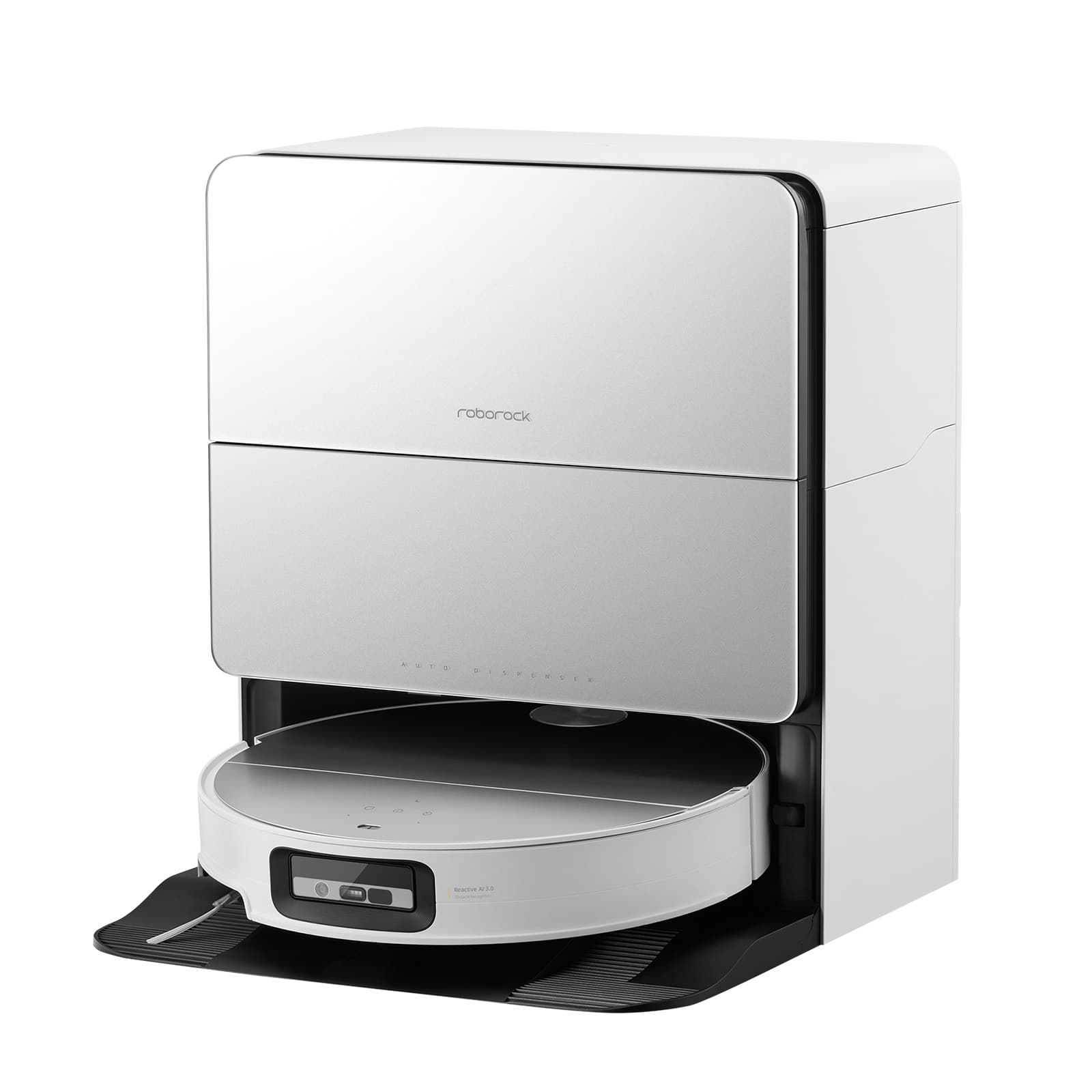
The Saros 10 represents Roborock's premium flagship tier, packed with cutting-edge innovations that debuted in 2025. Think of it as the iPhone Pro Max of robot vacuums—it showcases the latest technology regardless of cost. The Qrevo Pro, released in 2024, sits in the upper mid-range category, focusing on proven performance at a more accessible price point.
This positioning matters because robot vacuum technology has reached a maturity point where mid-tier models can handle most households' needs effectively. The question becomes whether flagship innovations solve real problems or simply represent expensive engineering showcases. Based on our research into user experiences and expert reviews, the answer depends heavily on your specific home environment and cleaning challenges.
The price gap between these models reflects different philosophies: the Saros 10 prioritizes breakthrough features that may become mainstream in future years, while the Qrevo Pro delivers refined versions of established technologies that have proven their worth in real-world use.
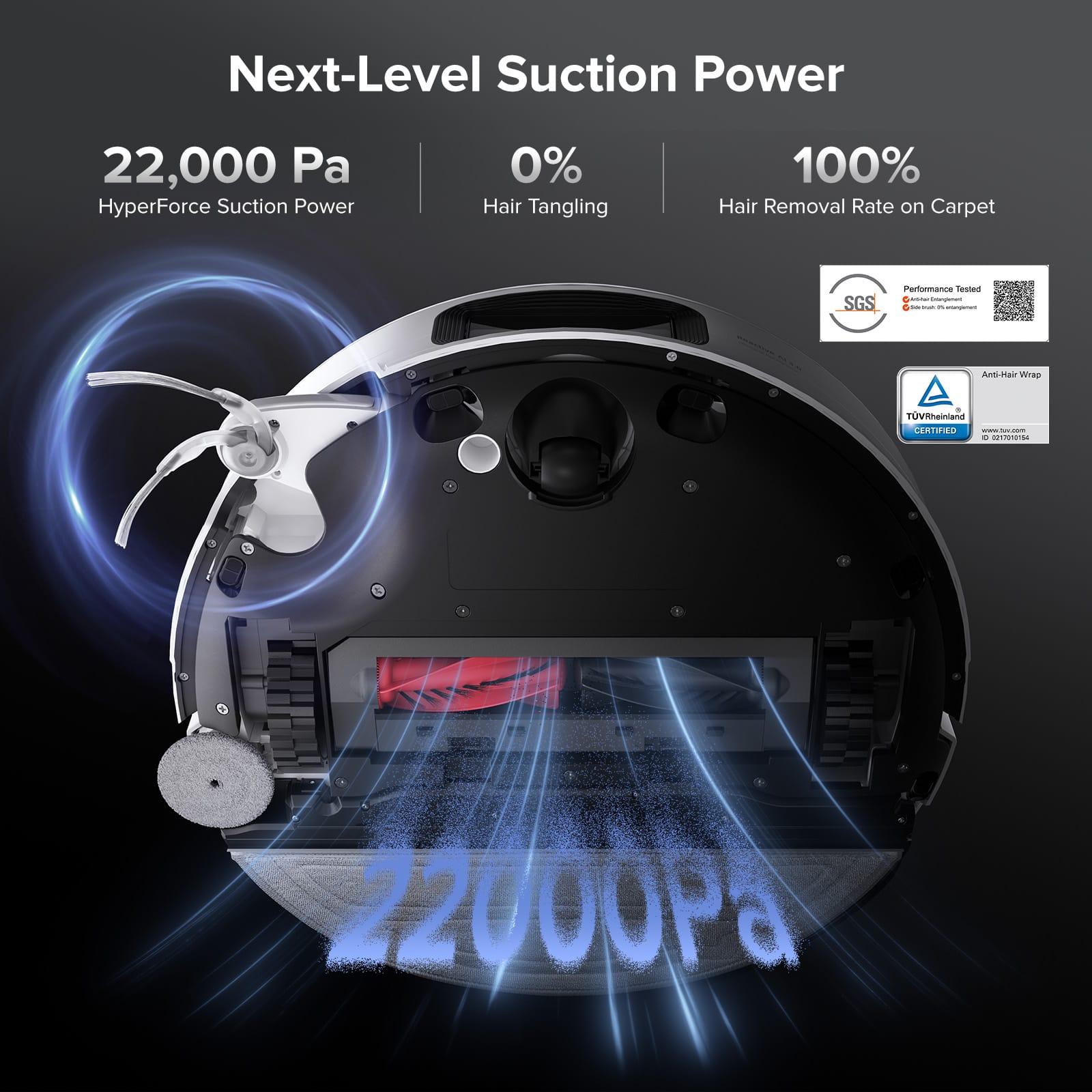
The most dramatic difference between these models lies in raw cleaning power. The Saros 10 delivers an impressive 22,000 Pa of suction—that's the measurement of how forcefully the vacuum pulls air through its system. To put this in perspective, the Qrevo Pro generates 7,000 Pa, which means the Saros 10 produces over three times the suction force.
Pa stands for Pascals, a unit measuring pressure. Higher Pa numbers mean the vacuum can pull debris out of carpet fibers more effectively and capture fine dust that lesser models leave behind. From our analysis of user feedback, this difference becomes most apparent on medium to high-pile carpets, where embedded pet hair and ground-in dirt require serious pulling power to extract.
However, suction power alone doesn't tell the complete story. The Qrevo Pro's 7,000 Pa remains more than adequate for hard floors and low-pile carpets—the surfaces that dominate most modern homes. Where the Saros 10's superior suction truly shines is in challenging scenarios: thick area rugs, homes with multiple shedding pets, or households where family members track in significant outdoor debris.
The real-world impact extends beyond just picking up visible dirt. Higher suction power means better allergen removal, which matters for families dealing with asthma or allergies. The Saros 10's ability to pull microscopic particles from deep within carpet fibers could genuinely improve indoor air quality over time.
Both models use LiDAR navigation—essentially a spinning laser that maps your home by measuring distances to walls and furniture. However, the Saros 10 introduces several innovations that represent the next generation of robot navigation technology.
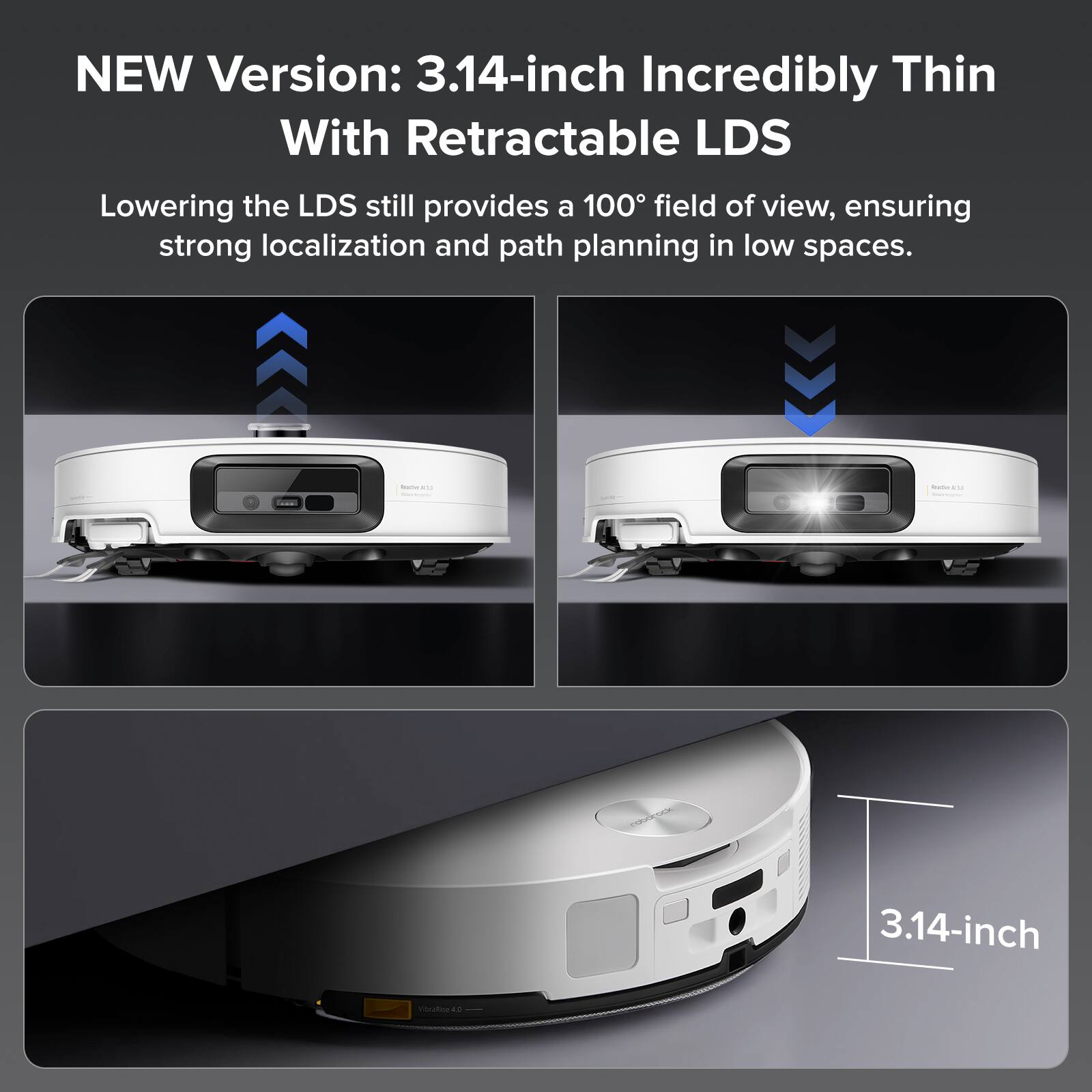
The standout feature is RetractSense Navigation, where the LiDAR turret actually retracts into the robot's body when encountering low-clearance situations. This might sound like a minor detail, but it enables the robot to clean under furniture that would completely block other models. When the turret retracts, the robot switches to alternative sensors, including a wide-angle vision module and upward-facing distance sensor, to maintain mapping accuracy.
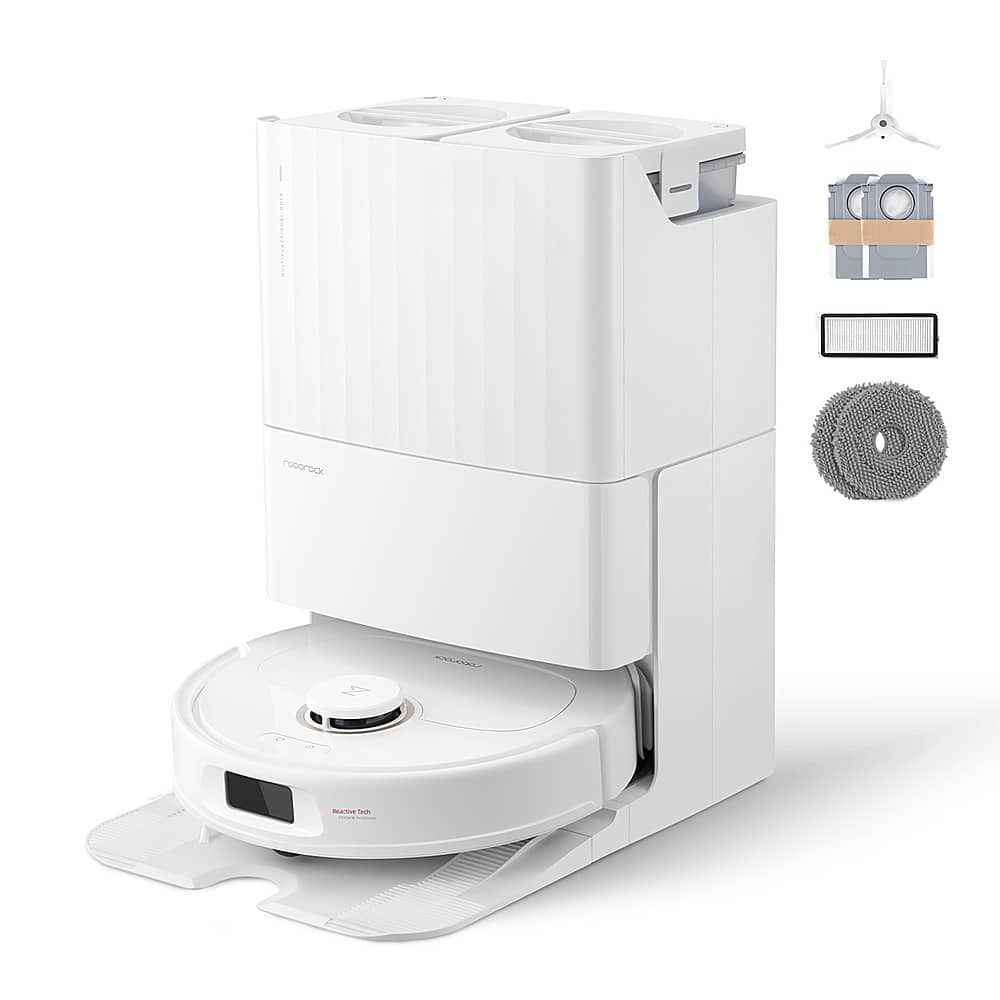
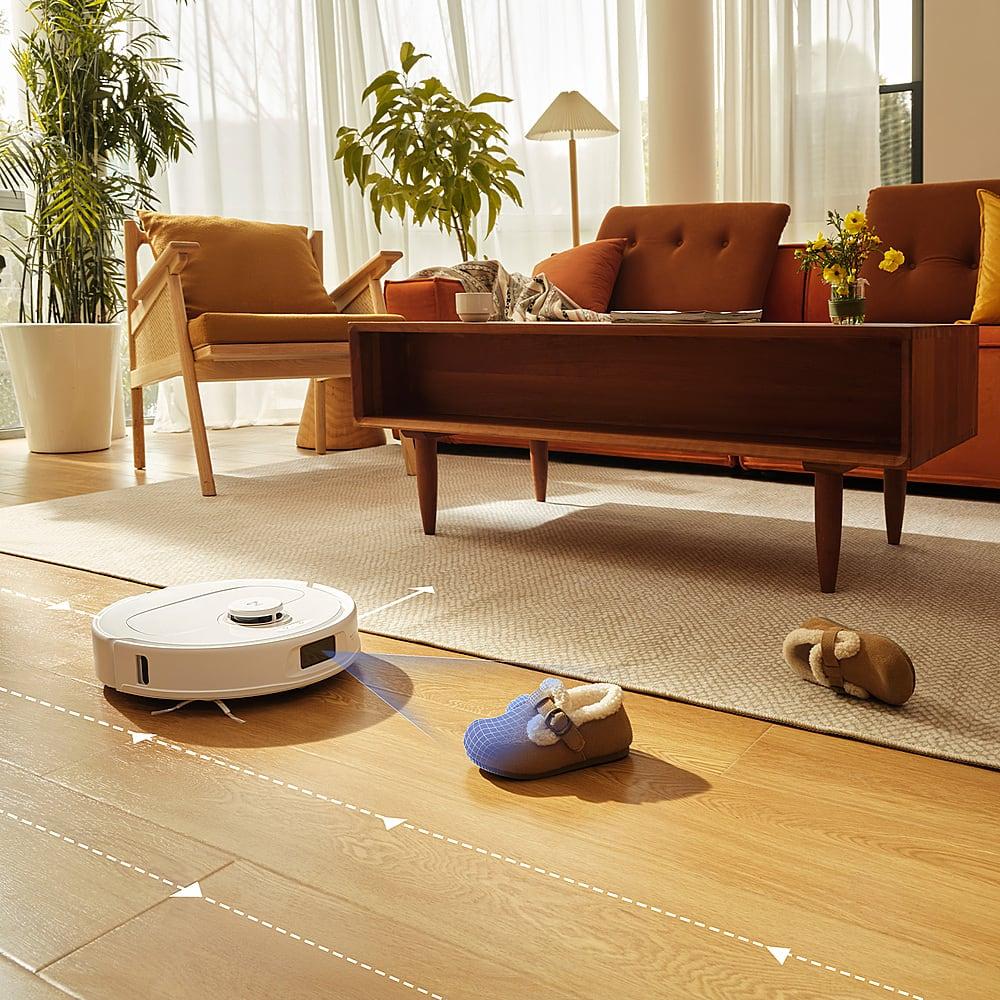
The Qrevo Pro uses more traditional LiDAR navigation with Reactive Tech obstacle avoidance. This system works well for standard navigation but lacks the sophisticated sensor array of the Saros 10. Based on user reports we've analyzed, the Qrevo Pro occasionally struggles with small objects on carpets and has been noted for below-average obstacle avoidance compared to premium competitors.
For home theater enthusiasts, navigation precision becomes particularly important. The Saros 10's advanced sensors excel at detecting and avoiding cable runs, speaker stands, and the complex furniture arrangements common in dedicated media rooms. Its VertiBeam lateral structured light system can identify objects that traditional forward-facing sensors might miss, reducing the risk of tangling in audio cables or bumping into expensive equipment.
The Saros 10 also introduces Reactive AI 3.0, which combines multiple sensor types to identify specific objects and determine the best approach for cleaning around them. This AI-powered recognition goes beyond simple obstacle avoidance—it actually understands what it's encountering and adjusts behavior accordingly.
Here's where the Saros 10 delivers perhaps its most practical advantage: at just 3.14 inches tall, it's significantly shorter than the Qrevo Pro's standard 4-inch height. That difference of less than an inch might seem trivial, but it opens up entire areas of your home that remain untouched by taller robots.
Modern furniture design has trended toward lower profiles—platform beds, minimalist entertainment centers, and sleek sofas that sit closer to the floor. The Saros 10's ultra-thin design was specifically engineered to access these spaces. Combined with its retractable LiDAR system, it can squeeze into clearances that would trap other robots.
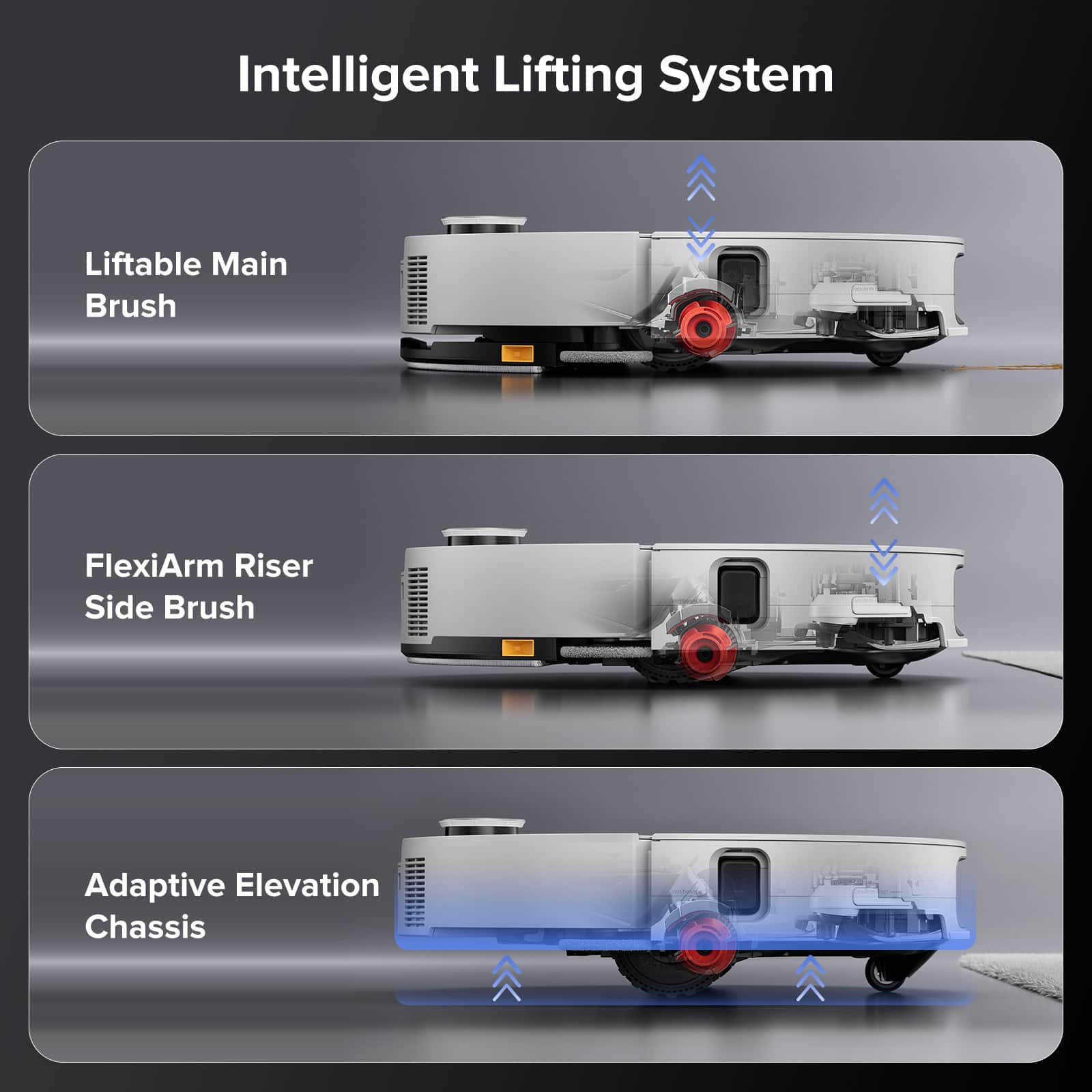
The robot also features an AdaptiLift chassis that can climb obstacles up to 1.57 inches high. This capability proves invaluable for homes with thick area rugs, raised thresholds between rooms, or transition strips between different flooring types. The Qrevo Pro handles standard transitions adequately but lacks this enhanced climbing ability.
Weight distribution also differs significantly between the models. The Saros 10 weighs about 5 kg compared to the Qrevo Pro's 3.79 kg. While this makes the Qrevo Pro easier to carry manually, the Saros 10's additional weight helps it maintain better traction on carpets and provides more downward pressure for effective mopping.
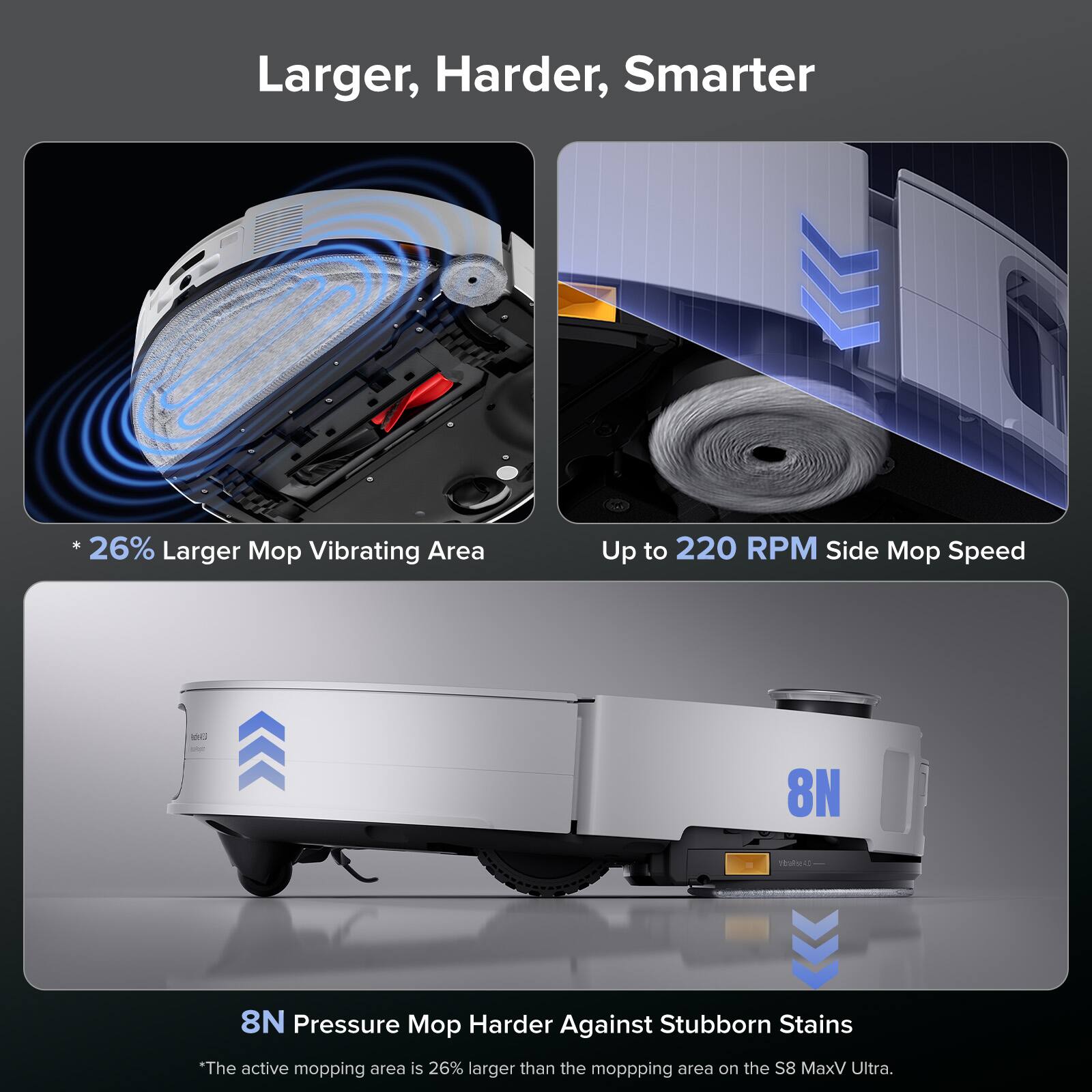
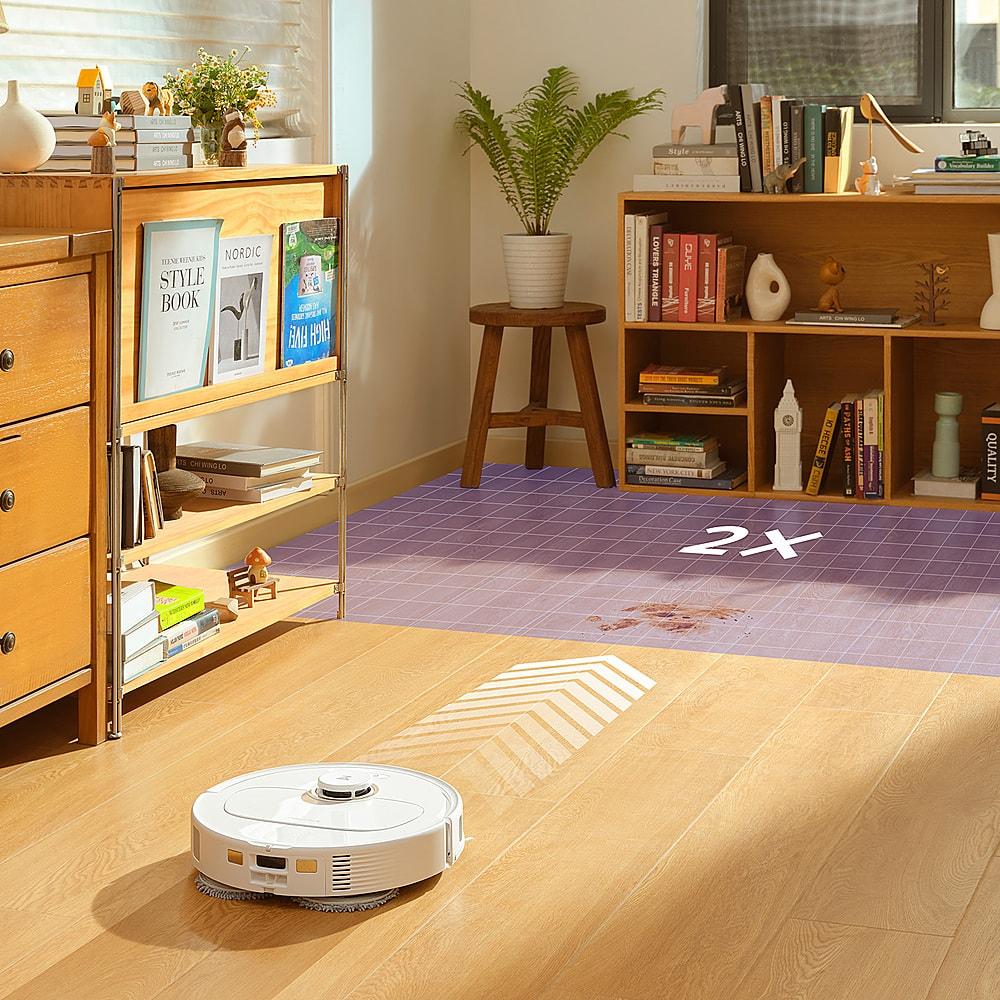
Both robots handle mopping, but they use fundamentally different approaches that suit different cleaning styles. The Saros 10 employs the VibraRise 4.0 system, which uses sonic vibrations—up to 4,000 oscillations per minute—to scrub floors. This vibrating action, combined with 8N of downward pressure, excels at breaking up dried spills and stubborn stains that require aggressive scrubbing.
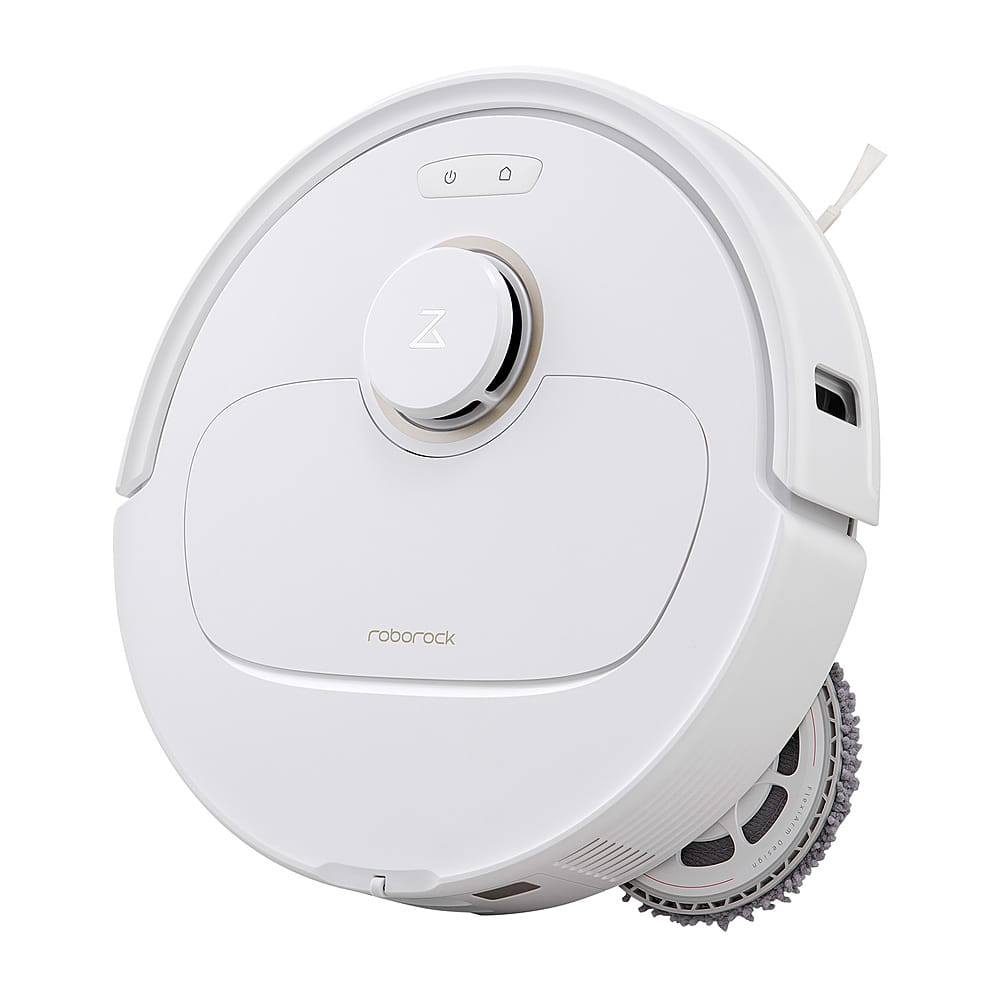
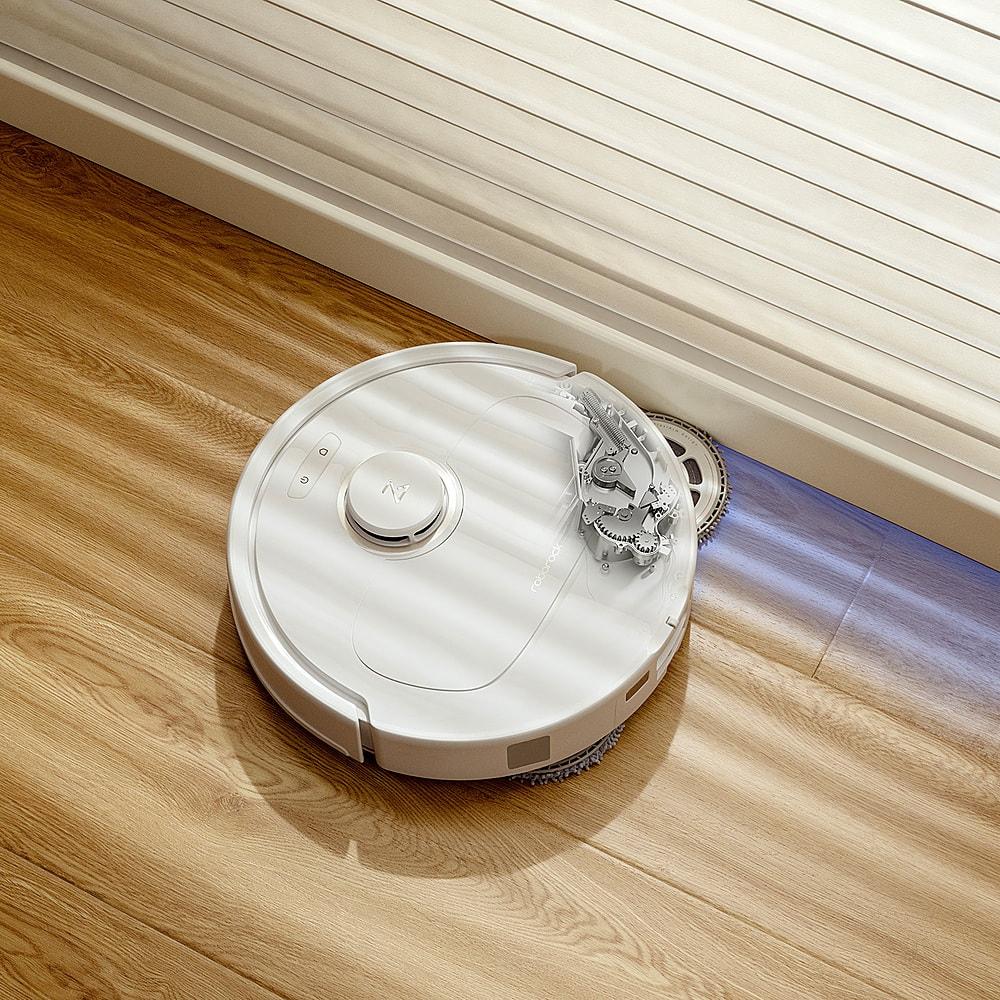
The Qrevo Pro takes a different approach with dual spinning mop pads and its FlexiArm design. One mop pad can extend outward to reach edges and corners more effectively than fixed systems. While it lacks the aggressive scrubbing action of the Saros 10's vibrating system, the spinning motion covers more surface area and provides a more polished finish on hard floors.
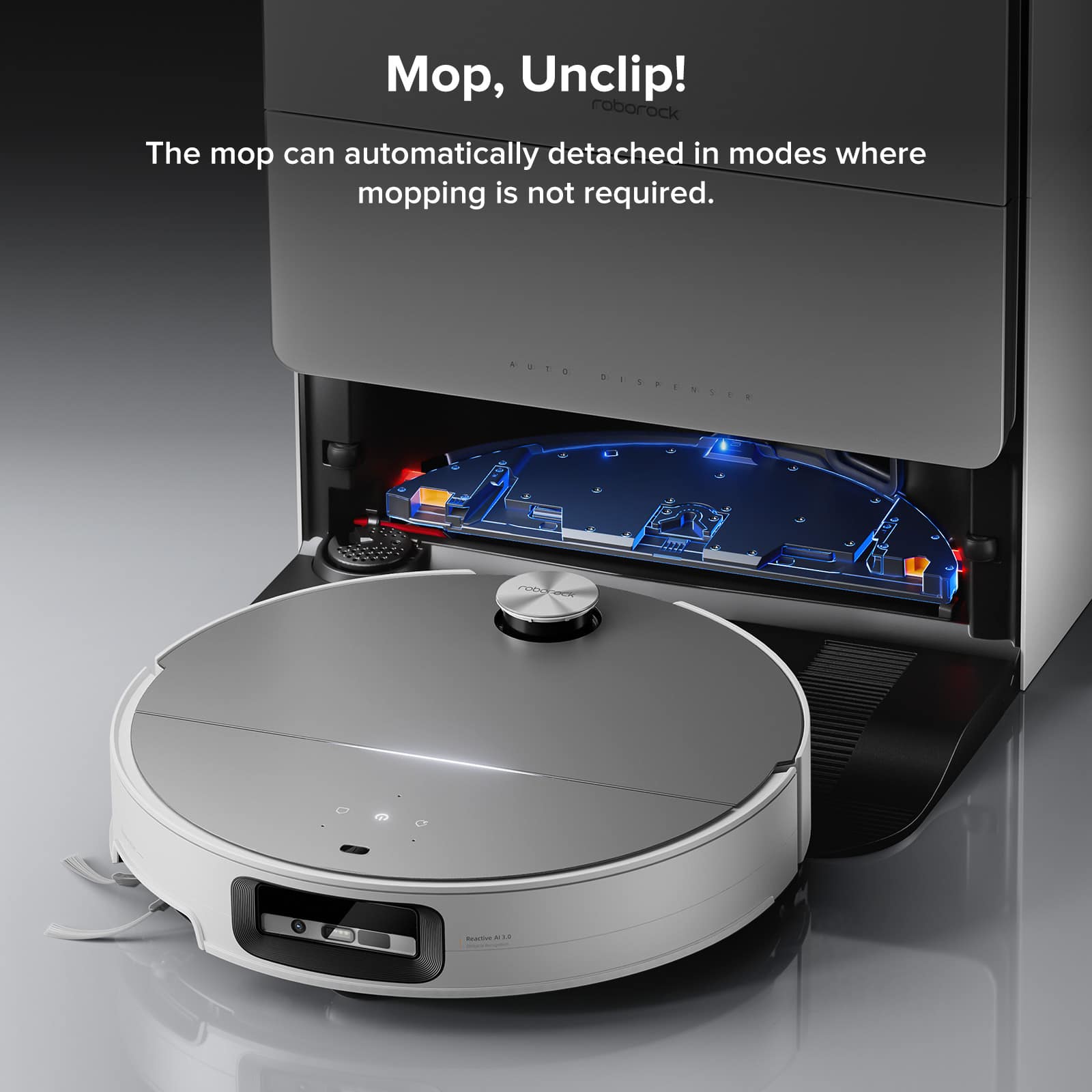
Both models address the cardinal sin of robot mopping: dragging wet mops across carpets. The Saros 10 automatically detaches its mop pads entirely before entering carpeted areas, while the Qrevo Pro lifts them up to 10mm to avoid contact. The Saros 10's complete detachment provides superior carpet protection, especially important for expensive rugs or light-colored carpeting.
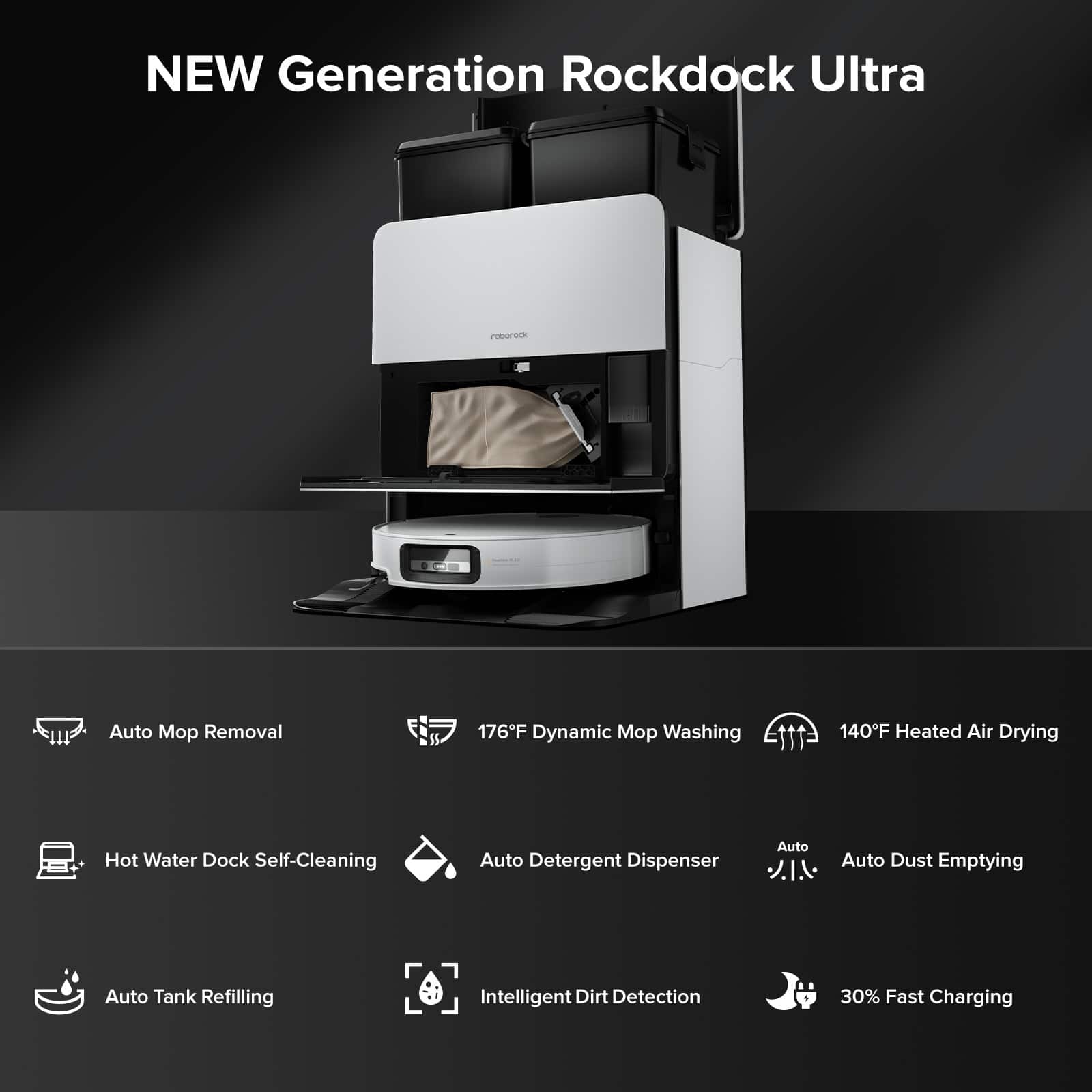
Hot water mop cleaning has become a standard feature on both models' docking stations, reaching temperatures up to 176°F on the Saros 10 and 128°F on the Qrevo Pro. This heated washing removes over 99% of bacteria from mop pads and prevents the musty odors that plagued earlier robot mops.
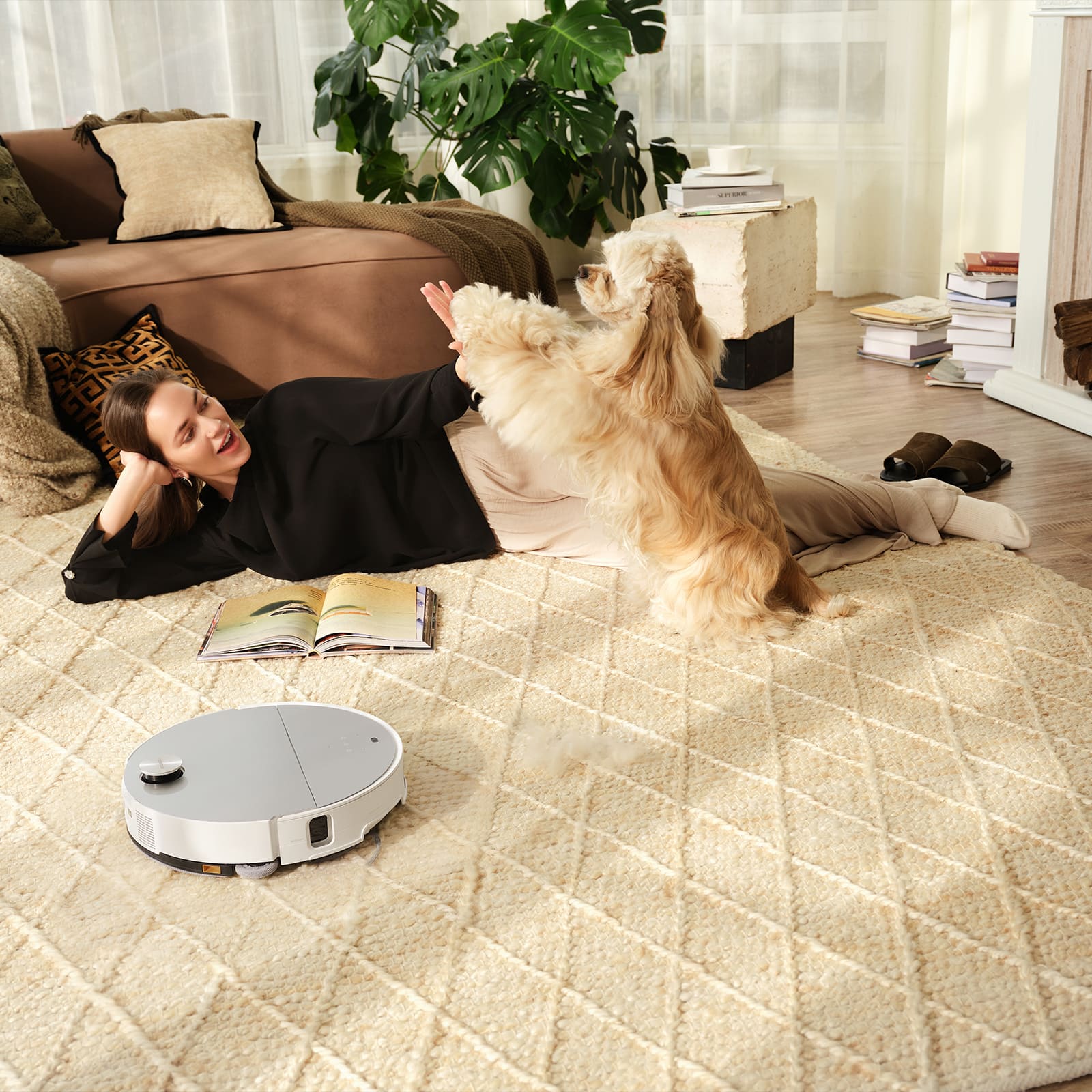
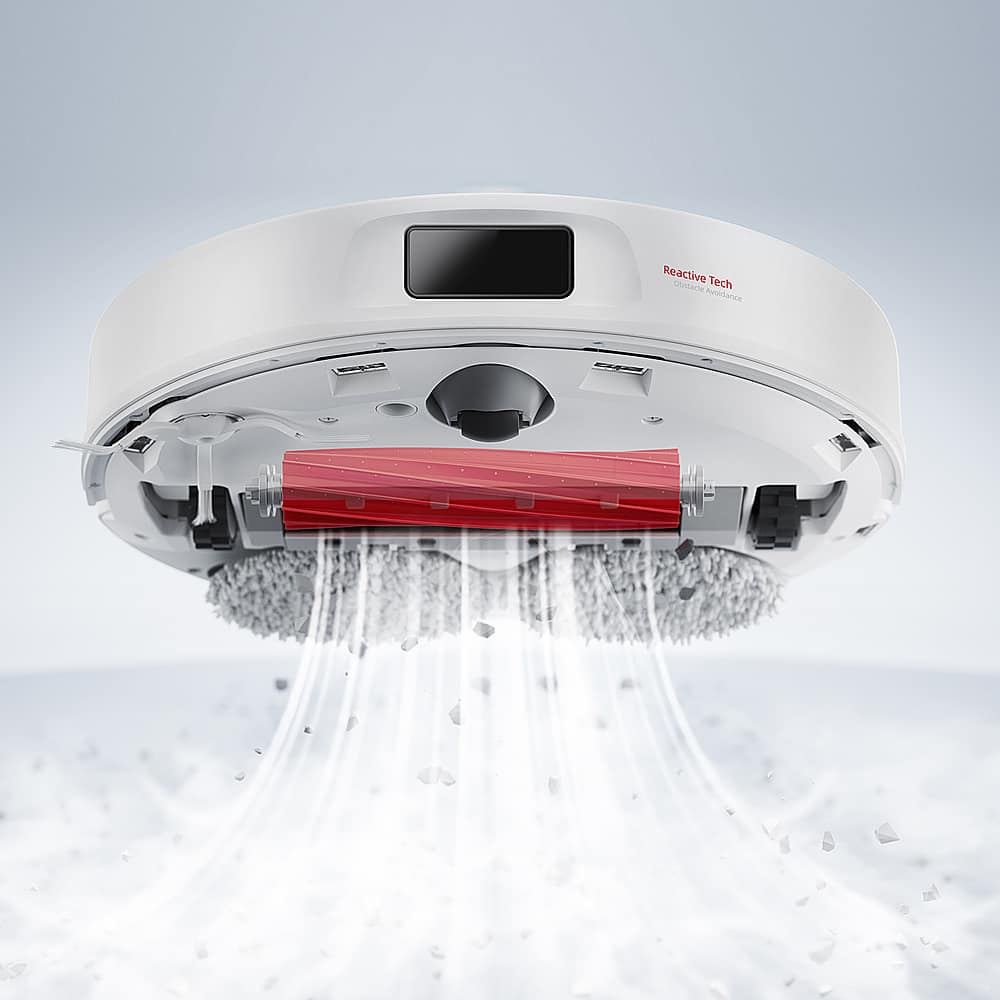
Pet hair represents one of the biggest challenges for robot vacuums, and the Saros 10 addresses this with its Certified Dual Anti-Tangle System. This DuoDivide brush design uses two parallel brush rolls with strategic spacing that prevents hair from wrapping around the mechanism. The system has earned TUV certification for achieving 0% hair tangling—a remarkable claim that user experiences largely support.
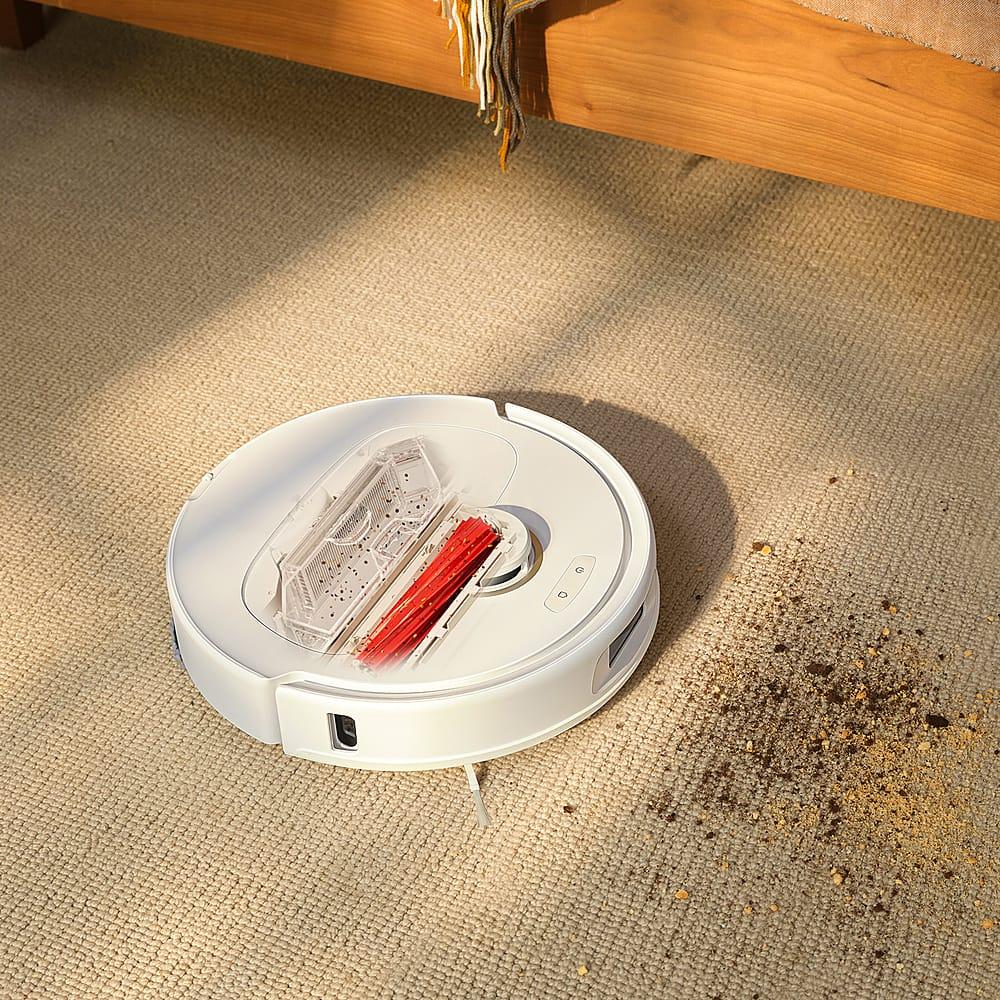
The Qrevo Pro uses a more conventional rubber brush roll that, while easier to clean than traditional bristle brushes, still requires regular maintenance to remove tangled hair. For households with long-haired family members or multiple shedding pets, this difference in maintenance requirements can be substantial over time.
From our analysis of user feedback, the hair tangle prevention alone justifies much of the Saros 10's price premium for affected households. Users report going months without manual brush cleaning, compared to weekly maintenance required by traditional designs.
The Saros 10 includes a 6,400 mAh battery that provides up to 220 minutes of runtime, while the Qrevo Pro's 5,200 mAh battery offers 180 minutes. More importantly, the Saros 10 charges in just 2.5 hours compared to the Qrevo Pro's 5-hour charging cycle.
This difference in charging speed affects practical usability more than the raw runtime numbers suggest. The Saros 10 can complete multiple cleaning cycles per day if needed, while the Qrevo Pro requires longer downtime between sessions. For large homes or users who prefer frequent cleaning schedules, this efficiency advantage compounds over time.
Both models support off-peak charging, automatically delaying the charging cycle until electricity rates drop during non-peak hours. This feature can provide meaningful energy cost savings in regions with time-of-use electricity pricing.
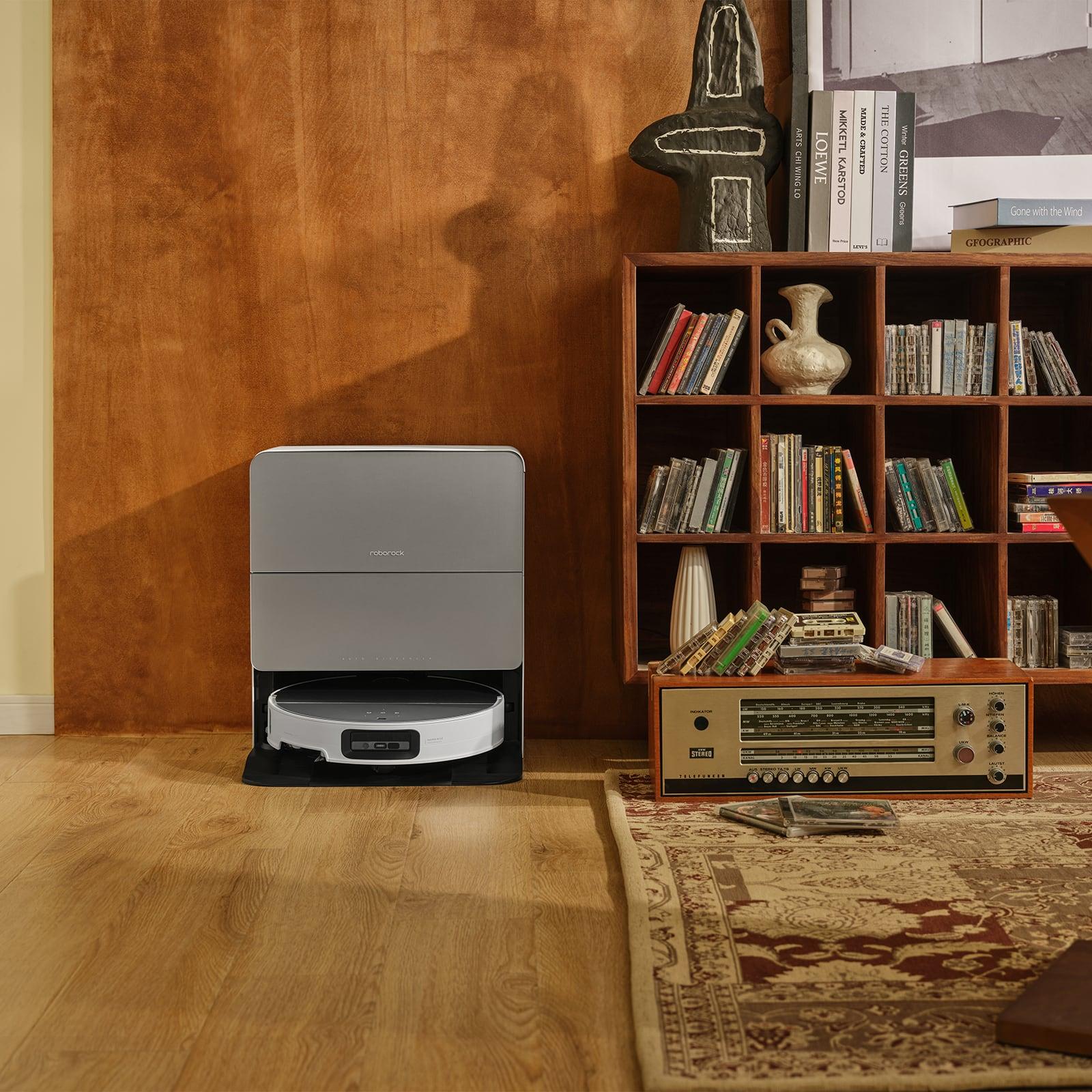
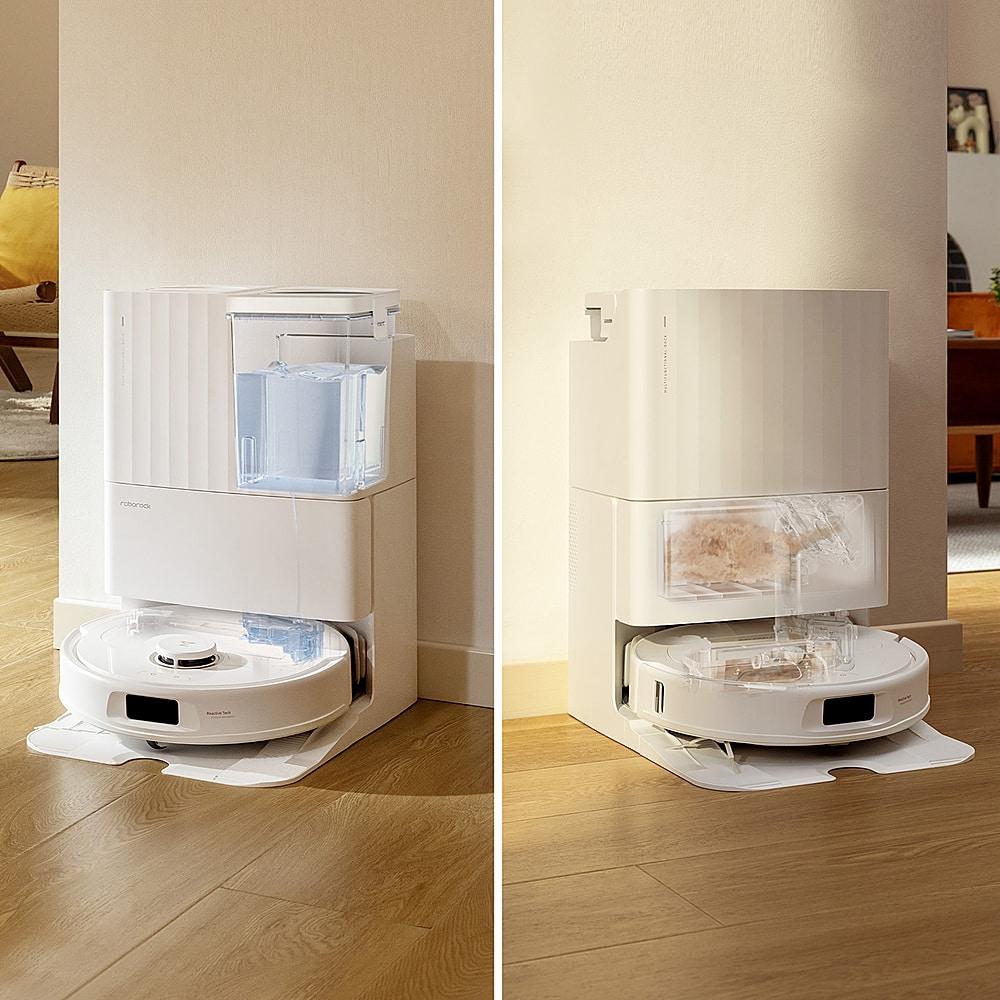
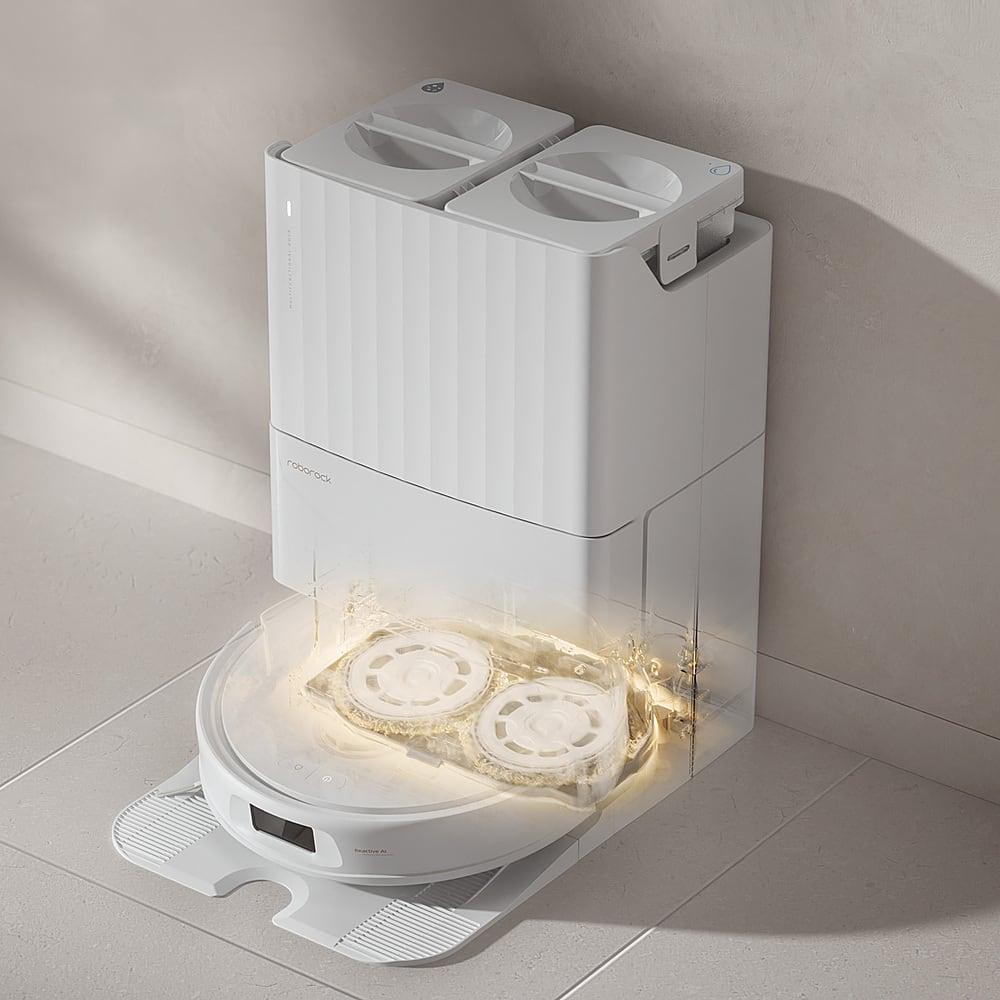
Modern robot vacuum docks have evolved into sophisticated maintenance centers, and both models include impressive automation features. The Saros 10's RockDock Ultra 2.0 provides comprehensive 10-in-1 functionality: self-emptying, automatic water tank refilling, hot water mop washing, heated air drying, auto detergent dispensing, dock self-cleaning, and optimized charging.
The Qrevo Pro's Multifunctional Dock 2.0 covers the essential automation features—self-emptying, mop washing and drying, and tank management—but lacks some of the advanced temperature controls and self-maintenance capabilities of the premium dock.
Both docks use disposable dust bags that typically require replacement every 2-3 months, depending on usage. The larger debris capacity and better sealing of the Saros 10's dock system means longer intervals between bag changes and better odor containment.
Robot vacuums have become sophisticated smart home devices, and both models integrate well with major voice assistants and home automation systems. The Saros 10 adds Matter 2.0 support, representing the latest smart home connectivity standard that promises better device interoperability across different platforms.
Both robots offer comprehensive app control with multi-floor mapping, virtual no-go zones, room-specific cleaning schedules, and real-time monitoring. The Saros 10 includes additional pet monitoring features, including Pet Snaps and Video Call & Cruise functionality that lets you check on animals remotely.
The mapping accuracy and room recognition capabilities prove especially important for home theater setups, where precision cleaning around expensive equipment matters. The Saros 10's superior sensor array translates to more accurate room boundaries and better recognition of delicate areas that require gentler cleaning approaches.
Based on our evaluation of expert testing and user experiences, the performance differences between these models vary significantly by use case. On hard floors with typical household debris, both robots perform excellently, with the gap in practical results being relatively small despite the dramatic suction power difference.
The Saros 10's advantages become most apparent in challenging scenarios: thick carpets with embedded debris, homes with significant pet hair, or spaces with complex furniture arrangements. Its superior navigation and obstacle avoidance mean fewer instances of getting stuck or requiring rescue, translating to more consistent cleaning results.
Edge cleaning performance shows mixed results. The Qrevo Pro's FlexiArm design theoretically provides better edge access, but real-world testing suggests the Saros 10's comprehensive sensor array and side mop deliver superior corner cleaning in practice.
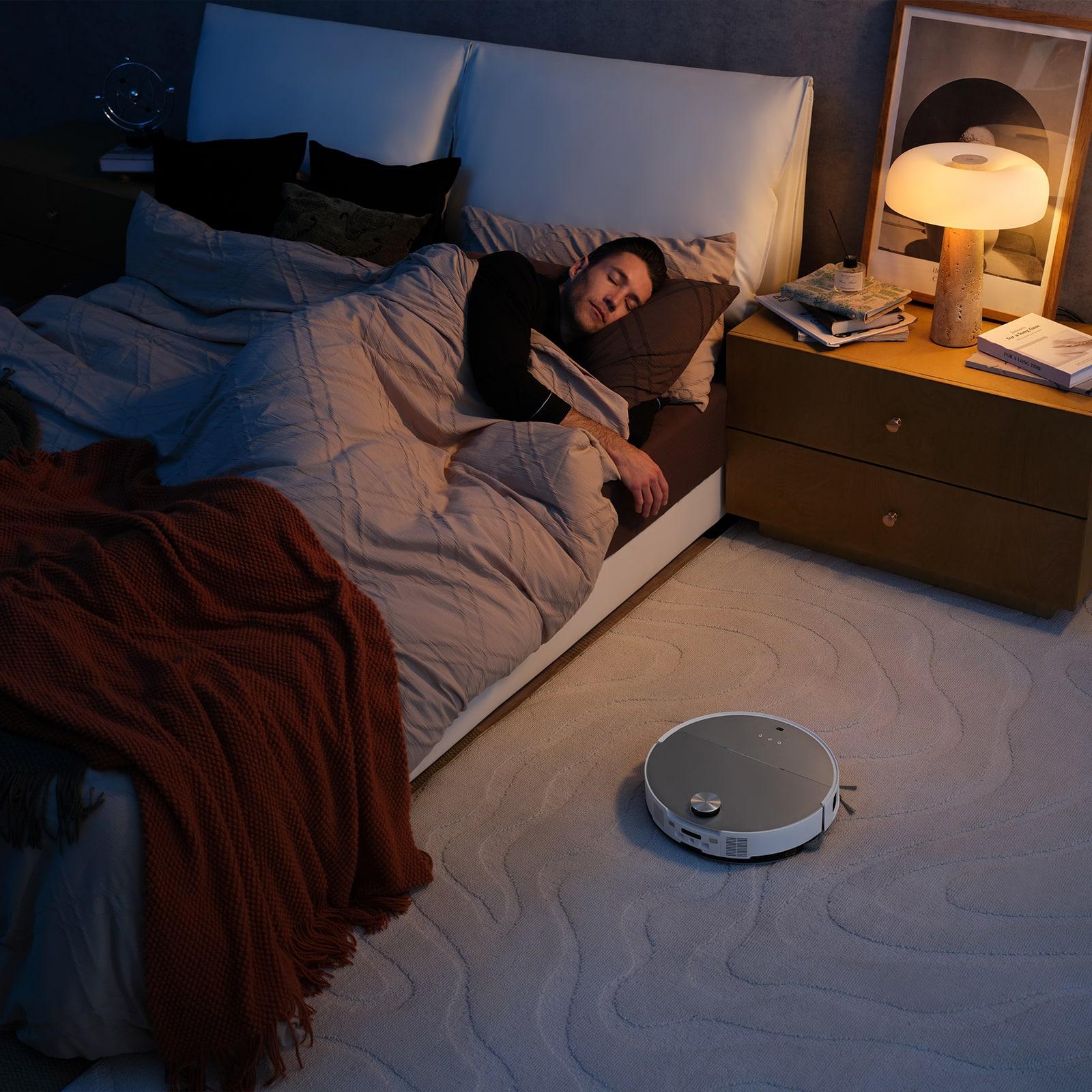
Both models operate at higher noise levels during peak cleaning—around 96 dB for the Qrevo Pro during maximum suction, though both offer quieter modes for noise-sensitive situations. The Saros 10 manages slightly better noise control despite its higher power output.
The decision between these models ultimately depends on matching features to your specific needs and budget priorities. The Qrevo Pro delivers excellent cleaning performance for typical households at a substantially lower investment, making it the smarter choice for many buyers.
Choose the Saros 10 if your home presents specific challenges that justify the premium: low-clearance furniture that blocks other robots, significant pet hair that requires tangle-free operation, high-pile carpets needing maximum suction power, or a preference for cutting-edge automation that minimizes maintenance involvement.
The Qrevo Pro makes more sense for households with standard cleaning needs, mixed flooring that's primarily hard surfaces and low-pile carpets, and buyers who prefer allocating their budget across multiple home improvements rather than maximizing robot vacuum features.
For home theater environments, the Saros 10's superior navigation and obstacle avoidance provide meaningful advantages in protecting expensive equipment and handling complex cable management situations. However, the Qrevo Pro can certainly handle most media room cleaning tasks with appropriate setup of virtual barriers and no-go zones.
The robot vacuum market continues evolving rapidly, with features that seem revolutionary today likely becoming standard within a few years. The Saros 10 represents the cutting edge of 2025 technology, while the Qrevo Pro offers mature, refined performance at a more accessible price point. Both approaches have merit, depending on whether you prioritize being an early adopter of the latest innovations or maximizing value from proven technologies.
| Roborock Saros 10 Robot Vacuum and Mop | Roborock Qrevo Pro Robot Vacuum and Mop |
|---|---|
| Suction Power - Most critical for carpet cleaning and pet hair pickup | |
| 22,000 Pa (exceptional for thick carpets and embedded debris) | 7,000 Pa (adequate for hard floors and low-pile carpets) |
| Height Profile - Determines access under furniture | |
| 3.14 inches (ultra-thin, fits under low furniture others can't reach) | 4 inches (standard height, may get blocked by modern low-profile furniture) |
| Navigation System - Affects cleaning thoroughness and obstacle avoidance | |
| RetractSense with retracting LiDAR + Reactive AI 3.0 (premium navigation with multiple sensors) | Standard LiDAR with Reactive Tech (good navigation but less sophisticated obstacle detection) |
| Hair Tangle Prevention - Critical for pet owners and long hair households | |
| Certified Dual Anti-Tangle System with 0% tangling (TUV certified) | Standard rubber brush (requires regular manual cleaning of tangles) |
| Mopping Technology - Different approaches to floor scrubbing | |
| VibraRise 4.0 with 4,000 vibrations/min (aggressive scrubbing for tough stains) | FlexiArm dual spinning mops (good coverage, extends for edge cleaning) |
| Mop Management - How it handles carpets during mopping | |
| Auto-detaching mop pads (complete separation from carpets) | Mop lifting up to 10mm (lifts but doesn't fully detach) |
| Battery and Runtime - Affects cleaning coverage per charge | |
| 6,400 mAh, 220 minutes runtime, 2.5-hour charging | 5,200 mAh, 180 minutes runtime, 5-hour charging |
| Obstacle Crossing Ability - Important for varied floor heights | |
| AdaptiLift chassis climbs up to 1.57 inches (handles thick rugs and high thresholds) | Standard climbing capability (handles typical transitions) |
| Dock Automation Level - Determines hands-off convenience | |
| RockDock Ultra 2.0 with 10-in-1 features including hot water up to 176°F | Multifunctional Dock 2.0 with essential automation, hot water up to 128°F |
| Smart Home Integration - Future-proofing and connectivity | |
| Matter 2.0 support + pet monitoring features (cutting-edge connectivity) | Standard voice assistant support (Alexa, Google, Siri) |
| Target User - Who benefits most from each model | |
| Premium buyers with low furniture, pets, or maximum automation needs | Mainstream users wanting excellent performance without flagship pricing |
The Roborock Saros 10 delivers significantly stronger suction at 22,000 Pa compared to the Roborock Qrevo Pro's 7,000 Pa. This means the Saros 10 provides over three times the cleaning power, making it much more effective on thick carpets, pet hair, and embedded debris. The Qrevo Pro's suction is still adequate for hard floors and low-pile carpets in most homes.
The Roborock Saros 10 excels at cleaning under low furniture with its ultra-thin 3.14-inch height and retractable LiDAR system. The Roborock Qrevo Pro has a standard 4-inch height that may prevent it from accessing spaces under modern low-profile furniture like platform beds or sleek entertainment centers. For homes with lots of low-clearance furniture, the Saros 10 provides a clear advantage.
The Roborock Saros 10 is significantly better for pet owners due to its Certified Dual Anti-Tangle System that prevents 0% hair tangling and its powerful 22,000 Pa suction for deep pet hair removal. The Qrevo Pro uses a standard rubber brush that requires regular cleaning to remove tangled pet hair, making it less convenient for heavy shedding situations.
The Roborock Saros 10 uses VibraRise 4.0 technology with sonic vibrations up to 4,000 times per minute for aggressive stain scrubbing. The Roborock Qrevo Pro features dual spinning mops with a FlexiArm design that extends for better edge cleaning. The Saros 10 completely detaches its mops when encountering carpets, while the Qrevo Pro lifts them 10mm to avoid carpet contact.
The Roborock Qrevo Pro offers better value for most homeowners, providing excellent cleaning performance at a significantly lower price point. The Roborock Saros 10 justifies its premium pricing for specific situations like homes with low furniture, heavy pet hair, or users wanting maximum automation, but the Qrevo Pro handles typical cleaning needs very effectively.
Both models work in home theater environments, but the Roborock Saros 10 offers advantages with its superior obstacle avoidance and ability to clean under low entertainment centers. Its advanced sensor array better detects and avoids audio cables and speaker equipment. The Qrevo Pro can handle home theaters adequately with proper setup of virtual barriers around sensitive equipment.
The Roborock Saros 10 has superior navigation with its RetractSense system, retracting LiDAR, and Reactive AI 3.0 that uses multiple sensors for enhanced obstacle detection. The Roborock Qrevo Pro uses standard LiDAR navigation with Reactive Tech, which works well but lacks the advanced sensor array and AI-powered object recognition of the Saros 10.
The Roborock Saros 10 offers longer battery life with 220 minutes of runtime and faster 2.5-hour charging from its 6,400 mAh battery. The Roborock Qrevo Pro provides 180 minutes of runtime but requires 5 hours to fully charge its 5,200 mAh battery. The Saros 10's faster charging enables more frequent cleaning cycles throughout the day.
Both robots handle multiple floor types, but with different strengths. The Roborock Saros 10 excels on thick carpets and rugs due to its powerful suction and can climb obstacles up to 1.57 inches high. The Roborock Qrevo Pro performs well on hard floors and low-pile carpets but may struggle with very thick or high-pile carpeting compared to the Saros 10.
The Roborock Saros 10 requires significantly less maintenance thanks to its zero-tangle brush system and more advanced automation features. Pet owners especially benefit from never having to clean tangled hair from brushes. The Roborock Qrevo Pro requires regular brush cleaning and has a simpler dock system, though both models offer automatic dustbin emptying and mop washing.
Both robots offer comprehensive smart home integration with Alexa, Google Assistant, and Siri support. The Roborock Saros 10 adds Matter 2.0 compatibility for future-proofing and includes pet monitoring features like video calling. The Roborock Qrevo Pro provides all essential smart features including multi-floor mapping, scheduling, and virtual barriers through the Roborock app.
Choose the Roborock Saros 10 if you have low furniture, significant pet hair, thick carpets, or want maximum automation with minimal maintenance. Select the Roborock Qrevo Pro if you have mostly hard floors and low-pile carpets, standard furniture clearances, and prefer excellent performance at a more accessible price point. The Qrevo Pro satisfies most households' needs effectively, while the Saros 10 excels in challenging cleaning situations.
We've done our best to create useful and informative comparisons to help you decide what product to buy. Our research uses advanced automated methods to create this comparison and perfection is not possible - please contact us for corrections or questions. These are the sites we've researched in the creation of this article: bestbuy.com - androidauthority.com - rtings.com - vacuumwars.com - vacuumwars.com - youtube.com - forums.macrumors.com - youtube.com - youtube.com - rtings.com - youtube.com - us.roborock.com - target.com - galaxus.at - vacuumwars.com - youtube.com - vacuumwars.com - techtongbo.com - us.roborock.com - us.roborock.com - youtube.com - roboselector.com - support.roborock.com - youtube.com - rtings.com - vacuumwars.com - moderncastle.com - youtube.com - bestbuy.com - rtings.com - vacuumwars.com - vacuumwars.com - youtube.com - youtube.com - techgadgetscanada.com - target.com - youtube.com - roborock.com.my - global.roborock.com - us.roborock.com - homedepot.com - us.roborock.com - youtube.com - global.roborock.com - us.roborock.com - us.roborock.com

Privacy Policy
Terms and Conditions - Affiliate Policy
Home Security
© Copyright 2008-2026.
11816 Inwood Rd #1211, Dallas, TX 75244