



Robot vacuums have evolved dramatically over the past few years, transforming from simple bump-and-go machines to sophisticated cleaning systems that can map your home, avoid obstacles, and even wash their own mop pads. But with so many options flooding the market, choosing the right one has become increasingly complex.
Today we're comparing two very different approaches to automated home cleaning: the premium Roborock Saros 10 and the eco-conscious bObsweep Bio PET24-7-113. Released in 2025, both represent their manufacturers' latest thinking on what matters most in robot cleaning, yet they couldn't be more different in their philosophies.
Before diving into specifics, it's worth understanding what separates excellent robot vacuums from mediocre ones. The most important factors are navigation accuracy, cleaning performance (both vacuuming and mopping), automation level, and overall reliability.
Navigation technology has become the make-or-break feature. Early robots used basic infrared sensors and bumped into everything – imagine a blind person navigating your living room by touch alone. Modern systems use LiDAR (Light Detection and Ranging), which works like radar but with laser light, creating detailed 3D maps of your space. The best robots combine this with cameras and additional sensors for obstacle recognition.
Cleaning performance involves two main components: suction power measured in Pascals (Pa) and brush design. Higher suction doesn't automatically mean better cleaning – it's about how that power is applied. Similarly, mopping has evolved from basic damp cloths to sophisticated vibrating systems that can actually scrub stains.
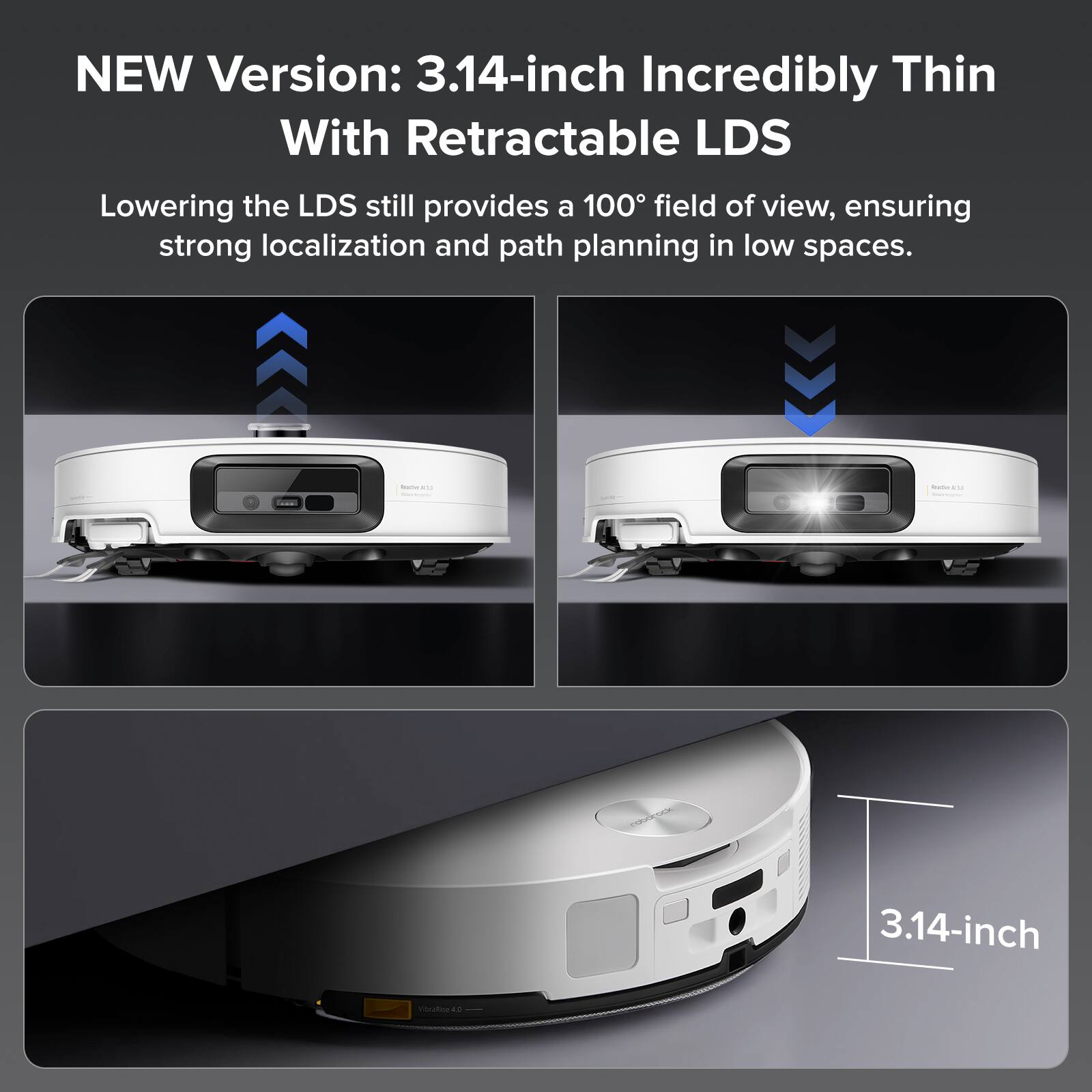
The Roborock Saros 10 represents what happens when a company decides to push every boundary simultaneously. At just 3.14 inches tall, it's remarkably slim – thin enough to clean under most furniture where dust loves to hide. But the real innovation is its RetractSense Navigation System.
Picture this: most robot vacuums have a spinning LiDAR turret on top that prevents them from going under low furniture. The Saros 10 solves this by making that turret retractable. When it encounters low clearance, the sensor tower disappears into the body, allowing the robot to squeeze underneath while continuing to navigate using a wide-angle vision module. It's like having a periscope that can duck down when needed.
The obstacle avoidance on the Saros 10 borders on impressive. It uses what Roborock calls "triple structured light" – imagine three tiny projectors creating a grid pattern that the robot's cameras can interpret to understand object shapes and distances. Combined with an RGB camera for visual recognition, it can identify over 100 household objects and decide how to handle each one.
In our research into user experiences, this translates to significantly fewer stuck situations. Unlike older robots that might repeatedly ram into chair legs or get confused by cables, the Saros 10 navigates around obstacles smoothly. Users consistently report that it rarely needs rescue missions.
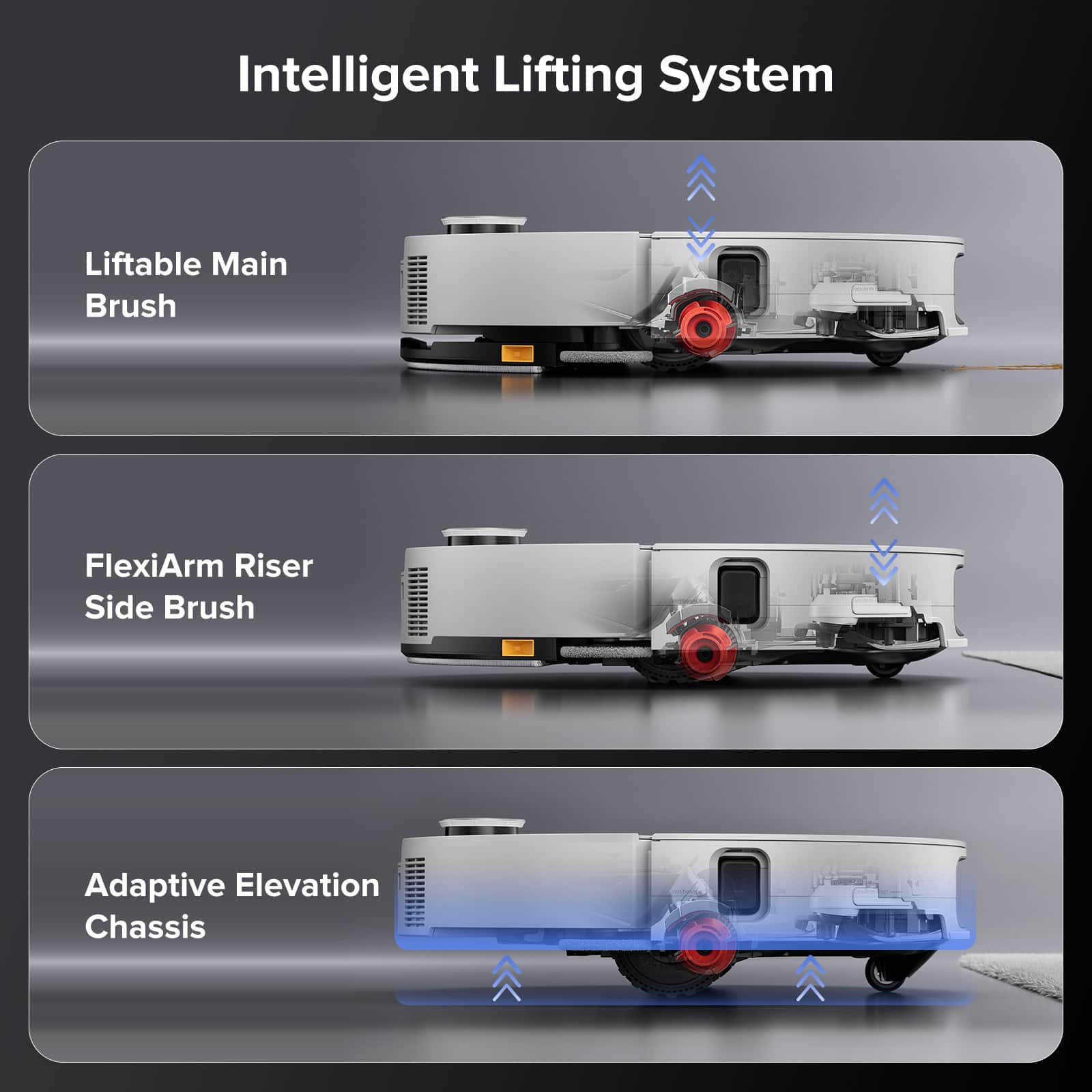
The AdaptiLift Chassis adds another layer of capability. This system can physically raise the robot's body to climb over obstacles up to 1.57 inches high. That means seamless transitions from hardwood to thick rugs, or over door thresholds that would stop lesser robots cold.
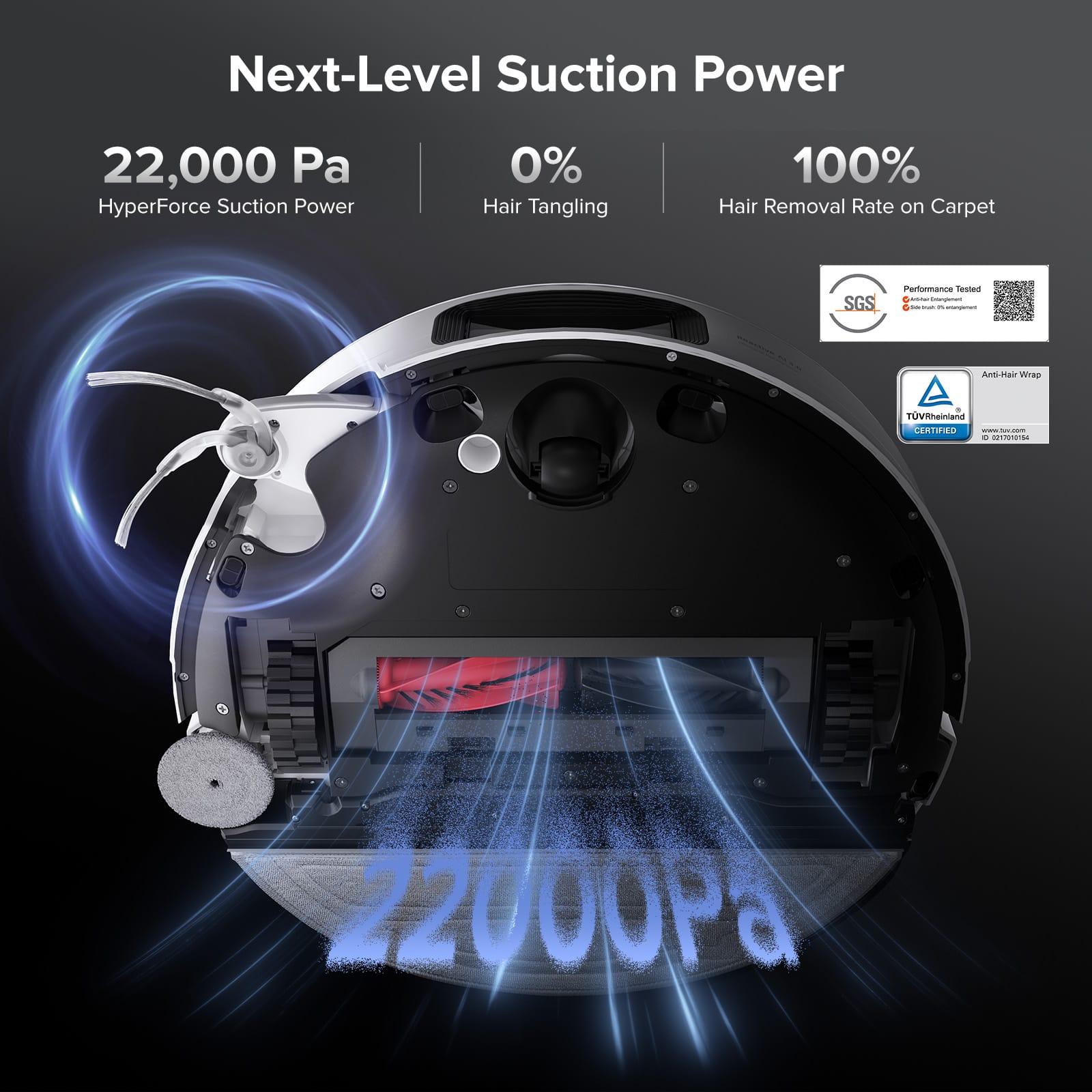
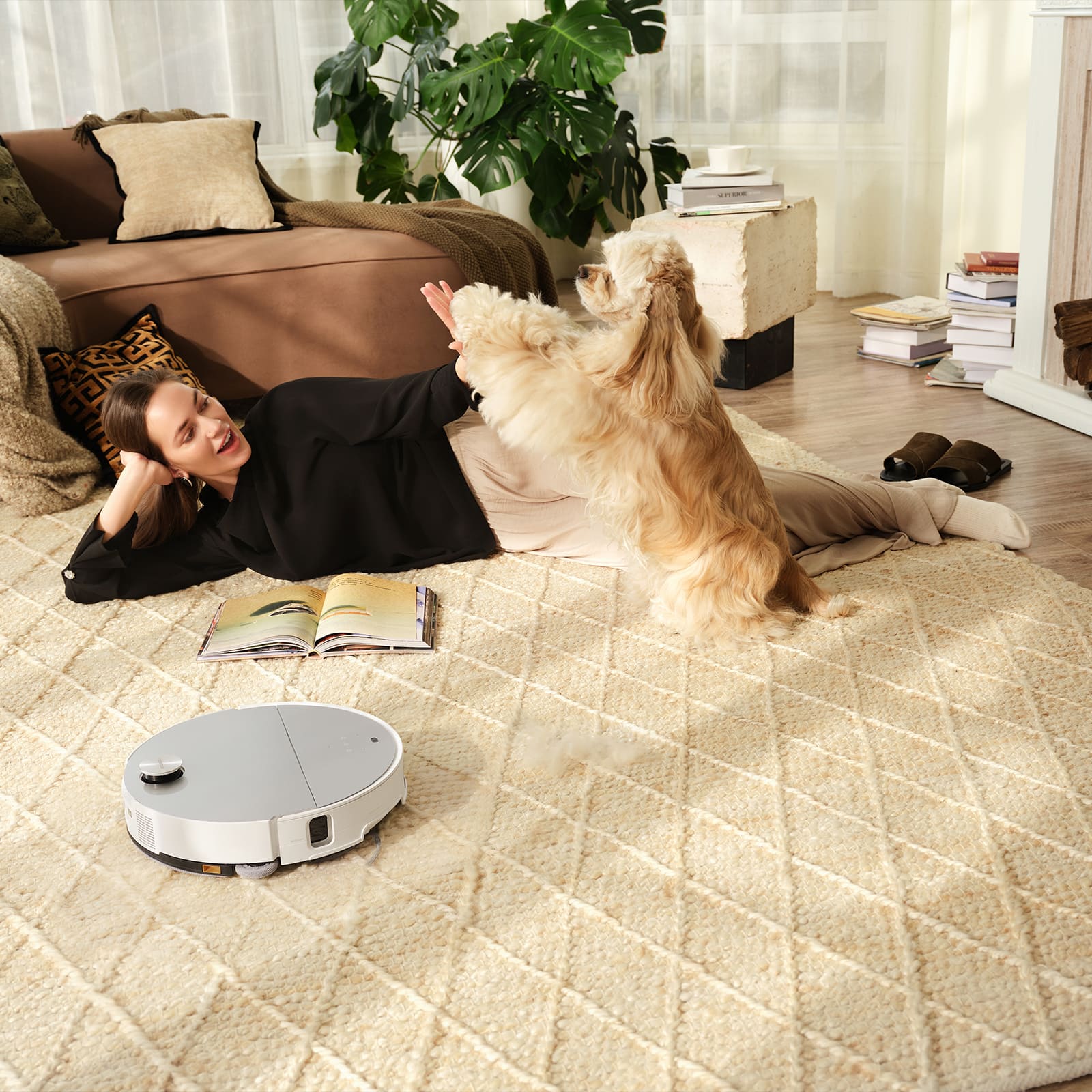
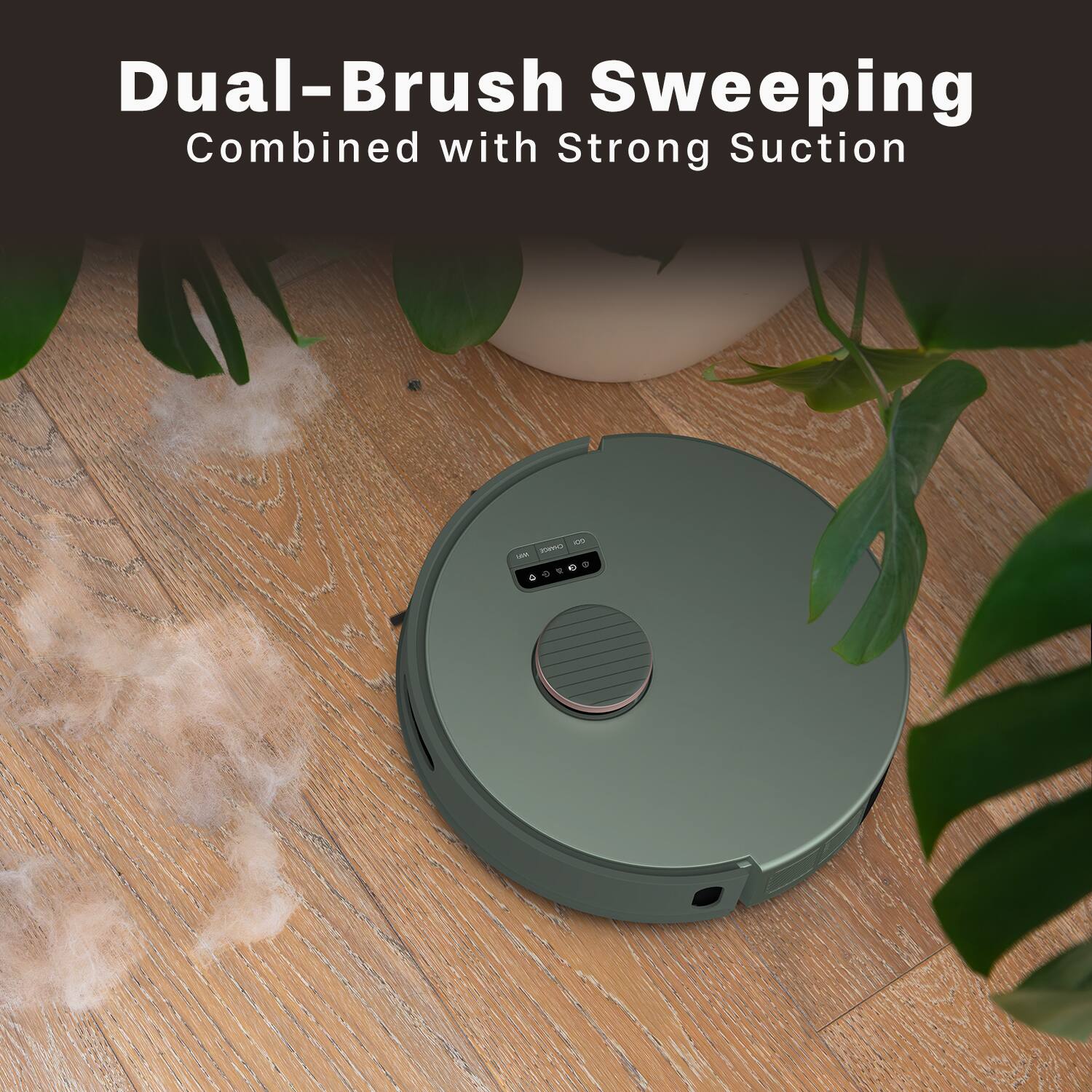
With 22,000 Pa of suction, the Saros 10 delivers nearly five times the power of many competitors. But raw power isn't everything – it's how that suction is applied that matters. The DuoDivide main brush uses a unique design that virtually eliminates hair tangles, which is crucial for homes with pets or family members with long hair.
This anti-tangle system isn't marketing fluff – it's TUV SGS certified for zero hair tangling. In practical terms, this means you won't spend time cutting hair wrapped around the brush every few weeks, a common maintenance headache with lesser robots.
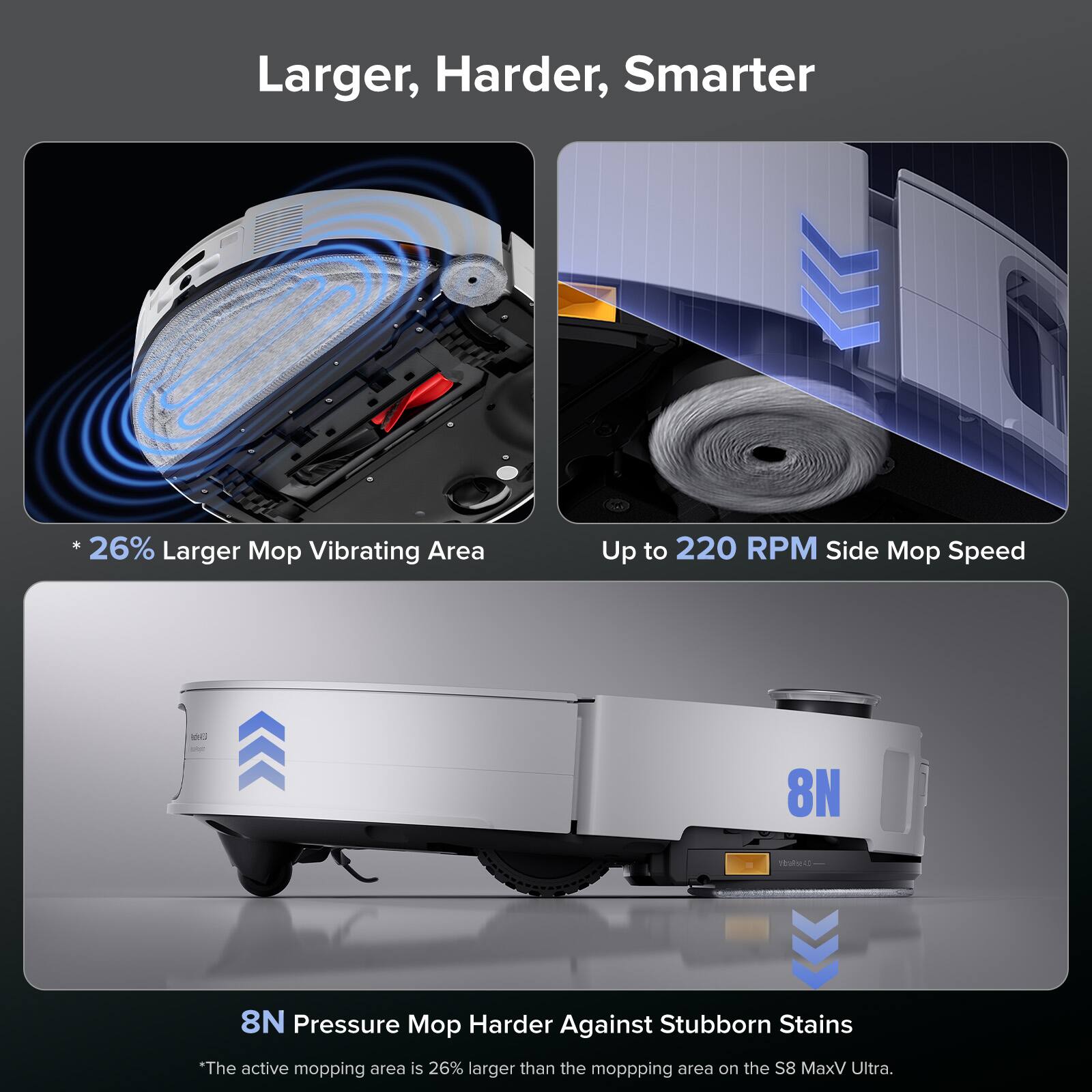
The mopping system showcases similar engineering depth. The VibraRise 4.0 technology uses sonic vibrations at up to 4,000 oscillations per minute, combined with 8N of downward pressure. Think of it as a tiny pressure washer that scrubs while it moves. The mop can lift 18mm to avoid carpets automatically, and the system applies multiple passes to stubborn stains.
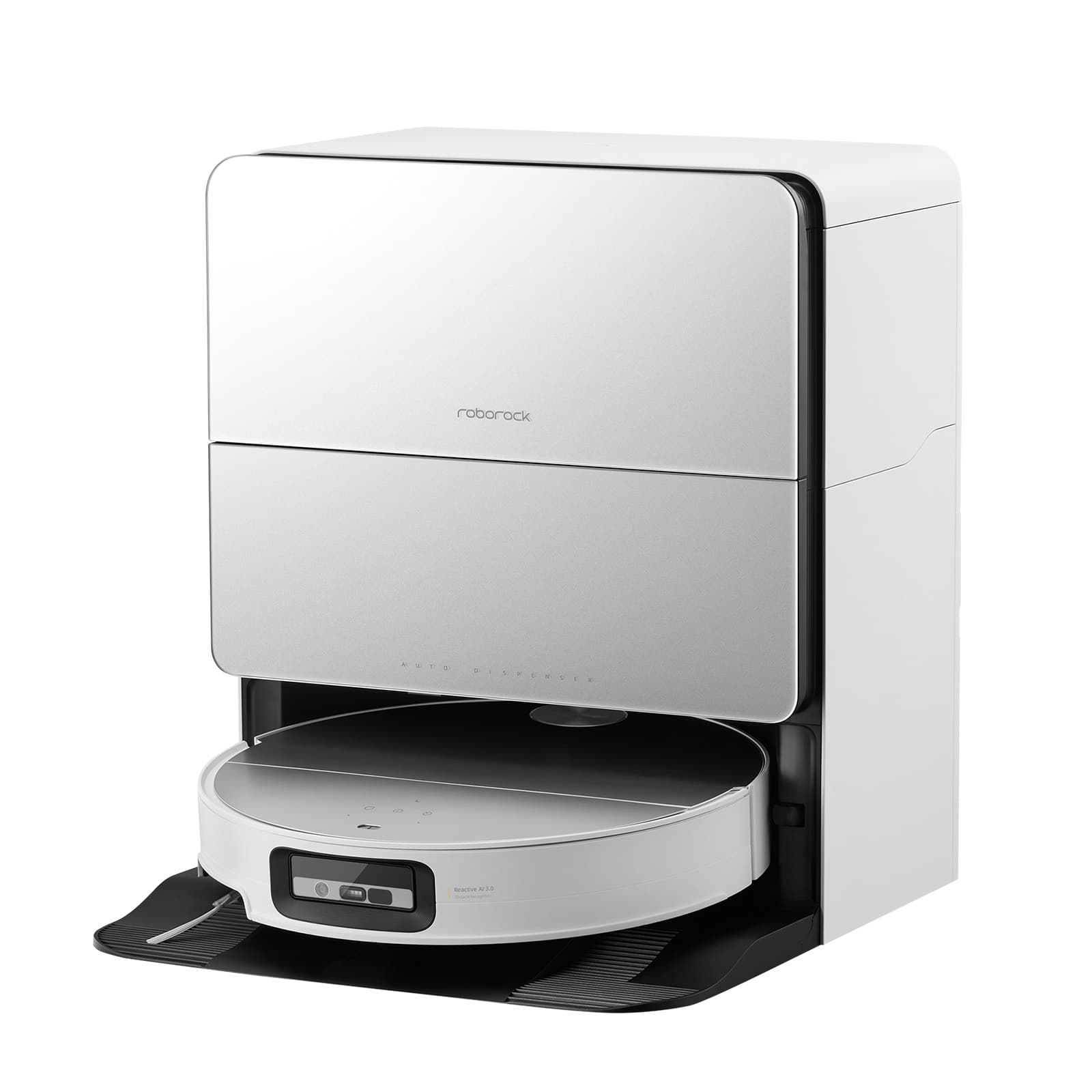
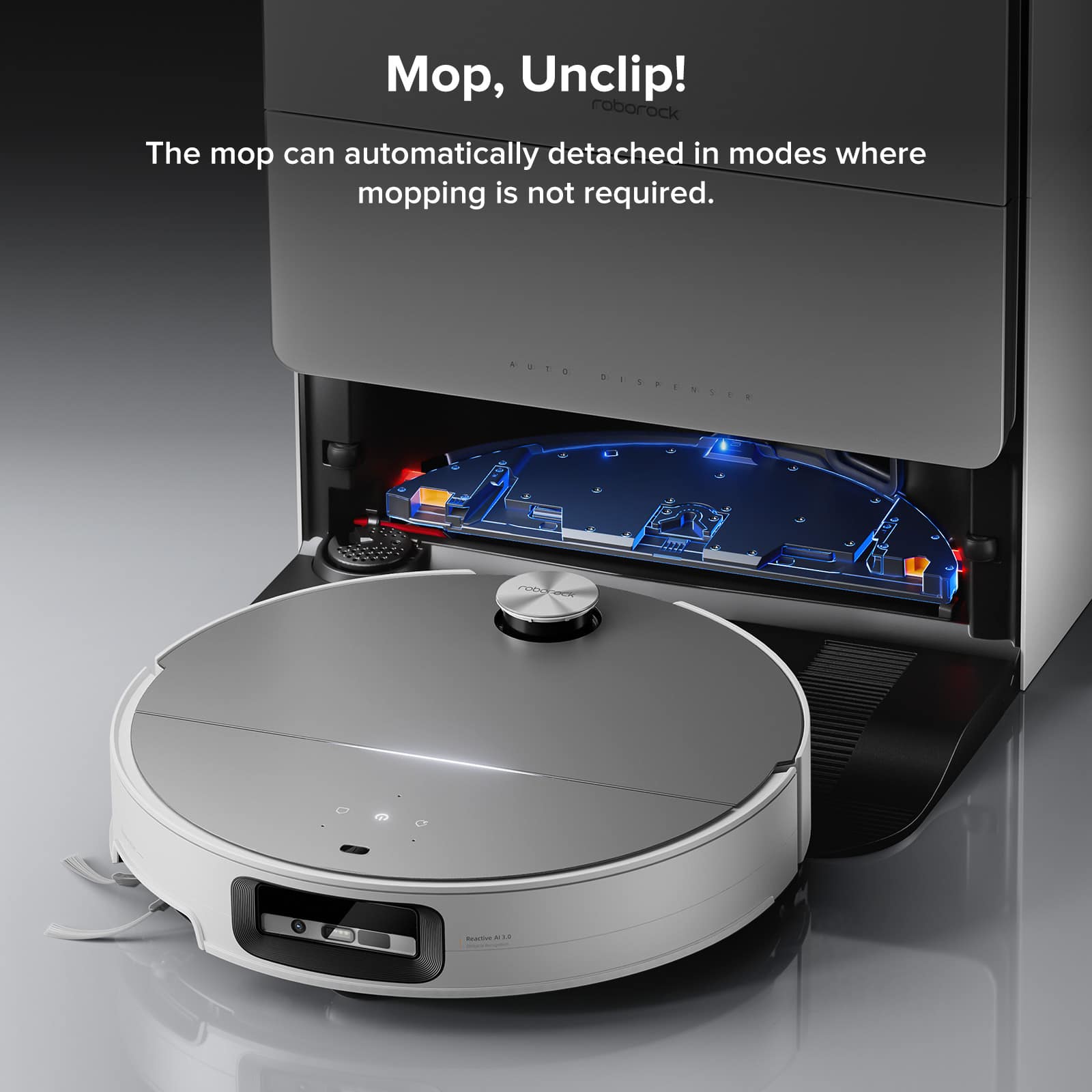
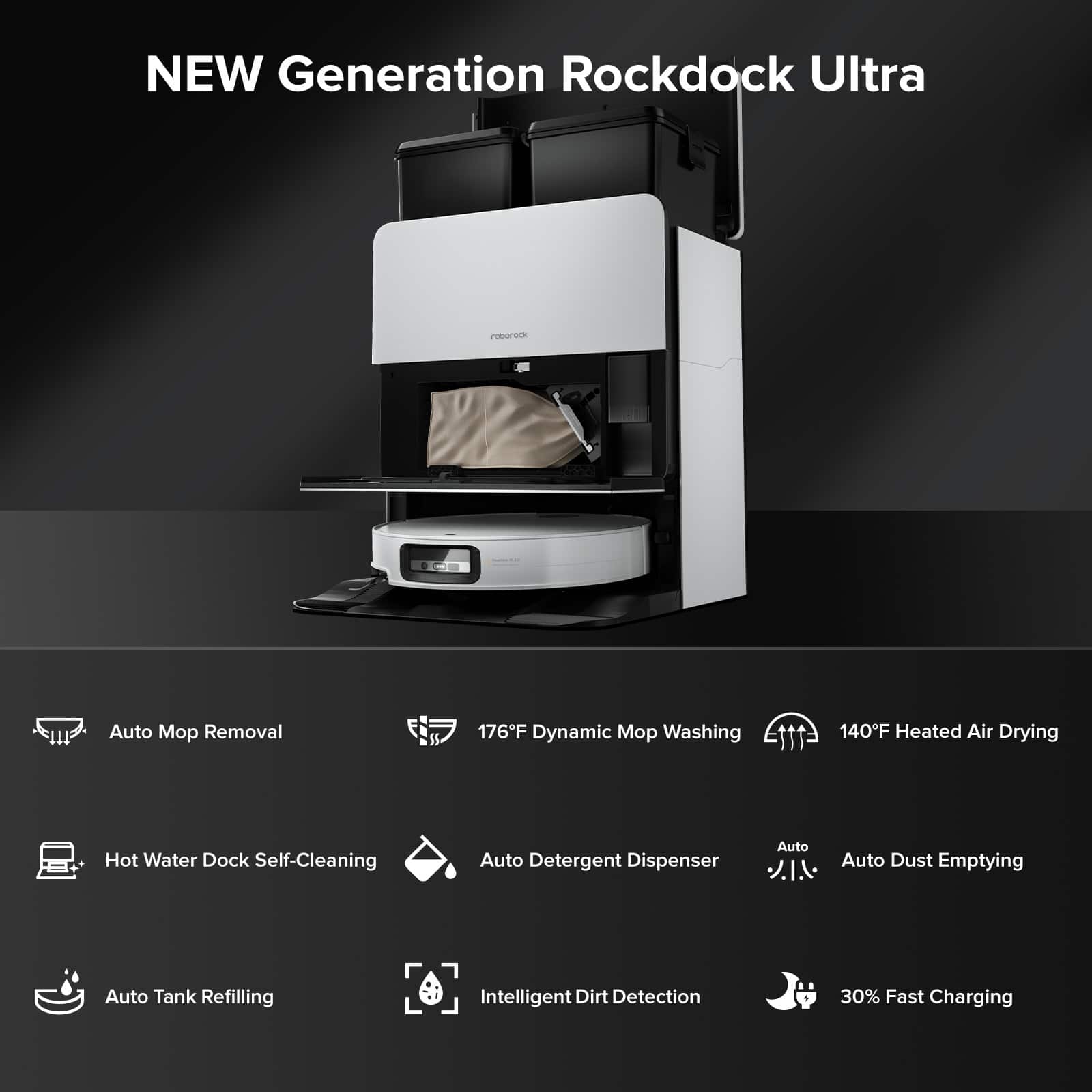
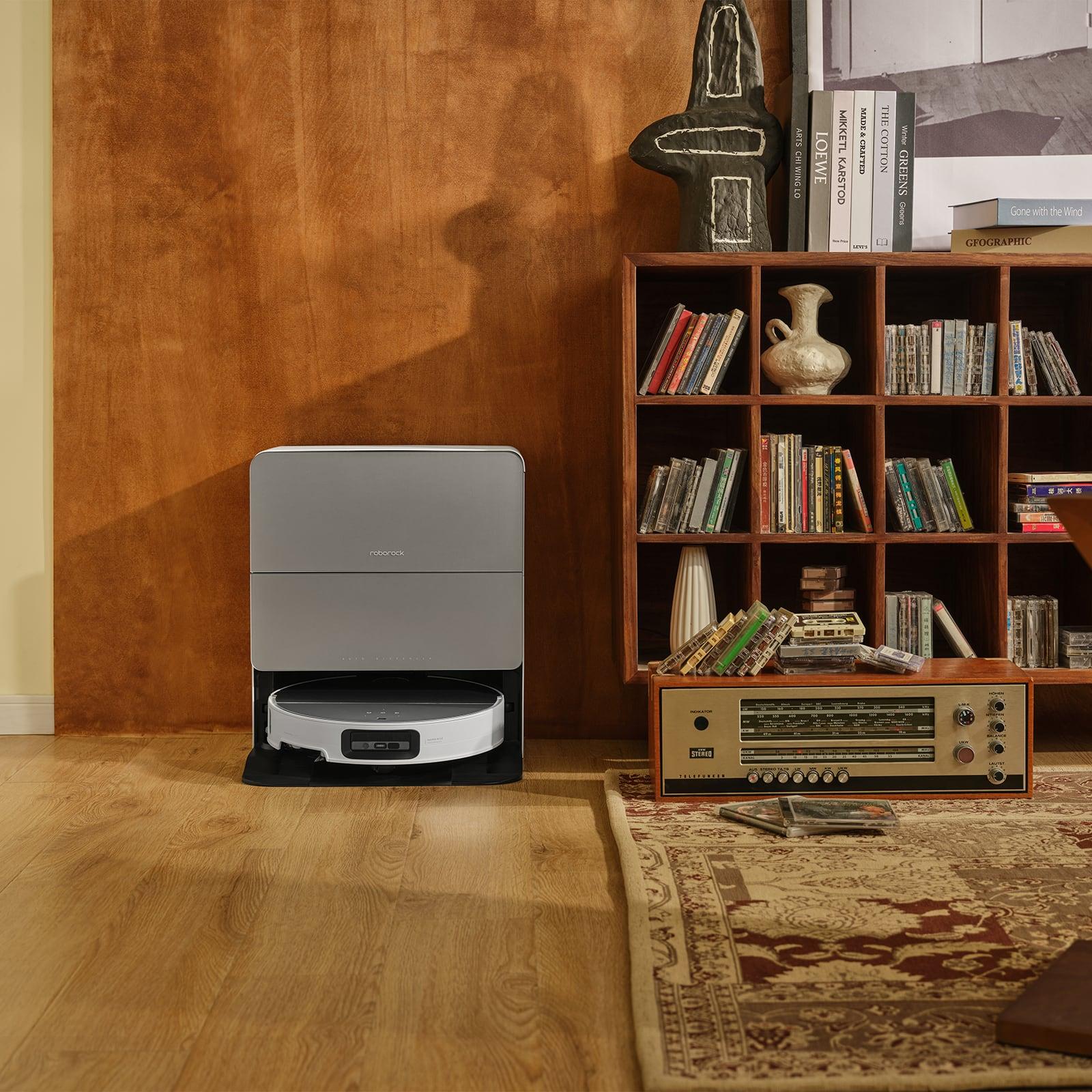
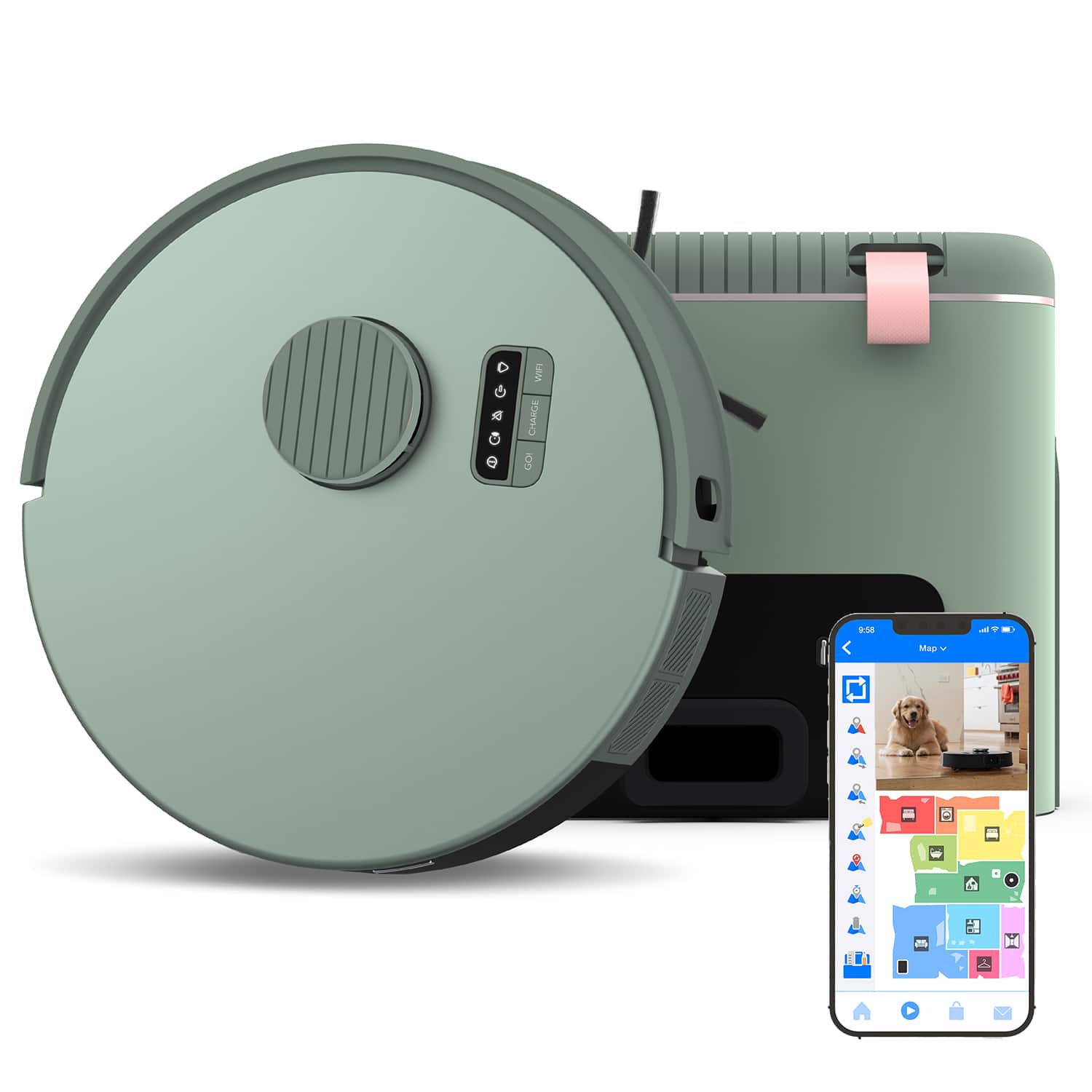
The RockDock Ultra 2.0 is where the Saros 10 truly shines in automation. This isn't just a charging station – it's a complete maintenance system. After each cleaning cycle, the robot returns to have its dustbin emptied, mop pad washed with 176°F hot water, and dried with heated air at 140°F.
The dock even dispenses detergent automatically and refills the robot's water tank. In practical terms, you might go weeks without touching the robot beyond emptying the dock's waste bag. This level of automation comes at a cost, but for busy households, the time savings can be significant.
The bObsweep Bio takes a notably different approach. Released in 2025, it prioritizes environmental consciousness and extended autonomy over cutting-edge features. The robot is constructed from bio-based plastics – materials derived from renewable plant sources rather than petroleum – making it appealing to environmentally conscious buyers.
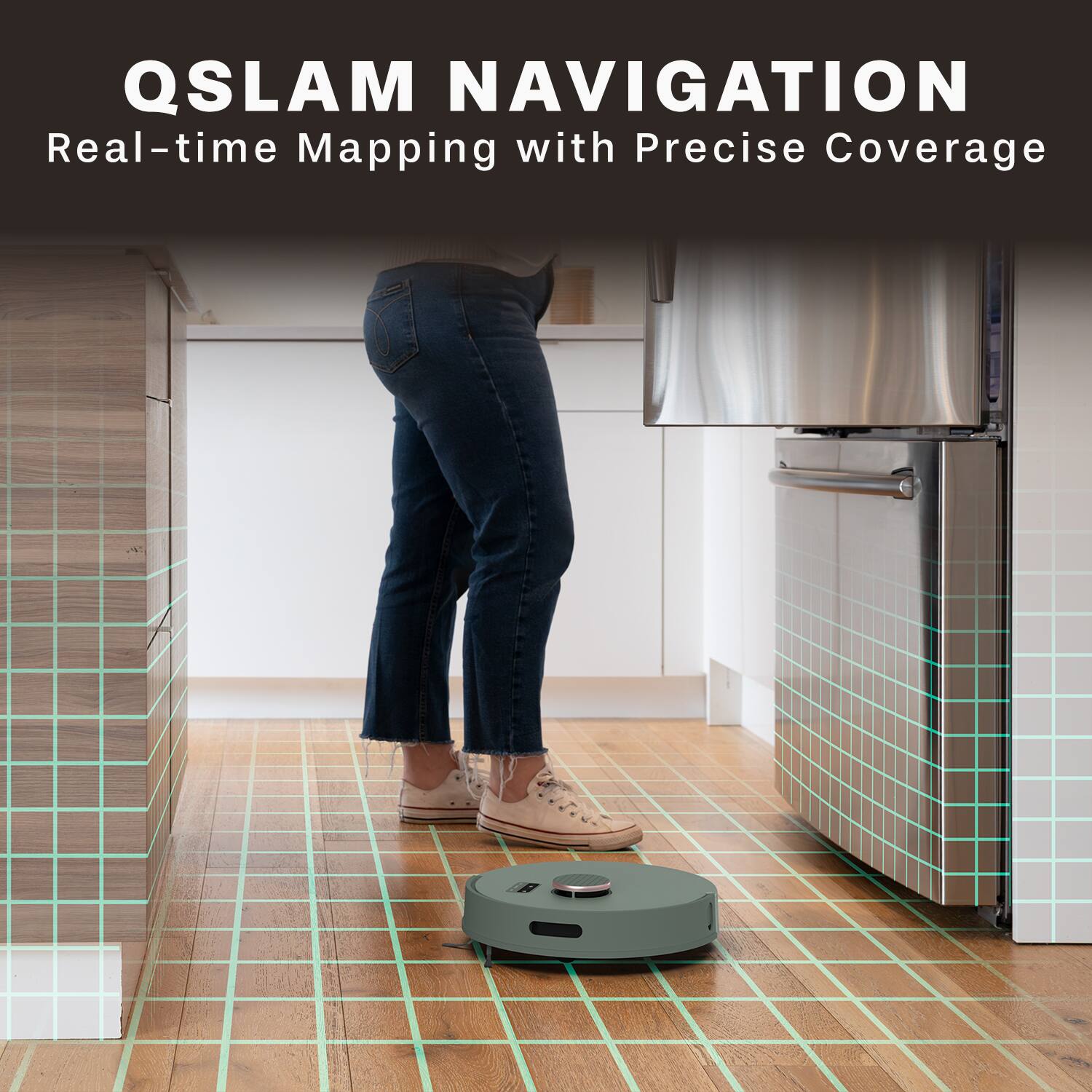
The Bio uses QSLAM (Quantum Simultaneous Localization and Mapping) technology, which sounds more complex than it is. Essentially, it's an advanced mapping system that creates floor plans quickly without requiring training runs. The robot can map and begin effective cleaning within minutes of first use.
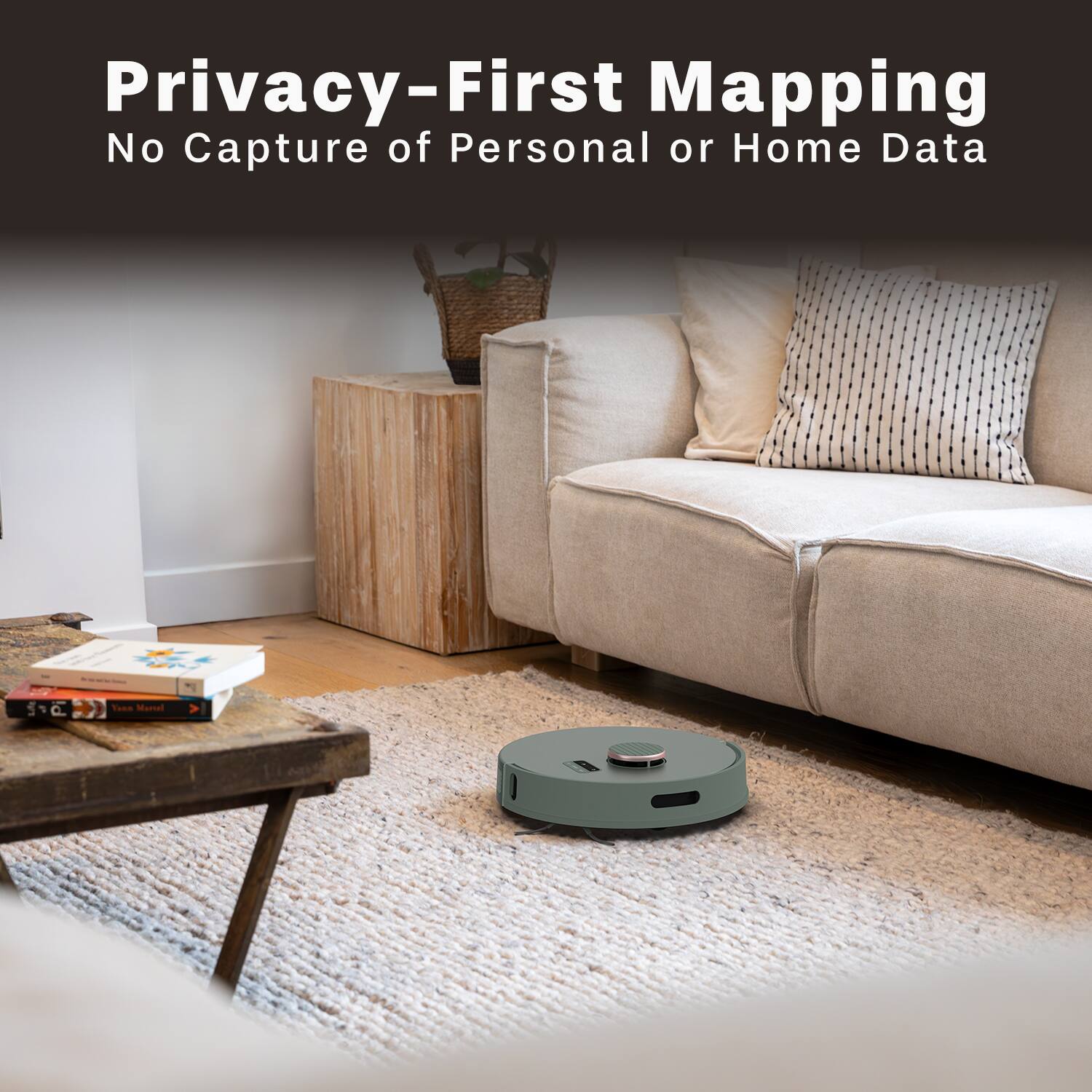
What sets the Bio apart is its privacy-focused approach. Unlike robots that use cameras for navigation and object recognition, the Bio relies primarily on LiDAR and doesn't record or transmit images of your home. For households concerned about smart home privacy – particularly after various security breaches involving connected devices – this approach offers peace of mind.
The navigation performance, while competent, isn't as sophisticated as the Saros 10's system. The Bio can map effectively and avoid major obstacles, but it lacks the nuanced object recognition that prevents issues with cables, pet toys, or unusual furniture configurations.
With 4,500 Pa of suction, the Bio delivers adequate cleaning power for most households. It won't match the deep-cleaning capability of the Saros 10, particularly on thick carpets, but it handles typical debris and dust effectively across hard floors and low-pile rugs.
The dual-brush system includes three vacuum settings, allowing users to balance cleaning intensity with noise levels and battery life. For routine maintenance cleaning, the lower settings work well while extending runtime.
The mopping function is more basic than the Saros 10's vibrating system. It uses traditional damp microfiber pads that provide adequate wet cleaning for light soil but won't tackle stuck-on stains or provide the deep cleaning capability of more advanced systems.
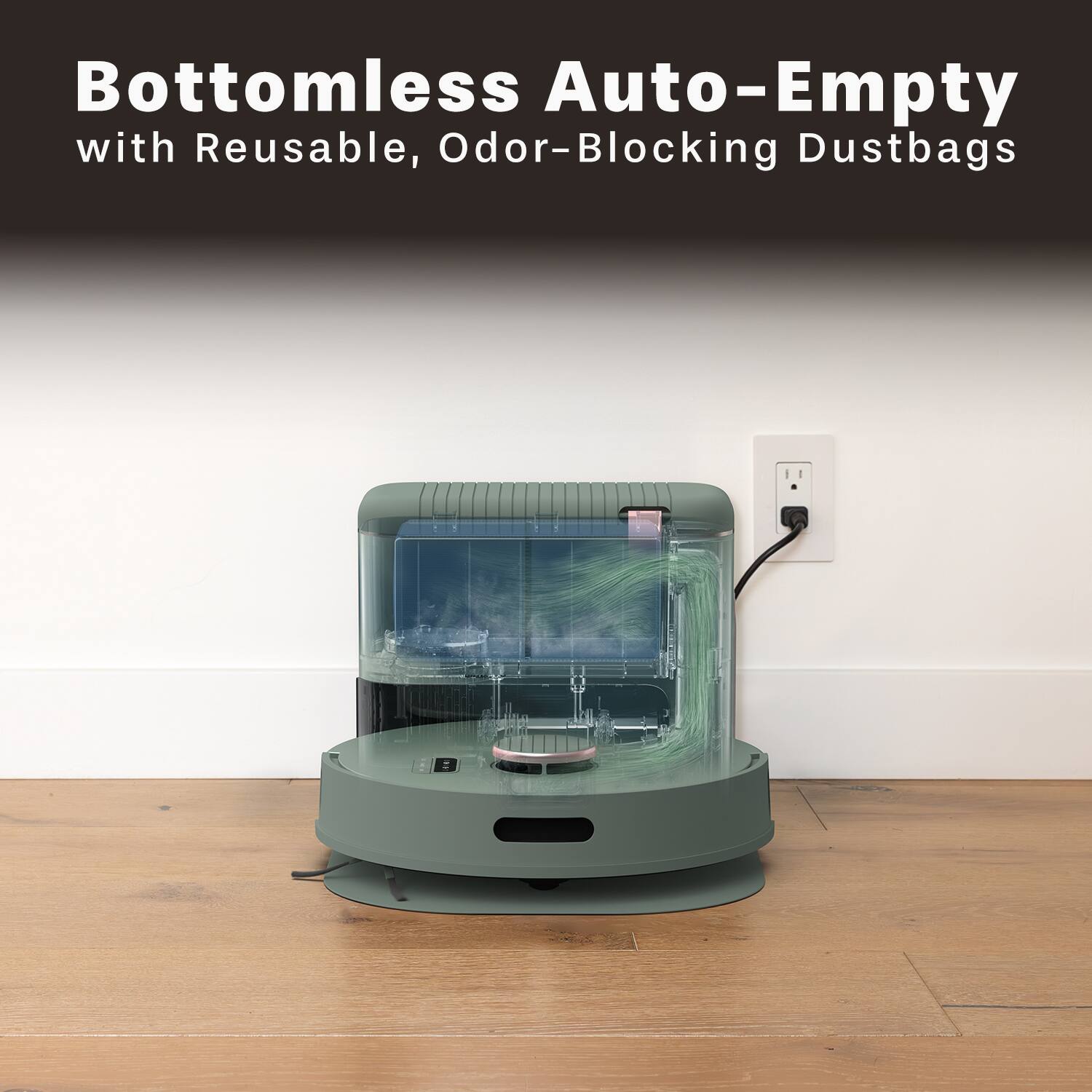
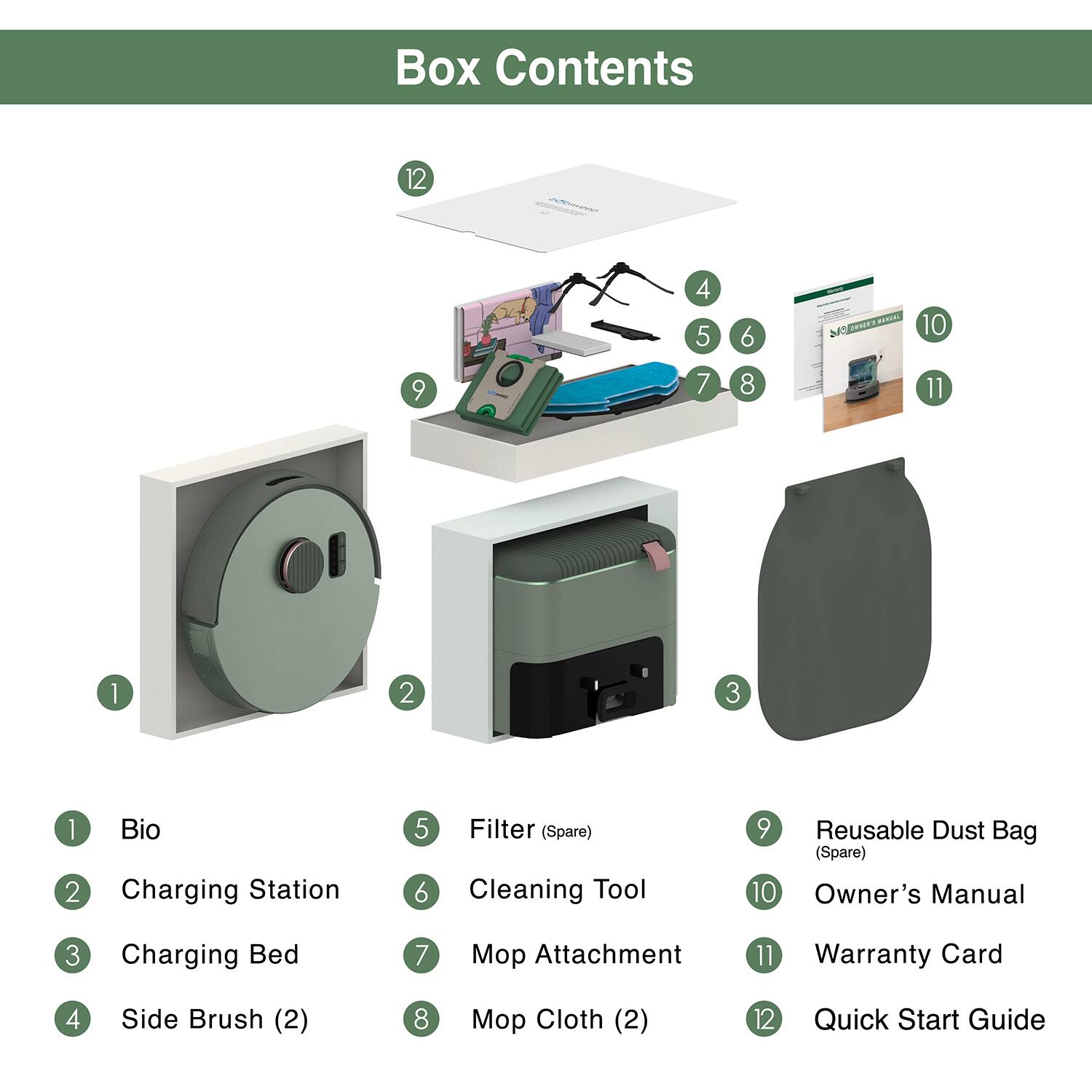
Where the Bio excels is in extended autonomy. The 3.5-liter self-emptying station can theoretically go 100 days between bag changes, significantly longer than most competitors. The dustbag includes activated charcoal filtration for odor control – particularly valuable in homes with pets.
This extended capacity means less frequent maintenance and potentially lower long-term operating costs, since you're not constantly replacing small dustbags or filters. The reusable nature of components also aligns with the product's environmental focus.
The suction power difference between these robots is dramatic – 22,000 Pa versus 4,500 Pa represents nearly a five-fold difference. In practical terms, this translates to noticeably different performance on carpets and with embedded debris.
Based on user reviews and expert testing, the Saros 10 excels at lifting pet hair from carpets, removing ground-in dirt, and handling challenging debris like cereal or cat litter. The Bio performs adequately on hard floors and low-pile rugs but struggles with deeper carpet cleaning and fine dust extraction.
For homes with predominantly hard flooring and light debris, this difference may not justify the cost premium. But households with pets, children, or significant carpeted areas will likely notice the superior cleaning performance of the Saros 10.
The mopping performance gap is even more pronounced. The Saros 10's vibrating mop system can actually scrub stains and provides consistent moisture control across different floor types. Users report successful removal of dried spills, paw prints, and even some sticky residues.
The Bio's basic mopping works well for dust and light soil but won't handle anything that requires actual scrubbing action. It's more of a maintenance mopping system than a deep cleaning solution.
In complex homes with lots of furniture, cables, and obstacles, the Saros 10 demonstrates clear superiority. Its advanced sensor array and AI-powered object recognition result in fewer stuck situations and more thorough cleaning coverage.
The Bio navigates competently in open spaces and handles standard furniture arrangements well, but users report more frequent interventions needed in cluttered areas or homes with pets that leave toys scattered around.
For home theater enthusiasts, both robots offer relevant benefits, though the Saros 10 edges ahead significantly. Its ultra-low profile allows cleaning under most entertainment centers and equipment racks where dust and pet hair accumulate. The retractable LiDAR system means it can navigate the tight spaces around AV equipment without getting stuck.
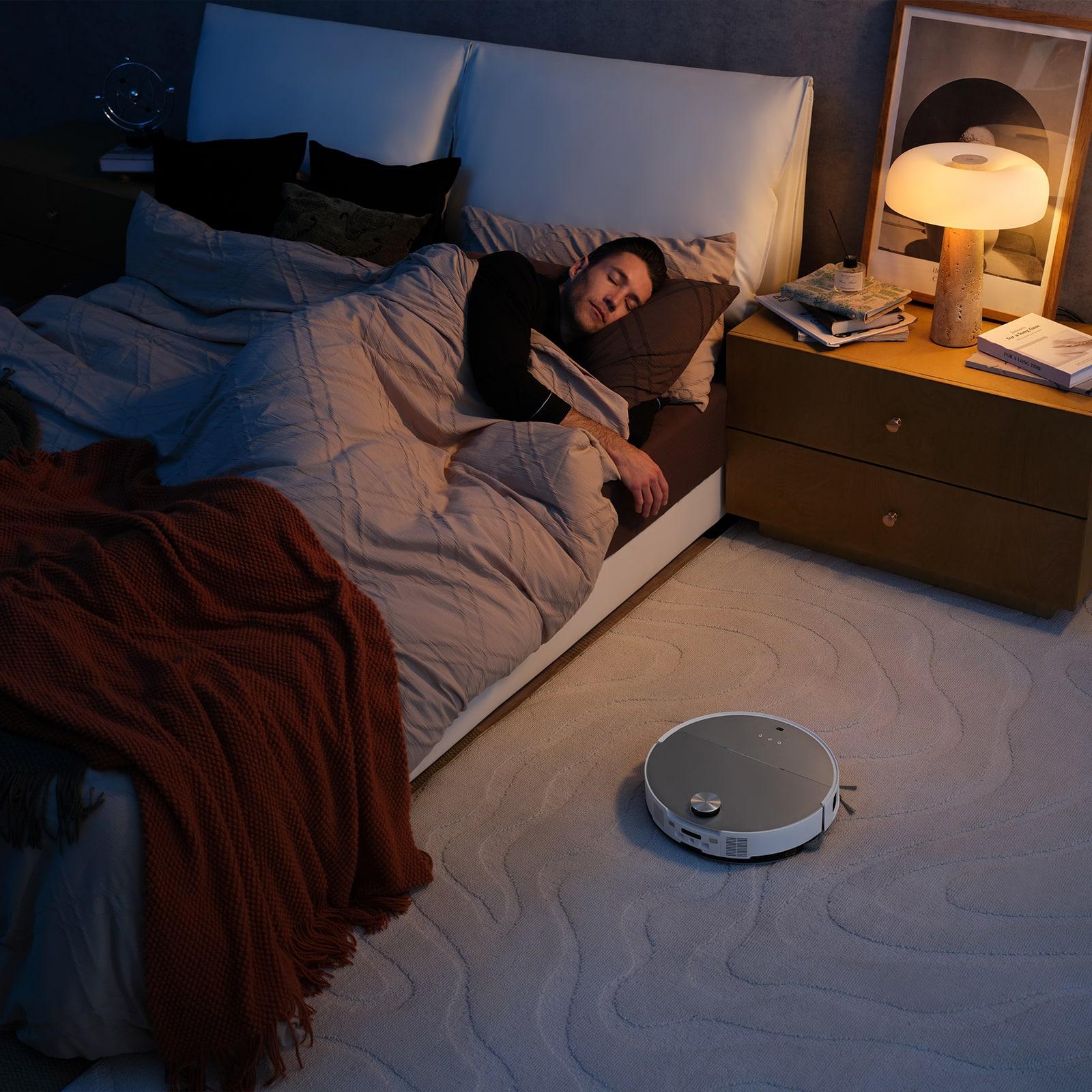
More importantly, the Saros 10 operates relatively quietly – quiet enough that users report being able to watch movies while it runs in adjacent rooms. The scheduling features allow it to clean during off-hours, maintaining the pristine environment that home theaters require without disrupting viewing sessions.
The Bio also offers scheduling and reasonable noise levels, but its inability to clean under low-clearance entertainment furniture limits its utility in dedicated theater spaces where equipment often sits close to the floor.
At the time of writing, the Saros 10 commands a significant premium over alternatives, positioning it firmly in the luxury robot vacuum segment. However, the feature set and performance capabilities help justify this positioning for the right buyers.
The Saros 10 makes most sense for households that value convenience above cost savings and have cleaning challenges that benefit from its advanced capabilities. Homes with pets, complex layouts, low furniture, or users who simply want the best available technology will find the premium worthwhile.
The time savings from reduced maintenance and superior cleaning results can offset the higher upfront cost over time, particularly for busy professionals or families where cleaning time is at a premium.
The Bio typically retails for significantly less than the Saros 10, making it attractive for budget-conscious buyers who still want automation benefits. The environmental angle adds value for sustainability-focused households, though the actual environmental impact depends on usage patterns and lifecycle considerations.
This robot works best in simpler homes with predominantly hard flooring, minimal obstacles, and users who prioritize extended autonomy over peak cleaning performance. The privacy benefits also appeal to security-conscious households wary of camera-equipped smart devices.
You have pets that shed significantly – the anti-tangle system and powerful suction make this worthwhile. Homes with thick carpets or rugs benefit enormously from the superior suction power. If you have low furniture like entertainment centers, beds, or coffee tables, the ultra-thin profile provides cleaning capability no other robot can match.
The Saros 10 also suits busy households where the comprehensive automation justifies the cost. Users who want set-it-and-forget-it convenience, with weeks between any maintenance tasks, will appreciate the full-service dock system.
Tech enthusiasts who want the latest innovations and don't mind paying for cutting-edge features will find the Saros 10 satisfying. The obstacle avoidance, smart home integration, and overall sophistication appeal to users who enjoy having the most advanced available technology.
Environmental considerations factor heavily into your purchase decisions. The bio-based construction and reusable components align with sustainability goals, though you should weigh this against the potentially shorter lifespan of less expensive robots.
Privacy concerns about smart home devices make the camera-free approach appealing. Households uncomfortable with internet-connected cameras will prefer the Bio's LiDAR-only navigation.
Extended periods between maintenance interventions matter more than peak cleaning performance. The 100-day capacity works well for vacation homes, busy schedules, or users who simply want to minimize robot-related tasks.
Budget constraints make the premium features of the Saros 10 difficult to justify, but you still want automation benefits beyond basic robot vacuums.
The robot vacuum market has matured to the point where both premium and value-oriented options can deliver genuine utility, but the performance gaps remain significant. The Roborock Saros 10 represents the current pinnacle of robot cleaning technology, with innovations that solve real problems and cleaning performance that rivals traditional vacuuming and mopping.
The bObsweep Bio takes a more practical approach, focusing on extended autonomy, environmental consciousness, and privacy while delivering competent basic cleaning. It won't match the Saros 10's performance, but it offers a compelling alternative for households where the premium features don't justify the additional cost.
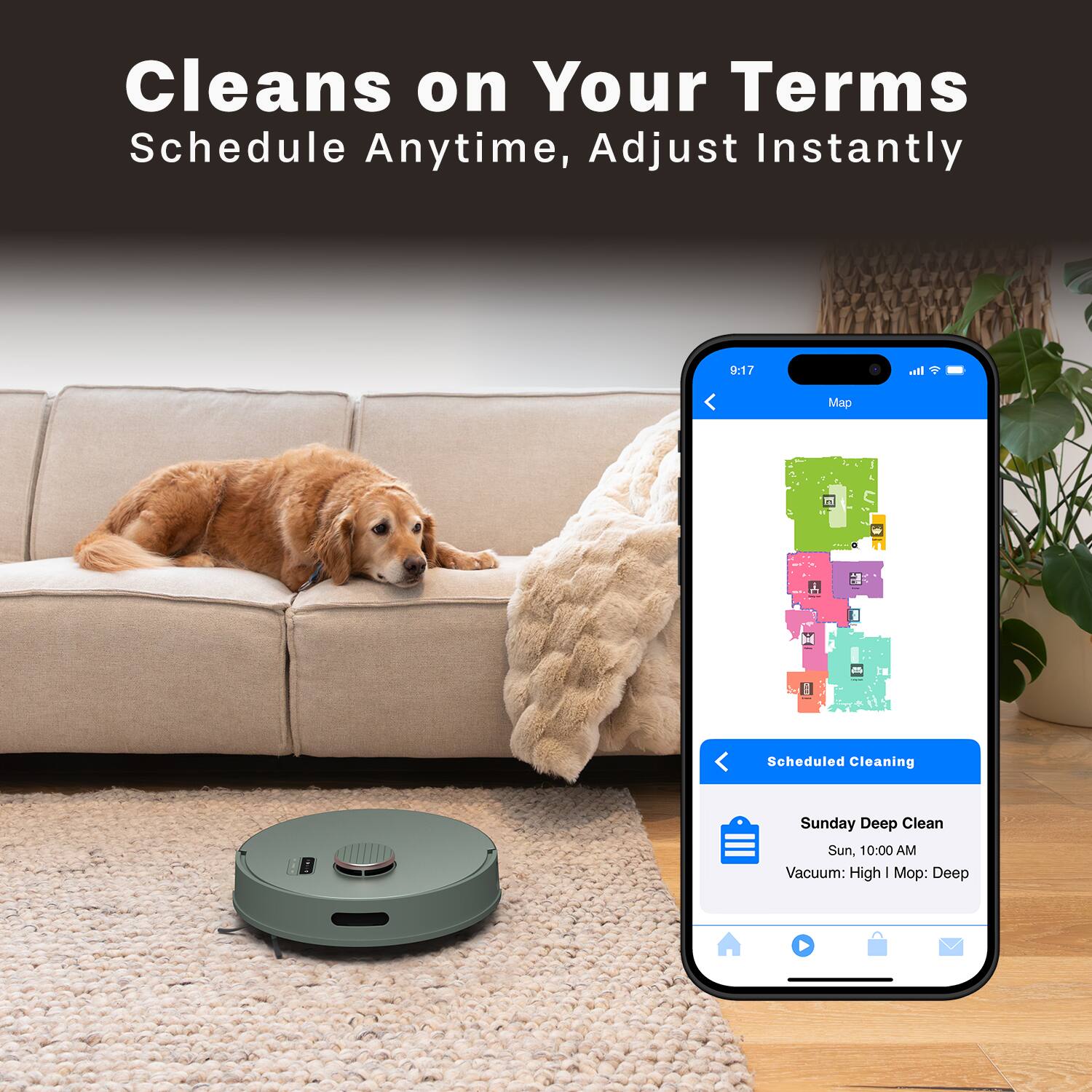
Ultimately, your choice should align with your specific needs, budget, and priorities. Both robots will clean your floors automatically – the question is how thoroughly, how intelligently, and with how much ongoing involvement from you. For most households with complex cleaning needs, pets, or challenging layouts, the Saros 10's superior performance justifies its premium positioning. For simpler homes prioritizing sustainability and extended autonomy, the Bio offers practical benefits at a more accessible price point.
| Roborock Saros 10 Robot Vacuum and Mop | bObsweep Bio PET24-7-113 Robot Vacuum Mop |
|---|---|
| Suction Power - Critical for deep cleaning carpets and pet hair removal | |
| 22,000 Pa (industry-leading, handles thick carpets and embedded debris) | 4,500 Pa (adequate for hard floors and light cleaning) |
| Height Profile - Determines ability to clean under furniture | |
| 3.14 inches with retractable LiDAR (cleans under most furniture) | 3.5 inches standard profile (limited low-clearance access) |
| Navigation Technology - Affects cleaning thoroughness and stuck situations | |
| RetractSense with triple sensors, RGB camera, AI object recognition | QSLAM with LiDAR only, no camera for privacy |
| Mopping System - Key difference in wet cleaning effectiveness | |
| VibraRise 4.0 with sonic vibrations (4,000/min), hot water wash/dry | Basic wet mop with microfiber pads, manual maintenance |
| Anti-Tangle Technology - Essential for homes with pets or long hair | |
| DuoDivide brush with certified 0% hair tangling | Dual-brush system with standard design |
| Self-Emptying Capacity - Affects maintenance frequency | |
| 270ml robot bin with frequent dock emptying | 3.5-liter station (100-day capacity with odor control) |
| Obstacle Climbing - Important for multi-surface homes | |
| AdaptiLift chassis climbs 1.57 inches (4cm) | Standard obstacle handling |
| Dock Automation - Reduces hands-on maintenance | |
| RockDock Ultra 2.0 (10-in-1: wash, dry, detergent, refill) | Basic self-emptying with reusable charcoal-filtered bag |
| Construction Materials - Environmental and durability considerations | |
| Traditional ABS plastic construction | Bio-based plastic from renewable plant materials |
| Privacy Features - Important for security-conscious users | |
| Uses cameras for navigation and object recognition | No cameras or image recording, LiDAR-only navigation |
| Smart Home Integration - Compatibility with existing systems | |
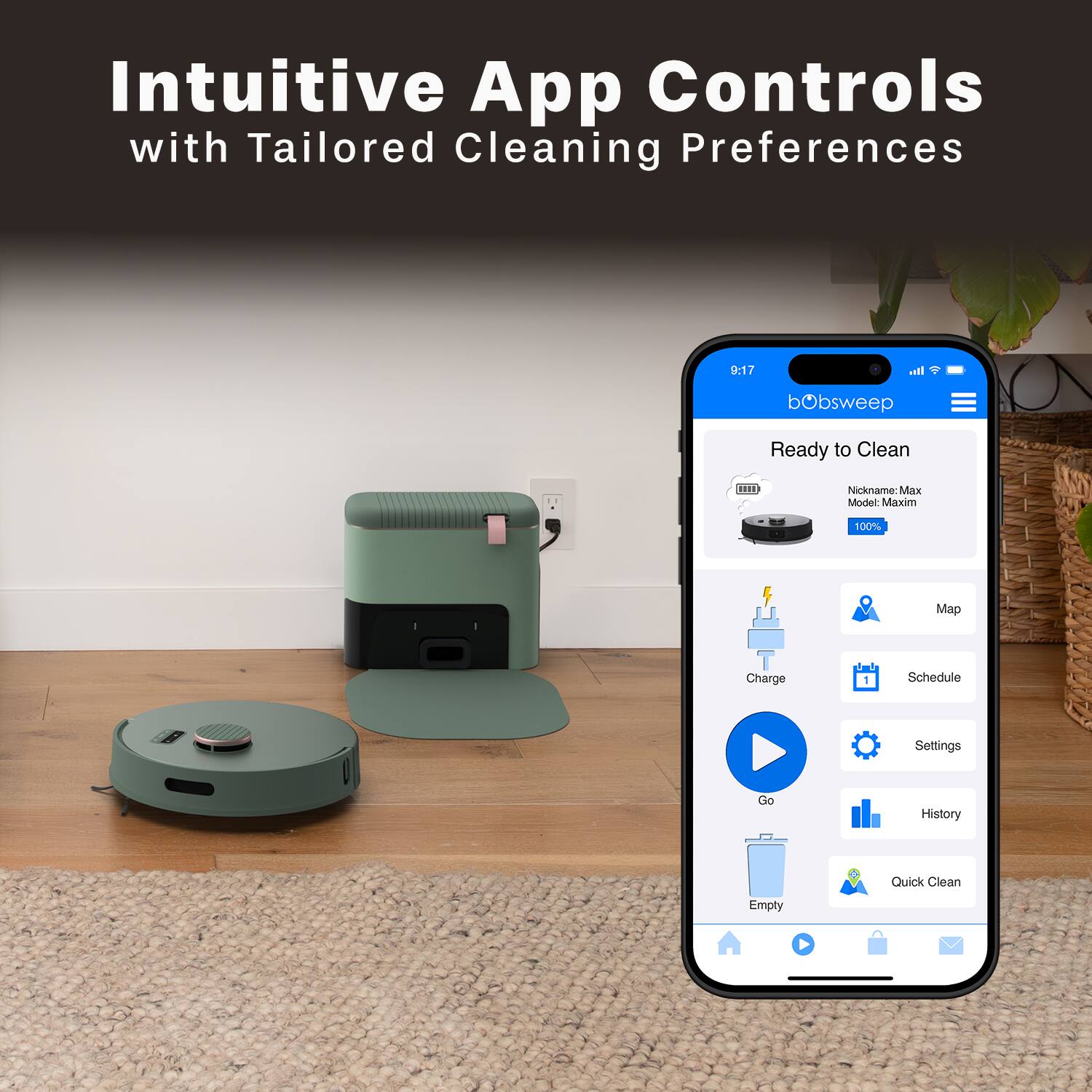
| Matter 2.0, Alexa, Google, Siri, advanced app features | Basic app control, Alexa and Google compatibility |
| Runtime and Coverage - Affects cleaning session completeness | |
| 220 minutes, ~1333 ft² per charge | Standard runtime with 12.5-inch cleaning path |
The Roborock Saros 10 delivers significantly more suction power at 22,000 Pa compared to the bObsweep Bio at 4,500 Pa. This nearly five-fold difference means the Saros 10 excels at deep carpet cleaning, pet hair removal, and embedded debris extraction, while the Bio handles basic dust and light debris adequately on hard floors.
The Roborock Saros 10 is specifically designed for low-clearance cleaning at just 3.14 inches tall with a retractable LiDAR system. This allows it to clean under most furniture, entertainment centers, and beds. The bObsweep Bio at 3.5 inches has a more standard profile that limits access under very low furniture.
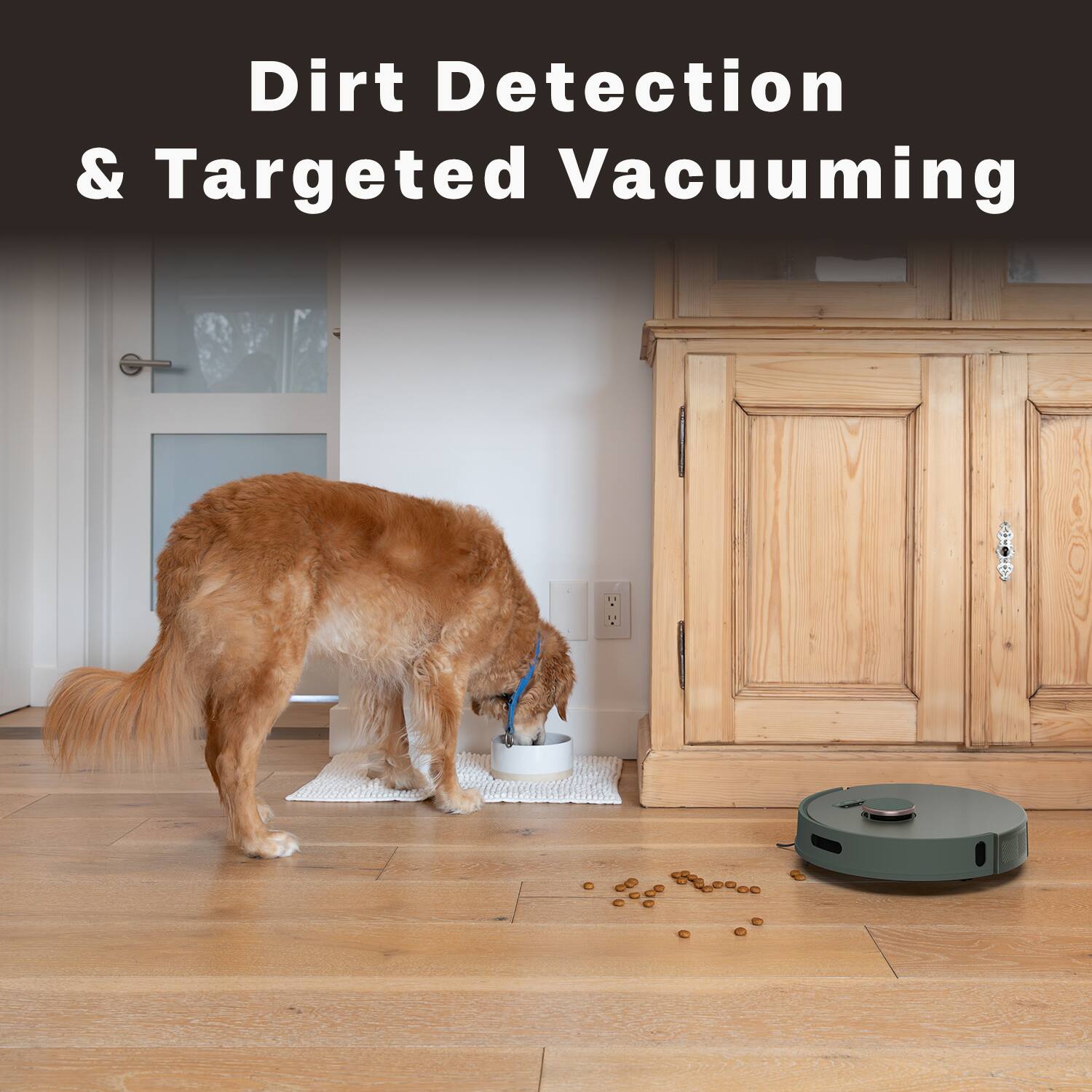
The Roborock Saros 10 is superior for pet owners due to its certified anti-tangle brush system that eliminates hair wrapping, 22,000 Pa suction for effective pet hair removal, and advanced obstacle avoidance for pet toys. The bObsweep Bio includes activated charcoal odor filtration which helps with pet odors, but lacks the specialized anti-tangle technology.
The Roborock Saros 10 features advanced VibraRise 4.0 technology with sonic vibrations at 4,000 oscillations per minute and hot water mop washing at the dock. The bObsweep Bio uses basic wet mopping with microfiber pads that require manual maintenance. The Saros 10 can actually scrub stains while the Bio provides light maintenance mopping.
Both offer different maintenance approaches. The Roborock Saros 10 provides more comprehensive automation with its 10-in-1 dock that washes, dries, and maintains the robot automatically. The bObsweep Bio offers extended autonomy with its 100-day self-emptying capacity, requiring less frequent bag changes but more manual mop maintenance.
Yes, there's a significant privacy difference. The bObsweep Bio uses only LiDAR for navigation and explicitly doesn't record or transmit images of your home. The Roborock Saros 10 uses cameras for advanced object recognition and navigation, which may concern privacy-conscious users despite security measures.
The Roborock Saros 10 is better suited for large homes due to its superior navigation system, 220-minute runtime, and ability to handle complex layouts with advanced obstacle avoidance. The bObsweep Bio can handle large spaces but may require more intervention in complex environments with many obstacles.
The Roborock Saros 10 excels across all floor types with its AdaptiLift chassis that climbs obstacles up to 1.57 inches and powerful suction for thick carpets. The bObsweep Bio works well on hard floors and low-pile rugs but may struggle with thick carpeting due to lower suction power.
The Roborock Saros 10 provides superior smart home integration with Matter 2.0 compatibility, advanced app features, and comprehensive voice assistant support with Alexa, Google, and Siri. The bObsweep Bio offers basic app control and standard Alexa and Google compatibility without the advanced automation features.
The Roborock Saros 10 is excellent for home theaters due to its ultra-low 3.14-inch profile that cleans under entertainment centers and AV equipment, plus quiet operation that won't disrupt viewing. The bObsweep Bio can work in theater spaces but cannot access the tight spaces under low-profile entertainment furniture where dust accumulates.
The bObsweep Bio takes a more environmentally conscious approach with bio-based plastic construction from renewable plant materials and reusable dustbags. The Roborock Saros 10 uses traditional materials but may last longer due to premium construction, potentially offsetting environmental impact over time.
The Roborock Saros 10 features advanced RetractSense navigation with triple structured light sensors, RGB cameras, and AI recognition for over 100 household objects. The bObsweep Bio uses QSLAM technology with LiDAR for competent navigation but lacks the sophisticated obstacle recognition that prevents getting stuck on cables or small objects.
We've done our best to create useful and informative comparisons to help you decide what product to buy. Our research uses advanced automated methods to create this comparison and perfection is not possible - please contact us for corrections or questions. These are the sites we've researched in the creation of this article: bestbuy.com - androidauthority.com - rtings.com - vacuumwars.com - vacuumwars.com - youtube.com - forums.macrumors.com - youtube.com - youtube.com - rtings.com - youtube.com - us.roborock.com - target.com - galaxus.at - vacuumwars.com - youtube.com - vacuumwars.com - techtongbo.com - us.roborock.com - us.roborock.com - youtube.com - roboselector.com - support.roborock.com - youtube.com - bestbuy.com - bobsweep.com - bestbuy.com - bobsweep.com - homedepot.com - bestbuy.com - samsclub.com - homedepot.com - youtube.com - ebay.com - bobsweep.com - youtube.com - walmart.com - ebay.com - ebay.com - bobsweep.com - bestbuy.com - bobsweep.com - manuals.plus - bobsweep.com

Privacy Policy
Terms and Conditions - Affiliate Policy
Home Security
© Copyright 2008-2026.
11816 Inwood Rd #1211, Dallas, TX 75244