

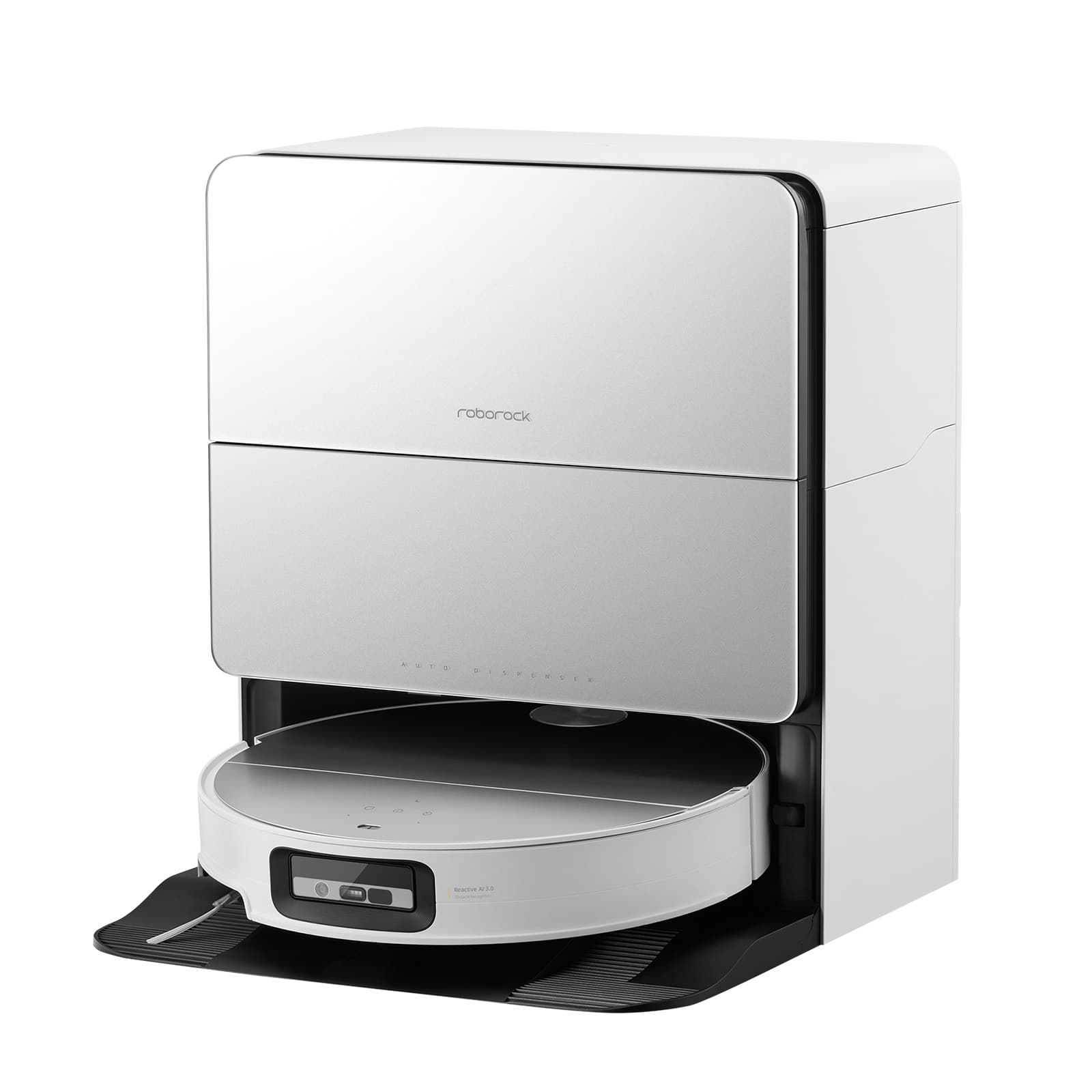

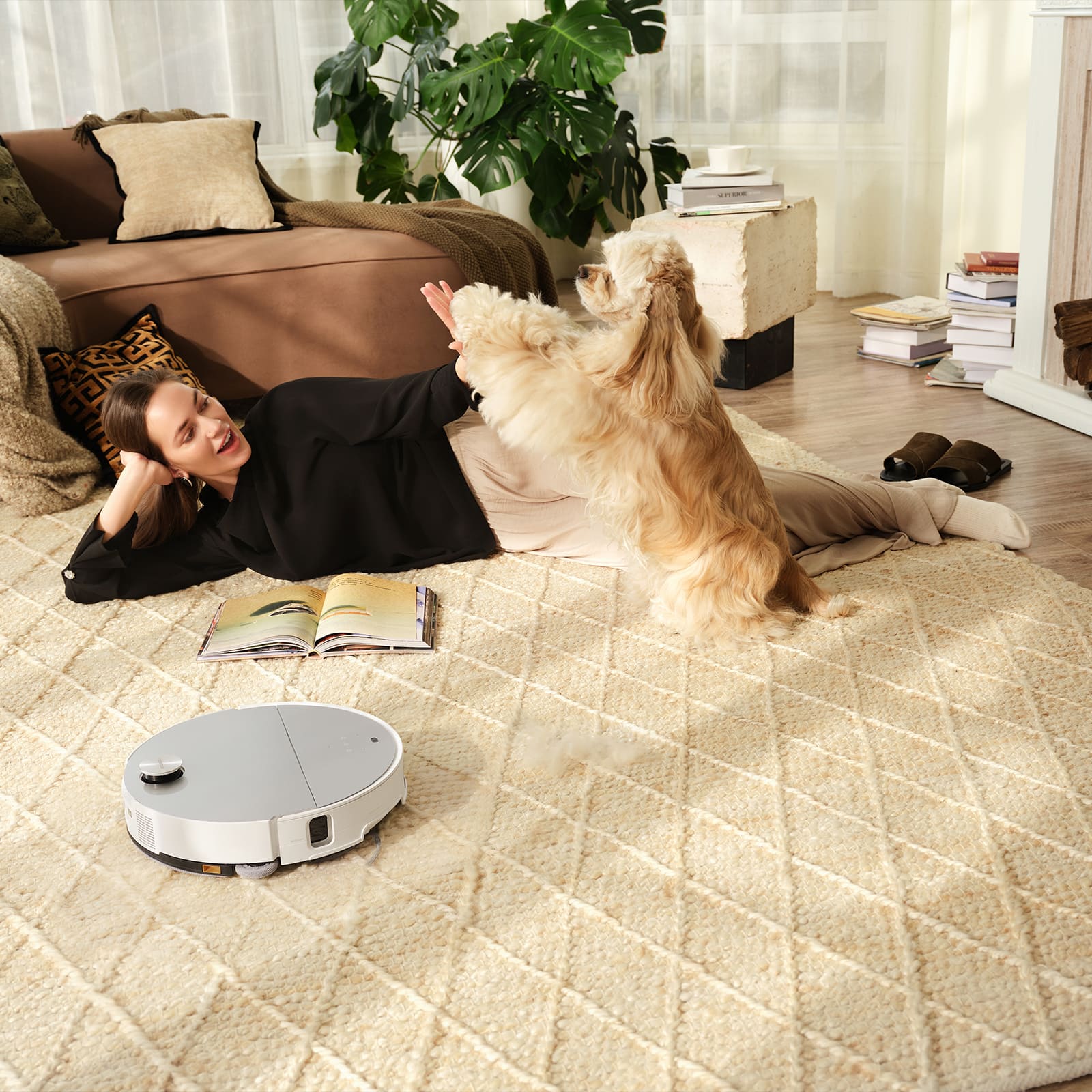
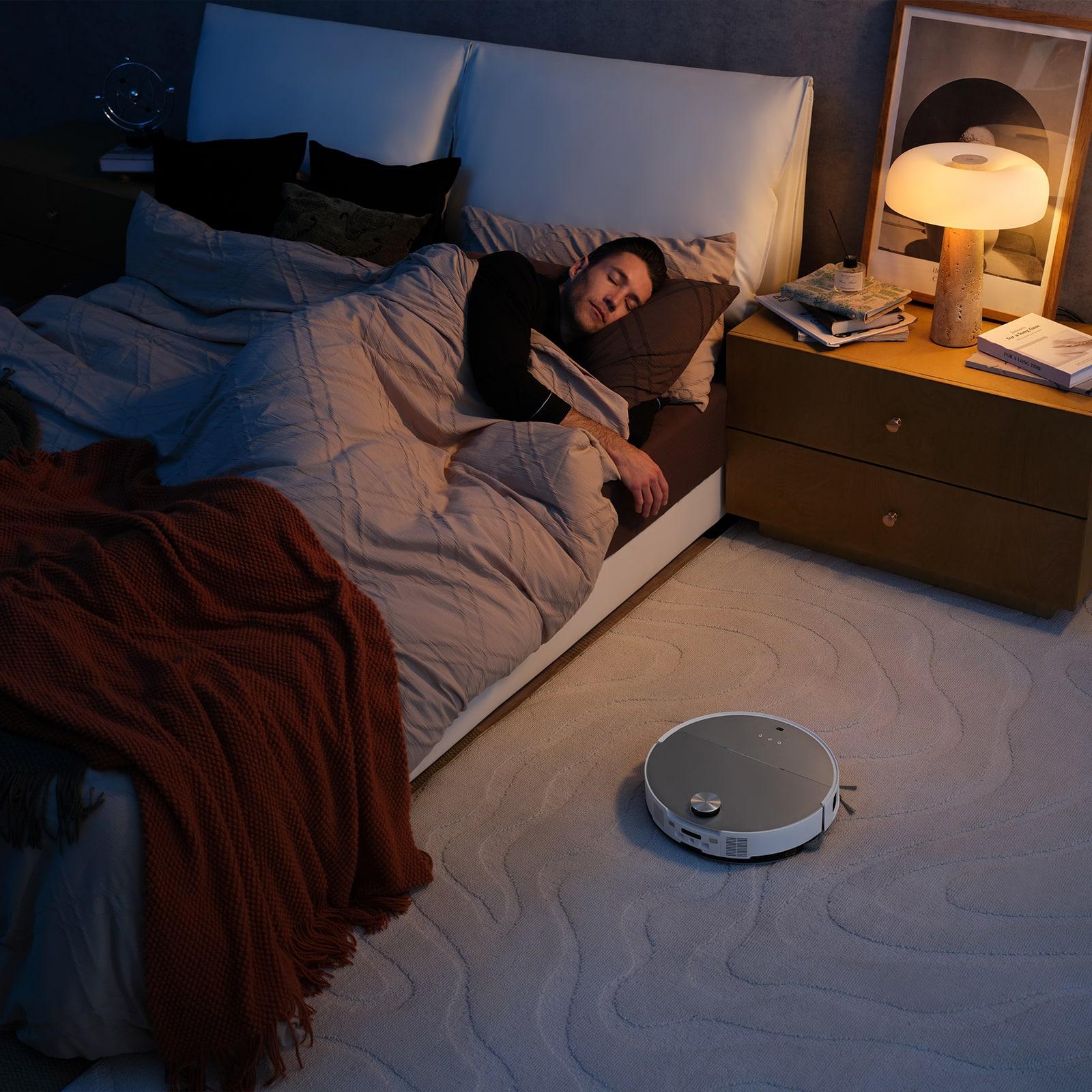
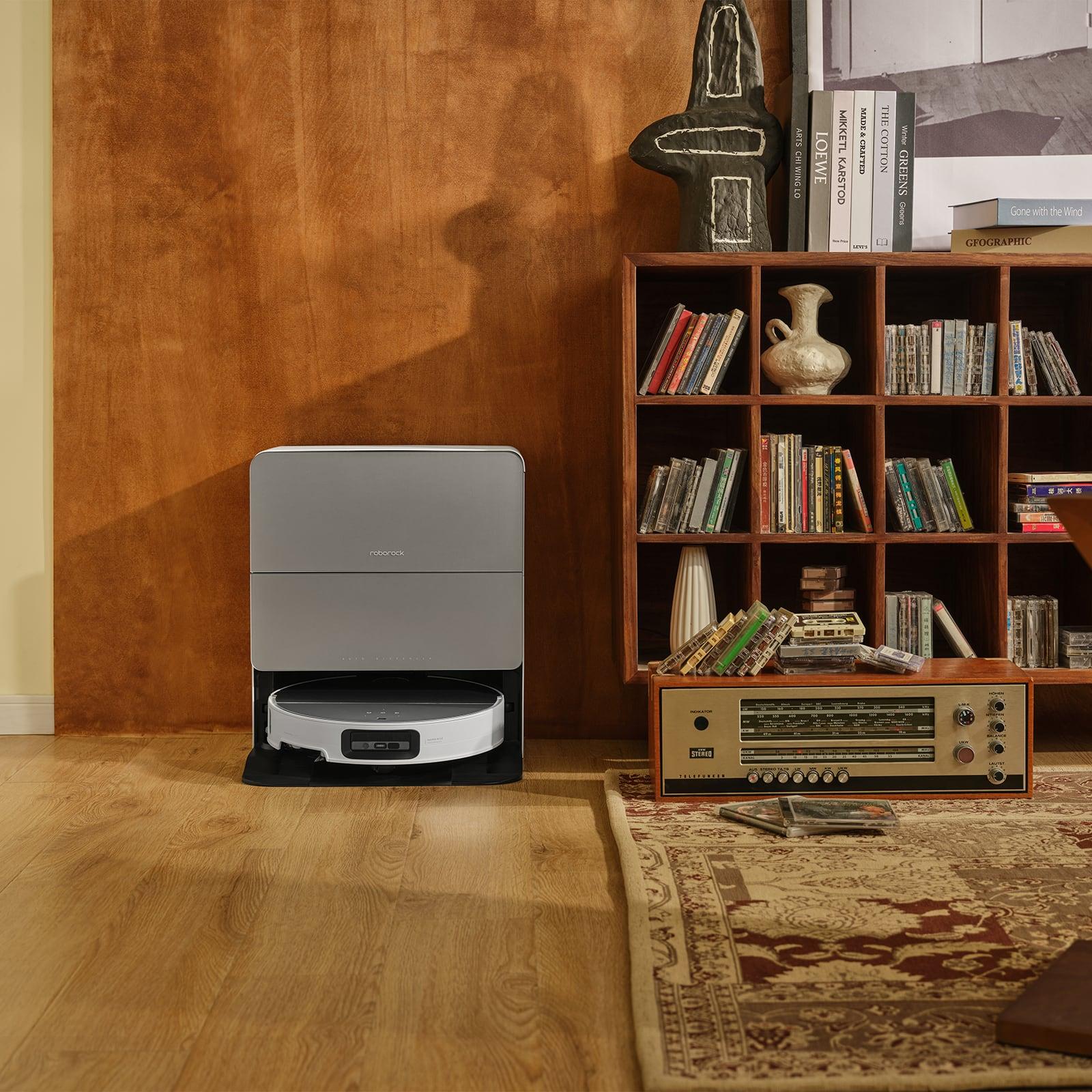
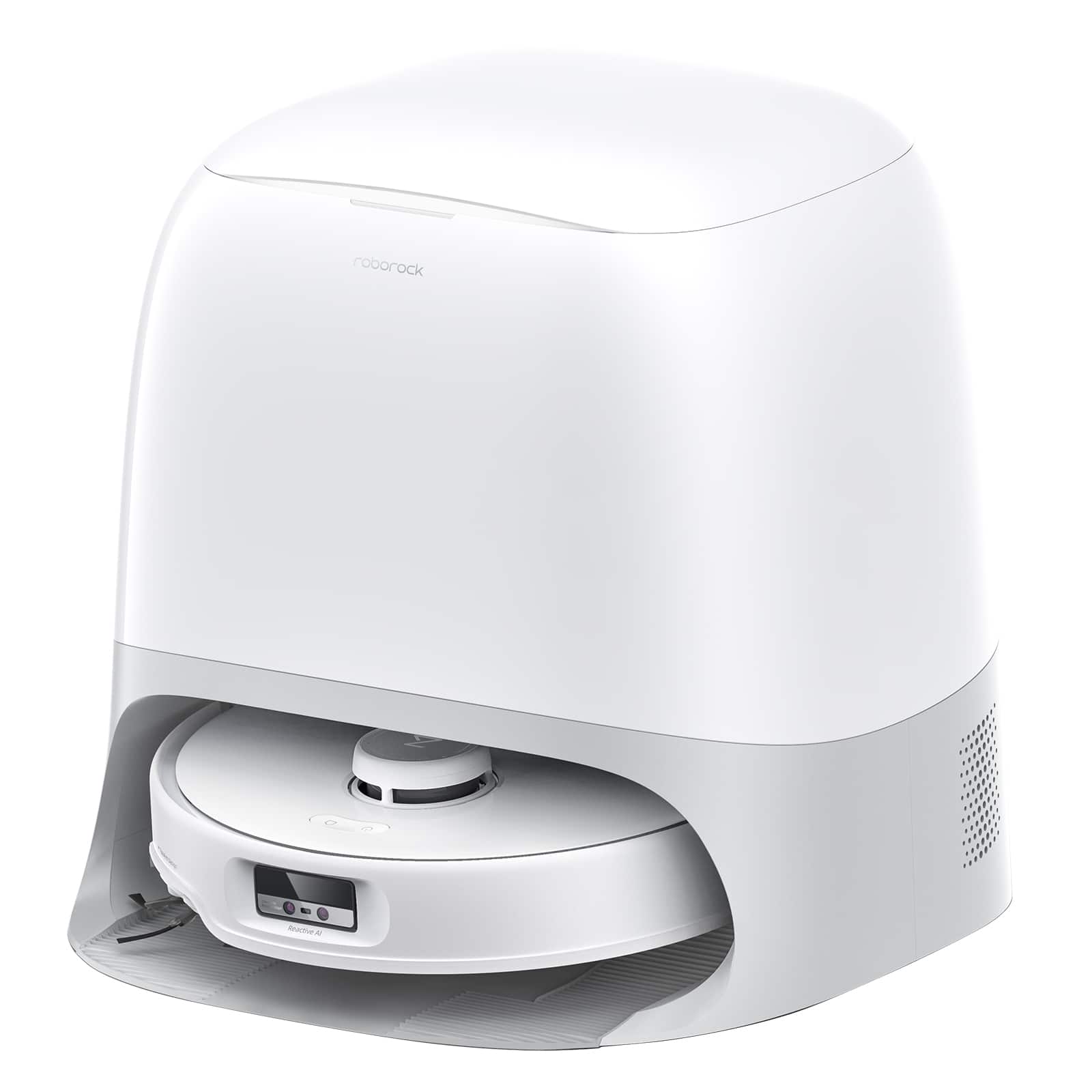


Robot vacuum and mop combos have come a long way from those early round pucks that bounced around your house like a confused pet. Today's models like the Roborock Saros 10 and Roborock Qrevo Curv are sophisticated cleaning machines that can map your home, avoid obstacles, and handle both vacuuming and mopping with minimal human intervention. But with significant price differences between these two Roborock models, choosing the right one requires understanding what you're actually paying for.
The robot vacuum market has matured considerably since 2020, when most models struggled with basic navigation and frequently got stuck under furniture. Both the Saros 10 (released in 2025) and Qrevo Curv (released in 2024) represent the current state-of-the-art, incorporating years of refinement in artificial intelligence, sensor technology, and mechanical engineering. At the time of writing, these models sit at different price points—the Saros 10 commands premium pricing as Roborock's flagship, while the Qrevo Curv offers high-end performance at roughly half the cost.
Before diving into specific differences, it's worth understanding the core technologies that make modern robot vacuums work. Both models use LiDAR (Light Detection and Ranging)—essentially laser-based radar that spins continuously to create detailed room maps. This is combined with various cameras and sensors for obstacle avoidance, plus sophisticated algorithms that plan efficient cleaning routes.
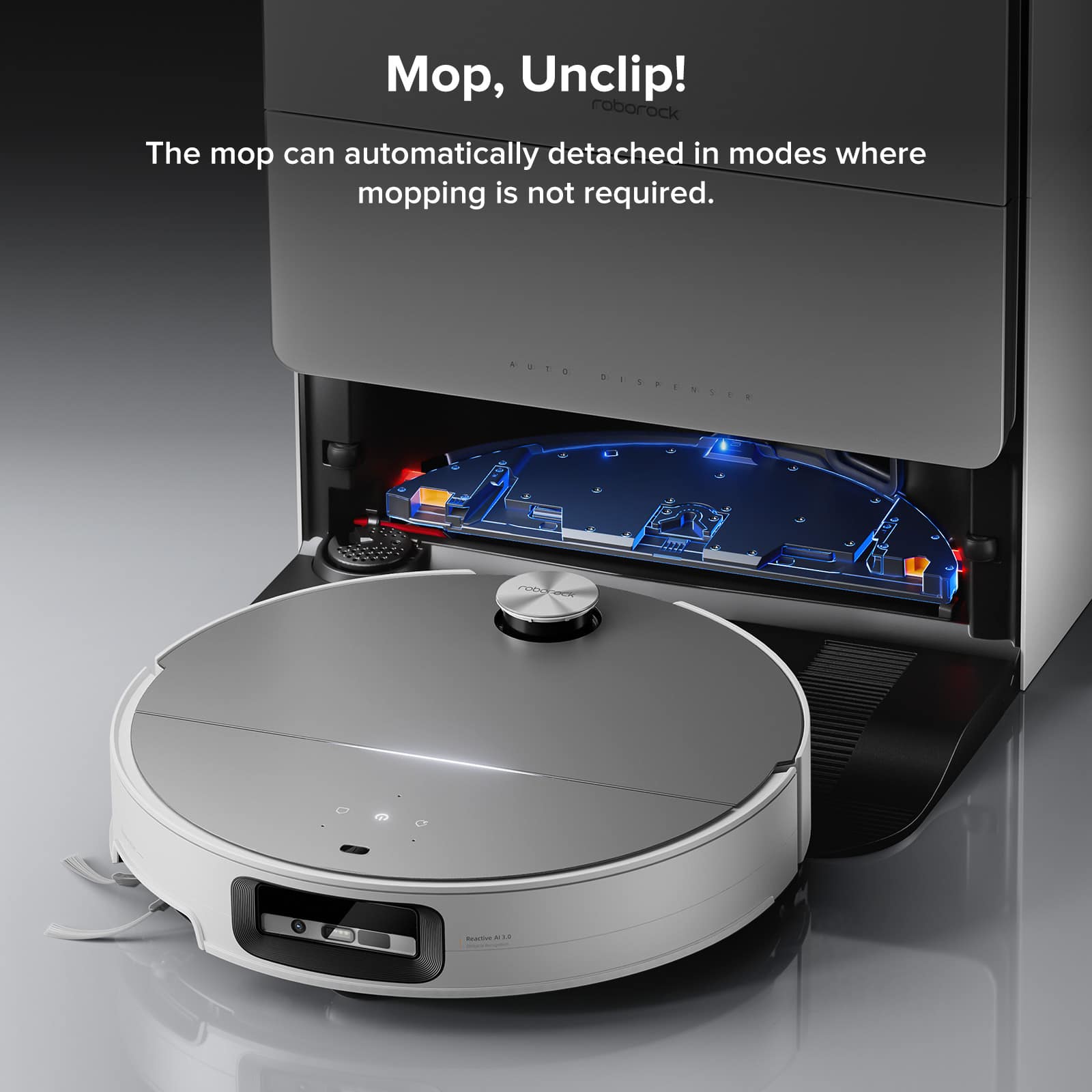
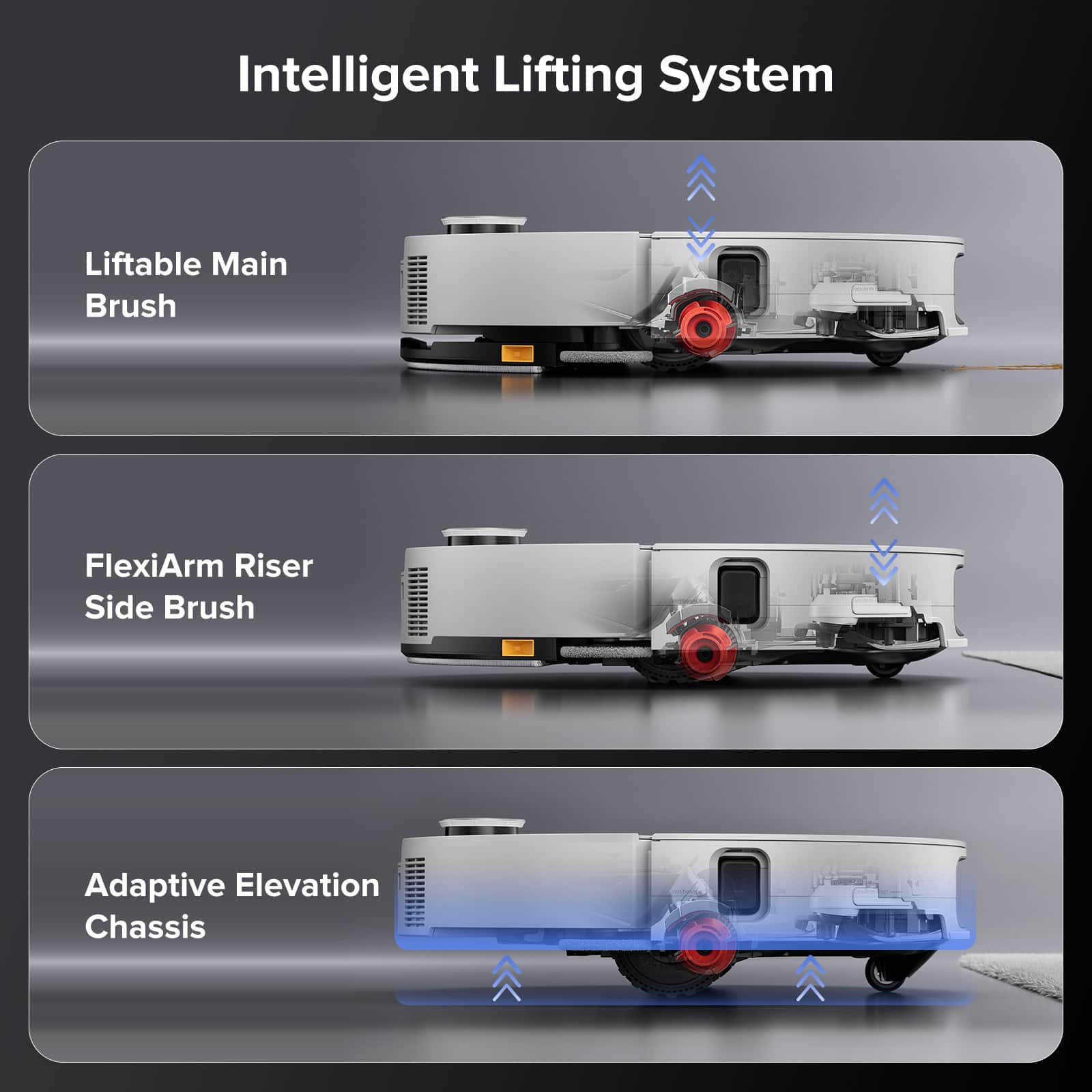
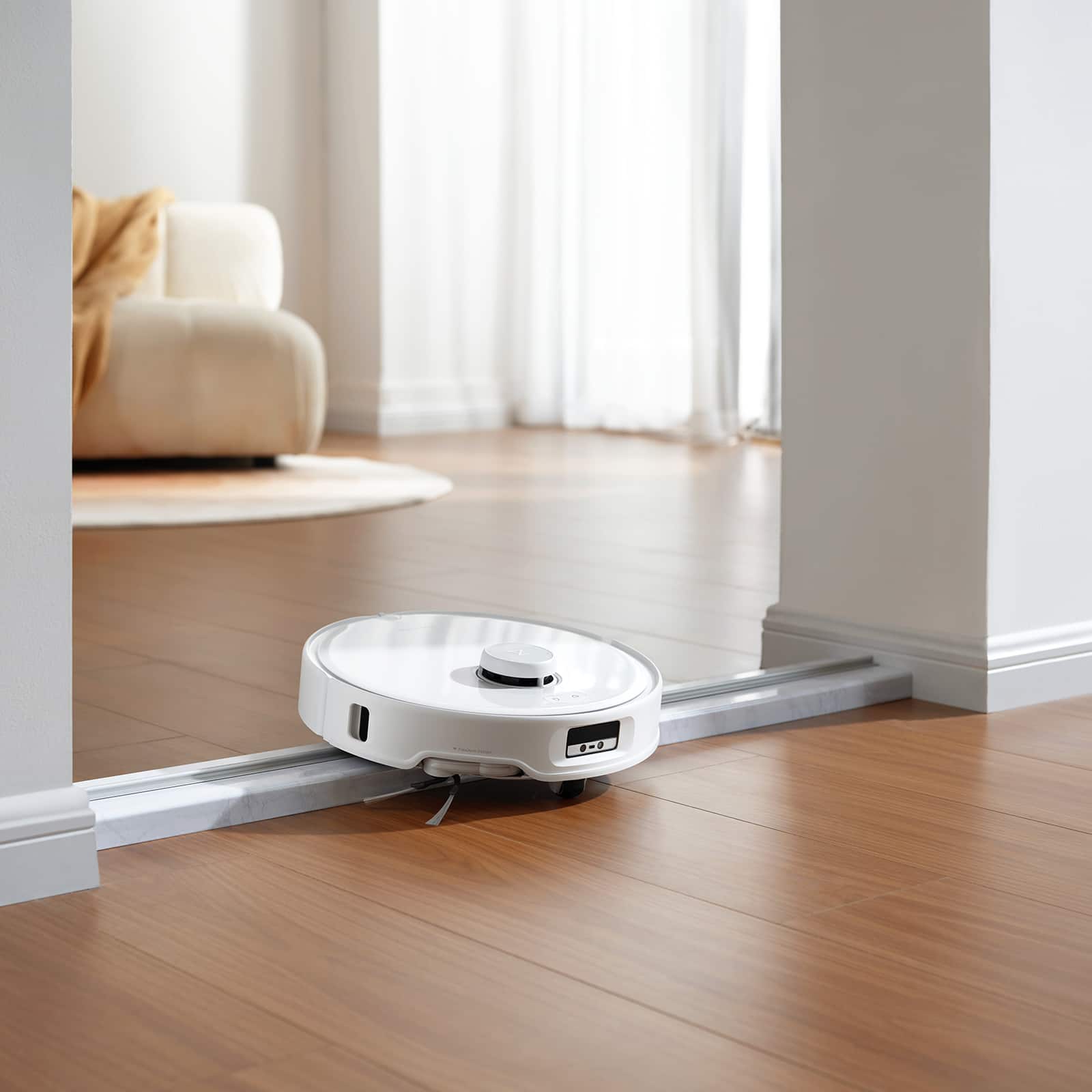
The key innovation in both models is their "combo" approach: they vacuum and mop in sequence, automatically lifting mop pads when they encounter carpets and lowering them for hard floors. This eliminates the old problem of choosing between a dedicated vacuum or a dedicated mop—these machines handle both tasks competently.
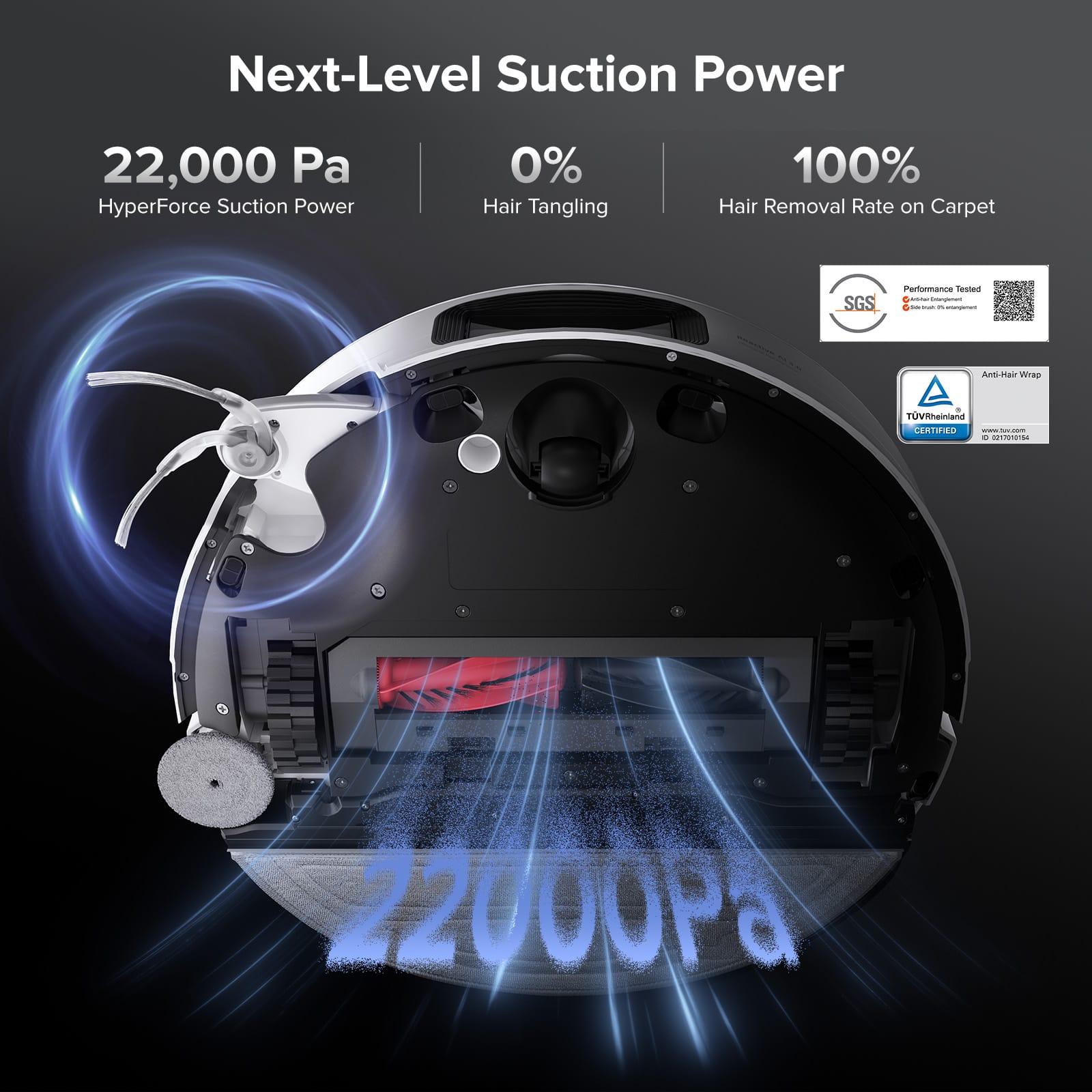
The most significant performance gap between these models lies in raw suction power. The Saros 10 generates 22,000 Pa (Pascals—the scientific unit for pressure) compared to the Qrevo Curv's 18,500 Pa. While that might sound like marketing numbers, this 19% difference translates to noticeably better performance in real-world scenarios.
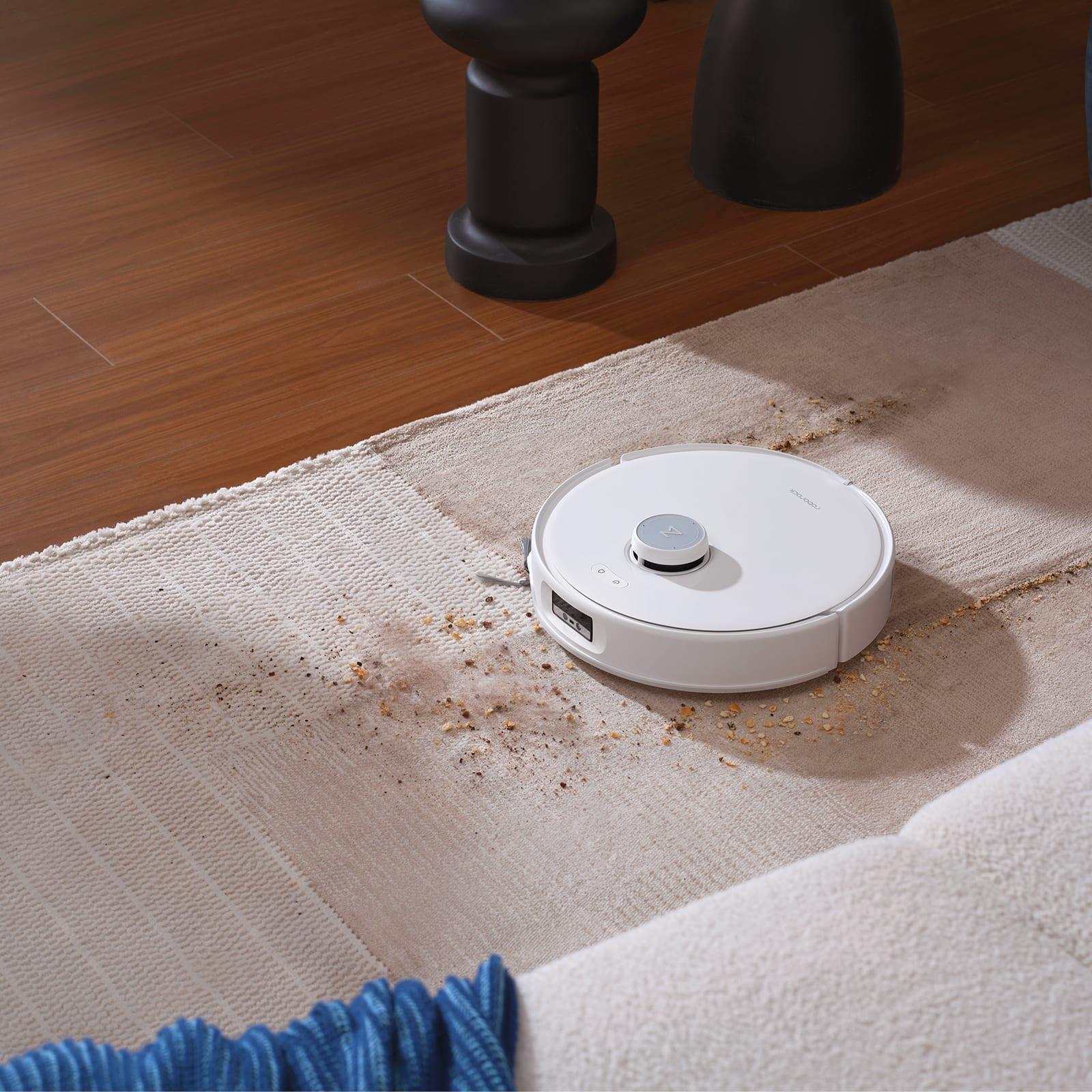
Based on our research into user experiences and expert testing, this extra suction power becomes most apparent on carpeted surfaces. The Saros 10 consistently outperforms its sibling in picking up embedded debris from medium-pile carpets—the kind of fine sand, pet hair, and dust that gets ground into carpet fibers over time. On hard floors, both models perform excellently, but the Saros 10 has the edge when dealing with stubborn debris in grout lines or textured surfaces.
For homes with mainly hard floors, this difference is less critical. But if you have area rugs, carpeted bedrooms, or pets that track in outdoor debris, the additional suction power justifies consideration. The consensus from reviews suggests the Saros 10 often accomplishes in one pass what might require two passes from other high-end models.
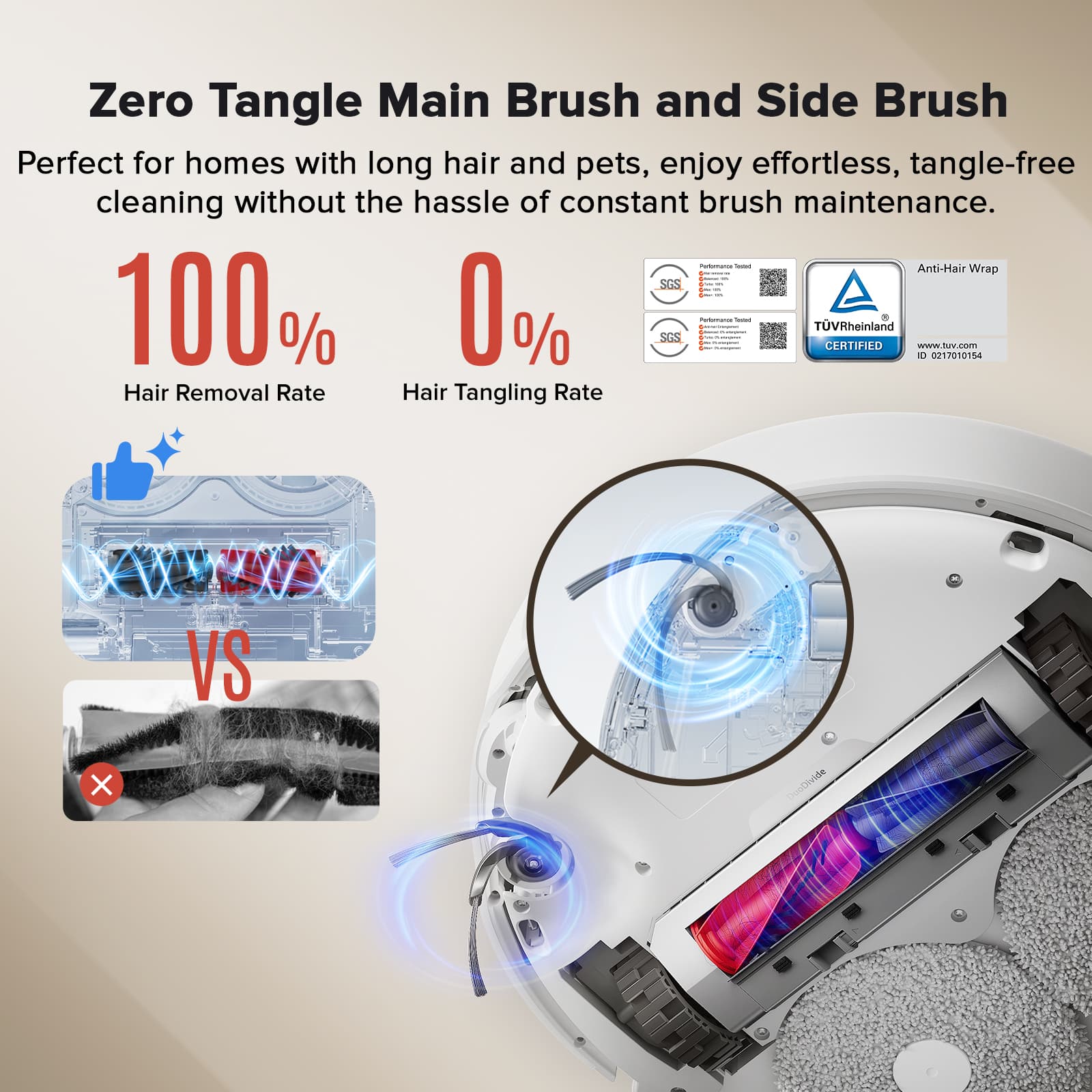
Both models feature Roborock's innovative DuoDivide main brush system, which represents a genuine breakthrough in robot vacuum design. Traditional robot vacuums use a single rotating brush that inevitably wraps hair around its center axle, requiring frequent maintenance. The DuoDivide system splits the main brush into two independent sections with a gap in the center, directing hair and debris away from the axle where tangles typically occur.
User reviews consistently praise this system's effectiveness. Pet owners report going months without needing to clear hair tangles—a stark contrast to older models that required weekly or even daily brush cleaning. The Saros 10 takes this further with its Certified Dual Anti-Tangle System, extending tangle resistance to the side brush as well. In practice, this means less maintenance and more consistent cleaning performance over time.
For households with long-haired family members or shedding pets, this feature alone can be a deciding factor. The time savings and reduced frustration are significant quality-of-life improvements that weren't available in robot vacuums even a few years ago.
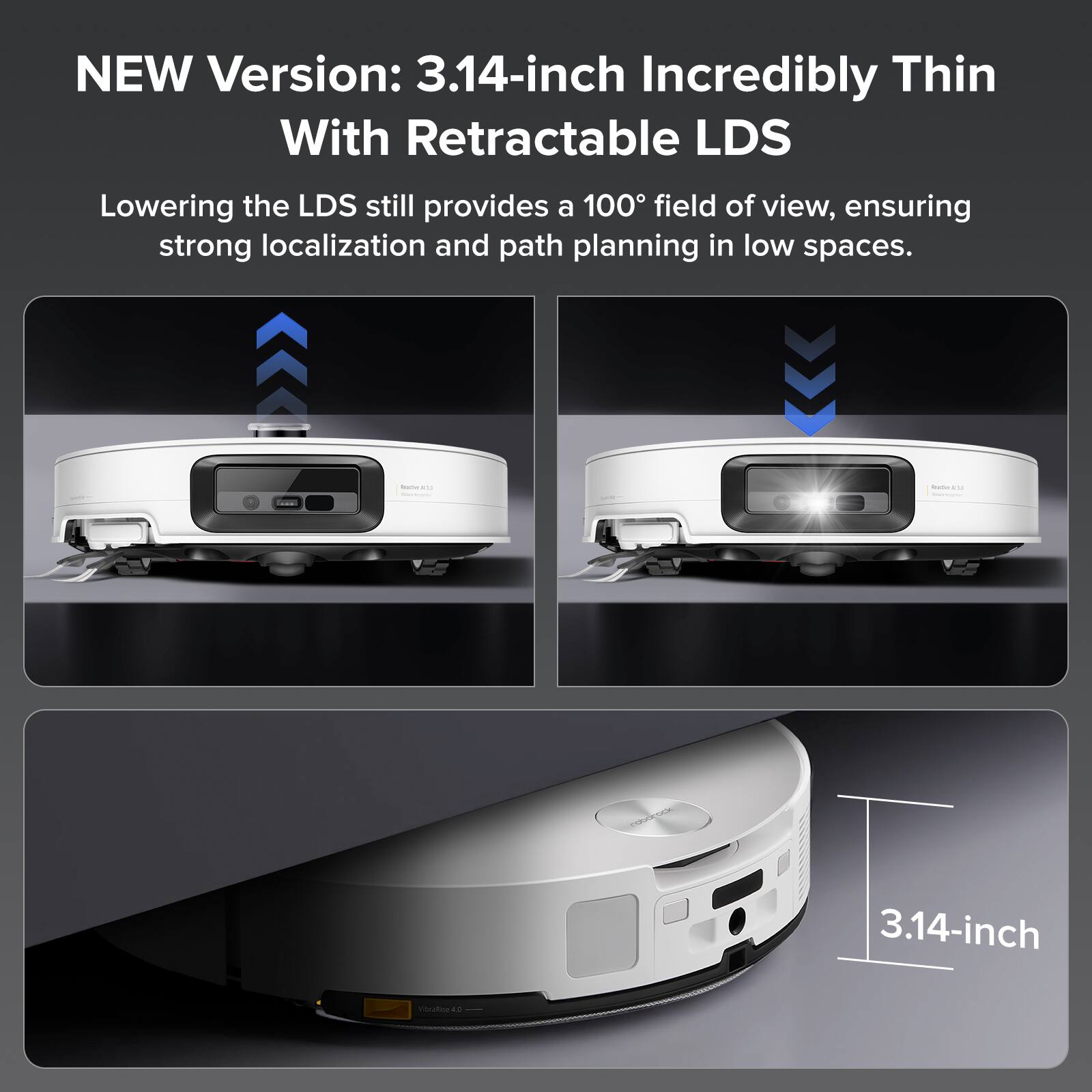
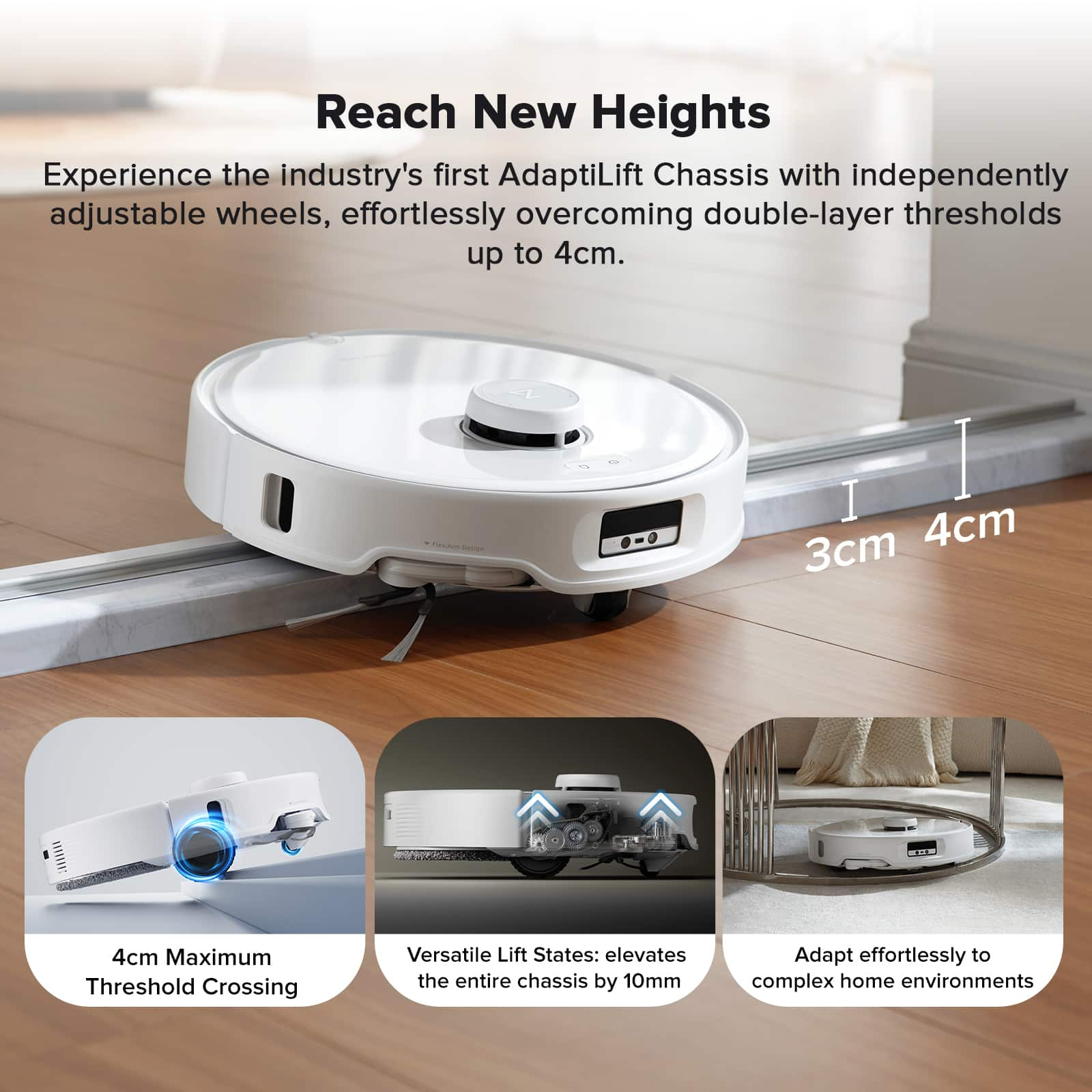
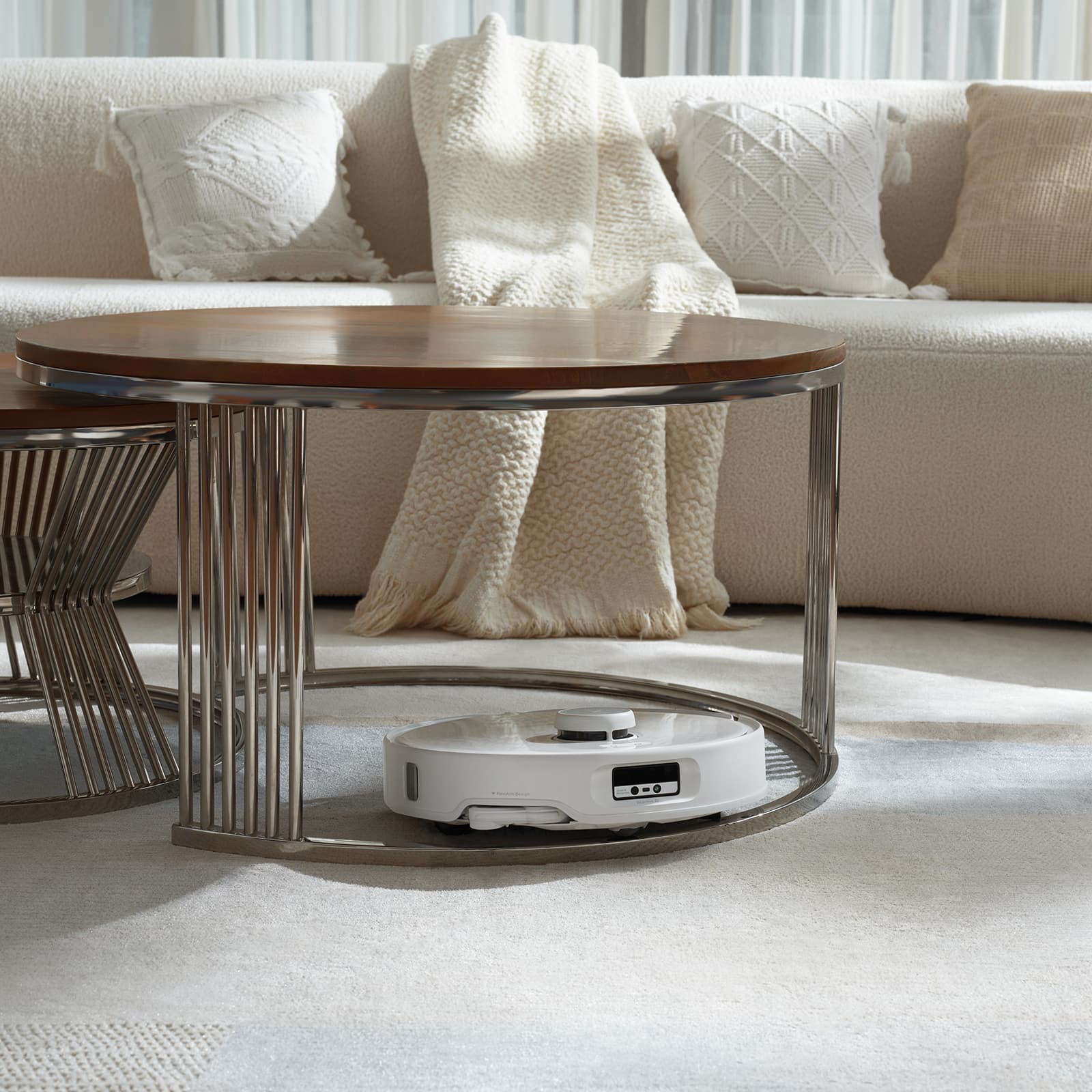
Here's where the Saros 10 truly distinguishes itself. At just 3.14 inches tall, it's significantly lower than the Qrevo Curv's 4.1-inch profile. This might seem like a small difference, but it's transformative for real-world cleaning coverage.
The Saros 10 achieves this through its RetractSense navigation system—when the robot approaches low-clearance furniture, its LiDAR turret retracts into the body, allowing it to slide under sofas, beds, and entertainment centers that would block the Qrevo Curv. Once it emerges from tight spaces, the turret pops back up for full 360-degree mapping.
This capability opens up entire cleaning areas that remain inaccessible to most robot vacuums. Under-bed dust accumulation, debris under low sofas, and neglected spaces beneath entertainment centers can finally be addressed automatically. For homes with modern, low-profile furniture—particularly common in apartments and contemporary designs—this feature can dramatically increase the effective cleaning coverage.
Both models approach mopping differently, reflecting distinct design philosophies about what constitutes effective floor cleaning.
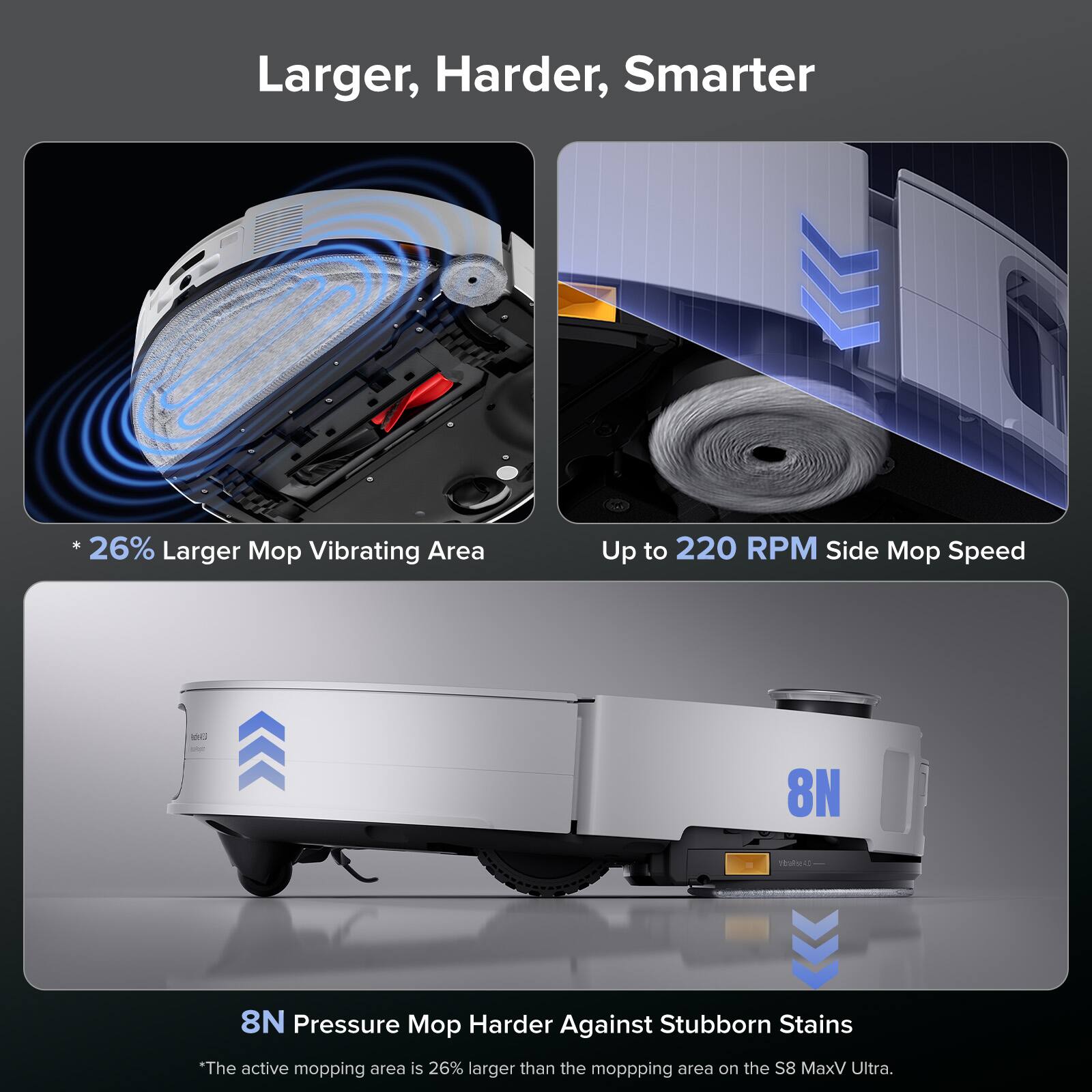
The Saros 10 uses VibraRise 4.0 technology, which employs sonic vibration at up to 4,000 vibrations per minute. Think of it like an electric toothbrush for your floors—the rapid vibration helps break down dried-on stains and ground-in dirt. The system applies up to 8N of pressure (roughly 1.8 pounds of force) and features a 26% larger mop pad than previous generations. An additional edge mini mophead specifically targets corners and baseboards where spills often accumulate.
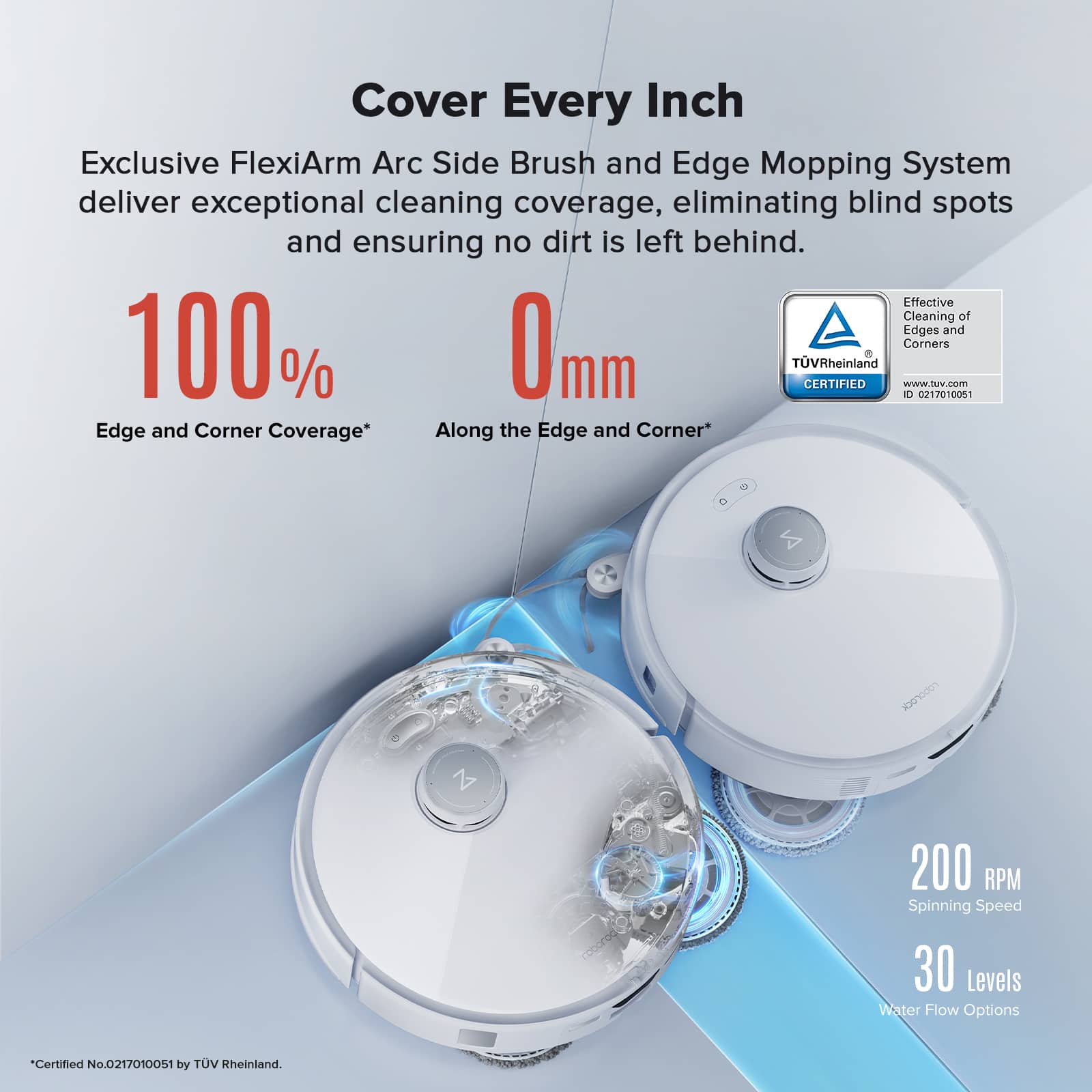
The Qrevo Curv takes a different approach with dual spinning mop pads that rotate consistently across the floor surface. Its FlexiArm system extends one of the mop pads to reach into corners and along edges. While it lacks the aggressive vibration of the Saros 10, it provides more consistent contact across the entire floor surface and tends to leave a more polished, uniform finish.
From user feedback, the Saros 10 excels at tackling stubborn, dried-on stains—think spilled coffee that's been sitting overnight or muddy paw prints. The Qrevo Curv performs better for routine maintenance cleaning and leaves hard floors with a shinier, more polished appearance.
The approaches to navigation reveal an interesting contrast between proven AI and newer sensor technology.
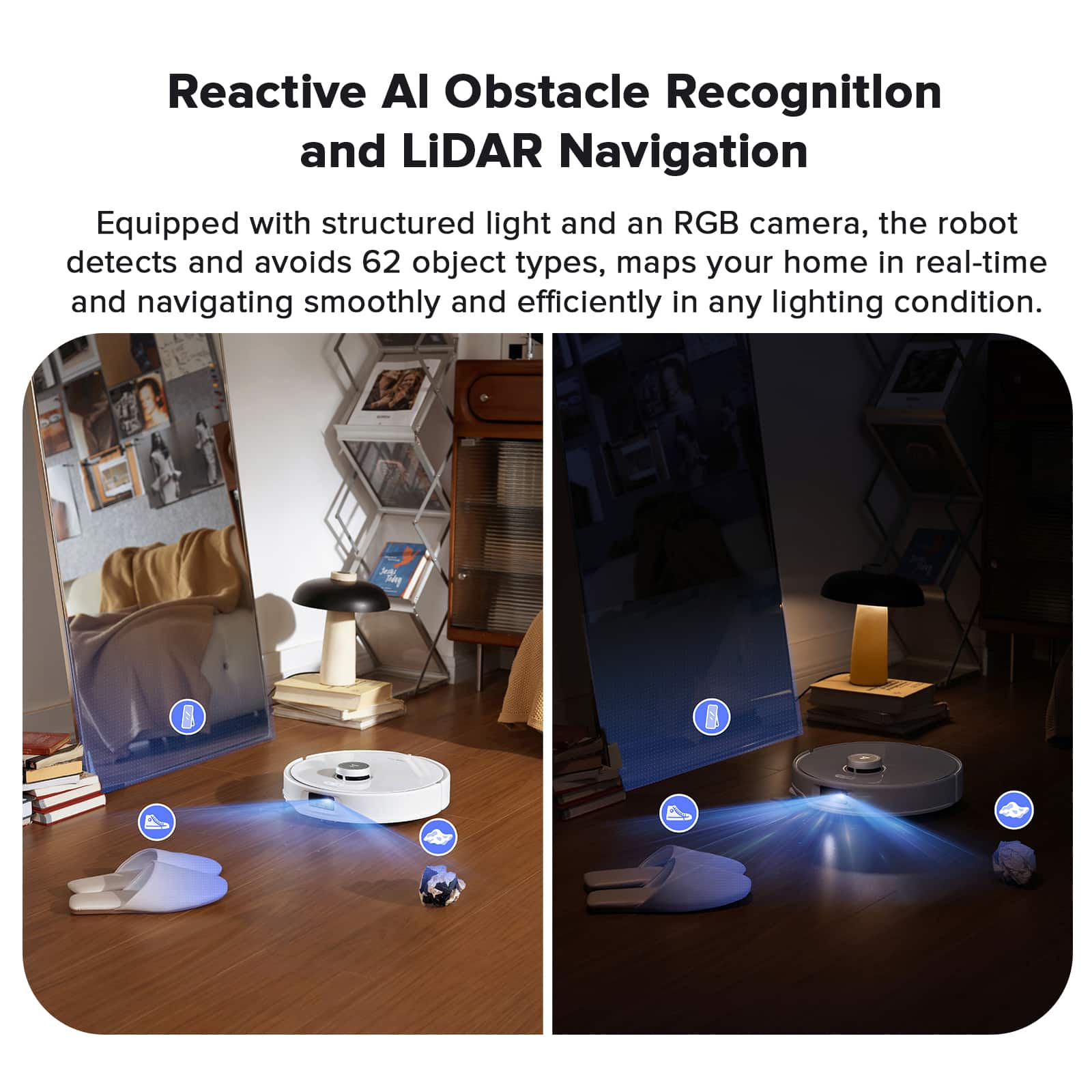
The Qrevo Curv relies on Reactive AI obstacle recognition, a mature system that can identify 62 different object types across 20 categories. It combines this AI with RGB cameras, 3D structured light sensors, and LED illumination for dark areas. The system has been refined through millions of cleaning cycles and performs exceptionally well in cluttered environments, avoiding about 66% of obstacles in testing scenarios.
The Saros 10 introduces VertiBeam technology, using triple structured light sensors and lateral obstacle detection. While newer, this system sometimes struggles more than the Qrevo Curv's mature AI when navigating complex obstacle fields. However, it excels in systematic navigation and room mapping accuracy.
For homes with children's toys scattered on floors, multiple pet bowls, or generally cluttered spaces, the Qrevo Curv's AI advantage becomes apparent. For more organized homes where systematic coverage matters more than obstacle creativity, the Saros 10 performs excellently.
Both models feature sophisticated docking stations that handle most daily maintenance automatically, representing a huge advancement from earlier robot vacuums that required manual emptying after each cleaning cycle.
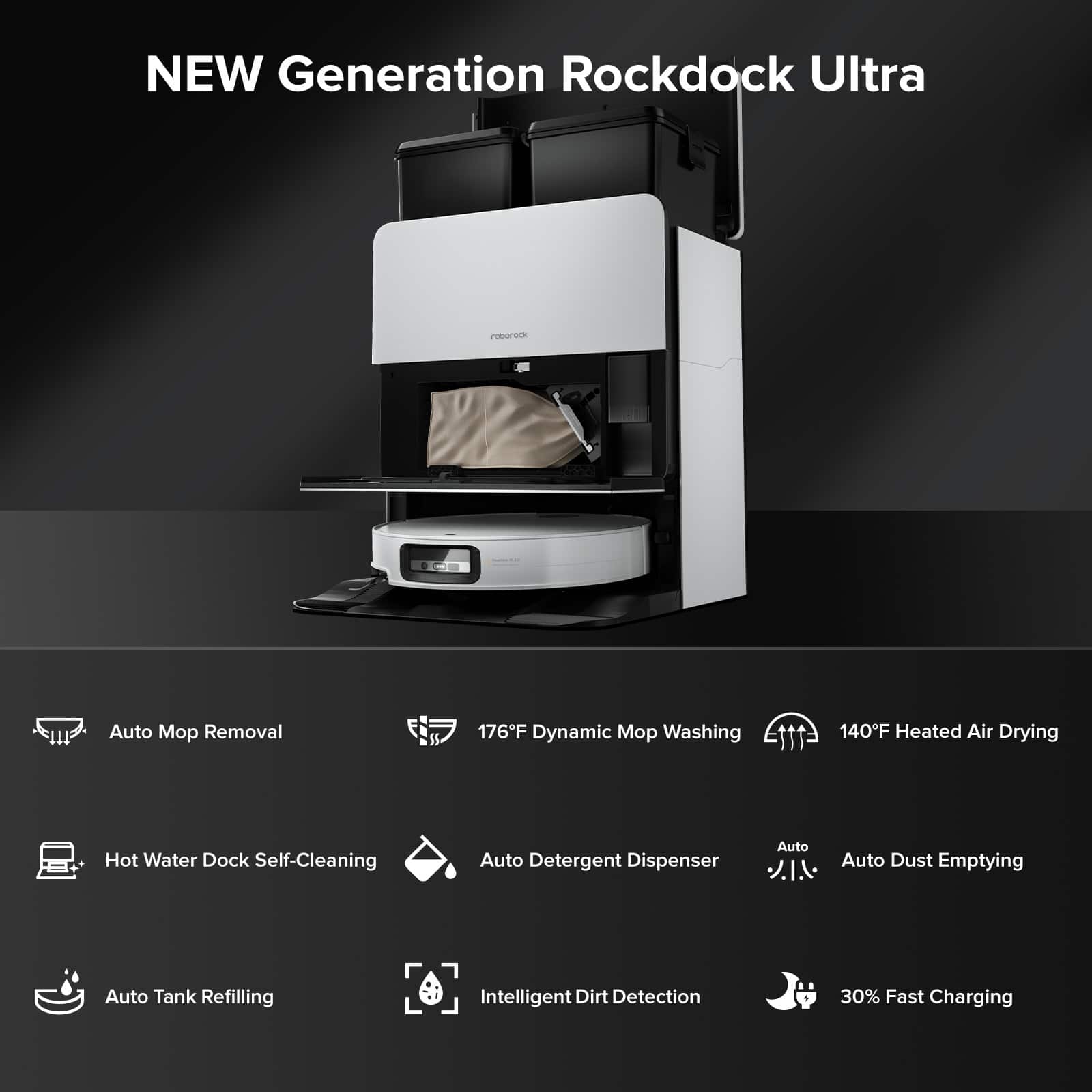
The Saros 10's RockDock Ultra 2.0 operates at slightly higher temperatures—up to 176°F for mop washing compared to the Qrevo Curv's 167°F. It also includes automatic detergent dispensing, eliminating the need to manually add cleaning solution. Both systems empty dust bins, refill water tanks, wash mop pads, and dry them with heated air.
User experiences suggest both docks effectively eliminate daily maintenance. The higher temperatures of the Saros 10 dock provide marginally better sanitization and stain removal from mop pads, but the practical difference is minimal for most households.
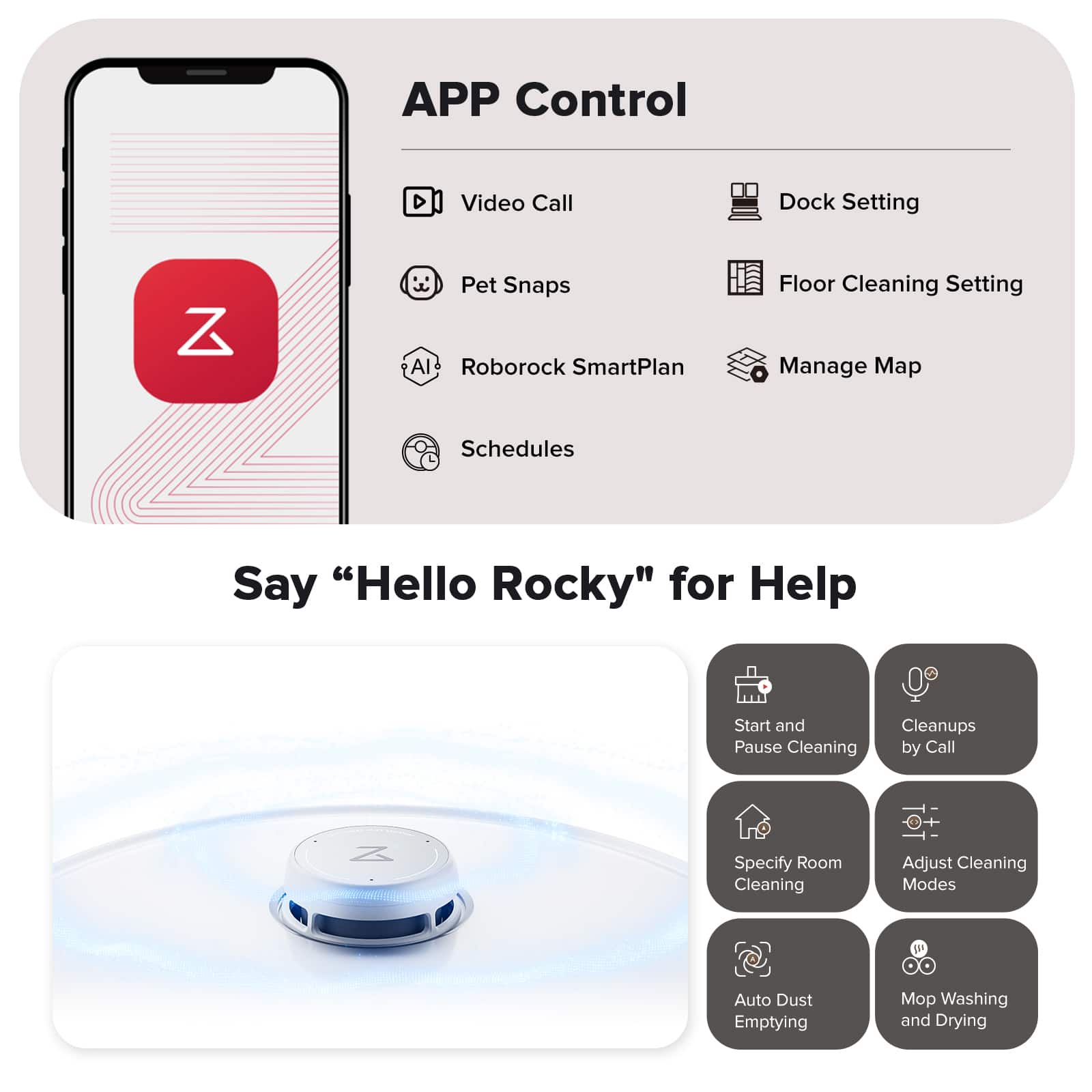
The smart capabilities of these models reflect different approaches to user interaction. The Qrevo Curv includes "Hello Rocky," a built-in voice assistant that responds to direct commands without requiring external smart speakers. This proves particularly useful for quick adjustments—asking the robot to clean a specific room or adjust suction power without reaching for a phone.
The Saros 10 focuses more on comprehensive smart home integration, supporting Matter 2.0 for seamless connectivity with various home automation systems. It also includes pet-specific features like Pet Snaps (automatic pet photography during cleaning) and Video Call functionality that lets you check on pets remotely through the robot's camera.
Both models offer comprehensive smartphone apps with multi-room mapping, scheduling, virtual boundaries, and maintenance tracking. The apps have evolved significantly since early robot vacuums, now offering room-by-room customization of suction power, water flow, and cleaning patterns.
For home theater enthusiasts, several factors make these robots particularly appealing. Both models operate quietly enough to run during movie viewing without overwhelming dialogue—the Qrevo Curv runs at approximately 61.5 dB during mopping (roughly the volume of normal conversation), while the Saros 10 operates similarly quietly.
The Saros 10's ultra-low profile becomes especially valuable in entertainment rooms with low-profile furniture, projection screens on short stands, or subwoofers placed under sofas. Its ability to clean these typically neglected areas helps maintain the pristine environment that serious home theater setups demand.
Both models can be scheduled to clean during specific hours, making it practical to maintain theater rooms without interfering with viewing schedules. The comprehensive app control also allows you to quickly pause or redirect cleaning if an impromptu movie session begins.
The decision between these models ultimately comes down to specific home requirements and budget priorities.
Choose the Saros 10 if your home has significant low-clearance furniture that needs regular cleaning. The ultra-thin design alone justifies the premium pricing for homes where this capability dramatically increases cleaning coverage. It's also the better choice if maximum cleaning power is essential—homes with pets that shed heavily, high-traffic carpeted areas, or frequent tough stains benefit from the additional suction and aggressive mopping technology.
The Qrevo Curv makes more sense for value-conscious buyers who still want flagship-level performance. At roughly half the price of the Saros 10 (at the time of writing), it delivers approximately 85-90% of the cleaning performance while excelling in obstacle-heavy environments. Its mature AI navigation system and built-in voice control provide excellent user experience without the premium pricing.
For most households, the Qrevo Curv represents the sweet spot of performance and value. It handles the vast majority of cleaning scenarios excellently while leaving room in the budget for other home improvements. However, if your specific situation benefits from the Saros 10's unique capabilities—particularly the ultra-low profile or maximum suction power—the premium pricing becomes justifiable.
Both models represent excellent investments in home automation that will significantly reduce your cleaning workload. The technology has matured to the point where these aren't experimental gadgets but reliable appliances that consistently deliver results. The main decision is whether the Saros 10's cutting-edge features address specific needs in your home that justify the premium pricing over the highly capable Qrevo Curv.
| Roborock Saros 10 | Roborock Qrevo Curv |
|---|---|
| Suction Power - Higher Pa means better deep carpet cleaning and debris pickup | |
| 22,000 Pa (19% more powerful for embedded dirt) | 18,500 Pa (excellent for most cleaning needs) |
| Height Profile - Lower robots clean under more furniture | |
| 3.14 inches (ultra-thin, fits under low sofas/beds) | 4.1 inches (standard height, blocked by low furniture) |
| Navigation Technology - Different approaches to mapping and obstacle avoidance | |
| RetractSense LiDAR + VertiBeam sensors (newer tech) | Reactive AI + traditional LiDAR (mature, proven system) |
| Mopping System - Different cleaning philosophies for floor care | |
| VibraRise 4.0 sonic vibration (aggressive stain removal) | Dual spinning mops (consistent polish, better finish) |
| Anti-Tangle Technology - Critical for homes with hair/pets | |
| Certified Dual Anti-Tangle (main + side brush) | DuoDivide main brush only (still excellent) |
| Obstacle Avoidance Performance - How well it navigates cluttered spaces | |
| Good but struggles with complex obstacles | Excellent - recognizes 62 object types |
| Battery Runtime - Affects how much area can be cleaned per charge | |
| Up to 220 minutes (covers ~1,333 sq ft) | Up to 240 minutes (covers ~1,677 sq ft) |
| Dock Automation - Reduces daily maintenance requirements | |
| RockDock Ultra 2.0 (176°F wash, auto detergent) | Multifunctional Dock 3.0 (167°F wash, excellent automation) |
| Smart Features - Connectivity and convenience options | |
| Matter 2.0, Pet Snaps, Video Call features | Built-in "Hello Rocky" voice assistant |
| Release Year - Indicates technology generation and refinement | |
| 2025 (cutting-edge flagship technology) | 2024 (mature, proven high-end performance) |
| Value Proposition - Performance per dollar consideration | |
| Premium pricing for maximum performance | High-end performance at mid-range pricing |
The Roborock Saros 10 delivers 22,000 Pa of suction compared to the Roborock Qrevo Curv's 18,500 Pa. This 19% difference makes the Saros 10 noticeably better at deep carpet cleaning and picking up embedded debris, while both models perform excellently on hard floors.
The Roborock Saros 10 is significantly better for cleaning under furniture at just 3.14 inches tall, compared to the Qrevo Curv's 4.1-inch height. The Saros 10 uses retractable LiDAR technology to access spaces that would block the Qrevo Curv.
Both the Roborock Saros 10 and Qrevo Curv excel for pet owners with their DuoDivide anti-tangle brush system that prevents hair wrapping. The Saros 10 has a slight edge with its certified dual anti-tangle system covering both main and side brushes, plus pet-specific features like Pet Snaps photography.
The Roborock Saros 10 uses VibraRise 4.0 technology with sonic vibration for aggressive stain removal, while the Qrevo Curv uses dual spinning mops for consistent polishing. Choose the Saros 10 for tough stains or the Qrevo Curv for routine maintenance and shinier floors.
The Roborock Qrevo Curv provides better value, delivering approximately 85-90% of the Saros 10's cleaning performance at roughly half the price. The Saros 10 justifies its premium pricing only if you need its unique ultra-thin design or maximum suction power.
The Roborock Qrevo Curv has superior obstacle avoidance with its mature Reactive AI system that recognizes 62 object types. The Saros 10 uses newer VertiBeam technology but sometimes struggles more in heavily cluttered environments compared to the Qrevo Curv.
The Roborock Qrevo Curv offers longer battery life at up to 240 minutes versus the Saros 10's 220 minutes. However, the Saros 10 is more efficient per charge, and both models automatically return to dock for recharging when needed.
Yes, both the Roborock Saros 10 and Qrevo Curv feature advanced docking stations that automatically empty dust bins, refill water tanks, wash mop pads, and dry them with heated air. The Saros 10 dock operates at slightly higher temperatures and includes automatic detergent dispensing.
Both models operate quietly enough for normal household activities. The Roborock Qrevo Curv runs at approximately 61.5 dB during mopping, while the Saros 10 operates at similar noise levels. Neither will significantly interfere with conversations or TV viewing.
The Roborock Qrevo Curv includes a built-in "Hello Rocky" voice assistant for hands-free control, while the Saros 10 focuses on comprehensive smart home integration with Matter 2.0 support and pet monitoring features. Both offer excellent smartphone app control with room-by-room customization.
The Roborock Saros 10 performs better on carpets due to its higher 22,000 Pa suction power, making it more effective at removing embedded debris from medium-pile carpets. Both the Saros 10 and Qrevo Curv automatically lift their mop pads when transitioning onto carpeted areas.
Choose the newer Roborock Saros 10 if you have low furniture, need maximum cleaning power, or want cutting-edge features. Select the Qrevo Curv if you prioritize value, have complex layouts with many obstacles, or prefer proven technology over the latest innovations.
We've done our best to create useful and informative comparisons to help you decide what product to buy. Our research uses advanced automated methods to create this comparison and perfection is not possible - please contact us for corrections or questions. These are the sites we've researched in the creation of this article: bestbuy.com - androidauthority.com - rtings.com - vacuumwars.com - vacuumwars.com - youtube.com - forums.macrumors.com - youtube.com - youtube.com - rtings.com - youtube.com - us.roborock.com - target.com - galaxus.at - vacuumwars.com - youtube.com - vacuumwars.com - techtongbo.com - us.roborock.com - us.roborock.com - youtube.com - roboselector.com - support.roborock.com - youtube.com - vacuumwars.com - vacuumwars.com - rtings.com - youtube.com - youtube.com - youtube.com - techradar.com - redditrecs.com - youtube.com - youtube.com - versus.com - robotobzor.com - images.ifun.de - roborock.com.my - global.roborock.com - us.roborock.com - us.roborock.com - digitalreviews.net - romania-insider.com - prnewswire.com - us.roborock.com

Privacy Policy
Terms and Conditions - Affiliate Policy
Home Security
© Copyright 2008-2026.
11816 Inwood Rd #1211, Dallas, TX 75244