

The robot vacuum market has evolved dramatically since the early days of random-bouncing Roombas. Today's premium models don't just vacuum—they mop, map your home with military-grade precision, and handle their own maintenance like tiny robotic butlers. But with this sophistication comes complexity, and choosing between a premium automation-focused model and a value-oriented powerhouse requires understanding what actually matters for your daily life.
We're comparing two fundamentally different approaches to automated cleaning: the Roborock Qrevo Pro, which launched in 2024 as a premium automation solution, and the ECOVACS Deebot N20 Pro Plus, also from 2024, representing the sweet spot of performance and value. Both promise to vacuum and mop your floors, but they achieve this through markedly different philosophies.
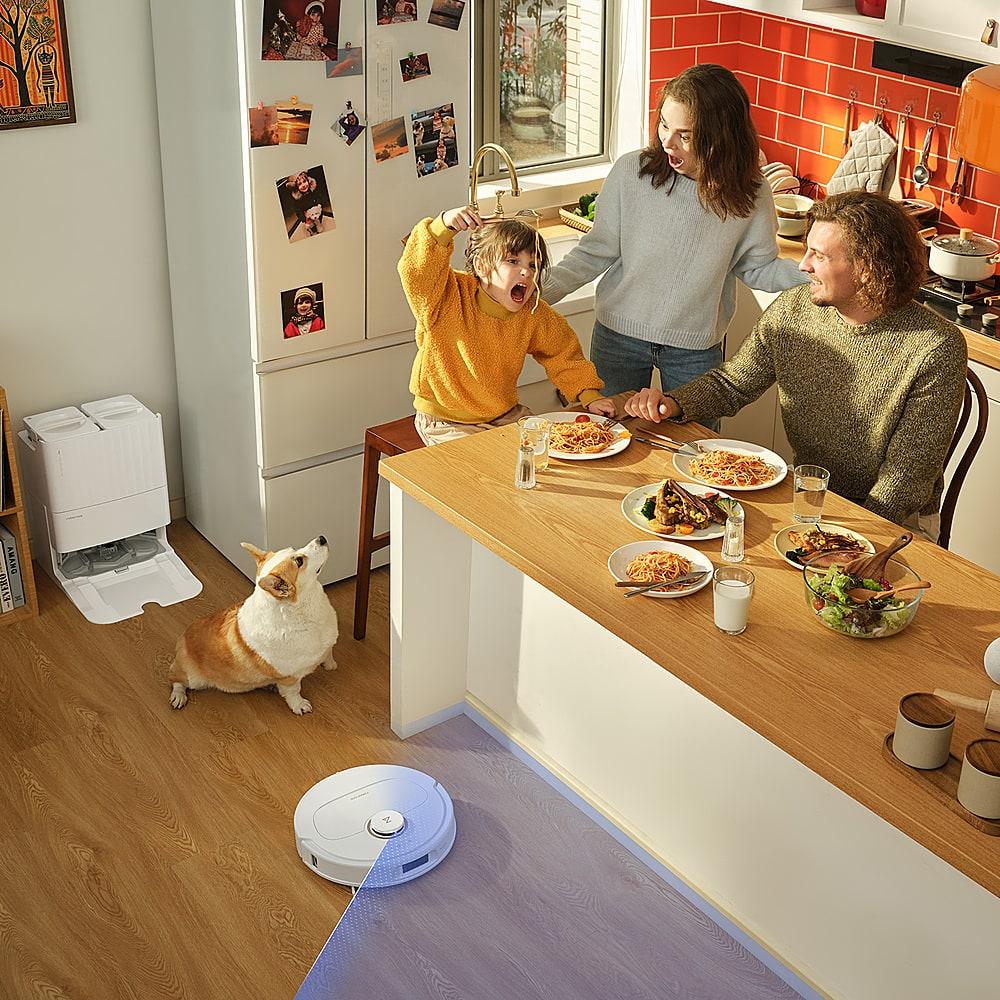
Modern robot vacuum and mop combinations represent the pinnacle of automated floor care. Unlike single-function vacuums, these machines tackle both dry debris and wet cleaning in coordinated passes. The best models use advanced docking stations that function as maintenance hubs—emptying dustbins, refilling water tanks, washing mop pads, and even drying them to prevent odors.
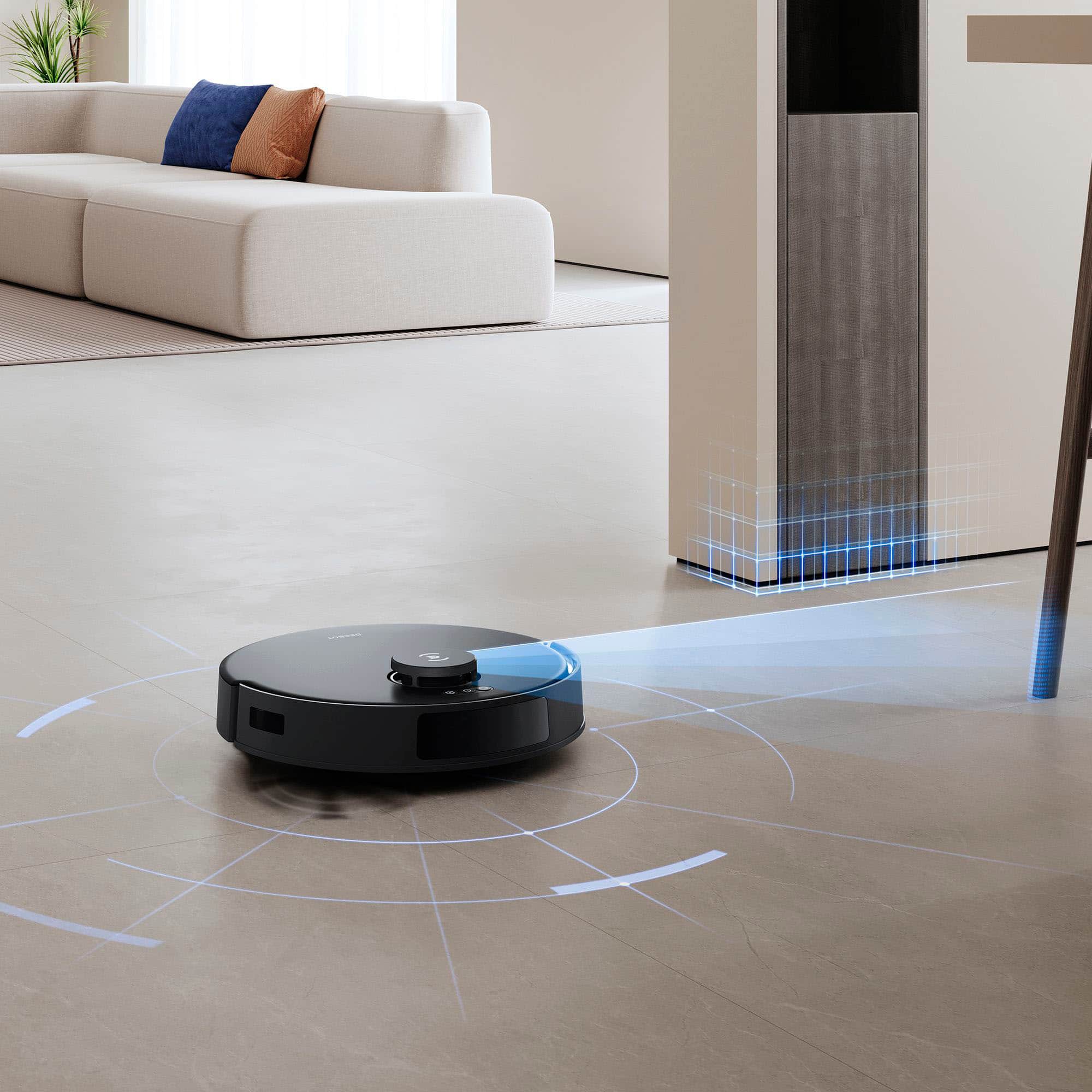
The key technology enabling this sophistication is LiDAR navigation—the same laser-based mapping used in self-driving cars. This creates precise floor plans, enabling systematic cleaning patterns rather than the random bumping of older models. Combined with increasingly powerful suction motors (measured in Pascals, or Pa) and sophisticated obstacle avoidance, these robots can clean entire homes with minimal human intervention.
However, this complexity creates decision paralysis. Do you prioritize raw cleaning power, advanced automation, or value? The answer depends on your home's layout, floor types, and how much you value convenience over cost.
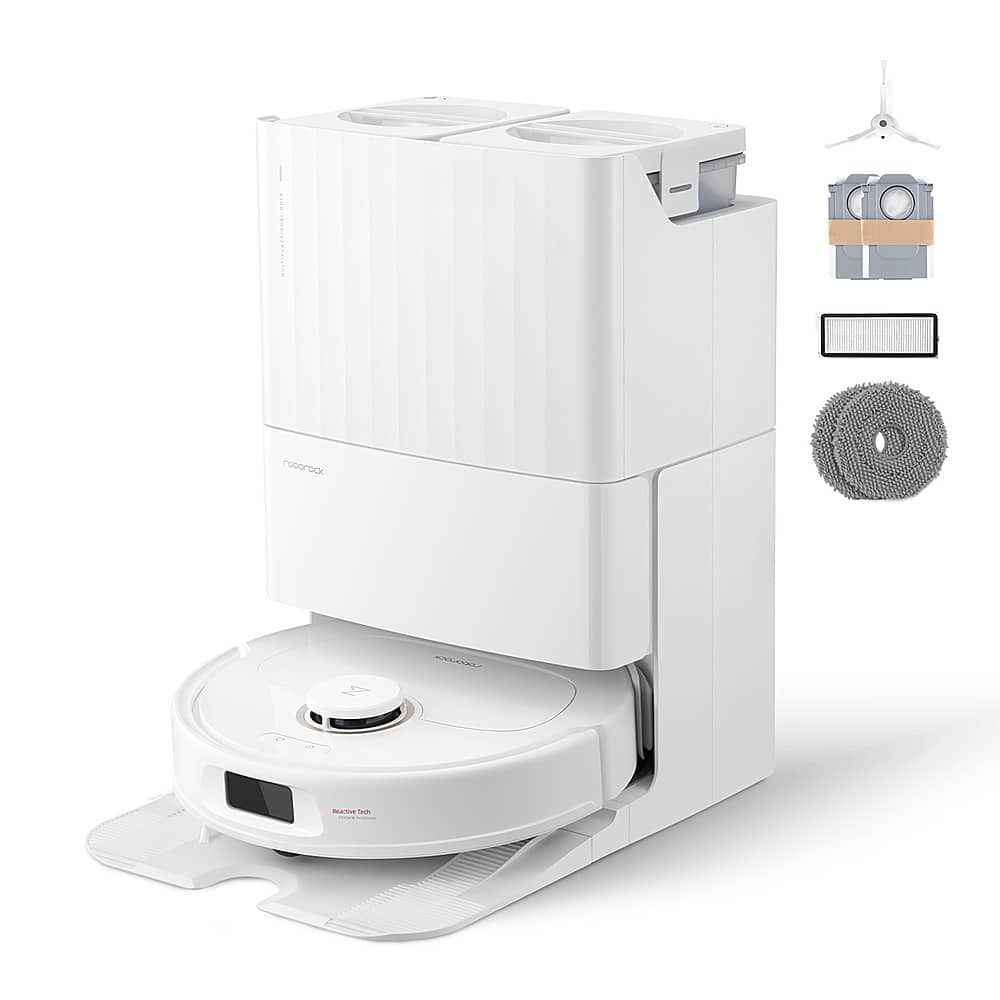
Released in 2024, the Roborock Qrevo Pro represents Roborock's vision of nearly hands-free cleaning. At the time of writing, it commands a significant premium over mid-range alternatives, positioning itself as a luxury appliance rather than a cleaning tool.
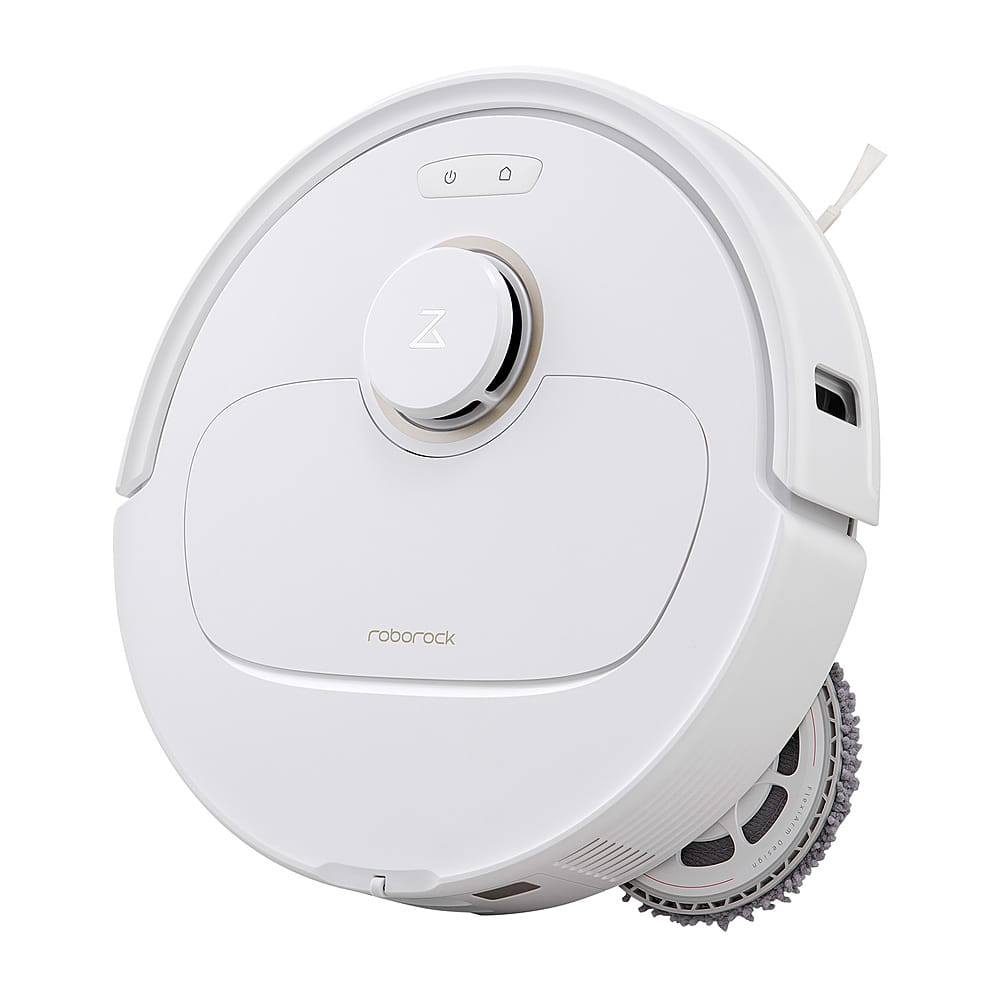
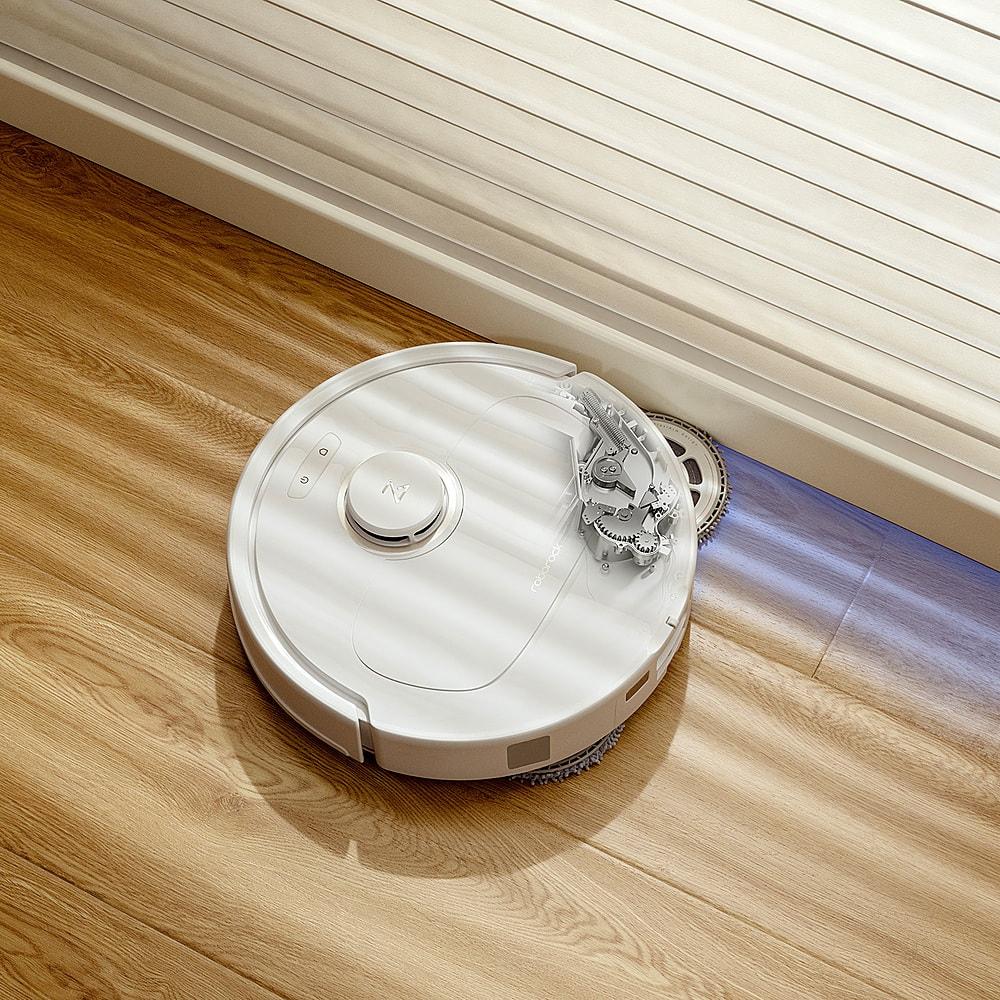
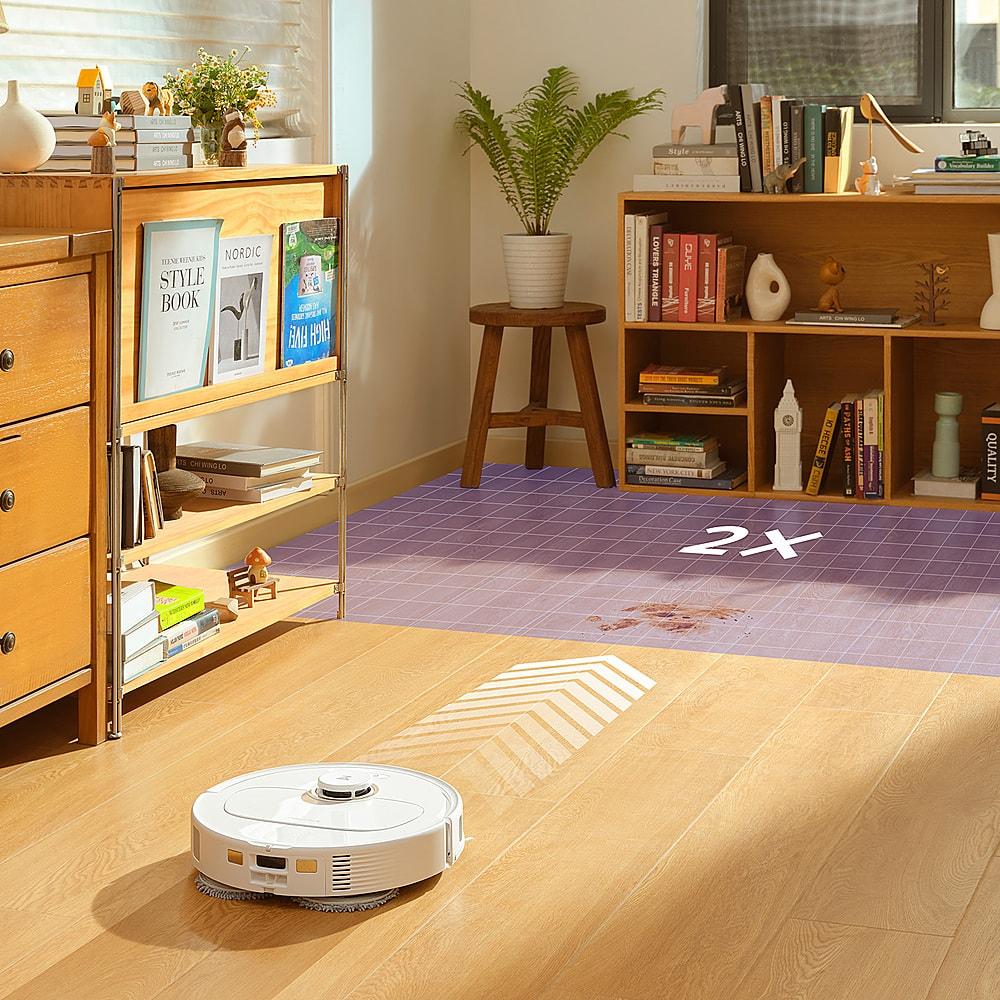
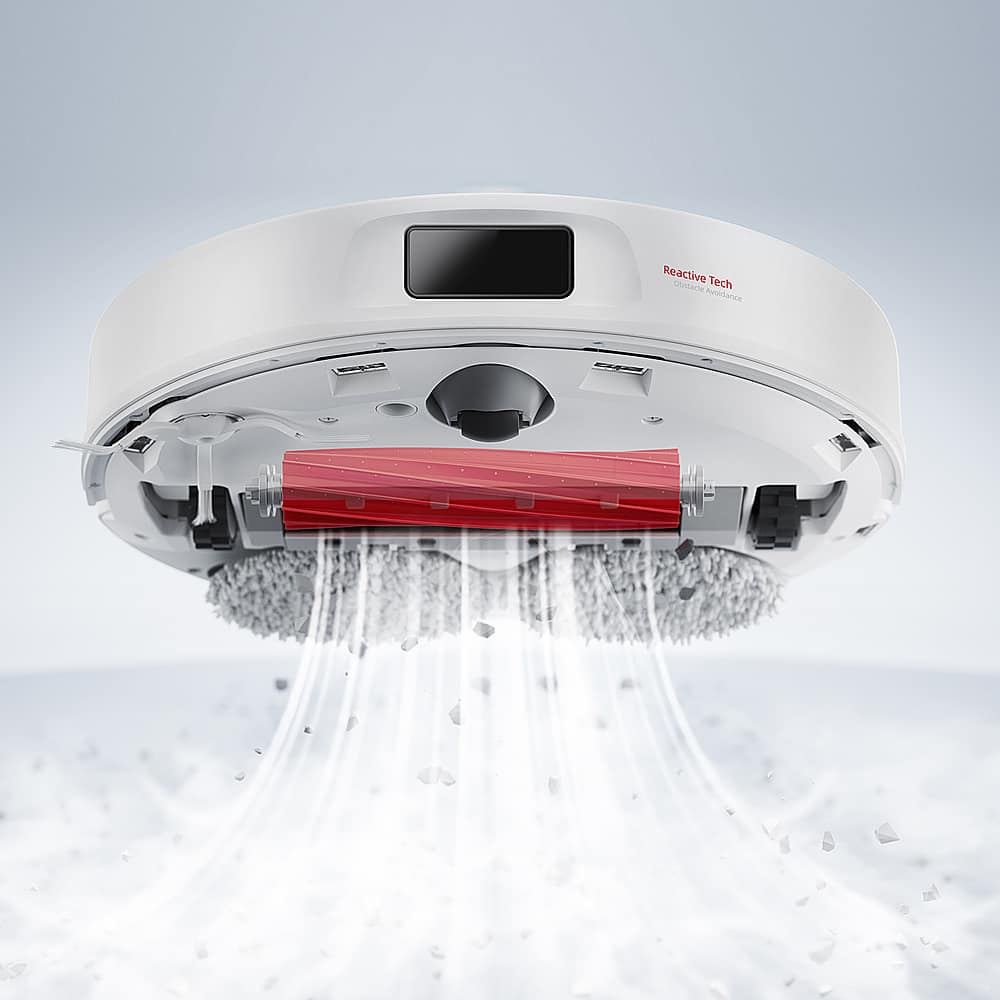
The standout innovation is the FlexiArm Design Edge Mopping System—a swing-out mop arm that extends beyond the robot's circular footprint to reach corners and edges where traditional round robots fail. This addresses one of robotics' fundamental limitations: geometry. Round robots inherently struggle with rectangular rooms, and the Qrevo Pro's solution is elegantly mechanical rather than relying purely on software.
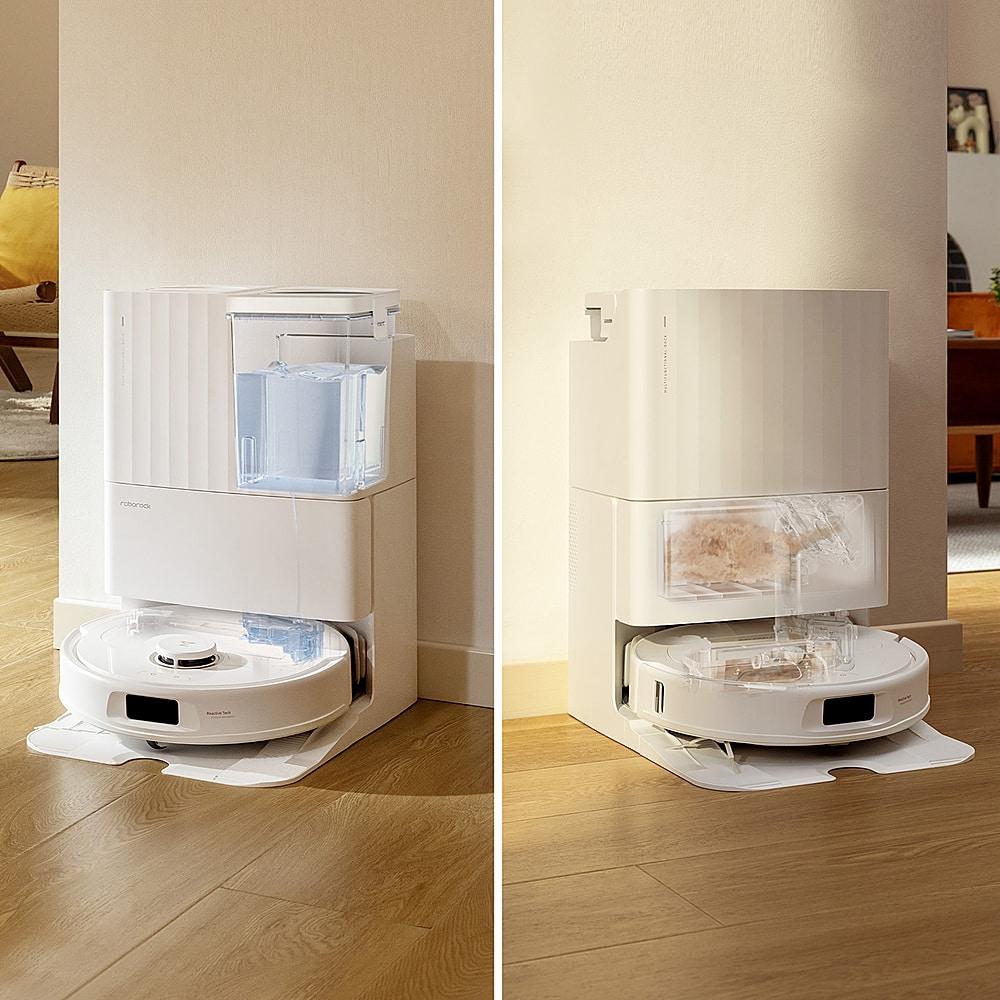
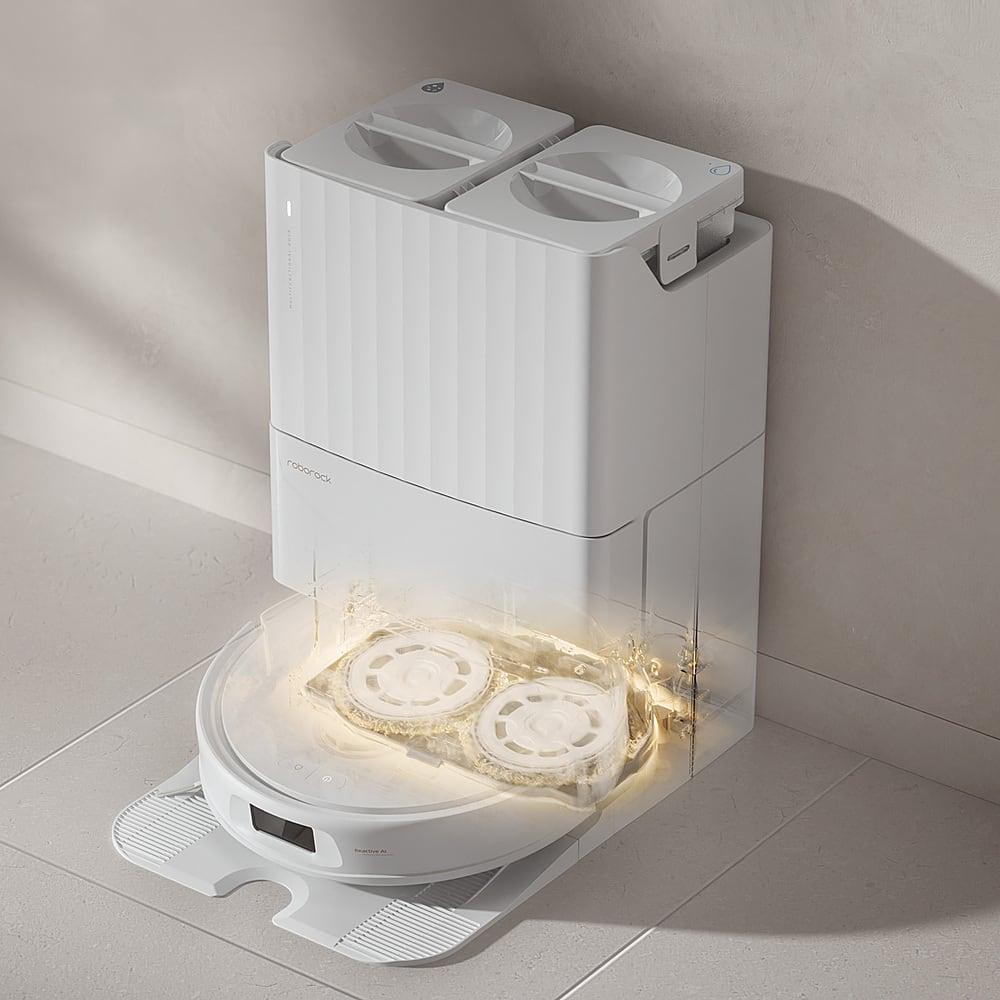
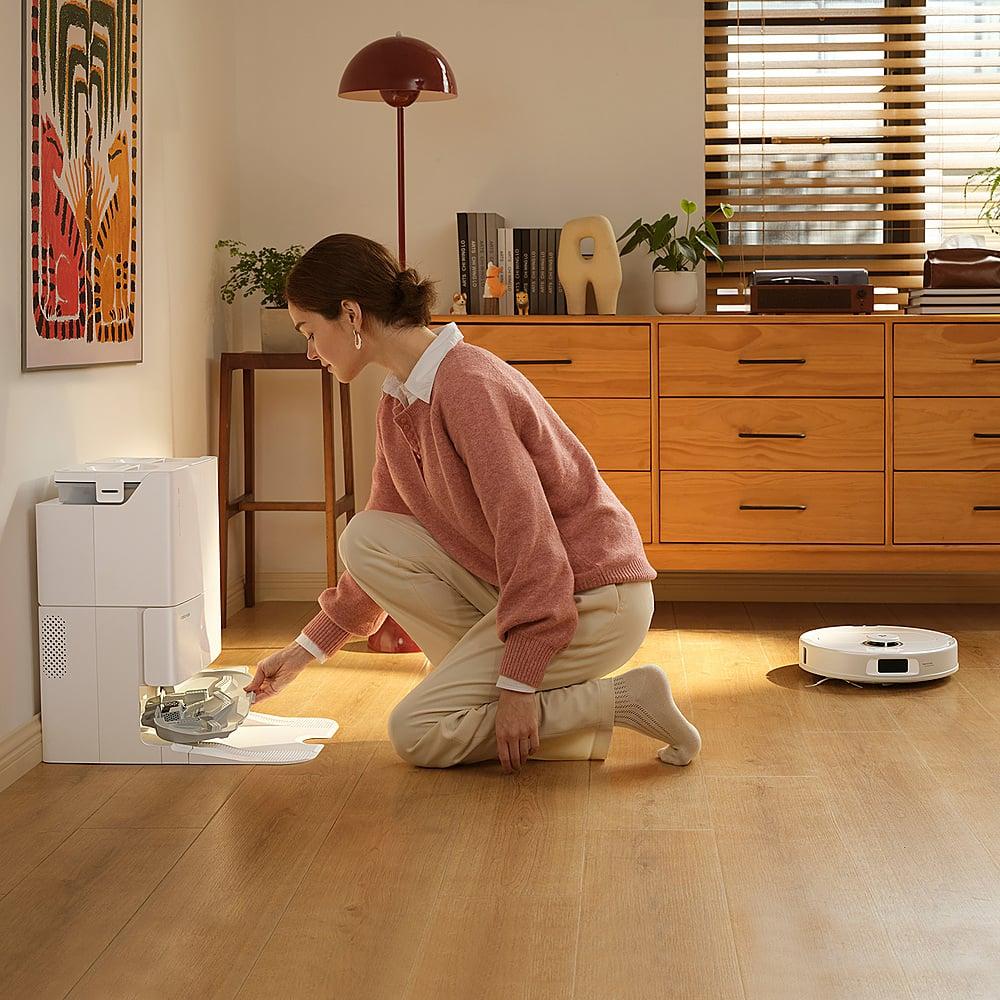
The dock system showcases premium automation philosophy. Hot water mop washing heats water to 128.4°F—genuinely hot, not merely warm—to sanitize mop pads and achieve what Roborock claims is 99.7% bacteria removal. After washing, warm air drying prevents the musty odors that plague many mopping robots. The system even includes Intelligent Dirt Detection, analyzing mop cleanliness and rewashing when necessary.
This level of automation comes with 7,000 Pa suction power and sophisticated mop lifting that raises pads 10mm when transitioning to carpet. The robot can seamlessly move between hardwood and rugs without cross-contamination, a crucial feature for mixed-floor homes.
However, our research reveals significant weaknesses. Edge cleaning performance scored just 56.5% in professional tests—ironically poor for a robot featuring specialized edge technology. Obstacle avoidance using structured light sensors proved inconsistent, particularly with small objects on carpet. The Qrevo Pro also operates at 96 dB, notably louder than average.
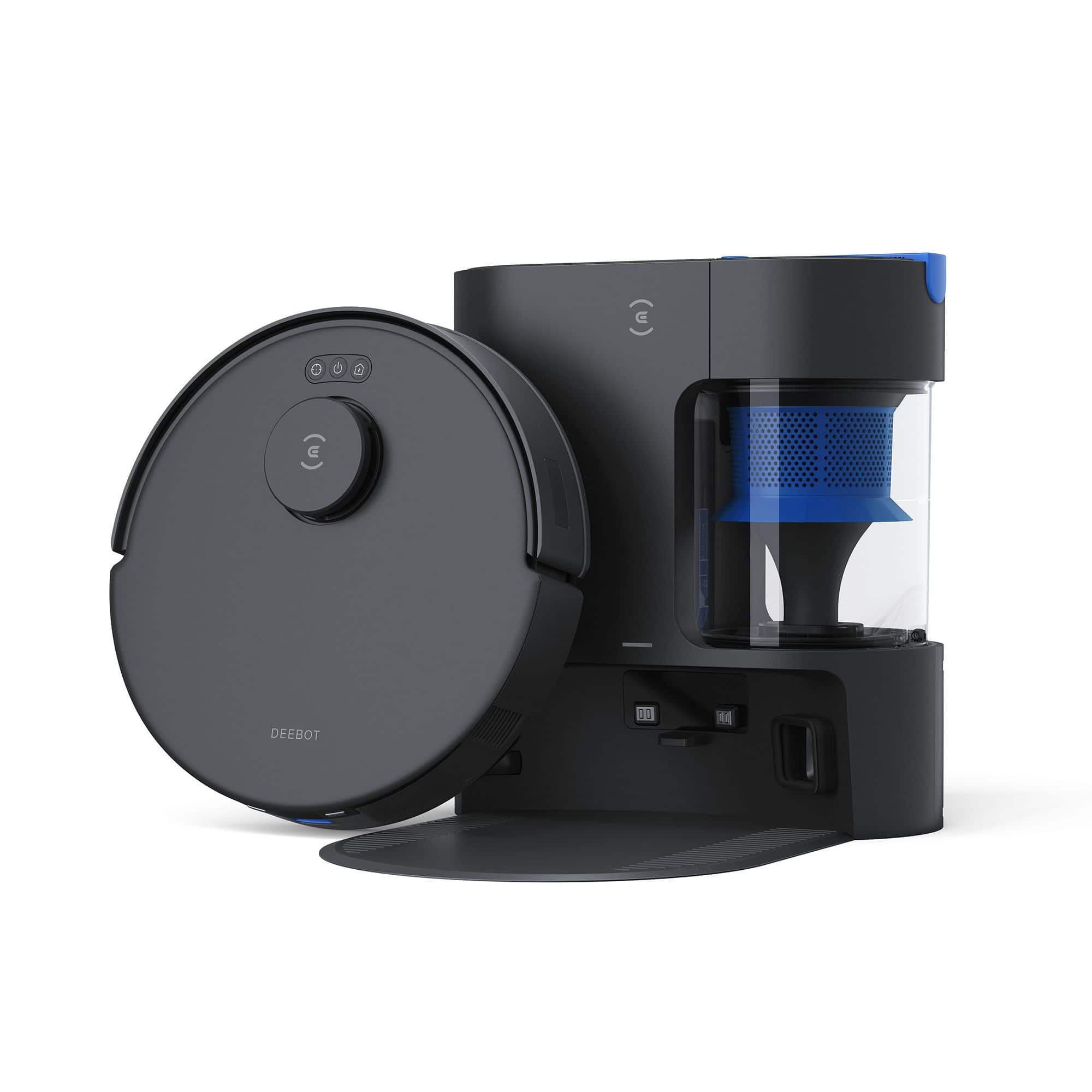
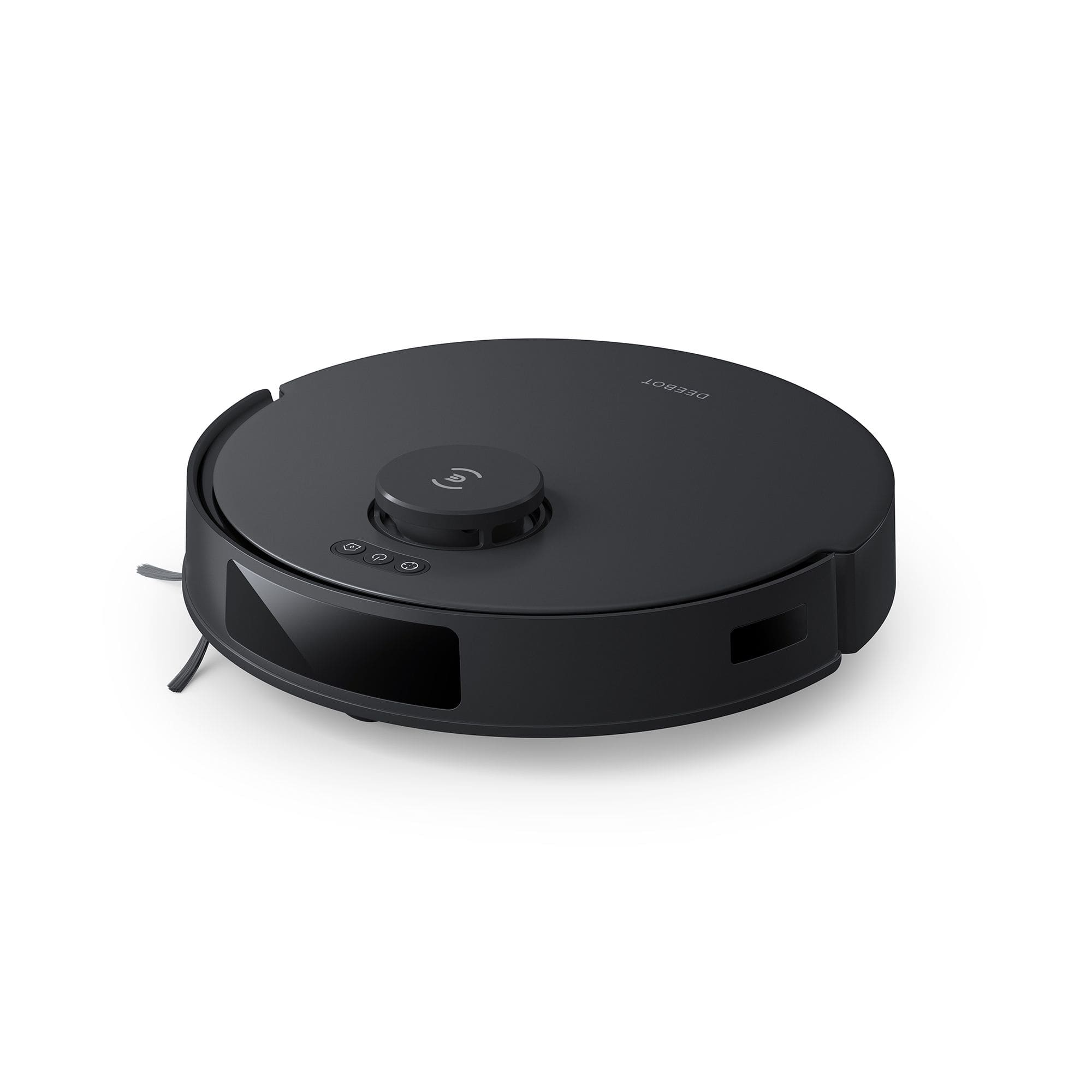
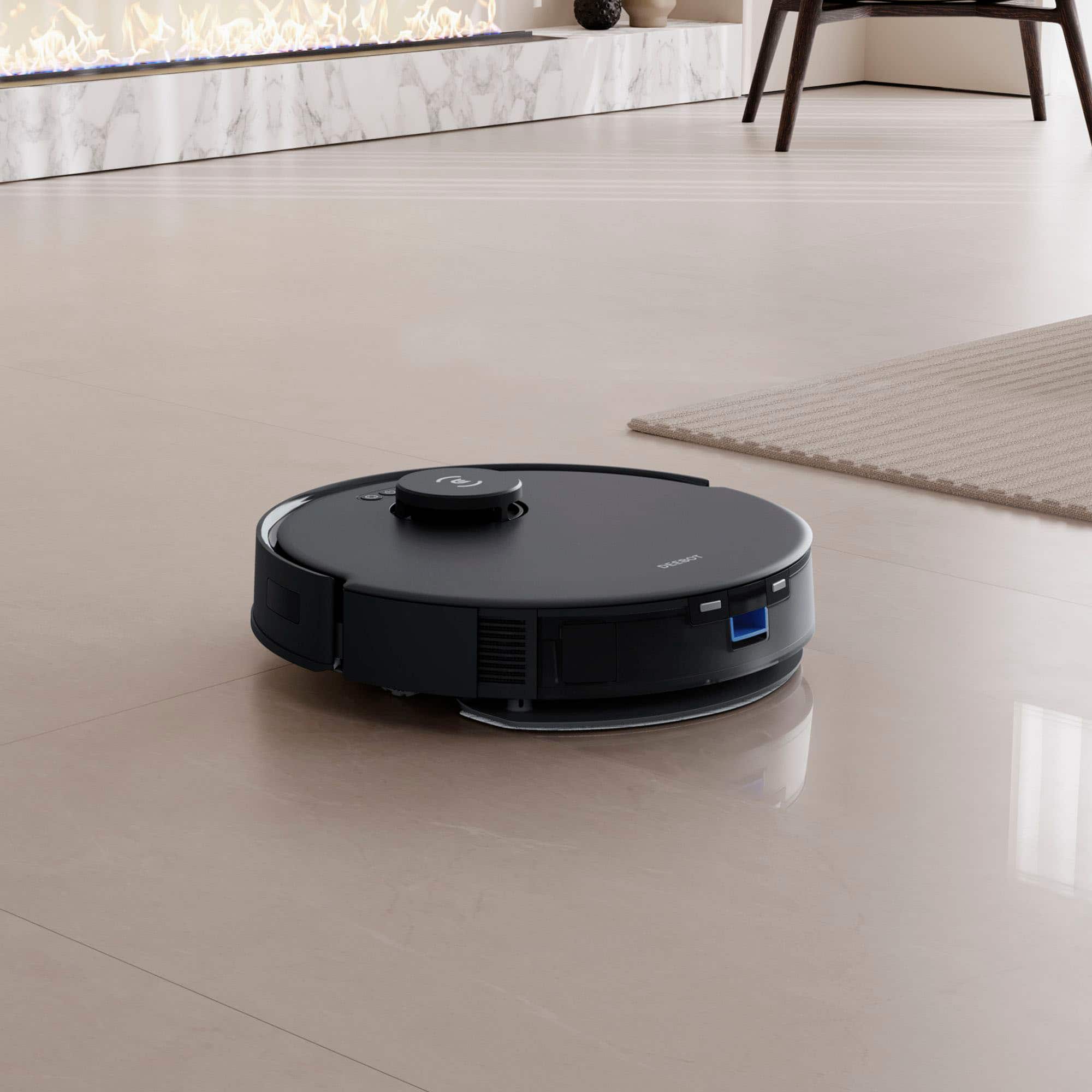
The ECOVACS N20 Pro Plus, also launching in 2024, takes a fundamentally different approach. Rather than maximizing automation, it focuses on core performance while minimizing ongoing costs. At the time of writing, it's priced significantly below the Roborock, making premium features accessible to budget-conscious buyers.
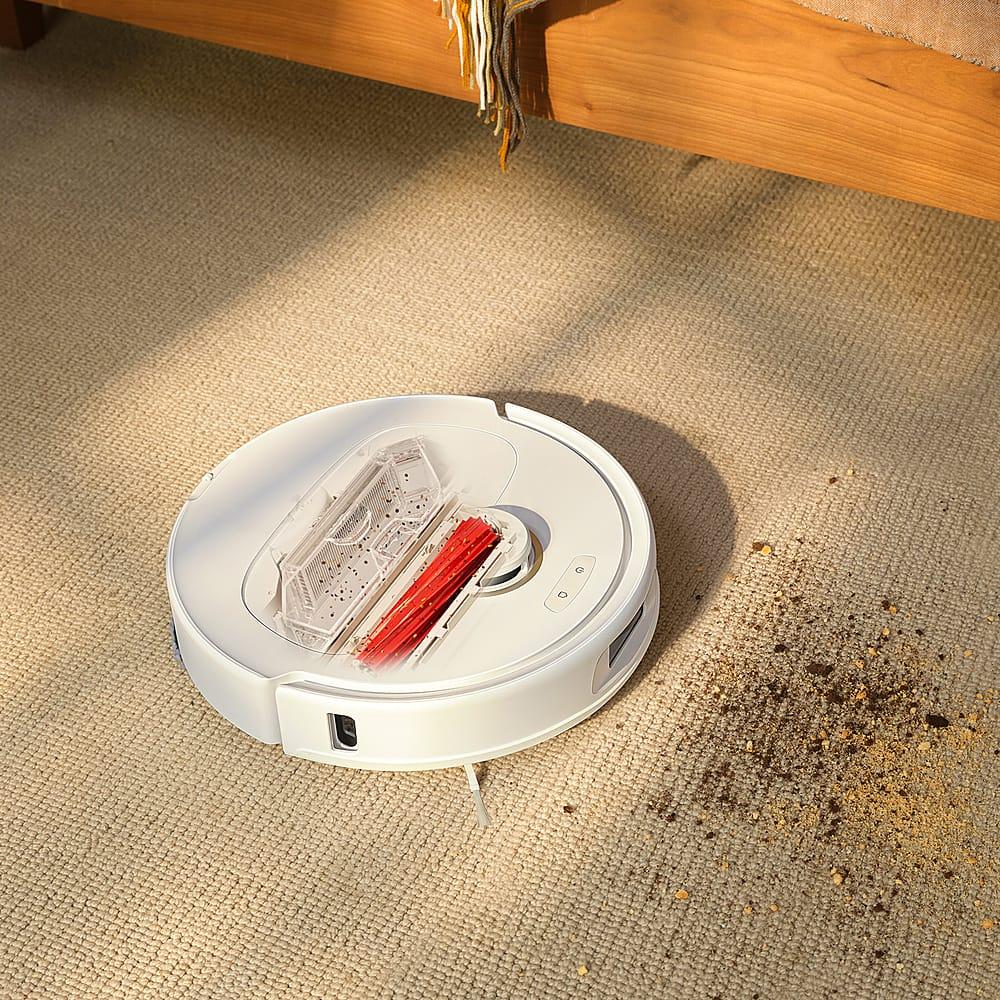
The headline feature is 8,000 Pa suction—higher than the Qrevo Pro and among the most powerful in any robot vacuum. This brute-force approach proves effective, with debris pickup rates around 85% on hard floors and 90% on carpet. The ZeroTangle roller design attempts to prevent hair wrapping, though real-world performance doesn't match marketing claims.
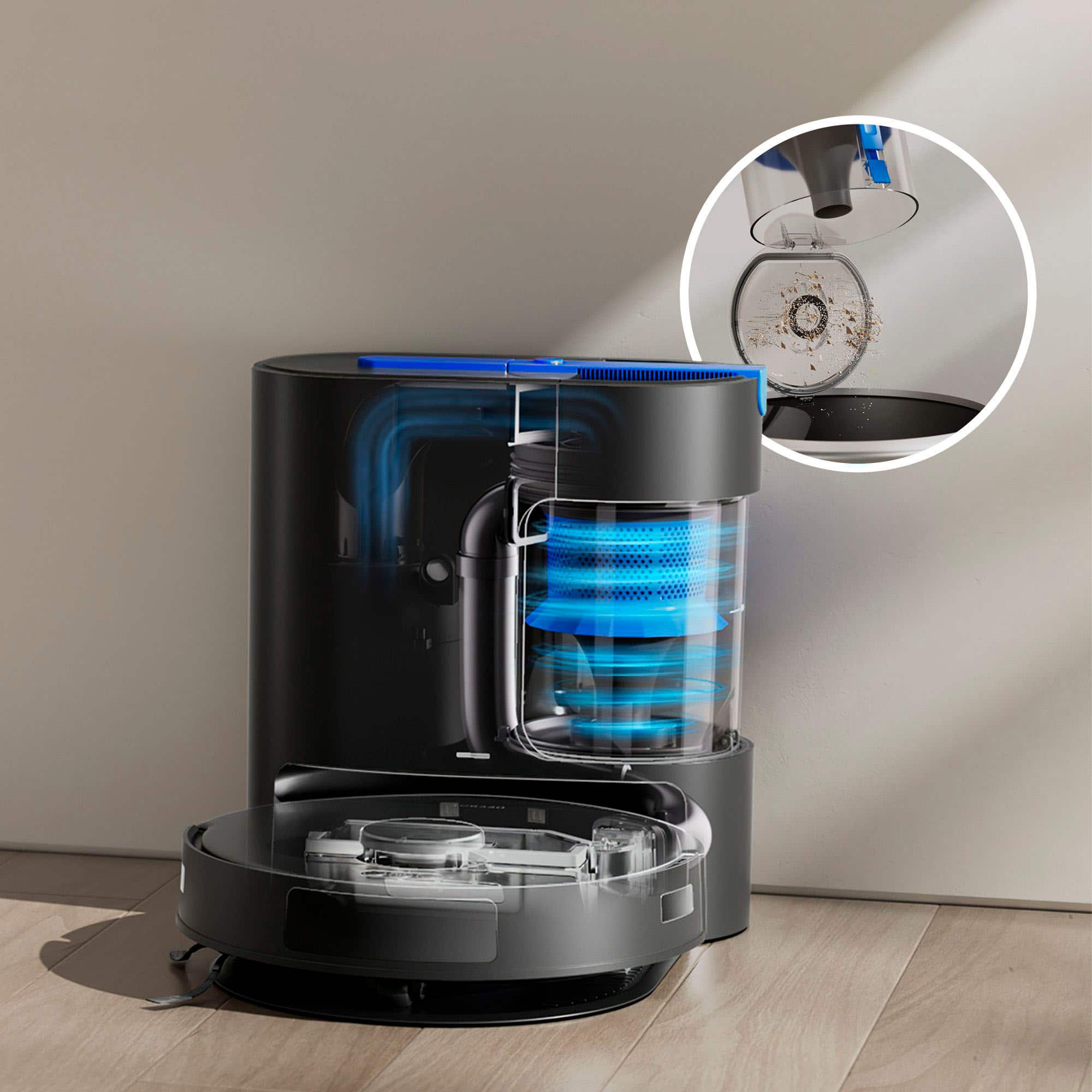
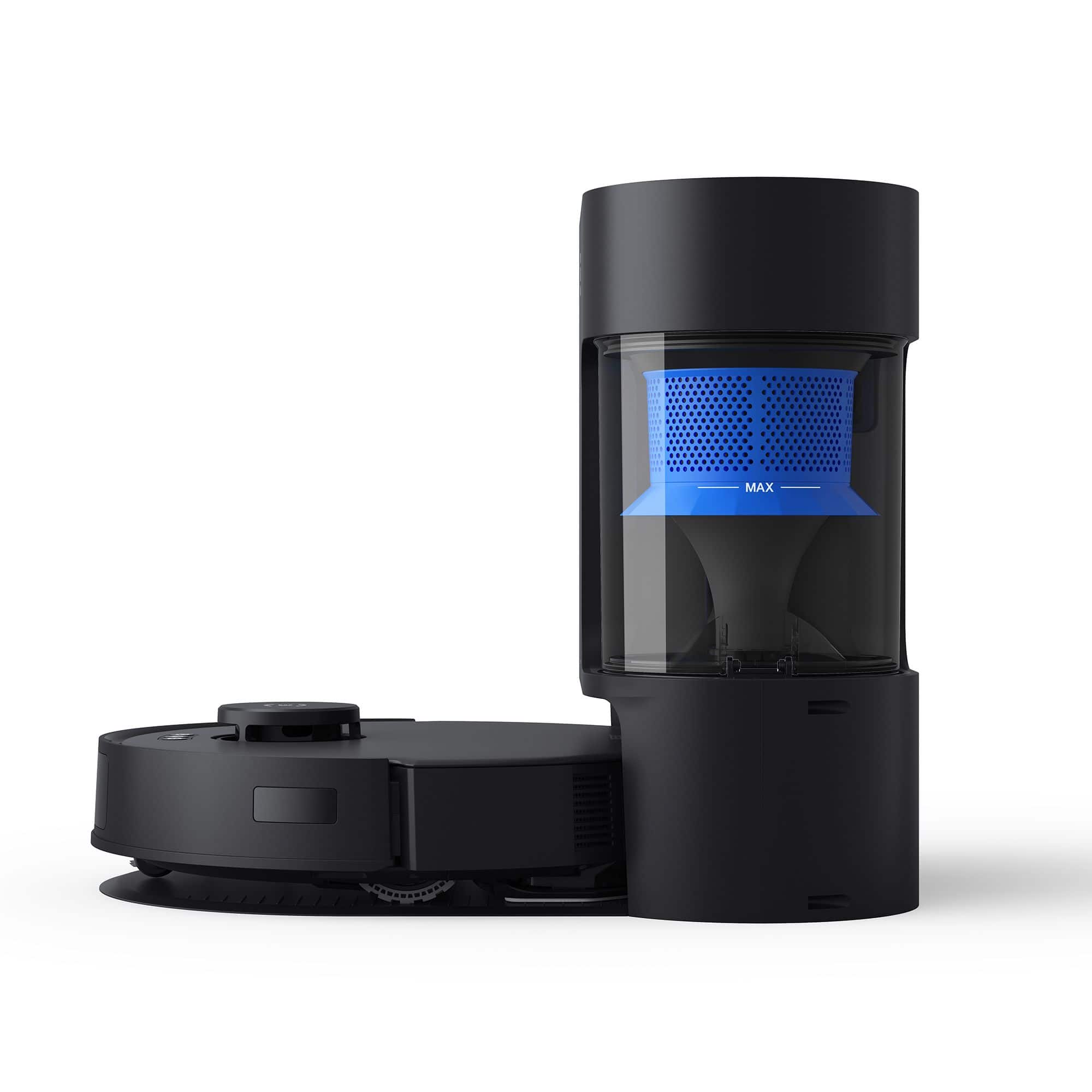
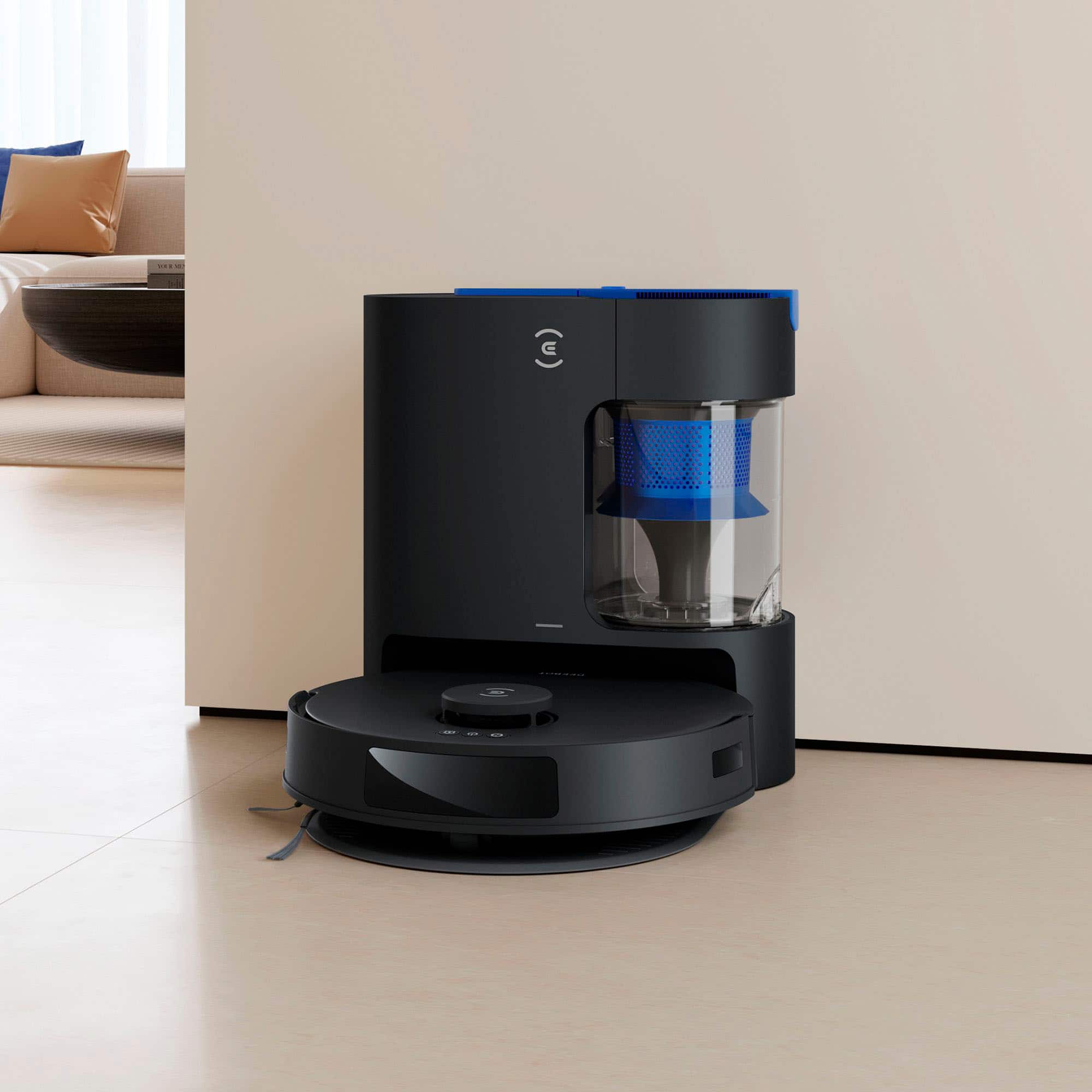
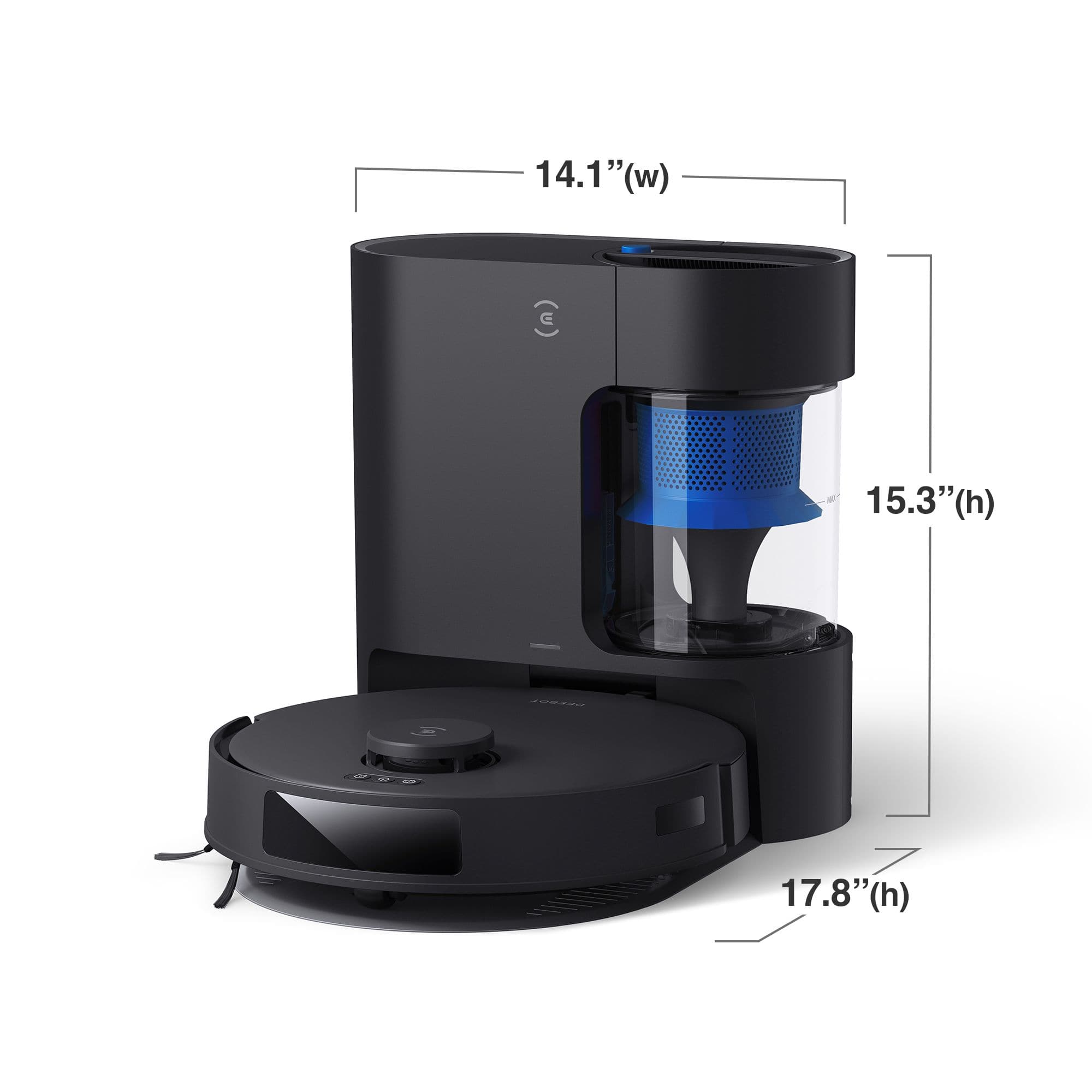
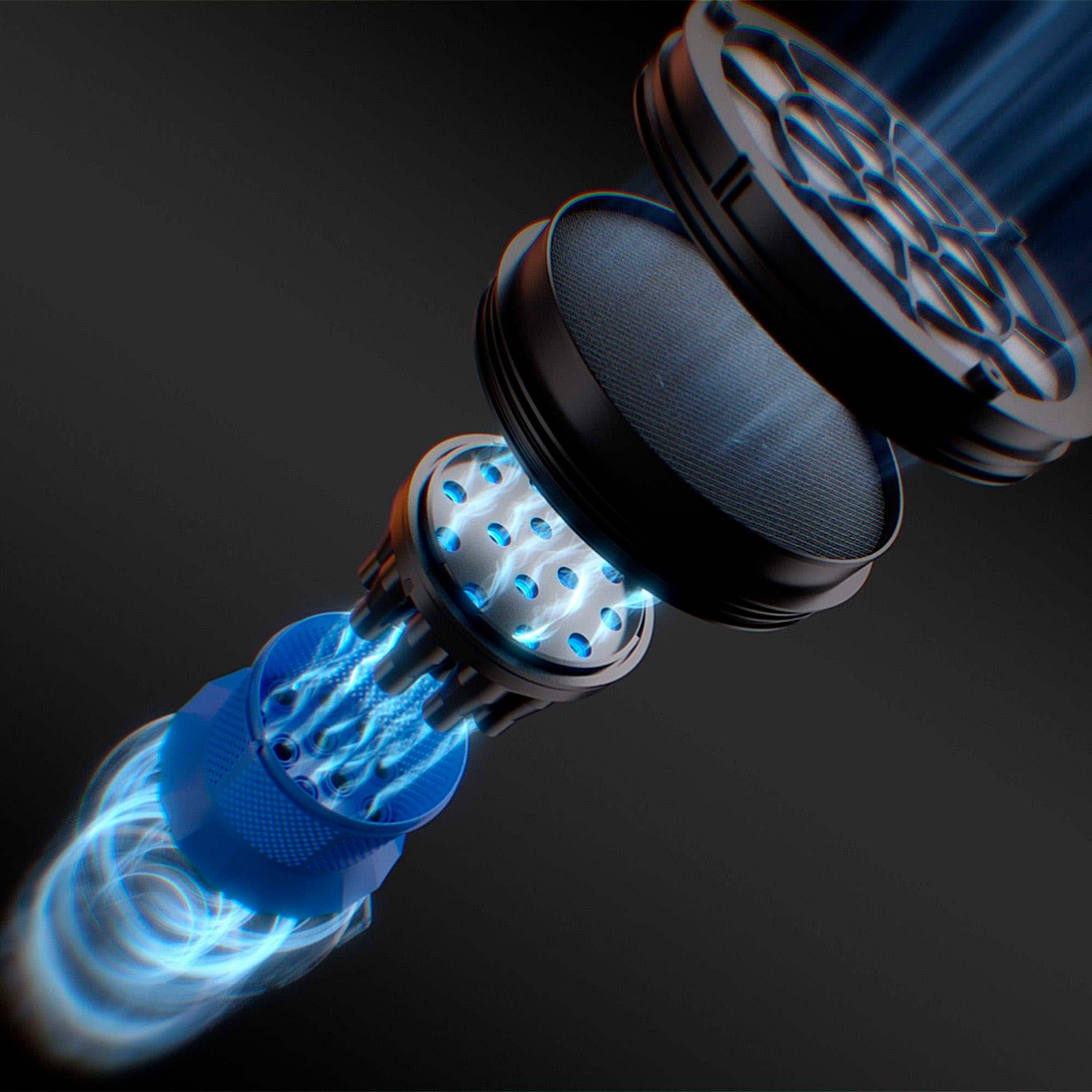
More innovative is the PureCyclone bagless auto-empty station. Most premium robots use disposable dust bags in their docks, creating ongoing costs and waste. The N20 Pro Plus employs cyclone separation technology—the same principle used in Dyson uprights—to separate dust from air and deposit it in a clear, washable container. This eliminates bag costs entirely while providing visual feedback about when emptying is needed.
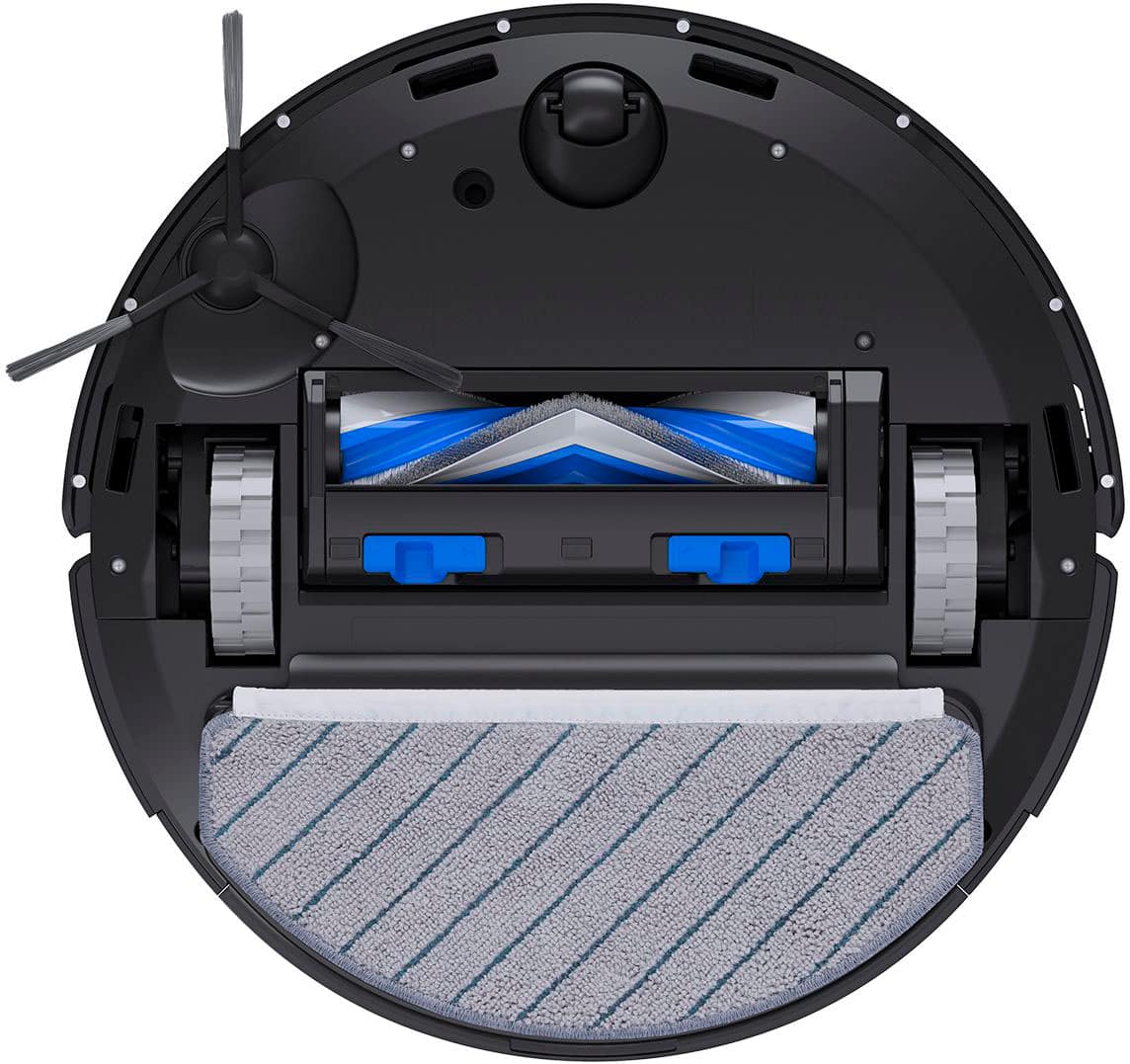
The trade-off is reduced automation. The OZMO Pro 2.0 mopping system uses high-frequency vibrations to tackle stains, but mop pads require manual attachment and removal. There's no automatic washing or drying, and the robot simply avoids carpets rather than lifting mops. Our research indicates mopping performance lags significantly behind dedicated systems, scoring just 49.5 points compared to a 101-point average in professional testing.
Battery life excels at 300 minutes—enough to clean 550 square meters on a single charge. This marathon endurance suits large homes where multiple recharging cycles would fragment cleaning sessions.
Raw suction numbers don't tell the complete story, but they matter more than marketing suggests. The N20 Pro Plus's 8,000 Pa advantage over the Qrevo Pro's 7,000 Pa translates to measurably better debris pickup, particularly for embedded carpet dirt and pet hair.
However, the Qrevo Pro achieves superior overall results through system integration. Its 99.5% hardwood performance versus the N20 Pro Plus's 85% demonstrates how brush design, airflow management, and cleaning patterns matter as much as raw power. On carpets, the gap narrows—92.1% versus 90%—suggesting the suction difference becomes less relevant on higher-pile surfaces.
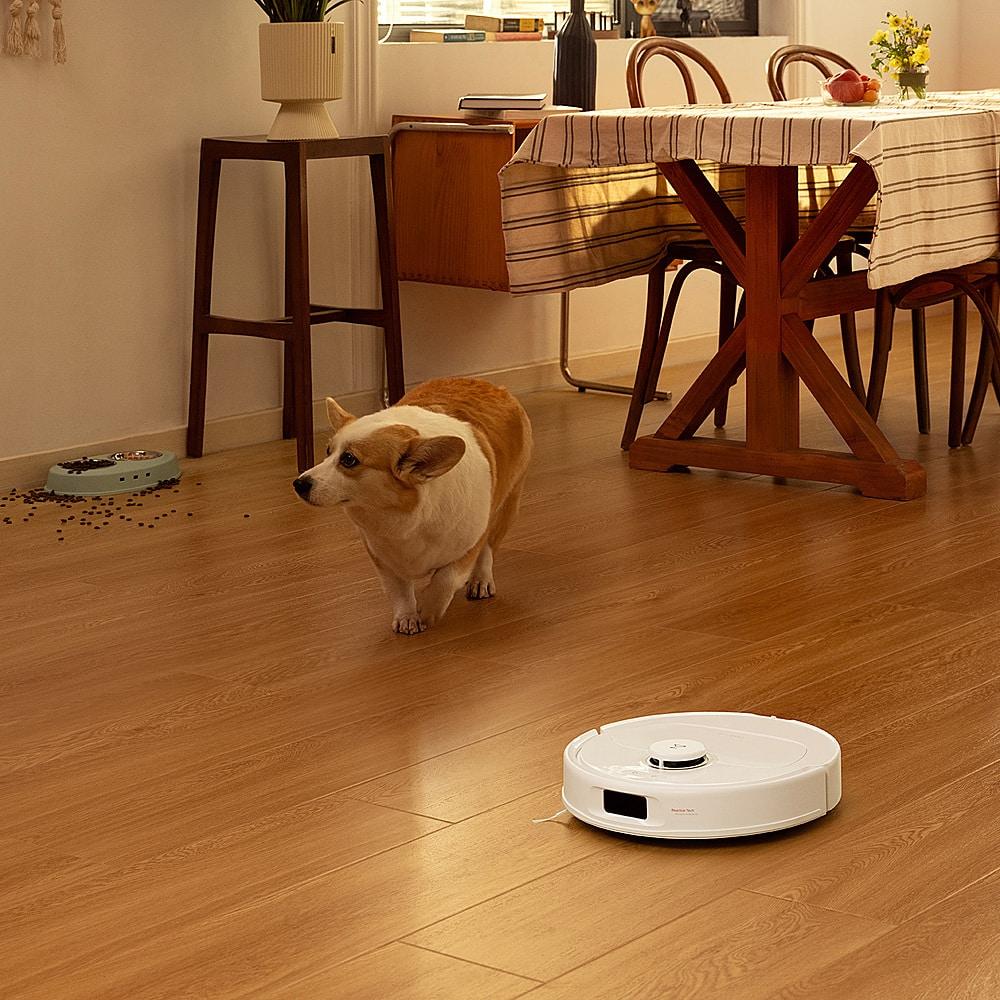
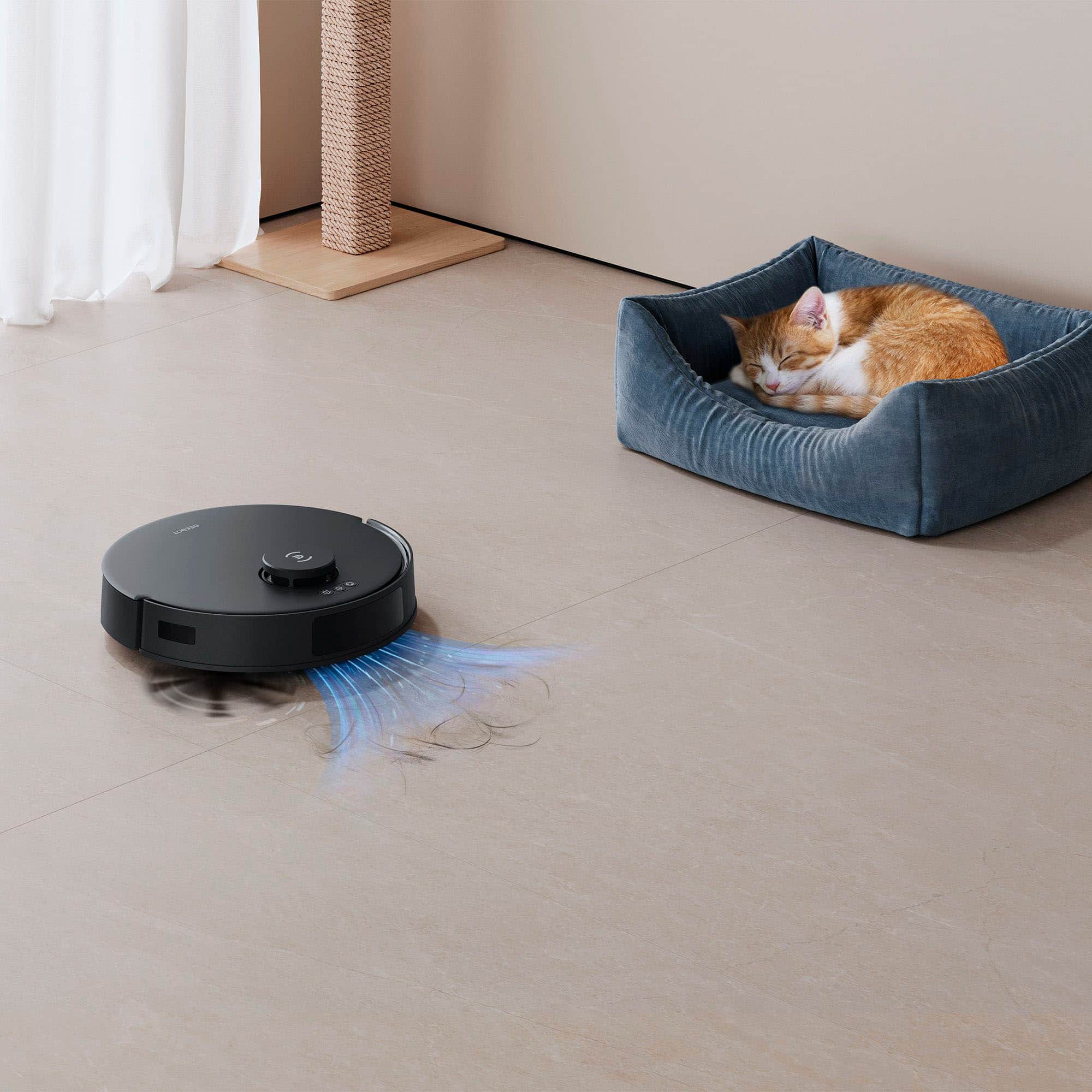
Pet hair presents unique challenges. Both models claim anti-tangle technology, but neither fully delivers. The Qrevo Pro's rubber brushroll proves easier to clean when tangles occur, while the N20 Pro Plus requires more frequent maintenance despite higher suction power.
Mopping performance creates the clearest distinction between these approaches. The Qrevo Pro's dual spinning pads, FlexiArm extension, and hot water maintenance create genuinely superior wet cleaning. The ability to reach edges and corners—where spills naturally accumulate—addresses real-world cleaning challenges.
The N20 Pro Plus's vibrating mop system handles light maintenance mopping but struggles with dried stains or sticky spills. The 49.5-point professional test score reflects this limitation. For homes requiring serious mopping—families with young children, pet owners, or those with large hard-floor areas—this performance gap justifies the Qrevo Pro's premium.
However, casual mopping needs might not justify the cost difference. Light dust and minor spills fall within the N20 Pro Plus's capabilities, and the manual pad management becomes routine with practice.
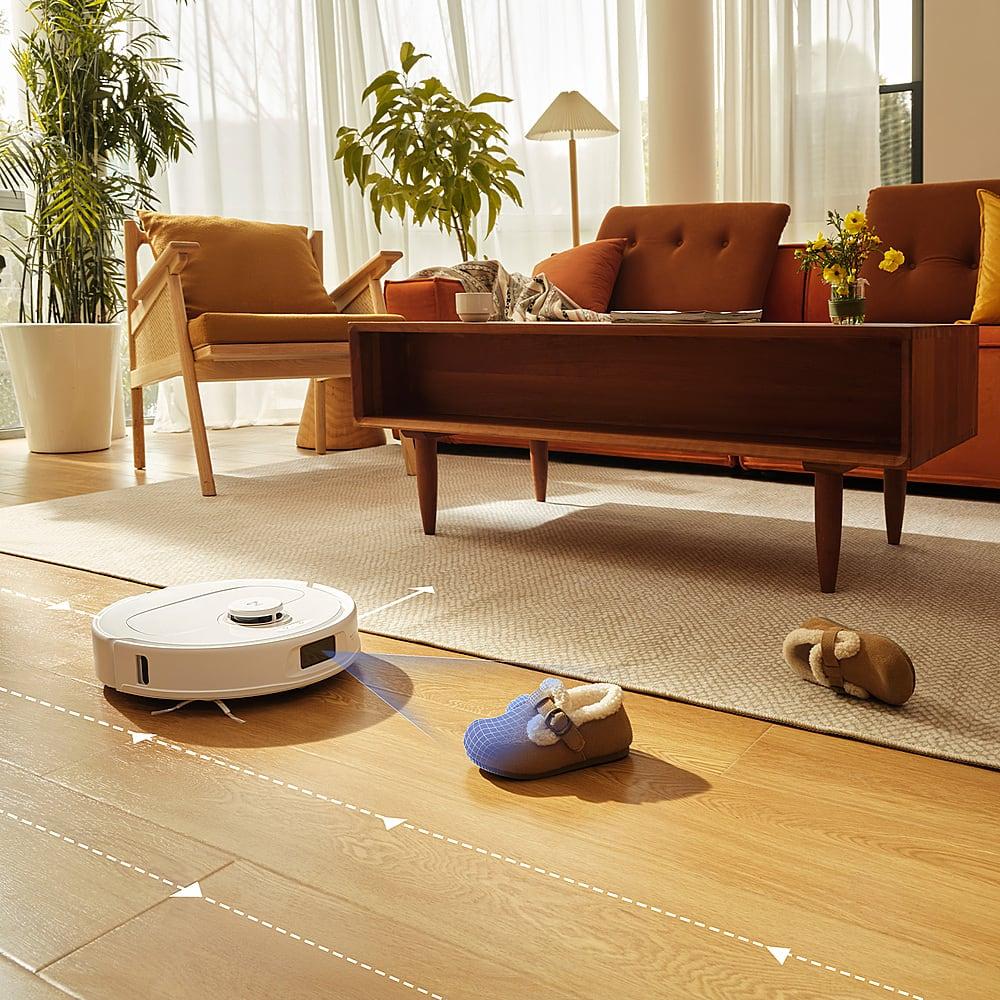
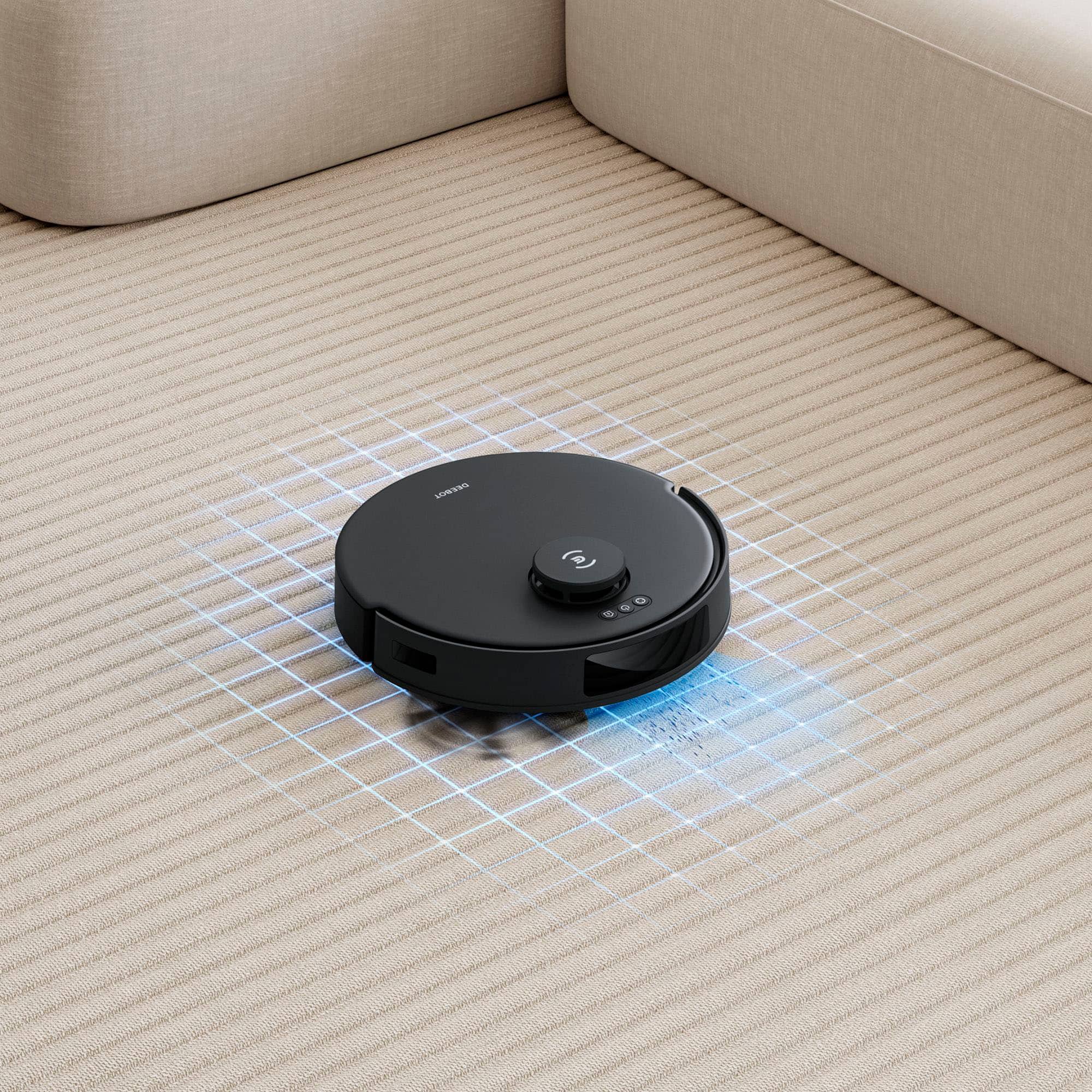
Both robots use LiDAR mapping, but implementation differs significantly. The N20 Pro Plus maps floors in approximately 5 minutes—impressively fast—while maintaining nearly perfect coverage. The Qrevo Pro maps more methodically but struggles with obstacle avoidance, particularly small objects.
This creates interesting use-case implications. The ECOVACS model suits homes with consistent layouts and minimal floor clutter, where fast mapping and systematic cleaning patterns maximize efficiency. The Roborock works better in complex environments where sophisticated automation compensates for navigation limitations.
Neither excels at true obstacle intelligence. Advanced models from both brands offer camera-based recognition, but these models rely primarily on bump-and-retreat strategies. Homes with many cables, pet toys, or furniture legs require manual preparation or extensive virtual barriers.
For dedicated home theater spaces, robot vacuums present unique challenges and opportunities. These rooms typically feature complex cable management, low-profile furniture, and acoustic treatments that create navigation obstacles.
The Qrevo Pro's higher noise levels (96 dB) make it unsuitable for operation during viewing sessions, but its comprehensive automation enables scheduling for off-hours. The hot water mop cleaning particularly benefits home theaters, where spilled drinks and snack crumbs require thorough cleaning.
The N20 Pro Plus's quieter 66 dB operation allows cleaning during less critical viewing, though the rhythmic squeaking during mopping cycles remains disruptive. The 300-minute runtime enables complete theater cleaning in a single session, important for rooms where furniture arrangement complicates robot movement.
Both models require significant cable management. Virtual no-go zones work for permanent installations, but the poor cable detection means physical organization remains essential.
The automation gap becomes most apparent in daily maintenance. The Qrevo Pro genuinely approaches "set and forget" operation, requiring mainly dustbin bag replacement and occasional filter cleaning. The hot water mop washing eliminates the unpleasant task of cleaning dirty mop pads manually.
The N20 Pro Plus requires more hands-on involvement but rewards users with lower ongoing costs. The bagless system eliminates bag purchases (approximately $30 annually for premium robots), while washable filters extend replacement intervals. However, manual mop pad management and more frequent roller cleaning add time to weekly routines.
Both 2024 models represent significant advances over earlier generations. Five years ago, robot vacuum mopping was largely gimmicky—wet pads dragged across floors with minimal effectiveness. Today's vibrating and spinning systems actually clean, though gaps remain compared to manual mopping.
The Qrevo Pro pushes automation boundaries with its FlexiArm and hot water systems, suggesting future models might achieve truly comprehensive cleaning. However, this complexity creates more potential failure points and repair costs.
The N20 Pro Plus's bagless approach addresses long-term sustainability concerns as environmental regulations increasingly target single-use products. The cyclone technology, refined over decades in upright vacuums, offers proven reliability.
You prioritize mopping performance above all else. The hot water cleaning, FlexiArm edge reach, and automatic maintenance justify the premium for homes where wet cleaning matters. Families with young children, pet owners dealing with tracked-in mud, or anyone who genuinely relies on robot mopping rather than supplementing it will appreciate the superior performance.
Automation convenience outweighs cost considerations. If you value time over money and want genuinely hands-off operation, the Qrevo Pro's comprehensive dock system delivers. The ability to ignore the robot for weeks while maintaining cleaning performance appeals to busy professionals or anyone who finds maintenance tasks burdensome.
You have mixed floor types requiring seamless transitions. Homes with area rugs on hardwood, bathroom tiles adjacent to carpet, or complex layouts benefit from automatic mop lifting and intelligent surface detection.
Value and ongoing costs matter more than premium features. The combination of lower purchase price and eliminated bag costs creates compelling long-term value. The performance difference may not justify the premium for budget-conscious buyers or those viewing robot vacuums as tools rather than luxury appliances.
You have large homes requiring extended runtime. The 300-minute battery life and 550-square-meter coverage suit sprawling single-story homes or anyone who prefers complete cleaning in single sessions rather than recharge-and-resume cycles.
Vacuuming performance takes priority over mopping. The 8,000 Pa suction and strong debris pickup rates excel for pet owners, high-traffic homes, or anyone primarily seeking automated vacuuming with occasional mopping capability.
You don't mind some manual involvement. If mop pad attachment and periodic roller maintenance don't seem burdensome, the N20 Pro Plus offers most premium features at significantly lower cost.
These robots represent two valid philosophies rather than clear winner-and-loser scenarios. The Roborock Qrevo Pro justifies its premium through genuine automation advances and superior mopping performance. For users who value convenience and have serious wet cleaning needs, the investment makes sense.
The ECOVACS N20 Pro Plus delivers impressive performance at a more accessible price point while eliminating ongoing bag costs. It's the smarter choice for value-conscious buyers or those primarily seeking powerful vacuuming with basic mopping capability.
Neither represents a bad choice—they're simply optimized for different priorities and budgets. Consider your floor types, cleaning needs, automation preferences, and long-term costs. The right choice depends more on your specific situation than any universal "best" designation.
The robot vacuum market continues evolving rapidly, with each generation bringing meaningful improvements. Both models represent current-generation technology that will serve well for years, regardless of which philosophy better matches your needs.
| Roborock Qrevo Pro | ECOVACS Deebot N20 Pro Plus |
|---|---|
| Suction Power - Higher numbers mean better debris pickup, especially on carpets | |
| 7,000 Pa HyperForce (excellent for most homes) | 8,000 Pa (best-in-class power for heavy debris and pet hair) |
| Mopping System - Critical for homes prioritizing wet floor cleaning | |
| Dual spinning pads with FlexiArm edge extension, hot water washing | OZMO Pro 2.0 vibrating system, manual pad management |
| Edge Cleaning Performance - How well it cleans along walls and corners | |
| 56.5% effectiveness (surprisingly poor despite FlexiArm technology) | Standard performance (no specialized edge cleaning features) |
| Auto-Empty Station Type - Affects ongoing costs and maintenance | |
| Bagged system with 2.5L disposable bags (~$30/year ongoing cost) | Bagless PureCyclone with 1.5L washable container (no ongoing bag costs) |
| Mop Maintenance Automation - Determines how hands-off the cleaning process is | |
| Fully automated: hot water washing, warm air drying, bacteria elimination | Manual attachment/removal required, no automatic cleaning or drying |
| Carpet Handling - Essential for homes with mixed floor types | |
| Auto mop lifting (10mm), seamless hard floor to carpet transitions | Carpet avoidance only, requires manual intervention for mixed cleaning |
| Battery Runtime - Important for larger homes and uninterrupted cleaning | |
| 180 minutes (sufficient for most homes under 200m²) | 300 minutes (exceptional for large homes up to 550m²) |
| Obstacle Avoidance Technology - Affects reliability around furniture and cables | |
| Reactive Tech structured light (inconsistent, especially with small objects) | Basic infrared sensors (poor cable detection, frequent stuck incidents) |
| Navigation Mapping Speed - How quickly it learns your home layout | |
| Standard LiDAR mapping (methodical but thorough) | Fast 5-minute mapping with spinning LiDAR (impressively quick) |
| Operational Noise Level - Critical for homes where quiet operation matters | |
| 96 dB (notably louder than average, disruptive during operation) | 66 dB operation (much quieter, though mopping creates rhythmic squeaking) |
| Hard Floor Cleaning Performance - Most important metric for debris pickup | |
| 99.5% debris removal (exceptional systematic cleaning) | ~85% debris removal (good but less thorough coverage) |
| Carpet Cleaning Performance - Key spec for homes with significant carpeted areas | |
| 92.1% low-pile, 89.2% high-pile (above average performance) | ~90% overall carpet performance (strong due to high suction power) |
| Dustbin Capacity - Affects how often you need to empty during cleaning | |
| Robot: 330ml, Dock: 2.5L bags (adequate for most cleaning cycles) | Robot: 400ml, Dock: 1.5L bagless (larger robot bin, smaller dock capacity) |
| Water Tank Capacity - Determines mopping area coverage per refill | |
| Auto-refilling system (hands-free water management) | 180ml manual tank (requires frequent refilling for large areas) |
The ECOVACS Deebot N20 Pro Plus has stronger suction at 8,000 Pa compared to the Roborock Qrevo Pro's 7,000 Pa. This translates to better debris pickup on carpets and more effective pet hair removal. However, the Roborock Qrevo Pro achieves superior overall cleaning results through better brush design and systematic coverage patterns, proving that suction power alone doesn't determine cleaning performance.
The Roborock Qrevo Pro significantly outperforms the ECOVACS Deebot N20 Pro Plus for mopping. The Qrevo Pro features dual spinning mop pads, a FlexiArm system for edge cleaning, and hot water mop washing with automatic drying. In contrast, the N20 Pro Plus uses a basic vibrating mop system that requires manual pad attachment and scored well below average in professional stain removal tests.
The ECOVACS Deebot N20 Pro Plus has lower ongoing costs due to its bagless auto-empty station, eliminating the need for replacement dust bags. The Roborock Qrevo Pro requires disposable dust bags that cost approximately $30 annually, but offers more automated maintenance features. Both models need periodic filter and brush replacements, but the N20 Pro Plus provides better long-term value for budget-conscious buyers.
The ECOVACS Deebot N20 Pro Plus operates much quieter at 66 dB compared to the Roborock Qrevo Pro's 96 dB noise level. This makes the N20 Pro Plus more suitable for daytime cleaning or homes where noise is a concern. However, the N20 Pro Plus does produce rhythmic squeaking sounds during mopping cycles that some users find annoying.
Yes, but with different capabilities. The Roborock Qrevo Pro automatically lifts its mop pads when transitioning to carpet, allowing seamless cleaning of mixed floor types in one session. The ECOVACS Deebot N20 Pro Plus avoids carpets entirely when mopping is enabled, requiring separate cleaning cycles for different floor types or manual mop pad removal.
The ECOVACS Deebot N20 Pro Plus excels with 300 minutes of runtime, covering up to 550 square meters on a single charge. The Roborock Qrevo Pro provides 180 minutes of operation, sufficient for most homes under 200 square meters. For large homes or those preferring complete cleaning in single sessions, the N20 Pro Plus offers superior endurance.
Both models have limitations in obstacle avoidance. The Roborock Qrevo Pro uses structured light sensors but performs inconsistently, especially with small objects on carpet. The ECOVACS Deebot N20 Pro Plus relies on basic infrared sensors and frequently gets stuck on cables. Neither offers advanced AI-powered obstacle recognition, so homes with significant floor clutter require manual preparation or virtual barriers.
Despite featuring specialized FlexiArm edge mopping technology, the Roborock Qrevo Pro surprisingly scored only 56.5% in professional edge cleaning tests. The ECOVACS Deebot N20 Pro Plus provides standard edge cleaning performance without specialized features. Both models struggle with the fundamental limitation of round robots in rectangular rooms, though the Qrevo Pro's extending mop arm helps somewhat for wet cleaning.
Both models handle pet hair well but with different strengths. The ECOVACS Deebot N20 Pro Plus offers superior suction power for embedded pet hair, while the Roborock Qrevo Pro features easier brush maintenance and better overall debris pickup rates. The Qrevo Pro's hot water mop cleaning also effectively removes pet-related stains and odors, making it better for homes requiring serious wet cleaning.
The ECOVACS Deebot N20 Pro Plus maps floors impressively fast in approximately 5 minutes using spinning LiDAR technology. The Roborock Qrevo Pro takes longer for initial mapping but creates more detailed floor plans. Both support multi-level mapping, virtual barriers, and room-specific cleaning through their respective mobile apps.
The Roborock Qrevo Pro offers superior automation with its comprehensive dock system that empties dust, refills water, washes mop pads with hot water, and dries them automatically. The ECOVACS Deebot N20 Pro Plus requires manual mop pad attachment/removal and cleaning, though its bagless design eliminates dust bag replacements. Choose the Qrevo Pro for maximum convenience or the N20 Pro Plus for lower ongoing costs with some manual involvement.
The ECOVACS Deebot N20 Pro Plus provides better value through its lower purchase price, bagless design eliminating ongoing bag costs, and strong core performance. The Roborock Qrevo Pro justifies its premium pricing through superior mopping performance, comprehensive automation, and advanced features like hot water mop cleaning. Choose the N20 Pro Plus for budget-conscious buyers or the Qrevo Pro if automation and mopping quality are priorities.
We've done our best to create useful and informative comparisons to help you decide what product to buy. Our research uses advanced automated methods to create this comparison and perfection is not possible - please contact us for corrections or questions. These are the sites we've researched in the creation of this article: rtings.com - vacuumwars.com - moderncastle.com - youtube.com - bestbuy.com - rtings.com - vacuumwars.com - vacuumwars.com - youtube.com - youtube.com - techgadgetscanada.com - us.roborock.com - target.com - youtube.com - roborock.com.my - global.roborock.com - us.roborock.com - homedepot.com - us.roborock.com - youtube.com - global.roborock.com - us.roborock.com - us.roborock.com - cybershack.com.au - qwertycompare.com - eftm.com - versus.com - reviews.org - vacuumwars.com - vacuumwars.com - versus.com - youtube.com - rtings.com - youtube.com - youtube.com - vacuumwars.com - youtube.com - manuals.plus - ecovacs.com - youtube.com - ecovacs.com - ecovacs.com - bestbuy.com - youtube.com - chewy.com - smart-dots.com - ecovacs.com - youtube.com - ecovacs.com - ecovacs.com - device.report - ecovacsindia.in - youtube.com - techsalesonline.com.au

Privacy Policy
Terms and Conditions - Affiliate Policy
Home Security
© Copyright 2008-2026.
11816 Inwood Rd #1211, Dallas, TX 75244