

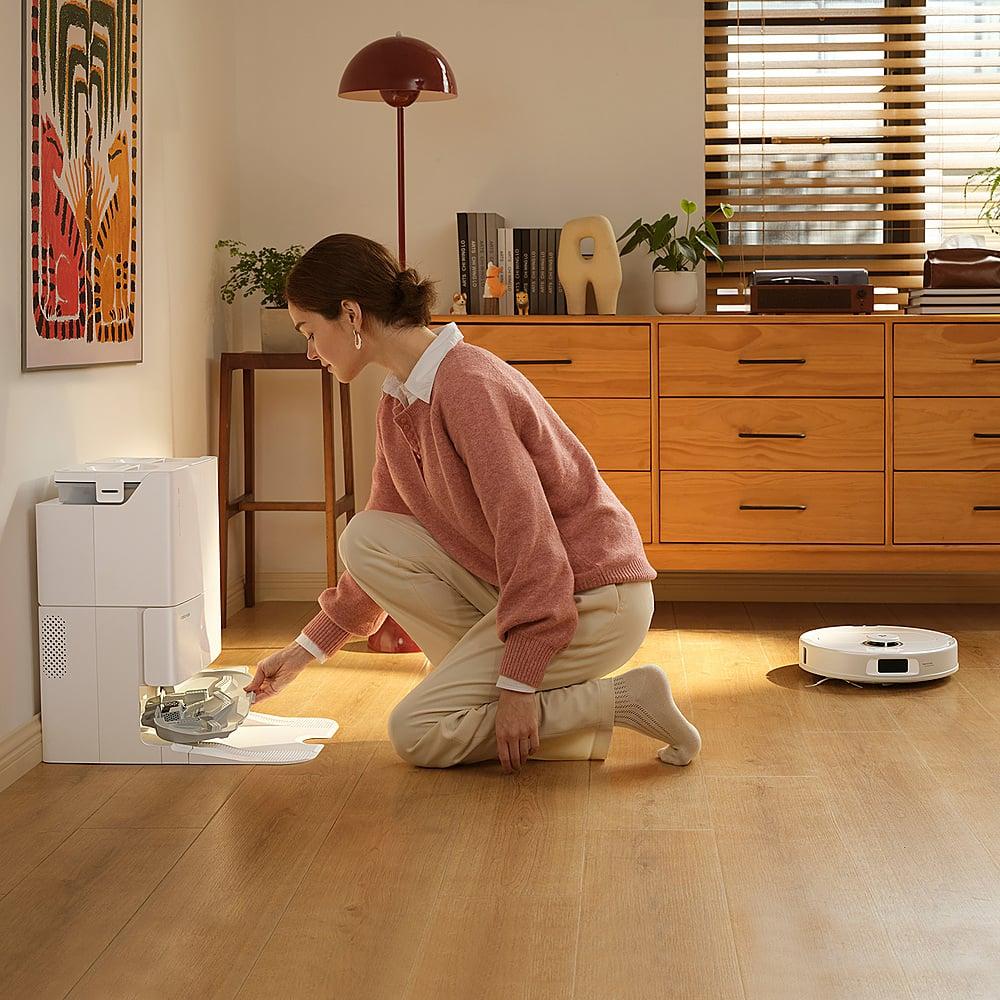
The world of robot vacuums has exploded over the past decade, transforming from simple disc-shaped cleaners that bumped into walls to sophisticated home assistants capable of mapping your entire house and avoiding your pet's water bowl. At the forefront of this evolution sits Roborock, a company that's consistently pushed boundaries in automated cleaning technology.
Today, we're comparing two vastly different approaches to robot cleaning: the groundbreaking Roborock Saros Z70 and the reliable Roborock Qrevo Pro. These aren't just different models—they represent completely different philosophies about what a robot vacuum should be. One costs roughly four times more than the other, which immediately raises the question: what exactly are you getting for that premium?
Before diving into specifics, it's worth understanding what makes today's robot vacuums tick. Modern units combine several key technologies: LiDAR (Light Detection and Ranging) or camera-based navigation systems that create detailed maps of your home, sophisticated brush systems that adapt to different floor types, and increasingly complex docking stations that handle maintenance tasks automatically.
The most important performance metrics for any robot vacuum include suction power (measured in Pascals or Pa), navigation accuracy, obstacle avoidance capabilities, battery life, and for combo units, mopping effectiveness. However, raw specifications don't always translate to real-world performance—something we've learned from extensive research into user experiences and professional testing data.
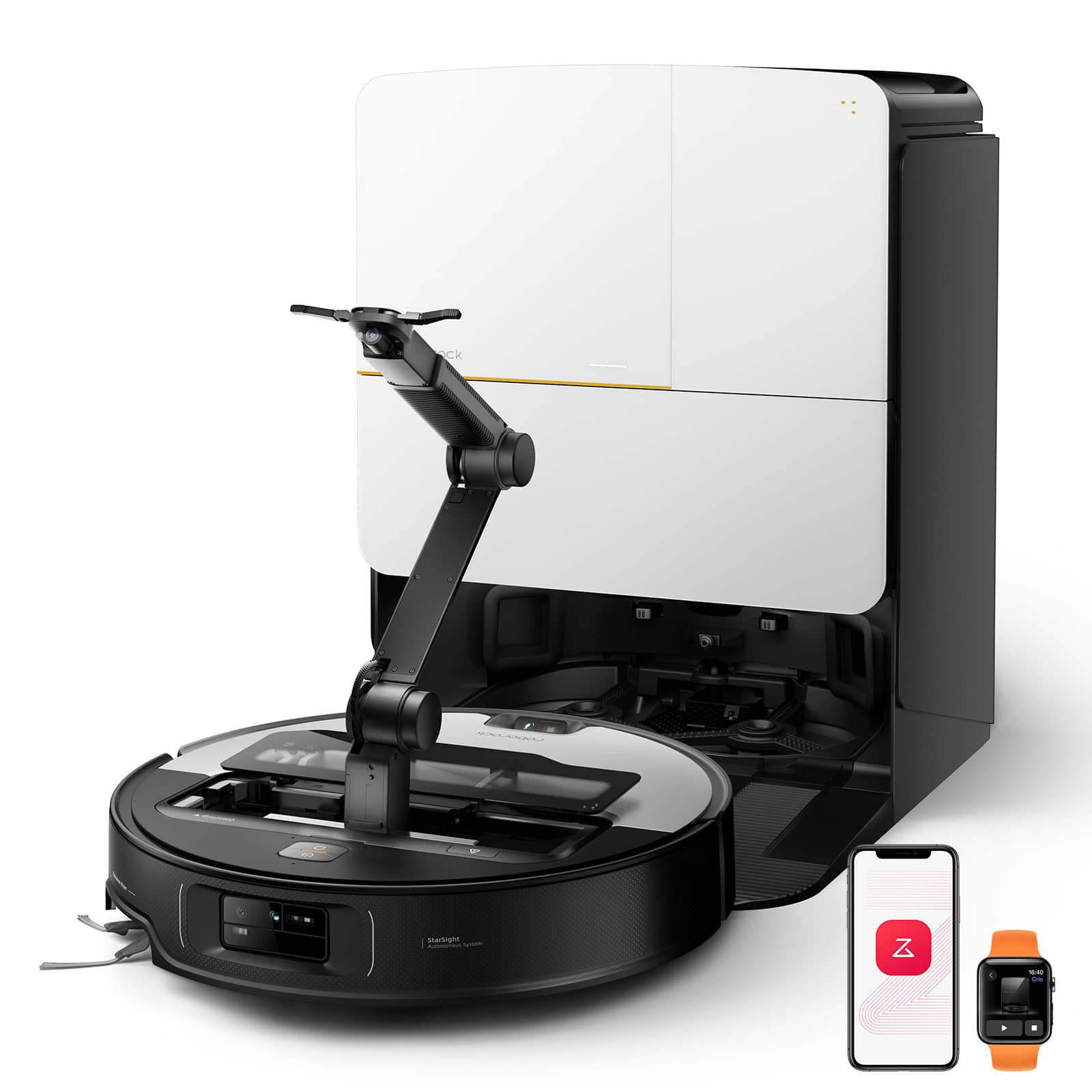
Released in 2025, the Roborock Saros Z70 represents Roborock's most ambitious project to date. This isn't just another incremental improvement—it's the world's first mass-produced robot vacuum with a mechanical arm. At the time of writing, it commands a premium price that reflects its cutting-edge technology and positioning as a flagship product.
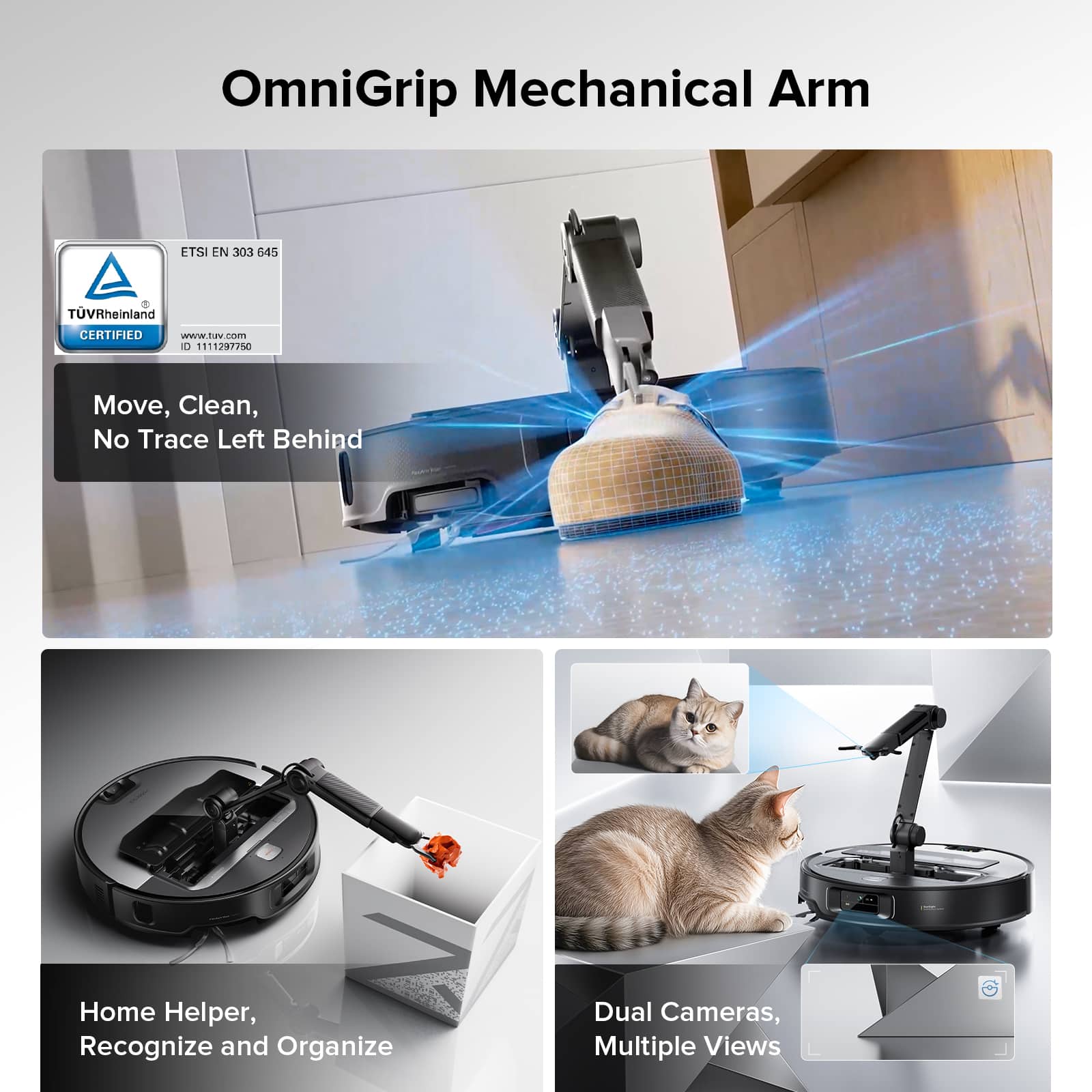
The Z70's defining feature is its OmniGrip mechanical arm—a five-axis foldable appendage that can identify, grasp, and relocate small household objects. Think socks, lightweight shoes, crumpled tissues, or small towels under 300 grams. The robot doesn't just navigate around these items; it actively moves them to designated areas, then cleans the previously obstructed space.
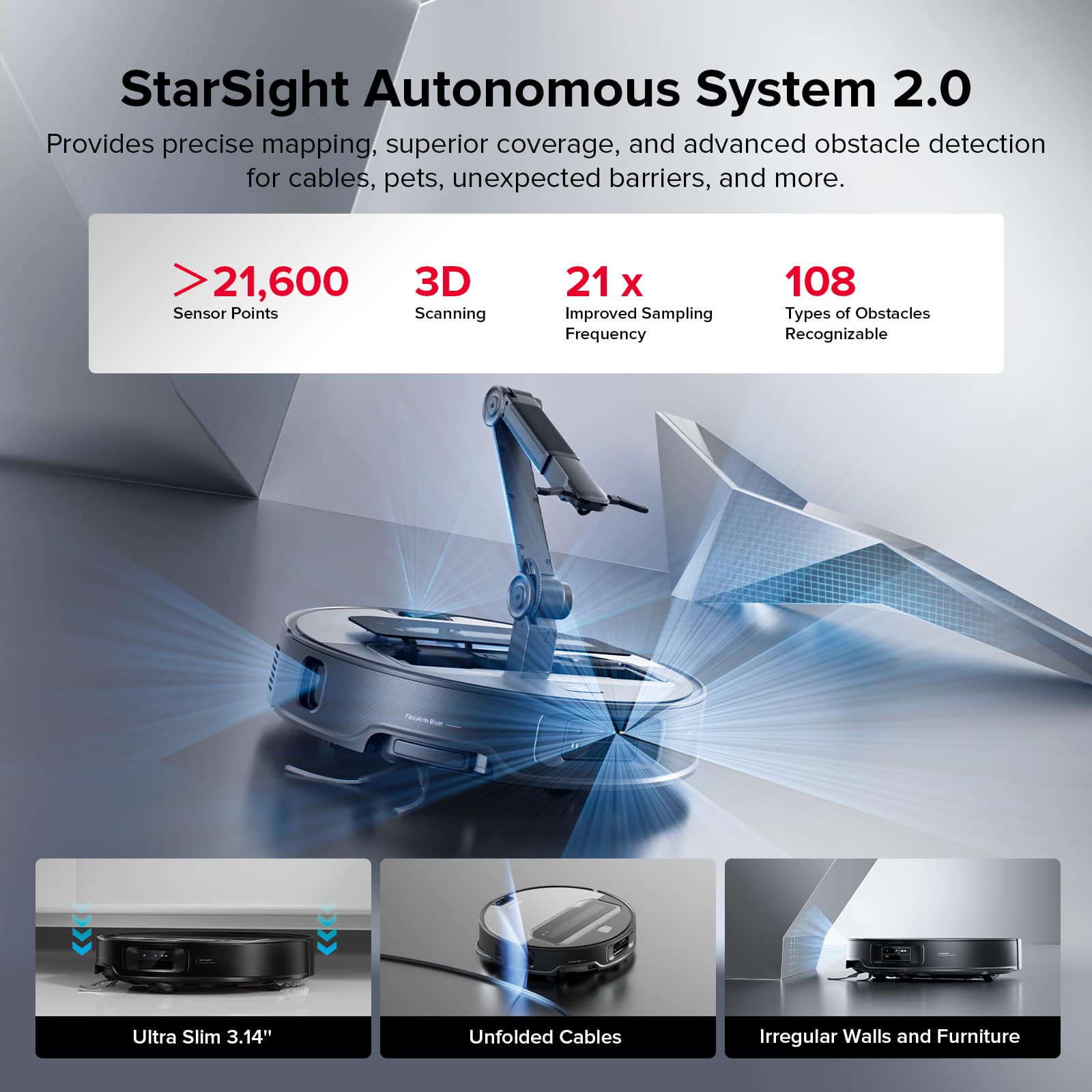
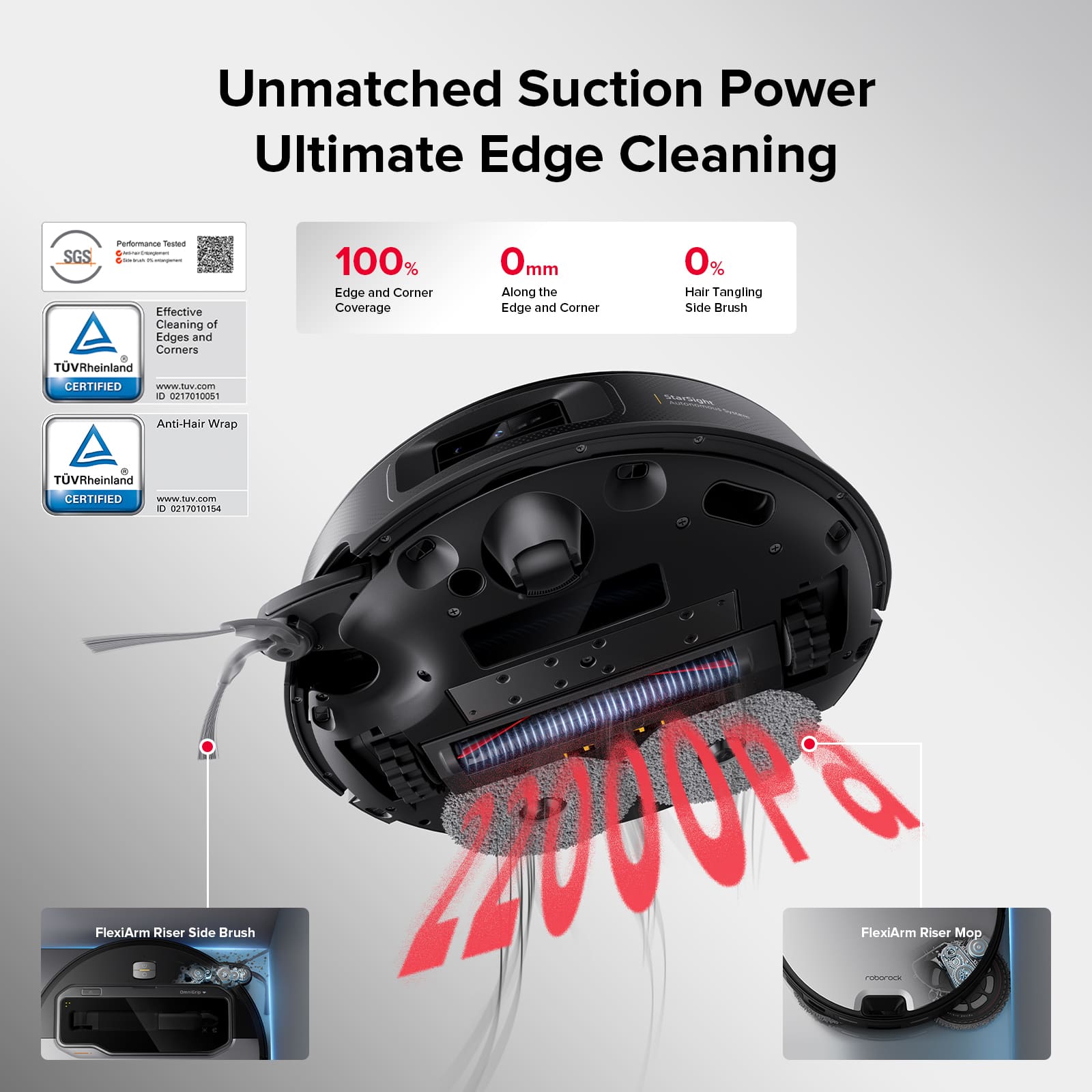
Beyond the mechanical arm, the Saros Z70 packs impressive specifications: 22,000 Pa of suction power (among the highest in the industry), a record-breaking 79.8mm height profile that lets it slide under furniture other robots can't reach, and advanced StarSight 2.0 navigation that ditches traditional LiDAR towers for a sleeker design.
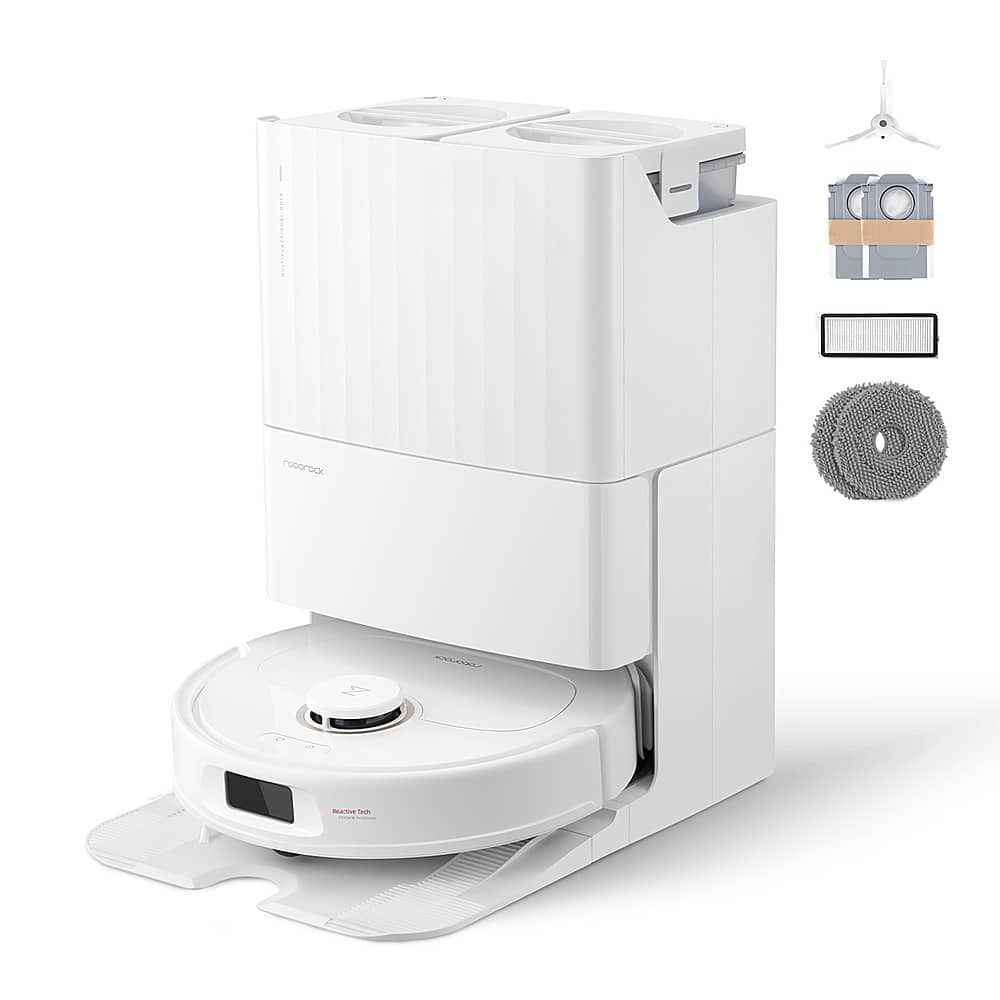
The Roborock Qrevo Pro, released in 2024, takes a more conservative but thoroughly refined approach. Rather than chasing bleeding-edge innovations, it focuses on perfecting established technologies and delivering reliable performance at a significantly more accessible price point—roughly one-quarter the cost of the Z70 at the time of writing.
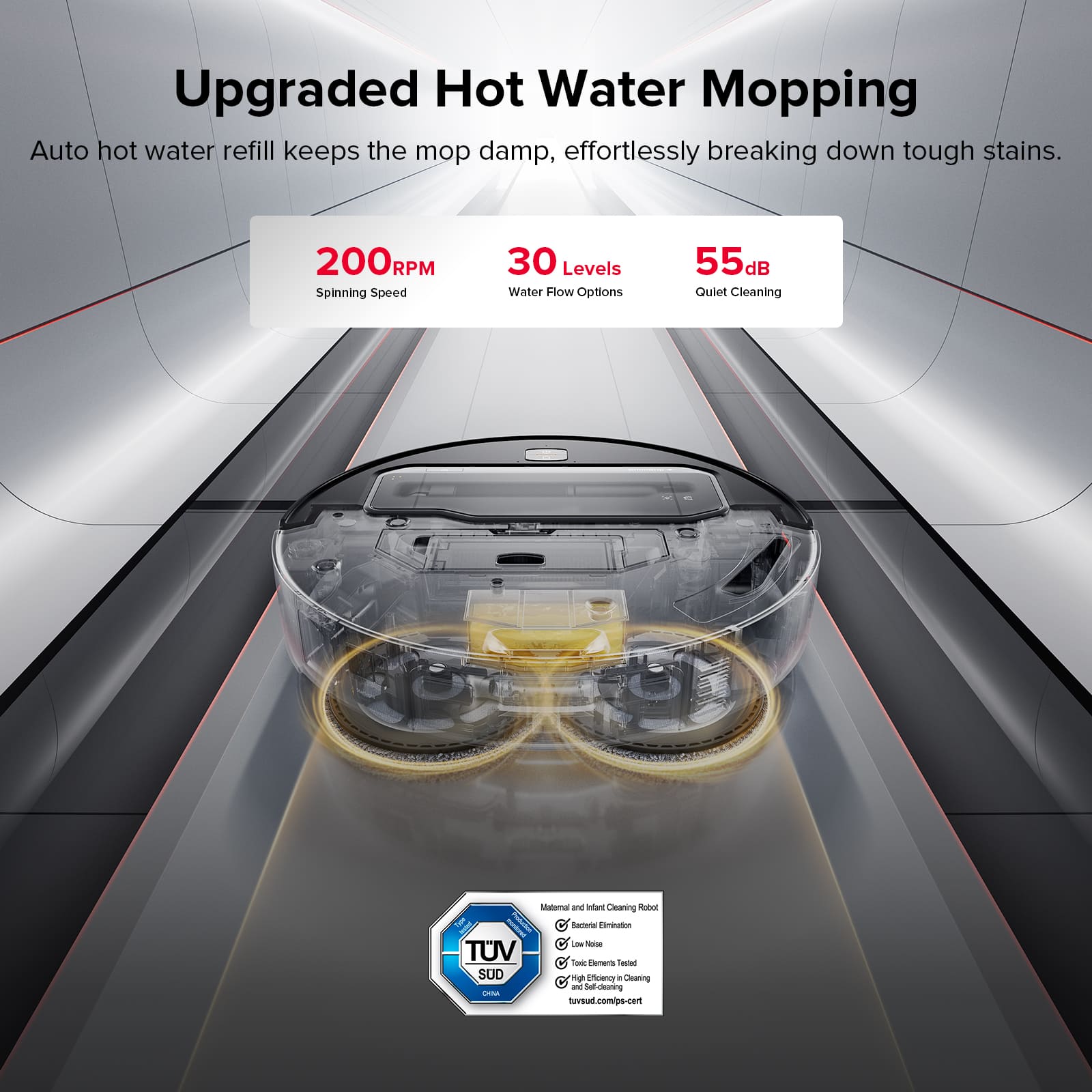
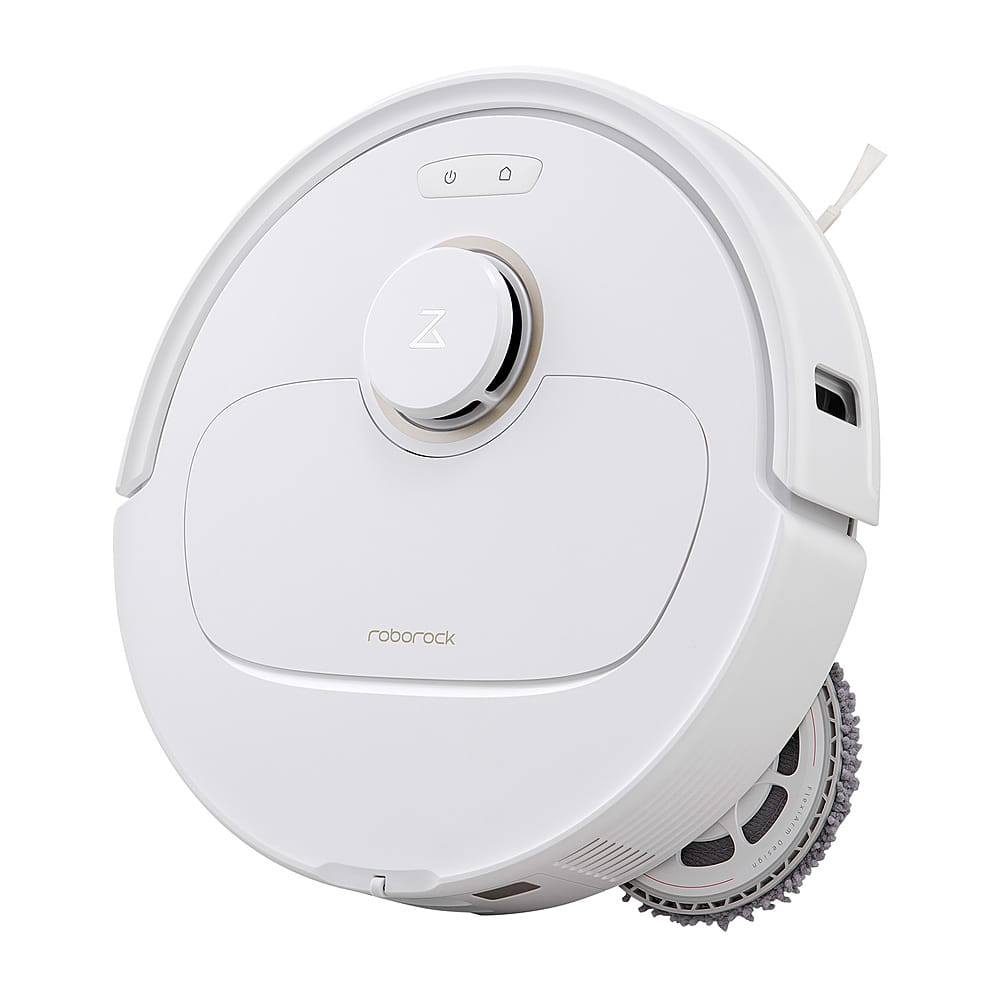
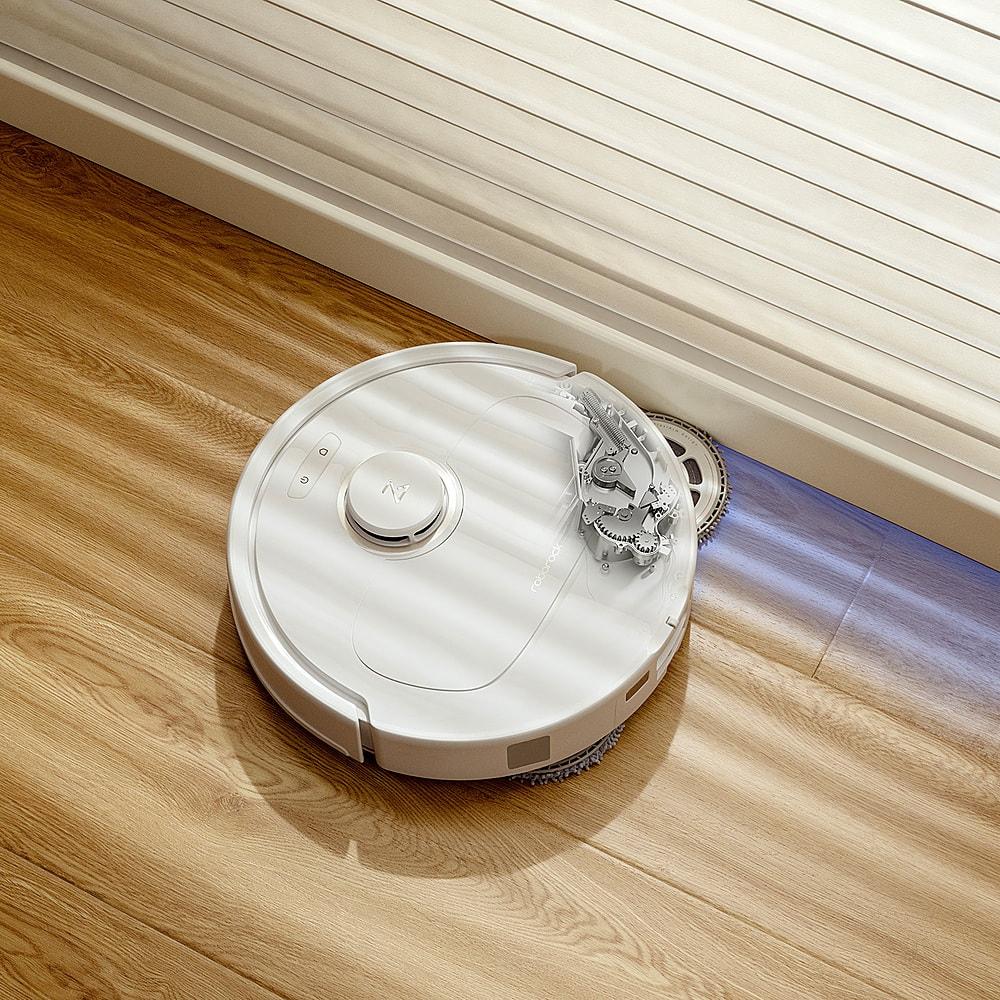
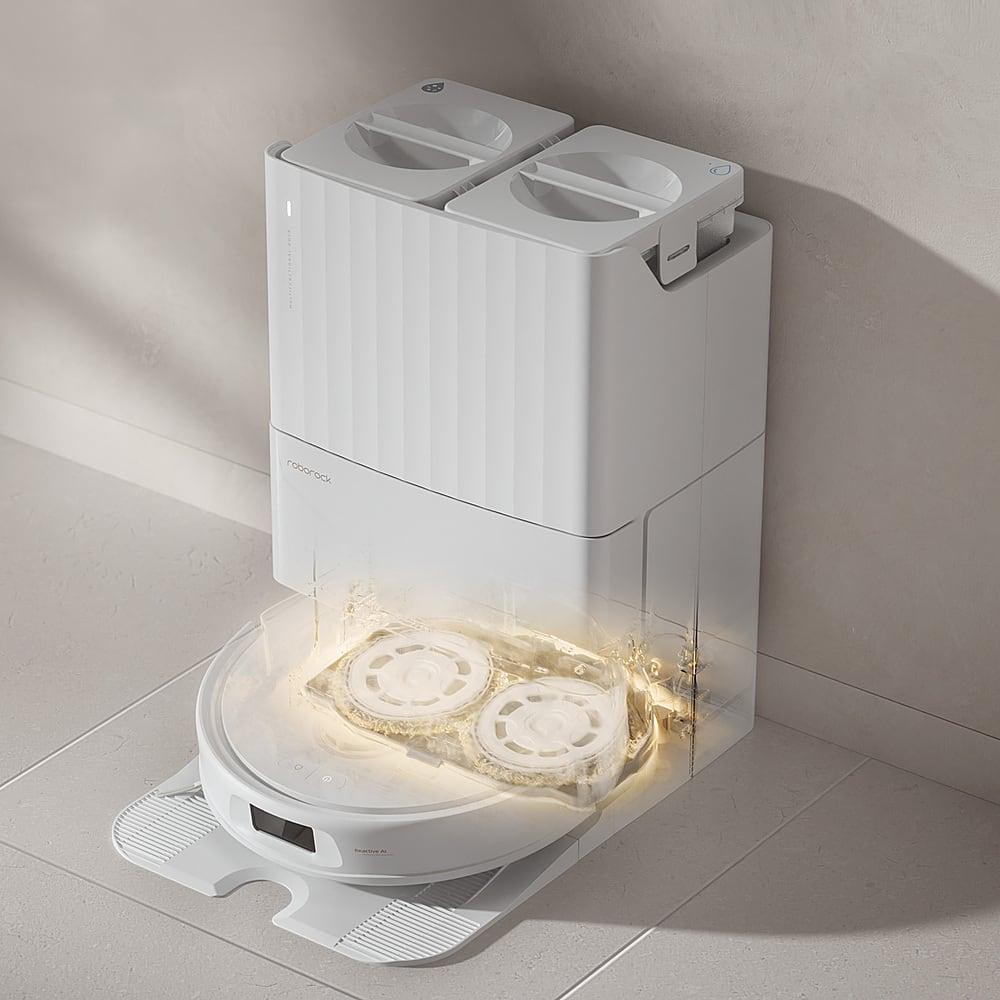
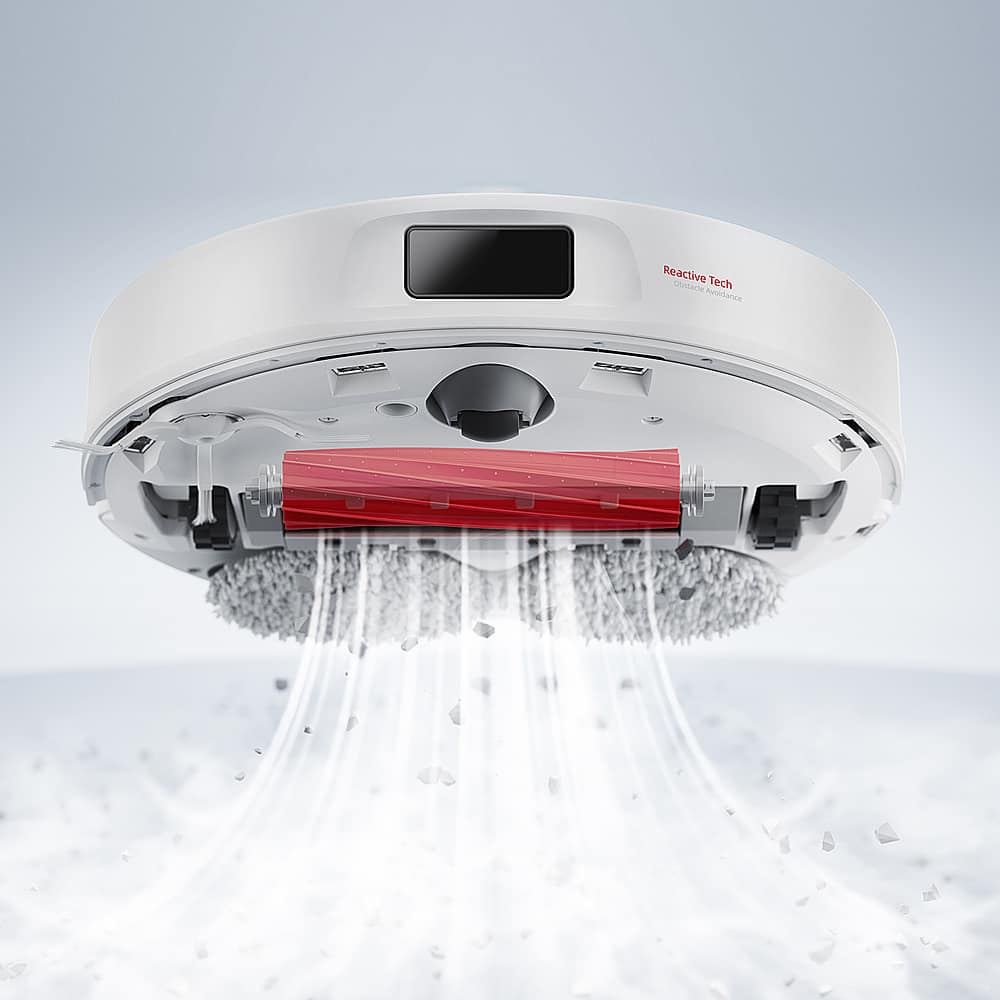
The Qrevo Pro's standout feature is its FlexiArm Design mopping system. One of its dual spinning mop pads can extend outward to reach edges and corners that traditional fixed-pad systems miss. Combined with hot water mop washing and Intelligent Dirt Detection (which automatically rewashes mop pads when they become too dirty), it represents a mature approach to automated cleaning.
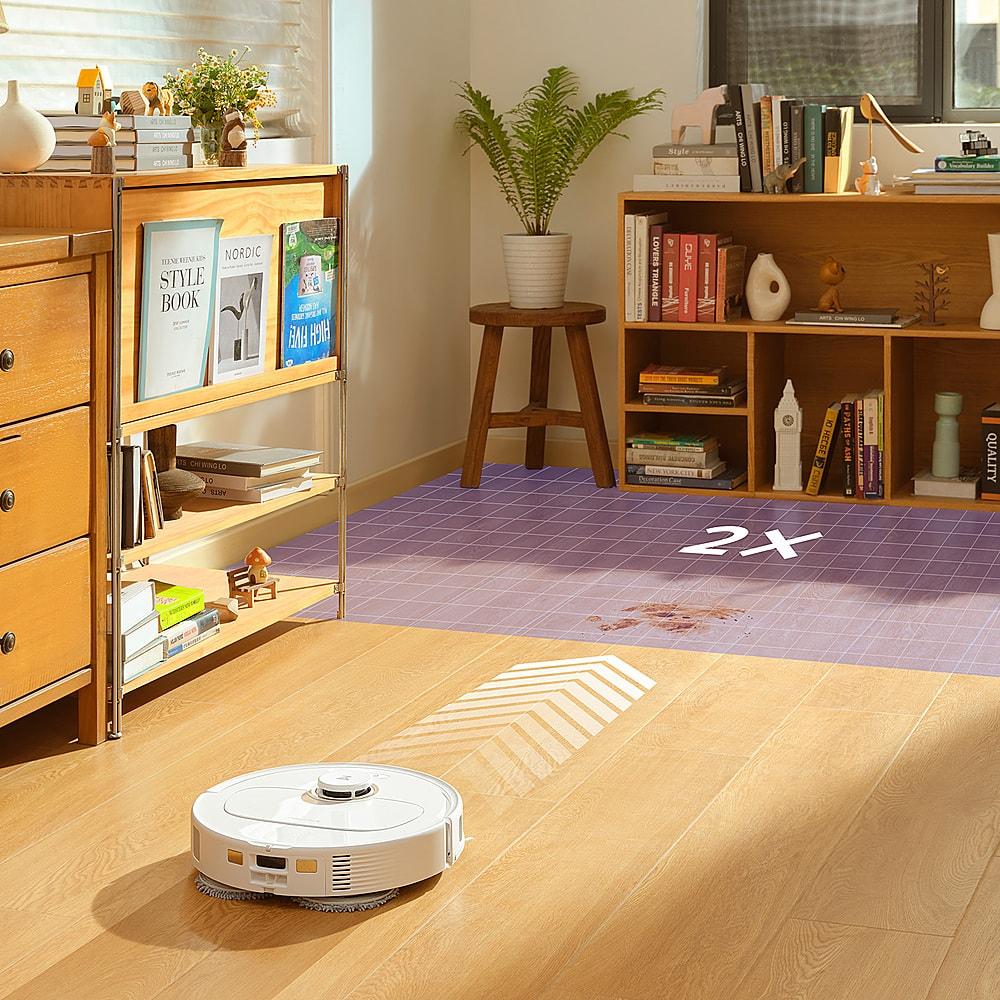
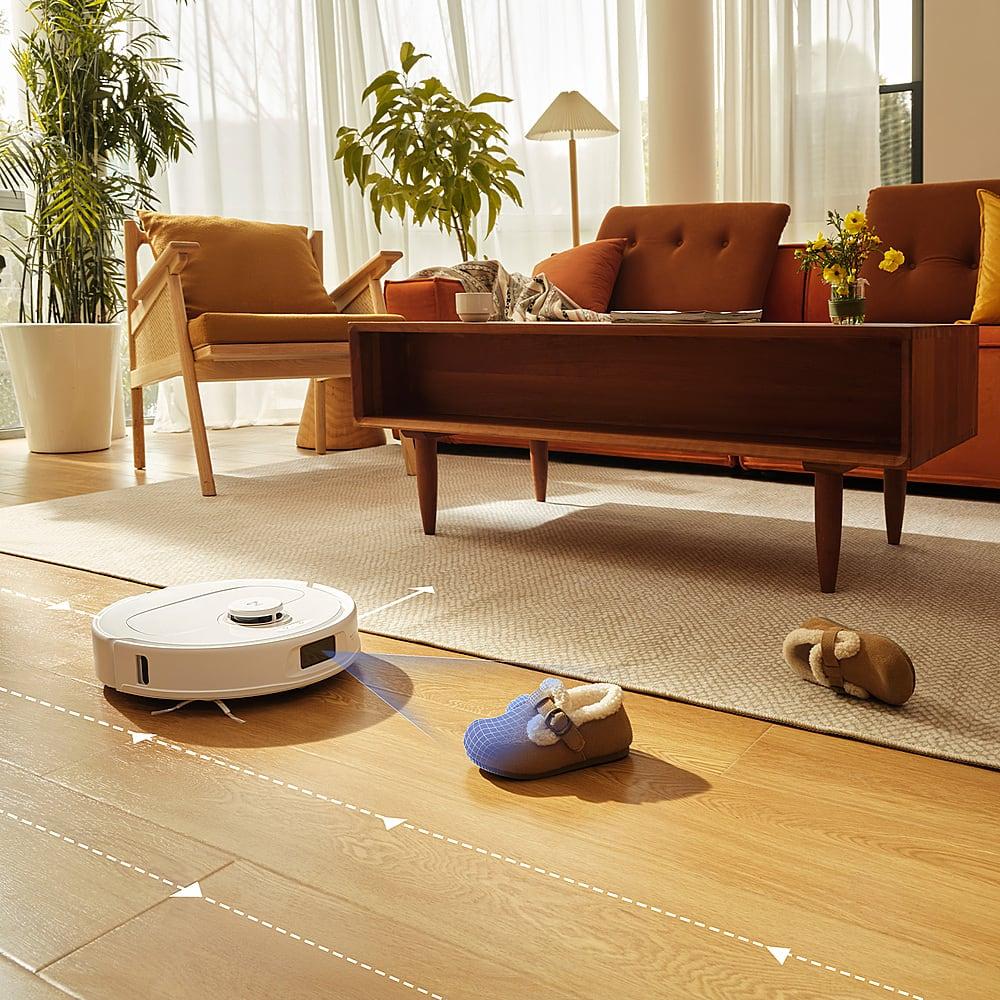
The difference in navigation philosophy between these robots reflects broader trends in the industry. The Saros Z70 uses StarSight 2.0, a sophisticated system combining 3D Time-of-Flight sensors with advanced AI recognition. This setup can identify up to 108 different object types and detect items as small as 2cm wide. In professional obstacle avoidance testing, it scored 22 out of 24 points—significantly above the industry average of 16.6.
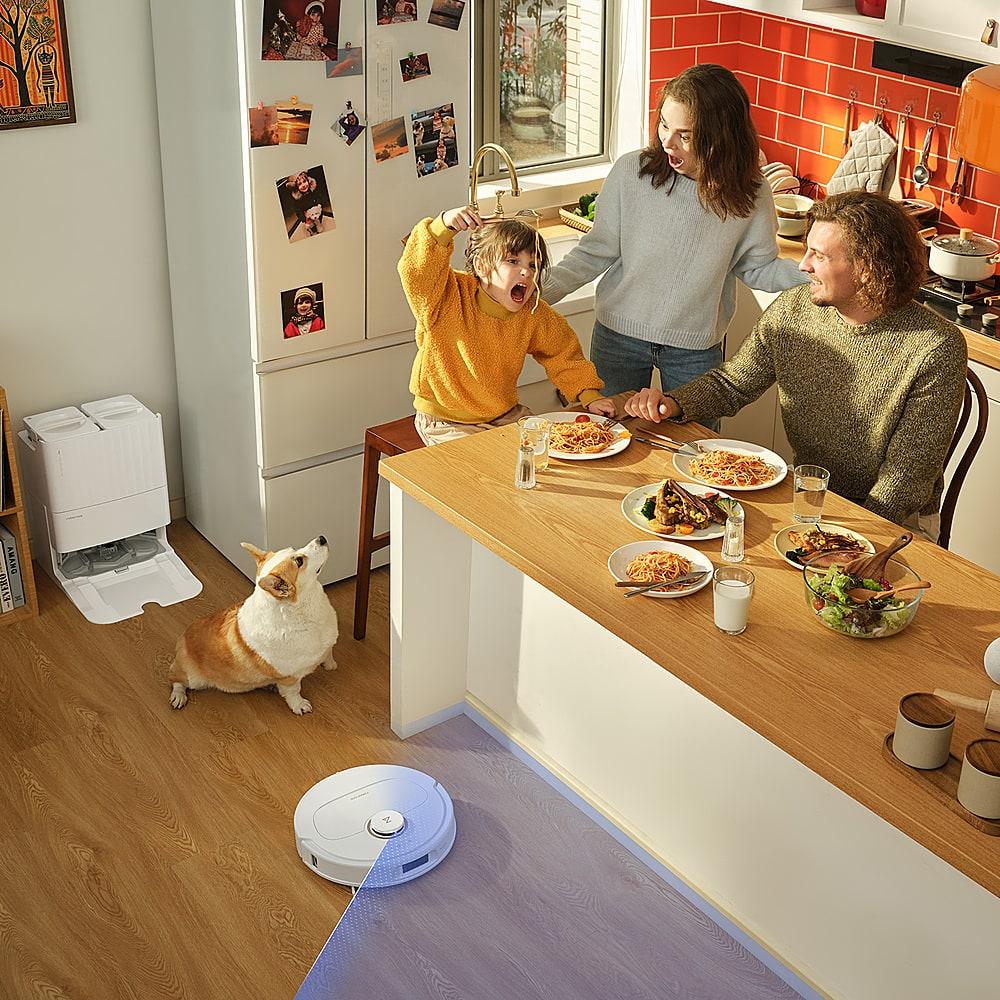
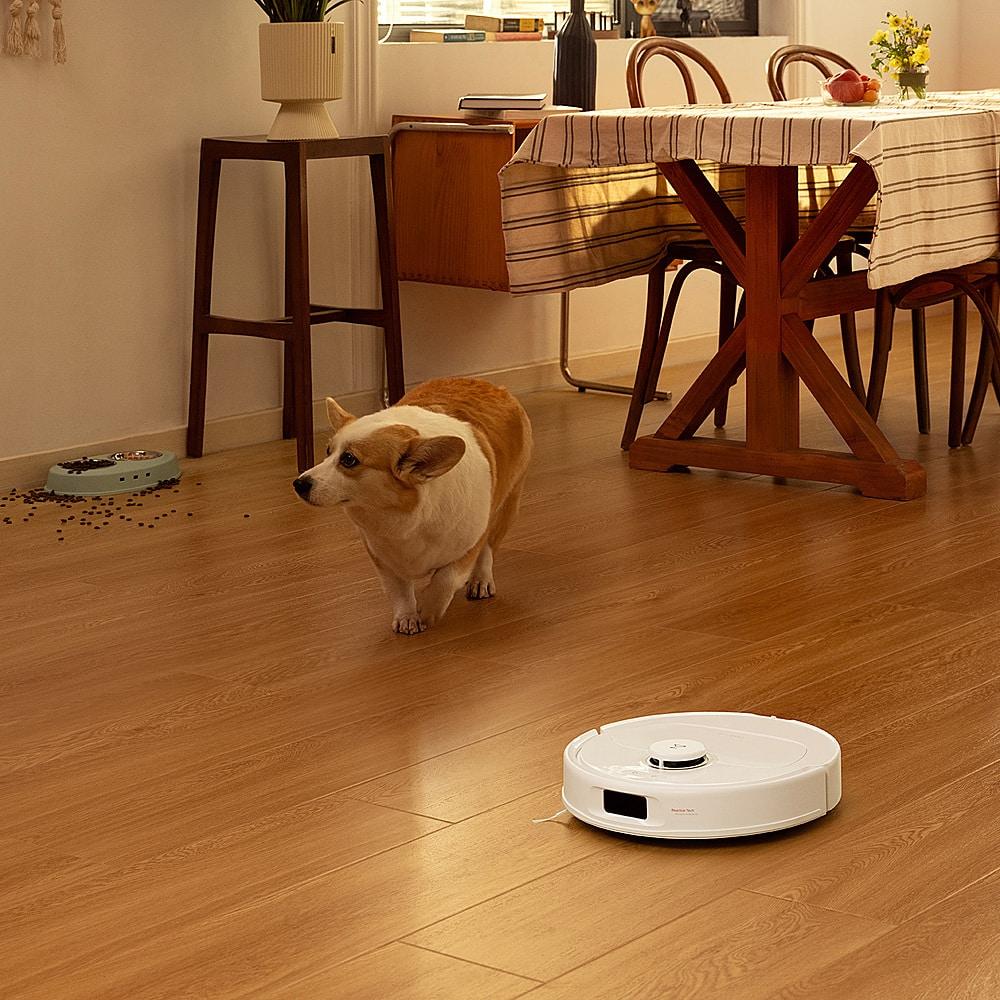
This superior obstacle avoidance makes the Z70 particularly valuable in homes with pets, children, or lots of small objects scattered around. The robot can navigate complex environments without getting stuck on charging cables, avoiding pet waste, or getting tangled in curtains.
The Qrevo Pro, meanwhile, relies on traditional LiDAR navigation paired with structured light obstacle avoidance. While this system has proven reliable over years of development, our research into user experiences reveals it's less sophisticated than the Z70's setup. It scored below average in obstacle avoidance testing, though it performs adequately for most household navigation tasks.
For home theater enthusiasts, this navigation difference matters significantly. The Z70's advanced obstacle recognition means it's less likely to disturb carefully arranged speaker cables or knock into equipment stands. Its ultra-low profile also allows it to clean under most entertainment centers without issues.
On paper, the Saros Z70 dominates with its 22,000 Pa suction rating compared to the Qrevo Pro's 7,000 Pa. However, real-world performance tells a more nuanced story. Our analysis of professional testing data reveals that despite its higher rating, the Z70's measured intake performance actually falls below average at 0.3 Kpa, likely due to design compromises made to accommodate the mechanical arm.
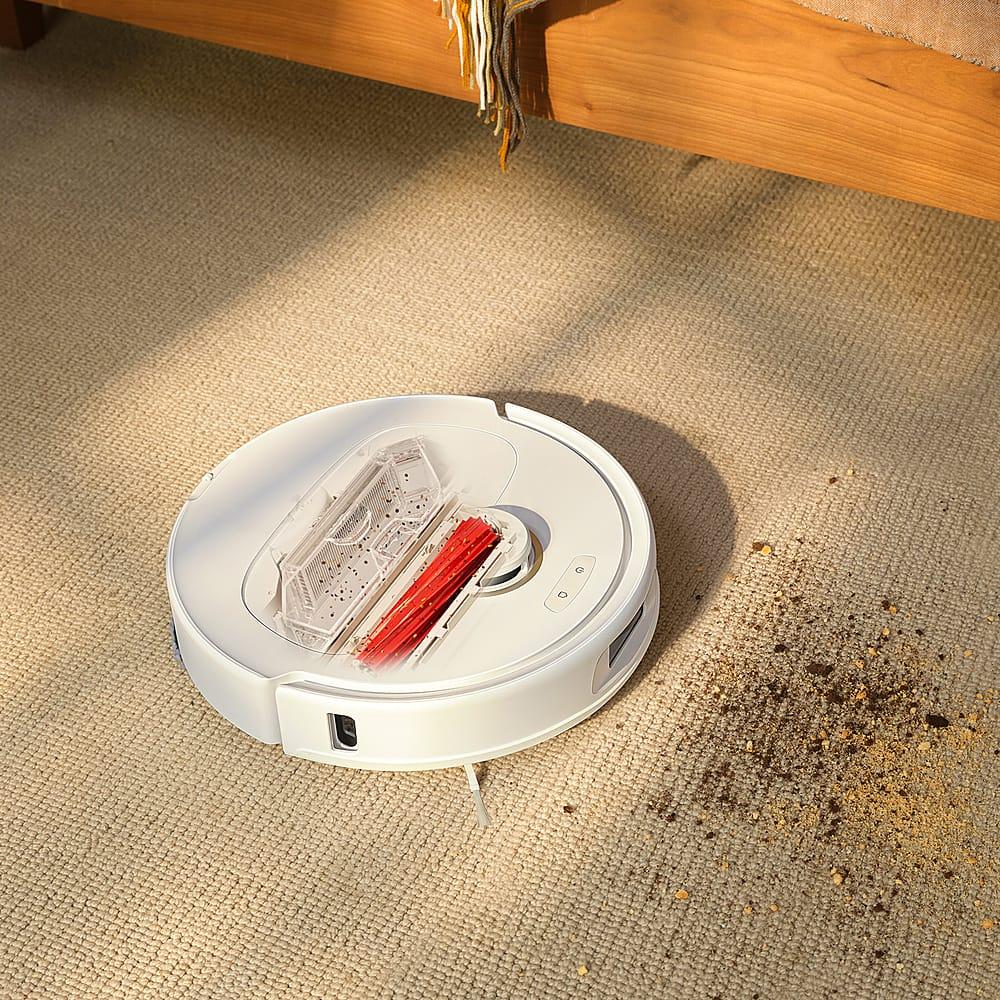
The Qrevo Pro, while lower-rated, delivers more consistent performance across different floor types. It achieved 92.1% debris pickup on low-pile carpet and 89.2% on high-pile carpet—scores that are above average for robot vacuums. The Z70 excels on hard floors but struggles with embedded debris and pet hair on carpets.
This performance difference has practical implications. If your home is primarily hardwood, tile, or laminate with area rugs, the Z70 will likely satisfy your needs while offering additional smart features. However, homes with wall-to-wall carpeting, especially high-pile varieties, might find the Qrevo Pro more effective for day-to-day cleaning.
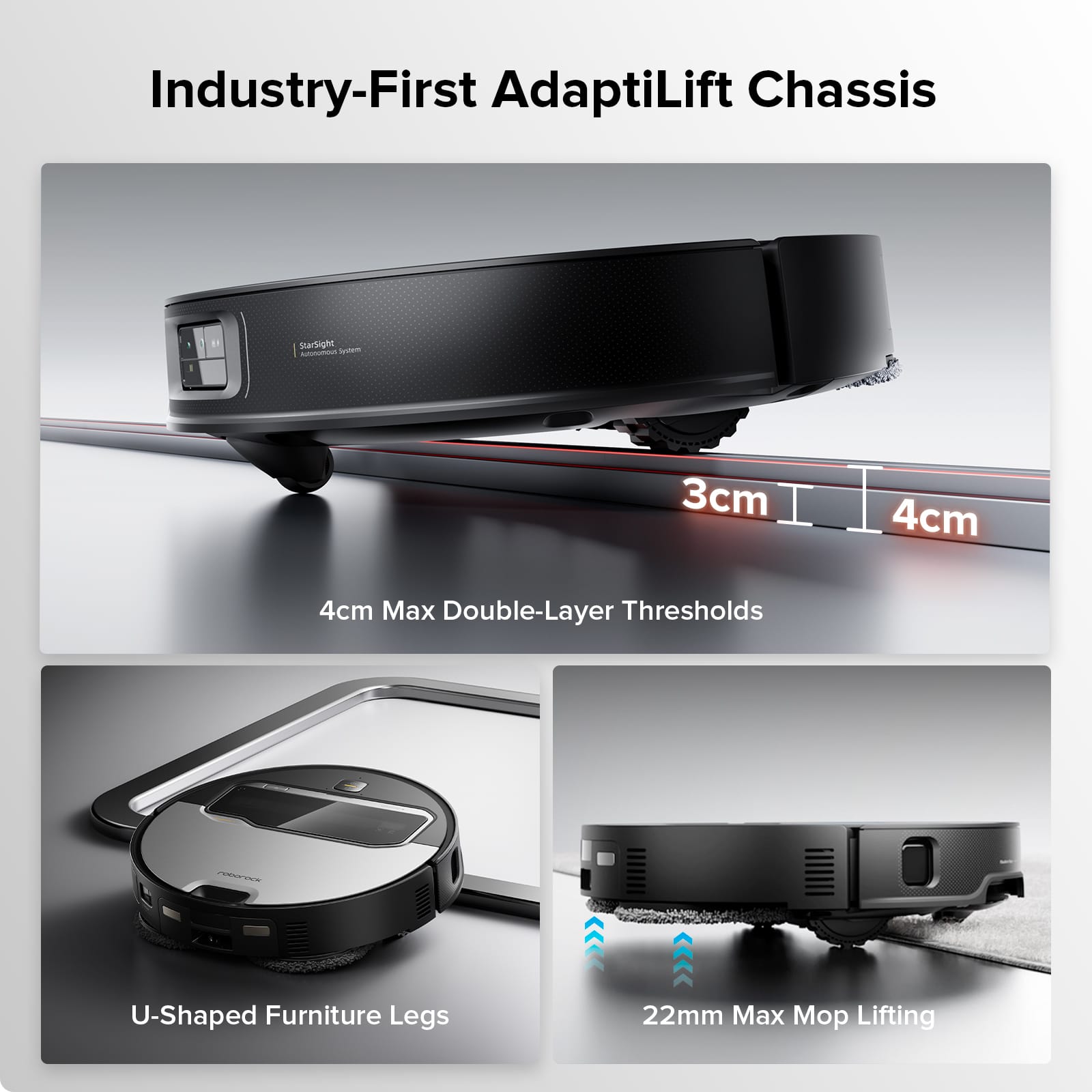
Both robots feature dual spinning mop pads that automatically lift when encountering carpet, but their approaches to mopping differ significantly. The Saros Z70 achieved the second-highest mopping score ever recorded in professional testing, excelling at removing dried-on stains and sticky spills. Its VibraRise 4.0 system lifts mop pads 22mm clear of carpets, and the integrated detergent dispensing system ensures optimal cleaning solution concentration.
The Qrevo Pro takes a different approach, focusing on edge and corner cleaning through its FlexiArm mop extension. While it didn't match the Z70's stain removal performance, it significantly outperformed most competitors in cleaning along baseboards and in tight corners—areas where traditional robot mops typically struggle.
For homes with pets or young children where spills are common, the Z70's superior stain removal capability provides clear value. However, if your primary concern is maintaining clean edges and corners throughout your home, the Qrevo Pro's targeted approach might be more practical.
The Saros Z70's mechanical arm represents the most significant innovation in robot vacuum design in years. The concept is brilliant: instead of simply avoiding obstacles, actively move them to clean previously inaccessible areas. In practice, however, our research into user experiences reveals mixed results.
The arm works approximately 50% of the time under ideal conditions, and its object recognition is currently limited to specific types of lightweight items. While Roborock continues updating the robot's AI to recognize new objects, the arm's reliability remains inconsistent. More problematic is the trade-off it requires—the Z70's internal dustbin capacity drops to just 180mL (the smallest in its class) to accommodate the arm mechanism.
The arm does provide genuine utility beyond cleaning. It can perform simple household tasks like moving lightweight objects to designated areas, and the robot can serve as a mobile companion for video calls or pet monitoring. However, these features feel more like novelties than essential functions for most users.
The Saros Z70 excels in endurance with up to 300 minutes of runtime from its 6,400 mAh battery, covering approximately 1,115 square feet per charge. This extended runtime helps offset its smaller dustbin capacity, as the robot can complete more thorough cleaning cycles before requiring maintenance.
The Qrevo Pro offers 180 minutes of runtime from its 5,200 mAh battery, which is adequate for most homes but may require recharging during cleaning sessions in larger properties. However, its larger 330mL dustbin capacity means fewer interruptions for emptying, creating a different but equally valid approach to extended cleaning.
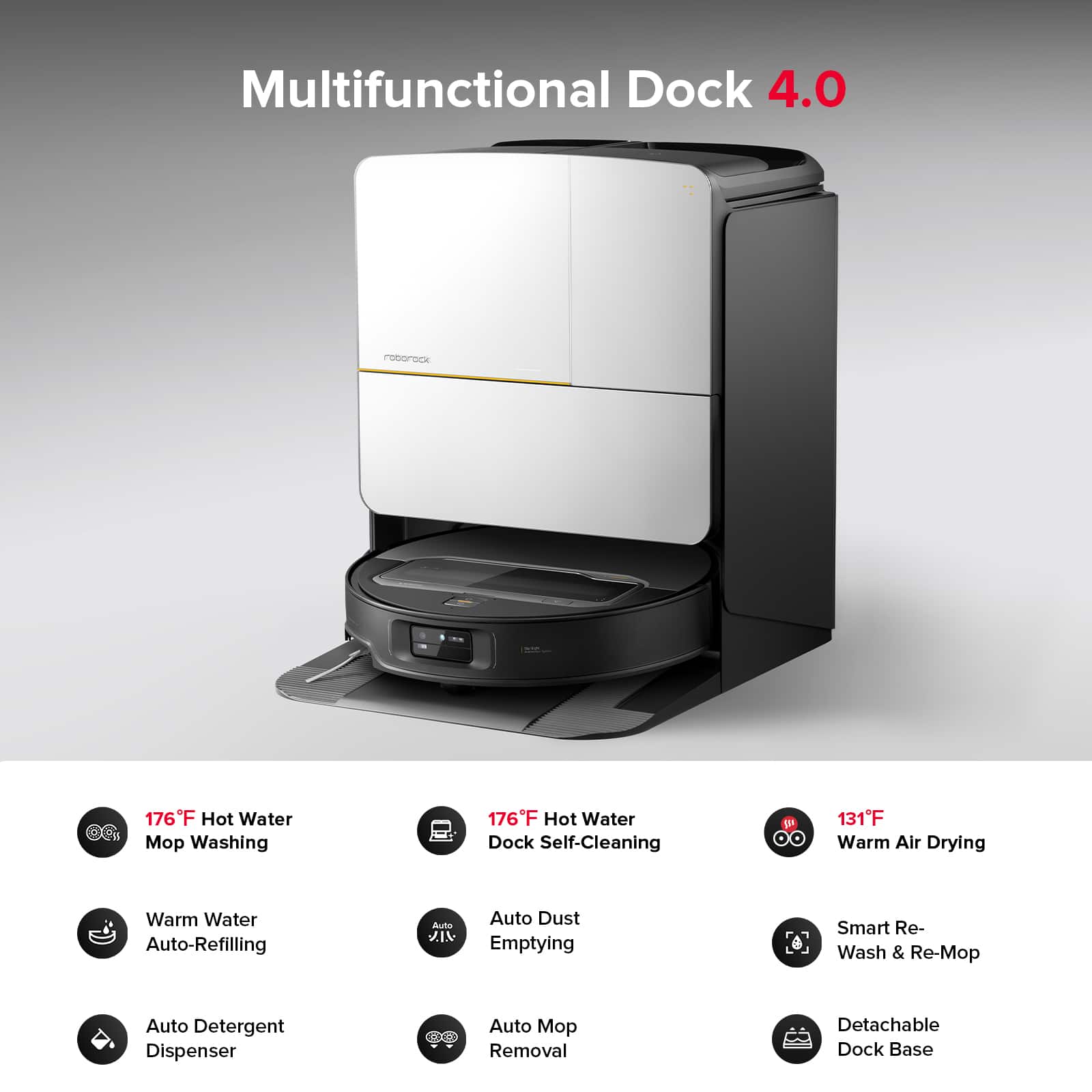
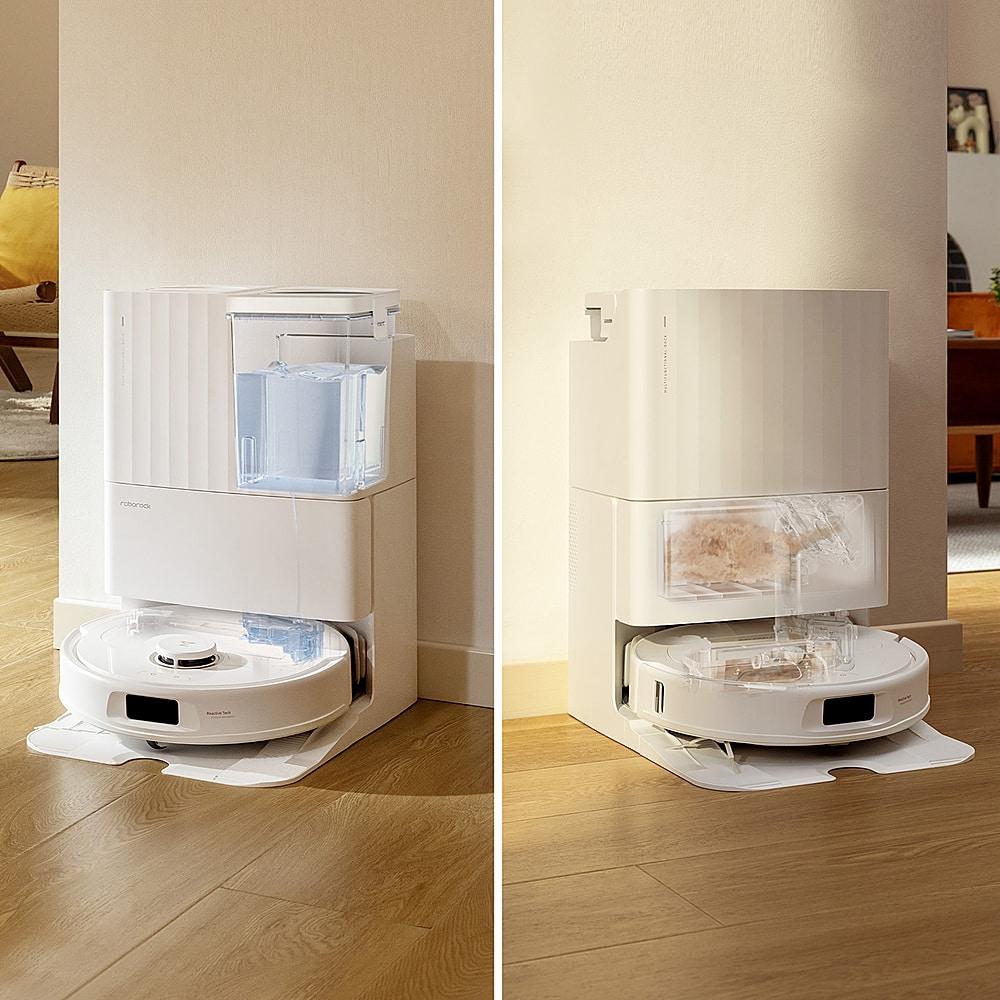
Both robots feature sophisticated docking stations that handle most maintenance automatically, but with different emphases. The Z70's Multi-functional Dock 4.0 uses 176°F water for mop cleaning and can go up to seven weeks between dustbin bag changes. The integrated detergent reservoir automatically dispenses cleaning solution, reducing manual intervention.
The Qrevo Pro's dock focuses on intelligent maintenance. Its Intelligent Dirt Detection system monitors mop pad cleanliness and automatically rewashes them when necessary. While its hot water washing operates at a lower 128°F, it still achieves 99.7% bacteria removal according to certification testing.
For busy households, these maintenance differences matter. The Z70 requires less frequent attention but demands a higher upfront investment in its premium dock system. The Qrevo Pro provides excellent automation at a more accessible price point, making it attractive for users wanting premium features without the premium cost.
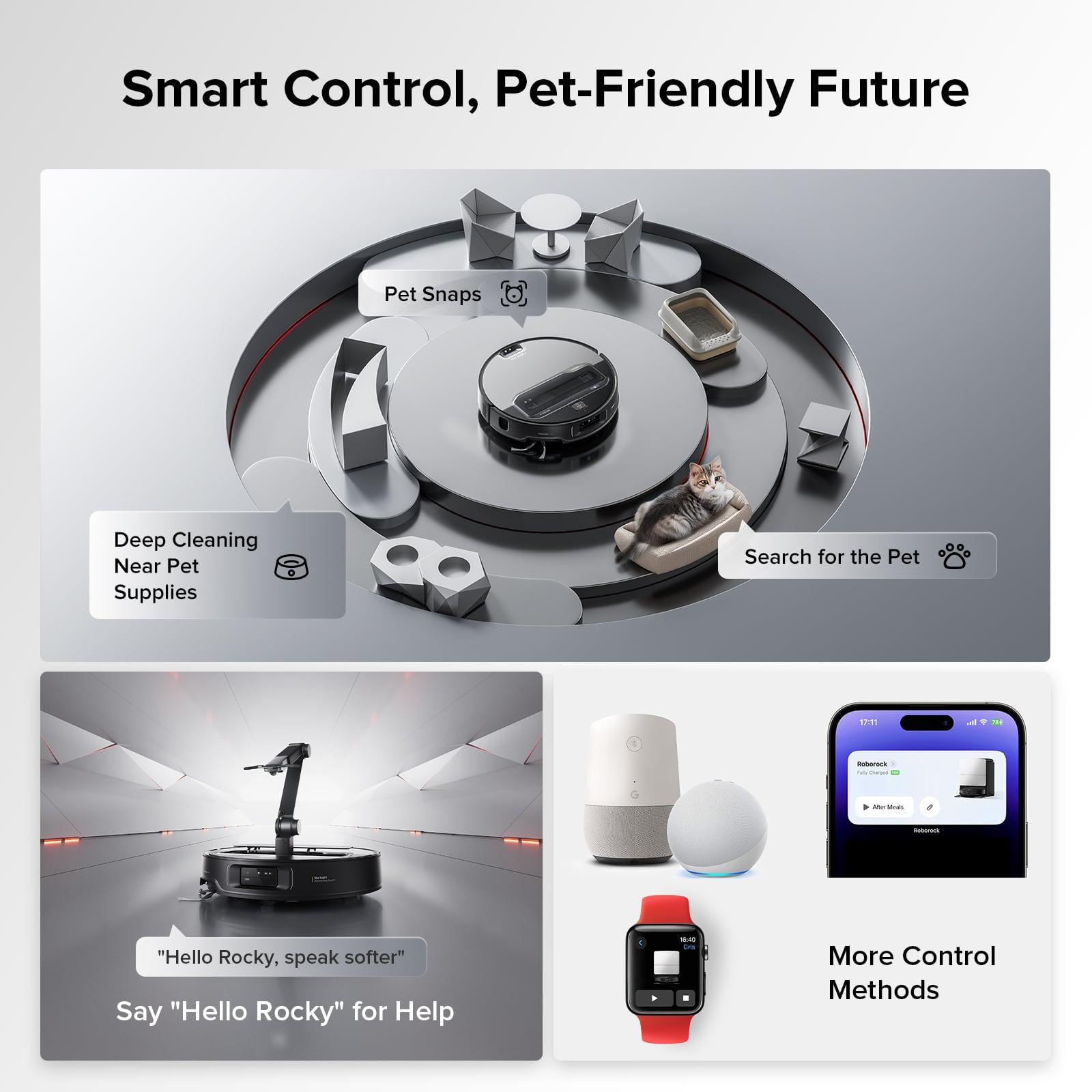
Both robots offer comprehensive app control, multi-floor mapping, and voice assistant integration. The Z70 adds several premium features including pet monitoring with video calls, upcoming Matter compatibility for seamless smart home integration, and AI-powered adaptive scheduling that learns your household patterns.
The Qrevo Pro provides the core smart features most users need without the experimental additions. Its app interface is identical to Roborock's premium models, offering detailed mapping, virtual barriers, and customizable cleaning schedules.
The Saros Z70's ultra-slim 79.8mm profile represents a significant engineering achievement. This height advantage allows it to clean under furniture that taller robots, including the Qrevo Pro at 96.5mm, simply cannot access. Combined with its AdaptiLift chassis that can cross thresholds up to 40mm high, the Z70 can navigate challenging home layouts more effectively.
Both robots feature premium build quality with robust construction, but the Z70's mechanical arm introduces potential failure points that the simpler Qrevo Pro avoids. The Qrevo Pro's traditional design prioritizes reliability over innovation—a trade-off that appeals to users prioritizing long-term dependability.
At the time of writing, the price gap between these robots is substantial—the Z70 costs roughly four times more than the Qrevo Pro. This premium reflects the Z70's cutting-edge technology, but it raises important questions about practical value.
The Qrevo Pro delivers approximately 90% of the cleaning performance at 25% of the cost. For most users, it provides all the essential features needed for excellent automated cleaning: effective vacuuming and mopping, reliable navigation, comprehensive app control, and automated maintenance.
The Saros Z70 justifies its premium through specific advantages: industry-leading obstacle avoidance, ultra-slim design for better furniture access, superior stain removal capability, and the unique mechanical arm functionality. However, these benefits primarily appeal to specific use cases and early adopters.
The decision between these robots ultimately depends on your priorities and budget. The Roborock Qrevo Pro represents exceptional value for most households. Its proven technology delivers reliable cleaning performance with minimal maintenance, making it ideal for users wanting premium automated cleaning without the premium price tag.
Choose the Qrevo Pro if you have a mixed-surface home with both carpet and hard floors, want proven reliability over cutting-edge features, or prioritize edge and corner cleaning. It's also the better choice for budget-conscious buyers who still want advanced features like hot water mop washing and intelligent dirt detection.
The Roborock Saros Z70 makes sense for specific scenarios: homes with primarily hard floors, spaces with low furniture requiring ultra-slim access, households with many small obstacles, or users who genuinely value having the latest technology. Pet owners particularly benefit from its advanced obstacle avoidance and monitoring capabilities.
For home theater environments, the Z70's superior obstacle avoidance and slim profile make it the safer choice around expensive equipment, though both robots can handle most entertainment room layouts adequately.
The bottom line is that both represent excellent cleaning technology, but they serve different markets. The Qrevo Pro offers practical excellence at an accessible price, while the Z70 pushes technological boundaries for those willing to pay for innovation. Your choice should align with both your budget and your appetite for cutting-edge features versus proven performance.
| Roborock Saros Z70 | Roborock Qrevo Pro |
|---|---|
| Suction Power - Higher numbers don't always mean better real-world performance | |
| 22,000 Pa (industry-leading rating but compromised by arm design) | 7,000 Pa (lower rating but more consistent carpet performance) |
| Mechanical Arm - Revolutionary feature that's still being perfected | |
| OmniGrip 5-axis arm moves objects under 300g (works ~50% of the time) | No mechanical arm (more reliable, simpler design) |
| Height Profile - Critical for cleaning under furniture | |
| 79.8mm ultra-slim (can access furniture others can't reach) | 96.5mm standard height (may not fit under low furniture) |
| Obstacle Avoidance - Prevents stuck situations and protects your belongings | |
| StarSight 2.0 with 3D ToF (scored 22/24 in professional testing) | Traditional LiDAR with structured light (below average performance) |
| Mopping System - Different approaches to wet cleaning effectiveness | |
| Dual spinning pads with extending head, 22mm lift, detergent dispensing | FlexiArm extending mop for superior edge cleaning, 10mm lift |
| Dustbin Capacity - Affects how often you need to empty it | |
| 180mL (smallest in class due to arm mechanism) | 330mL (larger capacity means less frequent emptying) |
| Battery Life - Determines cleaning area coverage per charge | |
| 300 minutes / 1,115 sq ft coverage (helps offset small dustbin) | 180 minutes / standard coverage (adequate for most homes) |
| Navigation Technology - Affects mapping accuracy and efficiency | |
| StarSight 2.0 without LiDAR turret (enables slim profile) | Traditional LiDAR with top-mounted sensor (proven reliable) |
| Hot Water Mop Cleaning - Better sanitization and stain removal | |
| 176°F water washing with 99.7%+ bacteria removal | 128°F water washing with 99.7% bacteria removal |
| Smart Features - Extra convenience and monitoring capabilities | |
| Pet video calls, Matter compatibility, adaptive AI scheduling | Standard app control, multi-floor mapping, virtual barriers |
| Price Category - Reflects target market and feature complexity | |
| Premium flagship pricing (4x cost of Qrevo Pro) | Mid-tier value pricing (excellent feature-to-cost ratio) |
| Best For - Ideal user scenarios based on strengths and limitations | |
| Hard floor homes, low furniture, tech enthusiasts, pet monitoring needs | Mixed flooring, reliable performance, budget-conscious buyers seeking premium features |
The Roborock Qrevo Pro performs better on carpets despite having lower suction power. While the Roborock Saros Z70 boasts 22,000 Pa suction compared to the Qrevo Pro's 7,000 Pa, real-world testing shows the Qrevo Pro achieves more consistent debris pickup on both low-pile (92.1%) and high-pile carpets (89.2%). The Z70's design compromises affect its carpet cleaning effectiveness.
The biggest difference is the Roborock Saros Z70's revolutionary mechanical arm, making it the world's first mass-produced robot vacuum that can move small objects out of its path. The Roborock Qrevo Pro takes a more traditional approach, focusing on proven cleaning technology with features like FlexiArm mop extension and hot water cleaning without experimental components.
The Roborock Saros Z70 is superior for pet owners due to its advanced StarSight 2.0 navigation system that scored 22/24 in obstacle avoidance testing. It can detect and avoid pet waste, toys, and food bowls more effectively than the Qrevo Pro. The Z70 also includes pet monitoring features like video calls and cruise mode for checking on pets remotely.
Both robots excel at mopping but in different ways. The Roborock Saros Z70 achieved higher stain removal scores and features 176°F hot water washing with automatic detergent dispensing. The Roborock Qrevo Pro focuses on edge cleaning with its FlexiArm extending mop system and intelligent dirt detection that automatically rewashes dirty mop pads.
The Roborock Saros Z70 is significantly better for cleaning under furniture with its ultra-slim 79.8mm height profile—the lowest in the industry. The Qrevo Pro measures 96.5mm tall due to its traditional LiDAR sensor, which may prevent it from accessing low clearance areas like some entertainment centers and modern furniture.
Both models perform excellently on hardwood floors, but the Roborock Saros Z70 has a slight edge with superior stain removal capabilities and higher effective suction on hard surfaces. The Roborock Qrevo Pro offers better edge cleaning along baseboards thanks to its FlexiArm mop extension system, making it excellent for maintaining clean borders around rooms.
The Roborock Qrevo Pro requires less frequent emptying with its 330mL dustbin capacity. The Roborock Saros Z70 has the smallest dustbin in its class at 180mL due to space taken by the mechanical arm, but its longer 300-minute battery life and 7-week dock bag capacity help offset this limitation.
The Roborock Qrevo Pro provides exceptional value, delivering approximately 90% of premium cleaning performance at roughly 25% of the cost. It includes advanced features like hot water mop washing and intelligent dirt detection without experimental technology. The Saros Z70 commands a significant premium for its cutting-edge mechanical arm and ultra-slim design.
The Roborock Saros Z70 is better suited for home theaters due to its superior obstacle avoidance system that can navigate around speaker cables and equipment stands without getting stuck. Its ultra-slim profile allows cleaning under most entertainment centers. The Qrevo Pro's navigation is adequate but less sophisticated for complex equipment setups.
The Roborock Saros Z70's mechanical arm works approximately 50% of the time under ideal conditions and is currently limited to lightweight objects under 300g like socks, shoes, and towels. While innovative, the arm is still being perfected through software updates. The Roborock Qrevo Pro avoids this complexity with proven, reliable technology.
The Roborock Saros Z70 offers superior battery performance with up to 300 minutes of runtime covering approximately 1,115 square feet per charge. The Roborock Qrevo Pro provides 180 minutes of runtime, which is adequate for most homes but may require recharging during cleaning sessions in larger properties.
The Roborock Saros Z70 (2025 release) represents cutting-edge innovation ideal for tech enthusiasts and specific use cases like homes with low furniture or many obstacles. The Roborock Qrevo Pro (2024 release) offers mature, proven technology that delivers excellent results for most users without the premium cost or experimental features of the newer Z70.
We've done our best to create useful and informative comparisons to help you decide what product to buy. Our research uses advanced automated methods to create this comparison and perfection is not possible - please contact us for corrections or questions. These are the sites we've researched in the creation of this article: rtings.com - vacuumwars.com - vacuumwars.com - youtube.com - techradar.com - youtube.com - youtube.com - rtings.com - youtube.com - versus.com - youtube.com - us.roborock.com - roborockstore.com.au - vacuumwars.com - bestbuy.com - robocleaners.com - us.roborock.com - us.roborock.com - prnewswire.com - youtube.com - vacuumwars.com - rtings.com - vacuumwars.com - moderncastle.com - youtube.com - bestbuy.com - rtings.com - vacuumwars.com - youtube.com - youtube.com - techgadgetscanada.com - target.com - youtube.com - roborock.com.my - global.roborock.com - us.roborock.com - homedepot.com - us.roborock.com - youtube.com - global.roborock.com - us.roborock.com - us.roborock.com

Privacy Policy
Terms and Conditions - Affiliate Policy
Home Security
© Copyright 2008-2026.
11816 Inwood Rd #1211, Dallas, TX 75244