

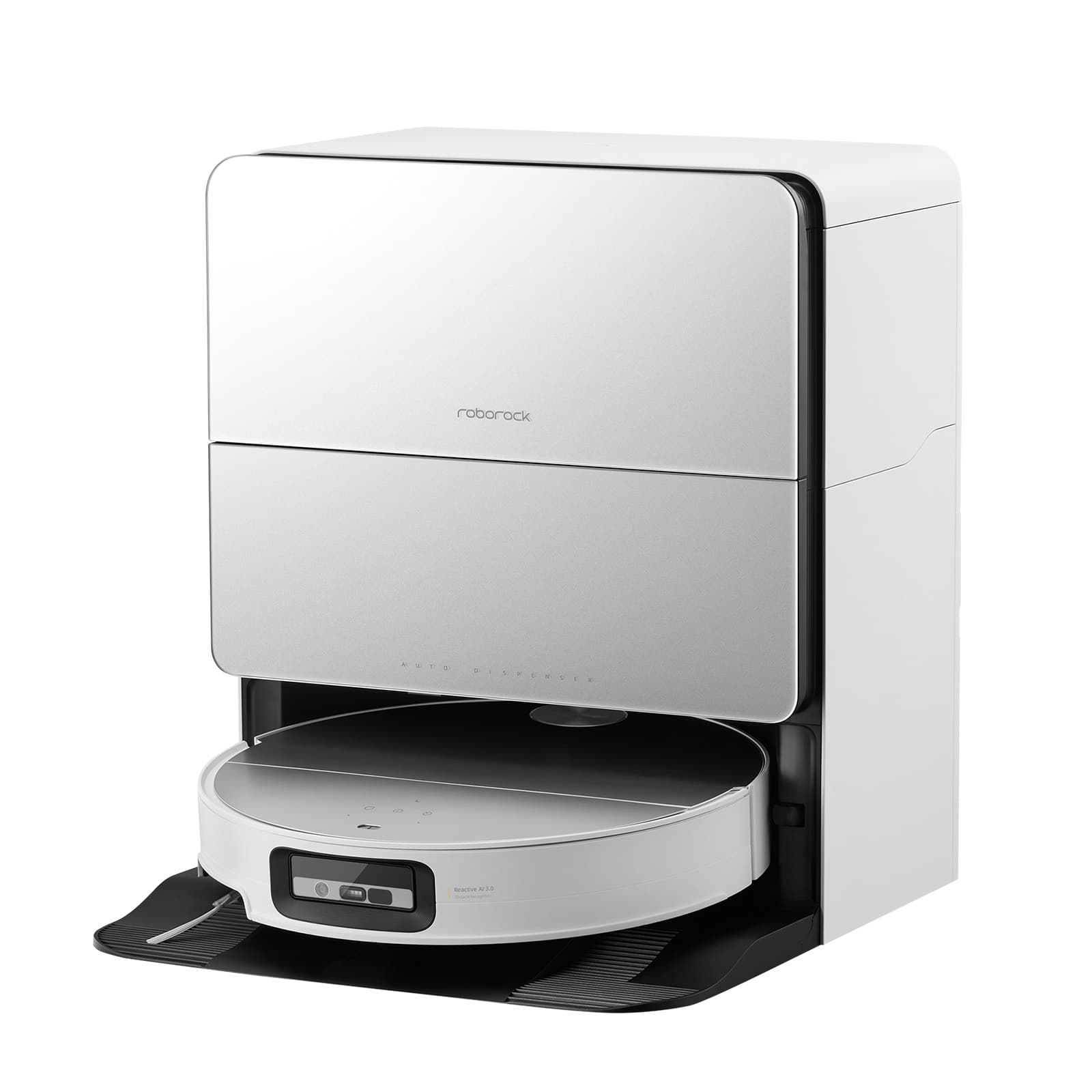

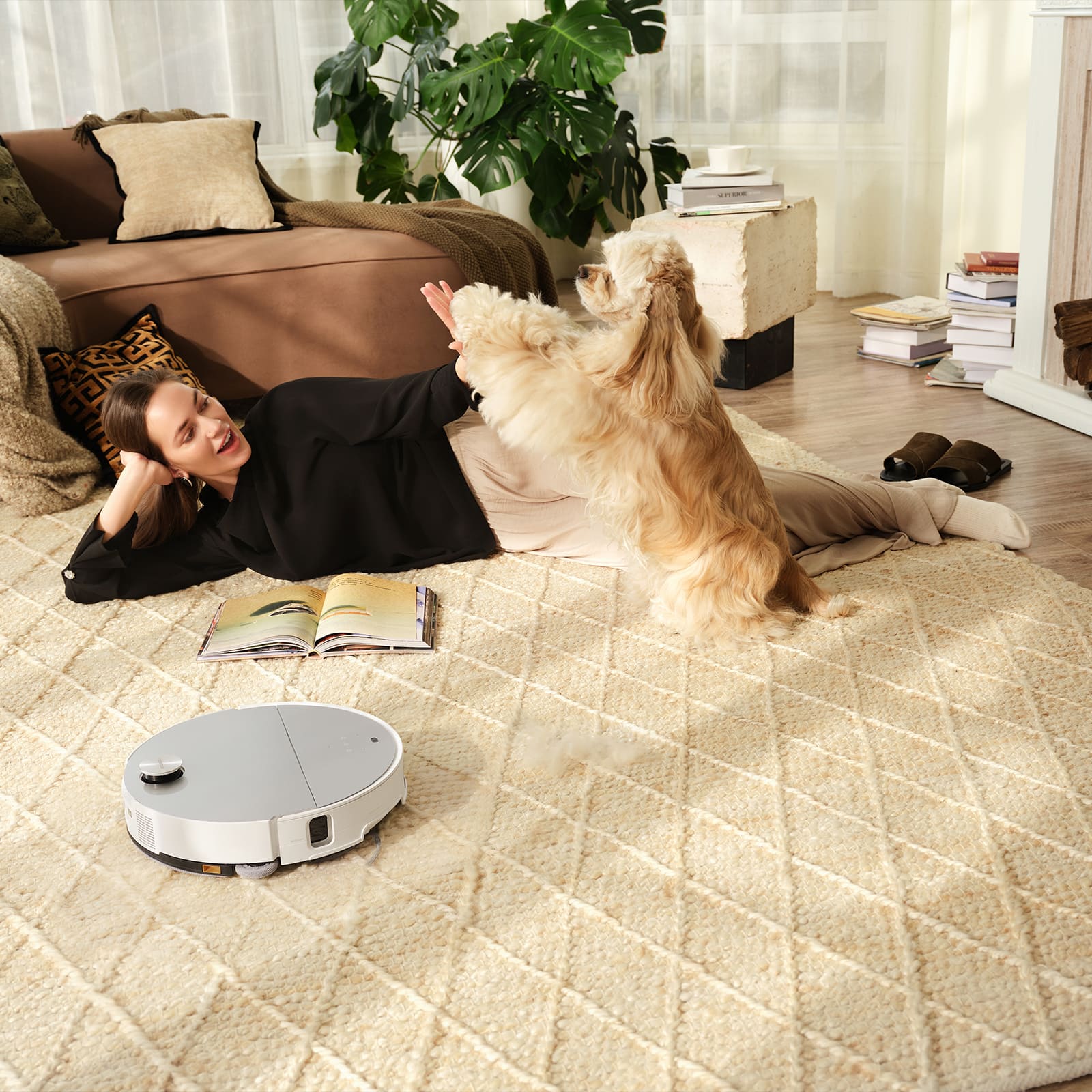
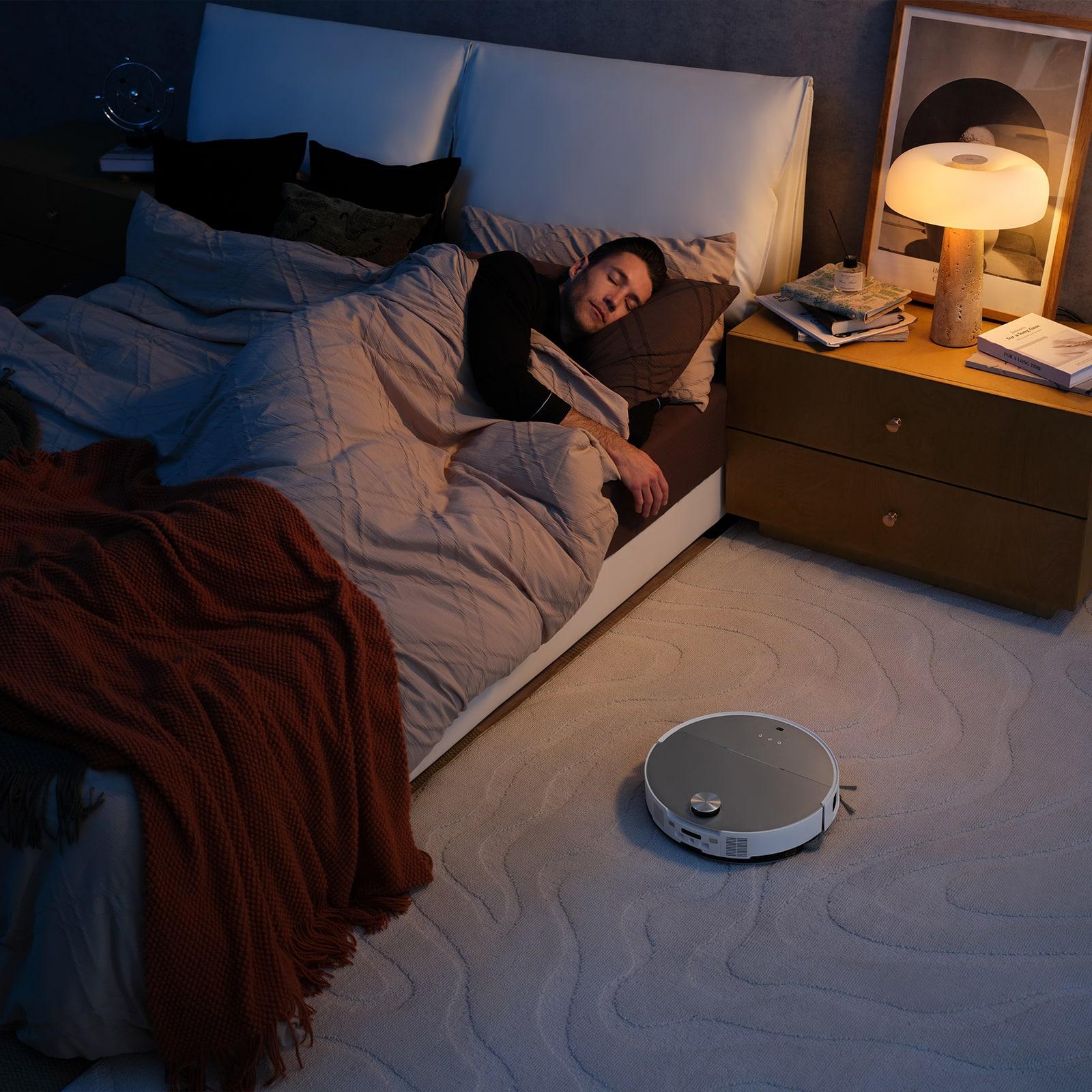
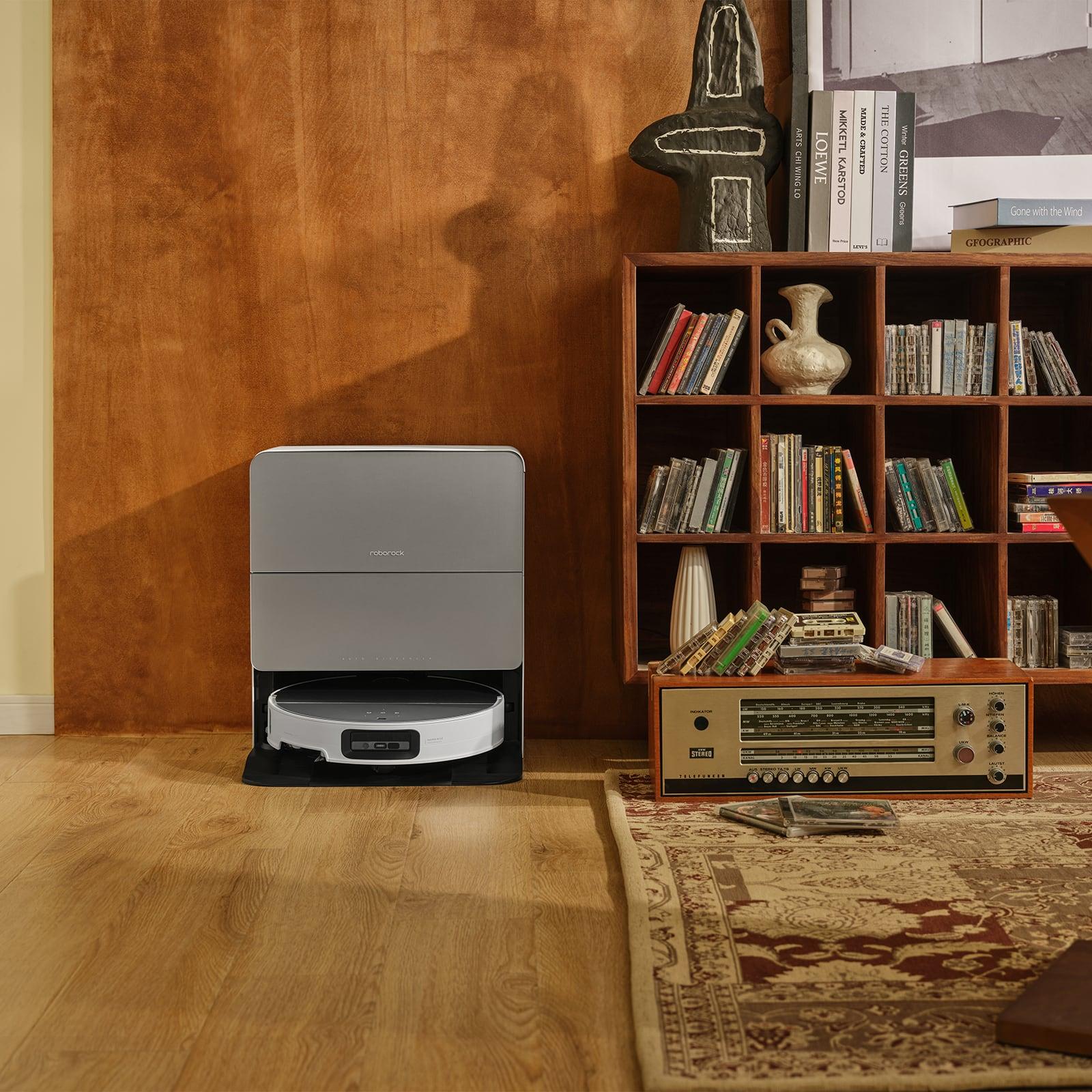
When Roborock released the QR 798 in 2024, it represented a significant leap forward in affordable premium robot vacuums. Then came the Saros 10 in early 2025, introducing revolutionary design changes that pushed the boundaries of what these machines can accomplish. But with the newer model costing more than double the price at the time of writing, the question becomes: which one actually makes sense for your home?
Both vacuums belong to the hybrid category—machines that vacuum and mop your floors automatically. Think of them as your personal cleaning crew that works while you sleep, handling the daily dirt, pet hair, and spills that accumulate in busy homes. But beyond that basic function, these two models take dramatically different approaches to solving the same problem.
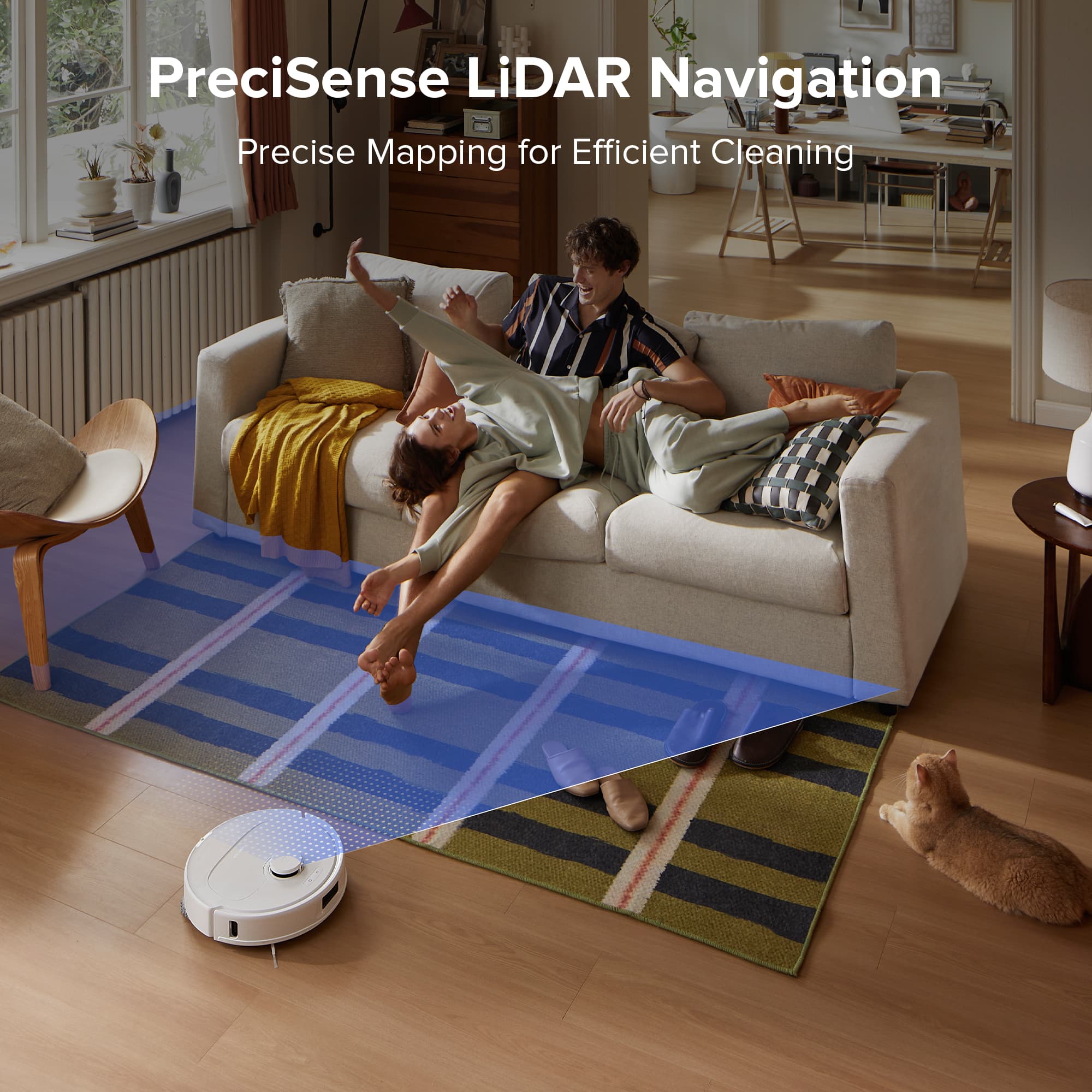
Before diving into the comparison, it's worth understanding what makes these machines tick. Modern robot vacuums use LiDAR navigation—essentially a spinning laser sensor that creates detailed maps of your home, similar to how self-driving cars "see" the road. This technology has evolved rapidly since the early days of random-pattern cleaning robots that would bump around your furniture like confused pets.
The key performance metrics that separate good robots from great ones include suction power (measured in Pascals or Pa), navigation intelligence, obstacle avoidance capabilities, and automation features. But raw numbers only tell part of the story—how these systems work together determines real-world performance.
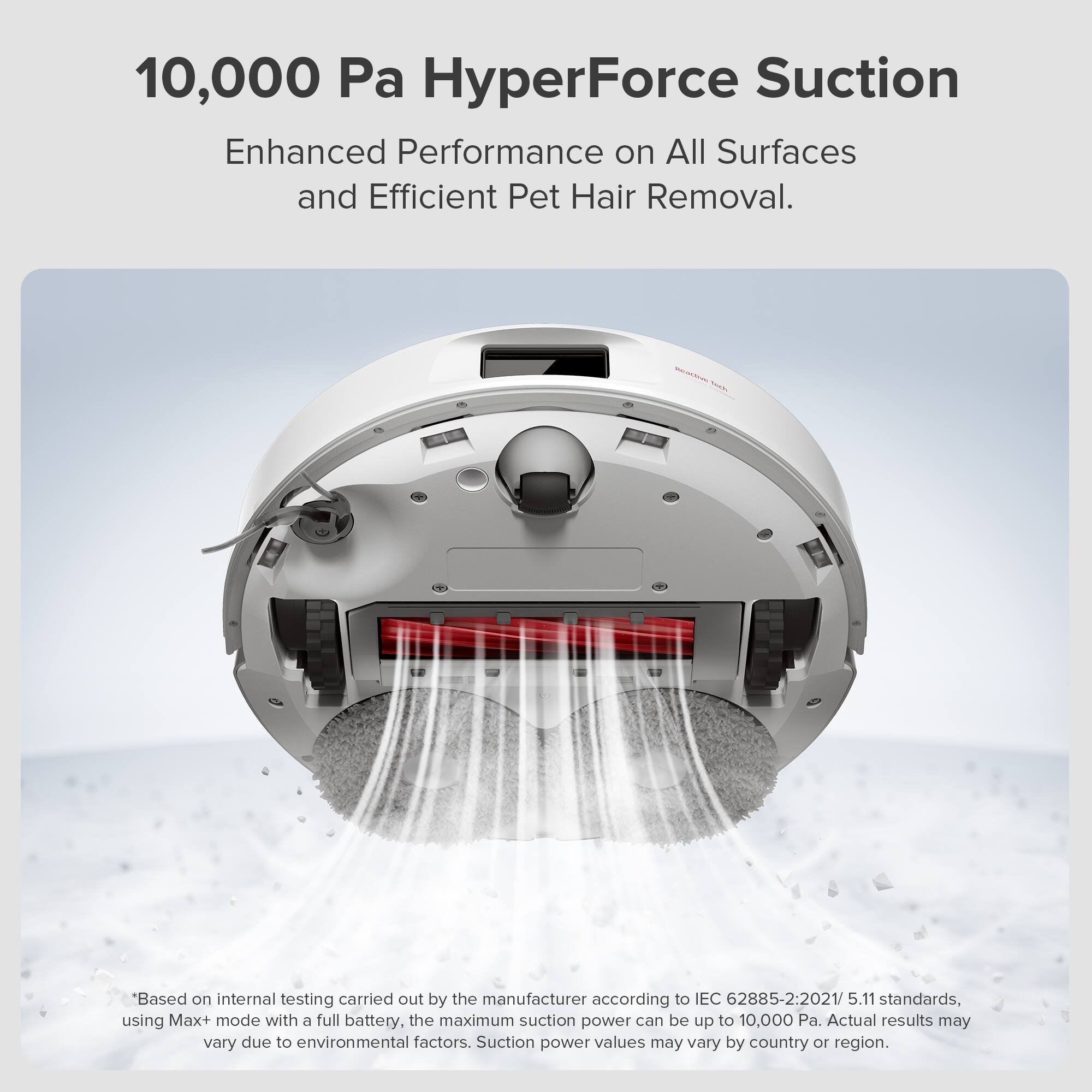
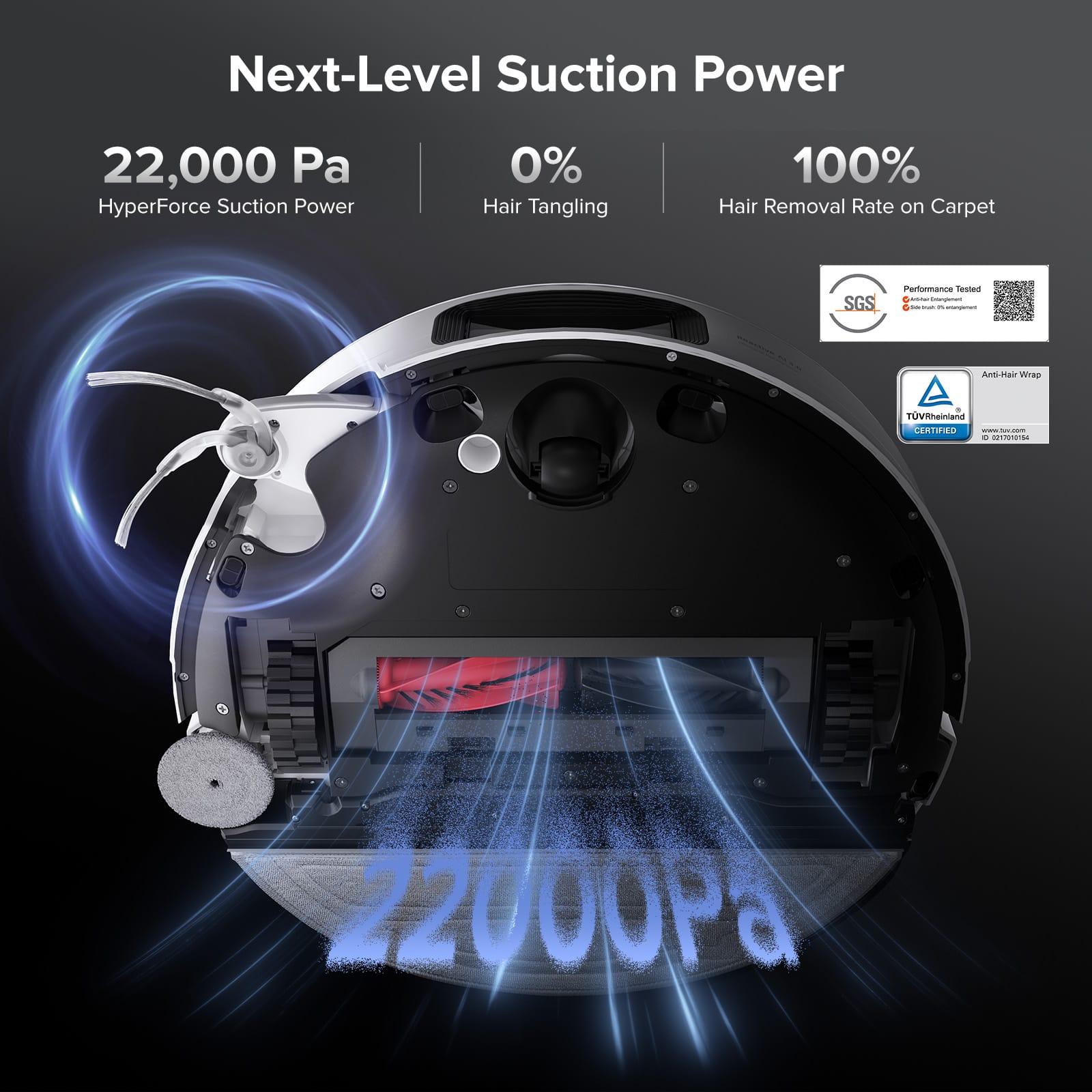
The most striking difference between these models lies in their suction capabilities. The Saros 10 delivers a massive 22,000 Pa of suction power, while the QR 798 provides 10,000 Pa. To put this in perspective, a typical handheld vacuum might generate 15,000-20,000 Pa, making the Saros 10 comparable to corded stick vacuums in raw power.
This isn't just about bigger numbers—the difference translates to meaningful cleaning performance. In homes with thick carpets, pet hair, or high-traffic areas, that extra suction power means the difference between surface cleaning and deep extraction. The Saros 10's higher suction excels at lifting embedded dirt from carpet fibers and pulling stubborn pet hair from upholstery.
However, the QR 798's 10,000 Pa shouldn't be dismissed. For most homes with a mix of hard floors and low-to-medium pile carpets, this suction level handles daily cleaning exceptionally well. The key insight from user reviews and expert testing is that beyond a certain threshold, suction power yields diminishing returns—especially on hard floors where debris doesn't embed deeply.
Both models feature what Roborock calls "zero-tangle" brush systems, but they achieve this goal differently. Traditional robot vacuum brushes wrap hair around the bristles like a giant lint roller, requiring weekly maintenance to cut away the tangled mess.
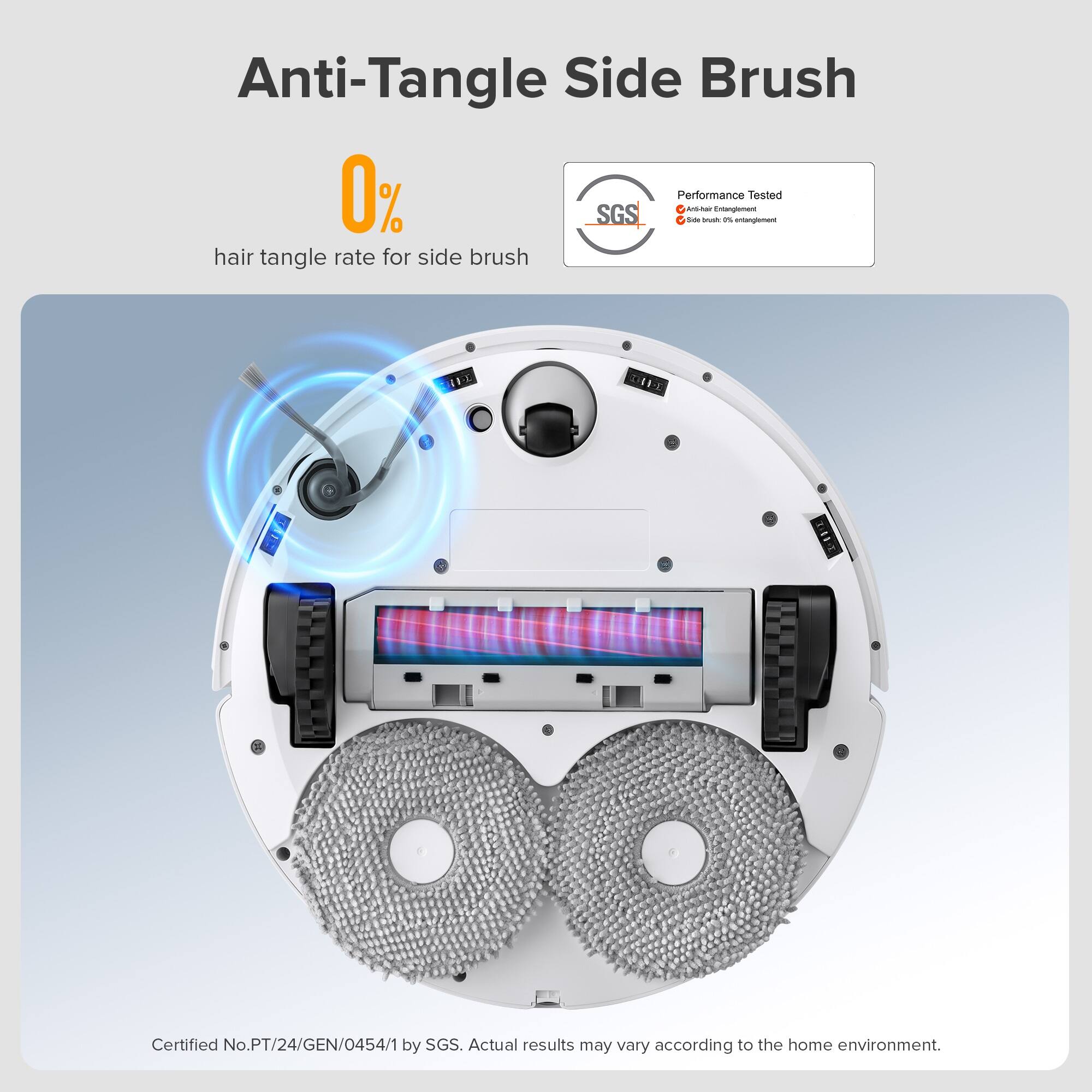
The QR 798 uses an all-rubber main brush design. Rubber brushes naturally resist hair wrapping because the flexible material doesn't provide the same grip points as bristled brushes. Combined with an anti-tangle side brush, this system dramatically reduces maintenance while maintaining cleaning effectiveness across different floor types.
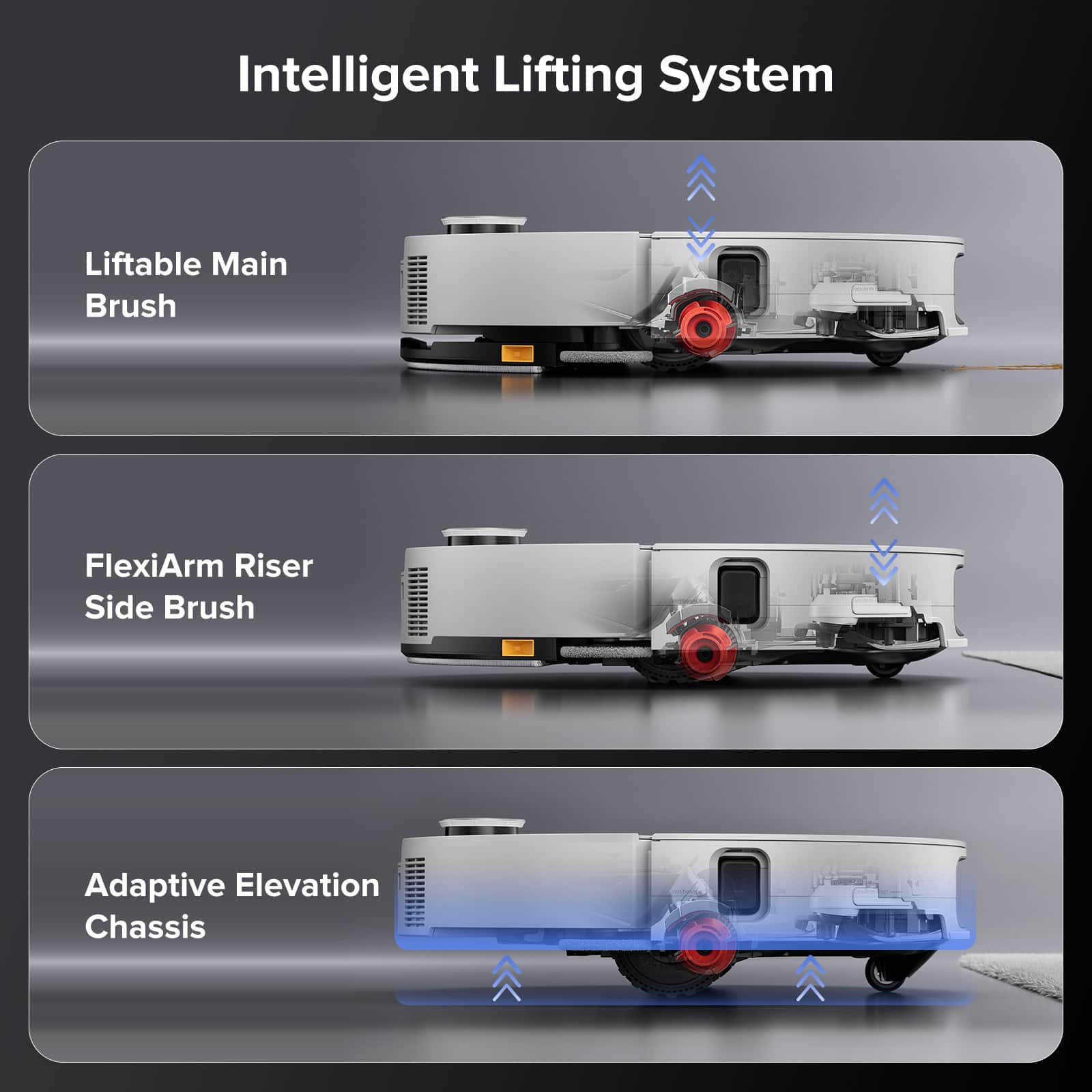
The Saros 10 takes this concept further with its DuoDivide dual-brush system. Picture two brushes working in tandem with a gap between them—hair and debris get channeled through this gap rather than wrapping around the brushes. The FlexiArm retractable side brush adds another layer of sophistication, extending for thorough edge cleaning then retracting to avoid unnecessary collisions with furniture.
From practical experience and user feedback, both systems deliver on their anti-tangle promises, but the Saros 10's more complex mechanism provides marginally better performance in homes with long-haired family members or pets that shed heavily.
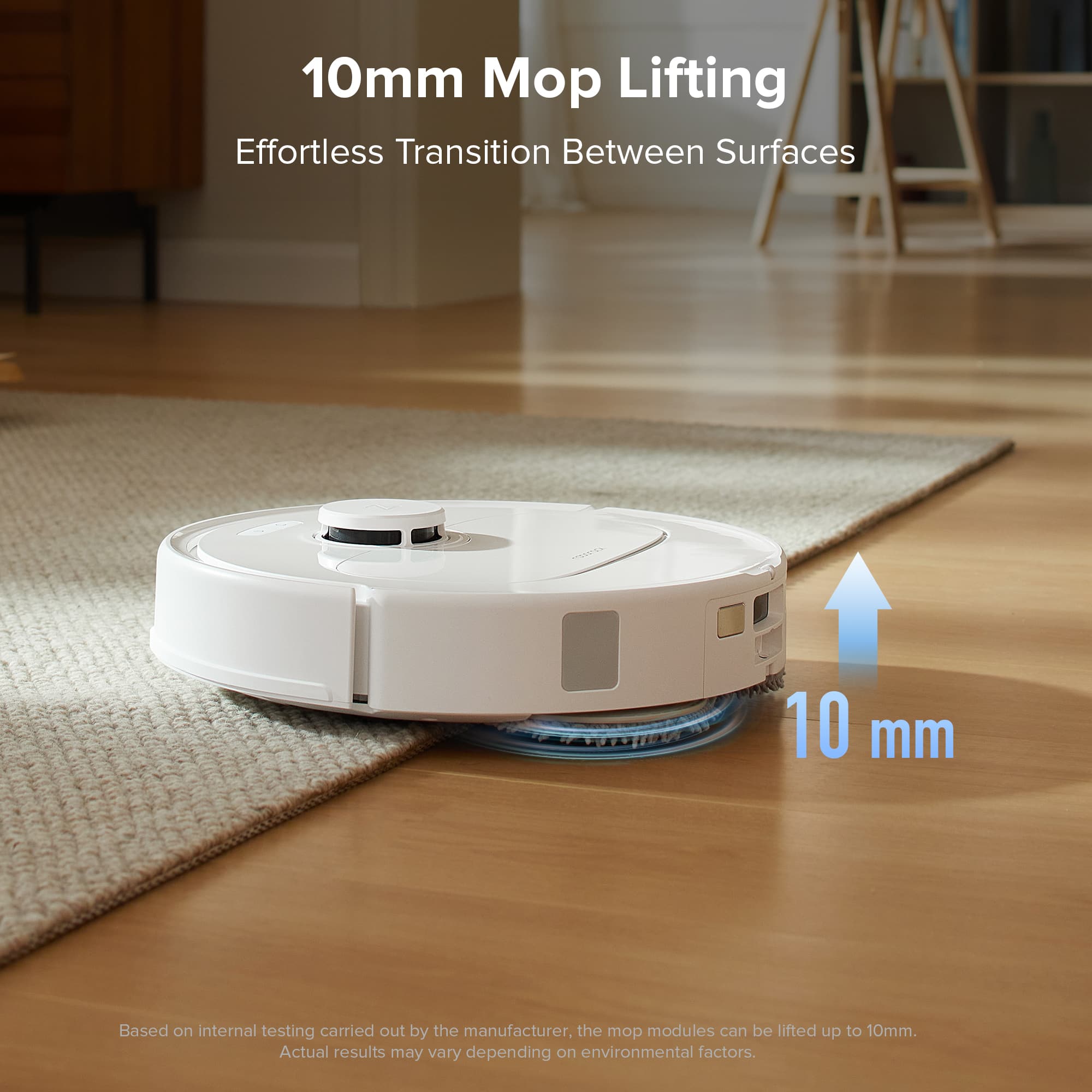
The mopping systems reveal the fundamental design philosophy differences between these models. The QR 798 employs dual spinning mops that rotate at 200 RPM with 10mm lift capability. This approach prioritizes coverage and speed—two mop pads working simultaneously can cover large areas efficiently while maintaining consistent moisture distribution.
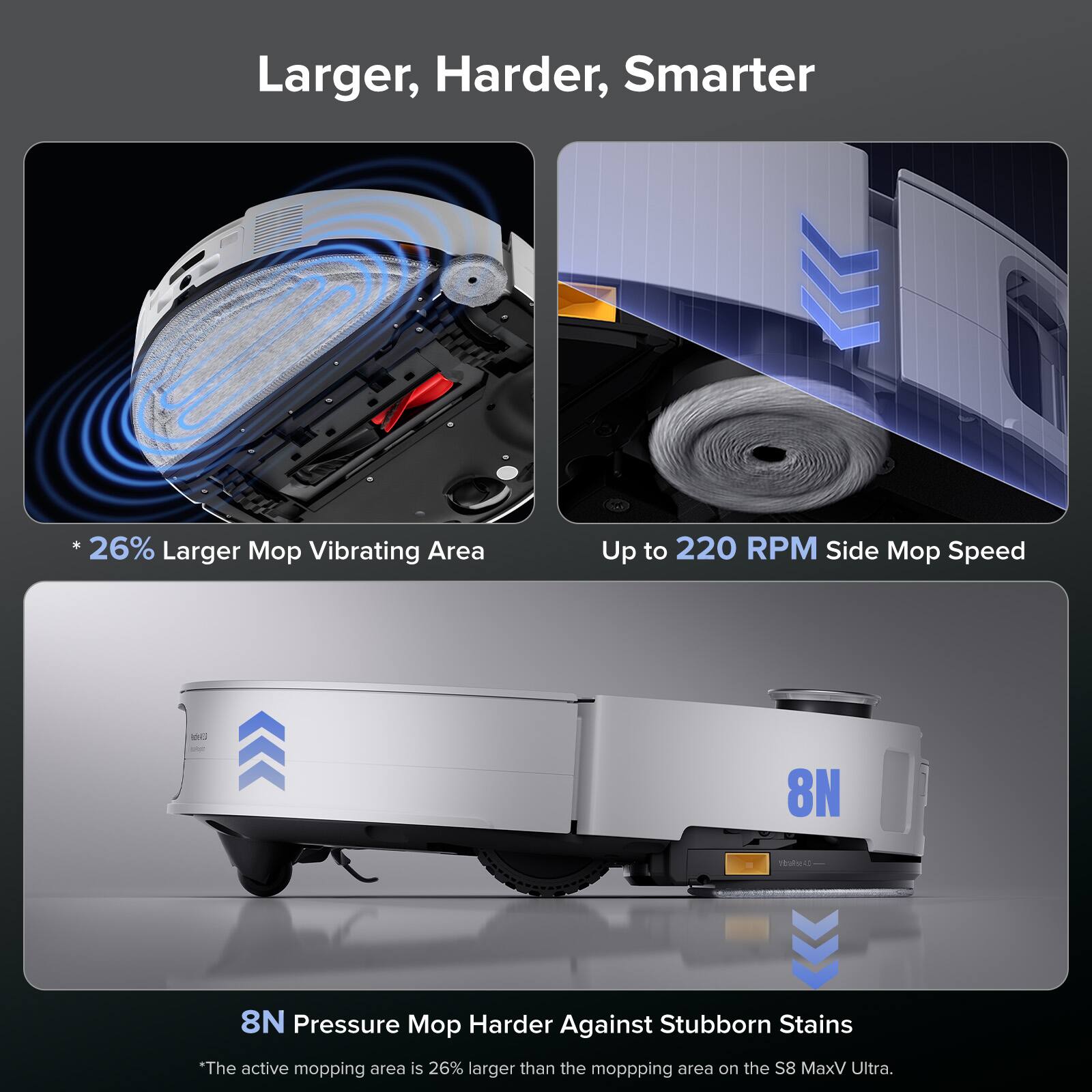
The Saros 10 uses a completely different strategy with its VibraRise 4.0 system. Instead of spinning mops, it vibrates a single, larger mop pad at 4,000 vibrations per minute while applying up to 8 Newtons of downward pressure. This sonic cleaning approach excels at breaking up stubborn stains and dried-on spills that spinning mops might simply push around.
The practical difference becomes apparent with different types of messes. For daily maintenance—picking up dust, light spills, and general grime—the QR 798's dual spinners prove more efficient. For homes where kids drop sticky snacks or pets have accidents, the Saros 10's aggressive vibration system provides superior stain removal.
Both systems can lift their mops when encountering carpets, but the Saros 10 lifts higher (18mm vs 10mm), providing more reliable carpet protection. This seemingly small difference matters in homes with varying pile heights or thick transition strips between rooms.
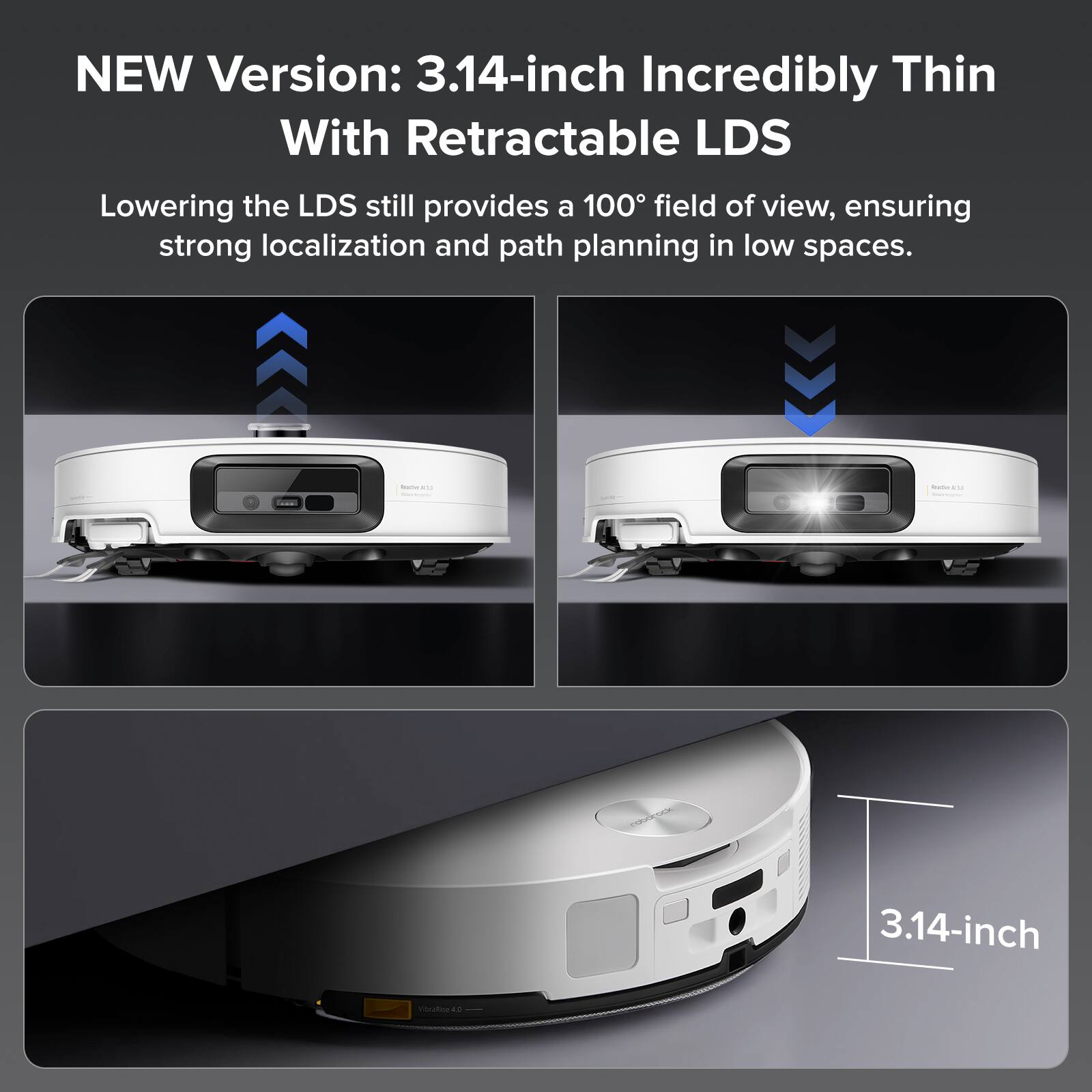
While both models use LiDAR mapping, the Saros 10 introduces RetractSense technology—a retractable LiDAR turret that represents a genuine innovation in robot vacuum design. Traditional robots mount their laser sensors in fixed towers that limit how low the robot can go. When the Saros 10 encounters low-clearance furniture, its LiDAR turret automatically retracts, allowing the robot to clean spaces that would be impossible for other models to reach.
This isn't just a clever engineering trick—it solves a real problem. Most robot vacuums can't clean under beds, couches, or entertainment centers with less than 4 inches of clearance. The Saros 10's ability to navigate these spaces while maintaining mapping accuracy expands its effective cleaning coverage significantly.
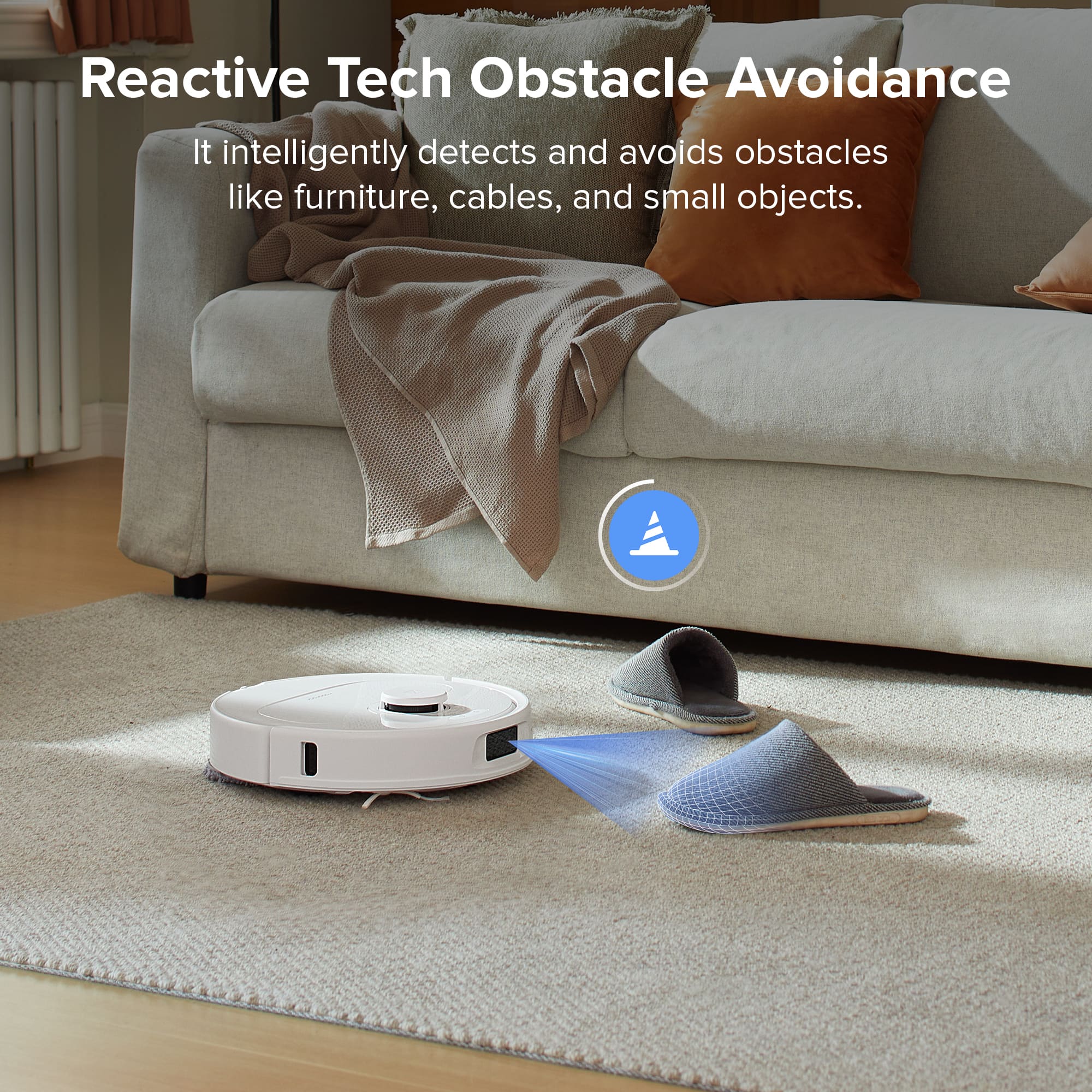
The QR 798 relies on more conventional PreciSense LiDAR with Reactive Tech obstacle avoidance. While not as advanced as the Saros 10's system, it still provides reliable mapping and navigation that outperforms most competing models in its price range.
For obstacle avoidance, the Saros 10 layers multiple technologies: VertiBeam lateral structured light, RGB cameras, and triple structured light sensors work together to identify and avoid household obstacles in real-time. The QR 798 uses a simpler but effective Reactive Tech system that handles most common obstacles reliably.
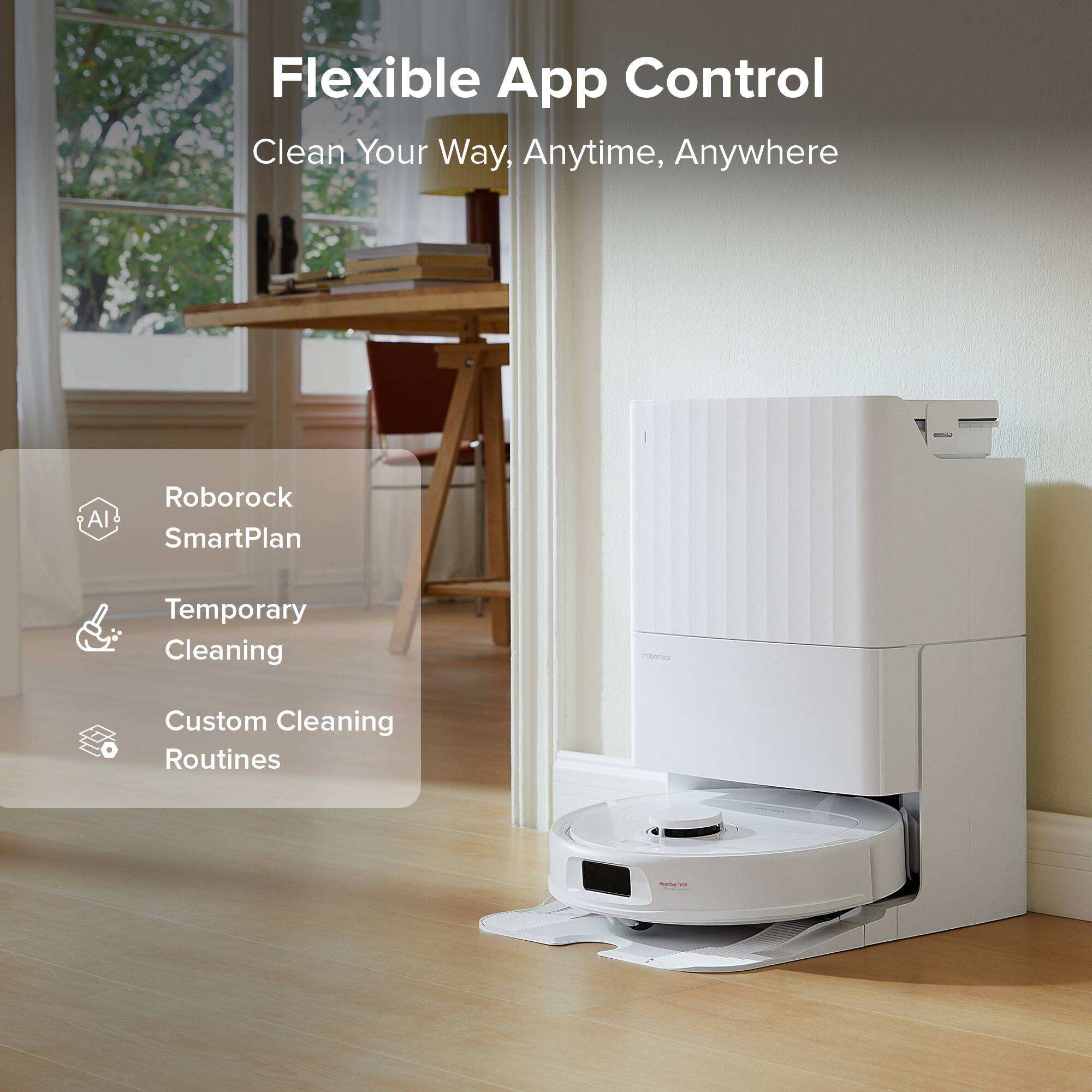
Modern robot vacuums succeed or fail based on how little human intervention they require. Both models include comprehensive docking stations that handle maintenance tasks, but the Saros 10's RockDock Ultra 2.0 takes automation to another level.
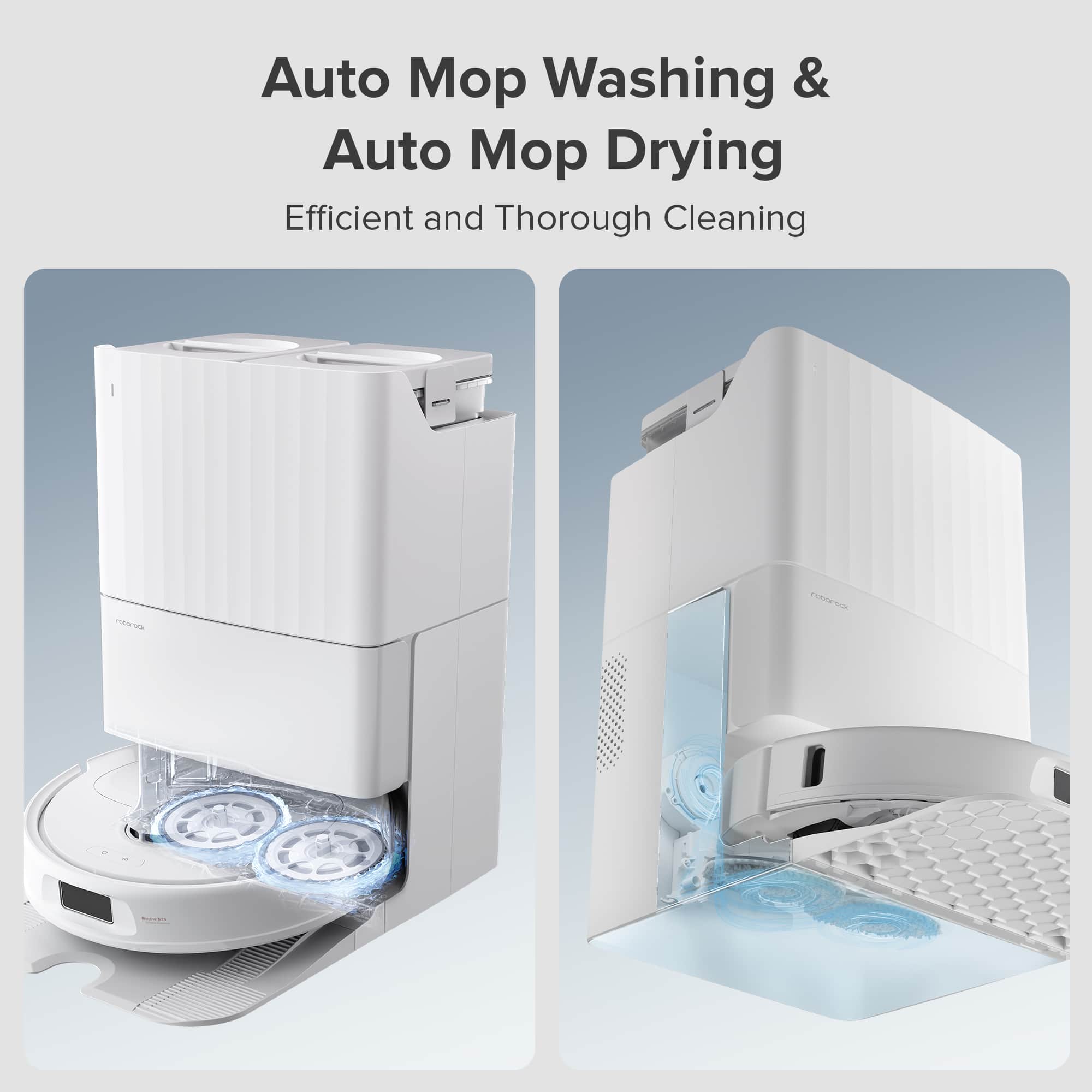
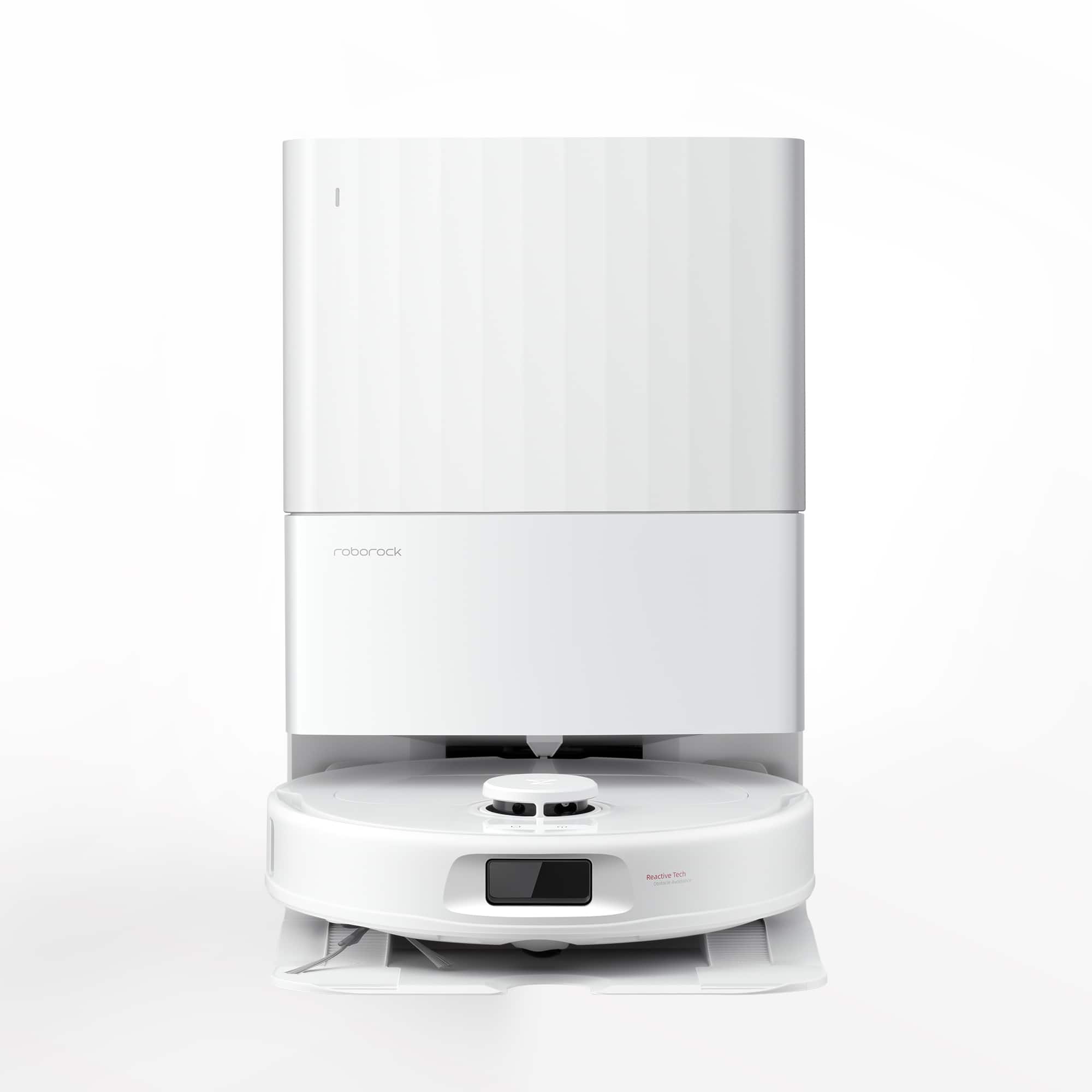
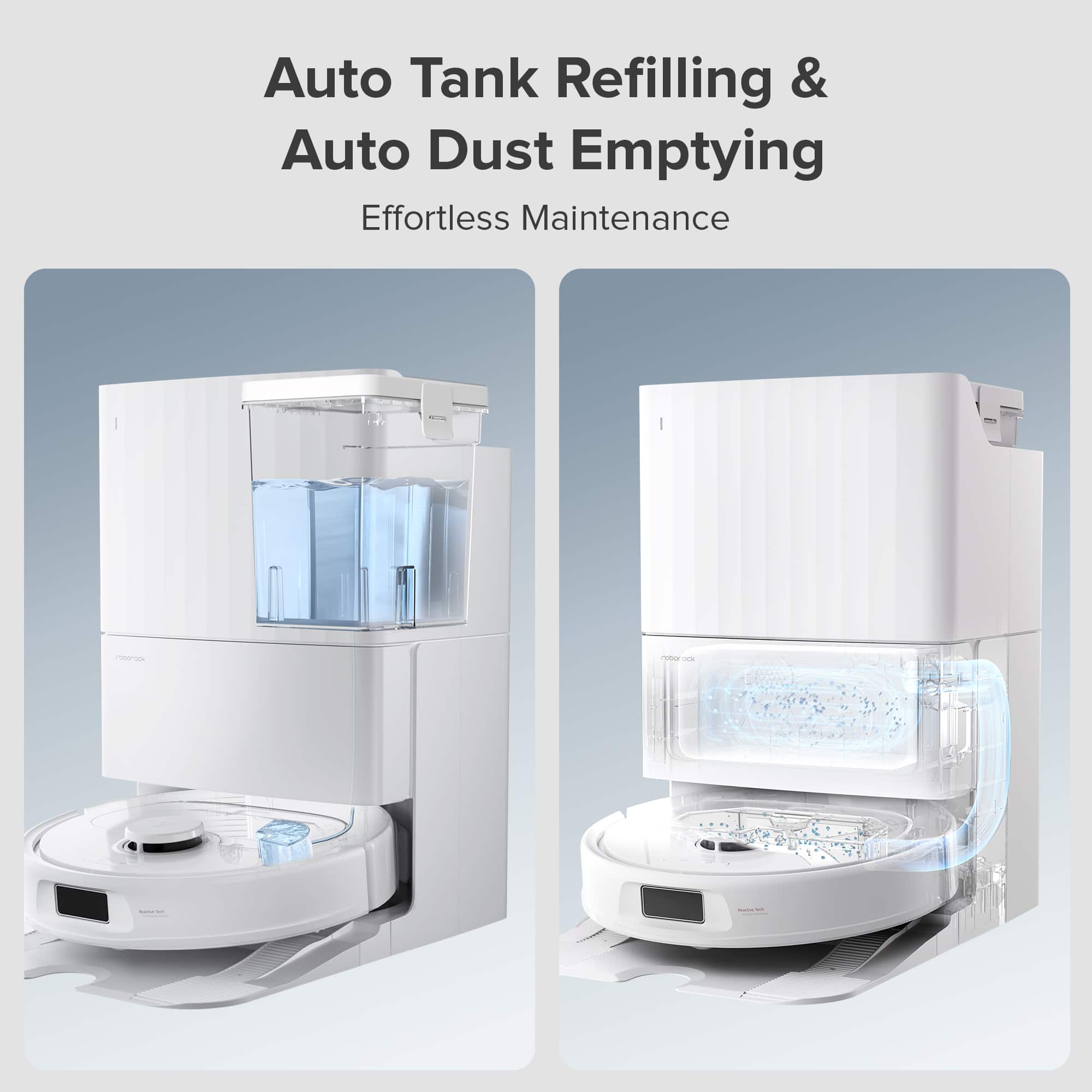
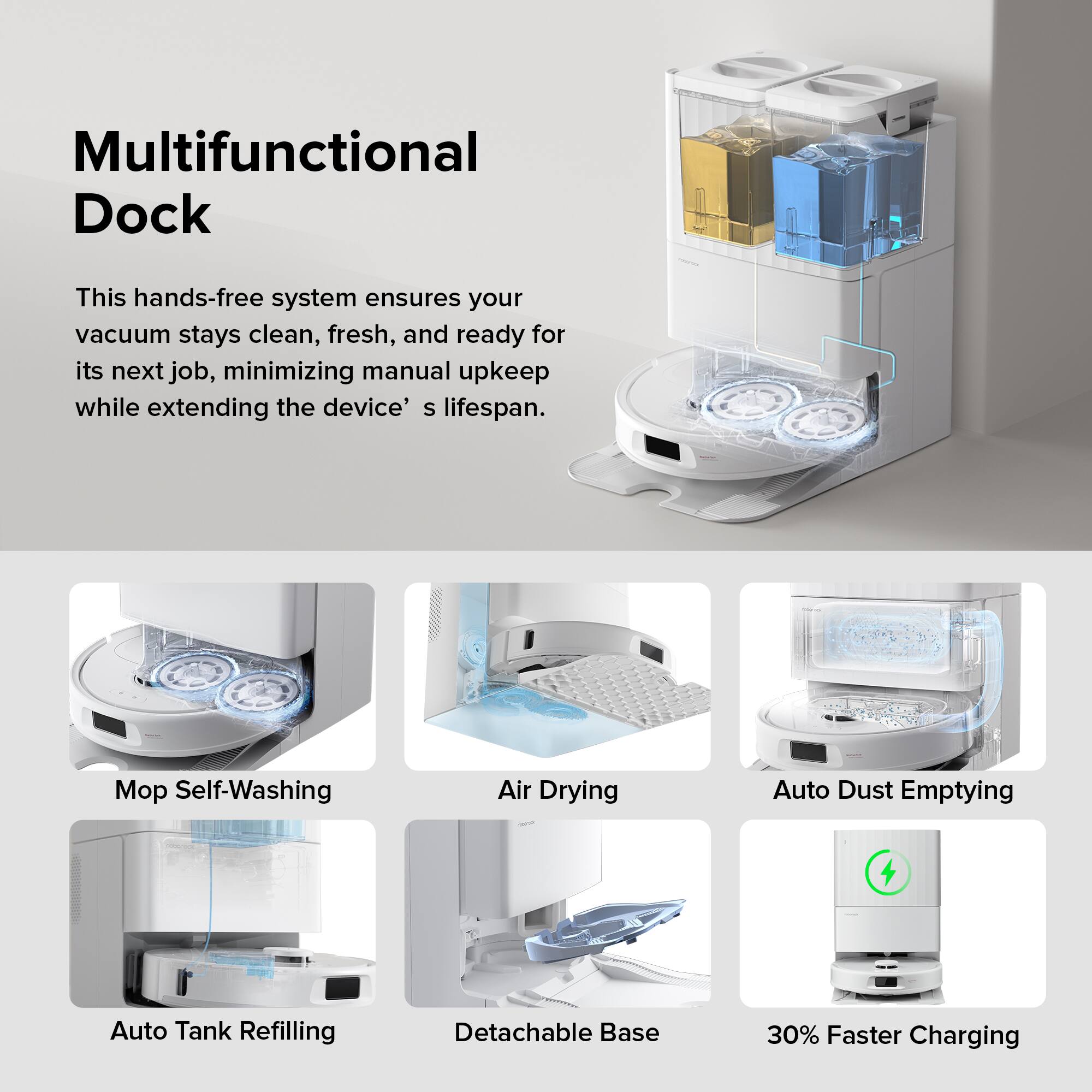
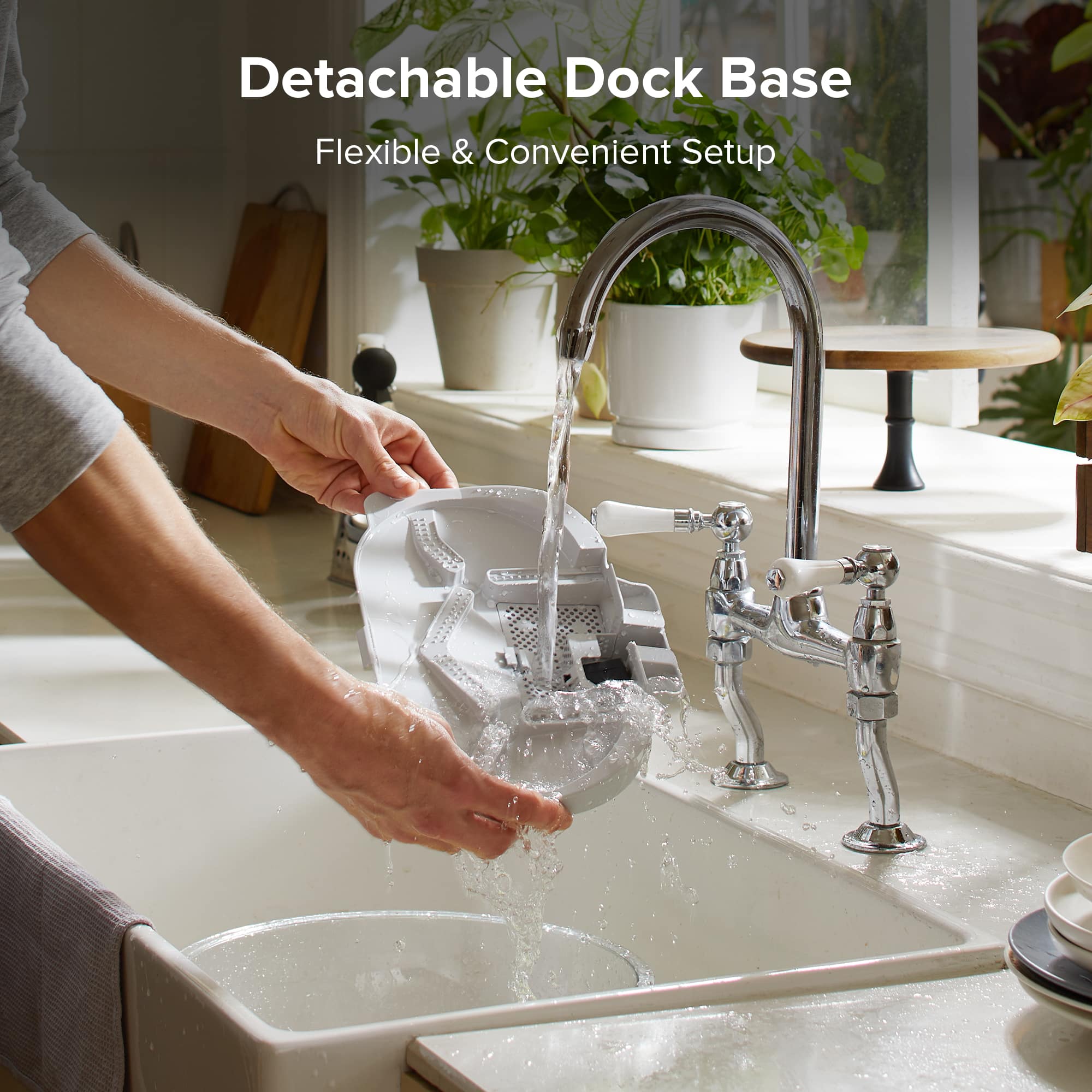
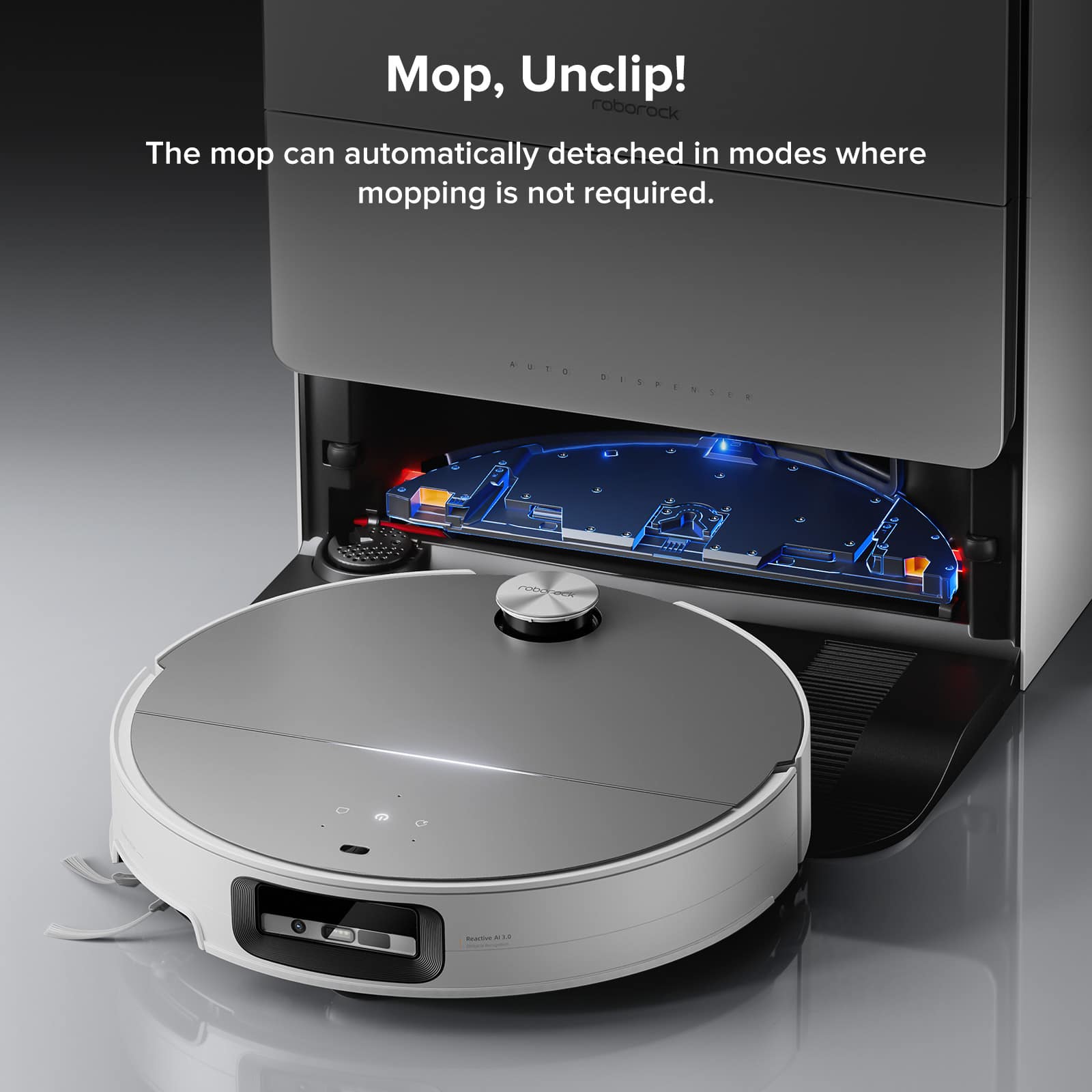
The QR 798's multifunctional dock covers all the basics: automatically emptying the dustbin into a 2.7-liter bag, washing and air-drying the mop pads, and refilling the water tank from 4-liter clean and 3.5-liter dirty water reservoirs. This system can handle weeks of cleaning without user intervention—already impressive compared to basic robot vacuums that require daily emptying.
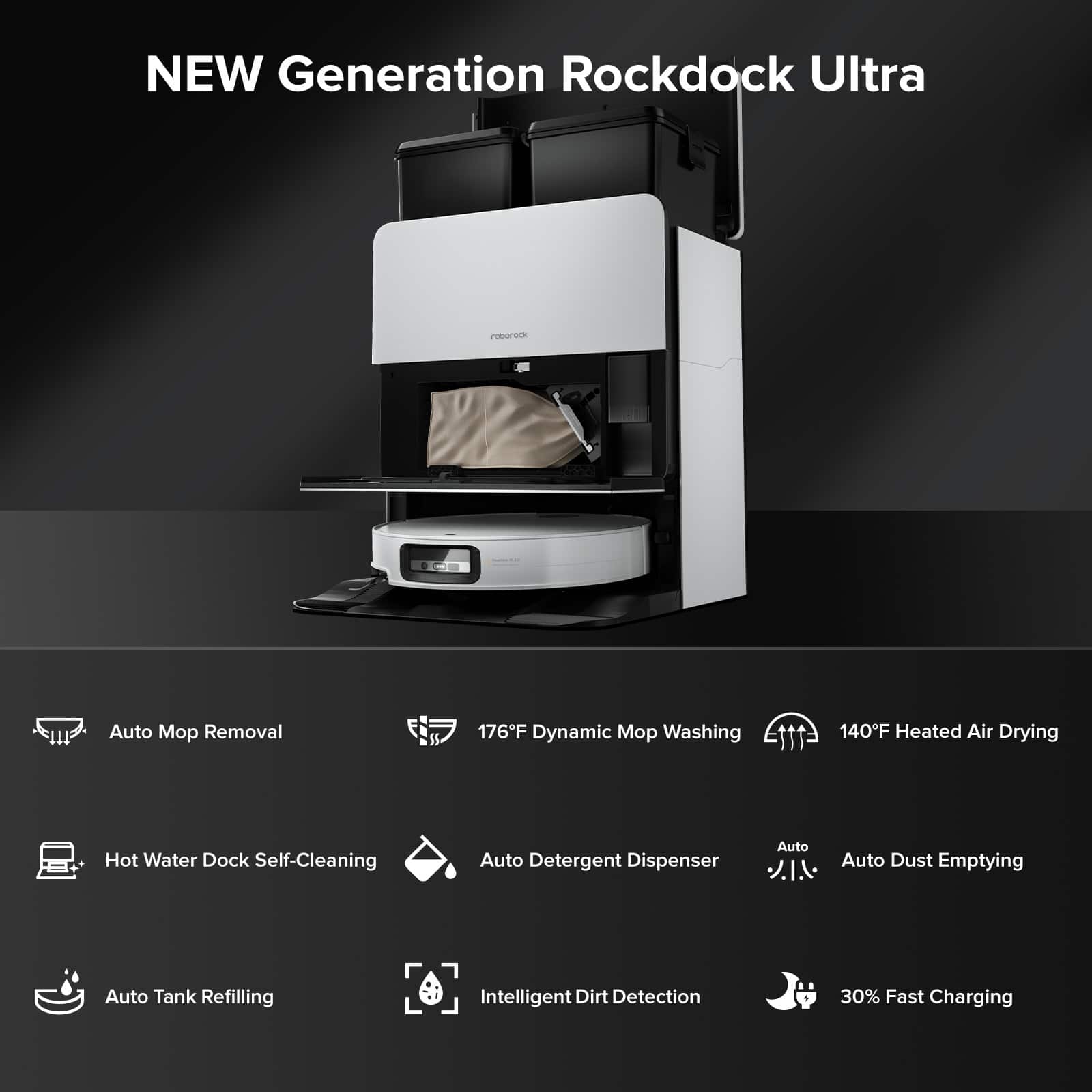
Where the Saros 10 pulls ahead is in the quality of its automated maintenance. Its dock uses heated water (up to 176°F) for mop washing instead of room temperature water, and heated air (140°F) for drying instead of ambient air circulation. This isn't just luxury—heated washing removes grease and sticky residues more effectively, while heated drying prevents the mold and mildew that can develop in damp mop pads.
The Saros 10 dock also includes automatic detergent dispensing and self-cleaning capabilities, plus an optional direct plumbing connection for homes where convenience matters more than cost. These features transform the robot from a semi-autonomous device into a truly hands-off cleaning solution.
Both models share an identical 3.14-inch profile height, making them the thinnest robots in Roborock's lineup. This seemingly minor specification change has major practical implications. Traditional robot vacuums measure 3.5-4 inches tall, which excludes them from cleaning under most furniture.
At 3.14 inches, both the QR 798 and Saros 10 can slip under beds, sofas, dressers, and entertainment centers where dust bunnies traditionally hide. In practical terms, this expands their effective cleaning area by 20-30% in typical homes—a significant improvement that affects daily cleaning performance more than any specification sheet might suggest.
For home theater enthusiasts, this low profile proves particularly valuable. Entertainment centers, TV stands, and audio equipment racks create numerous low-clearance spaces that accumulate dust and affect equipment cooling. Both robots can navigate these areas effectively, though the Saros 10's retractable LiDAR provides an additional advantage in extremely tight spaces.
Both models integrate with modern smart home ecosystems, supporting Alexa, Google Assistant, and other voice control platforms. The Roborock app provides comprehensive control over cleaning schedules, room-specific settings, and real-time monitoring.
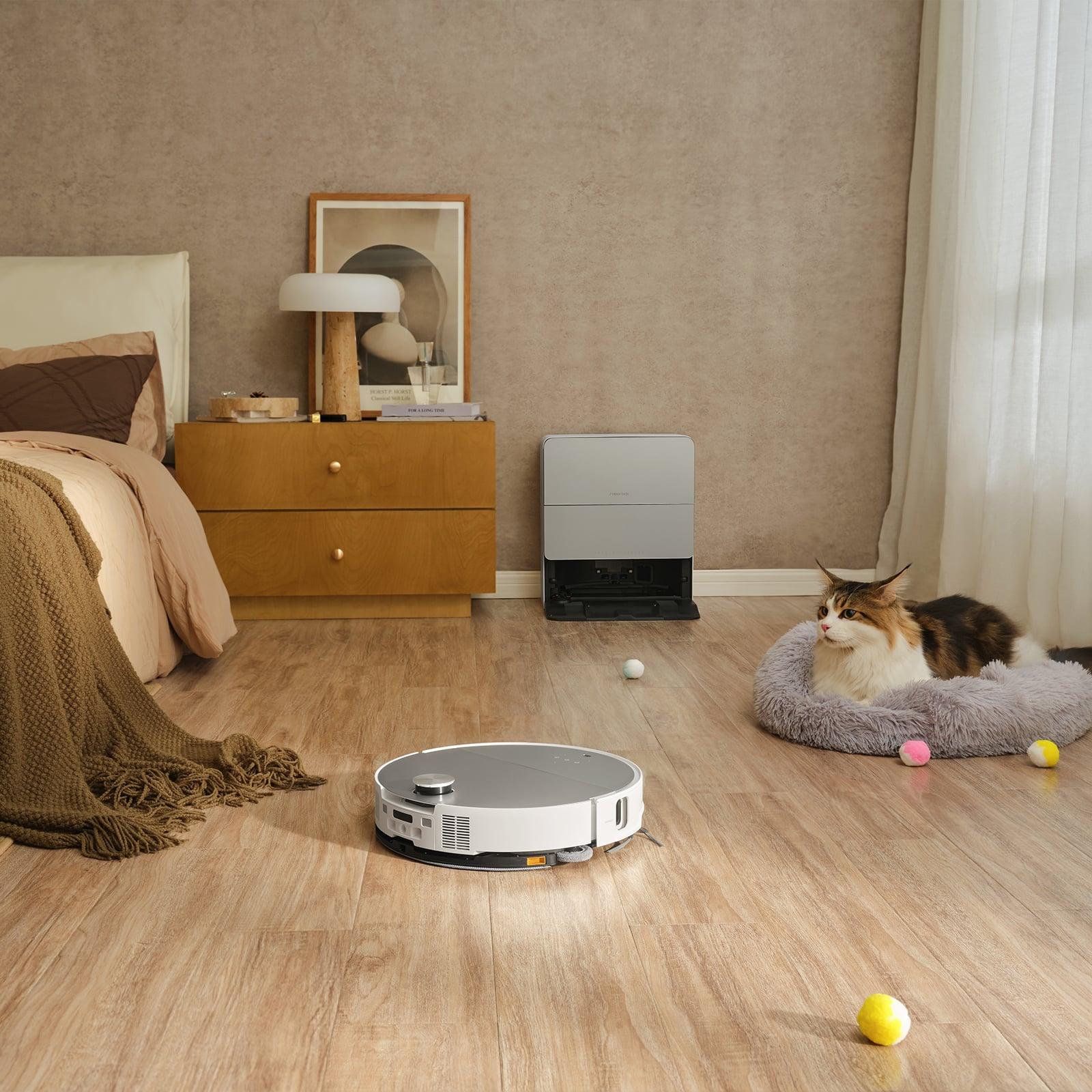
The Saros 10 adds pet-specific features like Pet Snaps and Video Call & Cruise, allowing remote monitoring and interaction. For families with pets, these features provide peace of mind and entertainment value, though they're not essential for cleaning performance.
Matter 2.0 compatibility in the Saros 10 ensures better future-proofing for smart home integration, while the QR 798 relies on more established but still effective connectivity options.
Small Apartments and Condos: The QR 798 excels in spaces under 1,500 square feet. Its dual spinning mops cover open floor plans efficiently, and the 10,000 Pa suction handles typical apartment messes without overkill. The lower price point makes more sense for smaller spaces.
Large Homes (2,000+ sq ft): The Saros 10's larger battery (6,400mAh vs 5,200mAh) and higher efficiency provide more consistent performance across multiple rooms and floors. Its advanced navigation handles complex layouts better, justifying the premium cost.
Pet Owners: Both models handle pet hair well, but the Saros 10's superior suction power and advanced obstacle avoidance make it better equipped for homes with multiple pets or heavy shedding breeds. The heated mop washing also handles pet-related odors more effectively.
Families with Young Children: The Saros 10's sonic vibration mopping excels at removing sticky spills and dried-on messes that children create. Its advanced obstacle avoidance also handles toys and random objects more gracefully.
At the time of writing, the Saros 10 costs more than double the QR 798, making this decision as much about budget as performance. The QR 798 delivers approximately 80% of the Saros 10's cleaning performance at less than half the cost—exceptional value by any measure.
Choose the QR 798 if:
Choose the Saros 10 if:
Both robots represent excellent examples of modern cleaning technology, but they serve different market segments. The QR 798 offers outstanding performance per dollar, making premium features accessible to more households. The Saros 10 pushes technical boundaries and provides superior performance, but at a cost that requires careful justification.
For most homes, the QR 798 provides more than adequate cleaning performance with impressive automation features. The Saros 10 makes sense for users who need its specific advantages—maximum suction power, advanced navigation, or heated dock maintenance—and can afford the substantial price premium.
In the rapidly evolving robot vacuum market, both models represent solid investments that should provide years of reliable service. The question isn't which one is better overall, but which one better matches your specific needs, home layout, and budget priorities.
| Roborock QR 798 Robot Vacuum and Mop | Roborock Saros 10 Robot Vacuum and Mop |
|---|---|
| Suction Power - The most critical factor for deep cleaning performance | |
| 10,000 Pa (excellent for most homes with mixed flooring) | 22,000 Pa (exceptional power for thick carpets and heavy pet hair) |
| Profile Height - Determines ability to clean under furniture | |
| 3.14 inches (ultra-thin design reaches under most furniture) | 3.14 inches (identical ultra-thin profile with retractable LiDAR) |
| Navigation Technology - Affects cleaning efficiency and coverage | |
| PreciSense LiDAR with Reactive Tech obstacle avoidance | RetractSense retractable LiDAR + VertiBeam + RGB camera |
| Mopping System - Different approaches to floor washing | |
| Dual spinning mops at 200 RPM with 10mm lift | Single VibraRise 4.0 pad at 4,000 vibrations/min with 18mm lift |
| Anti-Tangle Brush Technology - Critical for low-maintenance operation | |
| All-rubber main brush with anti-tangle side brush | DuoDivide dual-brush system with FlexiArm retractable side brush |
| Dock Automation Level - Determines hands-free convenience | |
| Auto emptying, mop washing/drying, tank refilling (room temp water) | 10-in-1 dock with heated water washing (176°F) and heated air drying (140°F) |
| Battery Capacity - Affects runtime and coverage area | |
| 5,200 mAh (180 minutes runtime, up to 300m² coverage) | 6,400 mAh (220 minutes runtime, tested at 1,333 sq ft per charge) |
| Obstacle Navigation Capability - Important for complex home layouts | |
| Standard threshold crossing and furniture navigation | AdaptiLift chassis climbs obstacles up to 1.57 inches (4cm) |
| Water Tank Configuration - Affects mopping duration and maintenance | |
| 4L clean/3.5L dirty water in dock, 80ml robot tank | 4L clean/3.5L dirty water in dock with optional direct plumbing |
| Smart Features - Modern convenience and monitoring capabilities | |
| App control, voice assistants, multi-floor mapping | Pet monitoring, video calls, Matter 2.0 compatibility, advanced AI |
| Release Timeline - Technology generation and future support | |
| Released 2024 (proven mid-tier technology) | Released early 2025 (cutting-edge flagship features) |
| Value Positioning - Performance vs cost consideration | |
| Premium performance at accessible pricing | Maximum performance with flagship premium pricing |
The Roborock Saros 10 has significantly stronger suction at 22,000 Pa compared to the Roborock QR 798's 10,000 Pa. This means the Saros 10 provides more than double the cleaning power, making it better for thick carpets, heavy pet hair, and deep cleaning. However, the QR 798 still offers excellent suction for most homes with mixed flooring.
Yes, both the Roborock QR 798 and Roborock Saros 10 feature an identical 3.14-inch ultra-thin profile. This makes them among the thinnest robot vacuums available and allows both models to clean under beds, sofas, and most furniture where traditional robots cannot reach.
The Roborock Saros 10 has more advanced navigation with its RetractSense retractable LiDAR system, VertiBeam lateral sensors, and RGB camera technology. The QR 798 uses reliable PreciSense LiDAR with Reactive Tech obstacle avoidance. Both navigate well, but the Saros 10 handles complex layouts and dark environments better.
Yes, both the Roborock QR 798 and Roborock Saros 10 feature certified zero-tangle brush systems. The QR 798 uses all-rubber brushes, while the Saros 10 has a more advanced DuoDivide dual-brush system. Both eliminate the need to cut hair from brushes, making them ideal for homes with pets or long hair.
Both models automatically empty the dustbin, wash and dry mop pads, and refill water tanks. However, the Saros 10's RockDock Ultra 2.0 uses heated water (176°F) for mop washing and heated air (140°F) for drying, which is more effective than the QR 798's room-temperature cleaning system.
The Roborock Saros 10 has a larger 6,400 mAh battery compared to the QR 798's 5,200 mAh battery. This gives the Saros 10 up to 220 minutes of runtime versus 180 minutes for the QR 798, making it better suited for larger homes.
Yes, both the Roborock QR 798 and Roborock Saros 10 support multi-floor mapping and can store maps for different levels of your home. Both integrate with the Roborock app for custom cleaning schedules and room-specific settings.
While both handle pet hair well, the Roborock Saros 10 is superior for pet owners due to its 22,000 Pa suction power, advanced obstacle avoidance for pet toys, and heated mop washing that better handles pet-related messes and odors. The Saros 10 also includes pet monitoring features.
The Roborock QR 798 offers exceptional value, delivering about 80% of the Saros 10's cleaning performance at roughly half the cost. The QR 798 is ideal for most homes, while the Saros 10 justifies its premium pricing only if you need maximum suction power or advanced features.
Choose the Roborock QR 798 if you want excellent cleaning performance at a more accessible price point and have typical mixed flooring. Choose the Roborock Saros 10 if you have thick carpets, complex home layouts, heavy pet shedding, or want the most advanced automation features and can justify the higher investment.
We've done our best to create useful and informative comparisons to help you decide what product to buy. Our research uses advanced automated methods to create this comparison and perfection is not possible - please contact us for corrections or questions. These are the sites we've researched in the creation of this article: bestbuy.com - youtube.com - bestbuy.com - youtube.com - youtube.com - my.roborock.com - rtings.com - us.roborock.com - vacuumwars.com - youtube.com - youtube.com - ebay.com - bestbuy.ca - roborock.sg - clubitc.eu - macys.com - my.roborock.com - itmediaexport.com - support.roborock.com - manualpdf.in - bestbuy.com - sg.roborock.com - fortress.com.hk - roborockindia.com - financemycart.com - bestbuy.com - androidauthority.com - rtings.com - vacuumwars.com - vacuumwars.com - youtube.com - forums.macrumors.com - youtube.com - youtube.com - rtings.com - youtube.com - target.com - galaxus.at - vacuumwars.com - youtube.com - vacuumwars.com - techtongbo.com - us.roborock.com - us.roborock.com - youtube.com - roboselector.com - support.roborock.com - youtube.com

Privacy Policy
Terms and Conditions - Affiliate Policy
Home Security
© Copyright 2008-2026.
11816 Inwood Rd #1211, Dallas, TX 75244