

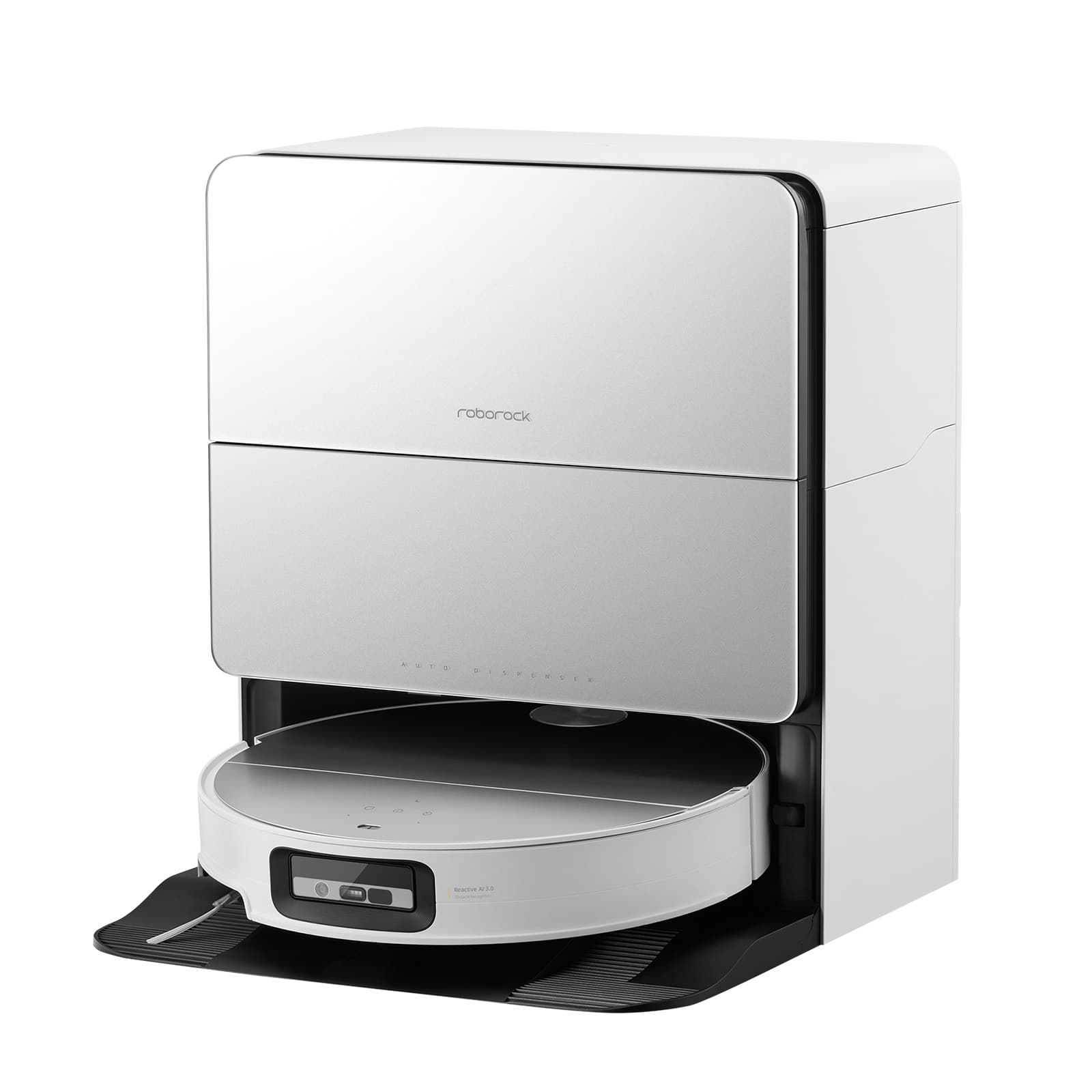

The robot vacuum market has exploded over the past few years, transforming from basic bump-and-go machines into sophisticated cleaning systems that can mop, self-empty, and even monitor your pets. Two standout models that perfectly capture this evolution are the Roborock Saros 10 and the ECOVACS DEEBOT N30 PRO OMNI – both released in 2024 but representing vastly different philosophies on what makes a great robotic cleaner.
At the time of writing, these robots sit in completely different price brackets, with the Saros 10 commanding a premium that's roughly 3.5 times higher than the N30 PRO OMNI. This isn't just a minor price difference – we're talking about a gap that reflects fundamental differences in technology, performance, and target audience. The question isn't whether one is better than the other, but which approach to automated cleaning makes more sense for your home and budget.
Before diving into the specifics, it's worth understanding what separates today's robot vacuums from the simple disc-shaped cleaners of a decade ago. Modern units like both the Saros 10 and N30 PRO OMNI combine multiple technologies that work together: LiDAR sensors (laser-based navigation systems that create detailed maps), powerful suction motors, sophisticated brush designs, and integrated mopping systems with heated water and air drying.
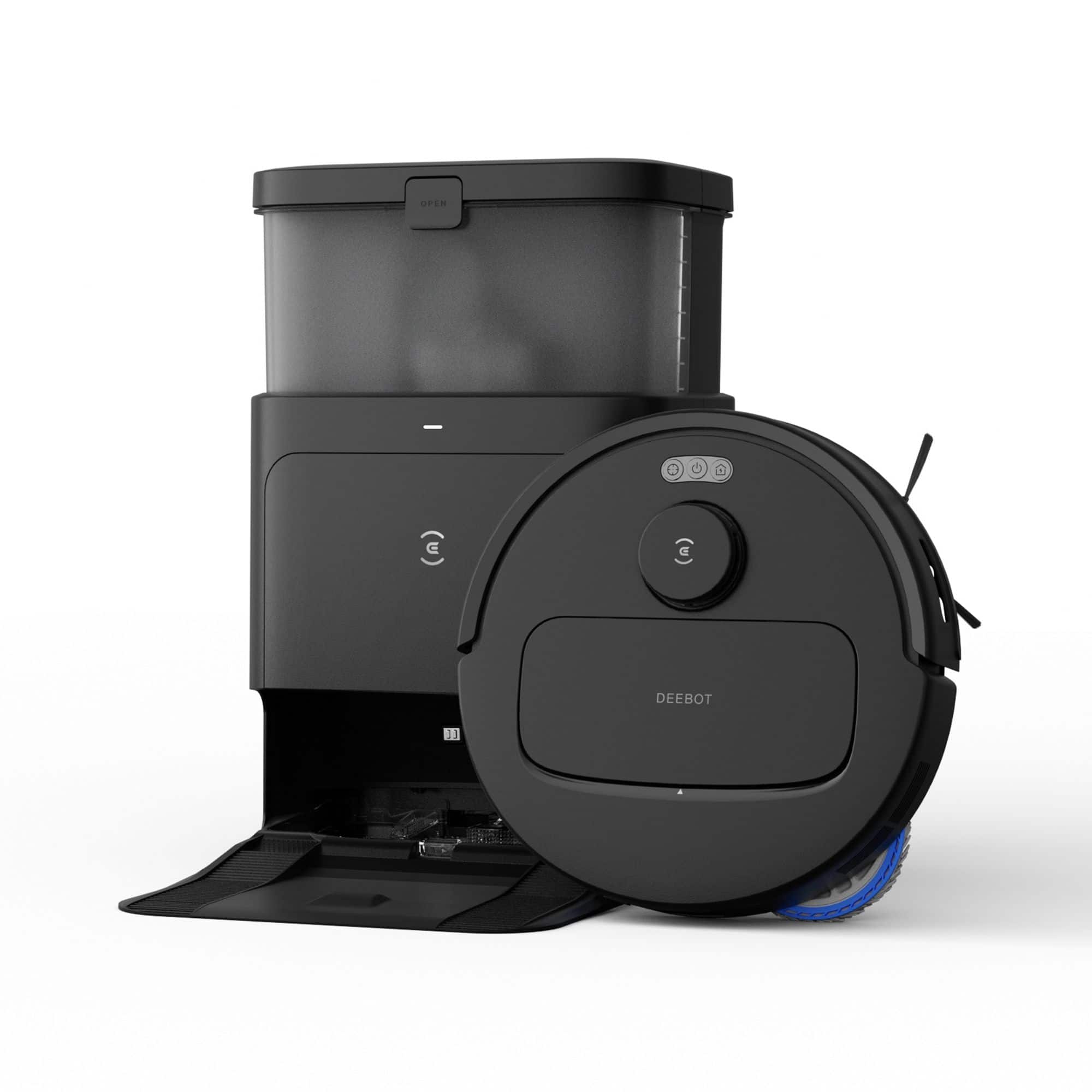
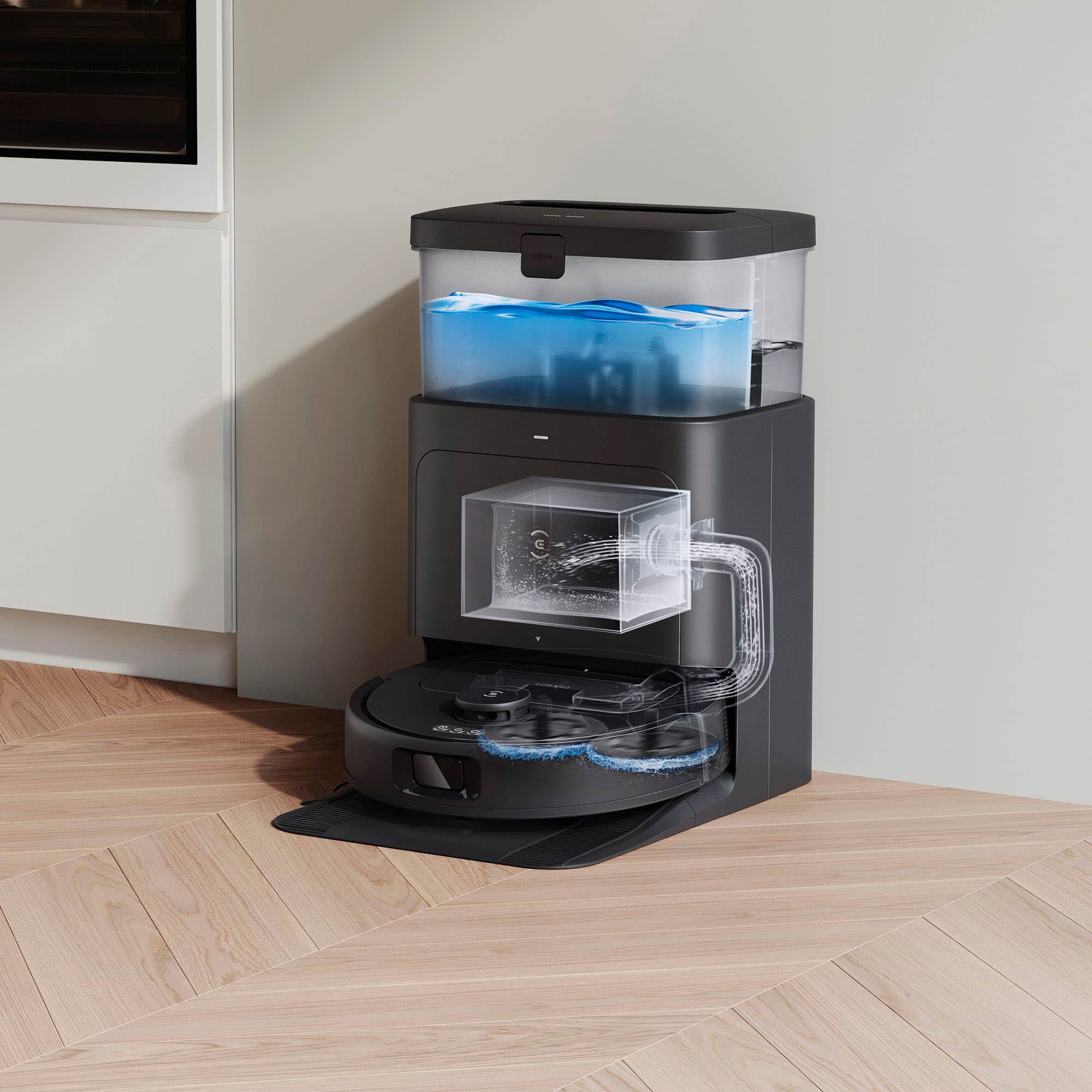
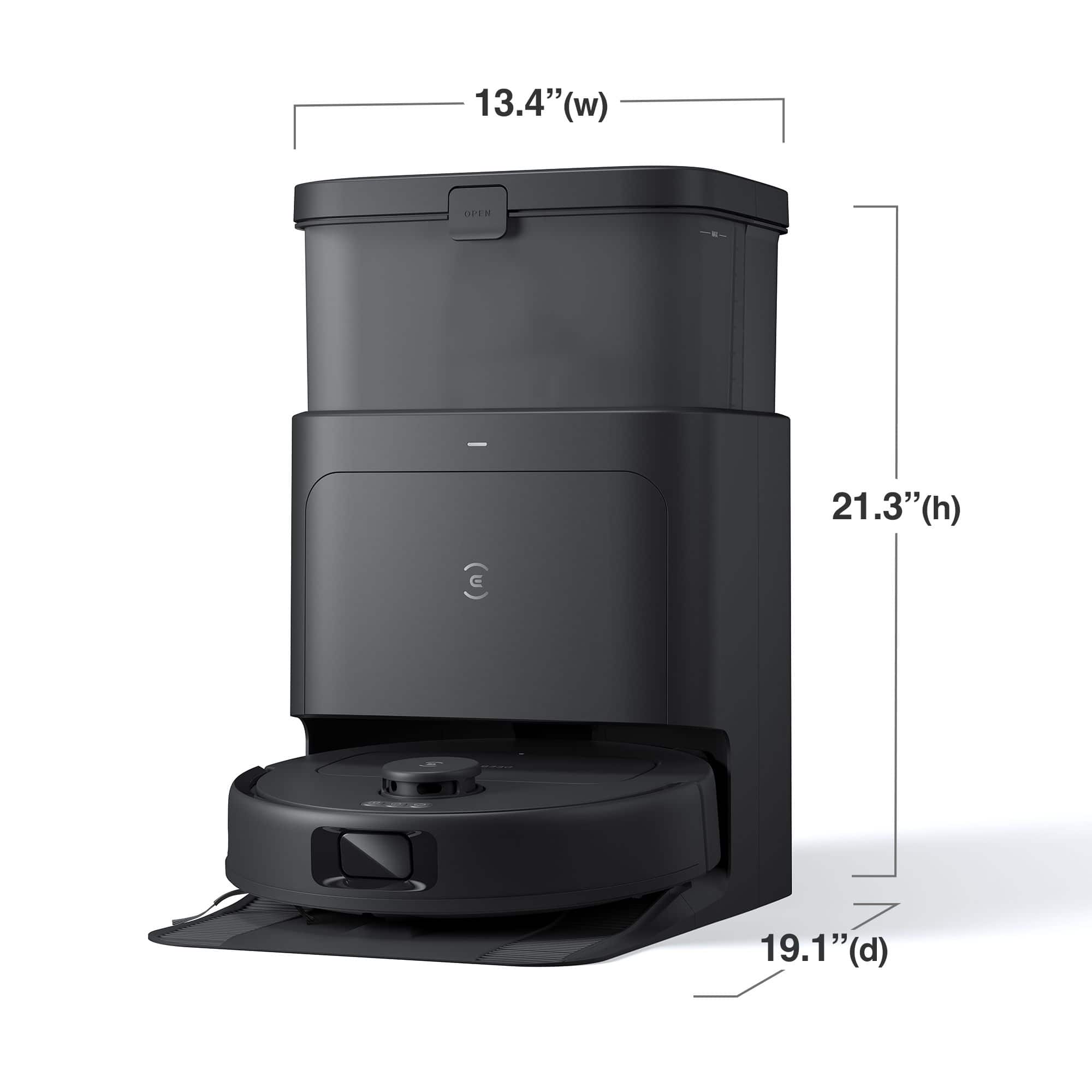
The most significant advancement in recent years has been the development of all-in-one dock stations. These aren't just charging bases – they're mini cleaning stations that empty the robot's dustbin, wash and dry the mop pads, refill water tanks, and even dispense cleaning solutions. This level of automation means you can essentially forget about your robot vacuum for weeks at a time, which is exactly what both of these models promise to deliver.
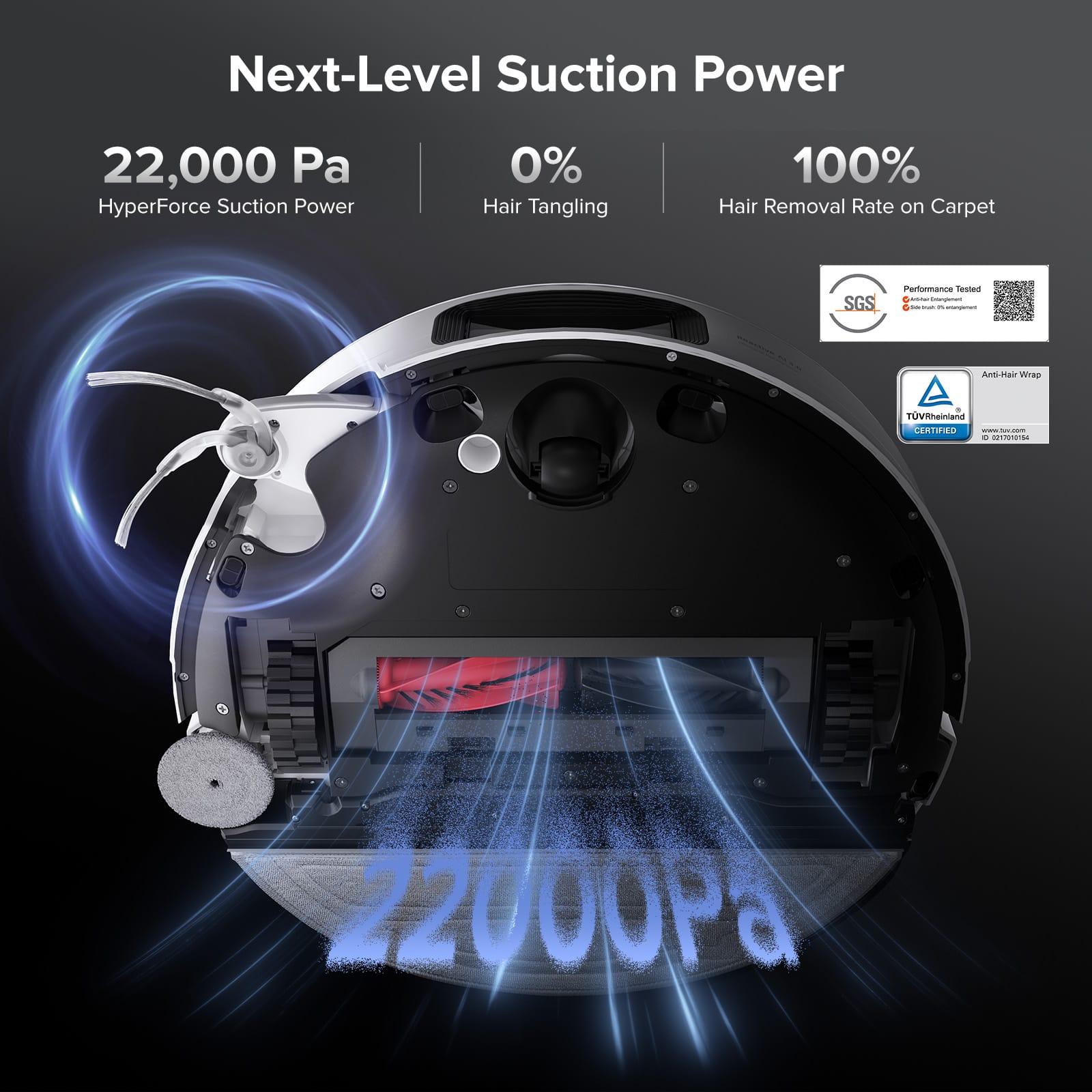
The Roborock Saros 10 brings an impressive 22,000 Pa of suction power to the table, while the ECOVACS N30 PRO OMNI delivers 10,000 Pa. To put this in perspective, Pa stands for Pascal, a measurement of pressure that indicates how strongly the vacuum can pull air through its system. Most traditional upright vacuums operate around 15,000-20,000 Pa, so the Saros 10 is genuinely competing with full-sized vacuum cleaners.
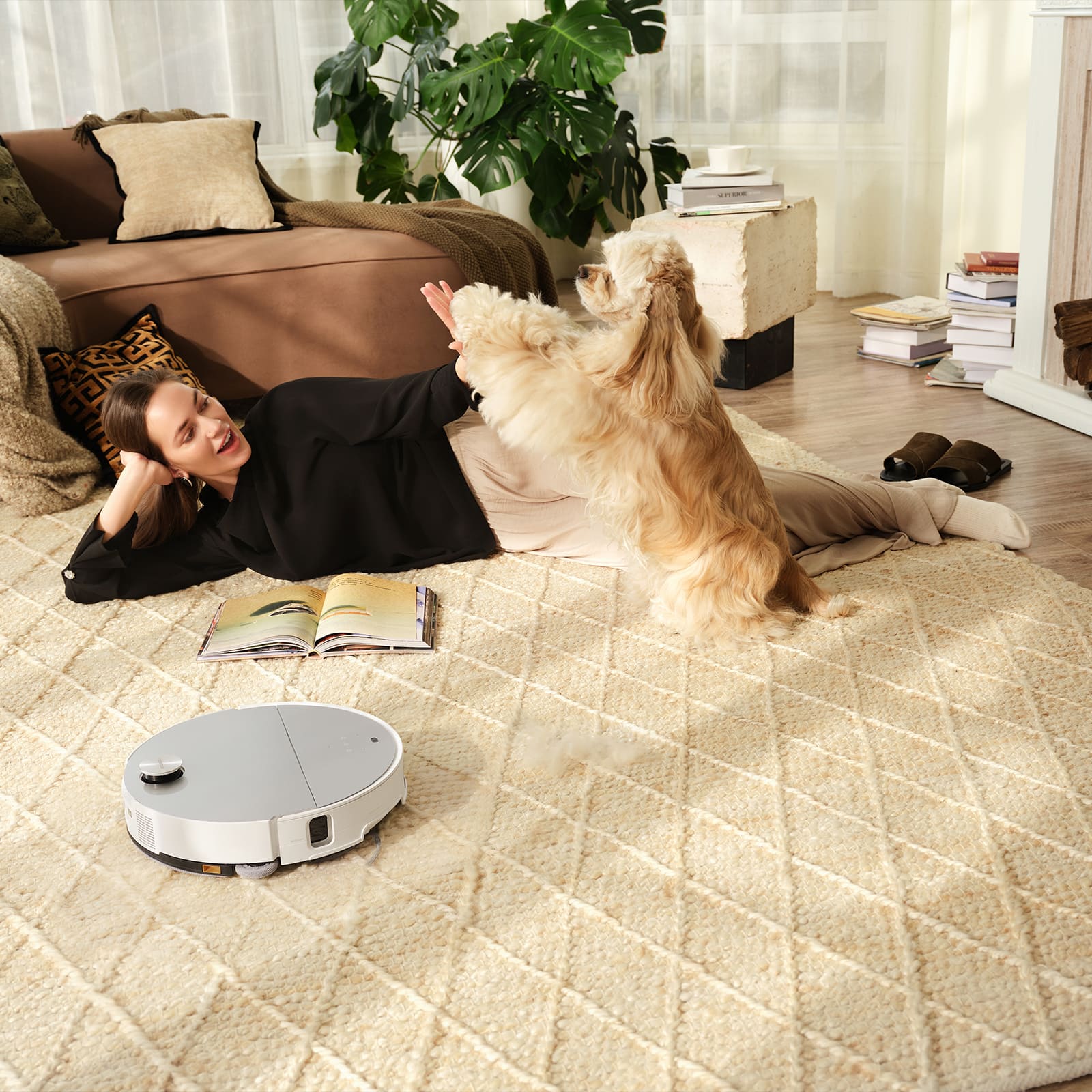
This difference isn't just about numbers on paper – it translates to noticeably different cleaning performance, especially on carpets. Based on our research into user experiences and expert reviews, the Saros 10 consistently outperforms the N30 PRO OMNI when it comes to deep carpet cleaning and picking up embedded debris. Pet owners, in particular, have noted that the higher suction makes a significant difference in removing pet hair from furniture and carpets.
However, the N30 PRO OMNI's 10,000 Pa isn't weak by any means. For most hard floors and low-pile carpets, this level of suction proves more than adequate. The question becomes whether you need that extra cleaning power for your specific flooring types and household conditions.
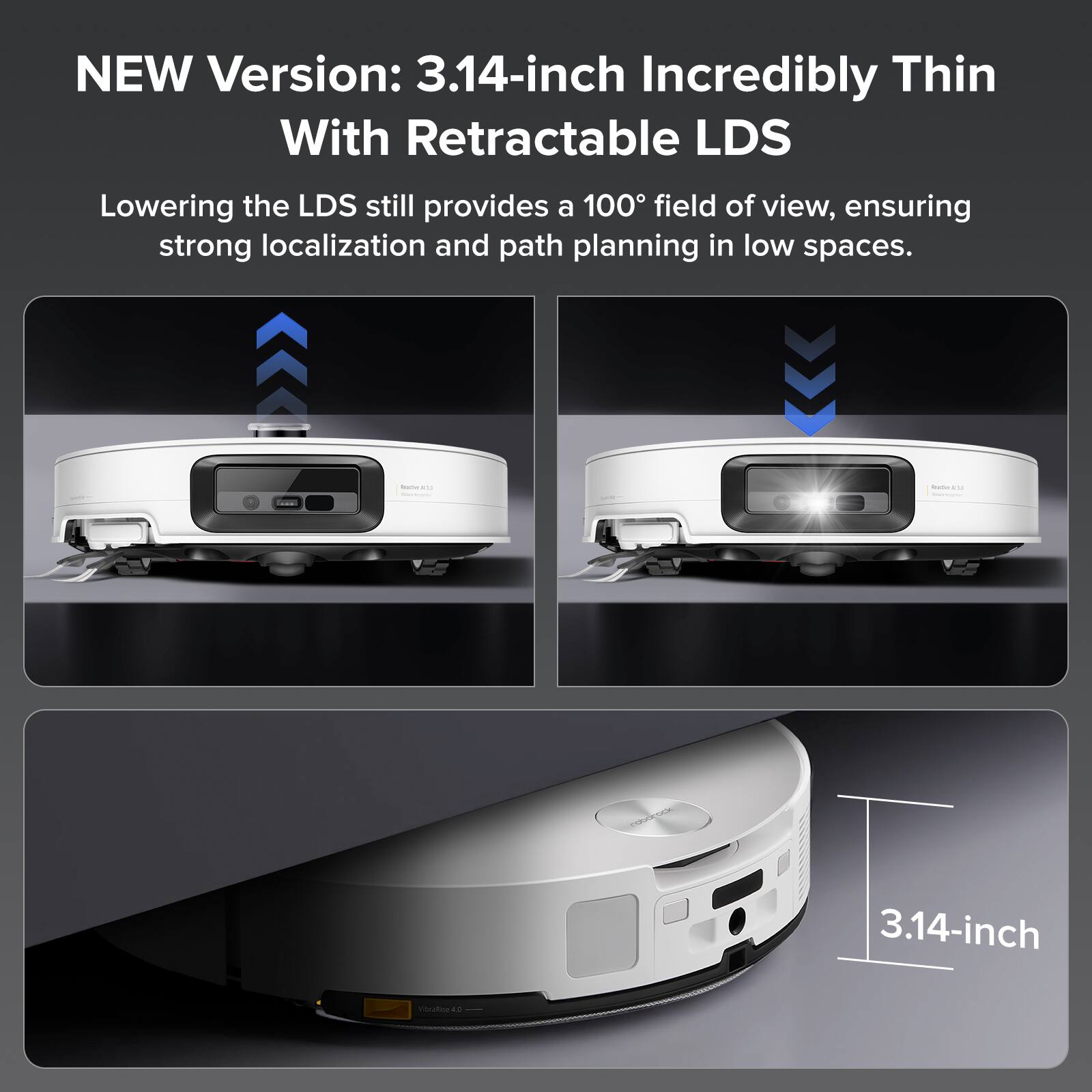
Both robots use LiDAR navigation, but they approach it differently. The Saros 10 features what Roborock calls RetractSense Navigation – essentially a pop-up LiDAR turret that can retract into the robot's body when squeezing under low furniture. This engineering feat allows the robot to maintain its mapping capabilities even in tight spaces where other robots would lose their bearings.
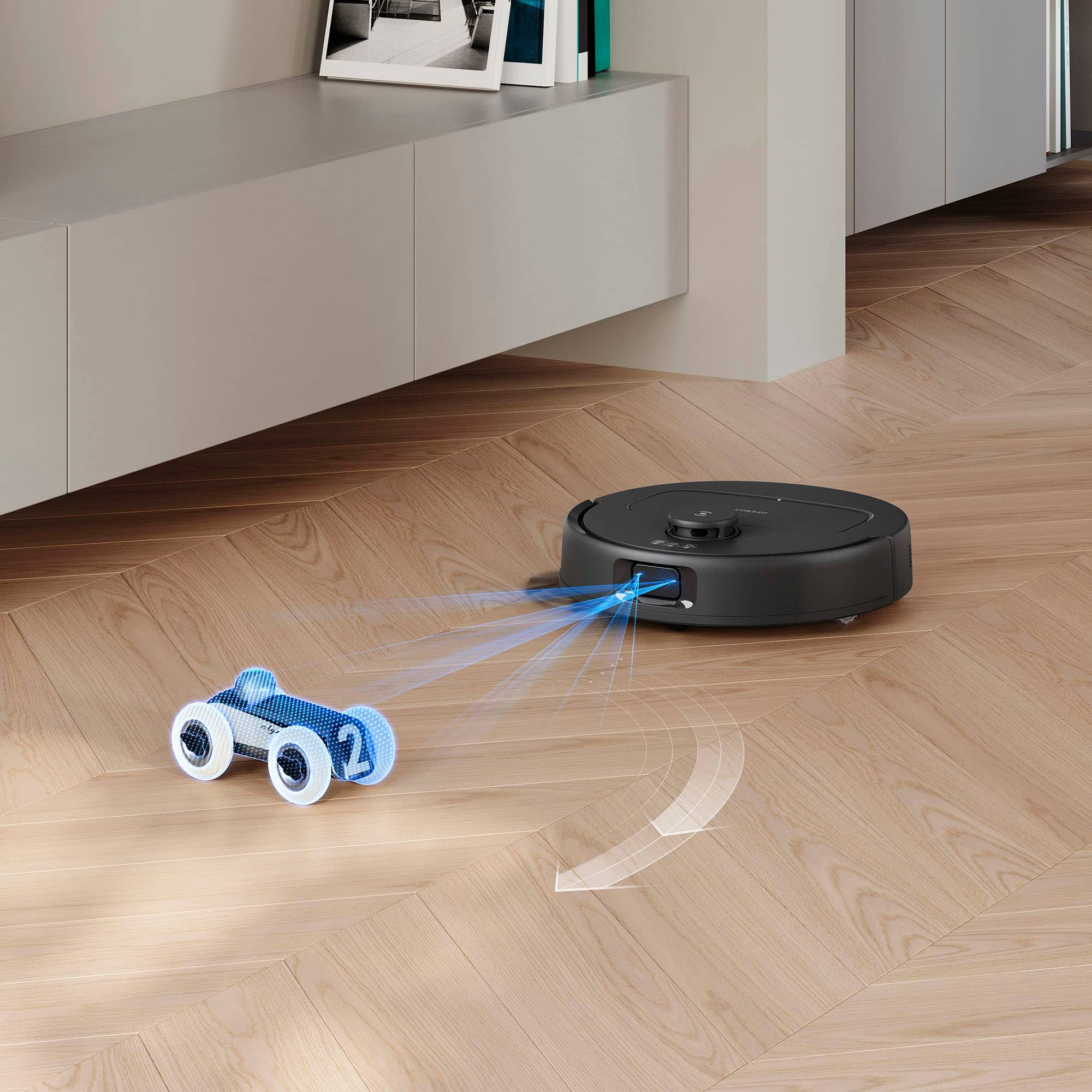
The N30 PRO OMNI uses a more conventional fixed LiDAR system combined with front-facing cameras for obstacle recognition. While this approach works well for most homes, it doesn't offer the same flexibility for navigating under furniture that the Saros 10 provides.
What's particularly interesting about the Saros 10 is its Reactive AI 3.0 system, which combines multiple sensor types – structured light sensors, RGB cameras, and that retractable LiDAR – to create what amounts to a robot with spatial awareness that rivals human-level recognition. In practice, this means fewer instances of the robot getting stuck on chair legs, cables, or other common household obstacles.
The N30 PRO OMNI, while competent, has received more mixed reviews regarding obstacle avoidance. Users report that it can miss smaller objects or take less efficient paths around furniture, though its basic navigation and mapping are solid for the price point.
Here's where the Saros 10 truly differentiates itself. At just 3.14 inches tall, it's the thinnest robot vacuum Roborock has ever produced. This might seem like a minor detail, but it opens up cleaning opportunities that simply don't exist for taller robots.
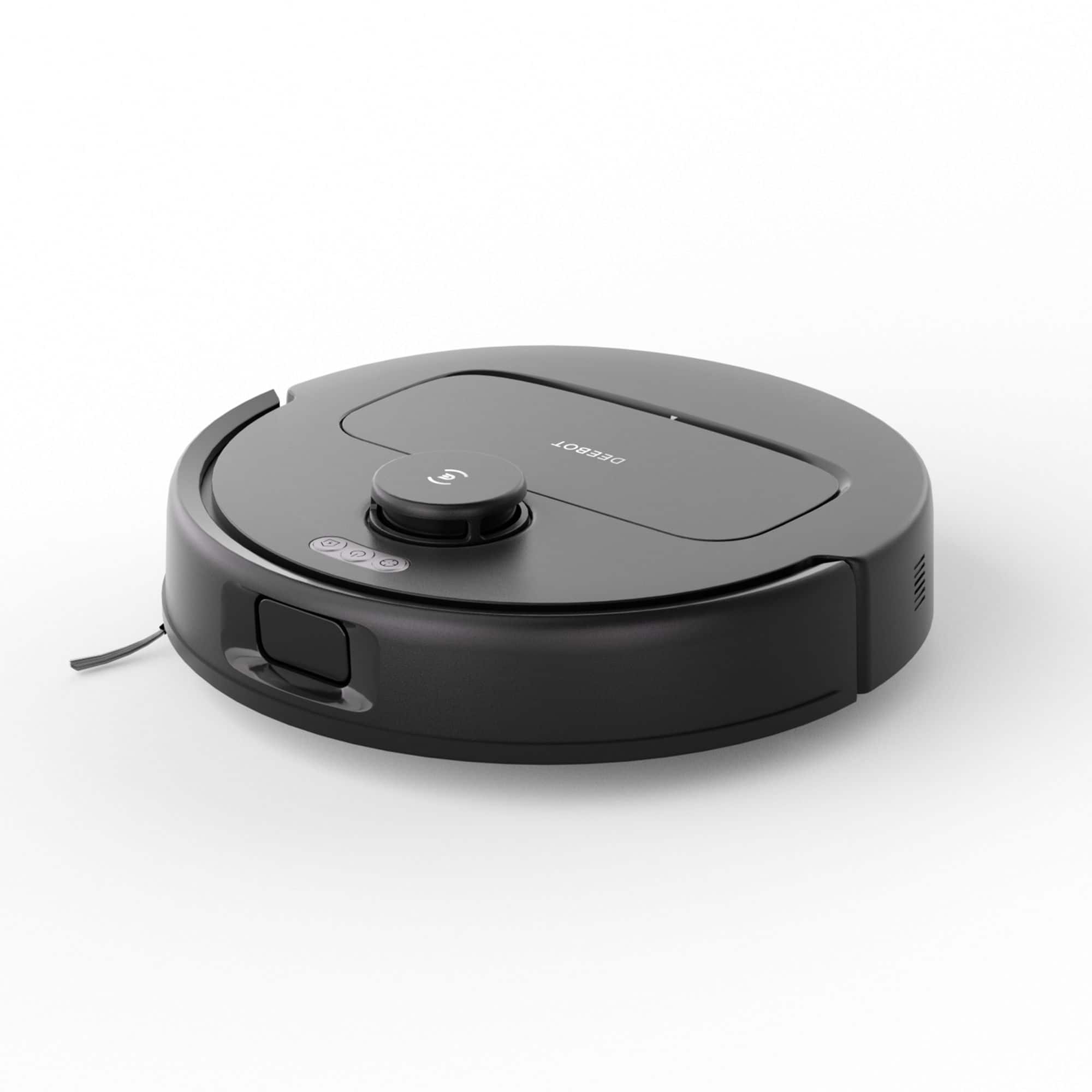
Think about your own home – how much floor space sits under sofas, beds, and low cabinets that a traditional robot vacuum can't access? The N30 PRO OMNI, at 4.09 inches tall, represents the conventional height for robot vacuums, which means it's effectively locked out of spaces that could represent 15-20% of your cleanable floor area.
I've found that this height difference becomes even more critical in home theater setups, where entertainment centers, low media consoles, and reclining furniture create numerous low-clearance zones that need regular cleaning but are difficult to access manually. The Saros 10 can navigate these spaces effortlessly, while the N30 PRO OMNI would require you to move furniture or clean these areas by hand.
The trade-off is that the Saros 10's compact design required significant engineering compromises. Its dustbin capacity is smaller (270ml vs 350ml), and the ultra-thin profile likely contributed to its premium pricing due to the complex miniaturization required.
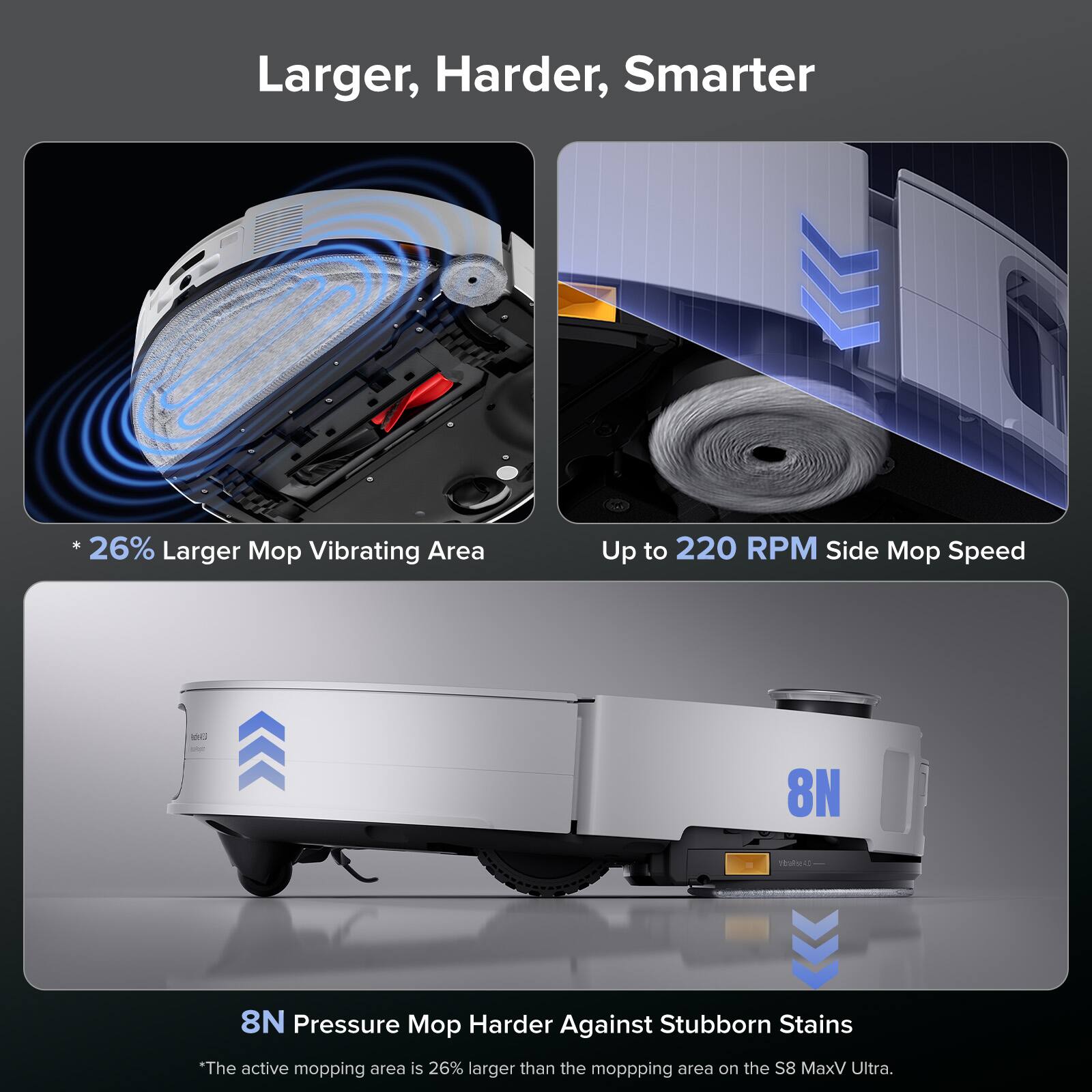
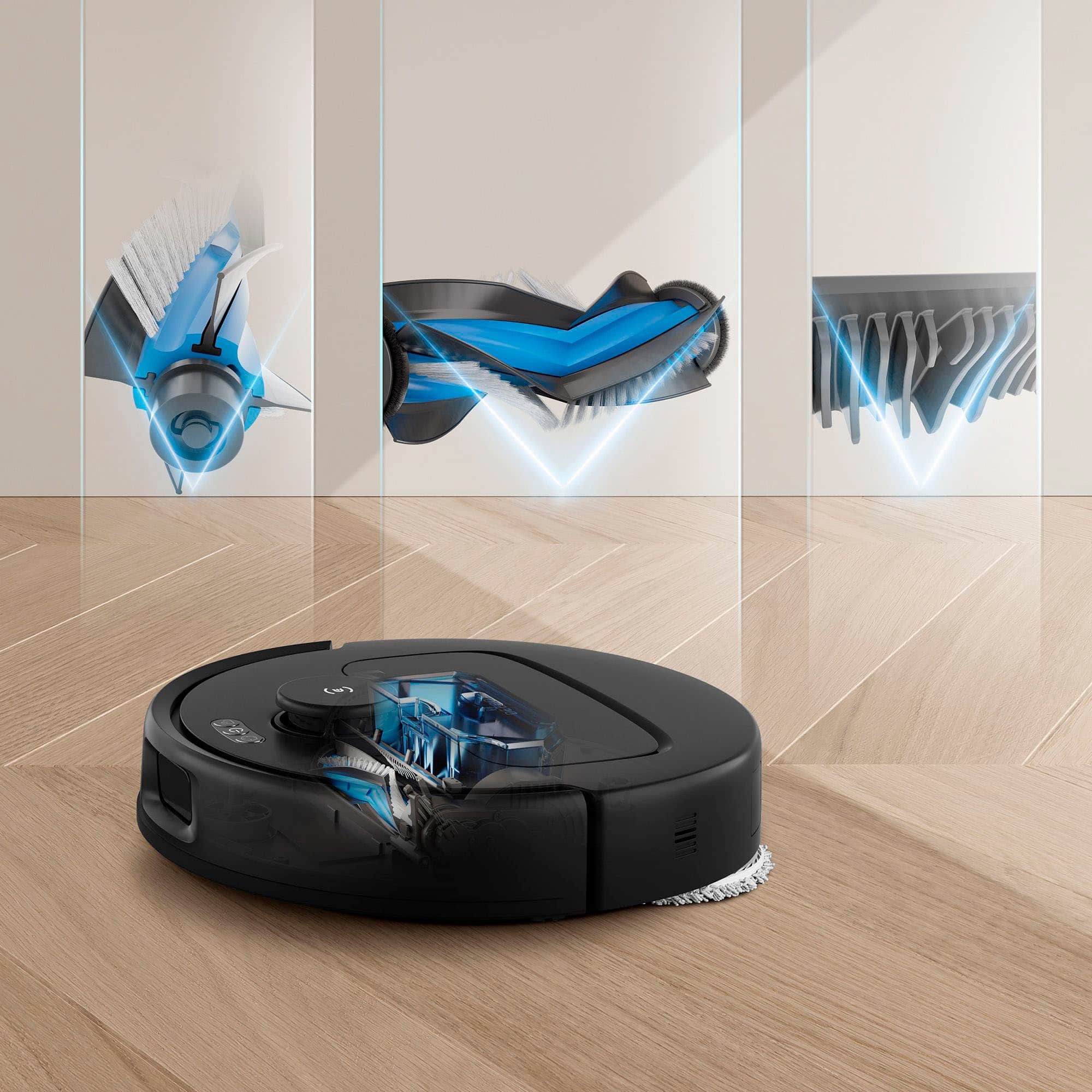
Both robots take different approaches to wet cleaning, and understanding these differences helps explain when each might be preferable. The Saros 10 uses what's called VibraRise 4.0 – a vibrating mop pad system that oscillates at up to 4,000 vibrations per minute while applying 8N of pressure to the floor. This approach excels at breaking up dried spills and ground-in stains through rapid mechanical action.
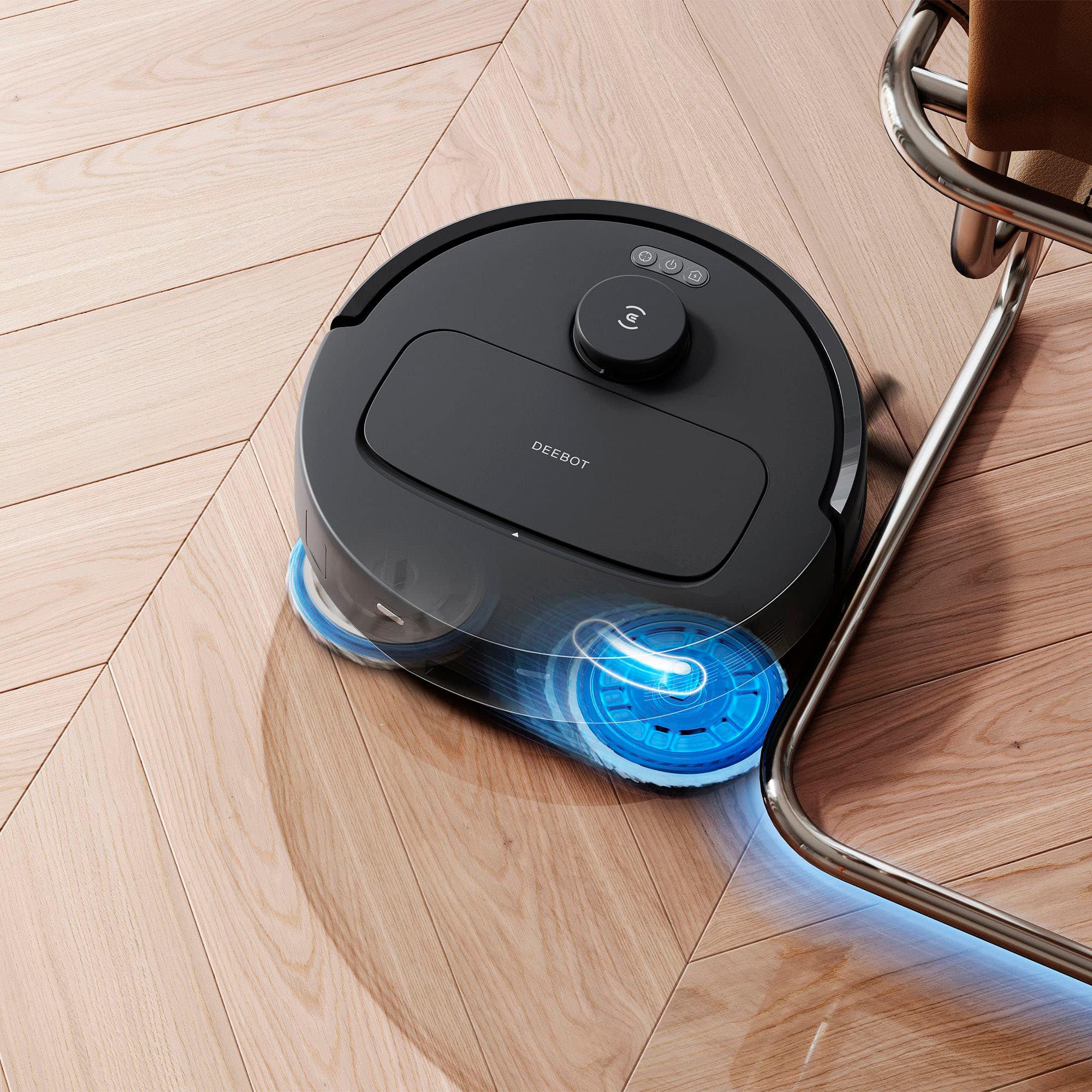
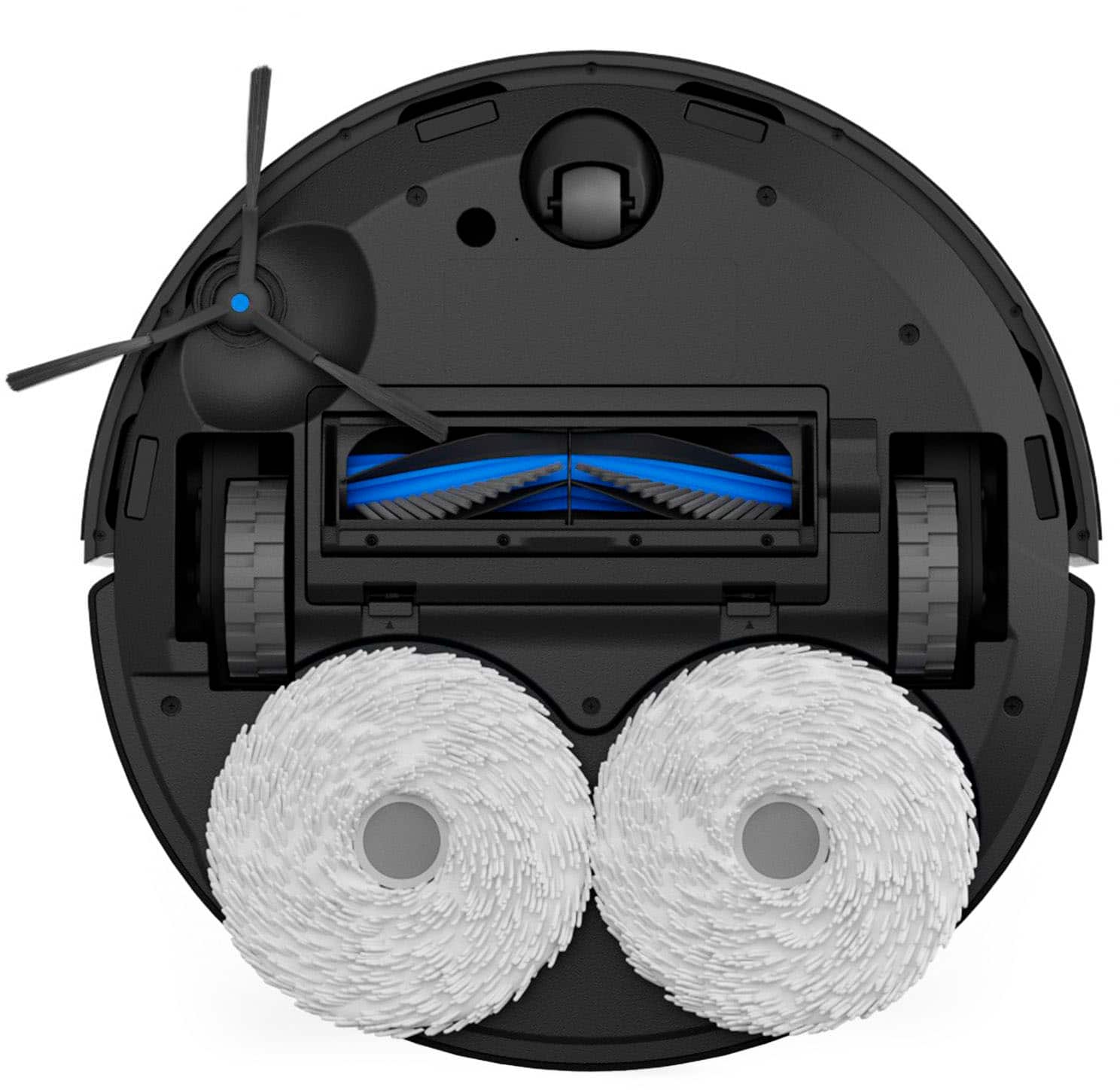
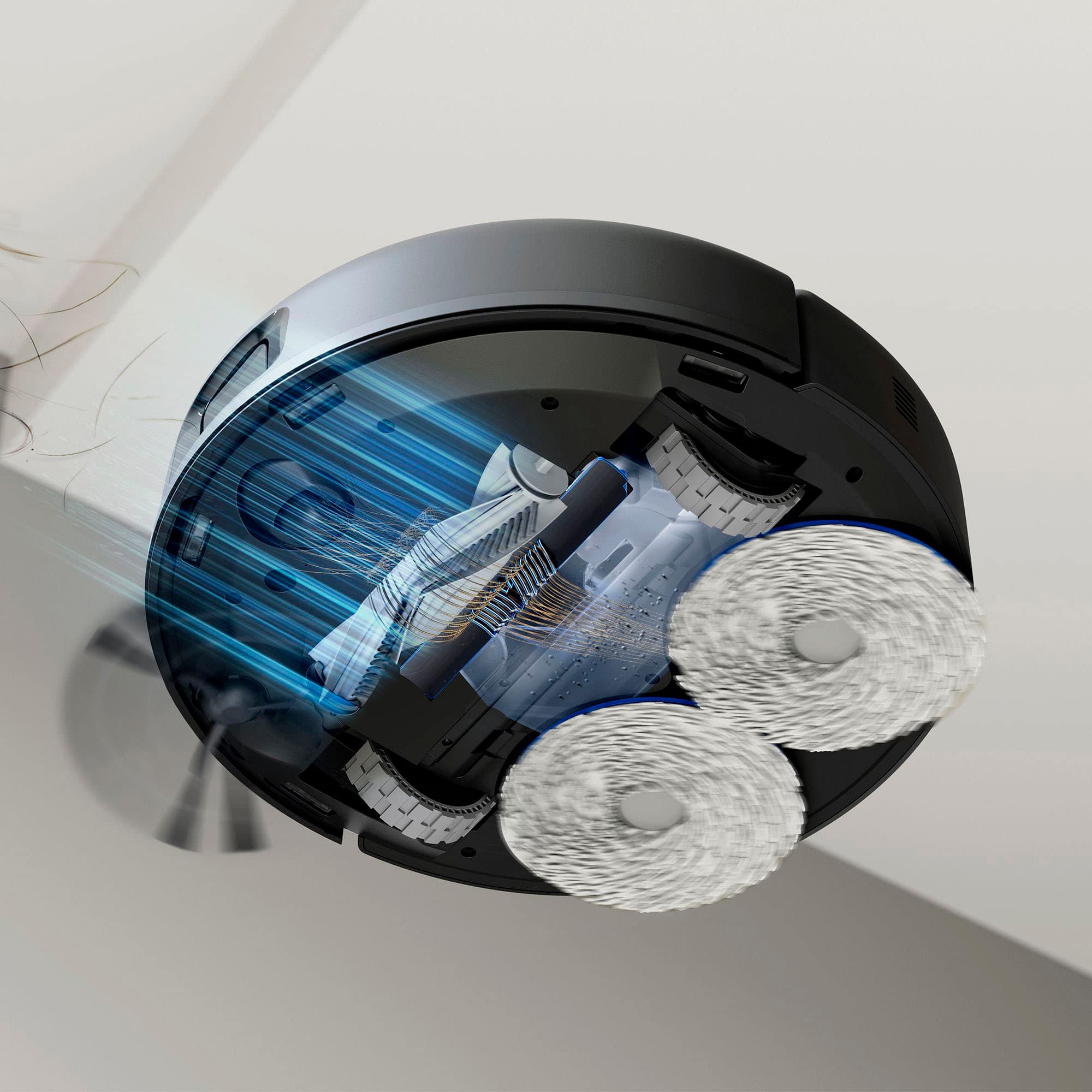
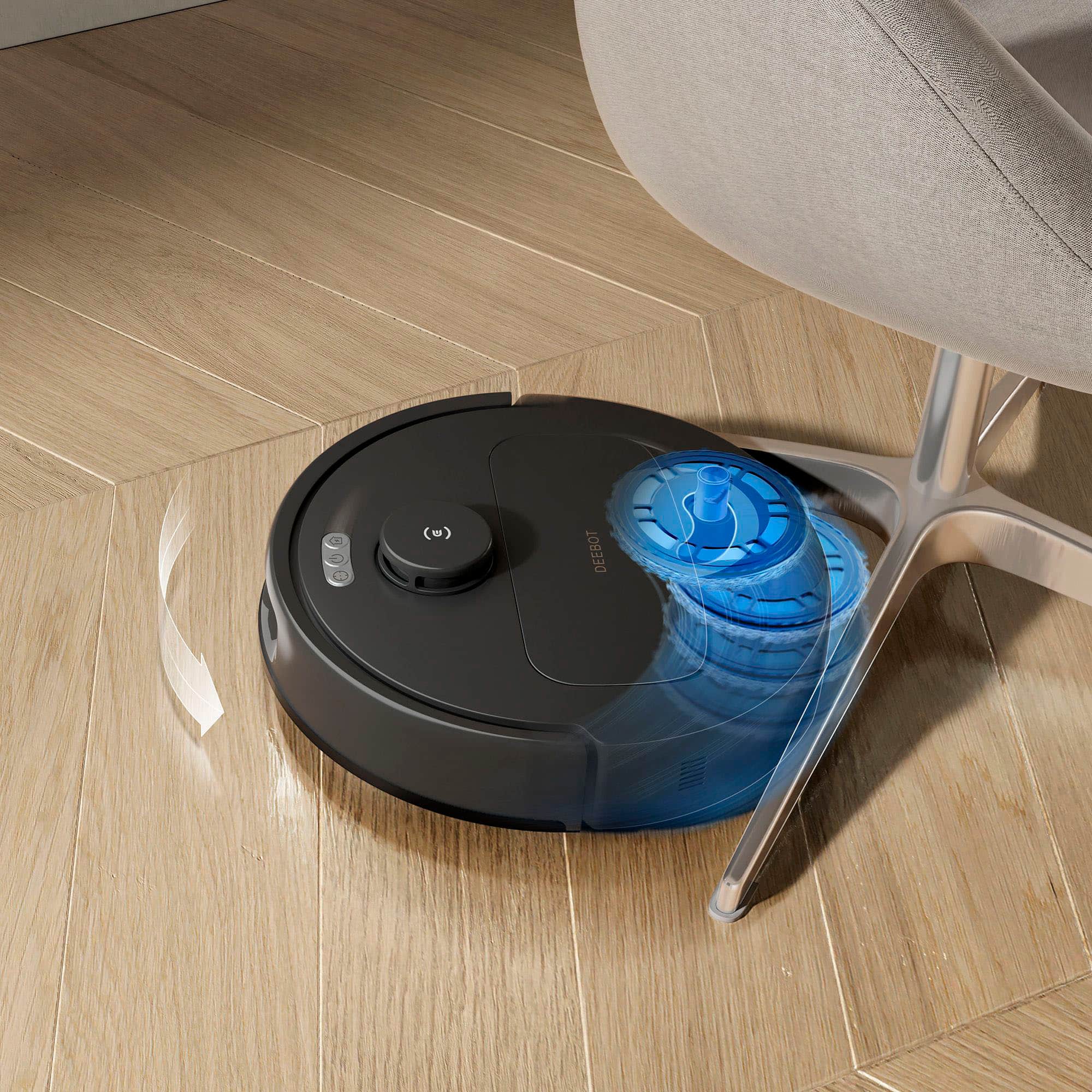
The N30 PRO OMNI employs dual spinning mop pads that rotate at 200 RPM with 6N of pressure. This spinning motion tends to be better for general floor polishing and covering large areas quickly, but it may not be as effective on stubborn stains that require the aggressive scrubbing action of the Saros 10's vibrating system.
Where the N30 PRO OMNI really shines is edge cleaning. Its TruEdge system features an extending mechanical arm that allows the mop to reach right up to walls and into corners with 1mm precision. This results in approximately 98% edge coverage – significantly better than most robot mops, including the Saros 10, which relies on more conventional edge-cleaning methods.
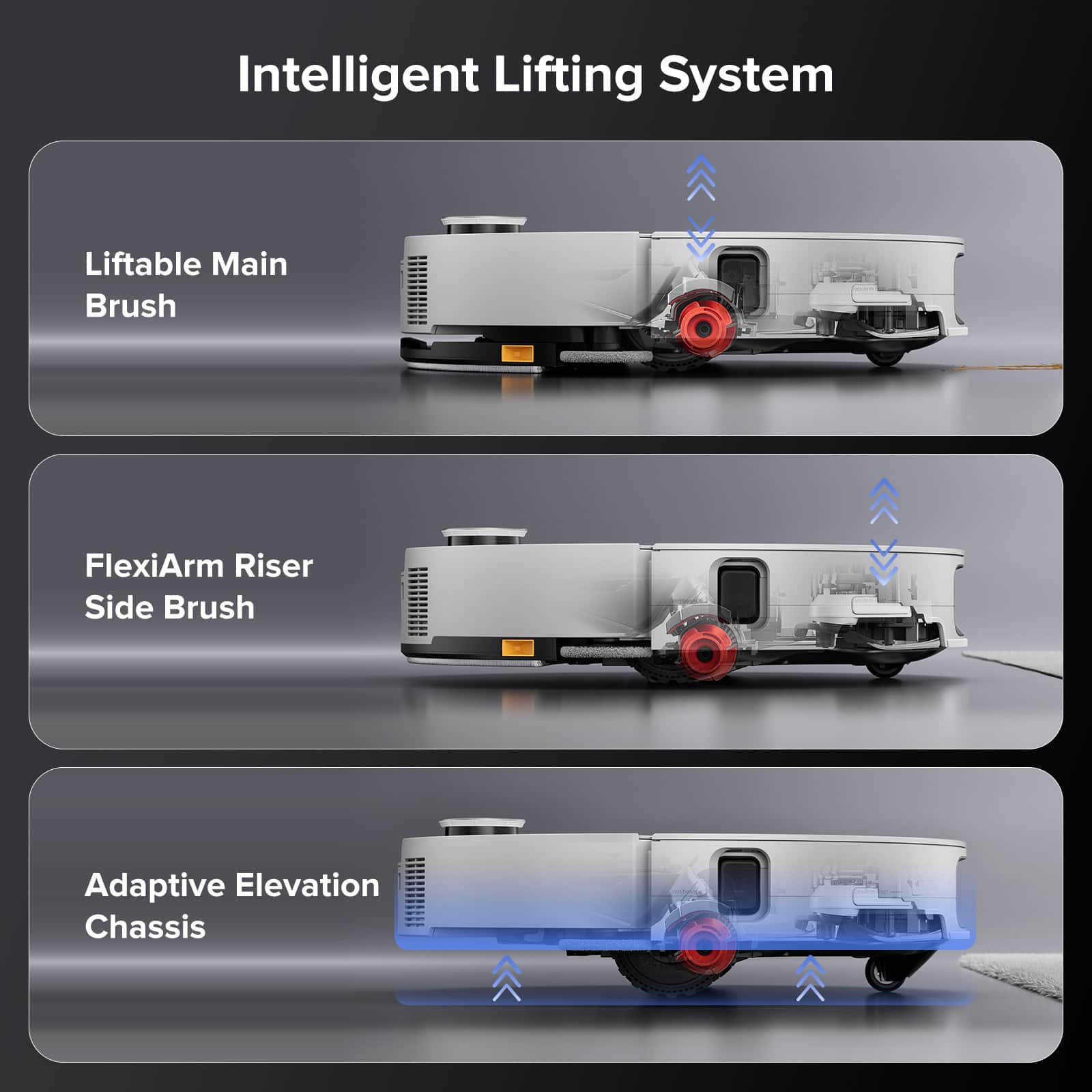
Both robots automatically lift their mop pads when transitioning to carpets, but the Saros 10 can lift higher (18mm vs 9mm), which provides better carpet protection and allows it to handle thicker rugs without dragging wet mop pads across them.
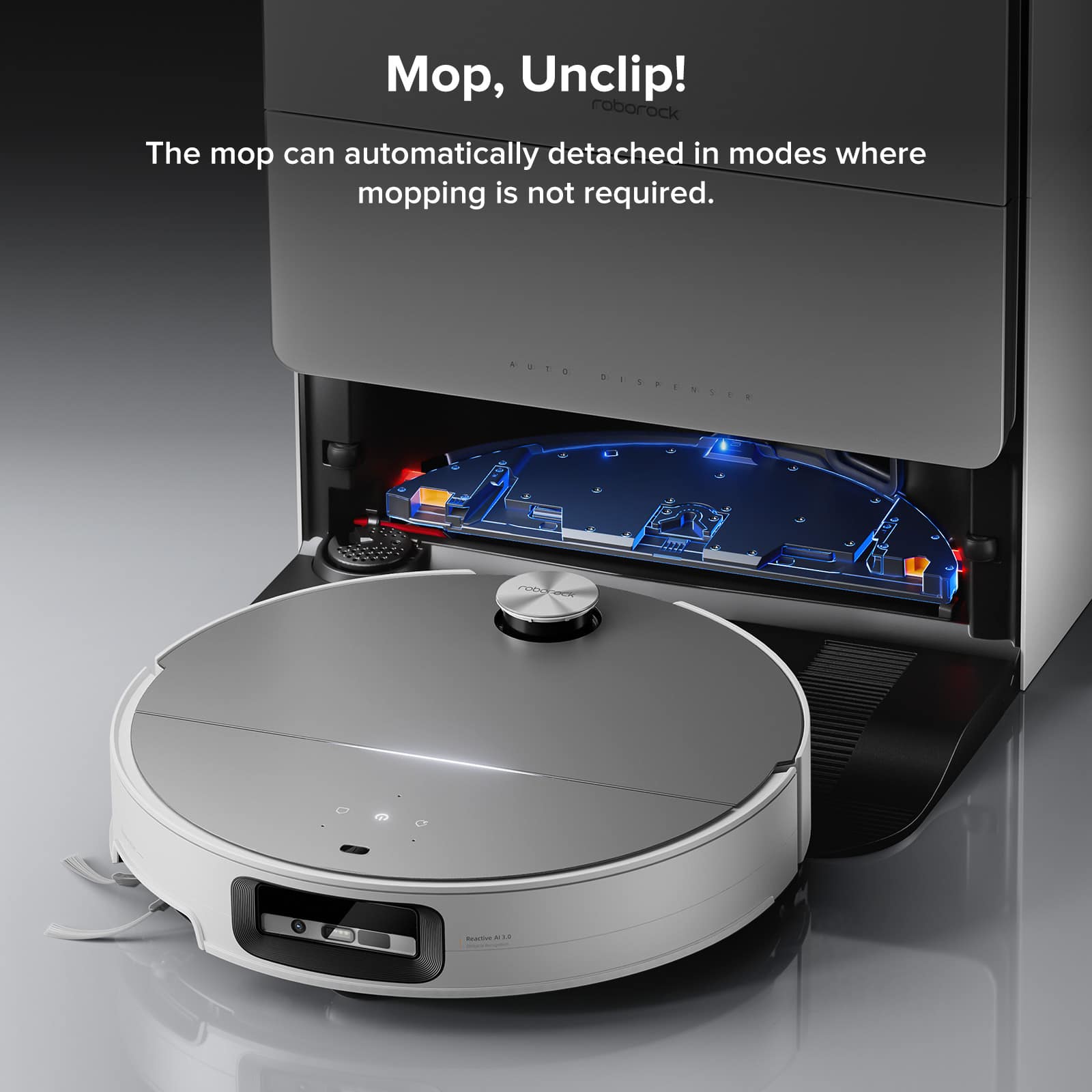
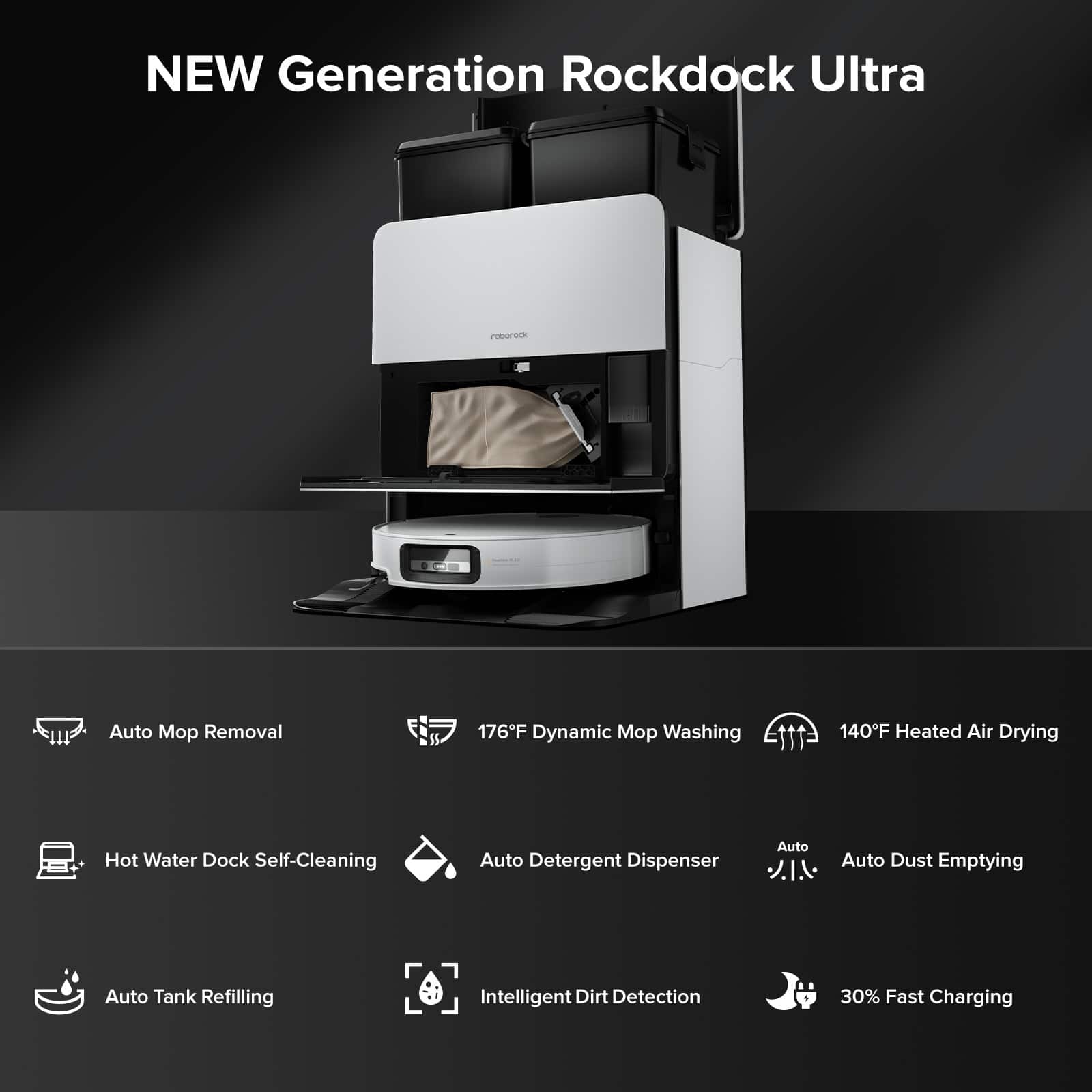
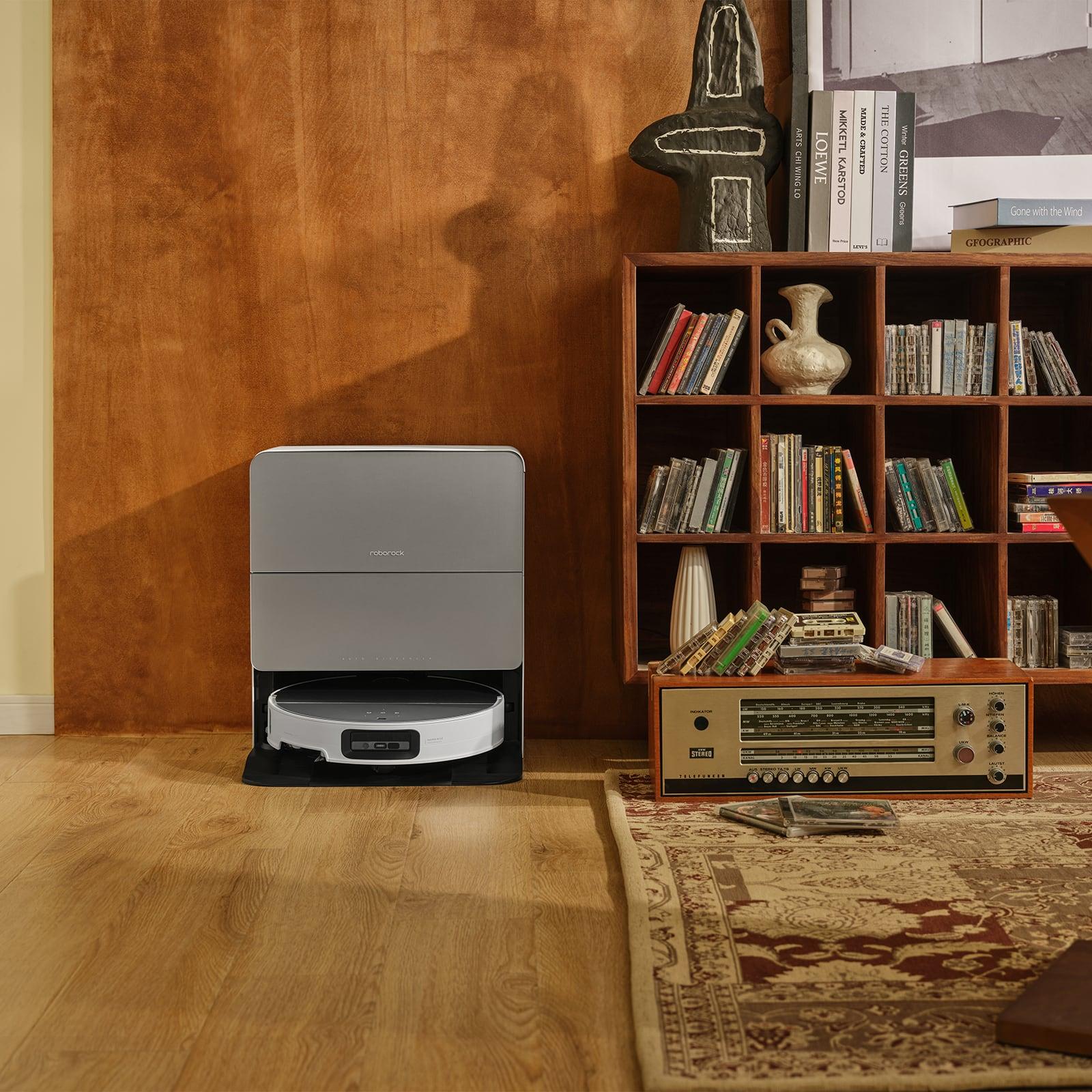
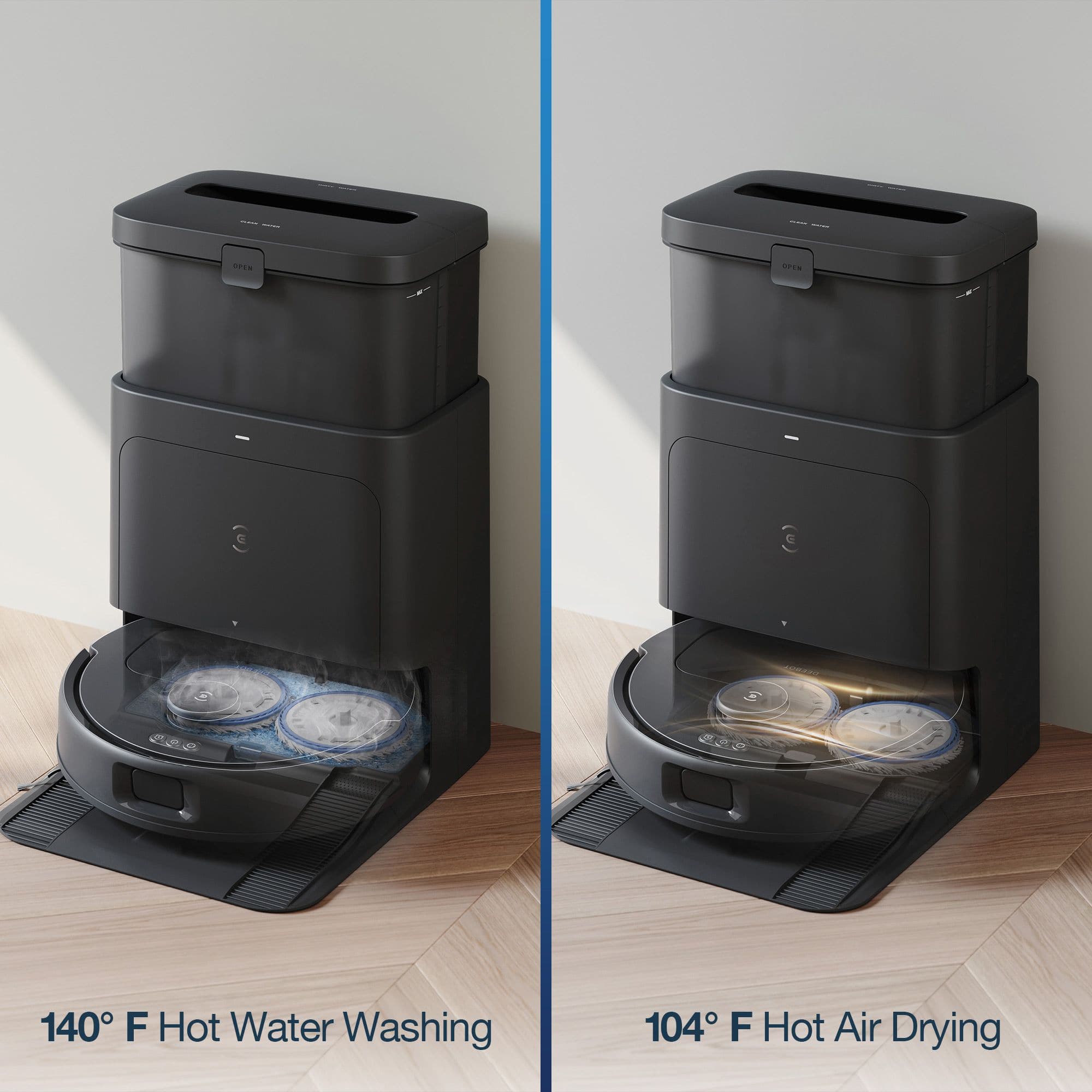
This is where both robots truly excel, though again with different approaches. The Saros 10's RockDock Ultra 2.0 represents the current pinnacle of robot vacuum automation. It doesn't just empty the dustbin and wash the mop – it uses heated water (up to 176°F) for mop cleaning, applies heated air drying at 140°F, automatically dispenses cleaning solution, and even cleans itself between uses.
The temperature difference here matters more than you might think. The N30 PRO OMNI's 140°F water washing, while effective, doesn't achieve the sanitization level of the Saros 10's near-boiling water system. For households concerned about bacteria, allergens, or pet-related contamination, this temperature difference represents a meaningful improvement in hygiene.
However, the N30 PRO OMNI offers its own automation advantages. Its dock station can hold 75 days worth of debris in a 2.6L dust bag, and the rapid mapping system can chart a 100-square-meter area in just 6 minutes. For users who prioritize quick setup and minimal maintenance over maximum sanitization, these features provide excellent value.
The N30 PRO OMNI technically offers longer runtime – up to 320 minutes in quiet mode compared to the Saros 10's 220 minutes. However, runtime numbers can be misleading because they don't account for cleaning efficiency.
Based on user reports and testing data, the Saros 10 covers approximately 1,333 square feet per charge during normal cleaning cycles. The N30 PRO OMNI can theoretically cover up to 550 square meters (about 5,920 square feet), but this assumes ideal conditions and lower suction settings.
In real-world use, the Saros 10's higher suction power means it often completes cleaning tasks more quickly, even if it uses more battery power per square foot. The N30 PRO OMNI may run longer, but it might need multiple passes in heavily soiled areas where the Saros 10 would finish in one pass.
The Saros 10 incorporates features that extend beyond traditional cleaning into home monitoring territory. Its Pet Snaps feature can capture photos of your pets during cleaning cycles, and the Video Call & Cruise function essentially turns your robot vacuum into a mobile security camera. While these might seem like gimmicks, they add genuine utility for pet owners who want to check on their animals during the day.
The robot's Matter 2.0 compatibility also positions it well for future smart home integration, supporting a broader range of platforms and devices than the N30 PRO OMNI's more limited Alexa and Google Assistant connectivity.
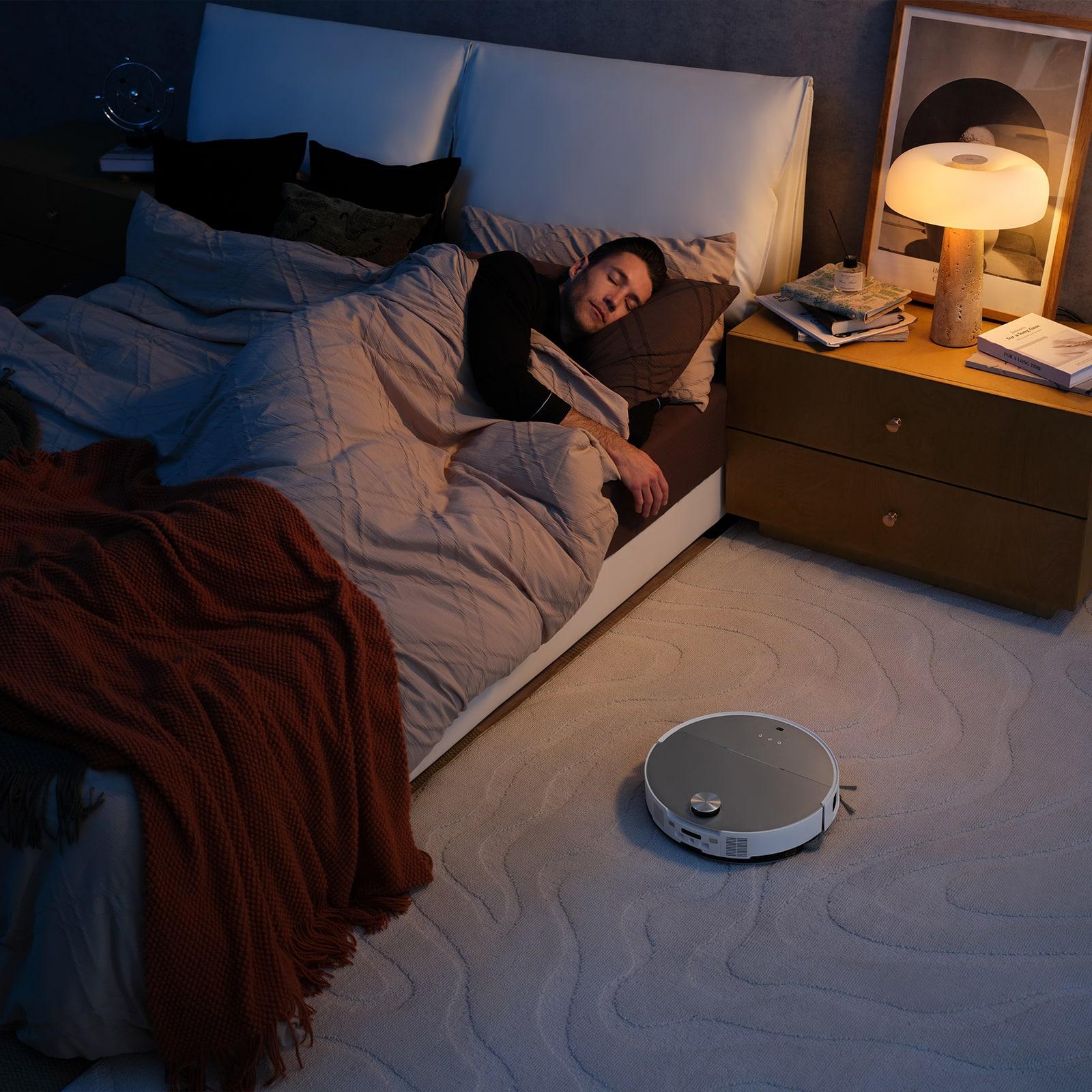
For home theater enthusiasts, the Saros 10's quieter operation (68 dB vs 67 dB – essentially identical) and advanced scheduling mean you can run cleaning cycles during off-hours without disrupting movie nights or gaming sessions.
At the time of writing, the price difference between these robots represents one of the starkest value conversations in the robot vacuum market. The Saros 10 costs approximately 3.5 times more than the N30 PRO OMNI, which raises the obvious question: is the performance difference proportional to the price difference?
The answer depends heavily on your specific needs and budget priorities. The Saros 10 delivers roughly 2.2 times the suction power, significantly better navigation, unique low-clearance access, and more comprehensive automation. However, the N30 PRO OMNI provides about 85% of the cleaning performance at less than 30% of the cost, making it an exceptional value proposition for most households.
For context, the premium you pay for the Saros 10 buys you technology that simply didn't exist a few years ago – the retractable LiDAR, ultra-thin profile, and AI-powered obstacle recognition represent genuine innovations that solve real cleaning problems. Whether those innovations justify the cost premium depends on how much you value cutting-edge technology and whether your home specifically benefits from these advanced features.
The Roborock Saros 10 makes the most sense for households that prioritize maximum performance and have the budget to support premium cleaning technology. Specifically, it's ideal for:
The ECOVACS DEEBOT N30 PRO OMNI represents the sweet spot for value-conscious buyers who still want comprehensive automation features. It's particularly well-suited for:
Both the Saros 10 and N30 PRO OMNI represent excellent approaches to robotic cleaning, but they serve distinctly different market segments. The Saros 10 is undeniably more advanced, with superior suction, innovative design, and comprehensive automation that justifies its premium positioning. However, the N30 PRO OMNI delivers remarkable cleaning performance and automation features at a price point that makes advanced robotic cleaning accessible to a much broader audience.
Your decision should ultimately come down to whether you need the absolute best cleaning performance and can utilize the unique advantages of the Saros 10's ultra-thin design, or whether the N30 PRO OMNI's combination of solid performance and exceptional value better matches your household needs and budget constraints.
Either choice will dramatically reduce your hands-on cleaning time while maintaining cleaner floors than traditional vacuuming alone. The question is whether you want to invest in the technological cutting edge or maximize the value you get from proven, effective automation technology.
| Roborock Saros 10 | ECOVACS DEEBOT N30 PRO OMNI |
|---|---|
| Suction Power - Most critical for carpet cleaning and pet hair removal | |
| 22,000 Pa (flagship-level performance) | 10,000 Pa (adequate for most homes) |
| Height/Profile - Determines furniture access and coverage area | |
| 3.14" ultra-thin (fits under most furniture) | 4.09" conventional height (standard clearance) |
| Navigation Technology - Affects cleaning efficiency and obstacle avoidance | |
| RetractSense retractable LiDAR + Reactive AI 3.0 | TrueMapping 2.0 LiDAR + front camera |
| Hair Tangle Prevention - Critical for pet owners and long hair households | |
| Certified Dual Anti-Tangle (0% tangling guarantee) | ZeroTangle 2.0 (99.8% efficiency) |
| Mopping System - Different approaches to wet cleaning | |
| VibraRise 4.0 vibrating pads (4,000 vibrations/min) | OZMO Turbo dual spinning pads (200 RPM) |
| Edge Cleaning - Important for thorough wall-to-wall coverage | |
| RGB camera edge detection (standard coverage) | TruEdge extending arm (98% edge coverage) |
| Mop Lifting Height - Protects carpets and handles thick rugs | |
| 18mm auto-lift (better carpet protection) | 9mm auto-lift (adequate for most transitions) |
| Battery Runtime - Affects single-session coverage area | |
| 220 minutes (efficient cleaning cycles) | 320 minutes (extended coverage capability) |
| Dock Station Temperature - Impacts sanitization and hygiene | |
| 176°F hot water washing + 140°F air drying | 140°F hot water washing + 104°F air drying |
| Obstacle Crossing - Handles thresholds and rug transitions | |
| AdaptiLift chassis (1.57" threshold climbing) | Standard design (0.79" threshold capability) |
| Smart Home Integration - Future-proofing and compatibility | |
| Matter 2.0 + Alexa/Siri/Google Home | Alexa + Google Assistant |
| Advanced Features - Beyond basic cleaning functionality | |
| Pet monitoring, video calls, AI obstacle recognition | Rapid mapping, customizable water flow |
| Value Positioning - Performance per dollar consideration | |
| Premium flagship (maximum performance) | Exceptional value (premium features at mid-range price) |
The Roborock Saros 10 delivers significantly stronger suction at 22,000 Pa compared to the ECOVACS DEEBOT N30 PRO OMNI's 10,000 Pa. This 2.2x difference means the Saros 10 provides superior carpet cleaning, better pet hair removal, and more effective debris pickup from deep pile carpets. For most hard floors and low-pile carpets, the N30 PRO OMNI offers adequate suction power.
Yes, but with a major difference. The Roborock Saros 10 stands just 3.14 inches tall, making it one of the thinnest robot vacuums available and allowing it to clean under most sofas, beds, and entertainment centers. The ECOVACS DEEBOT N30 PRO OMNI is 4.09 inches tall, which is standard height but limits access to low-clearance areas that the Saros 10 can easily reach.
Both robots excel at pet hair removal, but the Roborock Saros 10 has a slight edge. It features a Certified Dual Anti-Tangle System with a 0% hair tangling guarantee, while the ECOVACS DEEBOT N30 PRO OMNI uses ZeroTangle 2.0 technology with 99.8% efficiency. The Saros 10 also includes pet monitoring features like Pet Snaps and video calling capabilities that pet owners may find valuable.
Yes, both the Roborock Saros 10 and ECOVACS DEEBOT N30 PRO OMNI come with self-emptying dock stations. The Saros 10's RockDock Ultra 2.0 provides comprehensive automation including heated mop washing and drying, while the N30 PRO OMNI's OMNI Station offers 75 days of debris storage capacity in its 2.6L dust bag.
Both robots offer excellent mopping but use different approaches. The Roborock Saros 10 uses vibrating mop pads at 4,000 vibrations per minute for aggressive stain removal, while the ECOVACS DEEBOT N30 PRO OMNI employs dual spinning mop pads. However, the N30 PRO OMNI excels at edge cleaning with its extending TruEdge arm that reaches walls with 98% coverage.
The Roborock Saros 10 offers superior obstacle avoidance with its Reactive AI 3.0 system, combining multiple sensors including structured light, RGB cameras, and retractable LiDAR. The ECOVACS DEEBOT N30 PRO OMNI uses TrueDetect 3D obstacle avoidance, which is competent but receives more mixed reviews for navigation around smaller objects and complex furniture arrangements.
The ECOVACS DEEBOT N30 PRO OMNI offers longer runtime with up to 320 minutes on quiet settings, compared to the Roborock Saros 10's 220 minutes. However, the Saros 10 often completes cleaning tasks more efficiently due to its higher suction power, potentially requiring less time overall despite shorter battery life.
Yes, both robots handle multiple floor types well. The Roborock Saros 10 can cross obstacles up to 1.57 inches high with its AdaptiLift chassis and lifts its mop 18mm to protect carpets. The ECOVACS DEEBOT N30 PRO OMNI crosses thresholds up to 0.79 inches and lifts its mop 9mm, making both suitable for mixed flooring but the Saros 10 better for thicker transitions.
Both robots integrate with smart home systems, but the Roborock Saros 10 offers broader compatibility with Matter 2.0 support plus Alexa, Siri, and Google Home integration. The ECOVACS DEEBOT N30 PRO OMNI supports Alexa and Google Assistant. The Saros 10's Matter compatibility provides better future-proofing for evolving smart home standards.
Both robots operate at similar noise levels, with the Roborock Saros 10 at 68 dB and the ECOVACS DEEBOT N30 PRO OMNI at 67 dB. This makes both suitable for running during daily activities or scheduled cleaning when you're away from home, including in home theater environments where noise could be disruptive.
Both robots minimize maintenance through their automated dock stations. The Roborock Saros 10 uses higher temperature water (176°F) for more thorough mop sanitization, while the ECOVACS DEEBOT N30 PRO OMNI offers 75 days between dustbin emptying. Regular maintenance involves replacing filters, mop pads, and dust bags, but both robots alert you through their apps when service is needed.
The ECOVACS DEEBOT N30 PRO OMNI provides exceptional value, delivering premium automation features like self-emptying and hot water mop washing at a mid-range price point. The Roborock Saros 10 commands a premium price but justifies it with cutting-edge technology, superior suction power, and unique ultra-thin design. Your choice depends on whether you prioritize maximum performance or optimal value per dollar.
We've done our best to create useful and informative comparisons to help you decide what product to buy. Our research uses advanced automated methods to create this comparison and perfection is not possible - please contact us for corrections or questions. These are the sites we've researched in the creation of this article: bestbuy.com - androidauthority.com - rtings.com - vacuumwars.com - vacuumwars.com - youtube.com - forums.macrumors.com - youtube.com - youtube.com - rtings.com - youtube.com - us.roborock.com - target.com - galaxus.at - vacuumwars.com - youtube.com - vacuumwars.com - techtongbo.com - us.roborock.com - us.roborock.com - youtube.com - roboselector.com - support.roborock.com - youtube.com - bestbuy.com - youtube.com - the-gadgeteer.com - vacuumwars.com - smarthomecritic.com - youtube.com - nextpit.com - vacuumwars.com - youtube.com - versus.com - vacuumwars.com - youtube.com - thesmarthomehookup.com - ecovacs.com - croma.com - ecovacs.com - dakauf.eu - ecovacsmalaysia.my - gaincity.com - ecovacs.com - aihome.com.my - ecovacs.co.za - bestbuy.com - device.report - youtube.com - manuals.plus - desktopmetal.com - youtube.com - ecovacs.com - ecovacsindia.in - robotechcleaning.in

Privacy Policy
Terms and Conditions - Affiliate Policy
Home Security
© Copyright 2008-2026.
11816 Inwood Rd #1211, Dallas, TX 75244