


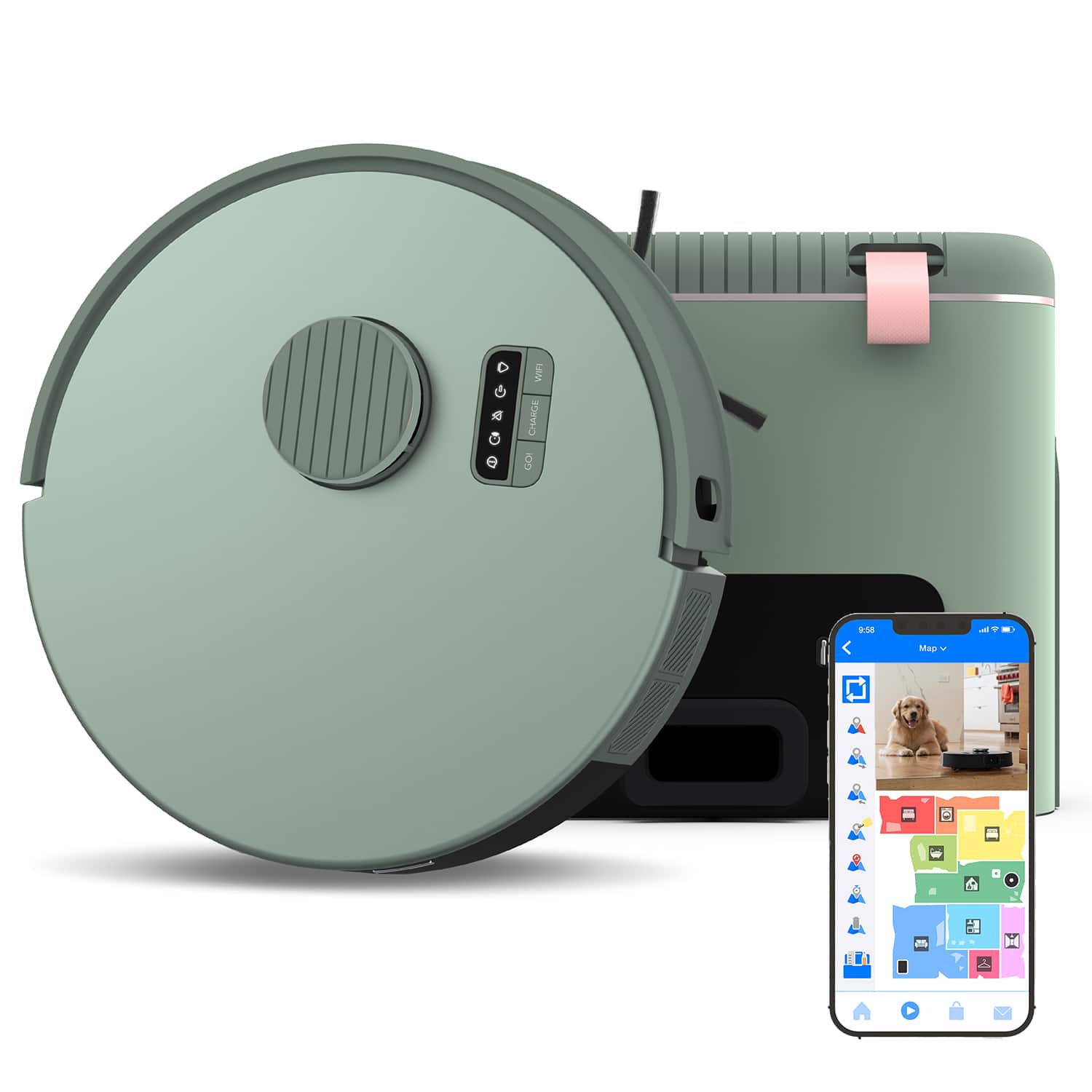
The robot vacuum market has exploded in recent years, with manufacturers racing to pack more features into these disc-shaped cleaning assistants. Today's premium models don't just vacuum—they mop, self-empty, and even wash their own cleaning pads. But with so many options and increasingly complex feature sets, choosing the right one for your home can feel overwhelming.
We're comparing two fascinating approaches to automated cleaning: the Roborock Qrevo Pro, which represents the cutting edge of cleaning automation, and the bObsweep Bio PET24-7-113, which takes a more environmentally conscious approach while still delivering solid performance. Both launched in 2024, but they couldn't be more different in their philosophies and execution.
Before diving into specifics, it's worth understanding what makes today's robot vacuums tick. The most important advancement has been in navigation systems. Gone are the days of robots bumping randomly around your living room. Modern units use LiDAR (Light Detection and Ranging)—the same technology found in self-driving cars—to create detailed maps of your home. Think of it like echolocation for robots, using spinning laser sensors to measure distances and build a precise floor plan.
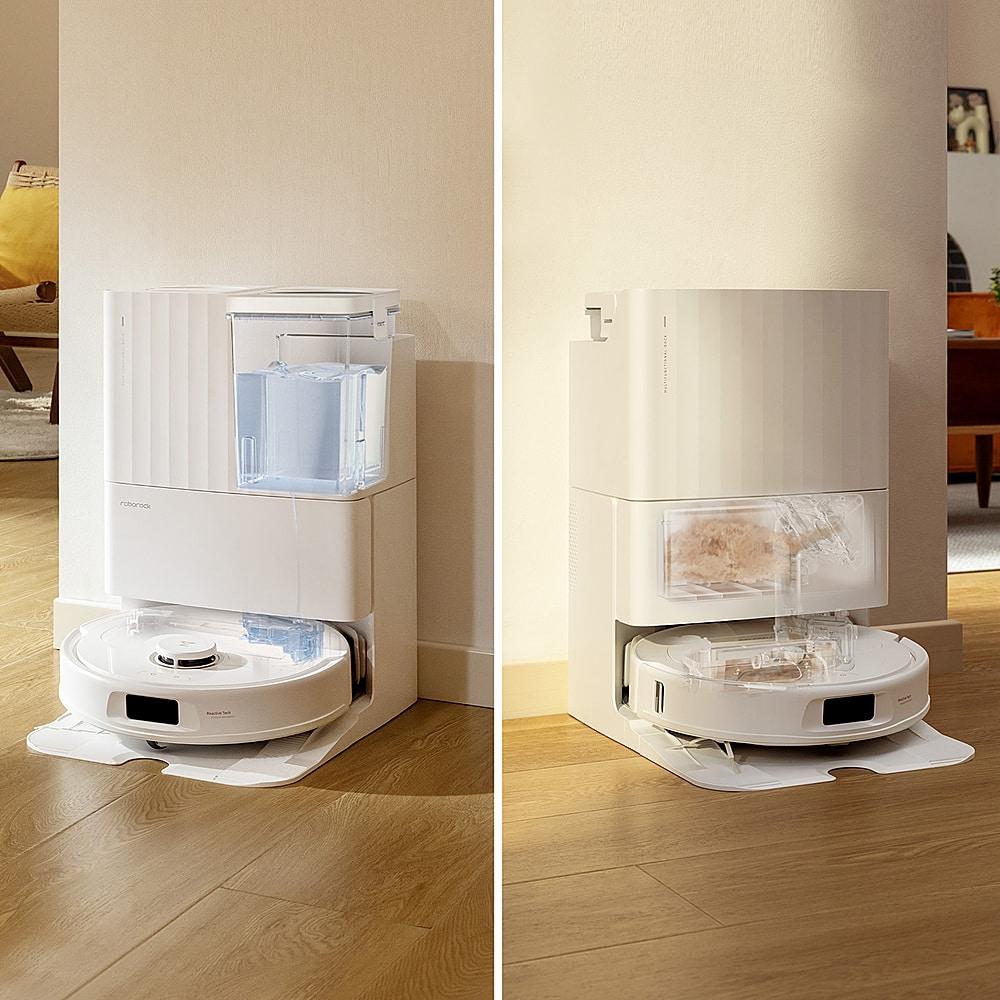
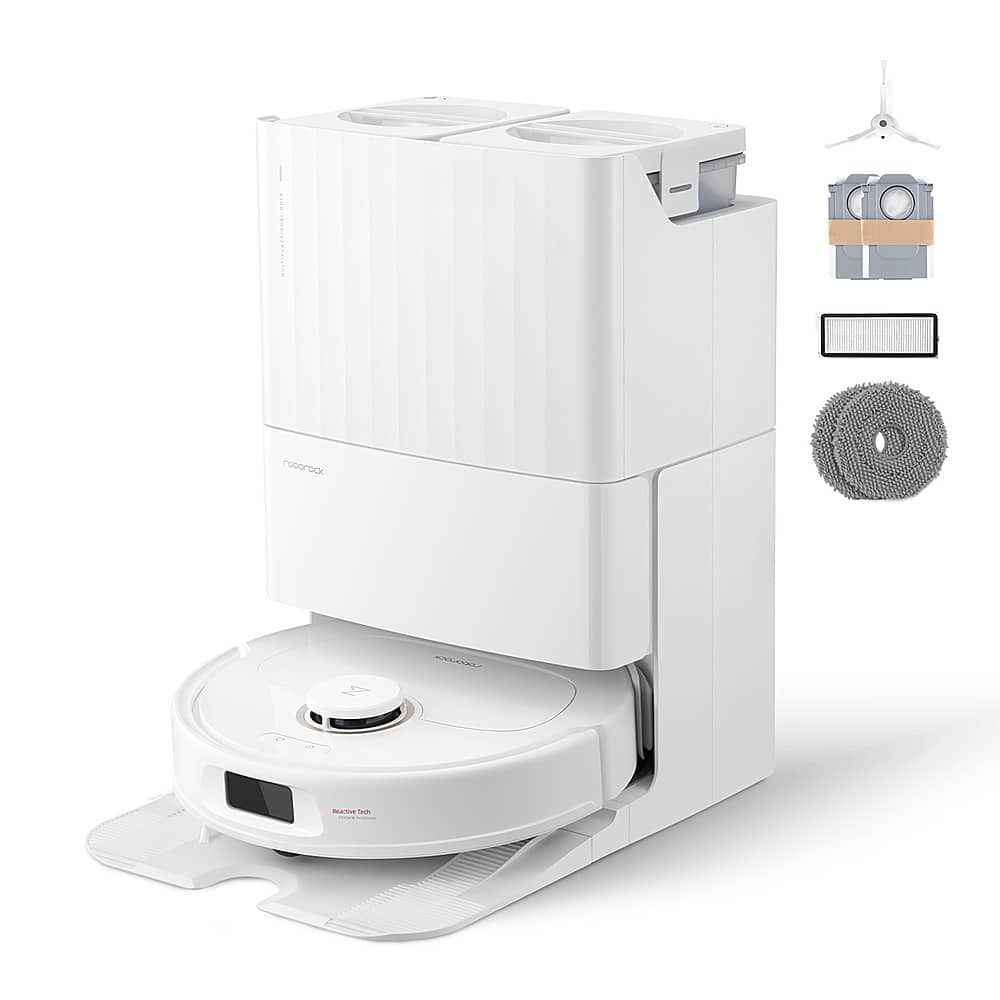
The other major leap has been in maintenance automation. Premium models now feature docking stations that handle multiple tasks: emptying the robot's dustbin, refilling its water tank, washing mopping pads, and even drying them with heated air. These "multifunctional docks" transform robot vacuums from daily chores into truly hands-off cleaning systems.
When evaluating any robot vacuum combo, the key performance areas to focus on are suction power (measured in Pascals or Pa), navigation intelligence, mopping effectiveness, and how much maintenance automation you get. The differences between budget and premium models in these areas can be dramatic.
The Roborock Qrevo Pro embodies the "throw every advanced feature at the problem" philosophy that has made Roborock a household name among cleaning enthusiasts. Released in 2024, it builds on years of refinement in Roborock's cleaning technology, with some genuinely innovative features that set it apart from the pack.
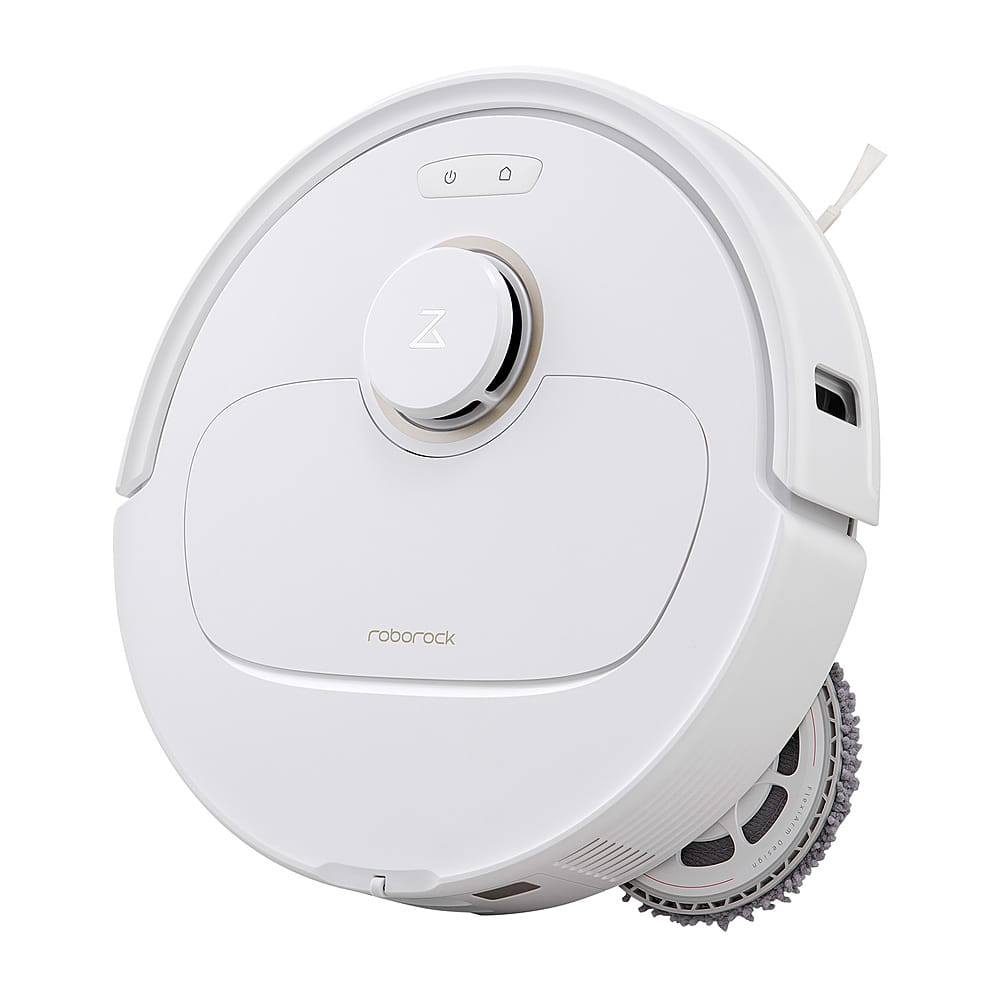
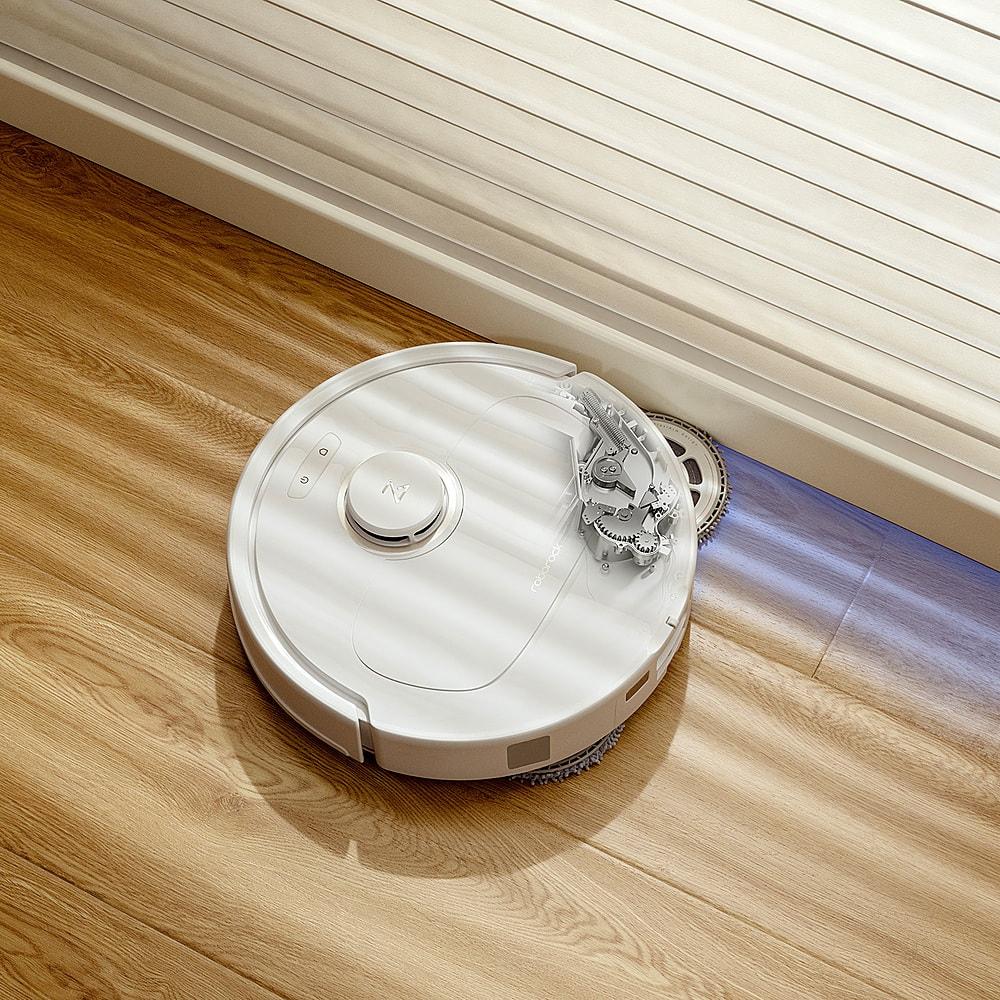
The standout feature of the Qrevo Pro is its FlexiArm Design Edge Mopping System. This isn't just marketing speak—it's a mechanical arm that extends one of the dual spinning mop pads outward to reach edges and corners that traditional circular robots simply can't access. Picture a robot vacuum doing yoga poses to clean your baseboards, and you're not far off.
This addresses one of the biggest complaints about robot vacuums: their inability to clean edges effectively. Traditional round robots leave a crescent-shaped area along walls that never gets properly cleaned. The Qrevo Pro's extending arm solves this problem mechanically rather than just hoping better algorithms will help.
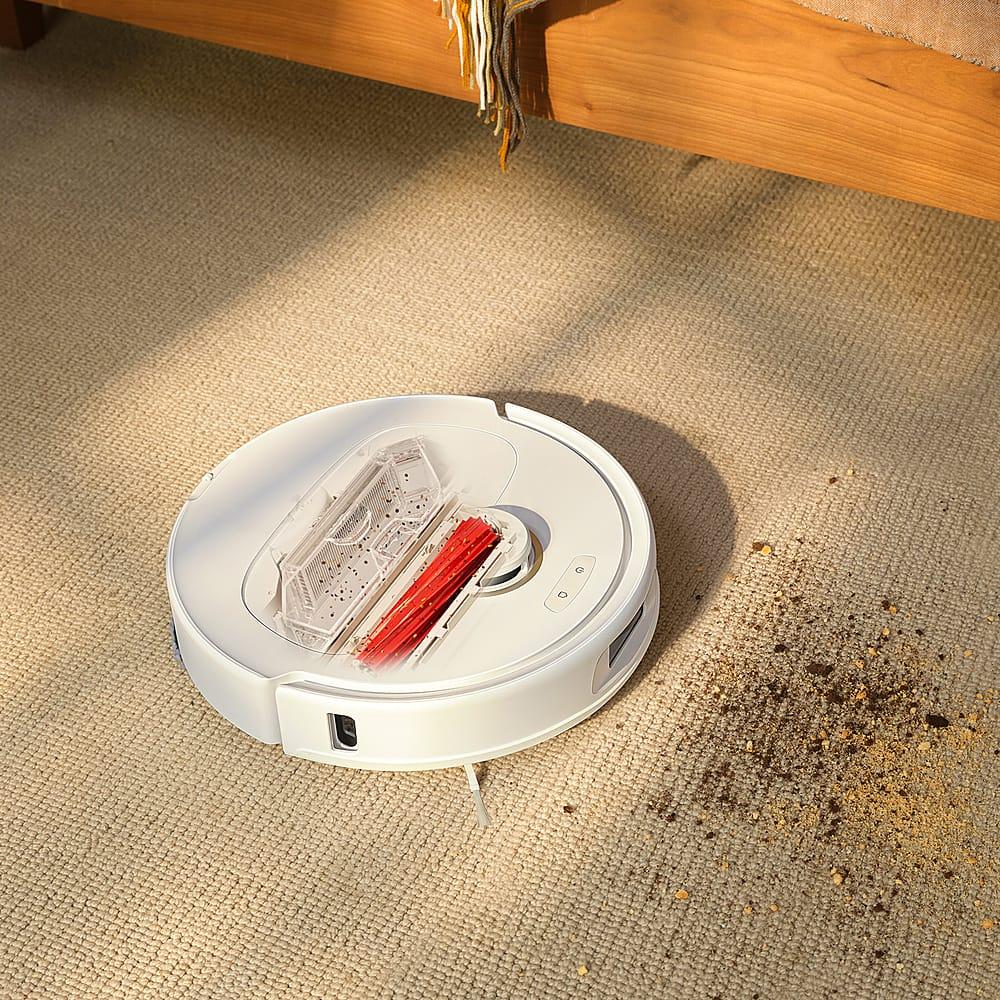
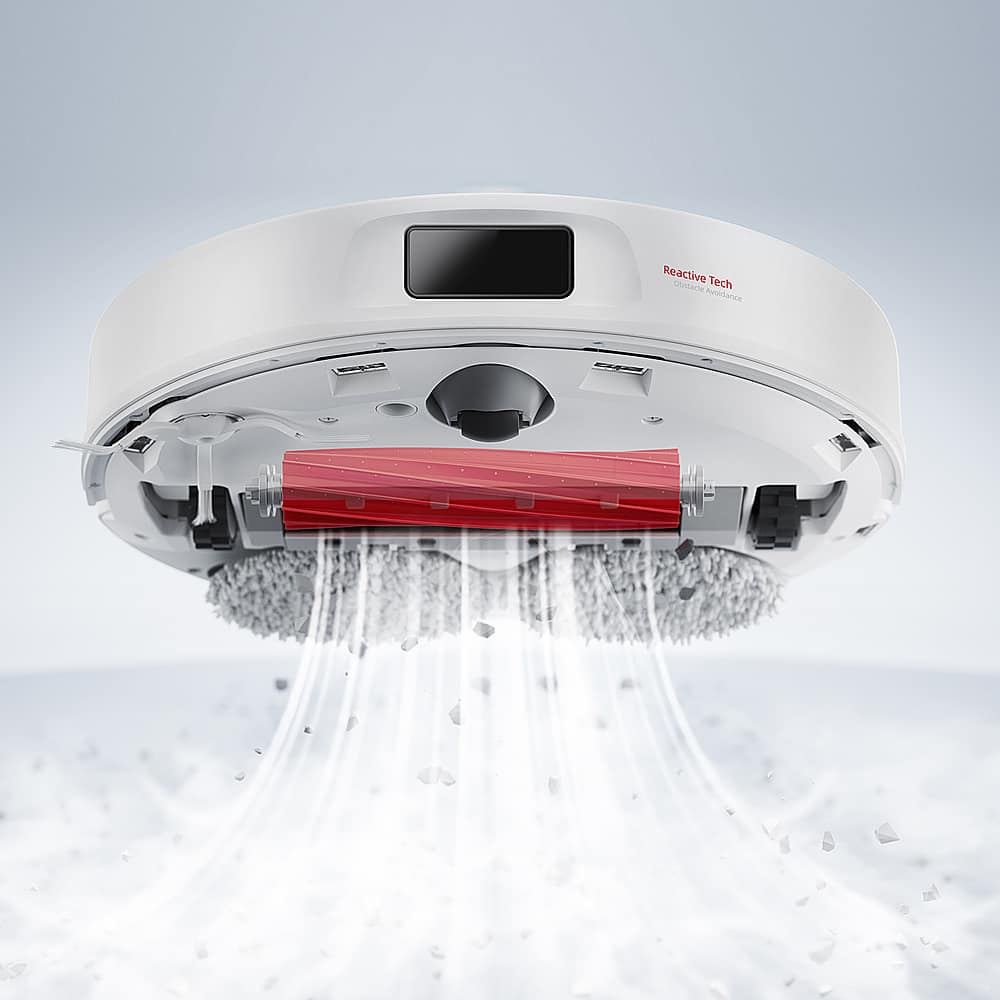
With 7,000 Pa of suction (called HyperForce by Roborock), the Qrevo Pro ranks among the most powerful robot vacuums available. To put this in perspective, most budget robot vacuums deliver around 1,500-2,000 Pa, while premium models typically range from 4,000-6,000 Pa. That extra suction power translates to better performance on carpets and more effective pickup of fine dust particles.
Our research into professional testing data shows the Qrevo Pro achieving impressive debris pickup rates: 99.5% on hardwood floors and 92.1% on low-pile carpet. These numbers put it in the top tier of cleaning performance, though interestingly, its edge cleaning scores were disappointing at just 56.5% effectiveness—despite the FlexiArm system.
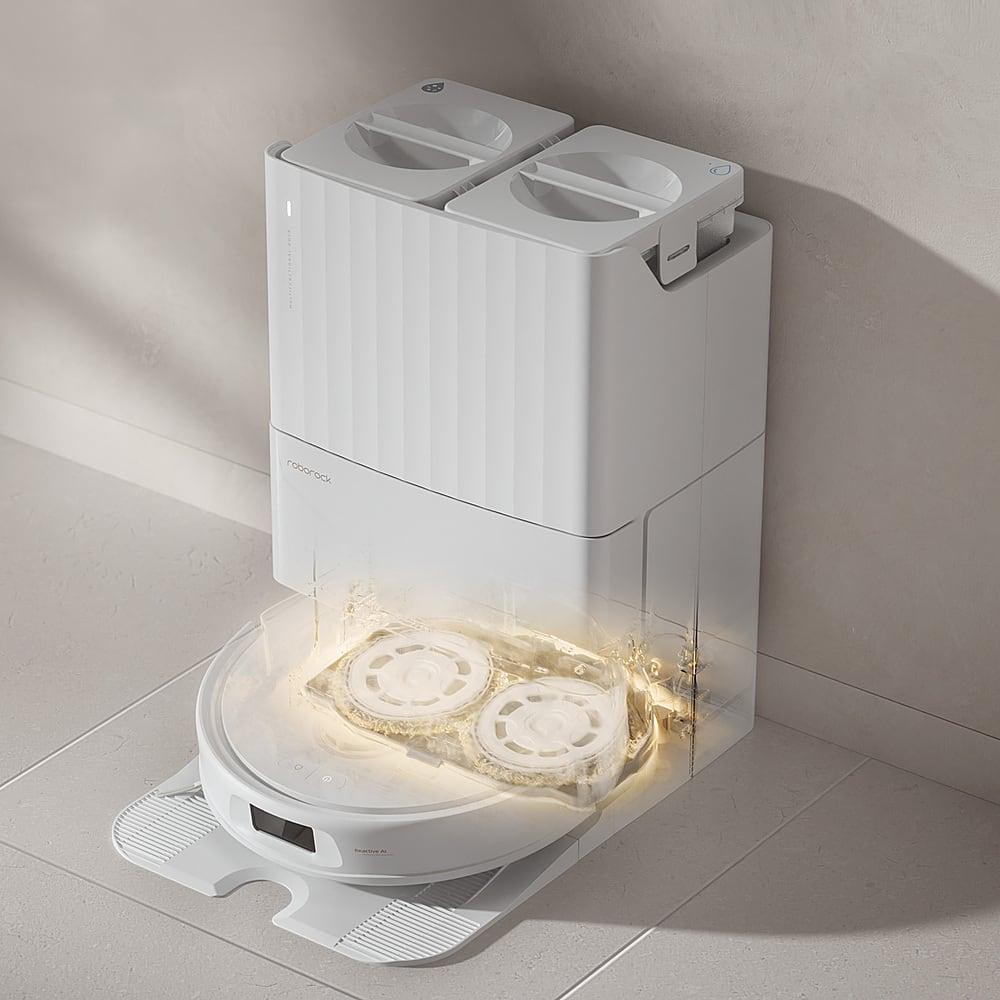
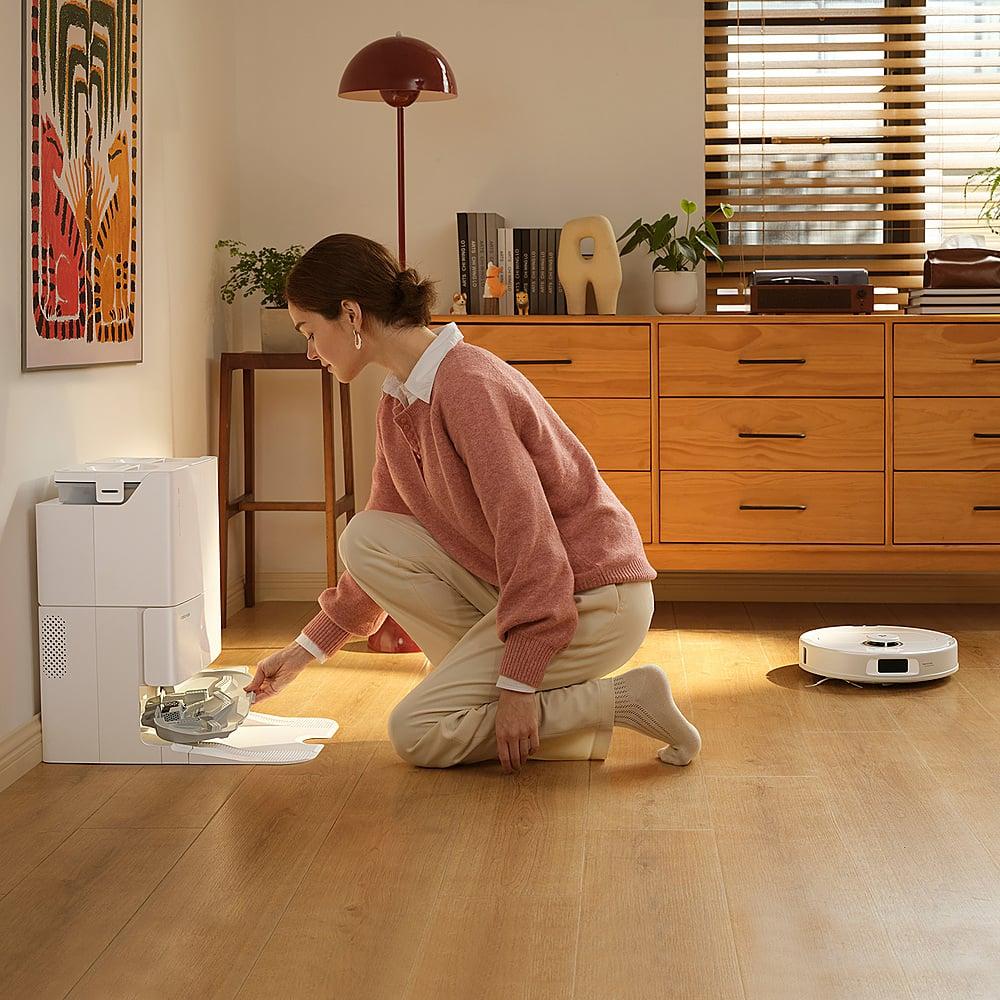
Perhaps the most impressive automation feature is the dock's hot water mop washing system. After each cleaning cycle, the Qrevo Pro returns to its base, where heated water (up to 128°F) washes the mop pads, followed by warm air drying. This isn't just convenience—it's genuinely hygienic, with testing showing 99.7% bacteria removal from the mop pads.
This level of automation means you can essentially forget about mop maintenance for weeks at a time. The dock handles everything: emptying dust, refilling water tanks, washing mops, and preparing for the next cleaning cycle. It's the closest thing to a truly hands-off cleaning experience currently available.
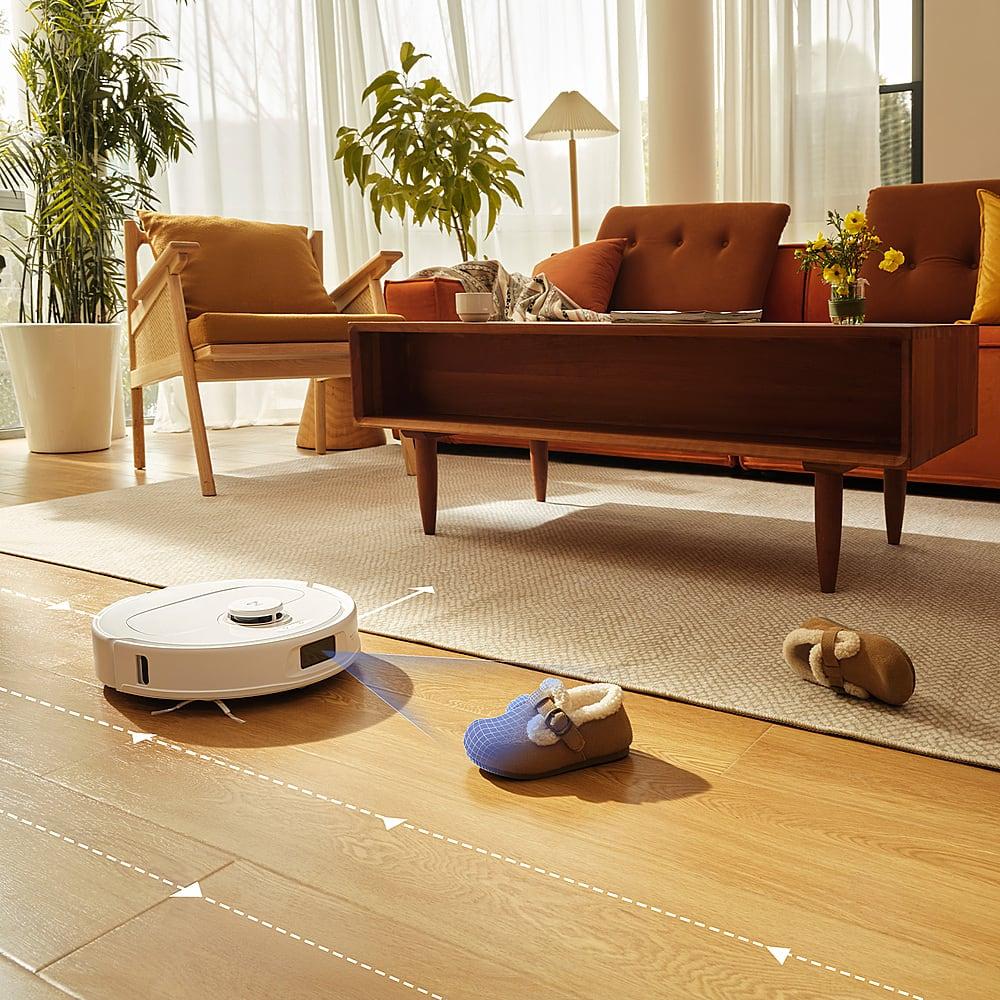
The Qrevo Pro uses LiDAR navigation combined with Reactive Tech obstacle avoidance. While the LiDAR creates accurate maps quickly, the obstacle avoidance—which uses structured light sensors to detect objects—proved inconsistent in testing, particularly with small items on carpeted surfaces.
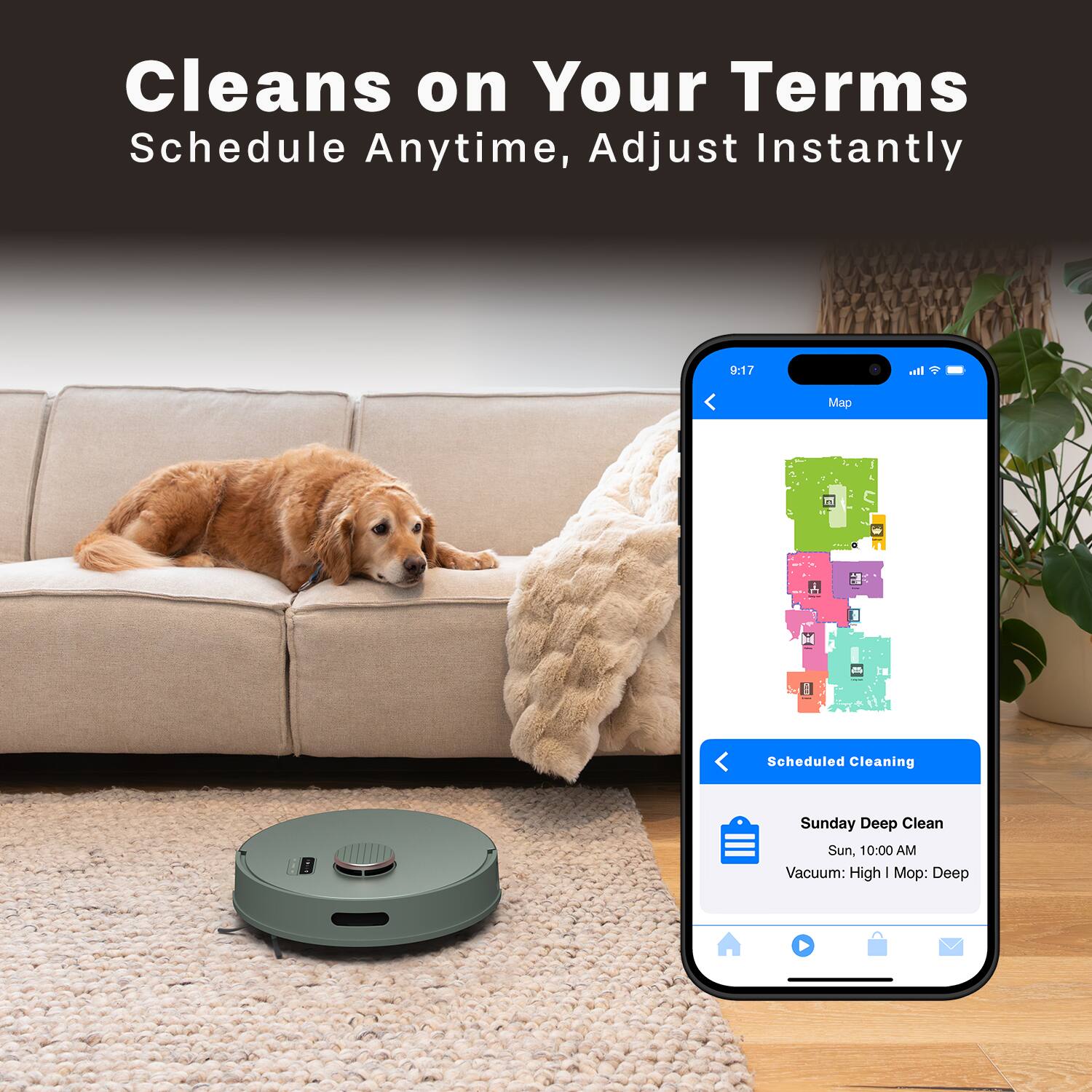
The Roborock app is comprehensive, supporting up to four floor maps, customizable cleaning zones, and SmartPlan AI that automatically adjusts cleaning intensity based on room type. You can set it to vacuum quietly in bedrooms while using maximum power in high-traffic areas like kitchens.
The bObsweep Bio takes a fundamentally different approach. Rather than cramming in every possible premium feature, it focuses on sustainable construction and solid basic performance at a more accessible price point.
What makes the Bio unique is its construction from bio-based plastics—materials derived from renewable plant sources rather than petroleum. This gives it the same durability as traditional ABS plastic while reducing its environmental footprint. For eco-conscious consumers, this represents a meaningful step toward more sustainable household technology.
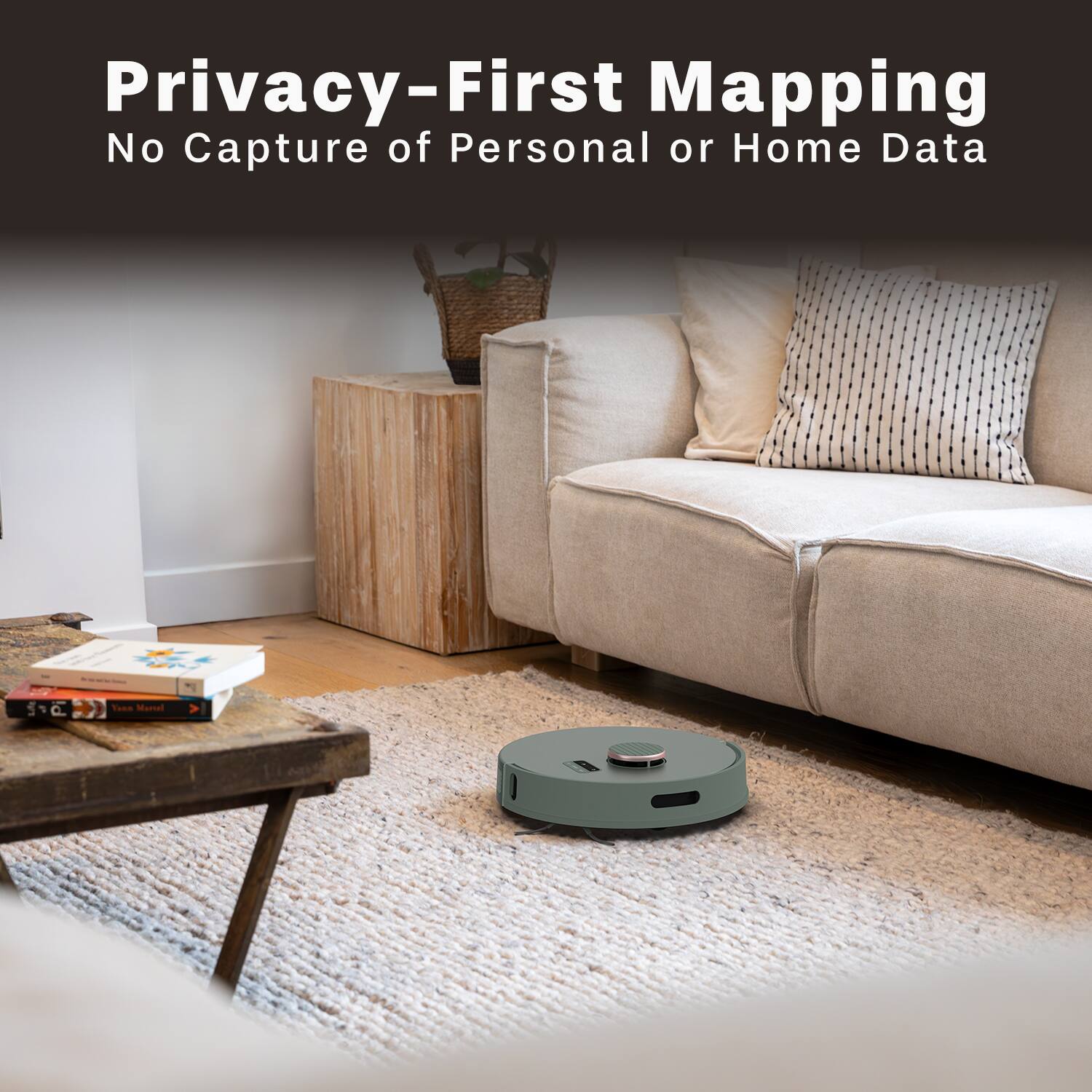
The company emphasizes privacy too, with the Bio designed to never record or store images of your home. In an era of increasing smart home privacy concerns, this approach resonates with users who want automation without surveillance.
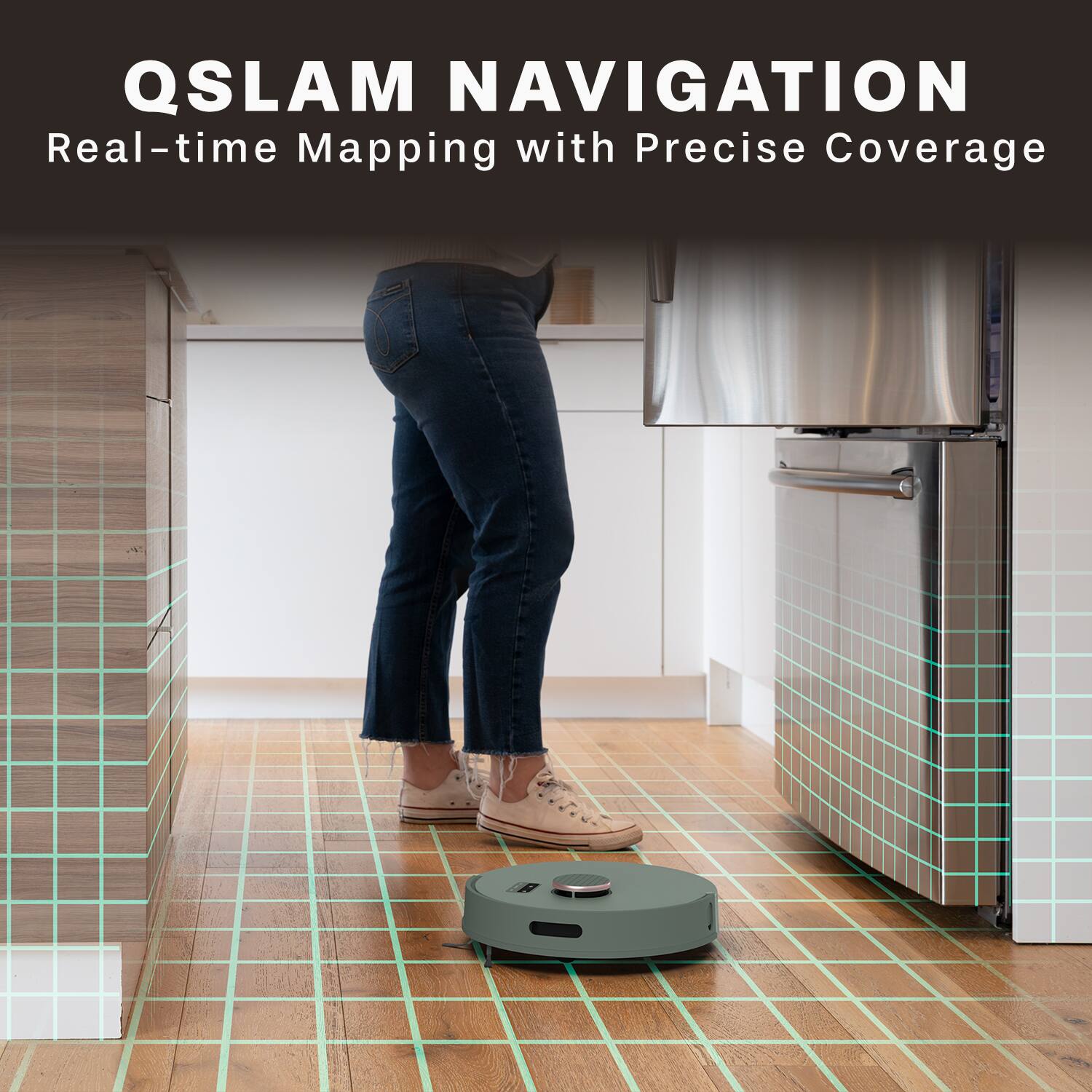
The Bio uses what bObsweep calls Quantum Simultaneous Localization and Mapping (QSLAM). While the marketing name sounds impressive, it's essentially advanced LiDAR mapping that creates floor plans without requiring training runs. The robot can map and begin methodical cleaning immediately, which is convenient for first-time setup.
With 4,500 Pa of suction, the Bio delivers respectable cleaning power—about 36% less than the Qrevo Pro, but still well above budget models. This should handle most household debris effectively, though it may struggle with deeply embedded carpet dirt or pet hair compared to higher-suction competitors.
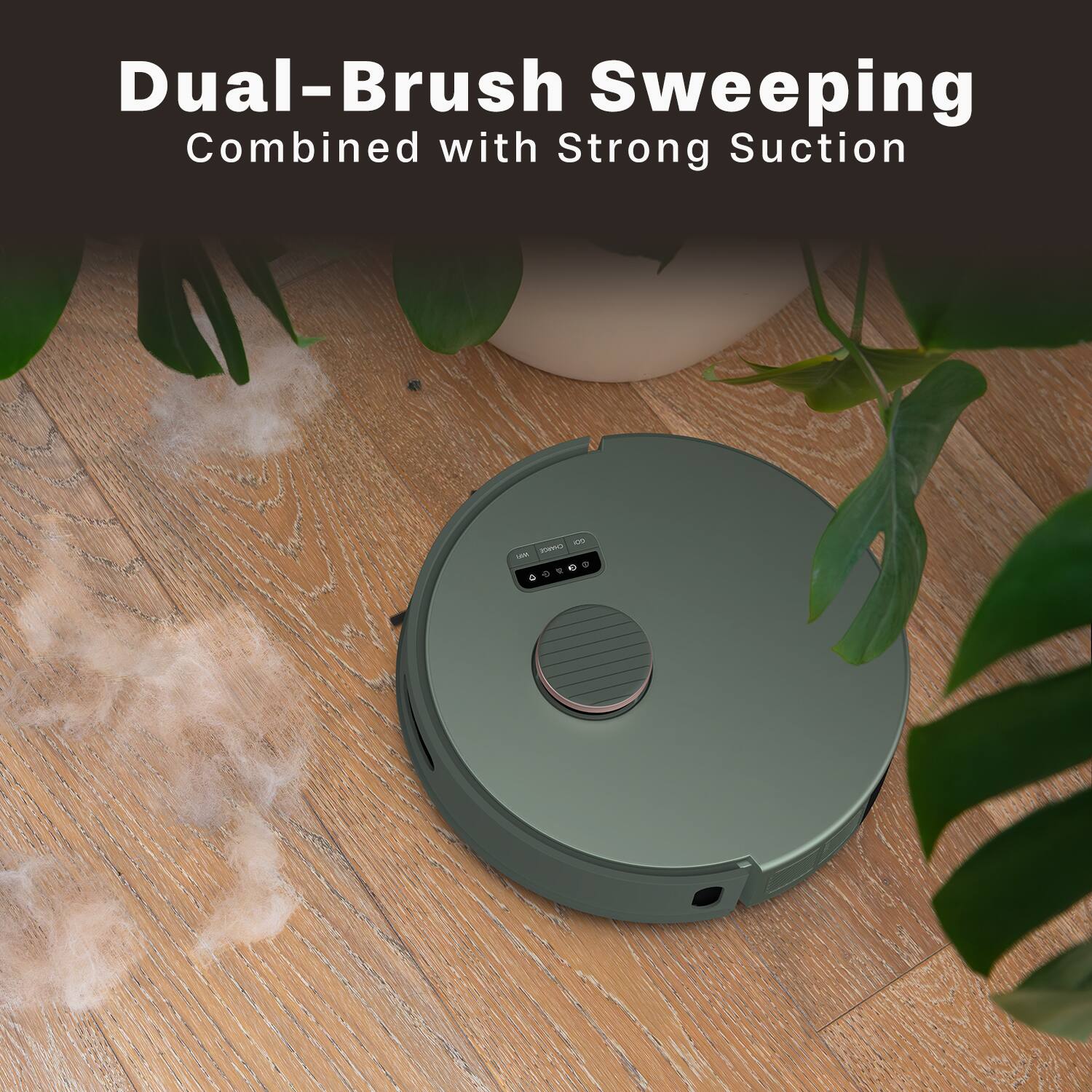
The Bio combines dual-brush sweeping with three vacuum settings and a wet mopping function. It's straightforward and functional, but lacks the advanced mop maintenance of premium competitors. You'll need to manually clean and replace the microfiber mop pads, which brings back some of the maintenance burden that premium models eliminate.
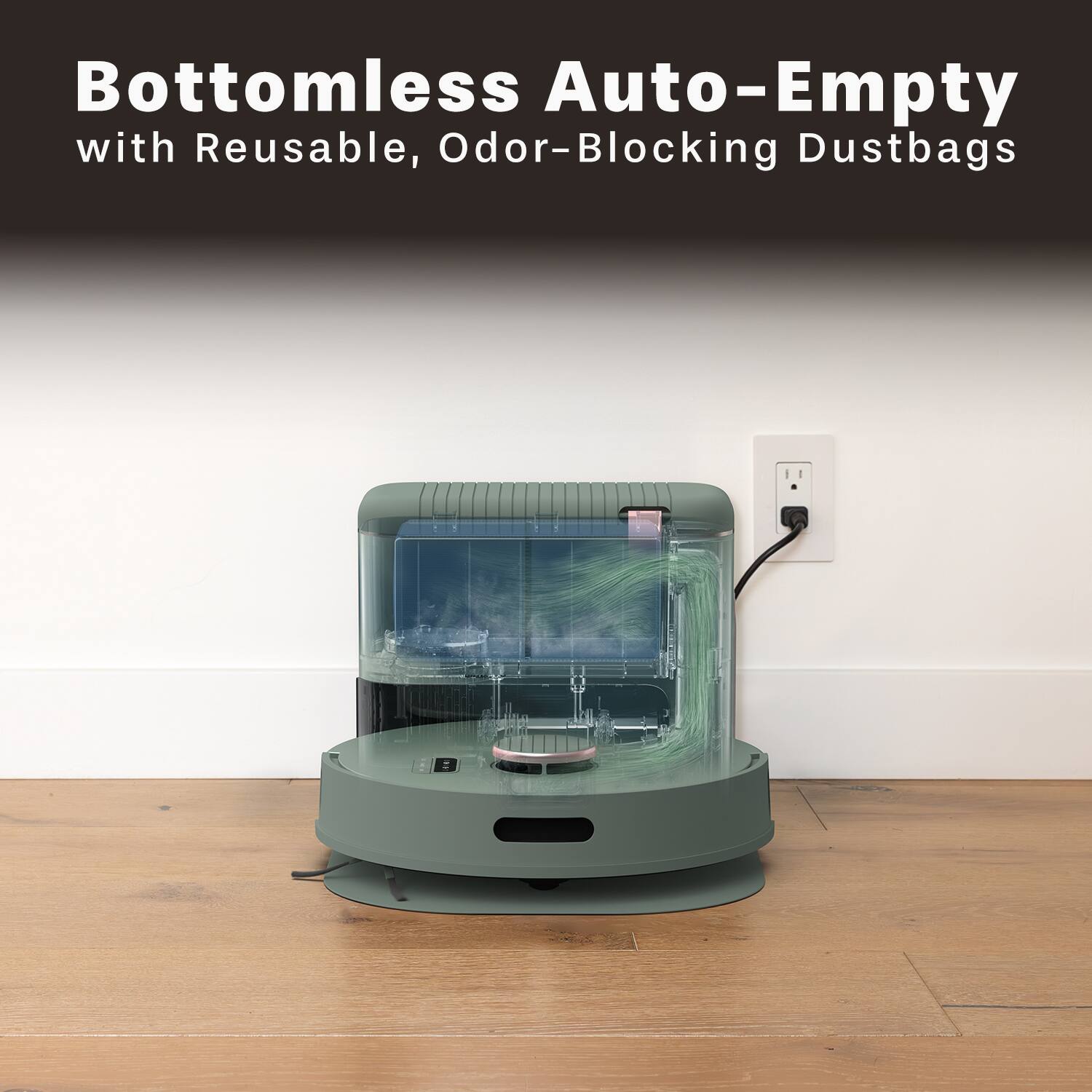
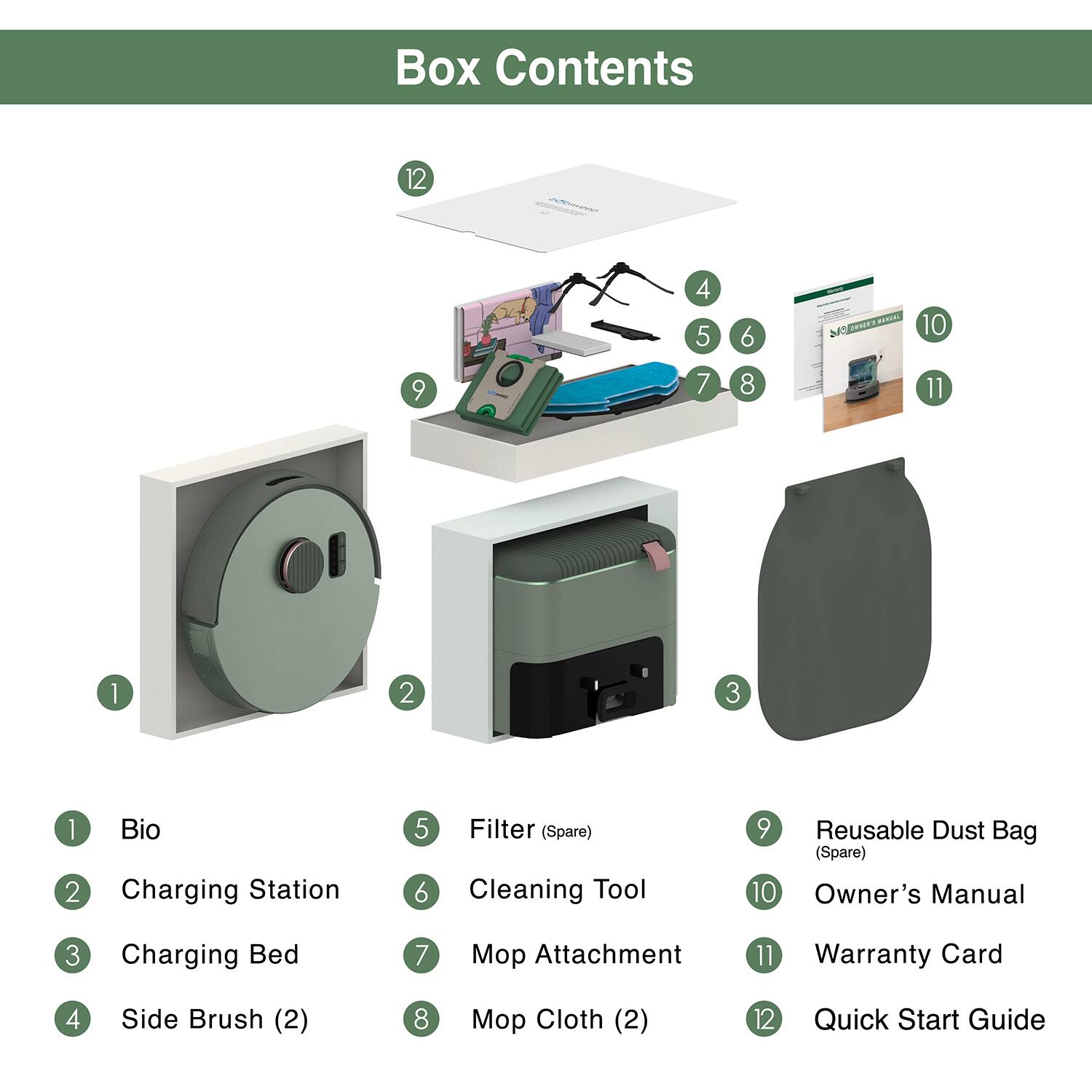
The 3.5-liter self-emptying station does include odor-blocking activated charcoal filtration, which is a nice touch for pet owners. However, it uses a reusable dustbag rather than disposable ones, requiring more frequent manual maintenance.
For homes with primarily hard floors—hardwood, tile, or laminate—both robots perform well, but the Qrevo Pro has clear advantages. Its FlexiArm mopping system and hot water maintenance deliver superior stain removal and edge cleaning. The 7,000 Pa suction also picks up fine dust more effectively than the Bio's 4,500 Pa system.
If you have a home theater setup with hardwood or tile floors, the Qrevo Pro's superior edge cleaning becomes particularly valuable. Theater rooms often have equipment against walls and in corners where dust and debris accumulate, and traditional robot vacuums struggle to reach these areas effectively.
Neither robot excels on carpets compared to dedicated carpet-focused models, but there are meaningful differences. The Qrevo Pro's 7,000 Pa suction and carpet boost modes deliver better deep cleaning, scoring 92.1% on low-pile carpet in professional tests. However, both robots struggle with fine allergens and pet hair along carpet edges.
For homes with primarily carpeted areas, especially thick or high-pile carpets, you might want to consider dedicated carpet-focused models or stick with a traditional upright vacuum for deep cleaning supplemented by robot maintenance.
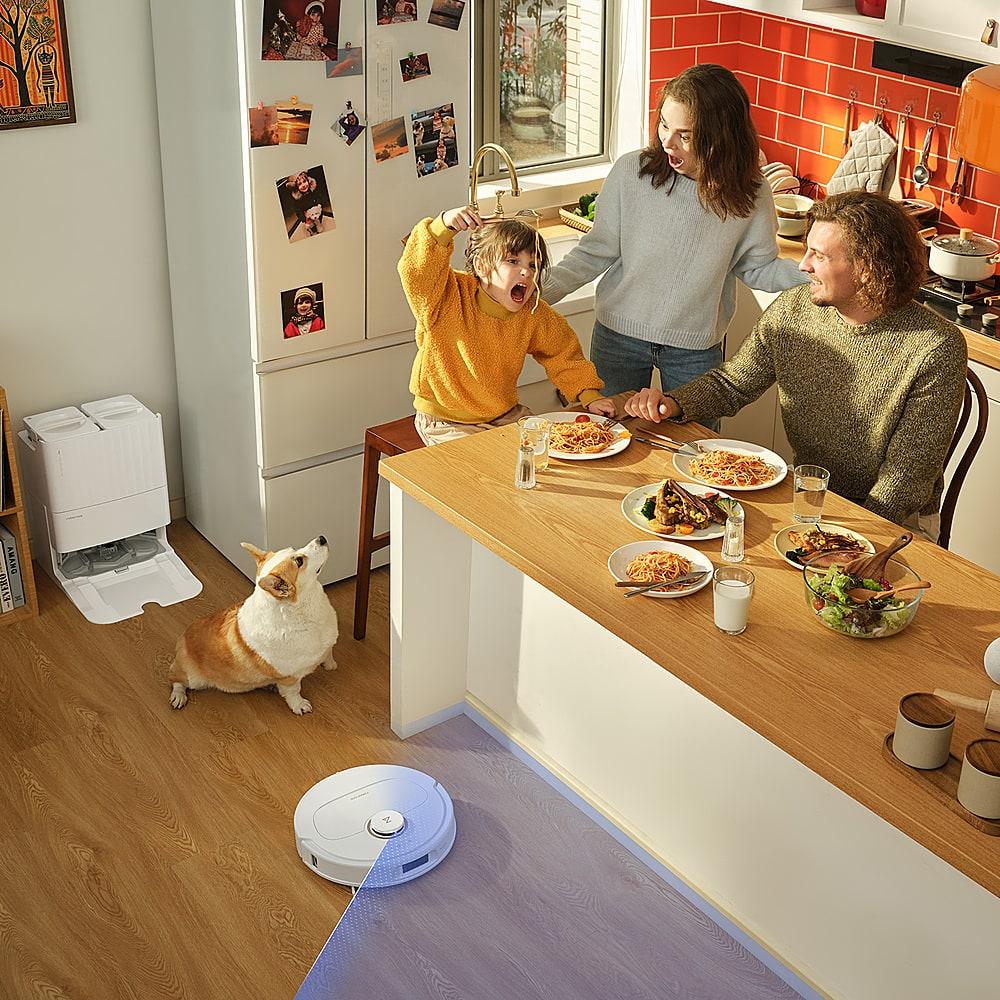
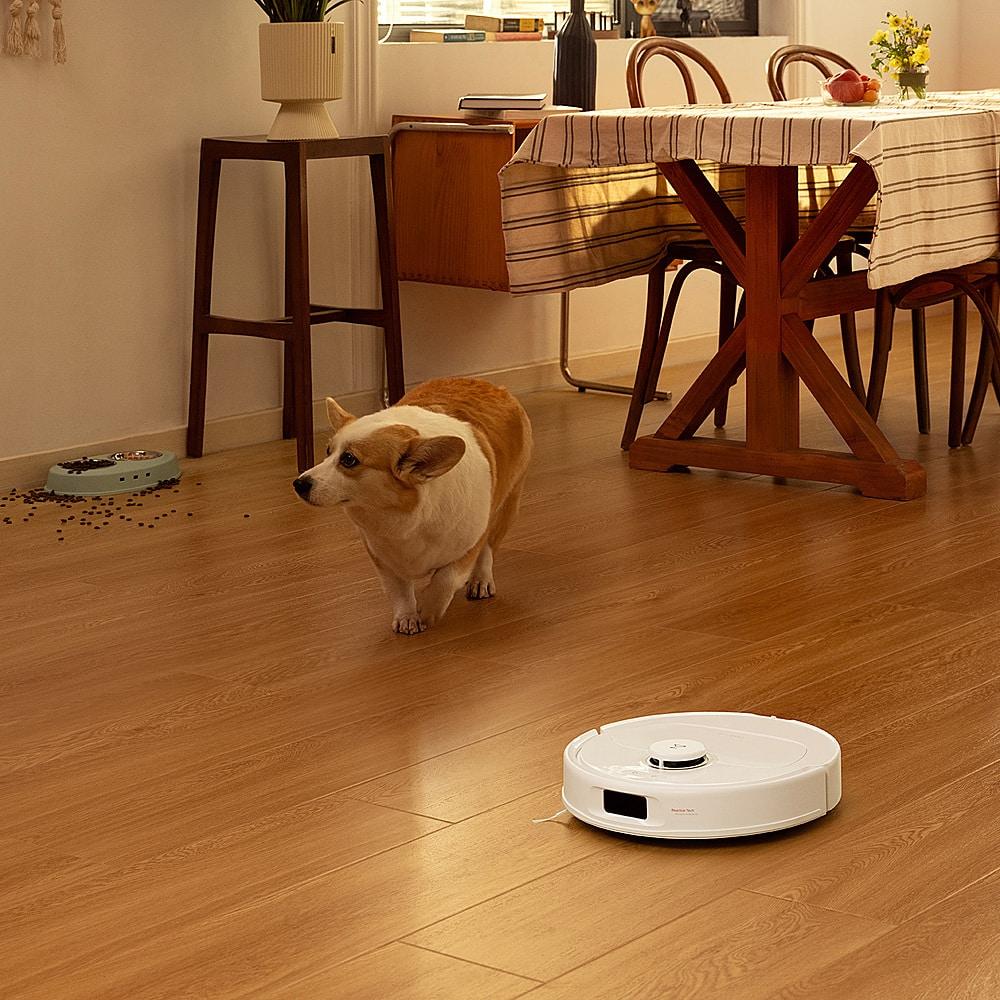
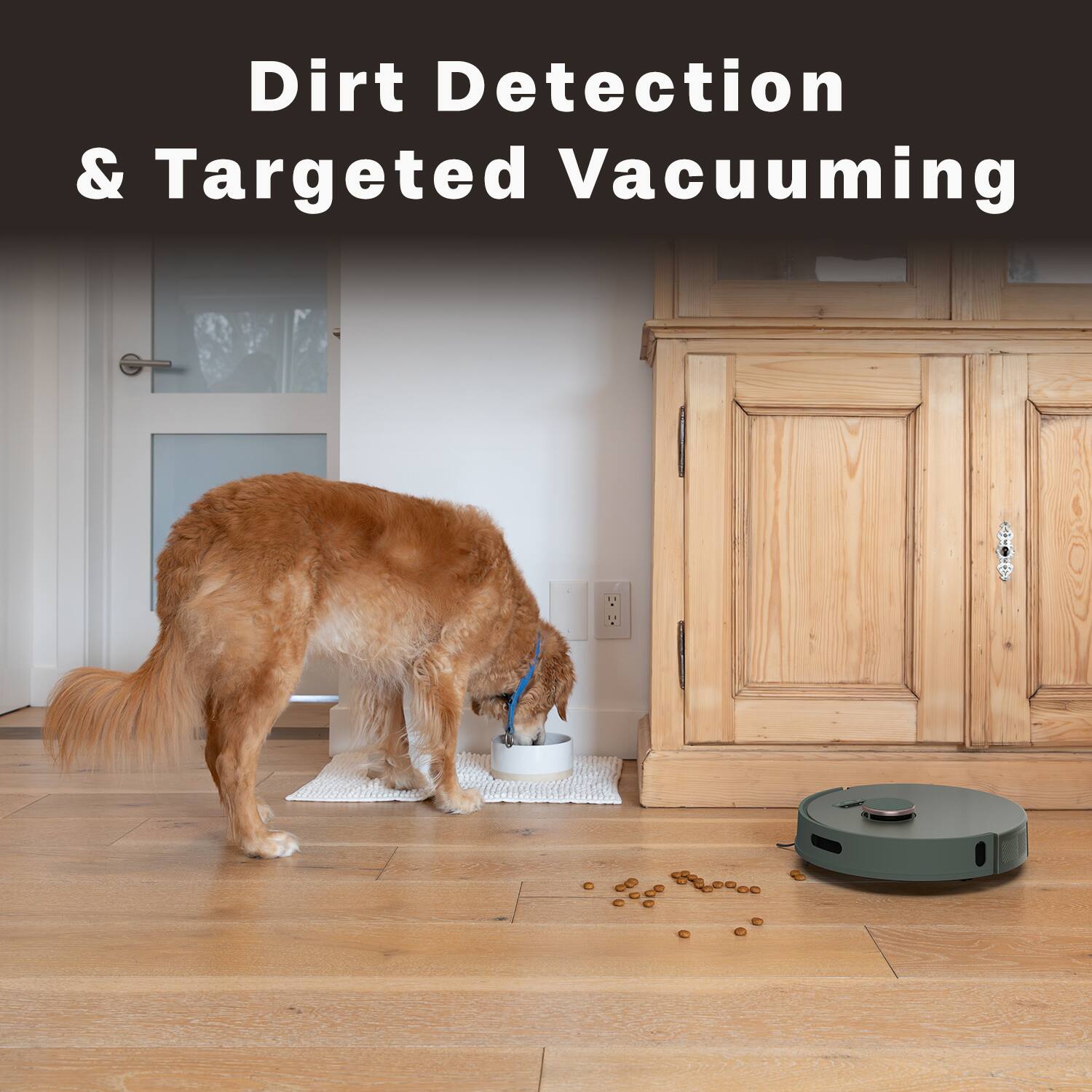
Pet owners face unique challenges, and the performance gap widens here. The Qrevo Pro achieved 92% pet hair pickup on hard floors in testing, while its hot water mop washing eliminates bacteria and odors that pets can leave behind. The Bio's basic mopping system requires manual cleaning, which means pet-related mess and odors may linger on the mop pads.
However, neither robot effectively contains fine allergens like pet dander. If allergies are a major concern, look for models with HEPA filtration and sealed systems.
The Qrevo Pro runs louder than average at 96 dB during cleaning, compared to the typical 70 dB for robot vacuums. This could be disruptive in open floor plans or during daytime cleaning near home offices. The Bio's noise levels weren't disclosed in our research, but typically, lower-suction models run quieter.
For home theater environments, noise becomes particularly important. Running either robot during movie nights isn't realistic, but the Qrevo Pro's louder operation might be more noticeable during daytime cleaning cycles.
The automation gap between these models becomes most apparent in daily use. The Qrevo Pro can run for weeks with minimal intervention—its dock handles dust emptying, water management, and mop maintenance automatically. You'll mainly need to replace disposable dust bags and occasionally clean sensors.
The Bio requires more hands-on maintenance. While it self-empties into a reusable bag, you'll need to empty and clean that bag regularly, plus manually maintain the mopping pads. This isn't necessarily bad—some users prefer the control and reduced ongoing costs of reusable components.
At the time of writing, the Qrevo Pro commands a significant premium over the Bio, reflecting its advanced automation features. Whether that premium is worthwhile depends on how much you value convenience versus hands-on control.
After researching professional reviews, user feedback, and technical specifications, clear recommendations emerge for different situations.
Choose the Roborock Qrevo Pro if:
The Qrevo Pro represents the current pinnacle of robot vacuum technology. Its FlexiArm mopping, hot water maintenance, and powerful suction deliver genuinely superior cleaning results, particularly on hard floors. The high price reflects genuine technological advancement, not just marketing.
Choose the bObsweep Bio if:
The Bio offers a compelling middle ground—better than budget robots but without the premium price tag. Its eco-friendly construction and privacy focus appeal to users who want automation without excess.
Both robots reflect different philosophies in the rapidly evolving robot vacuum market. The Qrevo Pro pushes technological boundaries with innovative features like extending mop arms and hot water maintenance, justifying its premium positioning through genuine performance advantages.
The Bio focuses on sustainability and solid basics, appealing to environmentally conscious users who want good performance without premium pricing or complex automation.
For most users prioritizing cleaning performance and convenience, the Qrevo Pro delivers measurably better results, particularly on hard floors. However, the Bio serves users who value sustainability, privacy, and hands-on control over maximum automation.
The robot vacuum market continues evolving rapidly, with manufacturers adding new features regularly. Both of these 2024 models represent current thinking in their respective market segments, but expect continued innovation in navigation, cleaning efficiency, and automation features in coming years.
Consider your specific needs: floor types, pet situation, tolerance for maintenance tasks, and budget constraints. Both robots will clean your floors effectively, but they'll do so in very different ways that align with different user priorities and lifestyles.
| Roborock Qrevo Pro Robot Vacuum and Mop | bObsweep Bio PET24-7-113 Robot Vacuum Mop |
|---|---|
| Suction Power - Higher Pa means better carpet cleaning and debris pickup | |
| 7,000 Pa HyperForce (top-tier performance) | 4,500 Pa (solid mid-range power) |
| Navigation Technology - Determines cleaning efficiency and obstacle avoidance | |
| LiDAR + Reactive Tech structured light (maps accurately but inconsistent obstacle avoidance) | Quantum SLAM with LiDAR (real-time mapping without training runs) |
| Mopping Innovation - Key differentiator for hard floor cleaning | |
| FlexiArm Design with extending mop pad for edges/corners | Standard dual-brush sweeping with wet mop function |
| Mop Maintenance Automation - Reduces daily maintenance burden | |
| Hot water washing (128°F) + warm air drying removes 99.7% bacteria | Manual microfiber pad cleaning and replacement required |
| Self-Emptying System - Affects how often you handle dust and debris | |
| 2.5L disposable dust bags with automatic emptying | 3.5L reusable dustbag with odor-blocking charcoal (requires manual emptying) |
| Water Tank Management - Important for consistent mopping performance | |
| Automatic refill/empty with 4.25L clean and dirty water tanks | Manual water tank management |
| Battery Life - Determines cleaning area coverage per cycle | |
| Up to 180 minutes with 5,200 mAh battery | Runtime not specified (includes auto-charging return) |
| Construction Material - Affects durability and environmental impact | |
| Traditional ABS plastic with premium build quality | Bio-based plastic from renewable plant materials |
| App Features - Controls customization and smart home integration | |
| Multi-floor mapping (4 floors), SmartPlan AI, voice control (Alexa/Google/Siri) | Map management, zone definition, privacy-focused (no image recording) |
| Edge Cleaning Performance - Critical for thorough floor coverage | |
| 56.5% effectiveness despite FlexiArm technology | No professional test data available |
| Hard Floor Cleaning - Most important metric for homes with hardwood/tile | |
| 99.5% debris pickup (professional tested) | No professional test data available |
| Noise Level - Important for daytime cleaning and open floor plans | |
| 96 dB during operation (louder than average) | Noise specifications not disclosed |
| Price Positioning - Affects overall value proposition | |
| Premium pricing for advanced automation features | Mid-range pricing with eco-friendly focus |
The Roborock Qrevo Pro delivers significantly stronger suction at 7,000 Pa compared to the bObsweep Bio's 4,500 Pa. This 56% difference means the Qrevo Pro will perform better on carpets and pick up fine dust more effectively, though both provide adequate cleaning power for most homes.
The Roborock Qrevo Pro requires minimal maintenance thanks to its automated dock that empties dust, refills water, washes mop pads with hot water, and air dries them. The bObsweep Bio needs more hands-on care, requiring manual mop pad cleaning and emptying of its reusable dustbag, though it does self-empty during cleaning cycles.
The Roborock Qrevo Pro features a unique FlexiArm Design that extends a mop pad outward to reach edges and corners that traditional round robots miss. Despite this innovation, professional testing showed only 56.5% edge cleaning effectiveness. The bObsweep Bio uses standard circular cleaning without special edge features.
The Roborock Qrevo Pro is better suited for pet owners, achieving 92% pet hair pickup on hard floors and using hot water mop washing to eliminate pet-related bacteria and odors. The bObsweep Bio can handle pet hair but requires manual mop cleaning, which may allow odors to linger.
The bObsweep Bio takes the lead in sustainability with its bio-based plastic construction made from renewable plant materials, plus reusable dustbags that reduce waste. The Roborock Qrevo Pro uses traditional plastics and disposable dust bags, making it less eco-friendly despite its advanced features.
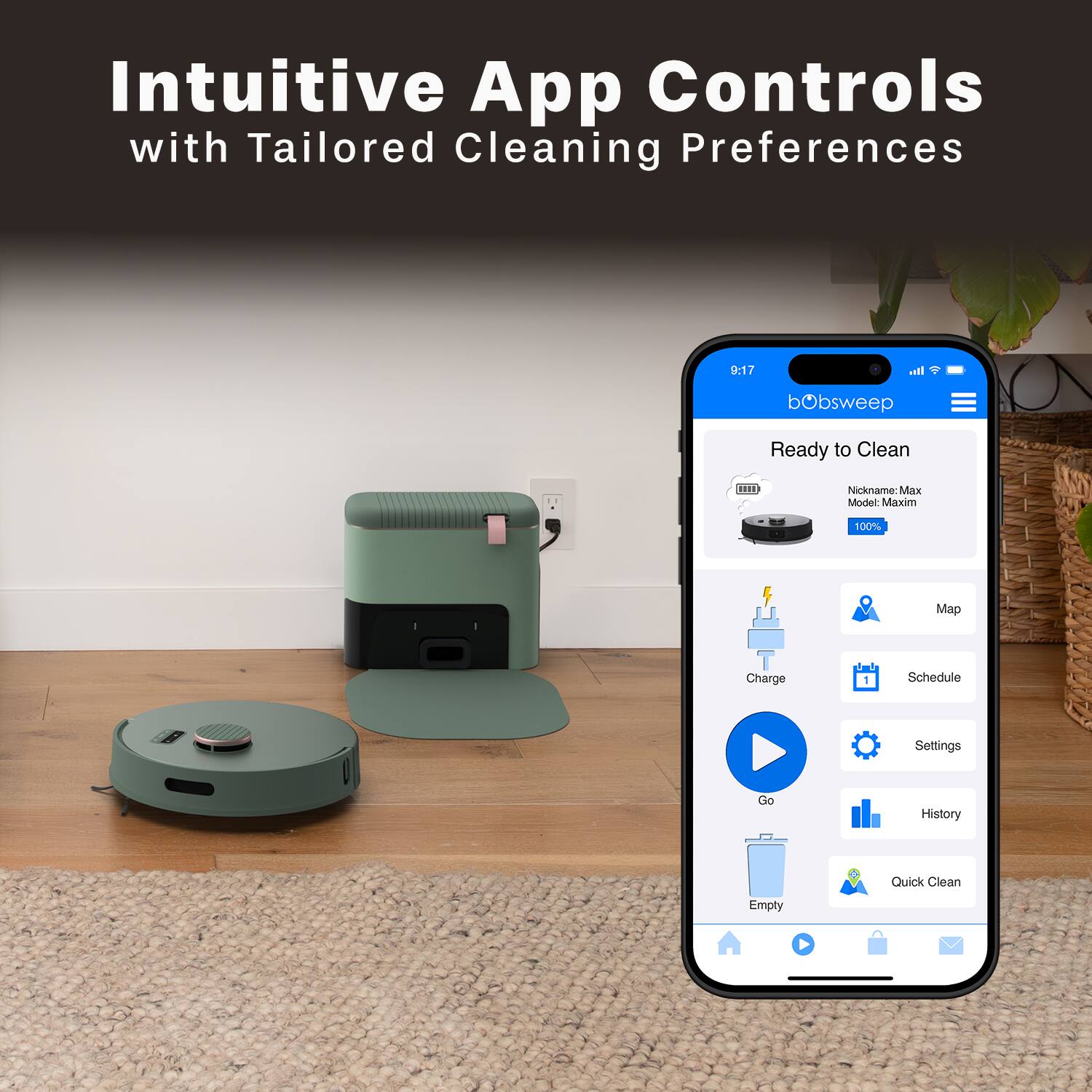
Both robots offer comprehensive app control, but the Roborock Qrevo Pro provides more advanced features including multi-floor mapping for up to 4 floors, SmartPlan AI for room-specific cleaning, and voice control through Alexa, Google, and Siri. The bObsweep Bio focuses on privacy with no image recording and includes basic mapping and zone control features.
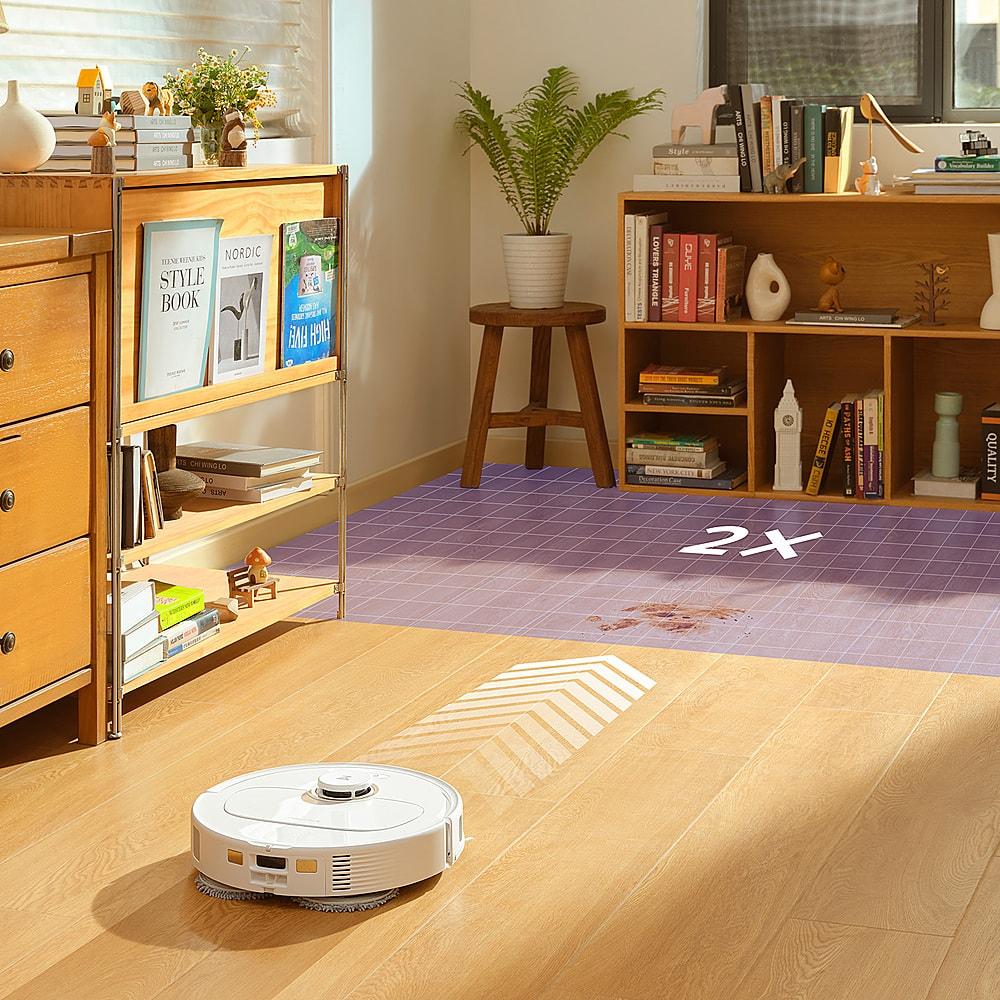
The Roborock Qrevo Pro excels on hard floors with 99.5% debris pickup in professional testing, plus its extending mop arm and hot water cleaning system. The dual spinning mop pads with sanitizing wash cycles make it particularly effective for maintaining hardwood, tile, and laminate surfaces compared to the bObsweep Bio's basic mopping system.
For home theater rooms with hard floors, the Roborock Qrevo Pro's superior edge cleaning helps remove dust from around equipment and corners where debris accumulates. However, both robots are too loud for operation during movie viewing - the Qrevo Pro runs at 96 dB, making scheduled cleaning during non-viewing hours essential.
The bObsweep Bio provides solid cleaning performance at a more accessible price point, making it better value for budget-conscious buyers who don't mind manual maintenance. The Roborock Qrevo Pro justifies its premium pricing with advanced automation features, superior cleaning performance, and minimal maintenance requirements.
Both robots use LiDAR mapping for accurate floor plans, but with different approaches. The Roborock Qrevo Pro combines LiDAR with Reactive Tech obstacle avoidance, though testing shows inconsistent performance with small objects. The bObsweep Bio uses Quantum SLAM technology that creates maps immediately without training runs.
The bObsweep Bio is likely quieter since lower suction models typically produce less noise, though specific decibel levels aren't disclosed. The Roborock Qrevo Pro operates at 96 dB during cleaning - significantly louder than the 70 dB average for robot vacuums, which could be disruptive in quiet homes.
Both the Roborock Qrevo Pro and bObsweep Bio offer significant advantages over basic robot vacuums through self-emptying capabilities, advanced navigation, and combo vacuum-mop functionality. The Qrevo Pro suits users wanting maximum automation and performance, while the Bio appeals to those seeking eco-friendly features with solid cleaning at a moderate price increase over budget models.
We've done our best to create useful and informative comparisons to help you decide what product to buy. Our research uses advanced automated methods to create this comparison and perfection is not possible - please contact us for corrections or questions. These are the sites we've researched in the creation of this article: rtings.com - vacuumwars.com - moderncastle.com - youtube.com - bestbuy.com - rtings.com - vacuumwars.com - vacuumwars.com - youtube.com - youtube.com - techgadgetscanada.com - us.roborock.com - target.com - youtube.com - roborock.com.my - global.roborock.com - us.roborock.com - homedepot.com - us.roborock.com - youtube.com - global.roborock.com - us.roborock.com - us.roborock.com - bestbuy.com - bobsweep.com - bestbuy.com - bobsweep.com - homedepot.com - bestbuy.com - samsclub.com - homedepot.com - youtube.com - ebay.com - bobsweep.com - youtube.com - walmart.com - ebay.com - ebay.com - bobsweep.com - bestbuy.com - bobsweep.com - manuals.plus - bobsweep.com

Privacy Policy
Terms and Conditions - Affiliate Policy
Home Security
© Copyright 2008-2026.
11816 Inwood Rd #1211, Dallas, TX 75244