

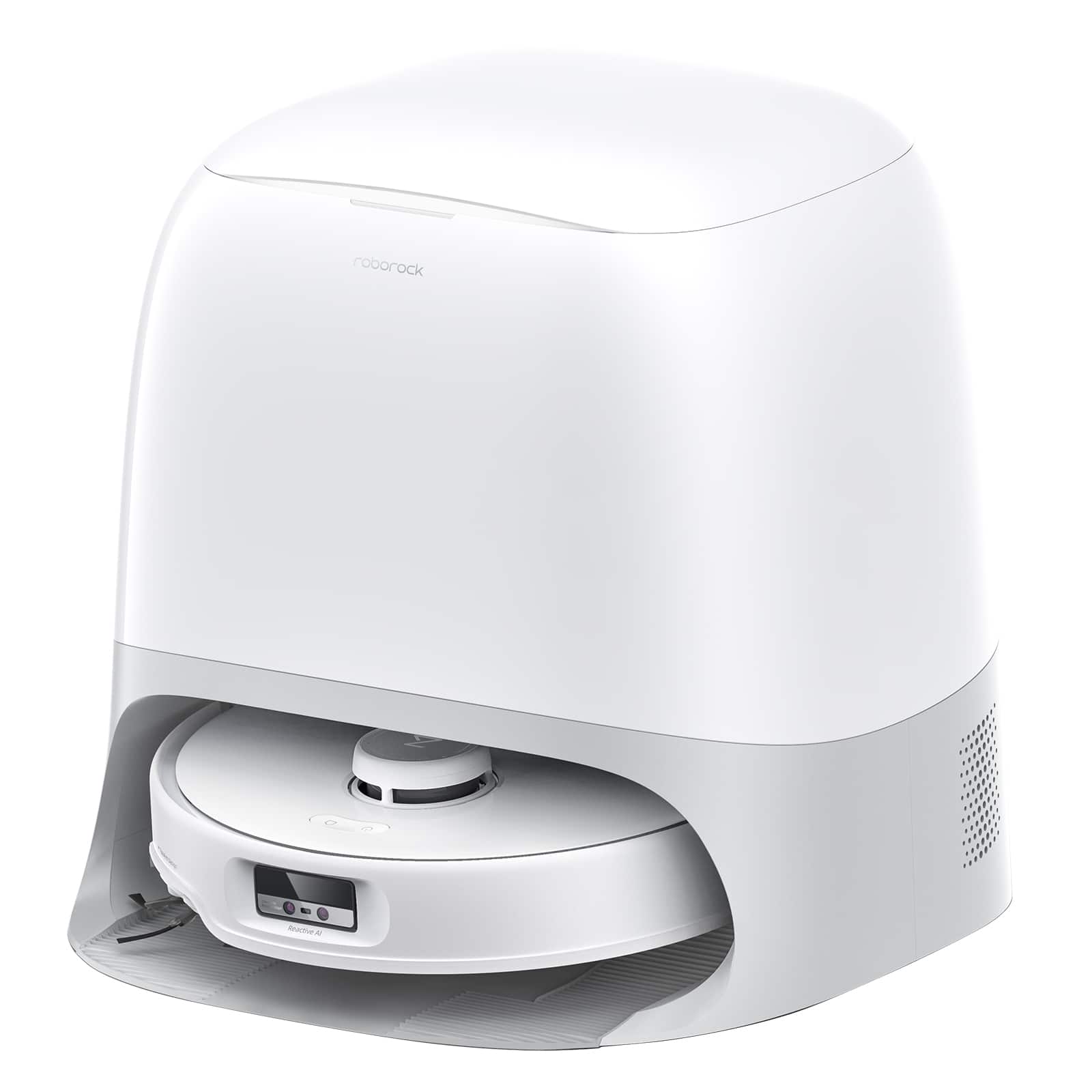

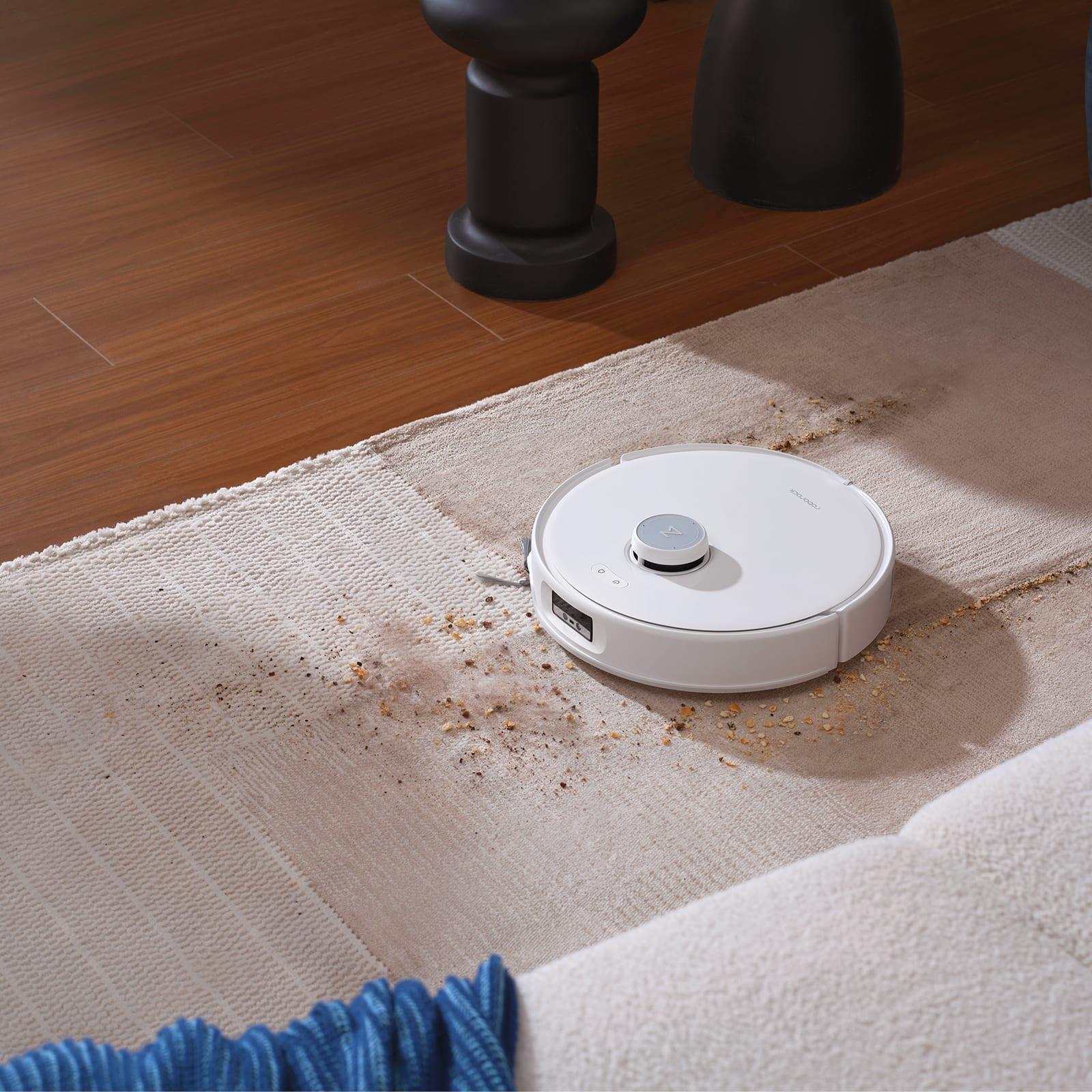

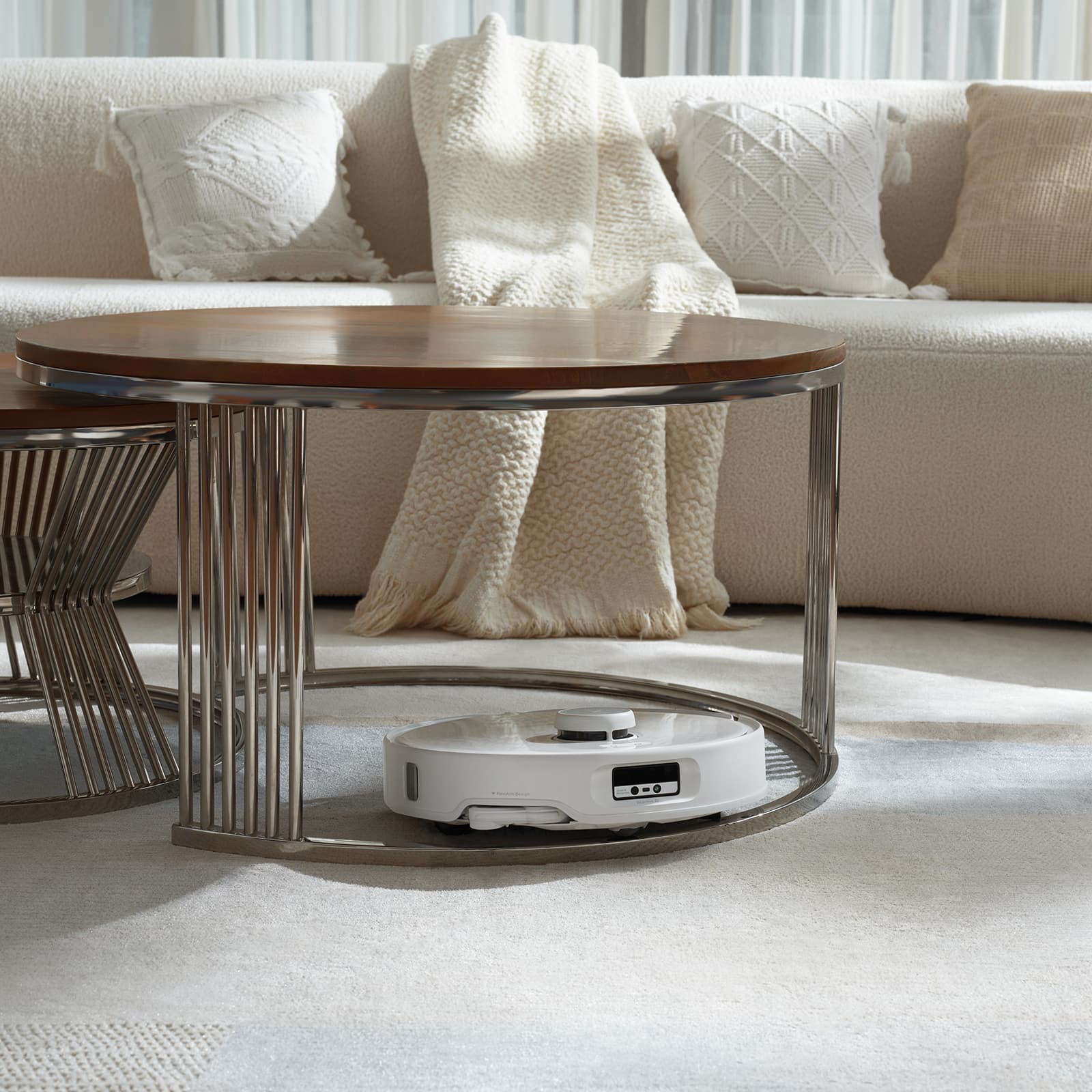
The world of robot vacuums has evolved dramatically since the first Roomba wobbled around living rooms in 2002. Today's machines are sophisticated cleaning systems that can map your home, avoid obstacles, and even wash their own mop pads. Two standout models from 2024 represent different philosophies in this space: the Roborock Qrevo Curv, a premium flagship that pushes technical boundaries, and the Shark PowerDetect, which delivers impressive performance at a more accessible price point.
Both are "robot vacuum and mop combos"—machines that can both vacuum debris and mop floors in a single cleaning cycle. This category represents the current pinnacle of automated floor care, combining powerful suction with simultaneous mopping capabilities while requiring minimal human intervention.
Before diving into specifics, it's worth understanding what makes these machines tick. Modern robot vacuums rely on several key technologies working together:
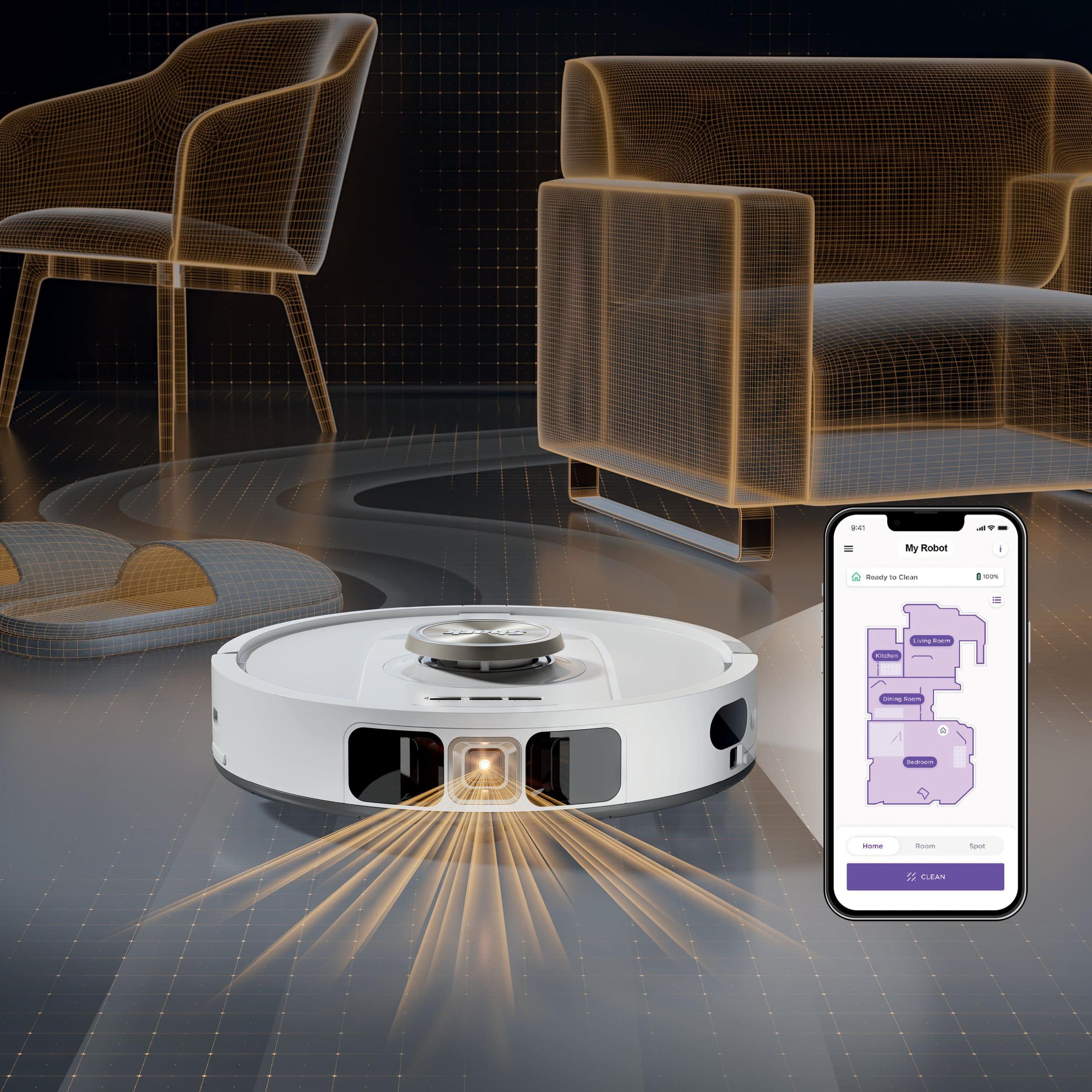
LiDAR navigation uses spinning laser sensors to create detailed room maps, much like how self-driving cars "see" the road. This allows robots to clean efficiently in straight lines rather than bouncing around randomly.
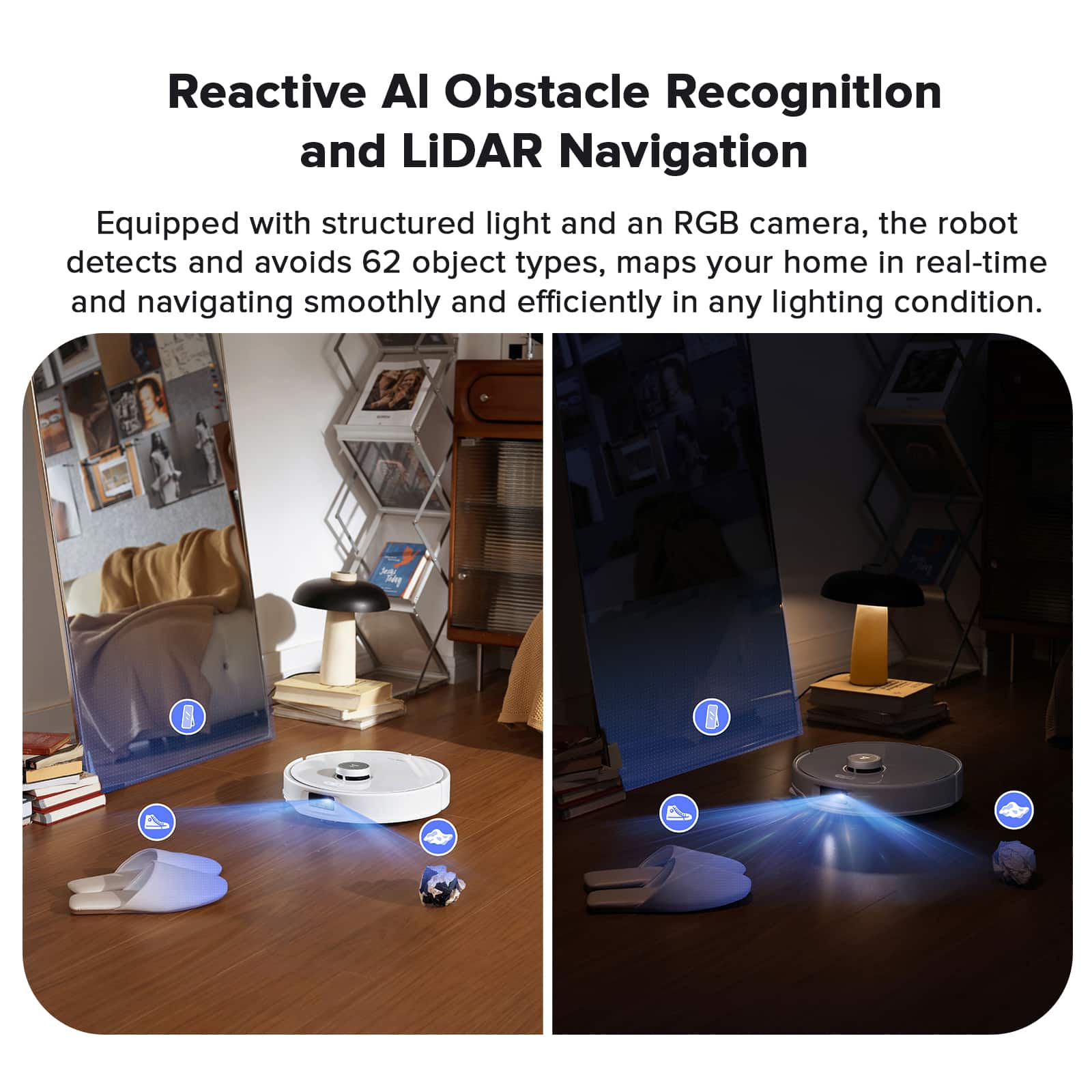
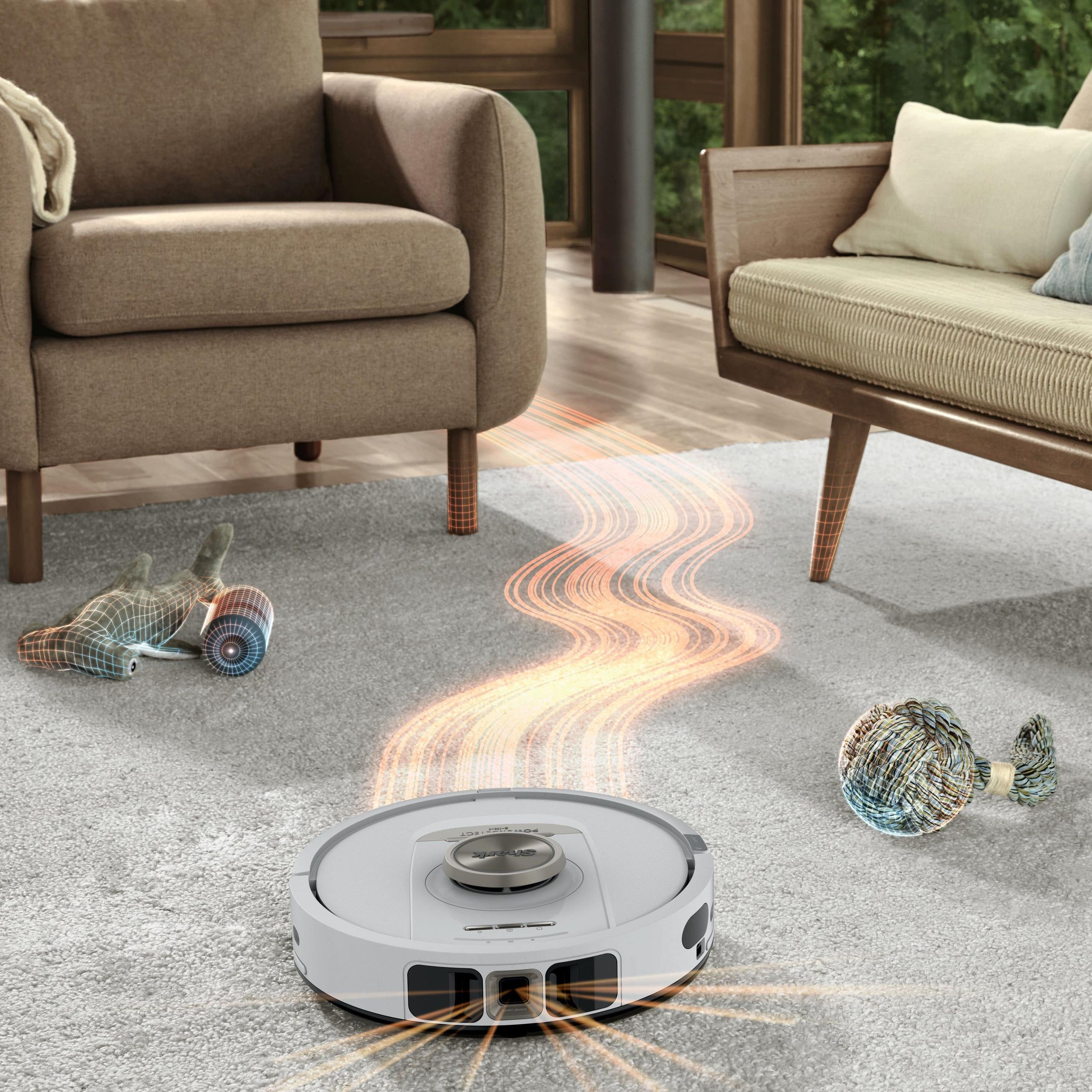
Obstacle avoidance combines cameras and sensors to identify and navigate around furniture, cables, and even pet waste. The best systems can recognize dozens of different object types.
Auto-emptying bases act like mini vacuum stations, sucking debris from the robot's small dustbin into a much larger container, often holding weeks worth of dirt.
The cleaning itself happens through a combination of spinning side brushes that sweep debris inward, a main brushroll that agitates carpets, and powerful suction motors. For mopping, these robots typically drag damp pads across hard floors while vacuuming simultaneously.
The Roborock Qrevo Curv launched in late 2024 as Roborock's answer to the question "what if we didn't compromise on anything?" This Chinese company has built a reputation for over-engineering their products, and the Qrevo Curv continues that tradition.
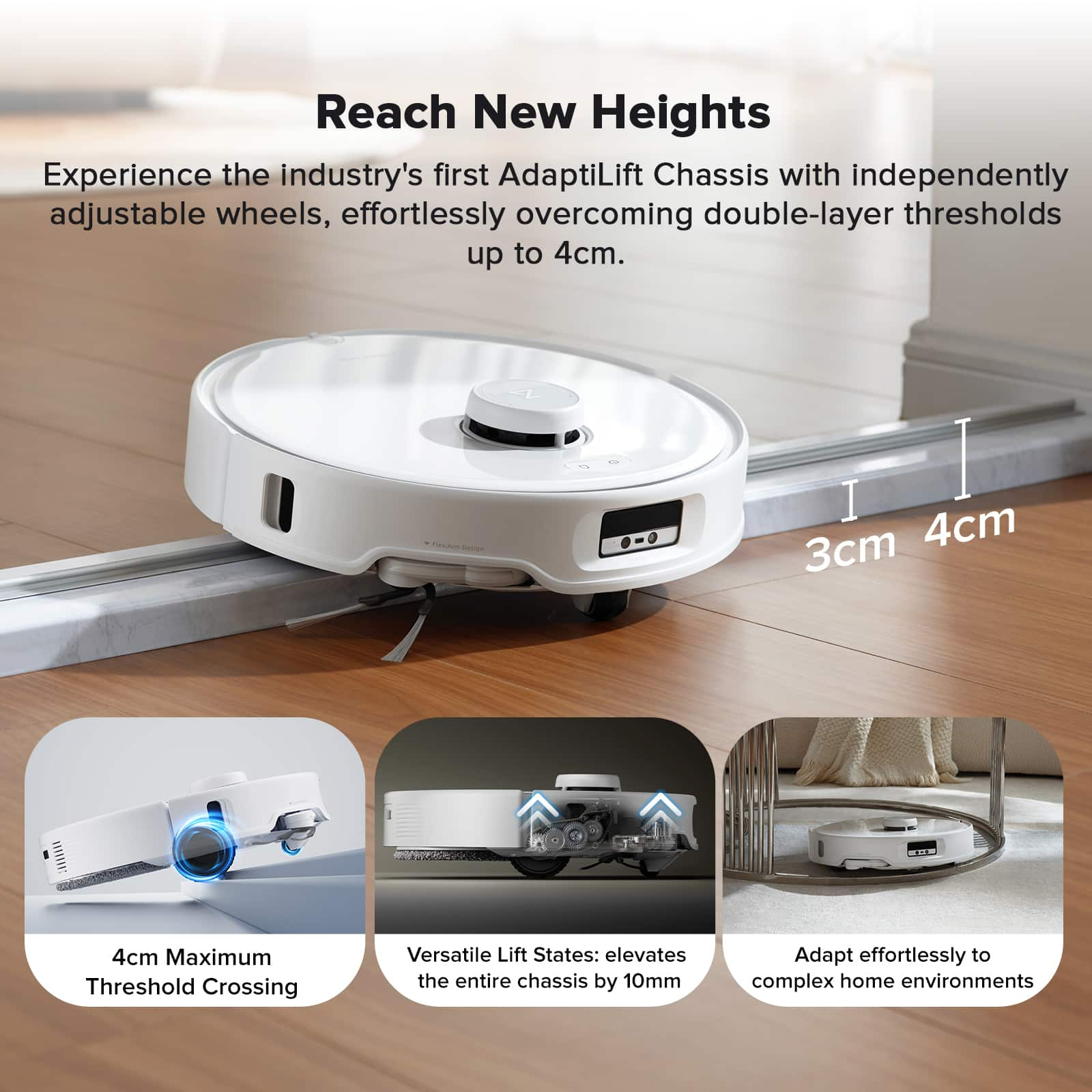
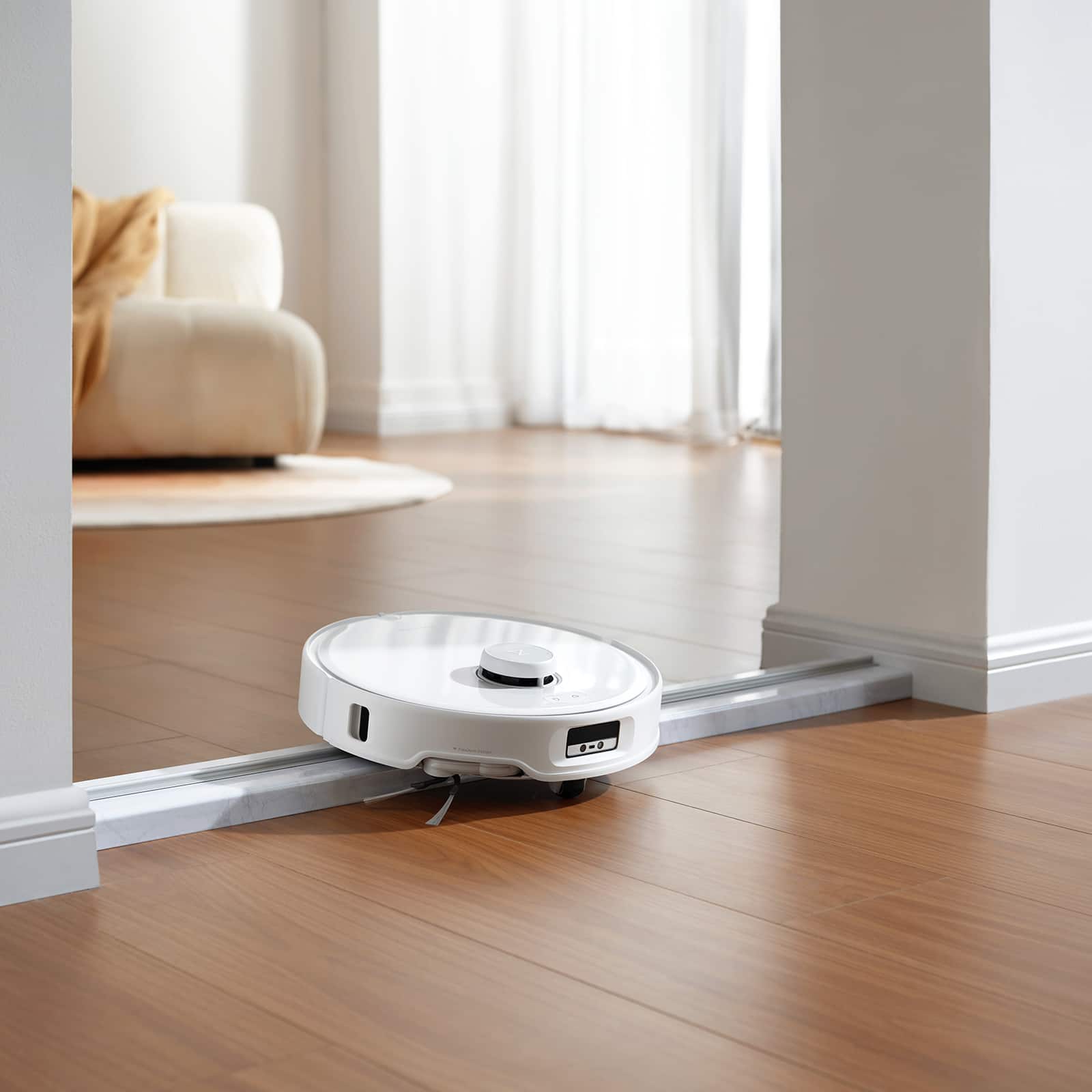
The most striking innovation is the AdaptiLift chassis—a system that can dynamically adjust the height of each wheel independently. Think of it like a rock crawler that can lift specific corners to navigate obstacles. This allows the Qrevo Curv to climb over thresholds up to 4 centimeters high, which is genuinely impressive when most robots struggle with thick rugs or raised door frames.
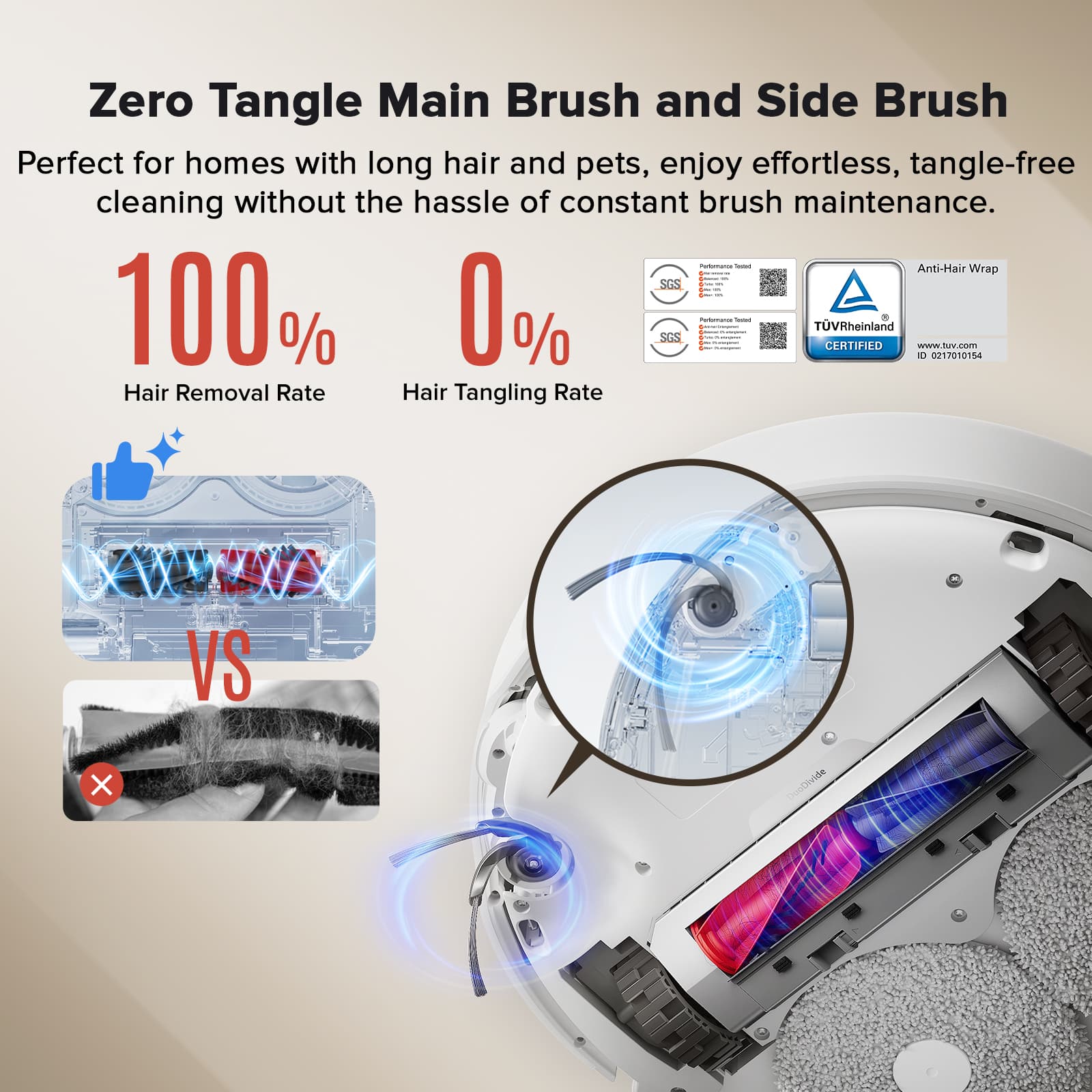
The anti-tangle system deserves special attention because pet hair has historically been the nemesis of robot vacuums. The DuoDivide main brush splits into two separate sections with a gap in the middle, directing hair away from the brush mechanism. Combined with the FlexiArm side brush that extends into corners, our research suggests this system achieves a 99.5% hair removal rate—a significant improvement over traditional designs.
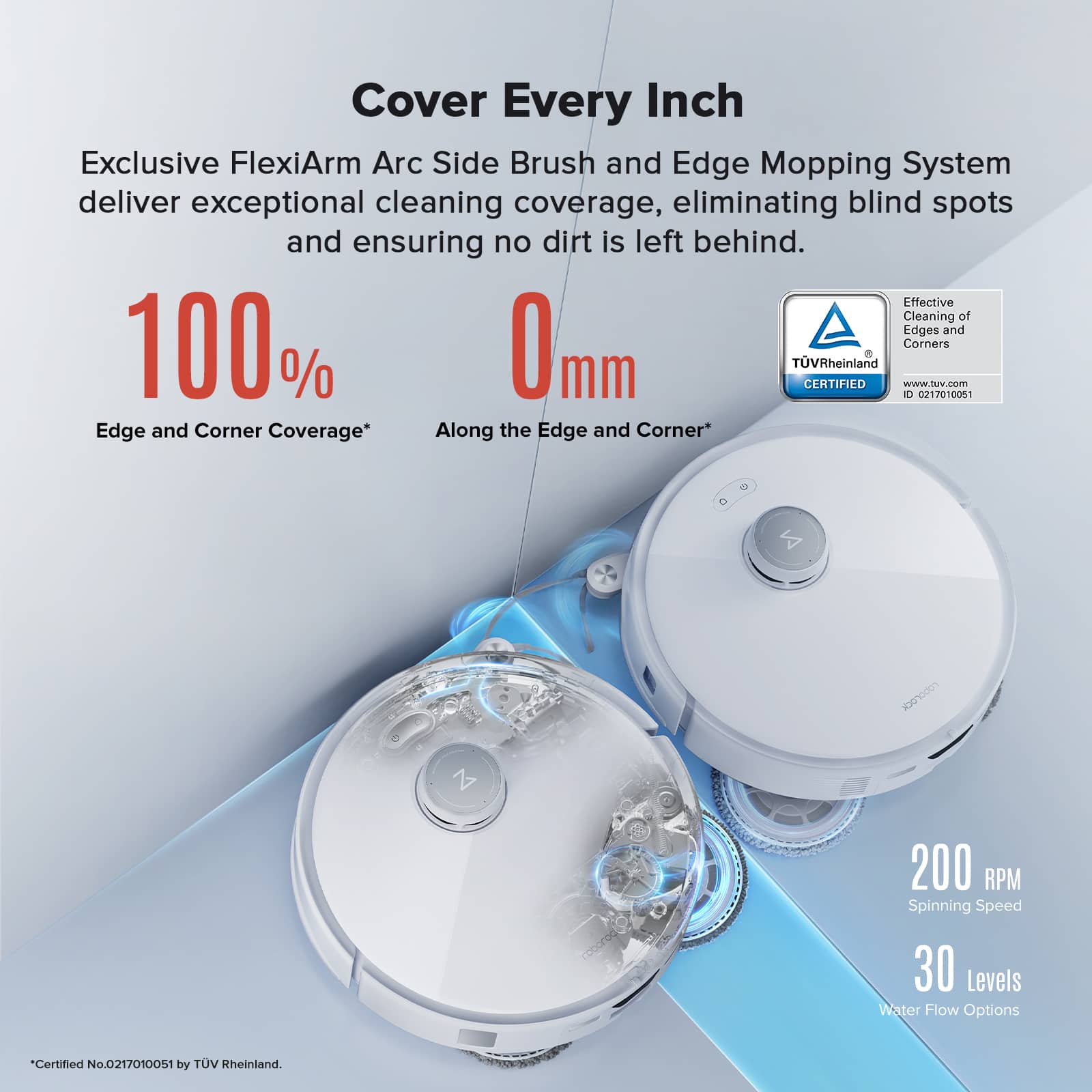
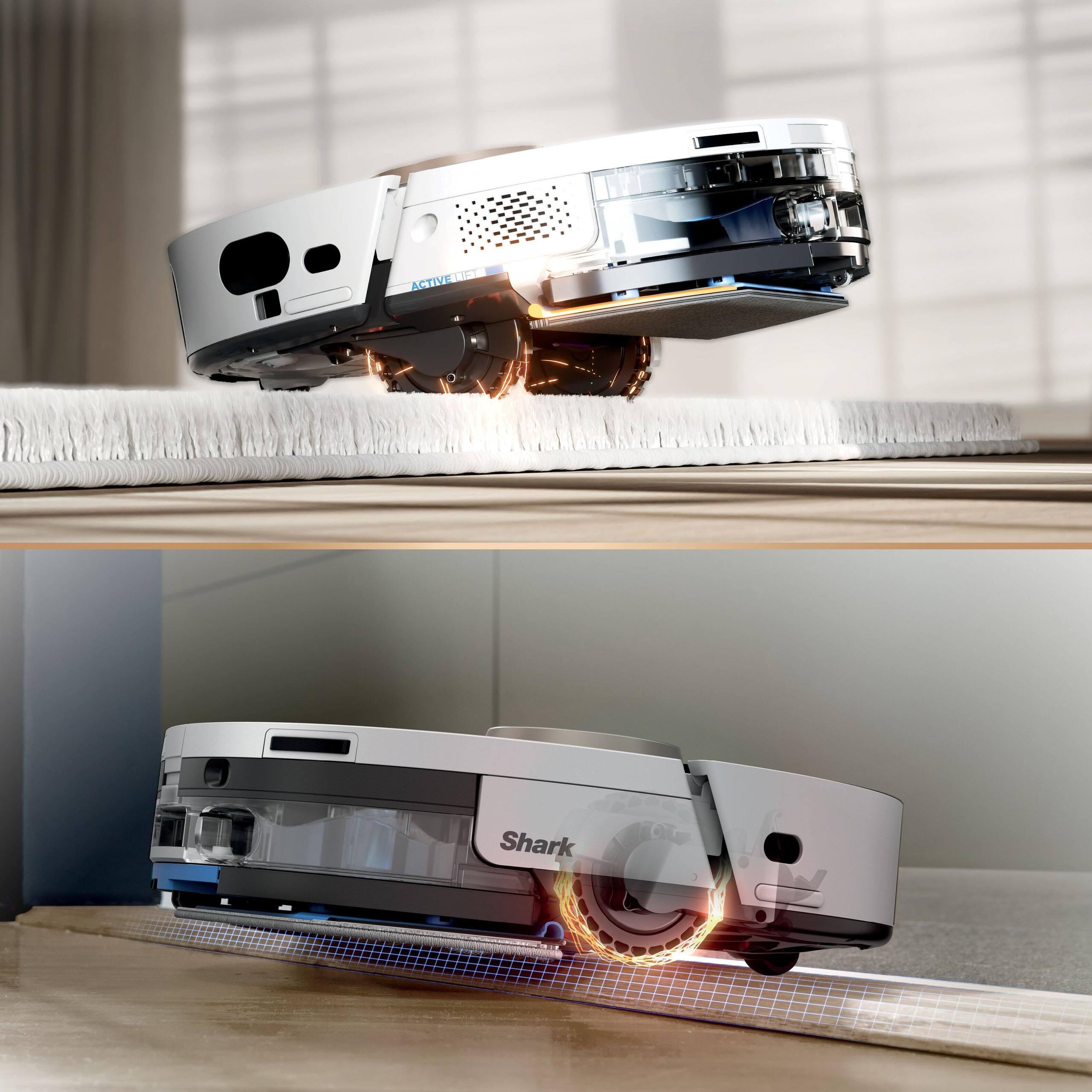
For mopping, the Qrevo Curv takes a almost obsessively thorough approach. The dock washes mop pads with water heated to 75°C (167°F), which is hot enough to achieve what Roborock claims is 99.99% bacteria removal. The dual spinning mops can lift 10mm when carpets are detected, and users can adjust water flow across 30 different intensity levels. This level of control borders on excessive, but it means you can fine-tune cleaning for different floor types and soil levels.
The 18,500 Pa suction power puts it among the most powerful consumer robot vacuums available. For context, most standard models operate around 2,000-3,000 Pa, so this represents a significant step up in raw cleaning force.
Shark's PowerDetect series, released in mid-2024, takes a different approach. Rather than maximizing every specification, Shark focused on intelligent adaptation and practical convenience.
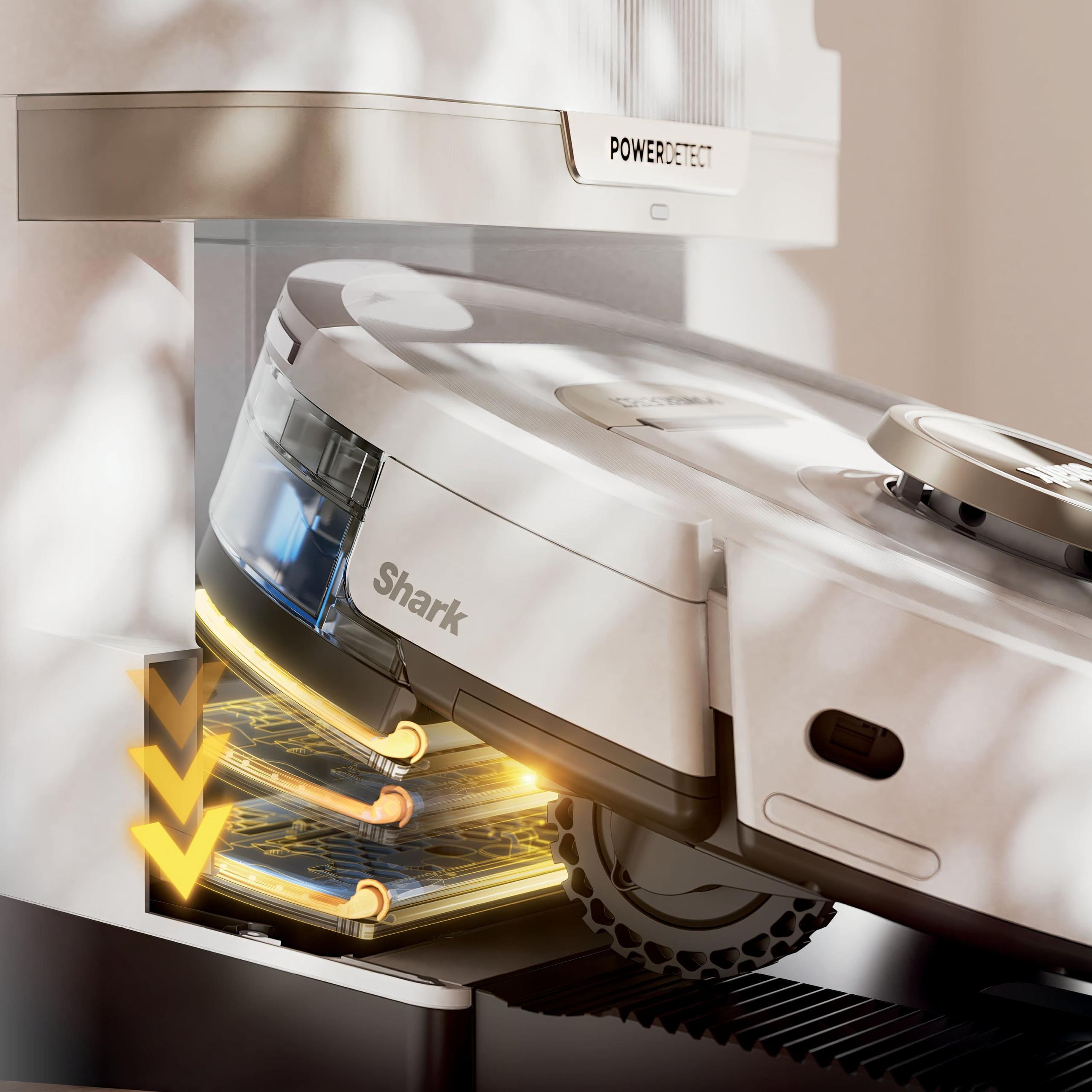
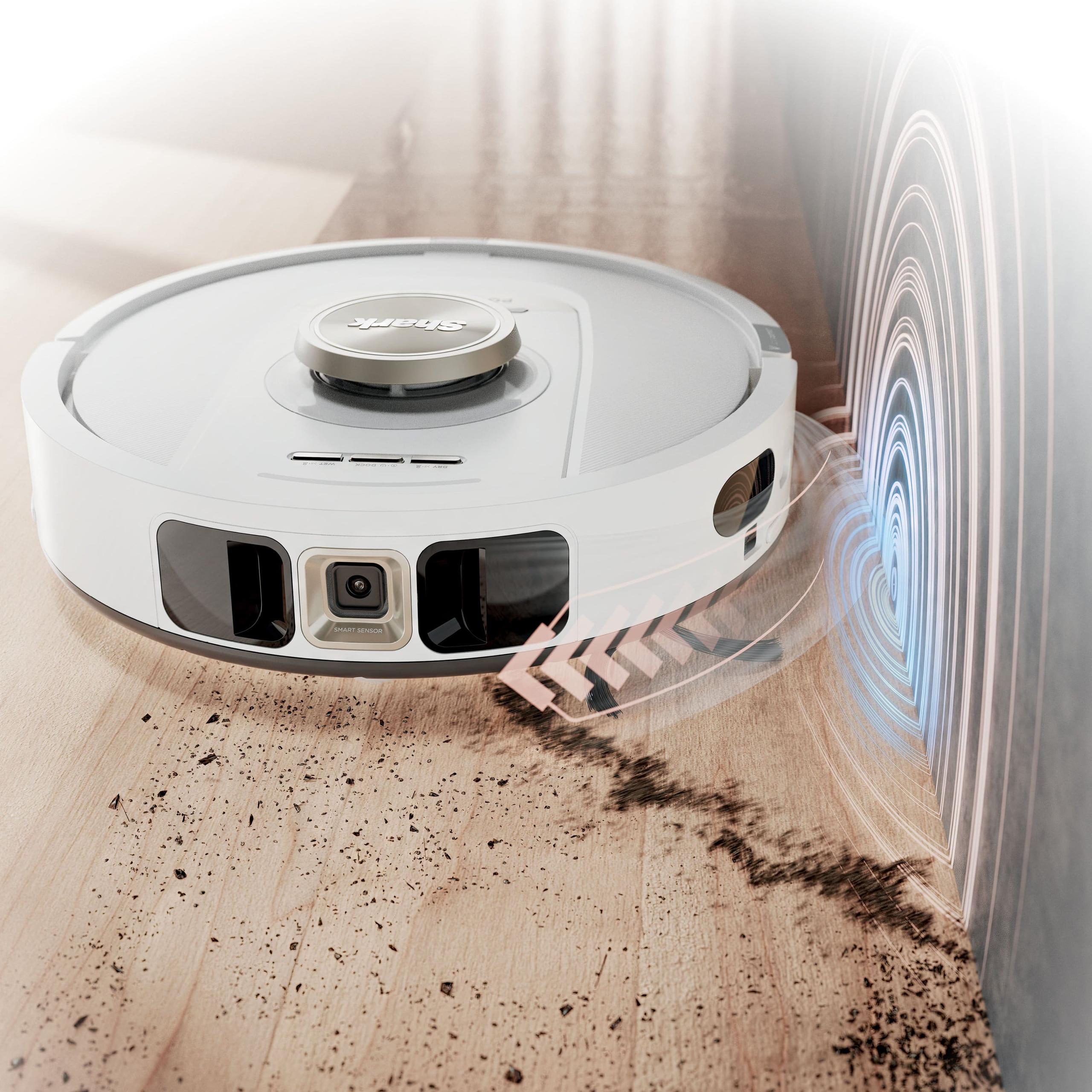
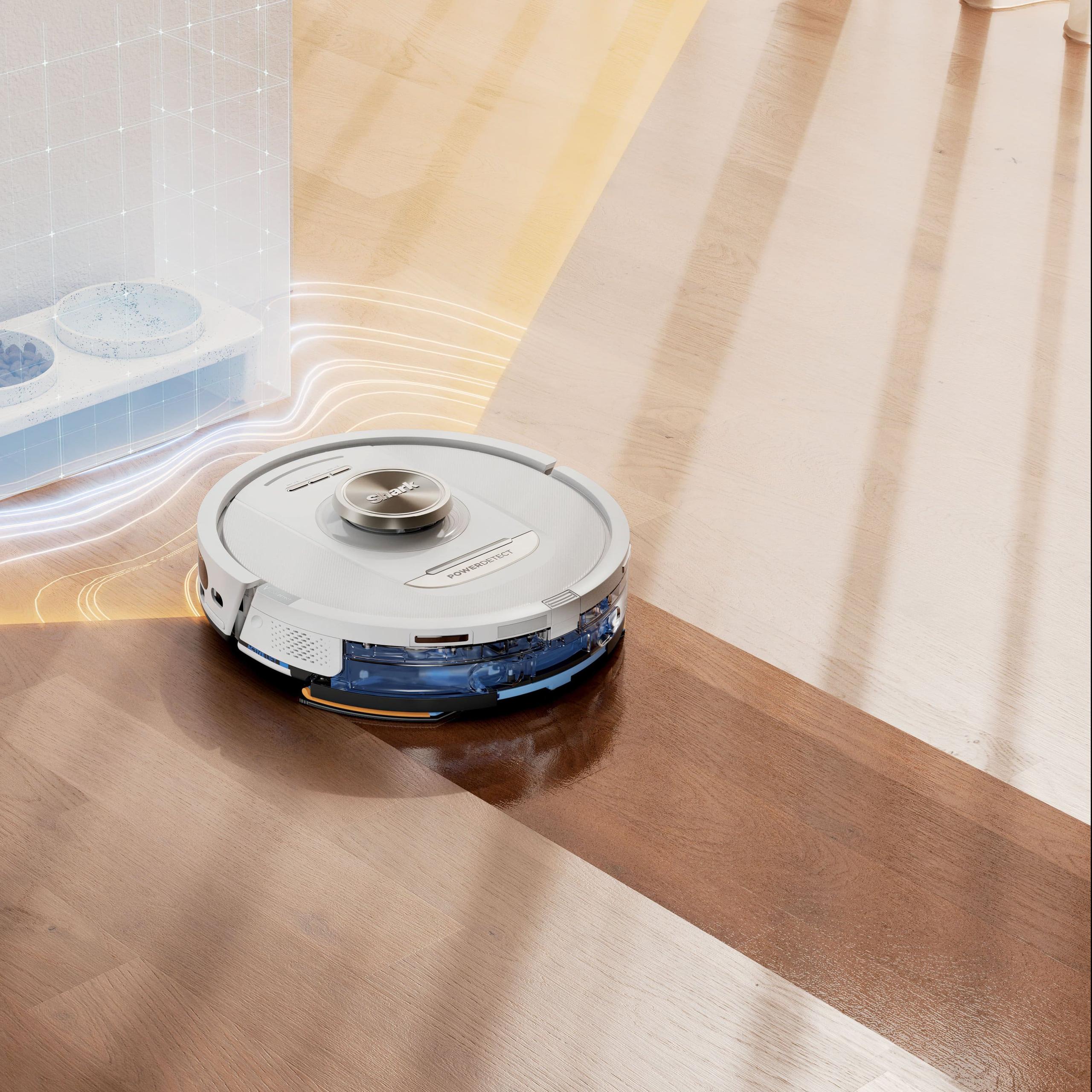
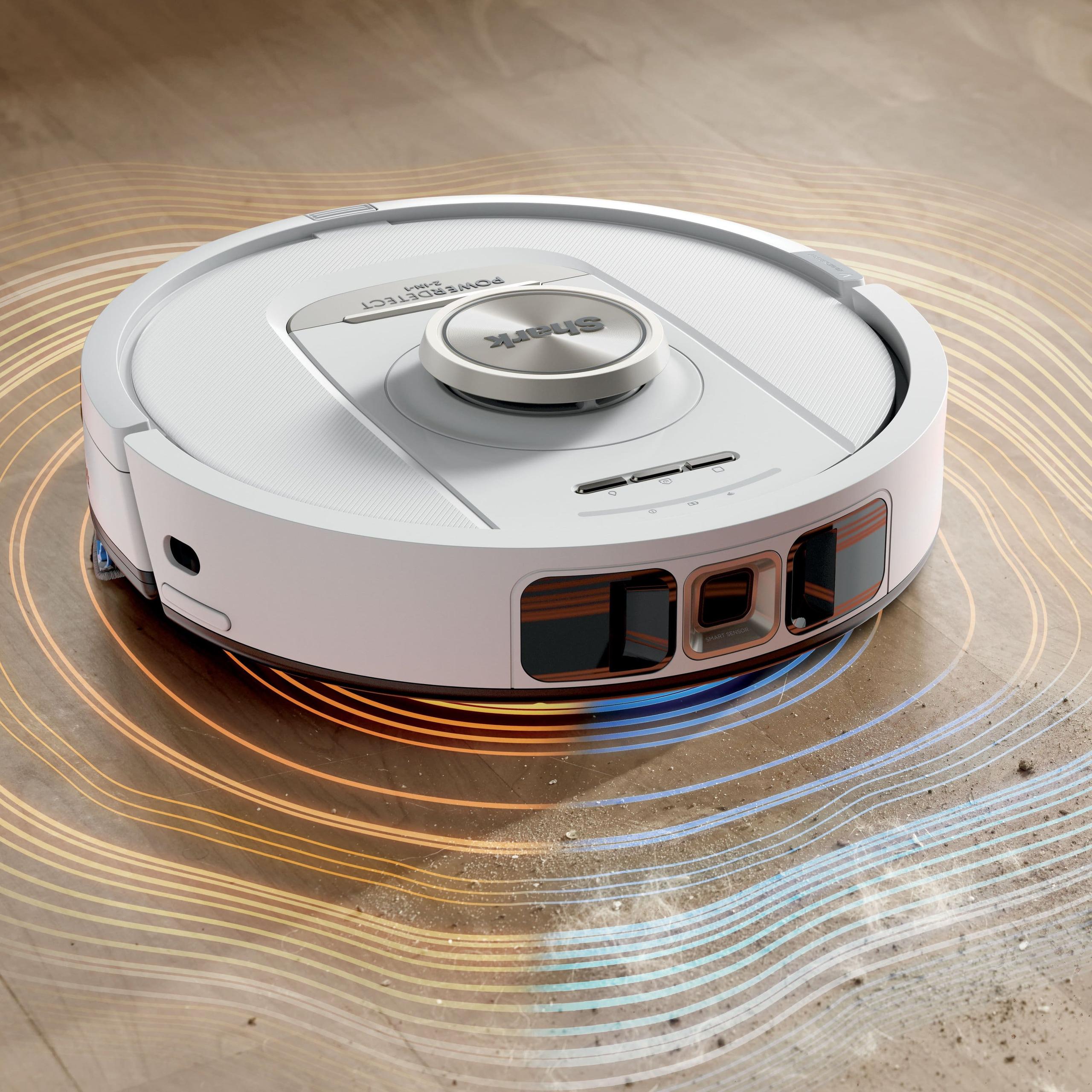
The PowerDetect name comes from a suite of sensors that automatically adjust cleaning based on what the robot encounters. DirtDetect identifies areas with more debris and automatically increases suction power and makes additional cleaning passes. FloorDetect recognizes carpet versus hard floors and adjusts brush engagement accordingly. EdgeDetect is perhaps most interesting—it uses targeted air blasts to push debris away from wall edges into the robot's cleaning path.
This adaptive approach means the Shark PowerDetect works more like a smart cleaning assistant that makes decisions for you, rather than a machine you need to program extensively.
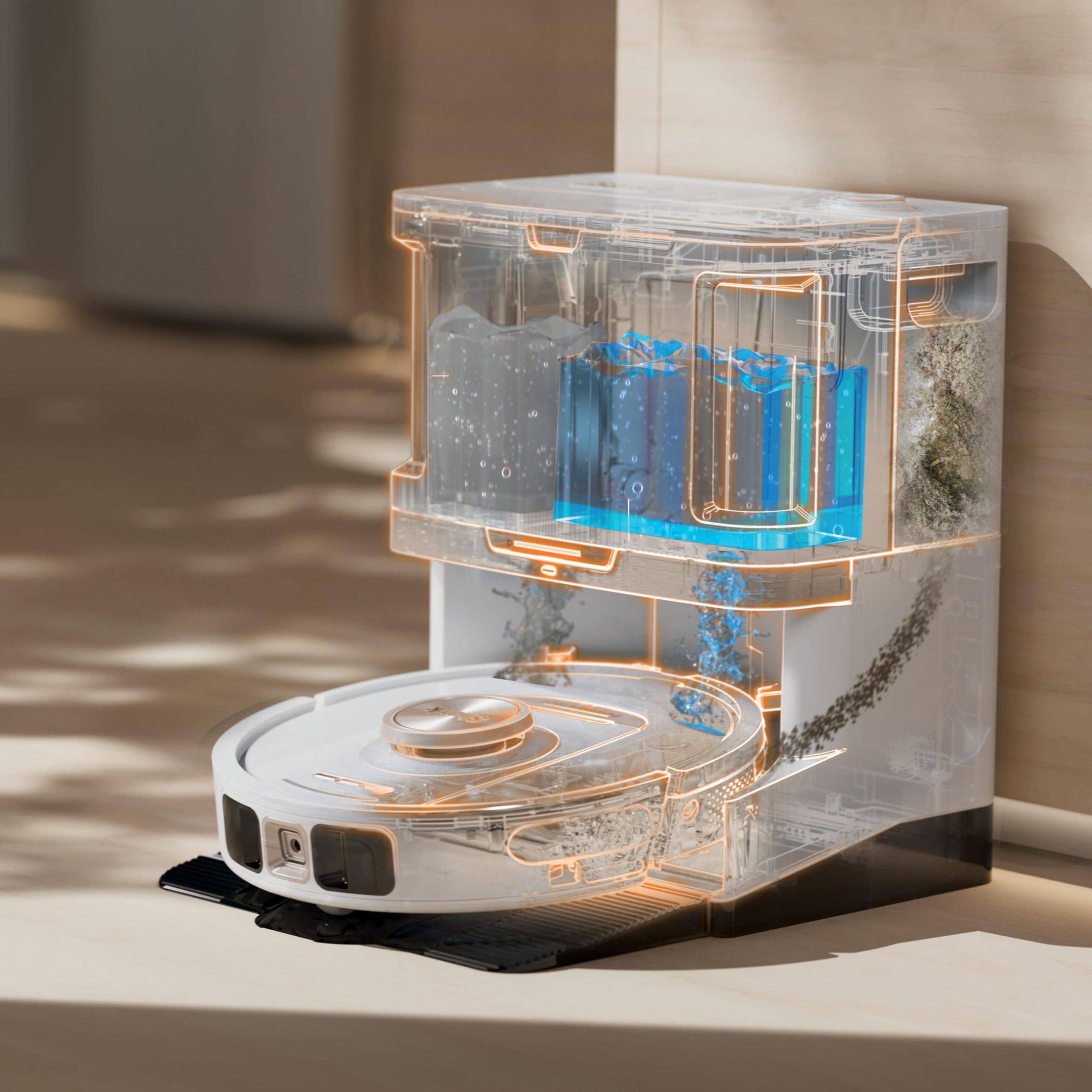
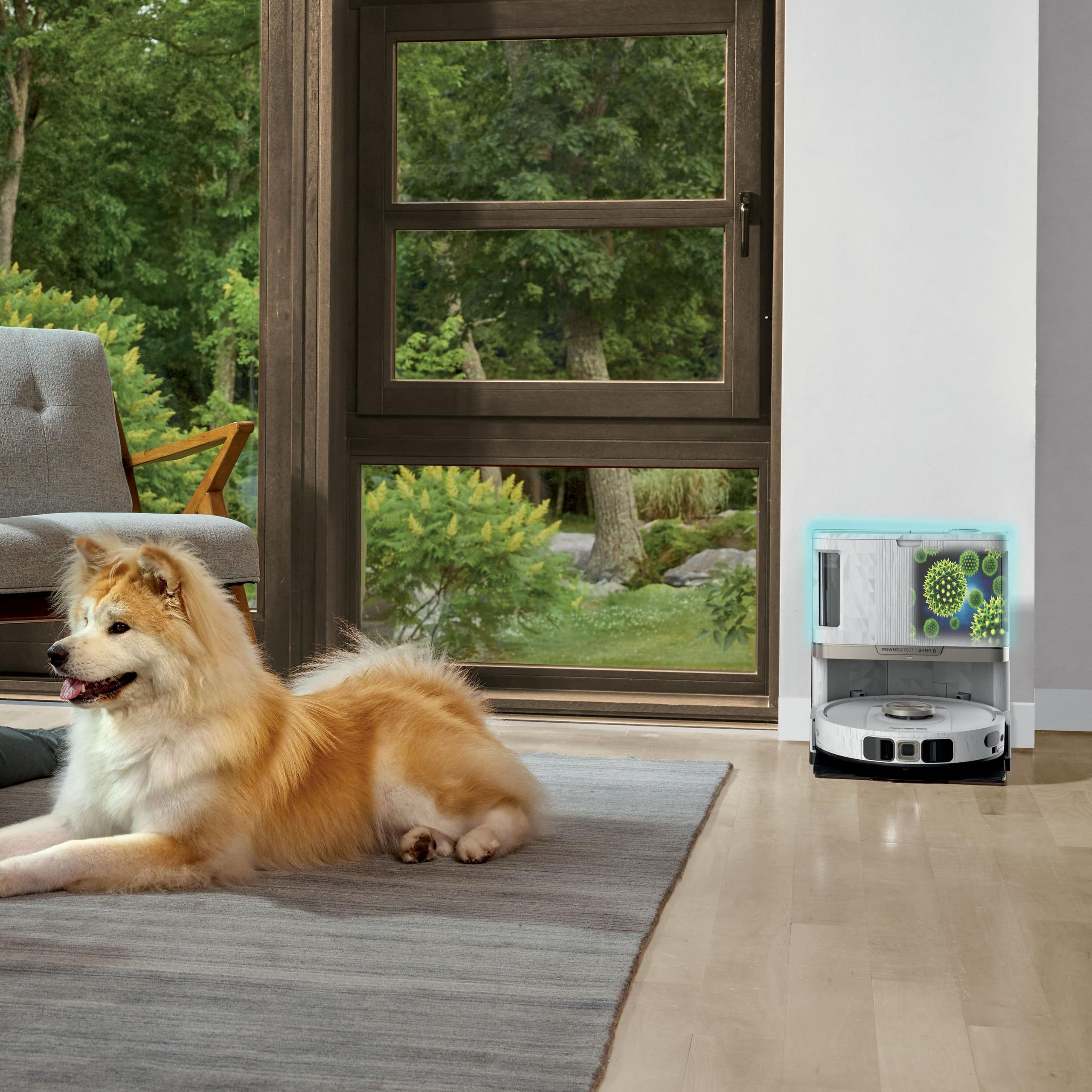
The base station includes a clever bagless auto-empty system. While most premium robots require expensive replacement bags that can cost $3-5 each, Shark's system empties into a washable container. Over time, this can represent significant savings, especially for households that generate a lot of debris.
One area where the PowerDetect particularly excels is carpet cleaning. Based on our evaluation of professional testing data, it ranks among the top performers for deep carpet debris removal—impressive for a robot at its price point. The crevice pickup performance also stands out, suggesting strong performance along baseboards and in corners.
The Roborock Qrevo Curv approaches hard floors with methodical precision. The FlexiArm technology extends both the side brush and mop pad to reach deeper into corners and along baseboards—areas where traditional round robots struggle. Combined with the dual spinning mops and adjustable water flow, it delivers what appears to be the most thorough mopping available in the category.
The Shark PowerDetect takes a different approach with its EdgeDetect air-blast system. Rather than extending brushes, it uses targeted air bursts to dislodge debris from edges and blow it into the cleaning path. This is genuinely innovative—no other major manufacturer uses this technique. However, our research suggests the over-sensitive obstacle avoidance sometimes prevents the robot from getting close enough to walls to maximize this feature's effectiveness.
For basic debris pickup on hard floors, both perform excellently according to professional testing data, collecting everything from fine dust to larger particles like cereal or pet food.
This is where the philosophies really diverge. The Qrevo Curv relies on raw suction power—that 18,500 Pa rating—to pull debris from carpet fibers. It performs well on surface debris but struggles somewhat with deeply embedded pet hair, often requiring multiple cleaning cycles for homes with heavy shedding pets.
The Shark PowerDetect scores significantly better in professional carpet cleaning tests despite having less raw suction power. The DirtDetect system's ability to automatically identify dirty areas and make additional passes appears to compensate for lower suction ratings. It ranked sixth out of over 100 robot vacuums tested for deep carpet cleaning—genuinely impressive performance that exceeds what you'd expect based on specifications alone.
Pet owners face unique challenges with robot vacuums. Long hair can wrap around brushes, creating maintenance nightmares, while pet fur requires consistent deep cleaning.
The Roborock Qrevo Curv's DuoDivide brush design specifically addresses the wrapping problem. The split brush with center gap directs hair away from the mechanism, and our research indicates it achieves perfect scores for tangle resistance in professional testing. This is particularly valuable for homes with long-haired pets or family members.
The Shark PowerDetect handles short pet hair well but struggles with longer strands over 7 inches—a common limitation across the category. However, its adaptive cleaning means it automatically detects areas with more pet hair and increases cleaning intensity, potentially compensating through persistence rather than engineering.
Both robots use LiDAR for basic navigation, but their obstacle avoidance systems differ significantly.
The Qrevo Curv uses Reactive AI, combining RGB cameras with 3D structured light sensors to identify up to 62 different object types across 20 categories. It can even take photos of obstacles and pets, which appear in the smartphone app. The system includes LED lighting for dark areas and supports live remote viewing—essentially turning your robot into a mobile security camera.
The PowerDetect's system is less sophisticated but more practical in some ways. While it doesn't identify as many object types, it focuses on not getting stuck—the NeverStuck technology can lift the robot over obstacles and thresholds. Our research suggests both systems avoid roughly two-thirds of obstacles in testing, which is above average but not perfect.
This represents perhaps the biggest practical difference between these machines.
The Roborock Qrevo Curv includes a massive 6,400 mAh battery that provides up to 240 minutes of runtime and can cover up to 4,300 square feet per charge. This is among the best battery life in the entire category and means it can handle large homes in a single cleaning cycle.
The Shark PowerDetect includes a smaller 3,200 mAh battery—roughly half the capacity. For larger homes, it will need multiple recharge cycles to complete cleaning, though it does include recharge-and-resume functionality. This isn't necessarily a deal-breaker, but it does mean longer total cleaning times for bigger spaces.
The smartphone app experience reveals each company's priorities clearly.
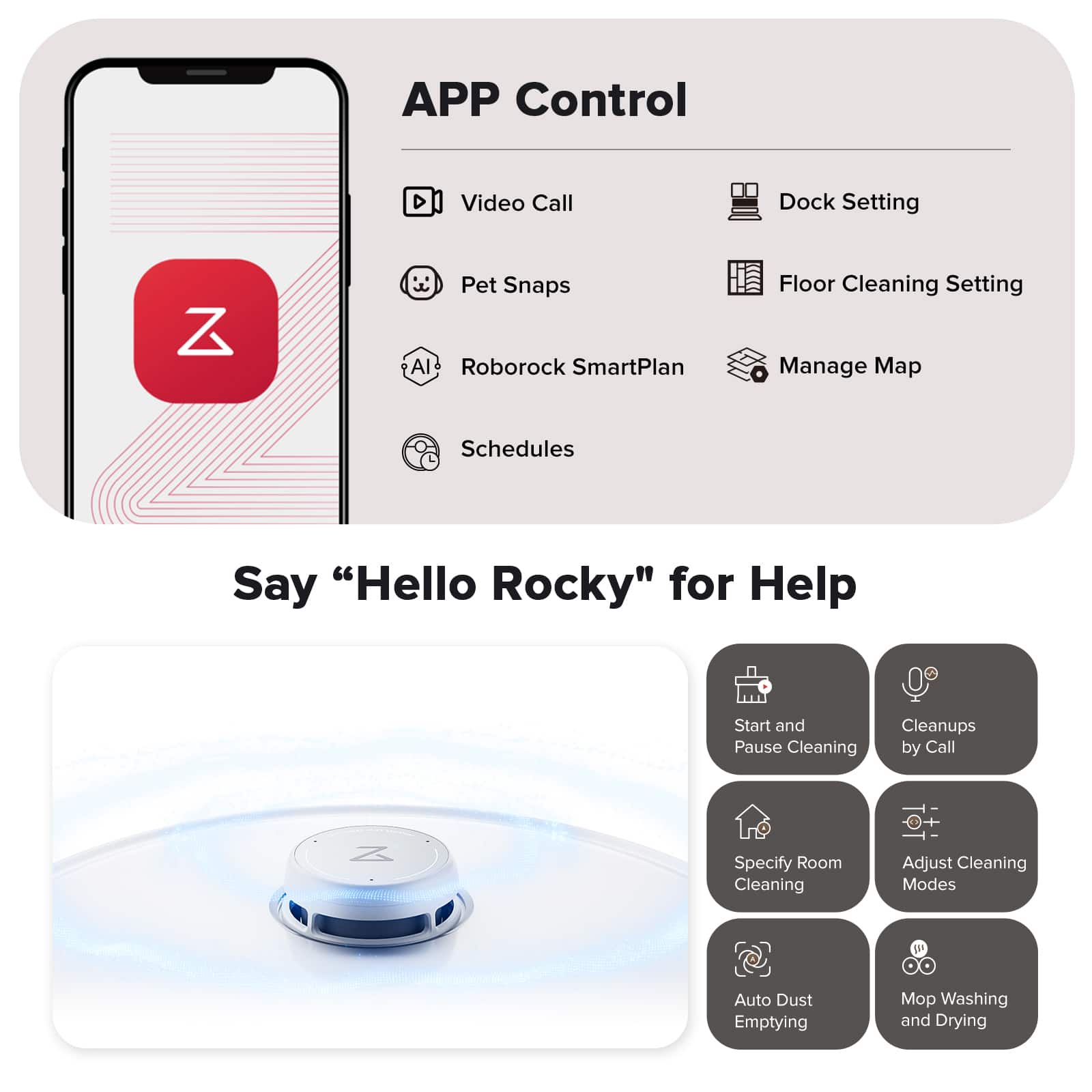
Roborock's app is comprehensive, offering room-specific settings, multiple floor maps, detailed cleaning logs, and extensive customization options. The Qrevo Curv includes a built-in voice assistant called "Hello Rocky" for hands-free control, plus remote viewing capabilities that let you check on pets or home security.
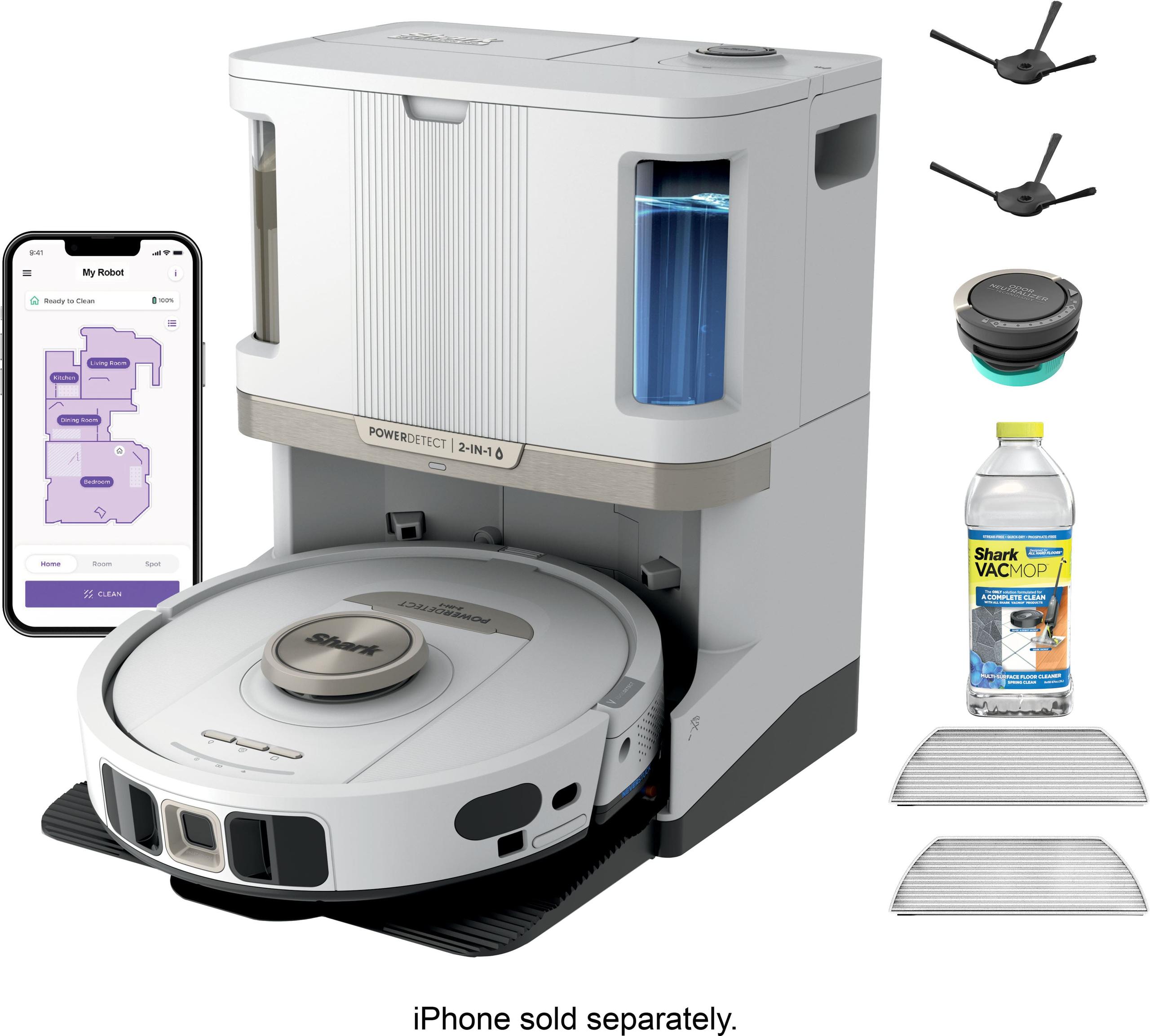
Shark's app is more basic but covers the essentials: scheduling, no-go zones, and cleaning status. The PowerDetect's strength lies in automatic operation—the various Detect technologies work without app intervention, making it more of a "set and forget" solution.
Both robots feature automated maintenance through their base stations, but with different approaches and cost implications.
The Qrevo Curv's dock handles more functions—hot water mop washing, warm air drying, automatic dustbin emptying, and water tank refilling. However, it requires replacement dust bags, mop pads, and filters over time, which can add up to significant recurring costs.
The Shark PowerDetect's bagless system reduces ongoing costs, though you'll still need replacement mop pads and filters. The dock's HEPA filtration and odor neutralization help maintain air quality, but the cold water mop washing isn't as thorough as hot water systems.
At the time of writing, these robots represent significantly different value propositions. The Roborock Qrevo Curv commands a premium price that's roughly 2.5-3 times higher than the Shark PowerDetect, reflecting its advanced engineering and comprehensive feature set.
The Roborock justifies its premium through superior build quality, innovative hardware solutions, and more thorough cleaning capabilities, particularly for mopping and pet hair management. It's the choice for households that want the absolute best performance and don't mind paying for it.
The Shark PowerDetect offers remarkable value, delivering flagship-level features and performance at a much more accessible price point. Its adaptive cleaning technologies and strong carpet performance make it competitive with robots costing significantly more.
For home theater enthusiasts, both robots offer advantages. The Qrevo Curv operates at relatively quiet mopping levels (around 55 dB) and can be scheduled to clean when you're away. Its comprehensive mapping allows you to exclude theater rooms entirely or clean them at specific times.
The Shark PowerDetect automatically adjusts suction based on debris levels, potentially reducing noise in cleaner areas. Both robots can be controlled via smartphone apps, allowing you to start or pause cleaning remotely if they're disrupting movie night.
The decision between these robots ultimately depends on your priorities and household needs.
Choose the Roborock Qrevo Curv if you have pets that shed heavily, want the most thorough mopping available, have a large home that benefits from superior battery life, or simply want the most advanced robot vacuum technology available. It's also the better choice if you have multiple floor types, high thresholds between rooms, or appreciate extensive customization options.
The Shark PowerDetect makes more sense if you prioritize strong carpet cleaning performance, want excellent value without sacrificing key features, prefer lower ongoing maintenance costs, or have a primarily carpeted home where the adaptive cleaning technologies can shine.
Both represent solid choices in their respective segments. The Qrevo Curv pushes boundaries and delivers premium performance for those willing to pay for it, while the PowerDetect proves that smart engineering can deliver impressive results at more accessible prices. The right choice depends on whether you value absolute performance or exceptional value—both are valid approaches to solving the age-old problem of keeping floors clean with minimal effort.
| Roborock Qrevo Curv | Shark PowerDetect RV2805ZE |
|---|---|
| Suction Power - Higher numbers mean better carpet cleaning and debris pickup | |
| 18,500 Pa (among highest available, excellent for deep carpet cleaning) | Not specified (likely 2,000-4,000 Pa range, but smart detection compensates) |
| Battery Life - Determines cleaning area coverage without recharging | |
| 240 minutes / 4,300 sq ft (industry-leading, handles large homes in one cycle) | Shorter runtime with 3,200 mAh battery (requires multiple charges for large homes) |
| Navigation Technology - Affects cleaning efficiency and obstacle avoidance | |
| LiDAR + Reactive AI with RGB camera + 3D structured light (detects 62 object types) | 360° LiDAR + 3D sensors with NeverStuck technology (good obstacle avoidance, less object recognition) |
| Main Brush Design - Critical for pet hair management and tangle prevention | |
| DuoDivide anti-tangle brush (split design, 99.5% hair removal rate) | Traditional single brush (good for short hair, struggles with long strands over 7 inches) |
| Mopping System - Determines cleaning thoroughness and maintenance | |
| Dual spinning mops with 10mm auto-lift, 30 custom water flow levels | Basic simultaneous vacuum/mop, no manual mode selection |
| Base Station Features - Affects maintenance frequency and hygiene | |
| Hot water washing (75°C), warm air drying, auto-empty with bags required | Cold water washing, air drying, bagless auto-empty (lower recurring costs) |
| Threshold Climbing - Important for multi-level homes and thick rugs | |
| AdaptiLift chassis crosses up to 4cm thresholds (industry-leading) | NeverStuck technology for obstacle navigation (good but not as capable) |
| Smart Features - Convenience and customization options | |
| Built-in voice assistant, remote viewing, comprehensive app with room-specific settings | Basic app, automatic PowerDetect technologies (Dirt/Floor/Edge Detect) |
| Edge Cleaning Technology - Affects corner and baseboard cleaning effectiveness | |
| FlexiArm extending side brush and mop pad reach into corners | EdgeDetect air-blast system pushes debris from edges (innovative but sometimes limited by obstacle avoidance) |
| Dust Bin Capacity - Determines emptying frequency | |
| 330ml robot bin + 2.7L base station bag | 0.33 quart robot bin + 60-day bagless base container |
| Water Tank System - Affects mopping duration and convenience | |
| 80ml onboard + 4L clean/3.5L dirty tanks at base with auto-refill | Auto-refill system with up to 30-day capacity |
| Carpet Performance - Important for homes with significant carpeting | |
| Good surface cleaning, struggles with deeply embedded pet hair | Above-average deep cleaning, ranks in top tier for carpet debris removal |
| Price Category - Value positioning at time of writing | |
| Premium flagship pricing (roughly 2.5-3x more expensive) | Mid-range value leader with flagship features |
The Roborock Qrevo Curv is significantly better for pet hair, especially long hair. Its DuoDivide anti-tangle brush system achieves a 99.5% hair removal rate and virtually eliminates brush tangles that plague most robot vacuums. The Shark PowerDetect handles short pet hair well but struggles with longer strands over 7 inches, which is common for many pets and household members.
The Roborock Qrevo Curv offers 18,500 Pa suction power, among the highest available in consumer robot vacuums. However, the Shark PowerDetect compensates with smart detection technology that automatically increases suction and makes extra passes in dirty areas. In real-world carpet cleaning tests, the Shark PowerDetect actually outperforms many higher-suction robots through intelligent adaptation.
The Roborock Qrevo Curv has superior battery life with 240 minutes of runtime and coverage up to 4,300 square feet per charge. The Shark PowerDetect has a smaller 3,200 mAh battery that requires multiple recharge cycles for larger homes, though it includes recharge-and-resume functionality to complete the job.
The Roborock Qrevo Curv offers premium mopping with dual spinning mops, hot water washing at 167°F, warm air drying, and 30 custom water flow levels. The Shark PowerDetect provides basic simultaneous vacuum and mop functionality with cold water washing and air drying at the base station, making it less thorough but more straightforward to use.
The Roborock Qrevo Curv excels in mixed-surface homes with its AdaptiLift chassis that can cross thresholds up to 4cm high, automatic mop lifting for carpets, and superior hard floor mopping. The Shark PowerDetect uses FloorDetect technology to automatically adjust between floor types but lacks the advanced threshold-crossing capabilities of the Qrevo Curv.
The Roborock Qrevo Curv uses advanced Reactive AI that can identify 62 different object types and even take photos of obstacles. The Shark PowerDetect focuses more on not getting stuck with its NeverStuck technology that lifts the robot over obstacles. Both avoid roughly two-thirds of obstacles in testing, but the Qrevo Curv offers more sophisticated object recognition.
The Shark PowerDetect provides exceptional value, offering flagship-level features at a mid-range price point with lower recurring costs due to its bagless system. The Roborock Qrevo Curv justifies its premium pricing with advanced engineering and superior performance, making it worthwhile for users who want the absolute best cleaning capabilities.
Both offer automated maintenance, but differently. The Roborock Qrevo Curv provides more comprehensive care with hot water mop washing, warm air drying, and complete automation, though it requires replacement bags. The Shark PowerDetect features a unique bagless auto-empty system that reduces long-term costs while still offering mop washing and HEPA filtration.
The Roborock Qrevo Curv is better suited for large homes due to its exceptional 240-minute battery life and ability to cover over 4,000 square feet in one cleaning cycle. The Shark PowerDetect can handle large homes but will need multiple recharge cycles, extending total cleaning time significantly.
The Roborock Qrevo Curv includes comprehensive smart features like a built-in voice assistant, remote viewing capabilities, detailed app customization, and room-specific cleaning settings. The Shark PowerDetect offers a more basic app experience but excels in automatic operation through its PowerDetect technologies that adjust cleaning without user intervention.
Surprisingly, the Shark PowerDetect often outperforms the Roborock Qrevo Curv on carpets despite having lower suction power. Its intelligent DirtDetect system automatically identifies dirty areas and makes additional cleaning passes, resulting in top-tier carpet cleaning performance. The Qrevo Curv relies more on raw suction but may require multiple passes for deeply embedded debris.
Both use innovative approaches: the Roborock Qrevo Curv features FlexiArm technology that extends both the side brush and mop pad to reach deeper into corners and along baseboards. The Shark PowerDetect uses unique EdgeDetect air-blast technology that pushes debris away from edges into the cleaning path. Both methods are effective, with the Qrevo Curv offering more precision and the PowerDetect providing innovative debris management.
We've done our best to create useful and informative comparisons to help you decide what product to buy. Our research uses advanced automated methods to create this comparison and perfection is not possible - please contact us for corrections or questions. These are the sites we've researched in the creation of this article: vacuumwars.com - vacuumwars.com - rtings.com - youtube.com - youtube.com - youtube.com - techradar.com - redditrecs.com - youtube.com - youtube.com - rtings.com - us.roborock.com - versus.com - robotobzor.com - images.ifun.de - roborock.com.my - global.roborock.com - us.roborock.com - us.roborock.com - digitalreviews.net - romania-insider.com - prnewswire.com - us.roborock.com - vacuumwars.com - youtube.com - vacuumwars.com - youtube.com - techradar.com - youtube.com - youtube.com - techradar.com - youtube.com - youtube.com - homedepot.com - moderncastle.com - youtube.com - rtings.com - youtube.com - target.com - sharkninja.com - sharkninja.com - sharkninja.com - sharkninja.com - bestbuy.com - bestbuy.com - youtube.com - homedepot.com - ebay.com - homedepot.com - brickseek.com - vacuumwars.com - techradar.com - nfm.com - bestbuy.com - walmart.com - businessinsider.com

Privacy Policy
Terms and Conditions - Affiliate Policy
Home Security
© Copyright 2008-2026.
11816 Inwood Rd #1211, Dallas, TX 75244