

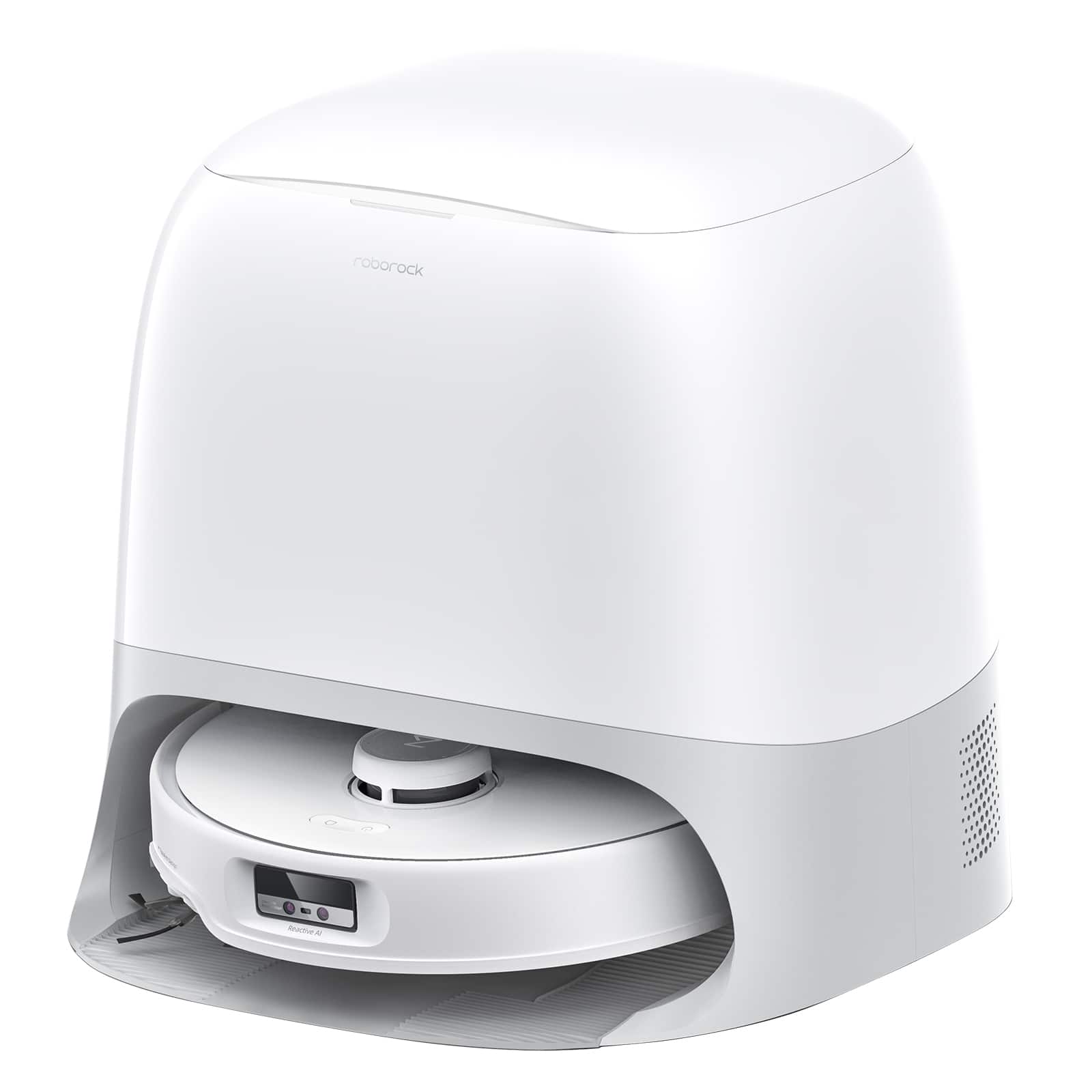





The robot vacuum world has exploded with innovation over the past few years, transforming from simple spinning discs into sophisticated home cleaning systems. Today's premium models don't just vacuum—they map your house, dodge obstacles, and handle mopping duties with heated water cleaning that rivals manual scrubbing. Two standout models from 2024 represent very different approaches to this technology: the Roborock Qrevo Curv brings cutting-edge engineering prowess, while the Shark PowerDetect ThermaCharged focuses on practical automation at a more accessible price point.
Modern robot vacuum and mop combos have become remarkably sophisticated cleaning systems. Unlike the early models that bumped around randomly, today's premium units use LiDAR (Light Detection and Ranging)—the same technology in self-driving cars—to create detailed maps of your home. They can distinguish between carpet and hardwood, lift their mop pads automatically, and even wash and dry their own cleaning cloths.
The key performance areas that separate good models from great ones include suction power (measured in Pascals), navigation intelligence, obstacle avoidance, and maintenance automation. The best models also excel at edge cleaning—getting right up to baseboards and into corners where dirt loves to hide.
Released in 2024, both the Roborock Qrevo Curv and Shark PowerDetect ThermaCharged represent the pinnacle of their respective brand philosophies. The Qrevo Curv showcases Roborock's engineering-first approach with industry-leading suction power and innovative mechanical solutions. Meanwhile, the PowerDetect ThermaCharged demonstrates Shark's focus on solving real-world cleaning problems with practical automation features.
At the time of writing, the Roborock model commands a premium price reflecting its advanced technology, while the Shark unit offers many high-end features at a more accessible price point—particularly attractive given significant discounts from its original launch price.
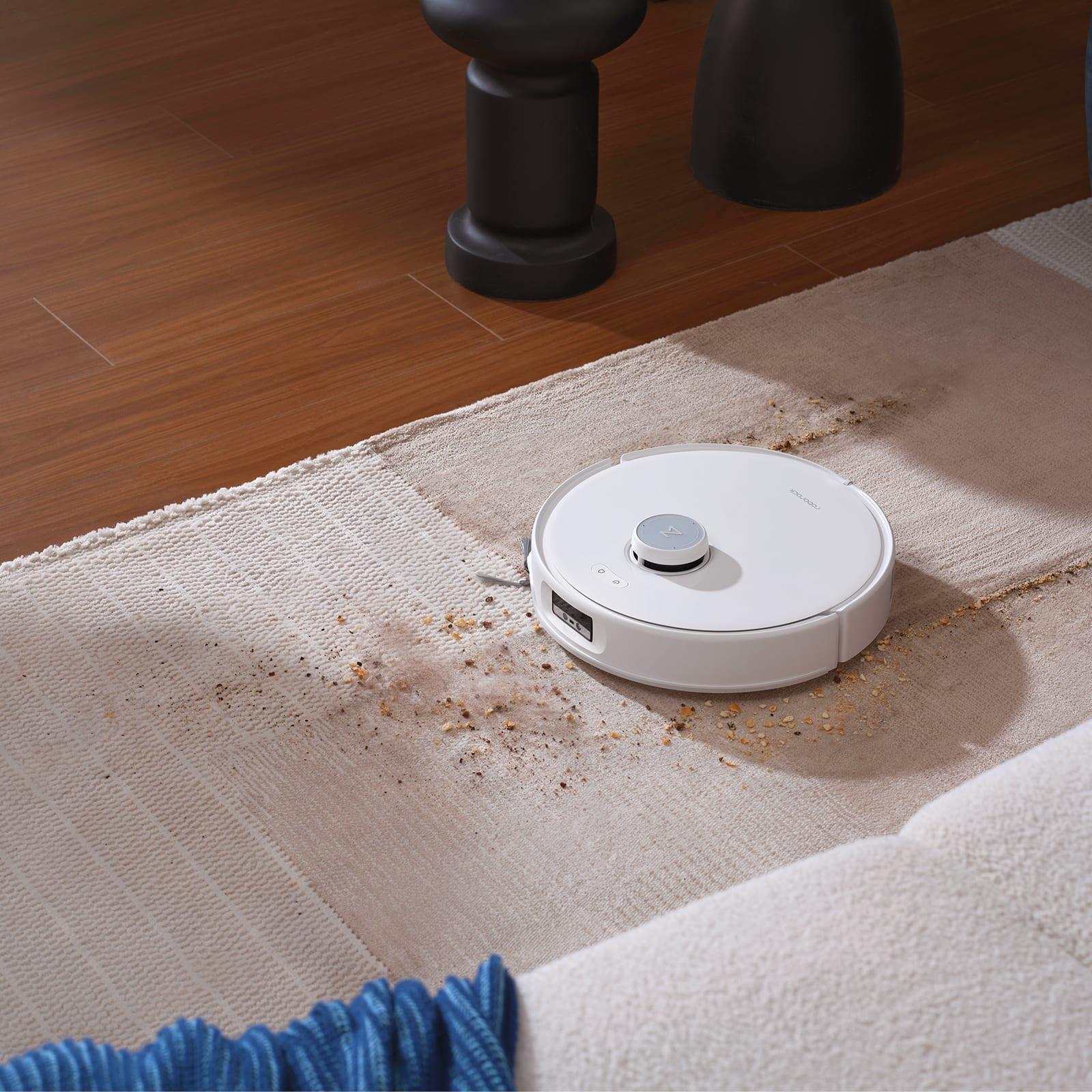
The most fundamental job of any vacuum is picking up dirt, and here the differences become immediately apparent. The Roborock Qrevo Curv delivers an impressive 18,500 Pa of suction power—among the highest available in consumer robot vacuums. To put this in perspective, most standard robot vacuums operate around 2,000-3,000 Pa, making the Qrevo Curv's power nearly six times stronger.
This raw power translates into real-world performance. In professional testing, the Roborock model scored 86 out of 100 for carpet deep cleaning, ranking it sixth among over 100 robot vacuums tested. That's particularly impressive for embedded debris—the kind of deep-down dirt that requires serious suction to extract from carpet fibers.
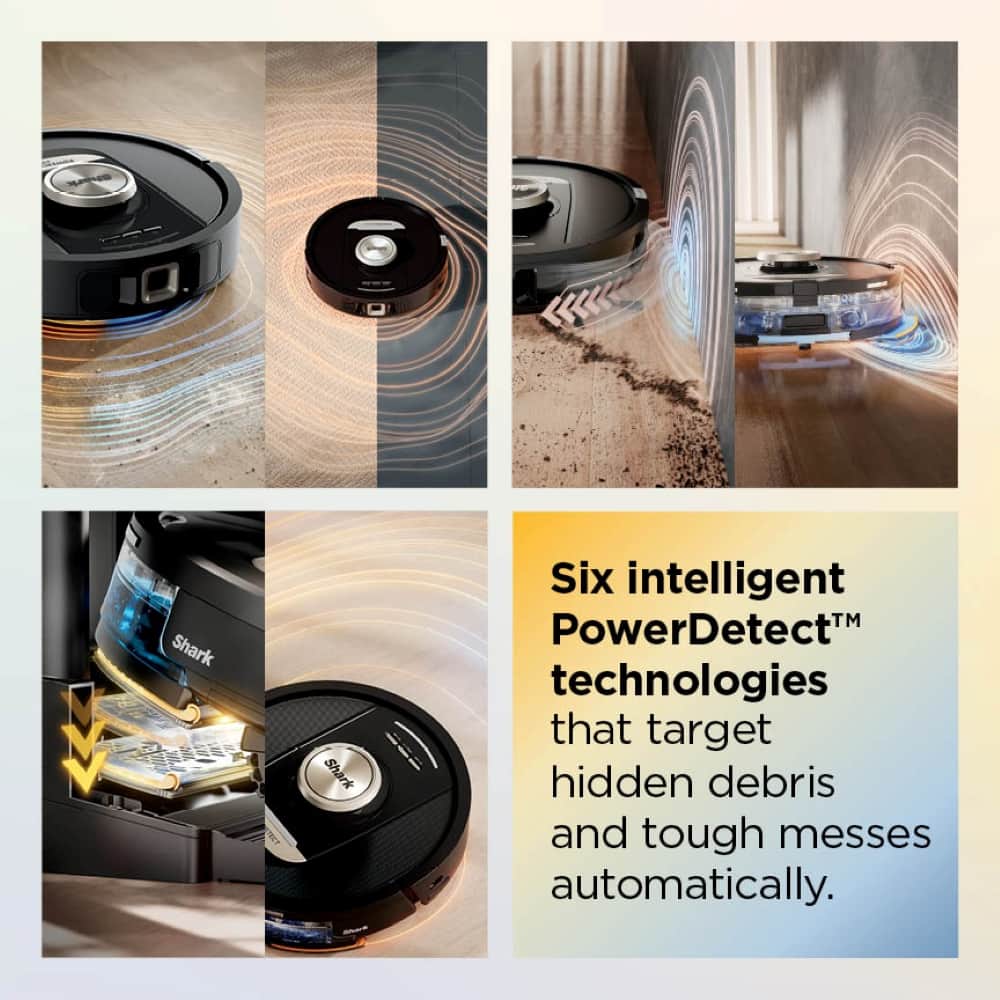
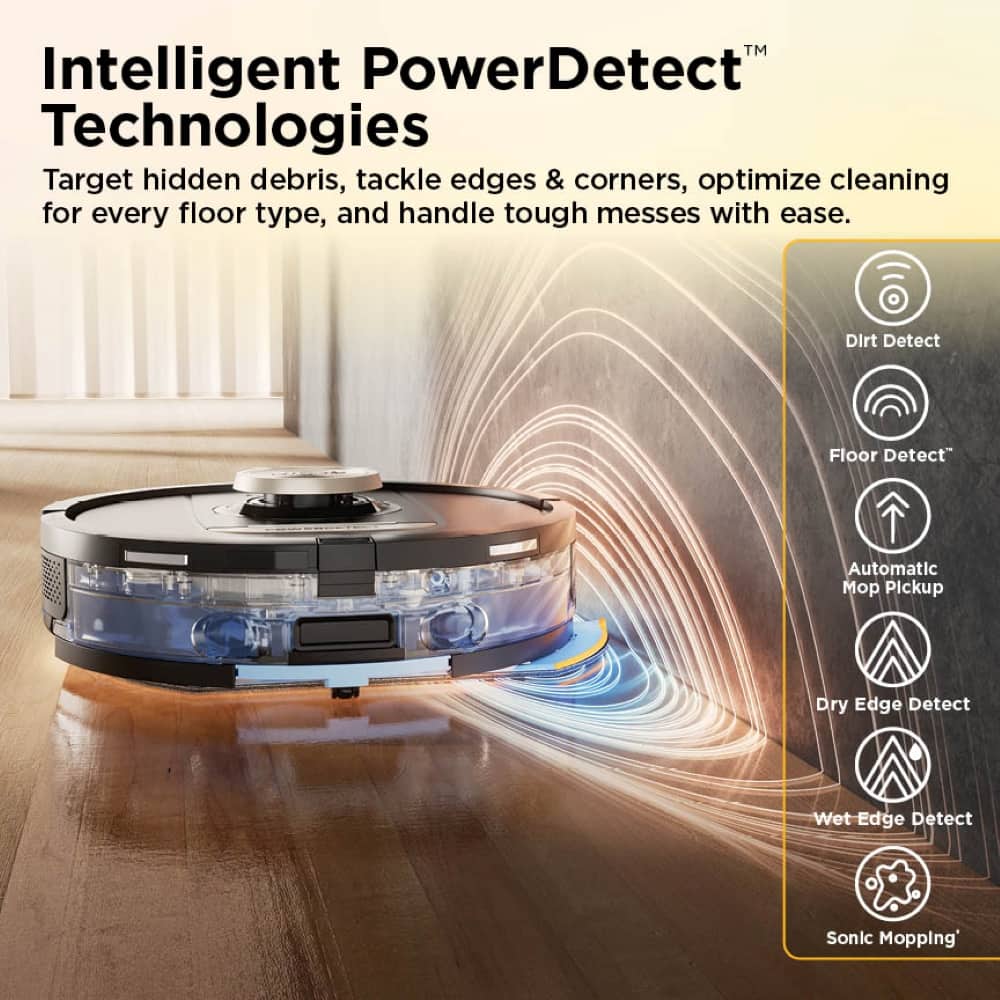
The Shark PowerDetect takes a different approach, focusing on intelligent power management rather than maximum output. Its DirtDetect sensors automatically identify areas with heavy debris and boost suction accordingly. This means the robot works smarter, not necessarily harder, potentially extending battery life while still handling dirty spots effectively.
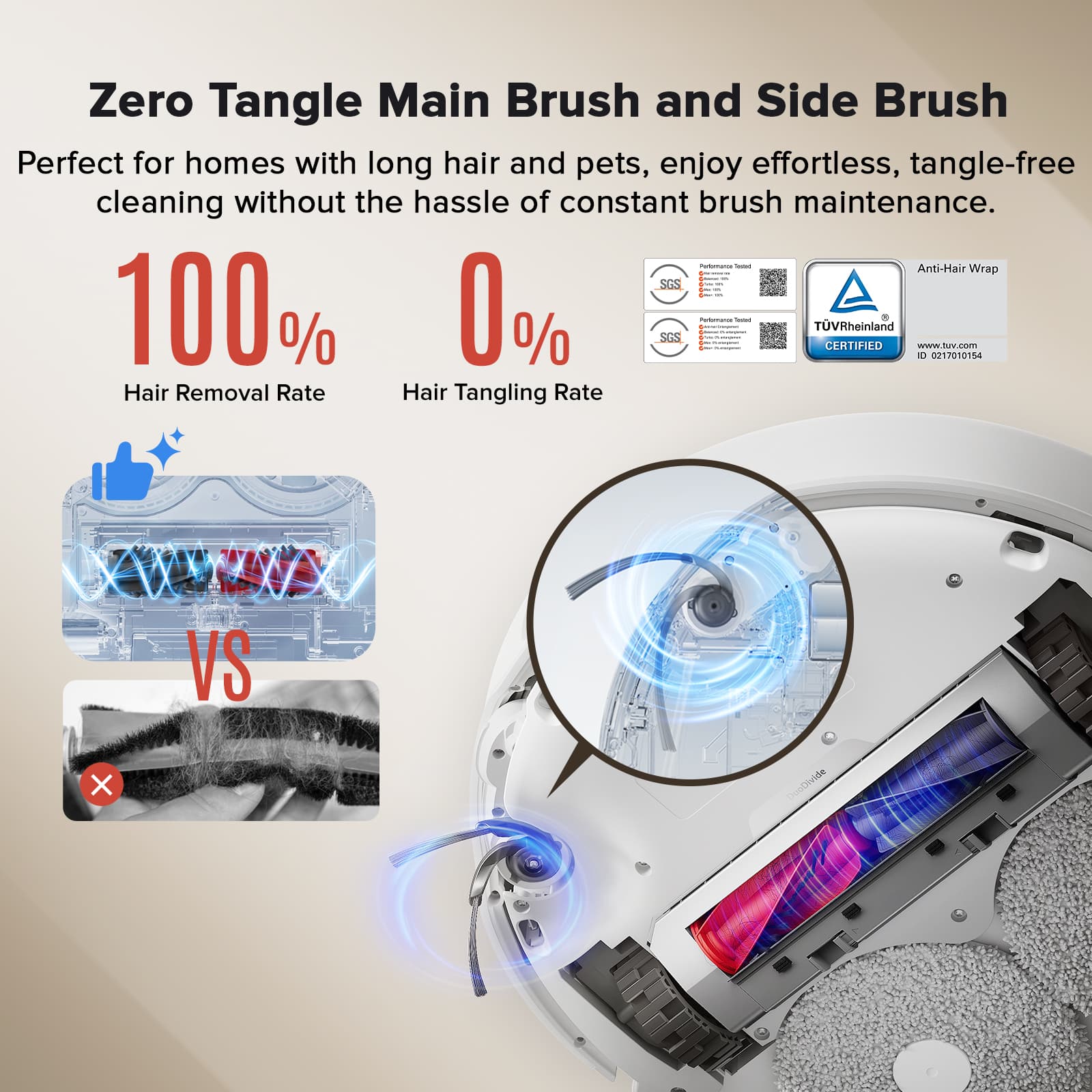
For pet owners, both models address the notorious challenge of pet hair wrapping around brush rollers—a problem that can shut down cheaper robots entirely. The Qrevo Curv features a revolutionary DuoDivide main brush that splits into two separate sections with a gap in the center, directing hair away from the roller. Professional testing gave this system perfect scores for pet hair tangle resistance. The Shark model uses a more traditional anti-hair wrap design that's proven effective but not groundbreaking.
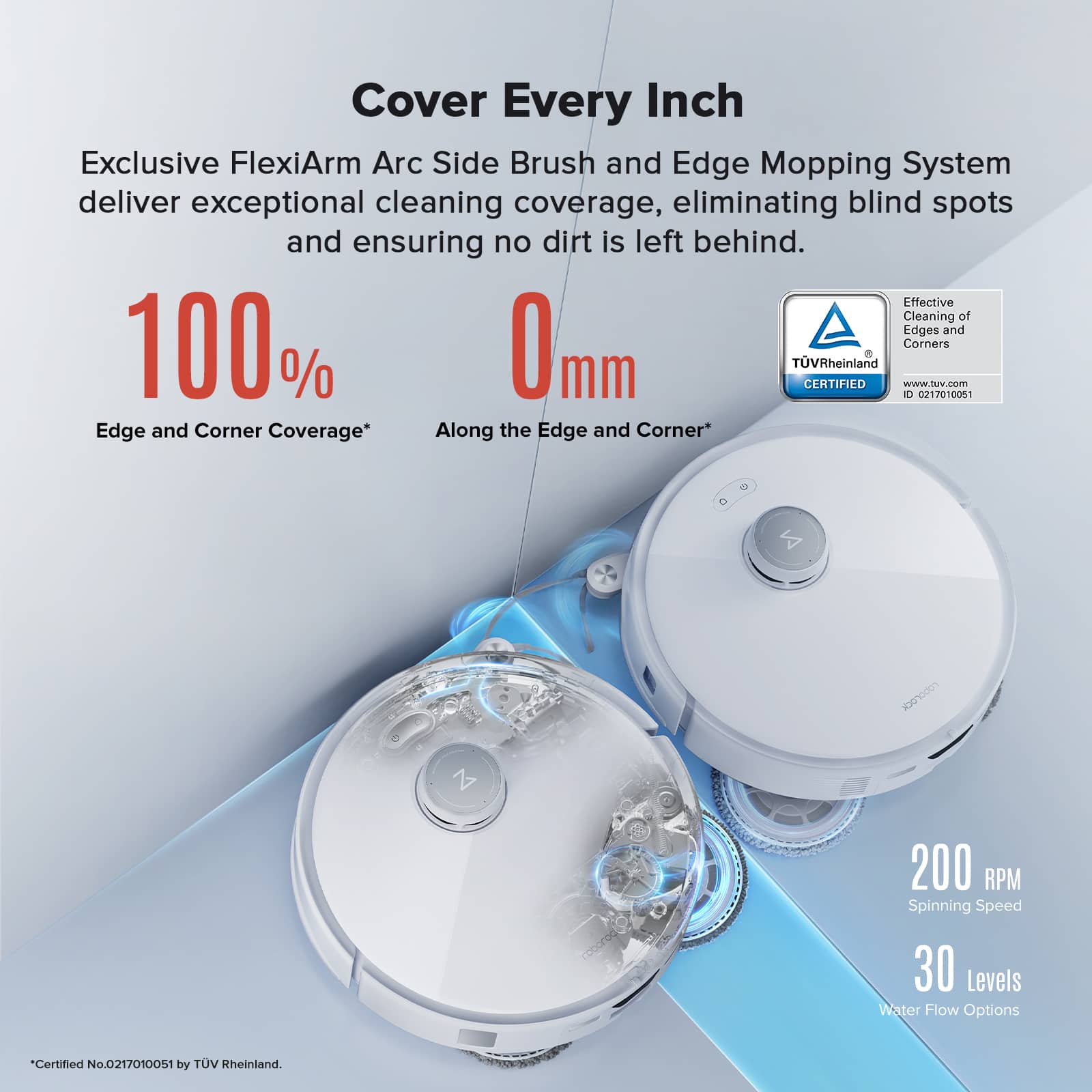
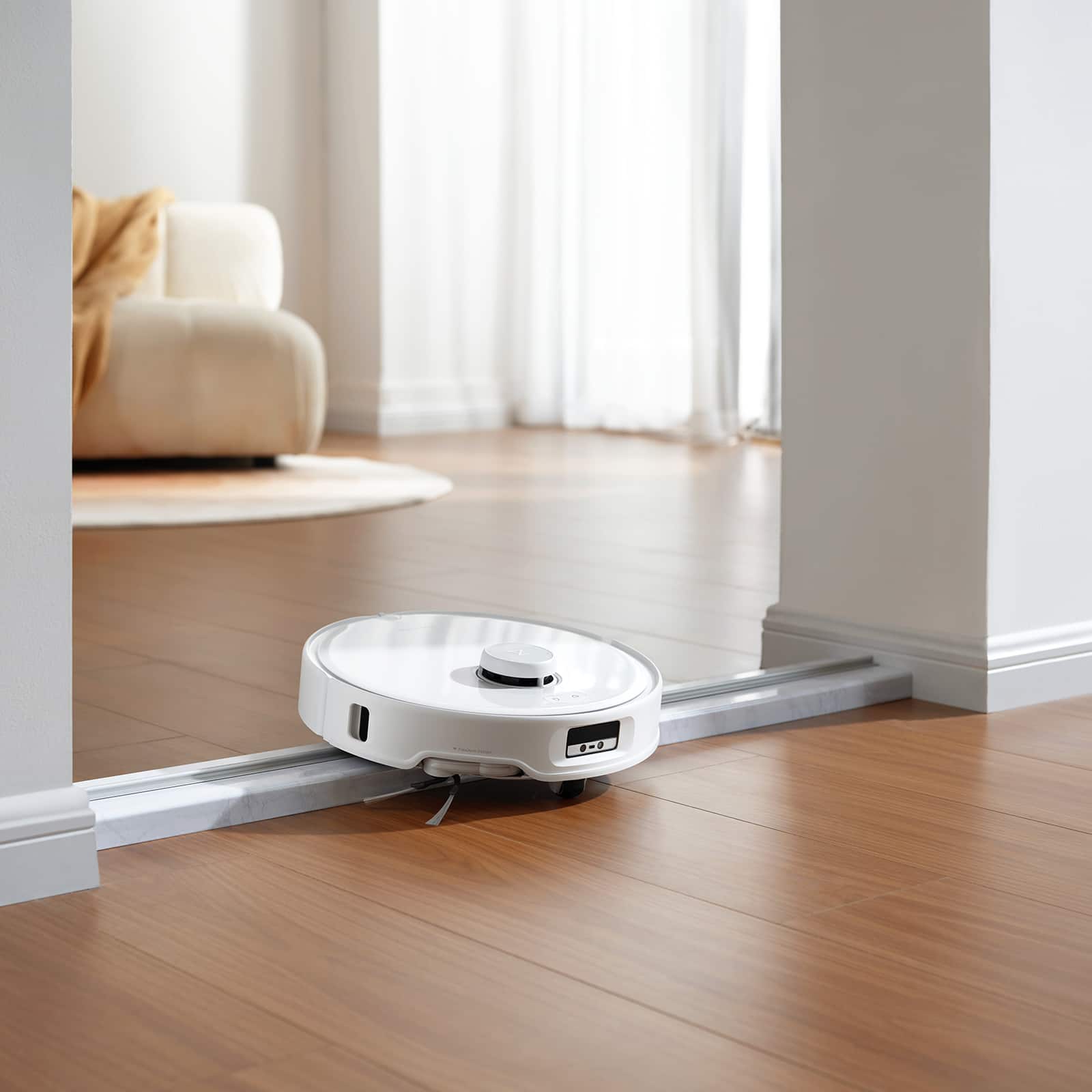
Hard floor cleaning reveals another fundamental difference in approach. The Roborock Qrevo Curv employs FlexiArm technology—an extending side brush and mop system that reaches into corners and along baseboards. Think of it like having an extra arm that stretches out when needed. This system proved "outstanding" in professional testing for hard floor pickup.
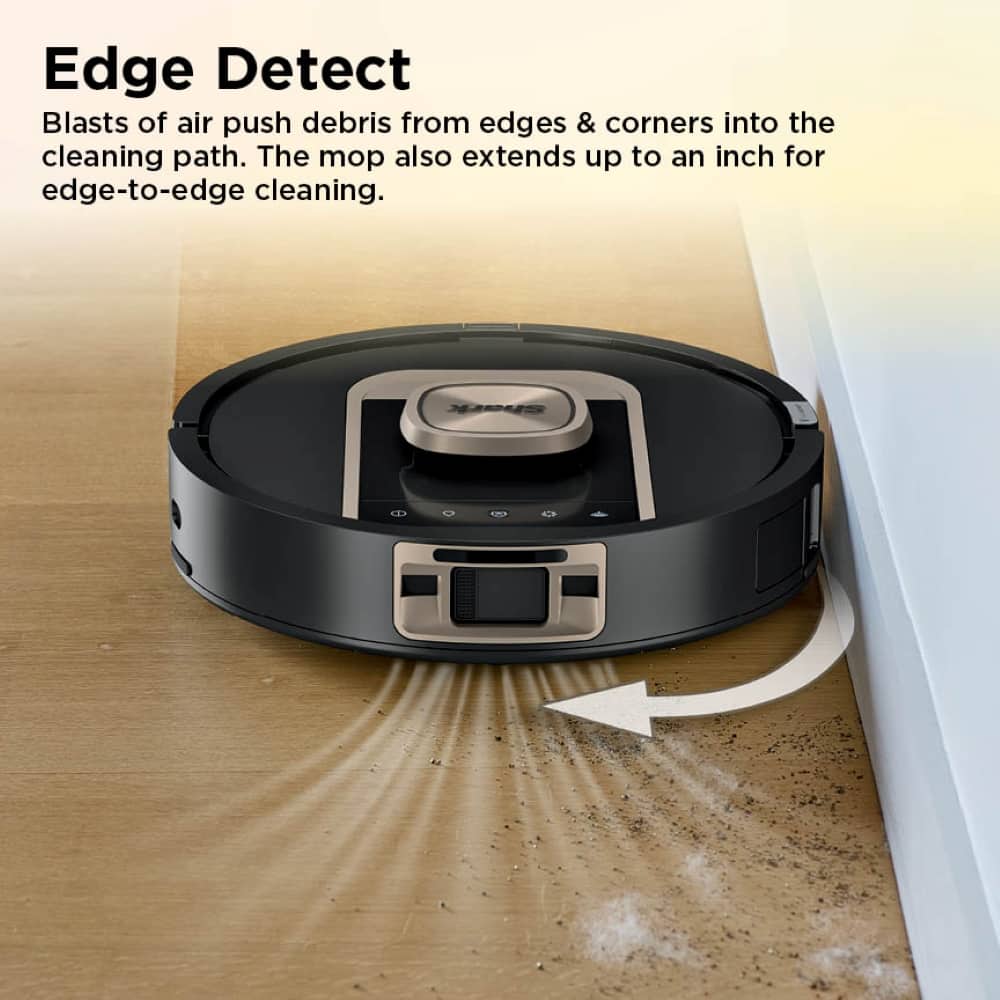
The Shark PowerDetect counters with EdgeDetect air blasts that use pressurized air to dislodge debris from corners before the main cleaning system passes over. It's a clever solution that addresses the same problem differently—instead of reaching into corners, it forces dirt out of corners.
For mopping, both systems offer impressive capabilities but with distinct strengths. The Qrevo Curv provides granular control with 30 custom water flow levels, allowing precise adjustment for different floor types and soil levels. Its dual spinning mops can lift 10mm to avoid wetting carpets—essential for homes with mixed flooring.
The Shark model features Sonic mopping, vibrating the mop pad up to 100 times per minute for enhanced scrubbing action. This high-frequency vibration helps break down sticky residues and dried-on spills more effectively than passive mopping alone.
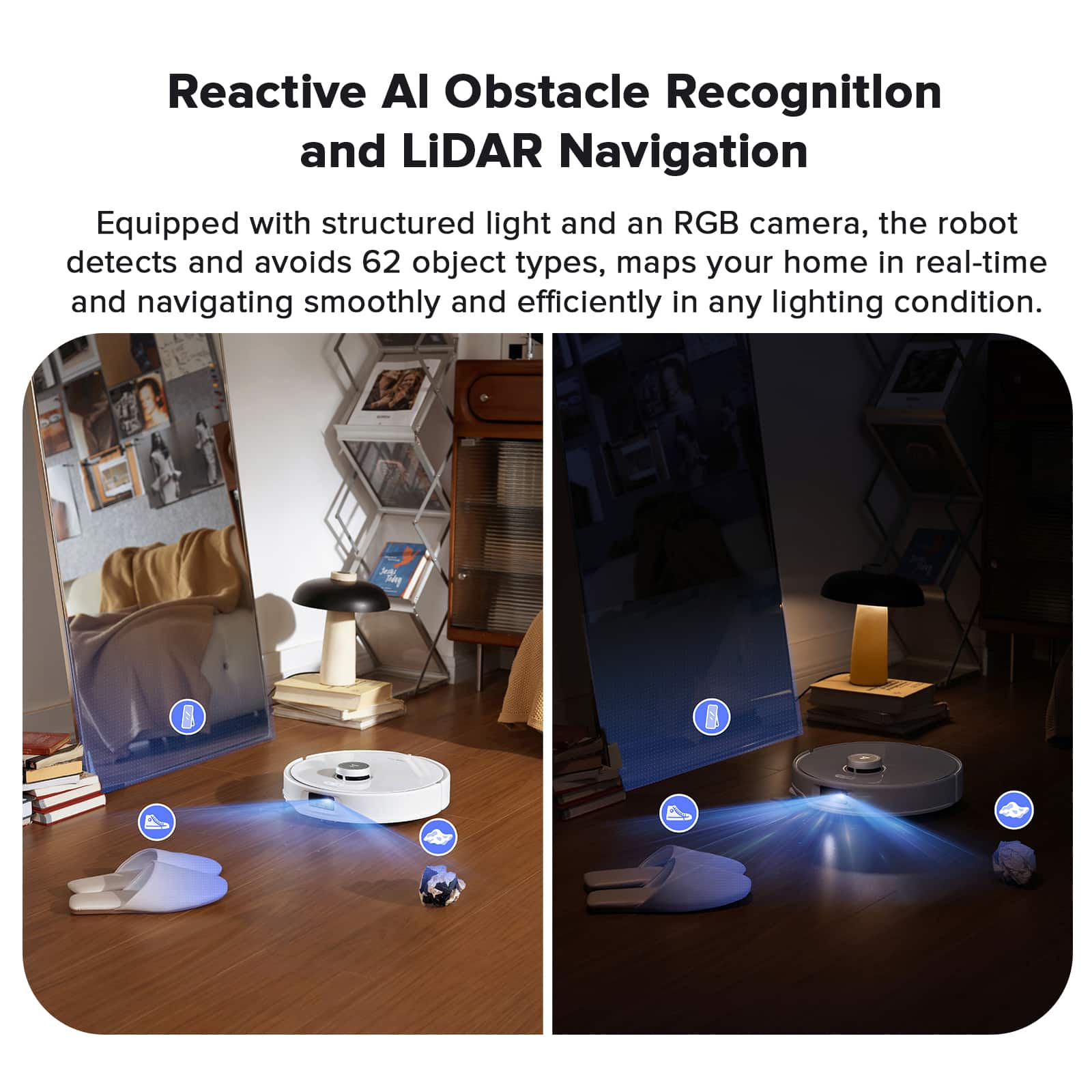
Modern robot vacuums are essentially autonomous vehicles navigating your home, and their "brains" determine how effectively they clean and how often they get stuck. The Roborock Qrevo Curv uses Reactive AI—a sophisticated system combining RGB cameras, 3D structured light sensors, and LiDAR mapping. This triple-sensor approach allows it to recognize and avoid 62 different object types across 20 categories, from pet waste to cables to shoes.
Importantly, this system works in dark environments thanks to built-in LED lighting, and it can even take photos of detected pets through a "Pet Snap" feature. The remote viewing capability turns your robot vacuum into a mobile security camera, letting you check on your home or pets through the app.
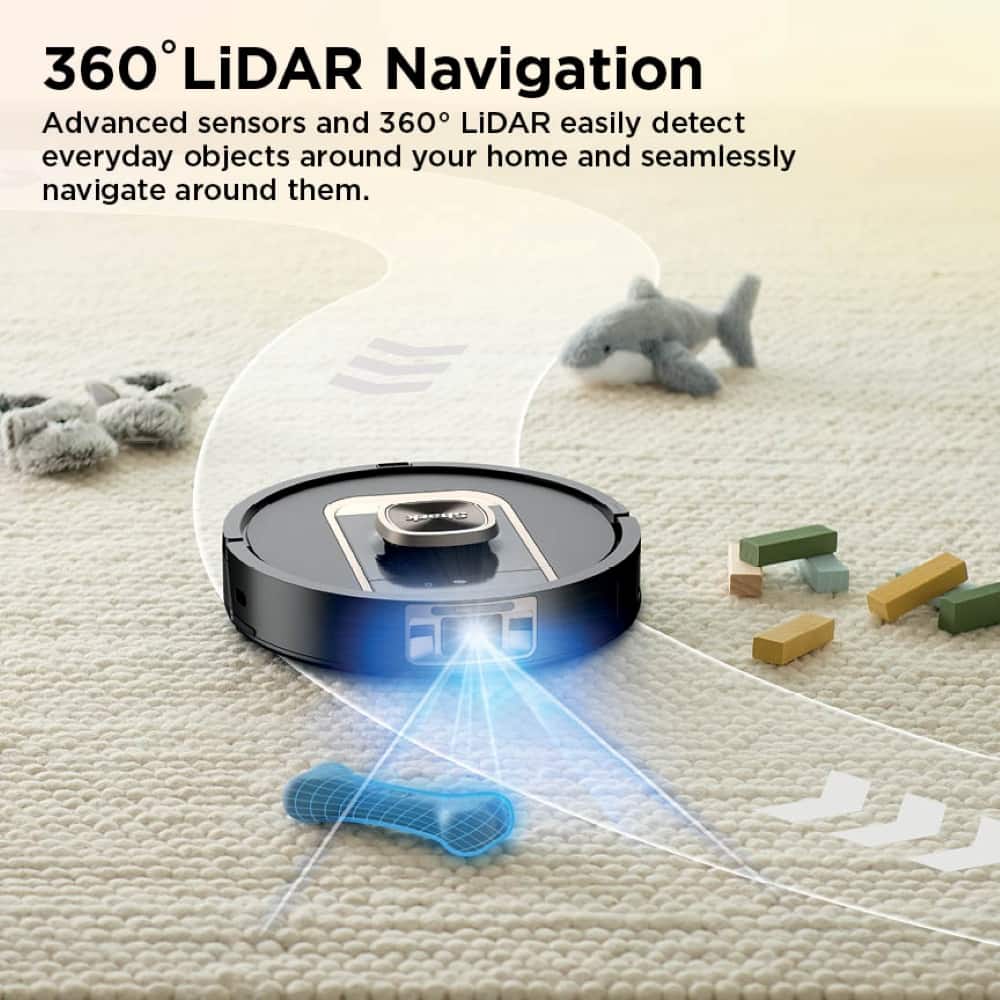
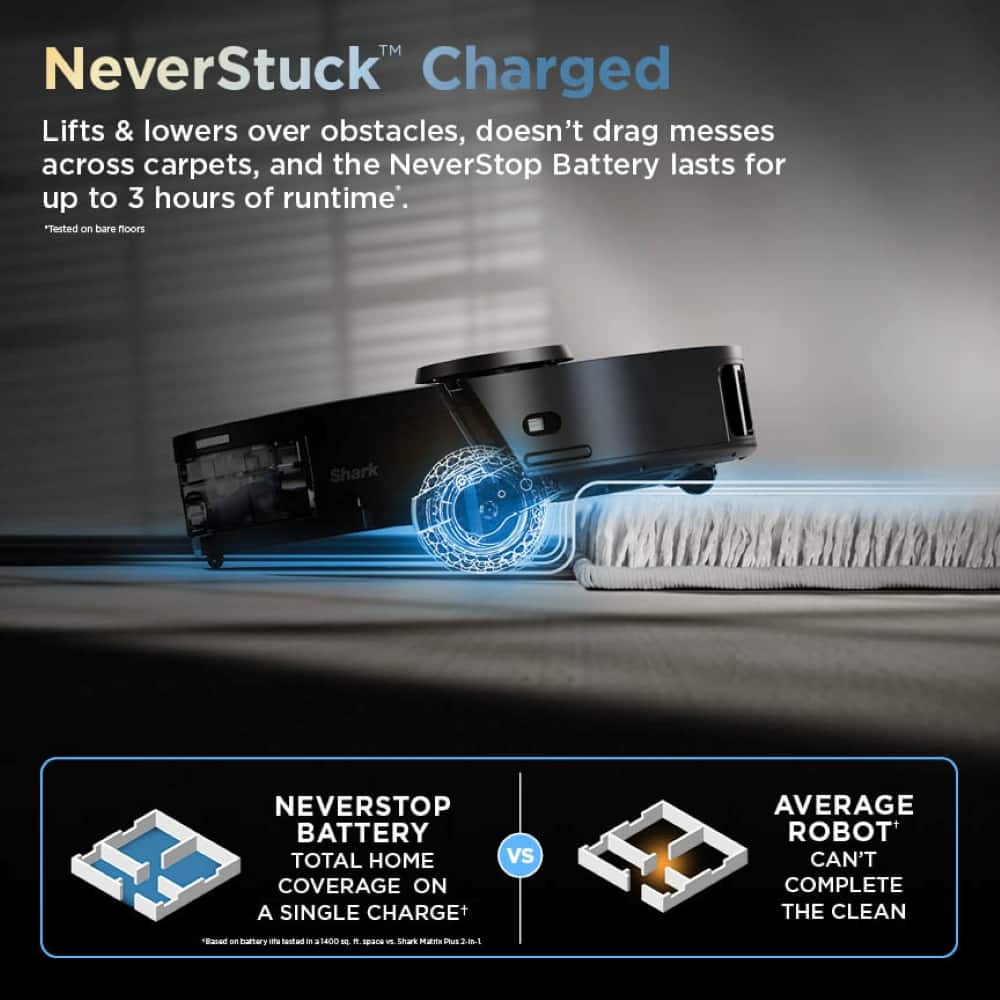
The Shark PowerDetect uses a more streamlined approach with 360-degree LiDAR plus 3D structured light sensors. While it lacks the advanced object recognition of the Roborock model, it compensates with practical features like NeverStuck Mobility, which physically lifts the robot chassis to escape tight spots or cross obstacles.
Professional testing reveals the real-world impact: the Qrevo Curv successfully avoids about 66% of test obstacles, which is above average but not perfect. Both systems occasionally struggle with thin cables or dark objects, requiring some pre-cleaning for optimal performance.
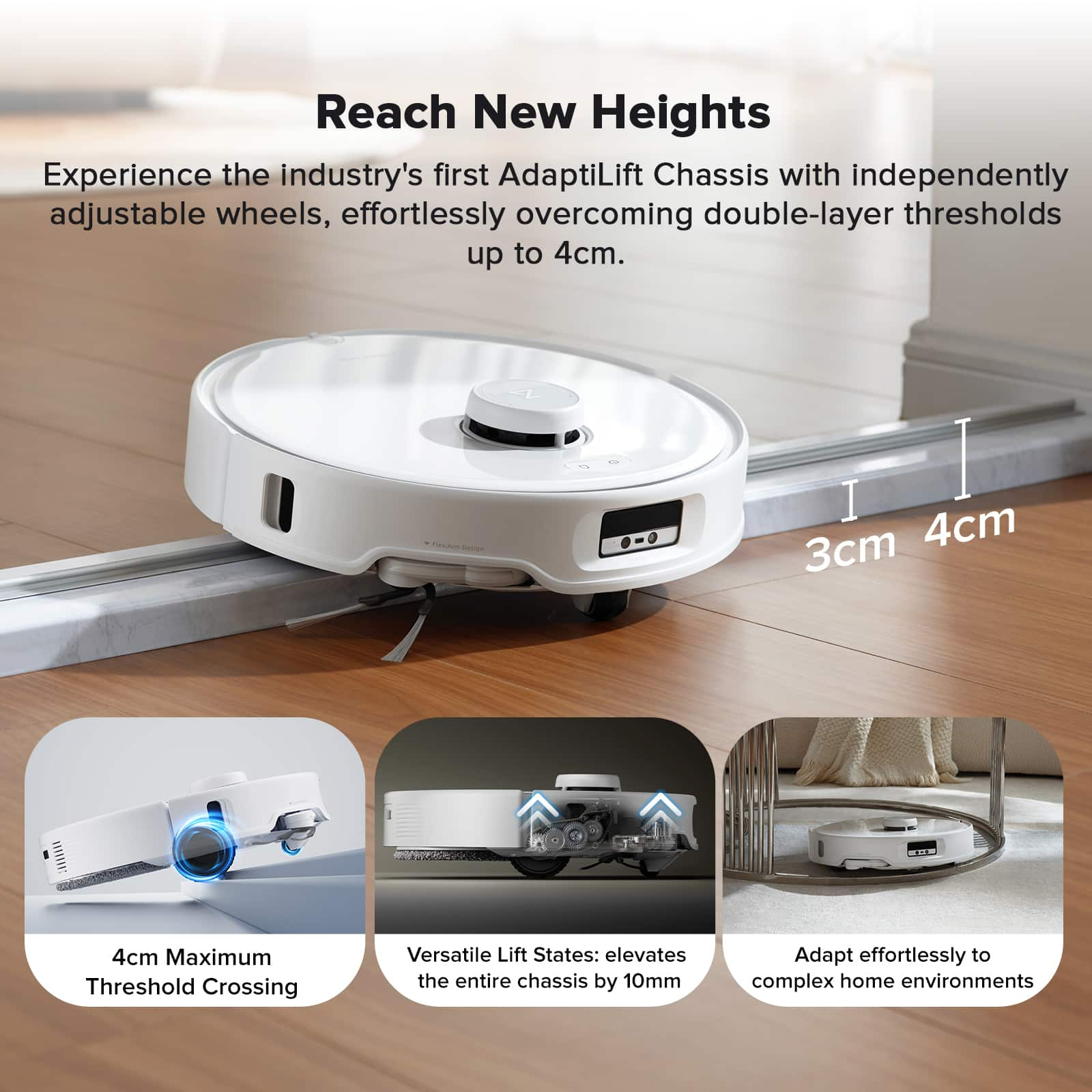
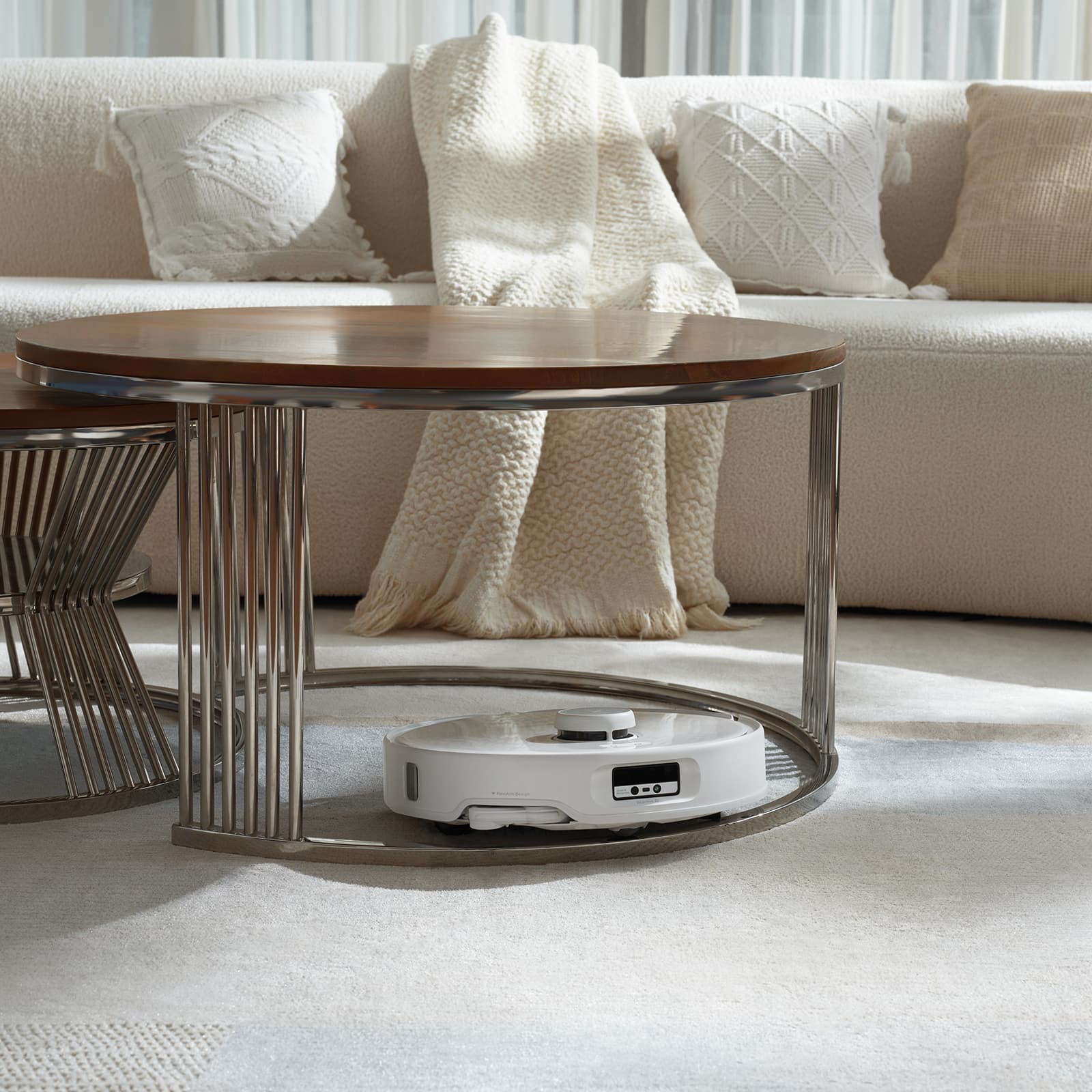
One of the most impressive innovations in the Roborock Qrevo Curv is its AdaptiLift Chassis—an industry-first system that independently adjusts the height of each wheel. This allows the robot to traverse complex obstacles up to 40mm high, including challenging double-layer thresholds that would stop most other robots. It's like having a robot that can dynamically adjust its stance to climb over obstacles.
The Shark PowerDetect offers similar capability with its NeverStuck system, crossing thresholds up to 38mm high. While slightly less capable, this still handles most home transitions effectively, including the notorious challenge of moving from hardwood to thick area rugs.
These mobility improvements represent a significant advancement over earlier robot vacuums, which often required manual intervention to move between rooms or got permanently stuck on transitions.
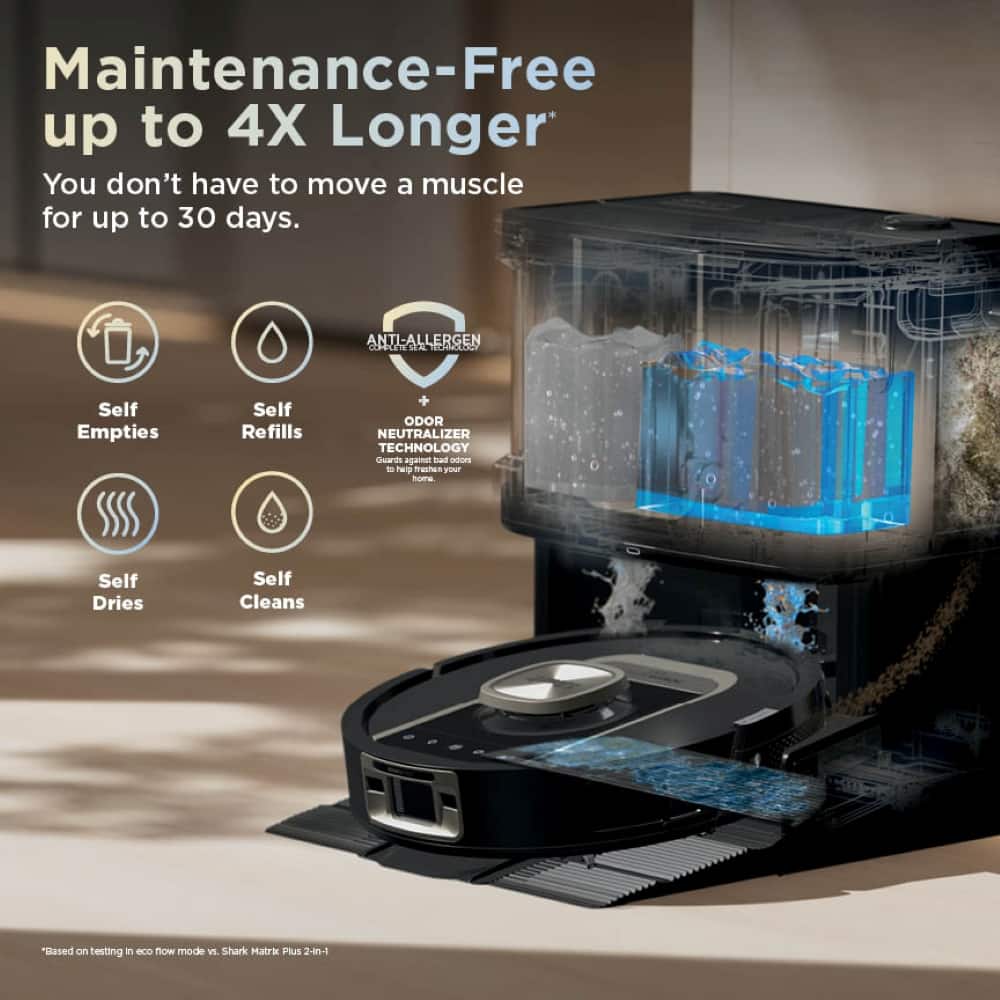
Perhaps the most transformative aspect of modern robot vacuums is their ability to maintain themselves. Both models feature sophisticated base stations that handle multiple maintenance tasks automatically.
The Roborock Qrevo Curv uses hot water mop washing at 75°C (167°F) and warm air drying, achieving 99.99% bacteria removal according to the manufacturer. The base station holds 4 liters of clean water and 3.5 liters of dirty water, plus a 2.7-liter dust bag. This setup can handle several weeks of cleaning with minimal user intervention.
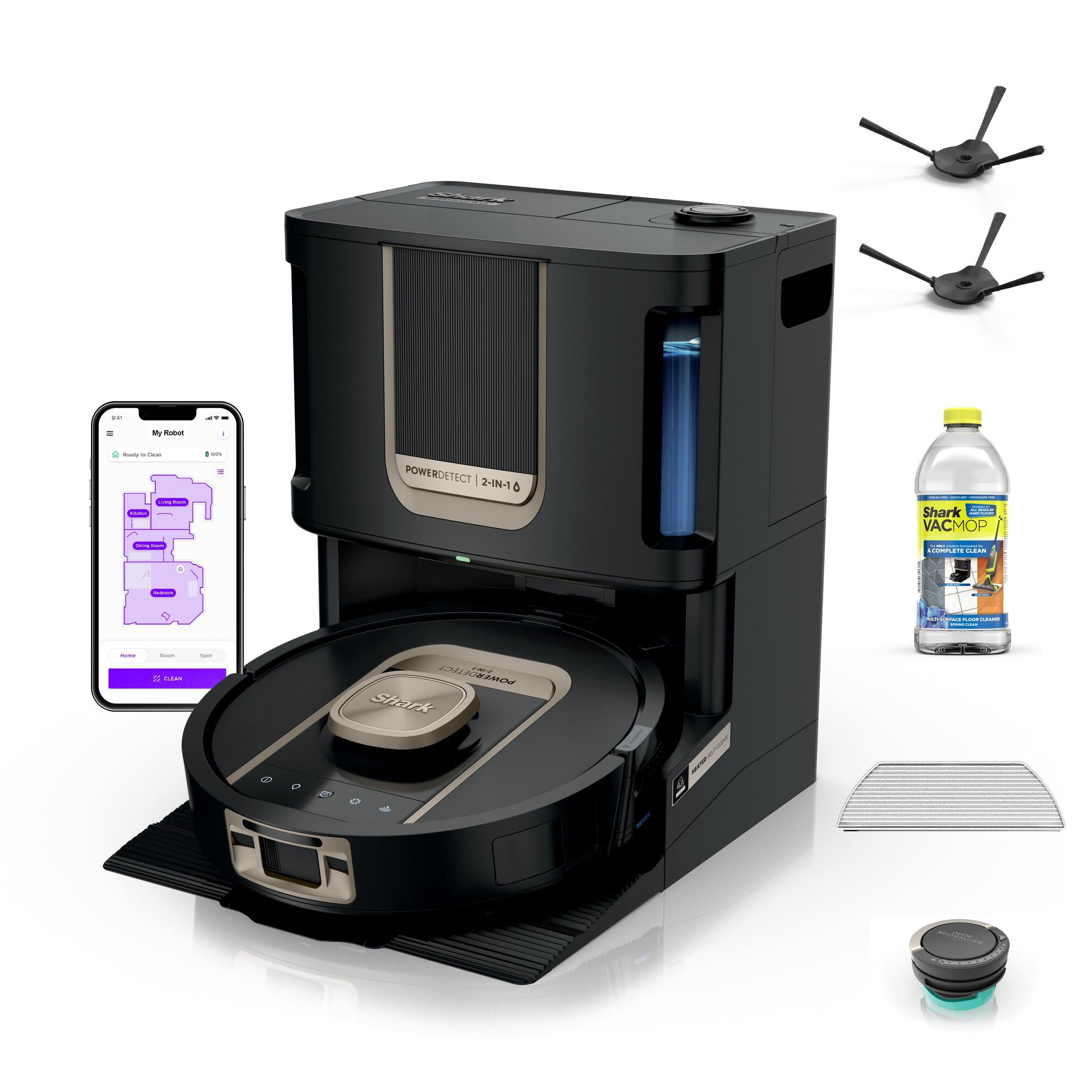
The Shark PowerDetect takes mop sanitation even further with 185°F water washing and 175°F heated air drying—noticeably hotter than the Roborock system. This higher temperature provides additional bacteria killing and odor elimination. The base also includes Odor Neutralizer Technology and HEPA filtration, creating a more comprehensive air cleaning system.
Significantly, the Shark model uses a bagless debris system with 60-day capacity, while the Qrevo Curv requires periodic dust bag replacement. The bagless approach reduces ongoing costs but may require more frequent base cleaning.
Battery performance directly impacts cleaning effectiveness, especially in larger homes. The Roborock Qrevo Curv offers exceptional 240-minute runtime from its 6,400 mAh battery, covering up to 4,300 square feet per charge. This extended runtime means fewer interruptions and more consistent cleaning patterns.
The Shark PowerDetect provides a respectable 180-minute runtime, sufficient for most homes but requiring more frequent recharging in larger spaces. However, both models automatically return to their base stations for recharging and resume cleaning where they left off.
The efficiency of cleaning patterns matters as much as raw battery life. Both models use systematic row-by-row cleaning rather than random bouncing, ensuring complete coverage without redundant passes.
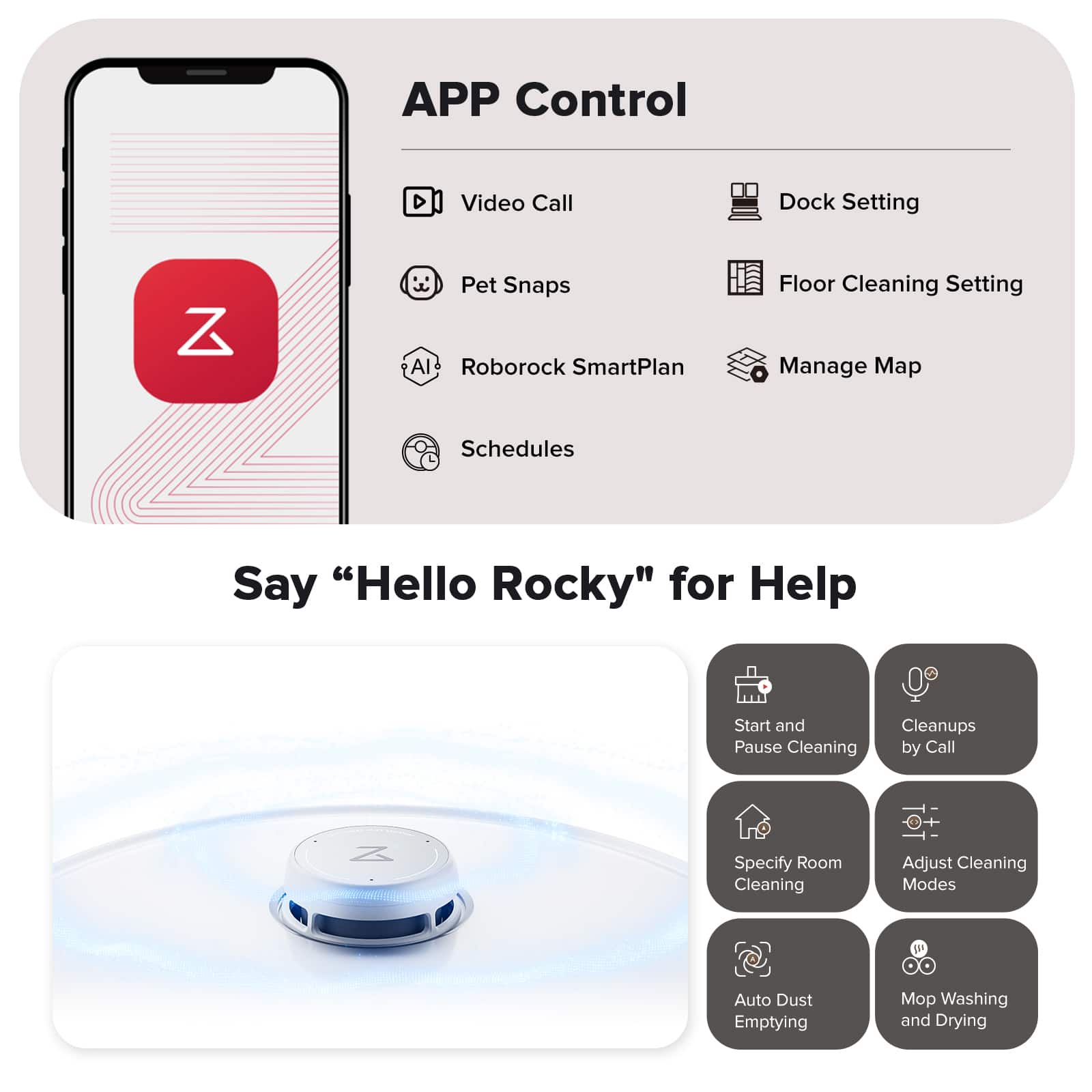
The digital experience separates premium robot vacuums from basic models. The Roborock Qrevo Curv offers a comprehensive app with multi-level mapping, virtual walls, no-go zones, and detailed cleaning history. The built-in "Hello Rocky" voice assistant allows hands-free operation without requiring external smart speakers.
The Shark PowerDetect's app provides basic functionality but lacks advanced features like multi-floor mapping or detailed cleaning logs beyond one month. This simplified approach may appeal to users who want straightforward operation without complex customization options.
Both models integrate with popular voice assistants, but the Roborock's native voice control provides additional convenience for quick commands and adjustments.
For home theater enthusiasts, both robots offer considerations worth noting. The Roborock Qrevo Curv operates at relatively low noise levels during mopping (around 55 dB) but can be louder during high-suction carpet cleaning. Its advanced obstacle avoidance makes it safer around expensive AV equipment and cable management systems.
The Shark PowerDetect includes specific features that benefit media rooms: its EdgeDetect air blasts help clean around entertainment centers where cables and equipment create challenging spaces, while its systematic cleaning patterns avoid randomly bumping into delicate components.
Both models can be scheduled to clean when rooms aren't in use, and their advanced navigation prevents disruption of carefully positioned subwoofers or speakers.
Construction quality impacts both performance and longevity. The Roborock Qrevo Curv features premium materials including magnetic access panels and robust component design. Roborock's track record for reliability and parts availability adds confidence for long-term ownership.
The Shark PowerDetect uses sturdy plastic construction with practical design choices prioritizing functionality over premium feel. Being a newer model from Shark, long-term reliability remains to be proven, though the company offers a two-year warranty compared to Roborock's one-year coverage.
The choice between these models ultimately depends on your priorities and budget. The Roborock Qrevo Curv represents the pinnacle of robot vacuum engineering with superior suction power, advanced navigation, and comprehensive smart features. It's the clear choice for tech enthusiasts, complex home layouts, or households with heavy pet shedding where its superior hair management and obstacle navigation justify the premium price.
The Shark PowerDetect ThermaCharged offers remarkable value by delivering many advanced features at a more accessible price point. Its higher-temperature mop cleaning, extended maintenance intervals, and practical automation make it ideal for users who want premium capabilities without the premium price tag.
For most buyers seeking their first premium robot vacuum, the Shark model provides an excellent entry point into advanced automation. However, those with specific challenges—multiple floors, complex layouts, or heavy pet hair—will benefit from the Roborock's superior technology.
Both represent significant improvements over earlier robot vacuums, offering genuine hands-off cleaning that previous generations couldn't match. The decision comes down to whether you prioritize cutting-edge engineering or practical value—both approaches deliver impressively clean floors with minimal effort from you.
| Roborock Qrevo Curv Robot Vacuum and Mop | Shark PowerDetect ThermaCharged 2-in-1 Robot Vacuum Mop RV2920XE |
|---|---|
| Suction Power - Higher numbers mean better carpet deep cleaning and pet hair pickup | |
| 18,500 Pa (among the highest available) | Not specified, but includes automatic dirt detection boost |
| Navigation System - More sensors mean better obstacle avoidance and mapping accuracy | |
| Reactive AI with RGB camera + 3D structured light + LiDAR | 360° LiDAR + 3D structured light (no camera) |
| Obstacle Recognition - Prevents getting stuck and reduces pre-cleaning effort | |
| Recognizes 62 object types, works in dark, takes pet photos | Basic obstacle avoidance without object identification |
| Mop Washing Temperature - Higher heat kills more bacteria and prevents odors | |
| 75°C (167°F) hot water washing | 185°F hot water washing (hottest available) |
| Anti-Tangle Brush System - Critical for homes with long hair or pets | |
| DuoDivide split brush (perfect tangle resistance scores) | Anti-hair wrap design (standard effectiveness) |
| Threshold Climbing - Determines which room transitions the robot can handle | |
| AdaptiLift chassis crosses up to 40mm (industry highest) | NeverStuck system crosses up to 38mm |
| Battery Runtime - Longer runtime means fewer charging interruptions | |
| 240 minutes (covers up to 4,300 sq ft) | 180 minutes (adequate for most homes) |
| Base Station Maintenance Intervals - How often you need to empty/refill | |
| Manual dust bag changes, 4L water tanks | 60-day bagless debris, 30-day water capacity |
| App Features - Advanced users benefit from more customization options | |
| Comprehensive app with multi-mapping, detailed logs, voice assistant | Basic app with limited features, no multi-floor mapping |
| Edge Cleaning Technology - Important for thorough wall and corner cleaning | |
| FlexiArm extending brush and mop system | EdgeDetect air blasts plus extending mop pad |
| Smart Home Integration - Voice control and automation capabilities | |
| Built-in "Hello Rocky" voice assistant plus third-party support | Third-party voice assistant compatibility only |
| Warranty Coverage - Protection for your investment | |
| 1-year limited warranty | 2-year limited warranty |
The Roborock Qrevo Curv delivers significantly stronger suction at 18,500 Pa, making it one of the most powerful robot vacuums available. This translates to better carpet deep cleaning and pet hair pickup. The Shark PowerDetect ThermaCharged doesn't specify its suction power but uses intelligent DirtDetect sensors to automatically boost suction in high-debris areas, working smarter rather than relying on raw power alone.
The Roborock Qrevo Curv excels for pet owners with its revolutionary DuoDivide anti-tangle brush that achieved perfect scores in professional pet hair tests. It can also take photos of detected pets and has superior hair management. The Shark PowerDetect offers solid pet hair handling with its anti-hair wrap brushroll and can detect pet waste to avoid it, but isn't as advanced in hair tangle prevention.
Both models offer heated mop washing, but with different approaches. The Shark PowerDetect ThermaCharged uses hotter water at 185°F for washing and 175°F for drying, providing superior bacteria elimination. The Roborock Qrevo Curv washes at 167°F and offers more granular control with 30 custom water flow levels for different floor types and soil levels.
The Roborock Qrevo Curv features more advanced navigation with Reactive AI that recognizes 62 different object types using cameras, 3D sensors, and LiDAR. It can work in dark environments and successfully avoids about 66% of obstacles. The Shark PowerDetect uses 360° LiDAR and 3D structured light but lacks advanced object recognition, focusing instead on practical mobility with its NeverStuck chassis lifting system.
The Roborock Qrevo Curv offers superior battery life with 240 minutes of runtime, covering up to 4,300 square feet per charge. The Shark PowerDetect ThermaCharged provides 180 minutes of runtime, which is sufficient for most homes but requires more frequent recharging in larger spaces. Both models automatically return to base and resume cleaning after recharging.
The Shark PowerDetect requires less frequent maintenance with its 60-day bagless debris capacity and 30-day water tank intervals. The Roborock Qrevo Curv uses dust bags that need periodic replacement and has smaller water tanks, but offers more comprehensive automated cleaning cycles. Both models handle mop washing and drying automatically.
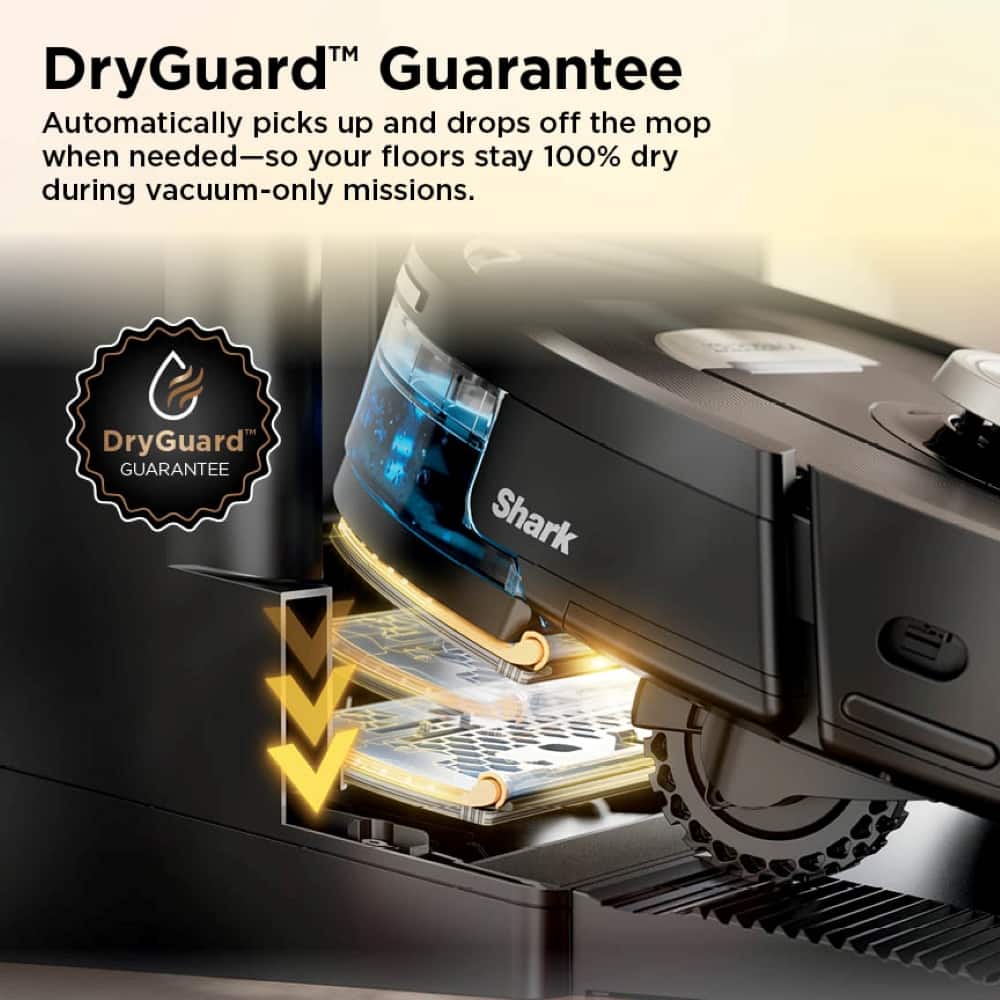
Both the Roborock Qrevo Curv and Shark PowerDetect ThermaCharged excel on multiple floor types. The Roborock model offers more precise control with carpet detection modes and 10mm mop lift to avoid wetting carpets. The Shark model uses FloorDetect technology to automatically adjust cleaning based on surface type and includes DryGuard to lift mops on carpets.
The Roborock Qrevo Curv offers a comprehensive app with multi-level mapping, virtual walls, detailed cleaning logs, and a built-in "Hello Rocky" voice assistant. The Shark PowerDetect provides a more basic app experience without multi-floor mapping or detailed history beyond one month, but includes third-party voice assistant compatibility for simpler operation.
Both models address edge cleaning differently. The Roborock Qrevo Curv uses FlexiArm technology with extending side brushes and mops that physically reach into corners. The Shark PowerDetect ThermaCharged employs EdgeDetect air blasts to force debris out of corners before cleaning, plus Wet EdgeDetect that extends the mop pad to walls.
The Roborock Qrevo Curv features the industry's most advanced threshold crossing with its AdaptiLift chassis that independently adjusts each wheel to cross obstacles up to 40mm high. The Shark PowerDetect uses NeverStuck mobility to cross thresholds up to 38mm, which handles most home transitions effectively but is slightly less capable than the Roborock model.
The Shark PowerDetect ThermaCharged typically offers better value with many premium features at a more accessible price point, especially considering its longer maintenance intervals and higher mop washing temperatures. The Roborock Qrevo Curv commands a premium for its superior suction power, advanced navigation, and comprehensive smart features, making it worth the extra cost for tech enthusiasts and complex homes.
Both the Roborock Qrevo Curv and Shark PowerDetect ThermaCharged work well around entertainment centers. The Roborock model offers superior obstacle avoidance to navigate safely around expensive AV equipment and operates quietly during mopping at 55 dB. The Shark model includes EdgeDetect air blasts that help clean around entertainment centers where cables create challenging spaces, and both can be scheduled to clean when rooms aren't in use.
We've done our best to create useful and informative comparisons to help you decide what product to buy. Our research uses advanced automated methods to create this comparison and perfection is not possible - please contact us for corrections or questions. These are the sites we've researched in the creation of this article: vacuumwars.com - vacuumwars.com - rtings.com - youtube.com - youtube.com - youtube.com - techradar.com - redditrecs.com - youtube.com - youtube.com - rtings.com - us.roborock.com - versus.com - robotobzor.com - images.ifun.de - roborock.com.my - global.roborock.com - us.roborock.com - us.roborock.com - digitalreviews.net - romania-insider.com - prnewswire.com - us.roborock.com - youtube.com - vacuumwars.com - vacuumwars.com - youtube.com - reviewed.com - sharkninja.com - reviewed.com - youtube.com - sharkninja.com - brandclub.com - ebay.com - costco.com - sharkninja.com - bestbuy.com - youtube.com - support.sharkninja.ca - camelcamelcamel.com

Privacy Policy
Terms and Conditions - Affiliate Policy
Home Security
© Copyright 2008-2026.
11816 Inwood Rd #1211, Dallas, TX 75244