


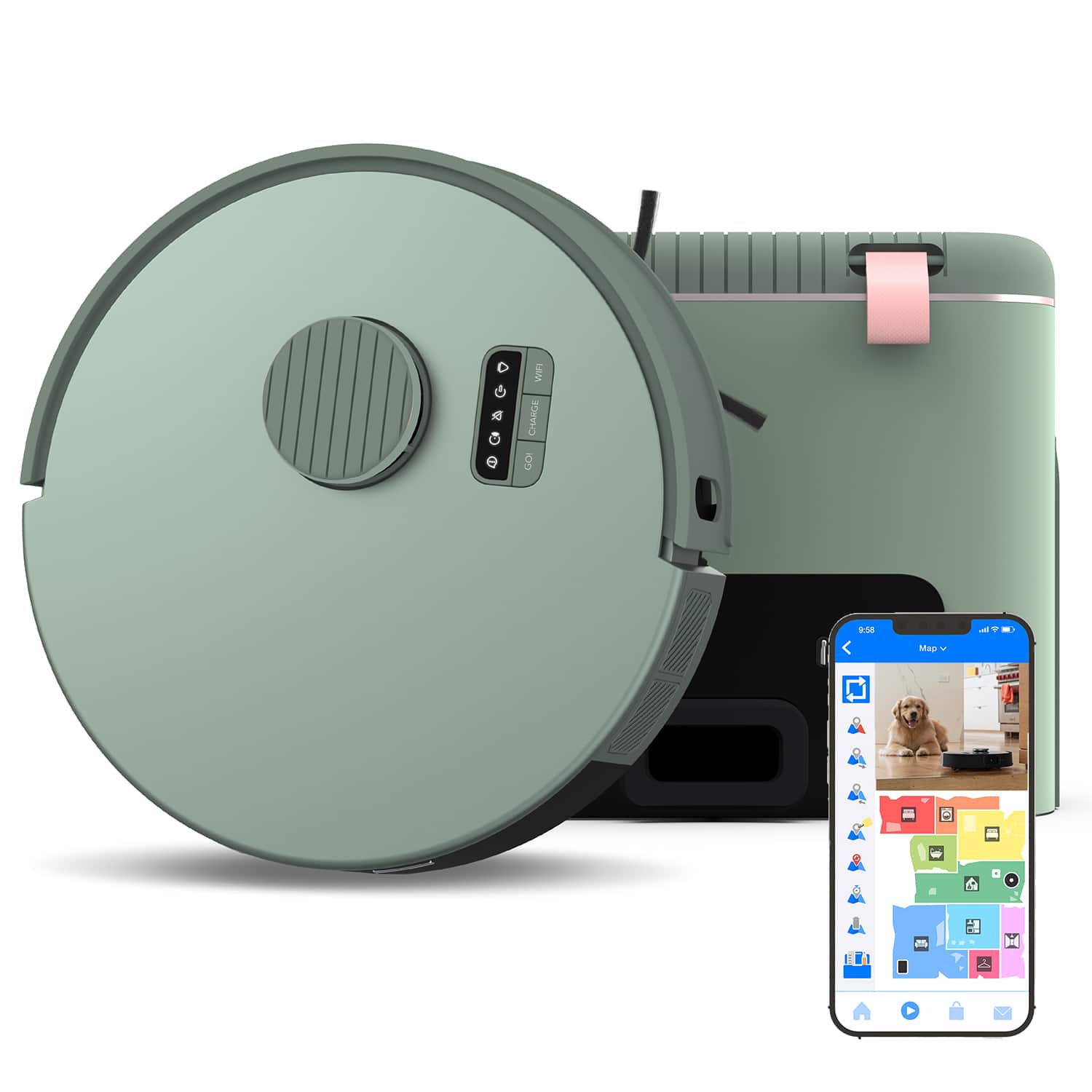
Robot vacuums have evolved dramatically since their early days of bumping randomly around your living room. Today's premium models use sophisticated mapping technology and powerful suction to clean your home methodically, and many can even mop your floors afterward. But with so many options available, choosing the right one can feel overwhelming.
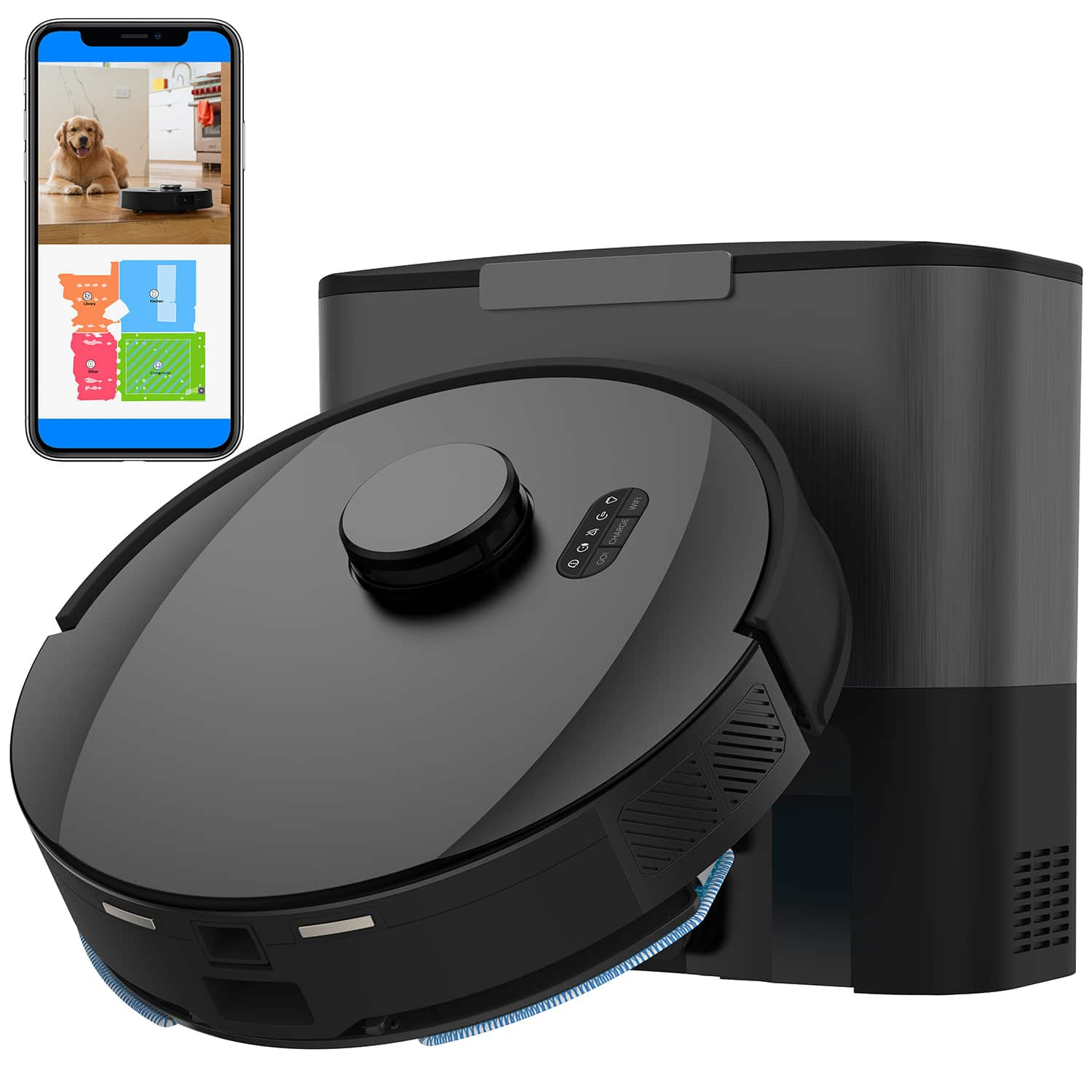
bObsweep, a Canadian robotics company that's been refining their cleaning bots since 2011, offers two compelling options that showcase different approaches to automated home cleaning. The bObsweep Bio PET24-7-113 represents their eco-conscious entry into sustainable robotics, while the bObsweep UltraVision PET24-7-913 serves as their flagship powerhouse. Both were released in 2024, incorporating the latest advances in navigation technology and self-emptying capabilities that have become standard in premium robot vacuums.
Understanding what separates these models—and which one fits your specific needs—requires diving into the technical details that actually impact daily performance. Let's break down everything you need to know to make an informed decision.
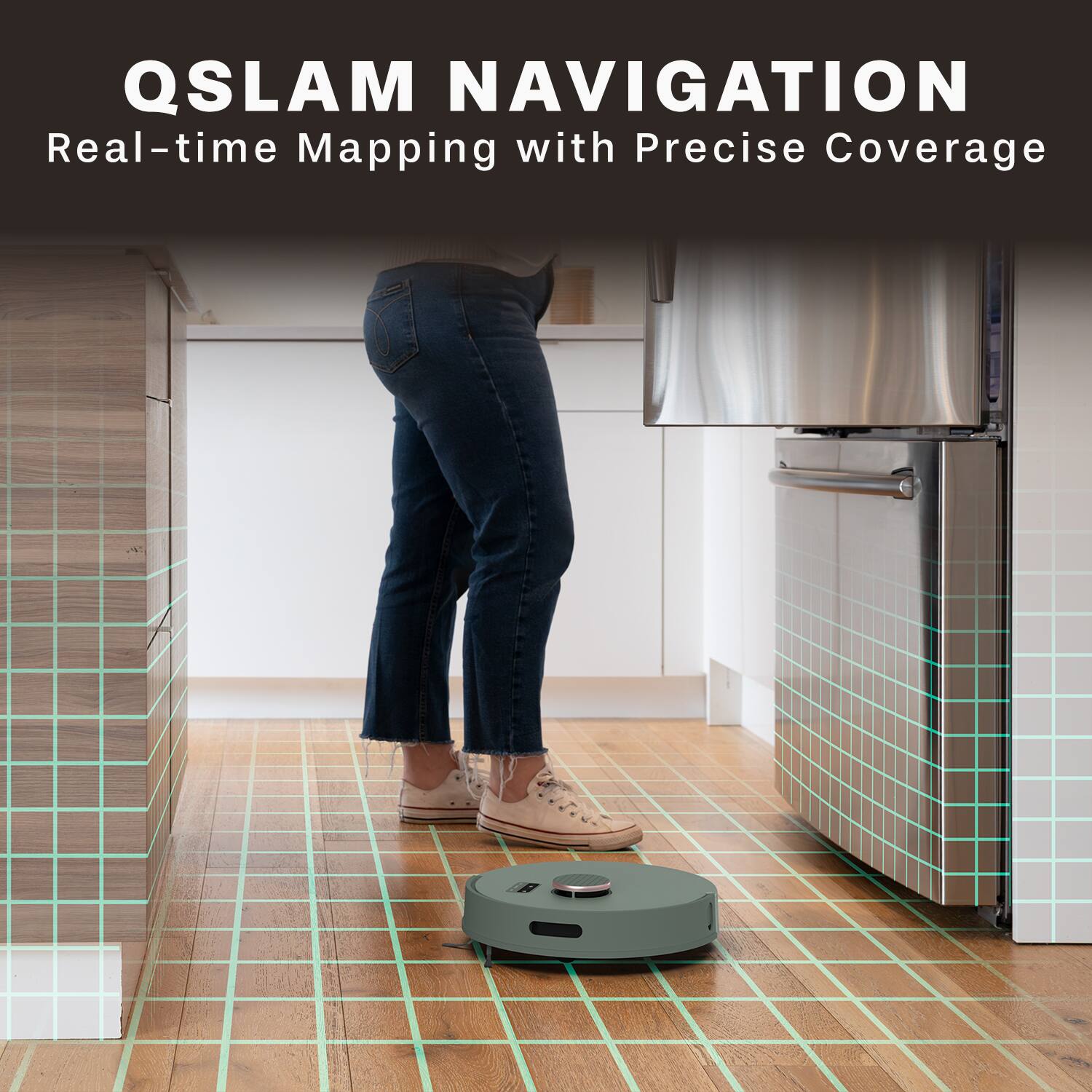
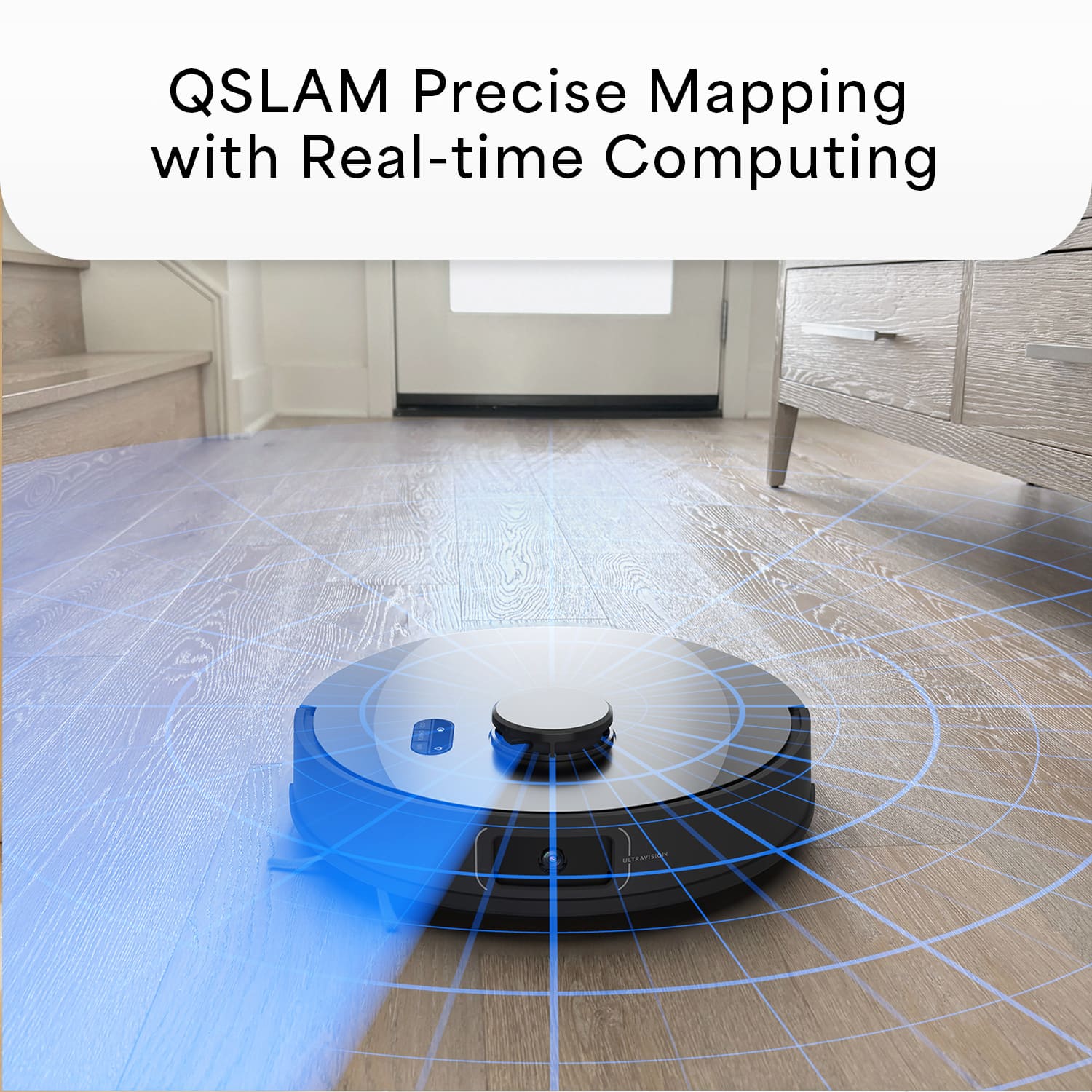
Before comparing specific models, it's worth understanding what makes today's robot vacuums so much more capable than earlier generations. The key breakthrough has been SLAM technology (Simultaneous Localization and Mapping), which allows robots to build accurate maps of your home while cleaning. Think of it as GPS for your house—the robot knows exactly where it is and where it's been at all times.
Both the Bio and UltraVision use bObsweep's advanced Quantum SLAM (QSLAM) system combined with LiDAR sensors. LiDAR works like radar but uses laser light instead of radio waves, spinning rapidly to create a detailed 360-degree picture of the room. This combination means these robots can map your entire home in minutes, not hours, and clean in efficient straight lines rather than the chaotic patterns of older models.
The main considerations when choosing between premium robot vacuums today include navigation accuracy, suction power, self-maintenance features, battery life, and smart home integration. Both models excel in navigation and smart features, so the real decision comes down to cleaning power, environmental impact, and value proposition.
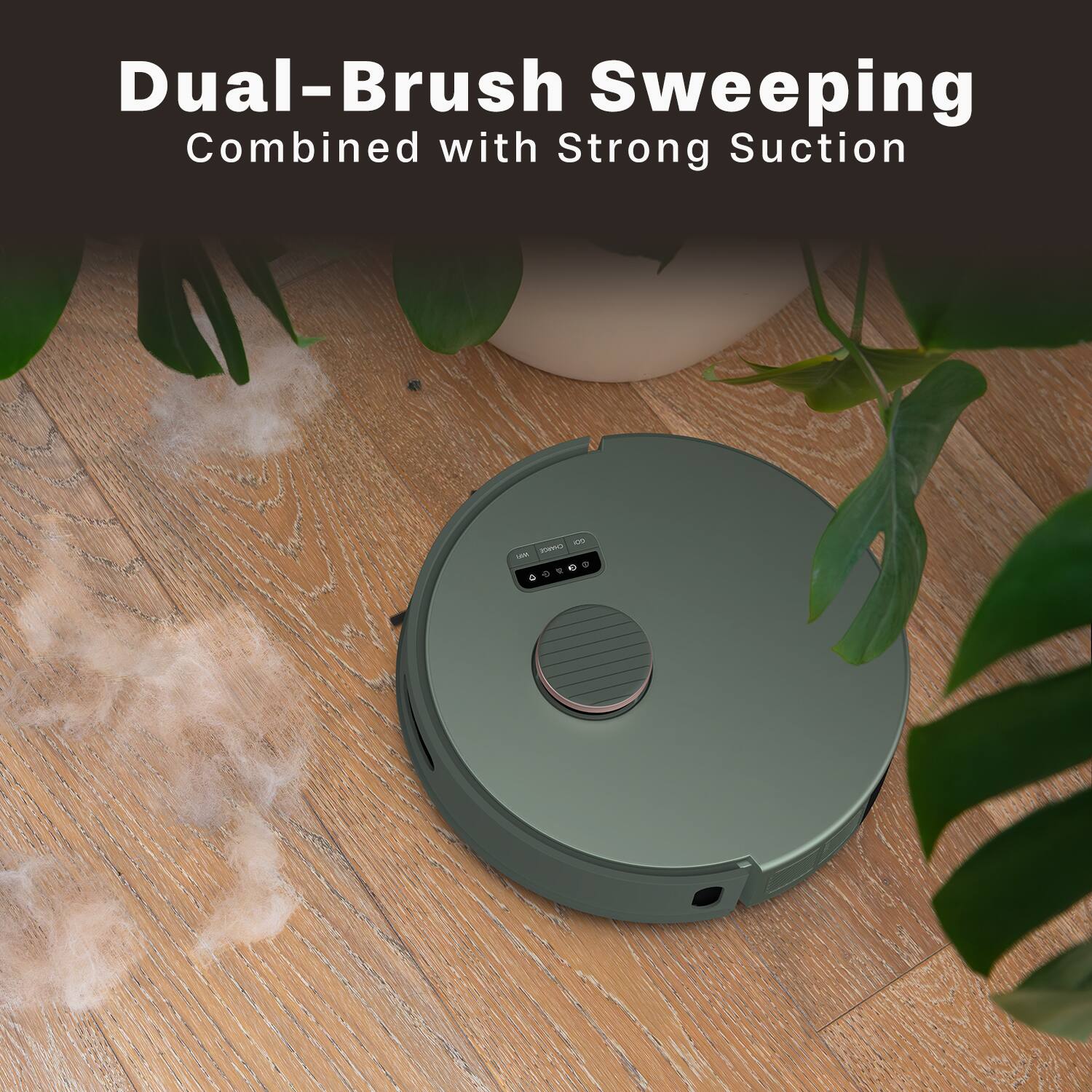
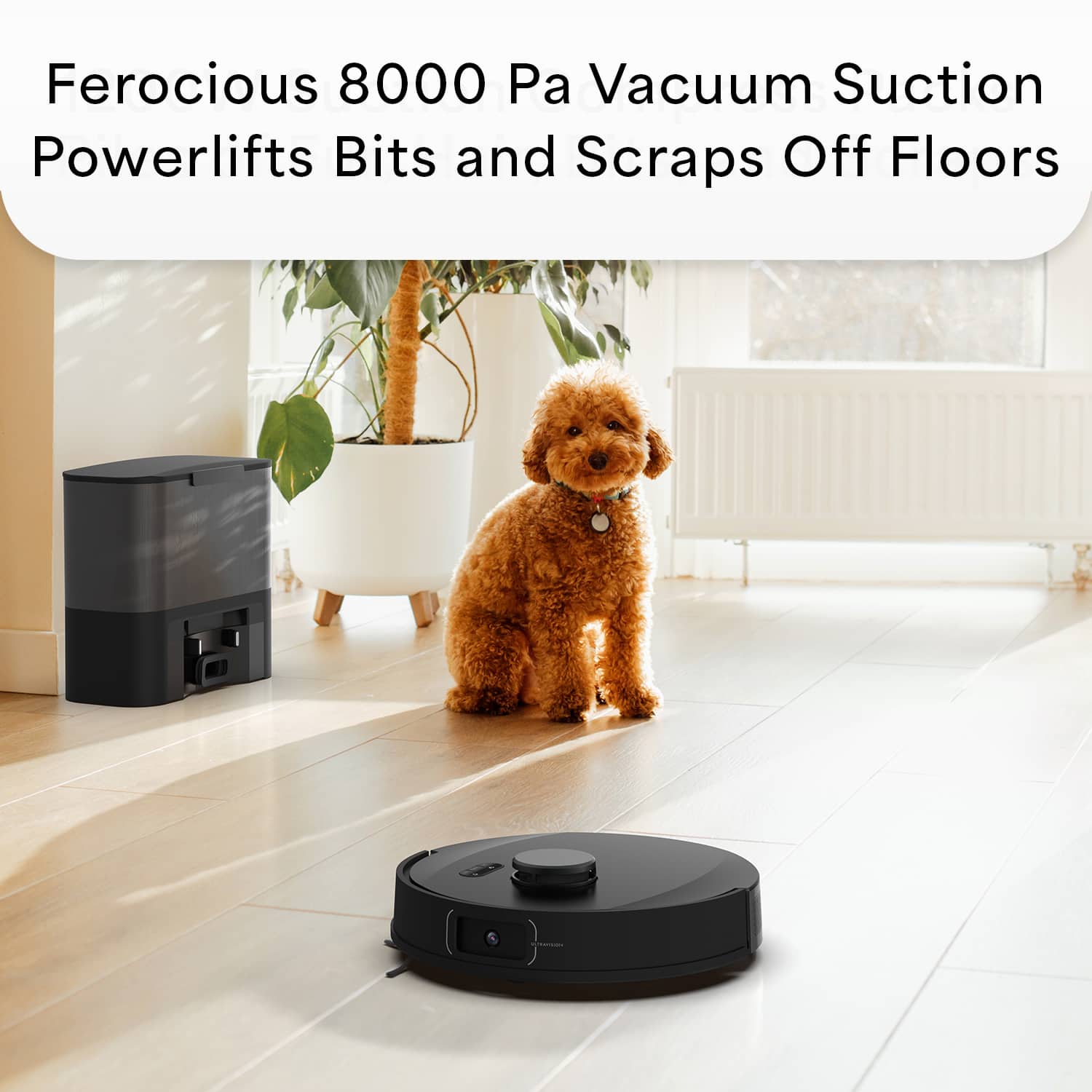
The most significant performance difference between these models lies in their suction capabilities. The Bio delivers 4,500 Pa (pascals) of suction, while the UltraVision cranks out an impressive 8,000 Pa. To put this in perspective, Pa measures vacuum pressure—the higher the number, the more forcefully the robot can pull debris from surfaces.
This 78% difference in suction power translates to real-world cleaning advantages, especially on carpeted surfaces. While 4,500 Pa handles most daily cleaning tasks effectively, including pet hair on hard floors and low-pile rugs, the UltraVision's 8,000 Pa provides the deep cleaning power needed for medium to high-pile carpets and homes with heavy pet hair accumulation.
From our research into user experiences, this difference becomes most apparent in homes with multiple pets or significant carpeted areas. Users consistently report that the UltraVision requires fewer passes to achieve thorough cleaning on carpets, while the Bio occasionally needs multiple cleaning cycles for the same level of debris removal on challenging surfaces.
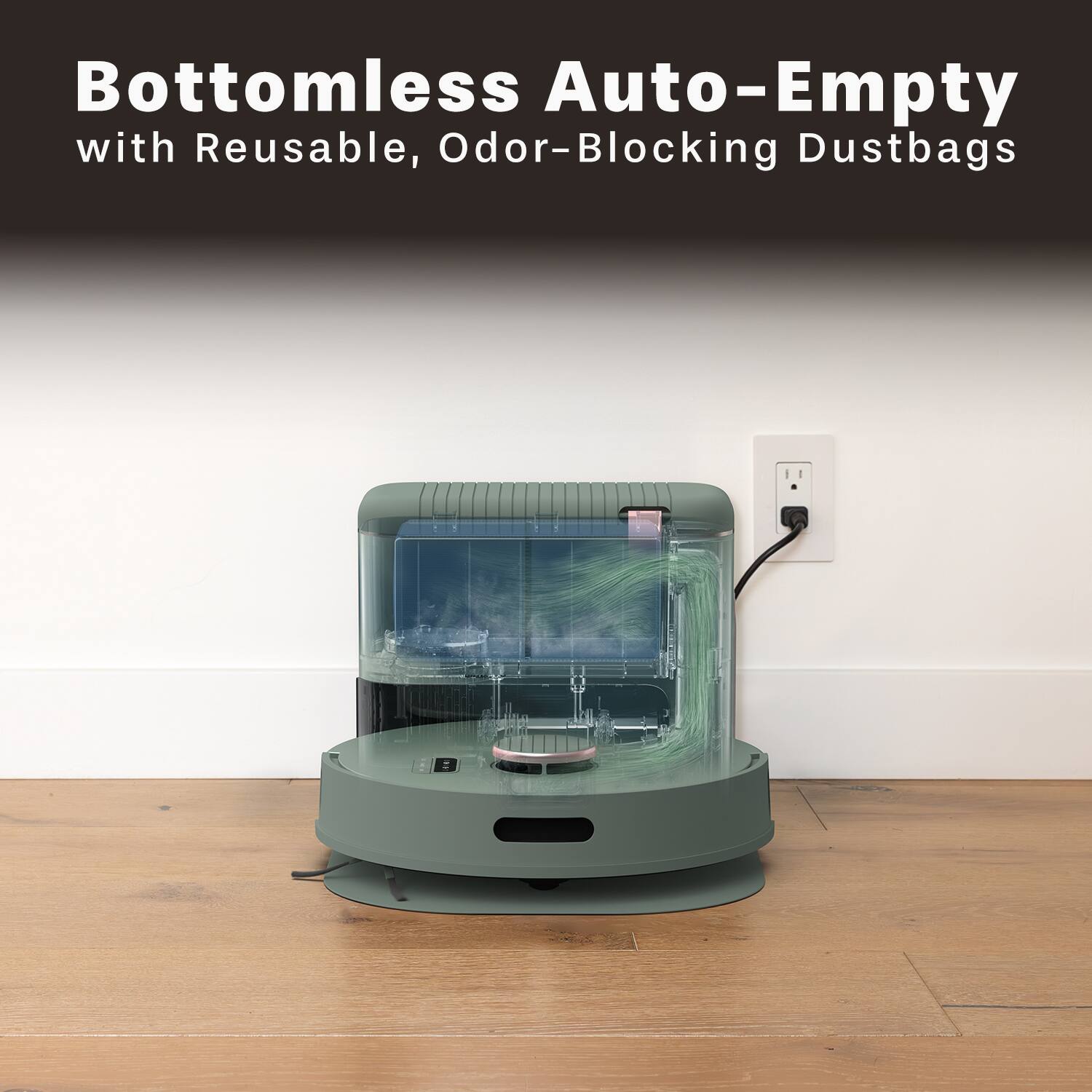
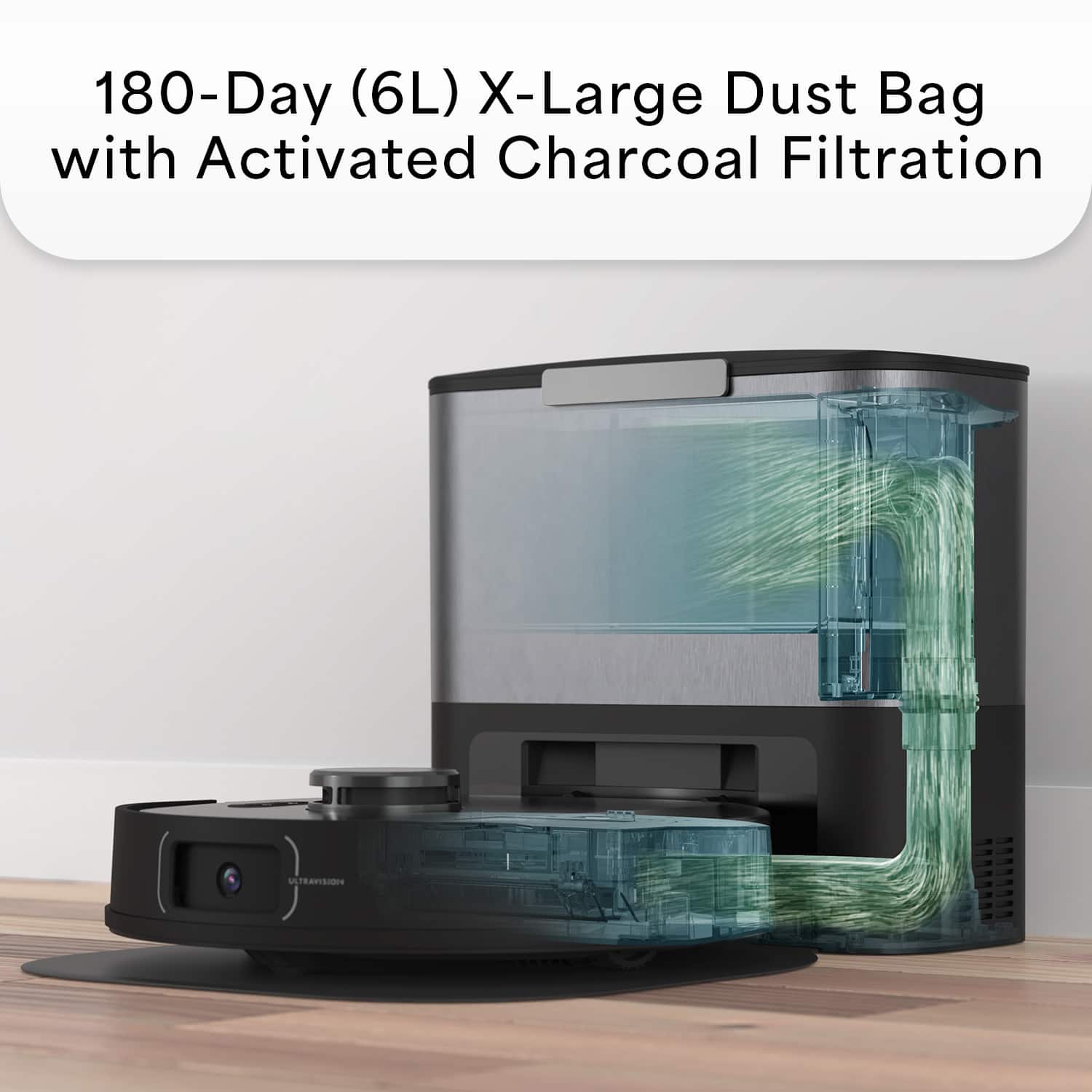
Both robots feature self-emptying charging stations, but with different capacities that affect maintenance frequency. The Bio includes a 3.5-liter dust collector, while the UltraVision boasts a substantial 6-liter capacity—71% larger.
This difference matters more than you might initially think. Self-emptying stations compress debris and pet hair into sealed bags, and the larger capacity directly translates to longer intervals between bag changes. According to manufacturer specifications, the UltraVision's system can hold approximately 180 days worth of typical household debris, while the Bio requires more frequent attention.
Both systems use activated charcoal-lined bags for odor filtration, which is particularly valuable for pet owners dealing with litter tracking or food spillage. The bags are also designed to be reinforced and create better seals than standard vacuum bags, preventing dust from escaping during disposal.
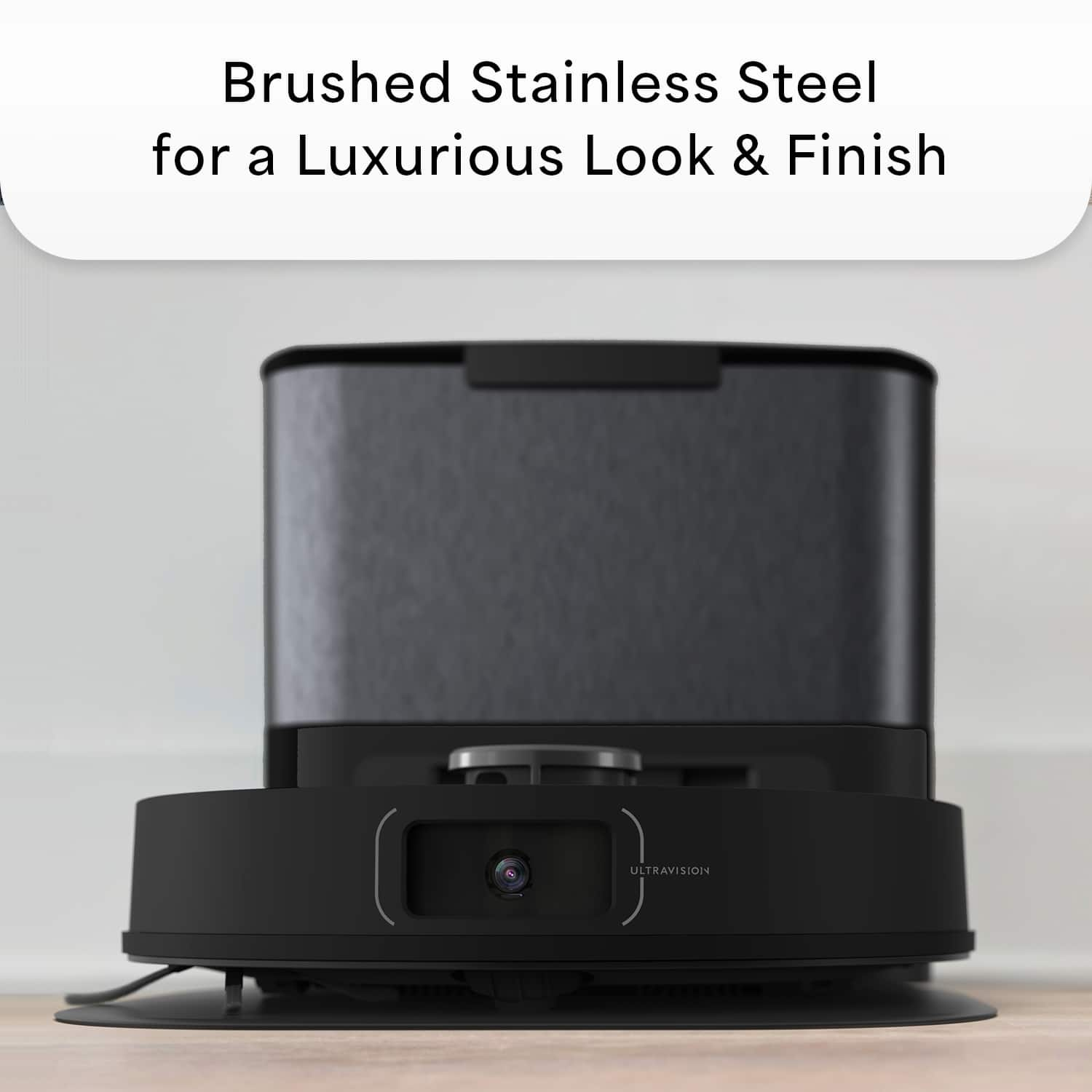
Here's where the models take distinctly different approaches. The Bio uses bio-based plastics manufactured from renewable plant materials, while the UltraVision employs traditional ABS plastic construction.
The Bio's eco-conscious construction doesn't compromise durability—bio-based plastics offer the same strength and longevity as traditional materials while reducing the carbon footprint. This makes it appealing to environmentally aware consumers who want to minimize their impact without sacrificing cleaning performance.
However, the UltraVision's traditional construction allows for optimizations focused purely on performance, contributing to its superior suction capabilities and advanced sensor integration.
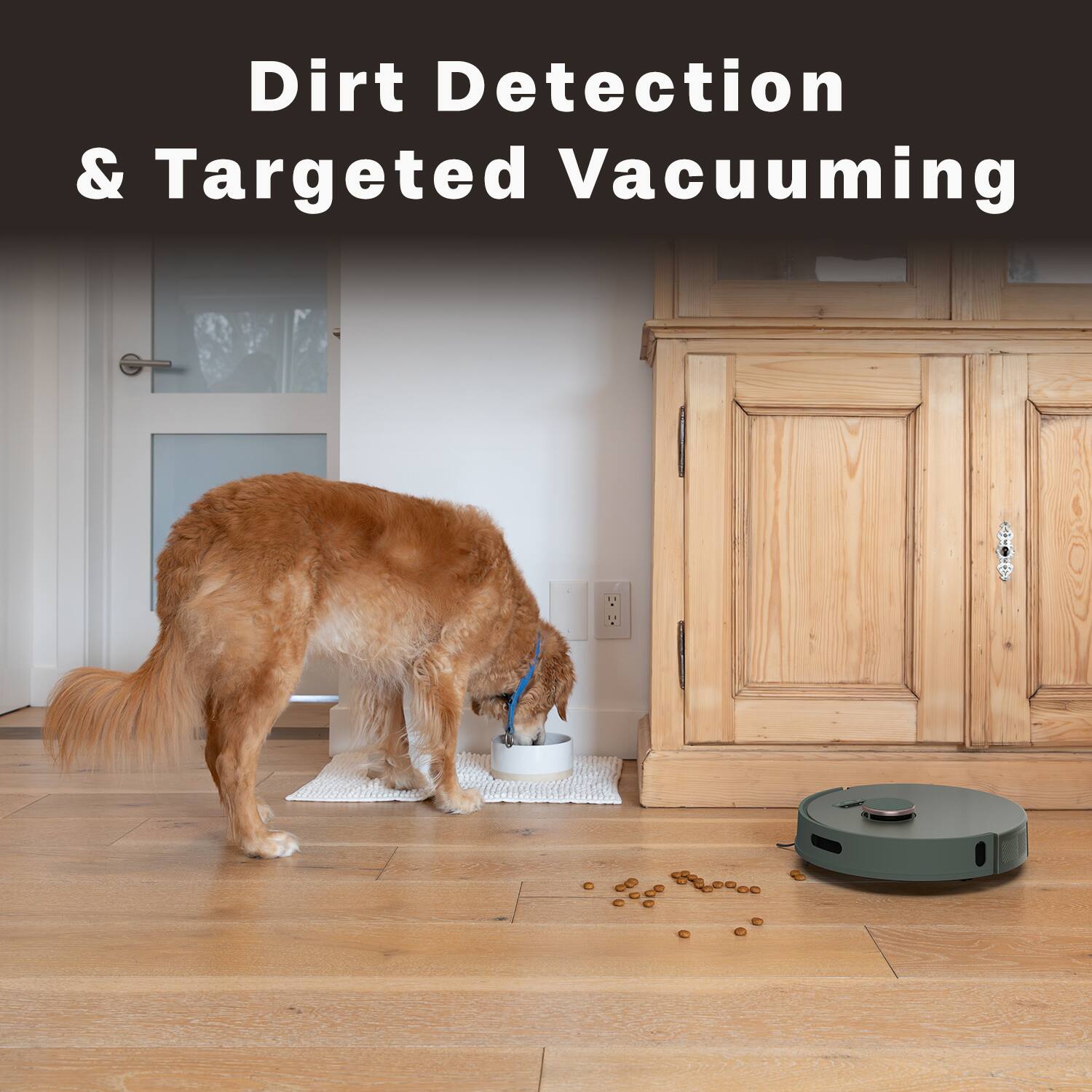
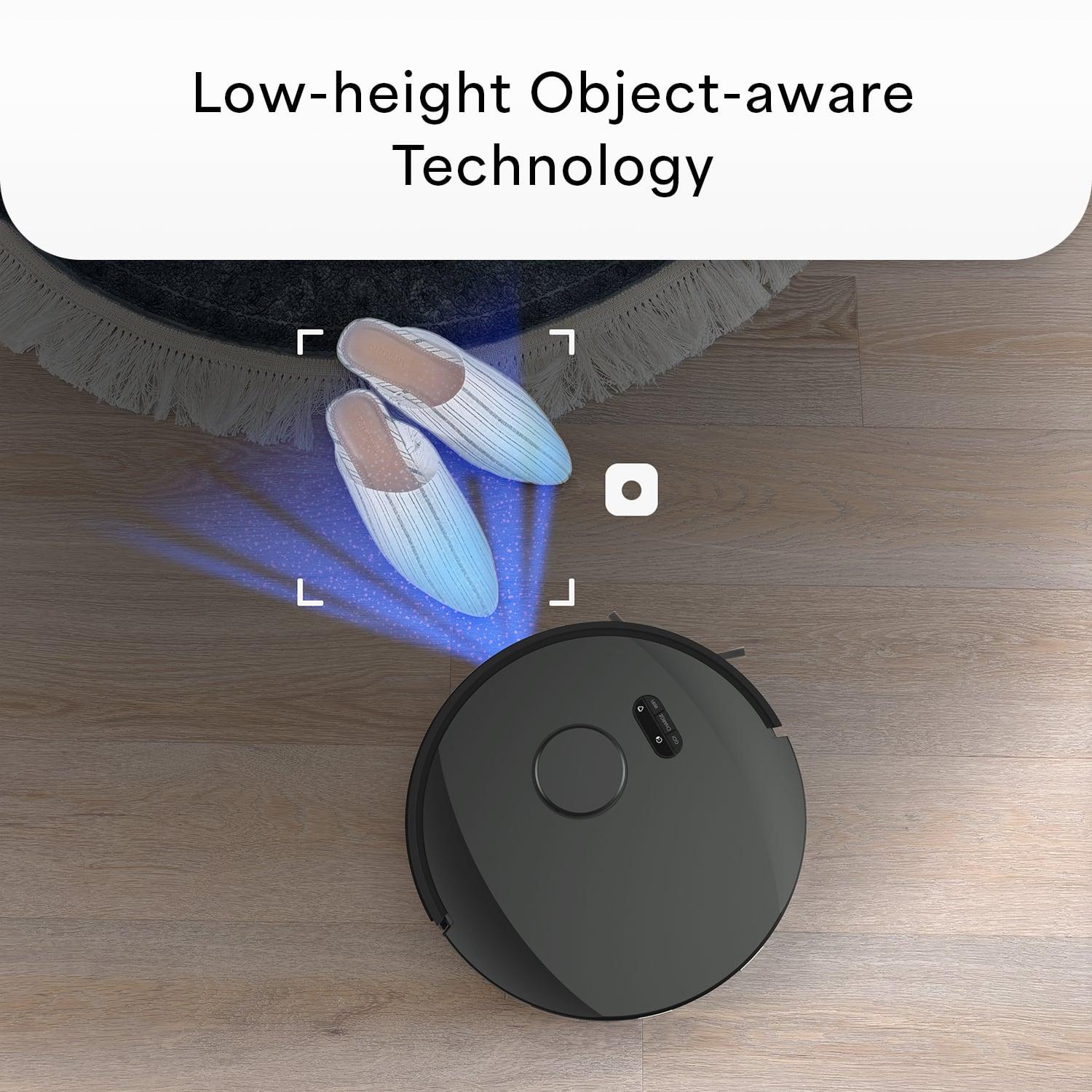
While both models use identical QSLAM navigation for mapping and path planning, the UltraVision includes an additional feature called Low-height Object-aware Technology (LOT). This system uses advanced sensors to detect and avoid small household items like slippers, pet toys, charging cables, and other clutter that might obstruct cleaning.
Standard robot vacuums, including the Bio, rely on bump sensors and basic obstacle avoidance. They'll generally navigate around large furniture successfully but may push small items around or occasionally get stuck on cables. The UltraVision's LOT system provides more intelligent navigation that adapts to typical household clutter patterns.
Both models deserve recognition for their navigation capabilities. The QSLAM technology represents a significant advancement over earlier mapping systems, creating accurate floor plans without requiring multiple "training runs" that older robots needed.
The system works by simultaneously tracking the robot's position while building a map of the environment. LiDAR sensors provide precise distance measurements to walls and furniture, while gyroscopes and accelerometers track movement and rotation. This combination allows both the Bio and UltraVision to clean in methodical patterns, ensuring complete coverage without missing spots or repeatedly cleaning the same areas.
The mapping system supports multiple floor plans, automatically recognizing when the robot has been moved to a different level of your home. This feature has become increasingly important as users expect their robots to handle entire multi-story homes efficiently.
Suction power remains the most important performance metric for robot vacuums, directly affecting their ability to remove different types of debris from various surfaces. The difference between 4,500 Pa and 8,000 Pa becomes most apparent in challenging scenarios.
On hard floors, both models perform admirably. The Bio's 4,500 Pa easily handles dust, crumbs, pet hair, and typical household debris. The difference becomes noticeable on textured surfaces like tile grout or wood grain, where the UltraVision's superior suction provides more thorough cleaning.
Carpet performance is where the gap widens significantly. Low-pile rugs and thin carpets work well with either model, but medium to high-pile carpets benefit dramatically from the UltraVision's additional suction power. Pet hair embedded in carpet fibers, fine dust settled deep in pile, and larger debris like cereal or kibble require the extra pulling power that only the higher-suction model provides.
User reviews consistently highlight this difference. Owners of the Bio report satisfaction with daily maintenance cleaning but sometimes run additional cycles for deep cleaning. UltraVision users more often describe single-pass cleaning success, even on challenging surfaces.
The UltraVision offers up to 180 minutes of runtime, which translates to coverage of approximately 3,000+ square feet on a single charge. The Bio provides adequate runtime for most homes up to 2,000+ square feet, though exact specifications vary based on cleaning mode and surface types.
Both models automatically return to their charging stations when battery levels drop low, then resume cleaning where they left off once recharged. This "recharge and resume" feature ensures complete home coverage regardless of home size, though longer runtimes reduce the total cleaning time required.
The efficiency of the QSLAM navigation system means both models cover homes faster than older robot vacuums, spending less energy on redundant cleaning patterns. This improved efficiency effectively extends practical battery life compared to less sophisticated models.
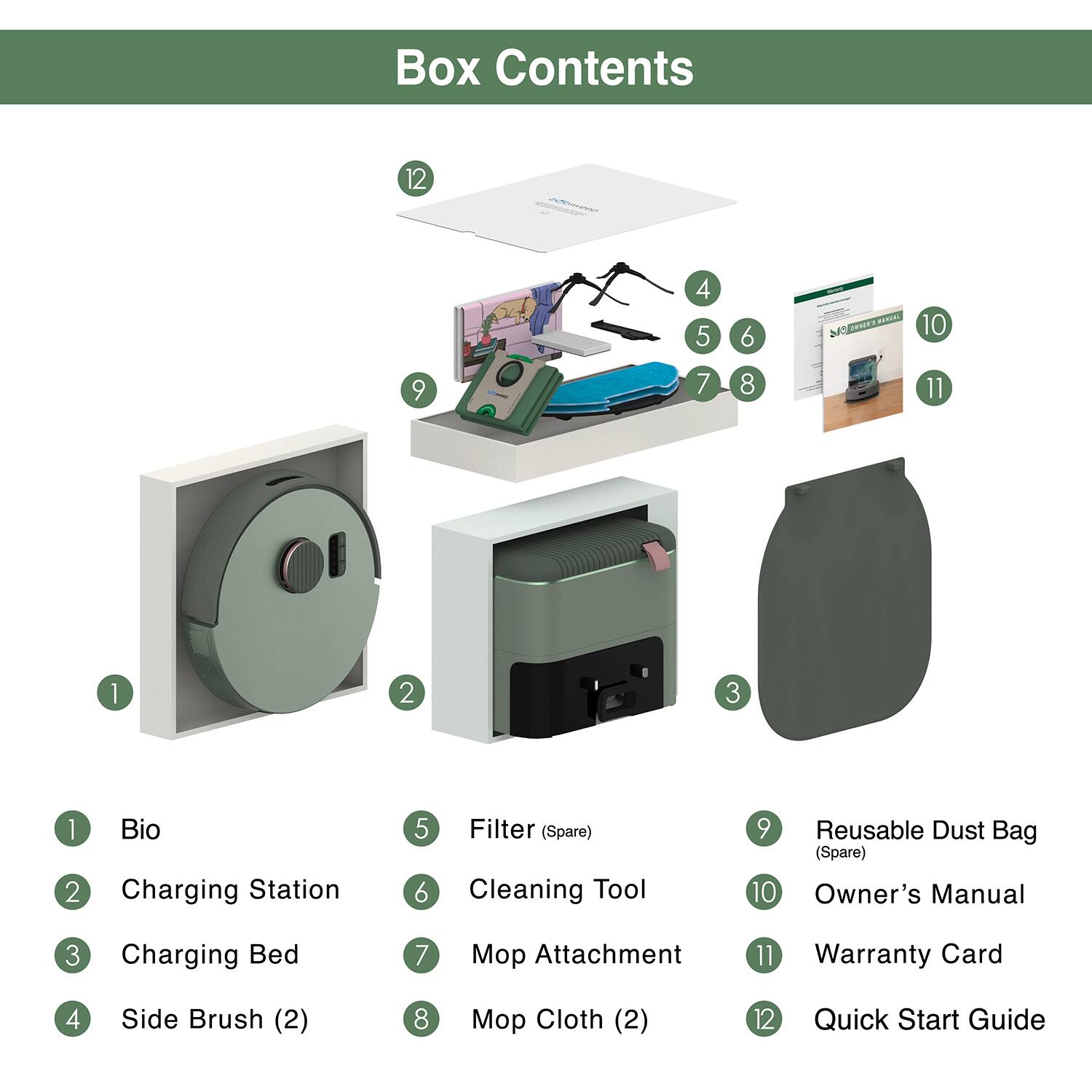
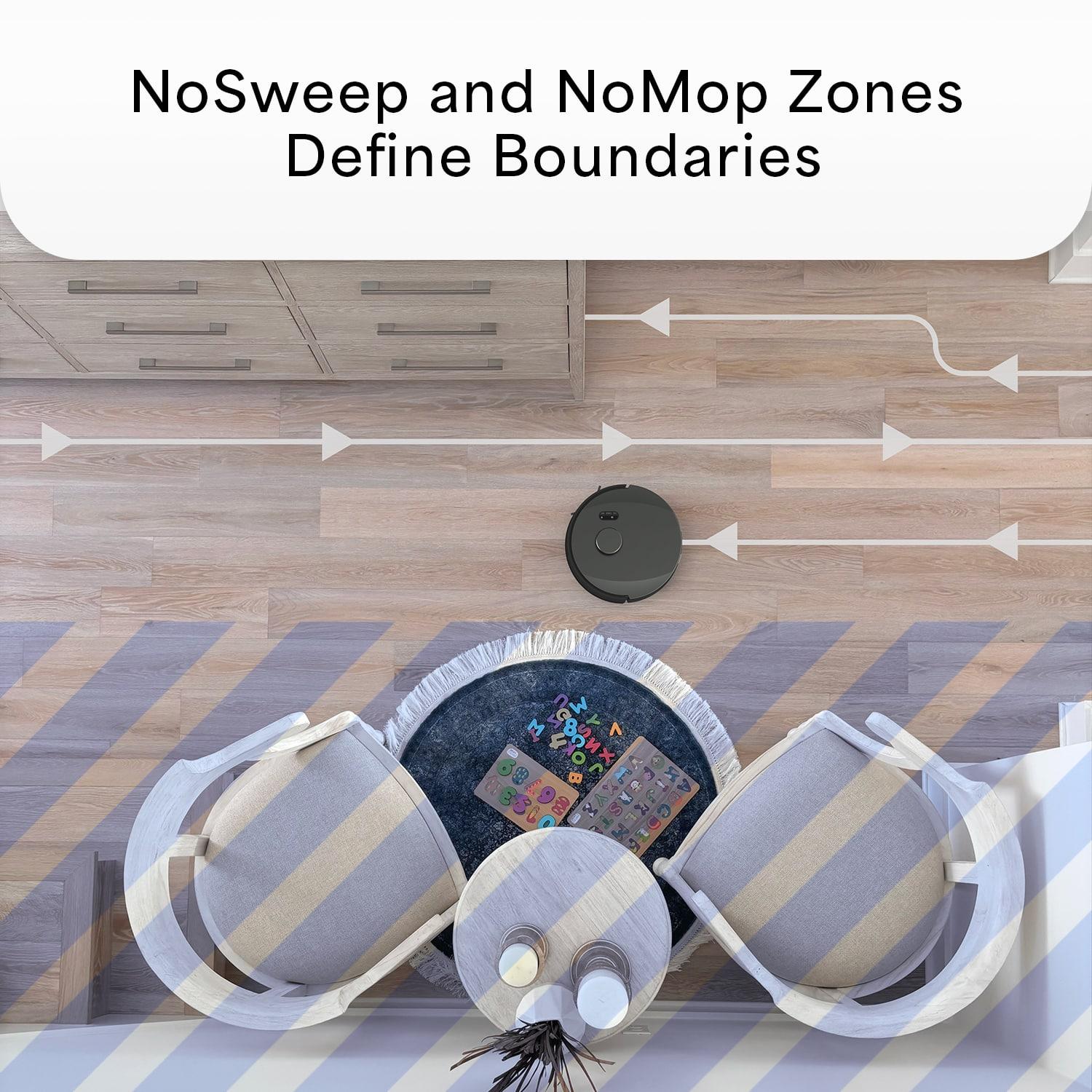
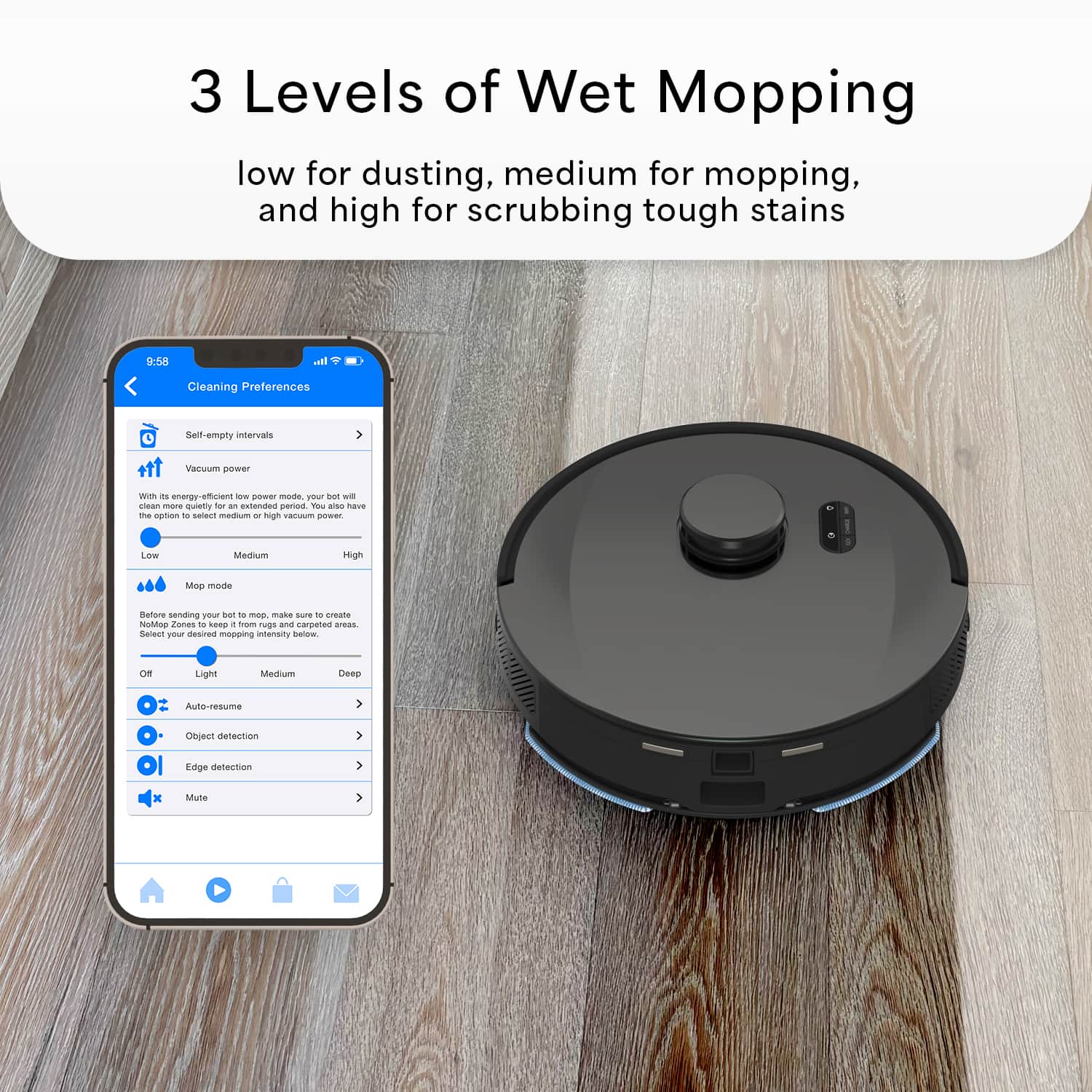
Both the Bio and UltraVision offer integrated mopping functionality using the same system. A water tank attaches to the robot, and microfiber mop pads provide wet cleaning for hard floors. The app allows users to control water distribution and designate "NoMop" zones to protect carpets and rugs.
The mopping function works best for daily maintenance rather than deep cleaning. It effectively removes light dust, paw prints, and surface stains while adding a polished finish to hard floors. However, it's essentially a damp cloth dragged across the floor—it won't scrub stuck-on spills or provide the deep cleaning you'd get from manual mopping.
Users should set realistic expectations for robot mopping. It's excellent for maintaining clean floors between manual cleanings but shouldn't be considered a complete replacement for traditional mopping when dealing with serious spills or deep cleaning needs.
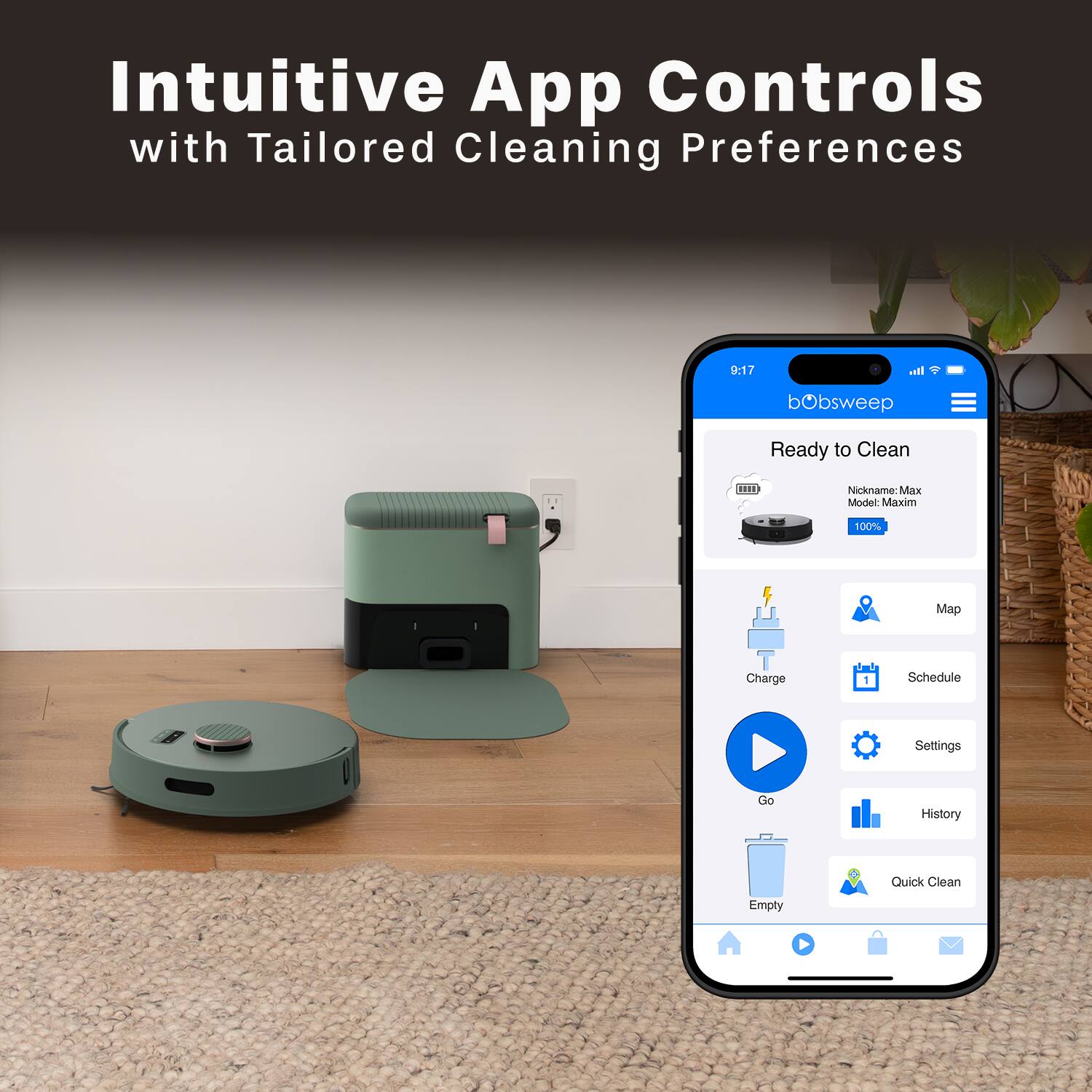
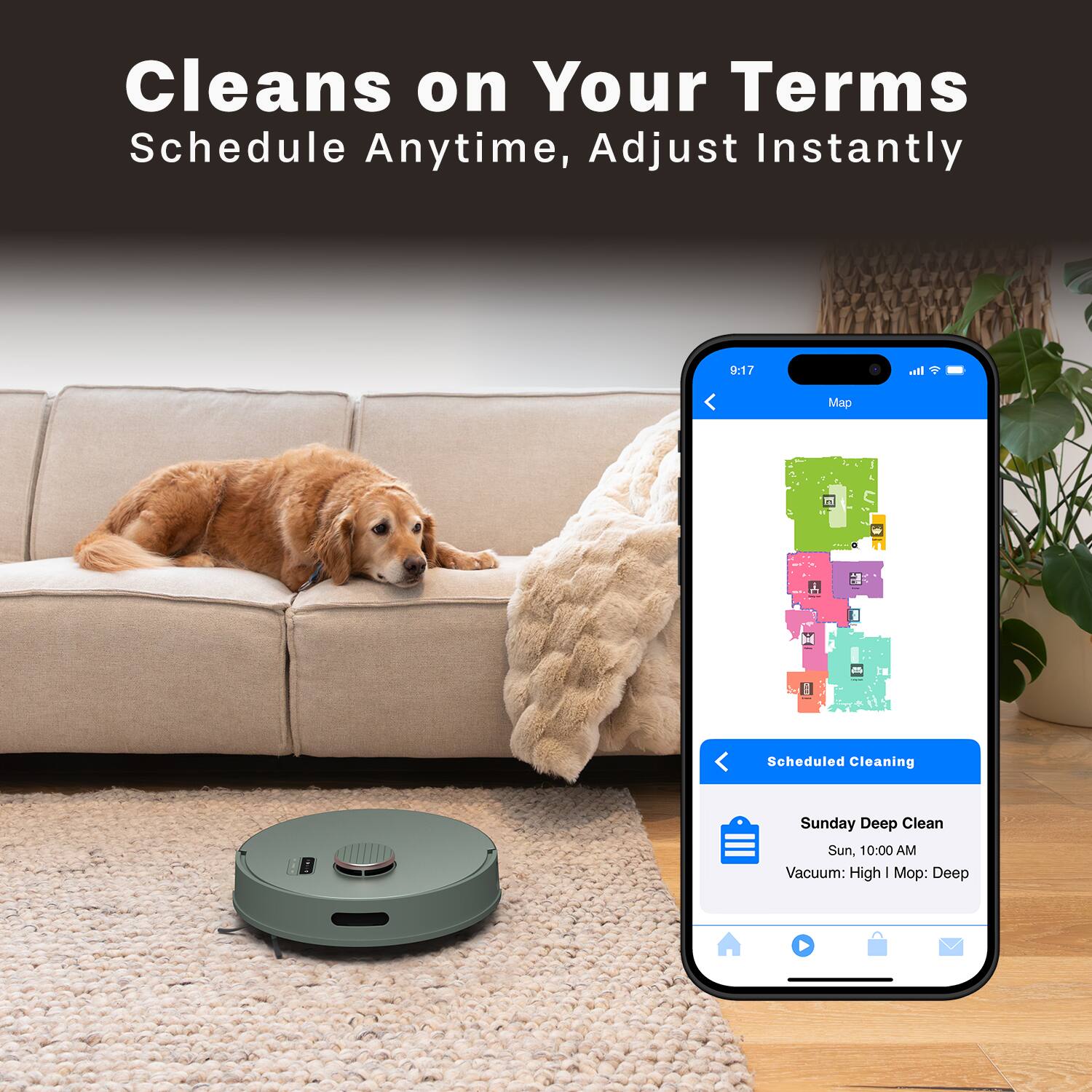
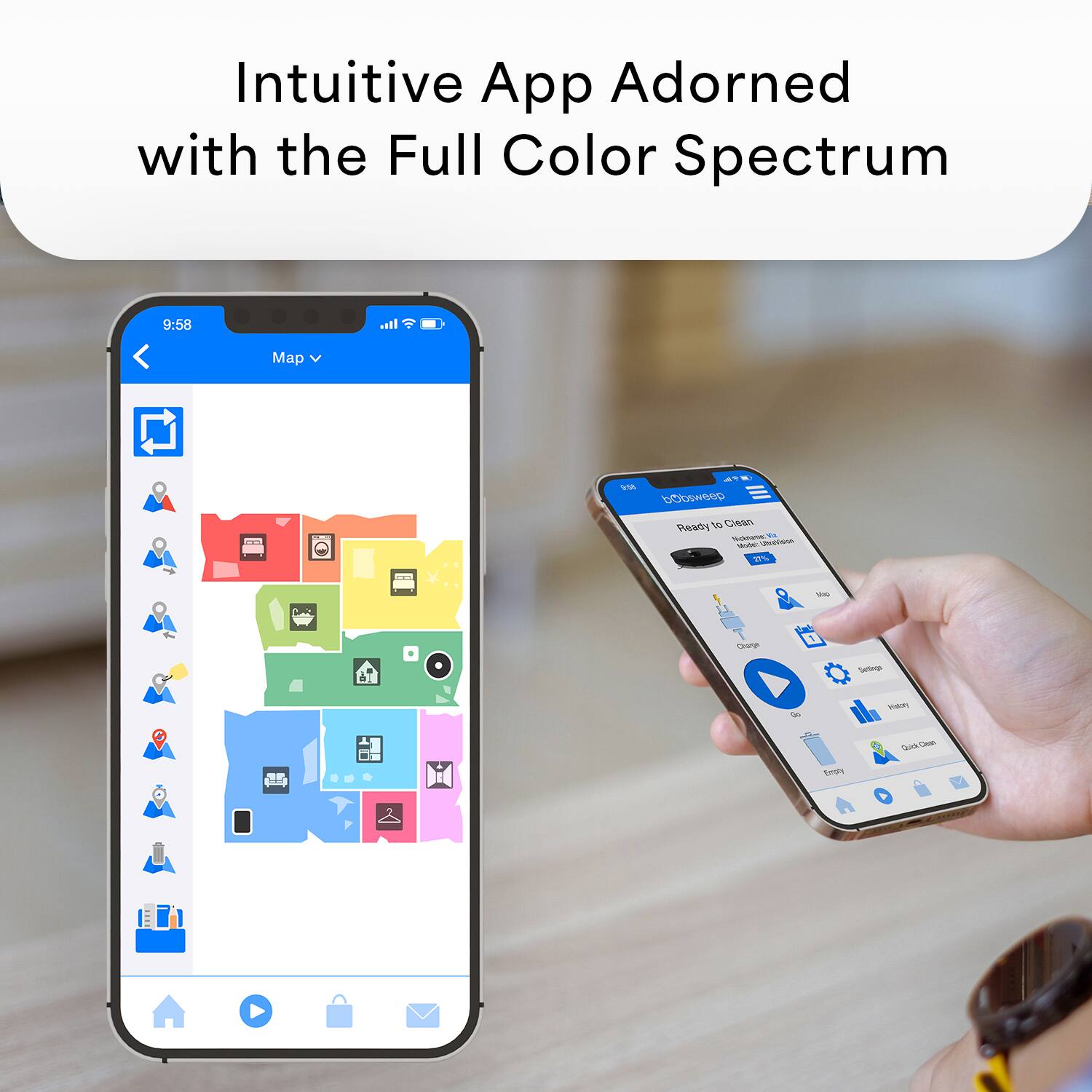
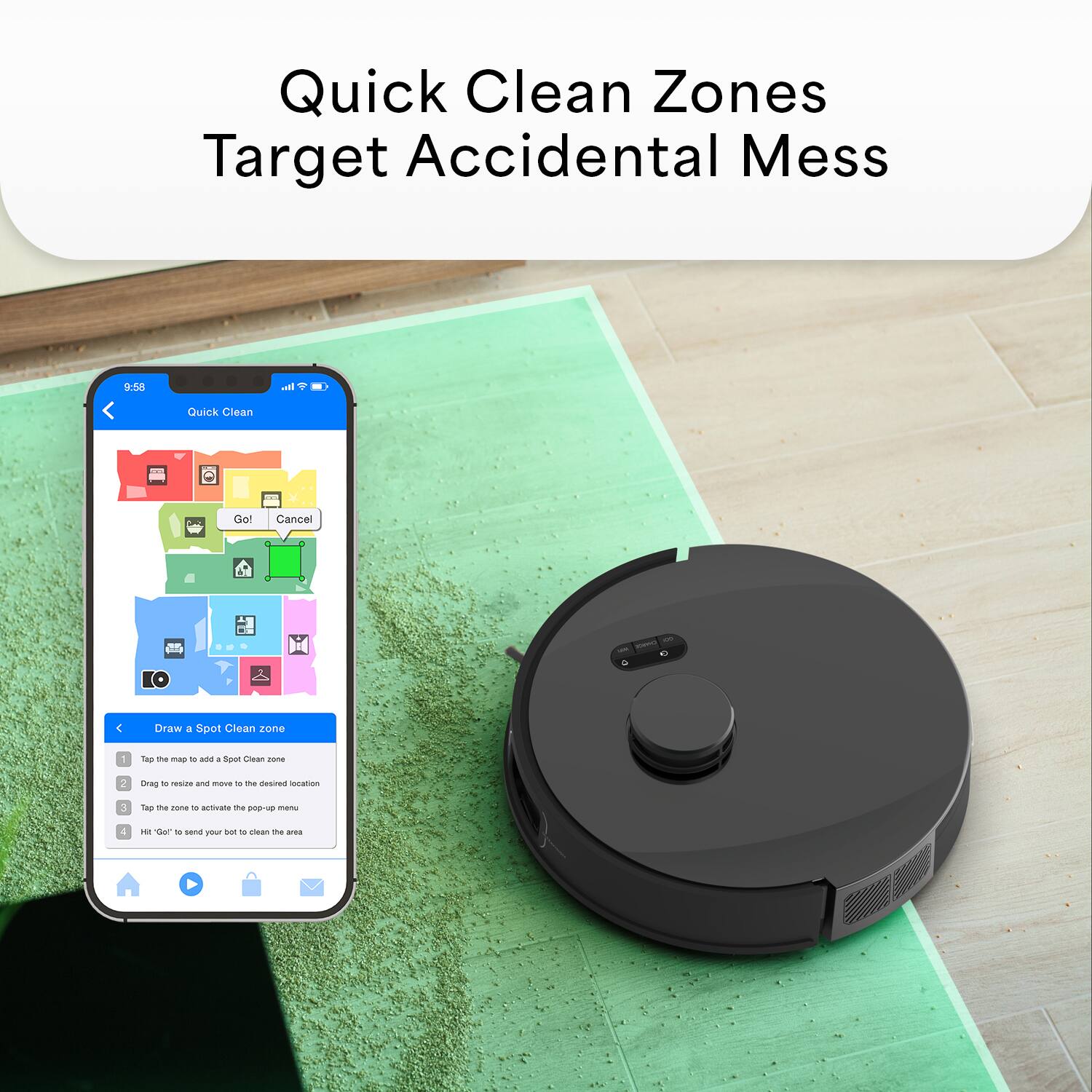
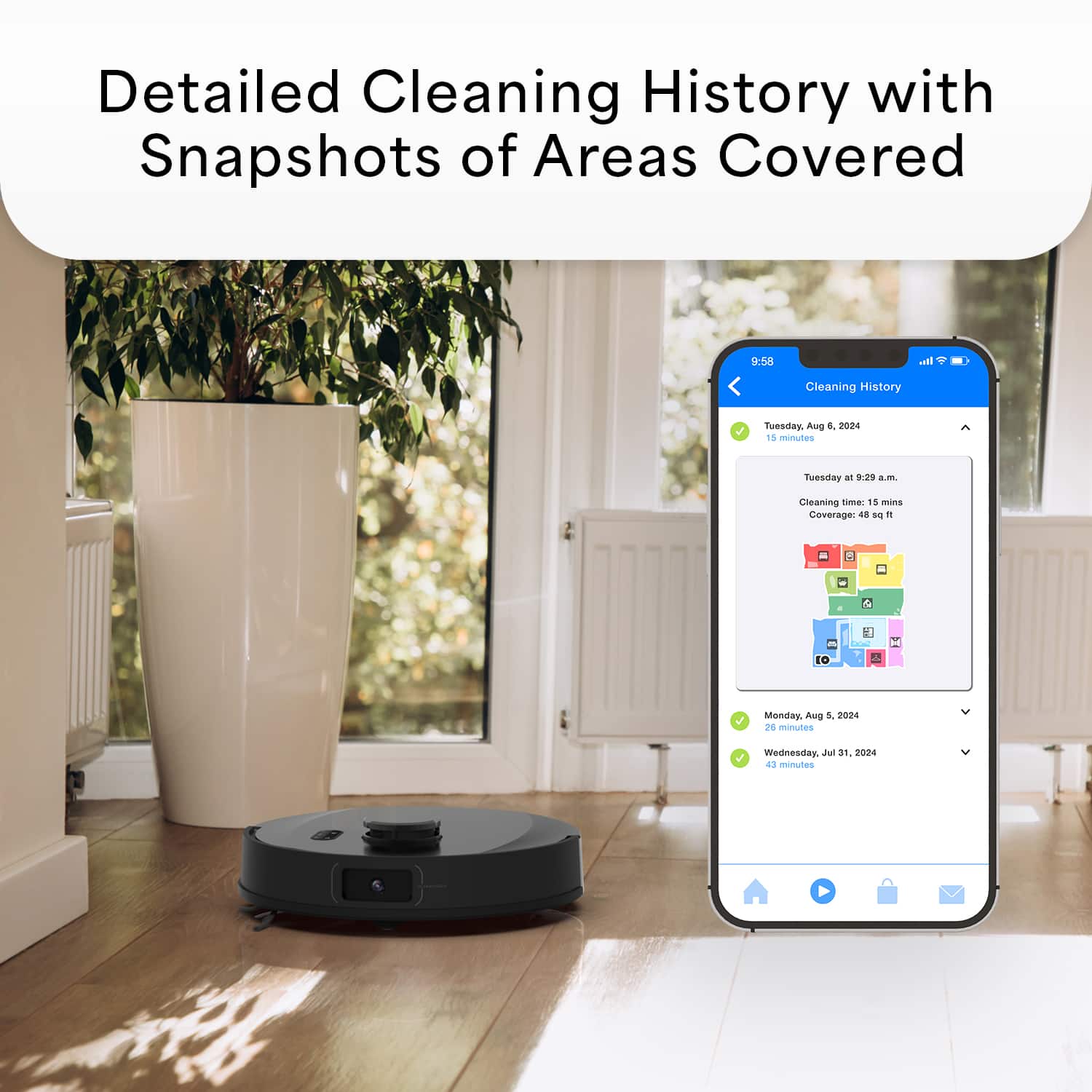
Both models offer identical smart home integration, controlled through bObsweep's mobile app for iOS and Android devices. The app provides comprehensive control over cleaning schedules, map editing, zone designation, and cleaning history review.
Voice control integration works with both Amazon Alexa and Google Assistant, allowing hands-free operation. Commands like "start cleaning the living room" or "return to the charging station" work reliably with both models.
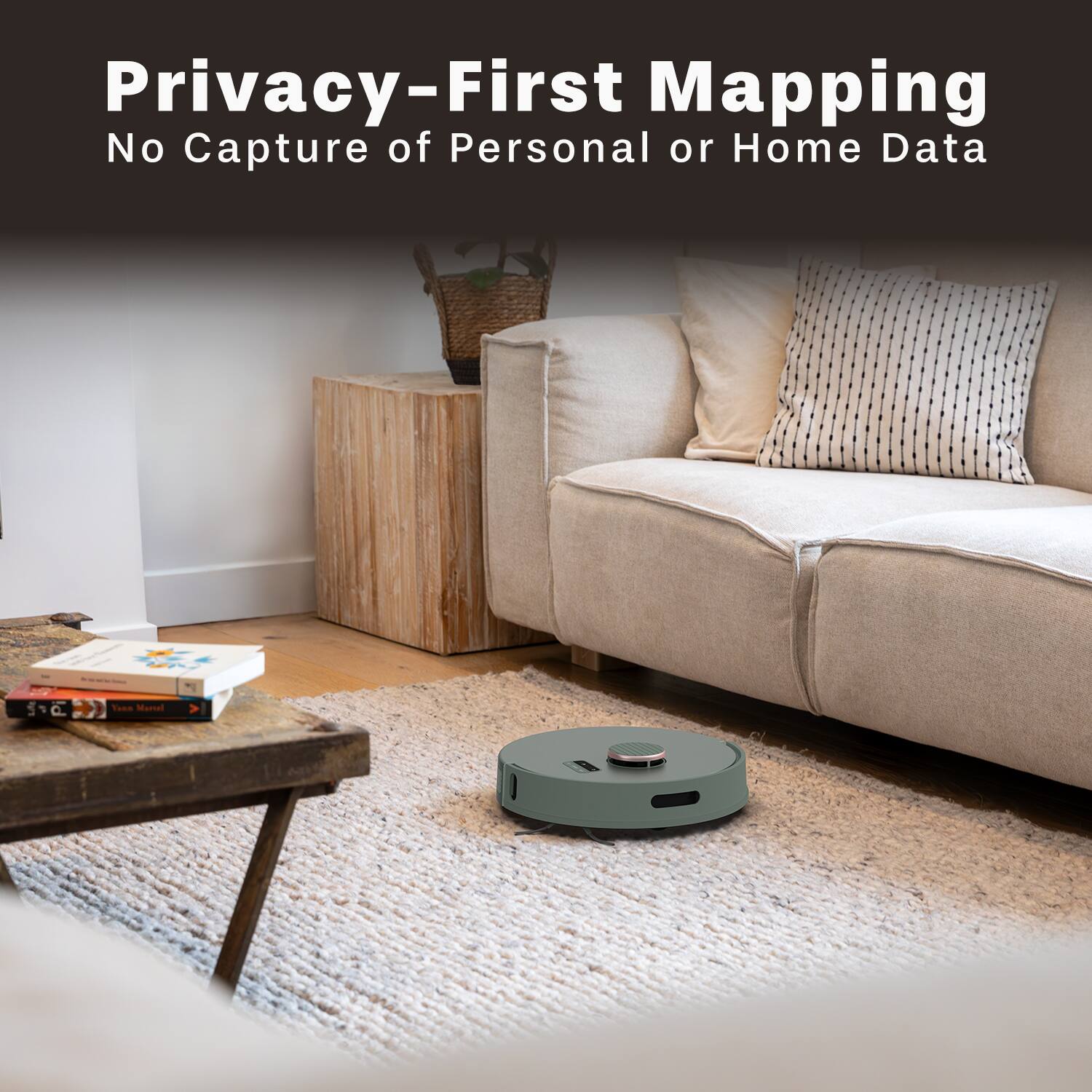
A notable privacy advantage sets bObsweep apart from many competitors: neither the Bio nor UltraVision transmits room images or layouts to external servers. All mapping data stays local to the device, and any personal information entered into the app is stored exclusively on U.S.-based servers. This contrasts with some competing brands that upload home layouts to cloud servers for processing.
The app interface is generally intuitive, though some users find it less polished than offerings from larger tech companies. Core functionality works reliably, but minor refinements in user interface design could improve the overall experience.
The bObsweep Bio represents excellent value for specific use cases. At the time of writing, it typically costs significantly less than the UltraVision while offering identical navigation technology and smart features.
This model excels in homes with primarily hard flooring—hardwood, tile, laminate, and vinyl—where the 4,500 Pa suction provides thorough cleaning without the premium price. It's particularly appealing to environmentally conscious consumers who prioritize sustainable materials in their purchasing decisions.
The Bio works well for light to moderate pet situations. Single cats or small dogs that don't shed heavily won't overwhelm its cleaning capabilities, and the activated charcoal odor filtration handles typical pet-related odors effectively.
Smaller homes under 2,000 square feet benefit from the Bio's efficient cleaning without requiring the extended runtime or massive dust collection capacity of the premium model. The eco-conscious construction provides a compelling selling point for buyers who want to minimize environmental impact without sacrificing core functionality.
The bObsweep UltraVision justifies its higher cost through superior performance in demanding situations. The 8,000 Pa suction, larger dust collector, and advanced object detection create a more capable cleaning system that requires less user intervention.
This model shines in homes with multiple pets, especially larger dogs or cats that shed heavily. The combination of powerful suction and extended dust collection capacity handles pet hair, dander, and tracked litter more effectively than lower-powered alternatives.
Homes with significant carpeted areas benefit dramatically from the UltraVision's deep cleaning capabilities. The additional suction power removes embedded debris and pet hair that would require multiple passes from less powerful models.
The advanced LOT object detection reduces frustrating incidents where robots get stuck on common household items. Families with children, who tend to leave toys and clothes scattered around, find this feature particularly valuable.
Larger homes over 2,500 square feet appreciate the extended runtime and larger dust collector, reducing the total time required for complete home cleaning and extending intervals between maintenance tasks.
For home theater enthusiasts, both models offer advantages worth considering. The quiet operation of both robots—operating at approximately 60 decibels—makes them suitable for cleaning during movie viewing without significant distraction.
The precise navigation systems allow both the Bio and UltraVision to clean around entertainment centers, speaker stands, and cable management systems without disrupting setups. The app-controlled scheduling ensures cleaning happens during non-viewing hours.
However, the UltraVision's advanced object detection provides better navigation around the typically complex cable arrangements found in dedicated home theater rooms. The LOT system helps avoid getting tangled in speaker wires or HDMI cables that might be running along baseboards.
Both models handle the fine dust that tends to accumulate on electronics and screen surfaces, though neither should be expected to clean delicate equipment directly.
The choice between these models ultimately depends on your specific cleaning requirements and priorities.
Choose the bObsweep Bio if environmental sustainability ranks high in your purchasing decisions, your home features primarily hard flooring, you have light to moderate pet hair levels, or your cleaning area stays under 2,000 square feet. The Bio delivers excellent value by providing premium navigation and smart features at a more accessible price point.
Select the bObsweep UltraVision if you need maximum cleaning power for carpeted areas, deal with heavy pet hair accumulation, prefer longer intervals between maintenance tasks, or want the most advanced obstacle avoidance available. The performance improvements justify the premium pricing for demanding cleaning situations.
Both models represent solid choices within their respective market positions. The Bio offers a compelling combination of eco-consciousness and capable cleaning performance, while the UltraVision provides the raw power and advanced features that justify its flagship status. Consider your specific needs, home layout, and cleaning challenges to determine which approach delivers the best value for your situation.
The robot vacuum market continues evolving rapidly, with both models incorporating the latest advances in navigation and automation. Either choice will provide years of reliable automated cleaning, reducing your household maintenance burden while keeping your floors consistently clean.
| bObsweep Bio PET24-7-113 | bObsweep UltraVision PET24-7-913 |
|---|---|
| Suction Power - Most critical spec for cleaning performance, especially on carpets | |
| 4,500 Pa (adequate for hard floors and light carpets) | 8,000 Pa (excellent for deep carpet cleaning and heavy pet hair) |
| Self-Emptying Dust Capacity - Determines how often you need to change bags | |
| 3.5-liter capacity (frequent bag changes needed) | 6-liter capacity (up to 180 days between changes) |
| Construction Material - Environmental impact and durability considerations | |
| Bio-based plastic from renewable plants (eco-friendly) | Traditional ABS plastic (performance-optimized) |
| Advanced Object Detection - Reduces stuck incidents and manual intervention | |
| Standard obstacle avoidance (may push small items) | Low-height Object-aware Technology (LOT) detects small items |
| Navigation Technology - Determines cleaning efficiency and coverage | |
| Quantum SLAM with LiDAR (excellent mapping) | Quantum SLAM with LiDAR (identical navigation) |
| Runtime and Coverage - Important for larger homes | |
| Adequate for homes up to 2,000+ sq ft | 180 minutes runtime for 3,000+ sq ft homes |
| Mopping Functionality - Maintenance cleaning for hard floors | |
| Wet mop with app-controlled water distribution | Wet mop with app-controlled water distribution (identical) |
| Smart Home Integration - Convenience and control options | |
| iOS/Android app, Alexa/Google Assistant compatible | iOS/Android app, Alexa/Google Assistant compatible (identical) |
| Privacy Protection - Data security for home mapping | |
| No image transmission, US-based data storage | No image transmission, US-based data storage (identical) |
| Warranty Coverage - Long-term value protection | |
| 1-year parts and labor warranty | 2-year parts and labor, 5-year subsidized repair plan |
| Best For - Target user scenarios | |
| Eco-conscious buyers, hard floors, light pet hair | Heavy pet hair, carpeted homes, maximum automation |
The bObsweep UltraVision PET24-7-913 delivers significantly more suction power at 8,000 Pa compared to the bObsweep Bio PET24-7-113 at 4,500 Pa. This 78% difference makes the UltraVision much more effective for deep carpet cleaning and heavy pet hair removal, while the Bio handles hard floors and light carpets adequately.
The main differences are suction power (4,500 Pa vs 8,000 Pa), dust collector capacity (3.5L vs 6L), and construction materials. The Bio uses eco-friendly bio-based plastics, while the UltraVision focuses on maximum performance with traditional materials and advanced object detection technology.
The bObsweep UltraVision is superior for pet owners, especially those with multiple pets or heavy shedders. Its 8,000 Pa suction and 6-liter dust collector handle pet hair more effectively and require less frequent maintenance than the Bio model.
Yes, both the bObsweep Bio and UltraVision include self-emptying charging stations with activated charcoal odor filtration. However, the UltraVision's 6-liter capacity lasts up to 180 days between bag changes, while the Bio's 3.5-liter station requires more frequent attention.
The bObsweep Bio PET24-7-113 is the eco-conscious choice, constructed from bio-based plastics made from renewable plant materials. This reduces environmental impact while maintaining the same durability as traditional plastics used in the UltraVision.
Yes, both the Bio and UltraVision can vacuum and mop at the same time using identical wet mopping systems. They include water tanks, microfiber mop pads, and app-controlled water distribution for maintaining hard floors.
The bObsweep UltraVision performs significantly better on carpets due to its 8,000 Pa suction power. It can deep clean medium to high-pile carpets effectively, while the Bio works well on low-pile rugs but may struggle with thicker carpeting.
Both the bObsweep Bio and UltraVision offer identical smart home integration, including iOS/Android apps, Amazon Alexa compatibility, and Google Assistant support. They also prioritize privacy by storing data locally and on US-based servers only.
Both robot vacuums use identical Quantum SLAM navigation with LiDAR sensors for precise mapping and cleaning. However, the UltraVision includes additional Low-height Object-aware Technology (LOT) that better detects and avoids small household items compared to the Bio.
The bObsweep UltraVision offers up to 180 minutes of runtime, covering approximately 3,000+ square feet. The Bio provides adequate runtime for homes up to 2,000+ square feet. Both models automatically recharge and resume cleaning as needed.
The bObsweep Bio offers better value for buyers with primarily hard floors, light pet hair, and environmental concerns. The UltraVision provides better value for homes with significant carpeting, multiple pets, or those wanting maximum cleaning power and convenience.
Both the Bio and UltraVision operate at approximately 60 decibels, making them quiet enough for use during movie viewing without significant distraction. Their precise navigation systems also help them clean around entertainment equipment without disrupting cable arrangements.
We've done our best to create useful and informative comparisons to help you decide what product to buy. Our research uses advanced automated methods to create this comparison and perfection is not possible - please contact us for corrections or questions. These are the sites we've researched in the creation of this article: bestbuy.com - bobsweep.com - bestbuy.com - bobsweep.com - homedepot.com - bestbuy.com - samsclub.com - homedepot.com - youtube.com - ebay.com - bobsweep.com - youtube.com - walmart.com - ebay.com - ebay.com - bobsweep.com - bestbuy.com - bobsweep.com - manuals.plus - bobsweep.com - bestbuy.com - bobsweep.com - rtings.com - bestbuy.com - bobsweep.com - bobsweep.com - bestbuy.com - youtube.com - samsclub.com - bobsweep.com - accio.com - homedepot.com - ebay.com - walmart.com - youtube.com - target.com - walmart.com - consumerreports.org - homedepot.com - layawayland.com - ebay.com - manuals.plus - ebay.com - business.walmart.com

Privacy Policy
Terms and Conditions - Affiliate Policy
Home Security
© Copyright 2008-2026.
11816 Inwood Rd #1211, Dallas, TX 75244