

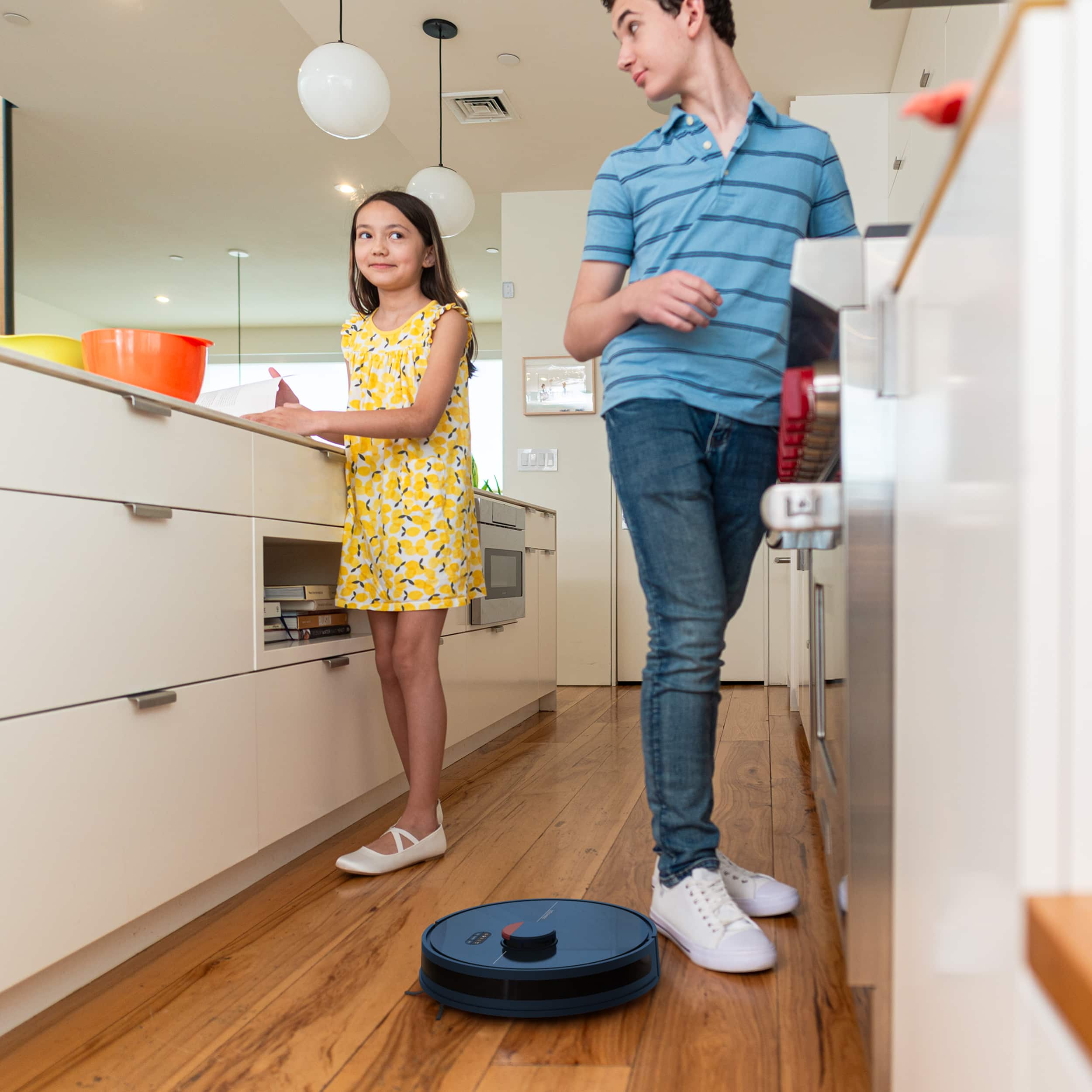



Robot vacuums have evolved dramatically over the past few years, transforming from simple bump-and-turn devices into sophisticated cleaning machines that can map your home, empty themselves, and even mop your floors. The technology has reached a point where these devices can genuinely replace traditional vacuuming for many households, but choosing the right one requires understanding some key technical differences.
At the heart of any good robot vacuum are three critical capabilities: powerful suction to actually pick up dirt and debris, intelligent navigation to clean efficiently without missing spots, and reliable automation features that let the device work independently. The best models also need to handle different floor types seamlessly, from hardwood to thick carpets, while maintaining reasonable noise levels and battery life.
When bObsweep released both the Dustin PET24-7-213 and Bio PET24-7-113 in 2024, they took distinctly different approaches to solving these challenges. At the time of writing, these models represent two philosophies in robot vacuum design: the Dustin focuses on maximum cleaning power at a competitive price point, while the Bio emphasizes advanced navigation technology and smart features at a premium cost.
The most significant difference between these models lies in their fundamental approach to cleaning and navigation. The Dustin delivers an impressive 8,000 Pascals (Pa) of suction power—essentially the measurement of how much air the vacuum can move to lift debris off surfaces. To put that in perspective, most handheld vacuums produce around 3,000-6,000 Pa, so we're talking about genuinely powerful cleaning capability in a compact robot form.
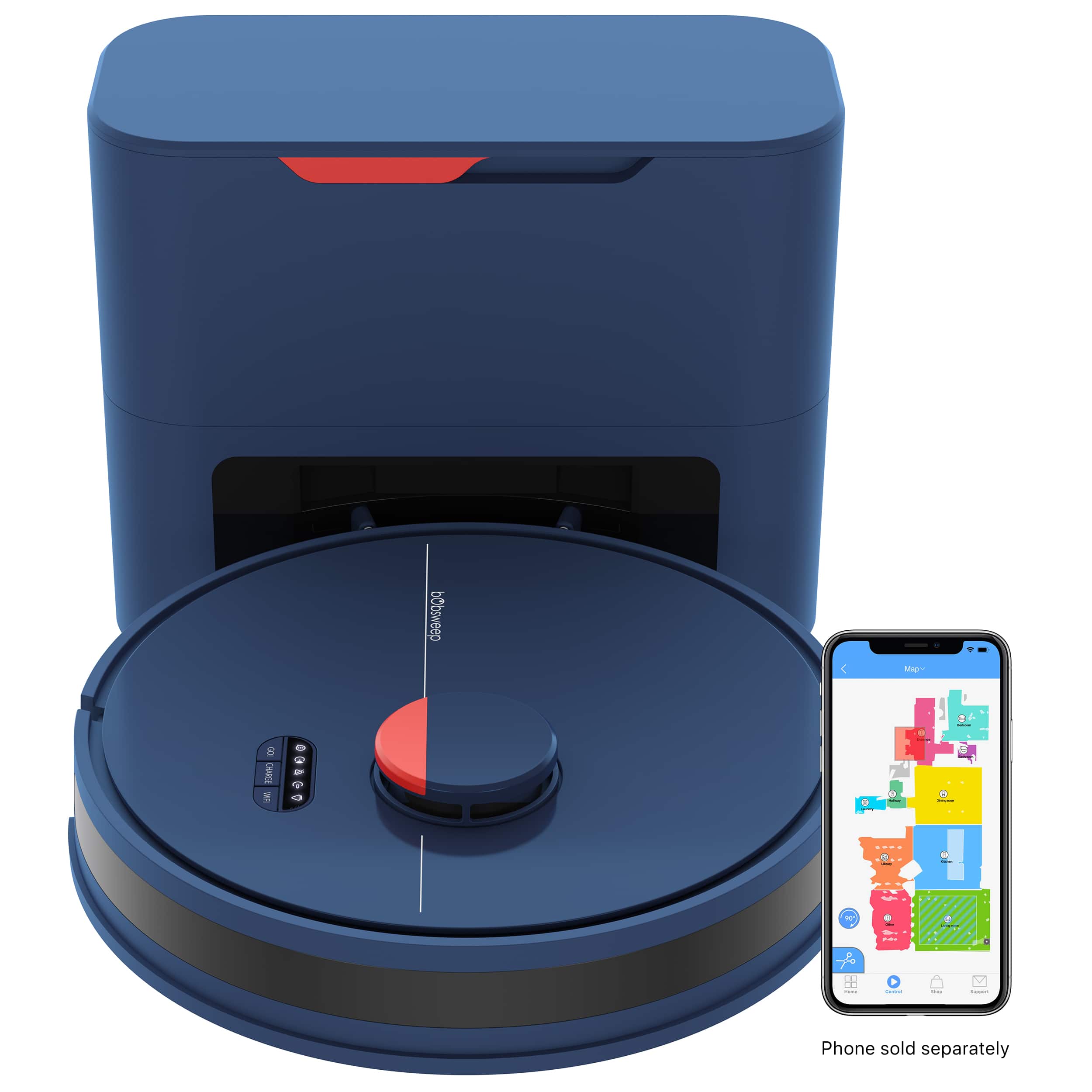
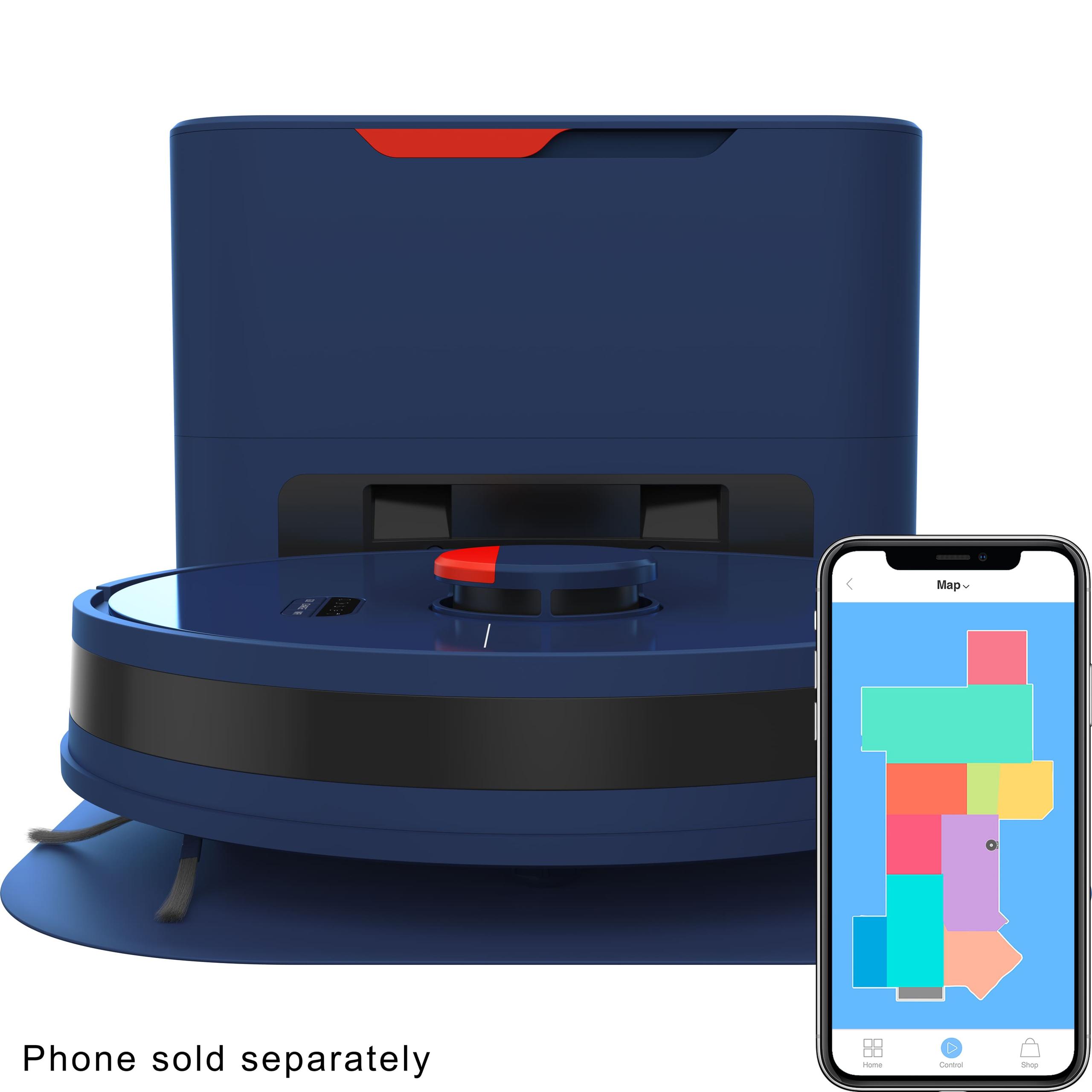
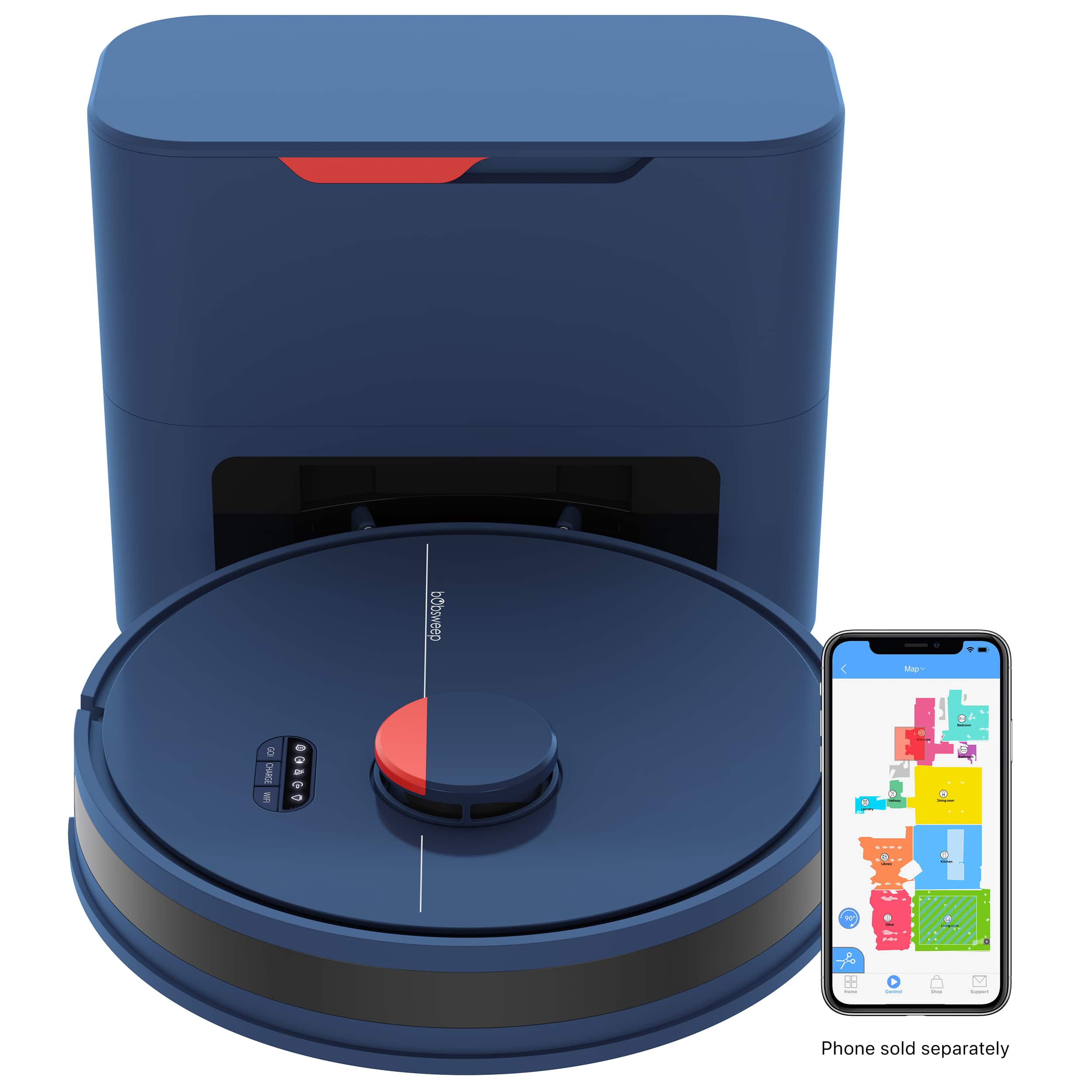
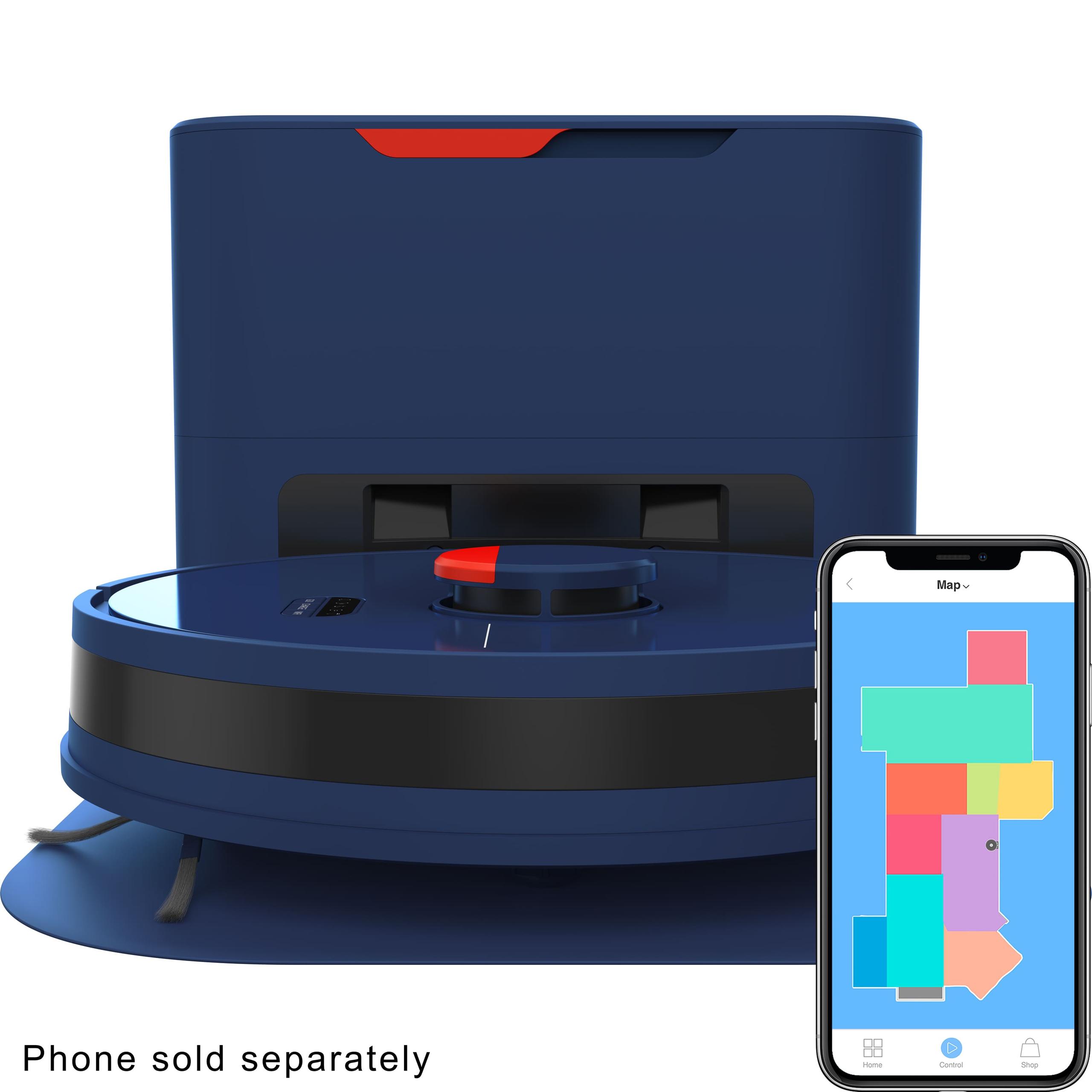
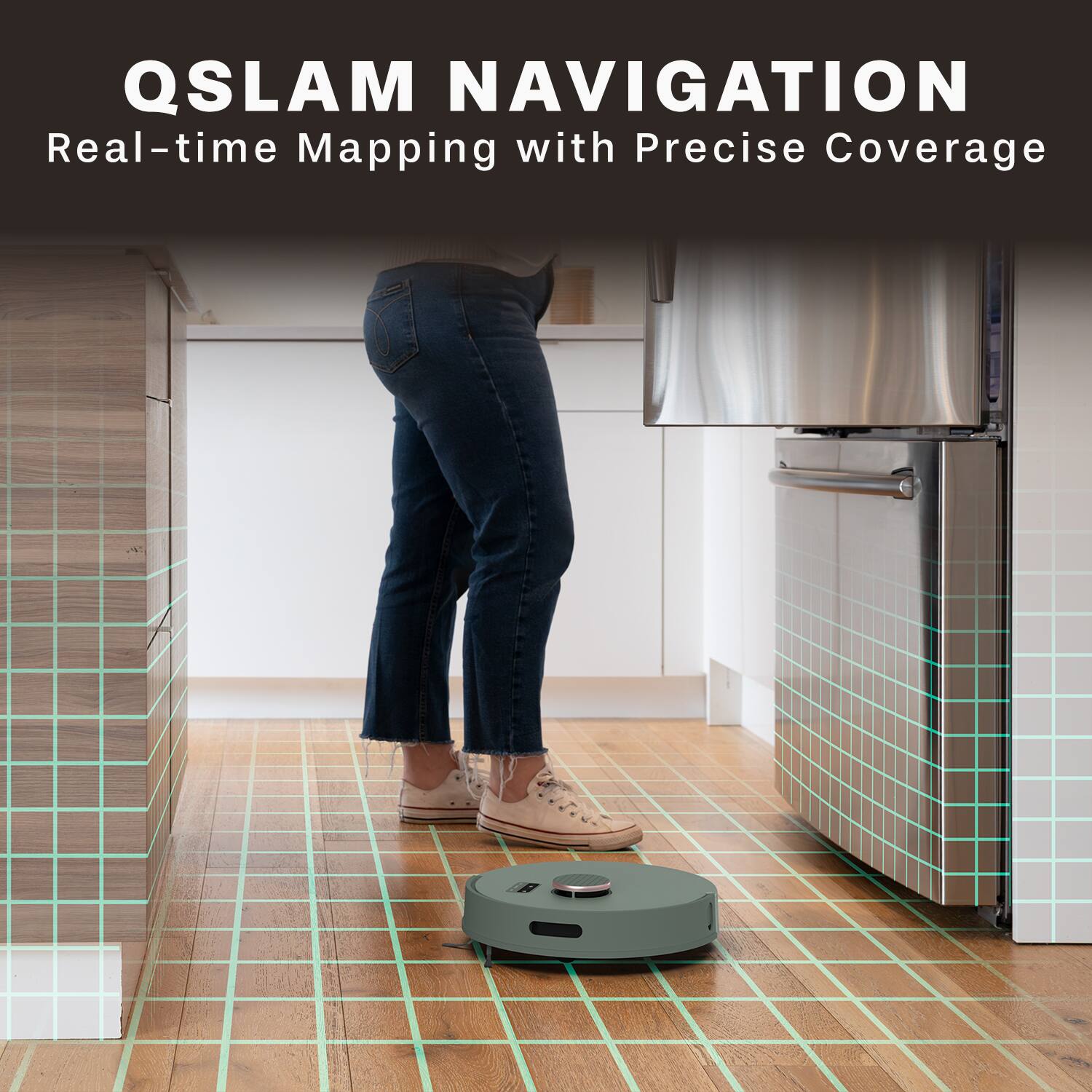
Meanwhile, the Bio operates at 4,500 Pa, which is still respectable but represents about 44% less suction power. However, the Bio compensates with its Quantum SLAM technology—a sophisticated mapping system that combines LiDAR (laser-based distance measuring) with real-time computing to create detailed floor plans instantly. Traditional SLAM (Simultaneous Localization and Mapping) systems require multiple cleaning runs to learn your home's layout, but Quantum SLAM maps rooms within minutes on the first use.
This creates an interesting trade-off: raw cleaning power versus intelligent efficiency. Based on our research into user experiences and professional testing, this fundamental difference shapes how each vacuum performs in real-world scenarios.
Suction power isn't everything in robot vacuums, but it's arguably the most important factor for actual cleaning results. The Dustin's 8,000 Pa advantage becomes particularly noticeable on carpeted surfaces, where embedded dirt, pet hair, and allergens require serious lifting force to extract.
In homes with medium to high-pile carpets, this difference is dramatic. Pet owners consistently report that the Dustin excels at pulling stubborn pet hair from carpet fibers where lower-suction models might leave traces behind. The TurboLift technology also helps the Dustin handle larger debris that can clog or scatter with weaker vacuums.
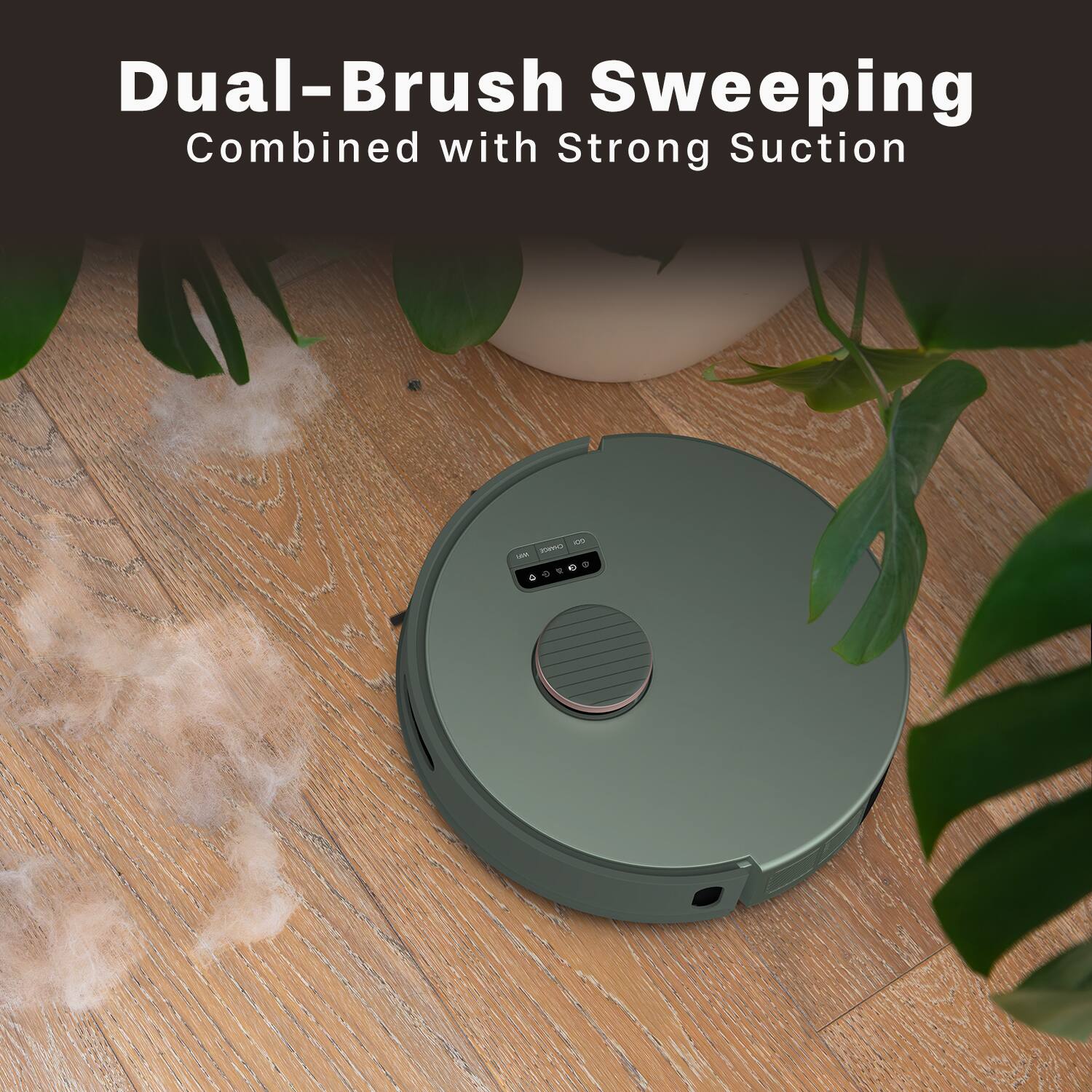
However, the Bio's 4,500 Pa isn't necessarily a weakness on hard floors. Excessive suction can actually scatter lightweight debris like cereal or cat litter on smooth surfaces, and the Bio's more moderate power paired with its dual-brush system often provides more controlled pickup. The Bio also features DualSpin rotating mops that work in conjunction with surface detection technology, automatically adjusting cleaning intensity based on floor type.
For households that are primarily hard flooring—hardwood, tile, luxury vinyl—the Bio's approach makes considerable sense. The advanced navigation ensures thorough coverage without the inefficient back-and-forth patterns that can waste time and battery life.
This is where the Bio truly shines and justifies its premium positioning. Traditional robot vacuums, including the Dustin, use standard LiDAR mapping that builds floor plans over time through trial and error. While effective, this approach means your first few cleaning cycles might miss spots or take unnecessarily long routes.
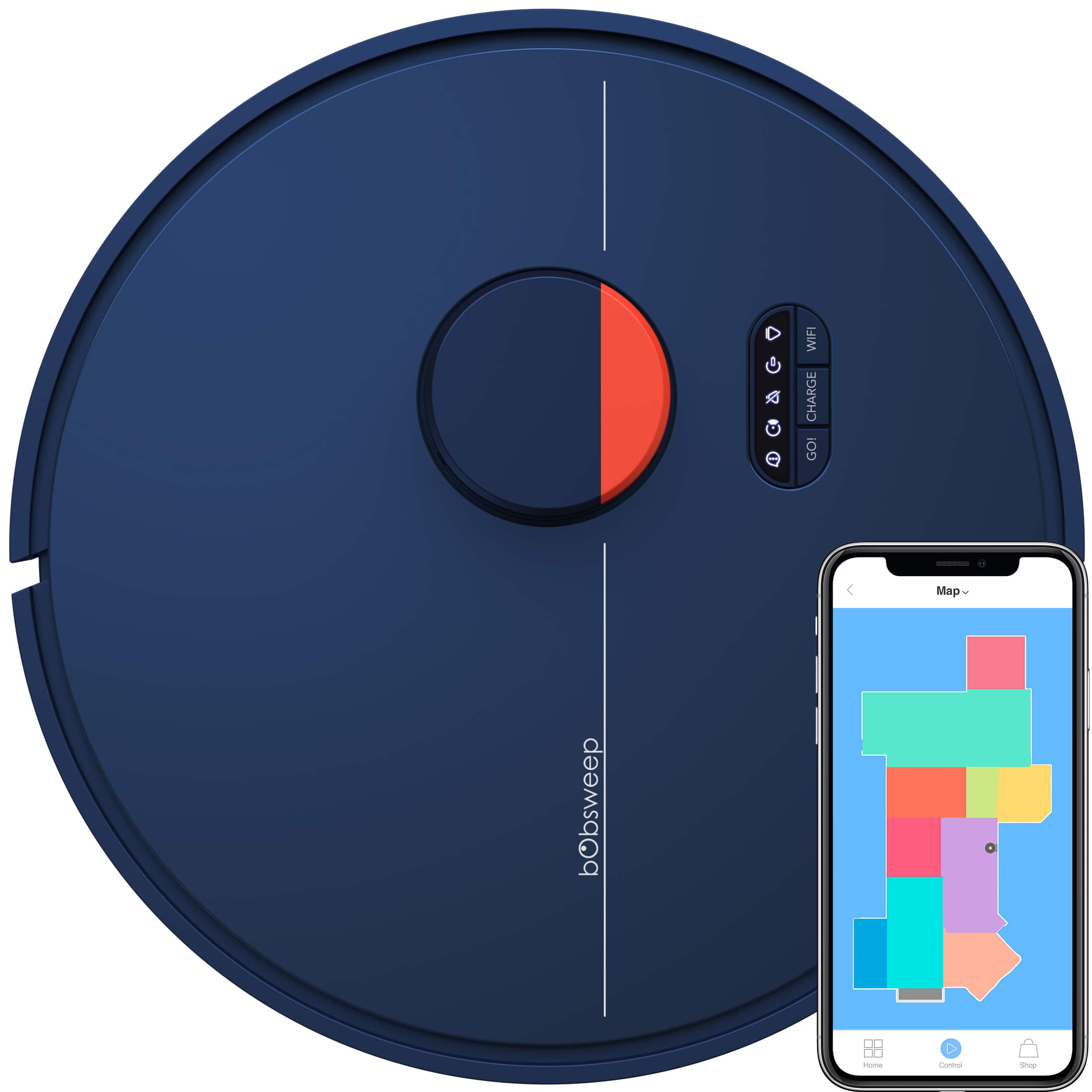
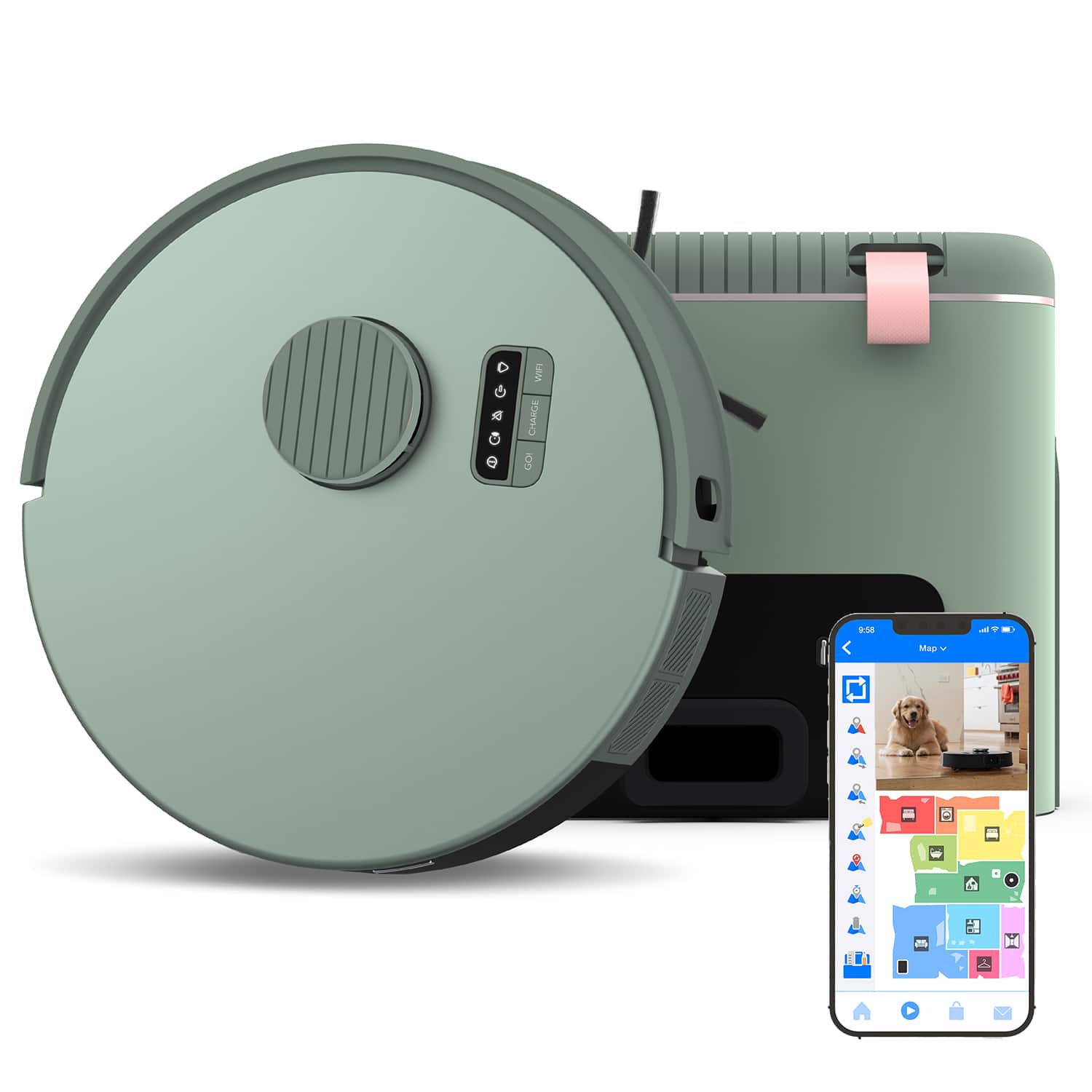
The Bio's Quantum SLAM system represents a significant technological leap. By processing LiDAR data in real-time with advanced algorithms, it creates detailed, color-coded maps immediately. More importantly, it plans optimal cleaning paths that follow systematic patterns rather than seemingly random routes.
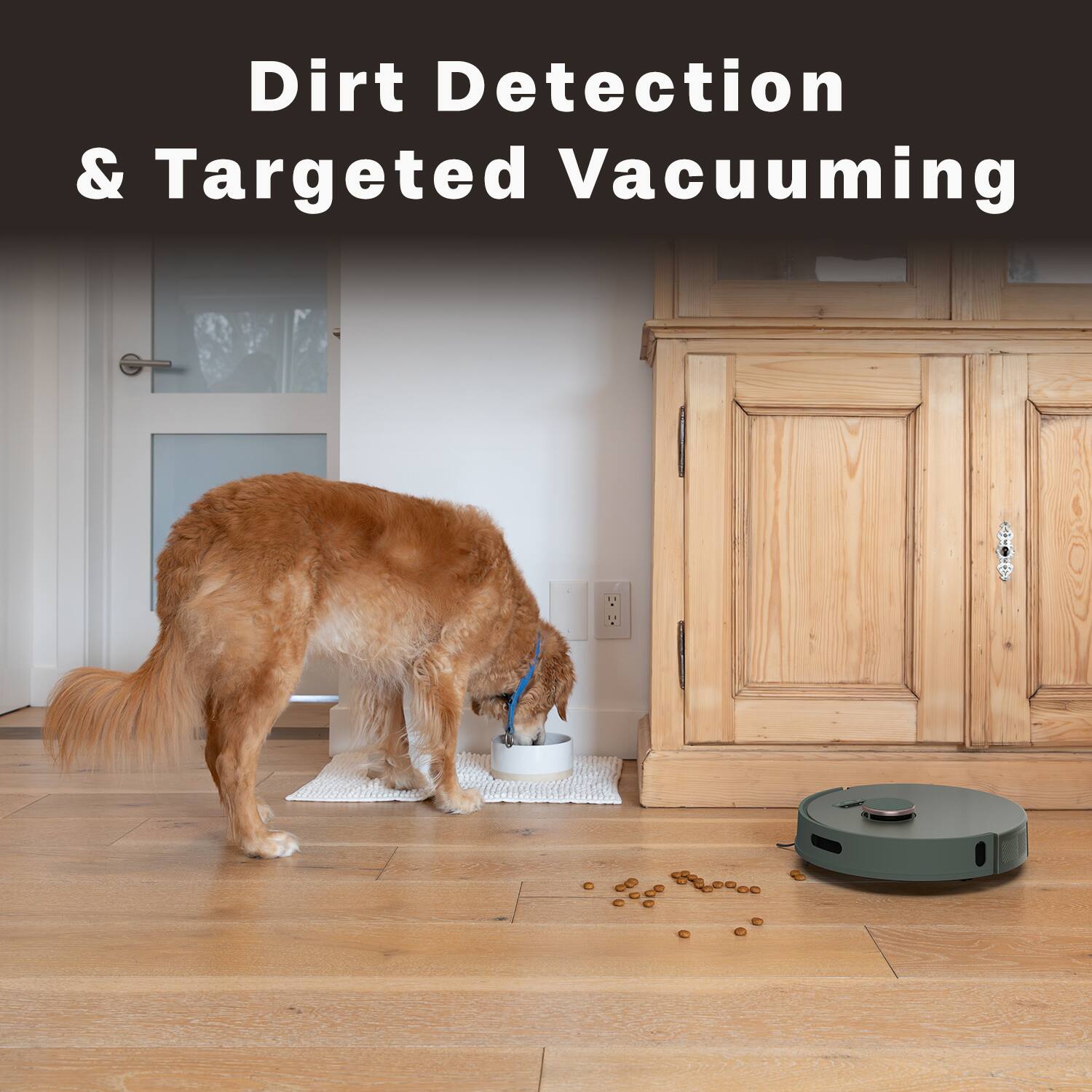
In practical terms, this means the Bio typically completes cleaning cycles 20-30% faster in complex homes with multiple rooms and furniture obstacles. For busy households where cleaning time impacts daily routines, this efficiency gain is substantial. The Bio also demonstrates superior obstacle avoidance, particularly around common hazards like pet toys, shoes, and furniture legs that can trap traditional robots.
However, the Dustin's simpler navigation isn't necessarily problematic for homes with open floor plans or minimal furniture. If your main living areas are relatively uncluttered, the power advantage might outweigh the navigation sophistication.
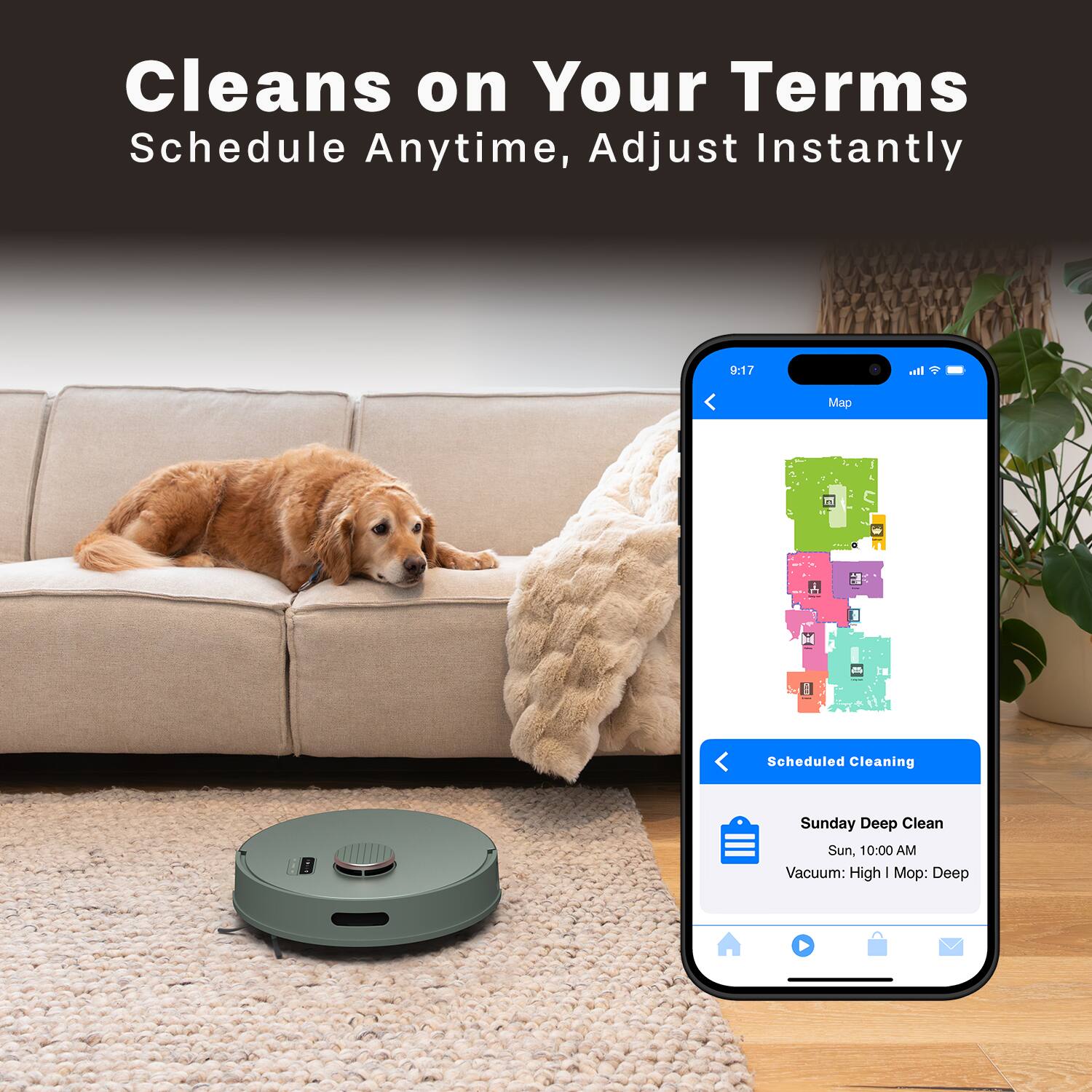
Modern robot vacuums are increasingly expected to integrate seamlessly with smart home ecosystems, and here the Bio offers a more comprehensive package. Full Alexa and Google Assistant integration means you can start, stop, or schedule cleaning sessions entirely through voice commands. The Bio can store up to three different floor maps, making it ideal for multi-level homes or cleaning different areas on rotating schedules.
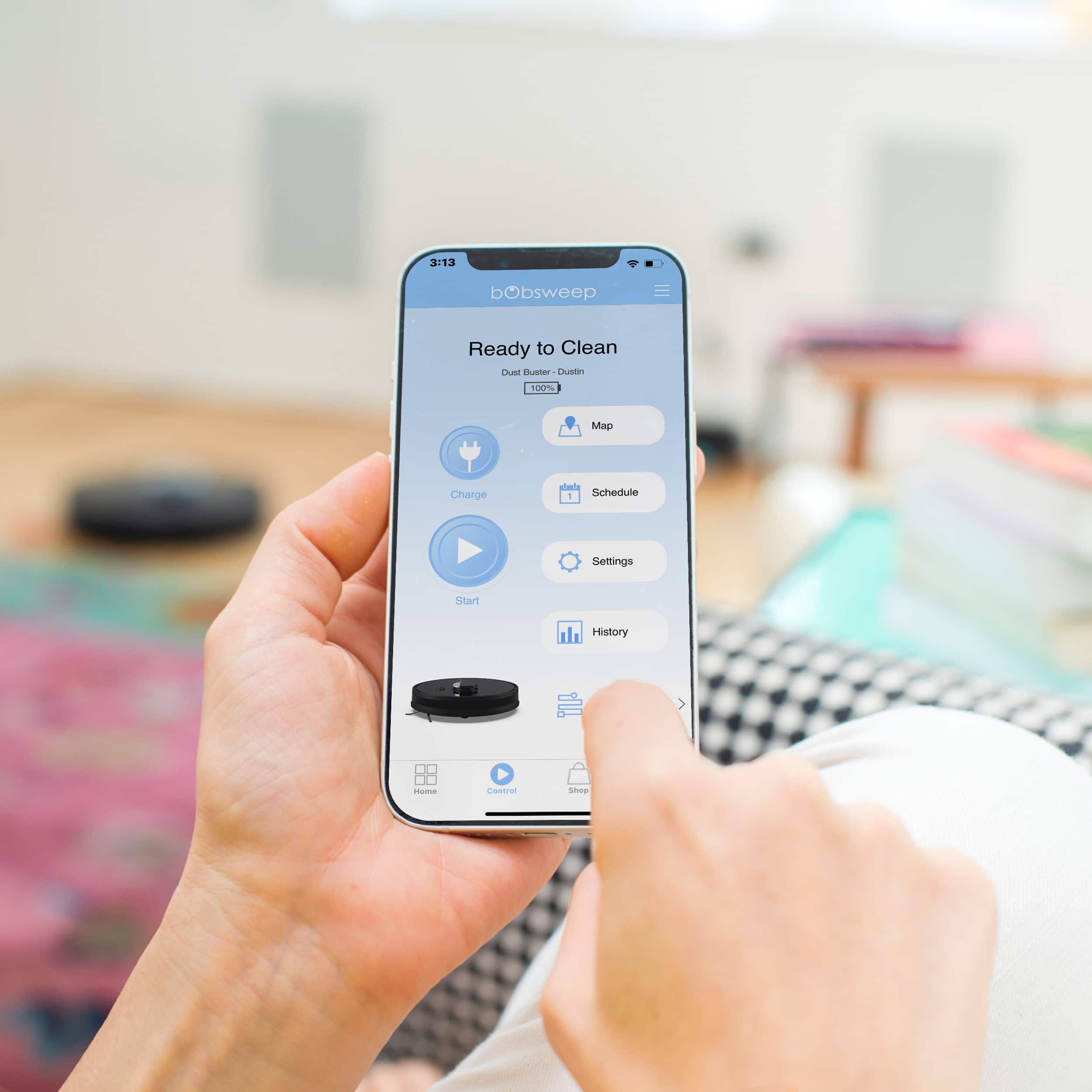
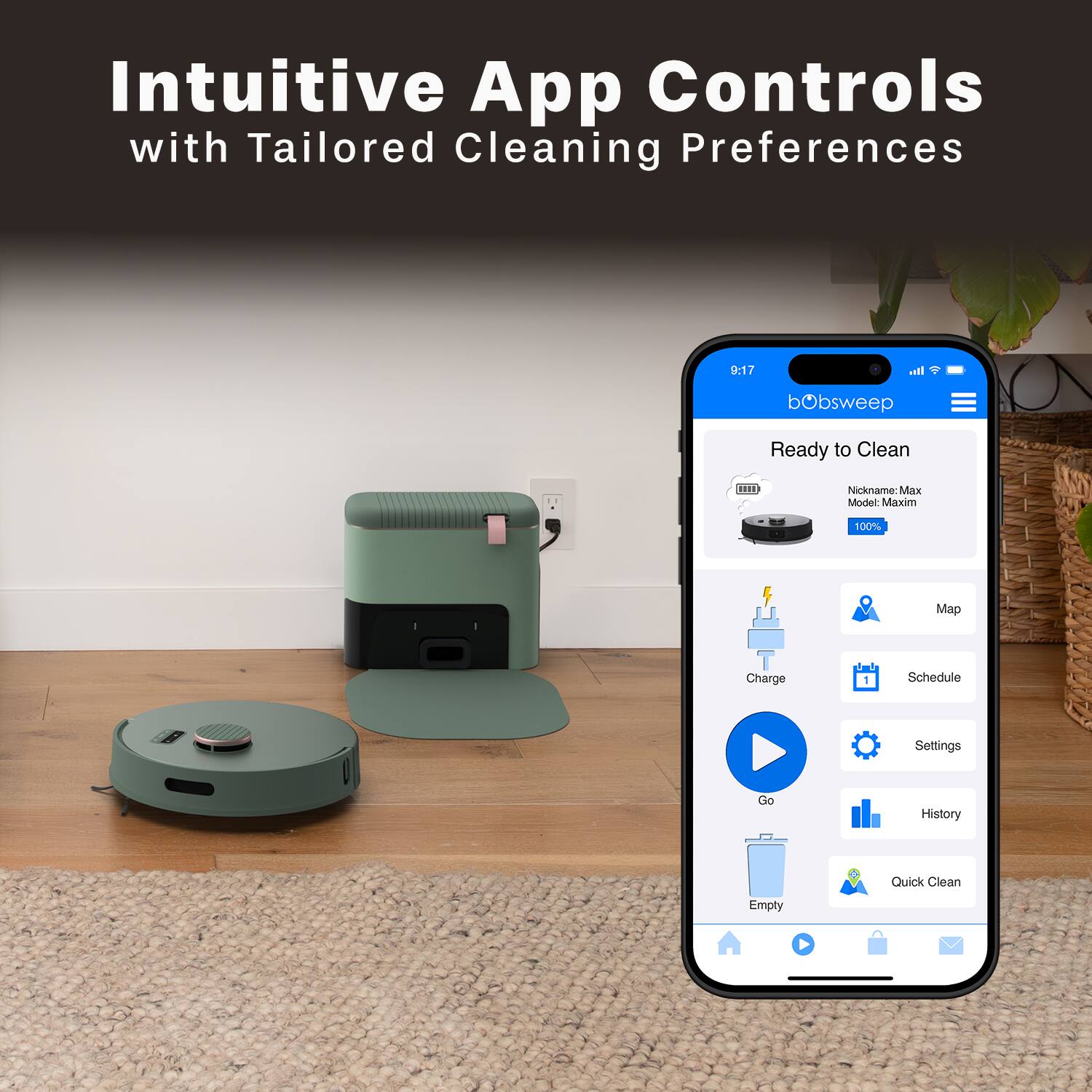
The Bio's app also provides detailed cleaning analytics, showing exactly where the robot cleaned, how long it spent in each area, and what obstacles it encountered. For tech-savvy users who enjoy optimizing their smart home setup, these insights enable fine-tuning of cleaning schedules and zone configurations.
The Dustin offers more basic app functionality focused on essential scheduling and zone management. While it lacks voice control integration, it covers the fundamental needs of most users: setting cleaning times, creating no-go zones, and monitoring cleaning progress.
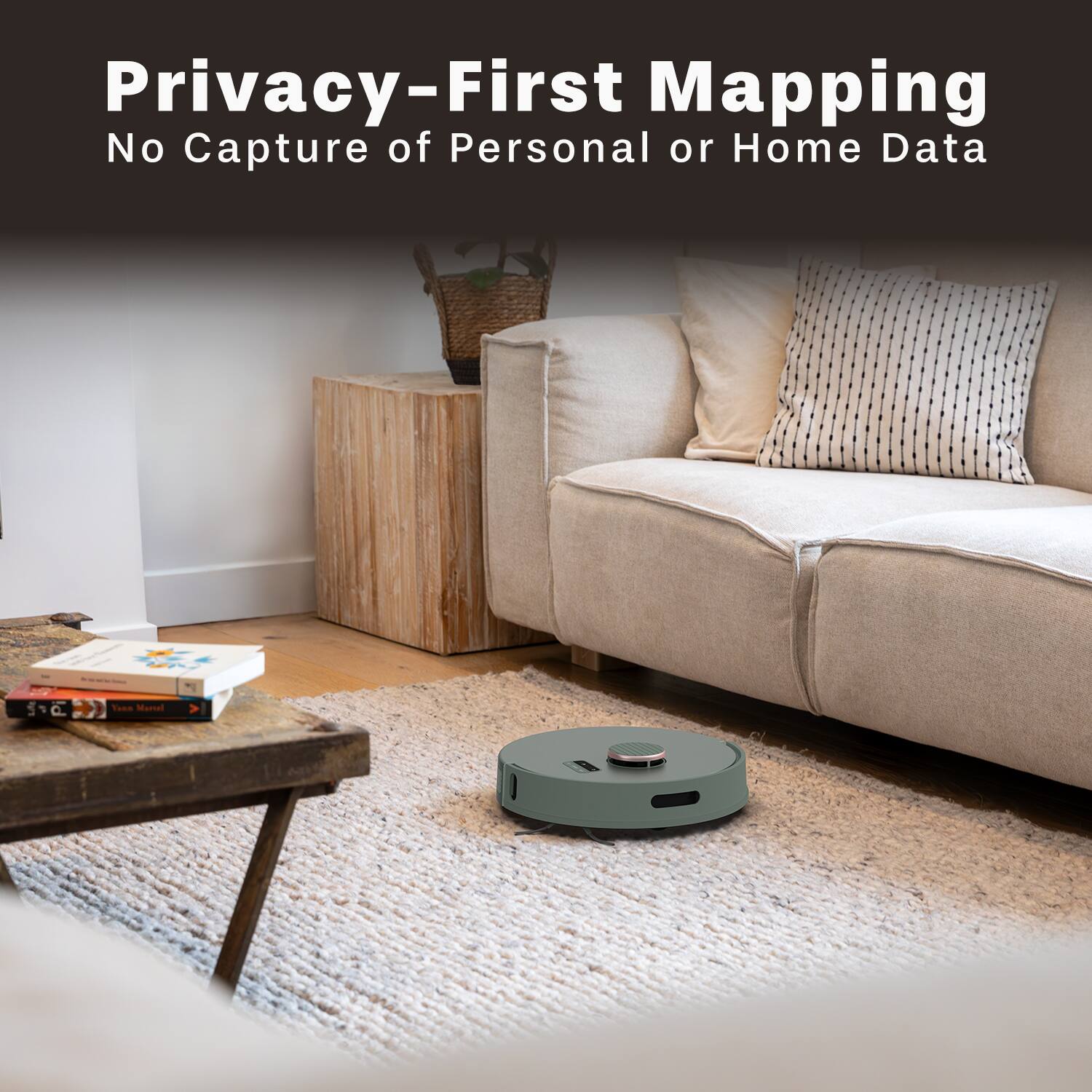
Both models prioritize user privacy by avoiding image capture, but the Bio makes explicit privacy commitments about data handling that may appeal to security-conscious consumers.
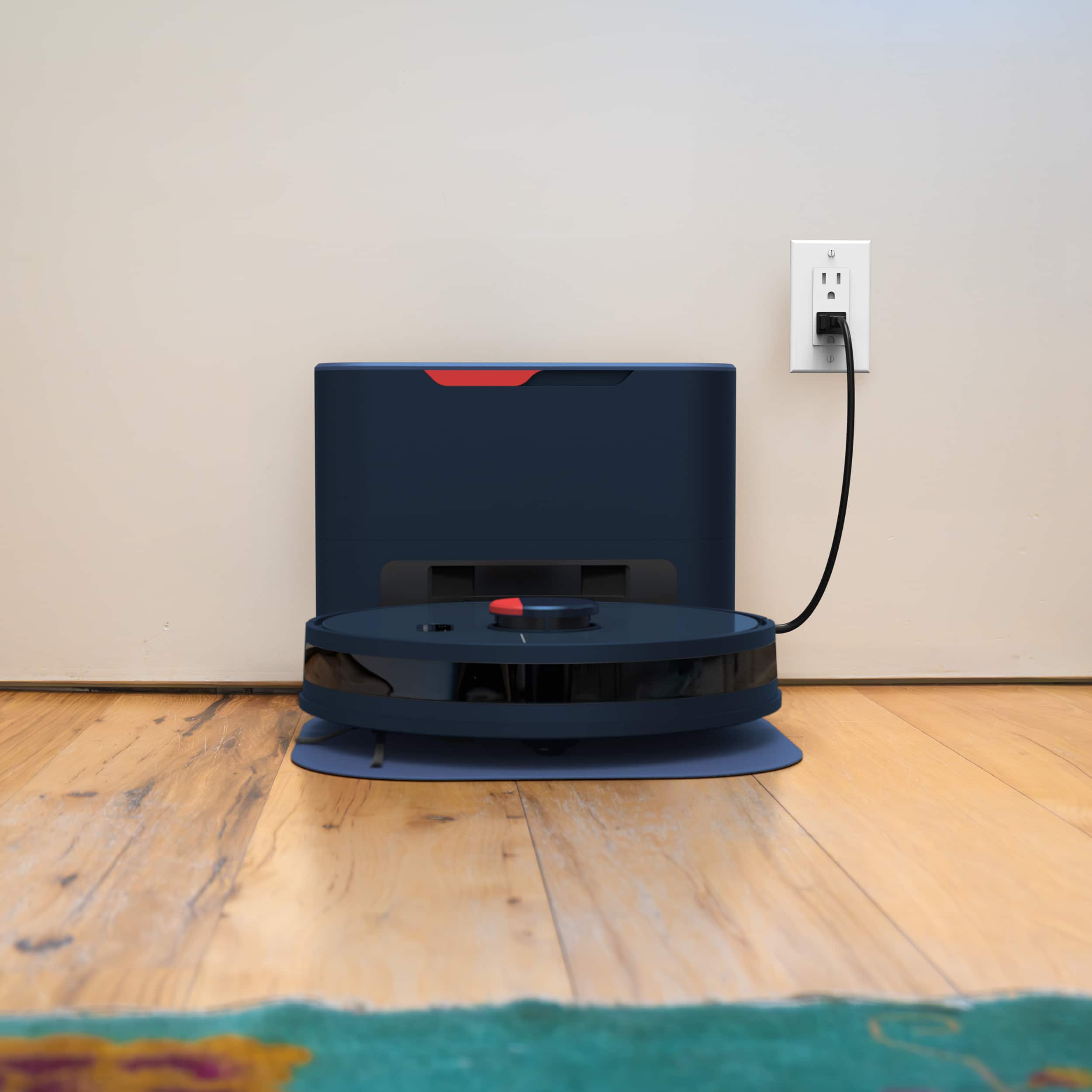
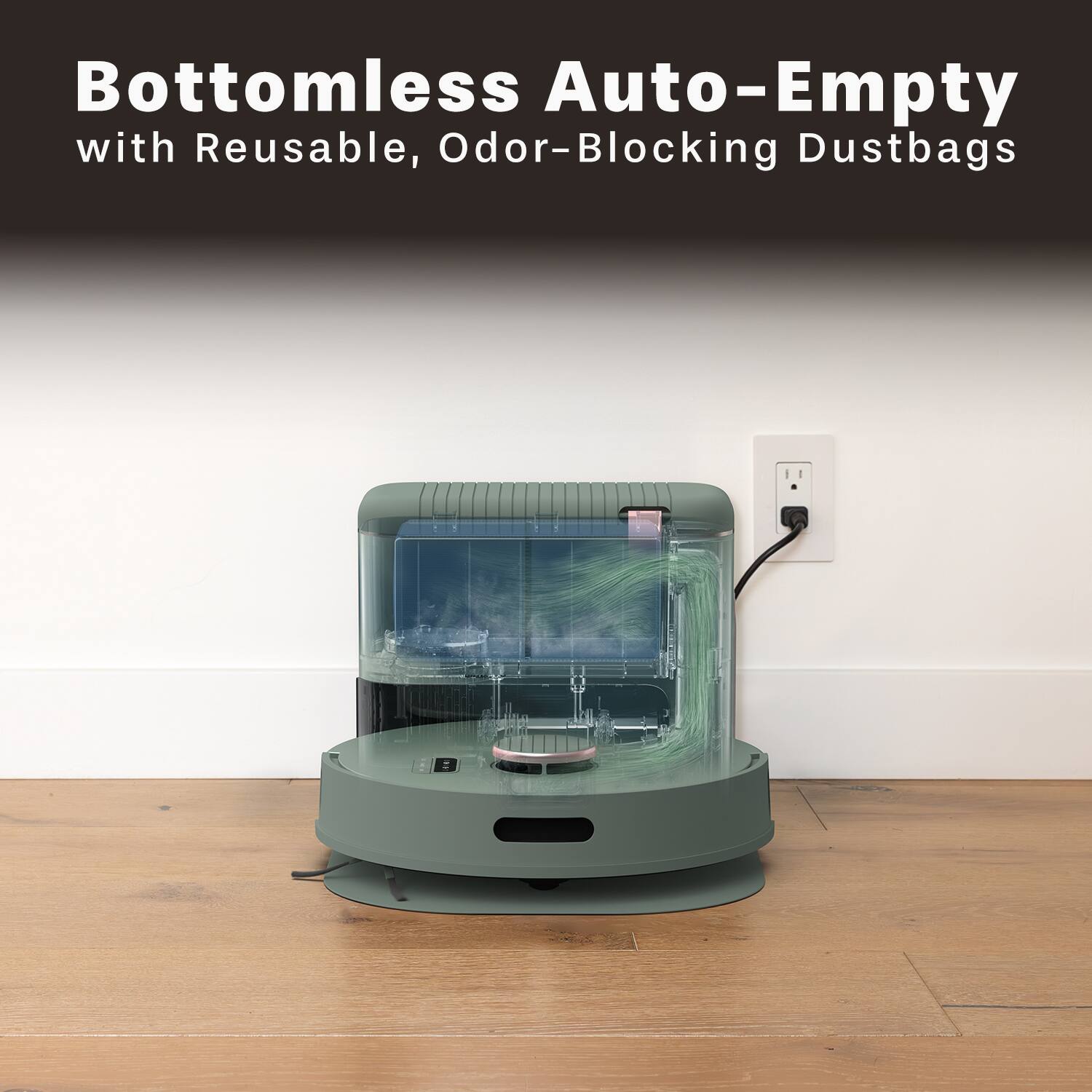
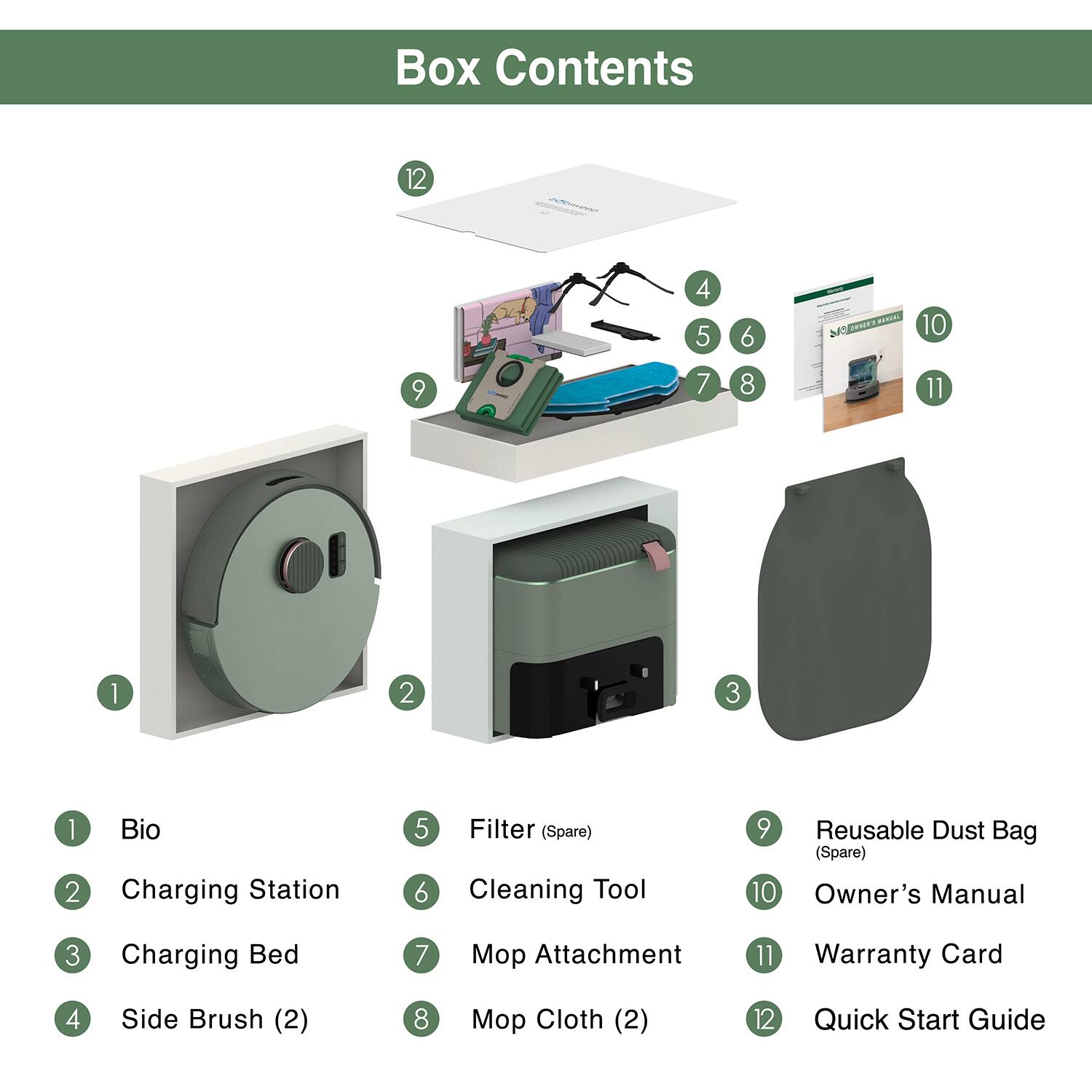
Both vacuums include self-emptying base stations with 3.5-liter capacity, theoretically providing weeks of hands-off operation. However, their approaches differ meaningfully in practical use.
The Dustin uses a straightforward reusable container that requires periodic manual emptying. This system is reliable and easy to maintain, with fewer potential points of failure. The larger dustbin capacity and self-emptying feature work well for most households, particularly when combined with the Dustin's powerful suction that tends to compress debris efficiently.
The Bio employs reusable dustbags with activated charcoal odor filtration, marketed as providing "100-day capacity." The odor control system offers genuine benefits for pet owners or households sensitive to dust and allergens. The charcoal filtration helps contain odors that might otherwise escape during the emptying cycle.
Maintenance complexity slightly favors the Dustin with its simpler design and fewer specialized components. The Bio's more sophisticated systems, while offering additional features, create more potential maintenance points over time.
An interesting differentiator is the Bio's construction from bio-based plastics made from renewable plant materials. While maintaining the durability of traditional ABS plastic, this eco-friendly approach appeals to environmentally conscious consumers and potentially offers better long-term sustainability.
However, the Dustin counters with a significantly longer warranty—two years comprehensive coverage versus the Bio's one-year protection. This suggests manufacturer confidence in the Dustin's reliability and provides better protection for consumers' investment.
In our evaluation of user feedback and professional reviews, both models demonstrate solid build quality, but the Dustin's simpler design and longer warranty suggest potentially better long-term value for reliability-focused buyers.
The optimal choice between these vacuums heavily depends on your specific living situation. In apartments or smaller homes with primarily hard flooring, the Bio's advanced navigation and mopping capabilities often provide better daily maintenance cleaning. The efficiency gains from Quantum SLAM become less significant in smaller, simpler spaces, but the comprehensive app features and voice integration enhance convenience.
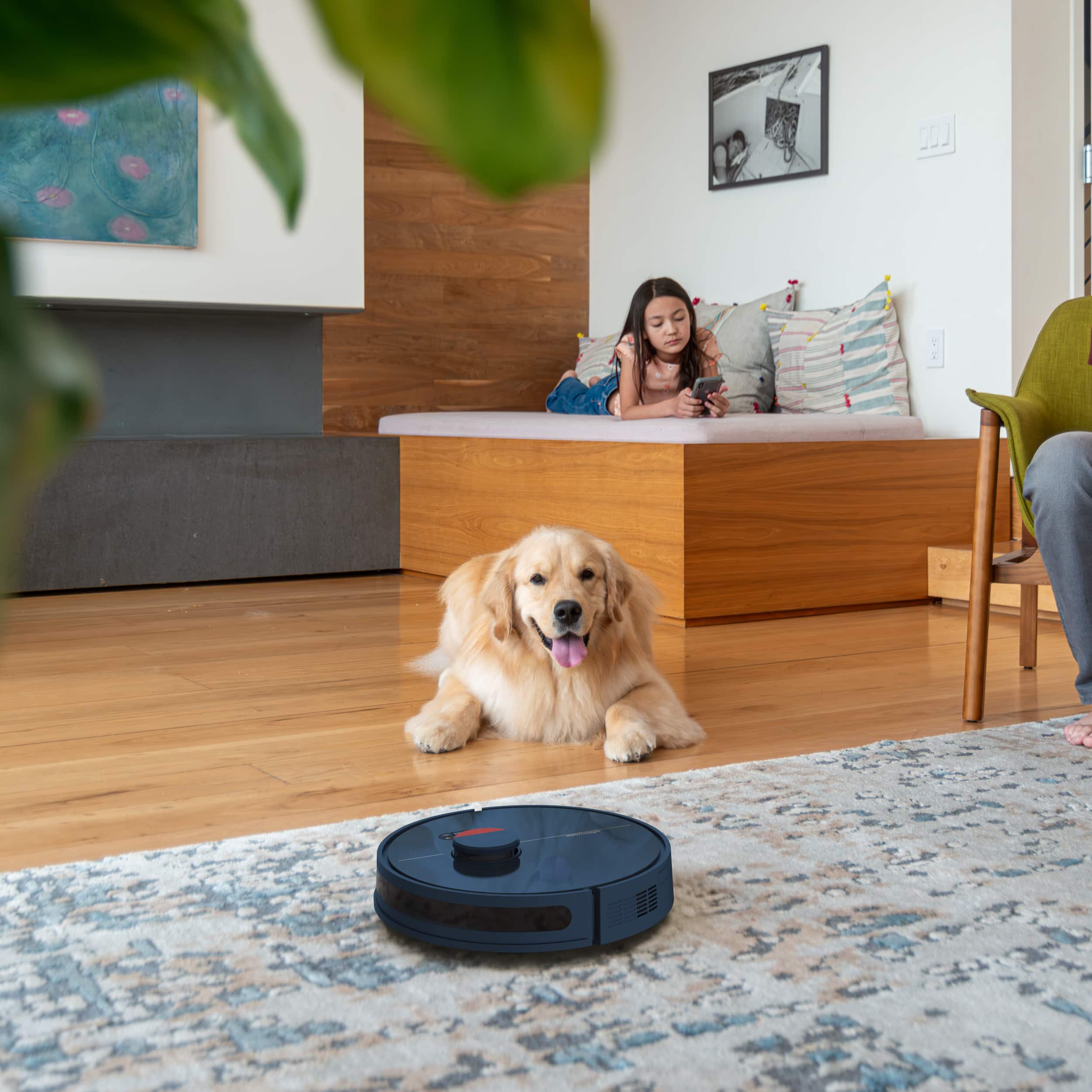
For larger homes, particularly those with significant carpeted areas, the Dustin's superior suction power becomes increasingly valuable. Homes with pets that shed heavily consistently favor higher suction models, and the Dustin's performance on embedded pet hair is notably superior based on user reports.
Multi-level homes present an interesting case where the Bio's ability to store multiple floor maps provides genuine utility. However, if cleaning power is the priority—such as in homes with children, pets, or high-traffic areas—the Dustin's performance advantage often outweighs navigational convenience.
At the time of writing, the Bio commands a significant premium over the Dustin—approximately $400 more for comparable configurations. This price difference primarily buys advanced navigation technology, comprehensive smart home integration, eco-friendly materials, and enhanced privacy features.
From a pure performance-per-dollar perspective, the Dustin offers exceptional value. The superior suction power, longer warranty, and comprehensive self-emptying functionality provide most of what households need from a robot vacuum at a more accessible price point.
However, the Bio's premium features justify their cost for specific user profiles: tech enthusiasts building comprehensive smart homes, environmentally conscious consumers, or households where cleaning efficiency and advanced automation provide meaningful lifestyle benefits.
The Dustin PET24-7-213 makes the most sense for households prioritizing cleaning performance and value. If you have carpeted areas that need deep cleaning, pets that shed significantly, or simply want maximum cleaning power for your investment, the Dustin delivers exceptional capability. Its simpler feature set and longer warranty also appeal to users who prefer reliable, straightforward operation over advanced tech features.
The Bio PET24-7-113 targets users who value cutting-edge technology and comprehensive automation. If you have complex floor plans with multiple rooms, are building a sophisticated smart home ecosystem, or prioritize environmental sustainability, the Bio's advanced features justify its premium cost. The superior navigation efficiency particularly benefits busy households where optimized cleaning schedules matter.
For most households focused on practical cleaning results, the Dustin provides better value with its combination of powerful performance, comprehensive features, and competitive pricing. However, tech-forward users willing to pay for premium convenience and sustainability features will find the Bio's advanced capabilities genuinely useful rather than merely impressive on paper.
The choice ultimately depends on whether you value maximum cleaning power and straightforward reliability, or prefer paying more for advanced navigation, smart features, and eco-conscious design. Both represent solid options within their respective market positions, but they serve meaningfully different user priorities and household needs.
| bObsweep Dustin PET24-7-213 | bObsweep Bio PET24-7-113 |
|---|---|
| Suction Power - Most critical factor for cleaning performance, especially on carpets and pet hair | |
| 8,000 Pa (78% more powerful, excellent for deep carpet cleaning) | 4,500 Pa (adequate for hard floors, may struggle with thick carpets) |
| Navigation Technology - Determines cleaning efficiency and coverage quality | |
| Traditional LiDAR SLAM (requires training runs, longer cleaning cycles) | Quantum SLAM with real-time computing (instant mapping, 20-30% faster cleaning) |
| Self-Emptying Capacity - Affects maintenance frequency | |
| 3.5-liter reusable container (standard debris storage) | 3.5-liter with activated charcoal odor filtration (better for pet owners) |
| Smart Home Integration - Important for voice control and automation | |
| Basic app control only (no voice assistant support) | Full Alexa & Google Assistant integration plus advanced app features |
| Floor Map Storage - Useful for multi-level homes | |
| Single floor map | Up to 3 floor maps with detailed analytics |
| Construction Materials - Environmental impact consideration | |
| Traditional ABS plastic | Bio-based plastic from renewable plant materials |
| Mopping System - Quality of hard floor finishing | |
| Basic microfiber pad with simultaneous vacuum/mop | DualSpin rotating mops with intelligent surface detection |
| Warranty Coverage - Protection for your investment | |
| 2 years comprehensive (including battery coverage) | 1 year standard warranty |
| Privacy Features - Data security for smart home users | |
| No image capture, basic privacy protection | Explicit privacy commitments with no image recording guarantee |
| Target User - Who gets the best value | |
| Carpet-heavy homes, pet owners, value-focused buyers | Tech enthusiasts, hard floor homes, eco-conscious users |
The bObsweep Dustin PET24-7-213 delivers significantly stronger suction at 8,000 Pa compared to the bObsweep Bio PET24-7-113 at 4,500 Pa. This 78% difference in suction power makes the Dustin much more effective at deep cleaning carpets and removing embedded pet hair, while the Bio provides adequate power for hard floors and light carpets.
The Bio PET24-7-113 features advanced Quantum SLAM technology that maps your home instantly without training runs, while the Dustin PET24-7-213 uses traditional LiDAR mapping that requires multiple cleaning sessions to learn your layout. The Bio typically completes cleaning cycles 20-30% faster due to its more efficient navigation system.
Both models are designed for pet owners, but they excel in different ways. The Dustin offers superior pet hair pickup with its 8,000 Pa suction power, especially on carpets. The Bio features activated charcoal odor filtration in its dustbag, which helps control pet odors during the emptying process.
Yes, both the bObsweep Dustin and bObsweep Bio include self-emptying base stations with 3.5-liter capacity. The key difference is that the Bio uses reusable dustbags with activated charcoal for odor control, while the Dustin has a standard reusable container system.
The Bio PET24-7-113 offers comprehensive smart home integration with full Alexa and Google Assistant support, plus advanced app features including multiple floor map storage. The Dustin PET24-7-213 provides basic app control for scheduling and zone management but lacks voice assistant compatibility.
The bObsweep Dustin provides superior warranty protection with 2 years comprehensive coverage including battery replacement. The bObsweep Bio comes with a standard 1-year warranty, making the Dustin a better choice for long-term peace of mind.
The Dustin PET24-7-213 excels on thick carpets due to its powerful 8,000 Pa suction that can extract embedded dirt and pet hair from deep pile fibers. The Bio PET24-7-113 may struggle with thick carpets due to its lower 4,500 Pa suction power, making it better suited for hard floors and low-pile rugs.
The bObsweep Bio typically completes cleaning cycles faster due to its Quantum SLAM navigation that creates efficient straight-line cleaning patterns. The bObsweep Dustin may take longer to clean complex homes since its traditional navigation requires more exploratory movements to ensure complete coverage.
The Bio PET24-7-113 is ideal for multi-level homes because it can store up to 3 different floor maps with detailed room layouts and cleaning analytics. The Dustin PET24-7-213 stores only one floor map, making it less convenient for homes with multiple levels that need regular cleaning.
The primary trade-off is cleaning power versus smart features. The Dustin offers exceptional suction power and longer warranty at a lower price point, making it ideal for deep cleaning performance. The Bio provides advanced navigation, comprehensive smart home integration, and eco-friendly construction at a premium price, perfect for tech-savvy users who prioritize efficiency and sustainability.
We've done our best to create useful and informative comparisons to help you decide what product to buy. Our research uses advanced automated methods to create this comparison and perfection is not possible - please contact us for corrections or questions. These are the sites we've researched in the creation of this article: walmart.com - manuals.plus - rtings.com - bobsweep.com - bestbuy.com - bestbuy.com - bestbuy.com - owners.bobsweep.com - homedepot.com - homedepot.com - youtube.com - ebay.com - samsclub.com - homedepot.com - youtube.com - youtube.com - bobsweep.com - target.com - bobsweep.com - bobsweep.com - youtube.com - bobsweep.com - bestbuy.com - homedepot.com - bestbuy.com - samsclub.com - homedepot.com - youtube.com - ebay.com - bobsweep.com - walmart.com - ebay.com - ebay.com - bobsweep.com - bestbuy.com - bobsweep.com - manuals.plus - bobsweep.com

Privacy Policy
Terms and Conditions - Affiliate Policy
Home Security
© Copyright 2008-2026.
11816 Inwood Rd #1211, Dallas, TX 75244