

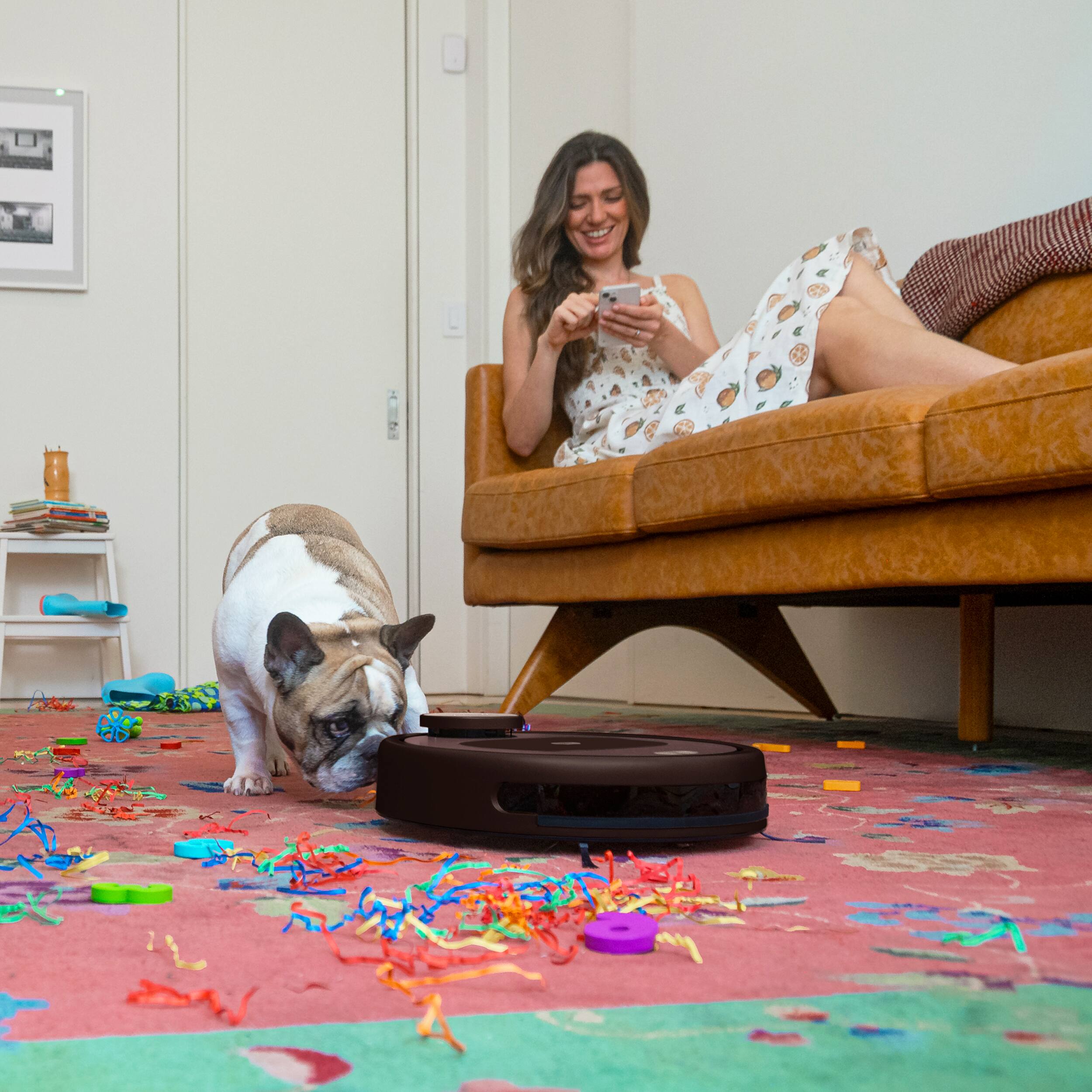
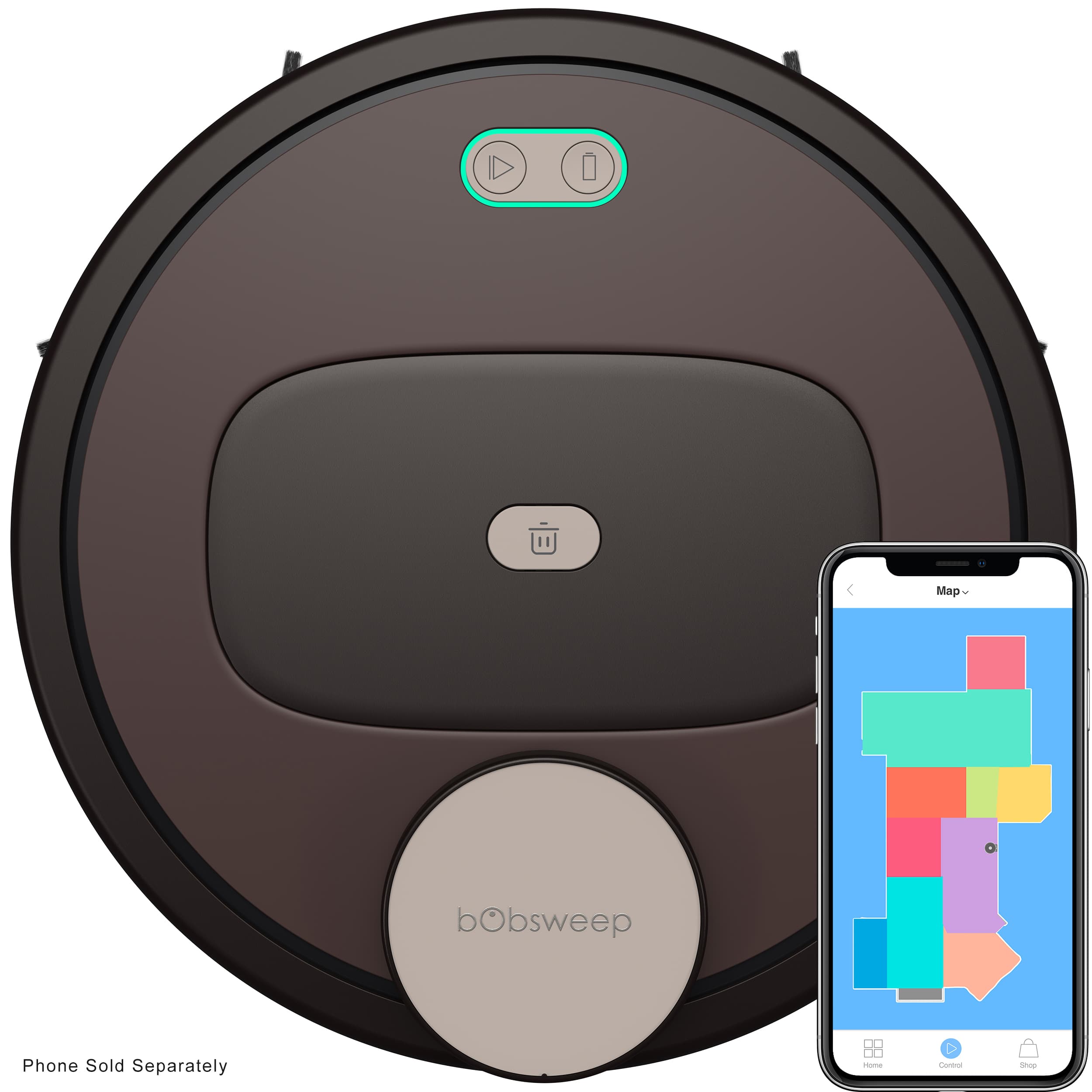
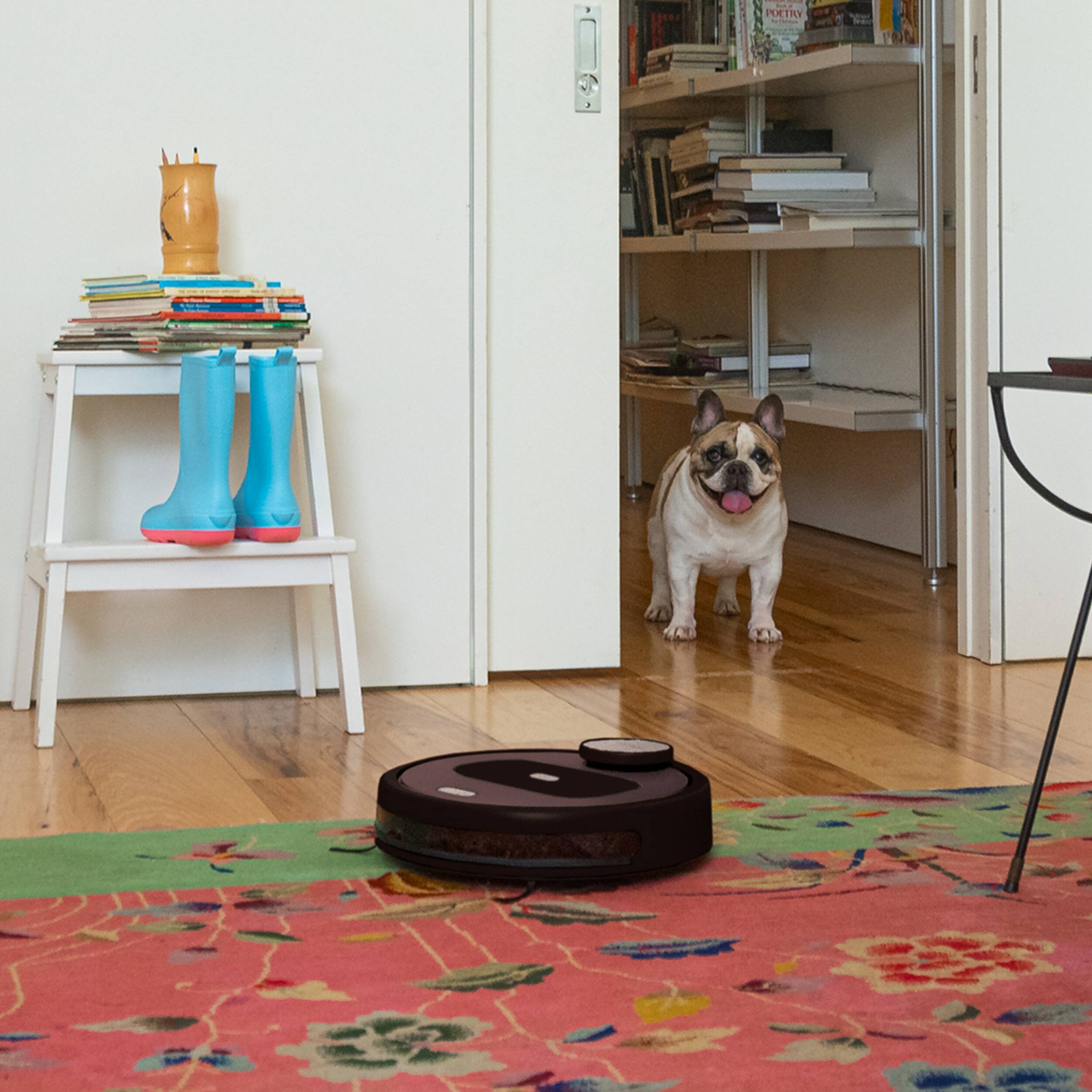
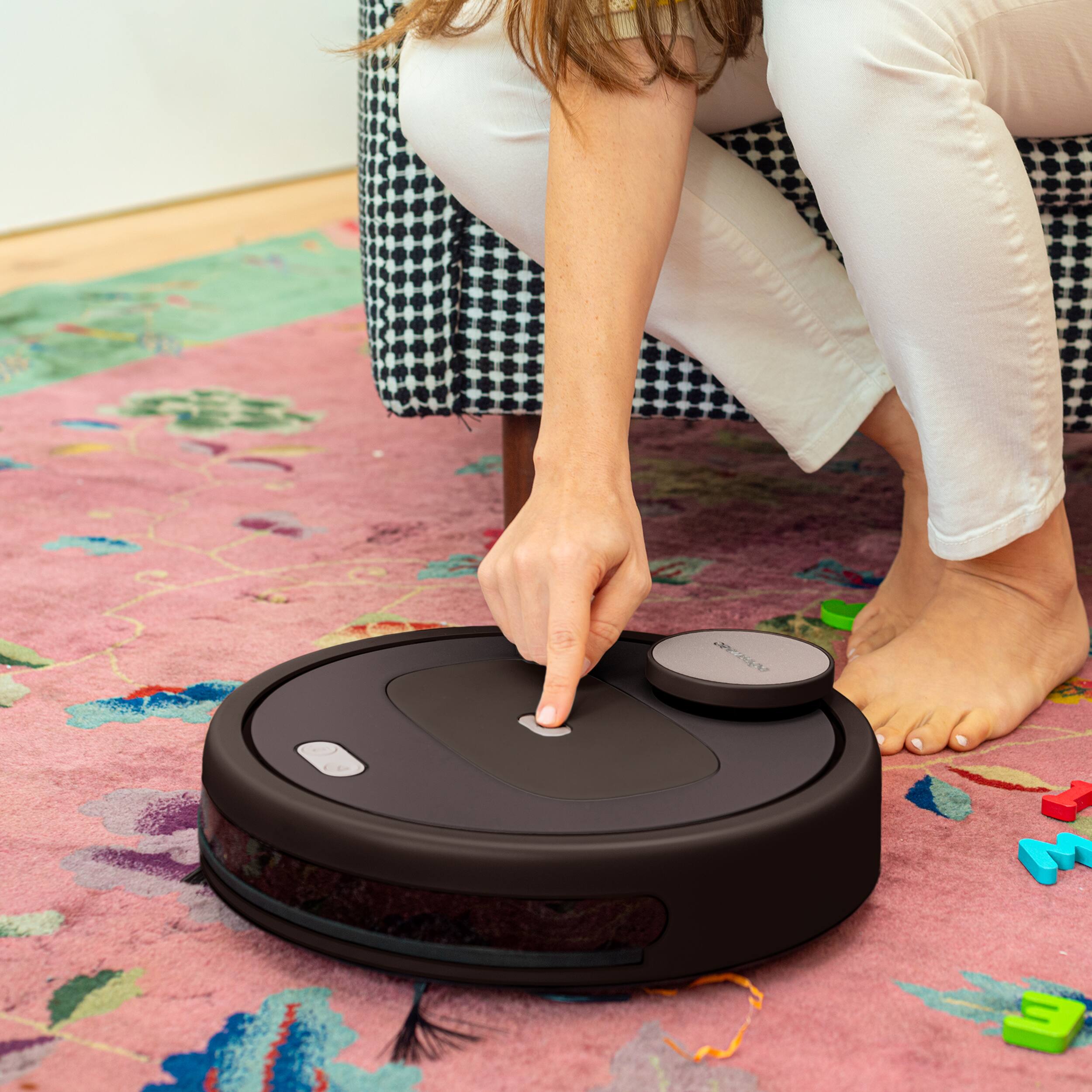

Robot vacuums have transformed from novelty gadgets to essential home appliances, especially for pet owners tired of constant hair cleanup. When comparing bObsweep's PetHair Appetite against their premium Bio model, you're essentially choosing between solid basics and cutting-edge automation—with a substantial price difference to match.
At the time of writing, the PetHair Appetite sits in the budget-friendly category, while the Bio commands premium pricing that's roughly three times higher. This isn't just marketing positioning; there are fundamental technology differences that justify the gap. Understanding these differences helps determine which investment makes sense for your specific situation.
Modern robot vacuums rely on sophisticated navigation systems to map your home and clean methodically rather than randomly bouncing around. The two main approaches are SLAM (Simultaneous Localization and Mapping) and LiDAR-based systems.
SLAM technology, found in the PetHair Appetite, uses sensors and algorithms to build maps while cleaning. Think of it as the robot learning your home's layout through exploration, creating a mental map as it goes. This works well for basic navigation and room identification.
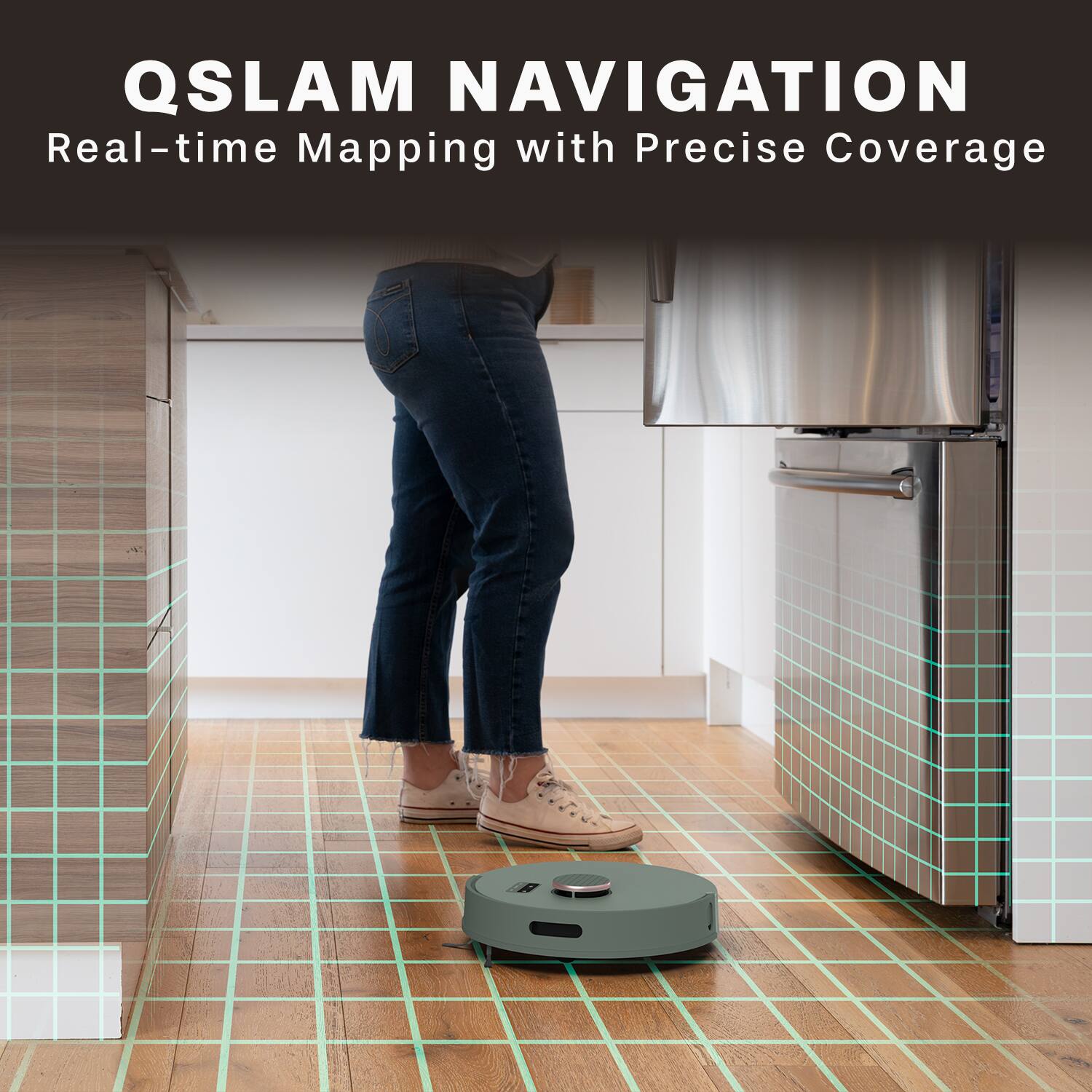
LiDAR (Light Detection and Ranging) systems, featured in the Bio, use laser beams to measure distances and create precise 3D maps. It's the same technology used in self-driving cars and provides significantly more accurate navigation. The Bio takes this further with QSLAM (Quantum SLAM), which combines LiDAR with real-time computing for even more sophisticated mapping.
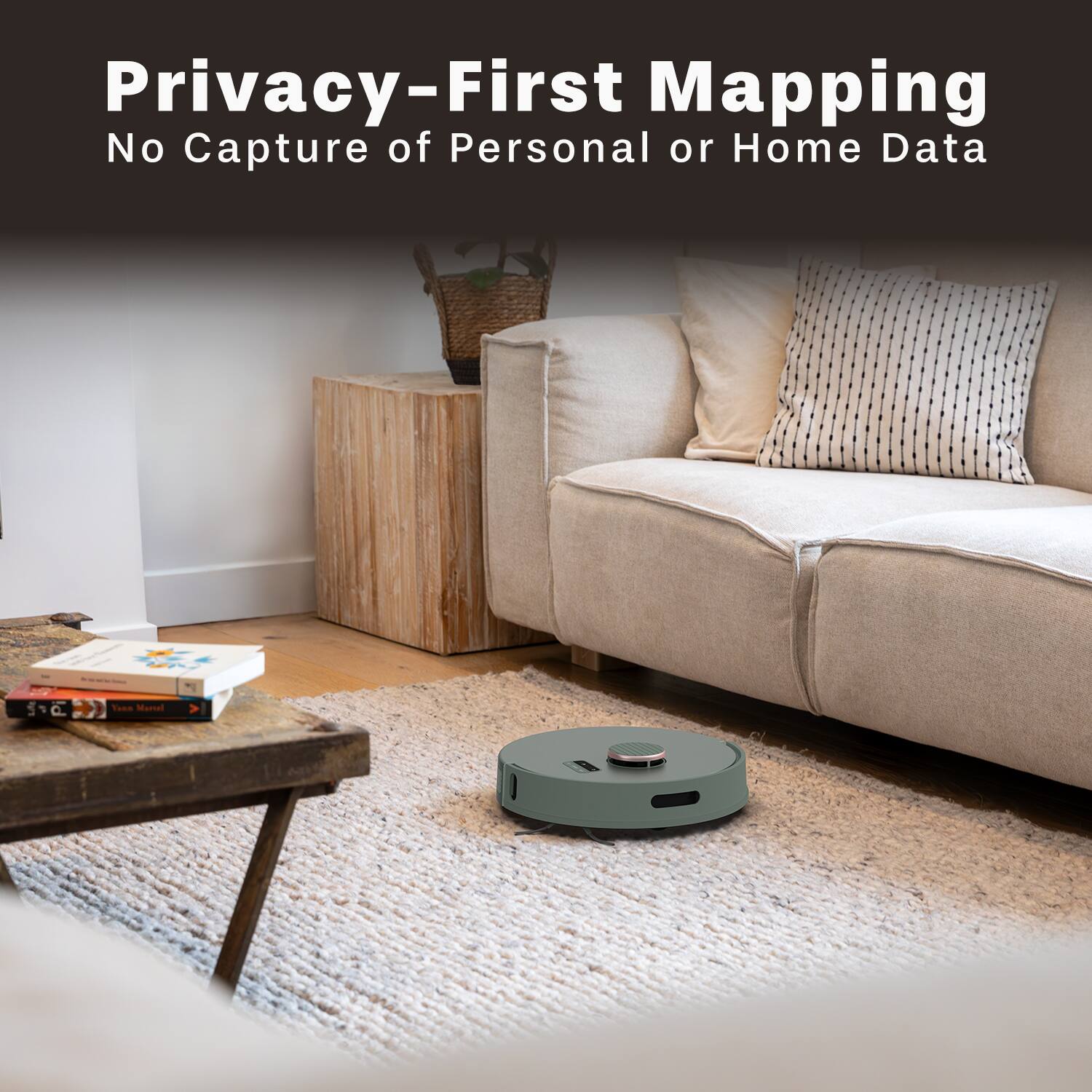
The PetHair Appetite, released in 2023, represents bObsweep's privacy-focused approach to smart cleaning. Its SLAM system creates room maps instantly without requiring training runs—a major convenience improvement over older models that needed to wander around learning your layout first. All processing happens locally on the device, meaning no images or mapping data leave your home. This appeals to privacy-conscious users who don't want their floor plans stored on company servers.
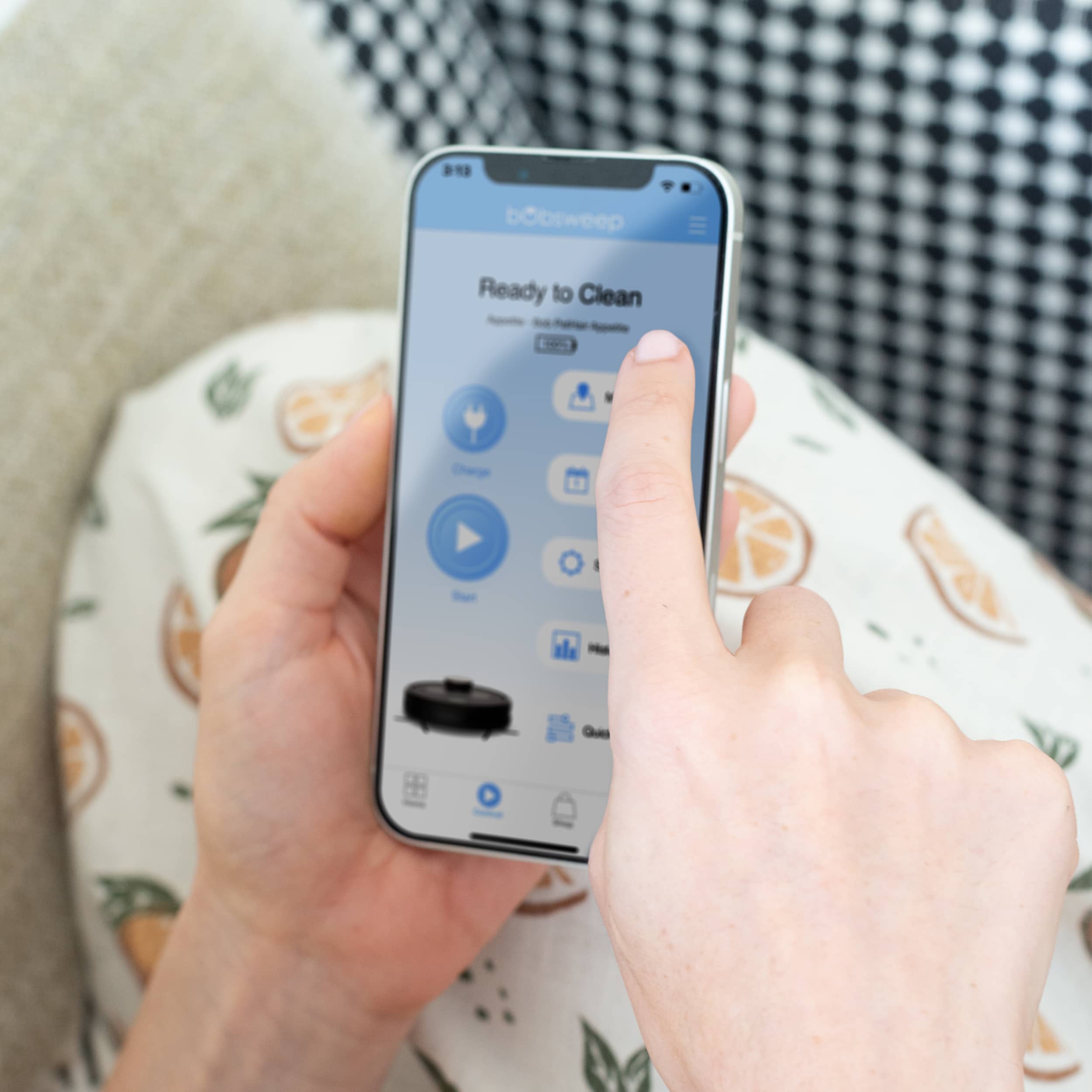
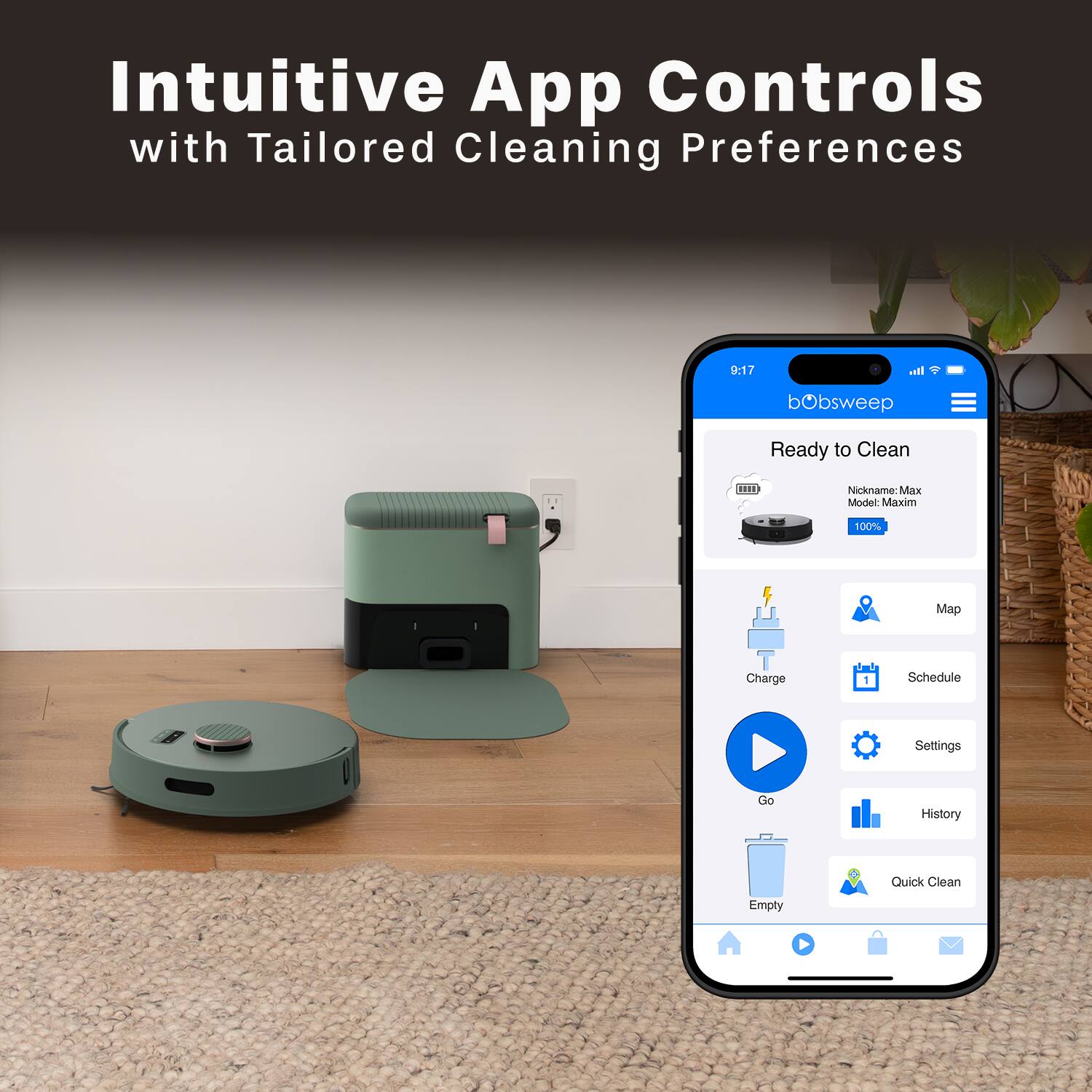
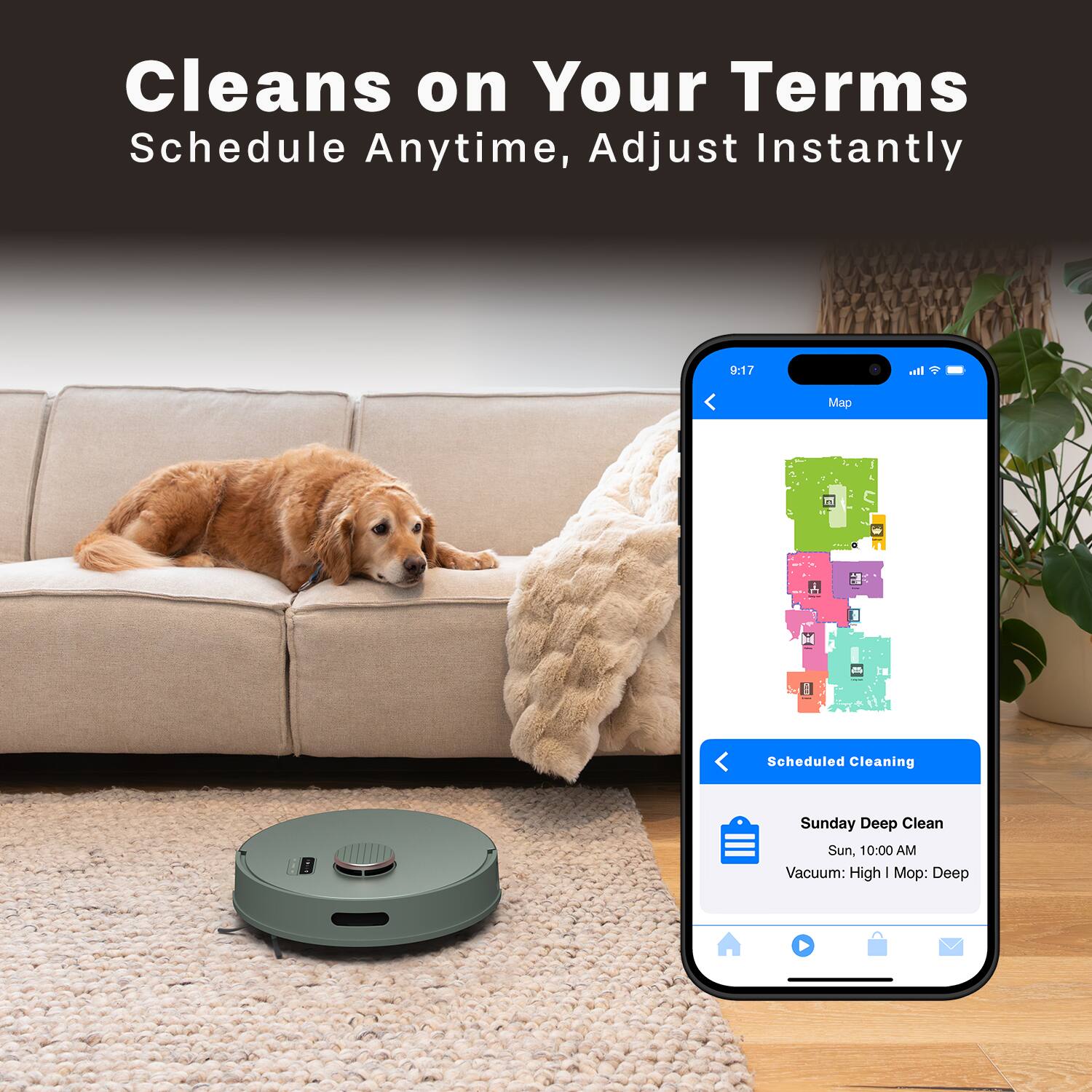
The robot connects via Bluetooth and Wi-Fi to the bObsweep app, where you can draw custom cleaning zones, set no-go areas, and schedule cleaning sessions. Voice control works through Alexa and Google Assistant for basic start/stop commands. The 13-inch cleaning path covers ground efficiently, and when the battery runs low, the PetHair Appetite returns to charge and resumes where it left off.
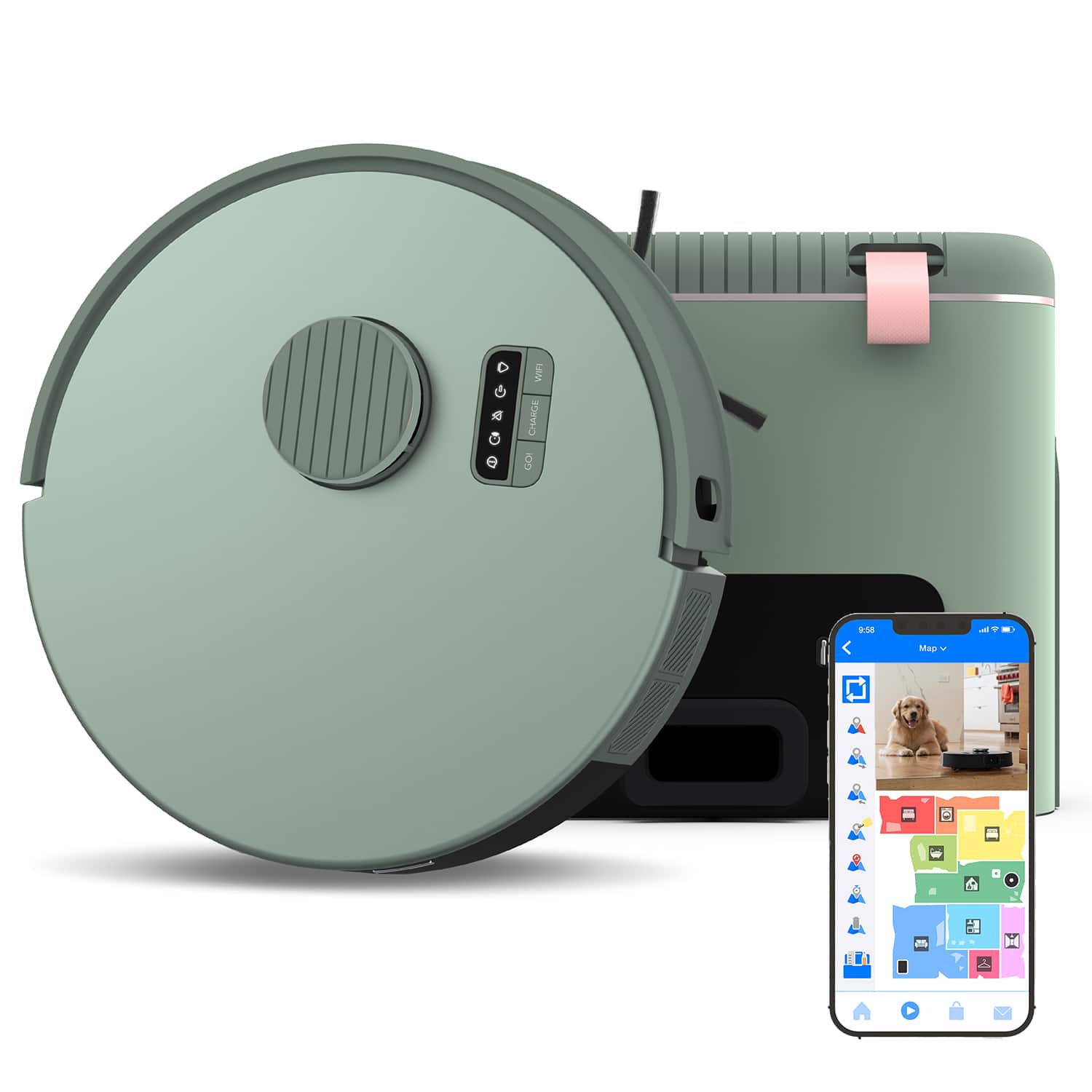
The Bio, arriving in 2025, showcases how robot vacuum technology has evolved. Its QSLAM system with LiDAR laser vision maps spaces within minutes and provides color-coded room identification. The real-time computing allows for more dynamic obstacle avoidance and route optimization. While the cleaning path is slightly narrower at 12.5 inches, the precision more than compensates.
The Bio's app experience is noticeably more sophisticated, managing multiple floor maps (great for multi-story homes), detailed cleaning history, and more granular control over vacuum and mop settings. The privacy protection remains—no images are recorded—but the overall smart home integration feels more mature.
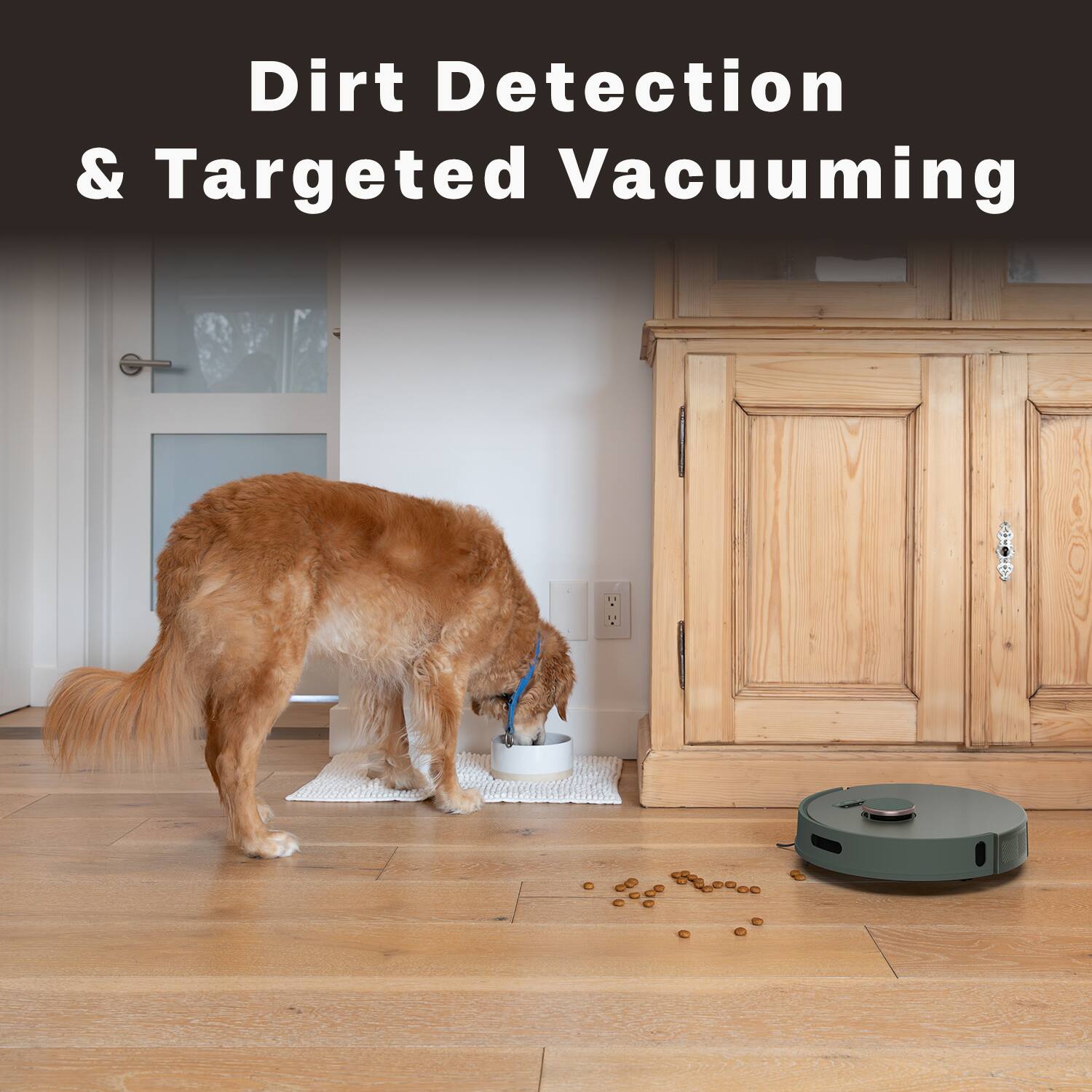
Suction power specifications can be misleading, but they matter when comparing similar designs. The PetHair Appetite uses a 36-watt motor with adjustable suction settings called TurboLift. Based on professional testing data, it excels on hard floors, removing 96-100% of various debris types including rice, cereal, and kitty litter. This makes it excellent for pet owners with hardwood or tile floors.
However, carpet performance tells a different story. On low-pile carpet, fine debris pickup drops to 66% for materials like sugar, while larger items maintain 91-100% removal rates. High-pile carpet proves more challenging, with fine debris performance falling to just 51%. Pet hair removal is generally good on hard surfaces but becomes problematic on carpets where hair can tangle in the brushroll.
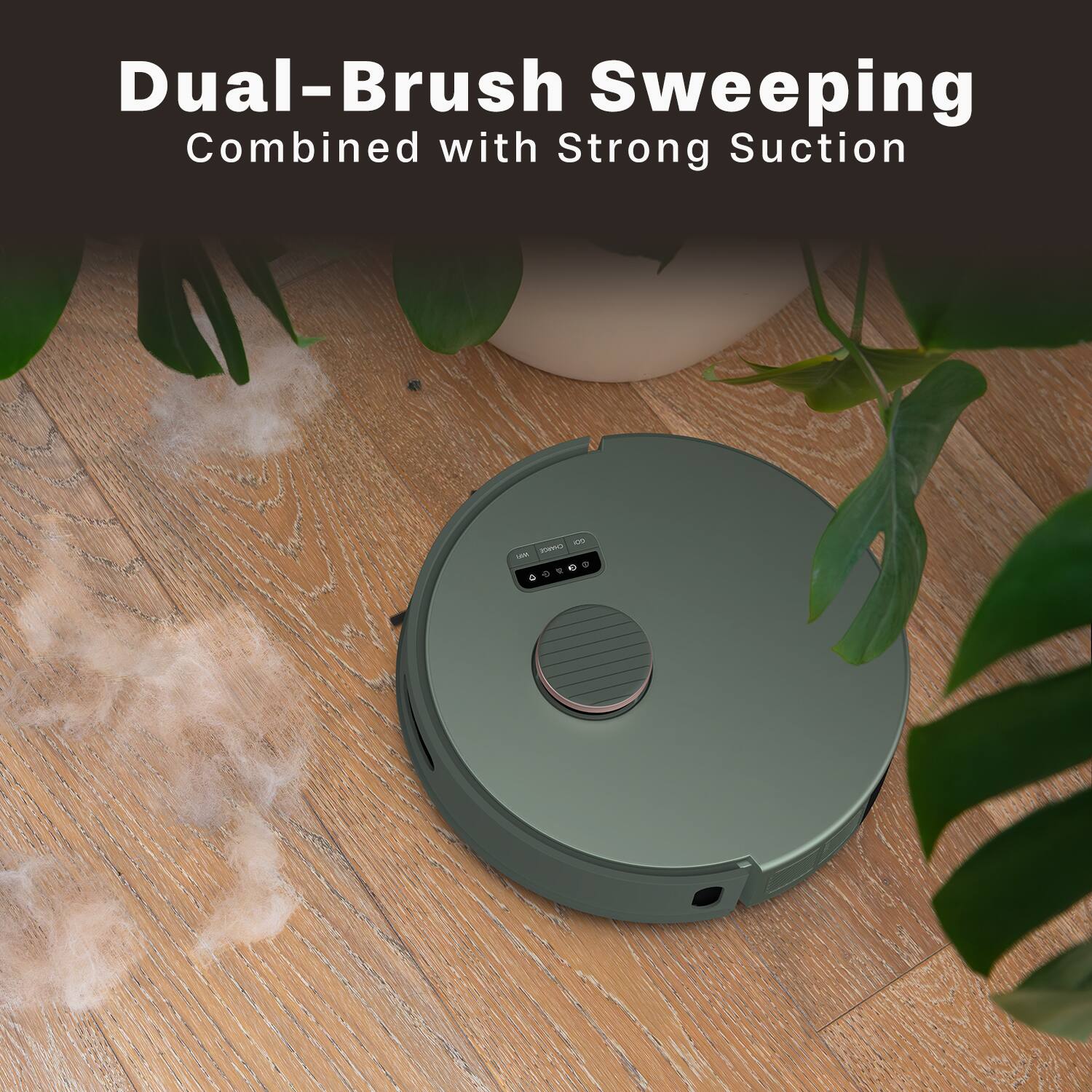
The Bio addresses these limitations with 4500 Pa suction power—dramatically higher than the PetHair Appetite. This isn't just marketing numbers; Pa (Pascals) measure actual suction pressure, and more Pa generally means better debris pickup, especially for embedded dirt and pet hair in carpet fibers. The dual-brush sweeping system works in tandem with the high suction to agitate and lift debris more effectively.
Three vacuum settings (low, medium, high) let you balance cleaning power with noise and battery consumption. The combination of higher suction and dual brushes should provide superior performance across all floor types, particularly where the PetHair Appetite struggles with fine debris on carpets.
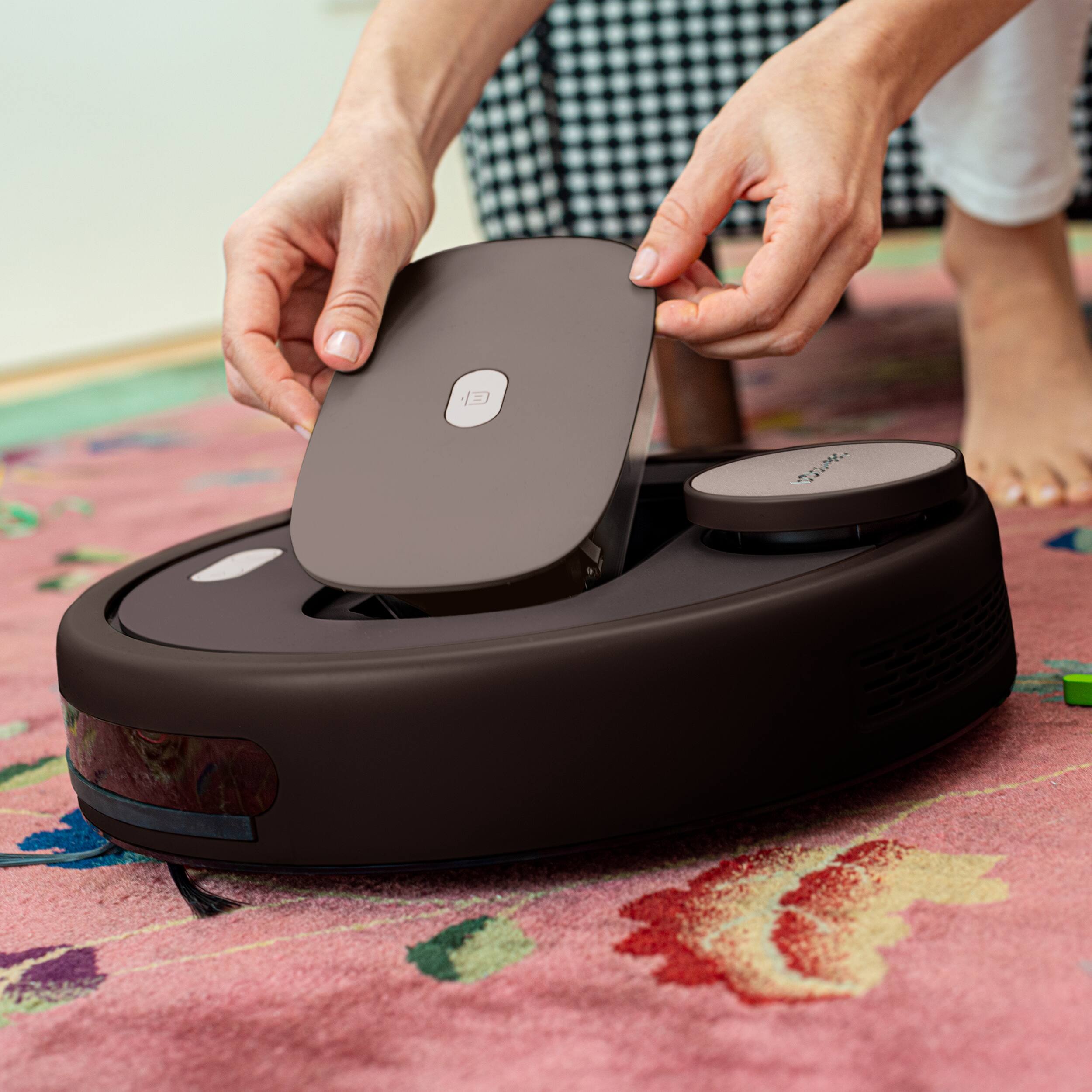
Perhaps the biggest practical difference between these models is maintenance frequency. The PetHair Appetite features a 450mL dustbin that you'll empty manually after each cleaning session, or more frequently in heavy-shedding households. While the dustbin is washable and reasonably sized, this daily intervention defeats much of the "set it and forget it" appeal of robot vacuums.
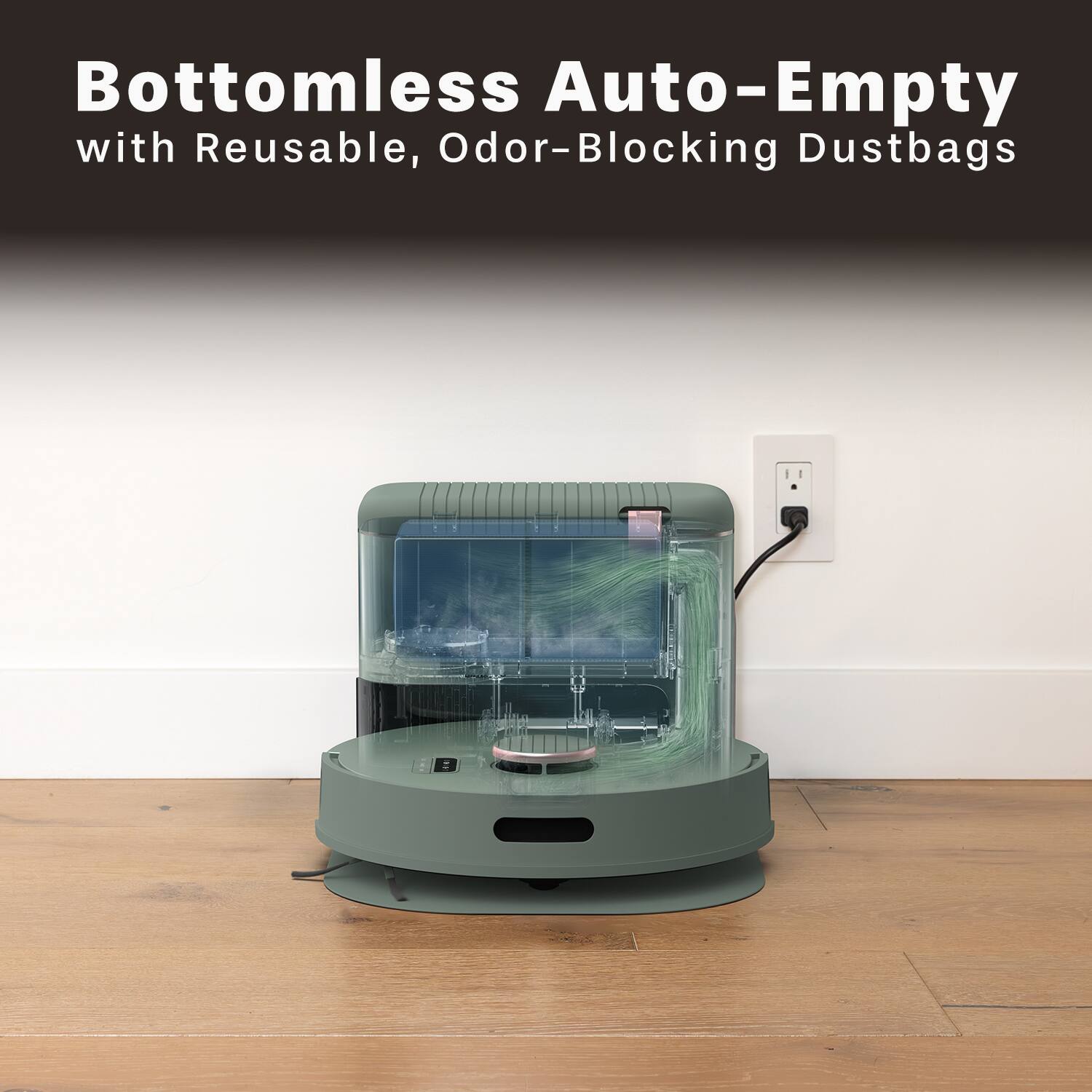
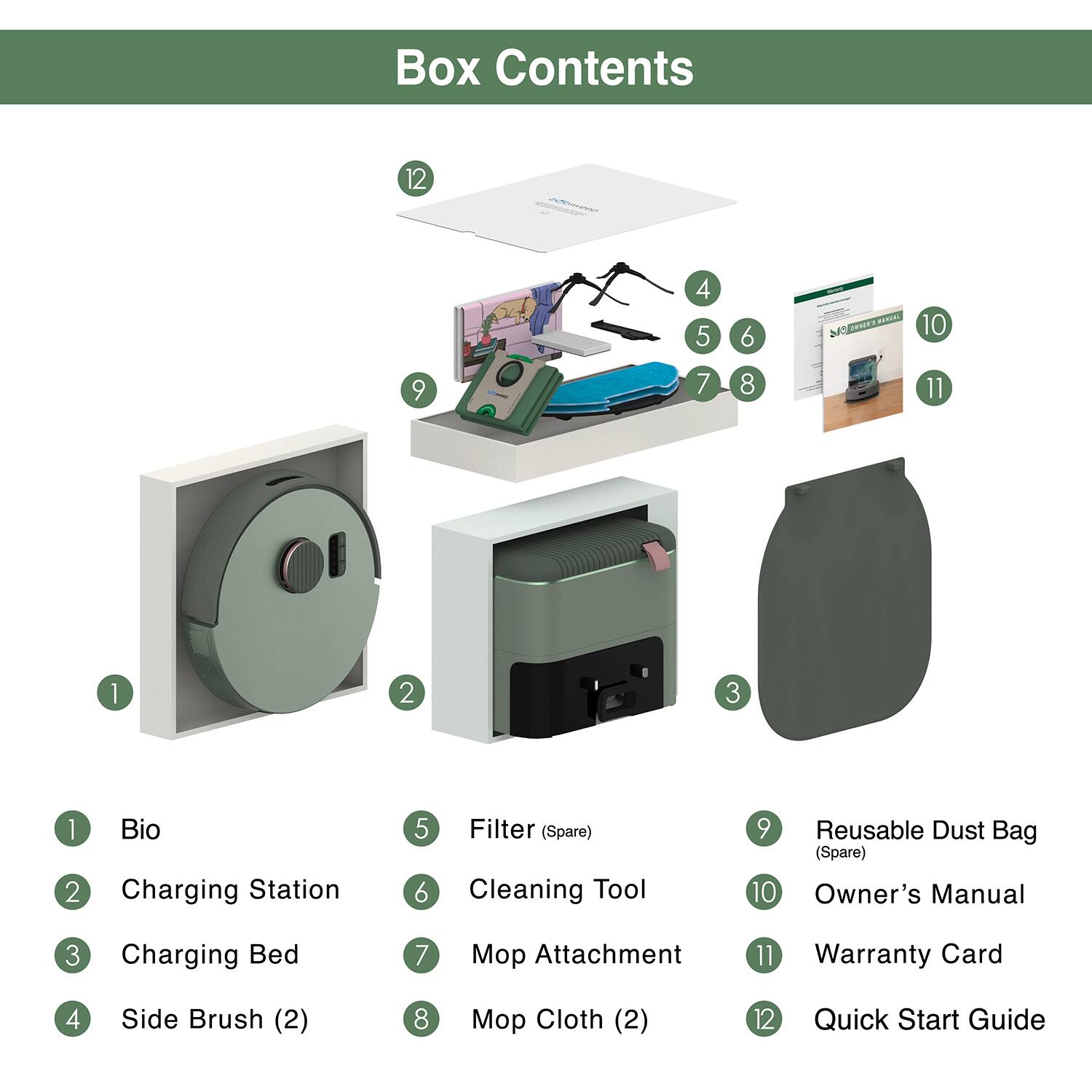
The Bio's self-emptying station changes the game entirely. After each cleaning cycle, the robot returns to its dock, which automatically suctions debris into a sealed 3.5-liter bag lined with activated charcoal for odor control. This system can handle weeks or even months of cleaning debris, depending on your home's size and pet situation.
For pet owners, this difference is transformative. Pet hair, dander, and tracked-in debris create substantial dustbin loads. The activated charcoal lining specifically addresses pet odors that can accumulate in traditional dustbins. The reusable dustbag design also reduces ongoing costs compared to disposable bag systems used by some competitors.
Both models include mopping functionality, but it's important to understand what robot mop systems can and cannot do. These aren't replacements for traditional mopping—they're maintenance tools for light dust and surface cleaning.
The PetHair Appetite includes a wet mop attachment with microfiber cloths. Based on user feedback, the mopping function is largely ineffective and not worth relying on for actual floor cleaning. It's more of a dust-catching system that provides minimal moisture.
The Bio also includes wet mopping capabilities with what appears to be a more refined system, but without specific performance data, it's wise to consider any robot's mopping as a bonus feature rather than a primary selling point. If serious mopping is important, traditional methods or dedicated mopping robots typically provide better results.
The PetHair Appetite runs for approximately 70 minutes on its 2600 mAh lithium polymer battery, which suits most apartments and smaller homes. The 270-minute charging time (4.5 hours) is lengthy but manageable with scheduled cleaning. The auto-resume feature ensures larger spaces get completely cleaned across multiple sessions.
Battery specifications for the Bio aren't detailed in available information, but premium models typically match or exceed budget versions. More importantly, the self-emptying feature means the Bio can handle larger homes more effectively since it's not limited by dustbin capacity during extended cleaning sessions.
Here's where the value equation gets interesting. The PetHair Appetite has lower upfront costs but higher ongoing maintenance. Professional estimates suggest around $112 annually for replacement parts like brushes, filters, and general wear items. The 2-stage filter system requires regular replacement, and the brushroll needs frequent cleaning to prevent pet hair tangles.
The Bio's higher purchase price includes features that reduce long-term maintenance. The self-emptying system means less exposure to allergens during dustbin changes, and the reusable dustbag reduces ongoing supply costs. The activated charcoal filtration system likely extends filter life by controlling odors that typically necessitate more frequent changes.
Both models include comprehensive warranties, but the PetHair Appetite offers an unusually robust 2-year coverage on parts, labor, and battery—uncommon in this price category and suggesting confidence in build quality.
For apartments or homes with primarily hard floors, the PetHair Appetite delivers excellent value. Its 96-100% hard floor cleaning performance handles daily pet hair and tracked debris effectively. The privacy-focused design appeals to users uncomfortable with cloud-connected devices, and the lower maintenance requirements are manageable in smaller spaces.
Multi-level homes benefit significantly from the Bio's advanced mapping system. Managing multiple floor maps and the self-emptying convenience becomes more valuable when cleaning larger areas. The higher suction power tackles stairs, area rugs, and mixed flooring types more effectively.
Homes with significant carpeting should strongly consider the Bio. The PetHair Appetite's 51% fine debris removal on high-pile carpet simply isn't adequate for thorough cleaning. Pet owners with both cats and dogs generating substantial hair volume will appreciate the Bio's superior brushroll design and self-emptying convenience.
Robot vacuums and home theaters have an interesting relationship. Many people run cleaning cycles during the day when entertainment systems are off, but noise levels matter for evening cleaning or homes with open floor plans.
The PetHair Appetite operates at around 67 decibels—slightly quieter than many competitors but still noticeable during quiet movie scenes. Scheduling cleaning for non-viewing times is advisable.
Premium models like the Bio often include quieter operation modes, and the three-setting suction control allows balancing cleaning power with noise levels. The more sophisticated navigation also reduces cleaning time, minimizing disruption periods.
The Bio introduces bio-based plastics in its construction—an interesting sustainability feature for environmentally conscious buyers. These materials provide traditional ABS plastic durability while incorporating renewable, plant-based components. It's a small but meaningful step toward reducing environmental impact.
Both models weigh significantly different amounts—the PetHair Appetite at 7.43 pounds versus the Bio at 16 pounds. The weight difference reflects the self-emptying station integration and more robust construction, but also means manual handling (for maintenance or relocation) requires more effort.
The choice between these models ultimately depends on your specific situation and priorities. The PetHair Appetite represents solid value for users wanting automated cleaning without premium costs. It excels in homes with primarily hard floors, handles moderate pet hair well, and includes genuine privacy protections that many users value.
However, its limitations are real. Carpet cleaning performance is mediocre, maintenance requirements are higher, and you'll empty dustbins frequently. For users on tight budgets or with simpler cleaning needs, these compromises are acceptable.
The Bio addresses nearly every limitation of budget robot vacuums but requires a substantial investment. The self-emptying feature alone transforms the ownership experience, particularly for pet owners. Superior suction power, advanced navigation, and reduced maintenance justify the premium for users who can afford it.
Consider the PetHair Appetite if you have mostly hard floors, don't mind regular dustbin emptying, prioritize privacy features, and want solid performance without premium costs. The 2-year warranty provides peace of mind for the price point.
Choose the Bio if you want minimal intervention cleaning, have mixed flooring including substantial carpeting, generate significant debris volume (multiple pets, high-traffic areas), and can justify the investment in convenience and superior performance.
The technology gap between budget and premium robot vacuums continues widening. The Bio's 2025 release showcases features that seemed futuristic just a few years ago. For many users, the convenience and performance improvements justify premium pricing, but the PetHair Appetite proves that effective automated cleaning doesn't require breaking the bank—as long as you understand and accept its limitations.
| bObsweep PetHair Appetite | bObsweep Bio |
|---|---|
| Navigation Technology - Determines cleaning efficiency and coverage | |
| SLAM with local processing (good room mapping, privacy-focused) | QSLAM with LiDAR laser vision (superior precision mapping) |
| Suction Power - Critical for pet hair and carpet cleaning | |
| 36W motor with TurboLift (adequate for hard floors, struggles on carpet) | 4500 Pa suction with dual brushes (excellent across all surfaces) |
| Self-Emptying - Game changer for convenience, especially with pets | |
| Manual emptying required (450mL dustbin) | 3.5L self-emptying station with odor control |
| Hard Floor Cleaning Performance - Most reliable cleaning scenario | |
| 96-100% debris removal (excellent) | Expected superior performance with higher suction |
| Carpet Cleaning Performance - Where budget models often fail | |
| 51% fine debris on high-pile carpet (poor) | Should excel with 4500 Pa suction power |
| Battery Runtime - Affects coverage area per session | |
| 70 minutes with auto-resume | Auto-charging with likely similar or better runtime |
| Smart Features - App control and automation options | |
| Basic app with custom zones, privacy-focused | Advanced app with multi-floor maps, detailed history |
| Annual Maintenance Costs - Long-term ownership consideration | |
| Higher (~$112/year estimated) | Lower due to self-emptying and better filtration |
| Best Use Case - Where each model excels | |
| Hard floor homes, privacy-conscious, budget-minded | Multi-surface homes, heavy pet shedding, premium convenience |
| Warranty Coverage - Protection for your investment | |
| 2 years parts/labor (excellent for price point) | 1 year standard (typical for premium models) |
The biggest difference is convenience and automation level. The bObsweep PetHair Appetite requires manual dustbin emptying after each cleaning session, while the bObsweep Bio features a self-emptying station that can go weeks without intervention. The Bio also has significantly more suction power (4500 Pa vs 36W motor) and advanced LiDAR navigation compared to the PetHair Appetite's basic SLAM system.
Both are designed for pet owners, but the bObsweep Bio is superior for heavy pet hair situations. Its 4500 Pa suction power and dual-brush system handle embedded pet hair better, especially on carpets where the PetHair Appetite struggles. The Bio's self-emptying station with activated charcoal also controls pet odors that accumulate in traditional dustbins.
The bObsweep PetHair Appetite excels on hard floors with 96-100% debris removal but struggles on carpets, especially high-pile where it only removes 51% of fine debris. The bObsweep Bio should perform significantly better across all surfaces due to its much higher suction power and dual-brush design, making it better for homes with mixed flooring.
The bObsweep PetHair Appetite offers better upfront value for budget-conscious buyers with primarily hard floors. However, the bObsweep Bio provides better long-term value for users who can afford the premium, thanks to reduced maintenance, self-emptying convenience, and superior cleaning performance that justifies the higher cost.
The bObsweep PetHair Appetite requires daily emptying of its 450mL dustbin, or more frequently with heavy pet shedding. The bObsweep Bio can go weeks or even months between bag changes thanks to its 3.5-liter self-emptying station, making it far more convenient for busy households.
The bObsweep PetHair Appetite operates at around 67 decibels, which is moderately quiet. The bObsweep Bio likely offers similar or better noise levels with its three vacuum settings allowing you to balance cleaning power with noise output, making it more suitable for homes where quiet operation is important.
Yes, both the bObsweep PetHair Appetite and bObsweep Bio work with Alexa and Google Assistant for voice control. Both also have dedicated smartphone apps, though the Bio's app is more advanced with features like multiple floor map management and detailed cleaning history that the PetHair Appetite lacks.
The bObsweep Bio is better suited for large homes due to its self-emptying capability, advanced navigation system, and ability to manage multiple floor maps. The PetHair Appetite can handle larger spaces with its auto-resume feature, but frequent dustbin emptying becomes more problematic in bigger homes.
The bObsweep PetHair Appetite uses SLAM technology that creates good room maps with all processing done locally for privacy. The bObsweep Bio features advanced QSLAM with LiDAR laser vision that provides more precise mapping and better obstacle avoidance, similar to technology used in self-driving cars.
The bObsweep Bio requires significantly less daily maintenance due to its self-emptying system and superior filtration. The bObsweep PetHair Appetite has higher estimated annual maintenance costs around $112 and requires more frequent filter changes and brushroll cleaning to prevent pet hair tangles.
Neither model should be relied upon for serious mopping. Both the bObsweep PetHair Appetite and bObsweep Bio include wet mopping attachments, but these are best considered light maintenance tools for dust pickup rather than replacements for traditional mopping. The mopping is generally ineffective based on user feedback.
Choose the bObsweep PetHair Appetite if you have mostly hard floors, don't mind daily dustbin emptying, want privacy-focused features, and prefer lower upfront costs. Choose the bObsweep Bio if you have mixed flooring including carpets, want minimal maintenance, have heavy pet shedding, and can justify the premium for superior convenience and cleaning performance.
We've done our best to create useful and informative comparisons to help you decide what product to buy. Our research uses advanced automated methods to create this comparison and perfection is not possible - please contact us for corrections or questions. These are the sites we've researched in the creation of this article: bestbuy.com - moderncastle.com - rtings.com - bobsweep.com - layawayland.com - bestbuy.com - moderncastle.com - bobsweep.com - consumerreports.org - youtube.com - youtube.com - bobsweep.com - youtube.com - qwertycompare.com - homedepot.com - newegg.com - bobsweep.com - batteryclerk.com - ebay.com - walmart.ca - bobsweep.com - device.report - bedbathandbeyond.com - layawayland.com - e-catalog.com - bestbuy.com - bobsweep.com - bestbuy.com - bobsweep.com - homedepot.com - bestbuy.com - samsclub.com - homedepot.com - youtube.com - ebay.com - bobsweep.com - youtube.com - walmart.com - ebay.com - ebay.com - bobsweep.com - bestbuy.com - manuals.plus - bobsweep.com

Privacy Policy
Terms and Conditions - Affiliate Policy
Home Security
© Copyright 2008-2026.
11816 Inwood Rd #1211, Dallas, TX 75244