

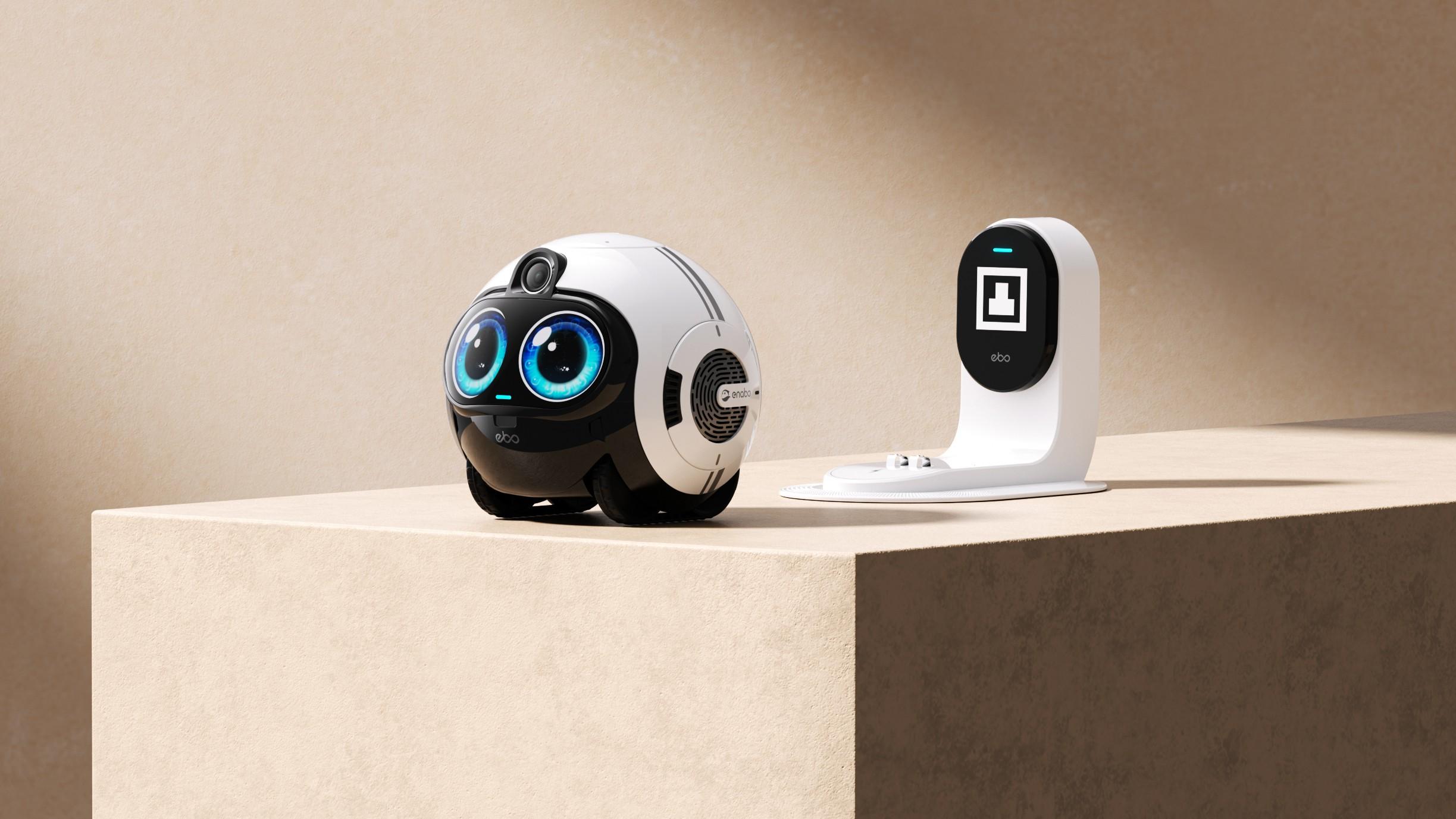
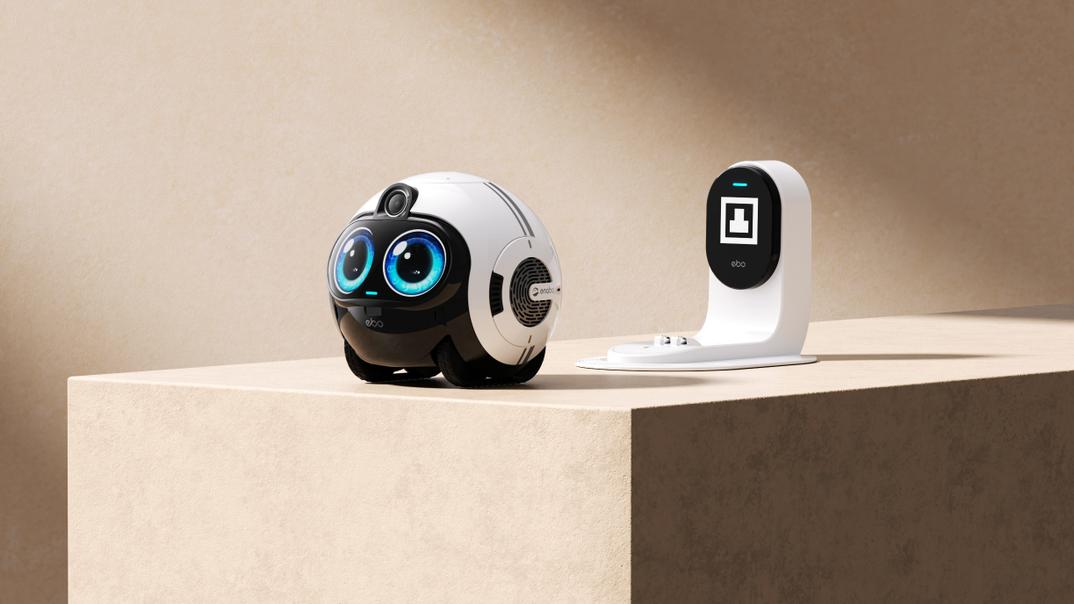
Home robots aren’t new, but most of them fall into the same pattern: they watch, they stream video, and maybe they roll around a bit. Enabot’s new EBO Max is trying to push past that by combining mobility with a heavier dose of AI—specifically, a system that can learn routines, recognize people, and respond to what’s happening in your home.
Announced recently, the EBO Max is the latest addition to Enabot’s FamilyBot lineup and is available for pre-order at $549.99 (a $50 launch discount). It lands in the middle of the company’s range, sitting above models like the EBO Air 2 ($199 at Amazon), EBO Air 2S ($299), and EBO Air 2 Plus ($399), but below the higher-end EBO X ($999), while leaning more heavily into AI features than most of its siblings.
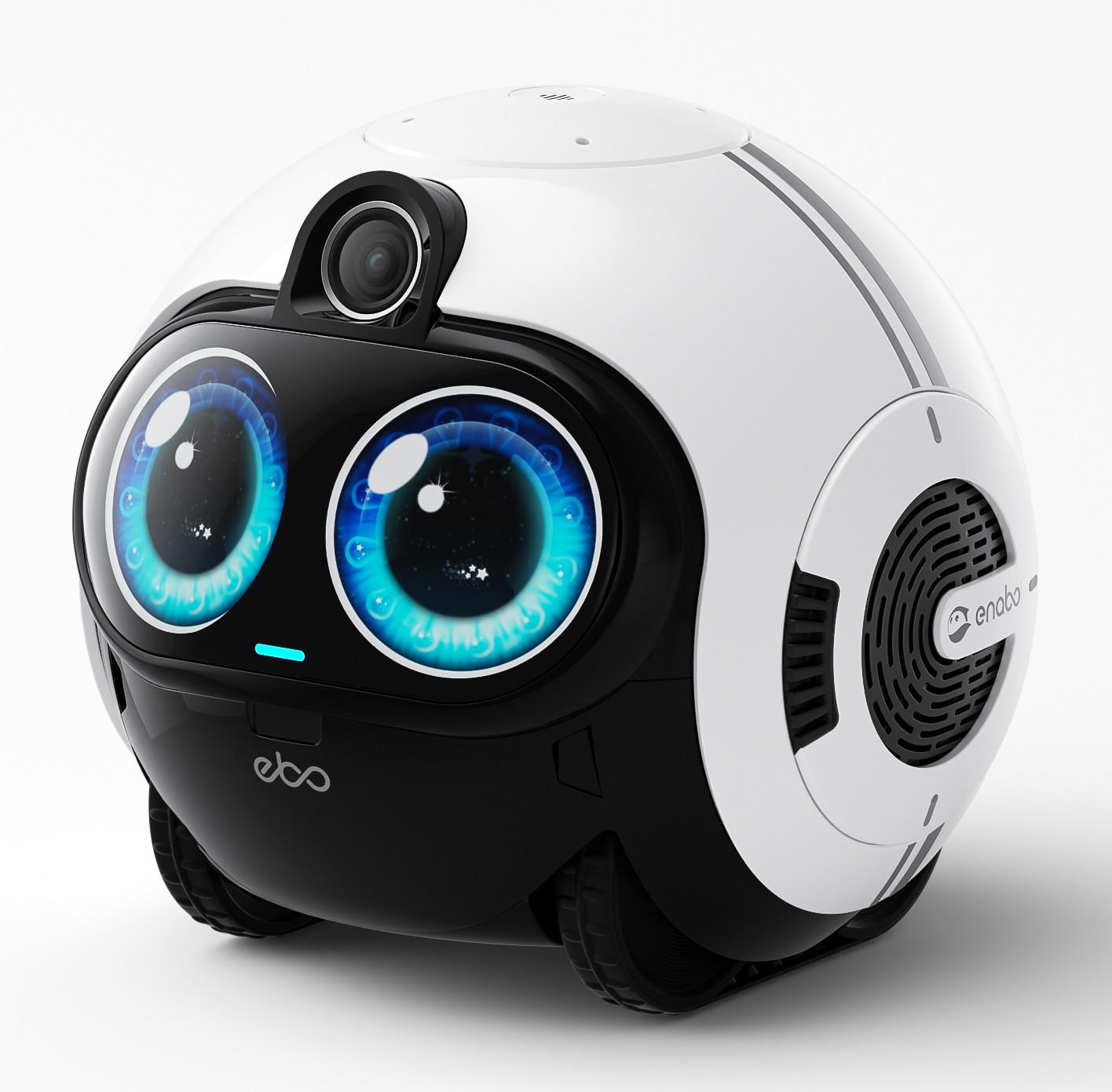
At a basic level, the idea is simple: instead of a fixed camera or smart speaker, this is a mobile device that can move through your home and interact with it. The EBO Max uses a combination of vision, voice, and environmental awareness to figure out what’s going on and decide what to do next. That could mean finding a family member, checking on a pet, or patrolling different rooms while you’re away.
The biggest difference between the EBO Max and something like a standard indoor security camera is mobility. It doesn’t just sit in one place, but it also navigates your home, looking for activity or responding to commands.
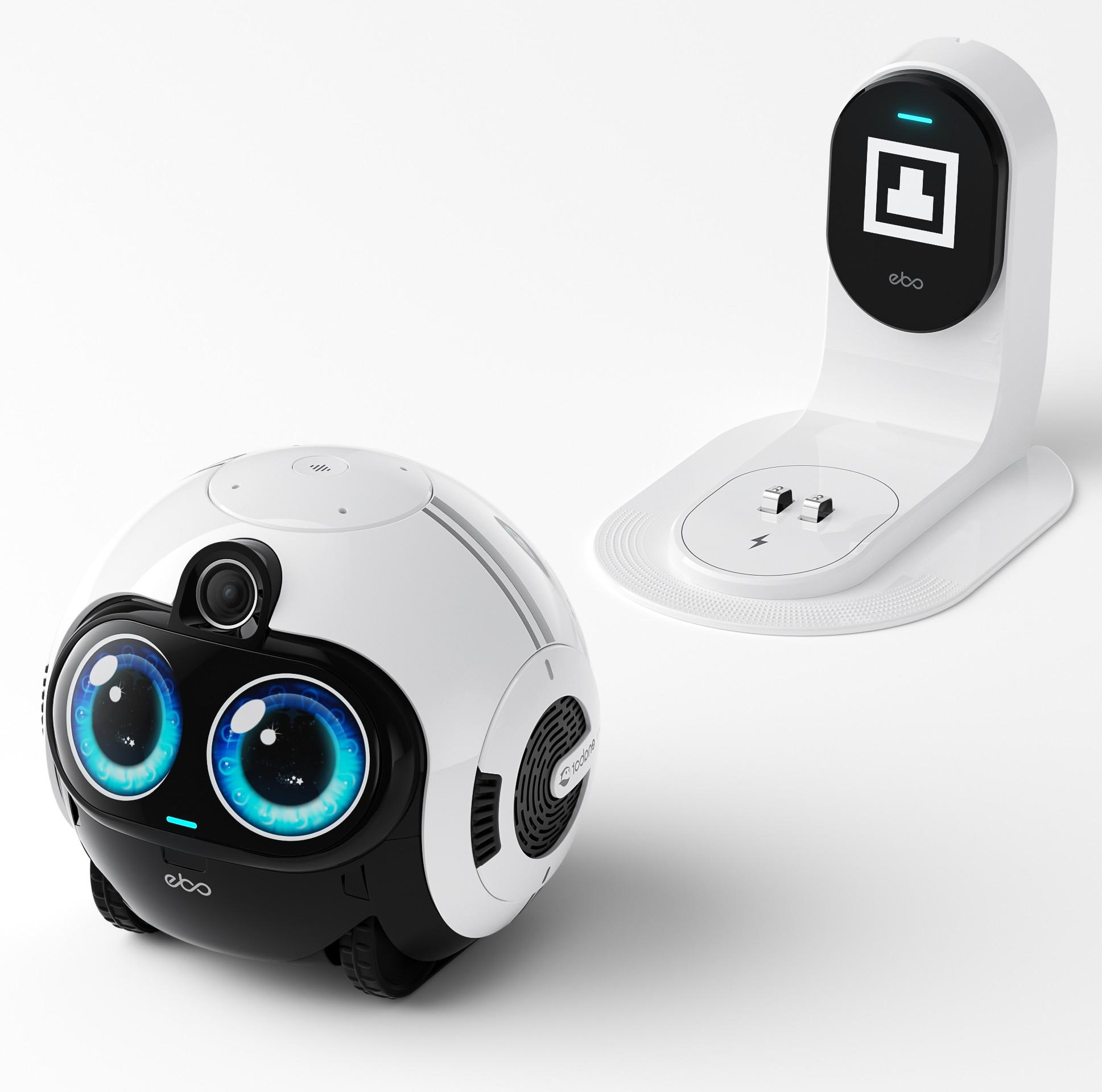
Here’s a quick look at what Enabot is building into the EBO Max:
That last part, long-term memory, is where Enabot is putting a lot of emphasis. The robot is designed to learn your home over time, recognizing people, understanding routines, and (in theory) responding more naturally as it builds that familiarity.
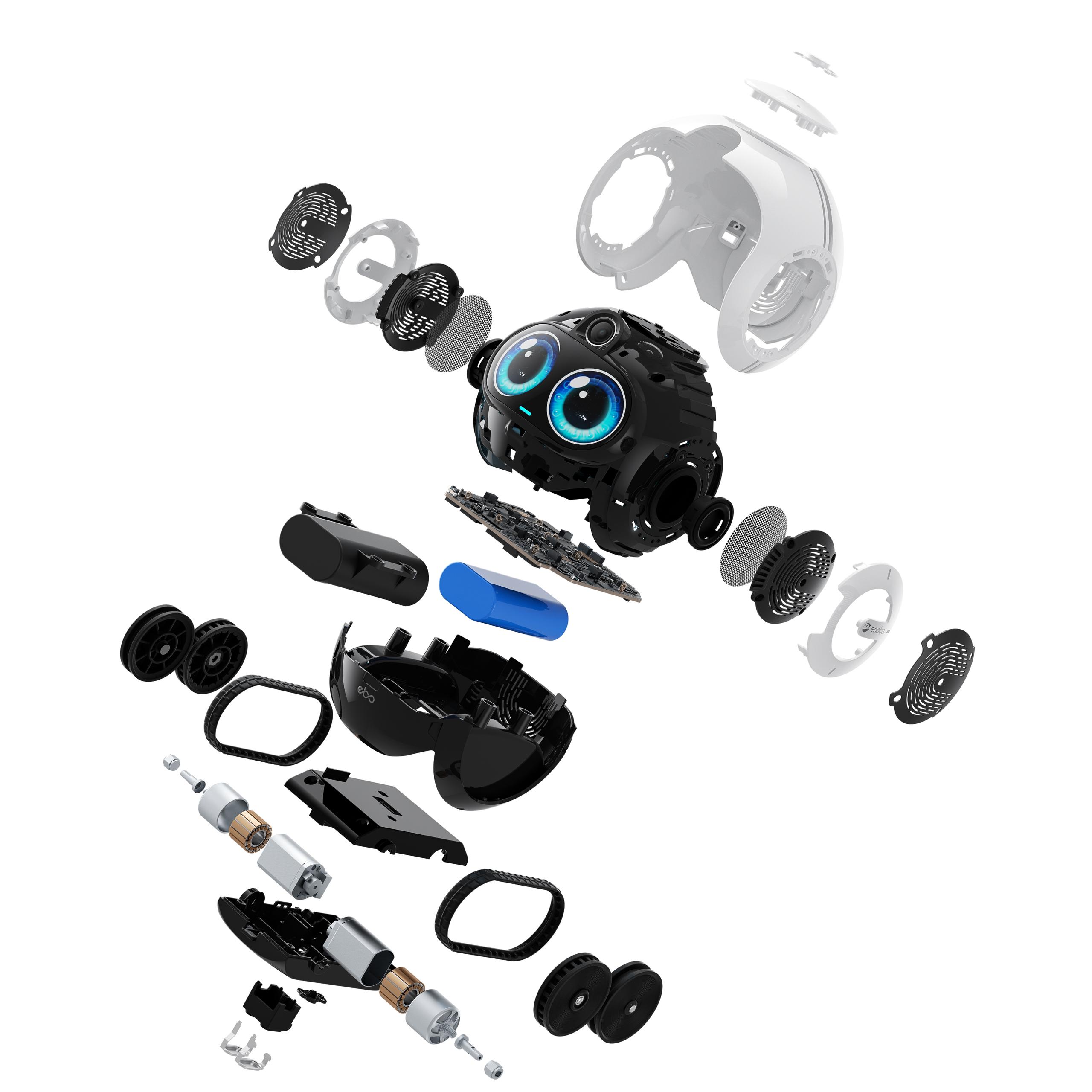
In real-world terms, the EBO Max is positioned as a mix of a home monitor, communication tool, and light assistant. You can connect to it remotely, talk through it, and use it to check in on kids, pets, or older family members.
It also supports scheduled and condition-based tasks. So instead of manually controlling it every time, you can set it to patrol at certain times, send alerts if something changes, or check on specific areas of the house. Enabot also mentions features like fall detection alerts and activity monitoring, which point directly to family care use cases, not just general smart home convenience.
Another piece of the puzzle is task automation. The EBO Max is designed to handle multi-step actions with minimal input, meaning you can give it a command and let it figure out how to execute it across different parts of the home.
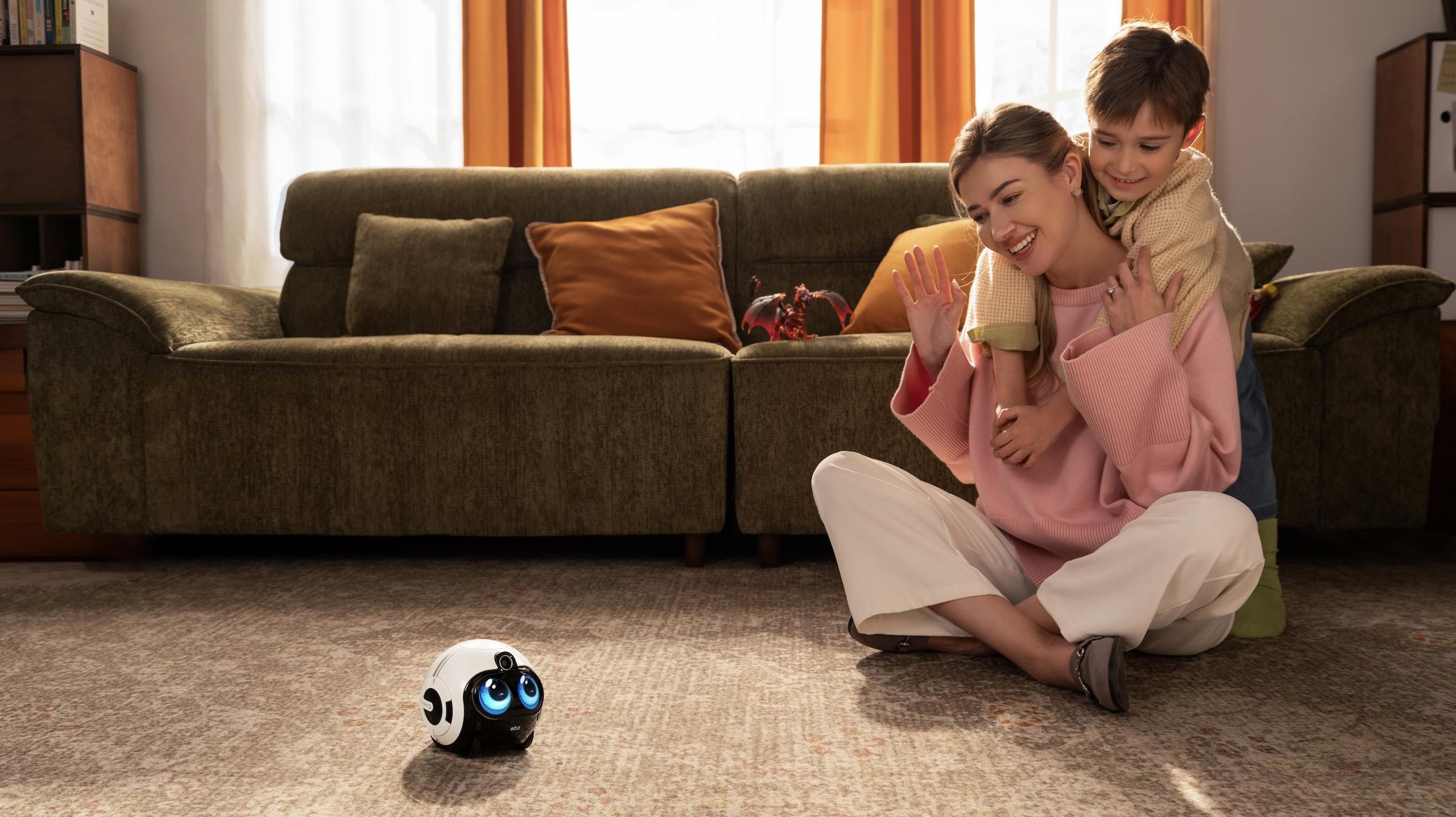
As mentioned before, Enabot already has a few FamilyBot models on the market, ranging from more basic options to higher-end units. The EBO Max lands somewhere in the middle in terms of price, but it leans more heavily on AI features than some of the cheaper models.
That positioning makes sense. It’s not trying to be the most affordable entry point, and it’s not the flagship either. Instead, it’s targeting users who want more than just a remote camera but aren’t ready to jump all the way to a premium, near-$1,000 robot.
Like a lot of home robots, the EBO Max sounds useful on paper. But the real test is how it holds up in everyday situations.
Navigation is a big one—homes aren’t clean test environments. Furniture, cables, pets, and random clutter all get in the way. Then there’s the reliability of features like tracking, alerts, and recognition. Those things tend to work well in demos but can get messy in real-world use.
There’s also the bigger question of whether people actually want a mobile robot moving around their home regularly, even if it’s helpful. For some households, that’s a clear yes. For others, it might feel unnecessary compared to simpler, cheaper solutions.
Still, the EBO Max shows where this category is heading. Instead of stacking more features onto static devices, companies like Enabot are trying to build products that move, adapt, and take on a more active role in the home.
Whether that’s the future most people want is still up for debate, but devices like this are clearly trying to find out.
Related Reading:





Privacy Policy
Terms and Conditions - Affiliate Policy
Home Security
© Copyright 2008-2026.
11816 Inwood Rd #1211, Dallas, TX 75244
