

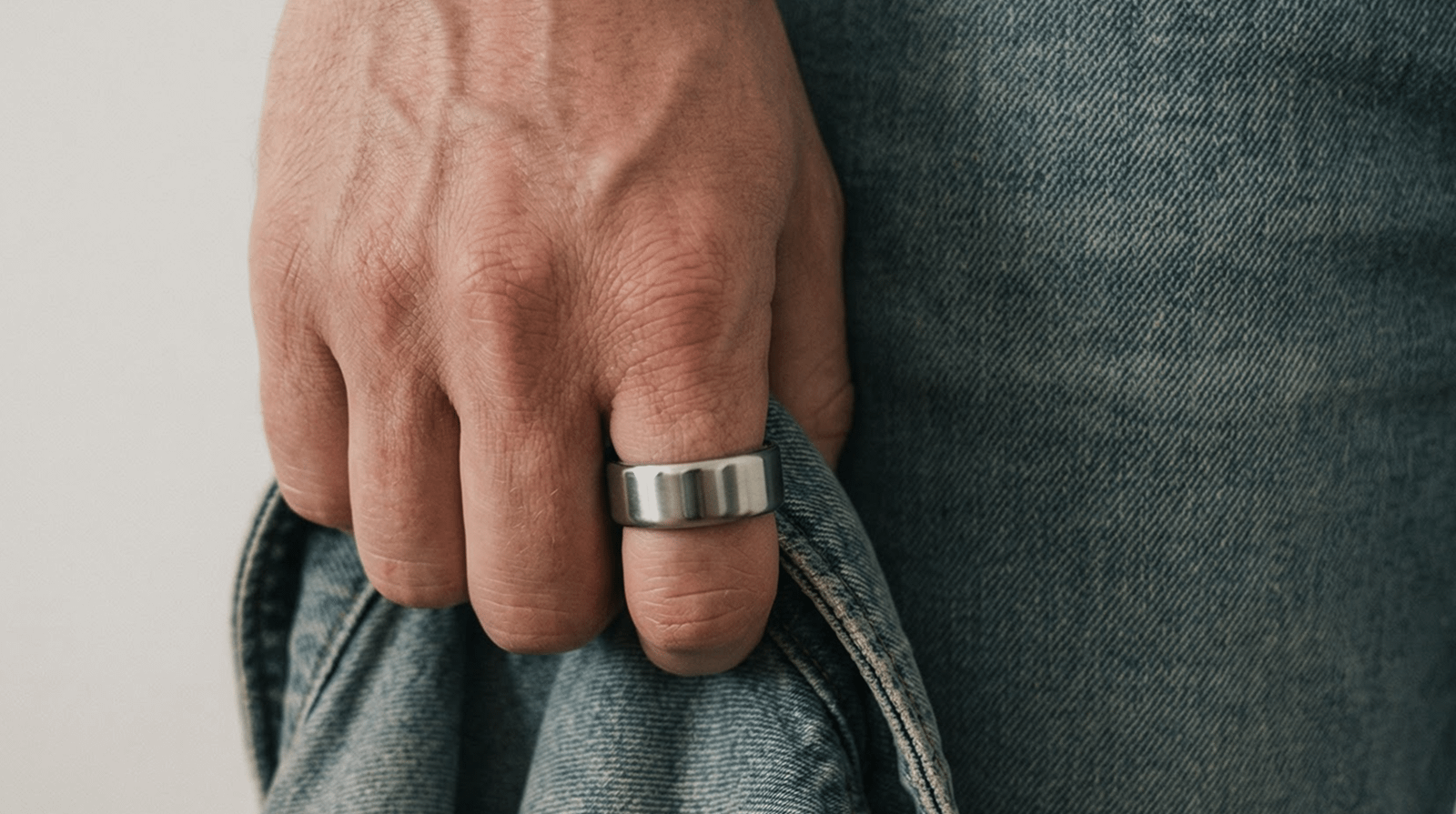
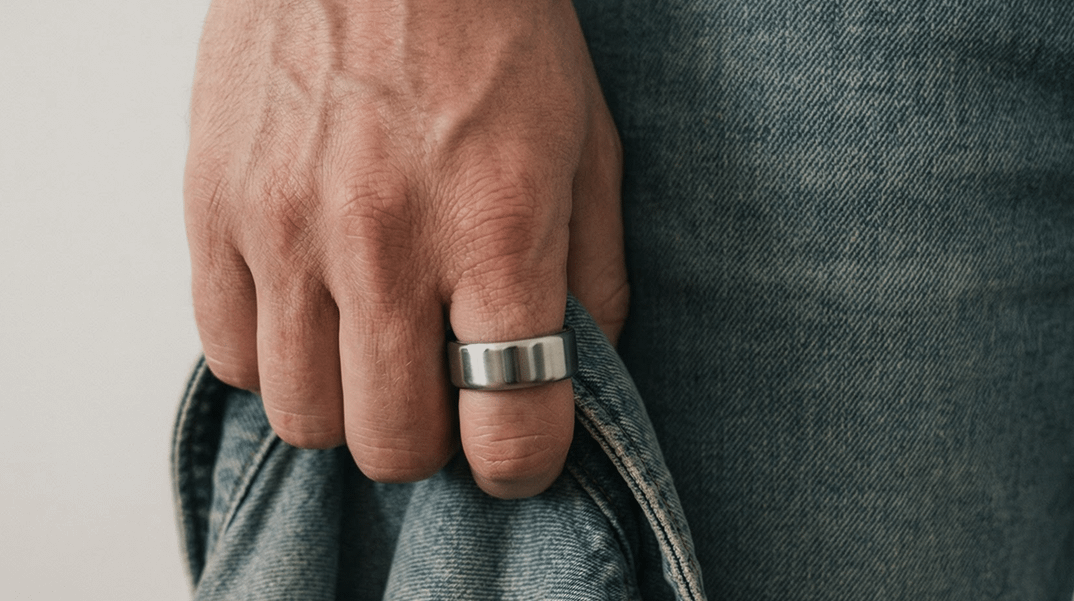
Ultrahuman is back in the U.S. smart ring market, and it is returning with a new product called the Ring Pro. The wearable opened for U.S. preorders on March 24 after clearing U.S. Customs and Border Protection, ending a stretch where the company could not sell its rings in the country due to a legal dispute with rival Oura.
That context matters because it explains why the Ring Pro exists at all. In 2025, Oura won a patent dispute tied to the internal architecture of smart rings, which resulted in restrictions on Ultrahuman’s ability to import and sell its products in the U.S. Rather than pursue a licensing deal, Ultrahuman paused sales of its previous model and worked on a redesigned device. The Ring Pro is that redesigned product, and it’s clearly meant to re-establish the company in its most important market.
The timing is significant. The U.S. is currently the largest and fastest-growing market for smart rings, accounting for roughly 60 percent of global shipments in 2025. During Ultrahuman’s absence, Oura expanded its dominance, with devices like the Oura Ring 4 continuing to set the pace in terms of adoption and ecosystem maturity. Ultrahuman is now trying to re-enter that race with updated hardware and a slightly different approach to how smart rings handle data and subscriptions.
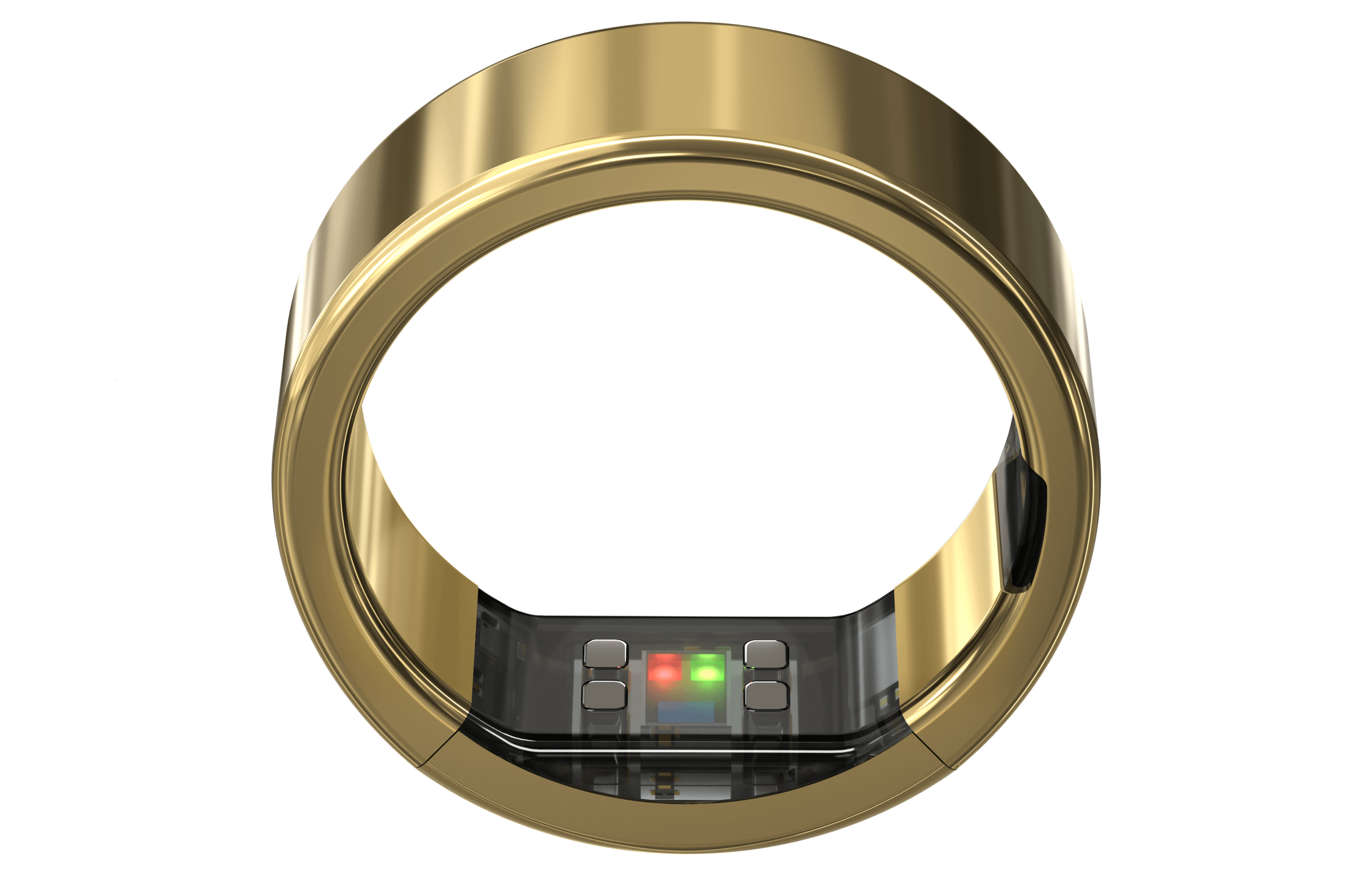
At a glance, the Ring Pro is built around the same core idea as other smart rings: continuous health tracking in a small, unobtrusive form factor. It tracks metrics like sleep, recovery, movement, stress, and circadian rhythms. Where Ultrahuman tries to differentiate is in how much of that processing happens directly on the device.
Here are some of the key hardware features Ultrahuman is highlighting:
That combination points to a broader goal: reducing how dependent the ring is on your phone. With more data stored locally and more processing happening on the ring itself, the device is designed to function even when it’s not constantly synced to an app. For users who have lost data due to dead phones or connectivity issues, that could be a practical improvement.
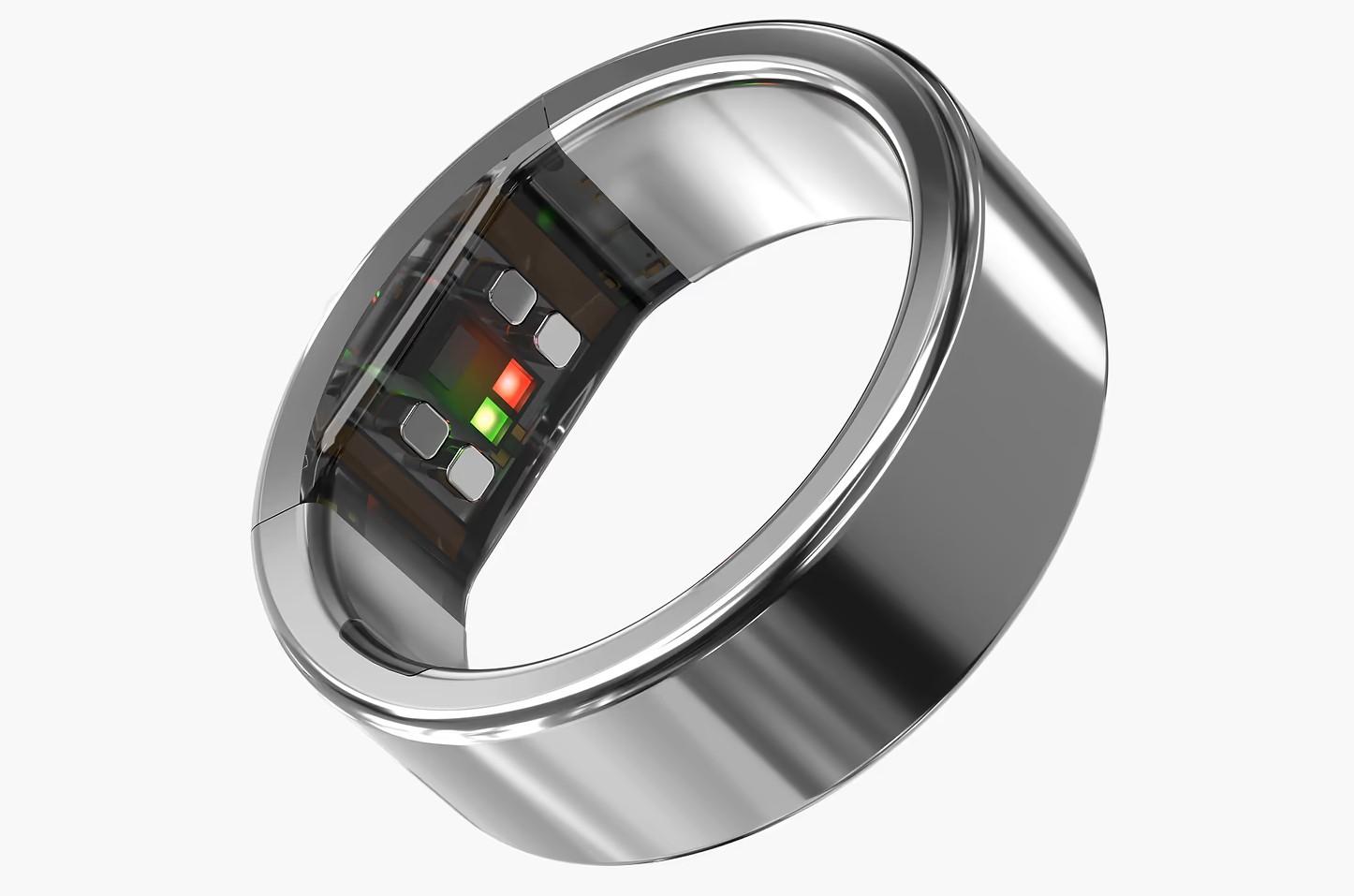
Battery life is another area where Ultrahuman is making a strong claim. The company says the Ring Pro can last up to 15 days on a single charge, which is longer than most devices in this category. With the optional Pro Charging Case, that number stretches to more than 45 days of combined use before you need to plug anything in.
That charging case plays a bigger role than a typical accessory. It not only extends battery life, but also supports firmware updates and includes features like a built-in speaker for locating it if misplaced. Ultrahuman is also using a magnetic charging system it calls UltraSnap, which it says generates less heat than traditional wireless charging and may help preserve long-term battery health.
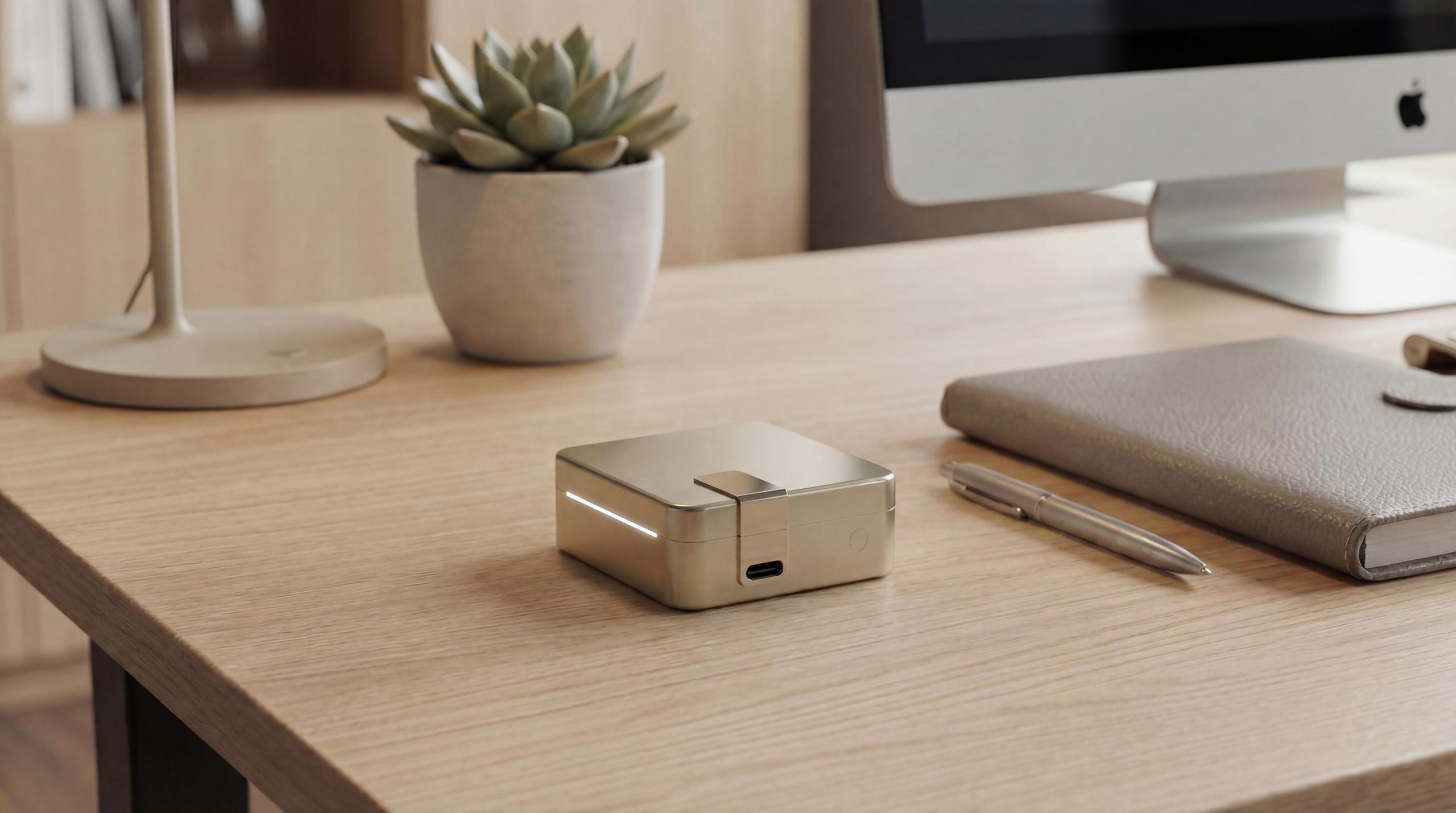
The Ring Pro also includes a safety-focused feature called ProRelease Technology. In situations where a ring might become difficult to remove due to swelling or injury, the design allows it to be cut apart more safely. It’s not the kind of feature that shows up in marketing headlines, but it addresses a real concern with wearable rings.
On the software side, Ultrahuman is continuing to position itself as an alternative to subscription-heavy platforms. The company says users will be able to access core health data, like sleep tracking, recovery insights, and activity metrics, without paying a monthly fee. Some advanced features, offered as optional software add-ons, may still require a subscription, but the baseline experience is designed to work without one.

Technical Specifications:
| Spec | Ring PRO |
|---|---|
| Price | $479 (Ring PRO + PRO Charging Case) |
| Case Standalone | $99 |
| Subscription | None — core features always free |
| Materials | Titanium, PVD Coating, Epoxy, Polycarbonate |
| Inner Surface | Hypoallergenic plastic, Titanium |
| Thickness | 2.65 mm (varies by size) |
| Weight | 3.3–4.8 g |
| Water Resistance | 100m / 328 ft |
| Sizes | 5–14 |
| Colors | Bionic Gold · Space Silver · Aster Black · Raw Titanium |
| Battery Life — Chill Mode | 15 days |
| Battery Life — Turbo Mode | 12 days |
| Battery Life — With PRO Case | 45+ days |
| Processor | Dual-core with on-chip machine learning |
| Heart-Rate Sensor | Redesigned PPG with improved signal quality during sleep and recovery |
| Sensors | Temperature, redesigned PPG, 6-axis IMU |
| On-Device Storage | Up to 250 days of data (internal and external flash) |
| Connectivity | Bluetooth Low Energy 5.3, EMF-safe |
| BLE Transmission Power | 0 dBm (1 mW) |
| BLE Frequency | 2402–2480 MHz |
| Operating Temp | -5 to 40°C |
| Safety | ProRelease Technology (ring can be safely cut in emergency) |
| Calibration | Up to 14 days |
Pricing reflects a fairly typical premium wearable strategy, with a few layers depending on how you buy it:
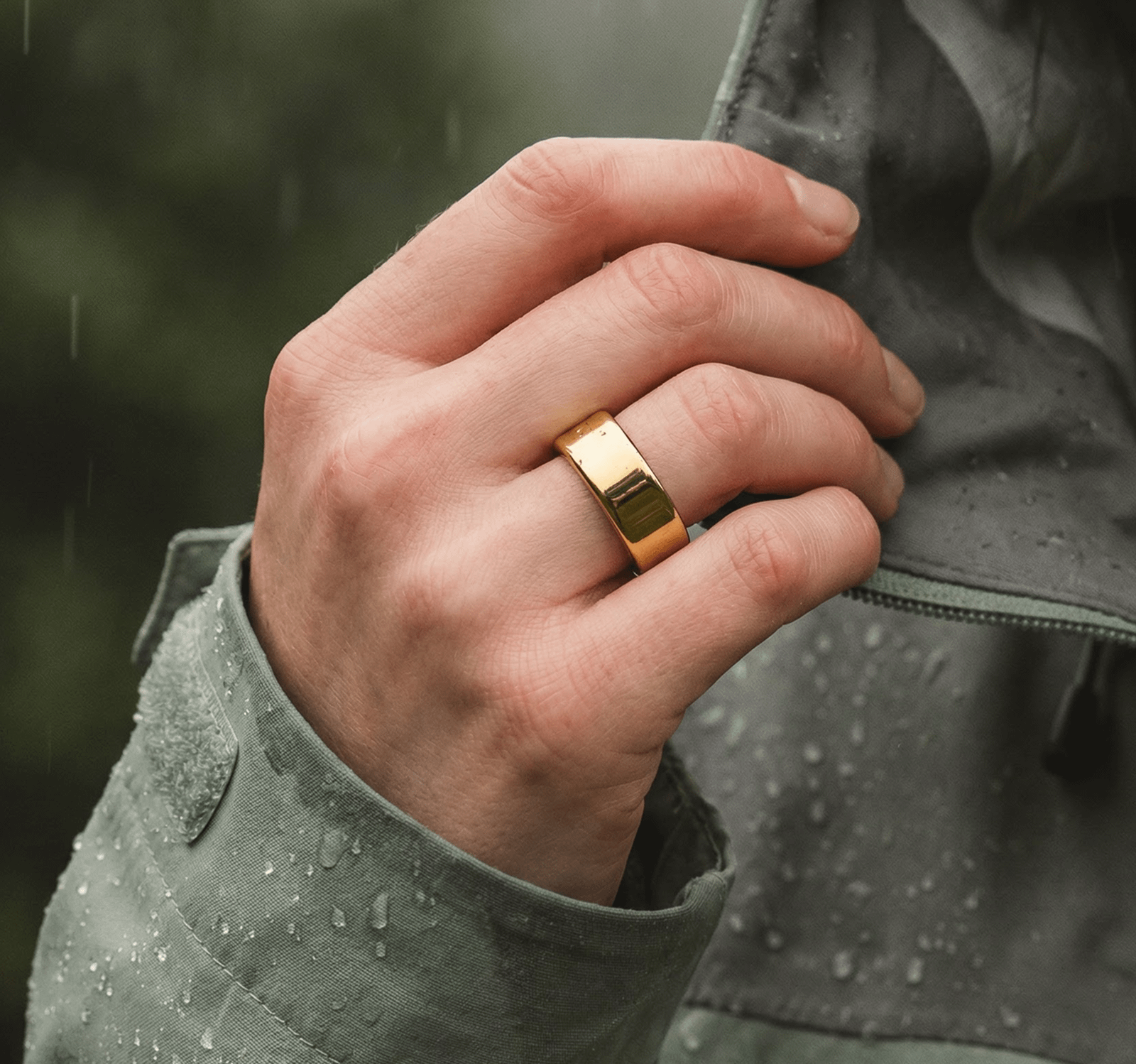
The Ring Pro is available in four finishes: Bionic Gold, Space Silver, Aster Black, and Raw Titanium, and comes in sizes ranging from 5 to 14.
Whether this will be enough to shift market share is still an open question. Oura remains the dominant player, and the smart ring category itself is still relatively young and evolving. But Ultrahuman’s return adds more competition back into the space, which tends to benefit buyers in the long run.
For now, the Ring Pro looks less like a radical reinvention and more like a strategic reset. It addresses the legal issues that sidelined the company, updates the hardware in meaningful ways, and leans into a subscription-light approach that could appeal to a segment of users. The next few months, as shipments begin and the product lands in more hands, will show whether that strategy pays off.
Related Reading:






Privacy Policy
Terms and Conditions - Affiliate Policy
Home Security
© Copyright 2008-2026.
11816 Inwood Rd #1211, Dallas, TX 75244