

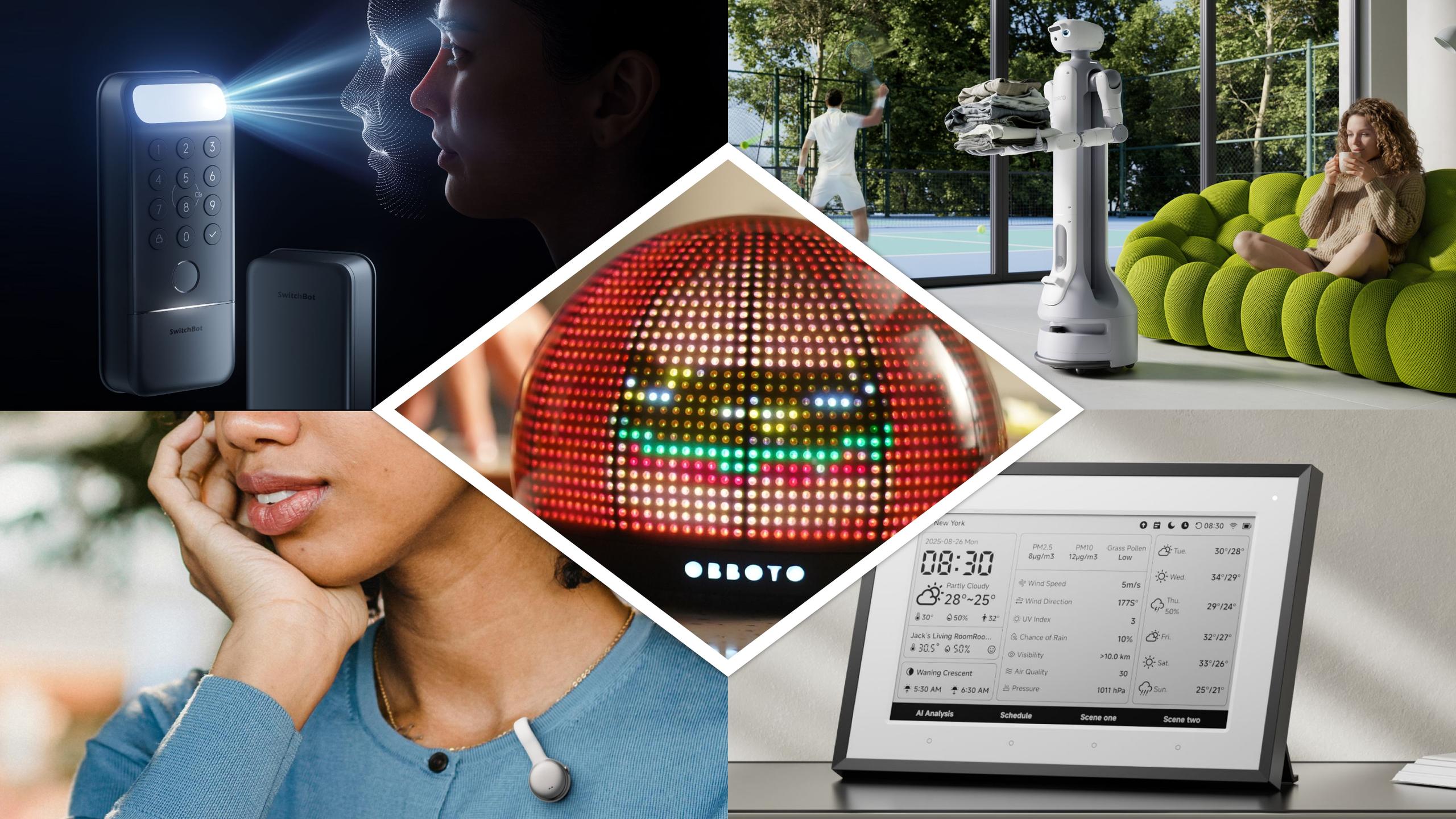
SwitchBot showed up to CES 2026 with a bold idea: the smart home shouldn’t just be a bunch of connected gadgets—it should feel more like a helpful roommate. Dubbed “Smart Home 2.0,” the company’s latest lineup leans heavily on AI and robotics to create a more responsive, coordinated, and thoughtful home environment.
Instead of just tossing in another smart plug or motion sensor, SwitchBot is thinking bigger: robots that can do chores, locks that recognize your face (or your palm), and even wearables that help you remember things you forgot you said. All of it ties into one growing ecosystem meant to handle not just the easy stuff, but the more complicated parts of everyday life.
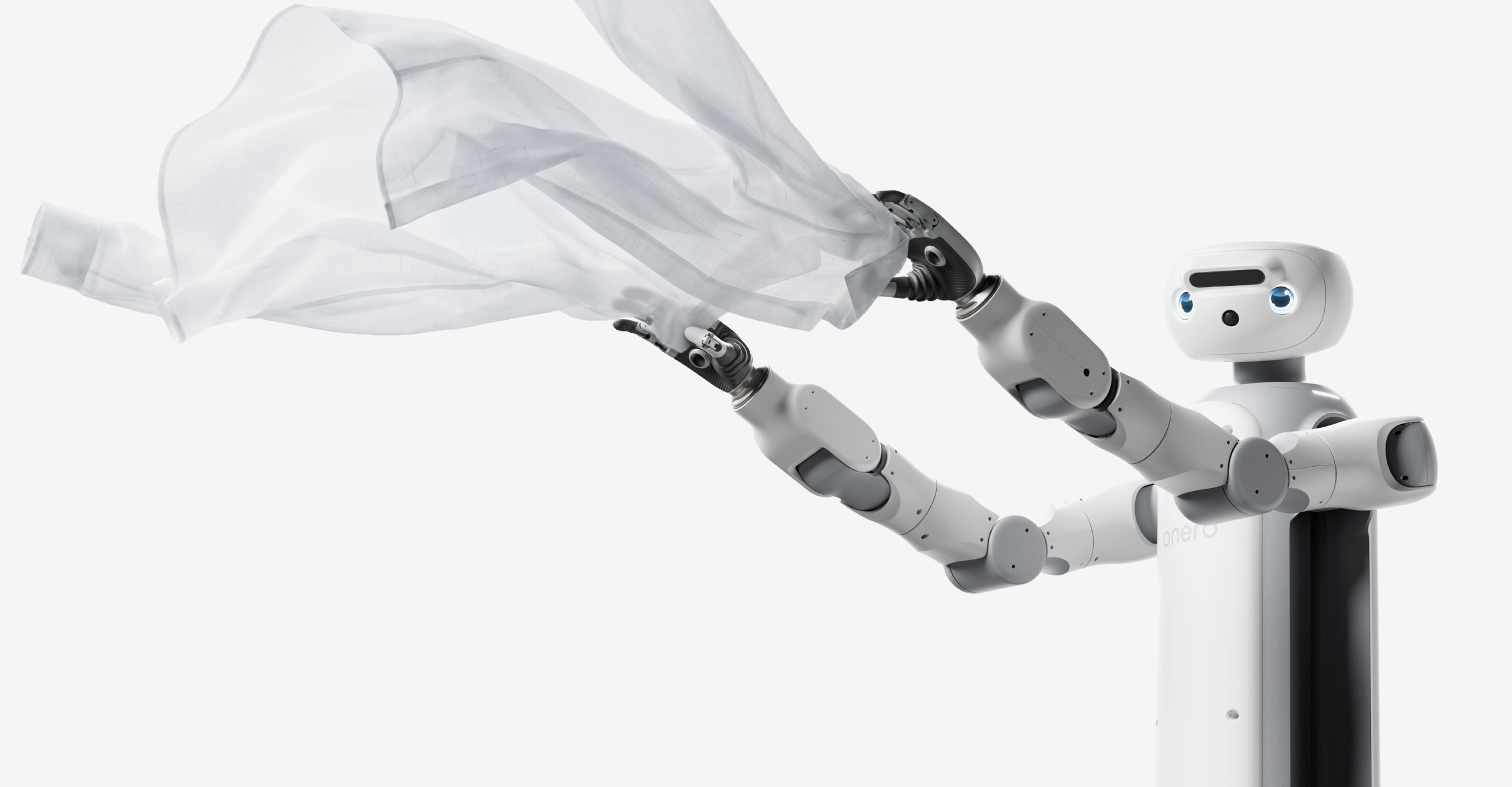
Leading the pack is the onero H1, SwitchBot’s new household robot designed to go beyond single-purpose gadgets. Unlike smart vacuums or robot mops that stick to one job, this one’s built to adapt and multitask. Think: helping with clutter, handling basic chores, or teaming up with other SwitchBot devices around the house.
The robot has 22 degrees of movement and uses a tech combo called OmniSense VLA to “see” and “feel” what it’s doing. It processes visual, depth, and touch feedback to better understand where objects are and how to interact with them. That means it can grab, push, open, or tidy up without getting confused if something is slightly out of place.
You can even attach robotic arms (called A1), which will be available for pre-order soon. The onero H1 isn’t trying to be a do-it-all machine, but it could handle the kinds of everyday jobs that usually require human hands—and free you up in the process.
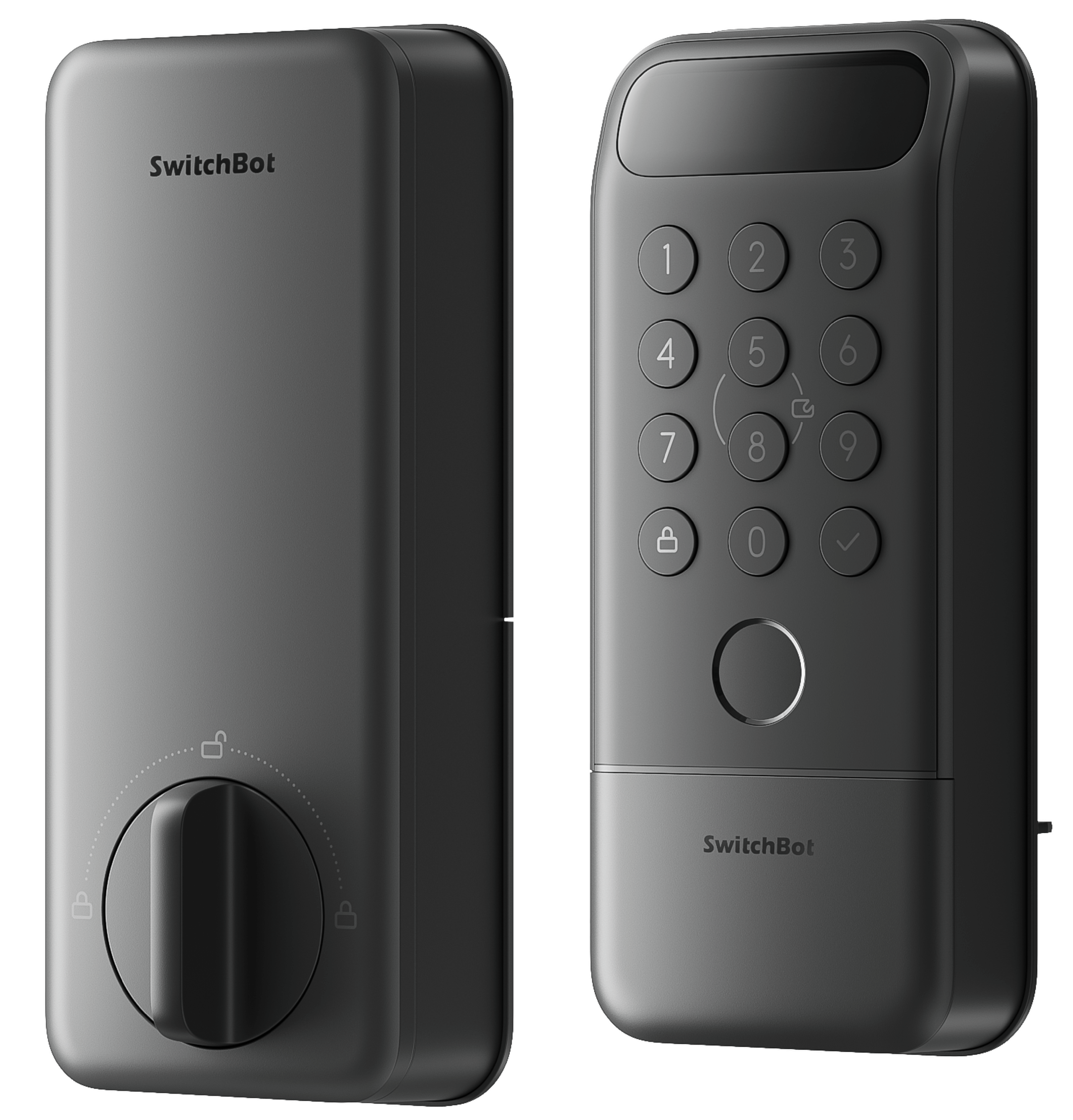
Another big reveal is the SwitchBot Lock Vista Series, which takes smart door locks to a new level. These locks use 3D facial recognition powered by structured-light scanning—basically, a more precise way to map your face and confirm it’s really you, even if you’re wearing glasses or a hat.
The facial scan system works fast, stores data locally (not in the cloud), and includes liveness detection to make sure someone isn’t trying to fool the system with a photo. And if you’re not into face scans, the Vista Pro version offers a second option: palm-vein recognition, which scans the unique vein patterns in your hand using near-infrared light. No need to touch the device or worry about slightly messy hands.
Both versions are Matter-over-Wi-Fi compatible, so they work directly with smart home platforms like Apple Home—no hub required. They also feature backup batteries and emergency power options so you’re not locked out if the battery runs low.
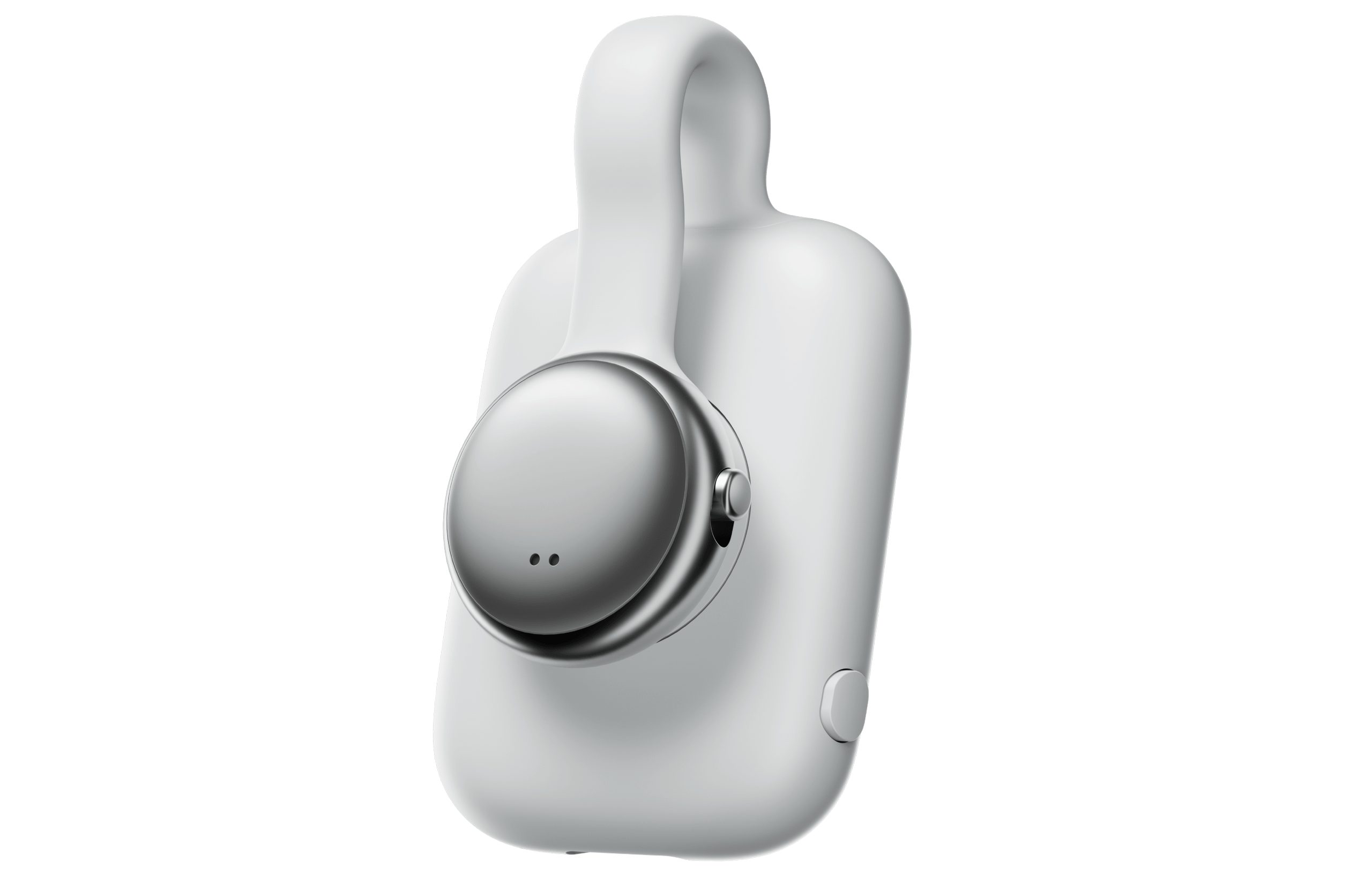
One of the more intriguing additions is the SwitchBot AI MindClip, a tiny wearable that acts like a voice-first personal assistant. At just 18 grams, you can clip it on and let it quietly record conversations, meetings, or even passing thoughts—then turn all that audio into searchable notes, to-do lists, or reminders.
It’s designed to help people keep track of the flood of information they hear every day but might not always write down. Need to remember what someone said in a meeting last week? Ask the MindClip. Forgot the date you promised to call your aunt? It’s probably in there.
It works in over 100 languages and taps into SwitchBot’s cloud AI service to organize everything. In a way, it’s like having a personal assistant that never forgets the details.
SwitchBot also showed off a few smaller (but still clever) devices focused on daily comfort.
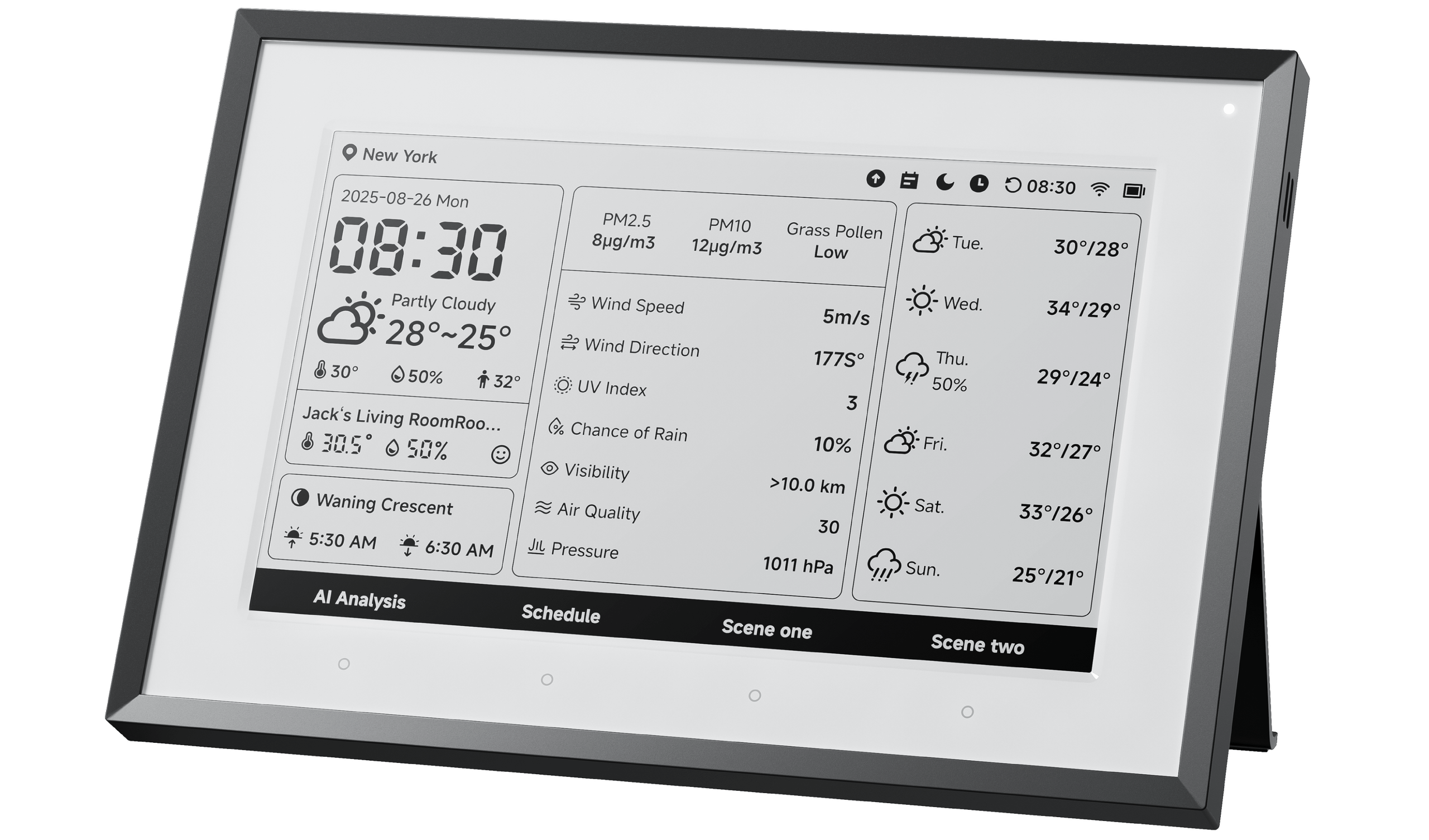
First is the SwitchBot Weather Station, which uses a 7.5-inch E-Ink screen to display indoor/outdoor conditions, upcoming forecasts, air quality, and even your synced calendar. You also get AI-generated weather summaries with personalized tips and a short quote of the day. It’s a simple way to get key info at a glance, without reaching for your phone.
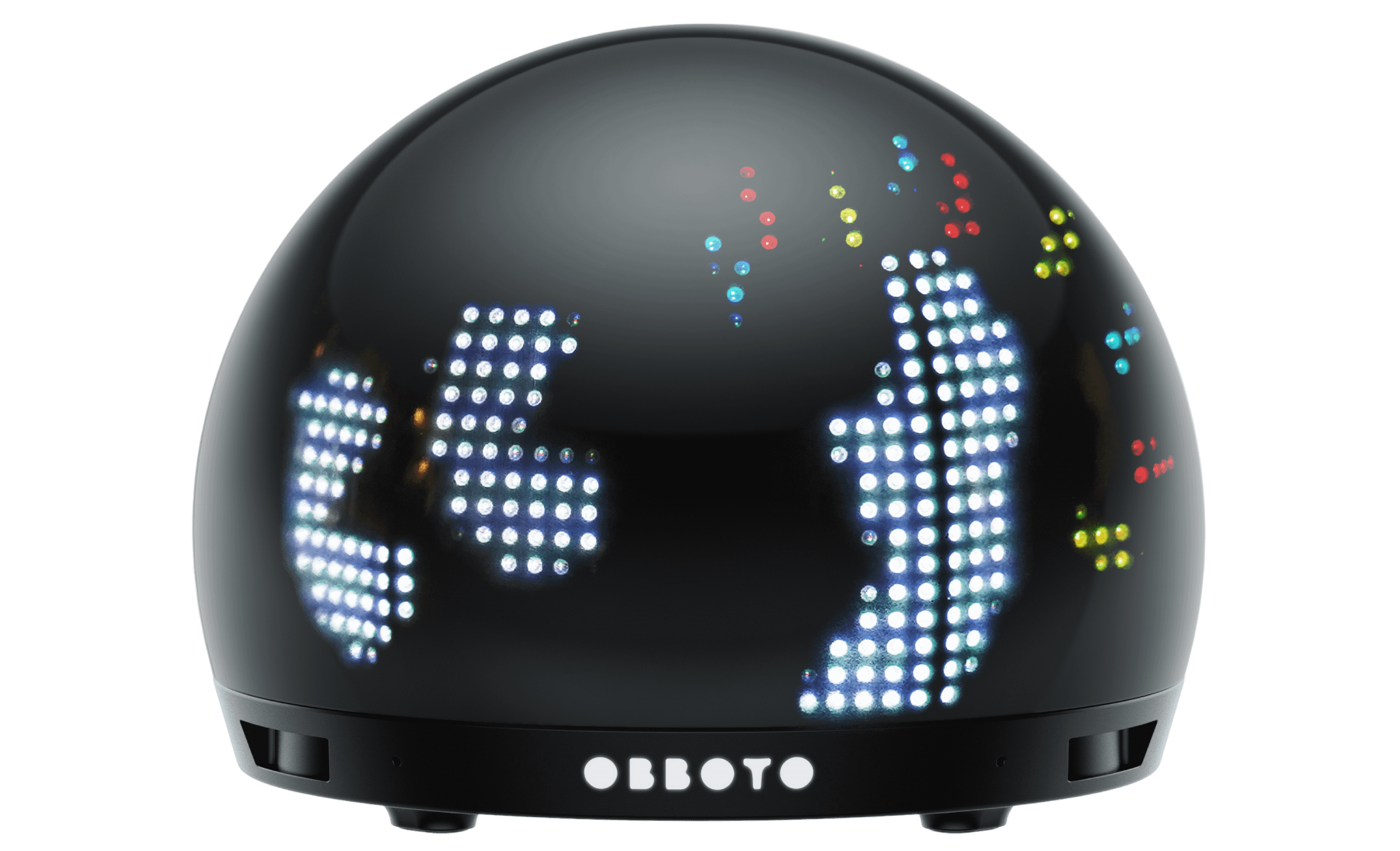
Then there’s OBBOTO, a desk-friendly globe with more than 2,900 tiny RGB LEDs packed inside. It’s not just a pretty light show—it responds to movement, music, and your current mood. It can display time and weather info through colors and patterns, and even run animations to help with focus, relaxation, or sleep. If your desk setup is your happy place, OBBOTO adds a bit of personality to it.
Tucked into the corner of SwitchBot’s booth was something unexpected: the Acemate Tennis Robot. It’s still in the prototype stage, but the idea is simple—an AI-powered tennis robot designed to simulate a real rally. If it works as intended, it could offer players a smarter way to practice solo. It also hints at SwitchBot’s ambition to bring its robotics into more active lifestyle spaces, not just homes.
What SwitchBot calls Smart Home 2.0 isn’t just about fancier gadgets—it’s about systems that think a little more like we do. The company’s lineup at CES 2026 shows a push toward tech that reacts to context, learns from habits, and blends into daily life without constantly asking for attention.
Whether it’s a robot that tidies up, a lock that recognizes your face, or a wearable that remembers your to-dos, SwitchBot is clearly trying to move from “smart home” to “smart living.” Whether that vision catches on depends on how well these tools actually perform in the real world, but the pieces are starting to come together.
Related Reading:





Privacy Policy
Terms and Conditions - Affiliate Policy
Home Security
© Copyright 2008-2026.
11816 Inwood Rd #1211, Dallas, TX 75244