

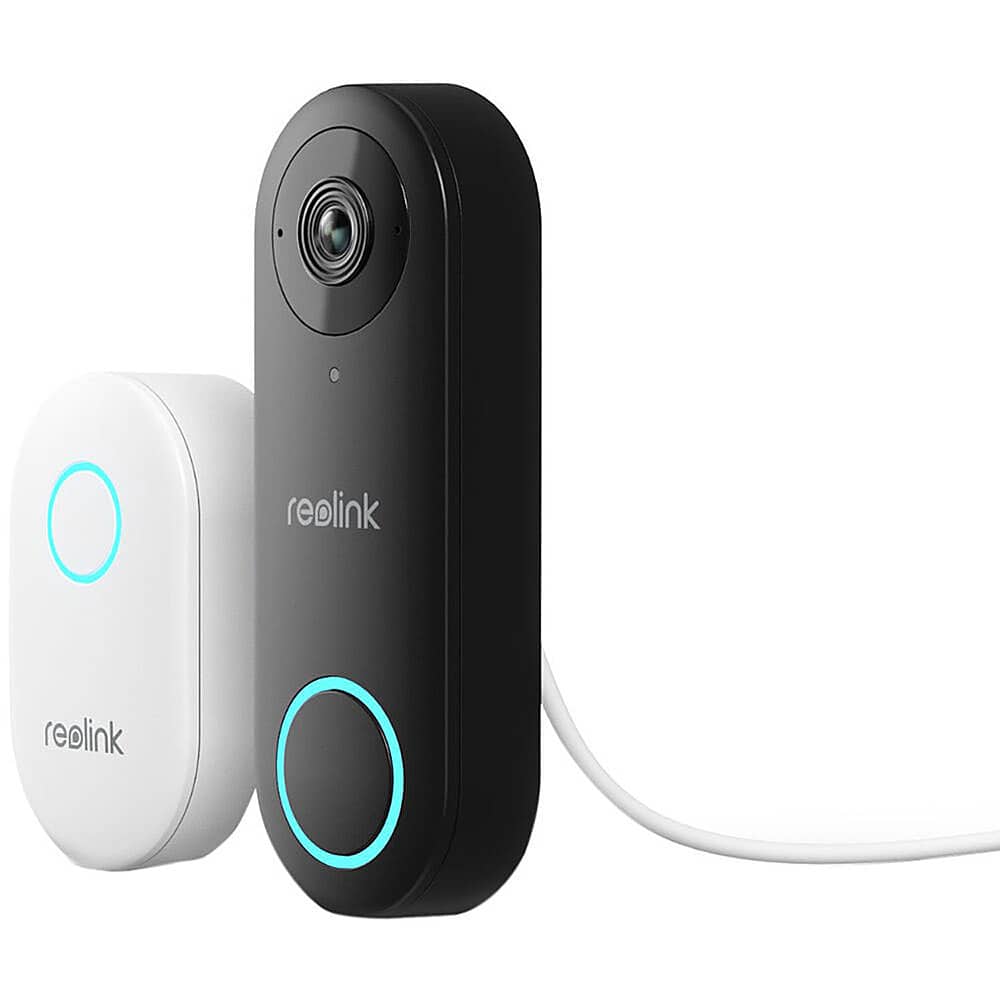
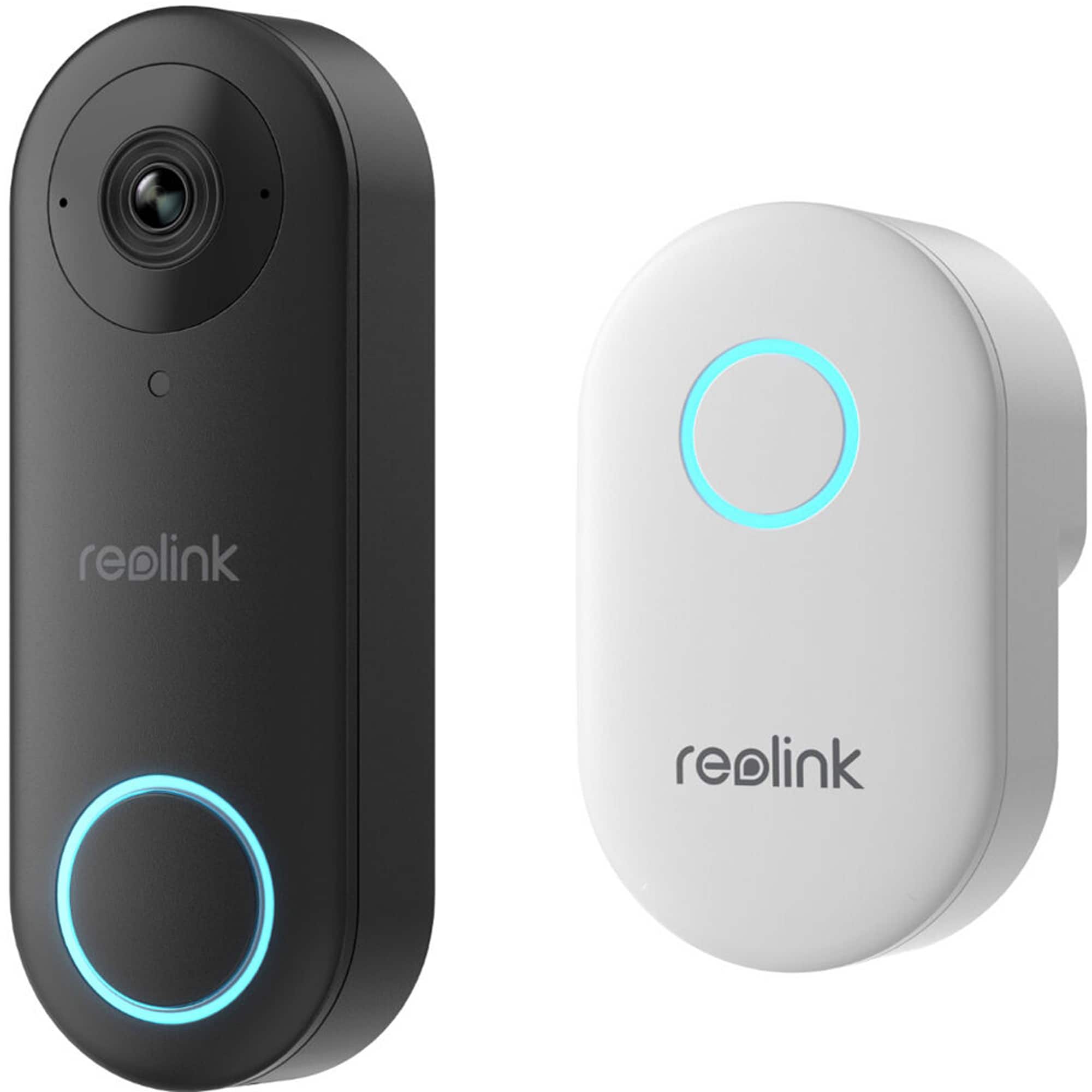
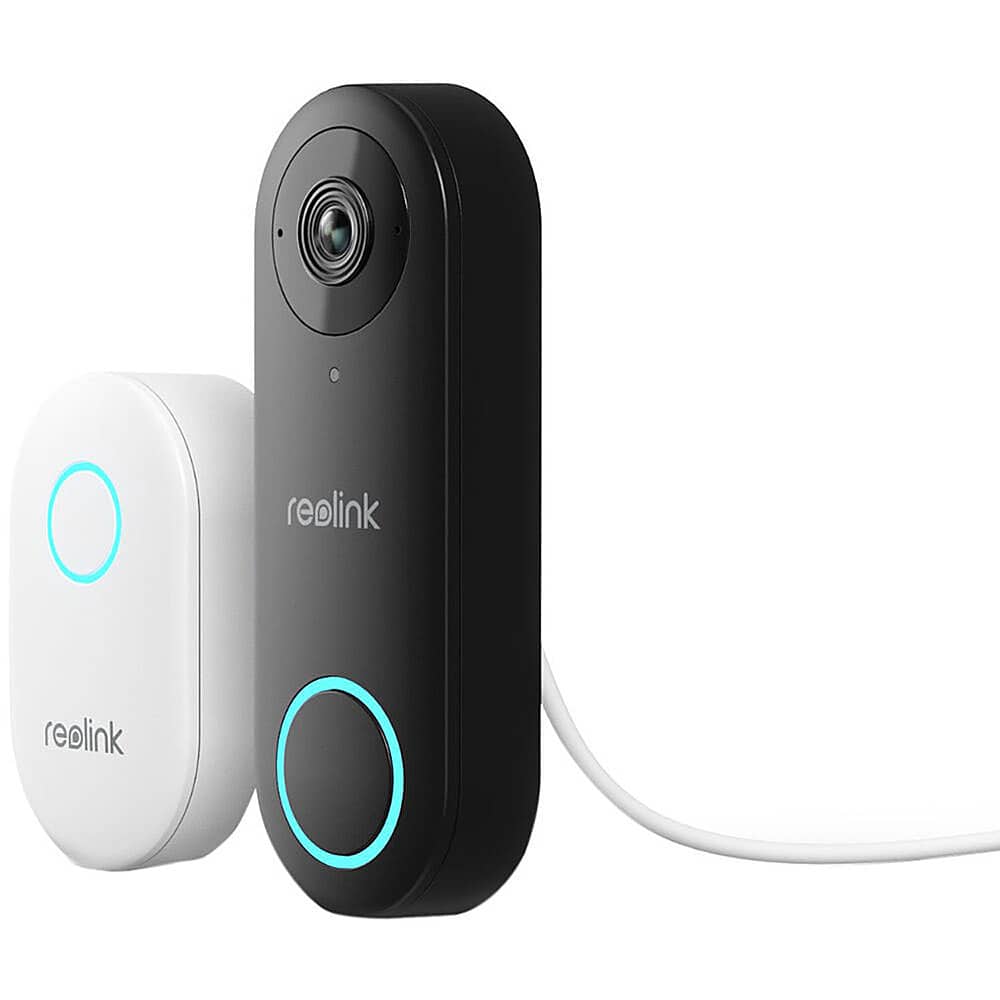
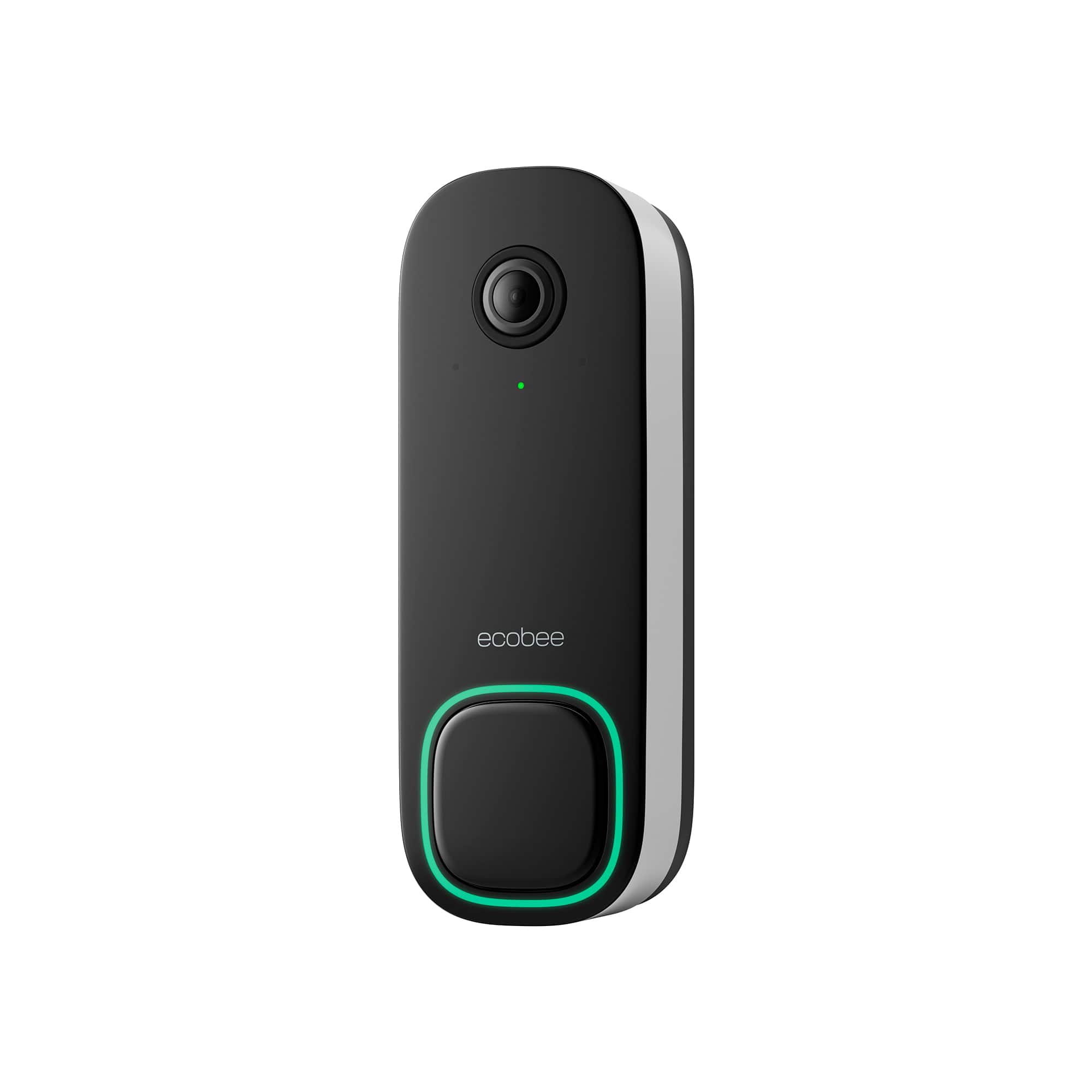


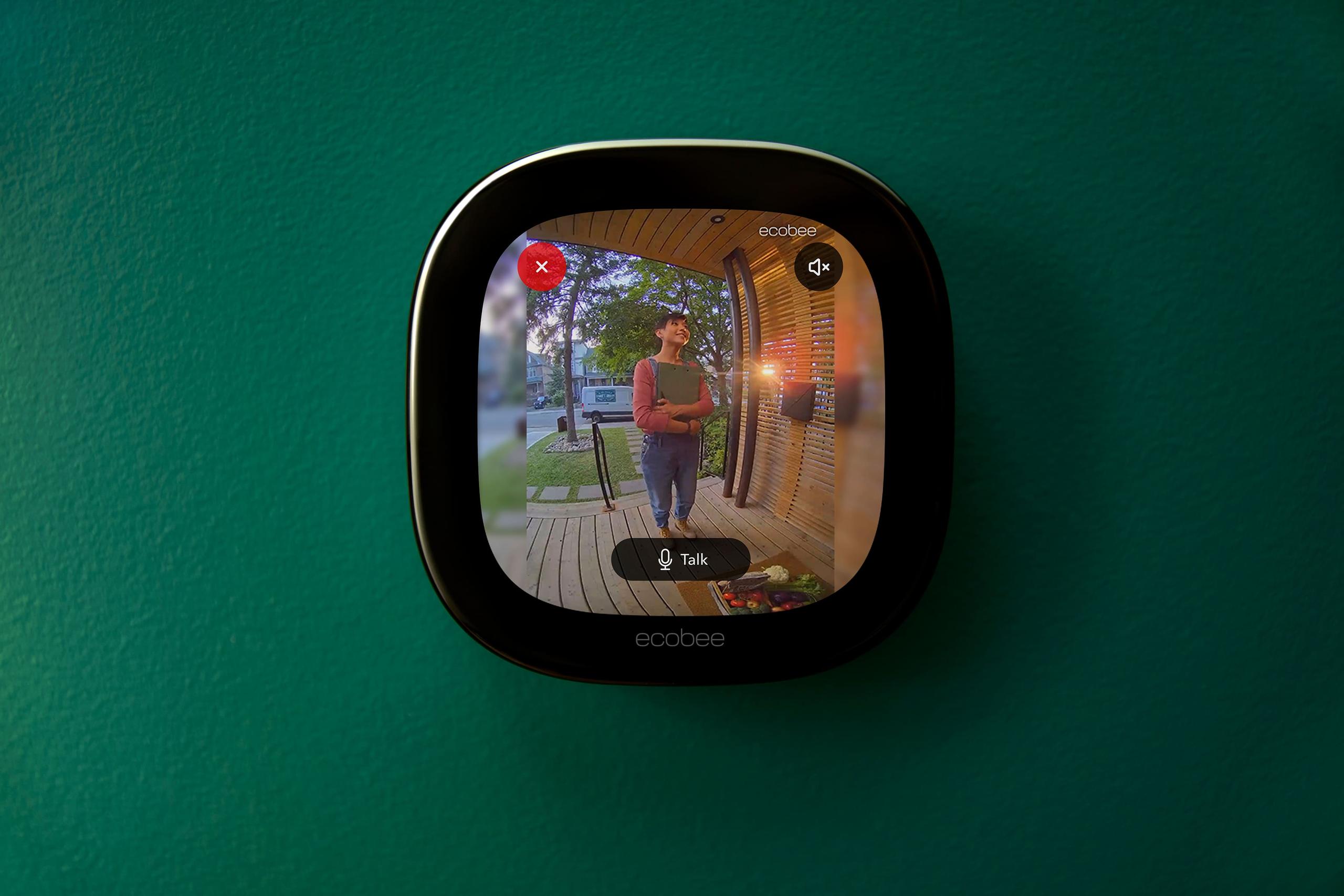

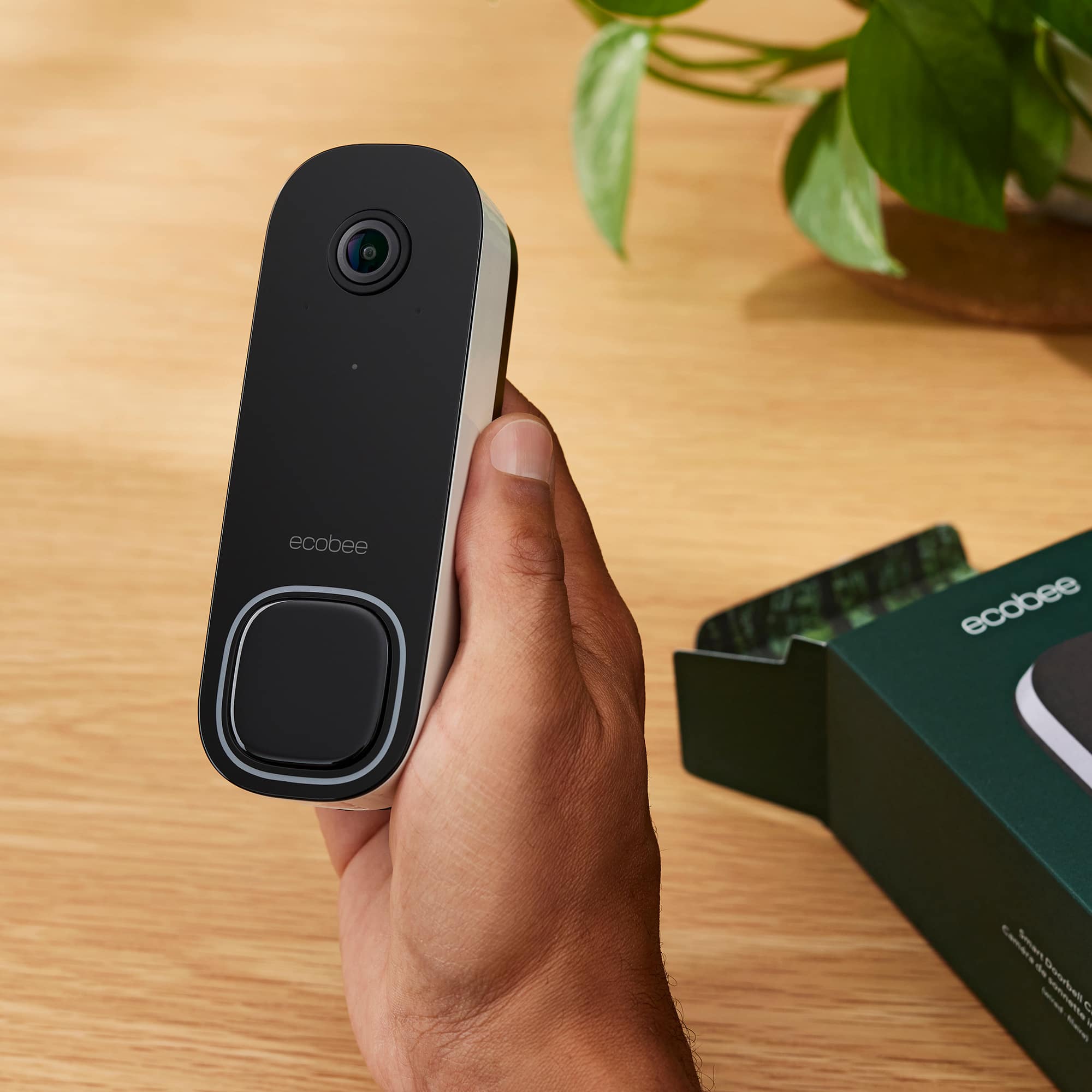

Smart video doorbells have become an essential part of modern home security, offering much more than just a way to see who's at your door. These devices combine high-definition cameras, two-way communication, and smart detection features to provide comprehensive front-door monitoring. Let's compare two popular options: the Reolink Smart Wi-Fi Video Doorbell Wired Chime ($89.99) and the ecobee Smart Doorbell Camera Wired ($129.99).
The difference in video quality between these doorbells is significant and worth understanding. The Reolink doorbell offers 2K+ resolution (2560x1920 pixels), which means you'll see about 5 megapixels of detail in each frame. This higher resolution makes a real difference when you need to identify faces or read package labels. Think of it like the jump from DVD to HD - there's simply more detail to work with.
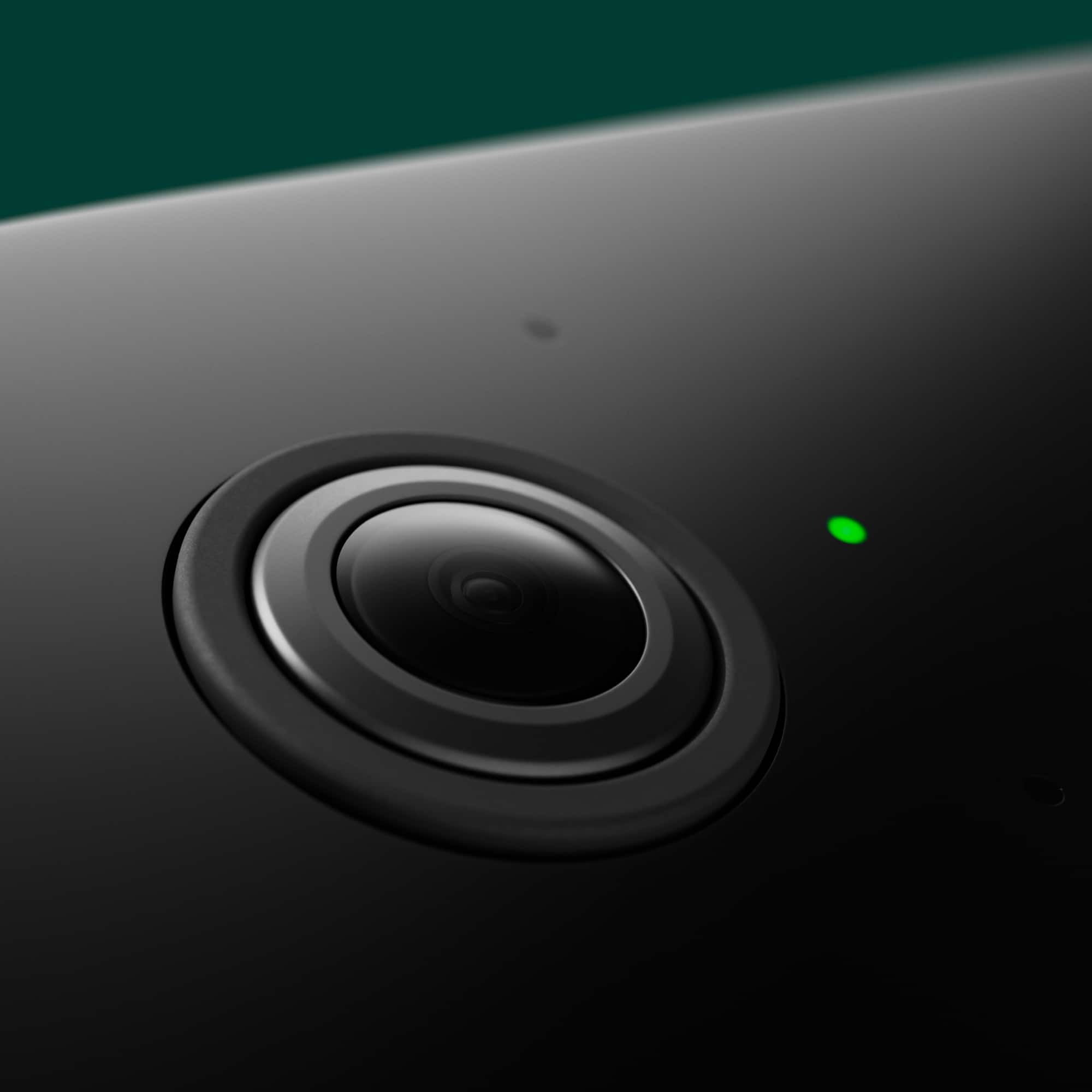
The ecobee, while offering good 1080p HD quality, captures less detail. However, it compensates with excellent HDR (High Dynamic Range) processing, which helps balance bright and dark areas in the same scene. This is particularly useful when your front door is in shadow but the background is bright.
Both doorbells take different approaches to coverage:
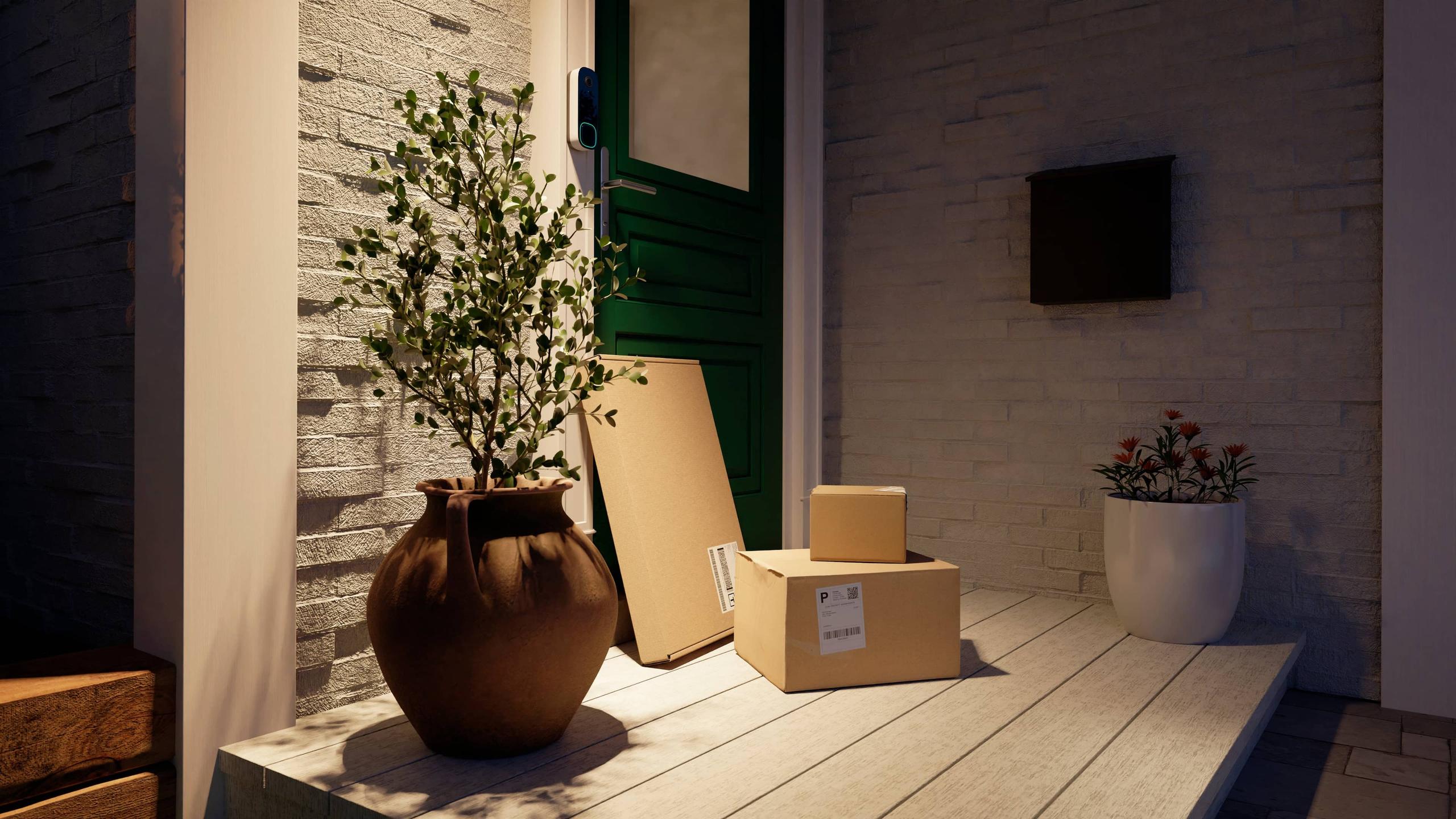
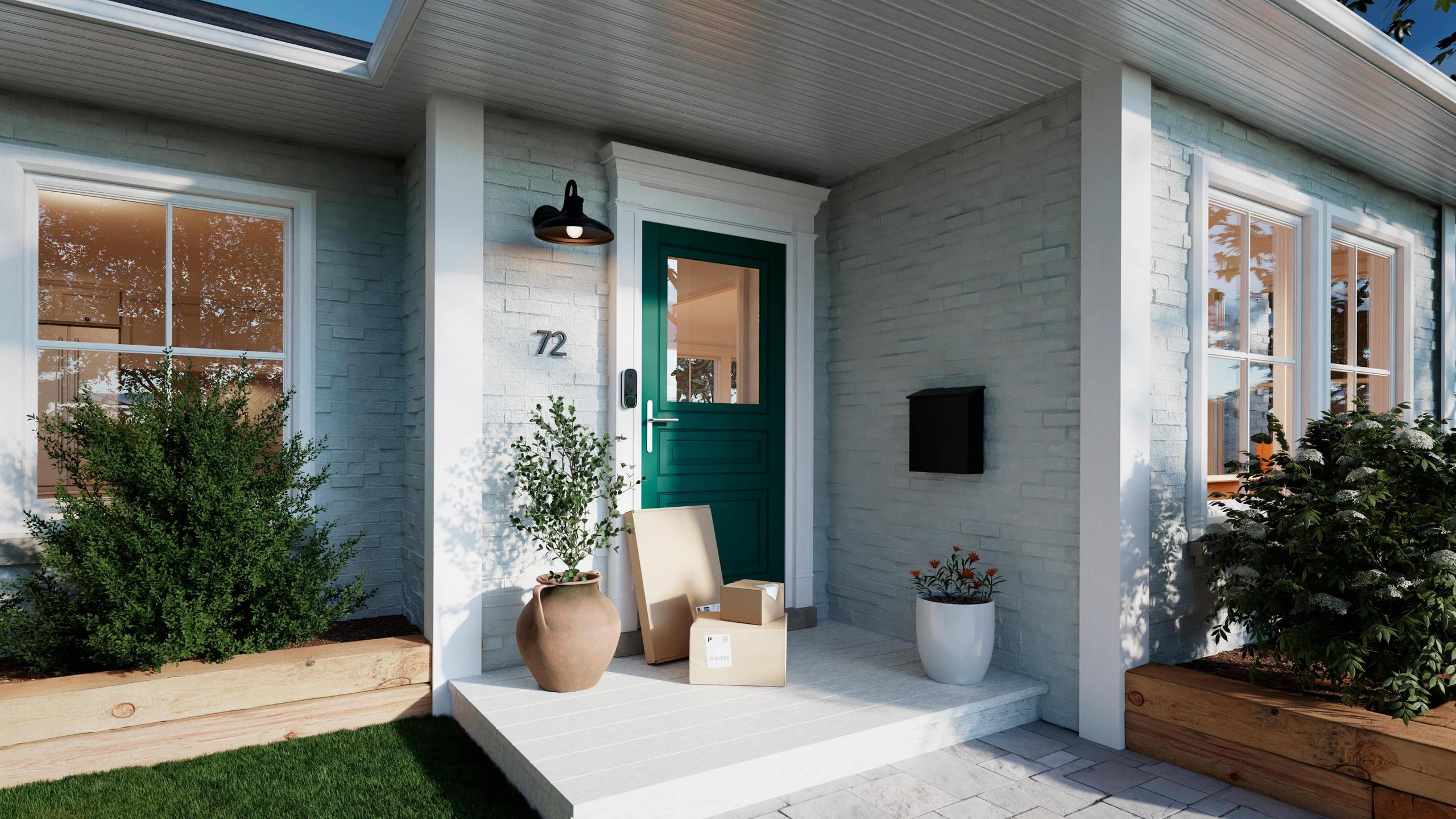
The ecobee's vertical emphasis proves especially useful for package detection - you can see items left right against your door. Meanwhile, the Reolink's wider horizontal view helps monitor more of your property from side to side.
Released in late 2023, both doorbells showcase modern AI capabilities, but with different strengths:
The Reolink offers:
The ecobee includes:
Storage approaches differ significantly between these models. The Reolink supports local storage via microSD cards up to 256GB, meaning your footage stays on your property. This approach appeals to privacy-conscious users and eliminates monthly fees.
The ecobee relies on cloud storage, requiring a subscription for full functionality. While this means you can access footage from anywhere, it does add ongoing costs and potential privacy considerations.
Here's where the ecosystems really diverge:
Having researched extensive user feedback and technical specifications, here's how they perform in key areas:
Both doorbells support dual-band Wi-Fi (2.4GHz and 5GHz), but implementation differs. The Reolink occasionally struggles with Wi-Fi connectivity, particularly at longer ranges. The ecobee seems to maintain more stable connections, likely due to better antenna design and newer Wi-Fi chipsets.
The Reolink's higher resolution maintains its advantage in low light, providing clearer identification at night. The ecobee compensates with good HDR processing but can't quite match the detail level of the Reolink in challenging lighting conditions.
The ecobee's newer AI systems provide more sophisticated detection, especially for packages. The Reolink's motion detection is reliable but more basic, sometimes triggering on moving shadows or vegetation.
Let's break down the total cost of ownership:
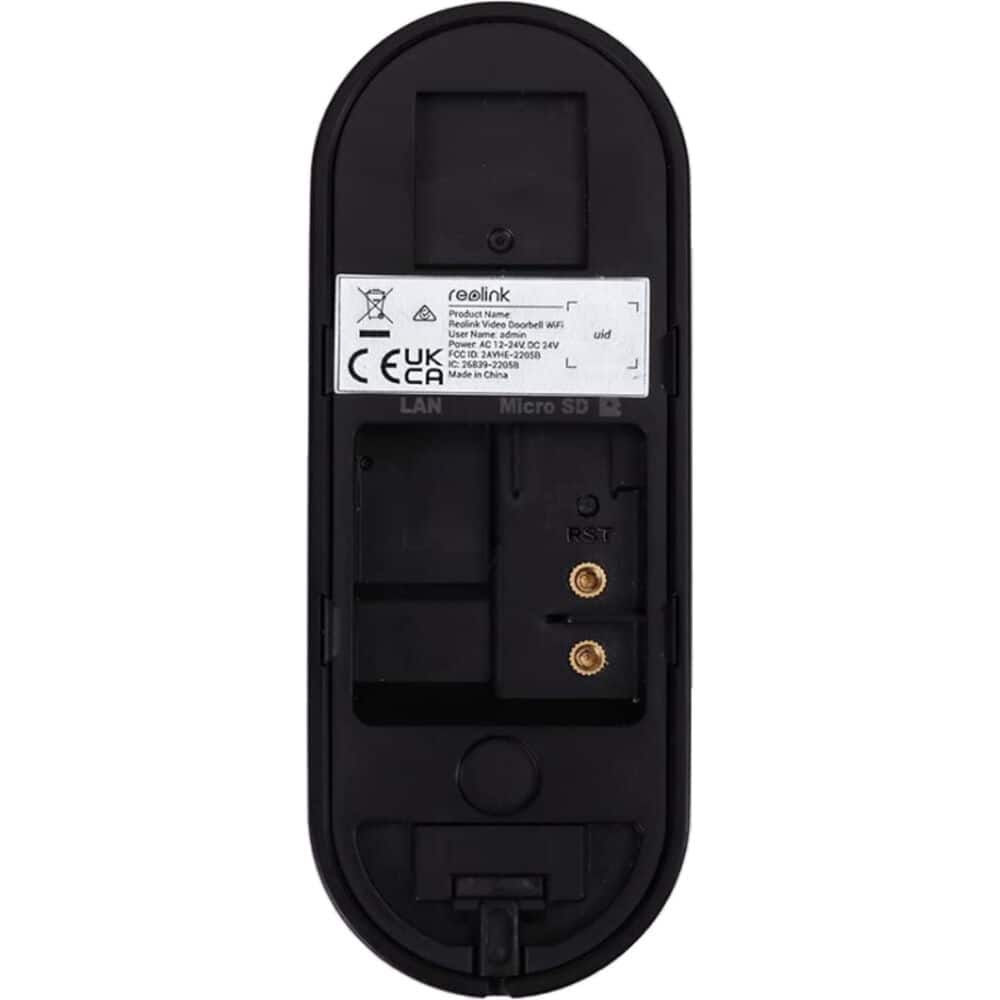
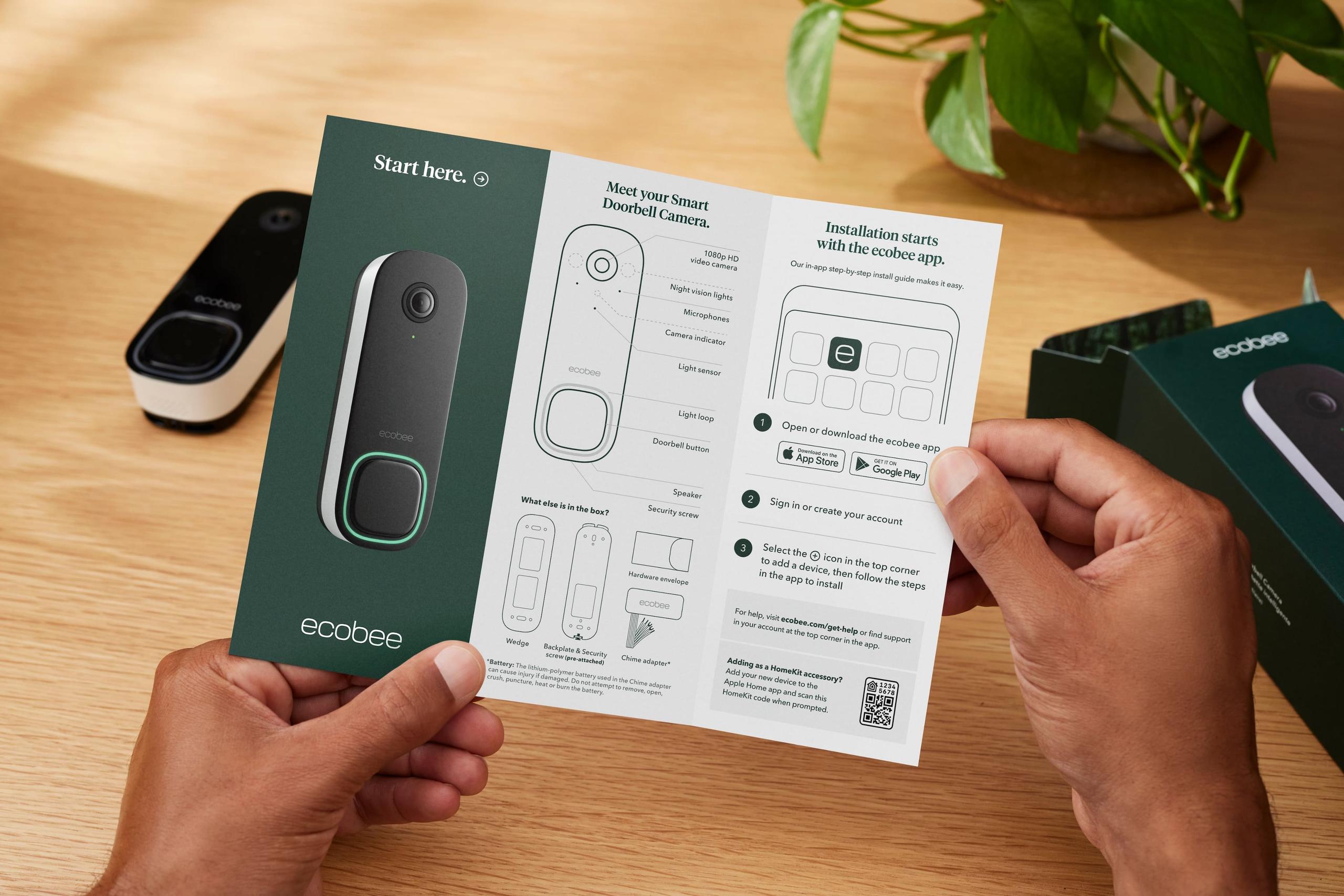
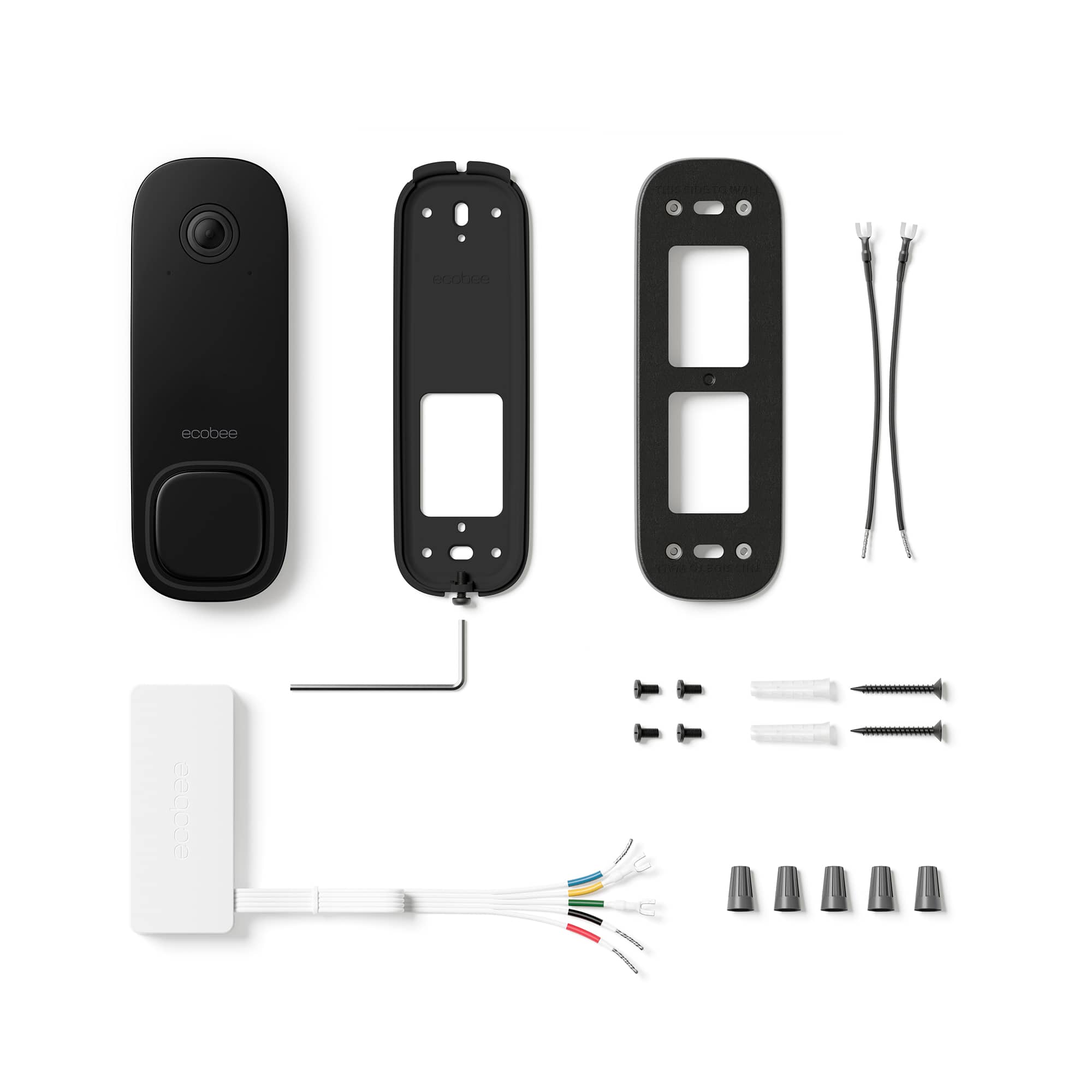
Both doorbells require hardwiring, replacing an existing doorbell. The installation process is similar for both, though the Reolink includes a separate chime unit that needs power and setup.
Since their release:
Both the Reolink Smart Wi-Fi Video Doorbell and ecobee Smart Doorbell Camera offer compelling features for different users. The Reolink provides superior video quality and local storage at a lower price point, while the ecobee offers better smart home integration and more sophisticated detection features.
For pure video quality and value, the Reolink is hard to beat. However, if you're already invested in the ecobee ecosystem or want more advanced smart features, the extra cost of the ecobee might be worthwhile.
Remember that doorbell cameras are long-term investments in home security. Consider not just the initial price but also the features you'll actually use and any ongoing costs when making your decision.
| Reolink Smart Wi-Fi Video Doorbell Wired Chime | ecobee Smart Doorbell Camera Wired |
|---|---|
| Price - Total cost including essential features | |
| $89.99, no subscription required | $129.99, subscription needed for advanced features |
| Video Resolution - Higher resolution means better identification ability | |
| 2560x1920 (2K+), more detailed for facial recognition | 1080p HD, adequate for most purposes |
| Field of View - Determines what area the camera can monitor | |
| 134° horizontal, 180° diagonal, better for wide area viewing | 175° vertical, excellent for packages and full-height viewing |
| Storage Options - Affects ongoing costs and privacy | |
| Local microSD up to 256GB, no cloud fees | Cloud storage only, requires subscription |
| Smart Home Integration - Important for automation | |
| Google Assistant, limited ecosystem support | HomeKit, Alexa, full ecobee ecosystem integration |
| Motion Detection - Affects alert accuracy | |
| Basic person detection, customizable zones | Advanced AI detection, package recognition |
| Night Vision - Critical for 24/7 monitoring | |
| IR night vision with 2K+ resolution | Color low-light vision, HD resolution |
| Power Requirements - Installation considerations | |
| 12-24VAC, includes separate chime unit | Standard doorbell wiring (16-24VAC) |
| Weather Resistance - Durability factor | |
| -10°C to +50°C operating range | -20°C to 60°C operating range |
| Additional Features - Extra value considerations | |
| 6-second pre-recording, custom voice replies | Package detection, thermostat video streaming |
| Connectivity - Affects reliability | |
| Dual-band Wi-Fi, some connectivity issues reported | Dual-band Wi-Fi, more stable connection |
The Reolink Smart Wi-Fi Video Doorbell is more affordable at $89.99, while the ecobee Smart Doorbell Camera costs $129.99. However, remember that the ecobee requires an additional subscription for advanced features.
The Reolink doorbell offers superior 2K+ (2560x1920) resolution compared to the ecobee's 1080p HD. This higher resolution provides better detail for identifying faces and reading package labels.
The ecobee Smart Doorbell Camera offers more comprehensive smart home integration, working with HomeKit, Alexa, and the ecobee ecosystem. The Reolink only works with Google Assistant.
Both perform well in low light, but the Reolink offers clearer nighttime images due to its higher resolution IR night vision. The ecobee provides color low-light vision but at lower resolution.
The ecobee Smart Doorbell Camera features more advanced AI detection with package recognition, while the Reolink offers basic person detection with customizable zones.
The ecobee Smart Doorbell Camera generally maintains more stable connections, while some users report occasional connectivity issues with the Reolink.
We've done our best to create useful and informative comparisons to help you decide what product to buy. Our research uses advanced automated methods to create this comparison and perfection is not possible - please contact us for corrections or questions. These are the sites we've researched in the creation of this article: connectit.ie - odpbusiness.com - bestbuy.com - officedepot.com - youtube.com - bensoftware.com - reolink.com - bhphotovideo.com - ecobee.com - forums.macrumors.com - androidpolice.com - youtube.com - bgemarketplace.com - ecobee.com - abt.com - acwholesalers.com - adiglobaldistribution.pr - investors.generac.com - wave-electronics.com - blueirissoftware.com

Privacy Policy
Terms and Conditions - Affiliate Policy
Home Security
© Copyright 2008-2026.
11816 Inwood Rd #1211, Dallas, TX 75244