

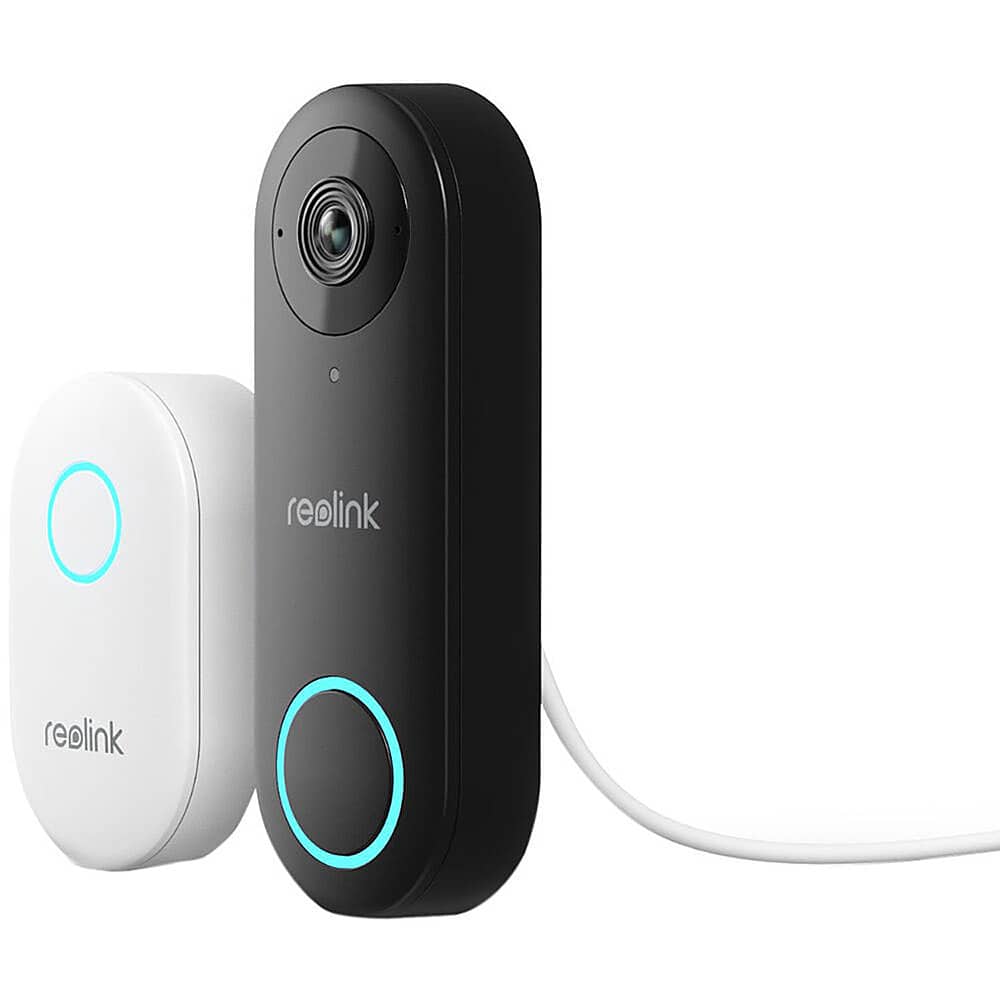
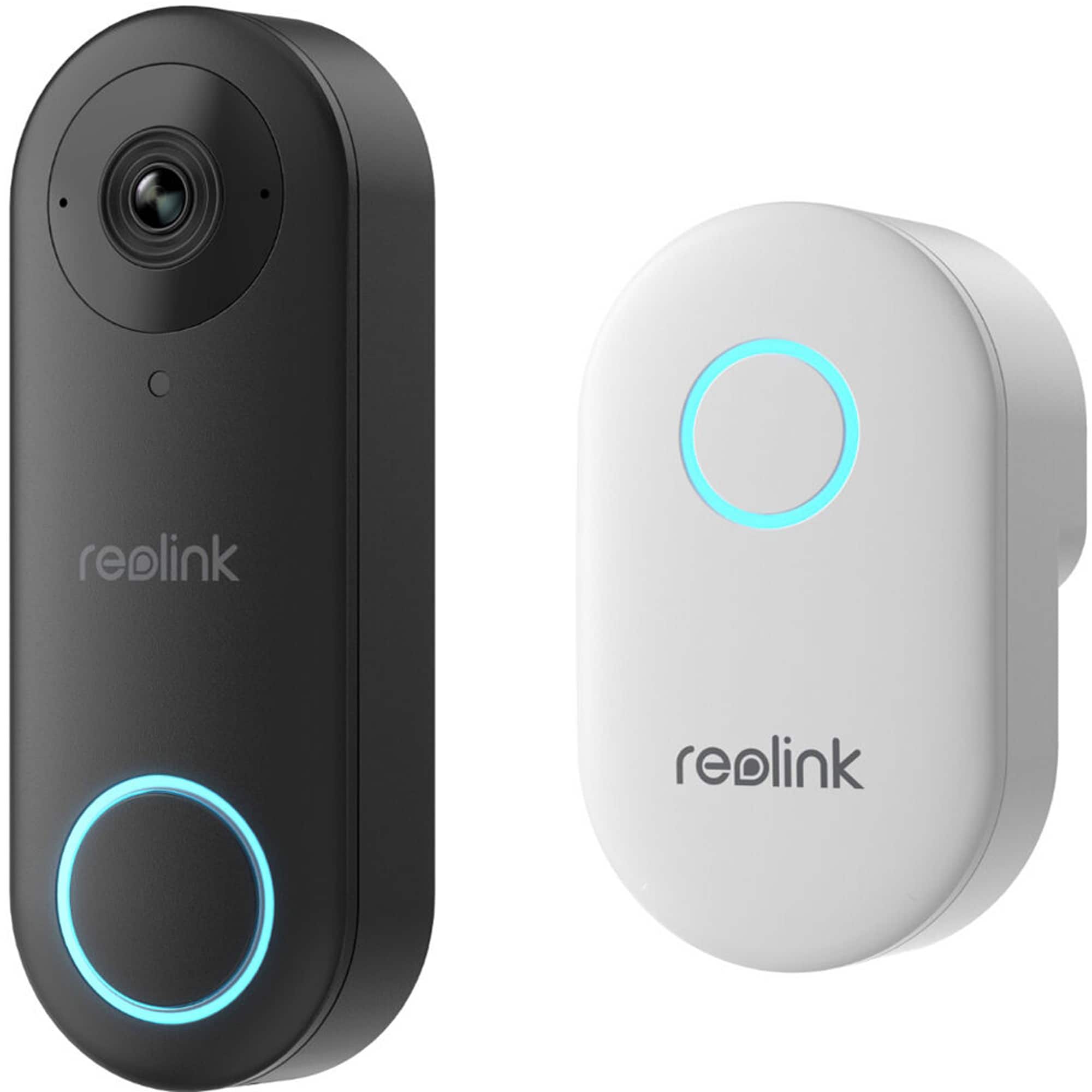
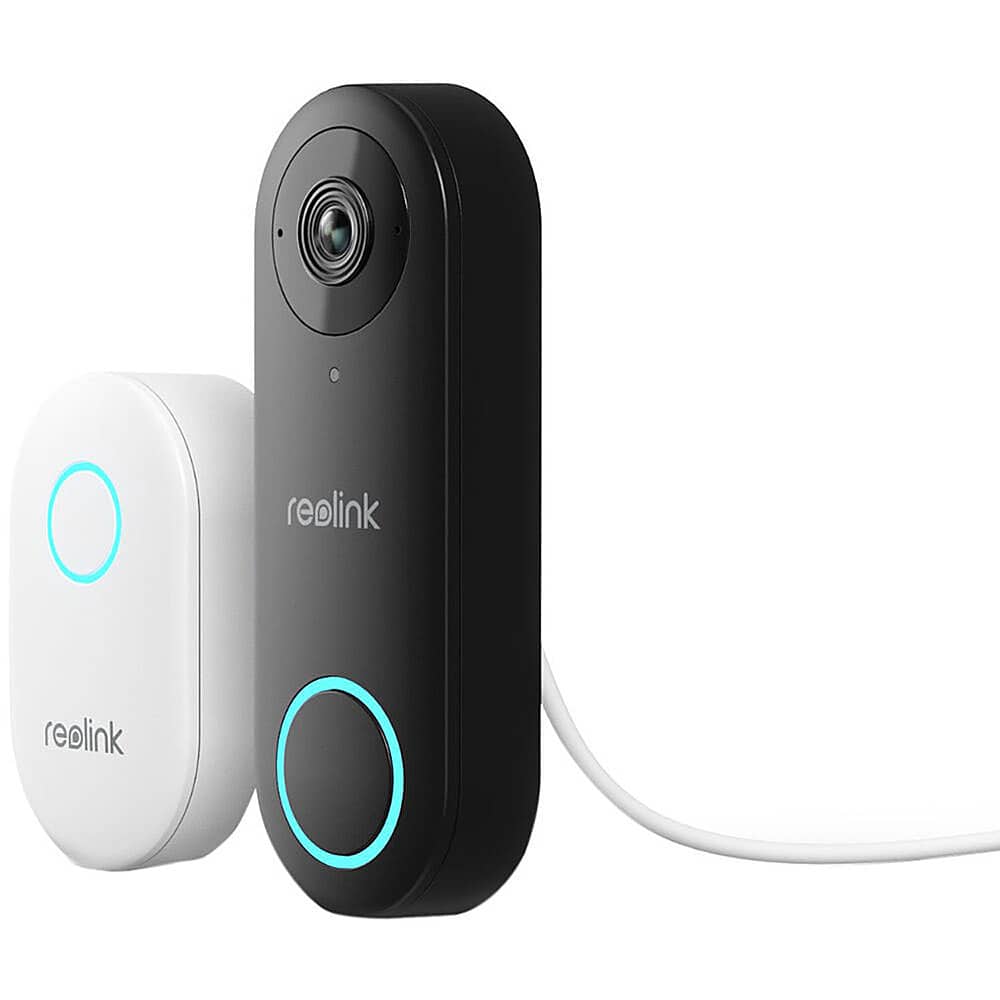
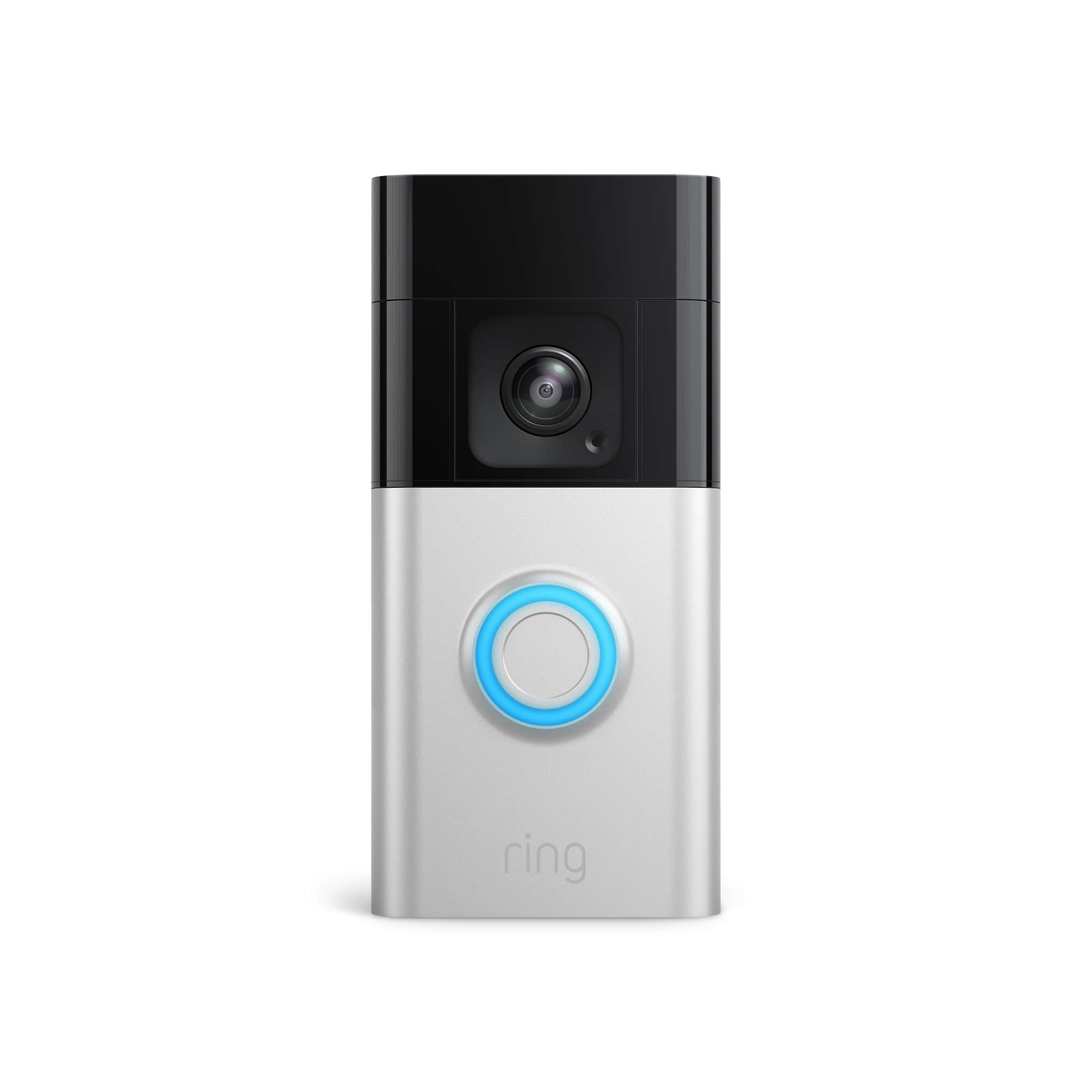

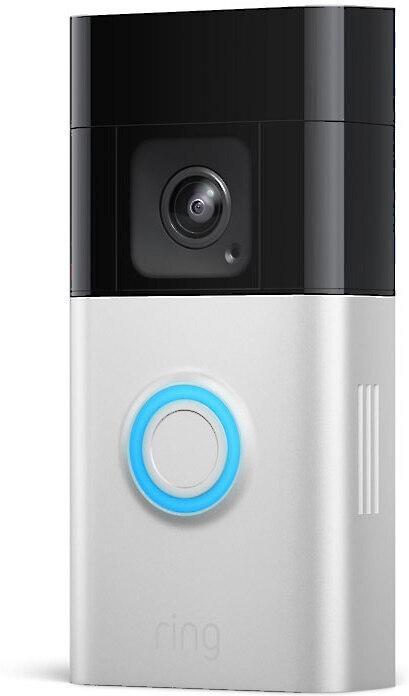
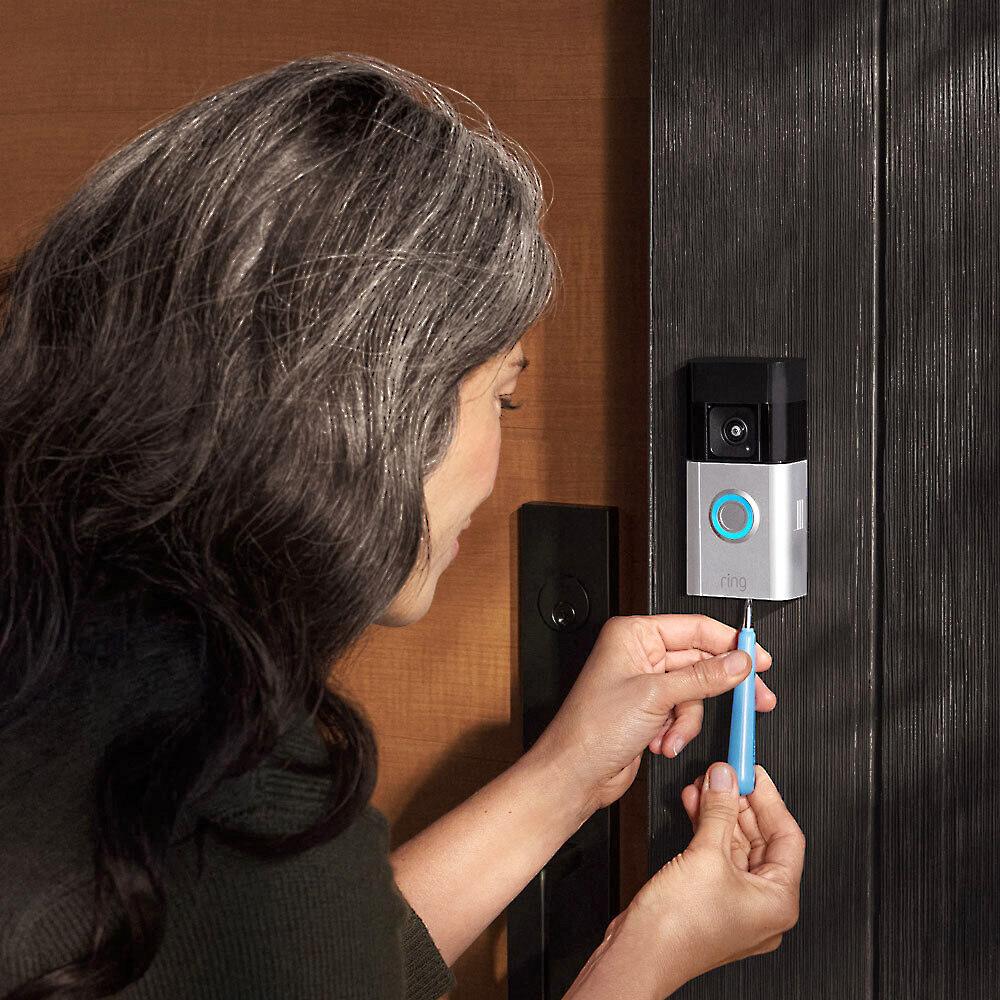


In the rapidly evolving world of smart home security, video doorbells have become an essential component for many homeowners. Today, we'll compare two compelling options: the $89.99 Reolink Smart Wi-Fi Video Doorbell Wired Chime and the $149.99 Ring Battery Doorbell Pro, both released within the past year.
Smart video doorbells have come a long way since their introduction about a decade ago. Today's devices offer impressive features like high-resolution video, advanced motion detection, and sophisticated integration with other smart home devices. These aren't just doorbells anymore - they're your first line of home security and convenience.
The Reolink doorbell offers an impressive 5-megapixel sensor capturing 2560x1920 resolution video at 20 frames per second. This higher resolution allows you to see fine details like package labels or facial features more clearly. Its 180-degree diagonal field of view ensures comprehensive coverage of your entryway.
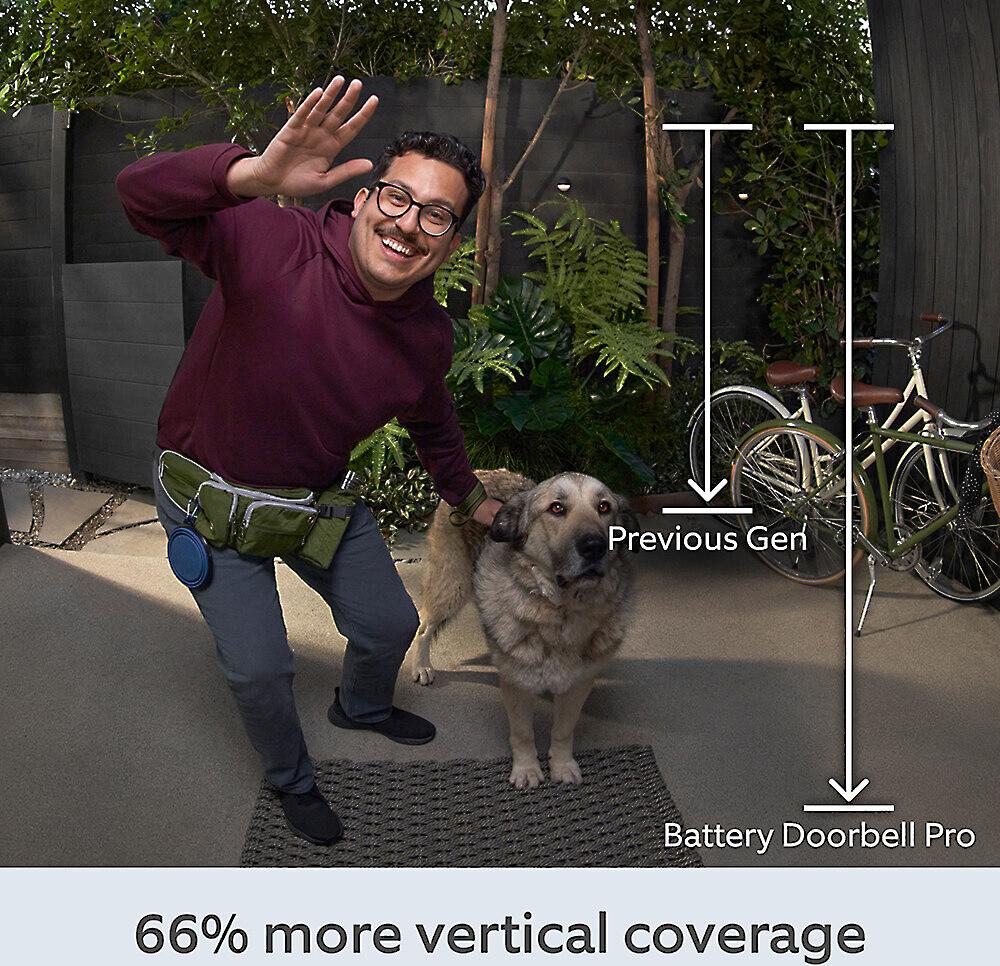
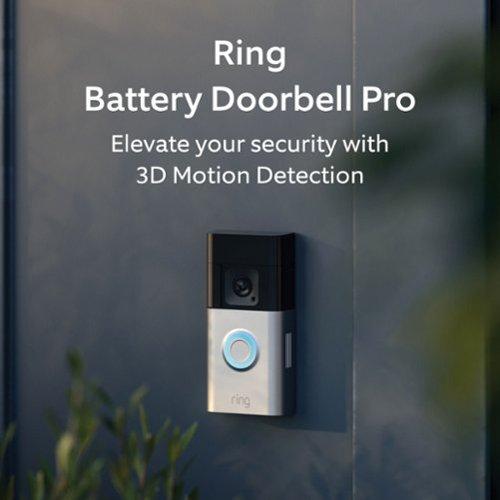
The Ring Pro takes a different approach with its 1536p HD+ resolution. While technically lower resolution, Ring has optimized their system for what they call "Head-to-Toe Video," ensuring you can see everything from packages on the ground to tall visitors' faces. Their dynamic HDR processing helps balance bright and dark areas in the frame.
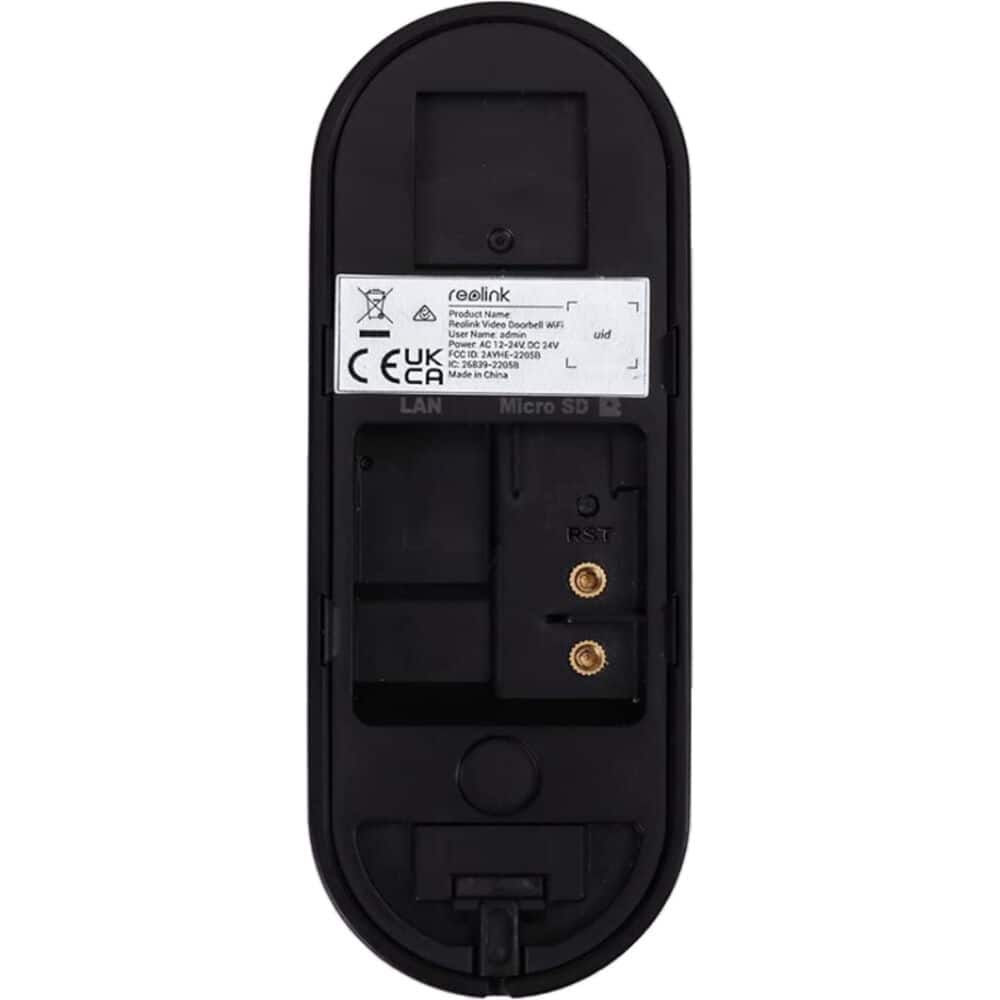
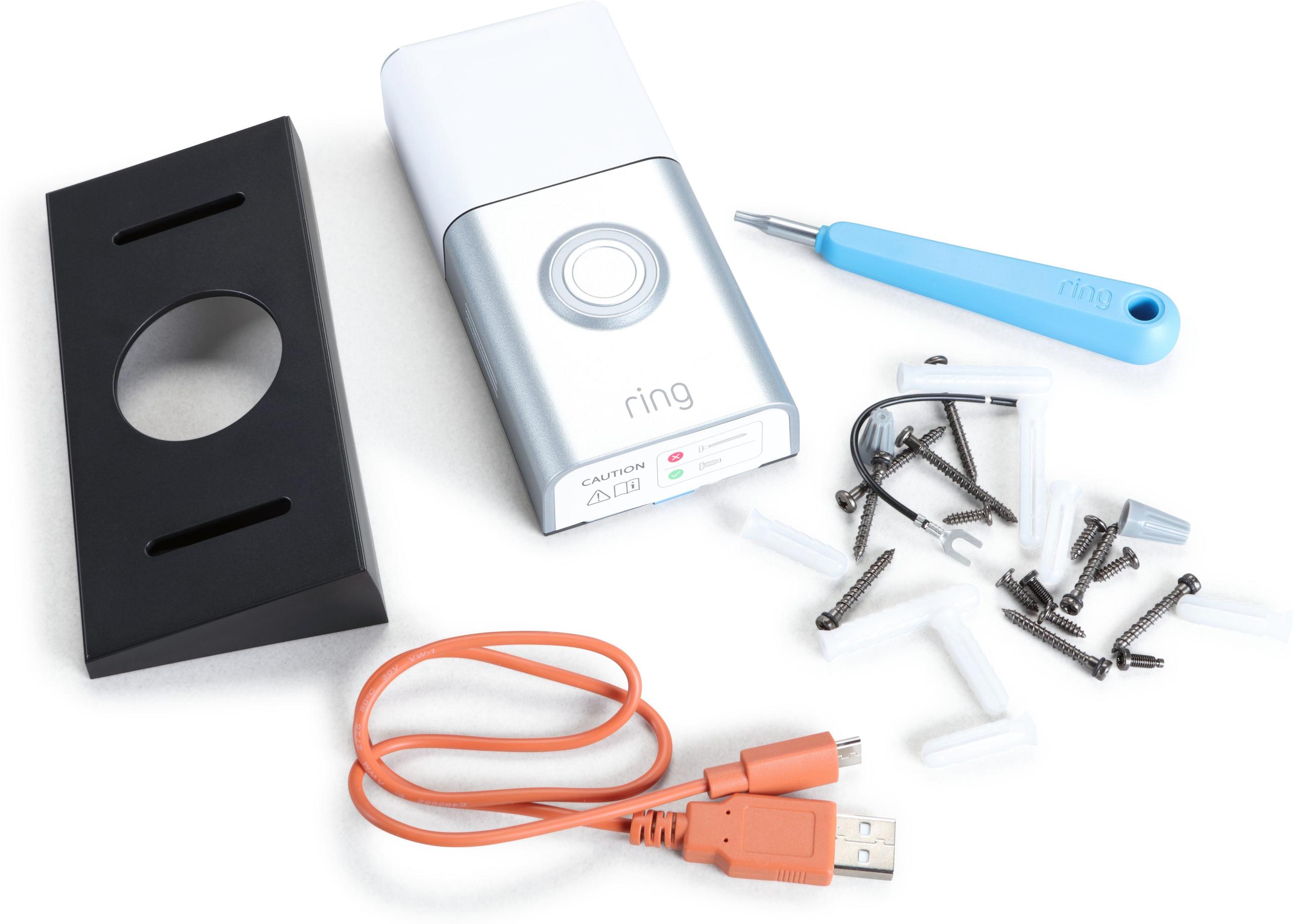
Here's where these devices diverge significantly. The Reolink requires hardwiring to your existing doorbell system (12-24VAC), which means professional installation might be needed if you're not comfortable with basic electrical work. However, once installed, you'll never worry about batteries.
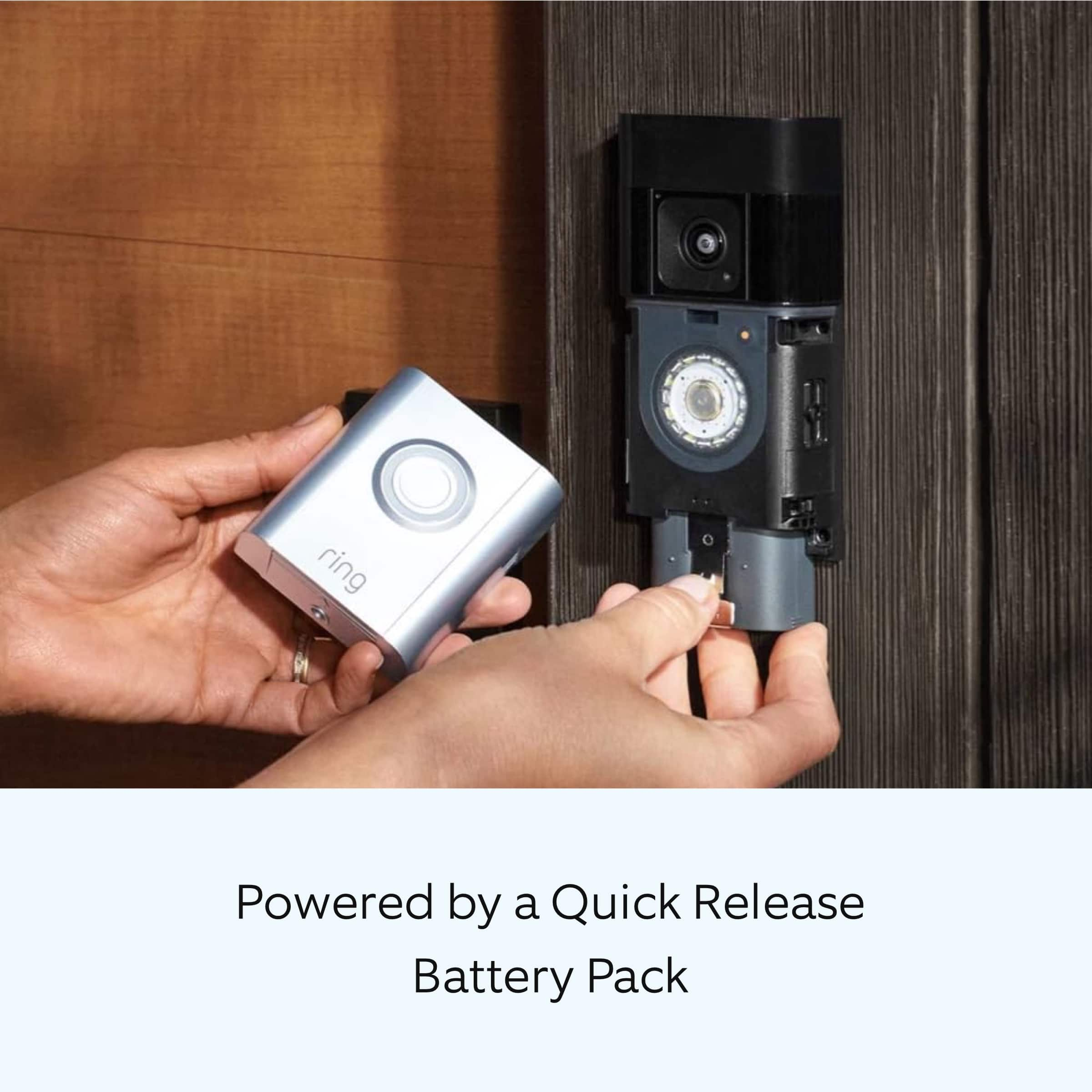
The Ring Pro offers more flexibility with its battery-powered design, while still maintaining the option for hardwiring. The battery typically lasts 2-4 weeks depending on usage, and the quick-release design makes charging convenient. This flexibility comes at the cost of a slightly bulkier design to accommodate the battery.
Long-term ownership costs differ significantly between these models. The Reolink supports local storage via microSD card (up to 256GB) and can work with Reolink NVRs (Network Video Recorders). This means no recurring costs and immediate access to your footage, even if your internet goes down.
Ring requires a cloud subscription ($3.99/month or $39.99/year) to access recorded video. While this adds to the total cost of ownership, it provides secure off-site storage and easy access from anywhere. Over three years, this adds about $120 to the total cost of ownership.
Both doorbells offer motion detection, but their approaches differ significantly. The Reolink uses AI-powered person detection with customizable zones and sensitivity settings. It even offers a unique 6-second pre-recording feature to capture what happened just before motion was detected.
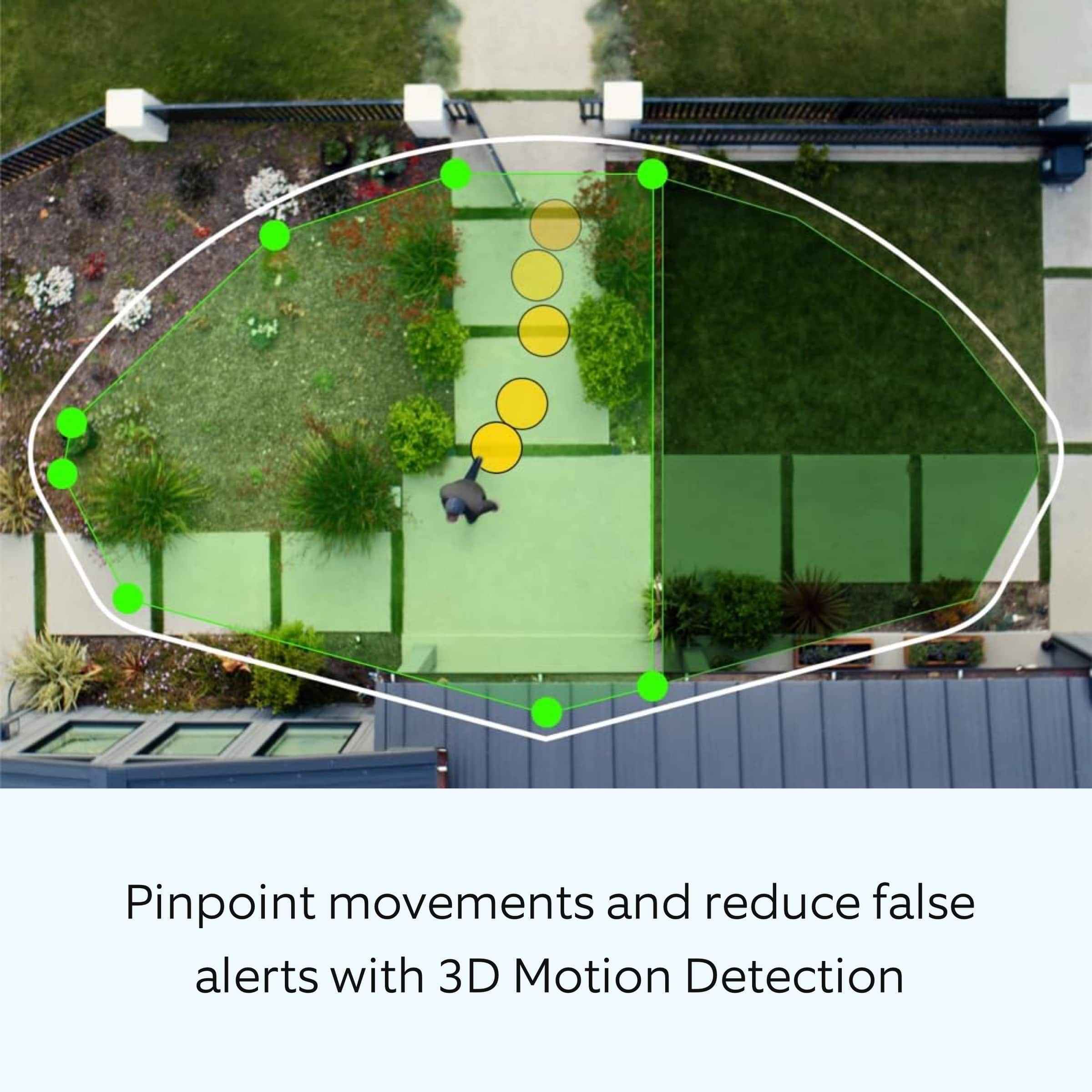
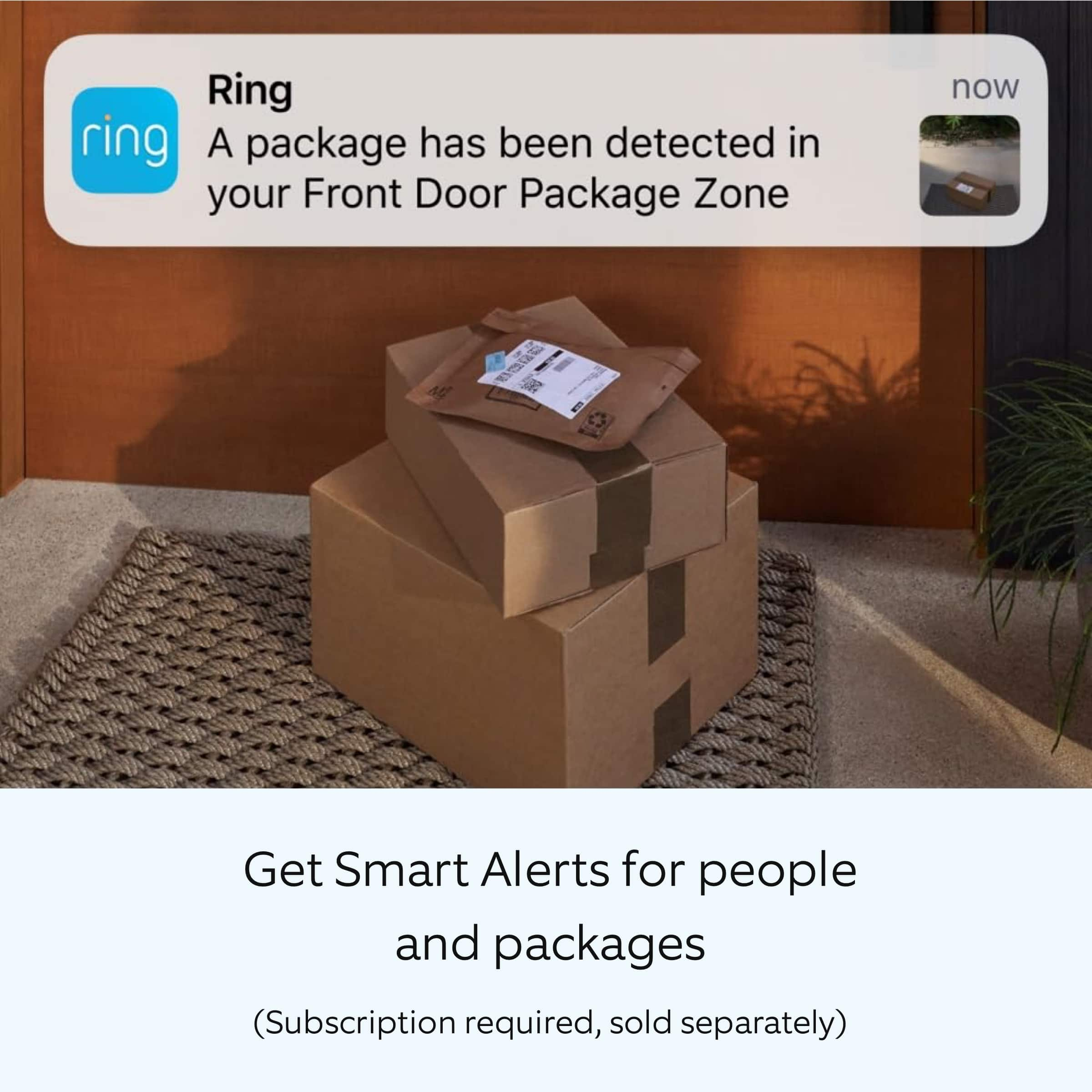
The Ring Pro introduces more sophisticated 3D motion detection with their Bird's Eye View feature, which creates an aerial map showing how visitors moved around your property. It also includes package detection, which can specifically alert you when deliveries arrive.
Ring's integration with the Amazon ecosystem is comprehensive, offering seamless Alexa voice control and compatibility with other Ring devices. You can view your doorbell feed on Echo Show devices or Fire TVs, and even connect it with Ring's alarm system.
Reolink works with Google Home for basic voice commands and video streaming to Google devices. While more limited, this covers the essential features most users need.
Both doorbells handle low-light conditions well, but differently. Reolink uses traditional infrared LEDs with color night vision capabilities. Ring's Low-Light Sight technology takes advantage of ambient light from street lamps or landscape lighting to maintain color video in near-dark conditions, while their zonal infrared LEDs automatically adjust to reduce glare.
Audio quality is crucial for doorbell communication. Both devices offer two-way audio with noise reduction, but Reolink adds echo suppression technology. Ring's Audio+ system provides particularly clear and natural-sounding communication.
Choose the Reolink Smart Wi-Fi Video Doorbell if:
Choose the Ring Battery Doorbell Pro if:
Both devices represent significant improvements over previous generations of video doorbells. The Reolink offers exceptional value and high-quality basics without recurring costs, while the Ring Pro provides premium features and ecosystem integration at a higher price point. Your choice ultimately depends on your specific needs and preferences regarding installation, storage, and smart home integration.
Remember that both companies regularly update their app software, adding new features and improving performance. While hardware capabilities remain fixed, the user experience often improves over time through these updates.
| Reolink Smart Wi-Fi Video Doorbell Wired Chime | Ring Battery Doorbell Pro |
|---|---|
| Price - Total cost of ownership impacts long-term value | |
| $89.99, no subscription required | $149.99 + $3.99/month subscription |
| Video Resolution - Higher resolution means clearer details | |
| 2560x1920 (5MP) at 20fps | 1536p HD+ at 20fps |
| Field of View - Wider angles capture more of your entryway | |
| 180° diagonal (134° horizontal, 97° vertical) | 150° horizontal, 150° vertical |
| Power Source - Affects installation flexibility | |
| Hardwired only (12-24VAC) | Battery or hardwired (8-24VAC) |
| Storage Options - Impacts ongoing costs and accessibility | |
| Local microSD up to 256GB, NVR compatible | Cloud storage only (subscription required) |
| Motion Detection - Better detection reduces false alerts | |
| AI person detection, customizable zones | 3D Motion, Bird's Eye View, package detection |
| Night Vision - Critical for 24/7 monitoring | |
| IR LED with color night vision | Color night vision with adaptive IR LEDs |
| Smart Home Integration - Affects ecosystem compatibility | |
| Google Home compatible | Full Amazon Alexa ecosystem, Ring integration |
| Audio Features - Important for visitor interaction | |
| Two-way audio with echo suppression | Two-way audio with Audio+ noise cancellation |
| Installation Requirements - Consider setup complexity | |
| Professional installation recommended, existing doorbell wiring required | DIY-friendly, no wiring needed for battery option |
| Operating Temperature - Ensures reliable operation | |
| -10°C to 50°C (14°F to 122°F) | -20°C to 50°C (-4°F to 122°F) |
| Additional Features - Extra capabilities add value | |
| 6-second pre-recording, customizable voice replies | Package alerts, Quick Replies, Bird's Eye mapping |
The $89.99 Reolink Smart Wi-Fi Video Doorbell offers better value and higher resolution, while the $149.99 Ring Battery Doorbell Pro provides more advanced features and flexibility. Reolink is better for those wanting no subscription fees, while Ring excels in smart home integration.
The Reolink doorbell requires no subscription and uses local storage. The Ring doorbell requires a $3.99/month subscription for video recording and advanced features.
The Reolink offers higher resolution at 5MP (2560x1920), while Ring provides 1536p HD+. Both deliver clear video, but Reolink has a slight edge in detail clarity.
Neither doorbell works without Wi-Fi. Both require internet connection for basic functionality, though the Reolink can still record to local storage during internet outages.
The Ring Battery Pro is easier to install since it can run on battery power. The Reolink requires hardwiring to existing doorbell wiring, which might need professional installation.
The Ring doorbell works seamlessly with Alexa and the Amazon ecosystem. The Reolink works with Google Home but has limited Alexa compatibility.
Both offer color night vision, but Ring's adaptive IR LEDs and Low-Light Sight technology generally provide better low-light performance.
Both can show packages, but the Ring Pro includes specific package detection alerts. The Reolink's higher resolution helps in seeing package details clearly.
The Ring Pro's battery typically lasts 2-4 weeks between charges. The Reolink is hardwired only and doesn't use batteries.
The Reolink doorbell supports microSD cards up to 256GB for local storage. The Ring Pro requires cloud storage through their subscription service.
Ring offers more advanced motion detection with 3D Motion Detection and Bird's Eye View mapping. Reolink provides basic person detection and customizable zones.
Both work in cold conditions, with Ring operating from -20°C to 50°C and Reolink from -10°C to 50°C. Both are suitable for most climates.
We've done our best to create useful and informative comparisons to help you decide what product to buy. Our research uses advanced automated methods to create this comparison and perfection is not possible - please contact us for corrections or questions. These are the sites we've researched in the creation of this article: connectit.ie - odpbusiness.com - bestbuy.com - officedepot.com - youtube.com - bensoftware.com - reolink.com - bhphotovideo.com - reviewed.com - blackwiredesigns.com - youtube.com - bestbuy.com - pcrichard.com - abt.com - sa-en.ring.com - target.com - staples.com - ae-en.ring.com - the.gearbrain.com

Privacy Policy
Terms and Conditions - Affiliate Policy
Home Security
© Copyright 2008-2026.
11816 Inwood Rd #1211, Dallas, TX 75244