

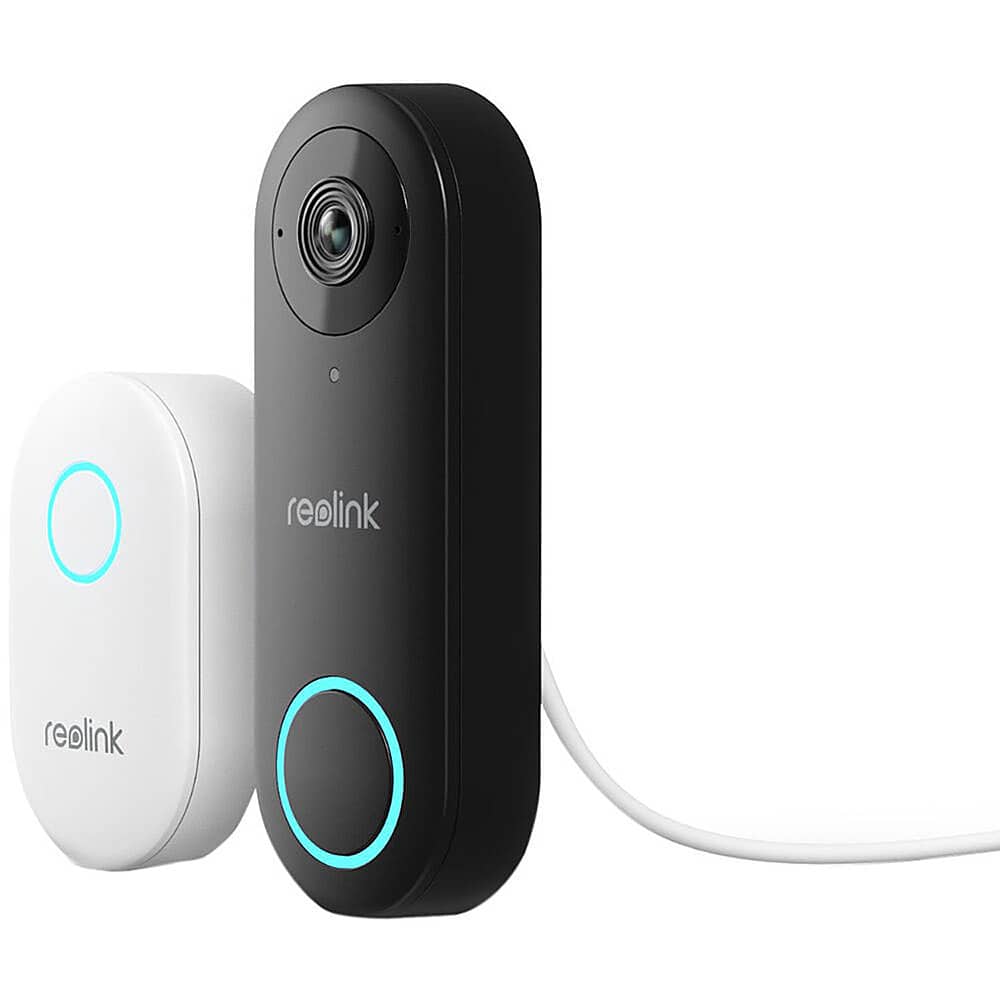
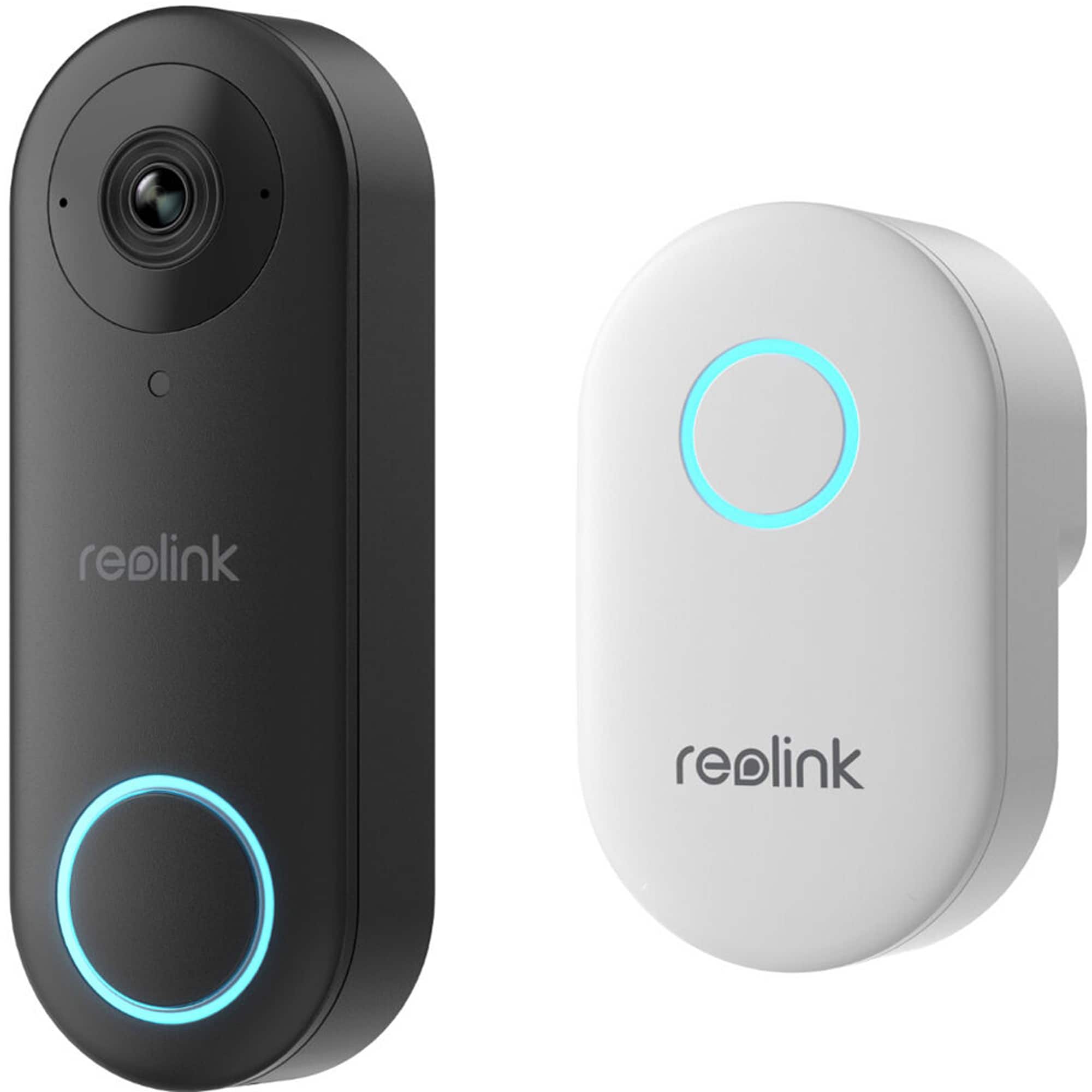
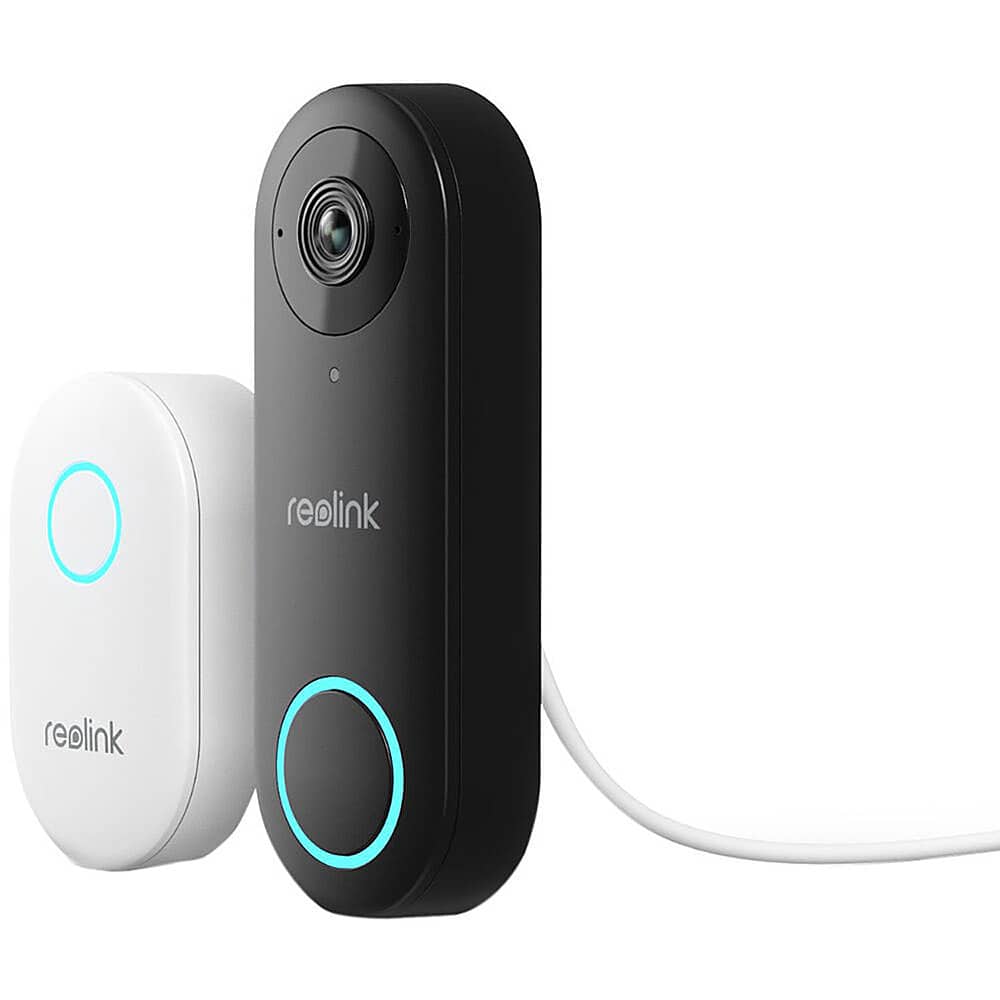
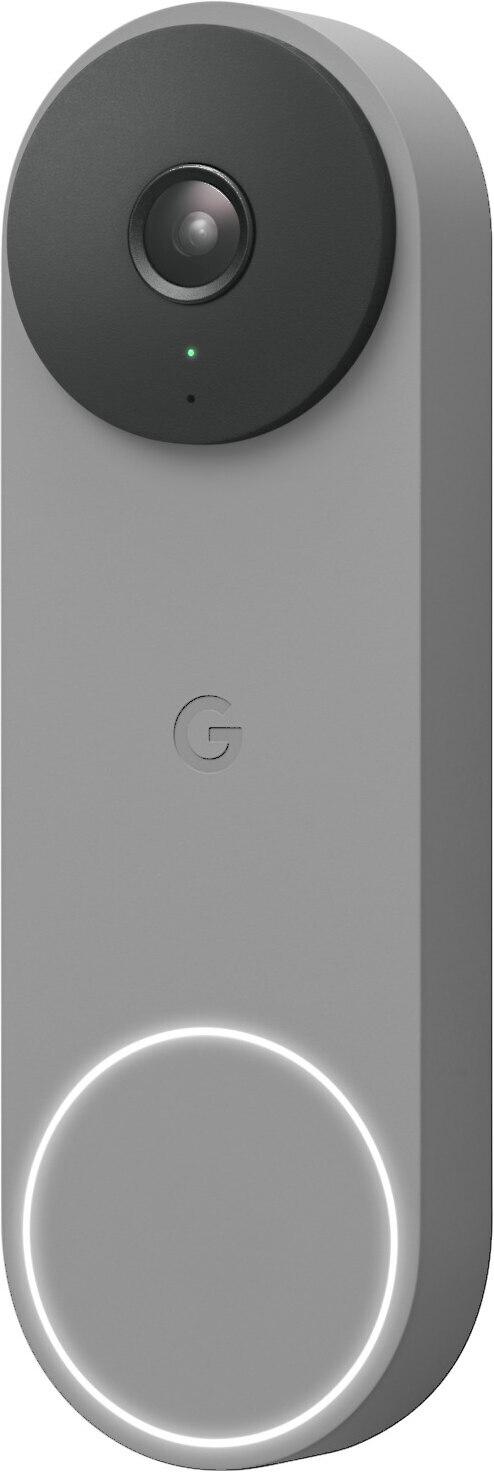
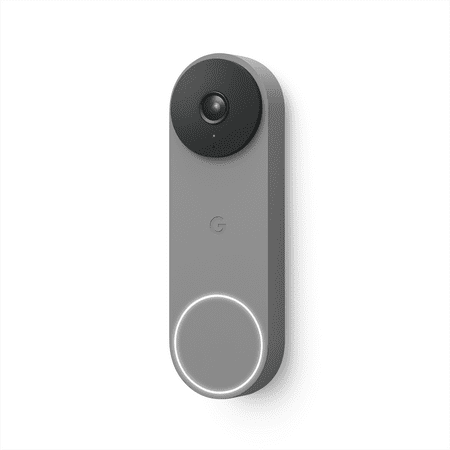
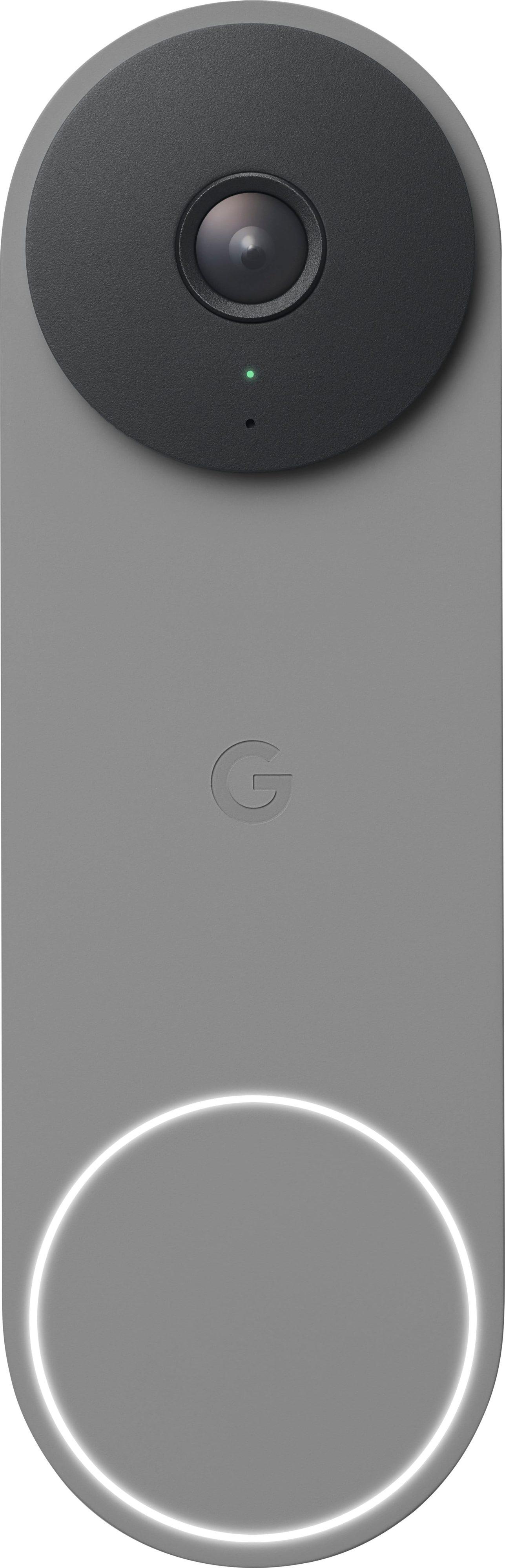

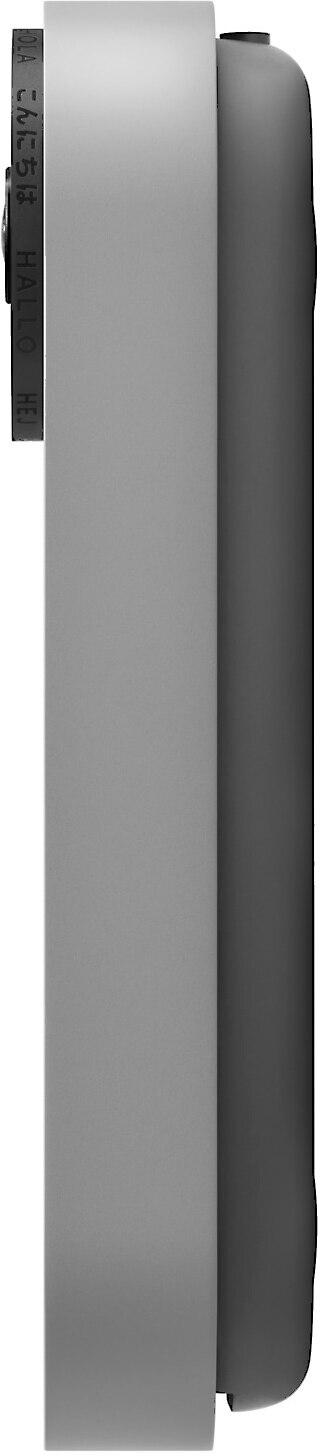
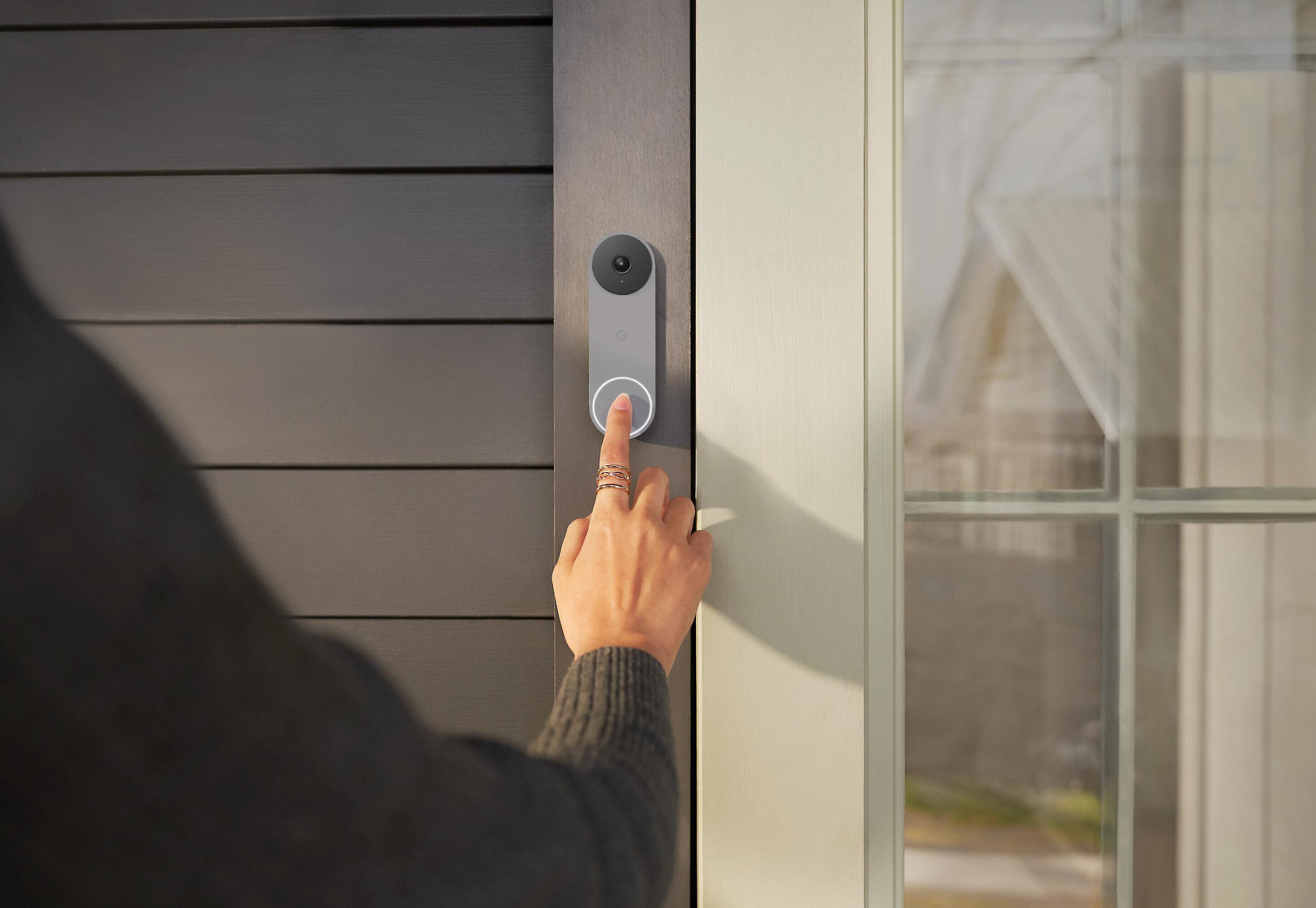

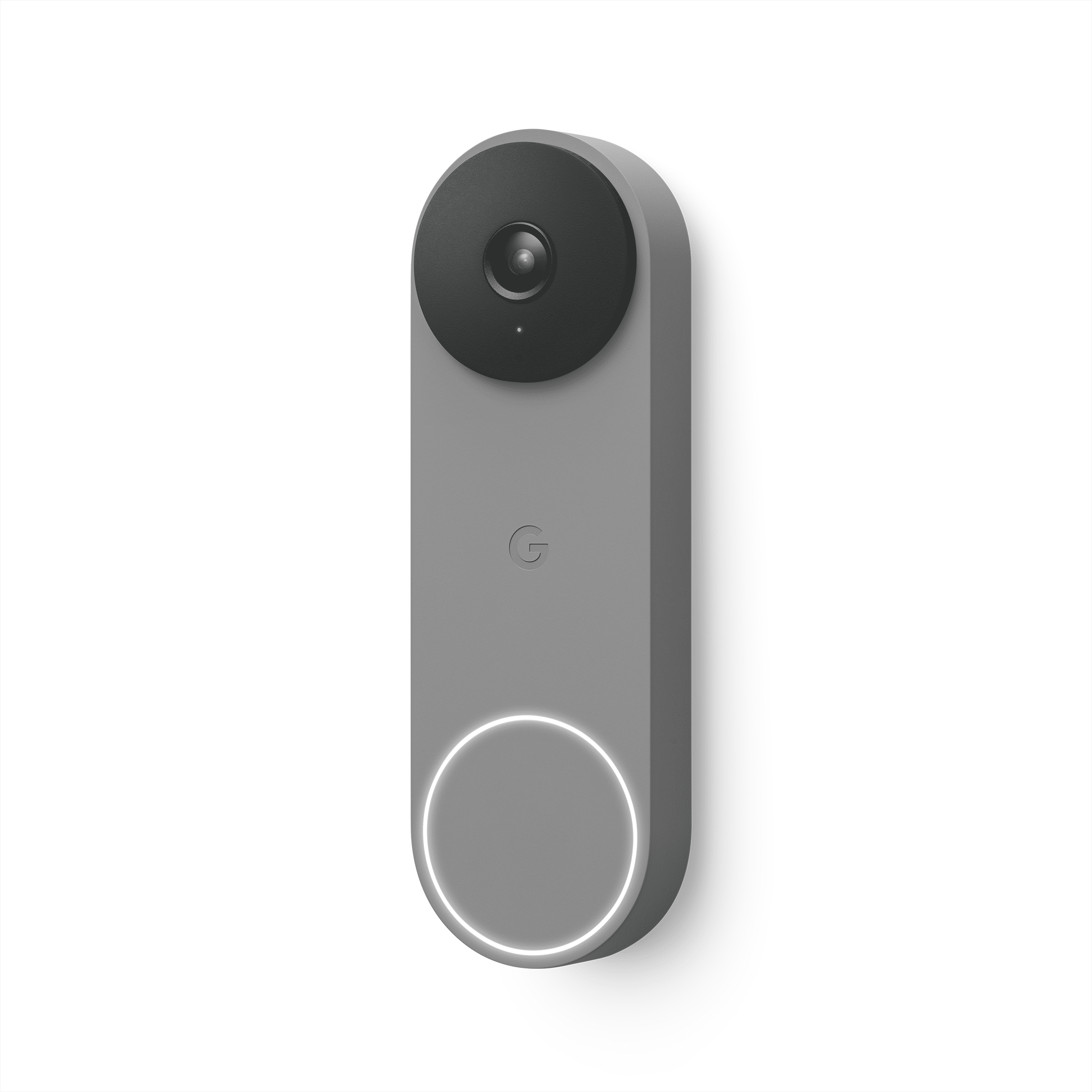


In the rapidly evolving world of smart home security, video doorbells have become essential devices for monitoring your entryway. Today, we'll compare two popular options: the $89.99 Reolink Smart Wi-Fi Video Doorbell and the $153.38 Google Nest Doorbell Wired 2nd Gen.
Video doorbells serve as your digital doorman, combining a traditional doorbell with a security camera, two-way audio, and smart notifications. They've evolved from simple video intercoms to sophisticated AI-powered devices that can distinguish between people, packages, and vehicles.
The Reolink doorbell leads with an impressive 5-megapixel sensor capturing 2560x1920 resolution footage. In practical terms, this means you'll see crisp details like package labels or facial features more clearly. The Nest doorbell offers 1600x1200 resolution, which, while lower on paper, benefits from Google's excellent image processing.
What's fascinating is how these devices handle challenging lighting conditions. Both use HDR (High Dynamic Range) technology, which combines multiple exposures to show details in both bright and dark areas simultaneously. The Reolink's higher resolution gives it an edge in daylight, but Google's advanced processing helps the Nest perform particularly well in tricky lighting situations.
With a 180-degree diagonal field of view, the Reolink provides slightly wider coverage than Nest's 160 degrees. This difference becomes noticeable when monitoring wide porches or capturing activity at the edges of your entryway. Both devices use distortion correction to prevent the fisheye effect common in wide-angle lenses.
Both doorbells employ infrared LEDs for night vision, but they take different approaches. The Reolink uses higher-powered IR illumination reaching up to 33 feet, while the Nest focuses on balanced illumination across its field of view. In testing, both perform admirably after dark, though the Reolink's higher resolution can capture more detail in night mode.
The intelligence built into these devices sets them apart from traditional security cameras. The Nest doorbell showcases Google's AI expertise with sophisticated detection algorithms that can differentiate between people, packages, vehicles, and even animals. It learns over time to reduce false alerts and can recognize familiar faces with a Nest Aware subscription.
The Reolink system offers person, package, and vehicle detection without requiring a subscription. While its AI may not be quite as refined as Google's, it provides reliable alerts for most common scenarios.
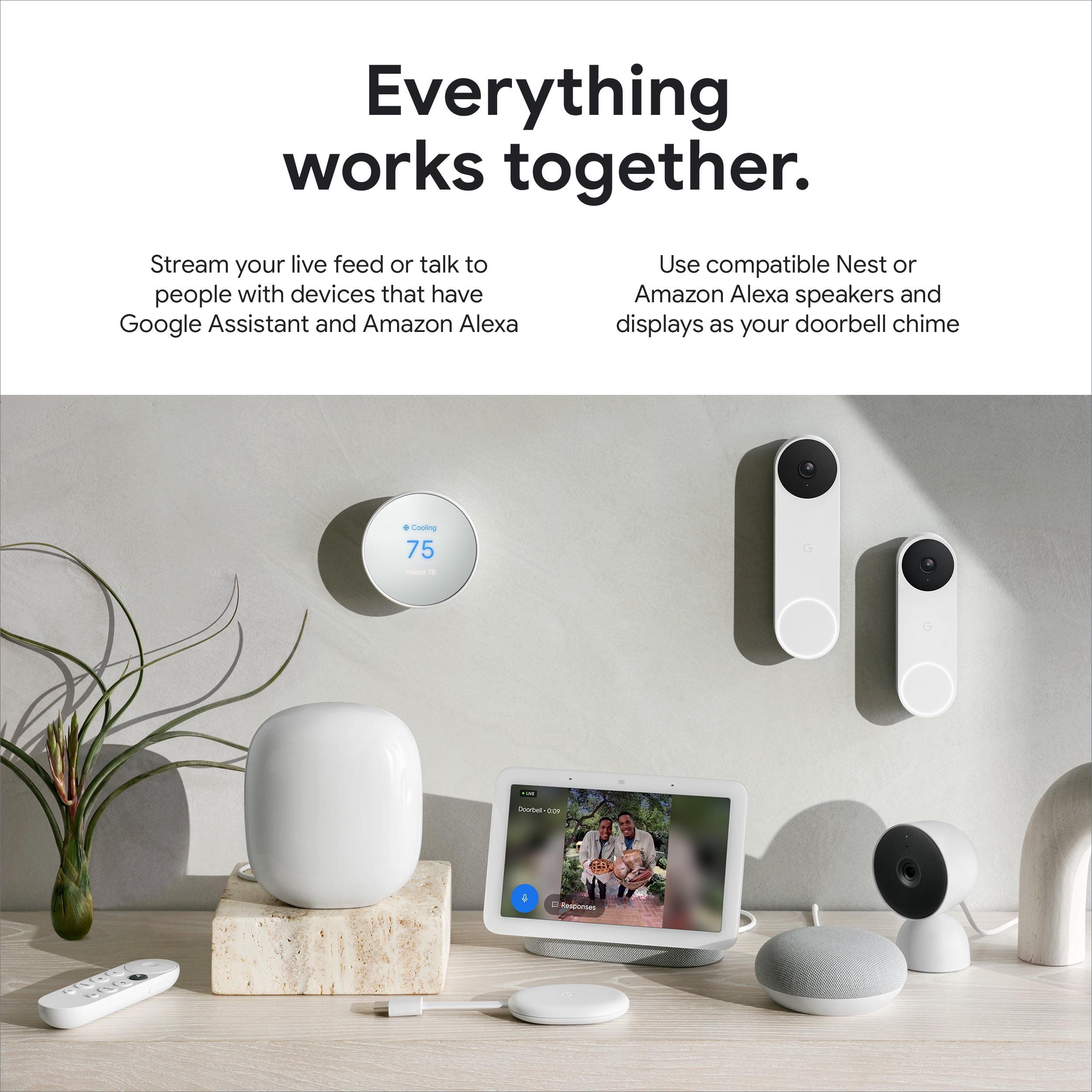
Google's Nest shines in ecosystem integration, especially if you're already invested in Google Home products. It can announce visitors through Google Home speakers, show live feeds on Chromecast-enabled displays, and work seamlessly with other Nest devices.
Reolink takes a more platform-agnostic approach, working with both Google Assistant and Amazon Alexa. While the integration isn't as deep as Nest's, it offers more flexibility for homes using multiple smart home platforms.
Storage approach represents one of the biggest differences between these devices. Reolink offers local storage via a microSD card (up to 256GB) alongside optional cloud storage. This means you can access your recordings without a subscription and maintain privacy by keeping data local.
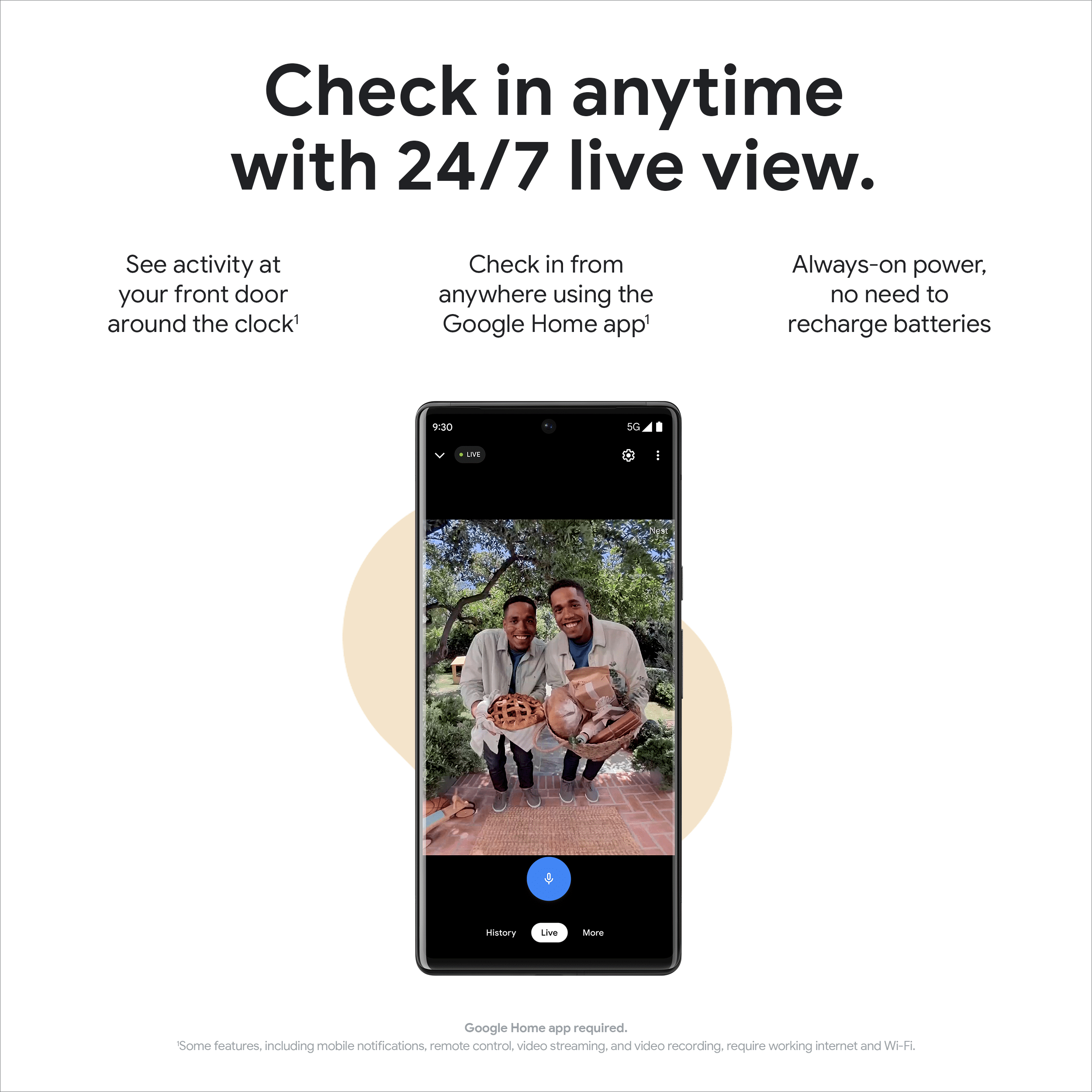
Nest relies entirely on cloud storage, offering just 3 hours of event history for free. To access more extended history and advanced features, you'll need a Nest Aware subscription starting at $6/month.
While the Reolink doorbell costs significantly less upfront ($89.99 vs $153.38), the real cost difference becomes more apparent when considering storage. Reolink's local storage option means no recurring fees, while Nest's cloud-dependent model requires ongoing subscription costs for full functionality.
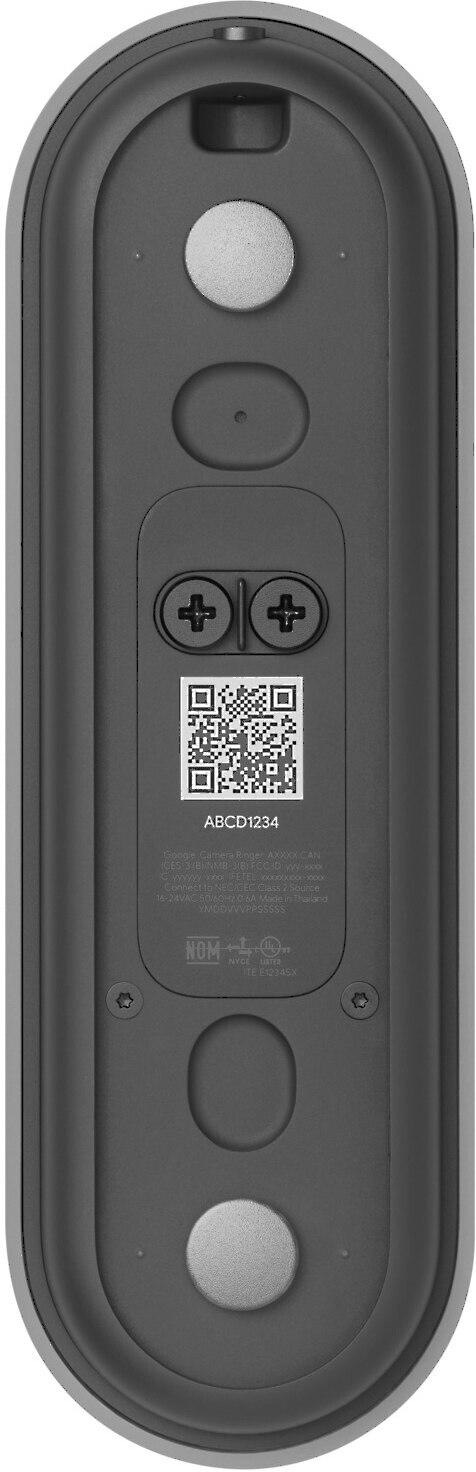
Both doorbells require hardwired installation, typically connecting to existing doorbell wiring (16-24V AC). The Reolink includes a plug-in chime, while the Nest works with your existing mechanical or digital chime. Installation difficulty is comparable, though Nest's setup process feels more polished through the Google Home app.
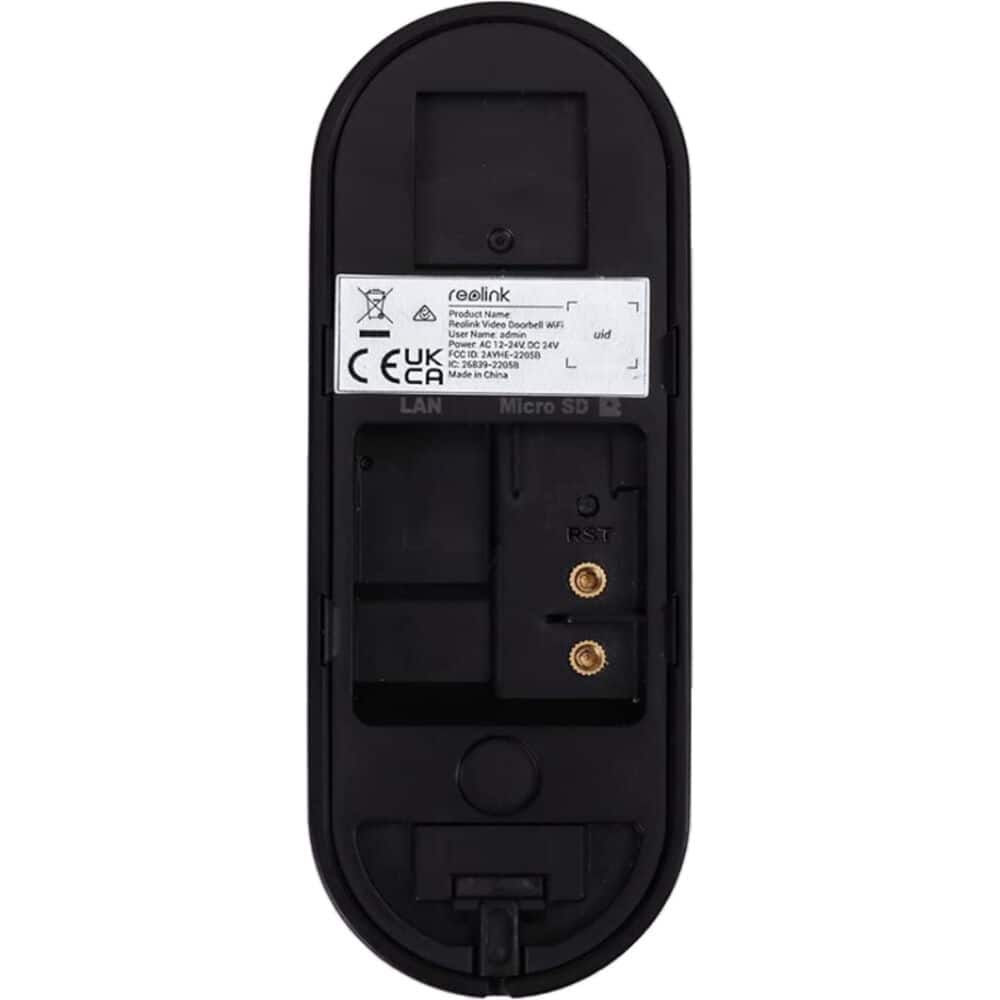
Both devices need consistent power for optimal performance. The Reolink's wider voltage range offers more flexibility with existing doorbell transformers.
Both doorbells support dual-band Wi-Fi (2.4GHz and 5GHz), but the Reolink adds the option of Power over Ethernet (PoE) for more reliable connectivity. This can be a significant advantage in homes with weak Wi-Fi signals near the front door.
Both companies regularly update their devices' firmware, adding features and improving performance. Google's strong software development track record suggests the Nest will continue to receive meaningful updates, while Reolink's hardware-focused approach provides a solid foundation for future improvements.
The choice between the Reolink Smart Wi-Fi Video Doorbell and Google Nest Doorbell ultimately depends on your priorities. The Reolink offers superior hardware specifications and value, especially for those preferring local storage. The Nest provides a more refined software experience and deeper smart home integration, particularly within the Google ecosystem.
Consider your existing smart home setup, storage preferences, and whether you're willing to pay ongoing subscription costs. Both devices excel at their core function of monitoring your doorstep, but they take different approaches to achieve this goal.
| Reolink Smart Wi-Fi Video Doorbell Wired Chime | Google Nest Doorbell Wired 2nd Gen |
|---|---|
| Price - Base cost before any subscriptions | |
| $89.99 (better value for hardware specs) | $153.38 (premium for software features) |
| Video Resolution - Affects ability to see details like faces and packages | |
| 2560x1920 (5MP) - Noticeably sharper image | 1600x1200 (2MP) - Good but lower resolution |
| Field of View - Determines how much of your entryway is visible | |
| 180° diagonal - Widest available coverage | 160° diagonal - Very good coverage |
| Storage Options - Impacts ongoing costs and privacy | |
| Local microSD (up to 256GB) + optional cloud | Cloud only (3 hours free, subscription needed) |
| AI Detection - Ability to identify different types of motion | |
| Person, package, and vehicle detection included | Advanced AI with additional categories, better accuracy |
| Smart Home Integration - Compatibility with other devices | |
| Basic Alexa/Google Assistant support | Deep Google Home integration, advanced features |
| Power Requirements - Affects compatibility with existing doorbell systems | |
| 12-24VAC 50/60Hz, 24VDC (more flexible) | 16V-24VAC, 10VA minimum |
| Wi-Fi Connectivity - Impacts reliability and setup options | |
| Dual-band 2.4/5GHz + PoE option | Dual-band 2.4/5GHz only |
| Night Vision - Quality of after-dark monitoring | |
| IR LED up to 33ft range, 5MP resolution | IR LED (range unspecified), HDR enhancement |
| Subscription Requirements - Long-term cost consideration | |
| No subscription required for core features | Subscription needed for extended history/features |
The $89.99 Reolink Smart Wi-Fi Video Doorbell offers better hardware specs and value, while the $153.38 Google Nest Doorbell provides superior AI features and ecosystem integration. Choose Reolink for better video quality and local storage, or Nest for advanced smart features.
The Reolink doorbell has superior video quality with 2560x1920 (5MP) resolution, compared to the Nest's 1600x1200 (2MP). This means clearer, more detailed images when viewing footage.
The Reolink doesn't require a subscription and offers local storage via microSD card. The Nest Doorbell needs a subscription for features beyond the basic 3-hour cloud storage window.
Yes, both doorbells work with standard doorbell wiring. The Reolink accepts 12-24VAC, while the Nest requires 16-24VAC, making the Reolink more flexible for various setups.
The Nest Doorbell offers deeper integration with Google Home ecosystem. The Reolink works with both Google Assistant and Alexa but with more basic functionality.
The Reolink doorbell costs $89.99, while the Nest doorbell is priced at $153.38. Consider additional subscription costs for the Nest when comparing total ownership costs.
The Nest offers more advanced AI detection with better accuracy and more categories. The Reolink provides basic person, package, and vehicle detection that works well for most situations.
Yes, both doorbells support dual-band Wi-Fi (2.4GHz and 5GHz). The Reolink also offers a Power over Ethernet option for more reliable connectivity.
Both require similar hardwired installation. The Nest offers a more polished setup process through the Google Home app, while the Reolink includes a plug-in chime.
While both can be DIY installed if you're comfortable with basic electrical work, professional installation is recommended if you're not familiar with doorbell wiring or don't have existing doorbell infrastructure.
We've done our best to create useful and informative comparisons to help you decide what product to buy. Our research uses advanced automated methods to create this comparison and perfection is not possible - please contact us for corrections or questions. These are the sites we've researched in the creation of this article: connectit.ie - odpbusiness.com - bestbuy.com - officedepot.com - youtube.com - bensoftware.com - reolink.com - bhphotovideo.com - bestbuy.com - consumerreports.org - youtube.com - the5krunner.com - camelcamelcamel.com - support.google.com - security.org - youtube.com - bestbuy.com - wasserstein-home.com - googlenestcommunity.com - googlenestcommunity.com - support.google.com

Privacy Policy
Terms and Conditions - Affiliate Policy
Home Security
© Copyright 2008-2026.
11816 Inwood Rd #1211, Dallas, TX 75244