

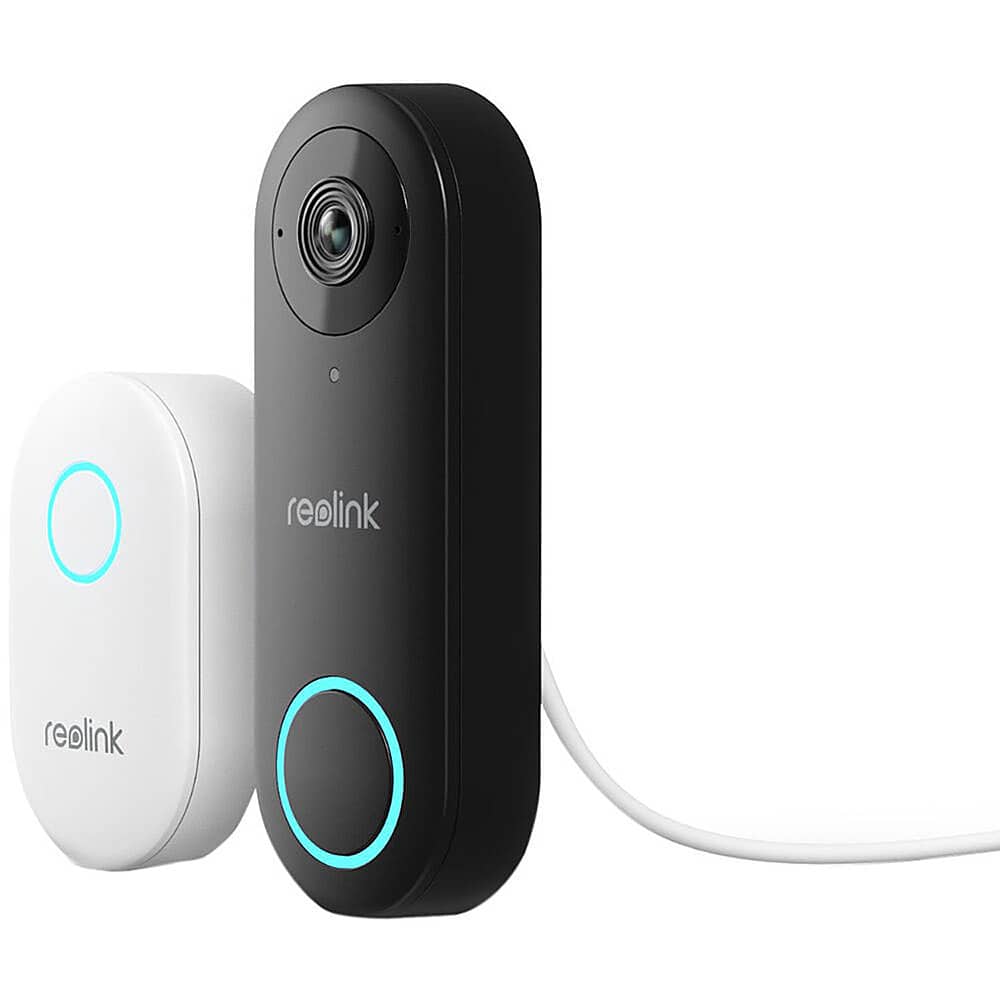
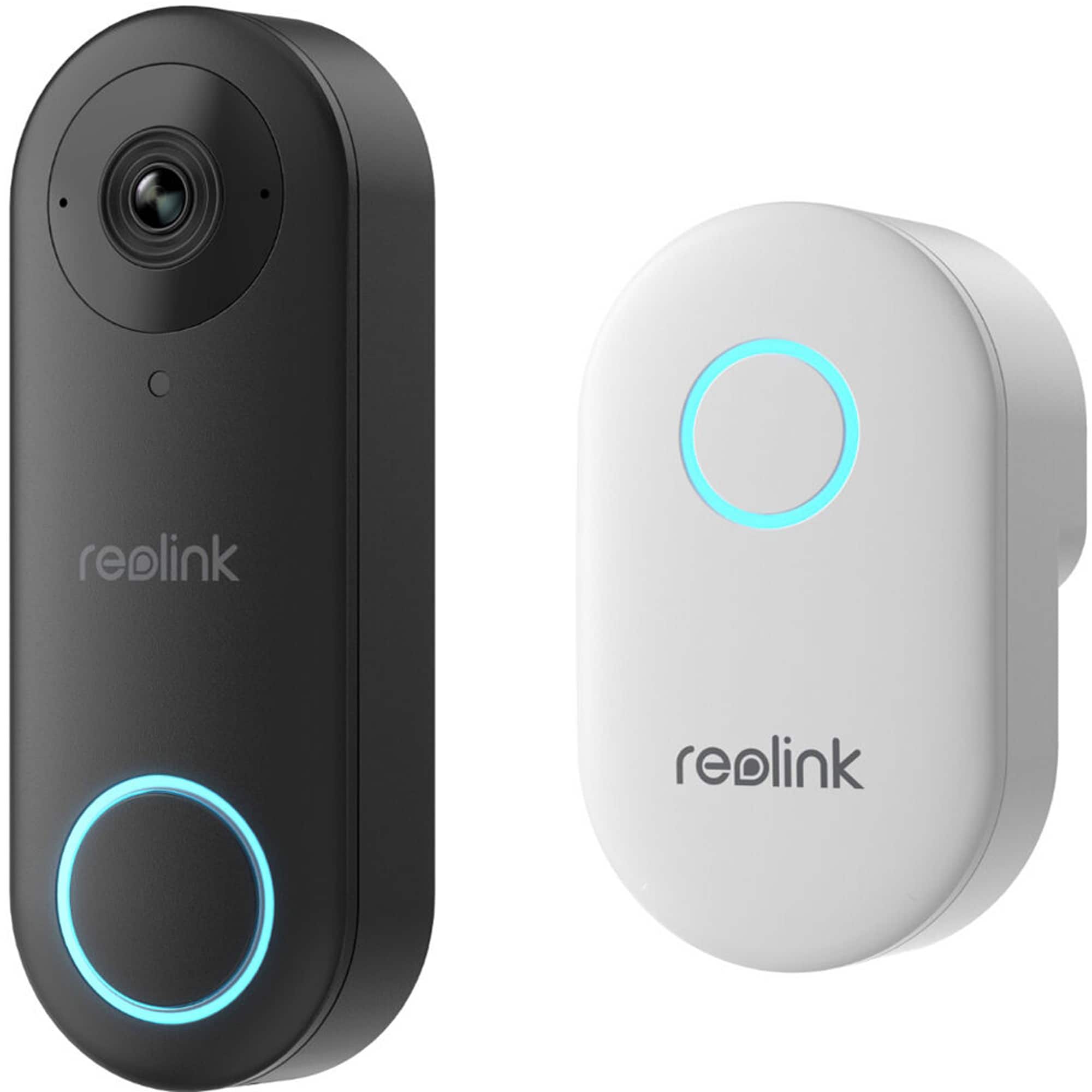
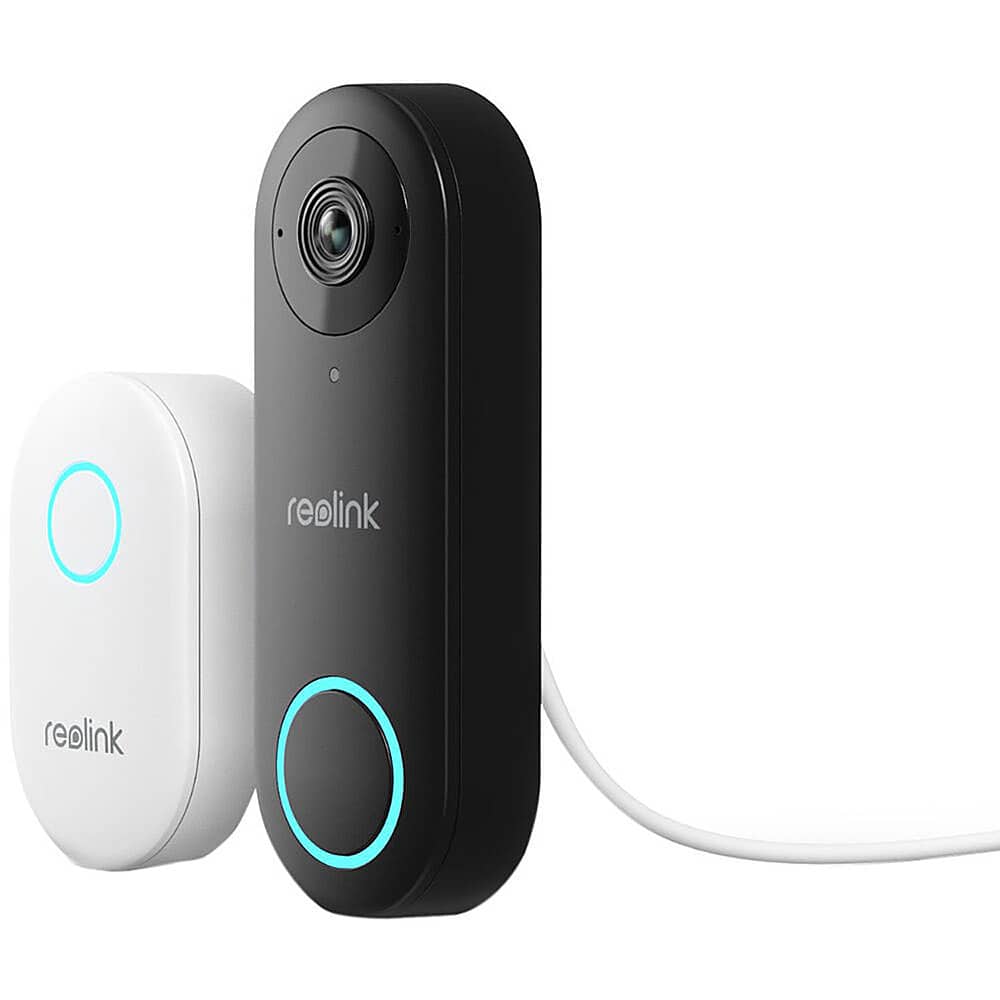
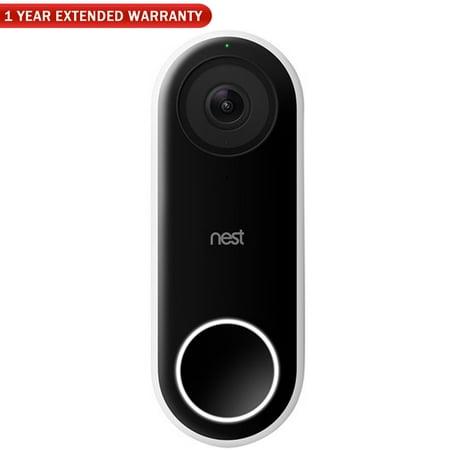
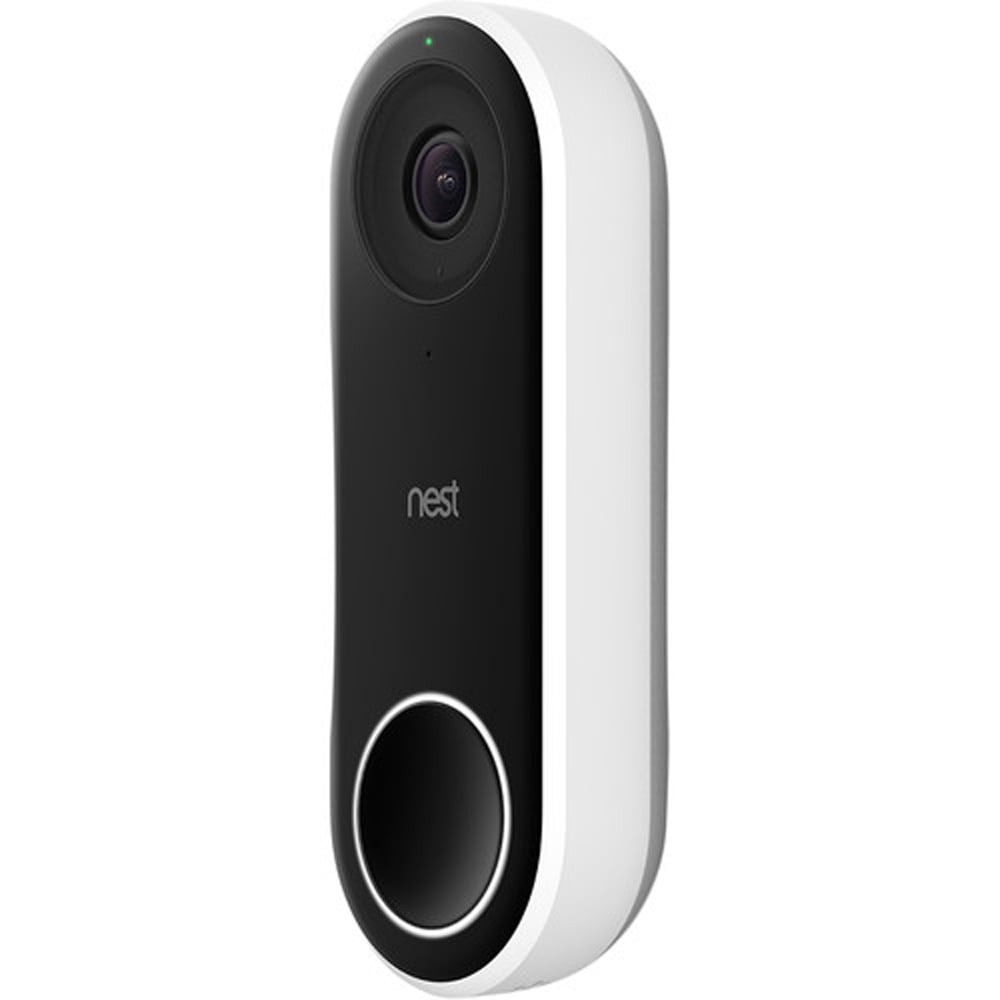
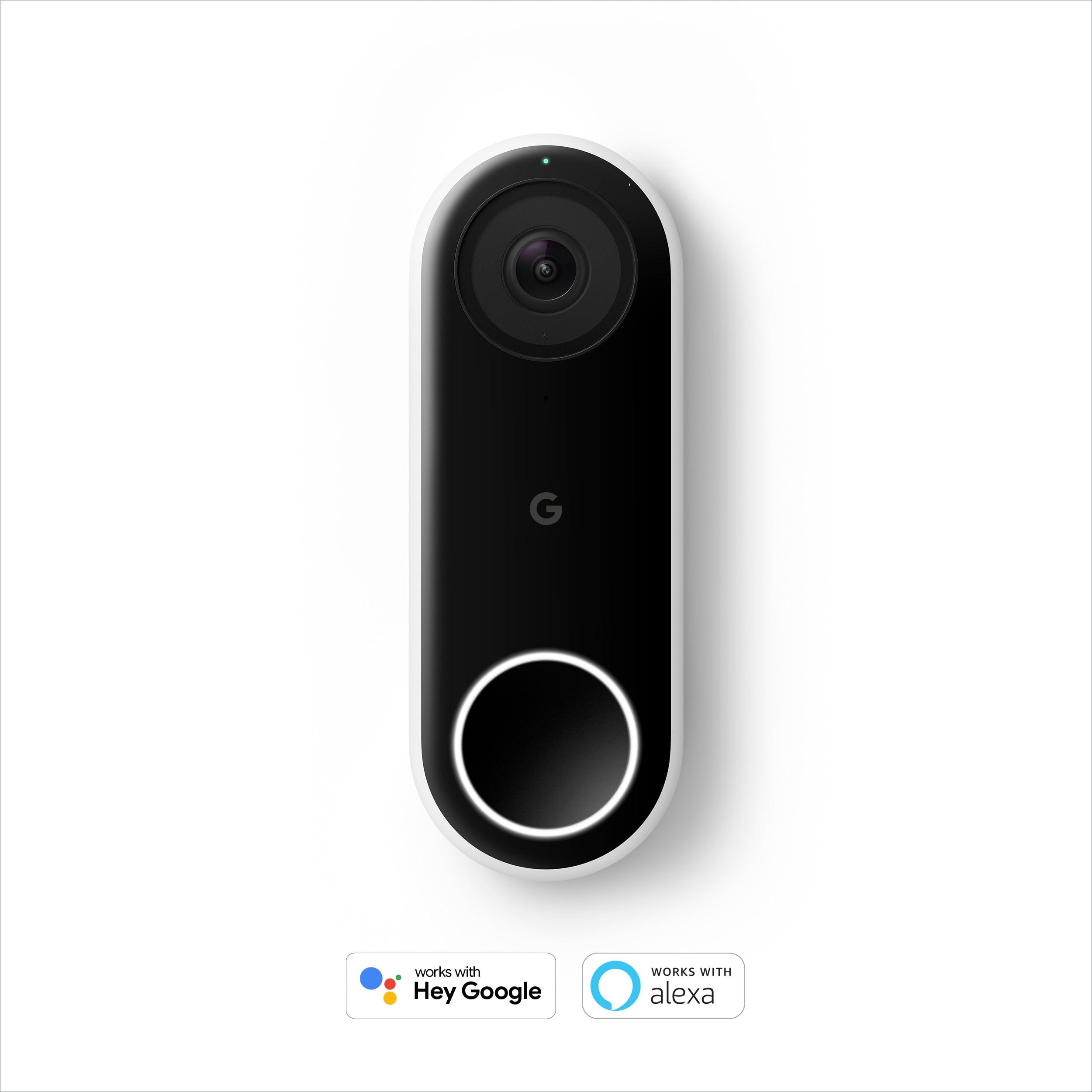
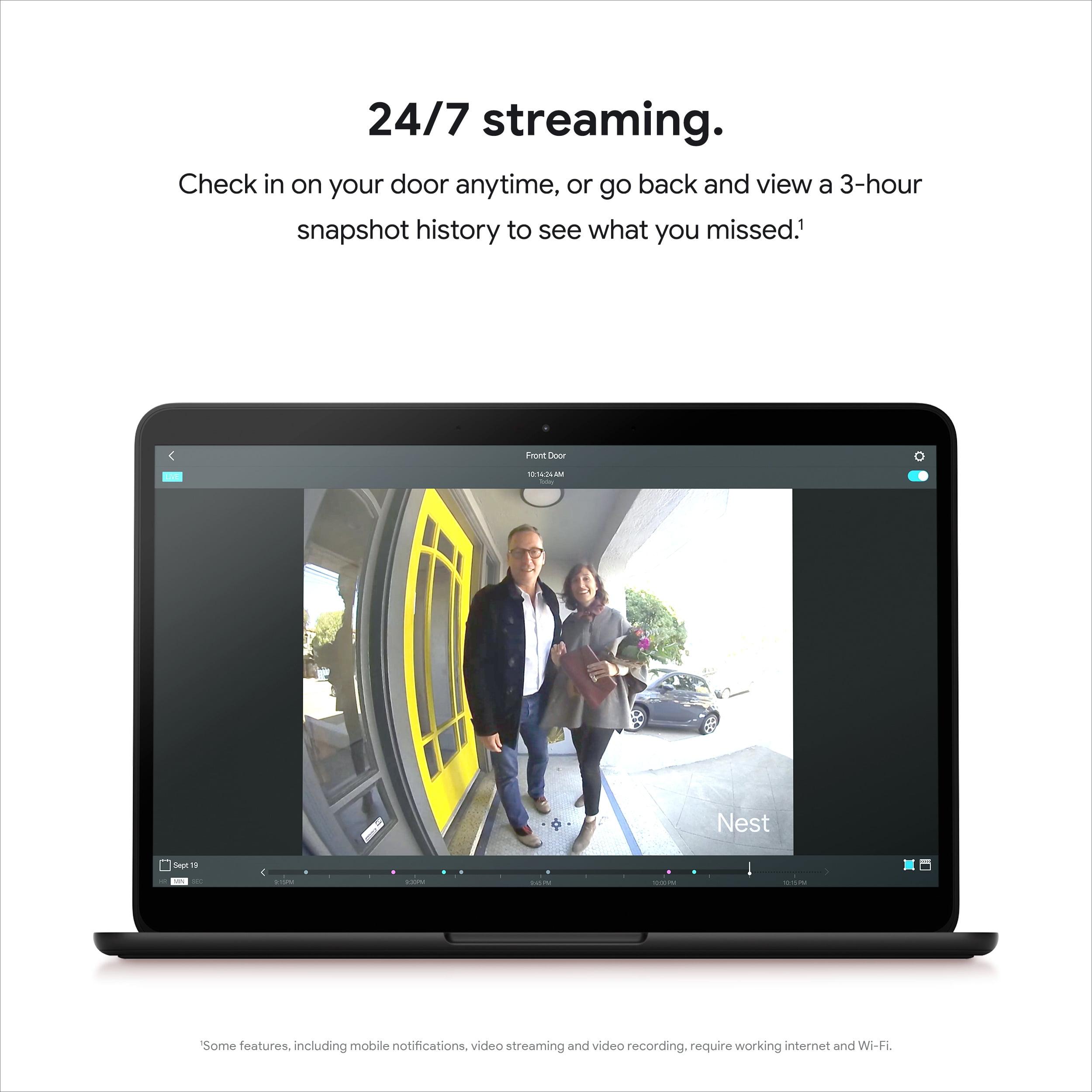
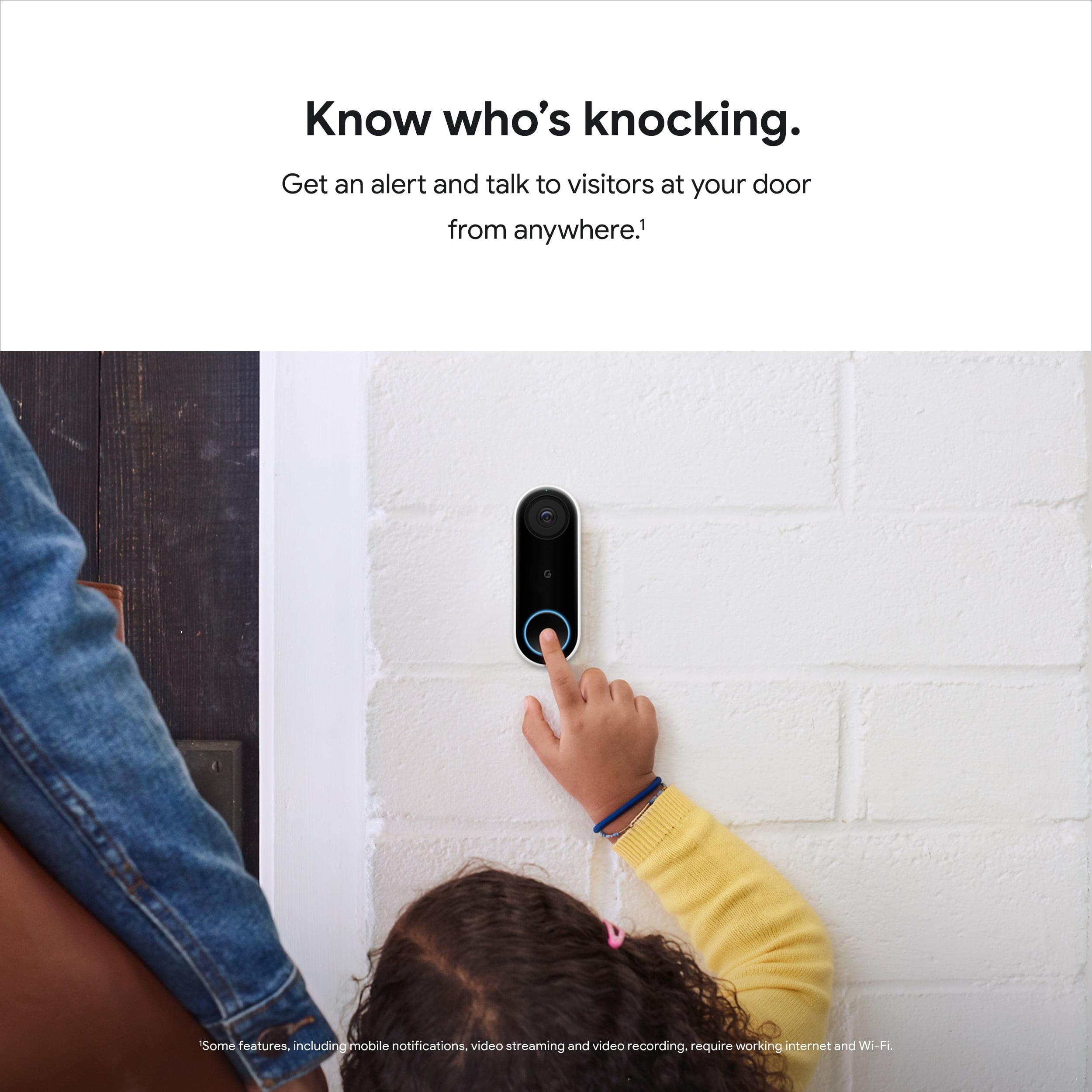
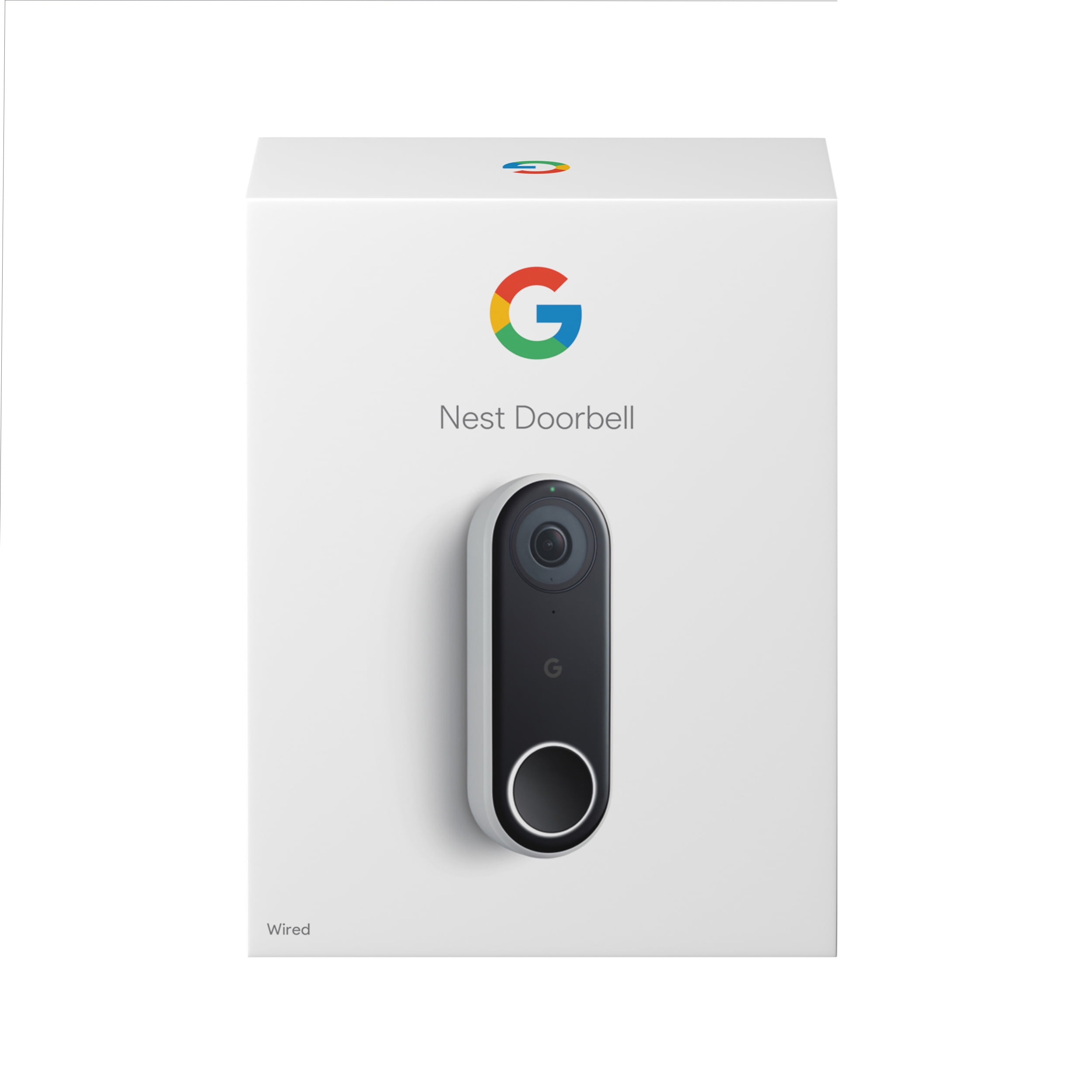
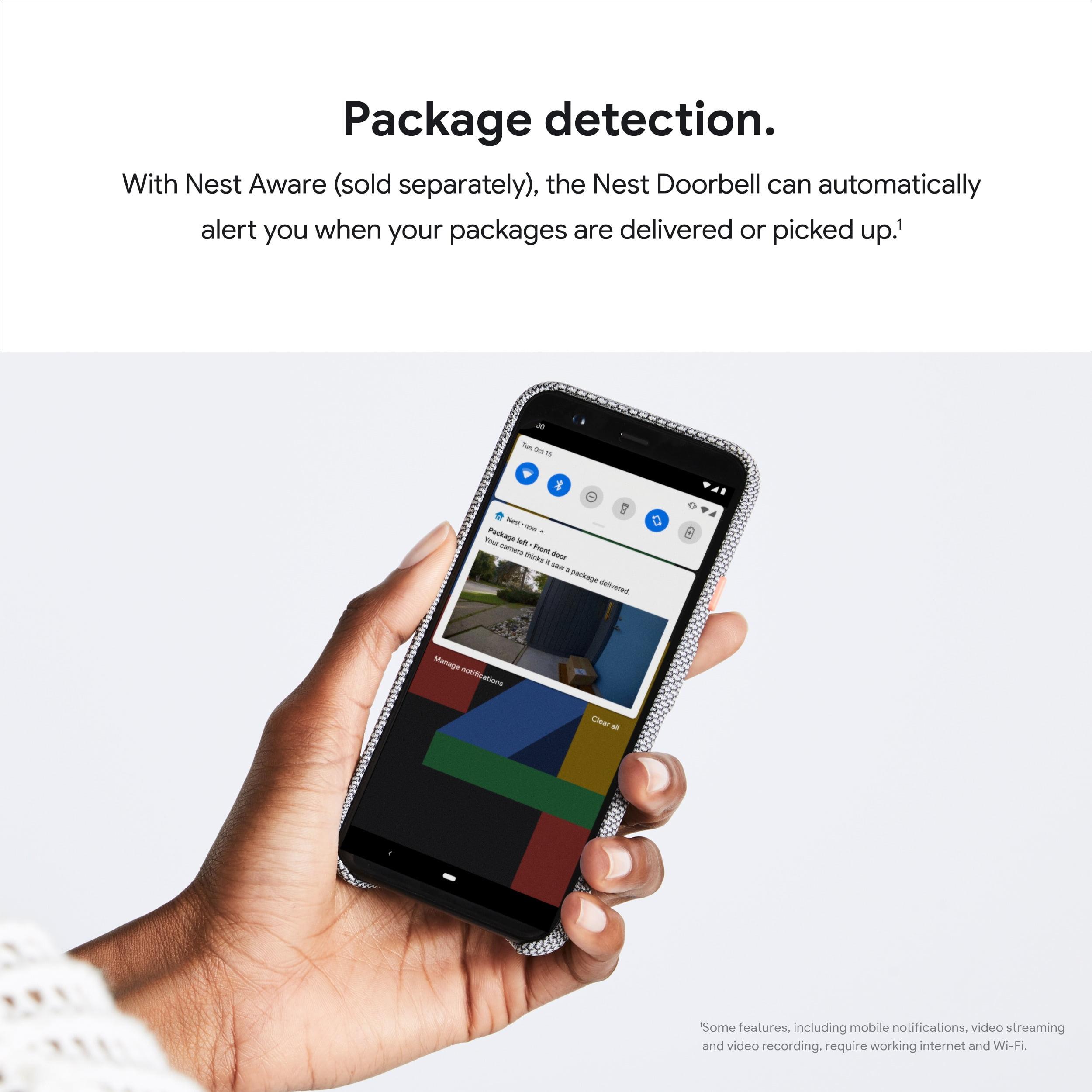
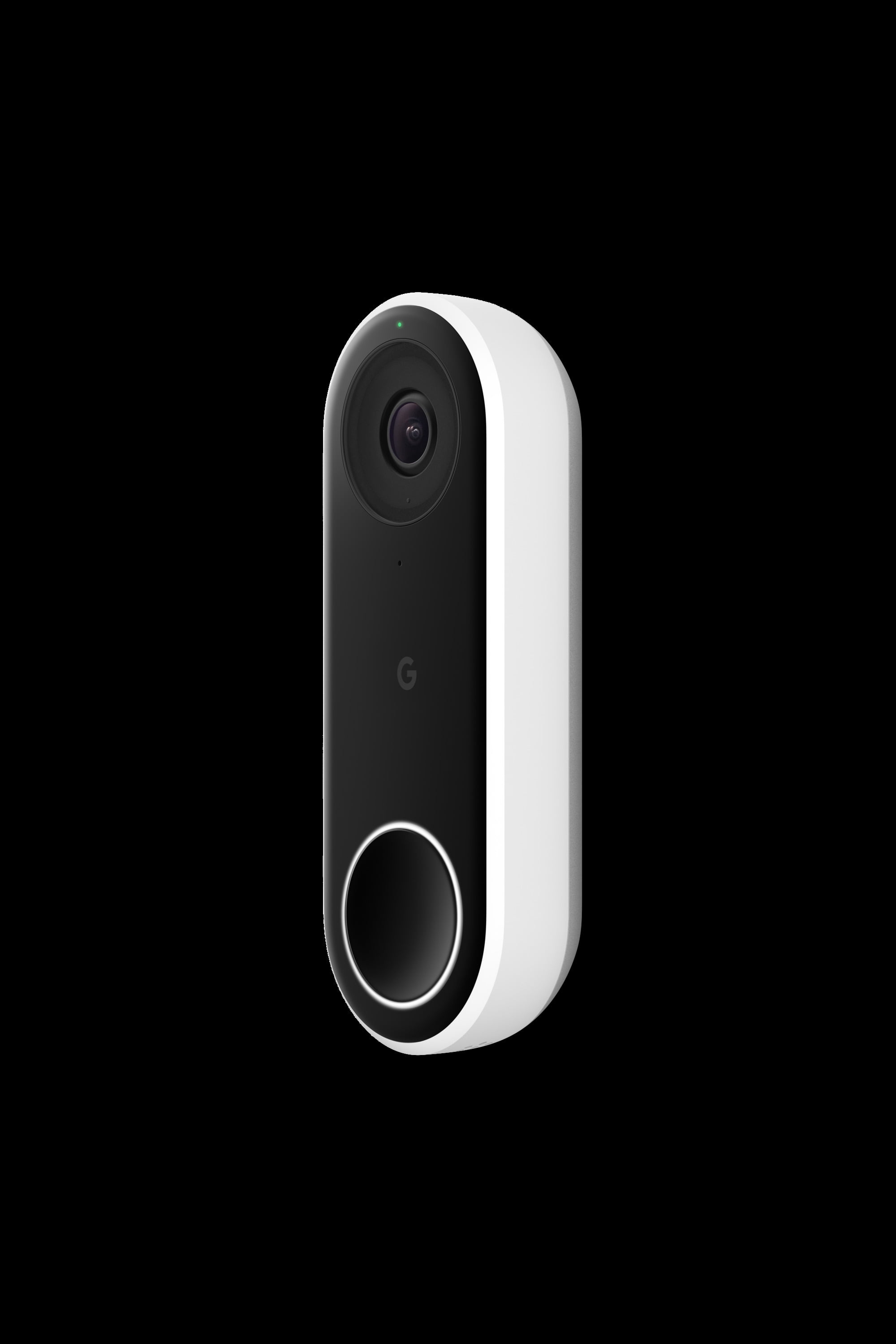

When Google Nest Hello launched in 2018, it revolutionized how we think about front door security. Fast forward to 2023, and the newer Reolink Smart Video Doorbell entered the market with impressive specifications at a lower price point. These devices have transformed the simple doorbell into an AI-powered security hub, but they take quite different approaches to this task.
Both doorbells use HD cameras, two-way audio, and advanced processing to protect your entryway. However, their implementations differ significantly in ways that affect daily use.
The Reolink doorbell's 2K+ resolution (2560x1920 pixels) provides noticeably more detail than the Nest Hello's HD+ (1600x1200 pixels) output. This difference becomes apparent when you need to read package labels or identify faces at a distance. While both cameras produce clear images, Reolink's higher resolution gives you about 60% more pixels to work with.
In practical terms, this means:
One of the most significant differences lies in how these devices handle video storage. The Reolink supports microSD cards up to 256GB, providing weeks of local storage without subscription fees. The Nest Hello, however, relies entirely on cloud storage, requiring a Nest Aware subscription for features beyond basic live viewing.
Local storage advantages:
Cloud storage benefits:
Both doorbells employ artificial intelligence for enhanced security, but their approaches differ substantially.
The Reolink includes free person, vehicle, and package detection without requiring a subscription. The AI processing happens locally, meaning faster response times and continued functionality even without internet connectivity.
The Nest Hello offers more sophisticated AI capabilities, including facial recognition and customizable activity zones, but these require a Nest Aware subscription. The facial recognition can learn frequent visitors and announce them by name through Google Home devices - a feature the Reolink lacks.
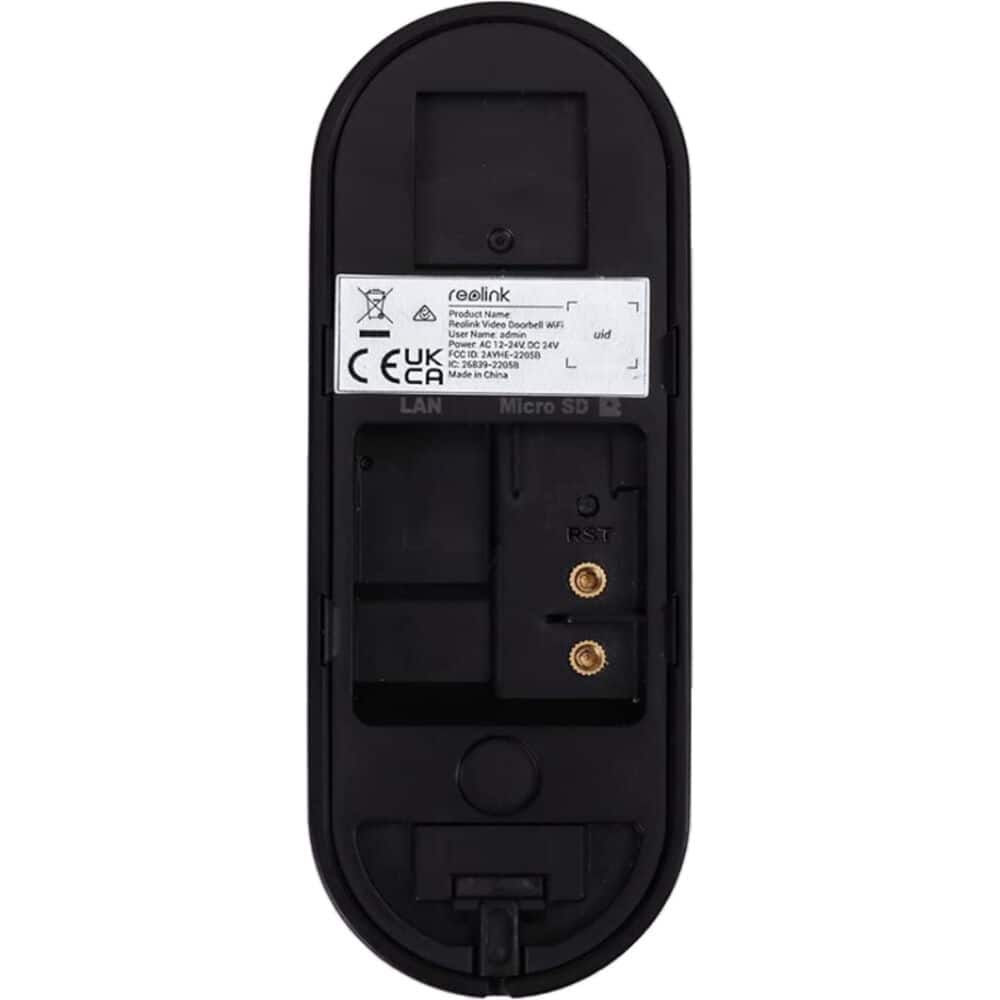
Both doorbells require hardwiring to existing doorbell wiring (16-24V AC), which might need professional installation for some homes. However, they differ in their smart home integration capabilities.
I've tested both systems in various lighting conditions. The Reolink's higher resolution is most noticeable during daylight hours, while the Nest Hello handles extreme contrast situations (like bright backlighting) more gracefully thanks to its HDR processing.
Both doorbells handle motion detection well, but they approach it differently:
Reolink:
Nest:
The real cost difference becomes apparent when considering subscriptions:
Reolink:
Nest:
The smart doorbell market continues to evolve. Reolink's newer entry shows how competition drives innovation and better value. The Reolink offers impressive hardware specs at a lower price point, while the Nest Hello maintains its edge in software sophistication and ecosystem integration.
For most users, the decision will come down to whether the Nest's premium features justify its higher total cost of ownership. The Reolink's superior resolution and free features make it an excellent value proposition, while the Nest's refined software experience and deeper integration might be worth the premium for Google Home enthusiasts.
| Reolink Smart Wi-Fi Video Doorbell | Google Nest Hello |
|---|---|
| Resolution - Higher resolution means clearer details for identifying people and reading packages | |
| 2560 x 1920 (5MP) - Significantly sharper image | 1600 x 1200 (2MP) - Good but noticeably lower detail |
| Field of View - Wider angle captures more of your entryway | |
| 180° diagonal - Excellent coverage | 160° diagonal - Good but slightly more limited |
| Storage Options - Affects ongoing costs and accessibility | |
| Local microSD (up to 256GB) + optional cloud | Cloud only with subscription required |
| AI Features - Important for reducing false alerts | |
| Person/vehicle/package detection included free | Advanced detection and facial recognition requires subscription |
| Night Vision - Critical for security after dark | |
| IR LED with 33ft range, clear B&W image | IR LED (range unspecified), good low-light performance |
| Power Requirements - Affects installation options | |
| 12-24VAC or 24VDC, requires hardwiring | 16-24VAC, requires hardwiring |
| Smart Home Integration - Important for automation | |
| Google Assistant, Alexa, ONVIF support | Deep Google integration, limited Alexa support |
| Price - Initial investment | |
| $89.99 - Better value for features | $119.99 + required subscription |
| Subscription Costs - Long-term ownership expense | |
| Optional cloud storage | $6-12/month required for full features |
| Build Quality & Durability - Long-term reliability | |
| Weather-resistant, newer design | Weather-resistant, proven reliability since 2018 |
| Video Performance - Overall image quality | |
| Higher resolution, standard dynamic range | Lower resolution, superior HDR processing |
The Reolink Smart Wi-Fi Video Doorbell offers better video resolution and free features, while the Google Nest Hello provides superior AI capabilities and ecosystem integration. Reolink is better for value-focused buyers, while Nest Hello suits Google Home users.
The Reolink doorbell includes all core features without a subscription. The Nest Hello requires a Nest Aware subscription ($6-12/month) for advanced features like facial recognition and extended video history.
The Reolink has superior 2K+ resolution (2560x1920), while the Nest Hello offers HD+ resolution (1600x1200). Reolink provides noticeably clearer footage for identifying details.
The Reolink can record to local storage without internet. The Nest Hello requires internet connection for most features, including video recording.
Both the Reolink and Nest Hello require hardwiring to existing doorbell wiring. Installation difficulty is similar, though some users may need professional help.
The Reolink offers full Alexa compatibility. The Nest Hello has limited Alexa support but works best with Google Assistant.
Both perform well in darkness. The Reolink specifies a 33ft night vision range, while the Nest Hello doesn't specify range but offers good low-light performance.
The Reolink supports microSD cards up to 256GB plus optional cloud storage. The Nest Hello only offers cloud storage through subscription.
The Nest Hello offers more sophisticated AI detection with facial recognition (requires subscription). The Reolink includes free person, vehicle, and package detection.
The Reolink costs $89.99 with no required subscription. The Nest Hello costs $119.99 plus monthly subscription fees.
Both the Reolink and Nest Hello offer mobile apps for iOS and Android, allowing remote viewing and notifications.
Both the Reolink and Nest Hello are designed for outdoor use with similar weather resistance ratings, suitable for most climates.
We've done our best to create useful and informative comparisons to help you decide what product to buy. Our research uses advanced automated methods to create this comparison and perfection is not possible - please contact us for corrections or questions. These are the sites we've researched in the creation of this article: connectit.ie - odpbusiness.com - bestbuy.com - officedepot.com - youtube.com - bensoftware.com - reolink.com - bhphotovideo.com - tomsguide.com - youtube.com - techradar.com - cnet.com - safewise.com - support.google.com - drivenbydecor.com - youtube.com - safehome.org - cdn.hibuwebsites.com - beachcamera.com - security.org - youtube.com - acerenttoown.com

Privacy Policy
Terms and Conditions - Affiliate Policy
Home Security
© Copyright 2008-2026.
11816 Inwood Rd #1211, Dallas, TX 75244