

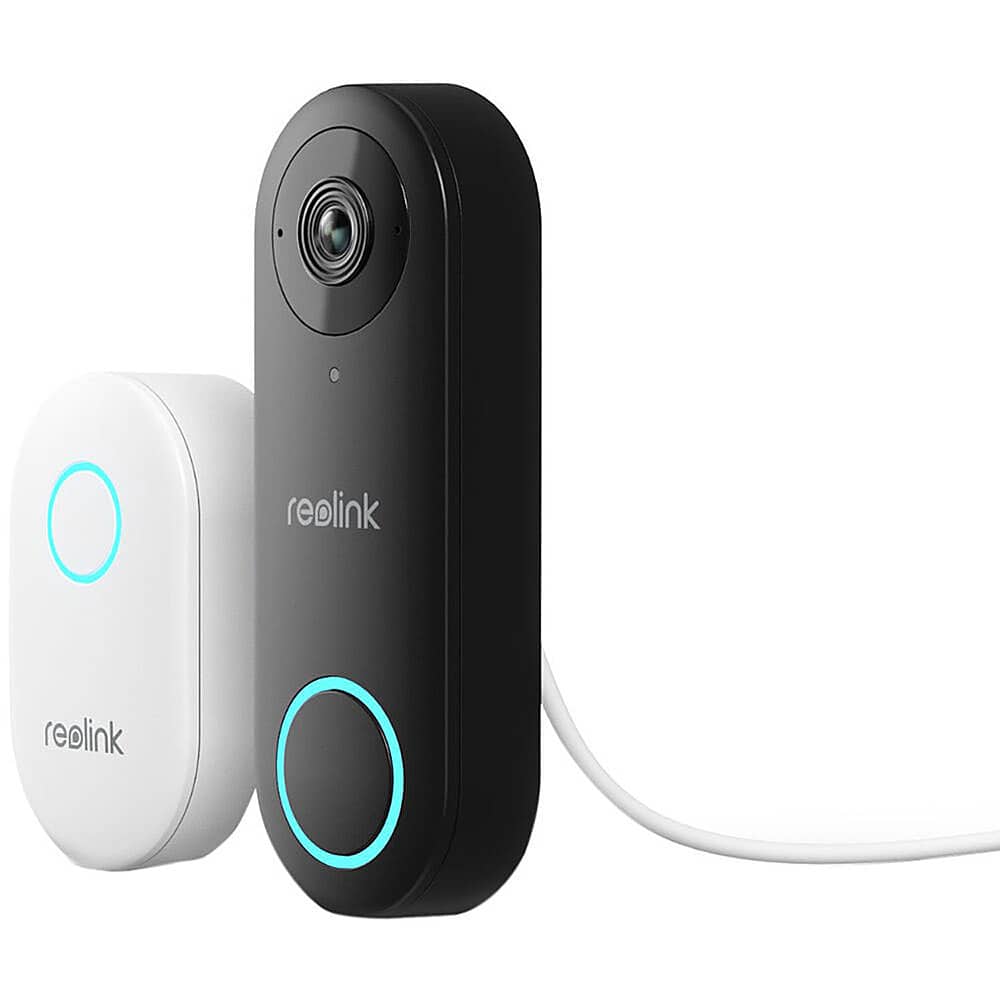
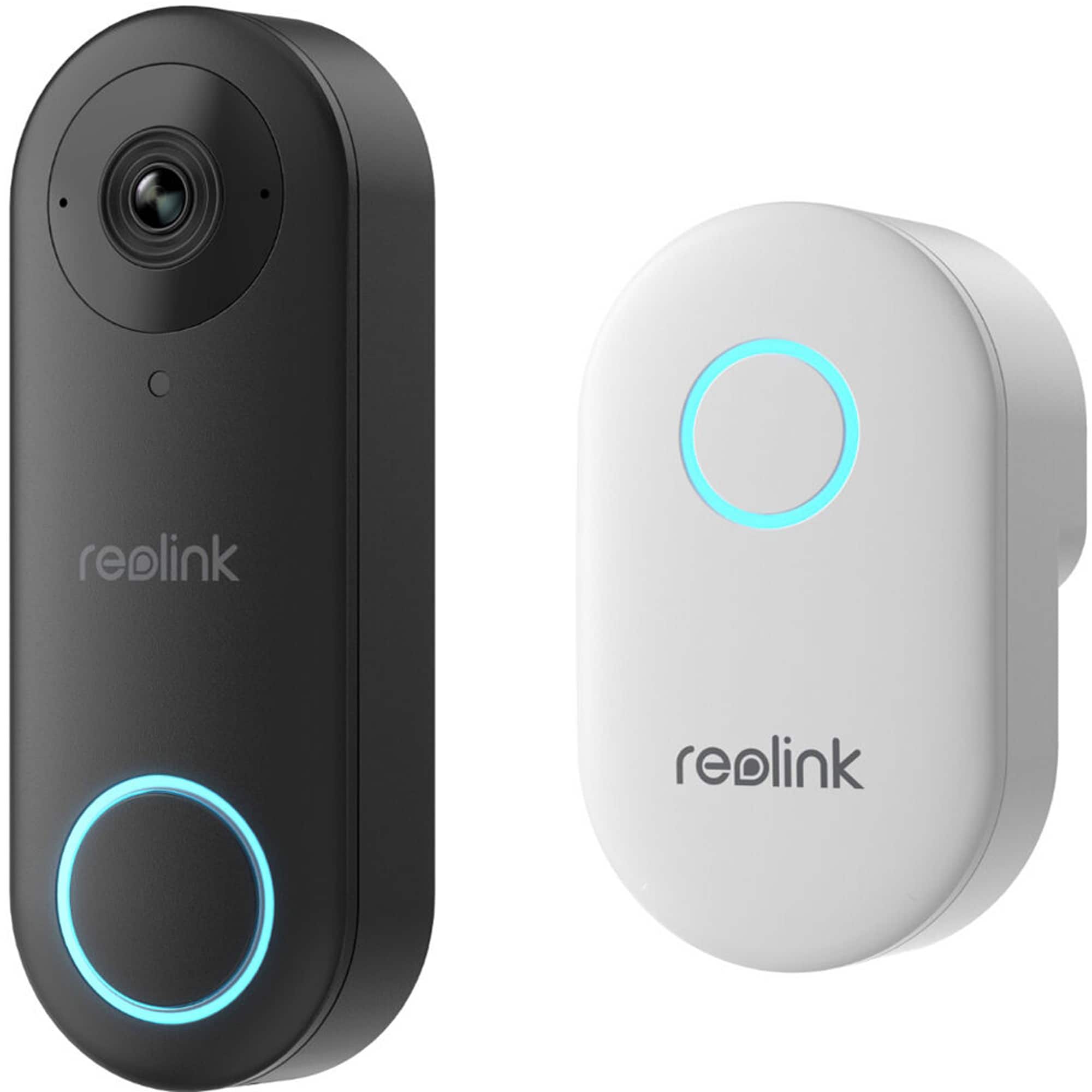
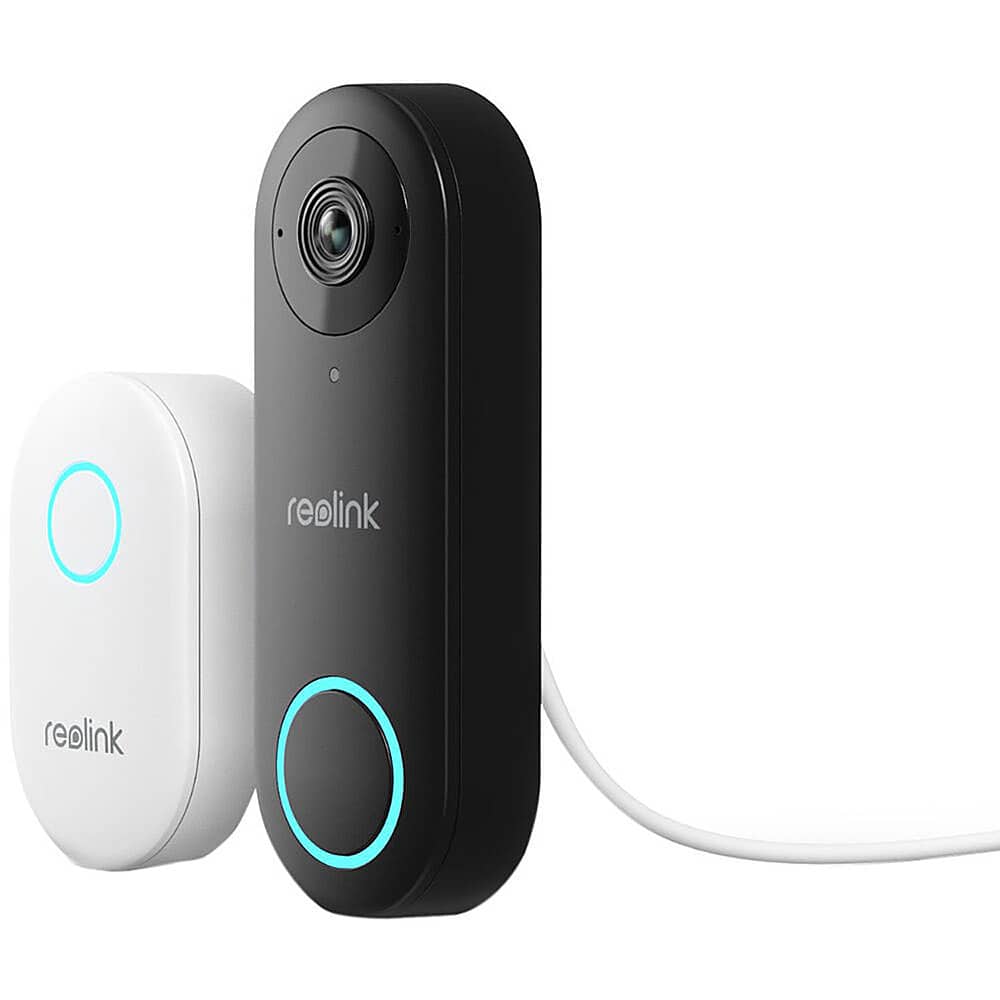
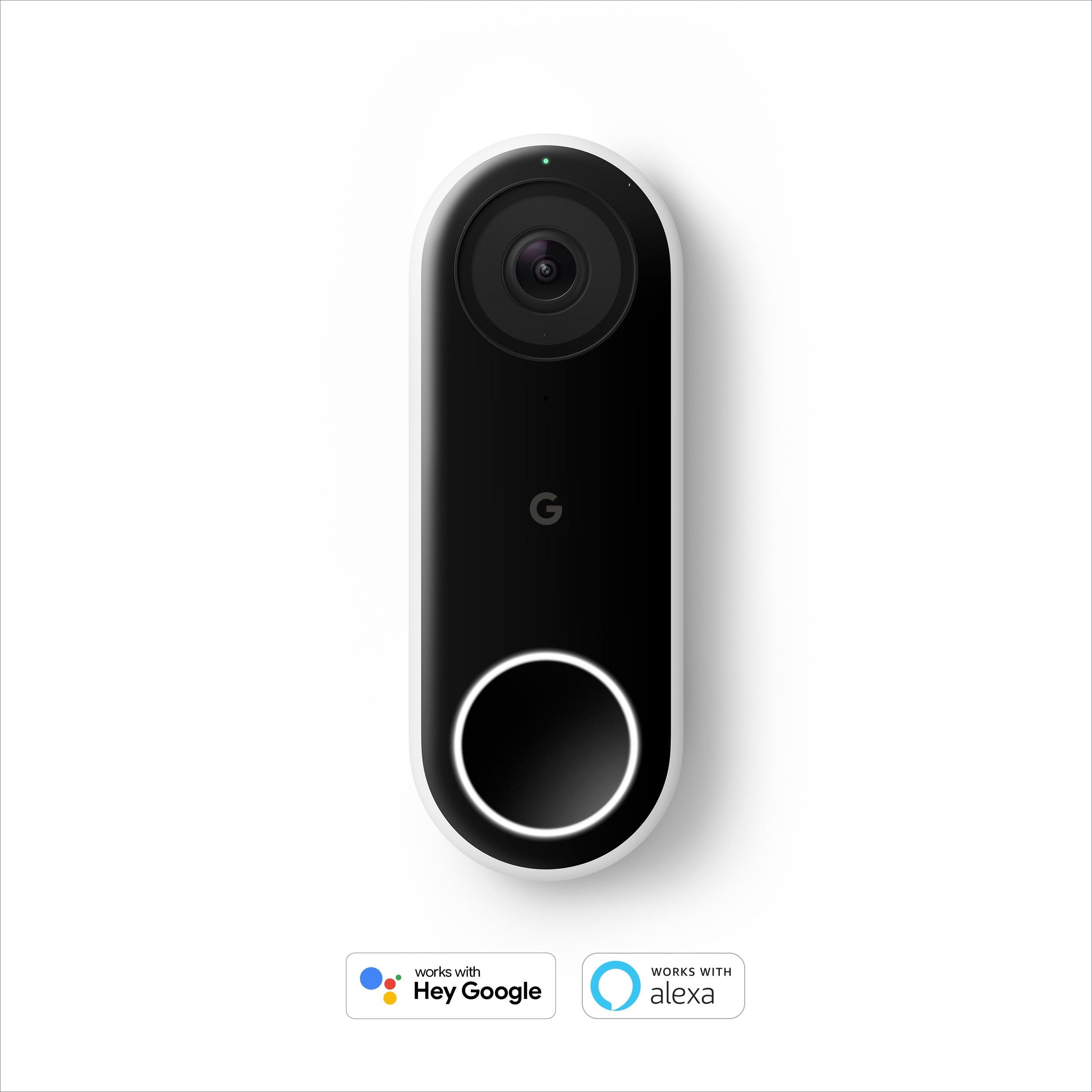
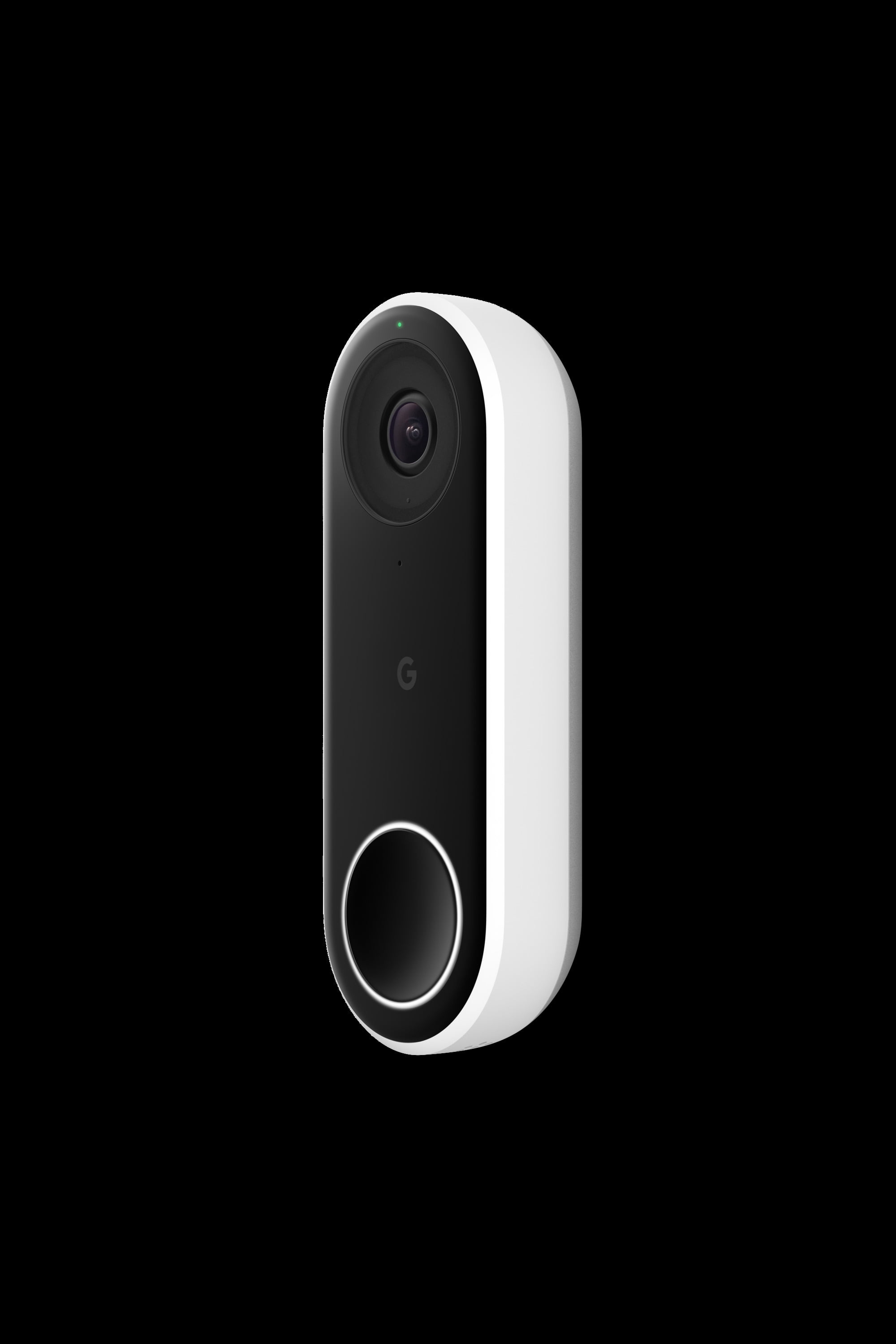

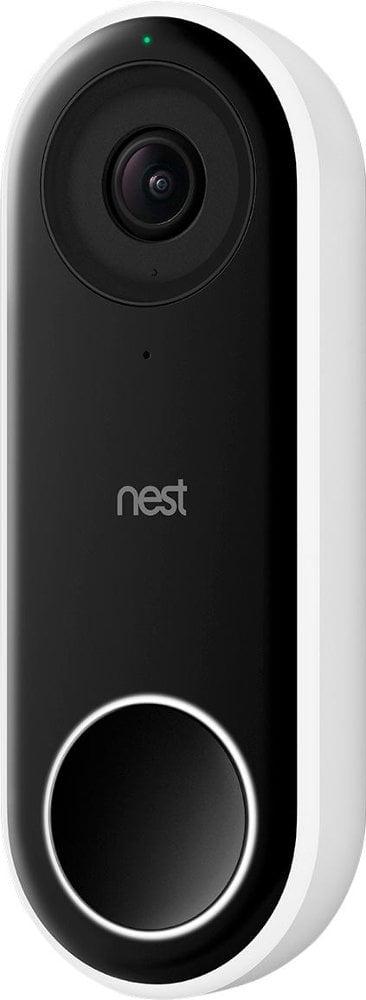
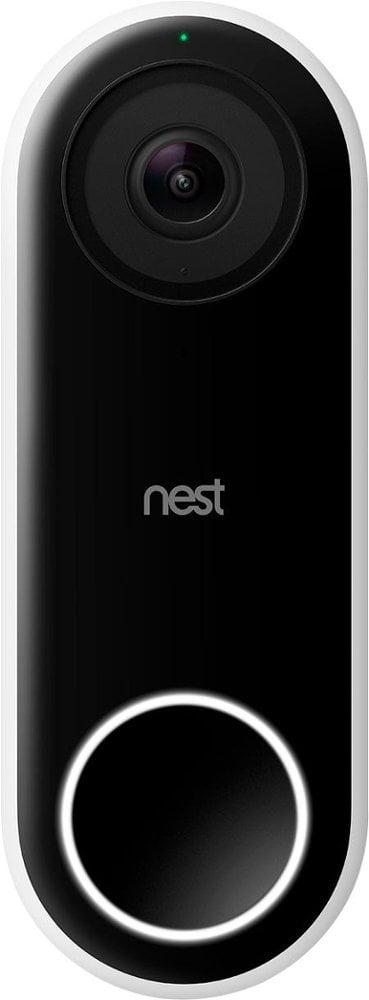
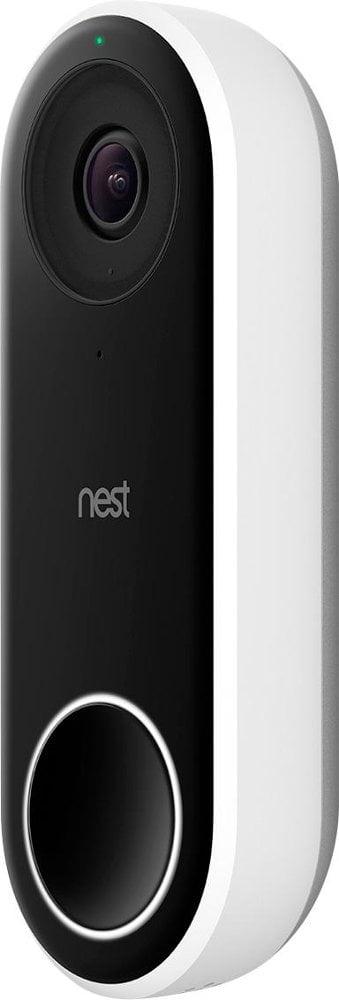
Modern video doorbells have transformed from simple notification devices into sophisticated home security hubs. When comparing the Reolink Smart Wi-Fi Video Doorbell ($89.99) and Google Nest Hello Video Doorbell ($179), we're looking at two different approaches to home monitoring.
The smart doorbell market has evolved significantly since Nest Hello's 2018 release. Reolink's 2024 entry brings newer hardware capabilities but takes a different philosophy on features and storage. Let's explore how these differences matter for real-world use.
The Reolink doorbell delivers impressive 2K+ resolution (2560x1920 pixels), representing current-generation video capability. This higher resolution provides noticeably better detail when identifying visitors or reading package labels. In contrast, the Nest Hello offers 1600x1200 resolution, which, while lower on paper, benefits from Google's advanced HDR processing that helps balance bright and dark areas.
The resolution difference becomes most apparent when digitally zooming into recorded footage. Reolink's higher pixel count maintains clarity when examining details, while Nest's footage becomes grainier more quickly. However, for basic doorbell duties like seeing visitors, both provide more than adequate quality.
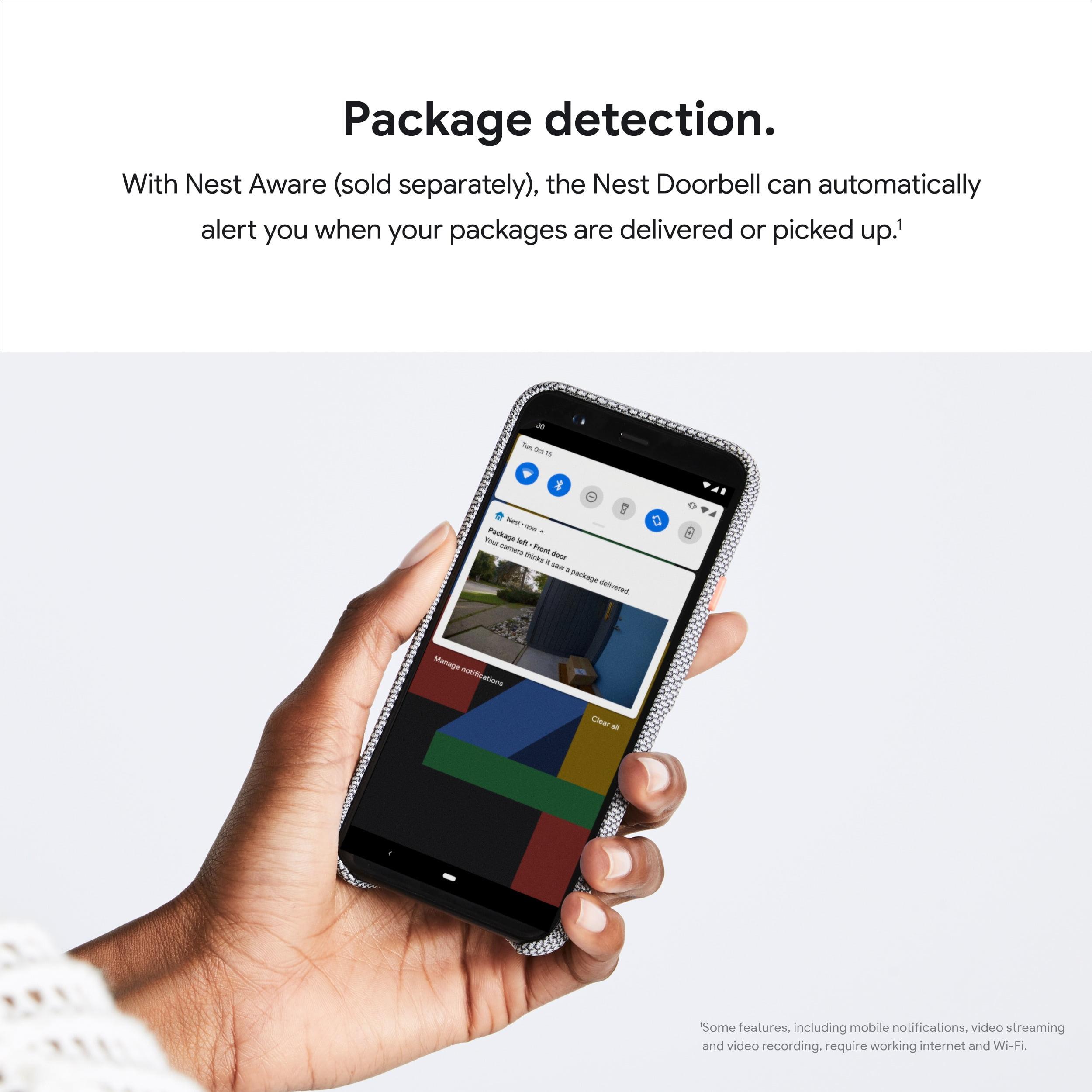
This is where the age difference between devices becomes apparent. Nest Hello's mature AI system offers sophisticated facial recognition that can announce familiar visitors by name through Google speakers. It also reliably distinguishes between people, packages, and animals.
Reolink's newer but more basic AI focuses on person detection and motion zones. While effective, it lacks Nest's learned recognition capabilities. However, Reolink doesn't require a subscription for these features, while Nest's advanced AI requires Nest Aware membership.
Storage approach represents the biggest philosophical difference between these doorbells:
Both doorbells handle core video functions well, but with different strengths:
Daytime Performance:
Night Vision:
Network connectivity impacts daily usability significantly:
Two-way audio performance differs noticeably:
When considering total cost of ownership:
Over three years, Reolink could save $300+ compared to Nest with subscription.
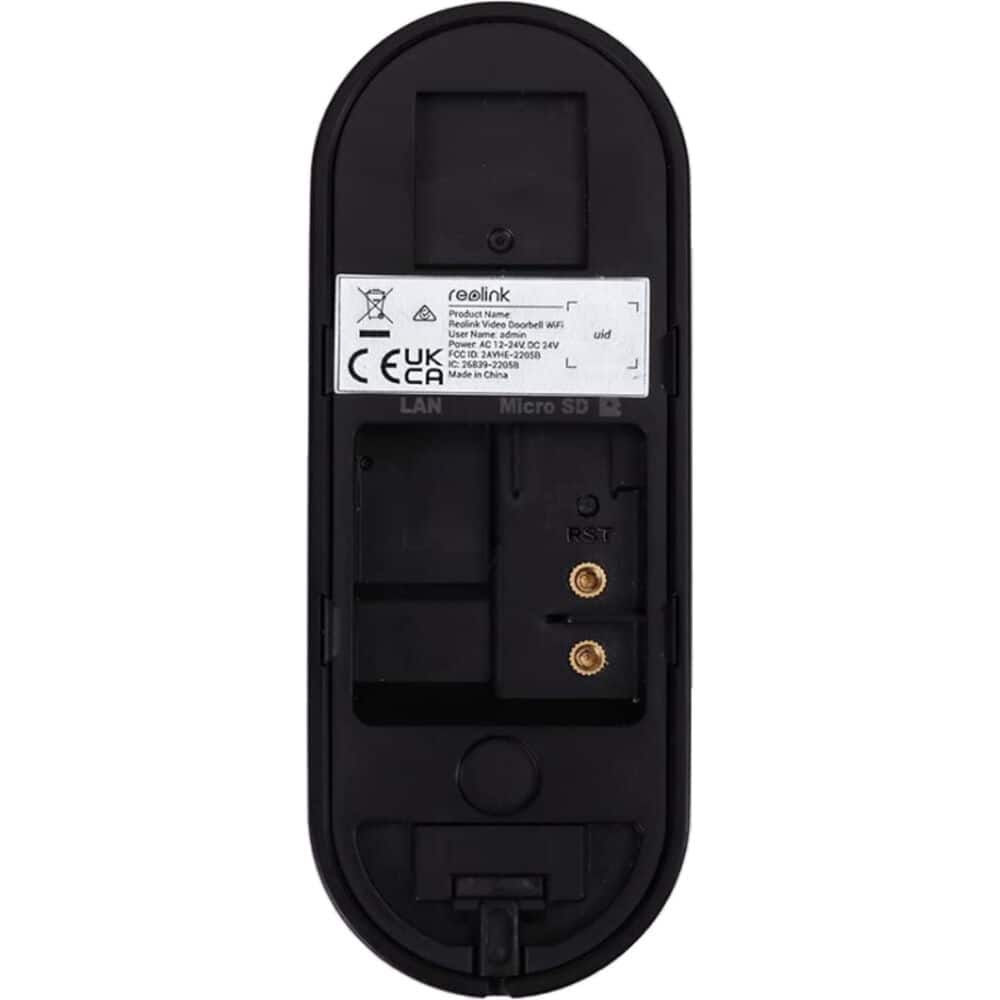
Both doorbells require existing doorbell wiring (16-24V AC), but installation experiences differ:
Reolink:
Nest:
Daily use reveals important practical differences:
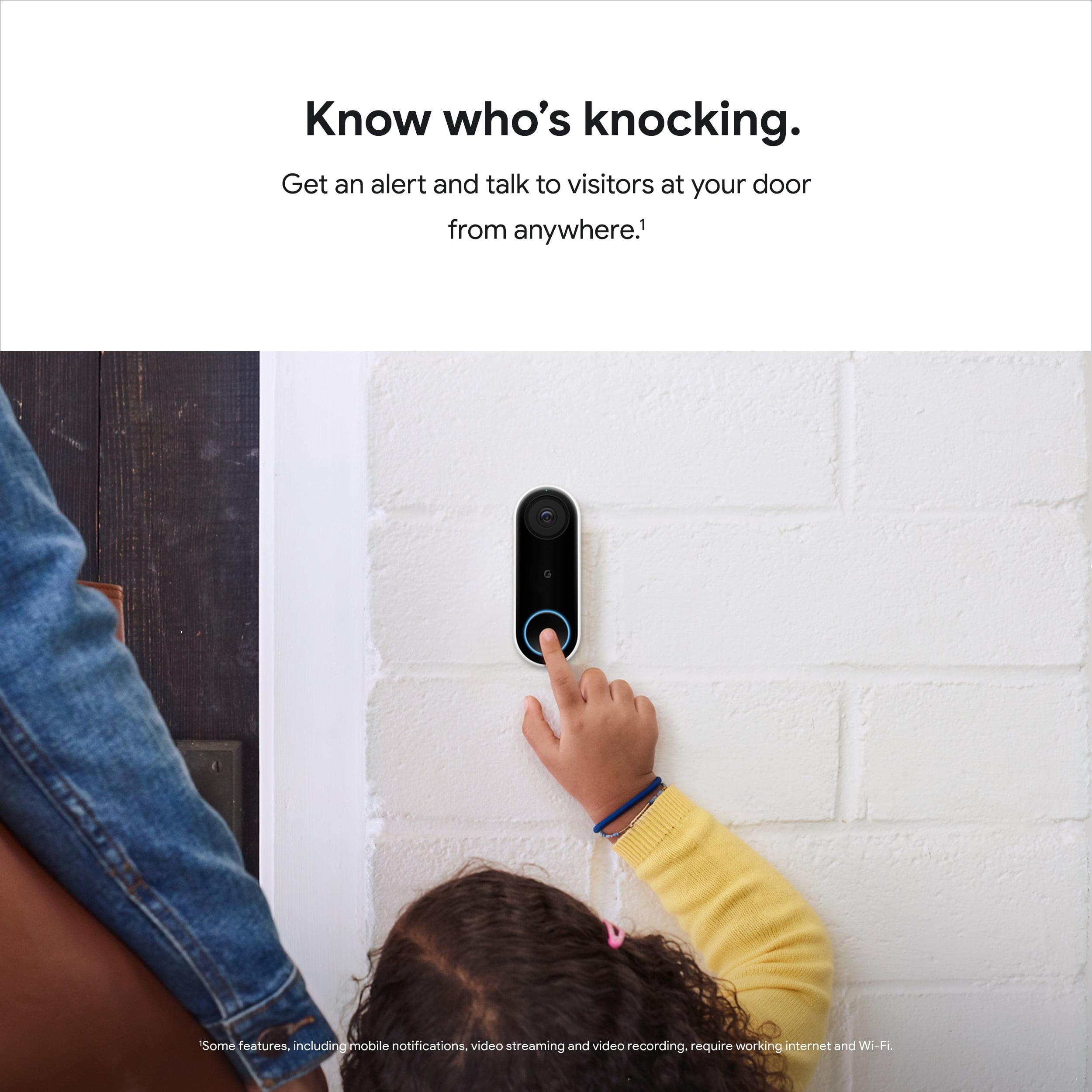
Notifications:
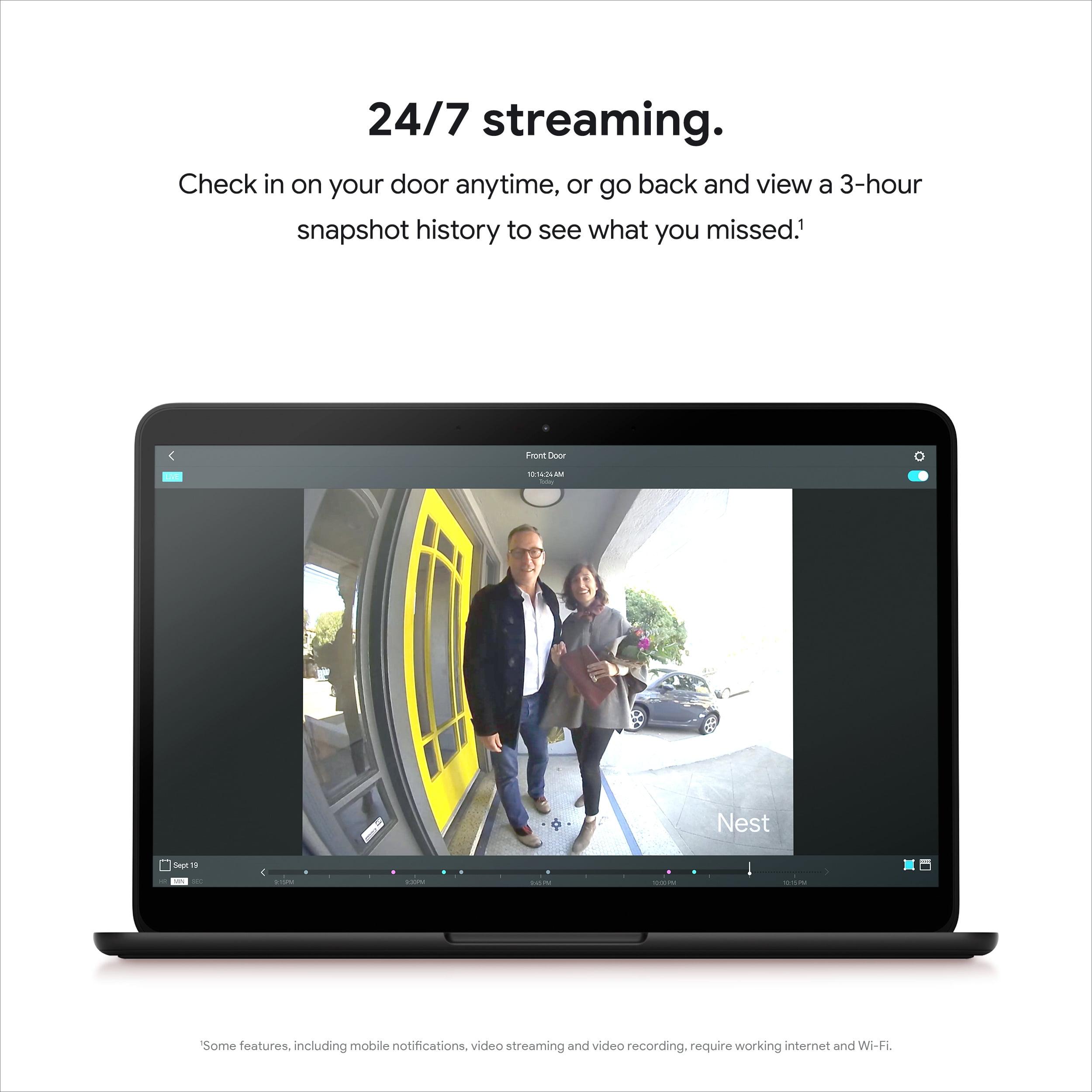
Video Access:
Choose the Reolink Video Doorbell if:
Choose the Nest Hello Video Doorbell if:
The video doorbell market continues evolving. Reolink's newer hardware shows where resolution and local storage are heading, while Nest's mature AI platform demonstrates the potential of cloud-connected features. Your choice ultimately depends on prioritizing either cutting-edge hardware specs or refined smart features.
Both options represent solid choices for different user needs. The Reolink stands out for value and resolution, while the Nest Hello excels in smart features and ecosystem integration. Consider your specific needs and long-term costs when making your decision.
| Reolink Smart Wi-Fi Video Doorbell ($89.99) | Google Nest Hello Video Doorbell ($179) |
|---|---|
| Resolution - Higher resolution means clearer details when zooming in | |
| 2560 x 1920 (2K+) at 20fps | 1600 x 1200 at 30fps |
| Field of View - Wider angles show more of your doorstep area | |
| 180° diagonal (134° horizontal, 97° vertical) | 160° diagonal |
| Storage Options - Affects ongoing costs and accessibility | |
| Local microSD up to 256GB, no subscription needed | Cloud storage only, requires Nest Aware subscription ($6-12/month) |
| AI Features - Determines smart detection capabilities | |
| Basic person detection, customizable zones | Advanced facial recognition, package detection, familiar face alerts |
| Connectivity - Impacts reliability and installation flexibility | |
| Dual-band Wi-Fi + Ethernet option | Dual-band Wi-Fi only |
| Power Requirements - Affects installation compatibility | |
| 12-24VAC or 24VDC, includes separate chime | 16-24VAC, works with existing chime |
| Night Vision - Critical for after-dark monitoring | |
| IR LED with newer sensor technology | 850nm IR LED with HDR processing |
| Smart Home Integration - Important for ecosystem compatibility | |
| Basic Google Assistant support | Full Google/Nest ecosystem integration |
| Additional Costs - Total ownership cost over time | |
| One-time purchase, optional NVR | Higher upfront cost plus required subscription |
| Video Processing - Affects image quality in challenging conditions | |
| Standard HDR processing | Advanced HDR with better handling of extreme lighting |
The Reolink Smart Wi-Fi Video Doorbell ($89.99) offers higher 2K+ resolution (2560x1920) compared to the Nest Hello ($179) at 1600x1200. However, Nest Hello features better HDR processing for challenging lighting conditions.
The Reolink doorbell works without any subscription, using local storage. The Nest Hello requires a Nest Aware subscription ($6-12/month) for cloud storage and advanced features.
Both require existing doorbell wiring. The Nest Hello offers a more polished installation guide but only works with existing chimes. Reolink includes a separate plug-in chime and offers more mounting options.
The Reolink allows local storage access without internet via microSD card. The Nest Hello requires internet connection to access cloud-stored footage.
Both provide clear night vision up to about 20 feet. Reolink uses newer IR LED technology, while Nest Hello compensates with advanced image processing.
The Nest Hello offers full Google ecosystem integration with advanced features. The Reolink has basic Google Assistant support but limited integration.
Nest Hello provides more sophisticated AI detection with facial recognition and package detection. Reolink offers basic person detection and customizable motion zones.
The Reolink offers better hardware value with no recurring costs. The Nest Hello has premium features but requires ongoing subscription costs.
Nest Hello works with existing mechanical or digital chimes. Reolink comes with its own separate plug-in chime unit.
Reolink offers 180° diagonal view (134° horizontal, 97° vertical), while Nest Hello provides 160° diagonal view.
The Nest Hello typically sends notifications in 1-2 seconds, while the Reolink takes 2-3 seconds on average.
Only the Reolink doorbell offers ethernet connectivity option. The Nest Hello is Wi-Fi only.
We've done our best to create useful and informative comparisons to help you decide what product to buy. Our research uses advanced automated methods to create this comparison and perfection is not possible - please contact us for corrections or questions. These are the sites we've researched in the creation of this article: connectit.ie - odpbusiness.com - bestbuy.com - officedepot.com - youtube.com - bensoftware.com - reolink.com - bhphotovideo.com - bestbuy.com - beachcamera.com - youtube.com - cnet.com - walmart.com - jacksonsystems.com - shoplineusa.com - safehome.org - energywisemnstore.com - walmart.com - support.google.com

Privacy Policy
Terms and Conditions - Affiliate Policy
Home Security
© Copyright 2008-2026.
11816 Inwood Rd #1211, Dallas, TX 75244