

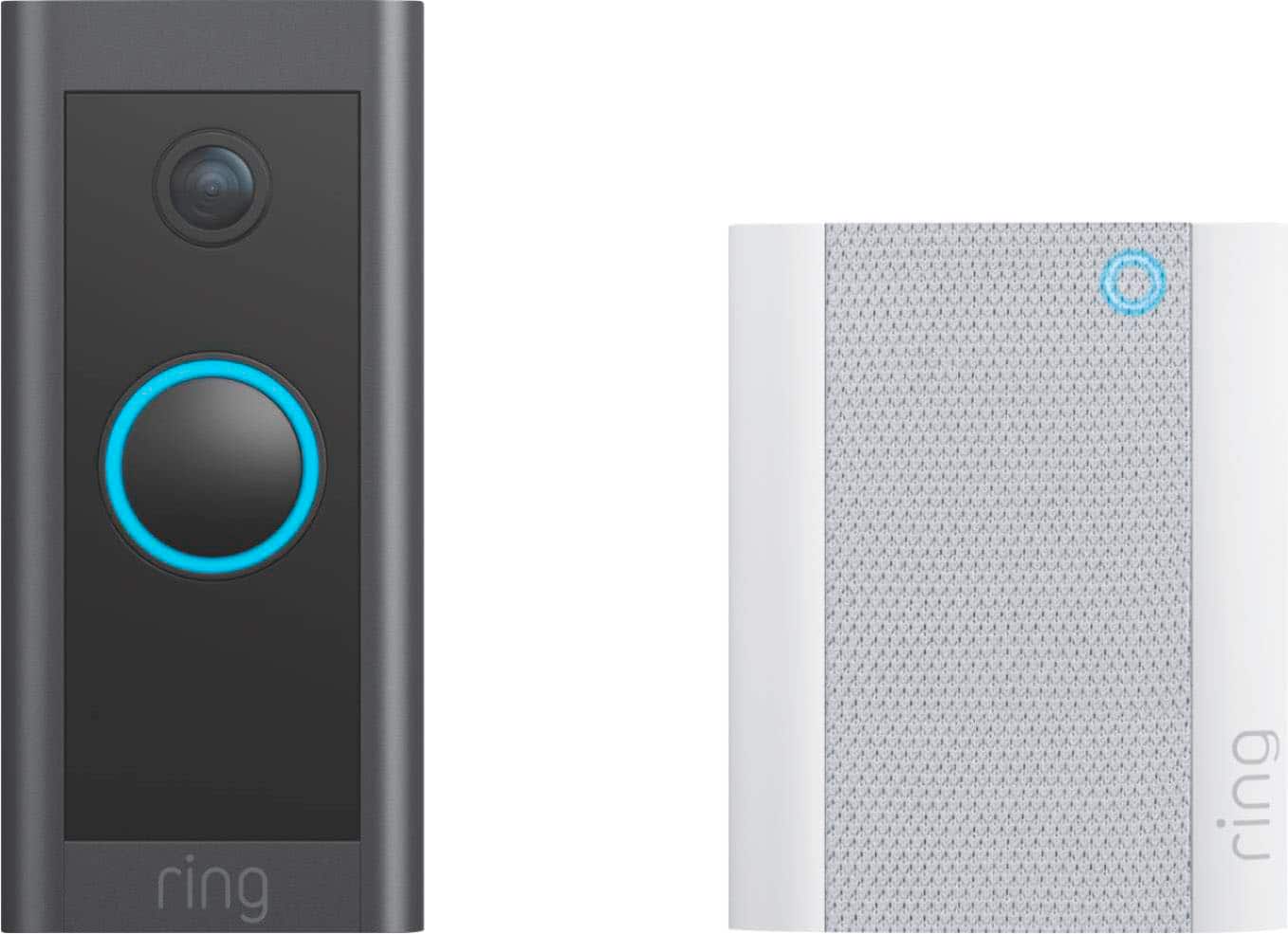
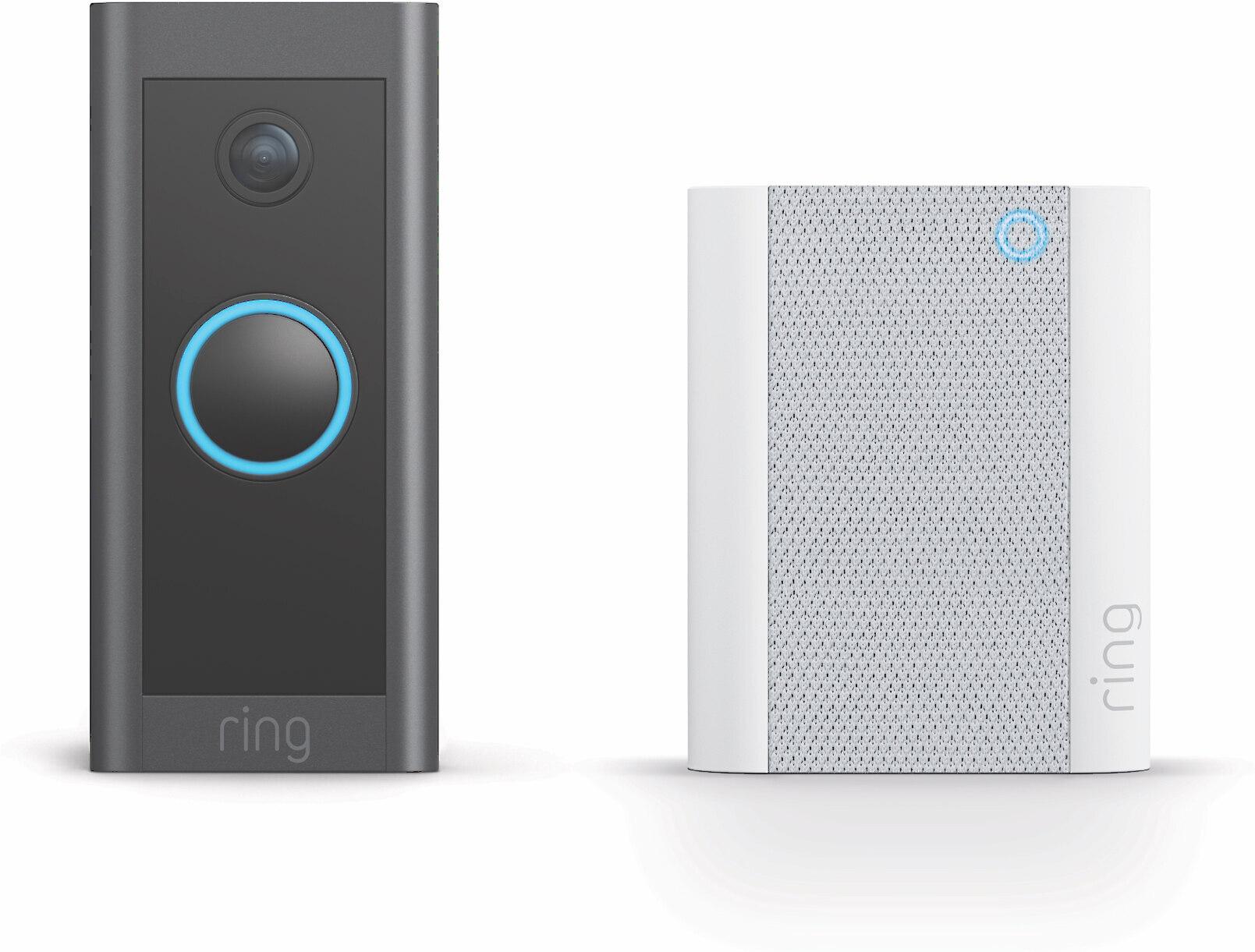
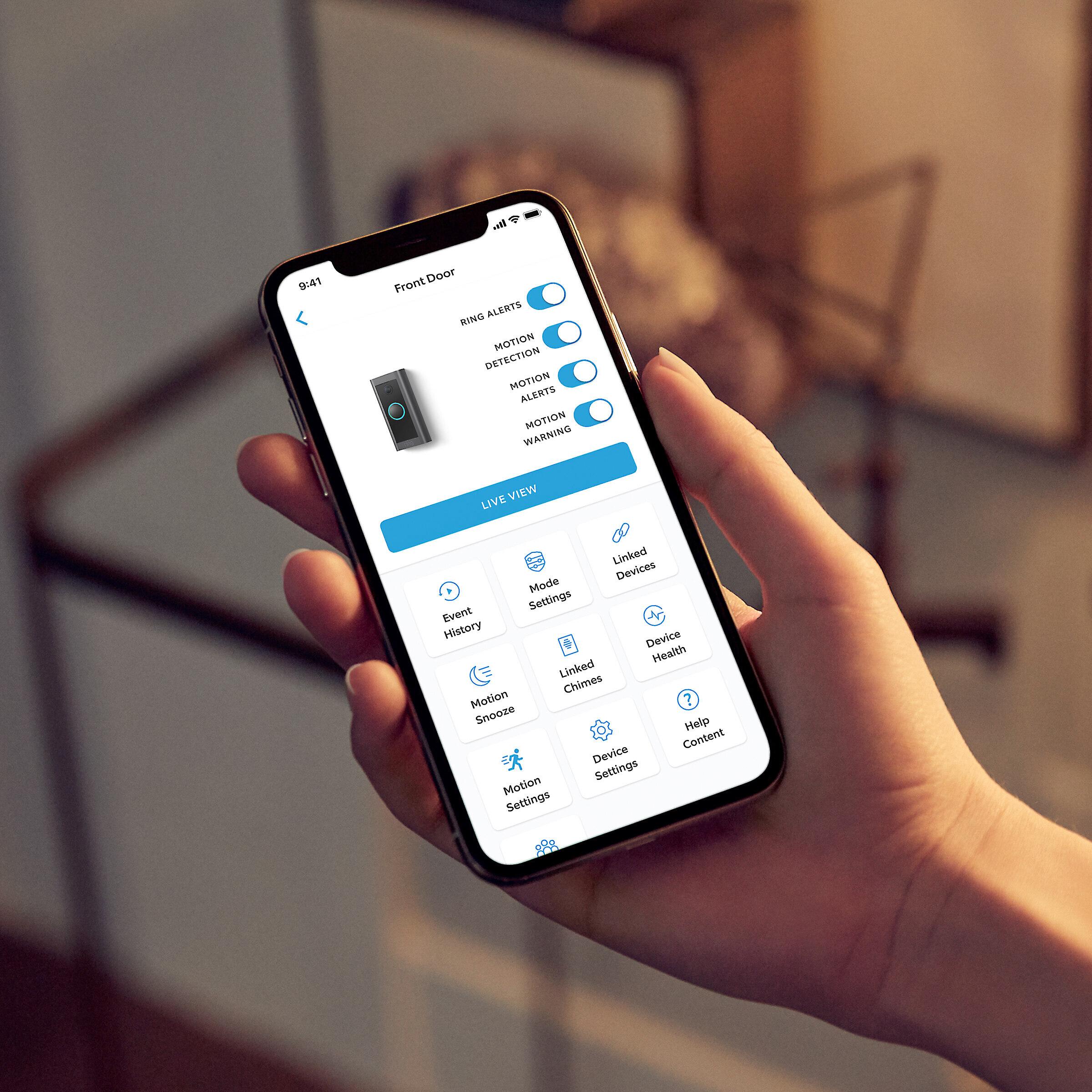
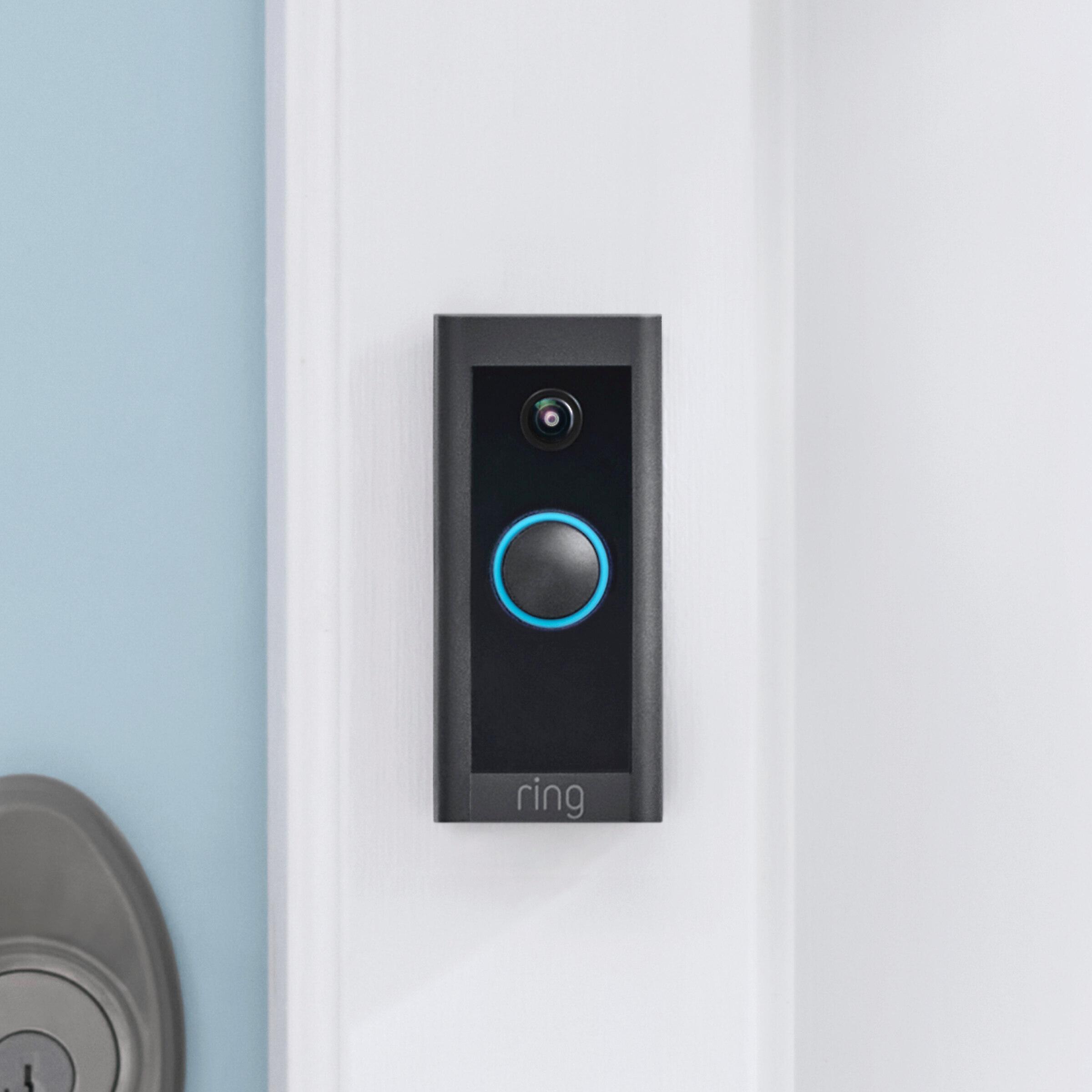



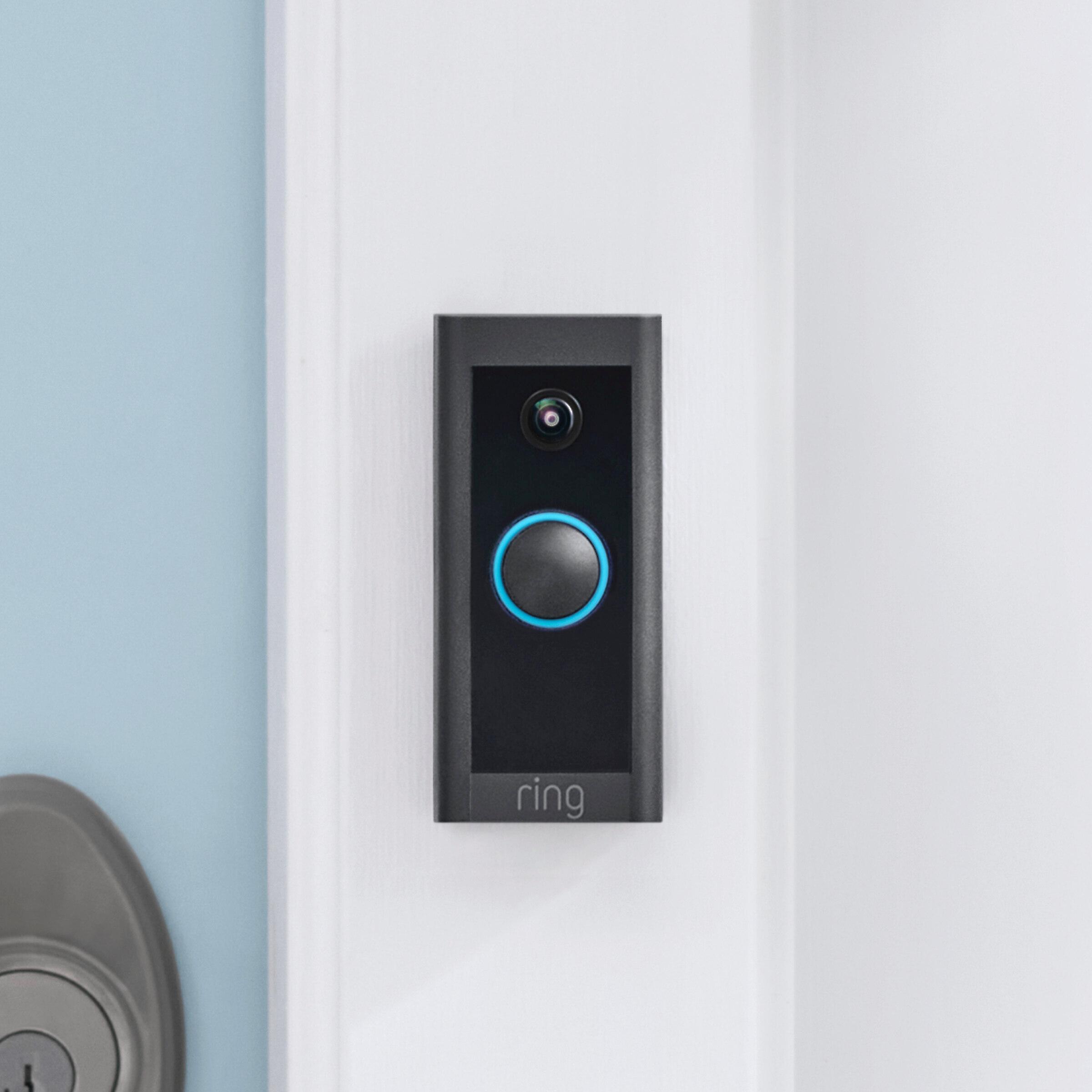
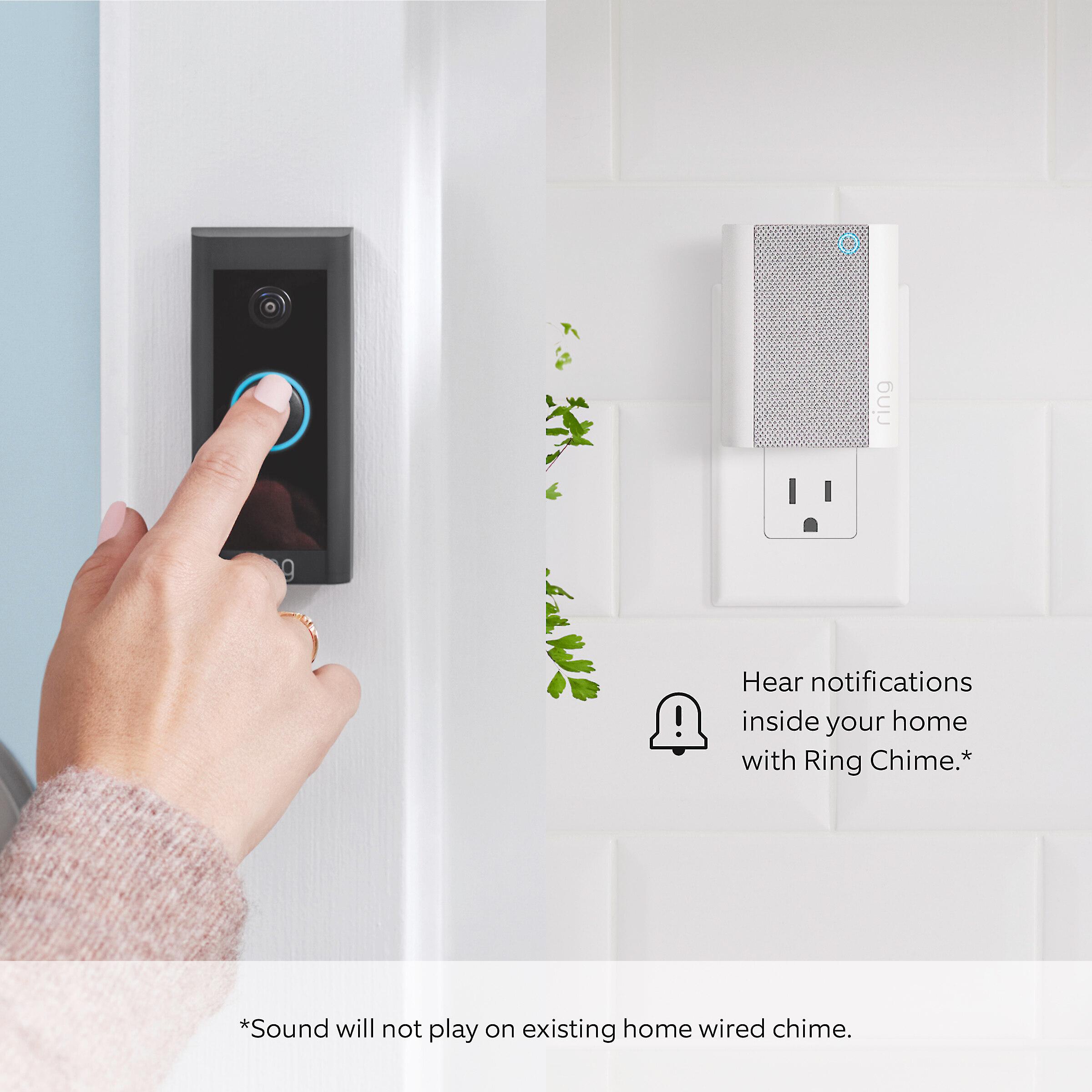
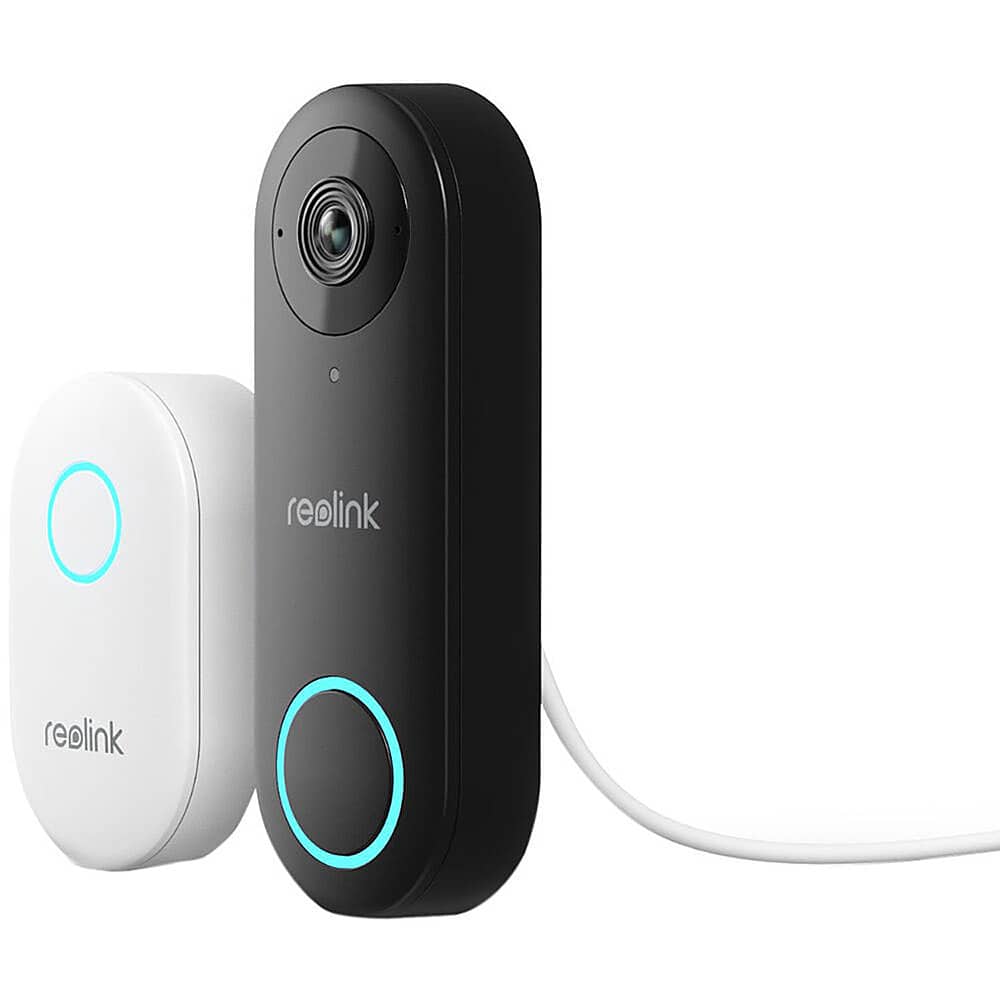
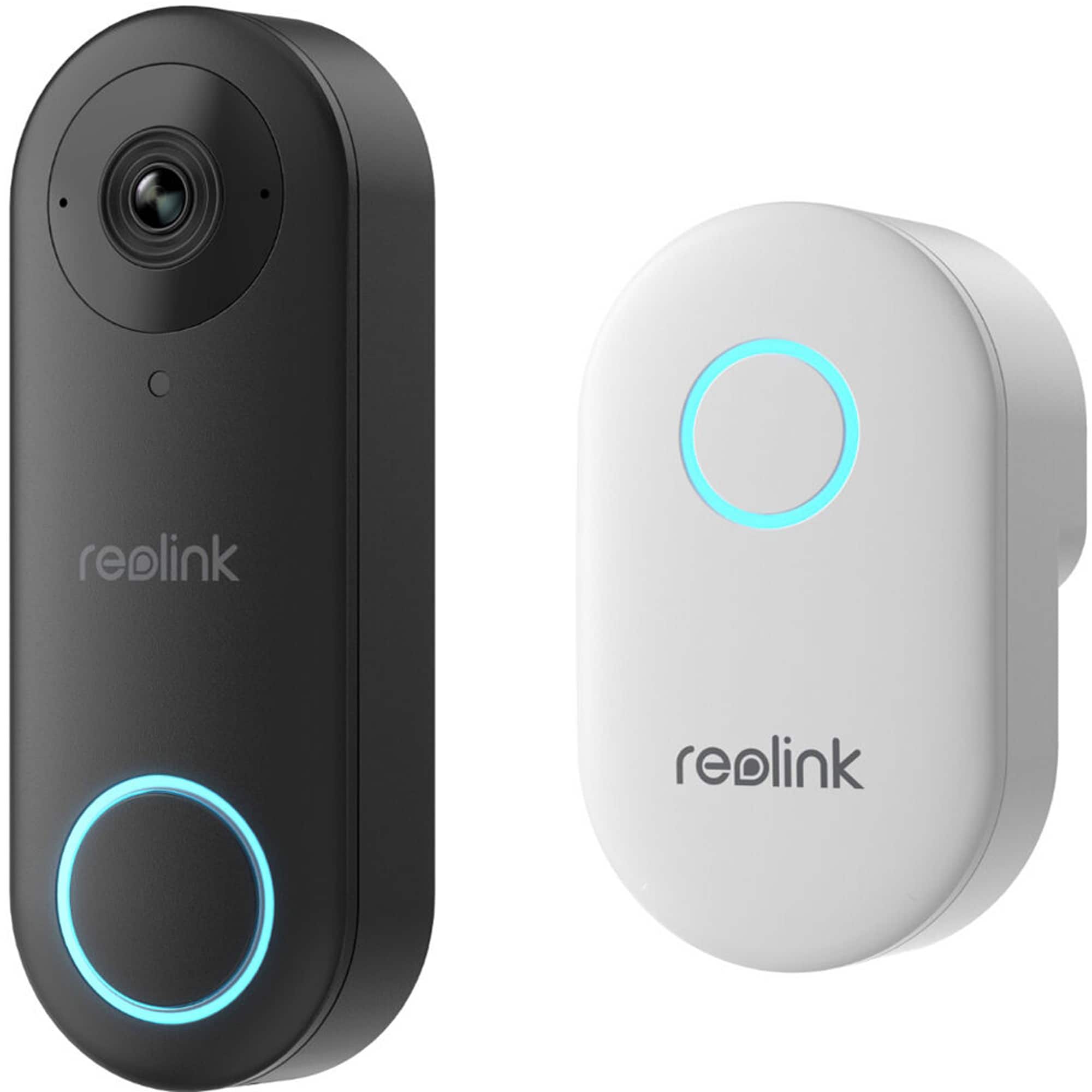
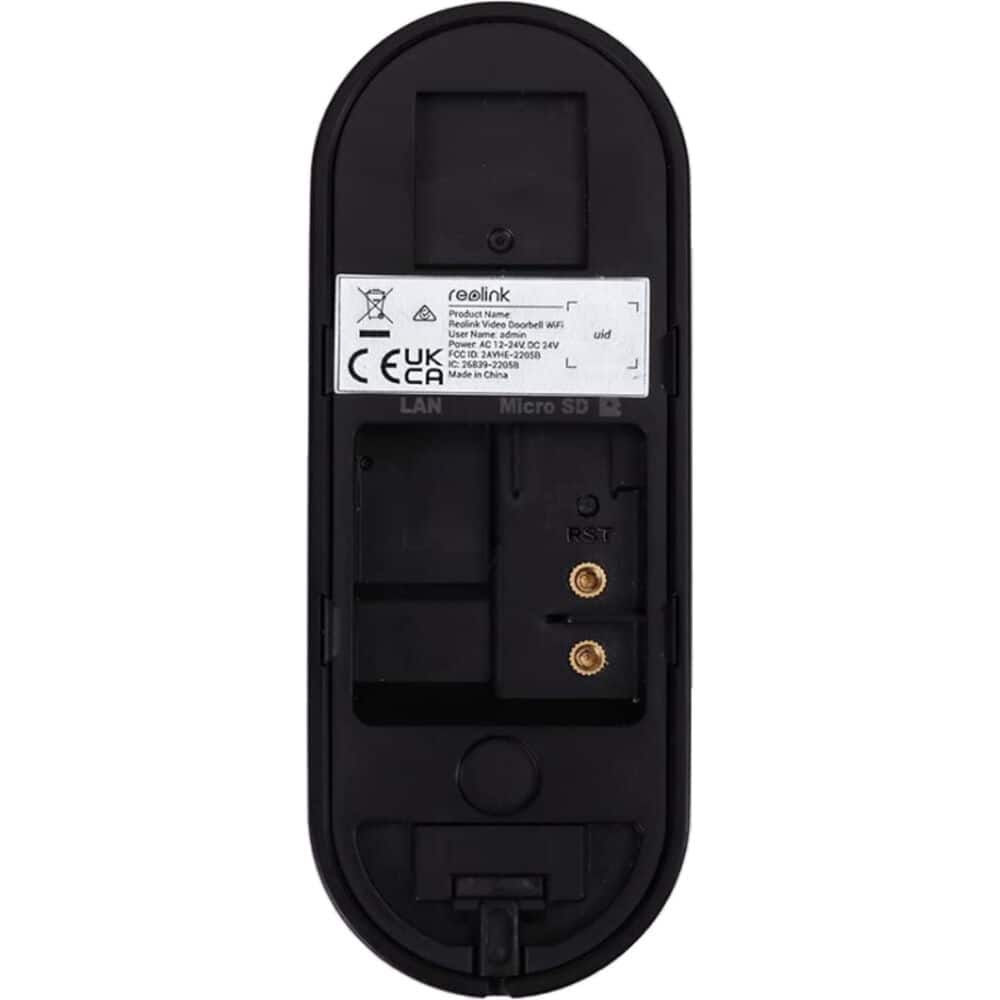
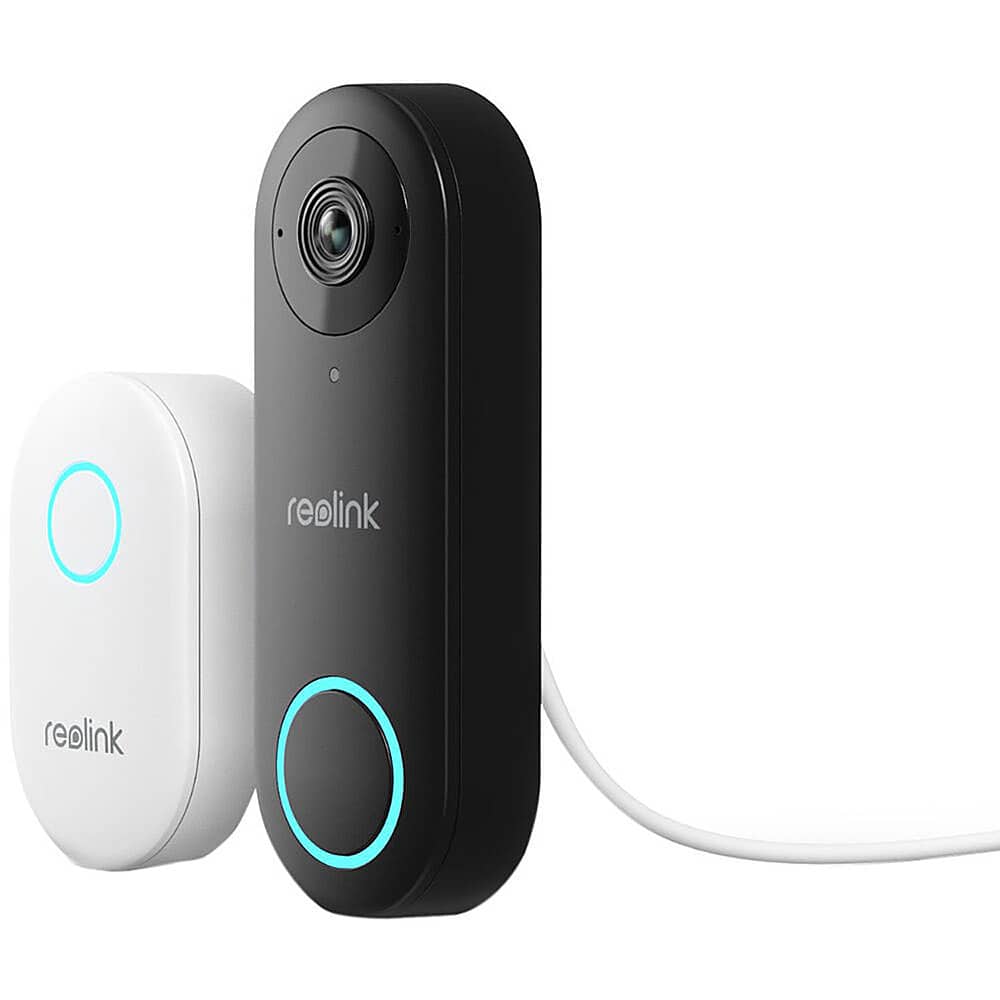
As our homes get smarter, video doorbells have become a crucial part of modern home security. Today, we're comparing two popular wired options: the Ring Video Doorbell Wired and the Reolink Smart Wi-Fi Video Doorbell, both offering distinct approaches to keeping an eye on your doorstep.
When Ring launched their wired doorbell in early 2021 at $59.99, they aimed to make smart home security more accessible. The Reolink entered the market in late 2022 at $89.99, bringing higher resolution and subscription-free features to challenge Ring's dominance. These products reflect how quickly this category has evolved, from simple video intercoms to sophisticated security devices.
The most noticeable difference between these doorbells lies in their video capabilities. The Reolink delivers 2560x1920 resolution (that's 5 megapixels), significantly sharper than the Ring's 1080p output. What does this mean in real-world use? You'll get clearer details of package labels, facial features, and license plates with the Reolink, especially when zooming in.
The field of view tells another important story. Reolink's 180-degree diagonal view captures more of your porch and surrounding area compared to Ring's 155-degree horizontal view. In practice, this means you're less likely to miss activity at the edges of your doorstep with the Reolink.
Night vision performance is comparable between both units, using infrared LEDs to illuminate the scene. However, the Reolink's higher resolution maintains its advantage even in low-light conditions.
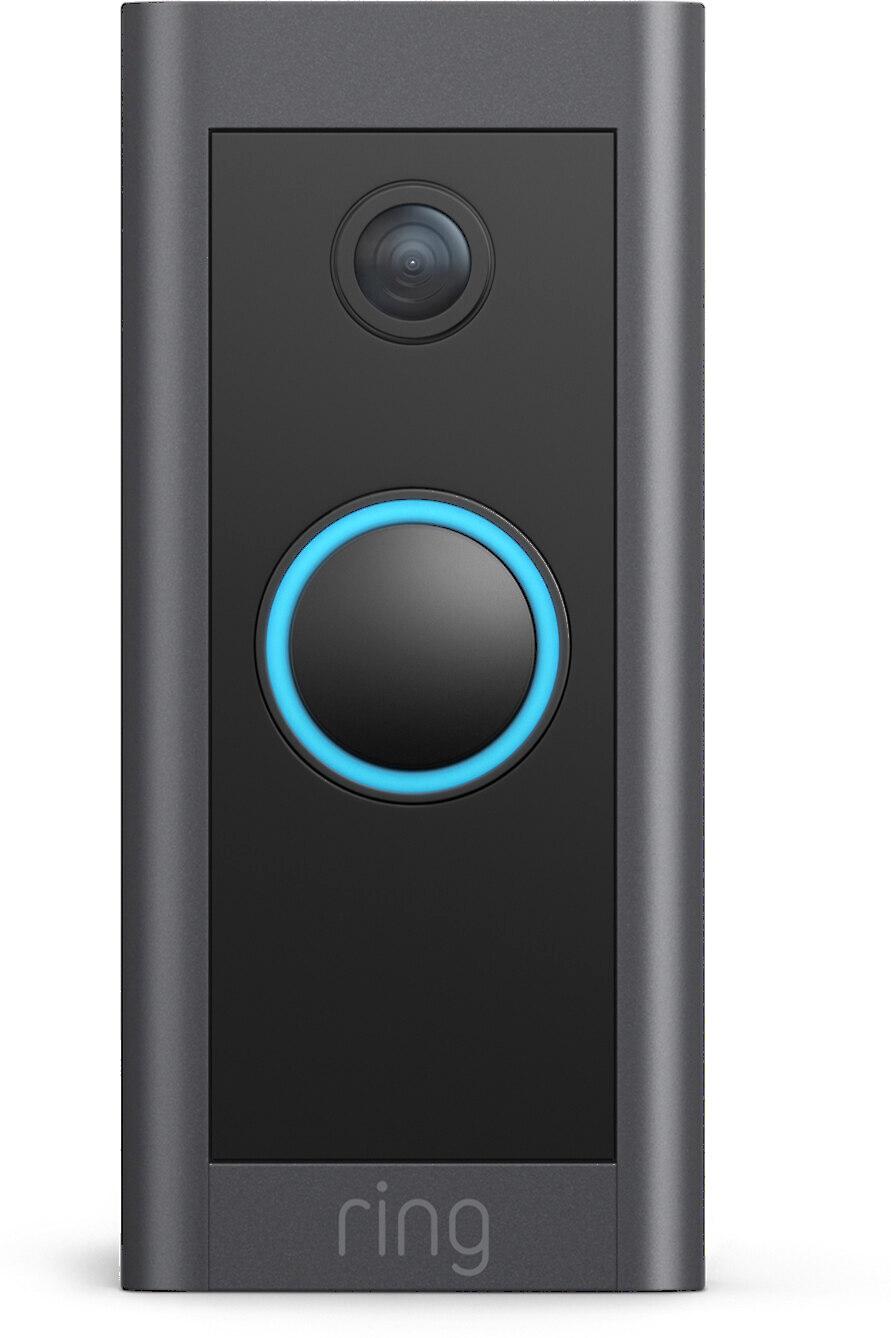
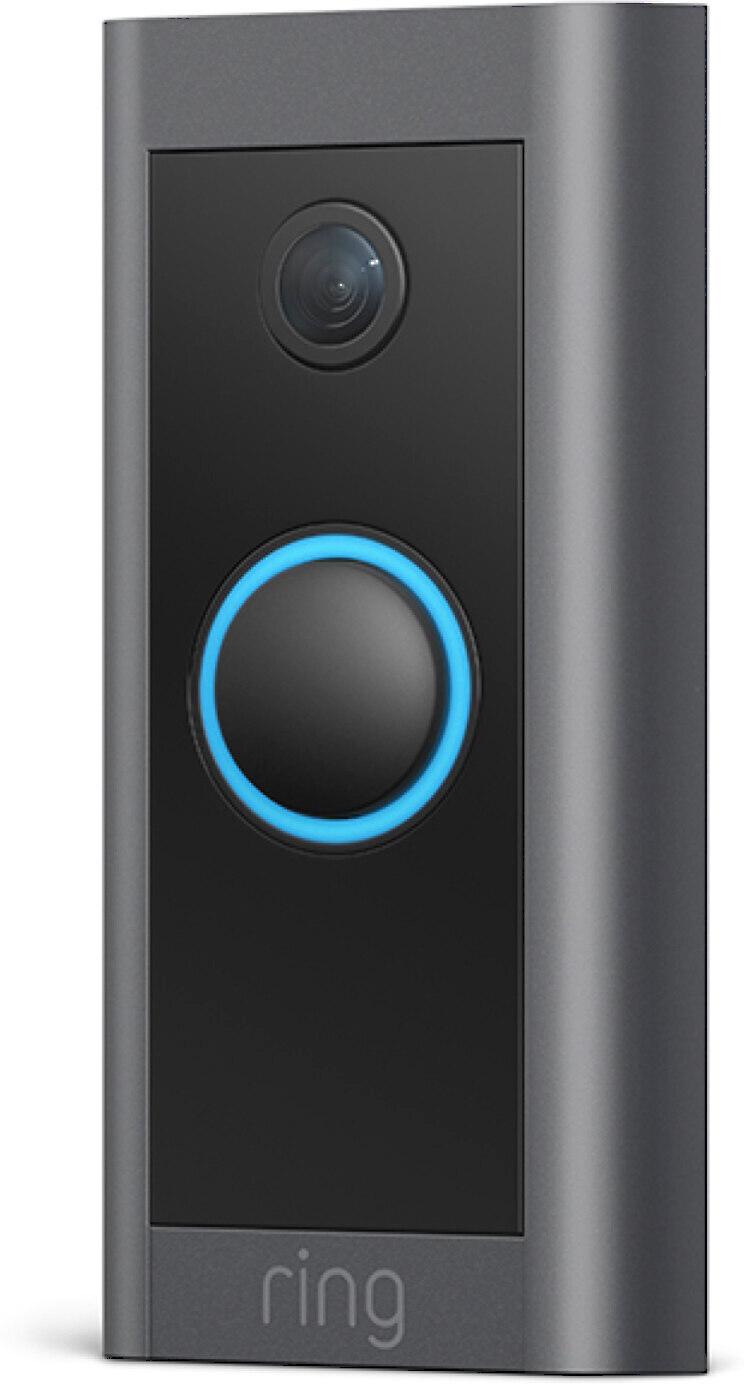
Both doorbells offer motion detection, but their approaches differ significantly. The Ring Video Doorbell Wired excels with highly customizable motion zones - areas you can define where the doorbell should or shouldn't monitor for movement. Ring's experience in the market shows in their more refined motion detection algorithms, resulting in fewer false alerts from things like swaying trees or passing cars.
Reolink counters with AI-powered detection that can distinguish between people, vehicles, and other motion. This technology helps reduce irrelevant alerts while ensuring you don't miss important activity.
Response time - how quickly you receive notifications and can access the live view - gives Ring a slight edge. Ring's established infrastructure typically delivers notifications faster, often by several seconds. This difference can be crucial when responding to visitors or potential security concerns.
Here's where the difference in philosophy becomes clear. Ring requires a subscription (starting at $3/month) to record and review video footage. Without it, you're limited to live viewing only. The Reolink doorbell includes a microSD card slot supporting up to 256GB of local storage, letting you record and review footage without ongoing costs.
Let's break down the two-year cost of ownership:
Both doorbells require hardwired power (16-24V AC), replacing an existing doorbell. The Reolink offers dual-band Wi-Fi (2.4GHz and 5GHz), while Ring only supports 2.4GHz. This gives Reolink an advantage in homes with crowded Wi-Fi networks or when installed closer to the router where 5GHz can provide faster, more reliable connections.
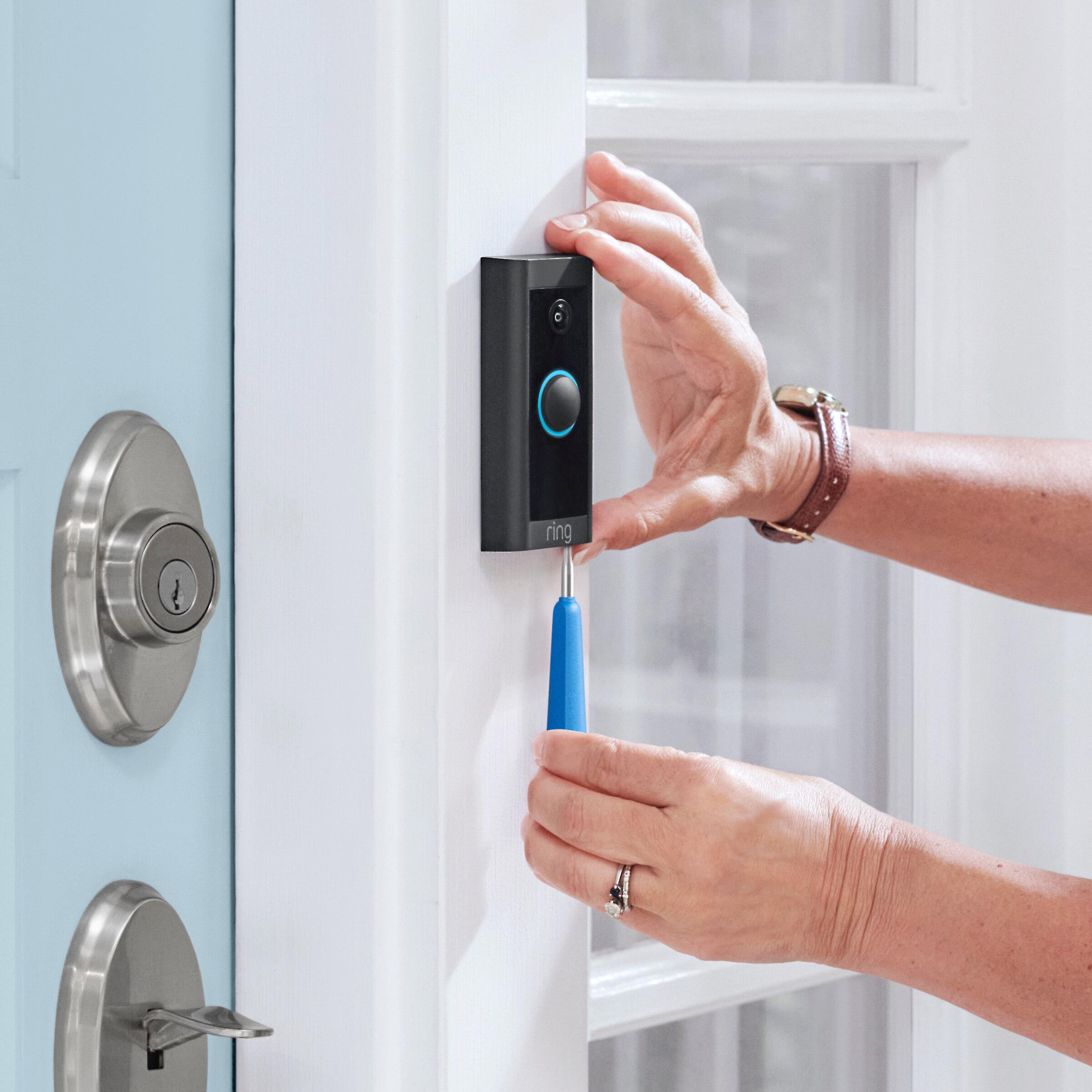
The Ring's more compact design might better suit narrow door frames or tight spaces. Both include detailed installation instructions and take about 15-20 minutes to install if you're replacing an existing doorbell.
Ring's Amazon ownership shows in its seamless integration with Alexa devices. Video feeds appear instantly on Echo Show displays, and announcements come through Echo speakers. While Reolink works with both Alexa and Google Assistant, the integration isn't quite as polished.
However, Reolink offers broader compatibility with third-party security systems through standard protocols like ONVIF, making it more flexible for advanced users who want to integrate with Network Video Recorders (NVRs) or custom smart home setups.
After extensive testing, both doorbells prove reliable for their core function - letting you know when someone's at the door. The Ring's more polished app experience and faster notifications make it slightly more convenient for quick interactions. The Reolink's superior video quality and wider view provide more detailed surveillance, particularly valuable for security monitoring.
Key performance differences:
Choose the Ring Video Doorbell Wired if:
Go with the Reolink Smart Wi-Fi Video Doorbell if:
Both devices represent solid choices in the video doorbell market, with distinct advantages that will appeal to different users. The Ring offers a more streamlined, ecosystem-focused experience, while the Reolink provides superior video quality and more flexible storage options without ongoing costs.
Remember that the best choice ultimately depends on your specific needs and existing smart home setup. Consider which features matter most to you and choose accordingly.
| Ring Video Doorbell Wired | Reolink Smart Wi-Fi Video Doorbell |
|---|---|
| Price - Initial investment and ongoing costs | |
| $59.99 + $3/month subscription required | $89.99 with no required subscription |
| Video Resolution - Affects ability to identify faces and read text | |
| 1080p HD (good for general monitoring) | 2560x1920 (5MP, superior detail and zoom clarity) |
| Field of View - Determines how much area you can monitor | |
| 155° horizontal, 90° vertical | 180° diagonal (134° horizontal, 97° vertical) |
| WiFi Connectivity - Impacts reliability and placement options | |
| 2.4GHz only (longer range but more interference) | Dual-band 2.4GHz and 5GHz (more flexible connection options) |
| Storage Options - How you access recorded footage | |
| Cloud storage only with subscription | Local microSD up to 256GB + optional cloud |
| Smart Features - Core functionality beyond basic video | |
| Advanced motion zones, quick replies, person detection | AI-powered person/vehicle detection, customizable zones |
| Ecosystem Integration - Compatibility with other devices | |
| Deep Amazon/Ring integration, works with Alexa | Works with Google Assistant and Alexa, ONVIF compatible |
| Power Requirements - Installation considerations | |
| 16-24 VAC, existing doorbell wiring required | 12-24 VAC or 24V DC, more flexible power options |
| Operating Temperature - Environmental durability | |
| -20°C to 50°C (-4°F to 122°F) | -10°C to 50°C (14°F to 122°F) |
| Size - Installation space needed | |
| 10.1cm x 4.57cm x 2.24cm (compact) | 13.3cm x 4.8cm x 2.3cm (slightly larger) |
The Ring Video Doorbell Wired has a lower initial cost at $59.99, but requires a $3/month subscription. The Reolink costs $89.99 but has no required subscription, making it cheaper long-term.
The Reolink Smart Wi-Fi Video Doorbell offers superior 5MP (2560x1920) resolution compared to the Ring's 1080p, providing noticeably clearer image quality and better zoom capability.
Ring requires a subscription for video recording and storage. Reolink includes free local storage via microSD card with no subscription needed.
Both the Ring Video Doorbell Wired and Reolink offer comparable infrared night vision performance, though Reolink's higher resolution provides more detail in low-light conditions.
The Ring Video Doorbell Wired offers superior Alexa integration since Ring is owned by Amazon, providing seamless Echo device notifications and displays.
The Reolink offers a wider 180-degree diagonal view compared to Ring's 155-degree horizontal view, showing more of your porch area.
The Reolink Smart Wi-Fi Video Doorbell works with both Google Assistant and Alexa, while the Ring only works with Alexa.
The Ring Video Doorbell Wired typically delivers faster notifications due to its established infrastructure and optimized ecosystem.
The Reolink Smart Wi-Fi Video Doorbell supports both 2.4GHz and 5GHz bands, while the Ring only works with 2.4GHz networks.
Both doorbells are similarly easy to install, taking about 15-20 minutes. The Ring Video Doorbell Wired has a slightly more compact design that may be better for tight spaces.
We've done our best to create useful and informative comparisons to help you decide what product to buy. Our research uses advanced automated methods to create this comparison and perfection is not possible - please contact us for corrections or questions. These are the sites we've researched in the creation of this article: bestbuy.com - consumerreports.org - youtube.com - techradar.com - sa-en.ring.com - youtube.com - ring.com - de-de.ring.com - de-de.ring.com - ring.com - blackwiredesigns.com - arlo.com - wasserstein-home.com - security.org - connectit.ie - odpbusiness.com - bestbuy.com - officedepot.com - youtube.com - bensoftware.com - reolink.com - bhphotovideo.com

Privacy Policy
Terms and Conditions - Affiliate Policy
Home Security
© Copyright 2008-2026.
11816 Inwood Rd #1211, Dallas, TX 75244