

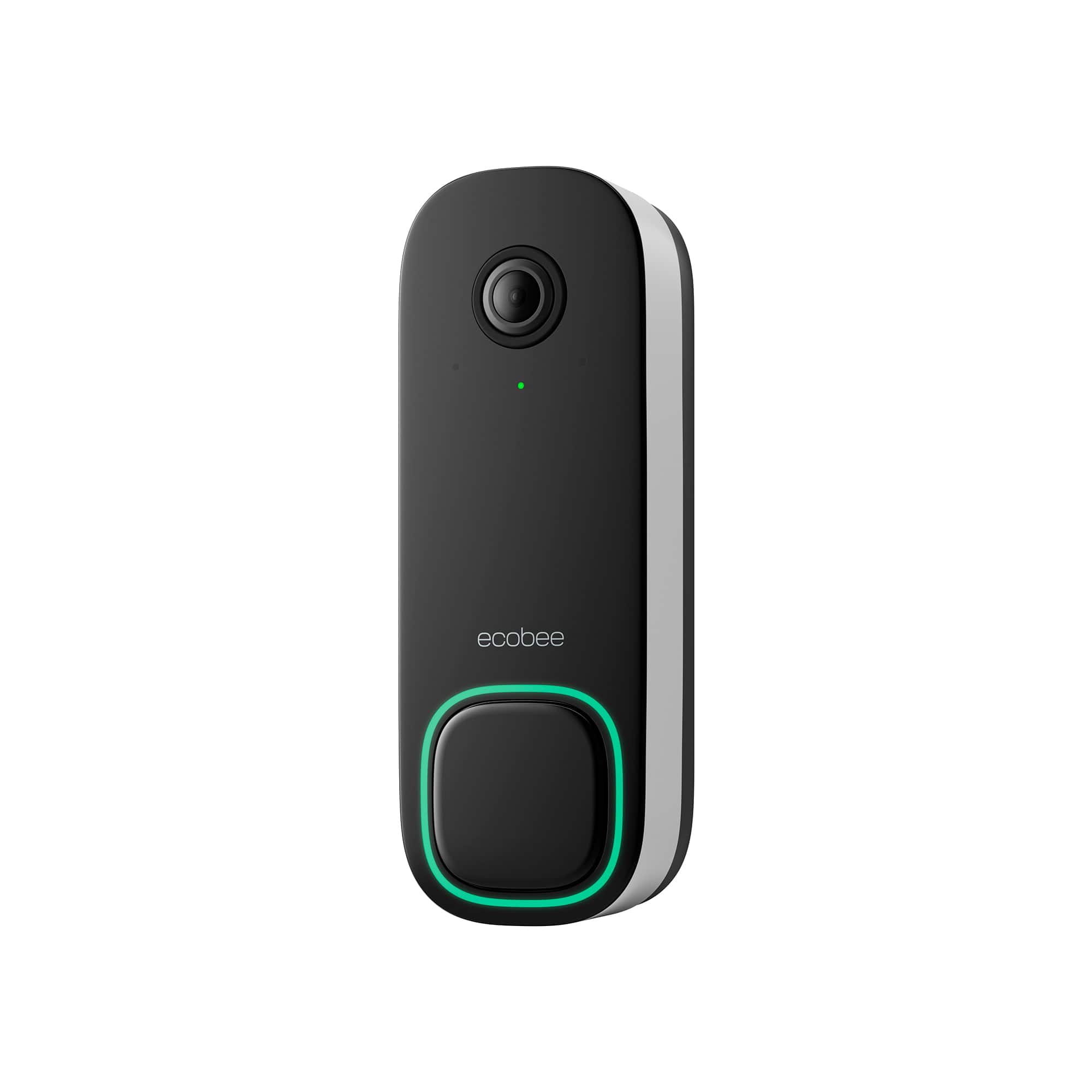
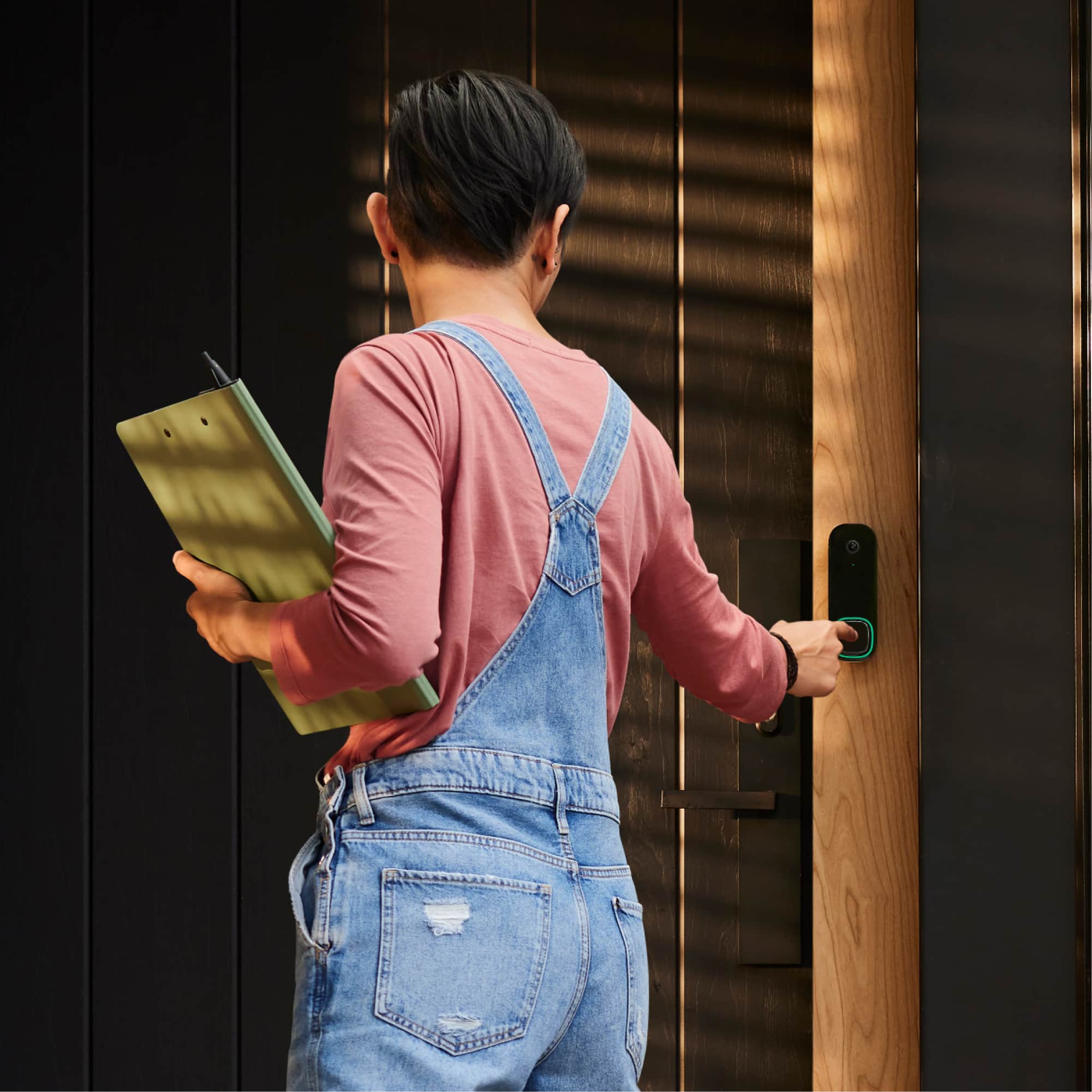
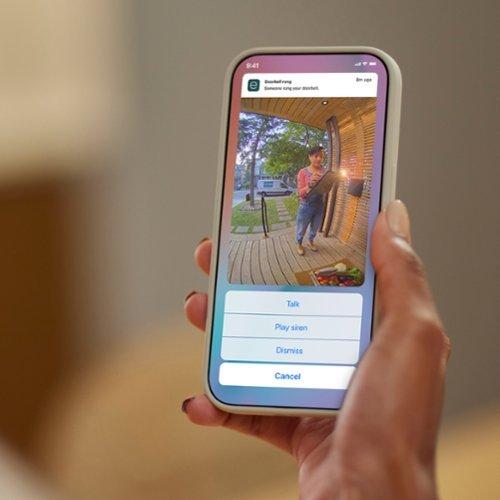
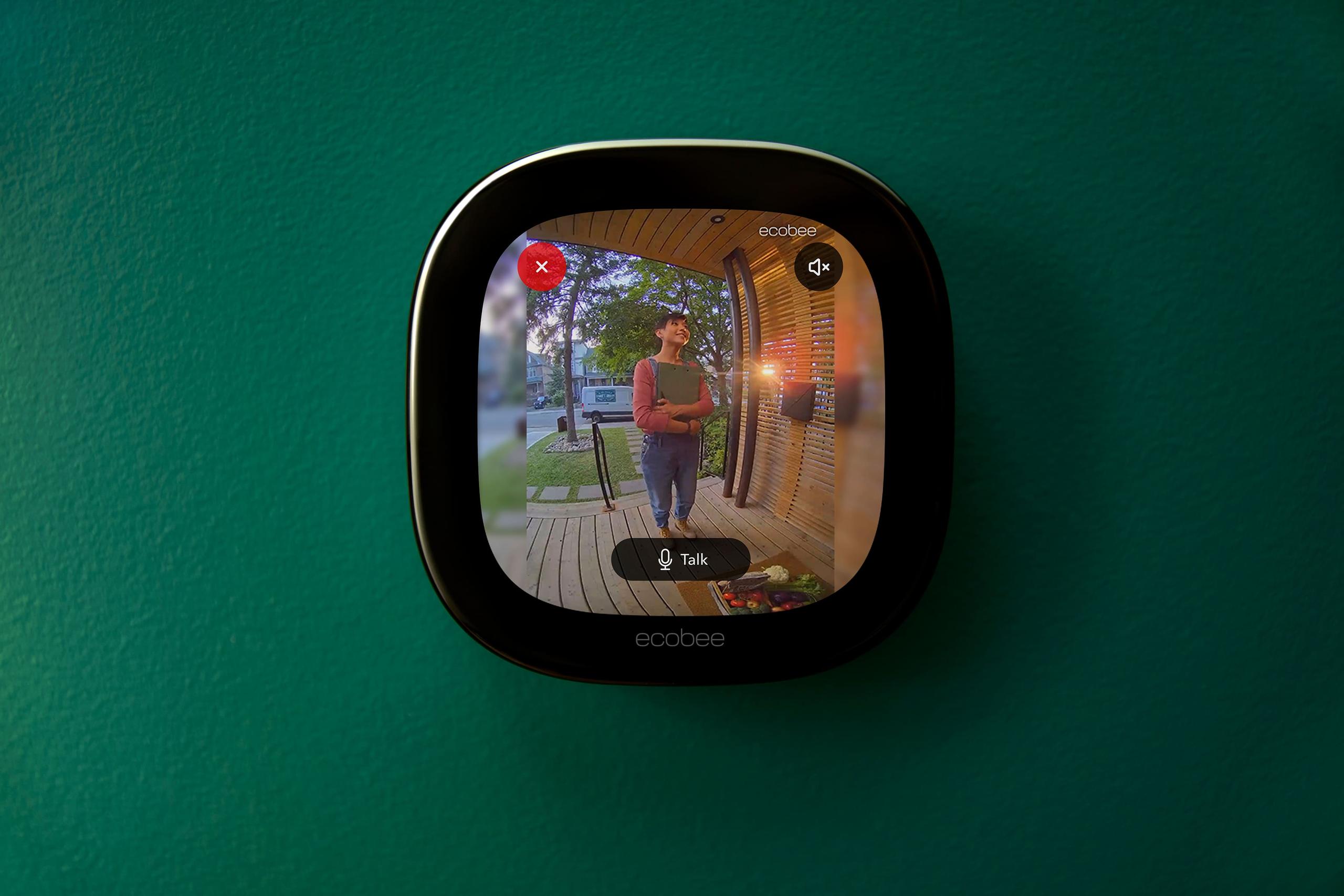
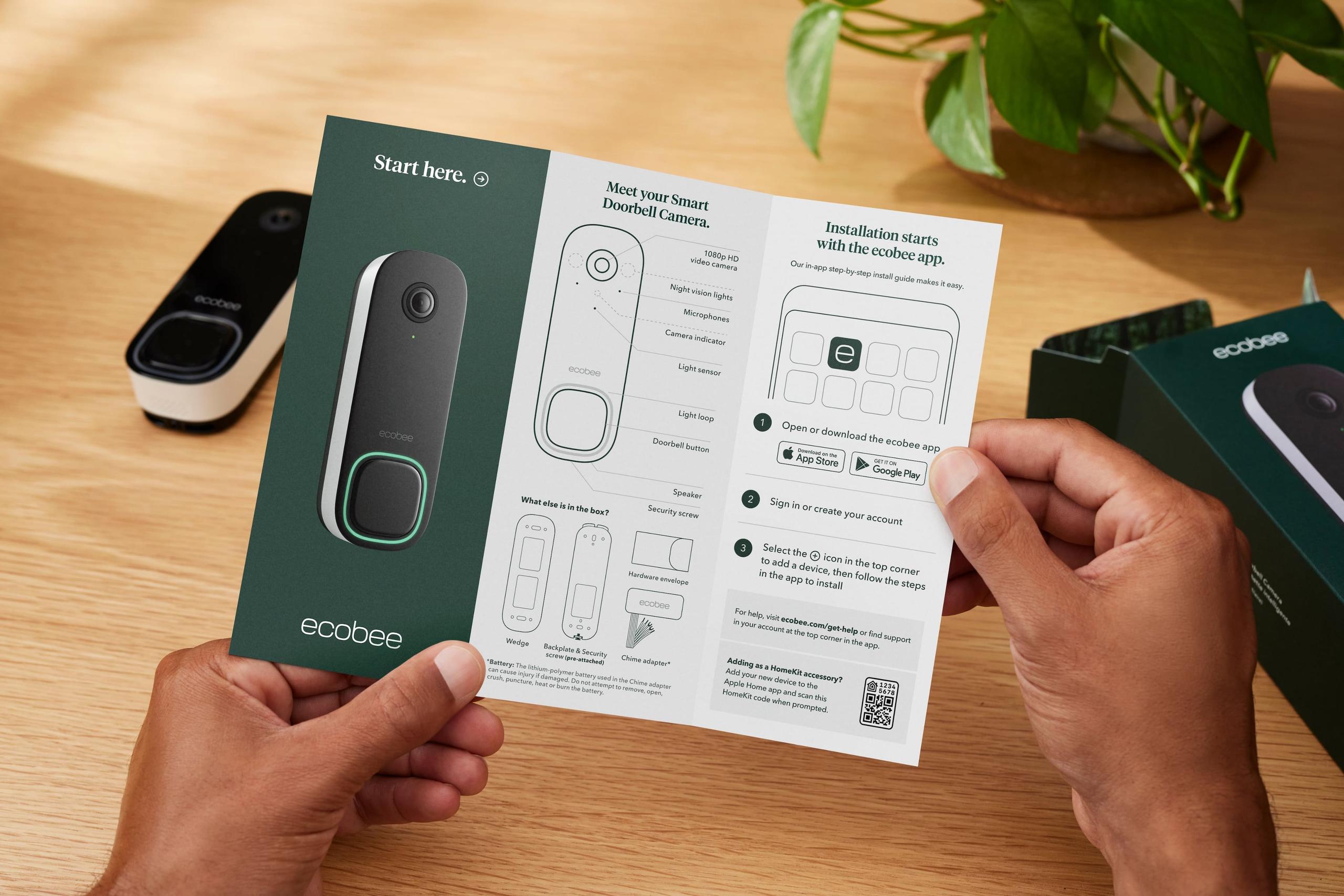
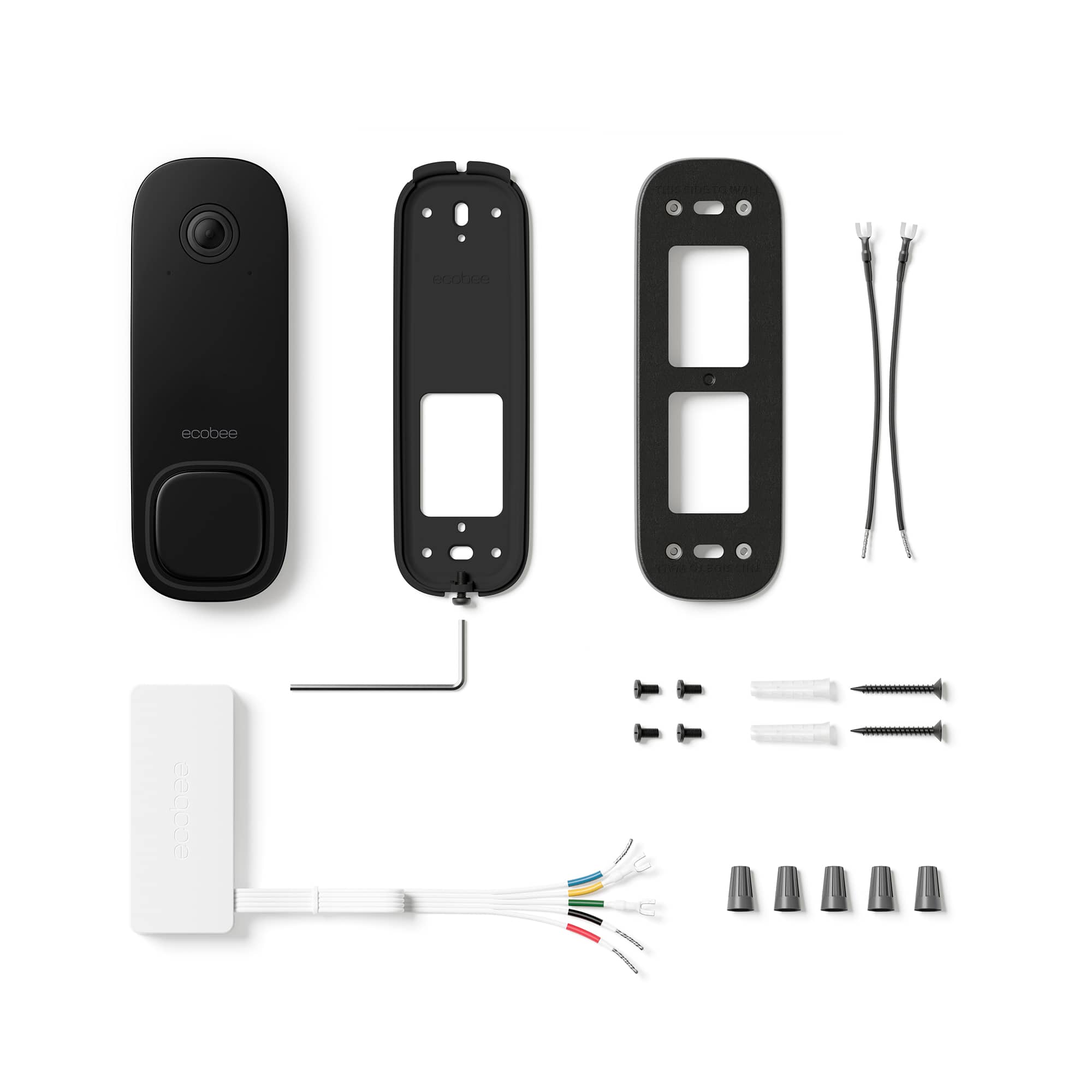
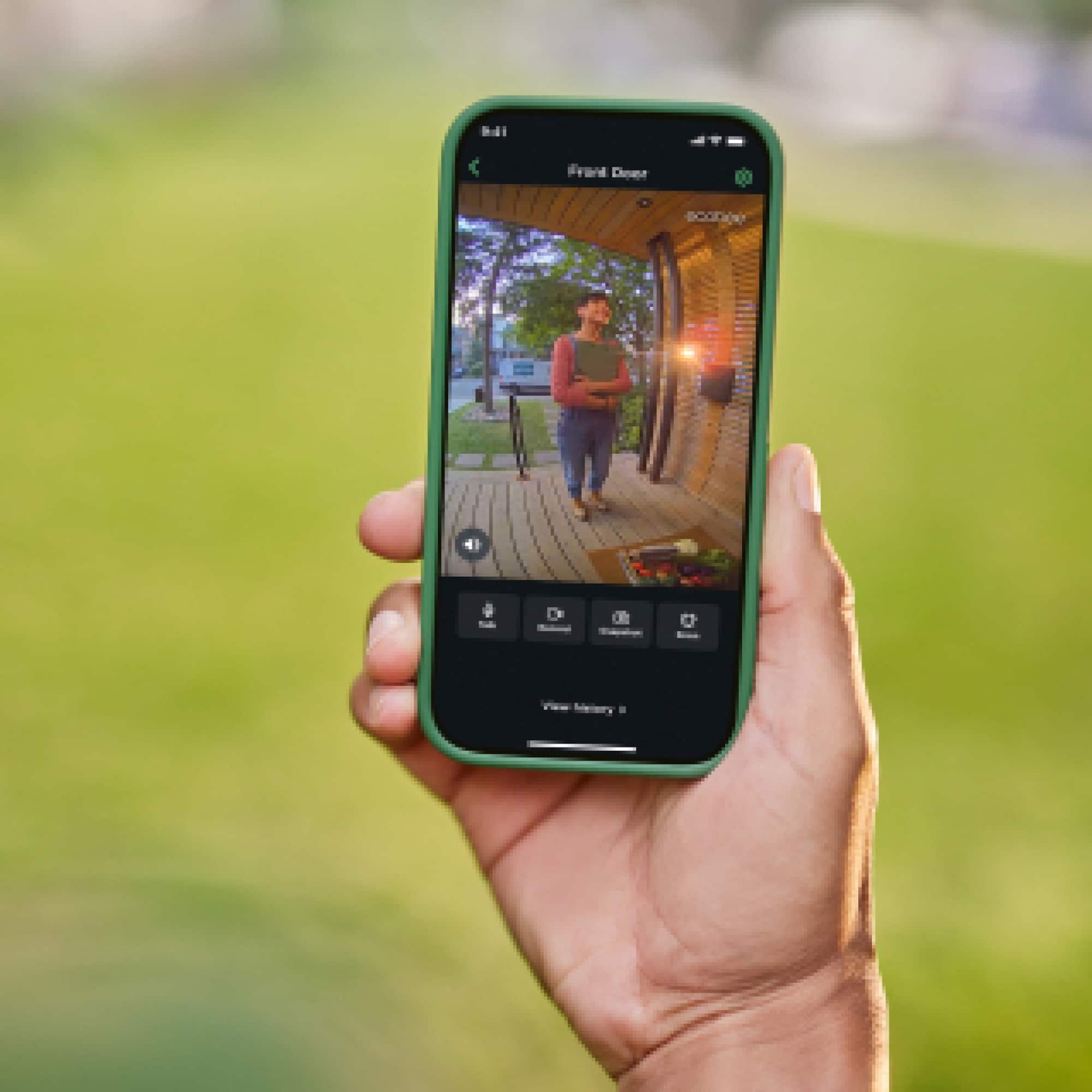
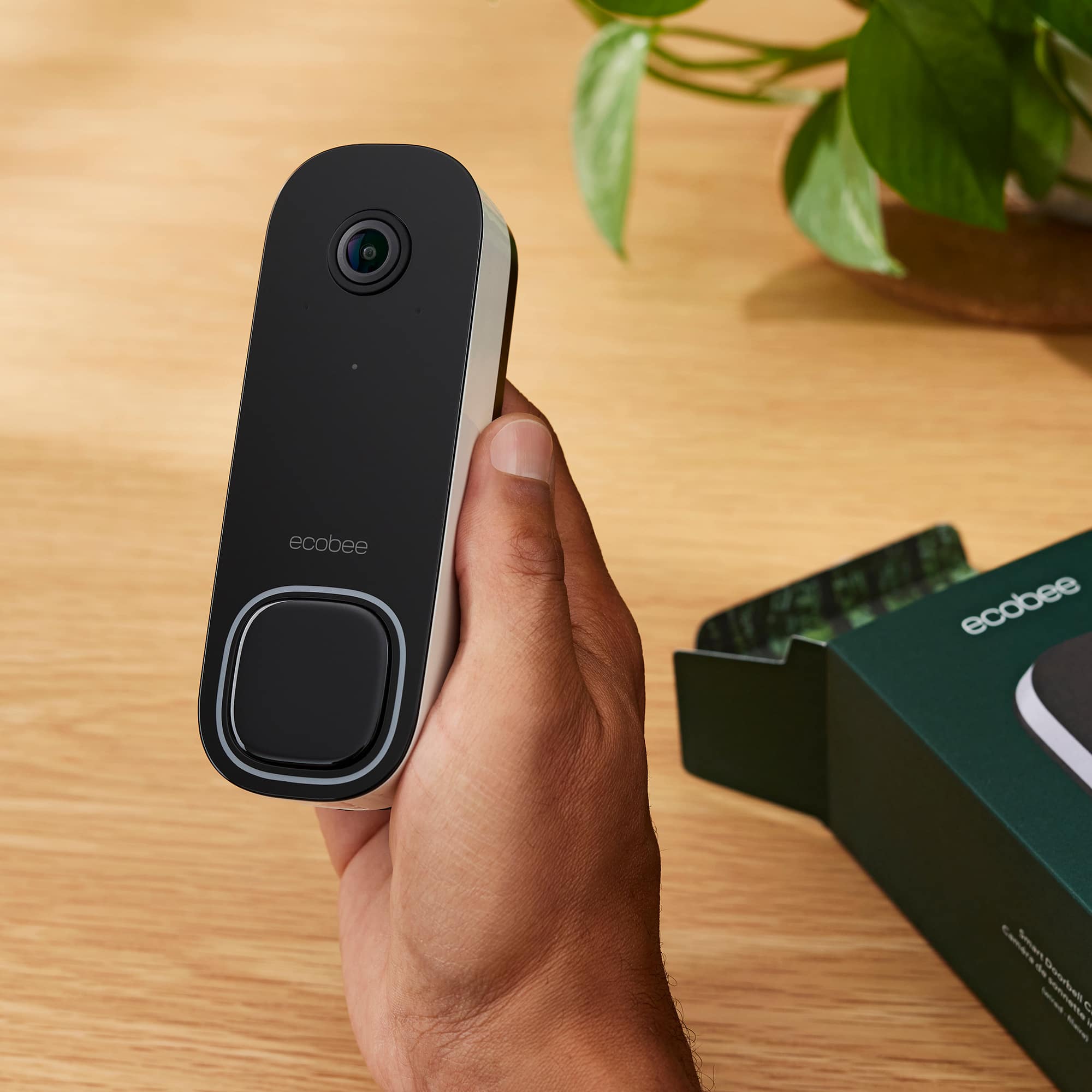
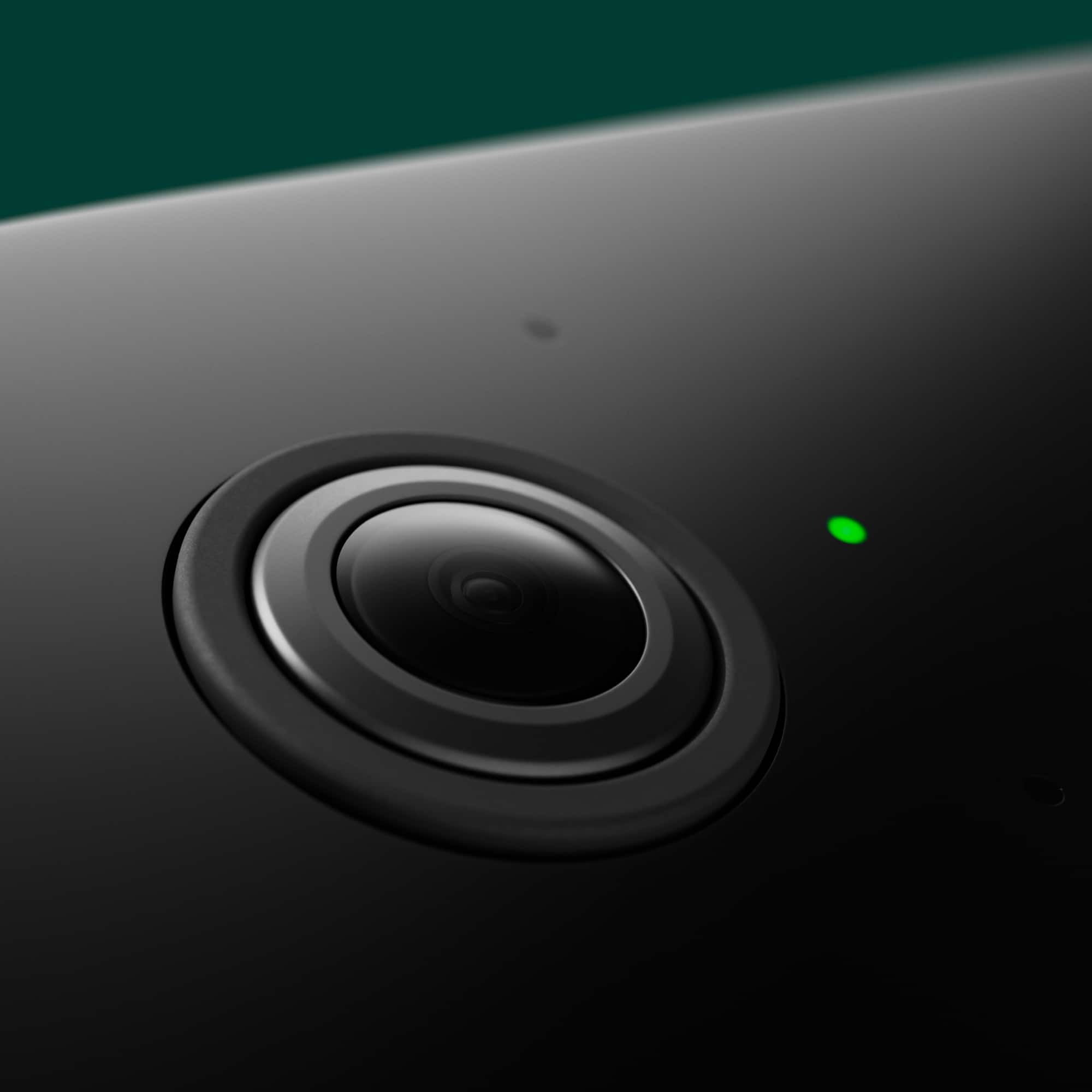
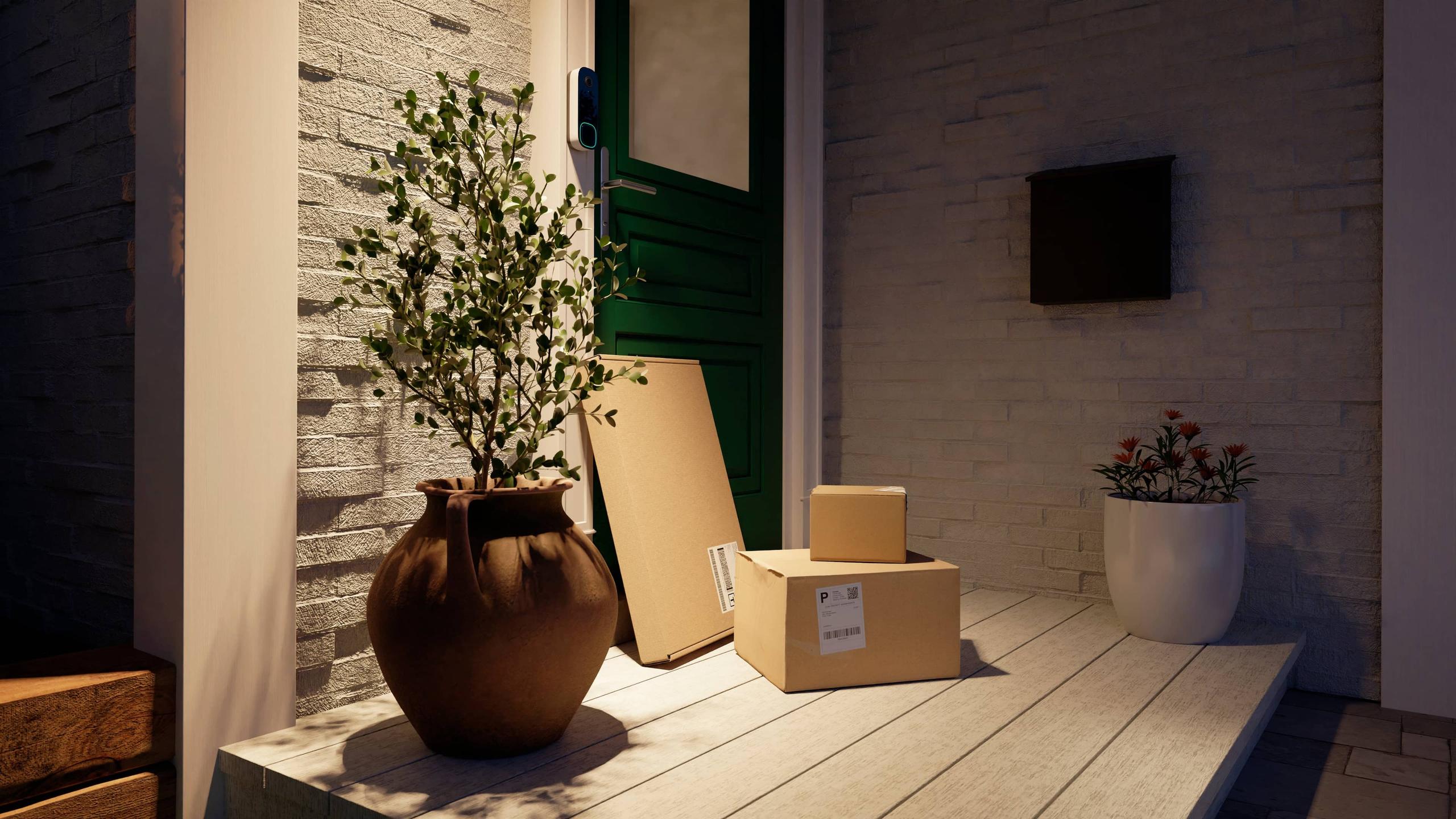
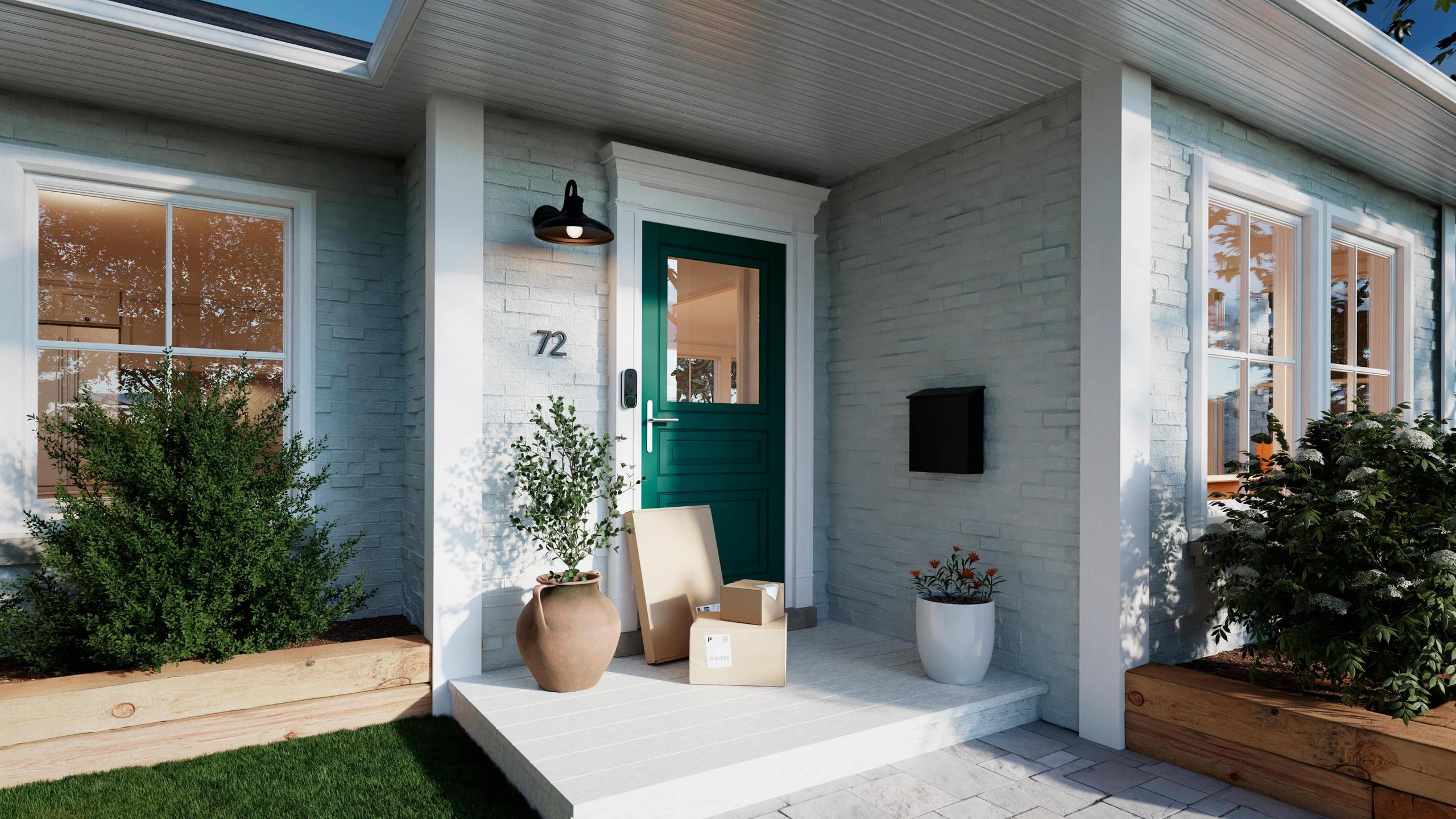

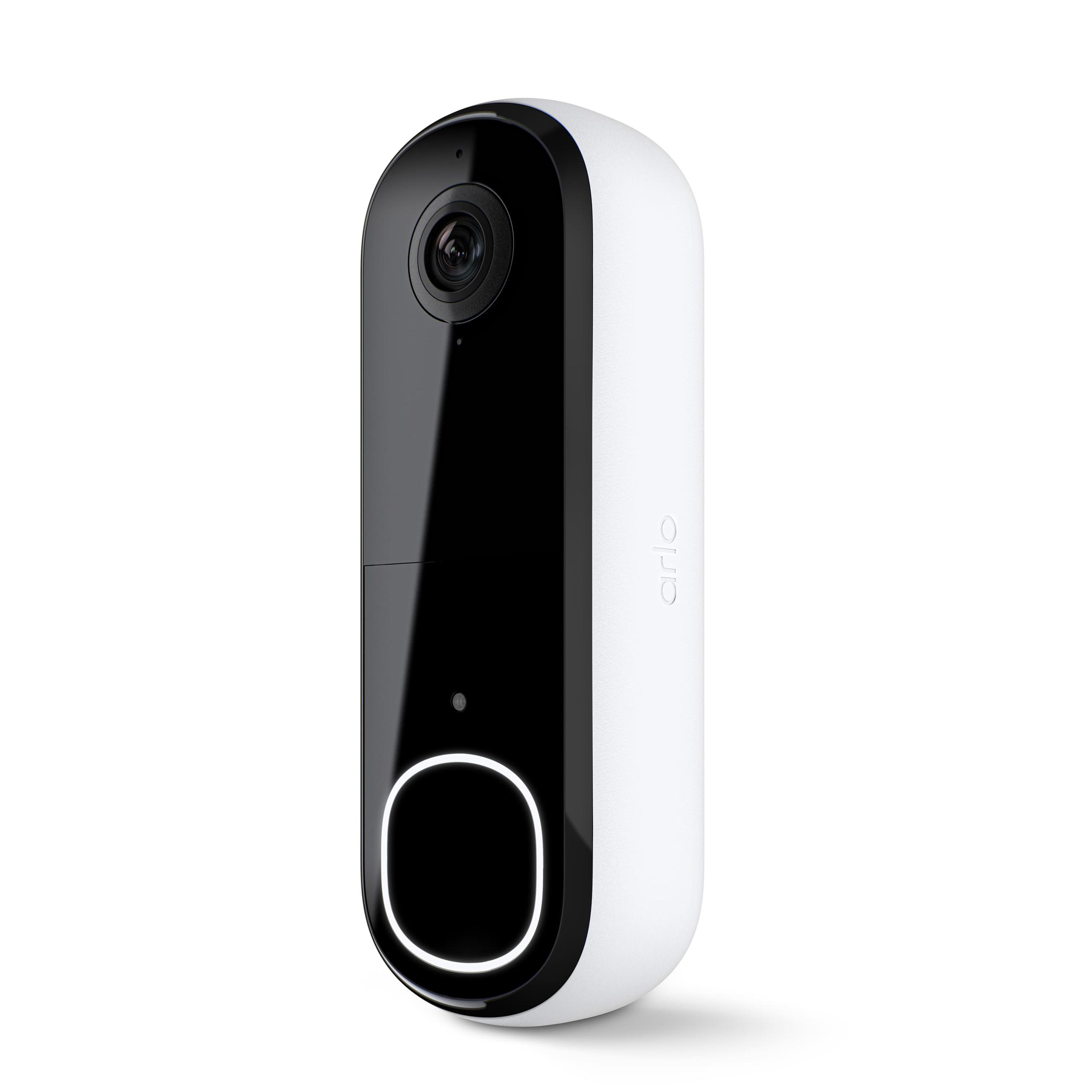


In the rapidly evolving world of smart home security, video doorbells have become essential devices for modern homes. Let's dive deep into comparing two popular options: the ecobee Smart Doorbell Camera Wired and the Arlo Video Doorbell 2nd Generation.
Video doorbells have come a long way from simple cameras with basic motion detection. Today's devices incorporate advanced features like AI-powered detection, HDR video, and smart home integration. Released in October 2023, the ecobee Smart Doorbell represents the company's first entry into this space, while the Arlo Video Doorbell 2nd Generation, launched in September 2023, builds upon Arlo's established security expertise.
The technical differences in video quality between these devices are fascinating. While the Arlo offers a choice between 1080p and 2K resolution (1536 x 1536 pixels), the ecobee sticks with 1080p but adds HDR (High Dynamic Range). HDR makes a real difference in doorbell cameras because they often deal with challenging lighting conditions - think about a visitor standing in bright sunlight while your porch is in shadow. The ecobee's HDR processing helps balance these extremes, making faces and details clearer in tricky lighting.
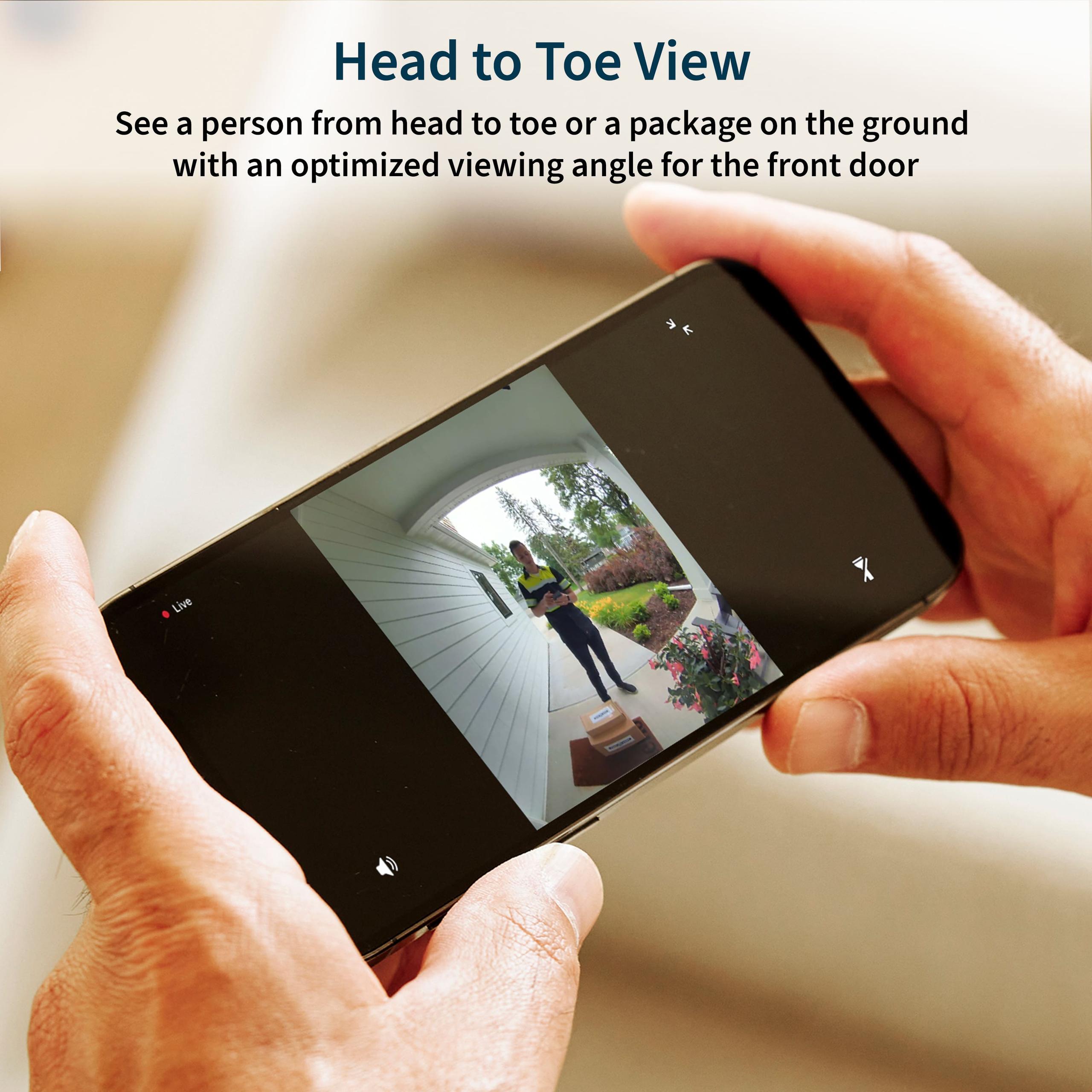
One of the most interesting technical innovations comes in how these devices approach field of view:
In real-world use, the ecobee's vertical orientation often proves more practical for typical front door scenarios, while the Arlo might be better for wider porches or entrances.
Modern video doorbells use artificial intelligence to distinguish between different types of motion, but their approaches vary significantly:
The ecobee employs radar verification alongside computer vision, which is relatively unique in this price range. This dual-sensor approach helps reduce false alerts because the radar can confirm physical movement while the camera analyzes the visual data. It's similar to how modern smartphones use multiple sensors to improve photo quality.
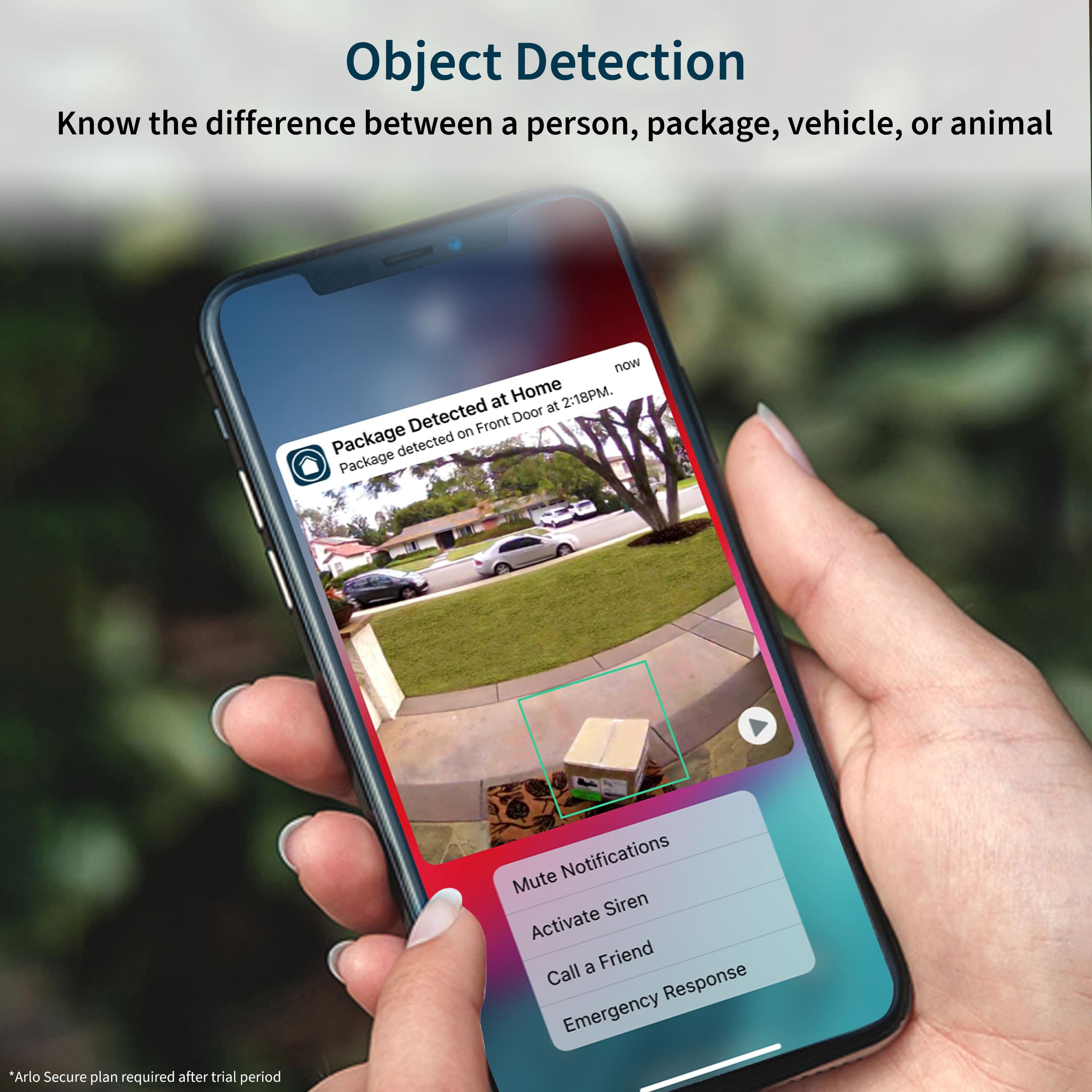
The Arlo relies on more traditional motion detection but includes sophisticated AI processing to differentiate between people, animals, and packages. While this works well, it typically generates more false positives than ecobee's radar-enhanced system.
Both doorbells offer strong smart home integration, but with different strengths:
The ecobee includes some innovative features like:
Arlo offers:
In low-light conditions, the ecobee's HDR capabilities really shine. It maintains color images longer into evening hours and provides clear black-and-white footage in darkness. The Arlo performs well too, but typically switches to black-and-white mode earlier in low light conditions.
Both devices handle motion detection and notifications differently:
At $129.99, the ecobee and $139.99 for the Arlo, both devices are competitively priced. However, the total cost of ownership depends on subscription services:
The choice between these doorbells often comes down to specific needs:
Choose the ecobee if:
Choose the Arlo if:
Both the ecobee Smart Doorbell Camera Wired and Arlo Video Doorbell 2nd Generation represent excellent choices in the smart doorbell category, with distinct advantages for different users. The ecobee excels in accuracy and smart integration, while the Arlo offers more flexibility and higher resolution options. Your existing smart home setup and specific monitoring needs should guide your final decision.
| ecobee Smart Doorbell Camera Wired | Arlo Video Doorbell 2nd Generation |
|---|---|
| Resolution - Determines image clarity and detail | |
| 1080p HDR (better for challenging lighting) | Choice of 1080p or 2K (1536x1536, higher detail) |
| Field of View - Affects what you can see at your door | |
| 175° vertical (optimized for packages and full-height view) | 180° diagonal (wider horizontal coverage) |
| Detection Technology - Impacts accuracy of alerts | |
| Radar + computer vision (fewer false alerts) | Standard motion + AI detection (more false positives) |
| Power Options - Affects installation flexibility | |
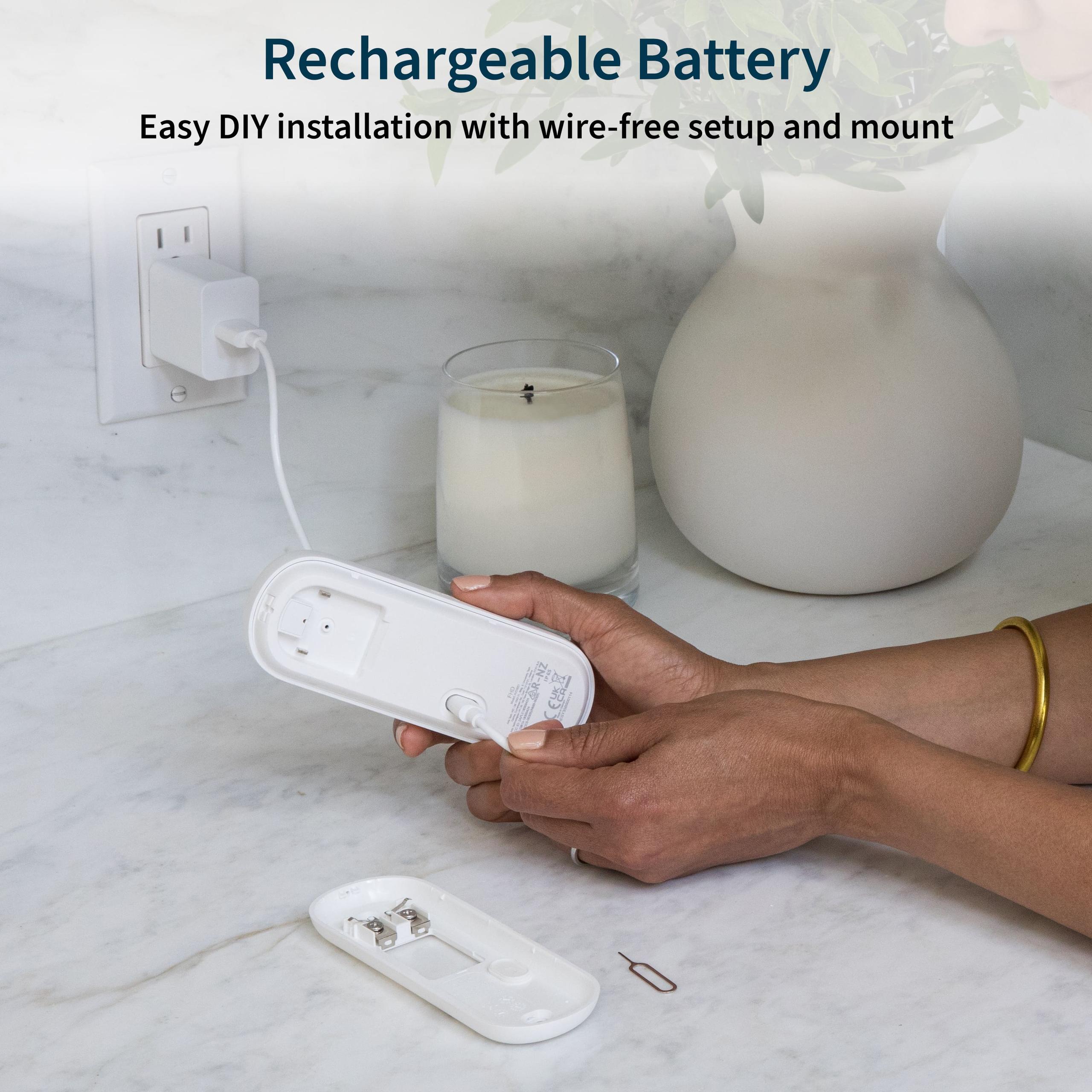
| Wired only (more reliable, no charging needed) | Battery or wired (flexible but requires charging) |
| Smart Home Integration - Important for ecosystem compatibility | |
| HomeKit, Alexa, ecobee ecosystem | Alexa, Google Assistant, Arlo ecosystem |
| Night Vision Capability - Critical for 24/7 monitoring | |
| Color in low light, HDR-enhanced night vision | Standard night vision, switches to B&W earlier |
| Storage Options - Affects ongoing costs | |
| 30-day cloud storage with subscription | 30-day cloud storage with Arlo Secure subscription |
| Price - Initial investment | |
| $129.99 (includes advanced radar detection) | $139.99 (includes battery option) |
| Weather Resistance - Durability in elements | |
| -4° to 140°F, IP65 rated | -4° to 113°F, weather-resistant |
| Additional Features - Extra functionality | |
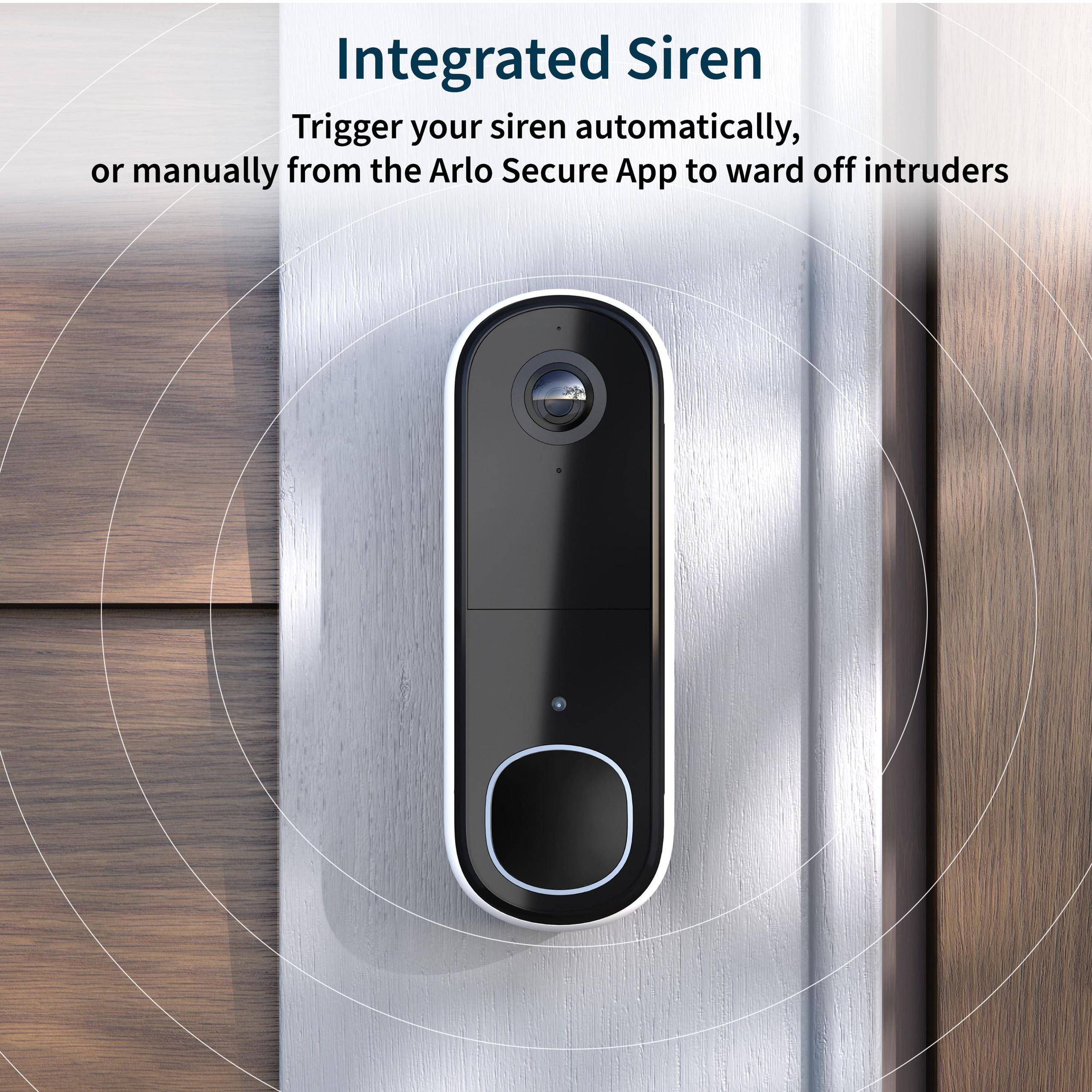
| Smart Focus tracking, thermostat integration | Built-in siren, quick-reply messages |
The Arlo Video Doorbell 2nd Generation offers higher resolution with its 2K option, while the ecobee Smart Doorbell features 1080p with HDR. The ecobee generally performs better in challenging lighting conditions, though Arlo's 2K resolution provides more detail in good lighting.
The ecobee Smart Doorbell Camera Wired is priced at $129.99, while the Arlo Video Doorbell 2nd Generation costs $139.99. Both require subscriptions for advanced features.
The ecobee Smart Doorbell maintains color vision longer in low light and offers HDR-enhanced night vision. The Arlo provides good night vision but switches to black and white mode earlier.
Yes, both doorbells require subscriptions for advanced features. The ecobee Smart Security subscription and Arlo Secure subscription both provide 30-day video storage and smart detection features.
Yes, both can detect packages. The ecobee Smart Doorbell uses radar technology for more accurate detection, while the Arlo Video Doorbell uses AI-based detection.
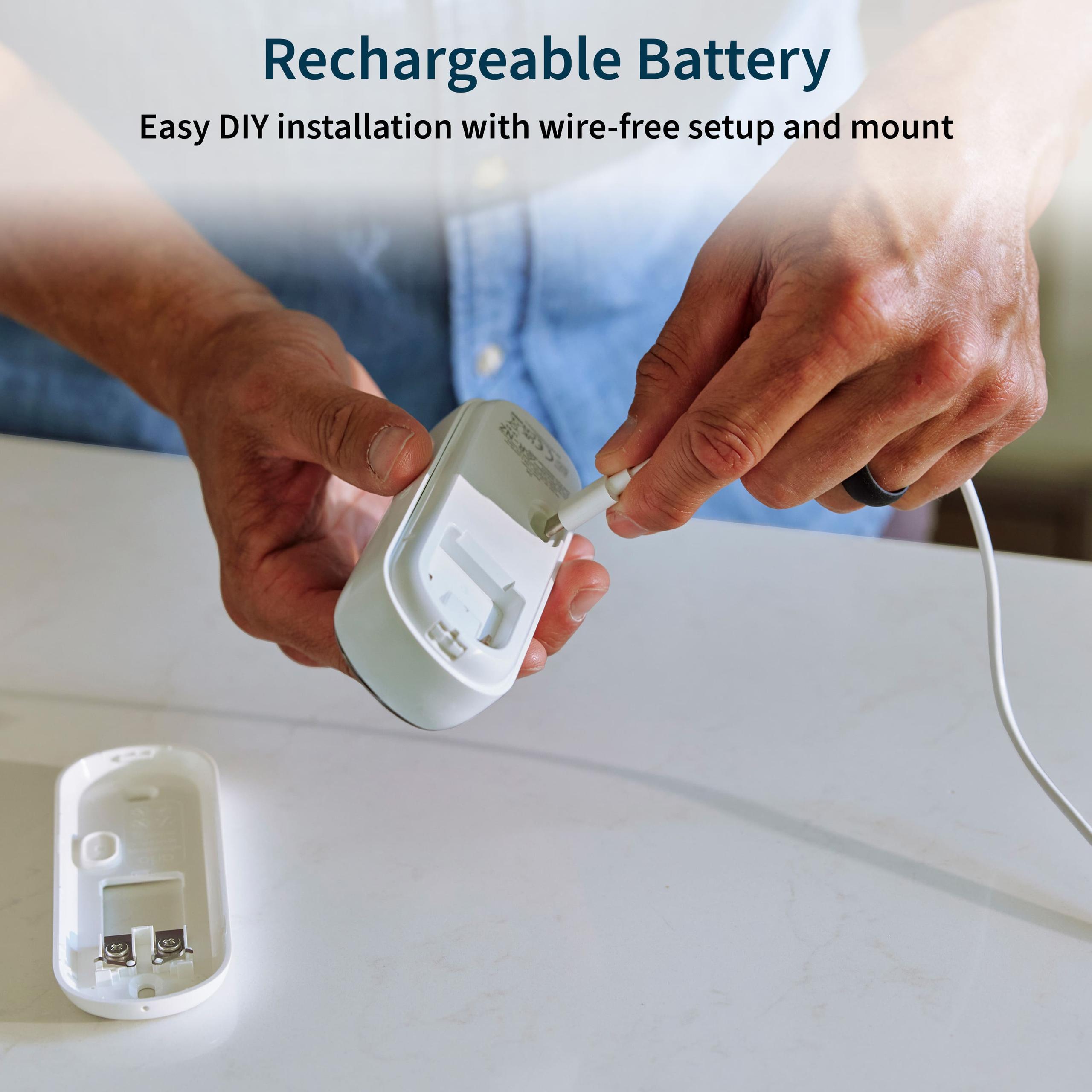
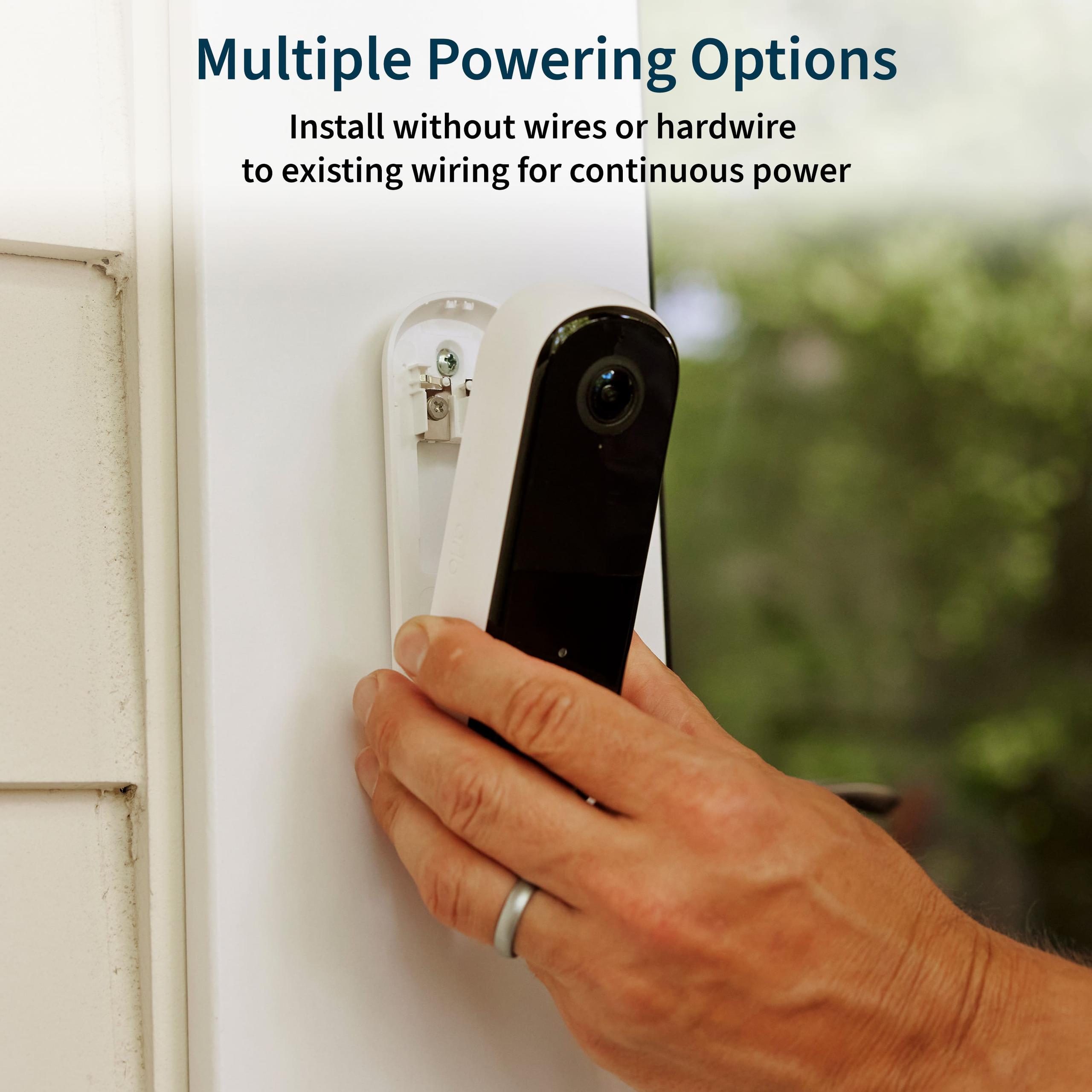
The Arlo offers more flexibility with both battery and wired options. The ecobee is wired-only, requiring existing doorbell wiring, but provides more reliable power once installed.
The ecobee has a 175° vertical field of view, ideal for seeing packages and full-height visitors. Arlo's 180° diagonal view provides wider horizontal coverage.
The ecobee Smart Doorbell integrates with HomeKit, Alexa, and ecobee thermostats. The Arlo Video Doorbell works with Alexa, Google Assistant, and other Arlo security devices.
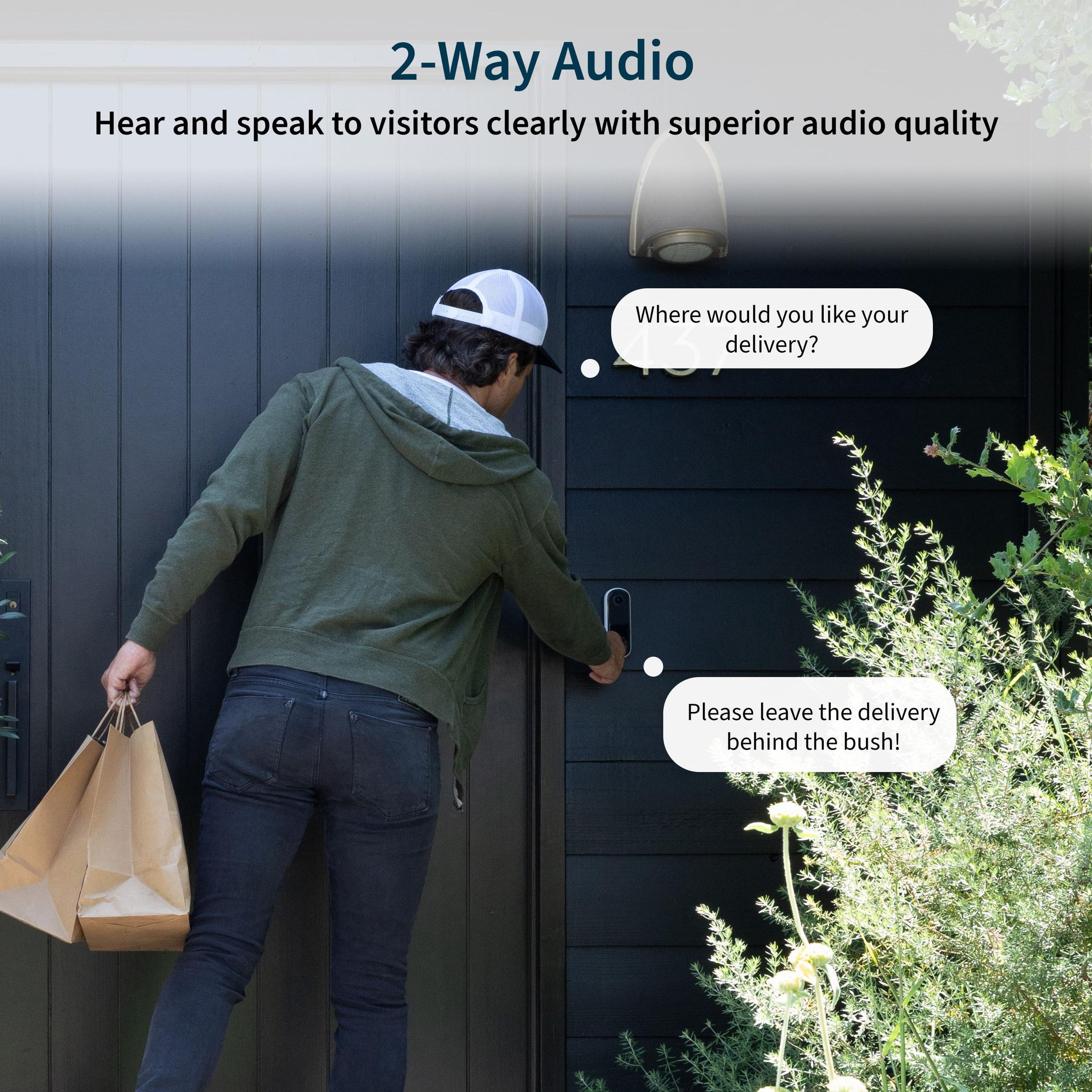
Yes, both doorbells support two-way audio communication and offer quick pre-recorded responses for when you can't answer live.
We've done our best to create useful and informative comparisons to help you decide what product to buy. Our research uses advanced automated methods to create this comparison and perfection is not possible - please contact us for corrections or questions. These are the sites we've researched in the creation of this article: ecobee.com - forums.macrumors.com - androidpolice.com - youtube.com - bgemarketplace.com - ecobee.com - abt.com - acwholesalers.com - adiglobaldistribution.pr - investors.generac.com - wave-electronics.com - blueirissoftware.com - security.org - arlo.com - bestbuy.com - androidcentral.com - arlo.com - community.arlo.com - youtube.com - community.arlo.com - community.arlo.com - arlo.com - t-mobile.com - youtube.com

Privacy Policy
Terms and Conditions - Affiliate Policy
Home Security
© Copyright 2008-2026.
11816 Inwood Rd #1211, Dallas, TX 75244