

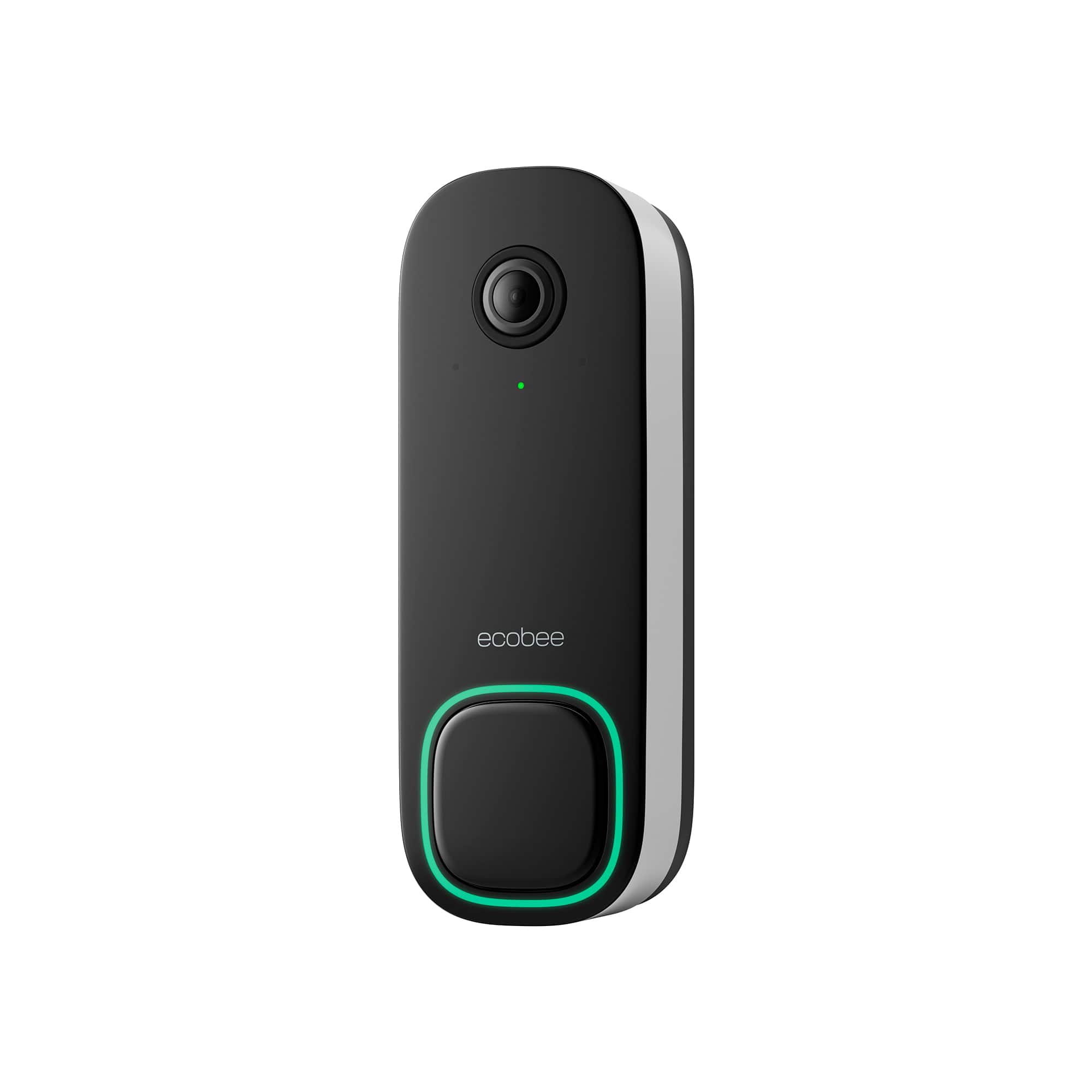


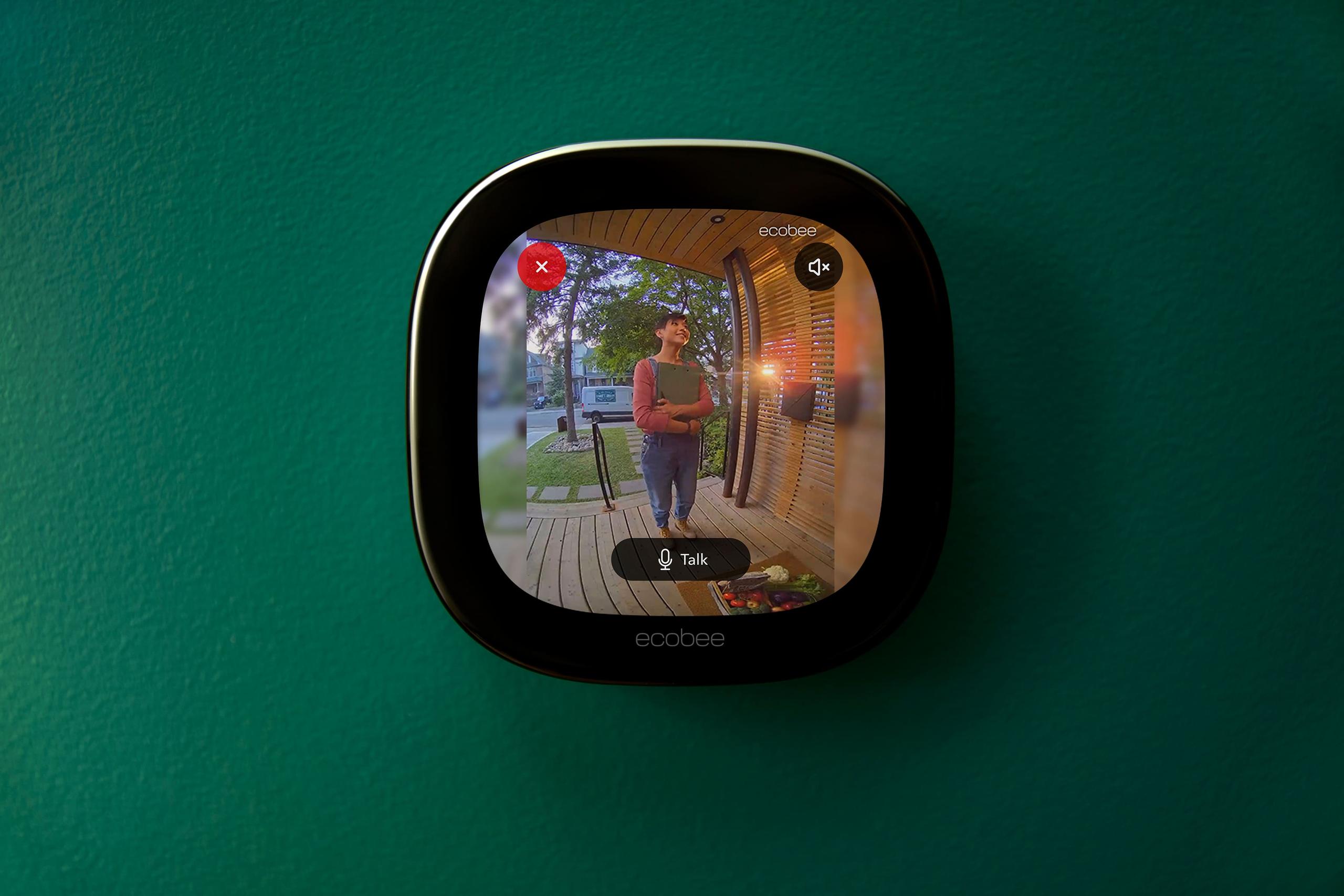

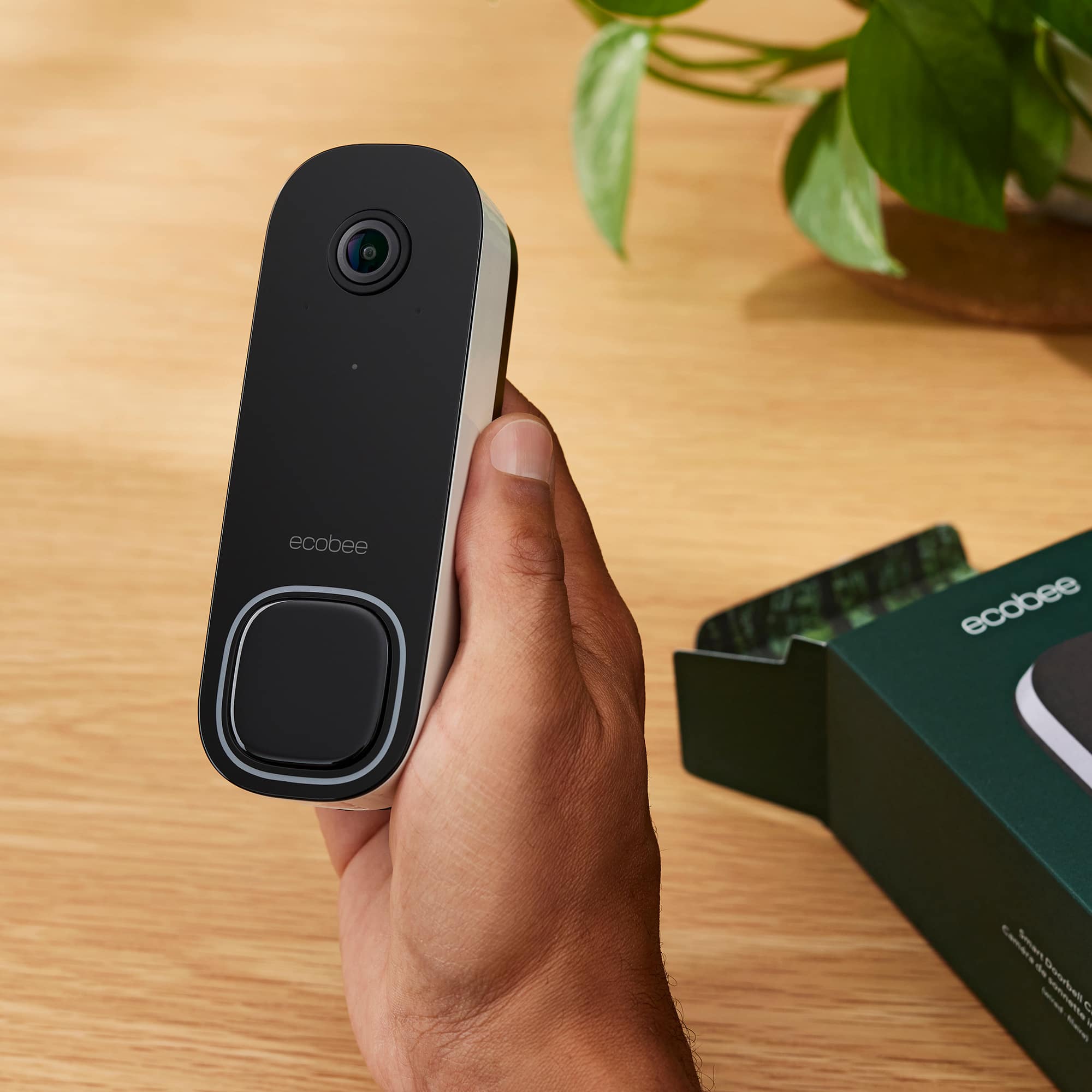

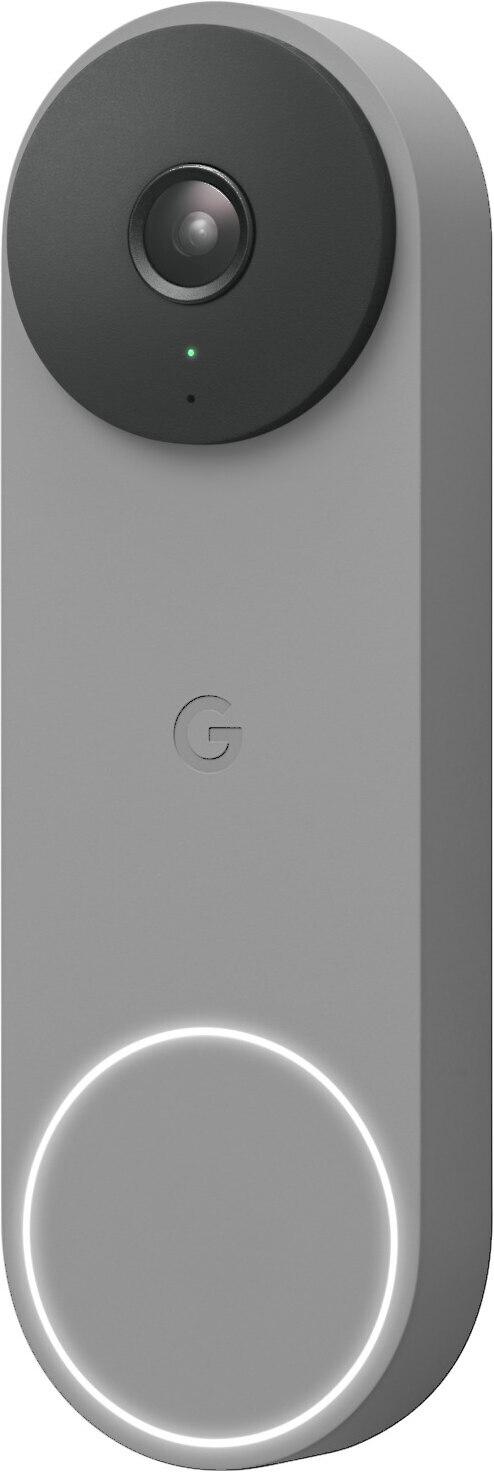
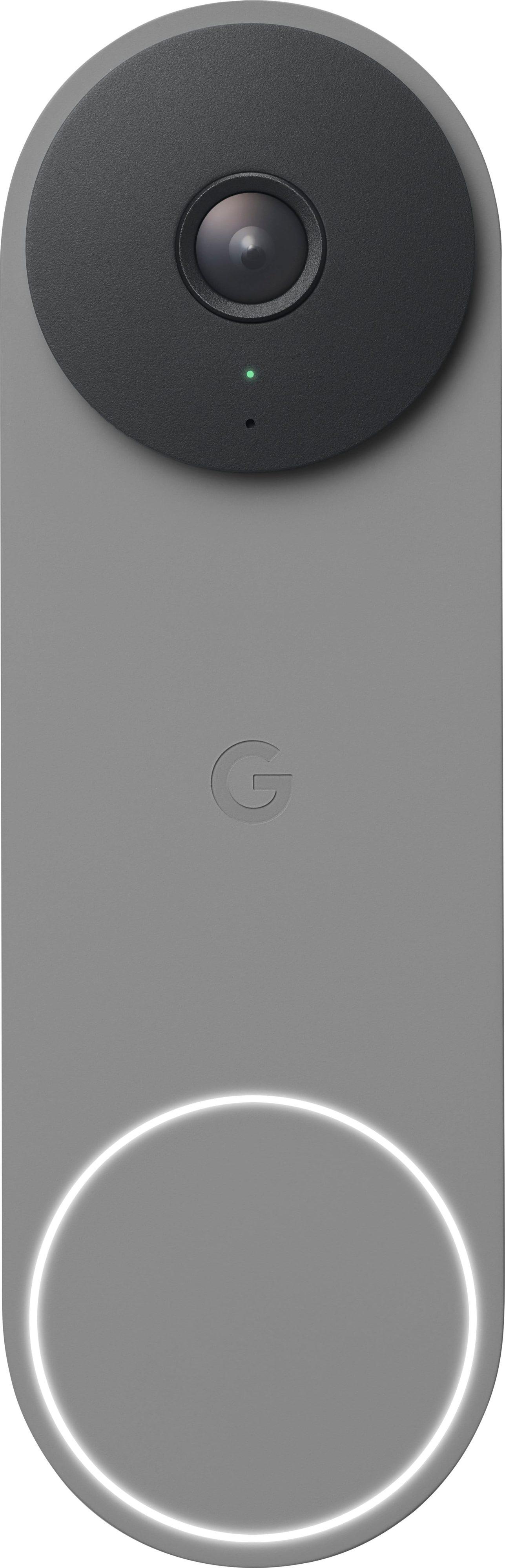

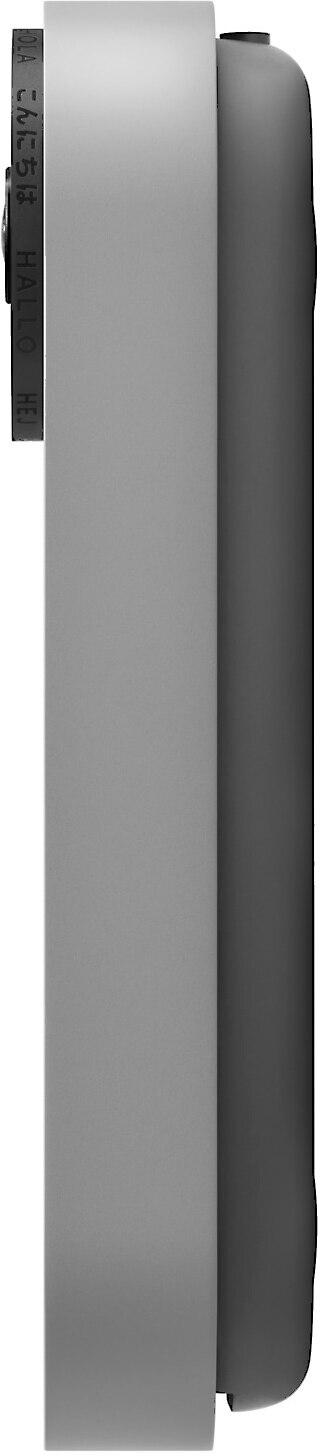
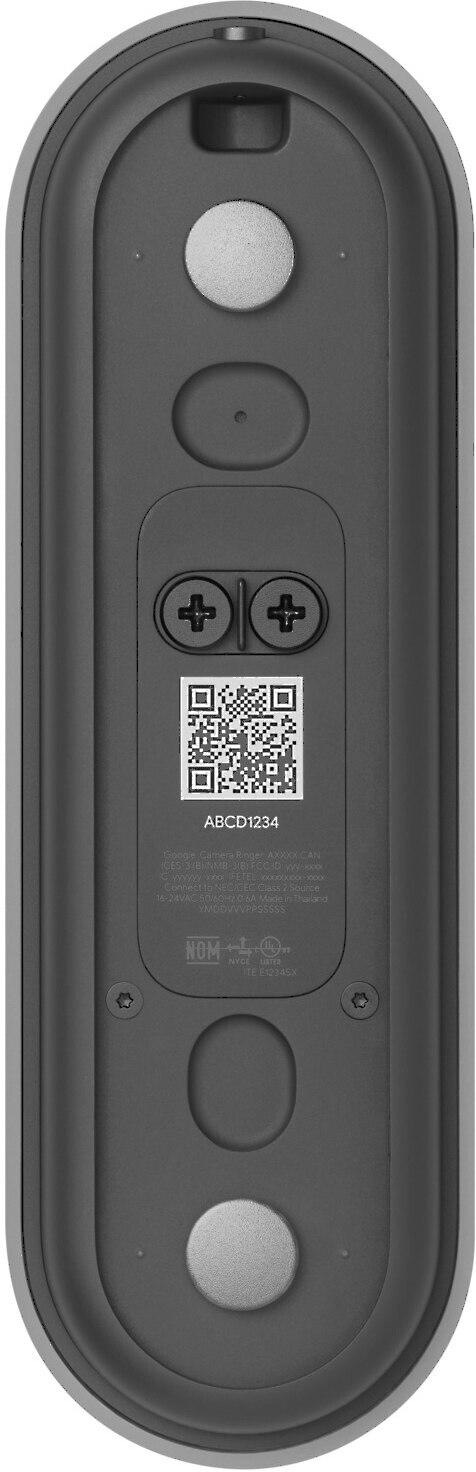
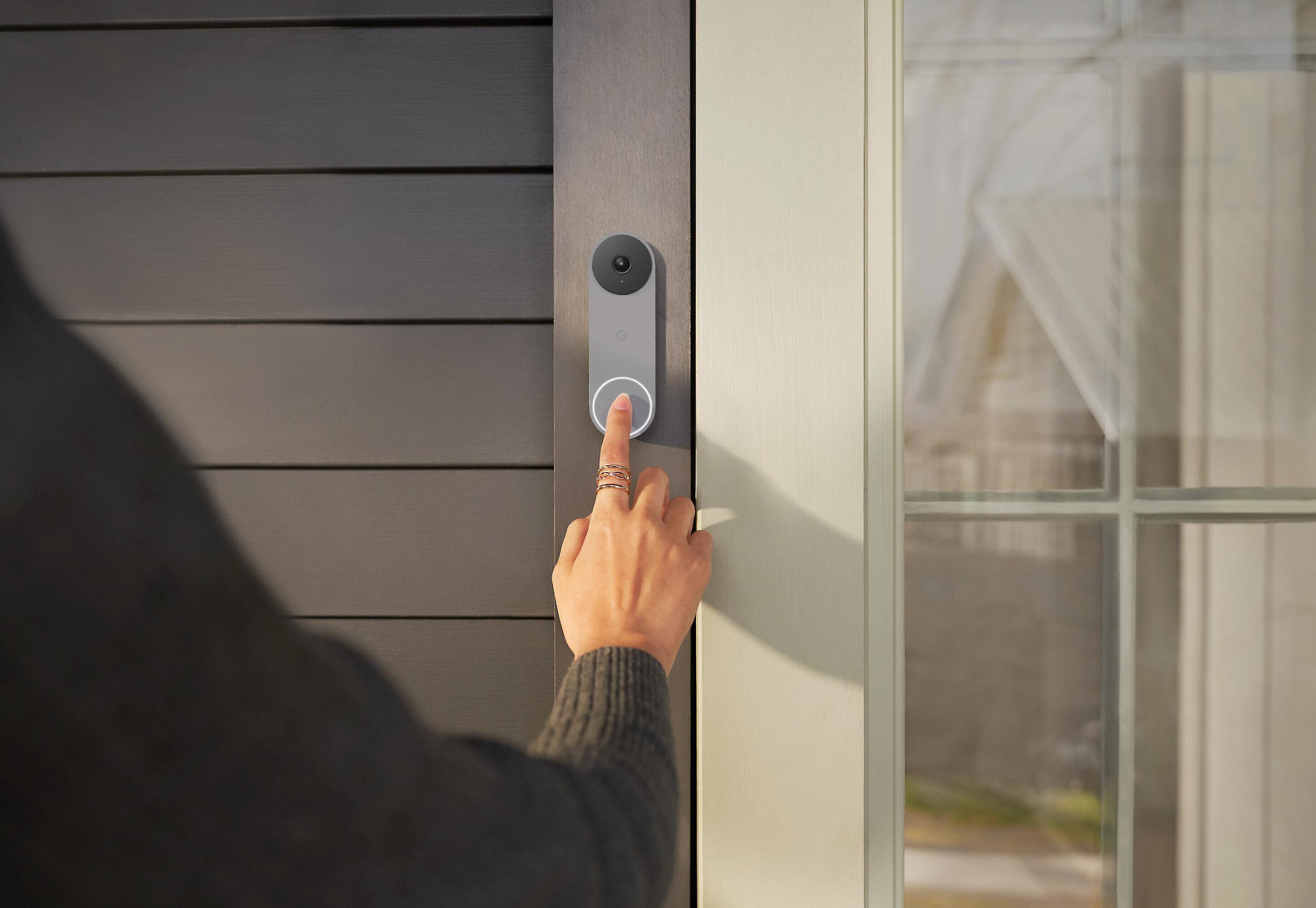

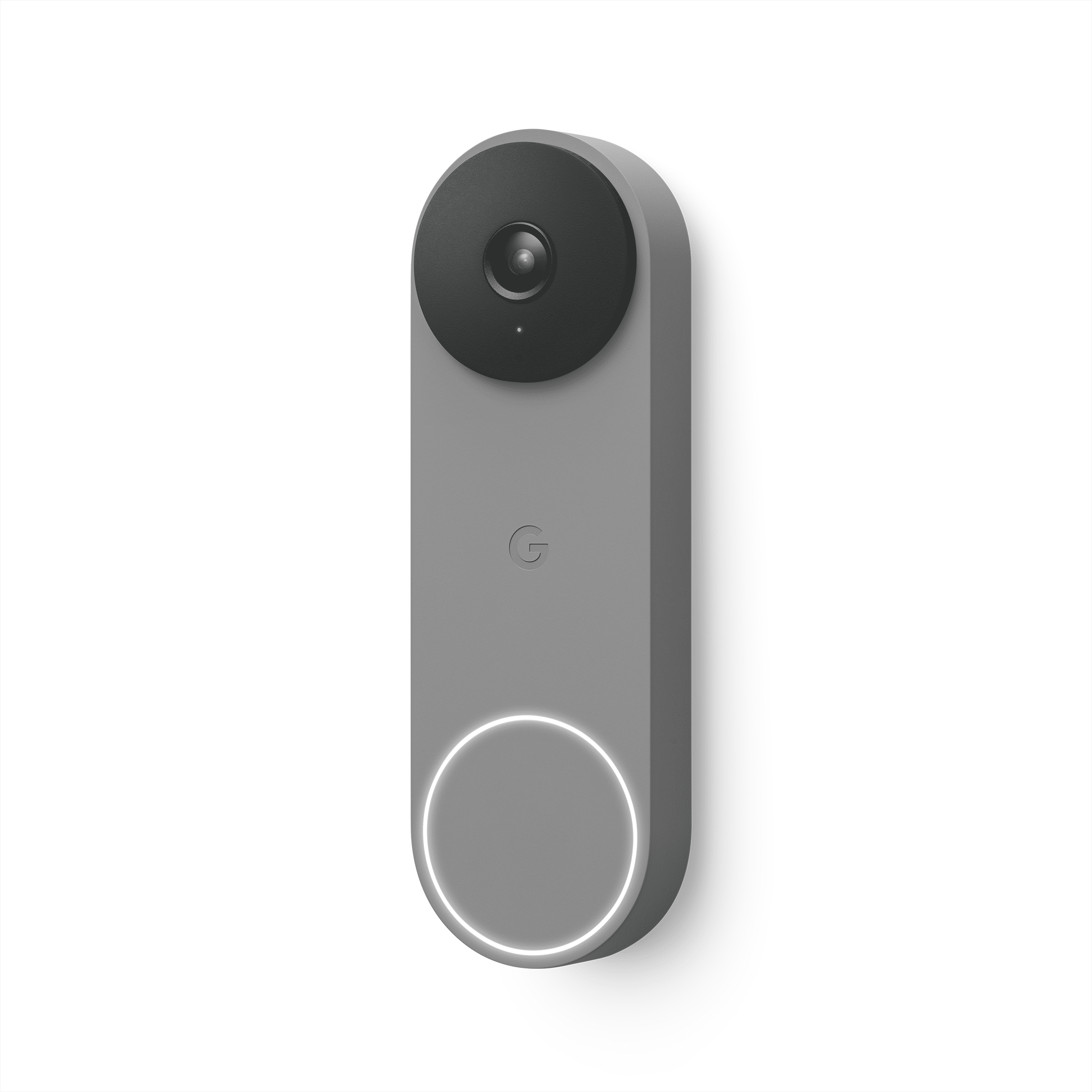
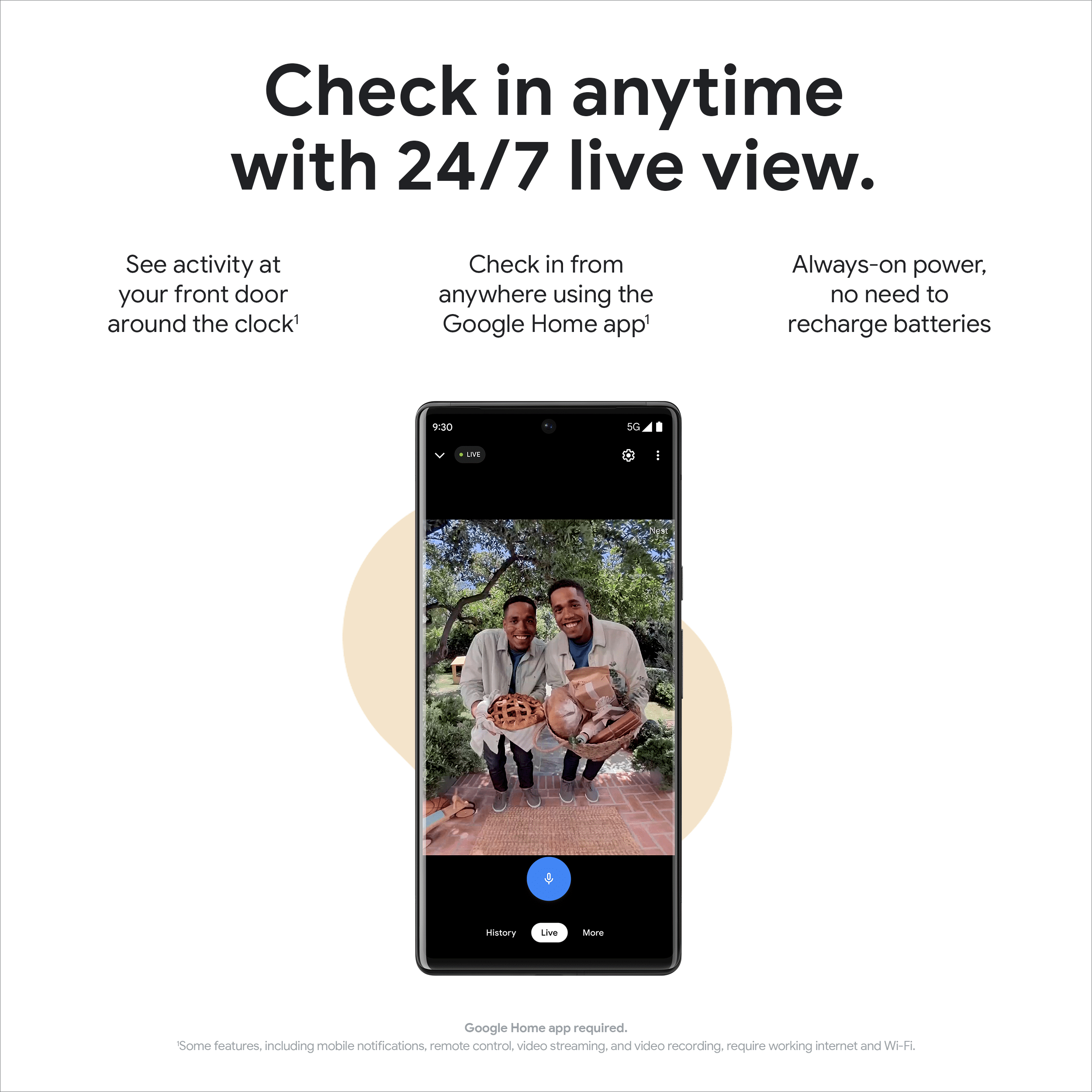


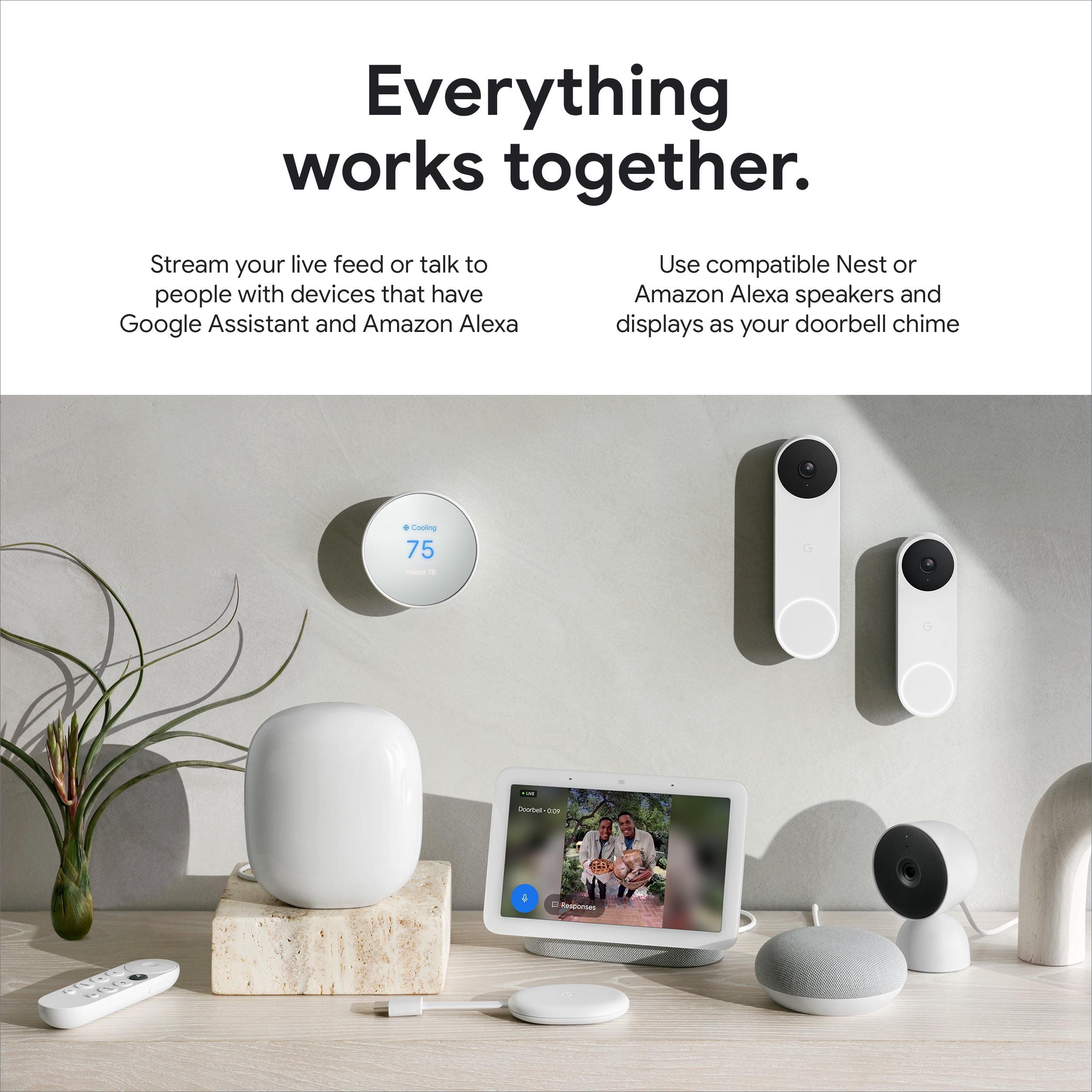
The world of smart doorbells has evolved dramatically, and two standout options are the new ecobee Smart Doorbell Camera Wired ($129.99) and the Google Nest Doorbell Wired 2nd Gen ($153.38). Let's dive into what makes these devices tick and help you make the right choice for your smart home.
Smart doorbells have become the eyes and ears of our front doors, doing far more than just letting us know someone's there. They've evolved into sophisticated security devices that can recognize faces, detect packages, and even integrate with our broader smart home systems.
The newest entrant, ecobee's doorbell camera (released October 2023), brings fresh competition to the established Nest lineup (updated in 2022). Both represent the latest in doorbell camera technology, but they take notably different approaches to some key features.
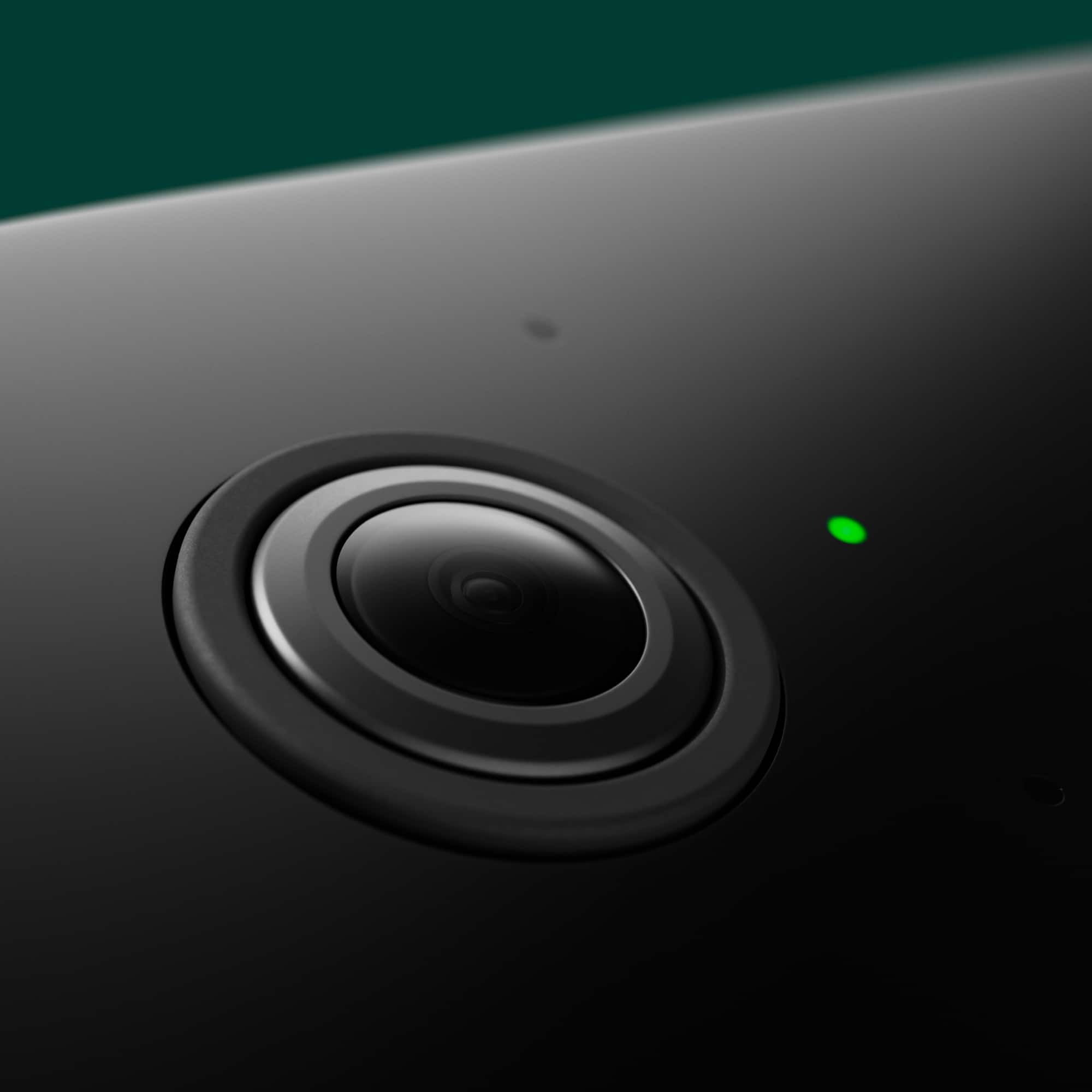
When it comes to doorbell cameras, video quality makes or breaks the experience. Both devices offer 1080p HD resolution, but there's more to the story than just pixel count.
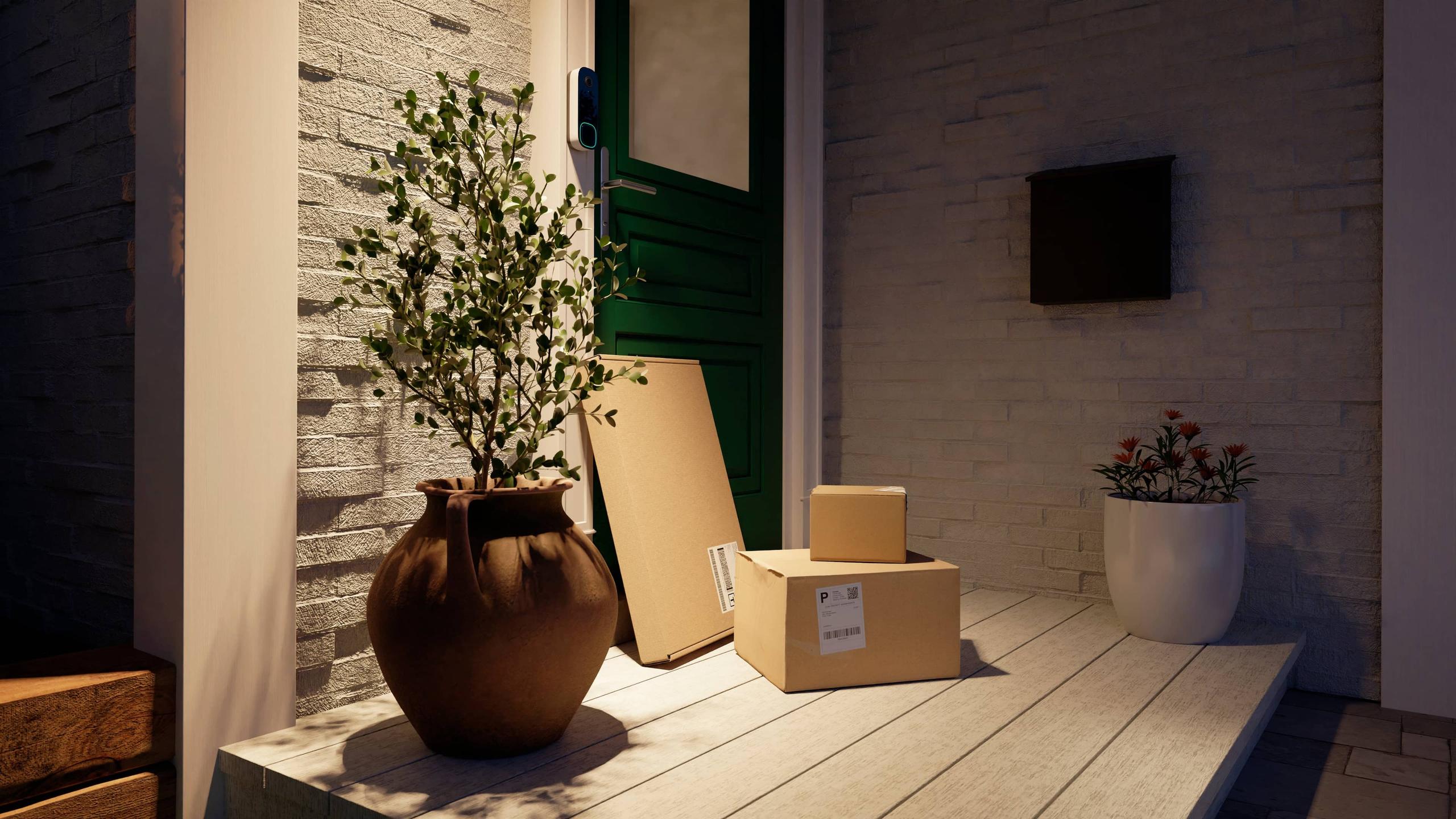
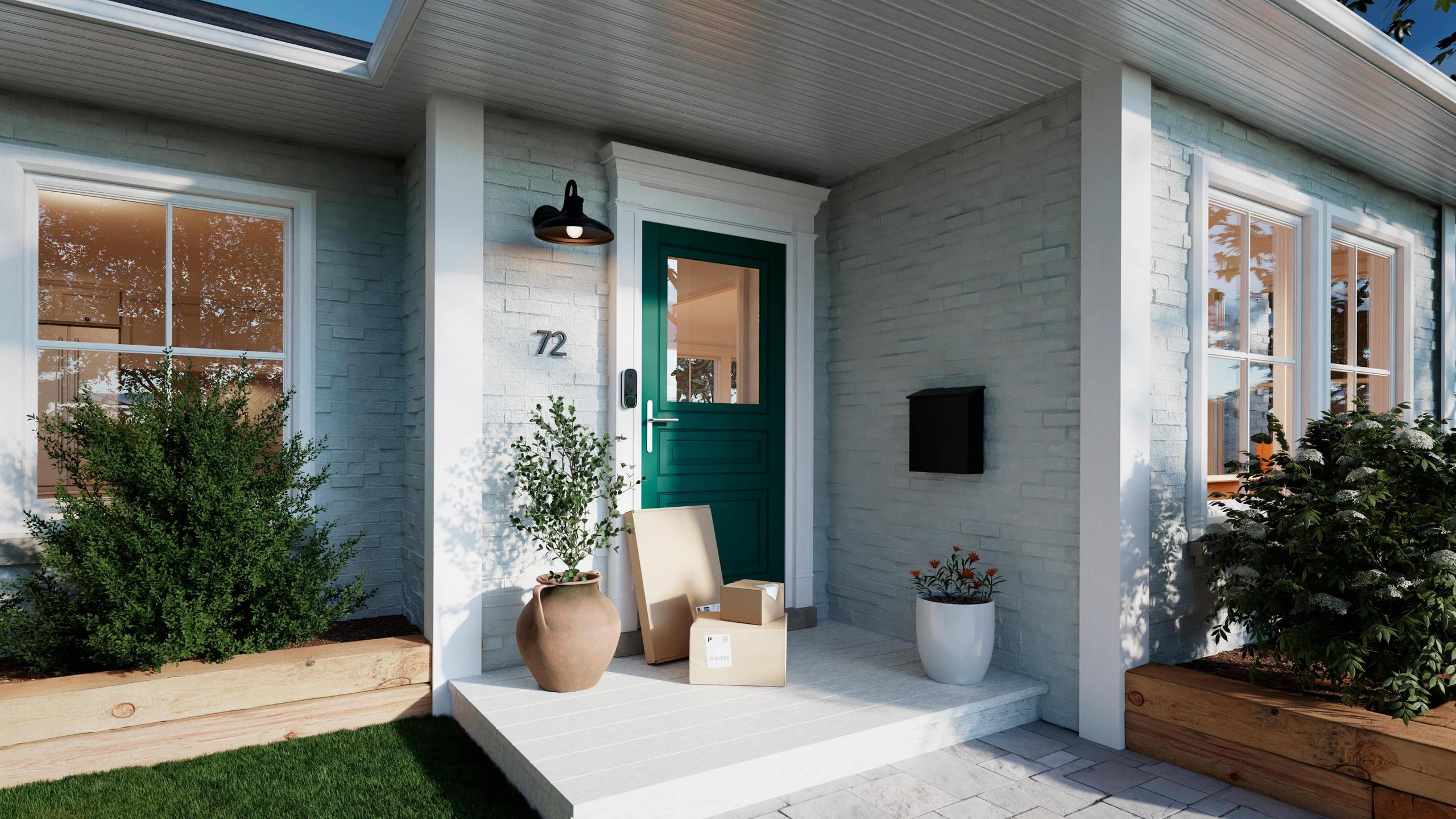
The ecobee Smart Doorbell Camera boasts an impressive 175° vertical field of view - a game-changer for package detection. This means you can see packages right at your doorstep and visitors from head to toe. The Nest Doorbell offers a 160° diagonal field of view, which provides good coverage but might miss packages placed close to the door.
Both cameras handle low-light situations well, but they use different approaches:
Modern doorbell cameras are essentially small computers running sophisticated AI algorithms. Here's where these devices really differentiate themselves:
The ecobee combines radar verification with computer vision, which helps reduce false alerts. Nest leverages years of Google's AI expertise with on-device machine learning, offering particularly accurate person, package, and vehicle detection.
A key advantage of the Nest is its ability to record up to an hour of events if your WiFi goes down - something the ecobee currently can't match.
Your existing smart home setup should heavily influence your choice:
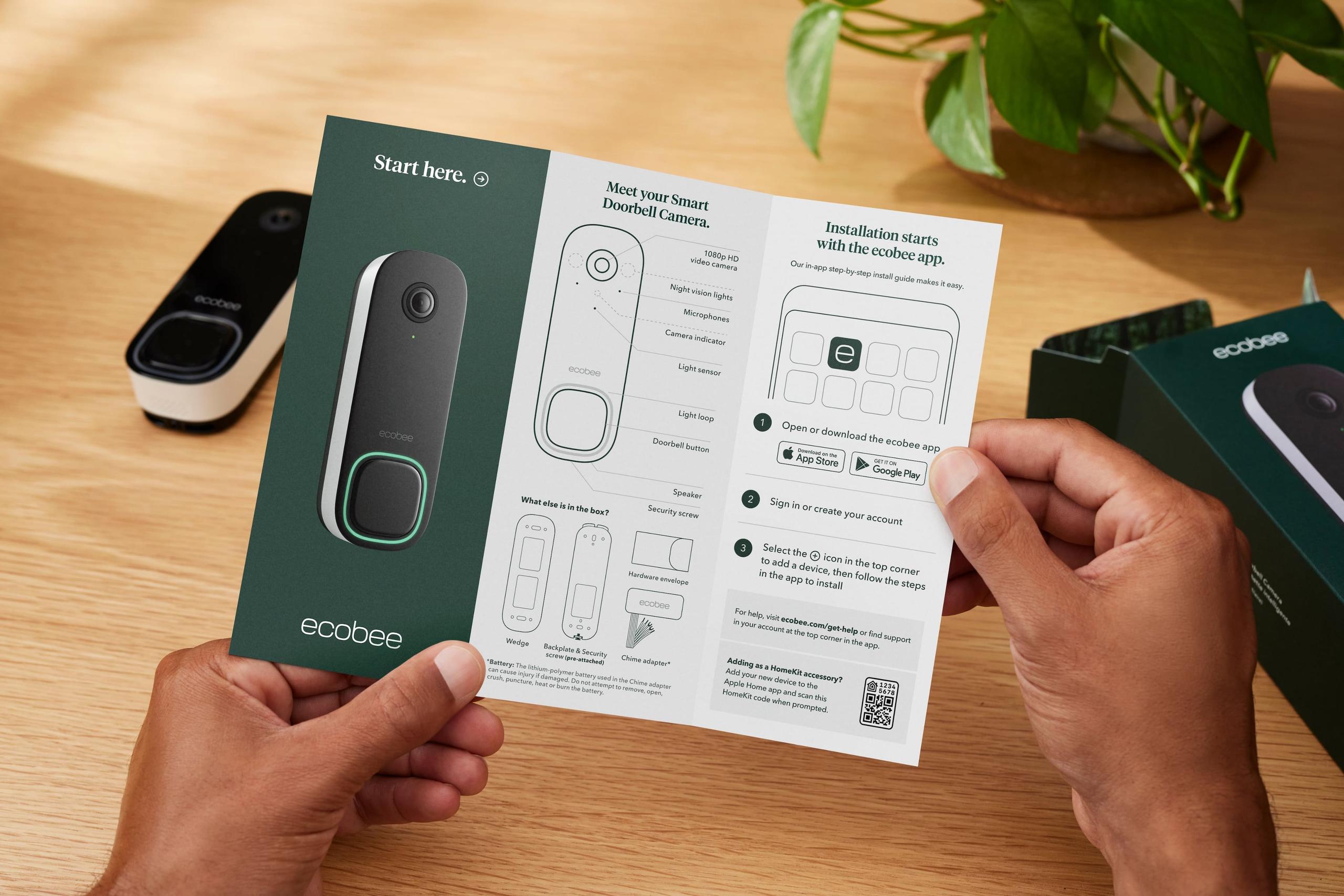
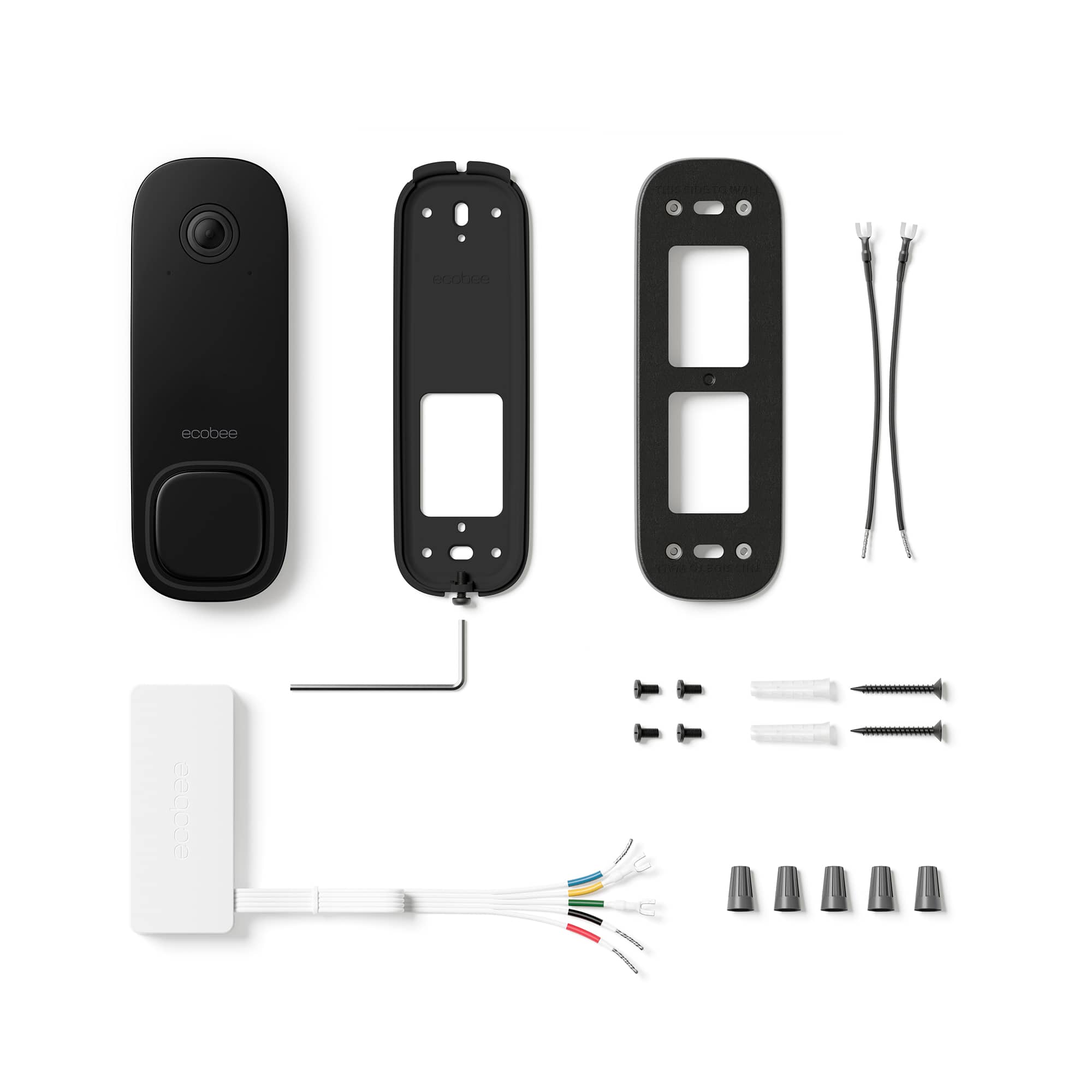
Both doorbells require existing doorbell wiring (16-24V AC), but the installation process differs slightly:
After extensive testing and user feedback analysis, some clear patterns emerge:
Both devices offer quick notification delivery, but Nest has a slight edge in speed-to-alert, likely due to its on-device processing.
Initial purchase price is just part of the equation:
ecobee Smart Doorbell Camera at $129.99:
Nest Doorbell Wired 2nd Gen at $153.38:
Both devices represent excellent options in today's smart doorbell market, but they serve slightly different needs. The ecobee brings impressive technical specifications and multi-platform support, while the Nest offers a more polished, integrated experience within the Google ecosystem.
Consider your existing smart home setup, preferred ecosystem, and specific monitoring needs when making your choice. If you're platform-agnostic and want the latest technology, the ecobee's wider field of view and multi-platform support make it compelling. If you're already in the Google ecosystem and want proven reliability, the Nest remains an excellent choice.
Remember that both devices will continue to evolve through software updates, but their core strengths - ecobee's field of view and platform flexibility versus Nest's mature AI and ecosystem integration - will likely remain defining characteristics.
| ecobee Smart Doorbell Camera Wired | Google Nest Doorbell Wired 2nd Gen |
|---|---|
| Price - Base hardware cost | |
| $129.99 | $153.38 |
| Field of View - Determines how much you can see | |
| 175° vertical (superior package visibility) | 160° diagonal (good general coverage) |
| Video Resolution - Affects image clarity and detail | |
| 1080p HDR | 1080p HDR |
| Smart Detection Features - Impacts alert accuracy | |
| Radar verification + computer vision | On-device machine learning with person, package, vehicle detection |
| Ecosystem Compatibility - Critical for smart home integration | |
| HomeKit, Alexa, ecobee ecosystem | Google Home ecosystem only |
| Cloud Storage - Affects access to recorded events | |
| Subscription required for 30-day storage | 3 hours free, subscription for extended storage |
| Operating Temperature Range - Important for extreme climates | |
| -4° to 140°F (-20° to 60°C) | -4° to 104°F (-20° to 40°C) |
| Power Requirements - Installation consideration | |
| 16-24V AC transformer required | 16-24V AC transformer required |
| Night Vision Capabilities - Critical for 24/7 monitoring | |
| Color night vision with advanced sensors | Infrared LED night vision |
| Two-Way Audio - Important for visitor interaction | |
| HD audio with noise reduction | HD audio with echo cancellation |
| Weather Resistance - Durability factor | |
| IP65 rated (dust-tight and water-resistant) | IPx4 rated (water-resistant) |
| Additional Features - Extra value considerations | |
| Smart Focus auto-tracking, package alerts | 1-hour offline recording, familiar face detection |
The ecobee Smart Doorbell Camera ($129.99) is better for HomeKit users and offers a wider vertical view, while the Google Nest Doorbell ($153.38) is superior for Google Home users and has more mature AI features.
Both the ecobee and Nest doorbells offer 1080p HDR video quality. The main difference is field of view - ecobee's 175° vertical view versus Nest's 160° diagonal view.
The ecobee Smart Doorbell requires a subscription for video storage, while the Nest Doorbell offers 3 hours of free event storage but needs a subscription for extended features.
The ecobee's wider vertical field of view makes it slightly better for seeing packages placed close to the door, though both devices offer reliable package detection alerts.
Yes, both the ecobee and Nest doorbells work with standard doorbell wiring (16-24V AC transformer). Professional installation is recommended if you're unsure about electrical work.
Both are similarly straightforward to install. The Nest has a slight advantage with more installation history and documentation, while the ecobee offers detailed in-app guidance.
Yes, both offer night vision capabilities. The ecobee Smart Doorbell uses advanced sensors for color night vision, while the Nest Doorbell uses infrared LEDs.
The ecobee Smart Doorbell works with Alexa, while the Nest Doorbell only works with Google Assistant.
The ecobee Smart Doorbell ($129.99) is more affordable than the Nest Doorbell ($153.38), but consider subscription costs and ecosystem compatibility in your decision.
Neither doorbell records continuously by default. Both record based on events and motion detection, with storage depending on subscription plans.
The ecobee Smart Doorbell offers broader compatibility (HomeKit, Alexa, ecobee ecosystem), while the Nest Doorbell works exclusively with Google Home but provides deeper integration within that ecosystem.
Yes, both are weather-resistant. The ecobee has an IP65 rating (better dust and water protection), while the Nest has an IPx4 rating (water-resistant).
We've done our best to create useful and informative comparisons to help you decide what product to buy. Our research uses advanced automated methods to create this comparison and perfection is not possible - please contact us for corrections or questions. These are the sites we've researched in the creation of this article: ecobee.com - forums.macrumors.com - androidpolice.com - youtube.com - bgemarketplace.com - ecobee.com - abt.com - acwholesalers.com - adiglobaldistribution.pr - investors.generac.com - wave-electronics.com - blueirissoftware.com - bestbuy.com - consumerreports.org - youtube.com - the5krunner.com - camelcamelcamel.com - support.google.com - security.org - youtube.com - bestbuy.com - wasserstein-home.com - googlenestcommunity.com - googlenestcommunity.com - support.google.com

Privacy Policy
Terms and Conditions - Affiliate Policy
Home Security
© Copyright 2008-2026.
11816 Inwood Rd #1211, Dallas, TX 75244