

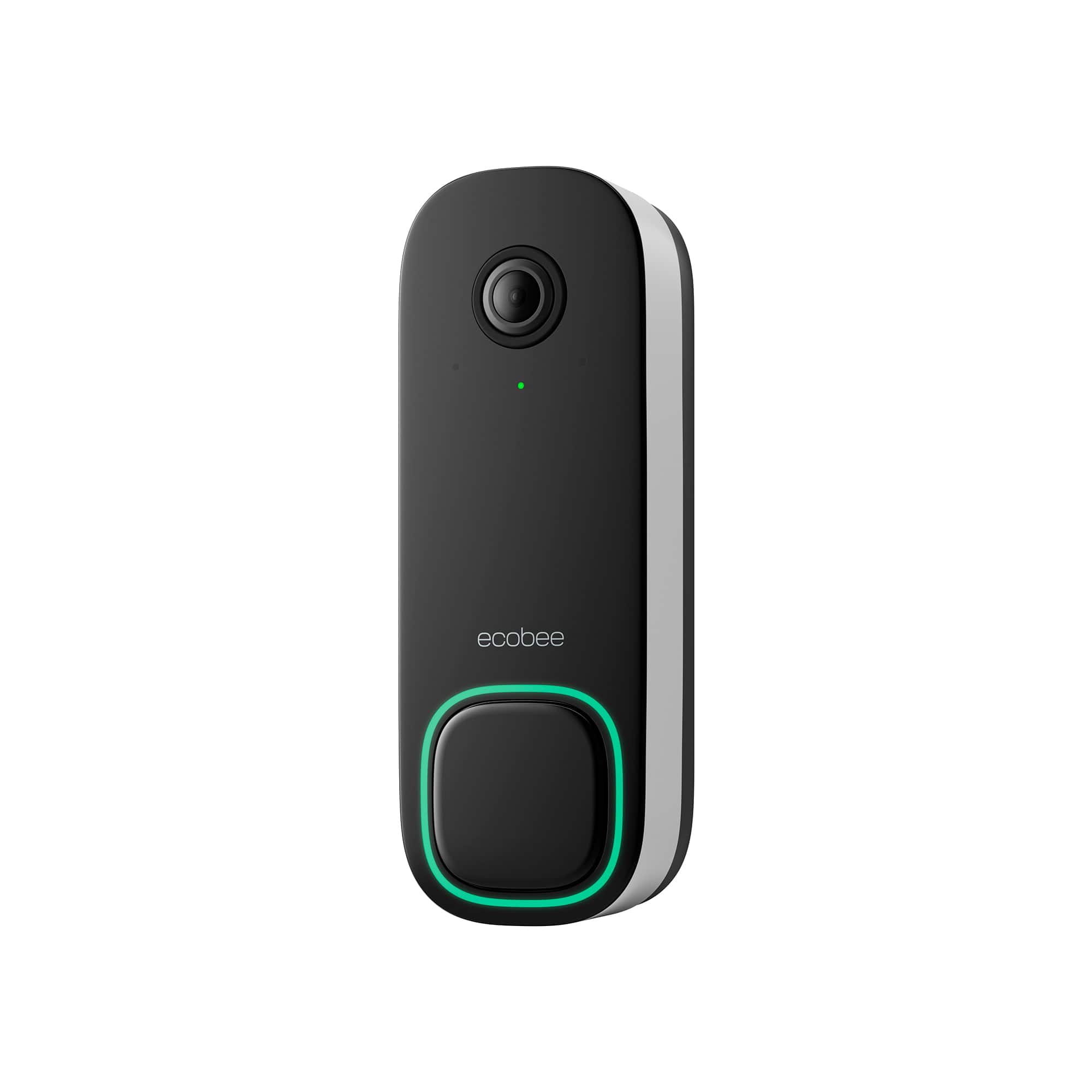
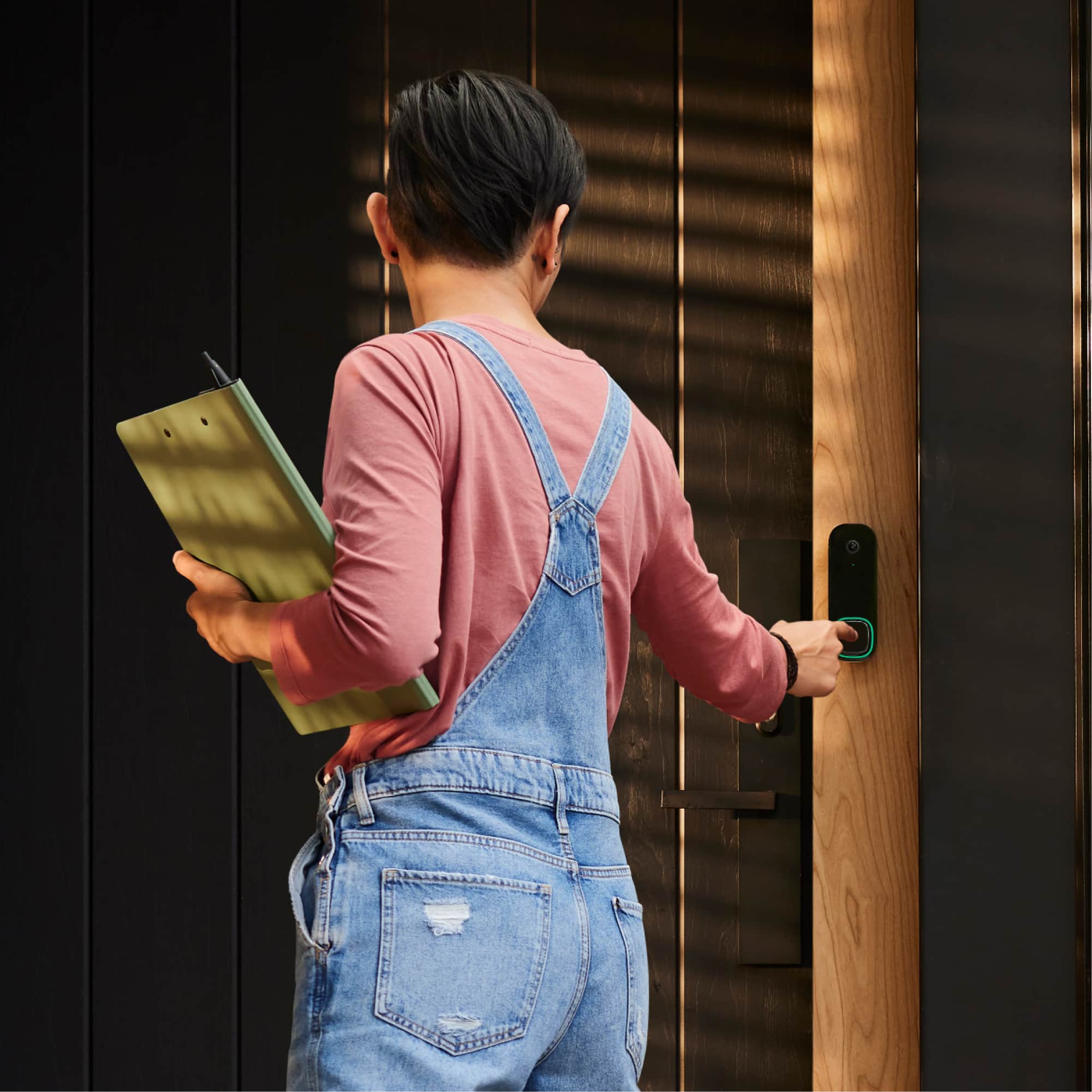
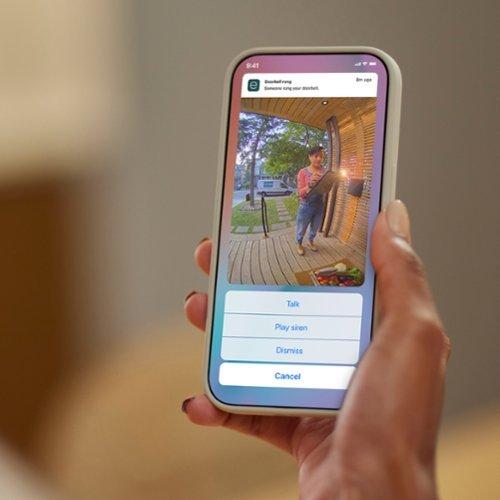
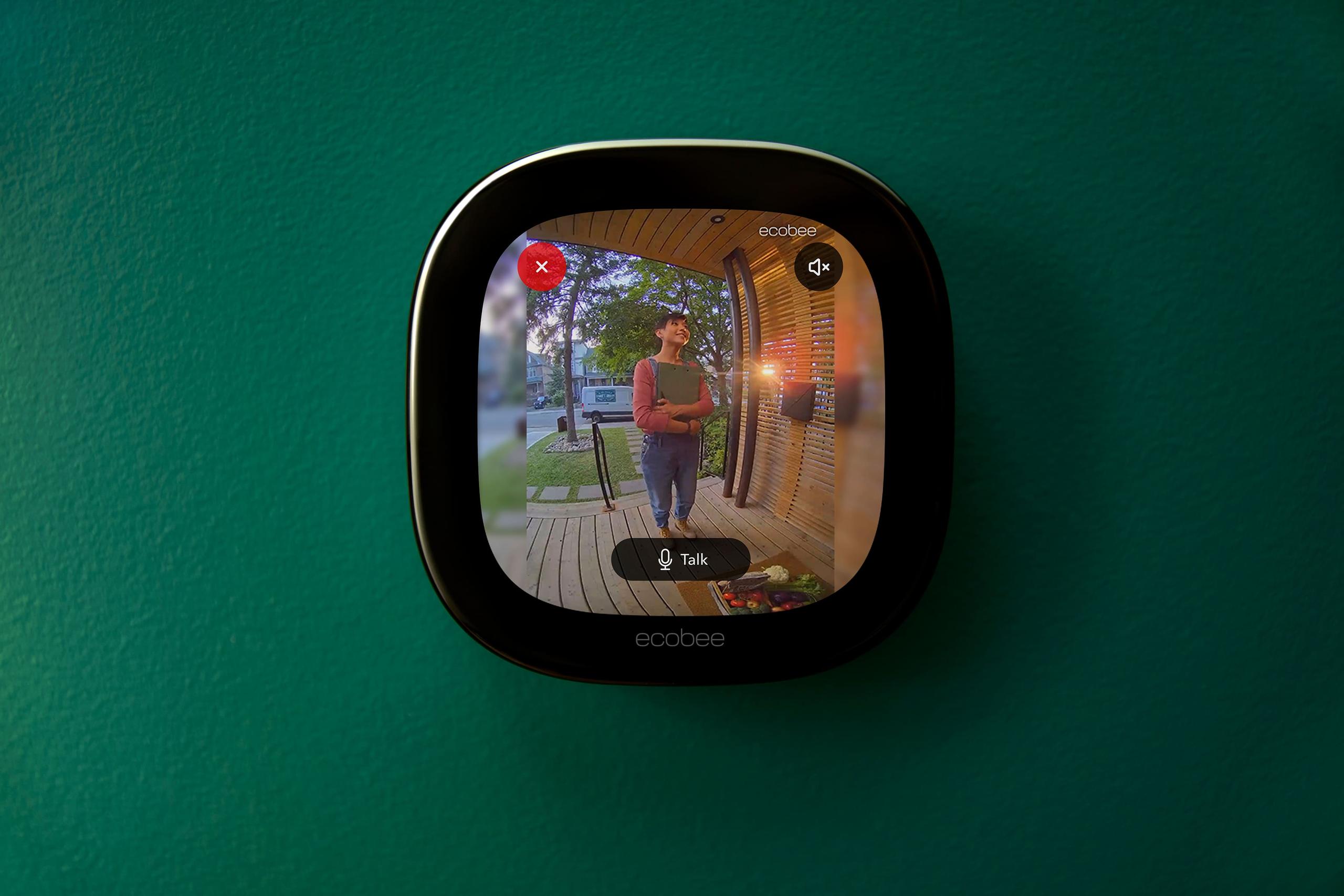
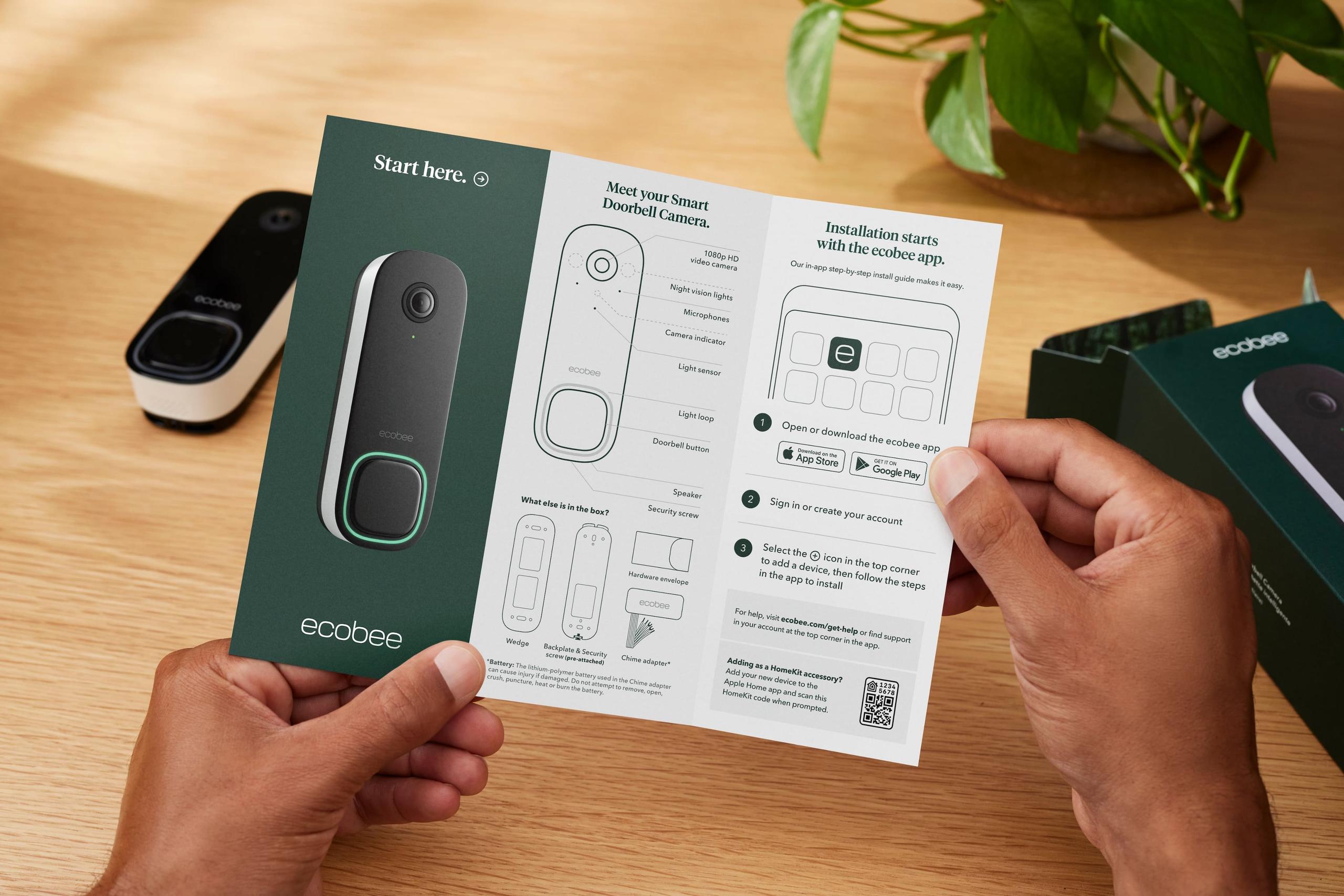
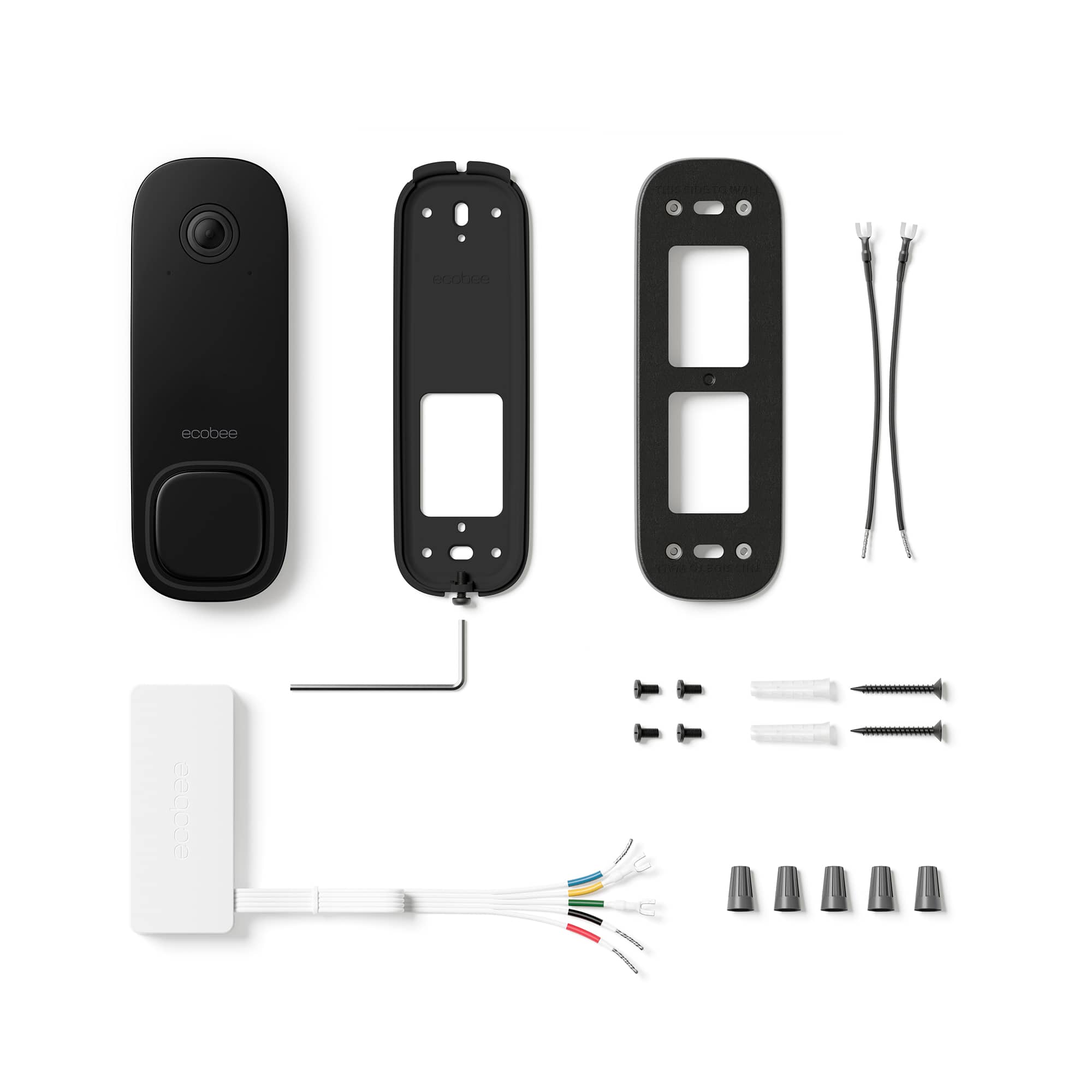
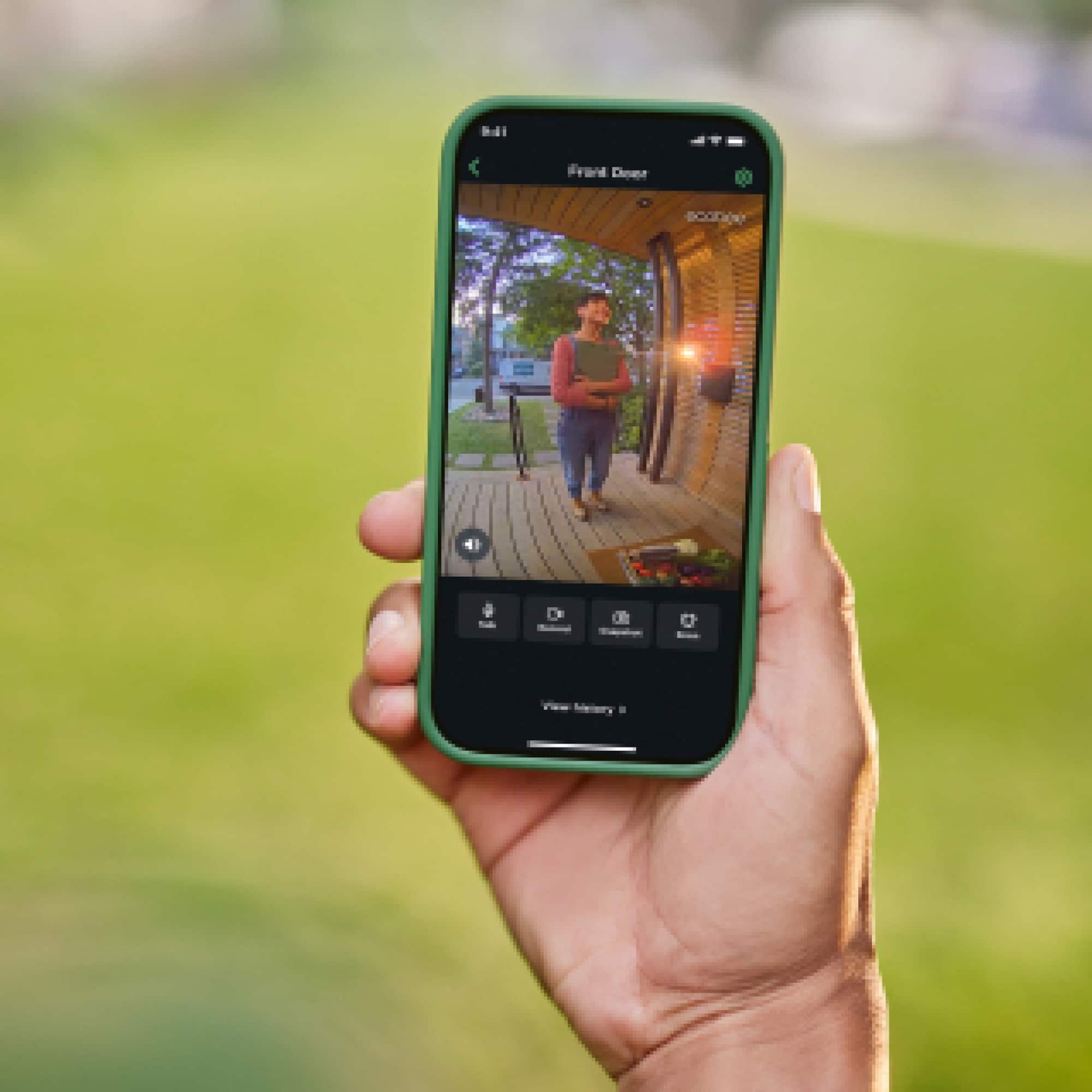
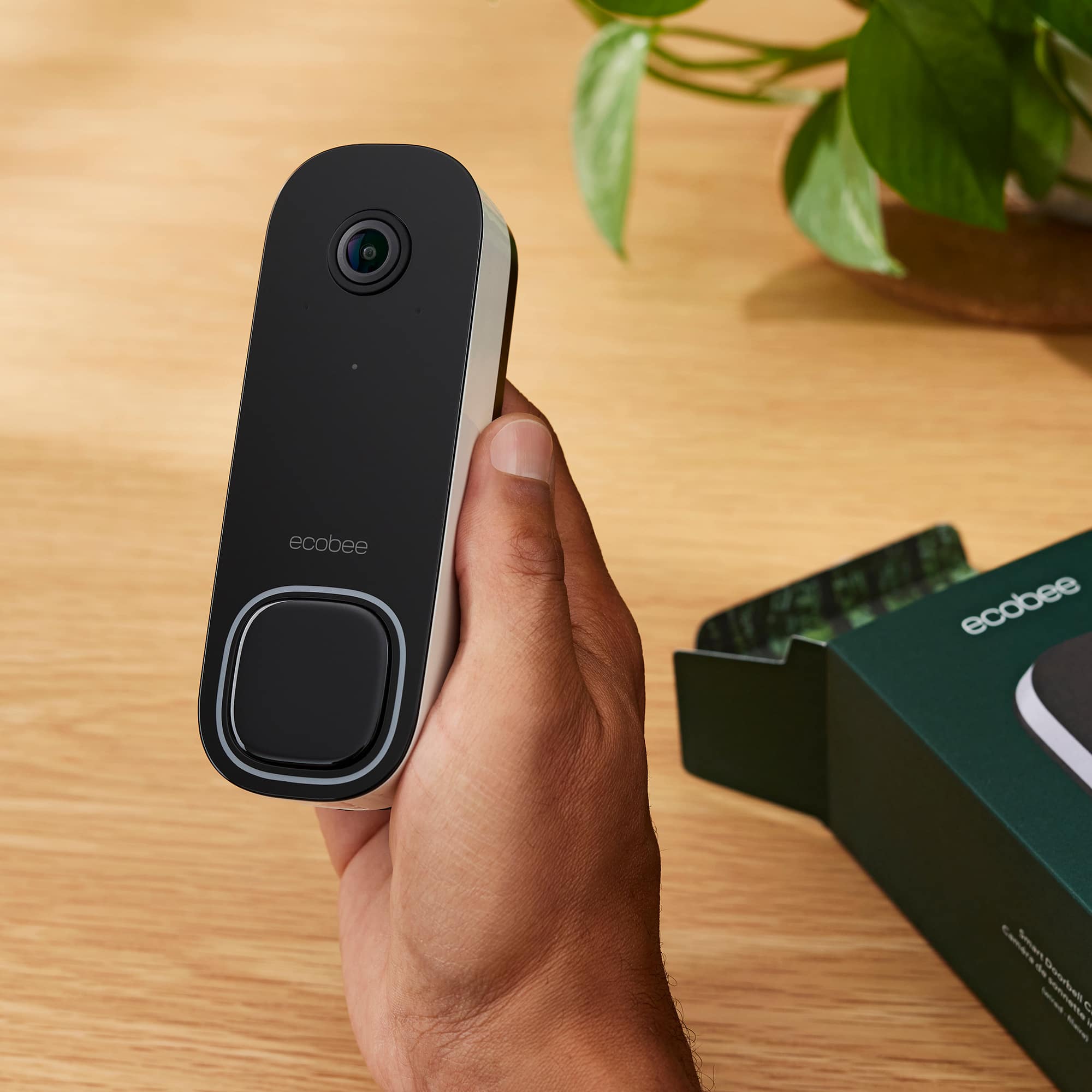

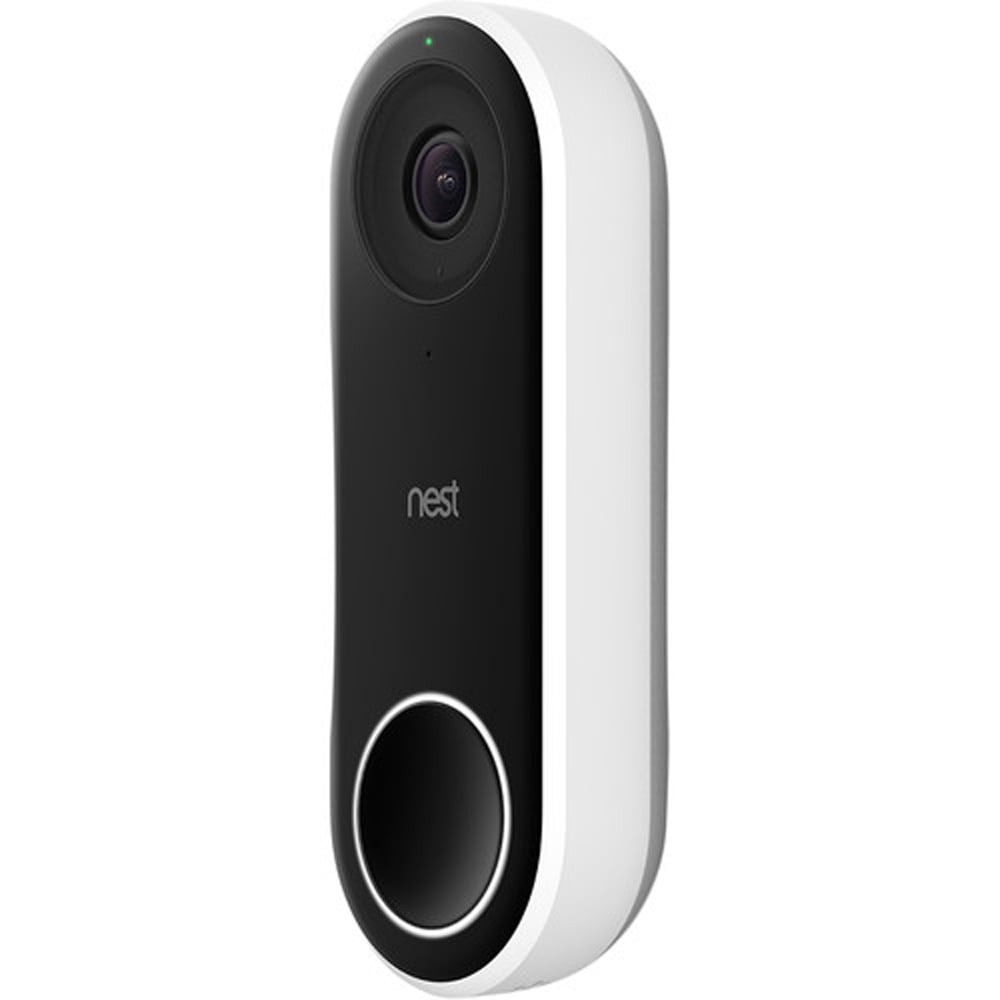
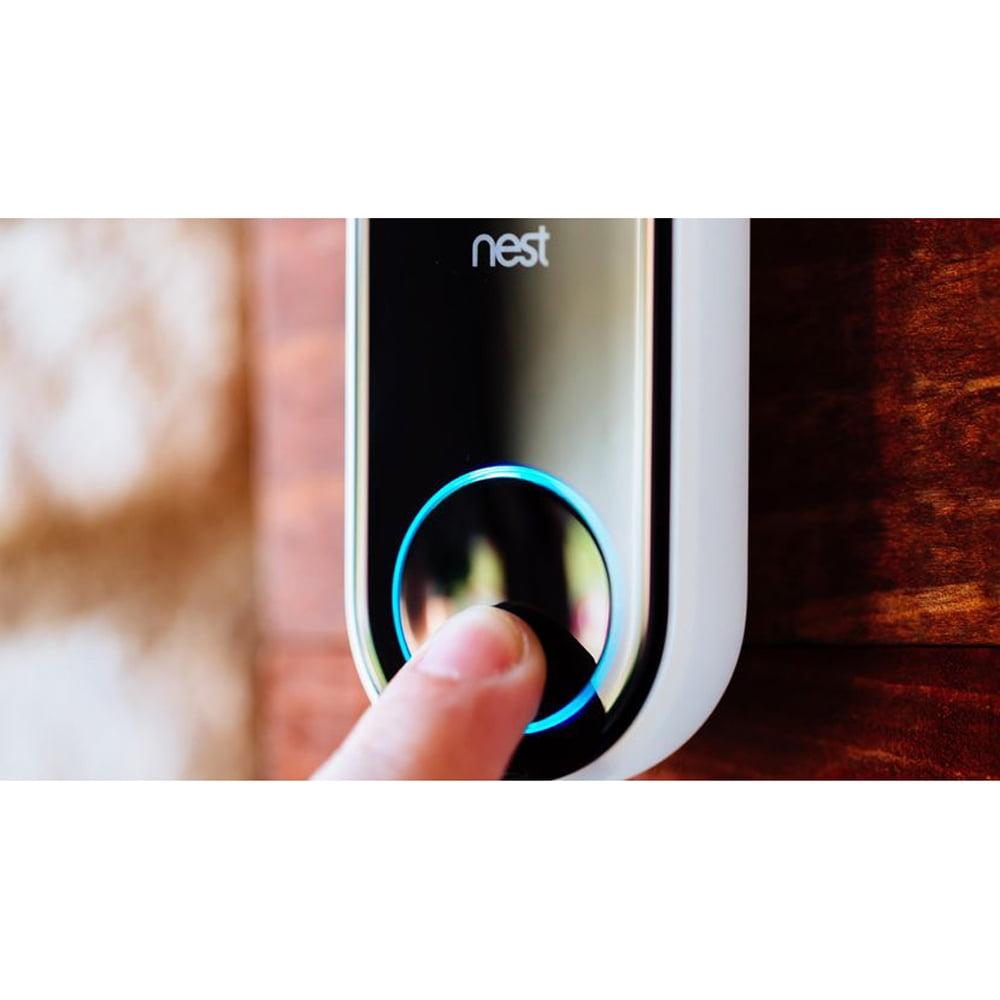
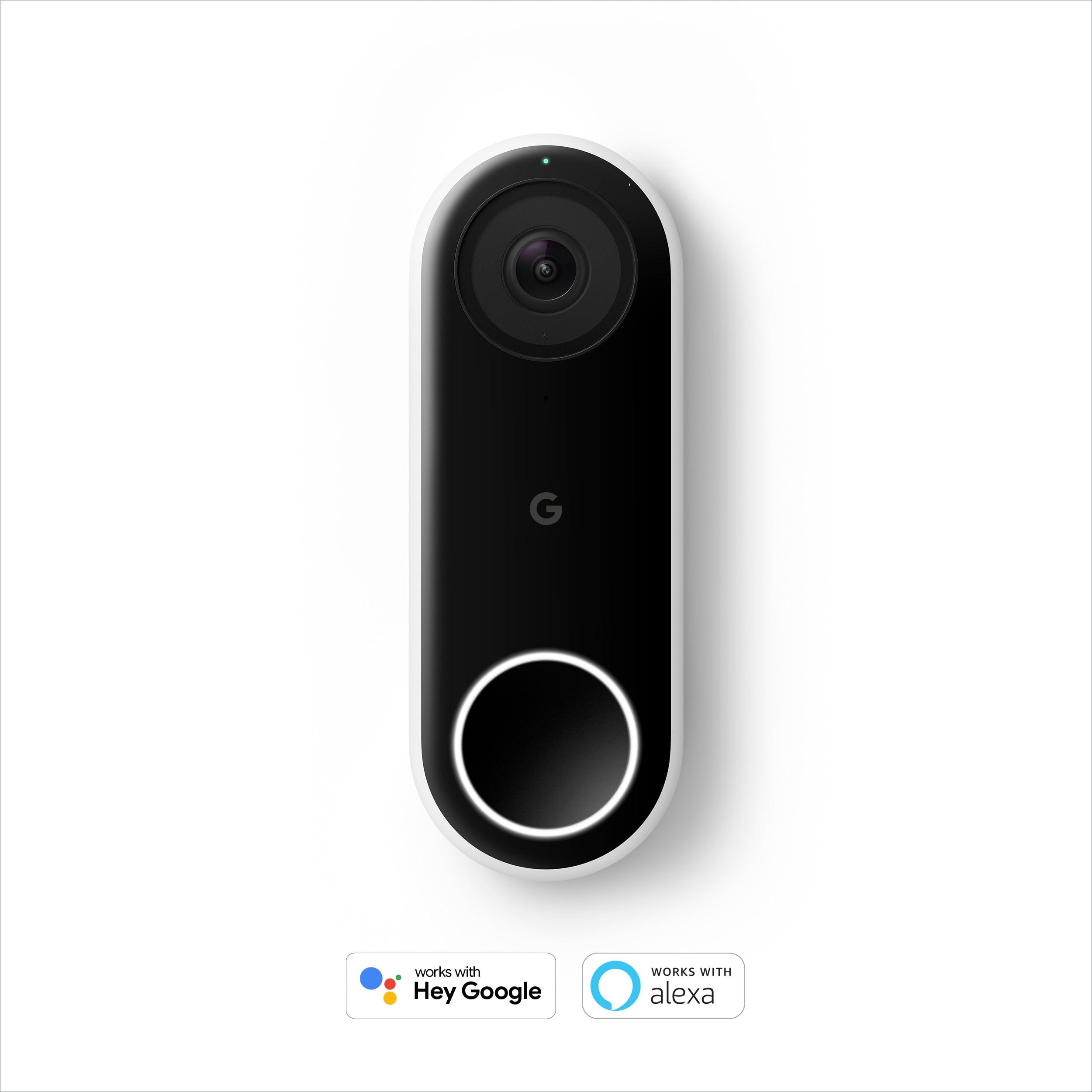
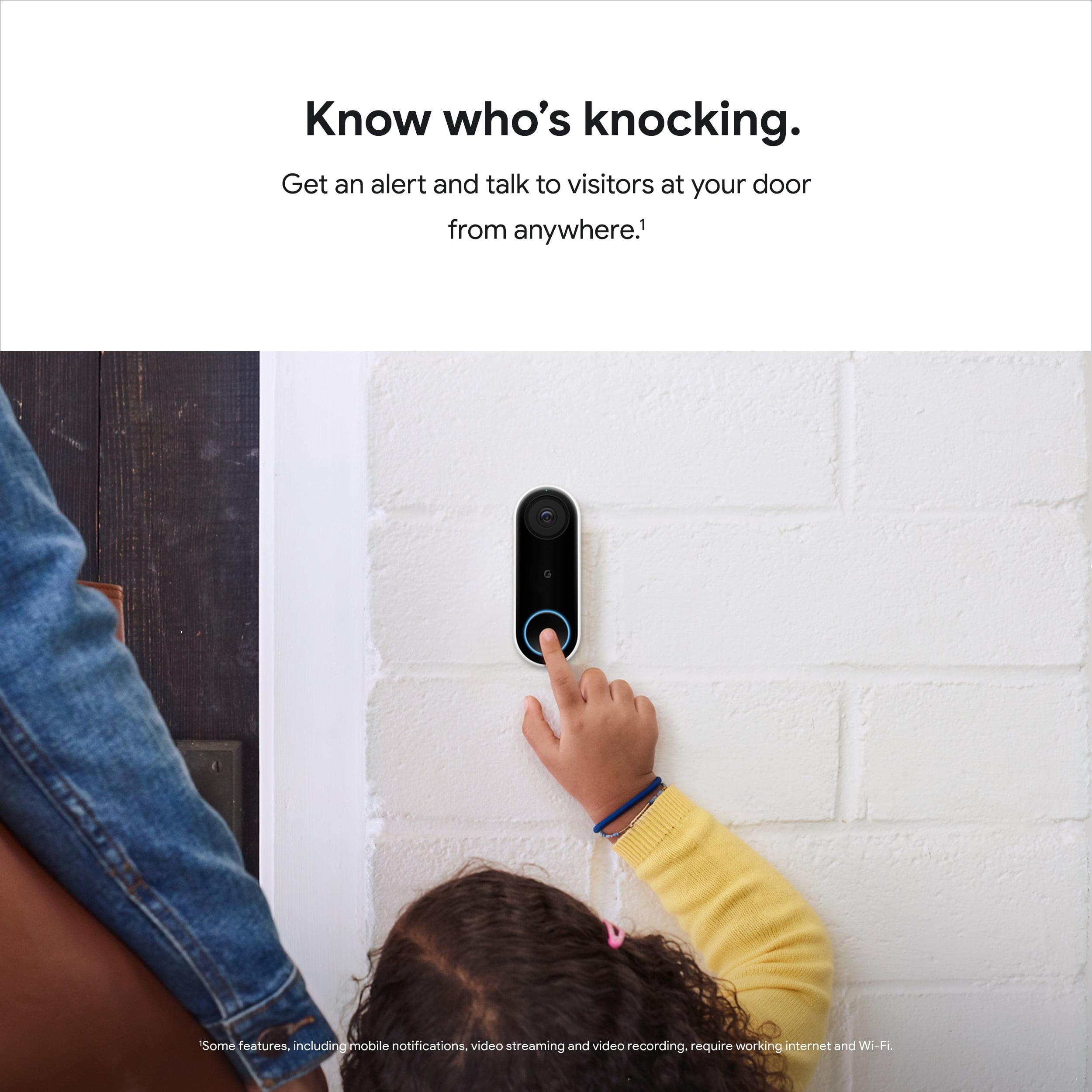
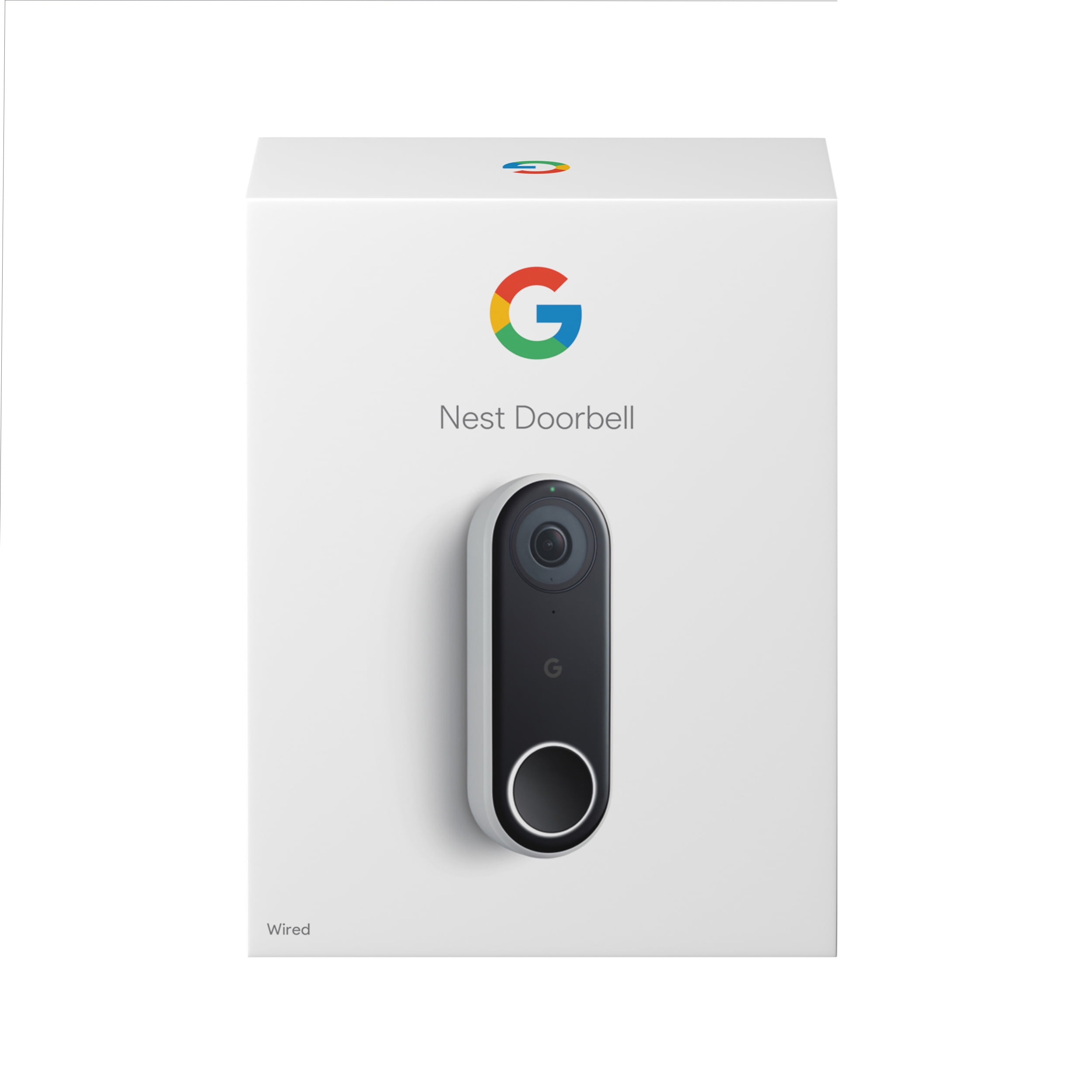
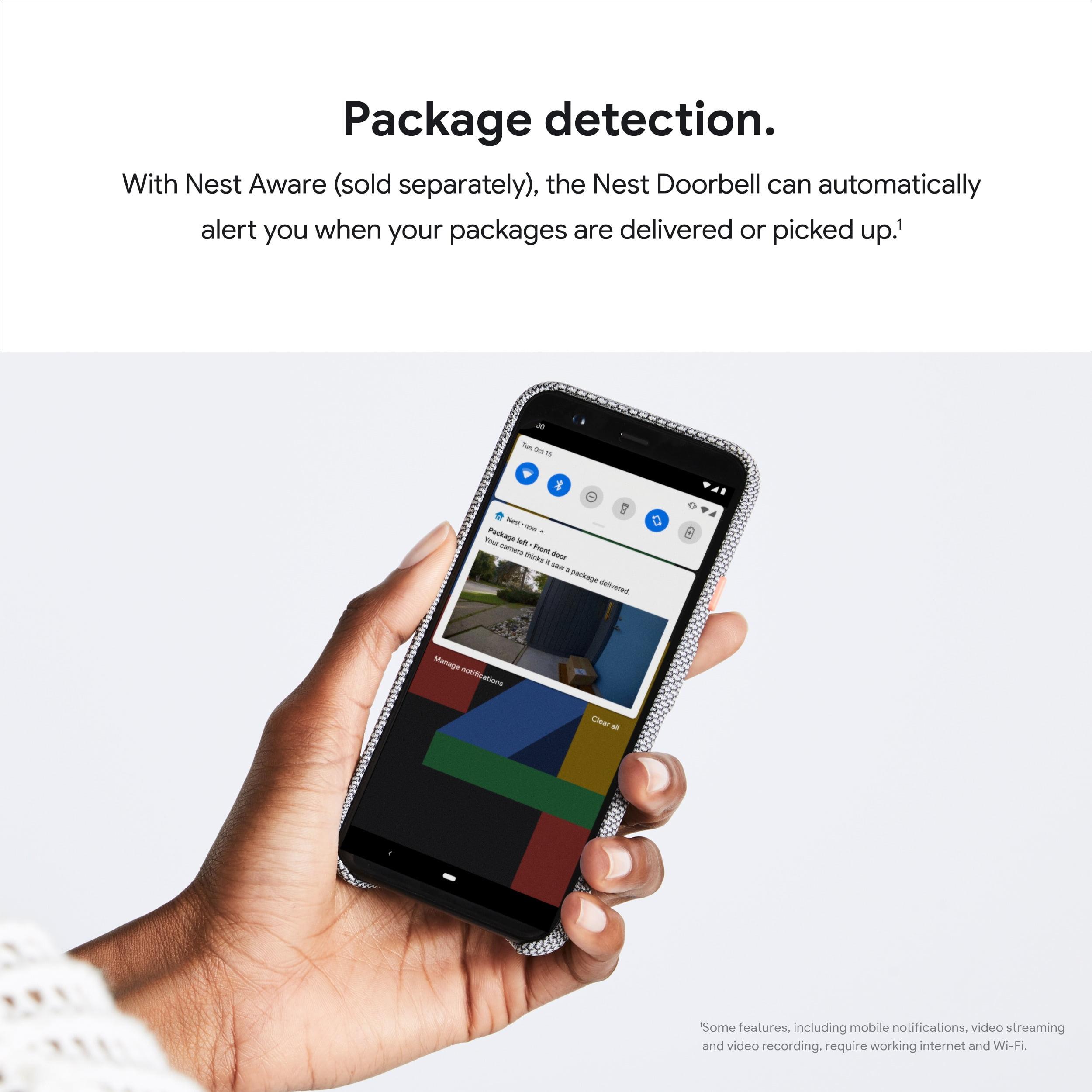
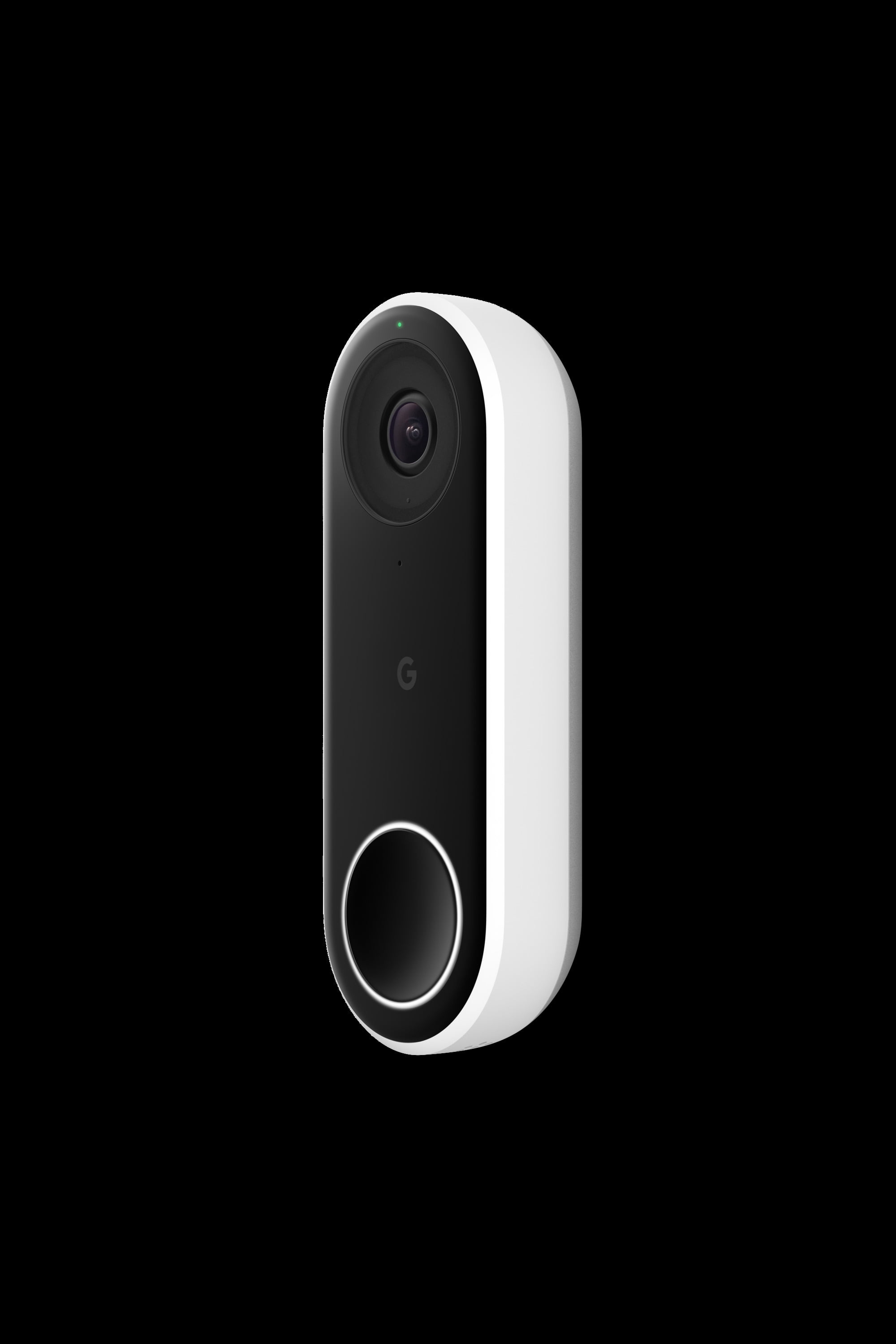

Smart video doorbells have become an essential part of modern home security, offering a perfect blend of convenience and protection. Today, we'll compare two leading options: the newer ecobee Smart Doorbell Camera Wired ($129.99) and the established Google Nest Hello ($119.99).
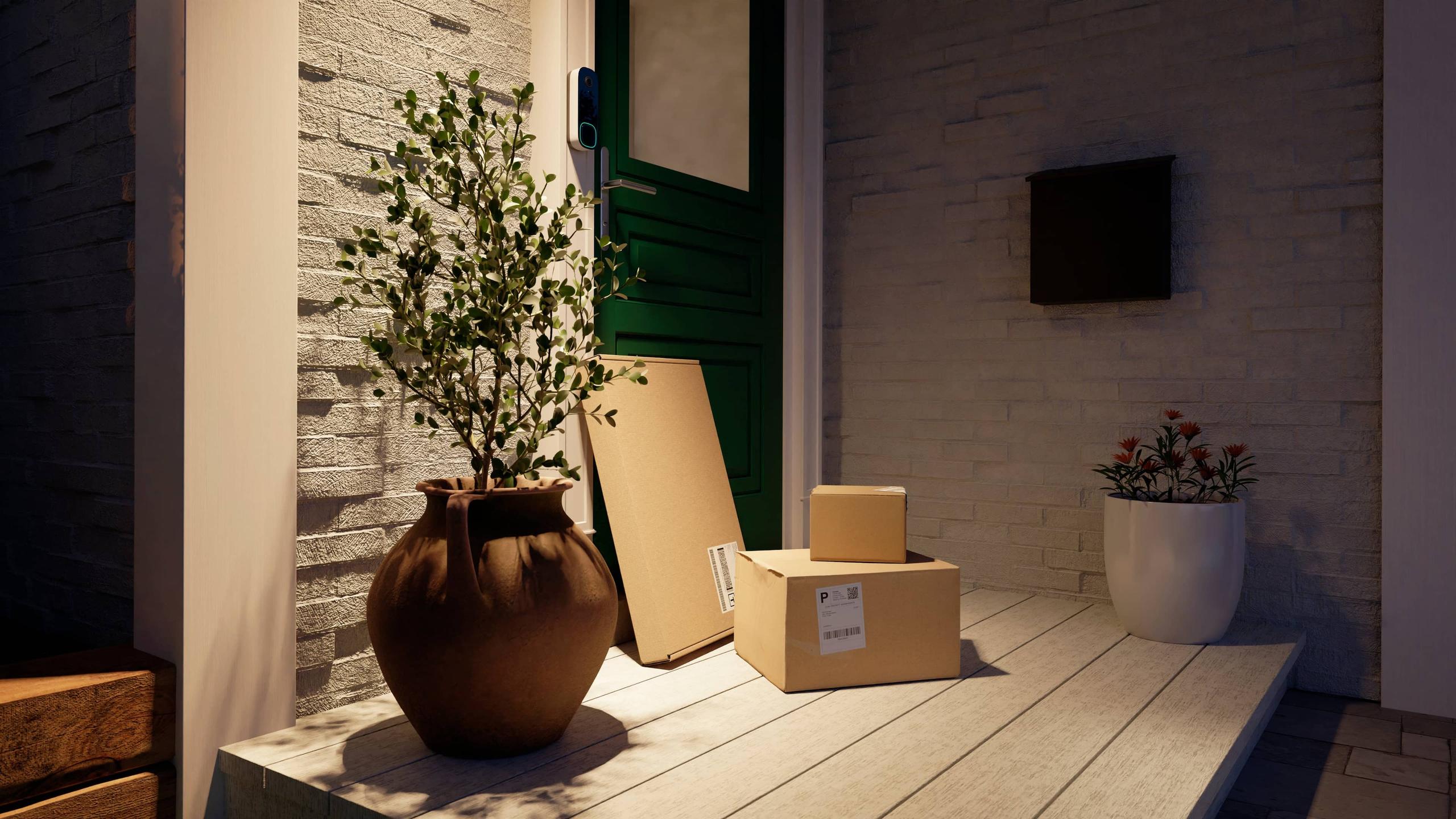
Since the Nest Hello's debut in 2018, smart doorbell technology has advanced significantly. The ecobee's late 2023 release brings fresh innovations, particularly in motion detection and field of view. While Nest Hello pioneered features like facial recognition and 24/7 recording, ecobee focuses on modern concerns like package security and smart motion tracking.
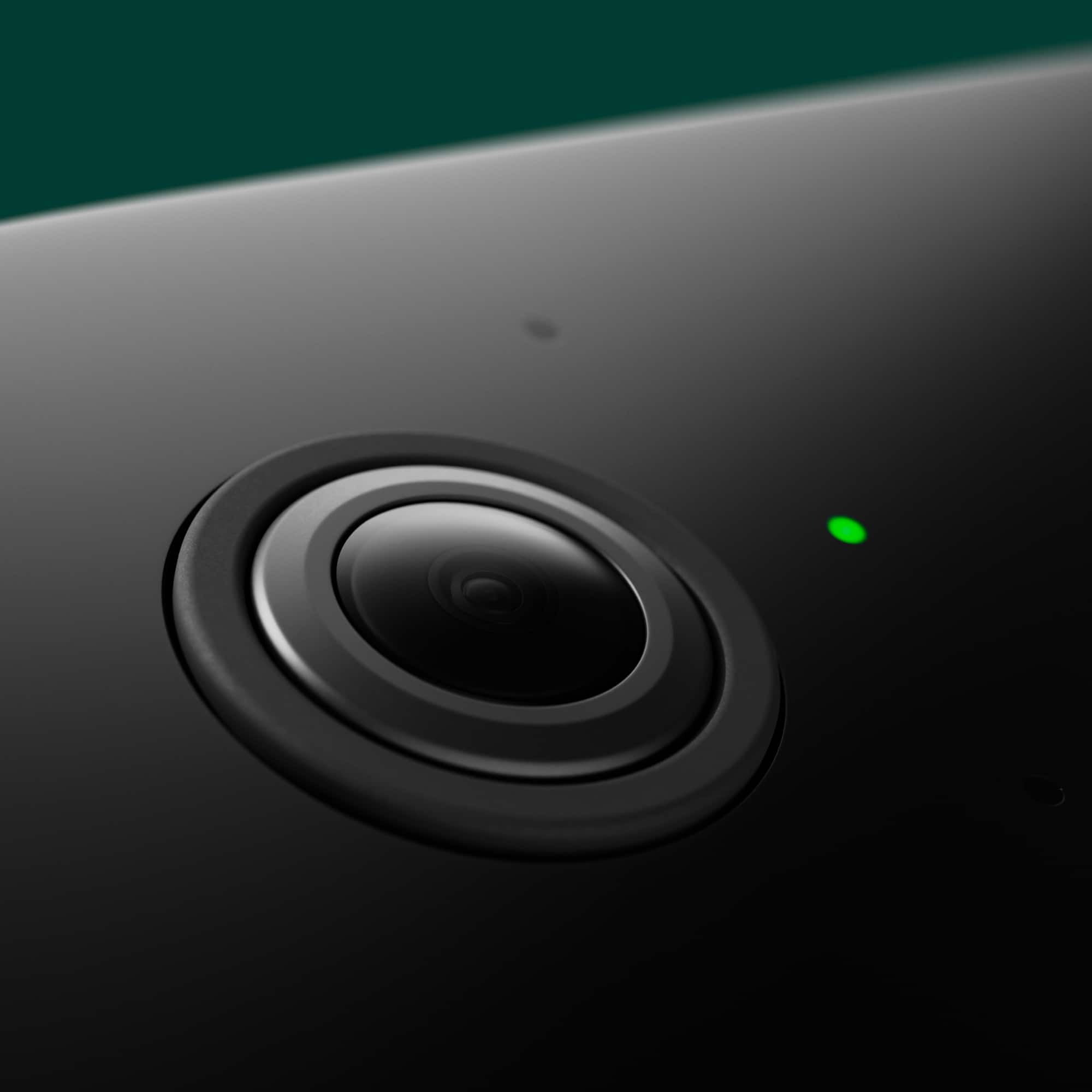
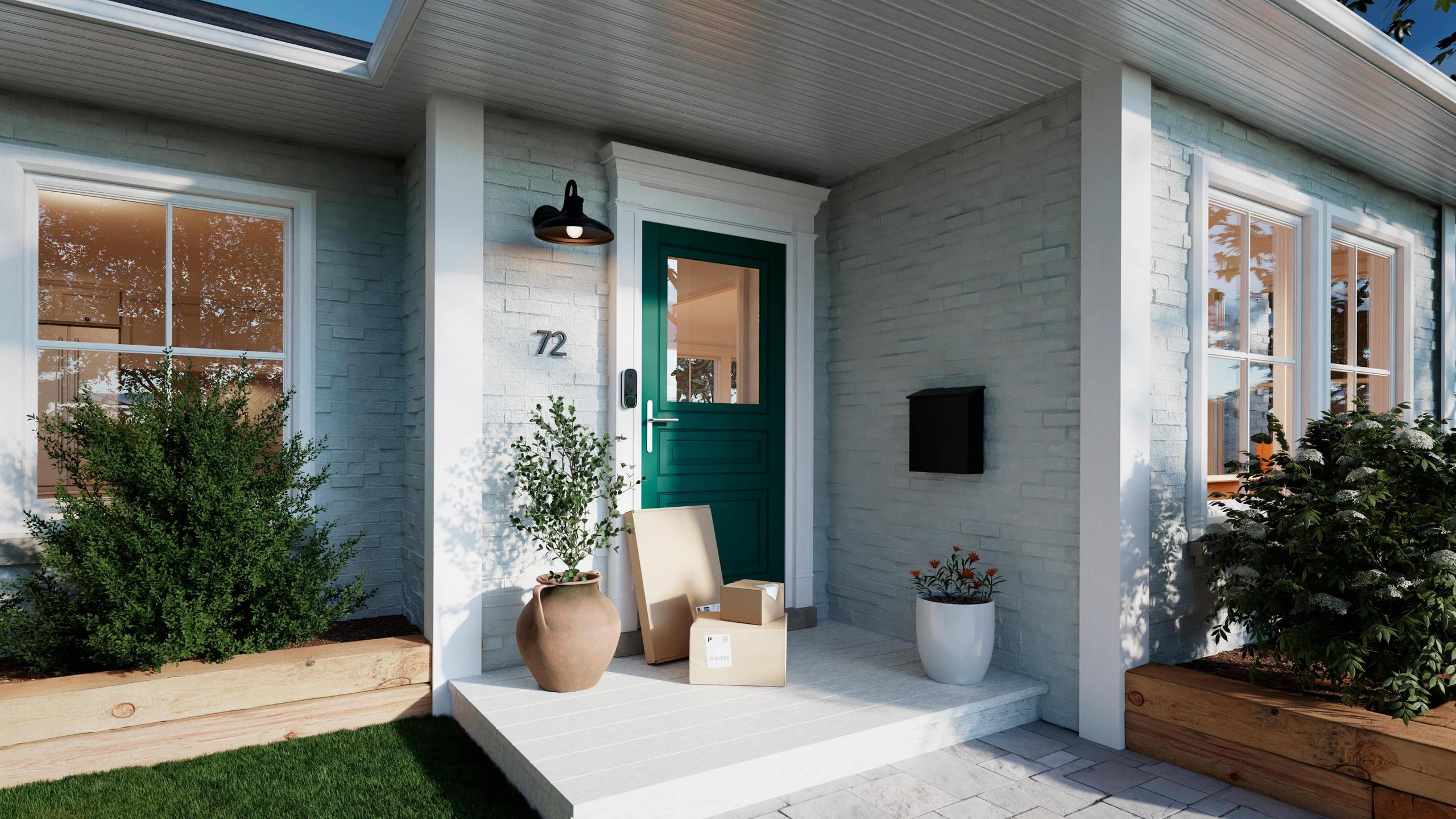
The ecobee Smart Doorbell takes an interesting approach with its 175° vertical field of view. This tall viewing angle means you can see packages right at your doorstep and visitors from head to toe - a practical solution to common doorbell camera blind spots. The 1080p HDR video provides sharp details, though some might wonder why it doesn't offer 2K resolution like newer competitors.
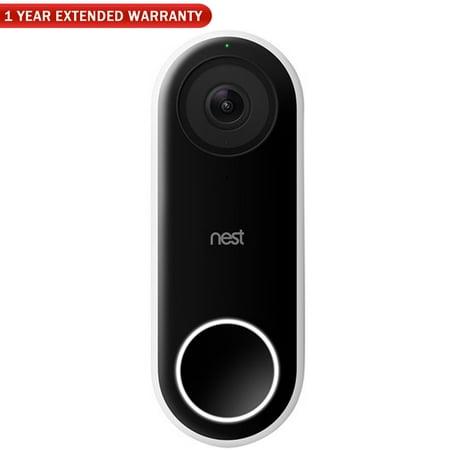
The Nest Hello counters with a more traditional 160° diagonal field of view and higher 1600x1200 resolution. In real-world use, its HDR processing shows more subtle detail in challenging lighting, like a bright background with a shadowed porch. While the resolution numbers might seem close, Nest's image processing creates noticeably better dynamic range in tricky lighting situations.
ecobee's radar-based motion detection represents a significant technological leap. Unlike traditional PIR sensors, radar can better distinguish between people, animals, and objects, resulting in fewer false alerts. Their Smart Focus feature automatically tracks movement, keeping subjects centered in frame - particularly useful when reviewing security footage.
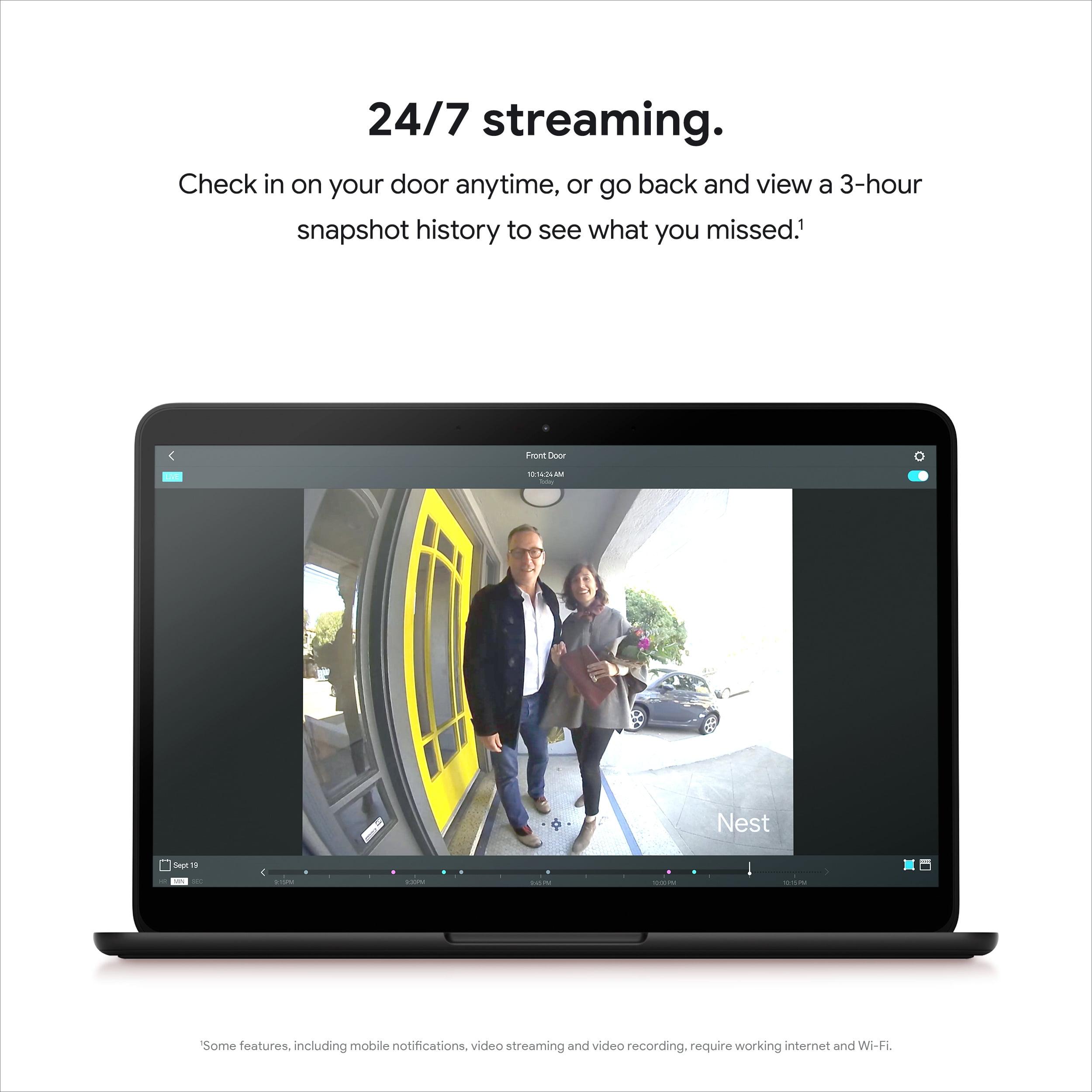
Nest Hello's more mature AI excels at facial recognition, learning to identify frequent visitors over time. Its continuous recording means you never miss an event, though this requires a subscription. The pre-recorded responses feature, while simple, proves surprisingly useful for common situations like "leave package at door."
Both cameras handle low-light situations differently. ecobee maintains color vision longer into dusk using ambient light, providing more natural-looking footage. Nest Hello switches to infrared night vision earlier but delivers consistently clear black-and-white images regardless of available light. For pure security purposes, Nest's approach might be more reliable, but ecobee's color retention helps with subject identification.
The ecobee doorbell shows its strength in broad compatibility, working seamlessly with both Apple HomeKit and Amazon Alexa. This flexibility means you can view your doorbell feed on an Echo Show or Apple TV, and integrate it with other smart home routines regardless of your preferred ecosystem.
Nest Hello's deep Google Home integration offers unique advantages for Android users and Google Assistant households. The ability to announce visitors by name (through facial recognition) on Google Home speakers adds a touch of future-living convenience that's hard to match.
The value proposition varies based on your needs. ecobee's single-tier pricing includes professional monitoring, making it attractive for those wanting a security-first solution. Nest's basic plan costs less but requires the Plus plan for advanced features like facial recognition.
Both doorbells require hardwiring, which might mean professional installation for some users. The Nest Hello has proven its reliability over years of service, with a robust weather-resistant design. The newer ecobee features an IP65 rating for better weather protection, though long-term reliability remains to be proven.
Both doorbells excel at their core functions while offering distinct advantages. The ecobee brings modern features and broad compatibility, while the Nest Hello offers refined performance and deeper AI capabilities. Your choice might ultimately depend on your existing smart home ecosystem and specific security needs.
For most users, the ecobee Smart Doorbell Camera represents the better value, especially if you'll use the professional monitoring service. However, Google Home users who appreciate the maturity and reliability of the Nest Hello won't be disappointed with their choice.
Remember that both options require adequate internet bandwidth for optimal performance, and you'll want to consider your home's existing doorbell wiring before making a final decision.
| ecobee Smart Doorbell Camera Wired | Google Nest Hello Smart Video Doorbell |
|---|---|
| Resolution - Impacts ability to identify faces and read package labels | |
| 1080p HDR (good for most uses) | 1600x1200 HDR (slightly better detail) |
| Field of View - Determines how much of your porch you can see | |
| 175° vertical (excellent for packages, head-to-toe view) | 160° diagonal (standard coverage, wider than tall) |
| Night Vision - Critical for overnight security | |
| Color in low light, switches to IR in darkness | IR only, consistent B&W images |
| Motion Detection - Affects alert accuracy and false positives | |
| Radar-based with computer vision (very accurate) | PIR sensor with AI recognition (good for faces) |
| Smart Features - Convenience and security capabilities | |
| Package detection, Smart Focus tracking | Facial recognition, pre-recorded responses |
| Weather Resistance - Durability in outdoor conditions | |
| IP65 (better dust and water protection) | IP54 (adequate for most weather) |
| Smart Home Integration - Ecosystem compatibility | |
| HomeKit, Alexa, ecobee ecosystem | Google Home, limited third-party support |
| Subscription Costs - Ongoing expenses | |
| $10/month (includes professional monitoring) | $6-12/month (varies by features) |
| Video Storage - How long you can access recordings | |
| 30 days with subscription | 3 hours free, 30-60 days with subscription |
| Power Requirements - Installation considerations | |
| 16-24V AC transformer required | 16-24V AC transformer required |
| Additional Features - Extra value considerations | |
| Automatic siren, energy management with ecobee system | 24/7 continuous recording, face announcements |
The ecobee Smart Doorbell Camera is better for package monitoring and HomeKit users, while the Google Nest Hello excels at facial recognition and Google Home integration. Both offer excellent video quality, but ecobee provides better vertical viewing angles.
The ecobee Smart Doorbell costs $129.99, while the Nest Hello is priced at $119.99. However, both require monthly subscriptions for advanced features.
Yes, both doorbells work better with subscriptions. ecobee charges $10/month including professional monitoring, while Nest costs $6-12/month depending on features.
The Nest Hello offers slightly higher resolution at 1600x1200, while the ecobee Smart Doorbell provides 1080p. Both feature HDR, but Nest's image processing is more refined.
The ecobee's 175° vertical field of view is specifically designed for package visibility, while Nest's 160° diagonal view may miss packages placed close to the door.
The ecobee Smart Doorbell maintains color vision longer in low light, while the Nest Hello switches to black-and-white IR vision earlier but provides more consistent nighttime performance.
The ecobee Smart Doorbell works with both Alexa and HomeKit, while Nest Hello primarily works with Google Home and has limited third-party integration.
Both require hardwiring to existing doorbell wiring (16-24V AC). Professional installation is recommended if you're not comfortable with electrical work.
The ecobee Smart Doorbell uses advanced radar-based detection, while the Nest Hello uses traditional PIR sensors with AI. ecobee typically has fewer false alerts.
Both are weather-resistant, but ecobee has a better IP65 rating compared to Nest's IP54. They operate in temperatures from -4°F to 140°F.
Nest Hello offers facial recognition and 24/7 recording, while ecobee provides package detection and Smart Focus tracking. Feature preferences depend on your specific needs.
Yes, both require reliable broadband internet with at least 2Mbps upload speed for optimal performance. The ecobee Smart Doorbell and Nest Hello both support 2.4GHz and 5GHz Wi-Fi.
We've done our best to create useful and informative comparisons to help you decide what product to buy. Our research uses advanced automated methods to create this comparison and perfection is not possible - please contact us for corrections or questions. These are the sites we've researched in the creation of this article: ecobee.com - forums.macrumors.com - androidpolice.com - youtube.com - bgemarketplace.com - ecobee.com - abt.com - acwholesalers.com - adiglobaldistribution.pr - investors.generac.com - wave-electronics.com - blueirissoftware.com - tomsguide.com - youtube.com - techradar.com - cnet.com - safewise.com - support.google.com - drivenbydecor.com - youtube.com - safehome.org - cdn.hibuwebsites.com - beachcamera.com - security.org - youtube.com - acerenttoown.com

Privacy Policy
Terms and Conditions - Affiliate Policy
Home Security
© Copyright 2008-2026.
11816 Inwood Rd #1211, Dallas, TX 75244