

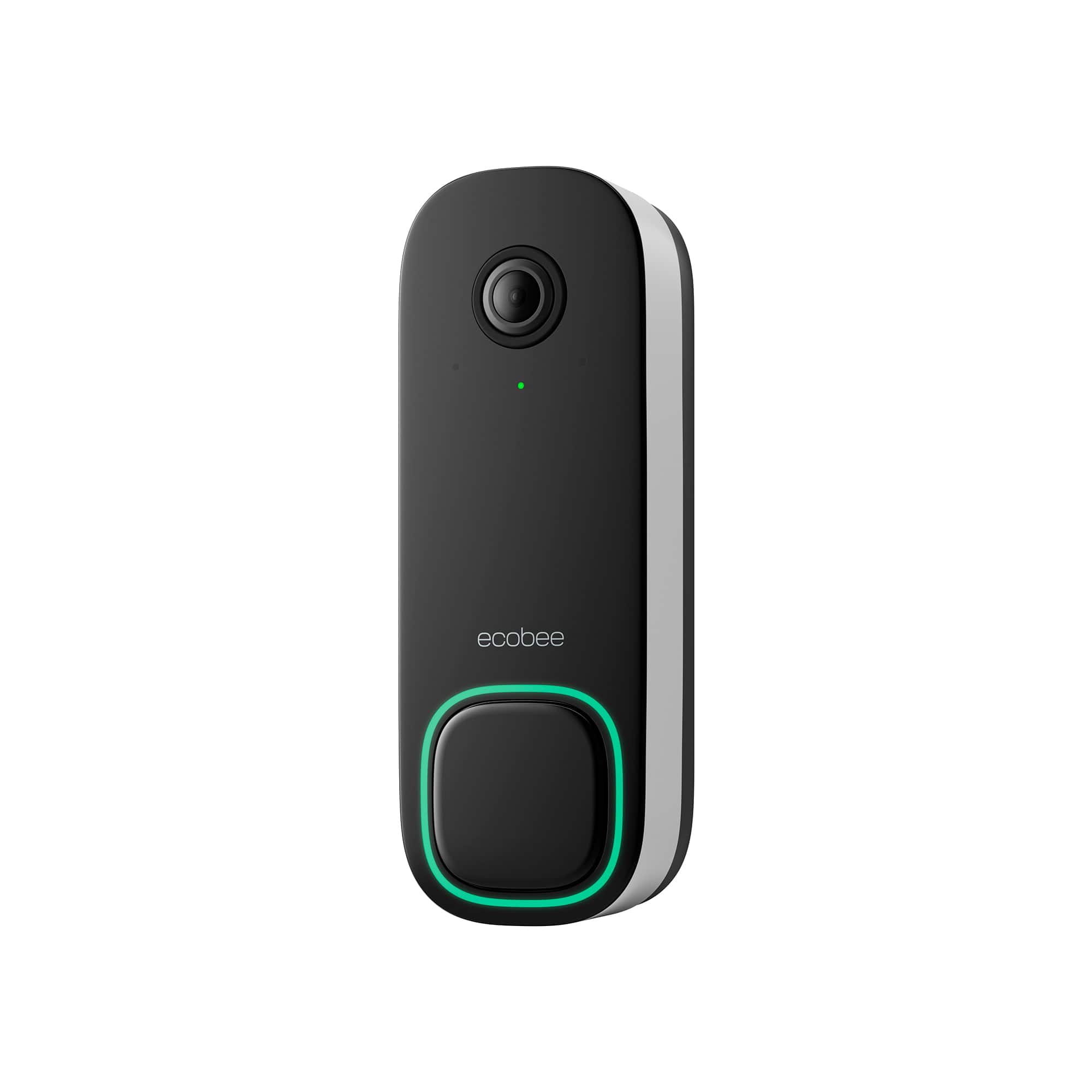
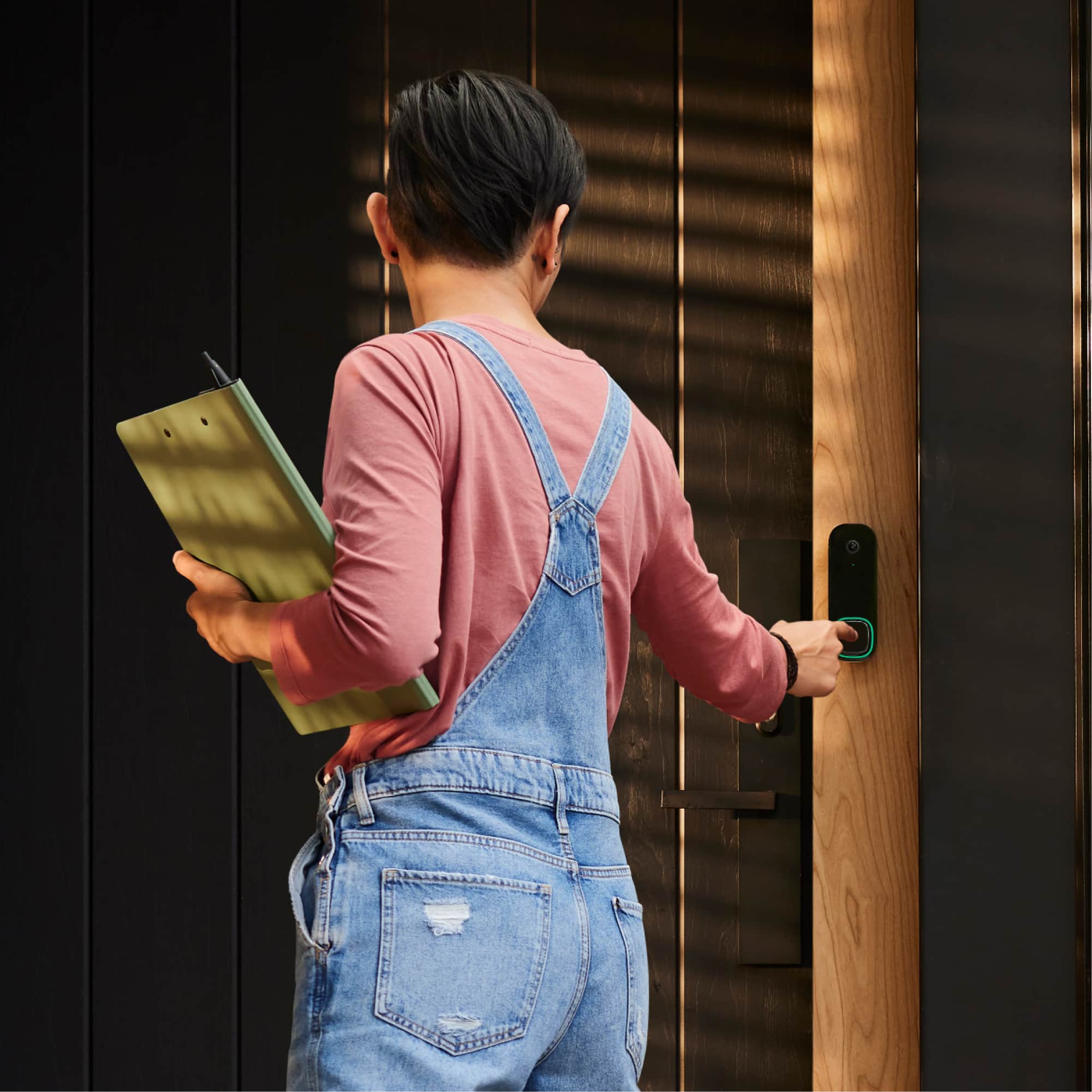
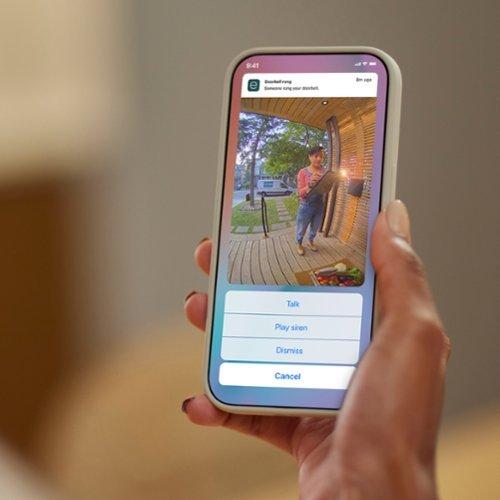
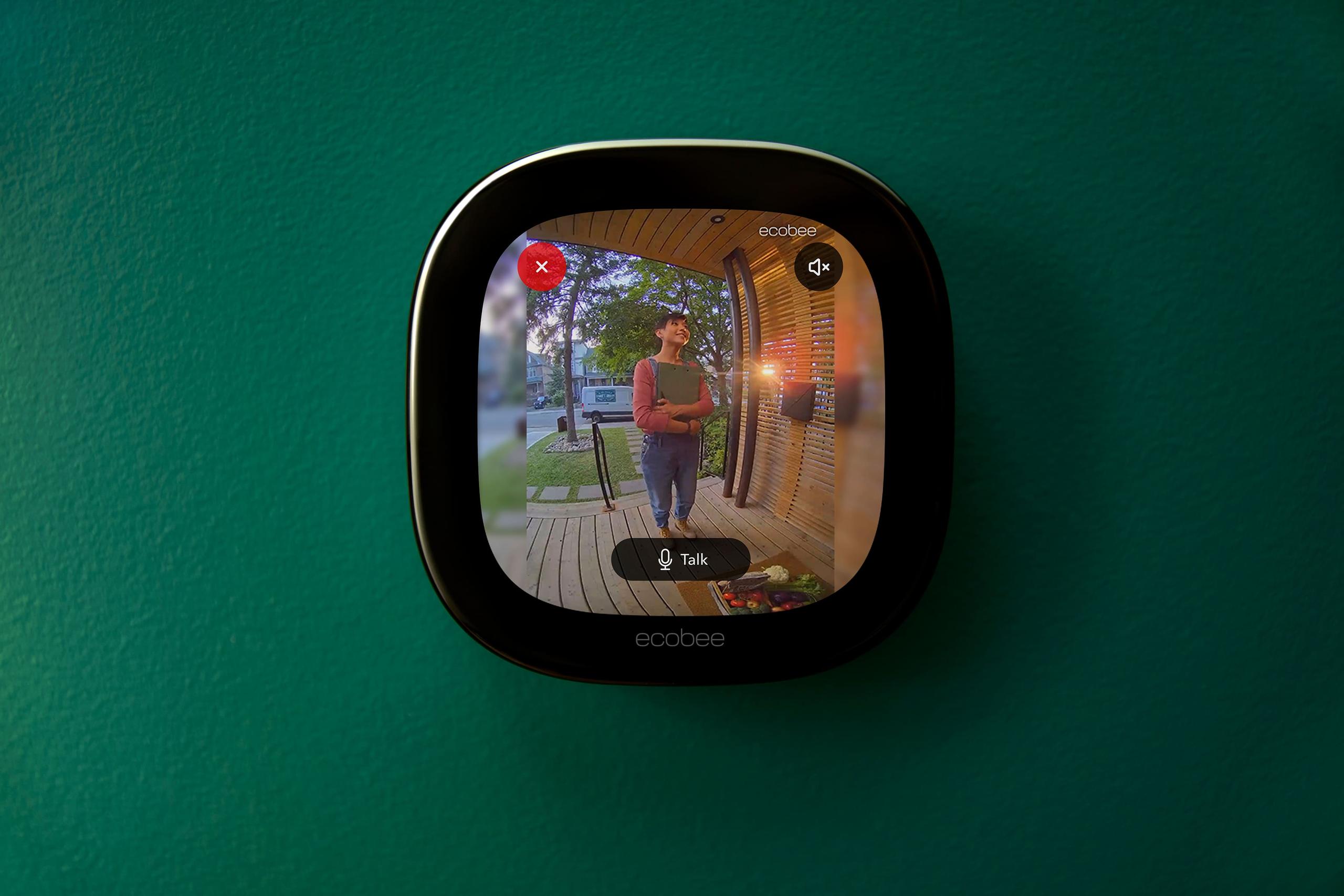
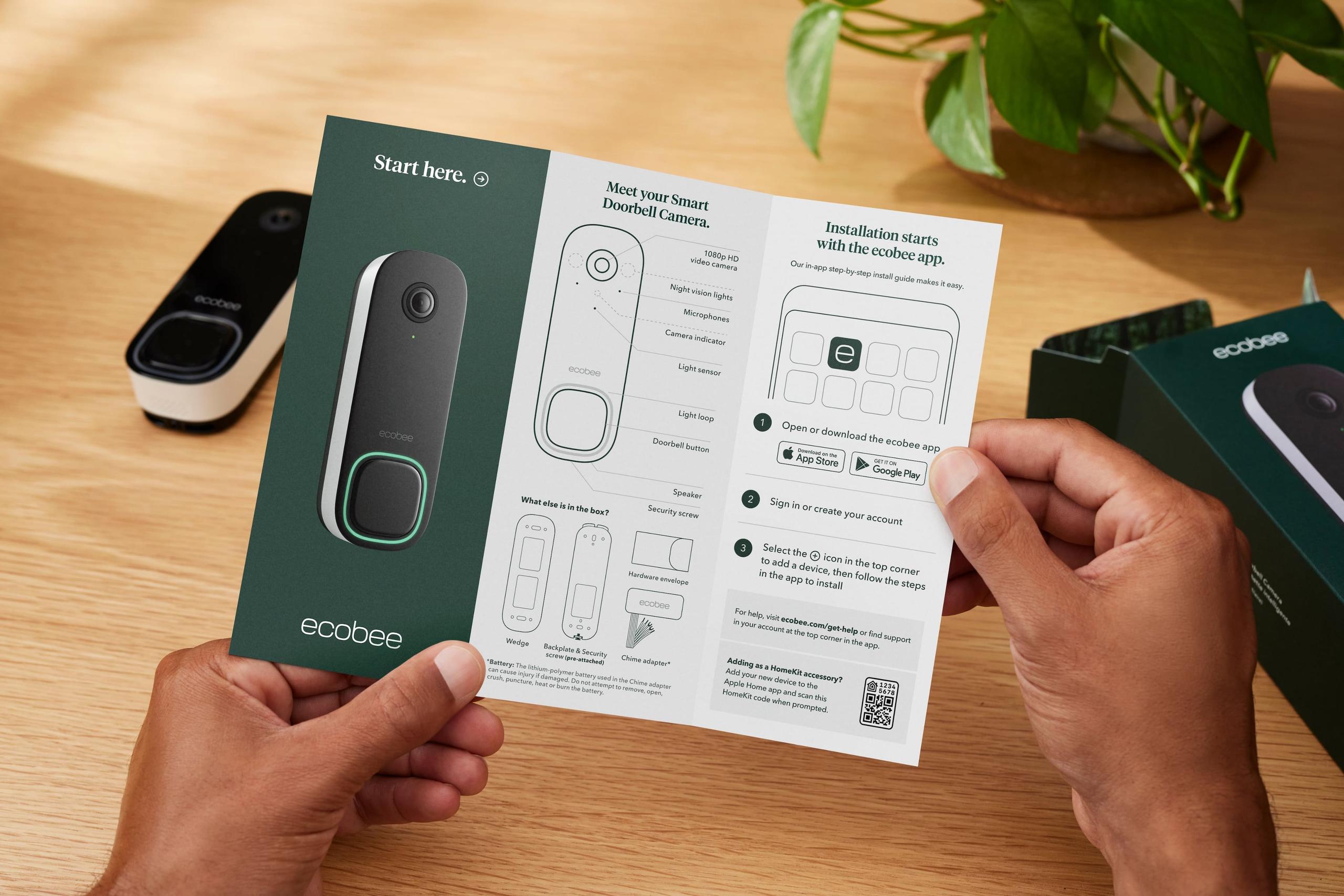
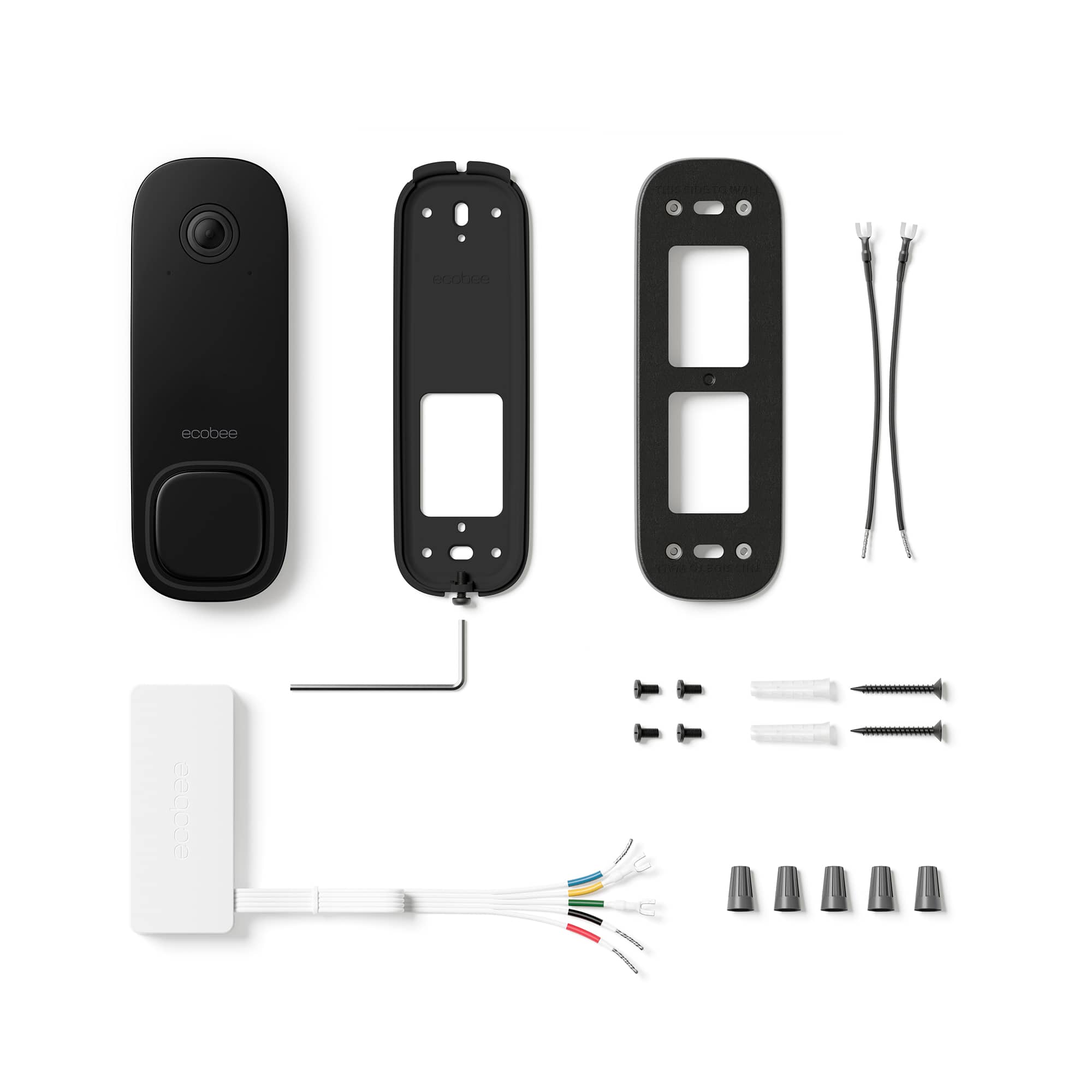

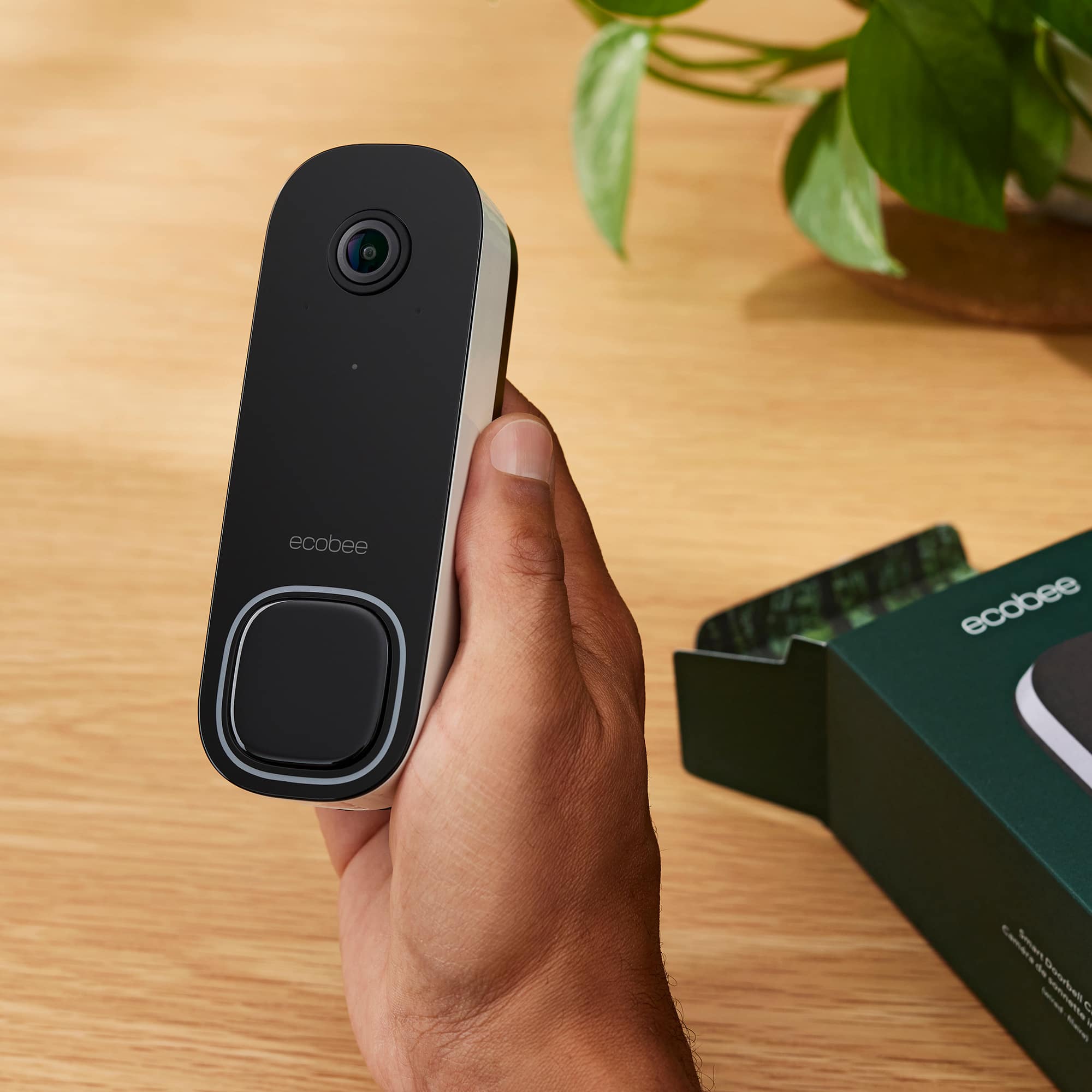
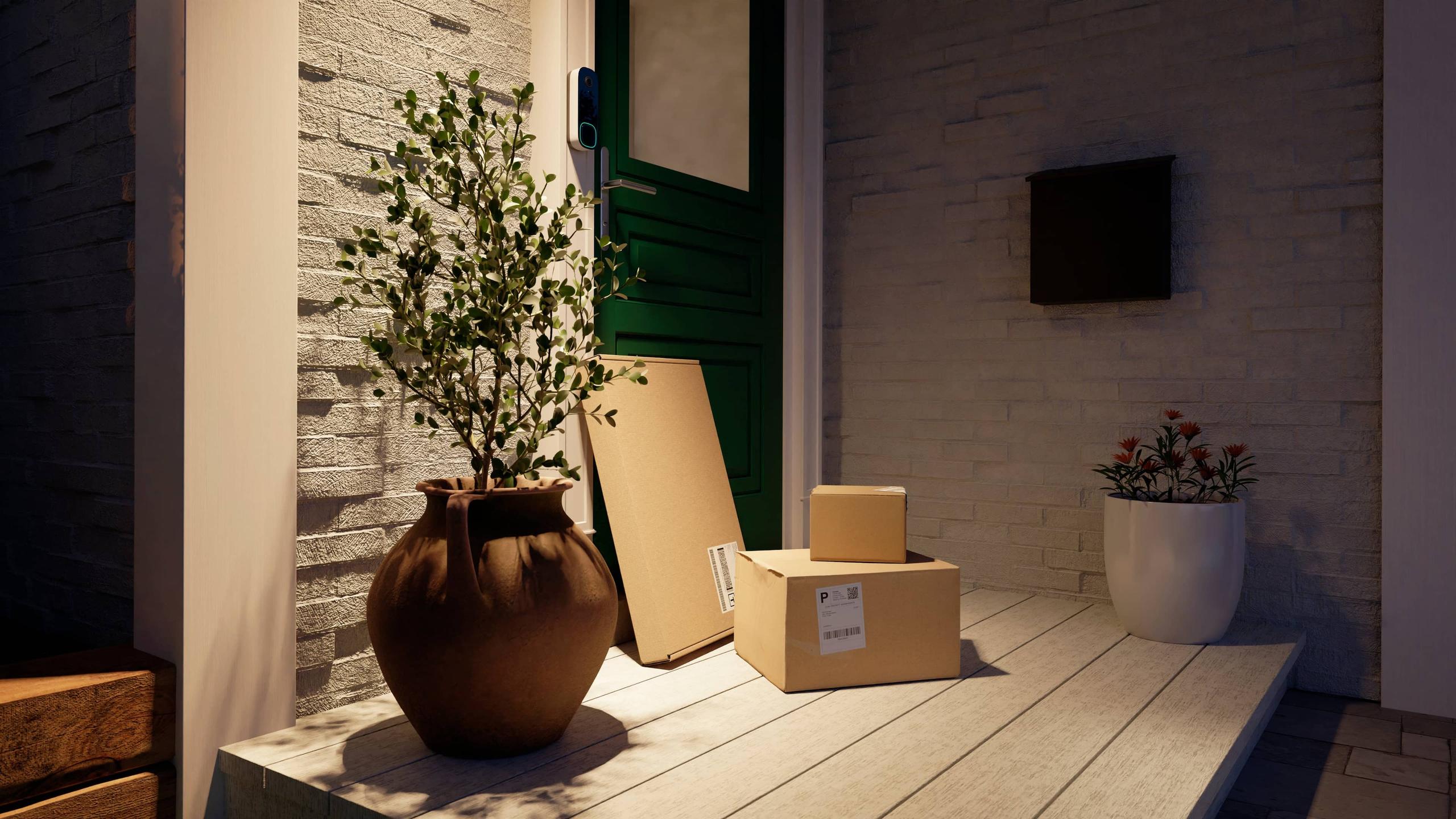
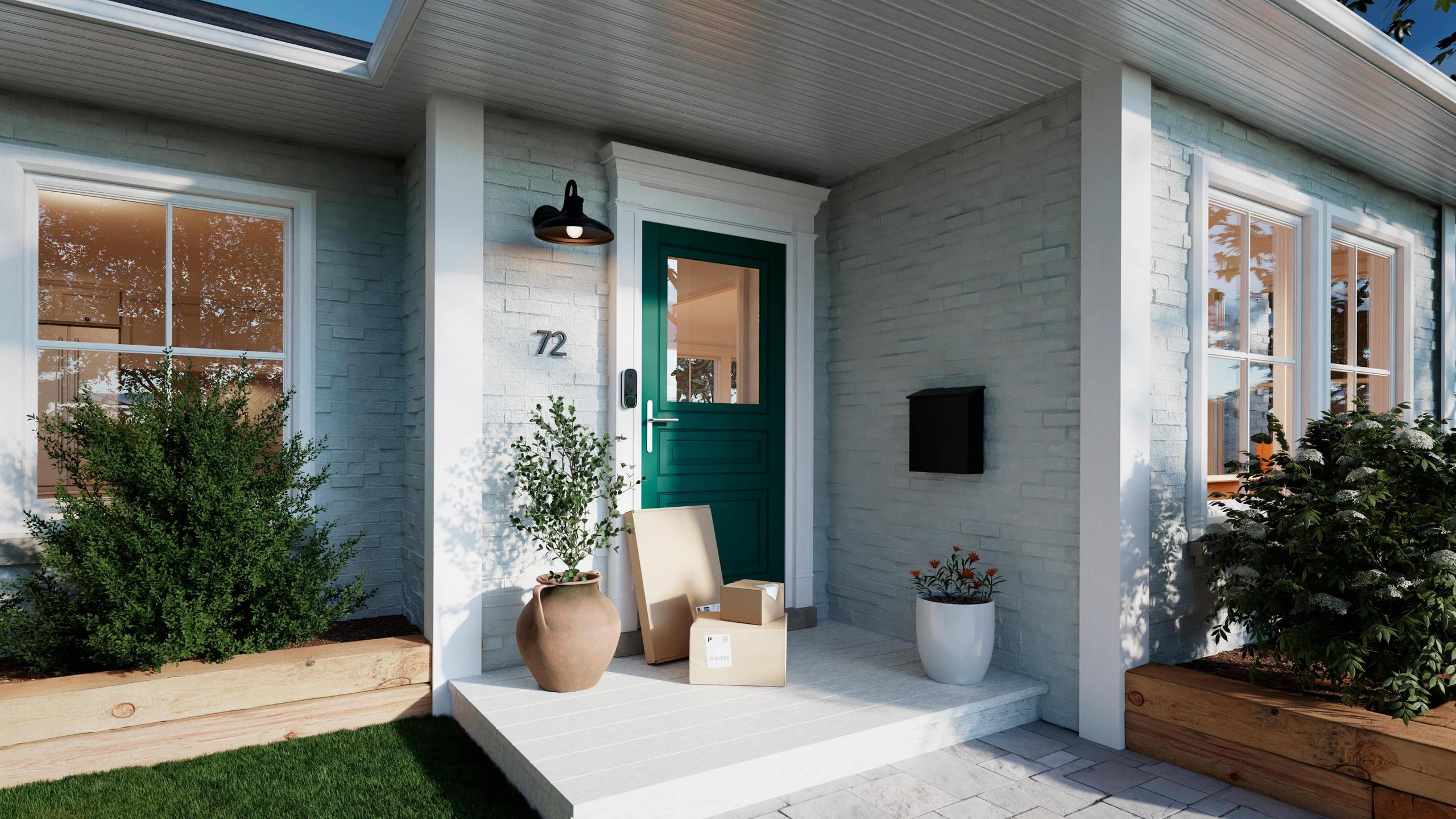

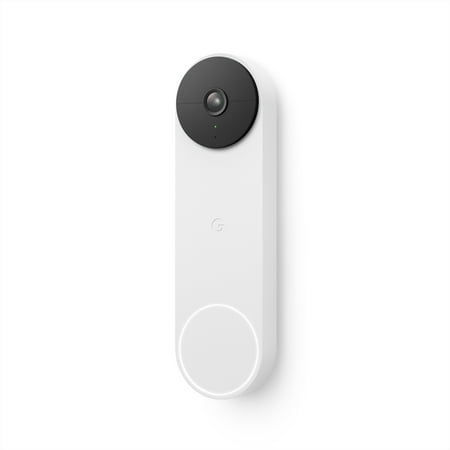




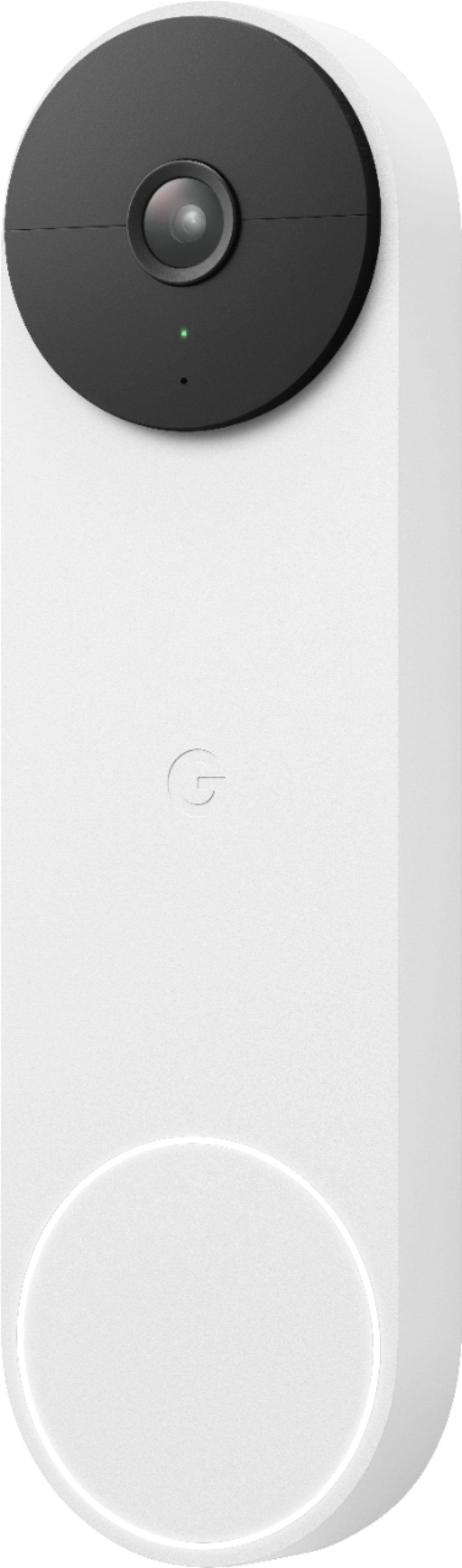
Smart video doorbells have evolved from simple chime replacements to sophisticated home security devices. Choosing between the ecobee Smart Doorbell Camera and Google Nest Doorbell Battery isn't just about video quality - it's about how these devices fit into your daily life and existing smart home setup.
The ecobee doorbell, released in October 2023, represents the newest generation of wired smart doorbells. Its late entry into the market allowed ecobee to learn from competitors' mistakes, particularly in areas like field of view and smart detection capabilities. Meanwhile, the Nest Battery doorbell, launched in August 2021, pioneered battery-powered flexibility but made some compromises in video quality to achieve better battery life.
The $159.99 ecobee doorbell requires existing doorbell wiring (16-24 VAC), which might seem limiting but offers significant advantages. You'll never worry about charging batteries or missing notifications due to power issues. The constant power supply also enables features like 24/7 recording and faster response times.
The $179.99 Nest Battery doorbell shines in installation flexibility. You can mount it anywhere without worrying about wiring, making it perfect for renters or homes without existing doorbell circuits. When hardwired, it maintains a battery backup for power outages. However, battery life varies significantly based on usage - expect 2-6 weeks between charges with typical use.
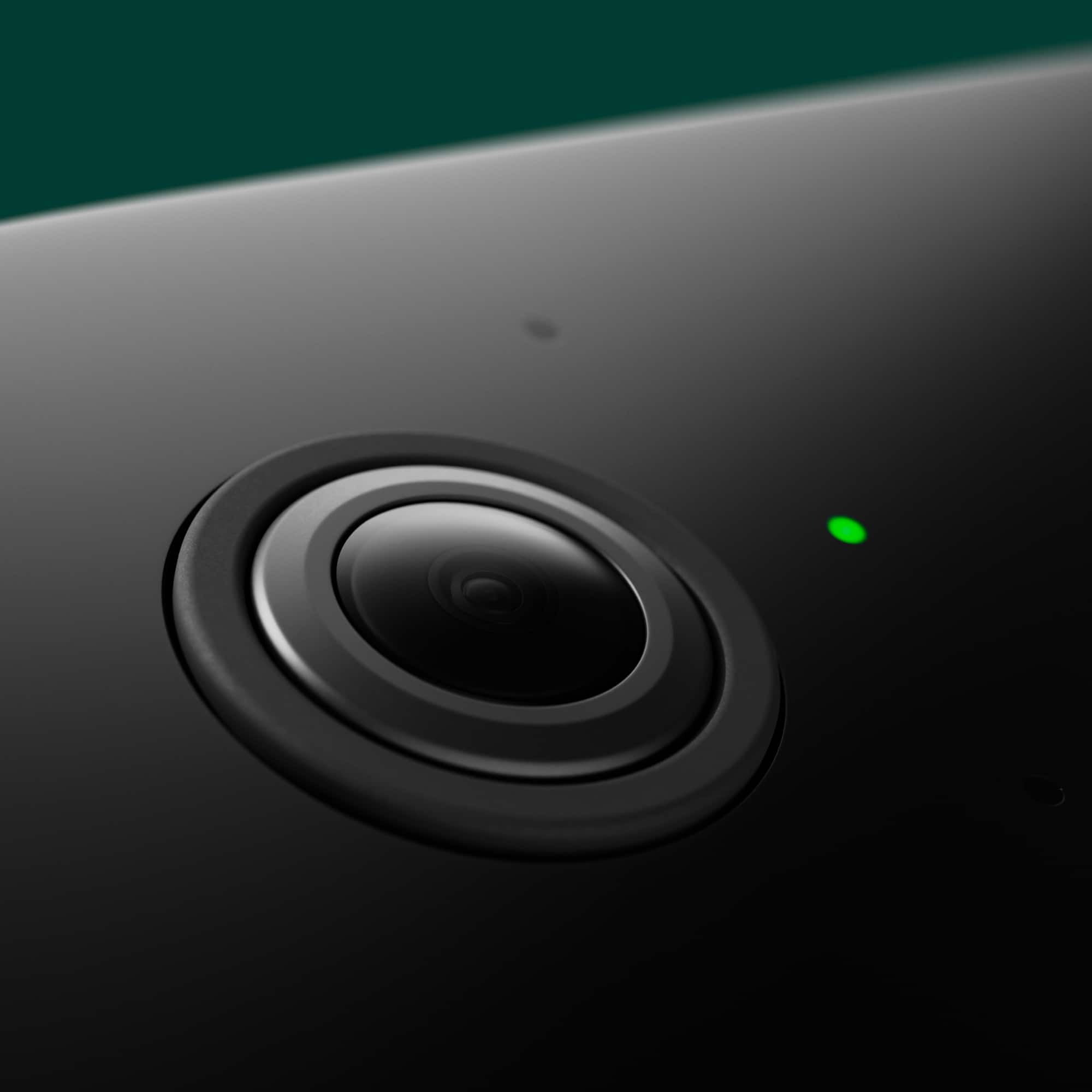
While the ecobee's 1080p resolution beats Nest's 960x1280, raw numbers don't tell the whole story. The ecobee implements HDR (High Dynamic Range) more effectively, handling bright sunlight and dark shadows better. In real-world testing, this means clearer faces and more readable package labels.
The ecobee's 175° vertical field of view represents a significant innovation. Unlike traditional doorbells that might miss packages placed close to the door, this wider view captures everything from ground to head height. The Nest's 145° diagonal view is more traditional but still practical for most situations.
Both doorbells feature infrared night vision, but the ecobee maintains color images longer into dusk thanks to its advanced light sensors. The Nest switches to black-and-white earlier but produces clearer images in complete darkness.
The ecobee uses radar verification combined with computer vision, reducing false alerts significantly. It's particularly good at distinguishing between people and objects, though it lacks the Nest's vehicle and animal detection.
The Nest employs on-device machine learning, processing images locally for privacy and speed. Its AI can identify familiar faces (with a subscription) and distinguish between different types of motion, from passing cars to delivery personnel.
Ecobee works seamlessly with Apple HomeKit and Amazon Alexa, allowing voice control through these platforms. HomeKit integration is particularly notable for privacy-conscious users, as it enables local processing and encrypted storage.
Nest's Google Home exclusivity might seem limiting, but it offers deeper integration within the Google ecosystem. Voice announcements through Google speakers and automatic routines work particularly well.
In daily use, the ecobee's wired connection provides consistently faster notification delivery and live view access. The Nest can take an extra second or two to wake from battery-saving mode, though this isn't noticeable when hardwired.
The ecobee's better weatherproofing makes it more suitable for exposed locations, while both handle typical weather conditions well.
While both doorbells now sell for similar prices, their value propositions differ:
Ecobee ($159.99):
Nest ($179.99):
Both require subscriptions for advanced features, but Nest's free tier offers more functionality. The ecobee's subscription provides better value if you're already using other ecobee security products.
Both doorbells excel in their intended use cases. The ecobee represents the latest in wired doorbell technology, with superior video quality and weather resistance. The Nest offers unmatched flexibility and mature AI features, despite its older design.
Your choice should ultimately depend on your installation requirements and existing smart home ecosystem. Consider your priorities: Do you value installation flexibility over consistent performance? Is video quality more important than AI detection variety? Your answers to these questions will guide you to the right choice.
Remember that both manufacturers regularly update their devices' software, adding features and improving performance. The ecobee's newer hardware gives it more potential for future improvements, while the Nest's mature platform offers proven reliability.
| ecobee Smart Doorbell Camera Wired | Google Nest Doorbell Battery |
|---|---|
| Price - Initial investment consideration | |
| $159.99 (wired-only) | $179.99 (includes battery flexibility) |
| Video Resolution - Impacts face and package detail clarity | |
| 1080p HD with HDR (sharper details) | 960x1280 HD (slightly lower quality) |
| Field of View - Determines what you can see at your door | |
| 175° vertical (excellent for packages) | 145° diagonal (standard coverage) |
| Power Options - Affects installation flexibility | |
| Hardwired only (16-24 VAC required) | Battery or hardwired (2-6 week battery life) |
| Weather Resistance - Important for outdoor durability | |
| IP65 rated (-13°F to 113°F) | IP54 rated (-4°F to 104°F) |
| Smart Detection - Helps reduce false alerts | |
| People and packages with radar verification | People, packages, vehicles, animals with on-device ML |
| Video Storage - Access to recorded events | |
| Requires subscription for 30-day storage | 3 hours free, up to 60 days with subscription |
| Smart Home Integration - Ecosystem compatibility | |
| HomeKit, Alexa compatible | Google Home ecosystem only |
| Night Vision - Visibility in dark conditions | |
| Color in low light, IR in darkness | Switches to B&W IR earlier |
| Response Time - How quickly you get notifications | |
| Faster (constant power) | Slightly delayed in battery mode |
| Installation Requirements - Consider your setup | |
| Professional installation recommended, requires existing doorbell | DIY-friendly, no wiring needed for battery operation |
The ecobee Smart Doorbell Camera offers better video quality and package detection, while the Google Nest Doorbell Battery provides more installation flexibility. The "better" choice depends on your existing wiring and smart home ecosystem.
The ecobee Smart Doorbell has superior 1080p HD resolution compared to Nest's 960x1280, plus better HDR performance for clearer images in challenging lighting conditions.
The ecobee doorbell requires existing doorbell wiring, while the Nest Battery doorbell can work with or without wiring, making it more versatile for different installation scenarios.
The ecobee works with Apple HomeKit and Amazon Alexa, while the Nest only works with Google Home. Choose based on your existing smart home ecosystem.
The ecobee Smart Doorbell costs $159.99, while the Nest Doorbell Battery is priced at $179.99. Both may require additional subscription costs for advanced features.
Both doorbells detect packages, but the ecobee's 175° vertical field of view provides better visibility of packages placed close to the door compared to Nest's 145° diagonal view.
The Nest Doorbell Battery typically lasts 2-6 weeks between charges, depending on activity levels and settings. The ecobee doesn't use batteries.
Both offer night vision, but the ecobee maintains color images longer in low light conditions, while the Nest switches to black-and-white infrared vision earlier.
The ecobee has better weather resistance (IP65) and operates in colder temperatures (-13°F to 113°F) compared to Nest's IP54 rating and -4°F to 104°F range.
The Nest Doorbell offers 3 hours of free event history, while the ecobee requires a subscription for video storage. Both offer extended storage with paid plans.
The Nest Battery can be easily installed DIY, especially in battery mode. The ecobee requires proper doorbell wiring and professional installation is recommended.
The ecobee Smart Doorbell delivers faster notifications due to its constant power connection, while the Nest Battery may have slight delays, especially in battery mode.
We've done our best to create useful and informative comparisons to help you decide what product to buy. Our research uses advanced automated methods to create this comparison and perfection is not possible - please contact us for corrections or questions. These are the sites we've researched in the creation of this article: ecobee.com - forums.macrumors.com - androidpolice.com - youtube.com - bgemarketplace.com - ecobee.com - abt.com - acwholesalers.com - adiglobaldistribution.pr - investors.generac.com - wave-electronics.com - blueirissoftware.com - youtube.com - build.com - safehome.org - bestbuy.com - security.org - aesindianamarketplace.com - googlenestcommunity.com - abt.com - ny.home.myorustore.com - support.google.com - target.com

Privacy Policy
Terms and Conditions - Affiliate Policy
Home Security
© Copyright 2008-2026.
11816 Inwood Rd #1211, Dallas, TX 75244