

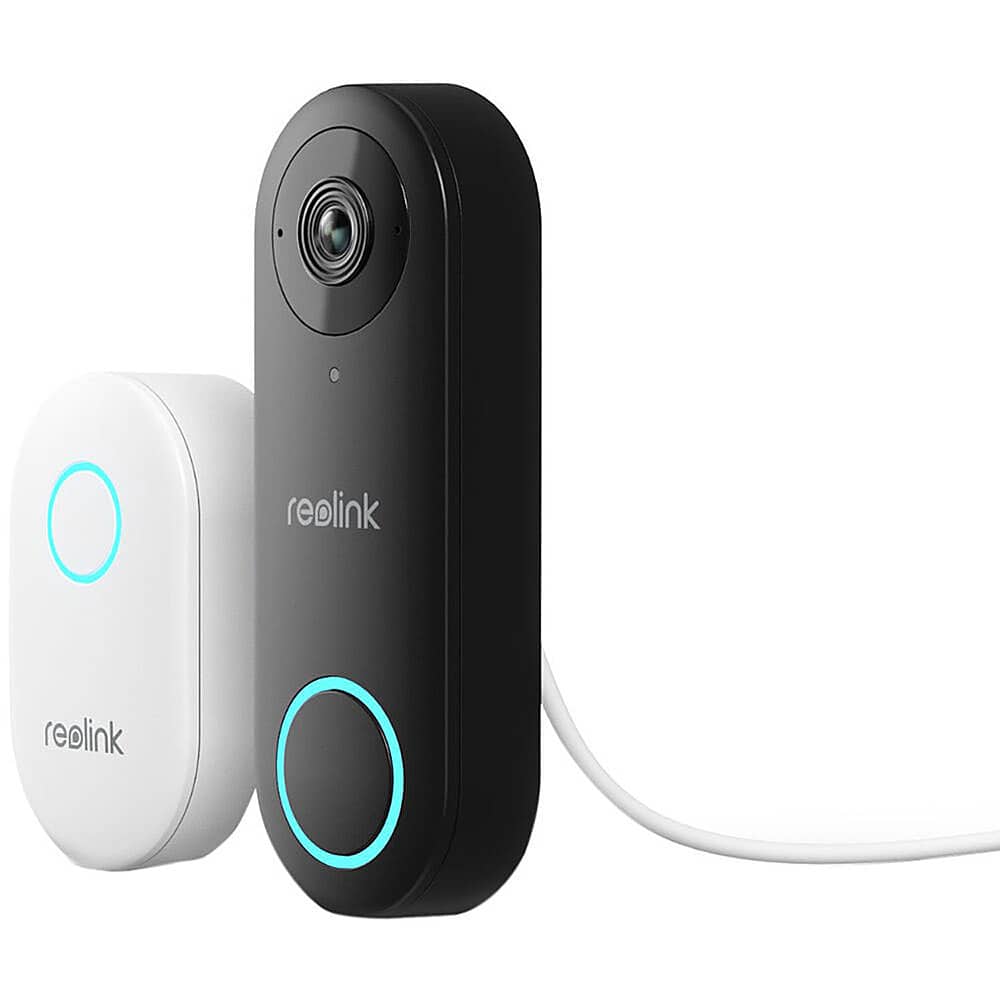
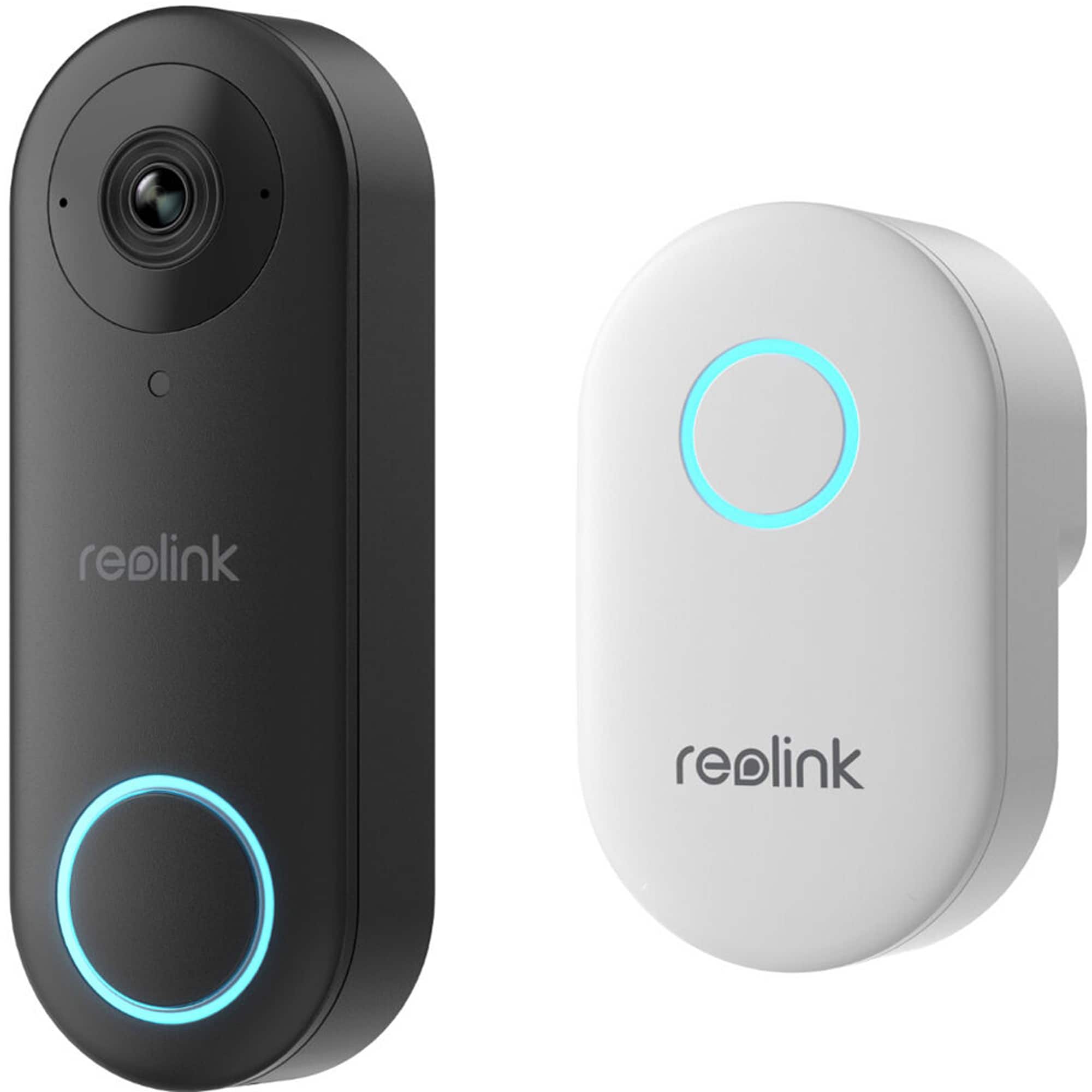
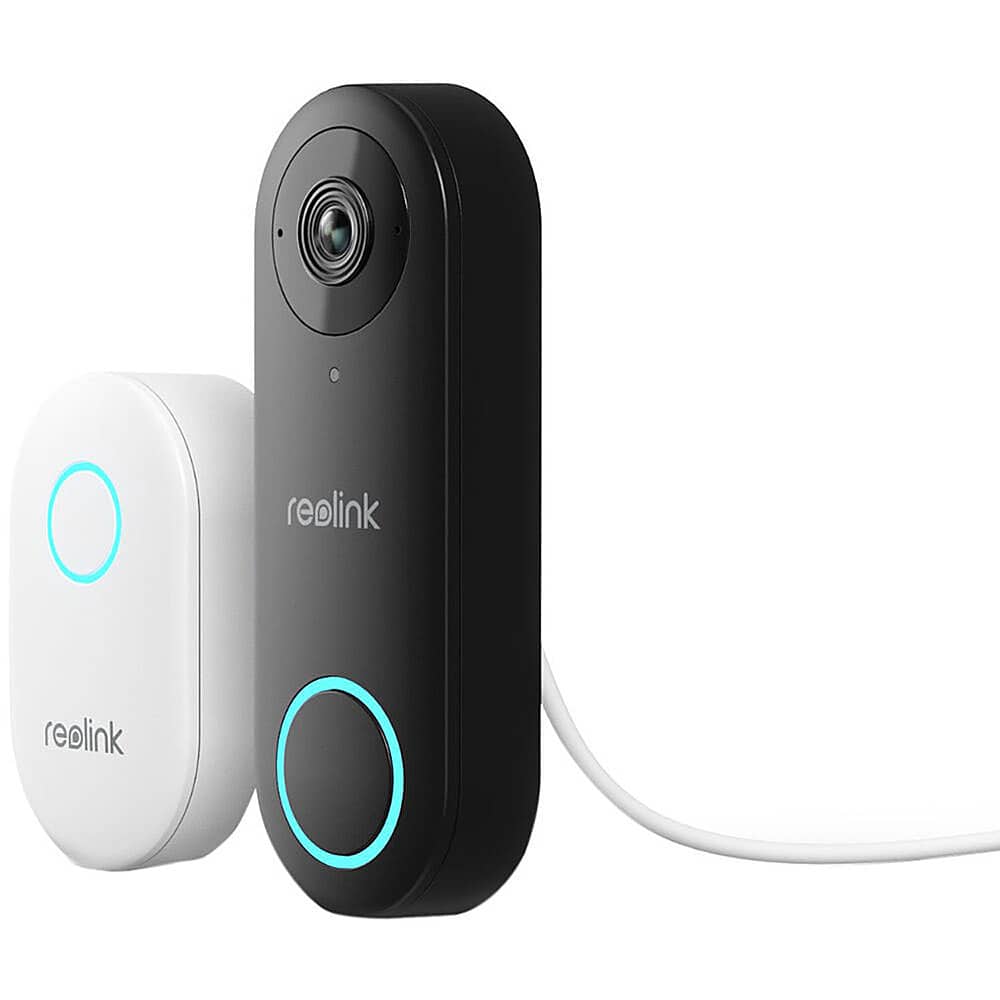
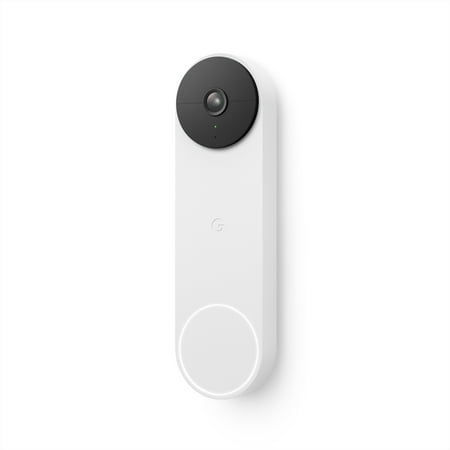




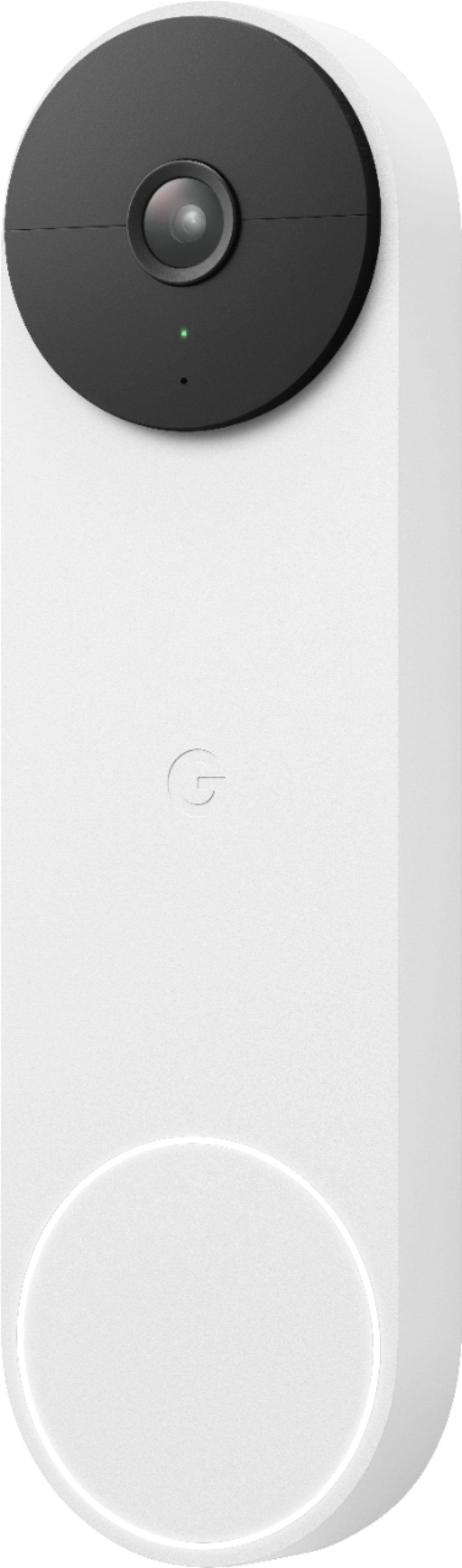
When it comes to keeping an eye on your front door, today's smart video doorbells offer capabilities that would have seemed like science fiction just a few years ago. The Reolink Smart Wi-Fi Video Doorbell Wired Chime ($89.99) and Google Nest Doorbell Battery ($129.99) represent two different approaches to this technology, each with distinct advantages.
Released in 2022, the Reolink doorbell brought high-resolution video to a more affordable price point. The Nest Doorbell Battery, launched in August 2021, focused on installation flexibility and smart features. Let's dive into how these devices compare and which might be right for your home.
The most noticeable difference between these doorbells is their video quality. The Reolink doorbell features a 5-megapixel sensor capturing 2560x1920 resolution video. That's significantly sharper than the Nest's 1.3-megapixel 960x1280 resolution. In practical terms, this means the Reolink can capture more detail like package labels or facial features from the same distance.
The field of view tells another important story. Reolink's 180-degree diagonal view provides comprehensive coverage of your entryway, while Nest's 145-degree view, while still good, might miss activity at the edges. This difference becomes particularly important for wider porches or when mounting options are limited.
Night vision capabilities also differ significantly. Reolink's infrared LEDs illuminate up to 33 feet, while Nest manages about 10 feet. For homes with poorly lit entryways, this could be a deciding factor.
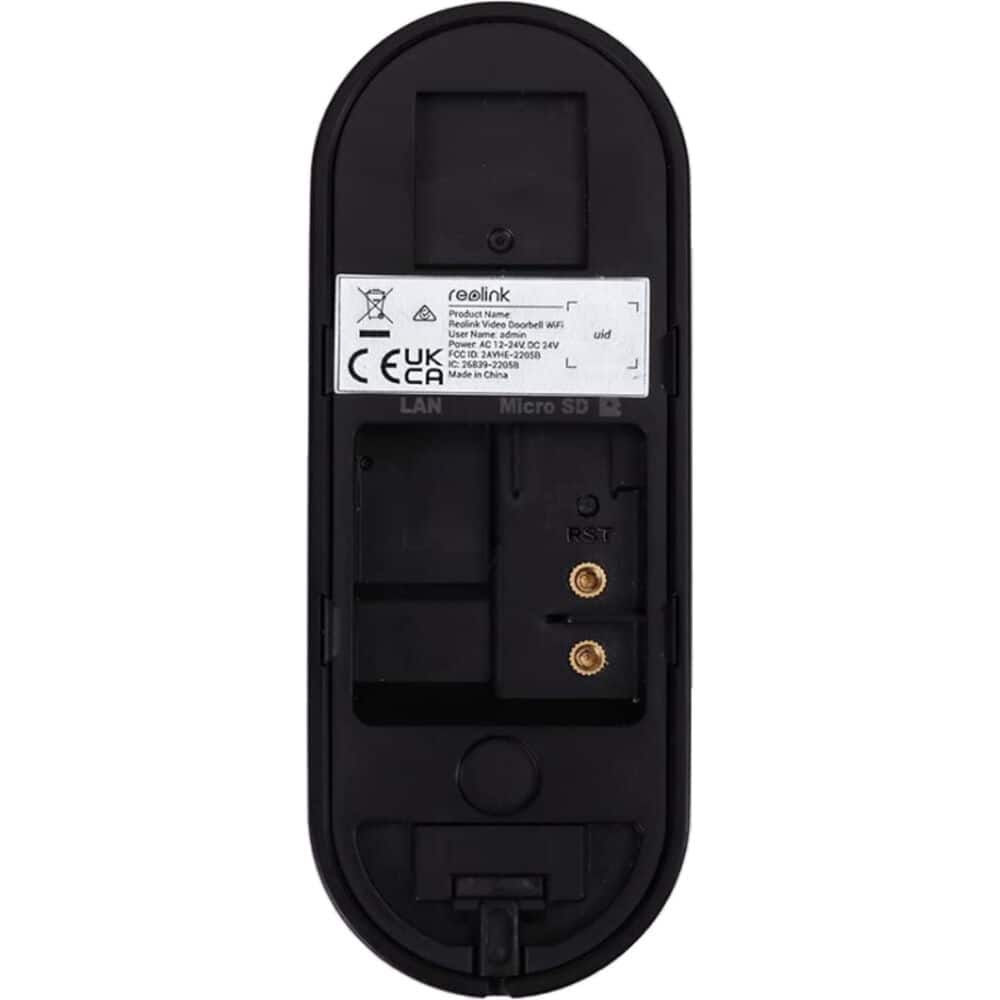
Here's where these devices take fundamentally different approaches. The Reolink requires hardwiring to your existing doorbell system (12-24V AC), which means a more reliable power source but potentially more complicated installation. The Nest offers both battery and hardwired options, making it more versatile.
The battery-powered option particularly appeals to renters or homes without existing doorbell wiring. However, this convenience comes with the responsibility of recharging every 2-3 months, depending on usage. In cold climates, battery life can decrease significantly - something to consider if you live in a region with harsh winters.
Both doorbells offer artificial intelligence detection, but they approach it differently. The Nest incorporates more advanced AI capabilities, distinguishing between people, packages, animals, and vehicles. It can even recognize familiar faces if you subscribe to Nest Aware. The detection is notably accurate, reducing false alerts that plague some security cameras.
The Reolink offers more basic but still effective person and vehicle detection. While it might not distinguish between a dog and a delivery person, it reliably alerts you to important activity. Both devices feature two-way audio, though Nest's noise cancellation technology provides clearer communication.
Storage approaches highlight another fundamental difference between these devices. The Reolink doorbell supports local storage via microSD card (up to 256GB) and can connect to a Network Video Recorder (NVR) system. This means no subscription fees and complete control over your footage.
The Nest primarily relies on cloud storage, offering just 3 hours of event history for free. To access more extensive history, you'll need a Nest Aware subscription ($6/month or $60/year for 30 days of event history). While cloud storage offers convenience and automatic backup, the ongoing costs add up.
For users already invested in the Google smart home ecosystem, the Nest doorbell offers seamless integration. It works naturally with Google Home displays, can announce visitors through Google speakers, and fits into automated routines.
Reolink's integration capabilities are more limited but still functional. It works with Google Assistant and Alexa for basic commands and viewing, though the experience isn't as polished as Nest's native integration.
In daily use, both doorbells perform their core functions well, but with different strengths. The Reolink's higher resolution provides noticeably better video quality, especially when you need to zoom in on details. Its wider field of view captures more of the scene, which can be crucial for security.
The Nest excels in smart features and ease of use. Its AI-powered notifications are more informative, telling you exactly what (or who) triggered an alert. The app experience is more refined, making it easier to access features and review footage.
Choose the Reolink if:
Choose the Nest if:
Both companies regularly update their devices' software, adding features and improving performance. Reolink has focused on enhancing AI capabilities and smart home integration, while Nest continues to refine its AI detection and battery optimization.
The smart doorbell market continues to evolve, but these two devices represent distinct philosophies: Reolink prioritizes hardware capabilities and value, while Nest emphasizes smart features and ecosystem integration. Your choice ultimately depends on which approach better matches your needs and preferences.
Remember that while the Reolink costs less upfront, it requires existing doorbell wiring. The Nest costs more initially and potentially ongoing with subscription fees, but offers more flexibility in installation and features. Consider both your immediate needs and long-term plans when making your decision.
| Reolink Smart Wi-Fi Video Doorbell Wired Chime | Google Nest Doorbell Battery |
|---|---|
| Resolution - Higher resolution means clearer details of faces and packages | |
| 2560x1920 (5MP) - Excellent detail at any distance | 960x1280 (1.3MP) - Adequate for most uses but noticeably lower quality |
| Field of View - Wider angles show more of your porch and visitors | |
| 180° diagonal - Captures entire entryway | 145° diagonal - May miss activity at edges |
| Power Options - Affects installation flexibility and maintenance | |
| Wired only (12-24V AC) - More reliable but requires existing wiring | Battery (2-3 month life) or wired - Flexible installation options |
| Storage Options - Impacts ongoing costs and data control | |
| Local microSD up to 256GB, no subscription needed | 3 hours free cloud storage, subscription required for more |
| Night Vision Range - Critical for overnight security | |
| Up to 33 feet with IR LEDs | Up to 10 feet with IR LEDs |
| Smart Detection - Affects alert accuracy and usefulness | |
| Basic person/vehicle detection | Advanced AI detection (people, packages, animals, vehicles) |
| Smart Home Integration - Important for ecosystem compatibility | |
| Basic Google Assistant/Alexa support | Full Google Home integration with advanced features |
| Included Accessories - Affects total cost | |
| Includes wired chime | No chime included (requires Google speaker) |
| Weather Resistance - Determines durability | |
| IP65 rated - Better protection against dust and water | IP54 rated - Basic weather protection |
| Price and Ongoing Costs - Total ownership expense | |
| $89.99, no subscription required | $129.99 + optional subscription ($6/month) |
The Reolink Smart Wi-Fi Video Doorbell offers better video quality and no subscription fees, while the Google Nest Doorbell Battery provides more flexible installation and advanced AI features. Reolink is better for video quality-focused users, while Nest suits those wanting smart features and battery power.
The Reolink doorbell has significantly better video quality with 5MP (2560x1920) resolution compared to the Nest's 1.3MP (960x1280). Reolink also offers a wider 180° field of view versus Nest's 145°.
The Reolink doesn't require a subscription and offers local storage via microSD card. The Nest provides only 3 hours of free cloud storage, requiring a subscription ($6/month) for extended video history.
The Google Nest Doorbell is easier to install since it can run on battery power. The Reolink doorbell requires hardwiring to existing doorbell wiring, making installation more complex but providing more reliable power.
The Nest Doorbell Battery typically lasts 2-3 months between charges under normal use. Battery life can be shorter in cold weather or with heavy usage.
The Reolink performs better at night with IR night vision reaching up to 33 feet, while the Nest only reaches about 10 feet.
The Nest integrates seamlessly with Google Home ecosystem. The Reolink has basic Google Assistant and Alexa support but less comprehensive integration.
The Nest Doorbell offers superior package detection with advanced AI features that can distinguish between packages, people, animals, and vehicles. The Reolink has more basic motion and person detection.
You need existing doorbell wiring for the Reolink. The Nest can work without wiring using its battery, making it more flexible for homes without existing doorbell systems.
The Reolink has better weather resistance with an IP65 rating, while the Nest has an IP54 rating. Both are suitable for outdoor use, but the Reolink offers better protection against dust and water.
The Reolink has no monthly fees and uses local storage. The Nest offers basic features free but requires a subscription ($6/month) for extended video history and advanced features.
The Reolink doorbell at $89.99 offers better value with higher video quality and no subscription fees. The Nest at $129.99 costs more initially and has ongoing subscription costs, but provides more smart features and installation flexibility.
We've done our best to create useful and informative comparisons to help you decide what product to buy. Our research uses advanced automated methods to create this comparison and perfection is not possible - please contact us for corrections or questions. These are the sites we've researched in the creation of this article: connectit.ie - odpbusiness.com - bestbuy.com - officedepot.com - youtube.com - bensoftware.com - reolink.com - bhphotovideo.com - youtube.com - build.com - safehome.org - bestbuy.com - security.org - aesindianamarketplace.com - googlenestcommunity.com - abt.com - ny.home.myorustore.com - support.google.com - target.com

Privacy Policy
Terms and Conditions - Affiliate Policy
Home Security
© Copyright 2008-2026.
11816 Inwood Rd #1211, Dallas, TX 75244