

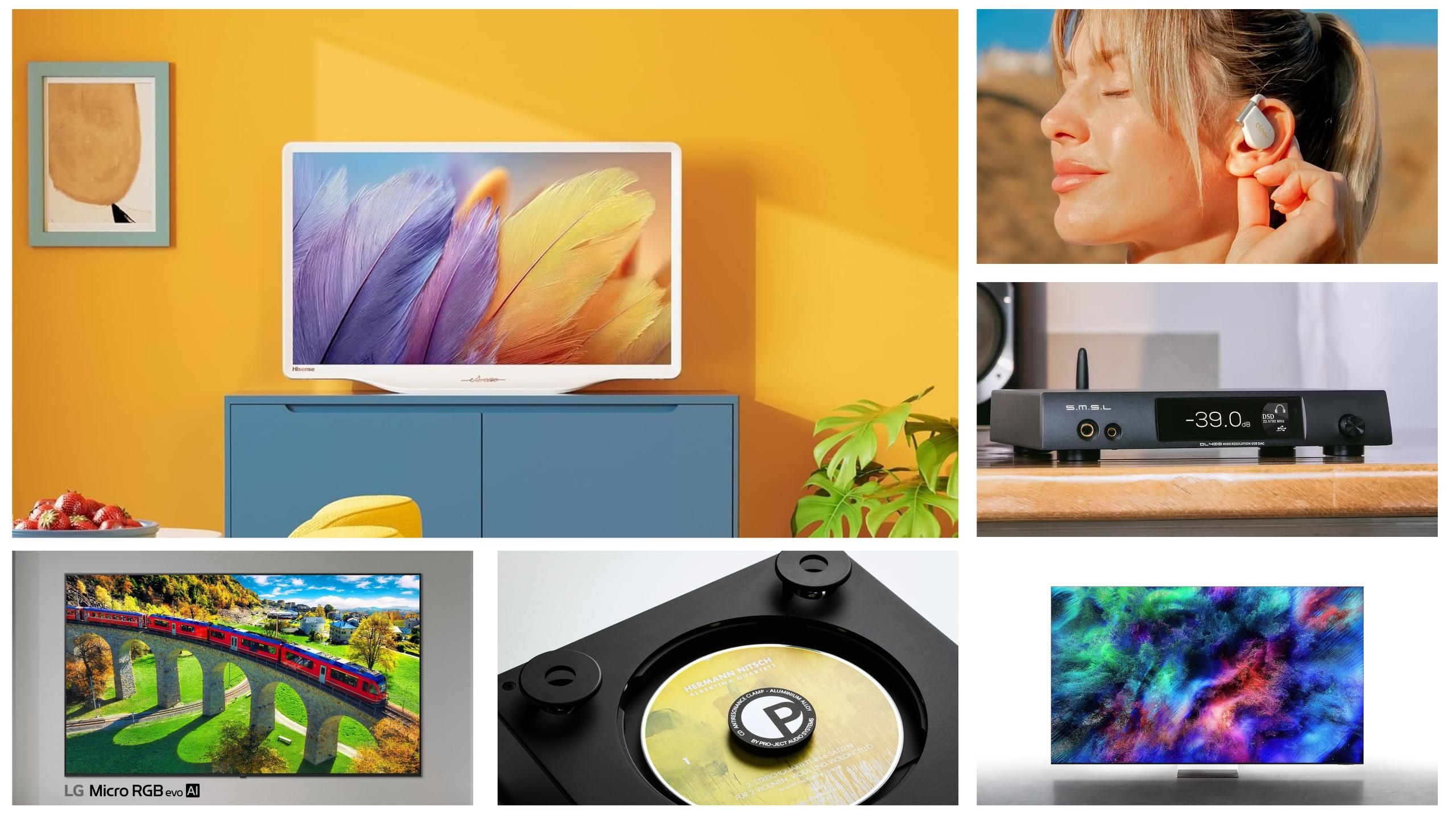
This past week was packed with new gear for home theater fans and audio nerds alike. LG wants to reimagine your living room with its Sound Suite, Samsung is doubling down on Micro RGB, and SMSL just made life harder for high-end DAC makers. Here’s a quick roundup of the coolest new gadgets that just dropped — and why they’re worth a look.

Not every TV has to be a 77-inch light cannon. Hisense’s new S5 DécoTV ($299.99 at Amazon) is a 32-inch QLED set designed to blend in, not dominate your room. Finished in a soft white with rounded edges and a sculpted stand, it’s basically a lifestyle TV for smaller spaces — bedrooms, offices, rentals, dorms.
Despite the design-first vibe, it’s not bare-bones: you get a 1080p Hi-QLED panel with HDR10 and HLG support, DTS Virtual:X for more spacious sound, three HDMI ports, and Fire TV built in for easy streaming and Alexa voice control. Apple fans get AirPlay and HomeKit support as well.
If you care more about how a TV looks in the room than chasing peak nit charts, this one’s squarely aimed at you. Read more.
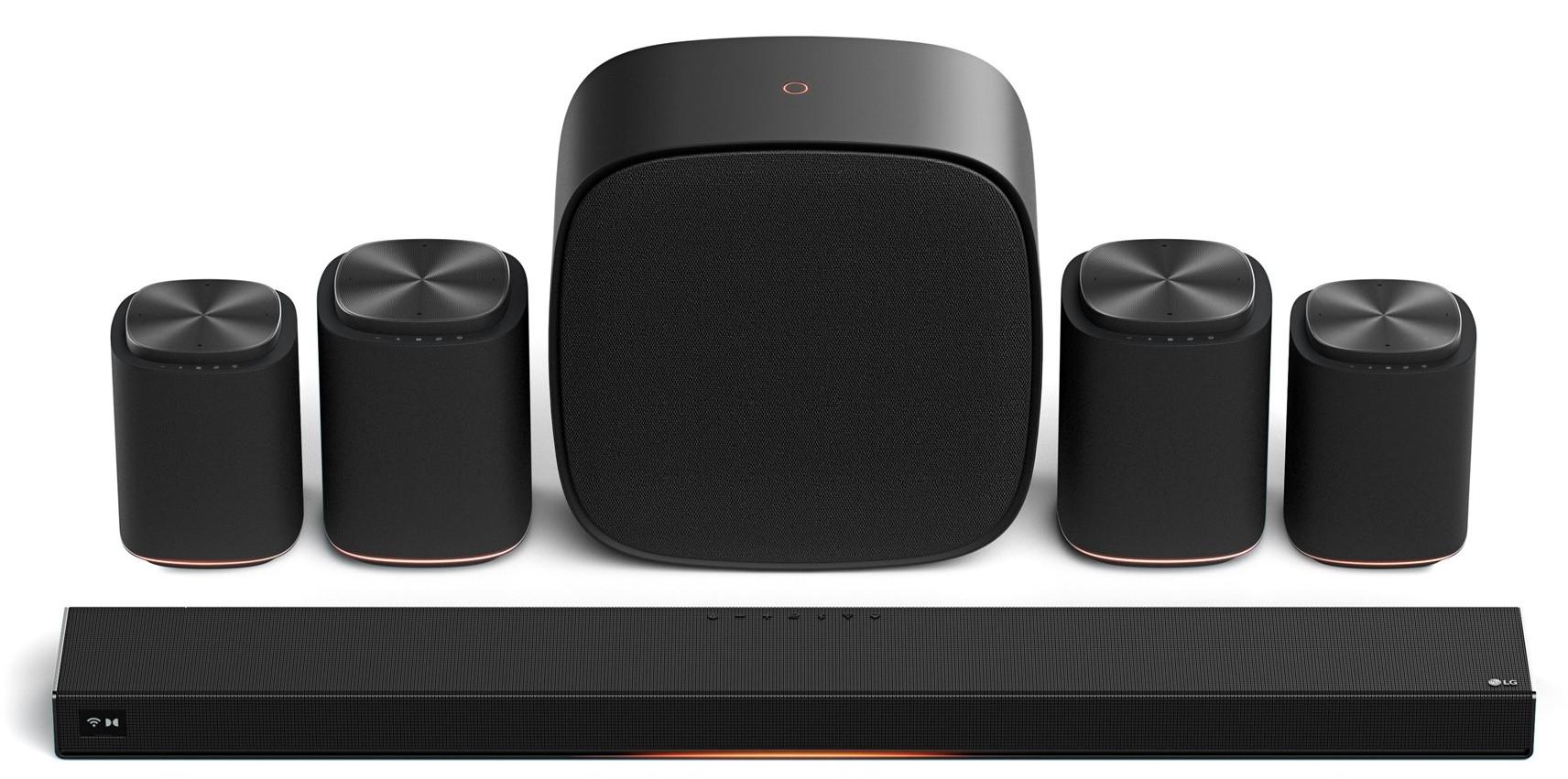
LG is taking on Sonos and traditional AVR setups with Sound Suite, a new modular audio system built around Dolby Atmos FlexConnect. Instead of forcing you into strict “left/right/surround” speaker placements, Sound Suite lets you drop speakers wherever they fit and then auto-calibrates the sound around your actual room.
The lineup includes the H7 soundbar (with 20 drivers and a 3.1.2 layout), M5 and M7 wireless speakers that can work as surrounds or standalone music speakers, and the W7 subwoofer that can stand up or lay flat behind furniture.
The wild part? In its most maxed-out configuration, LG says you can scale up to a 13.1.7 system — that’s more channels than most flagship soundbars even dream about. Pricing is still TBD, but we should learn more at CES 2026. Read more.

If you hate having your ears plugged but still want good sound, Cleer’s new Arc 4 and Arc 4+ ($129.99 at Amazon) might be the sweet spot. They hook over your ears with an open-ear design that leaves your ear canal unobstructed, so you can hear traffic, coworkers, or kids while still listening to music or podcasts.
What makes them stand out is the combo of THX Certification, Hi-Res Audio support from 65Hz to 40kHz, and Cleer’s DBE 4.0 bass enhancement to make up for the lack of a tight seal. Both models use 16.2mm drivers and Bluetooth 5.4, while the higher-end Arc 4+ layers on Dolby features and spatial audio tricks for more immersive listening.
In short: built for runners, commuters, and office people who want awareness and legit audio quality. Read more.
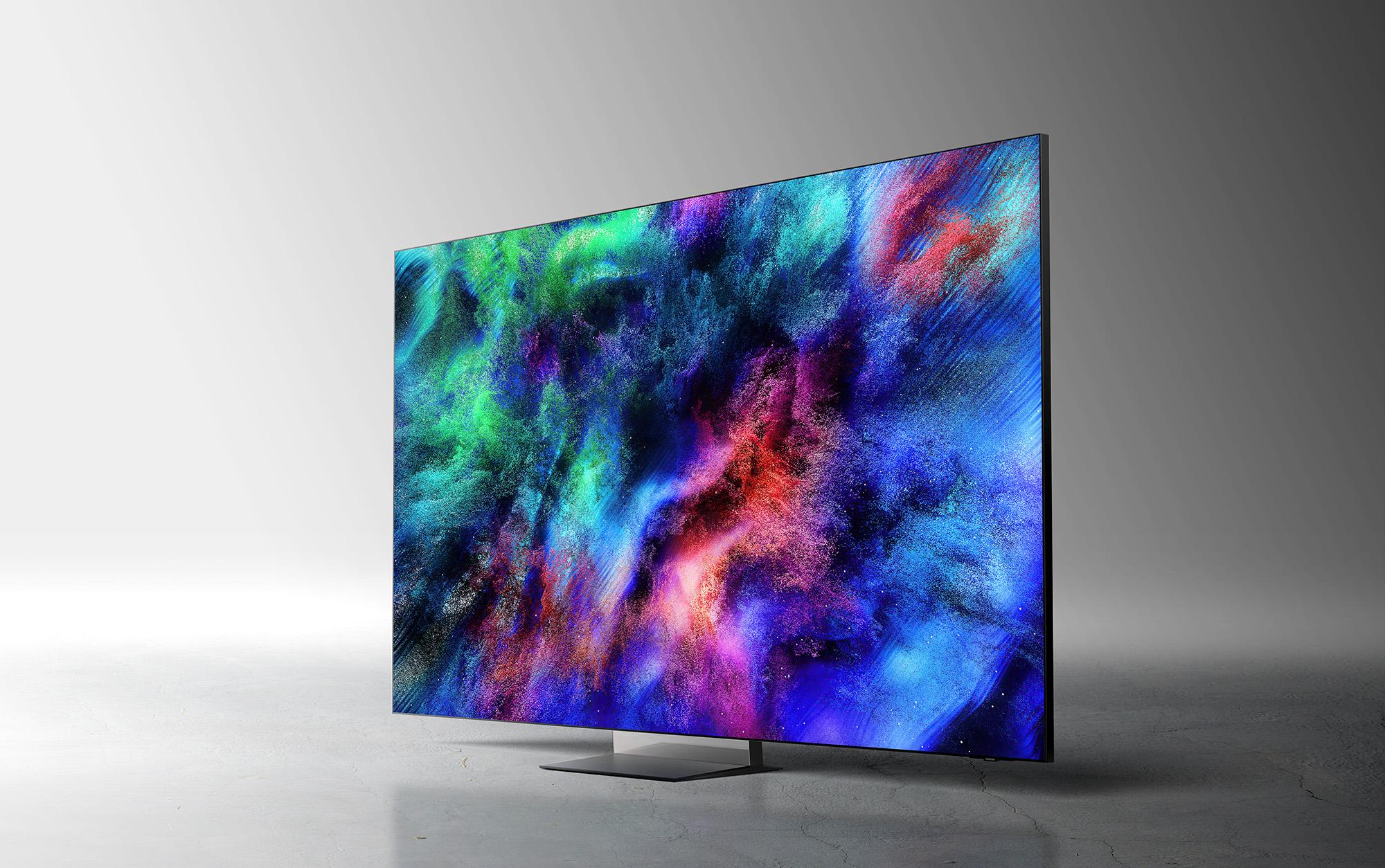
Samsung’s super high-end Micro RGB TVs are no longer limited to one gigantic, $30,000-ish model. The company just announced an expanded lineup for 2026, with screen sizes ranging from 55 inches all the way up to 115 inches.
Micro RGB uses tiny red, green, and blue LEDs that emit their own light instead of relying on a white backlight and color filters. That allows for much more precise control over color and brightness, with Samsung claiming 100% coverage of the BT.2020 color gamut, backed by third-party certification.
The new models also get the Micro RGB AI Engine Pro for sharper upscaling, motion handling, and HDR, plus goodies like Glare Free coating, Vision AI Companion, Dolby Atmos support, and Eclipsa Audio. Pricing is still firmly “premium,” but smaller sizes at least open the door to slightly less eye-watering totals. Read more.
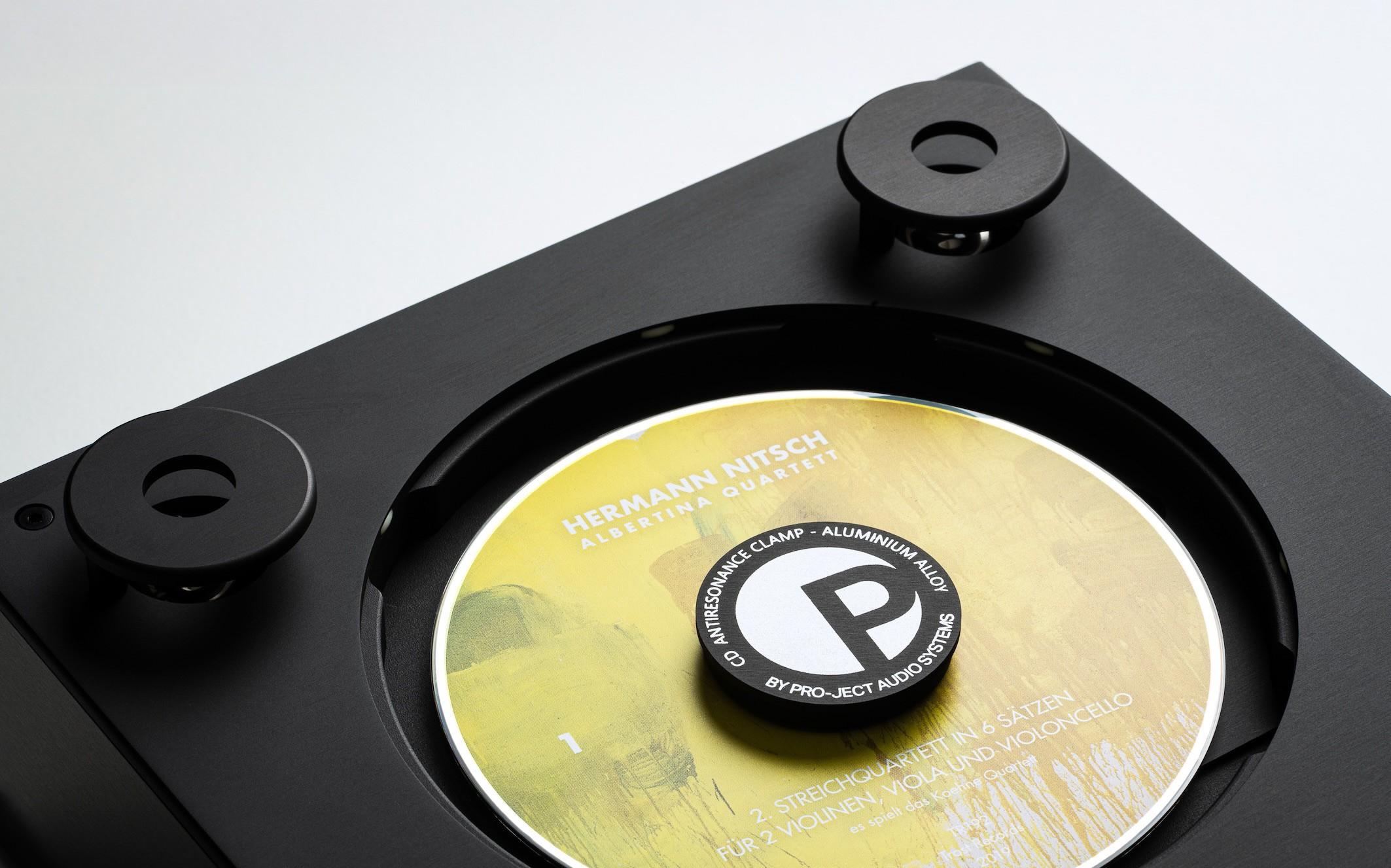
If you still have shelves of CDs (and secretly love them), Pro-Ject’s CD Box RS2 Tube is basically fan service. It’s a high-end CD transport, DAC, and tube output stage rolled into one compact, aluminum-bodied box aimed squarely at serious disc listeners.
Inside, you get a dedicated SUOS-HiFi Red Book CD mechanism with a top-loading design and magnetic clamp, plus the BlueTiger CD-88 servo for better error correction — especially handy for older or slightly scratched discs. Digital-to-analog conversion is handled by a Texas Instruments PCM1796 DAC, with both RCA and balanced XLR outputs on tap, along with optical and coaxial digital outs if you want to use an external DAC.
The tube stage uses a pair of E88CC vacuum tubes to subtly shape the analog signal, aiming for that warmer, smoother presentation many people associate with classic hi-fi gear. It’s not cheap, but it’s clearly built for people who actually use their CD collection, not just store it. Read more.
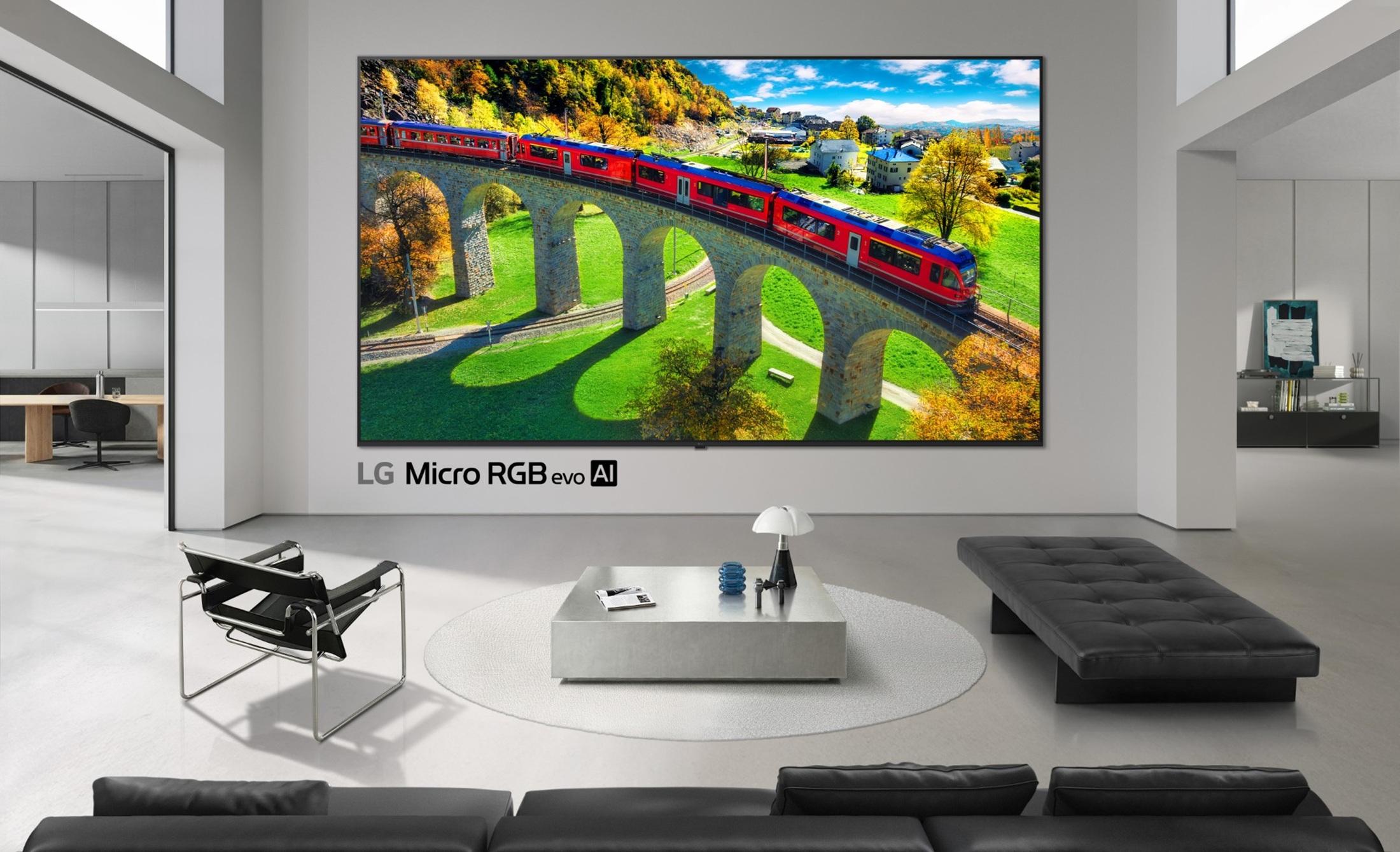
On the TV side of the arms race, LG introduced the Micro RGB evo lineup — starting with the MRGB95 series in 75, 86, and 100 inches. Despite the “micro” branding, this is still an LCD TV, but with a twist: it uses Mini LED backlighting with separate red, green, and blue LEDs in the backlight instead of the usual white LEDs plus a color filter.
That RGB backlight is paired with LG’s α11 AI Processor Gen 3 (borrowed from its flagship OLEDs), which individually manages more than a thousand local dimming zones. LG says the result is tighter contrast and color control, with coverage of 100% BT.2020, DCI-P3, and Adobe RGB — which is serious territory for HDR movies and creator workflows.
You also get Dual Super Upscaling for cleaner, lower-resolution content and LG’s latest webOS features like personalized home screens and AI-powered assistants. No pricing yet, but given the size and tech, expect it to sit firmly in the “aspirational” column. Read more.
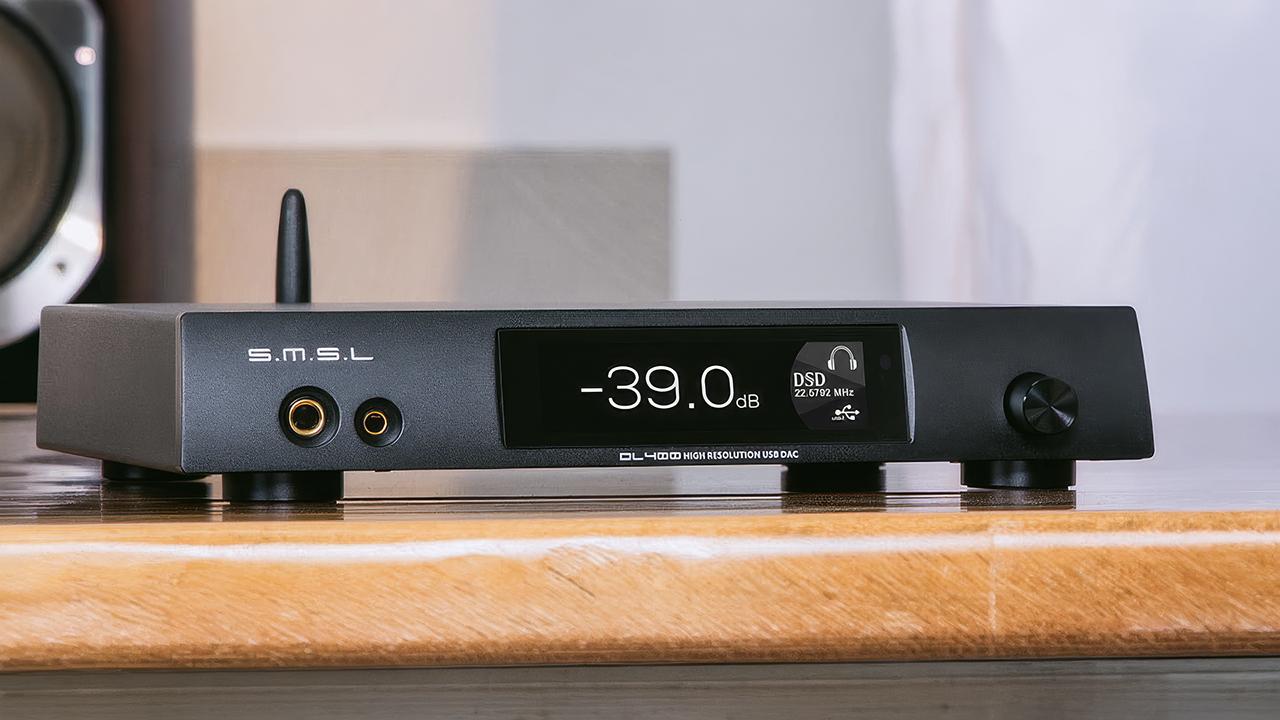
Finally, if your desk is your listening room, the SMSL DL400 ($499 at Amazon) is one of the more interesting new boxes to show up. It’s an all-in-one desktop DAC and headphone amp built around ESS’s flagship ES9039MSPRO DAC chip and an XMOS XU316 USB stage, with support for PCM up to 32-bit/768kHz, DSD512, MQA/MQA-CD, and high-res Bluetooth via LDAC and aptX HD.
Power isn’t an issue either: the balanced headphone amp can push up to 6W per channel into 16 ohms, with both 6.35mm single-ended and 4.4mm balanced outputs. On the back, you get a full spread of inputs (USB-B, USB-C, optical, coax, AES/EBU, Bluetooth, I2S) and outputs (RCA and XLR), plus firmware updates for future tweaks.
You can also choose from multiple digital filters and “sound color” modes, switch between DAC-only and preamp modes, and control everything via a clean front display and remote. For anyone ready to step up from a dongle but not yet into four-figure stacks, it’s a very tempting hub. Read more.




Privacy Policy
Terms and Conditions - Affiliate Policy
Home Security
© Copyright 2008-2026.
11816 Inwood Rd #1211, Dallas, TX 75244